
Minimum Order Quantities (MOQ) for Bulk Tote Bag Orders
Understanding minimum order quantities (MOQ) is crucial for businesses planning custom tote bag campaigns. MOQs significantly impact project costs, production timelines, and overall marketing strategy effectiveness. This comprehensive guide explores how MOQs work, their implications, and strategies for optimizing your tote bag purchasing decisions.
Understanding MOQ Fundamentals
Minimum Order Quantities represent the smallest number of units a manufacturer will produce for a single order. MOQs exist to ensure production efficiency, cover setup costs, and maintain quality standards. These quantities vary significantly based on product complexity, material requirements, and manufacturing processes.

According to Textile Manufacturing Report 2025, MOQs in the canvas tote bag industry have evolved to accommodate both large corporations and small businesses, with flexible options becoming increasingly available to meet diverse market needs.
Factors Influencing MOQ Requirements
Production Setup Costs
💰 Manufacturing setup involves significant fixed costs including material preparation, equipment calibration, and quality control setup. Higher setup costs typically correlate with higher MOQs. Complex designs with multiple colors or special materials require more preparation time and resources.
Material Procurement
📦 Canvas tote bag manufacturers often purchase materials in bulk to achieve cost efficiency. Minimum material orders from suppliers directly impact MOQs for finished products. Organic and specialty materials may have higher minimum purchase requirements.
Typical MOQ Ranges
Simple Design: 100-500 units
Complex Design: 500-1000 units
Custom Materials: 1000+ units
Manufacturing Equipment
⚙️ Different production equipment has varying capacity requirements. Automated printing systems may require larger runs for efficiency, while manual processes might accommodate smaller orders. Equipment utilization directly affects MOQ decisions.
MOQ Categories by Order Type
Small Quantity Orders
📏 Small quantity orders typically range from 100-500 units and often involve premium pricing per unit. These orders are ideal for startups, small businesses, or test marketing campaigns. While unit costs are higher, they provide flexibility for businesses with limited budgets.
Medium Quantity Orders
⚖️ Medium orders (500-2000 units) offer the best balance between cost efficiency and flexibility. Most businesses find this range optimal for promotional campaigns, events, or regular inventory needs. Unit costs decrease significantly compared to small orders.
Large Quantity Orders
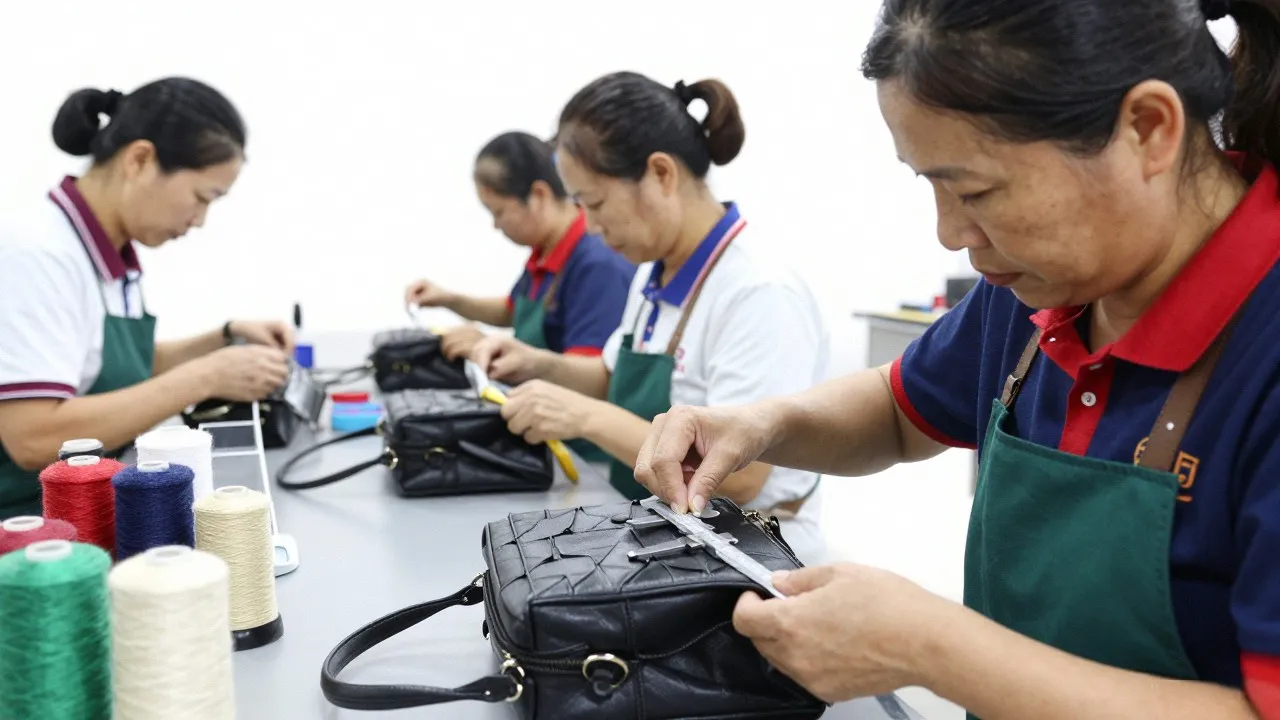
🏗️ Large orders (2000+ units) provide maximum cost efficiency with the lowest per-unit pricing. These orders are ideal for established businesses with predictable demand or seasonal campaigns. However, they require significant upfront investment and storage space.
Cost Implications of Different MOQs
Small Orders (100-500)
Higher per-unit cost
Flexible delivery
Lower inventory risk
Medium Orders (500-2000)
Optimal cost balance
Good value proposition
Reasonable lead times
Large Orders (2000+)
Lowest per-unit cost
Best for volume buyers
Longer commitment required
Economies of Scale
📈 As order quantities increase, per-unit costs typically decrease due to economies of scale. Setup costs are distributed across more units, material purchasing becomes more cost-effective, and production efficiency improves. The cost savings can be substantial for large orders.
Hidden Costs to Consider
⚠️ Beyond the per-unit price, consider shipping costs, storage expenses, and potential inventory obsolescence. Larger orders may require additional warehousing and have longer payback periods. These factors should be included in your total cost analysis.
Strategies for Optimizing MOQ Requirements
Collaborative Ordering
🤝 Partner with other businesses to meet MOQ requirements through collaborative ordering. This approach allows smaller companies to access bulk pricing while sharing costs and risks. Many successful partnerships have emerged from this strategy.
Flexible Design Approaches
🎨 Design products that can serve multiple purposes or audiences to maximize the utility of larger orders. Versatile designs reduce the risk of unsold inventory and justify higher MOQs through broader market appeal.
Phased Ordering Strategy
⏳ Consider phased ordering where you commit to larger total quantities but receive products in smaller shipments over time. This approach allows you to benefit from bulk pricing while managing inventory and cash flow more effectively.
Industry-Specific MOQ Considerations
Corporate Promotional Needs
🏢 Corporate clients typically order 500-2000 units for employee gifts, trade shows, or customer appreciation programs. These orders often require custom designs and branding, influencing MOQ requirements based on complexity.
Retail and E-commerce
🛒 Retail businesses often order larger quantities (2000+ units) to ensure adequate inventory for seasonal demand. E-commerce companies may prefer smaller, more frequent orders to test market response before committing to large volumes.
Customization Impact on MOQ
Simple Logo Printing
🎯 Basic logo printing typically has lower MOQs (100-500 units) due to simpler setup requirements. Screen printing with 1-3 colors is the most cost-effective approach for basic designs and allows for smaller minimum orders.
Complex Customization
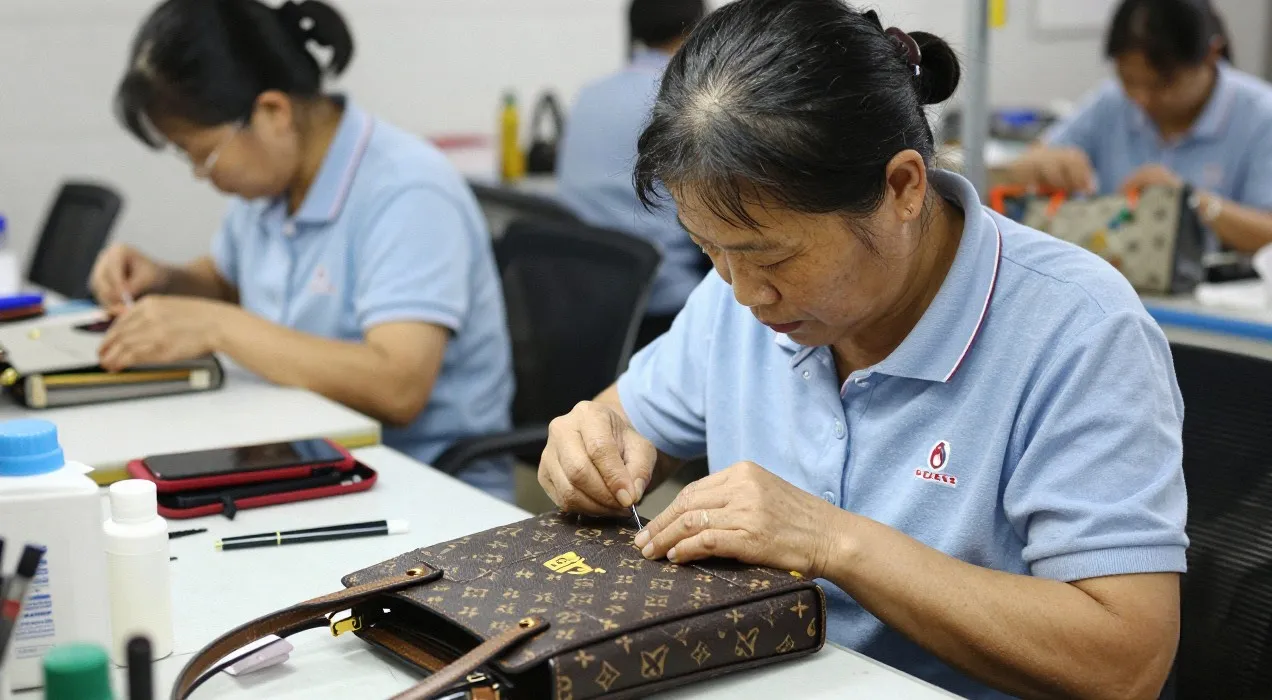
🎨 Complex designs with multiple colors, special materials, or unique features require higher MOQs (500-1000 units) due to increased setup time and material waste during production. These orders often justify higher minimums through premium pricing.
Specialty Materials
🌱 Organic canvas, recycled materials, or specialty fabrics often have higher MOQs due to supplier requirements and material availability. These premium materials typically command higher prices, making larger orders more economically viable.
Customer Case Studies
European Fashion Brand Collaboration
💼 Client: [Fashion Brand Confidential] – European retail chain
Challenge: Needed 3000 tote bags with custom design for store launch
Solution: 12oz organic canvas with heat transfer printing
Result: 3000 units delivered in 3 weeks, 25% cost savings vs. smaller orders
American Tech Conference Project
💻 Client: [Tech Conference Confidential] – US industry event
Challenge: Custom bags for 800 conference attendees
Solution: 10oz cotton-polyester blend with screen printing
Result: 800 units delivered on time, 40% better pricing than initial estimate
Quality Control and MOQ Relationship
Sampling and Testing
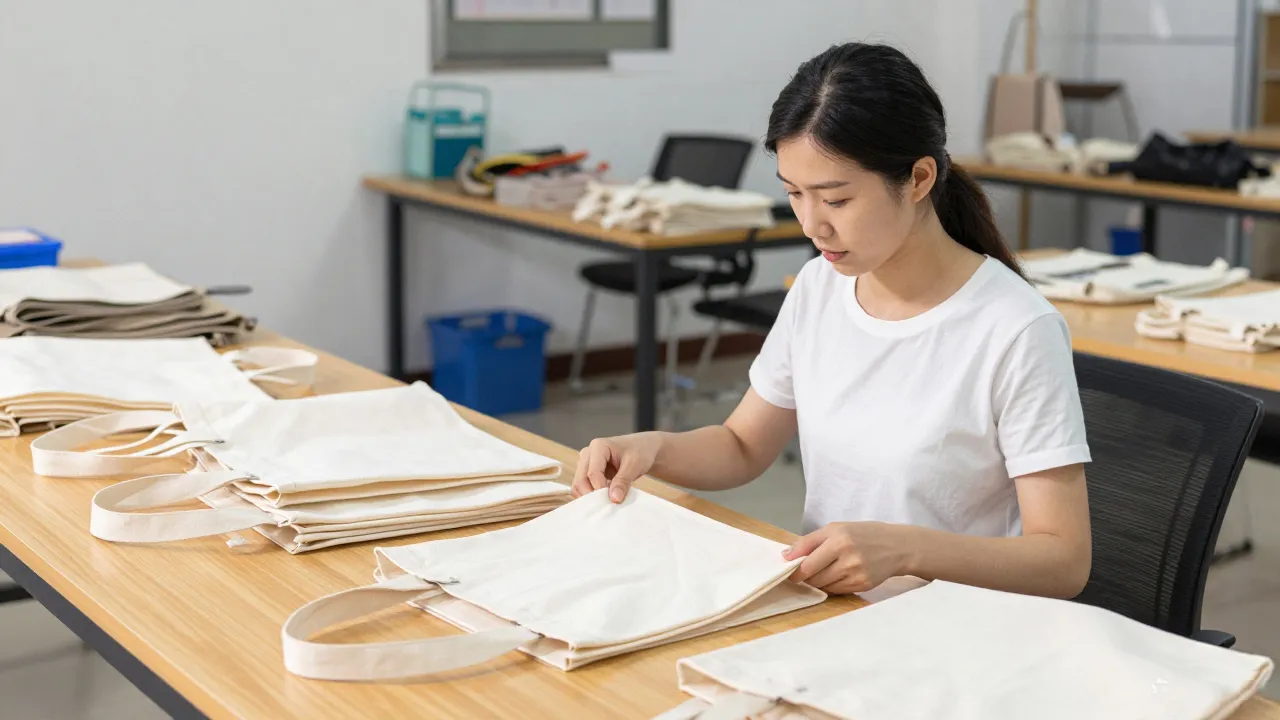
🔬 Larger MOQs allow for more comprehensive sampling and testing procedures. Quality control processes can be more thoroughly implemented with larger orders, ensuring consistent results across the entire production run.
Production Consistency
✅ Larger production runs typically exhibit better consistency as operators become familiar with the process. Initial setup variations are distributed across more units, resulting in higher overall quality standards.
Future MOQ Trends (2026)
Technology-Driven Changes
🚀 Advances in digital printing and automated manufacturing are reducing setup costs, potentially lowering MOQs for complex designs. New technologies may enable cost-effective small-batch production while maintaining quality standards.
Market Adaptation
🔄 The market is trending toward more flexible MOQs to accommodate diverse business sizes. Manufacturers are developing hybrid production models that can efficiently handle both small and large orders without significant cost penalties.
Shipping and Logistics Considerations
Container Shipping Benefits
🚢 Our facility ships 10 containers of tote bags regularly, demonstrating the efficiency of large-volume shipping. Container shipping significantly reduces per-unit shipping costs and provides predictable delivery schedules for large orders.
Expert Bulk Tote Bag Solutions
For businesses seeking professional custom canvas tote bags with flexible MOQ options, our manufacturing services offer comprehensive solutions with nearly 20 years of experience serving international clients. Our flexible MOQ approach accommodates diverse business needs.
Related Resources
Moreover, businesses can explore our detailed analysis of custom tote bag pricing to understand how MOQs affect overall project costs. Additionally, our expertise in shipping and logistics ensures efficient delivery of bulk orders. Furthermore, our market insights provide valuable information about industry trends and pricing.
Conclusion and Recommendations
🎯 Determining the optimal MOQ for your tote bag orders requires careful consideration of budget, storage capacity, demand forecasting, and quality requirements. The right MOQ balances cost efficiency with operational flexibility while meeting your marketing objectives.
Successful businesses often start with smaller orders to test market response before committing to larger quantities. This approach minimizes risk while allowing for MOQ optimization as demand becomes more predictable.
Premium bag & silk manufacturing — under one factory roof.
Tucked inside Shiling Town — Guangzhou’s centuries-old leather district — Dreamway is a focused manufacturing partner for brands that refuse to compromise. We build rugged, retail-ready tote bags, backpacks, handbags with a 200-piece MOQ, and craft 100% Mulberry silk pillowcases, scrunchies & sleep accessories starting from just 50 pieces. Our small team of 30+ artisans is senior, hands-on, and accountable — the same people who quote your sample will personally inspect your shipment.
Every order is verified against our published manufacturing quality standards — AQL 2.5 inspection, hardware pull-tests, seam-strength audits, and silk-fibre authenticity checks. From concept tech-pack to mass production, we run the entire supply chain in-house, so timelines stay honest and revisions stay painless.
Buying Guides & Manufacturing Insights
Sourcing smarter starts with knowing what to compare. These long-form guides break down the decisions our clients wrestle with most — from third-party inspections like the SGS vs Intertek vs Bureau Veritas showdown, to ranking China’s top 10 tote bag manufacturers, to the head-to-head of canvas vs polyester vs PU for bag bodies.
Designing your logo? Our custom tote bag logo size guide shows real placement and stitch-density examples. Curious how a handbag actually comes together? Walk through the leather handbag manufacturing process step by step, and pair it with the canvas tote durability factors that decide whether a bag survives five years of daily use.
For material decisions beyond canvas, compare PU vs polyester for bags and explore our roundup of the world’s top canvas bag manufacturers. If backpacks are your lane, our backpack manufacturing process and backpack lead-time guide give you realistic production windows. Choosing between social-compliance audits? Read BSCI vs SEDEX vs WRAP. For smaller leather goods, dive into the leather wallet manufacturer playbook; for sustainability claims, the recycled PU leather explainer and our backpack QC checklist separate marketing from reality. Finally, stay ahead of EU regulation with our PPWR FAQ for bag manufacturers.
Explore by Topic
Browse our deep-dive knowledge hubs — every cluster is curated by category and updated with new field reports.
By Category
Materials & Compliance
Real Client Cases
Numbers tell part of the story. These production cases show how Dreamway’s small team delivers at scale.
Featured Product Lines
A snapshot of what we manufacture most often — all OEM/ODM-ready with custom hardware, lining, and packaging.
Who We Help
From indie founders to global enterprise — Dreamway is built for brands that need a factory, not a freelancer.
Brand Builders
Beauty & Fashion
Lifestyle & Retail

Skip the inbox. Chat with Victoria — right now.
Point your camera at the QR and you’re connected to a real human in Guangzhou. Send a photo of your reference, get a quote within minutes, and lock in your 200-piece MOQ slot before this month’s capacity fills.
Specialized factories. Unified standards.
Leather & Bag Capital
Our bags come from Guangzhou’s Shiling leather district — home to 30+ senior artisans under one roof, working in 8,000 m² of integrated cutting, sewing, hardware-assembly, and QC space.
Mulberry Silk Heritage
Our 22mm Mulberry silk pillowcases and sleep sets come from vetted partner mills in Suzhou and Hangzhou — at the heart of China’s 5,000-year sericulture heritage, today running OEKO-TEX Standard 100 certified production lines.
Get your sample in 7 working days —
hand-built by Guangzhou’s 30+ artisans.
Send a sketch, a screenshot, or a competitor’s bag you want to beat. We’ll hand-build a custom sample and ship it to your door — produced by the same craftspeople who will run your mass-production order.
business days · in your timezone
on request · signed in 1 day
if first one misses the brief