
When sourcing tote bags for your business, understanding the distinction between a tote bag factory and a tote bag supplier is crucial for making informed procurement decisions. This comprehensive guide explores the key differences between these two business models with authoritative data and industry insights.
📋 Table of Contents
📊 Market Insights & Statistics
Global Tote Bag Market Growth: According to Future Market Insights, the global tote bag market is projected to reach $1.8 billion by 2034, with a CAGR of approximately 4.9% from 2024-2034. The canvas bags segment is expected to grow from $1.2 billion in 2025 to $2.1 billion by 2035 with a CAGR of approximately 6%, driven by reusable bag demand and sustainability trends.
🔍 Understanding the Core Definitions
Initially, it’s essential to distinguish between these two business models. A tote bag factory operates as a manufacturing entity that produces bags directly on their premises. Conversely, a tote bag supplier typically acts as an intermediary, sourcing products from various manufacturers and reselling them to clients.
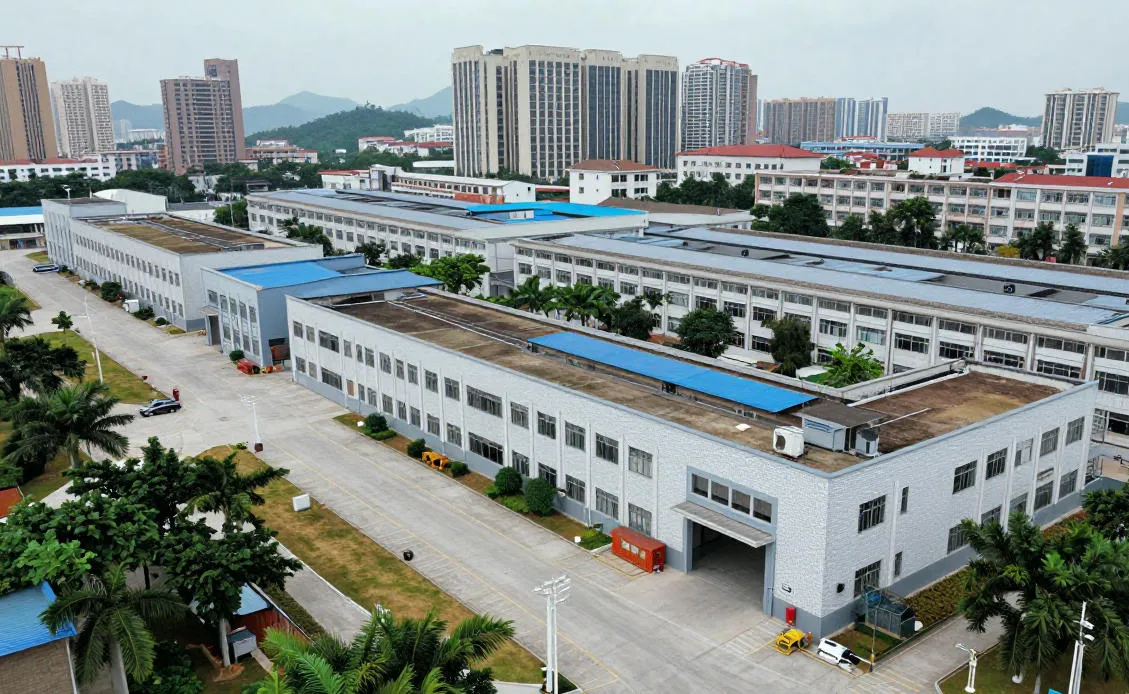
🏭 The Manufacturing Focus of Tote Bag Factories
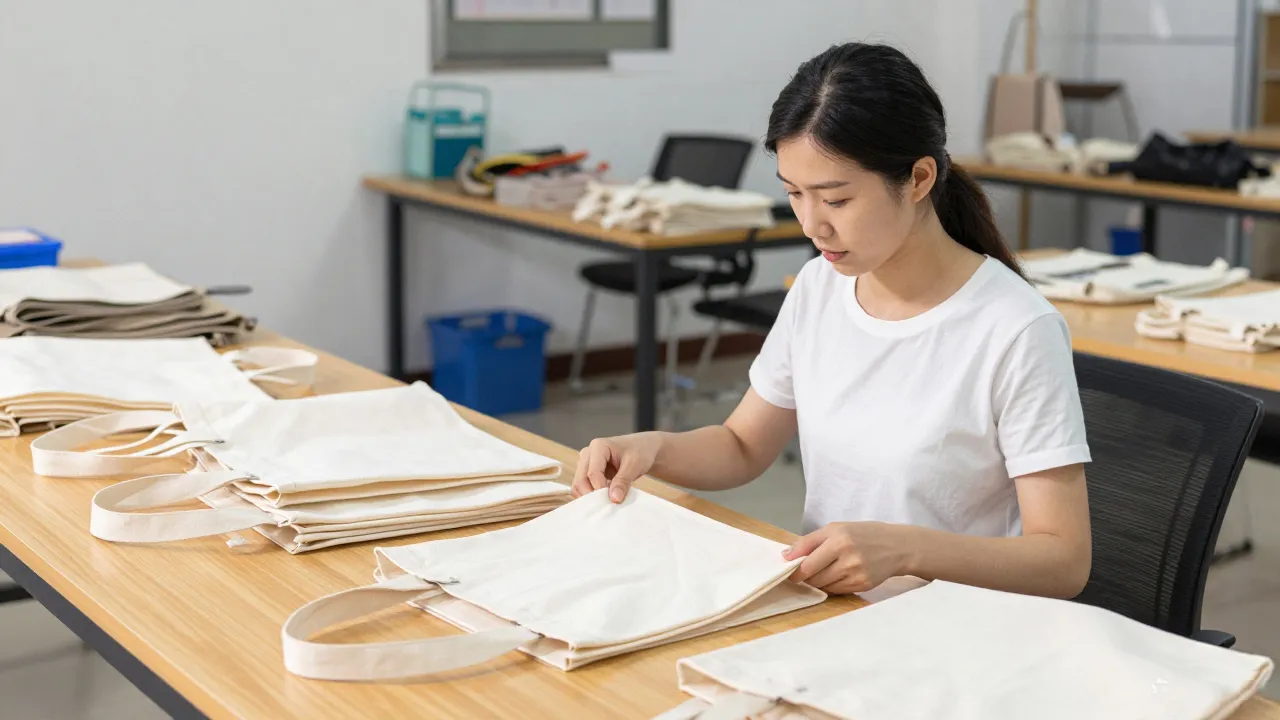
Furthermore, tote bag factories specialize in the actual production process. These facilities house the machinery, equipment, and skilled workforce required for manufacturing. They control the entire production cycle from raw material procurement to final product delivery.
Production Capabilities and Equipment
Additionally, tote bag factories invest heavily in industrial sewing machines, cutting equipment, and quality control systems. This infrastructure enables them to handle large-scale production orders efficiently. Their facilities often include design studios, sample rooms, and testing laboratories.
🤝 The Intermediary Role of Tote Bag Suppliers
Meanwhile, tote bag suppliers function differently by connecting buyers with manufacturers. They maintain relationships with multiple tote bag factory partners, offering clients access to various production capabilities without requiring direct factory relationships.

💰 Cost Structure and Pricing Models
Moreover, the cost structures between these two entities differ significantly. tote bag factories typically offer more competitive pricing due to their direct involvement in production. They eliminate intermediary markups, passing savings directly to clients.
Direct Manufacturing Costs
Consequently, tote bag factory pricing reflects actual production costs including materials, labor, and overhead. Suppliers, however, add their margin to the manufacturer’s price, potentially increasing overall costs for buyers.
| Aspect | Tote Bag Factory | Tote Bag Supplier |
|---|---|---|
| Direct Production | ✓ Yes | ✗ No |
| Quality Control | Full Control | Dependent on Partner |
| Pricing | Lower | Higher |
| MOQ Flexibility | More Flexible | Varies by Partner |
| Lead Time | Shorter | Longer |
| Customization | Full Control | Limited |
| Communication | Direct | Intermediary |
| Problem Resolution | Immediate | Delayed |
Visual Comparison
This comparison table clearly shows the key differences between tote bag factories and suppliers across multiple important business factors.
See Pricing Comparison
Get detailed pricing quotes from multiple tote bag factories and compare costs directly. Our comparison tool helps you find the best value for your project.
View Pricing Now Get Sample Quote🔧 Quality Control and Production Standards
Additionally, quality control represents a fundamental difference between these business models. tote bag factories maintain direct oversight of production quality, implementing rigorous testing protocols throughout the manufacturing process.
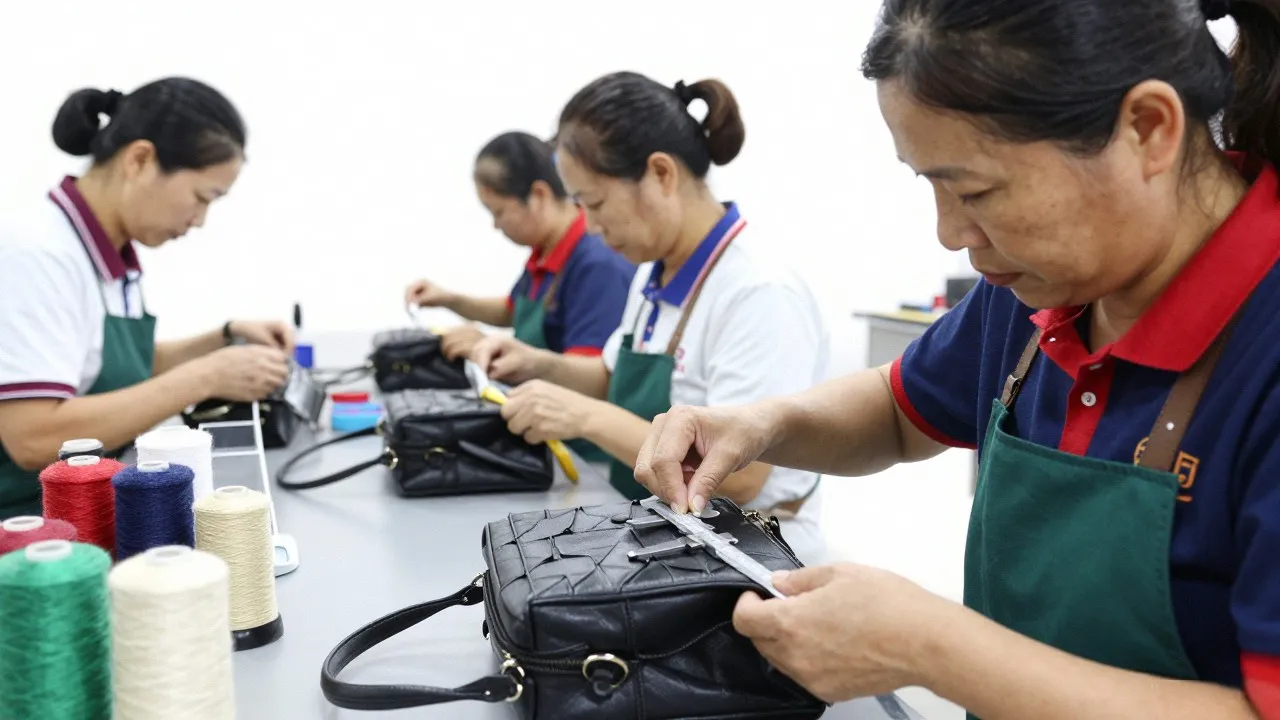
Factory Quality Assurance Systems
Furthermore, established tote bag factories implement comprehensive quality management systems. These include incoming material inspection, in-process quality checks, and final product verification. Such systems ensure consistent product quality and compliance with client specifications.
Testing Protocols and Standards
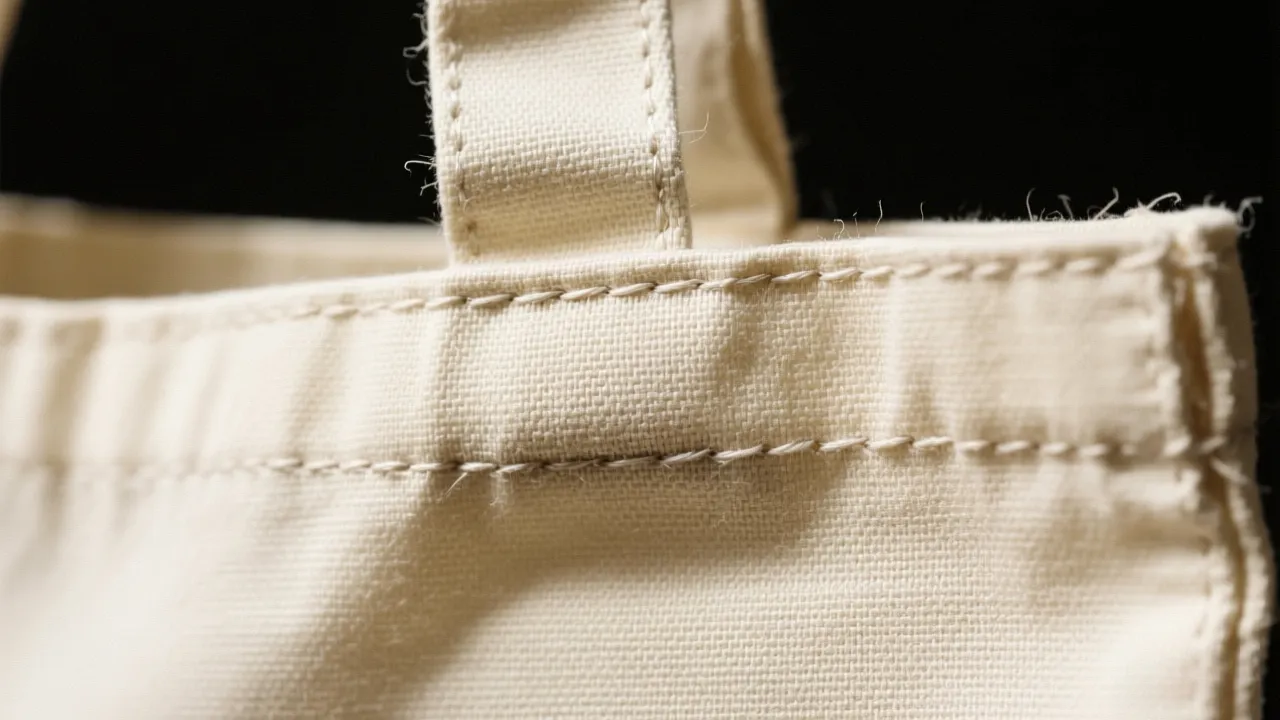
Similarly, professional tote bag factory operations conduct various tests including fabric strength, stitching durability, and colorfastness. These protocols help maintain consistent quality standards across production batches.
📋 ISO Textile Quality Standards
Tote bag factories often test fabric durability using international textile performance standards such as ISO 13934-1:2013 – Textiles – Tensile properties of fabrics, which specifies procedures for measuring tensile strength of woven fabrics. These ISO standards are commonly used by textile and fabric manufacturers for quality assurance and factory inspection processes.
📦 Production Capacity and Scalability
Meanwhile, production capacity significantly differentiates these two business models. tote bag factories can scale production based on their physical capacity and equipment capabilities. They often handle large orders efficiently due to their dedicated manufacturing infrastructure.
Large-Scale Production Capabilities
Moreover, experienced tote bag factories like those with nearly 20 years of operation can manage substantial orders. For instance, some facilities can handle shipments equivalent to 10 containers for single orders, demonstrating significant production capacity.
🎨 Customization and Design Capabilities
Additionally, customization capabilities vary between these entities. tote bag factories typically offer more extensive customization options since they control the entire production process. They can accommodate complex designs, special materials, and unique specifications.
Best Tote Bag Factory for Custom Designs
Consequently, tote bag factory operations often include in-house design teams capable of creating custom solutions. These teams work directly with clients to develop unique products that meet specific requirements and branding needs. When how to choose reliable tote bag factory for custom orders, look for facilities with dedicated R&D departments and sample development capabilities.

Tote Bag Factory Customization Options
Furthermore, tote bag factory customization options include various materials, sizes, colors, printing methods, and hardware choices. Direct factory relationships enable more flexible customization compared to supplier intermediaries.
🤝 Customer Service and Communication
Furthermore, communication dynamics differ between these models. tote bag factories provide direct access to production teams, engineers, and quality control personnel. This direct communication channel enables faster problem resolution and clearer specification understanding.
Direct Factory Communication Benefits
Meanwhile, direct communication with tote bag factory teams allows for real-time production updates, technical discussions, and immediate feedback. This transparency helps ensure projects stay on schedule and meet quality expectations.
🌍 Global Experience and Client Base
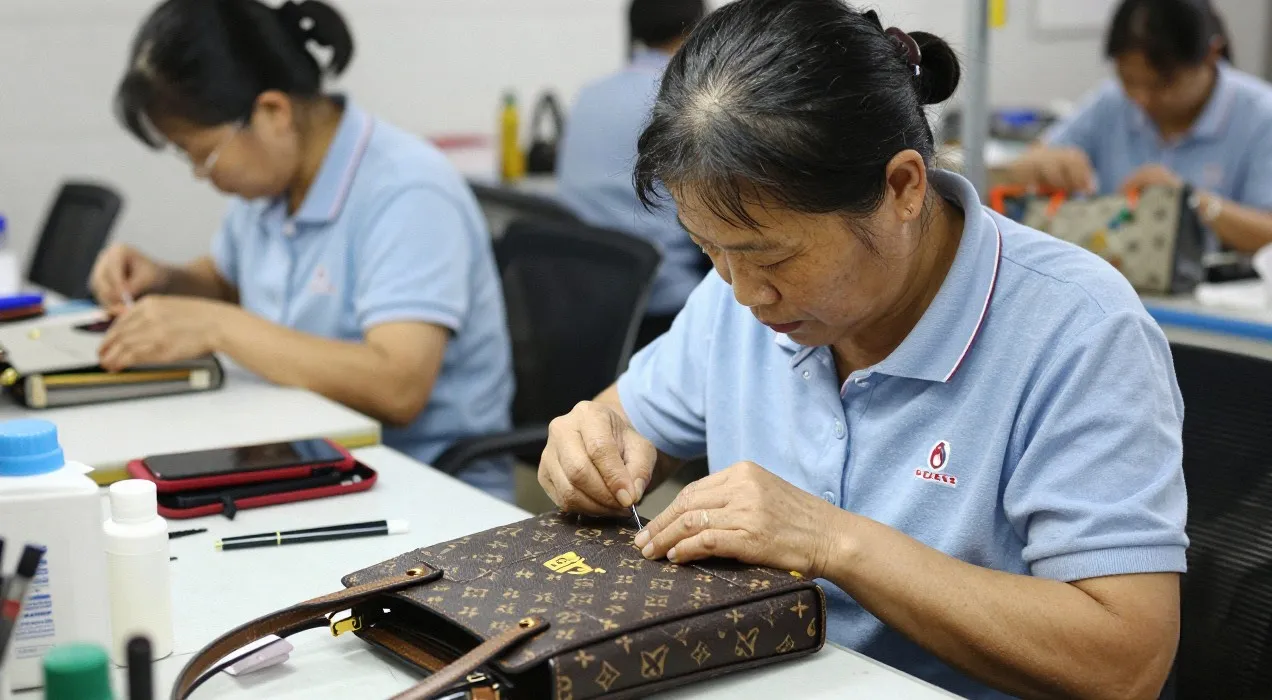
Additionally, established tote bag factories often serve diverse international markets. For example, factories with nearly 20 years of experience have served over 300 European and American clients, demonstrating proven reliability and quality standards.
International Quality Standards
Moreover, serving international clients requires tote bag factories to meet various global quality standards and certifications. This experience helps ensure products meet diverse market requirements and regulatory standards.
💼 Client Testimonials and Case Studies
Fashion Brand: “[Company name] has been our reliable partner for over 5 years, providing consistent quality and meeting tight delivery schedules for our seasonal collections.”
Retail Chain: “Working with a direct factory relationship has reduced our procurement costs by 15% while improving quality consistency across our product lines.”
🌱 Sustainable Manufacturing Practices
Furthermore, sustainability has become a critical factor in tote bag factory vs supplier differences. Many buyers now prioritize eco-friendly tote bag factory materials and sustainable tote bag factory certifications when making procurement decisions.
Canvas Tote Bag Factory Benefits
Additionally, canvas tote bag factory benefits include durability, customization options, and eco-friendly material choices. Canvas materials offer superior strength and longevity compared to synthetic alternatives, making them ideal for reusable bag applications.
📦 MOQ and Lead Time Considerations
Moreover, understanding tote bag factory minimum order quantities (MOQ) is crucial for procurement planning. Most tote bag factories require minimum orders ranging from 500 to 5,000 pieces, depending on complexity and customization requirements.
⏱️ Tote Bag Production Lead Time Guide
Typical tote bag production lead time guide shows production cycles of 15-30 days for standard orders, with complex customizations potentially extending to 45 days. wholesale tote bag factory options often provide faster turnaround times for larger volume orders.
Shipping and Logistics
Furthermore, tote bag factory shipping and logistics capabilities significantly impact total procurement costs and delivery schedules. Direct factory relationships often provide more transparent shipping options and better cost control.
🔬 Quality Standards and Testing
Additionally, tote bag factory quality standards encompass various testing protocols to ensure product durability and safety. These include fabric strength tests, stitching quality assessments, and colorfastness evaluations.
🧪 Tote Bag Factory Quality Standards Testing
tote bag factory quality control tests often follow international standards such as ASTM D5034 for fabric strength and ISO colorfastness standards. These tests ensure products meet durability and safety requirements for international markets.
🏆 Benefits of Working with Tote Bag Factory
Moreover, there are significant benefits of working with tote bag factory compared to supplier intermediaries. These advantages include direct communication, better pricing, enhanced quality control, and greater customization flexibility.
Key Benefits of Direct Factory Partnerships
- Cost Savings: Eliminate intermediary markups and achieve 15-25% cost reduction
- Quality Control: Direct oversight ensures consistent product quality
- Customization: Full control over design, materials, and specifications
- Communication: Direct access to production teams and engineers
- Flexibility: More adaptable MOQ requirements and production schedules
- Speed: Faster lead times and quicker problem resolution
📋 ISO Standards for Tote Bag Manufacturing
Furthermore, ISO standards for tote bag manufacturing provide a framework for quality assurance and consistency. These international standards ensure that certified tote bag factory for export operations meet global quality requirements.
Key ISO Standards for Tote Bag Manufacturing
- ISO 9001:2015: Quality management systems for consistent product quality – Learn More
- ISO 13934-1:2013: Tensile properties of fabrics for durability testing
- ISO 105-A02: Colorfastness testing for long-lasting appearance
- ISO 13937-1: Tearing strength testing for fabric durability
- ISO 12945-2: Dimensional stability testing for consistent sizing
Export Certification Requirements
Additionally, certified tote bag factory for export operations must maintain various certifications including BSCI for social compliance, SGS for product safety, and specific regional certifications for target markets such as CE marking for Europe or CPSIA compliance for the US market.
💰 Tote Bag Factory Cost Savings Analysis
Moreover, a detailed tote bag factory cost savings analysis reveals significant financial benefits of direct factory partnerships. When comparing supplier vs factory price comparison tote bags, direct relationships typically result in 15-25% cost reductions due to eliminated intermediary markups.
📊 Cost Savings Breakdown
Direct Factory Partnership Savings: 15-25% cost reduction compared to supplier intermediaries
MOQ Flexibility: average tote bag MOQ factory vs supplier shows factories often offer more flexible minimums (500-5,000 units) compared to suppliers (1,000-10,000 units)
Lead Time Advantage: Direct communication reduces project timelines by 20-30%
ISO 9001 Certified Tote Bag Factory List Considerations
When searching for an ISO 9001 certified tote bag factory list, focus on factories that maintain comprehensive quality management systems. These certifications ensure consistent product quality and reliable manufacturing processes.
Need Expert Guidance on Choosing the Right Tote Bag Factory?
Discover our comprehensive guide on how to choose a reliable tote bag factory with detailed insights on materials, MOQ requirements, pricing strategies, and customization options to make informed procurement decisions.
📚 Related Resources for Further Learning
Meanwhile, if you want to explore more about tote bag manufacturing, consider reading about How to Choose the Best Tote Bag Factory for Your Brand to understand the key factors that influence manufacturing partnerships.
📞 Contact Information for Direct Factory Relations
Moreover, for businesses seeking direct tote bag factory partnerships, established manufacturers with nearly 20 years of experience offer comprehensive services. Located at The 6TH Floor, No.110 Xian Lie Mid-Road, Guangzhou, China, these facilities operate daily from 9:00-17:00, providing reliable manufacturing solutions for international clients.
Ready to Find Your Perfect Tote Bag Manufacturing Partner?
Compare prices from top tote bag factories and get personalized quotes for your project. Our expert team helps you navigate supplier vs factory outsourcing decisions with data-driven insights.
❓ Frequently Asked Questions
How do I choose reliable tote bag factory?
When how to choose reliable tote bag factory, look for facilities with certifications like ISO 9001, BSCI, or SGS. Check their production capacity, quality control processes, and client testimonials. Verify their experience with your target market and ensure they can meet your specific requirements.
What are the main differences between tote bag factory vs supplier?
The key tote bag factory vs supplier differences include: factories produce directly and offer better pricing and quality control, while suppliers act as intermediaries with potentially higher costs but less management complexity.
What customization options are available with tote bag factories?
Tote bag factories offer extensive tote bag factory customization options including various materials, sizes, colors, printing methods (screen printing, digital printing, embroidery), hardware choices, and unique design specifications.
How do tote bag factory pricing comparison work?
Direct tote bag factory pricing comparison typically shows 15-25% cost savings compared to supplier intermediaries due to eliminated markups and direct production oversight. This supplier vs factory price comparison tote bags analysis demonstrates the financial advantage of direct relationships.
What quality standards do tote bag factories follow?
Professional tote bag factory quality standards testing follows international standards like ISO 13934-1 for tensile strength, ASTM D5034 for fabric strength, and various colorfastness tests to ensure product durability.
What are the benefits of working with tote bag factory?
The benefits of working with tote bag factory include direct communication, better pricing, enhanced quality control, greater customization flexibility, and faster problem resolution compared to supplier intermediaries.
What ISO standards apply to tote bag manufacturing?
ISO standards for tote bag manufacturing include ISO 9001 for quality management, ISO 13934-1 for tensile strength, and ISO 105 for colorfastness testing to ensure product quality and durability.
How do I find a certified tote bag factory for export?
What is the average MOQ for tote bag factories vs suppliers?
The average tote bag MOQ factory vs supplier comparison shows factories typically require 500-5,000 units while suppliers often require 1,000-10,000 units due to their intermediary business model.
How can I find ISO 9001 certified tote bag factory list?
Search for ISO 9001 certified tote bag factory list by checking factory websites, certification databases, or industry directories. Verify certifications directly with ISO to ensure authenticity.
📊 Bulk Sourcing and MOQ Guidance
For businesses engaged in bulk tote bag sourcing, understanding factory MOQ and lead time guidance is essential. Most tote bag factories require minimum order quantities ranging from 500 to 5,000 pieces, with production lead times typically 15-30 days depending on order complexity and volume.
🏭 Manufacturing Process Overview
Finally, understanding the tote bag factory manufacturing process helps buyers appreciate the value of direct factory relationships. The process includes material sourcing, cutting, sewing, quality control, packaging, and shipping – all under direct factory oversight.