
Custom Printed Tote Bags in 2026: Best Printing Methods Compared
Complete comparison of custom printed tote bags printing methods for 2026. Compare screen printing, digital printing, embroidery, sublimation, and more for custom tote bags with logo.
Request Your Custom Quote Today →Trusted by 2000+ brands worldwide • Premium quality custom printed tote bags
Introduction to Custom Printed Tote Bags
Custom printed tote bags have become essential marketing tools for businesses seeking to enhance brand visibility while providing functional products to customers. The choice of printing method significantly impacts the final product’s quality, durability, and overall effectiveness in representing your brand. Furthermore, selecting the right custom tote bag printing techniques requires consideration of design complexity, budget constraints, and intended use scenarios.
Key Insight: The printing method chosen for custom tote bags with logo directly affects both the visual appeal and longevity of your branding efforts, making this decision crucial for marketing success. Choosing the best printing for custom tote bags ensures a strong return on investment.
As we approach 2026, the custom printed tote bag market continues to evolve with new technologies and improved techniques that offer enhanced quality and cost-effectiveness. Additionally, understanding the strengths and limitations of each printing method enables businesses to make informed decisions that align with their specific requirements. Moreover, the integration of advanced materials and custom tote bag printing technology provides new opportunities for creating distinctive and impactful custom printed products.

The printing method selection process involves evaluating multiple factors including design requirements, production volume, budget considerations, and performance expectations. Furthermore, each method offers unique advantages that make it suitable for specific applications and use cases. Additionally, the choice of printing method also influences production timelines, setup costs, and scalability options for future orders.
Screen Printing: Traditional Excellence in Custom Printed Tote Bags
Screen printing remains one of the most popular and reliable methods for creating custom printed tote bags, particularly for designs with limited colors and high-volume orders. This time-tested technique involves creating a stencil on a mesh screen and applying ink through the open areas onto the fabric surface. Moreover, screen printing offers exceptional color vibrancy and durability that makes it ideal for long-lasting custom tote bags.
Advantages of Screen Printing
Screen printing provides numerous benefits that make it an excellent choice for many custom printed tote bag applications. Additionally, these advantages become more pronounced with larger order quantities due to economies of scale.
- Exceptional Durability: Prints resist fading, cracking, and washing damage
- Vibrant Colors: Excellent color saturation and opacity
- Cost-Effective for Large Runs: Lower per-unit cost with high volume
- Thick Ink Layer: Creates tactile, premium feel
- Wide Material Compatibility: Works well with various fabric types
Limitations of Screen Printing
While screen printing offers many benefits, it also has certain limitations that may affect its suitability for specific projects. Furthermore, understanding these constraints helps determine if screen printing is the right choice for your custom printed tote bags.
📋 Quality Standards Matter
Learn how we ensure top-tier screen printing results:
- High Setup Costs: Expensive for small orders due to screen creation
- Color Limitations: Each color requires separate screen
- Complex Design Restrictions: Difficult for gradient or photographic images
- Minimum Order Quantities: Often requires larger minimums
- Longer Production Times: Setup and preparation take time
Screen Printing Process Details
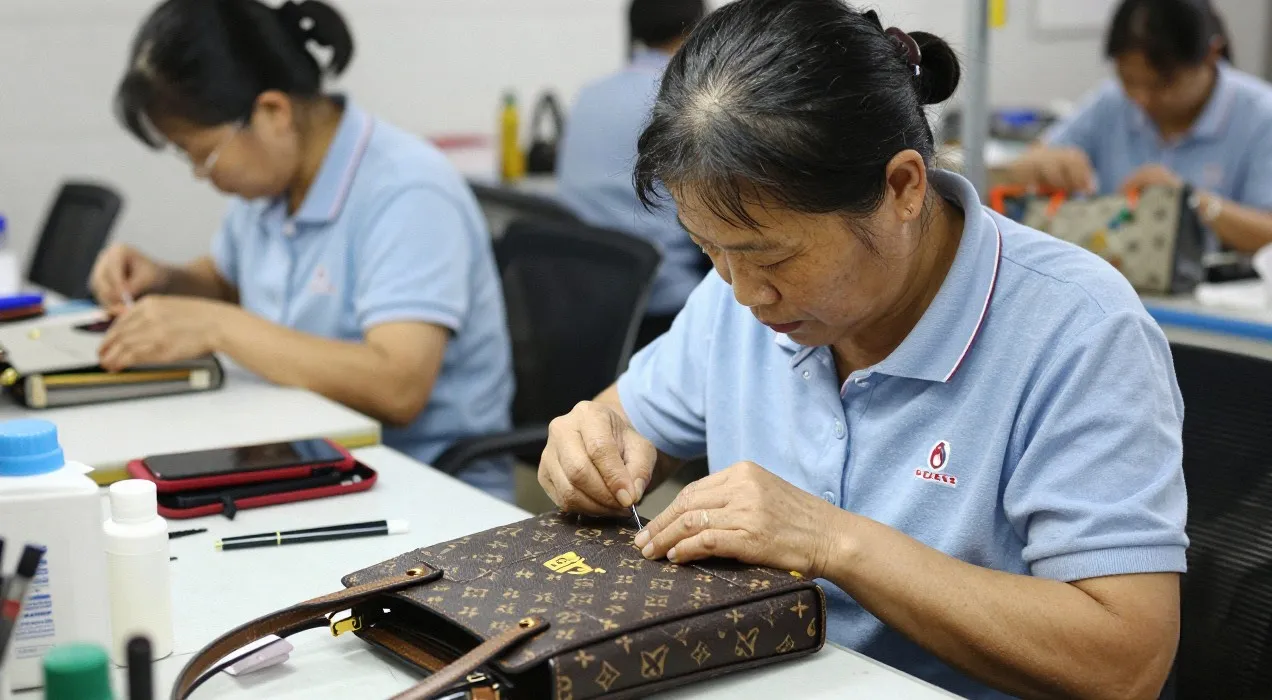
The screen printing process involves several precise steps that contribute to the high quality of the final product. Moreover, understanding this process helps appreciate the craftsmanship involved in creating superior custom printed tote bags.
- Artwork Preparation: Design is separated into individual color layers
- Screen Creation: Photo-sensitive emulsion applied to mesh screens
- Exposure Process: UV light hardens emulsion except where design appears
- Washing Out: Unexposed areas are removed, creating the stencil
- Printing: Ink is pushed through screens onto the tote bag fabric
- Curing: Heat treatment sets the ink permanently
| Aspect | Screen Printing | Cost per Unit | Best For |
|---|---|---|---|
| Color Vibrancy | Excellent | $0.50-$2.00 | Simple logos, bold designs |
| Durability | Superior | $0.75-$2.50 | High-use applications |
| Setup Cost | High | $50-$200+ | Orders over 500 units |
| Production Speed | Fast after setup | $0.25-$1.00 | Large volume orders |
| Design Complexity | Limited | $1.00-$3.00 | Simple, bold designs |
Digital Printing (DTG): Advanced Technology for Complex Designs
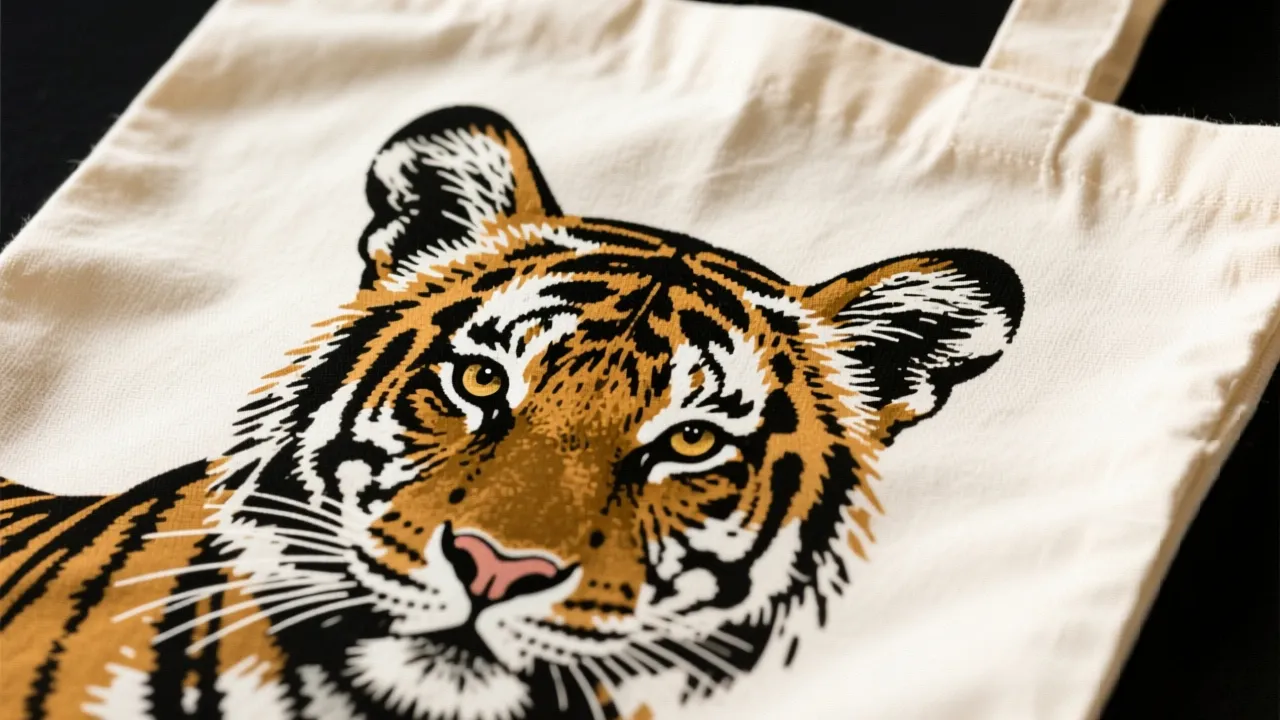
Digital printing, specifically Direct-to-Garment (DTG), represents cutting-edge technology that enables highly detailed and complex designs on custom printed tote bags. This method uses specialized textile inks applied directly to the fabric through precision printheads, similar to desktop inkjet printers but optimized for textile applications. Additionally, digital printing excels in situations requiring photographic images, gradients, or multi-colored designs without the setup costs associated with traditional methods.
Advantages of Digital Printing
Digital printing offers unique benefits that make it particularly suitable for certain types of custom printed tote bag projects. Furthermore, these advantages often outweigh the higher per-unit costs for specific applications.
- No Setup Costs: Ideal for small orders and prototypes
- Unlimited Colors: No additional cost for complex designs
- Photographic Quality: Excellent for detailed images
- Quick Turnaround: Minimal preparation time required
- Design Flexibility: Easy to modify and customize
Considerations for Digital Printing
While digital printing offers impressive capabilities, there are important considerations that affect its suitability for different projects. Additionally, these factors should be evaluated carefully when selecting this printing method.
🎨 Design Preparation Tips
Get your artwork ready for the best digital print results:
| Factor | Digital Printing | Screen Printing | Embroidery |
|---|---|---|---|
| Setup Cost | Negligible | High ($50-$200+) | Medium ($20-$100) |
| Per Unit Cost | Higher | Lower with volume | Medium to high |
| Design Complexity | Excellent | Limited | Good |
| Durability | Good | Excellent | Superior |
| Production Speed | Moderate | Fast after setup | Slow |
Digital Printing Process and Technology
The digital printing process leverages sophisticated technology to achieve remarkable results on custom printed tote bags. Moreover, this technology continues to advance, offering increasingly impressive capabilities for complex custom designs.
Embroidery: Premium Textural Appeal for Custom Printed Tote Bags
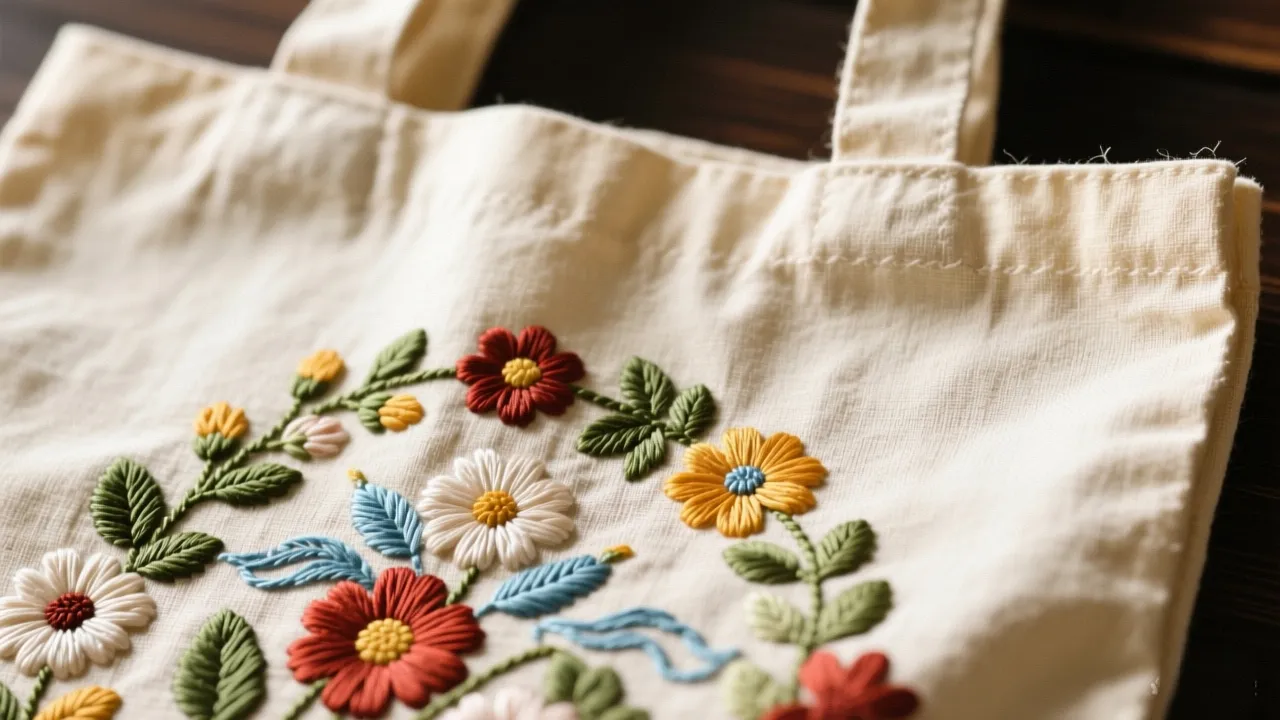
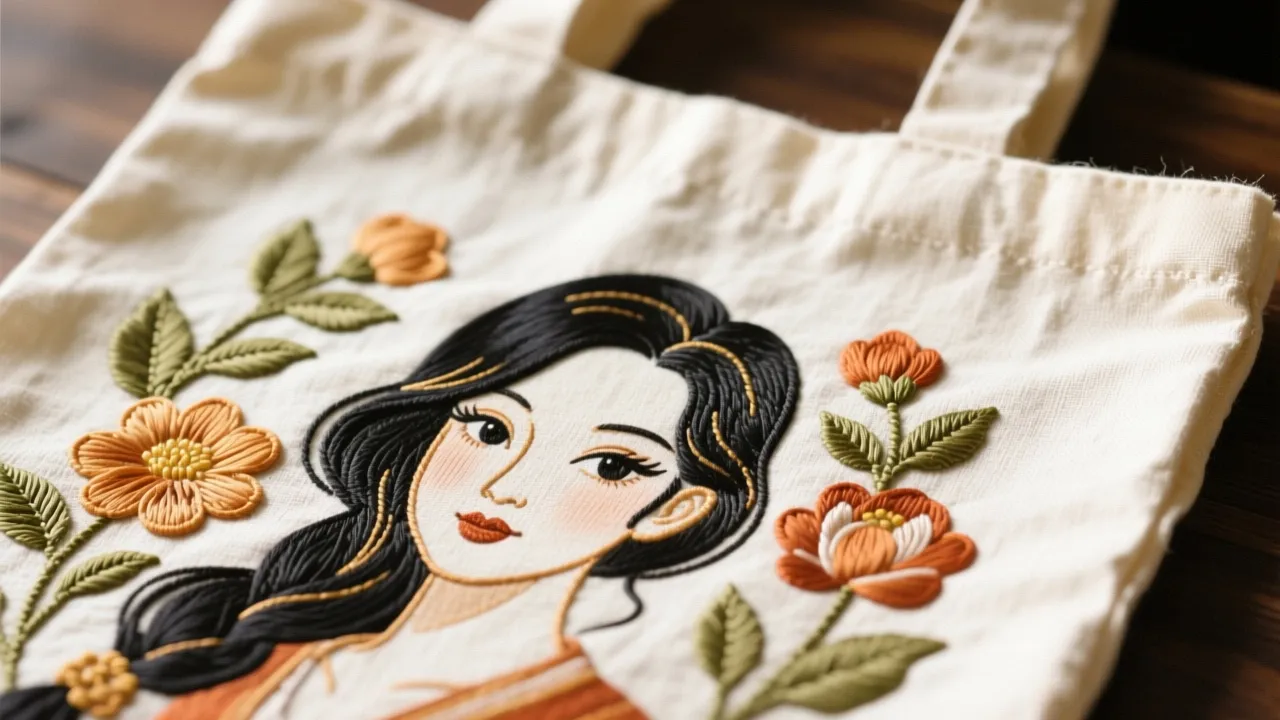
Embroidery offers a premium, tactile experience that elevates custom printed tote bags to luxury status. This method involves stitching thread directly onto the fabric to create raised, three-dimensional designs that provide both visual and physical texture. Additionally, embroidery creates a sophisticated look that conveys quality and attention to detail, making it ideal for high-end brands and special occasion items.
Benefits of Embroidery
Embroidery provides unique advantages that distinguish it from other printing methods, particularly in terms of perceived quality and durability. Moreover, the three-dimensional nature of embroidered designs creates lasting impressions and enhances brand perception.
🧵 Thread Quality & Embroidery
Choose the right thread and technique for your brand:
- Superior Durability: Resistant to wear and washing
- Tactile Experience: Three-dimensional texture adds premium feel
- Professional Appearance: Conveys quality and sophistication
- Thread Variety: Multiple colors and textures available
- Brand Differentiation: Unique look compared to printed alternatives
Embroidery Process and Techniques
The embroidery process involves sophisticated machinery and skilled craftsmanship to achieve optimal results on custom printed tote bags. Furthermore, modern embroidery equipment offers precise control over stitch patterns and thread tension.
🧵 Thread Types
Rayon, polyester, cotton blends
Varied sheen and durability
Color matching options
⚙️ Machine Types
Single head, multi-head
Computer controlled
Precision placement
🎨 Techniques
Satin stitch, running stitch
Fill patterns, outlines
Combination effects
Sublimation: All-Over Printing for Maximum Visual Impact
Sublimation printing uses heat and pressure to transfer dye from paper to fabric, creating permanent, full-color prints that become part of the fabric rather than sitting on top of it. This method is particularly effective for custom printed tote bags that require vibrant, photographic-quality images covering large areas. Moreover, sublimation produces extremely durable prints that won’t crack or peel over time.

Advantages of Sublimation Printing
Sublimation offers unique capabilities that make it ideal for specific types of custom printed tote bag projects. Additionally, the integration of color into the fabric structure provides benefits not achievable with surface printing methods.
- Full-Color Capability: Unlimited colors without additional costs
- Photo-Quality Results: Excellent for photographic images
- Permanent Integration: Dye becomes part of fabric
- Wash Resistance: Won’t fade or wash away
- Smooth Surface: No texture change on fabric
Sublimation Requirements and Limitations
Sublimation printing requires specific conditions that limit its applicability to certain types of custom printed tote bags. Furthermore, understanding these requirements helps determine if sublimation is suitable for your project.
🖼️ High-Detail Custom Canvas
Explore printing methods for complex, high-resolution artwork:
| Printing Method | Best For | Limitations | Cost Range |
|---|---|---|---|
| Screen Printing | Simple logos, few colors | Setup costs, color limits | $0.50-$2.00/unit |
| Digital Printing | Complex designs, photos | Fabric restrictions | $2.00-$5.00/unit |
| Embroidery | Premium, textured look | Design complexity limits | $3.00-$8.00/unit |
| Sublimation | Full-color, photo prints | Polyester fabrics only | $2.50-$6.00/unit |
| Heat Transfer | Quick, small orders | Durability concerns | $1.50-$4.00/unit |
Heat Transfer: Quick Solutions for Small Orders
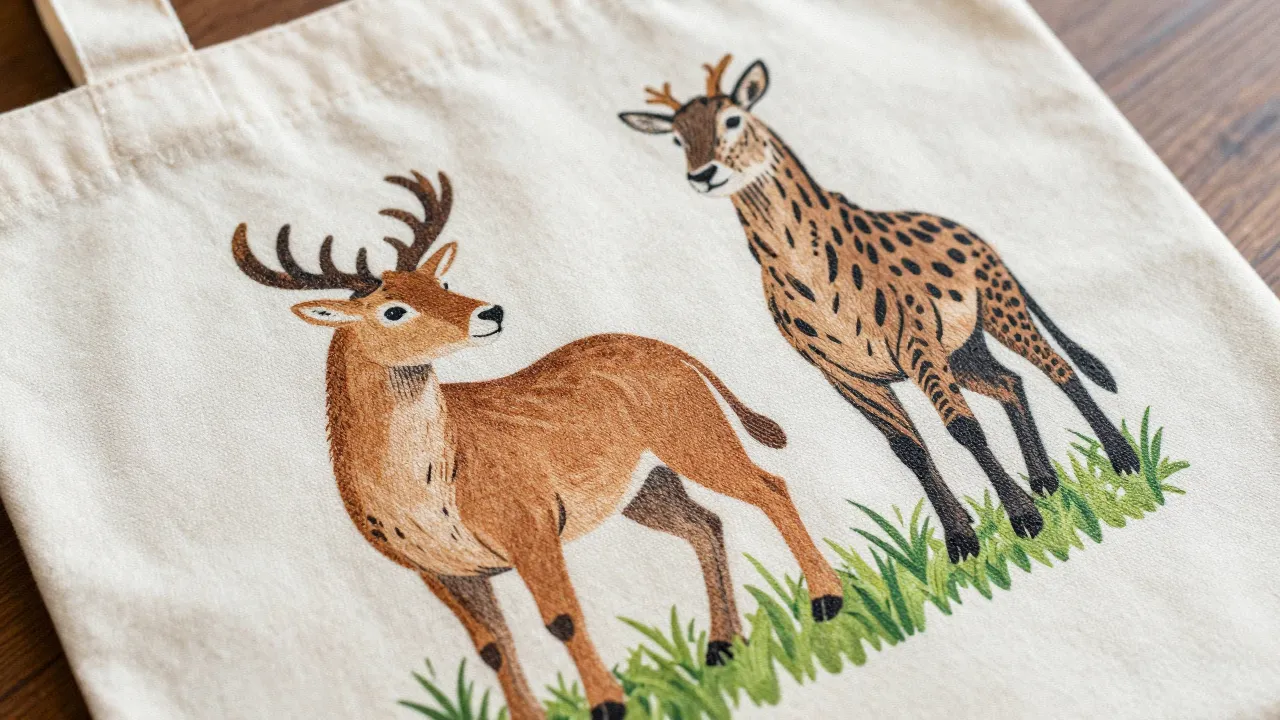
Heat transfer printing involves applying pre-made designs to fabric using heat and pressure, making it an efficient solution for small orders or rush projects. This method is particularly useful for custom printed tote bags when time constraints or low quantities make other methods impractical. Additionally, heat transfer technology has improved significantly, offering better durability and appearance than earlier versions.
When to Choose Heat Transfer
Heat transfer printing serves specific market needs and project requirements that other methods cannot address as effectively. Moreover, this method provides flexibility for businesses with variable demand or tight deadlines.
- Rush Orders: When quick turnaround is essential
- Small Quantities: For orders under 100 units
- Prototype Development: Testing designs before larger orders
- Complex Designs: When setup costs are prohibitive
- Variable Designs: Different designs for each unit
Heat Transfer Process and Materials
The heat transfer process utilizes specialized equipment and materials to achieve professional results on custom printed tote bags. Furthermore, advances in transfer materials have improved durability and appearance significantly.
⏱️ Need It Fast?
Check our rush order options for custom logo tote bags:
Material Compatibility Across Printing Methods
Different printing methods work best with specific types of fabric, and understanding these compatibility requirements is crucial for successful custom printed tote bags. Additionally, the interaction between printing method and fabric type significantly affects the final product’s quality and durability. Furthermore, material selection should be considered alongside printing method selection to achieve optimal results.
Fabric Type Recommendations
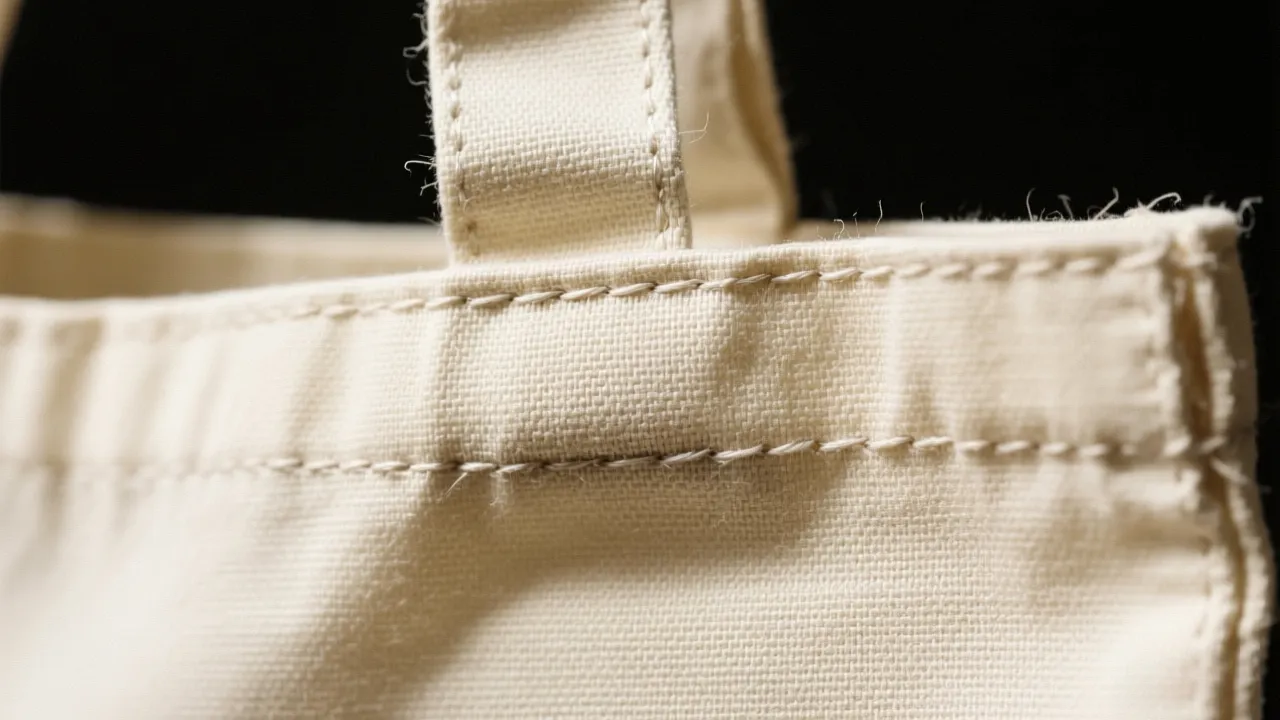
Each printing method performs differently with various fabric compositions, weights, and textures. Moreover, choosing compatible combinations ensures optimal results for custom printed tote bags.
🛍️ Custom Canvas Tote Bags
Find the perfect canvas material for your branding needs:
- Cotton Canvas: Excellent for screen printing and embroidery
- Polyester Blends: Ideal for sublimation and digital printing
- Natural Fibers: Best for traditional screen and heat transfer
- Recycled Materials: Compatible with most methods with adjustments
- Specialty Fabrics: Require method-specific preparation

Pre-Treatment Considerations
Some fabrics require pre-treatment to achieve optimal printing results, particularly for digital and sublimation methods. Additionally, pre-treatment can affect both cost and production time for custom printed tote bags.
Comprehensive Cost Analysis for Each Printing Method
Understanding the true cost implications of each printing method helps businesses make informed decisions that balance quality, functionality, and budget constraints. Moreover, cost analysis should consider both immediate expenses and long-term value for custom printed tote bags. Furthermore, the cost structure varies significantly between methods, particularly regarding setup fees and per-unit pricing.
Setup Costs and Volume Considerations
Setup costs play a crucial role in determining the most economical printing method for custom printed tote bags. Additionally, the relationship between setup costs and order volume affects the break-even point for different methods.
| Method | Setup Cost | Break-even Units | Low Volume (100) | Medium Volume (500) | High Volume (2000) |
|---|---|---|---|---|---|
| Screen Printing | $150 | 300 units | $3.00 | $1.00 | $0.60 |
| Digital Printing | $0 | N/A | $4.50 | $4.00 | $3.50 |
| Embroidery | $75 | 150 units | $8.00 | $5.00 | $3.50 |
| Sublimation | $100 | 200 units | $6.00 | $4.50 | $3.80 |
| Heat Transfer | $25 | 50 units | $2.00 | $1.80 | $1.60 |
Hidden Costs and Considerations
Beyond basic pricing, several hidden costs can affect the total expense of custom printed tote bag projects. Additionally, these costs should be factored into decision-making processes.
📦 Bulk Order Strategies
Learn how to reduce costs with custom tote bags in bulk:
Durability Testing and Performance Comparison
The longevity and performance of custom printed tote bags depend significantly on the printing method used, making durability testing a crucial factor in method selection. Moreover, different printing methods exhibit varying resistance to washing, sunlight, and general wear. Furthermore, understanding these differences helps predict the long-term effectiveness of your custom printed marketing investment.
Testing Methodologies
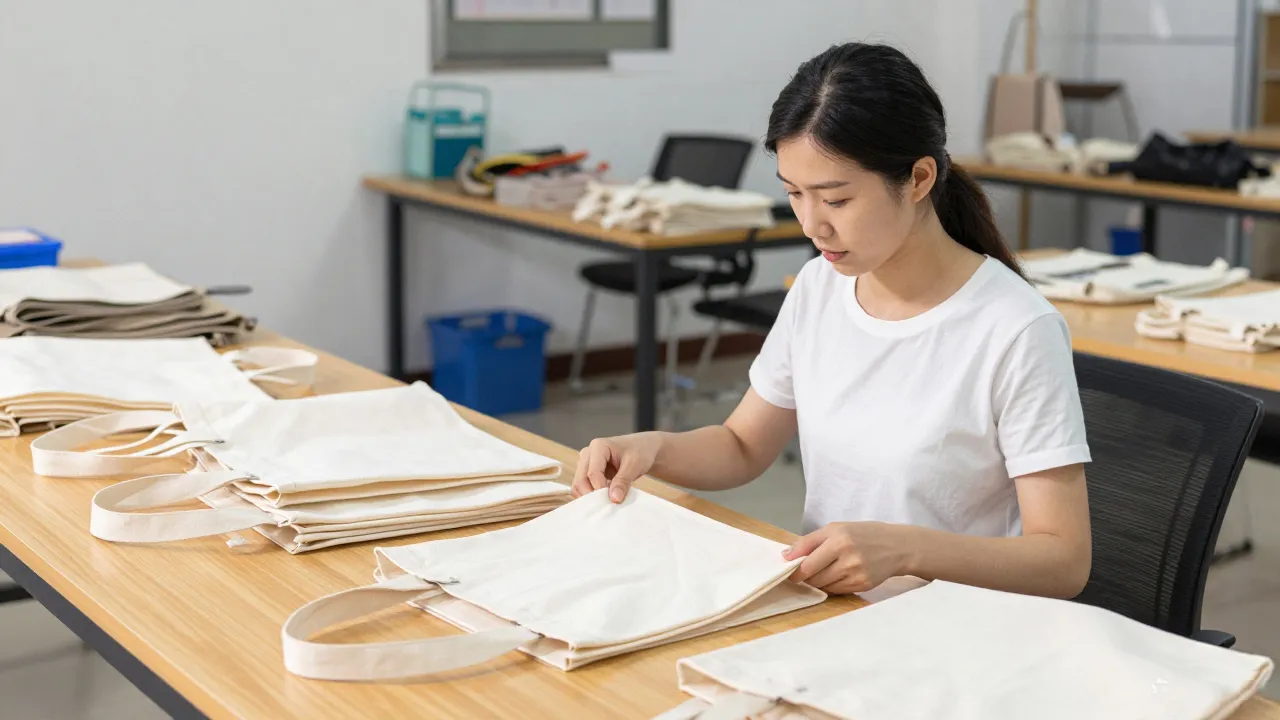
Professional testing of custom printed tote bags involves standardized procedures that simulate real-world conditions and usage patterns. Additionally, these tests provide objective data for comparing different printing methods.
- Wash Cycles: Multiple wash and dry cycles to test colorfastness
- UV Exposure: Simulated sunlight exposure testing
- Stretch Testing: Fabric and print integrity under stress
- Chemical Resistance: Cleaning product compatibility
- Friction Testing: Abrasion resistance evaluation
Performance Results by Method
Test results reveal significant differences in performance characteristics among various printing methods for custom printed tote bags. Additionally, these results guide selection based on intended use and expected lifespan.
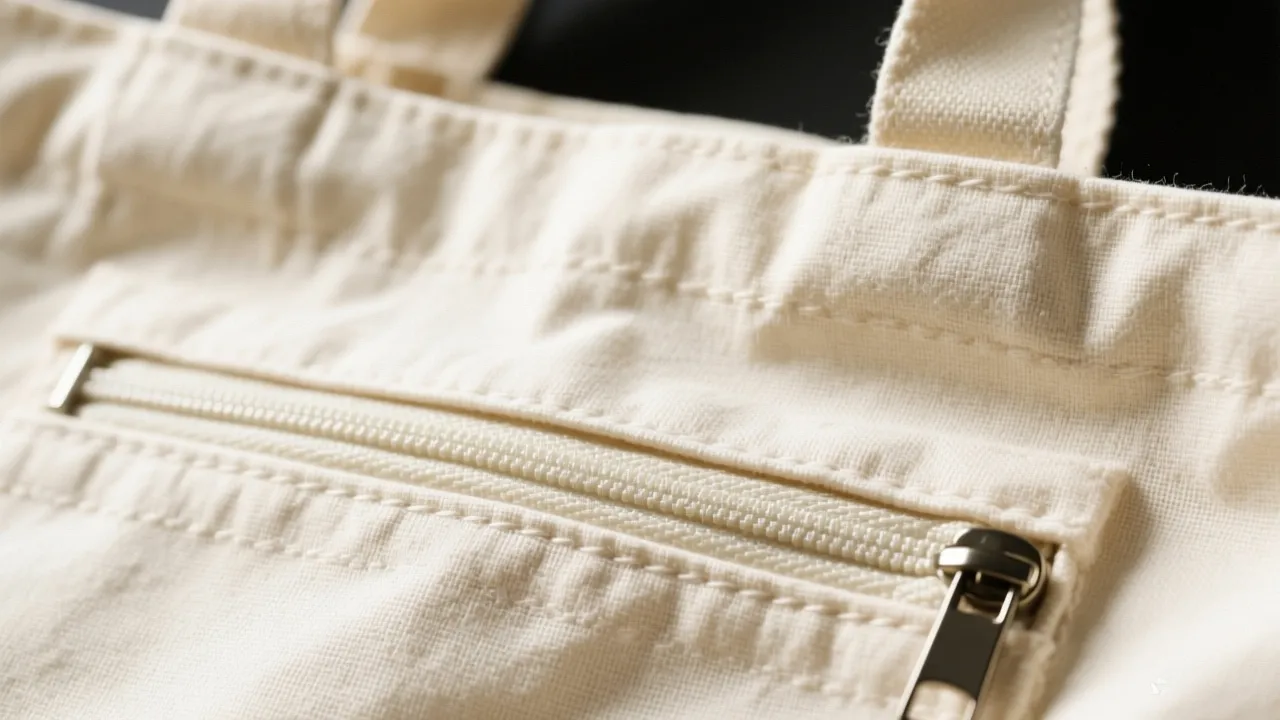
✅ Our Quality Promise
See the quality standards we adhere to for every order:
Design Considerations for Each Printing Method
Optimal design practices vary significantly depending on the chosen printing method for custom printed tote bags. Moreover, understanding these considerations helps achieve the best possible results with each technique. Furthermore, design optimization can compensate for some limitations inherent in specific printing methods.

Screen Printing Design Guidelines
Screen printing works best with designs that follow specific guidelines related to color separation, detail level, and spacing. Additionally, these guidelines ensure optimal print quality and production efficiency.
- Color Separation: Design should separate cleanly into distinct colors
- Detail Level: Avoid extremely fine details that may not reproduce well
- Color Opacity: Consider background color coverage needs
- Registration Marks: Include alignment indicators for multi-color designs
- Size Optimization: Ensure design scales appropriately for tote bag dimensions
Digital Printing Design Advantages
Digital printing offers greater design flexibility compared to traditional methods, allowing for complex and detailed custom printed tote bag designs. Moreover, digital methods accommodate a wider range of design possibilities.
🎨 Design & Branding MOQ
Explore design options and low minimum order quantities:
Color Management and Consistency Across Methods
Achieving consistent and accurate color reproduction is critical for maintaining brand identity in custom printed tote bags. Moreover, different printing methods handle color differently, requiring specific management approaches. Furthermore, color consistency across multiple orders and methods enhances brand recognition and professional appearance.
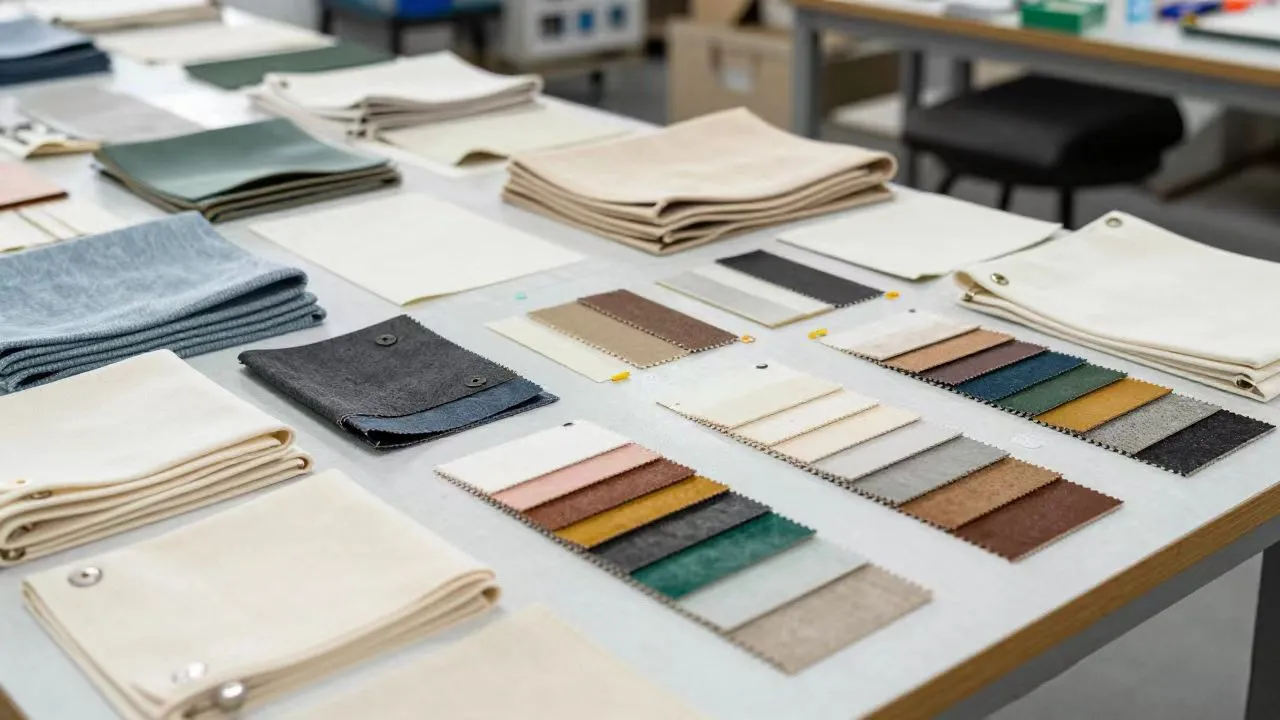
Color Matching Challenges
Each printing method presents unique challenges for achieving exact color matches, particularly when reproducing brand colors consistently. Additionally, color variations can occur due to different ink compositions, substrate properties, and application techniques.
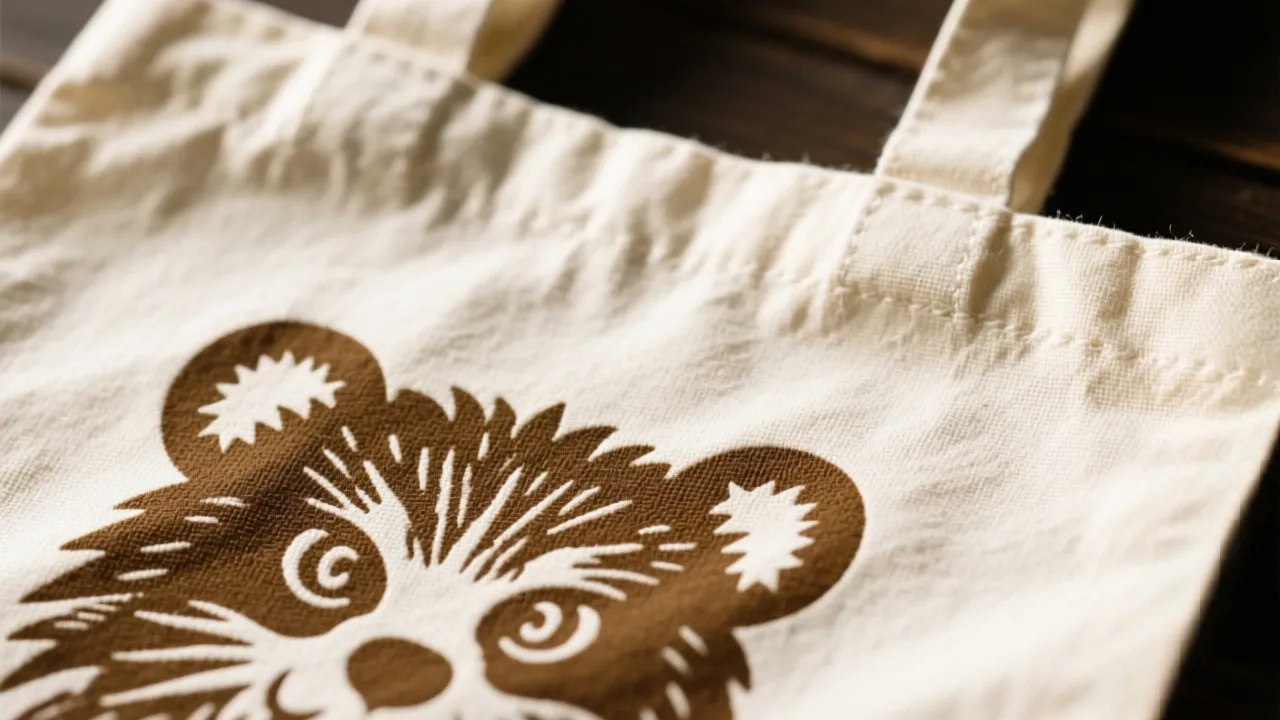
📏 Logo Size Guidelines
Ensure your artwork is perfectly proportioned for maximum impact:
- Color Gamut Differences: Each method covers different color ranges
- Substrate Effects: Background color affects final appearance
- Ink Properties: Different inks behave differently on fabric
- Lighting Conditions: Colors appear differently under various lighting
- Production Variables: Environmental factors affect color consistency
Color Standardization Techniques
Professional color management involves standardized techniques and tools to ensure consistent results across different printing methods and production runs. Additionally, these techniques help maintain brand color integrity.
Production Timelines and Lead Times
Understanding production timelines is crucial for planning custom printed tote bag orders, especially when coordinating with marketing campaigns or events. Moreover, different printing methods have varying production speeds and scheduling requirements. Furthermore, lead times can significantly impact the feasibility of meeting specific delivery dates.
Timeline Variations by Method
Each printing method follows different production workflows that affect overall timeline requirements for custom printed tote bags. Additionally, setup and preparation times vary significantly between methods.
📅 Production Lead Times
Plan your campaign with our detailed production schedule:
| Printing Method | Setup Time | Production Speed | Post-Processing | Total Timeline |
|---|---|---|---|---|
| Screen Printing | 1-2 days | Fast (500-1000/day) | Quick | 5-7 days |
| Digital Printing | Minimal | Moderate (100-200/day) | Moderate | 3-5 days |
| Embroidery | 1 day | Slow (50-100/day) | Minimal | 7-10 days |
| Sublimation | 1 day | Fast (300-500/day) | Quick | 4-6 days |
| Heat Transfer | Quick | Fast (200-400/day) | Quick | 2-4 days |
Seasonal and Capacity Factors
Production timelines can vary based on seasonal demand, manufacturer capacity, and order complexity for custom printed tote bags. Additionally, these factors should be considered when planning orders.
Quality Control Measures for Each Method
Maintaining consistent quality across different printing methods requires specific quality control measures tailored to each technique’s unique characteristics. Moreover, quality control protocols ensure that custom printed tote bags meet established standards and customer expectations. Furthermore, systematic quality control helps identify and address issues before they affect the final product.
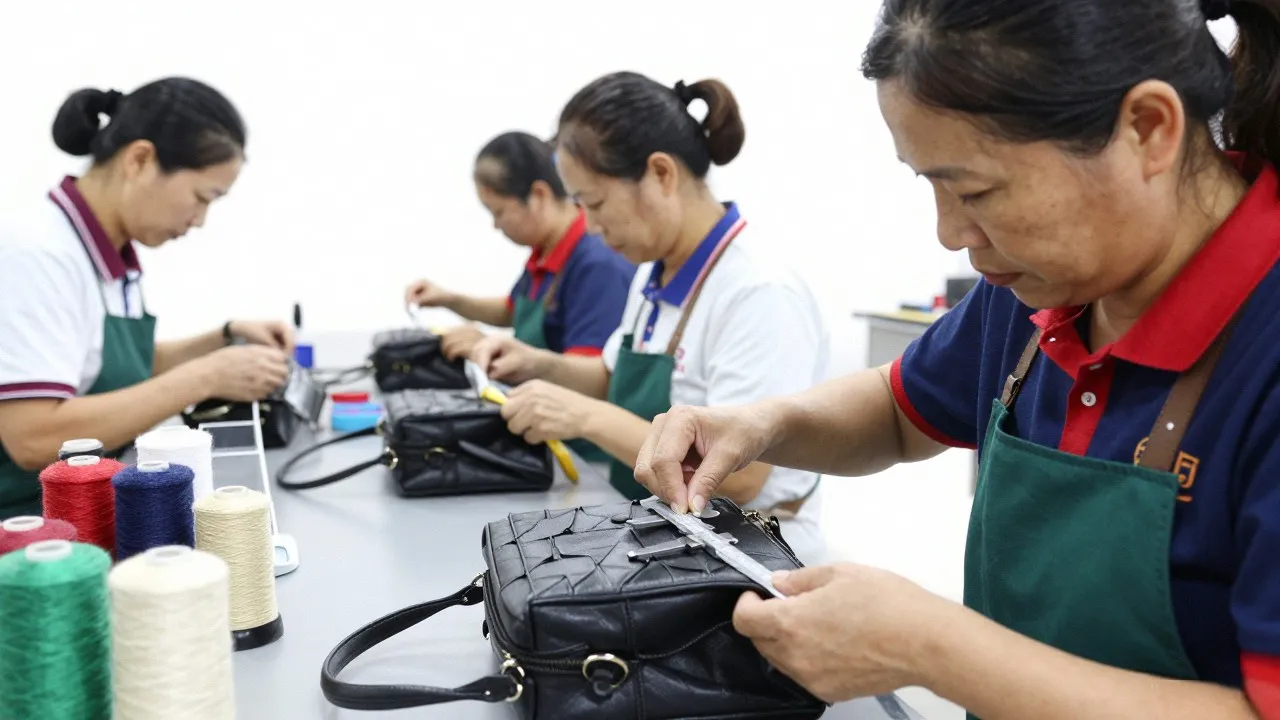
Method-Specific Quality Checks
Each printing method requires different quality control procedures to ensure optimal results for custom printed tote bags. Additionally, these checks address the specific vulnerabilities and quality concerns associated with each method.
- Screen Printing: Registration accuracy, ink thickness, color consistency
- Digital Printing: Color accuracy, print definition, alignment
- Embroidery: Stitch density, thread tension, design placement
- Sublimation: Color penetration, edge definition, color bleeding
- Heat Transfer: Adhesion quality, edge sealing, color matching
Quality Standards and Certification
Professional custom printed tote bag production follows established quality standards and certification requirements. Moreover, these standards ensure consistent results and customer satisfaction.
🏆 Quality Standards Explained
Understand the benchmarks we use to ensure premium quality:
Sustainability and Environmental Impact
The environmental impact of different printing methods for custom printed tote bags varies significantly, making sustainability an important consideration for environmentally conscious businesses. Moreover, sustainable printing practices contribute to overall brand reputation and environmental responsibility. Furthermore, understanding the environmental implications helps make choices that align with corporate sustainability goals for custom branded merchandise.
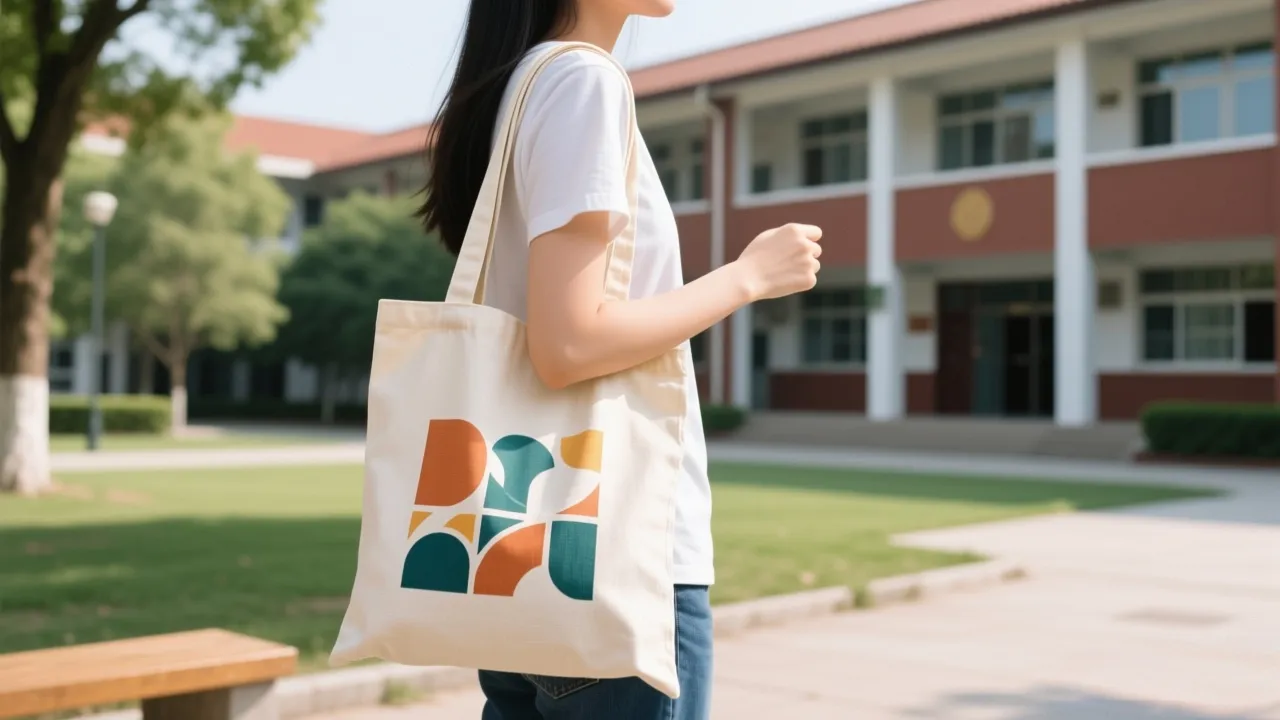
Environmental Considerations by Method
Each printing method has different environmental impacts related to water usage, chemical consumption, and waste generation. Additionally, these factors should be weighed alongside quality and cost considerations for custom printed tote bags.
🌱 Sustainable Custom Options
Discover eco-friendly materials and printing for your brand:
- Water Usage: Screen printing requires significant water for cleanup
- Chemical Consumption: Different methods use varying amounts of solvents and chemicals
- Waste Generation: Setup materials and consumables vary by method
- Energy Consumption: Curing and processing requirements differ
- Biodegradability: Some inks and materials are more environmentally friendly
Eco-Friendly Alternatives
Several eco-friendly alternatives and modifications can reduce the environmental impact of custom printed tote bag production. Moreover, these options often provide comparable quality while supporting sustainability goals.
Real-World Case Studies and Examples
Examining real-world examples of custom printed tote bag projects provides valuable insights into the practical application of different printing methods. Moreover, case studies demonstrate how various factors influence method selection and outcome success. Furthermore, these examples illustrate the decision-making process and results achieved with different approaches.
Corporate Branding Case Study
A major corporation required custom printed tote bags for a product launch event, necessitating the selection of an appropriate printing method that would convey quality and professionalism. Additionally, the project involved 5,000 units with a simple logo design, making cost-effectiveness a primary concern.
📊 Real Client Results
See how our clients achieved success with custom logo bags:
The company chose screen printing for its durability and cost-effectiveness at the required volume. The result was high-quality custom printed tote bags that successfully represented the brand while staying within budget constraints. Moreover, the screen printing method provided excellent color vibrancy and long-term durability that met the corporation’s requirements.
Artistic Design Case Study
An art gallery needed custom printed tote bags featuring photographic artwork, requiring a printing method capable of reproducing complex, detailed images. Furthermore, the gallery required only 200 bags but demanded exceptional print quality.
Digital printing proved to be the optimal choice for this project, allowing for faithful reproduction of the photographic artwork without setup costs associated with traditional methods. Additionally, the digital printing method provided the color accuracy and detail required for artistic representation.
Technology Advancements in 2026
The printing technology landscape for custom printed tote bags continues to evolve rapidly, with 2026 bringing new innovations that enhance quality, efficiency, and sustainability. Moreover, these advancements expand the possibilities for creative and effective custom printed products. Furthermore, staying current with technological developments helps businesses leverage the latest capabilities for their projects.
Digital Innovation Trends
Recent technological advances have significantly improved the capabilities and efficiency of digital printing for custom printed tote bags. Additionally, these innovations address previous limitations while introducing new possibilities.
- Enhanced Resolution: Higher DPI capabilities for finer detail
- Improved Inks: Better color stability and wash resistance
- Faster Processing: Increased production speeds
- Automation Integration: Streamlined workflow systems
- Sustainability Improvements: Eco-friendly ink formulations
Hybrid Printing Solutions
Emerging hybrid approaches combine multiple printing methods to achieve superior results for custom printed tote bags. Moreover, these integrated solutions leverage the strengths of different methods while minimizing their limitations.
🏭 Manufacturing Solutions
Explore our OEM and ODM capabilities for your custom bags:
Selection Criteria and Decision Matrix
Creating a systematic approach to selecting the optimal printing method for custom printed tote bags involves evaluating multiple criteria simultaneously. Moreover, a structured decision matrix helps ensure that all relevant factors are considered. Furthermore, this approach leads to more informed and effective selection decisions.
Decision Matrix Components
The decision matrix for custom printed tote bag printing methods should include multiple weighted criteria that reflect project priorities. Additionally, this systematic approach reduces subjective bias and improves decision quality.
🔍 How to Choose a Manufacturer
Use our checklist to select a reliable tote bag partner:
| Criteria | Weight | Screen Printing | Digital | Embroidery | Sublimation | Heat Transfer |
|---|---|---|---|---|---|---|
| Cost Effectiveness | 25% | High | Low | Medium | Medium | High |
| Quality | 20% | High | High | Very High | High | Medium |
| Design Complexity | 20% | Low | Very High | Medium | High | High |
| Durability | 15% | Very High | Medium | Very High | High | Low |
| Speed | 10% | Medium | High | Low | High | Very High |
| Sustainability | 10% | Medium | High | High | High | Medium |
Application-Specific Recommendations
Different applications for custom printed tote bags favor specific printing methods based on functional and aesthetic requirements. Moreover, these recommendations consider both immediate needs and long-term objectives.
Evaluating Suppliers and Printers for Custom Tote Bags
Selecting the right supplier for custom printed tote bags requires careful evaluation of their capabilities with different printing methods. Moreover, supplier expertise and equipment quality significantly impact final product quality. Furthermore, the relationship with your printing partner affects both current and future projects.

Capability Assessment
Thoroughly evaluating potential suppliers’ capabilities ensures they can meet your specific requirements for custom printed tote bags. Additionally, this assessment should cover technical capabilities, quality control, and service levels.
- Equipment Quality: Modern, well-maintained printing equipment
- Technical Expertise: Knowledge of different printing methods
- Quality Systems: Established quality control processes
- Capacity: Ability to handle required volumes
- Experience: Track record with similar projects
Sample Evaluation Process
Requesting and evaluating samples is crucial for assessing supplier capabilities and quality standards for custom printed tote bags. Moreover, this process helps verify that suppliers can achieve your required specifications.
🤝 Find a Reliable Partner
Use our comprehensive checklist to evaluate manufacturers:
Future Outlook and Emerging Trends in Tote Bag Printing
The custom printed tote bag printing industry continues to evolve with new technologies, materials, and market demands that will shape 2026 and beyond. Moreover, staying informed about emerging trends helps businesses prepare for future opportunities. Furthermore, understanding future directions enables proactive adaptation to changing market conditions.
Technology Predictions
Several technological developments are expected to impact custom printed tote bag production in the coming years. Additionally, these innovations promise to enhance quality, efficiency, and sustainability.
- AI-Enhanced Design: Automated design optimization
- Smart Materials: Interactive and responsive printing surfaces
- 3D Printing Integration: Texture and dimensional effects
- Sustainable Innovations: Biodegradable inks and materials
- Real-Time Monitoring: Quality control automation
Market Evolution
The custom printed tote bag market is evolving to meet changing consumer preferences and business needs. Moreover, these changes create new opportunities and challenges for printing method selection.
Conclusion and Best Practice Recommendations
Selecting the optimal printing method for custom printed tote bags in 2026 requires careful consideration of multiple factors including design requirements, budget constraints, production volumes, and quality expectations. Moreover, the right choice depends on your specific project needs and long-term objectives. Furthermore, understanding the strengths and limitations of each method enables informed decision-making that maximizes both quality and value.
Ready to Start Your Custom Printed Tote Bag Project?
Let our experts guide you to the perfect printing method for your brand. We offer free samples and professional design advice.
✅ No-obligation consultation • Bulk discounts available • Fast global shipping
The key to successful custom printed tote bag projects lies in matching the printing method to your specific requirements while considering both immediate needs and long-term goals. Additionally, working with experienced suppliers who understand the nuances of different printing methods ensures optimal results. Moreover, regular evaluation and adaptation of your printing method choices will ensure continued success as technology and market conditions evolve.
Ultimately, the investment in choosing the right printing method pays dividends through superior results, customer satisfaction, and effective brand representation. Furthermore, well-executed custom printed tote bags serve as powerful marketing tools that provide lasting value for your business.
Customer Reviews115 Reviews