
1. Introduction: The Critical Decision of Choosing Your Tote Bag Factory
Selecting the right tote bag factory is one of the most crucial decisions for brands entering or expanding in the custom bag market. The manufacturing partner you choose will directly impact your product quality, brand reputation, customer satisfaction, and ultimately, your bottom line. With numerous options available globally, especially in manufacturing hubs like China, making the right choice requires careful consideration of multiple factors.
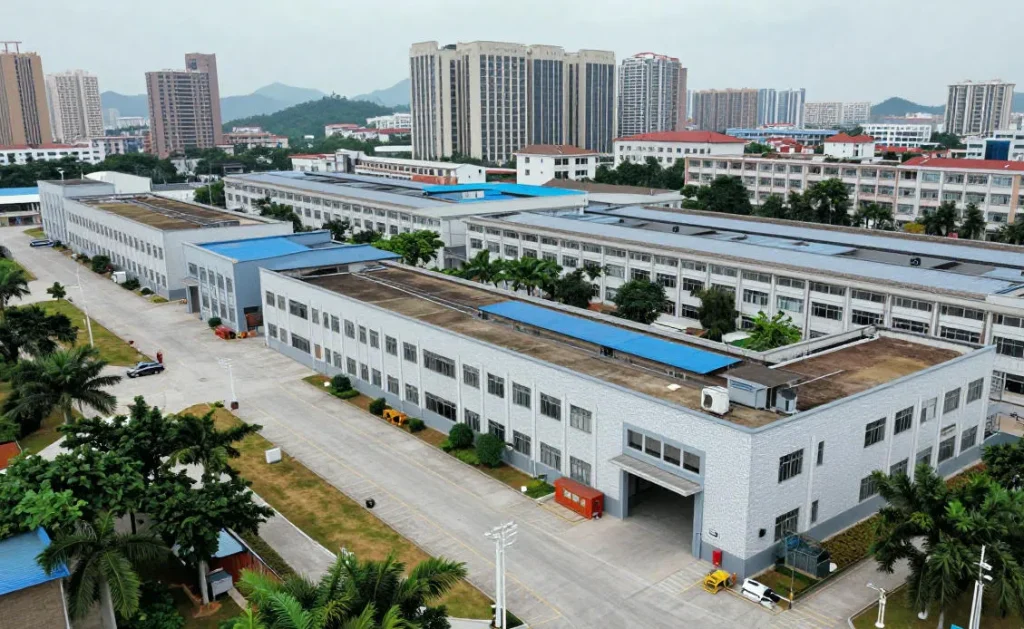
Your tote bag factory serves as the foundation of your supply chain, transforming your design concepts into tangible products that reach your customers. The wrong choice can lead to delays, quality issues, and damaged brand credibility, while the right partner becomes a valuable ally in achieving your business objectives.
💡 Key Insight: A reliable tote bag factory doesn’t just manufacture products—they become an extension of your brand, ensuring consistency, quality, and timely delivery that meets your customers’ expectations.
Before diving into specific evaluation criteria, it’s essential to understand the fundamental aspects of tote bag manufacturing. Our comprehensive guide on How to Choose a Reliable Tote Bag Factory provides foundational knowledge about materials, MOQ requirements, pricing structures, and customization possibilities that will inform your decision-making process.
2. Research and Initial Screening Process
2.1 Identifying Potential Candidates
The first step in finding your ideal tote bag factory involves comprehensive research to identify potential candidates. Start by exploring various sources including:
- Industry directories and trade associations
- Trade shows and exhibitions
- Online B2B platforms and marketplaces
- Recommendations from industry peers
- Professional networks and forums
Create a preliminary list of 15-20 factories that align with your basic requirements. At this stage, focus on broad compatibility rather than detailed evaluation. Consider factors such as location, size, specialization, and apparent capabilities.
2.2 Initial Factory Assessment Criteria
Develop a scoring system to evaluate initial candidates based on:
- Years of experience in tote bag manufacturing
- Client testimonials and case studies
- Certifications and quality standards compliance
- Production capacity relative to your needs
- Geographic location and shipping logistics
To understand the landscape of manufacturing options available, our Top 10 Tote Bag Manufacturers in China guide provides insights into leading factories and their capabilities, helping you benchmark potential candidates against industry leaders.
3. Evaluating Quality Standards and Certifications
3.1 Quality Control Systems
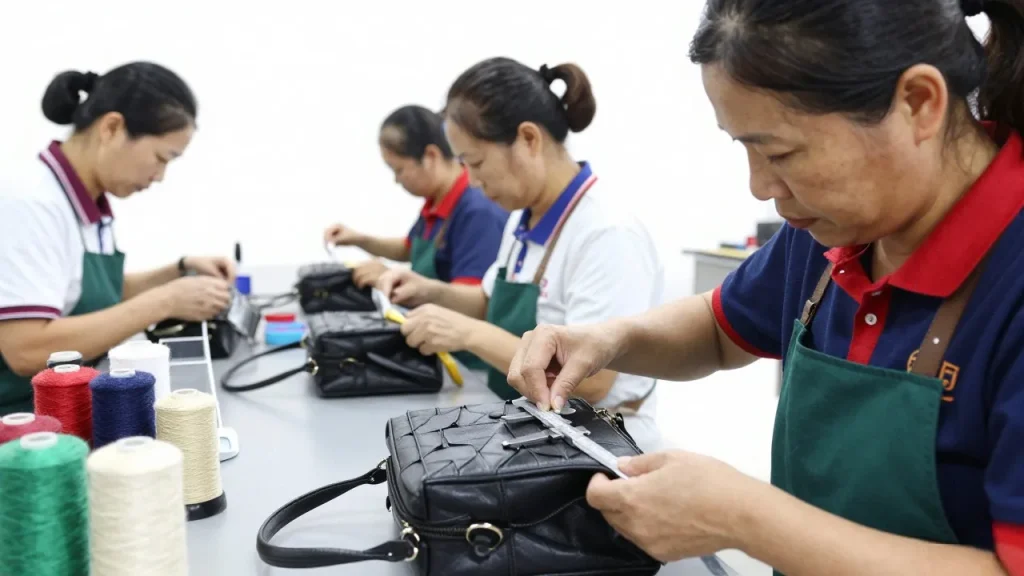
Quality should be your primary consideration when choosing a tote bag factory. Look for manufacturers that implement comprehensive quality control systems throughout their production process. Key indicators of quality commitment include:
- ISO 9001 certification for quality management systems
- BSCI (Business Social Compliance Initiative) compliance
- SEDEX membership for ethical sourcing
- Oeko-Tex Standard 100 certification for textile safety
- WRAP (Worldwide Responsible Accredited Production) certification
Request detailed information about their quality control procedures, including incoming material inspection, in-process quality checks, and final product testing protocols. A reputable factory should be transparent about their quality standards and willing to share documentation.
3.2 Sample Evaluation Process
Always request samples before committing to a factory partnership. The sample evaluation process should include:
- Material quality assessment
- Construction and stitching quality
- Print or embroidery quality and durability
- Size accuracy and consistency
- Overall finish and presentation
✅ Quality Indicators:
- Certifications and compliance documents
- Quality control documentation
- Consistent product samples
❌ Red Flags:
- Reluctance to provide certifications
- Inconsistent sample quality
- Poor communication about quality processes
For detailed quality assessment procedures, our Tote Bag Factory Quality Control Checklist provides a comprehensive framework for evaluating manufacturing quality before mass production begins.
4. Assessing Production Capacity and Scalability
4.1 Current Production Capacity
Evaluate whether the factory’s current capacity aligns with your immediate and projected needs. Consider:
- Monthly production volume capabilities
- Machine and equipment availability
- Workforce size and skill level
- Facility space and expansion potential
- Current order book and available capacity
Overstretched factories may compromise quality and delivery schedules, while underutilized facilities might lack the experience needed for complex projects. Seek a balance where the factory can comfortably handle your volume while maintaining quality standards.
4.2 Scalability Planning
Consider your future growth plans and ensure the factory can scale with your business:
- Expansion plans and timeline
- Additional equipment investment plans
- Seasonal capacity adjustments
- Partnership flexibility for growth
- Technology upgrade roadmap
📈 Scalability Tip: Choose a factory that can grow with your business, offering increased capacity as your brand expands, rather than requiring you to switch manufacturers as you scale up.
5. Analyzing Pricing Structure and Cost Transparency
5.1 Comprehensive Cost Analysis
Understanding the true cost of tote bag production requires examining multiple components:
- Raw material costs and sourcing
- Manufacturing labor and overhead
- Quality control and inspection costs
- Shipping and logistics expenses
- Profit margins and markup
Request detailed cost breakdowns that separate these components. Transparent pricing indicates a factory’s willingness to build trust and establish long-term partnerships. Be wary of factories that provide vague or incomplete cost information.
For a detailed understanding of tote bag production costs, our Full Cost Breakdown Guide examines all pricing components and helps you evaluate whether quoted prices align with industry standards.
5.2 Volume Discounts and Negotiation
Most factories offer volume discounts that significantly impact per-unit costs:
- Progressive discount scales based on quantity
- Long-term contract pricing benefits
- Multi-product order discounts
- Early payment incentive programs
- Seasonal pricing variations
| Order Volume | Typical Unit Cost Range | Quality Assurance Level | Delivery Timeline |
|---|---|---|---|
| 100-500 units | $3.50 – $5.00 | Basic QC | 15-20 days |
| 500-2000 units | $2.80 – $4.00 | Standard QC | 12-15 days |
| 2000-5000 units | $2.20 – $3.20 | Enhanced QC | 10-12 days |
| 5000+ units | $1.80 – $2.80 | Comprehensive QC | 8-10 days |
6. Customization Capabilities and Design Support
6.1 Material and Design Flexibility
Modern tote bag factories should offer extensive customization options:
- Various fabric types (canvas, cotton, polyester, jute)
- Custom sizes and shapes
- Specialized hardware options
- Multiple printing and decoration methods
- Unique construction techniques
Evaluate the factory’s ability to accommodate your specific design requirements. Some factories specialize in certain materials or construction methods, so ensure their capabilities align with your product vision.
6.2 Technical Support and Development
Look for factories that provide technical support beyond basic manufacturing:
- Design feasibility consultations
- Material recommendation services
- Prototyping and sampling capabilities
- Engineering support for complex designs
- Tooling and fixture development
Understanding the different manufacturing approaches is crucial for your customization needs. Our guide on OEM vs ODM Tote Bag Factory services will help you decide whether you need manufacturing based on your designs or collaborative product development.
7. Communication and Project Management
7.1 Language and Cultural Compatibility
Effective communication is essential for successful manufacturing partnerships:
- English language proficiency levels
- Time zone compatibility
- Cultural understanding and business practices
- Communication channels and preferred methods
- Response time expectations
Establish clear communication protocols early in the relationship. Determine primary contacts, reporting frequency, and escalation procedures for addressing issues.
7.2 Project Management Capabilities
Assess the factory’s project management infrastructure:
- Order tracking and visibility systems
- Milestone reporting and updates
- Change management processes
- Documentation and record keeping
- Problem resolution procedures
For effective communication strategies, our guide on How to Communicate Effectively With a Tote Bag Factory provides practical email templates and communication frameworks to streamline your collaboration.
💬 Communication Tip: Establish regular check-ins and reporting schedules to maintain visibility into production progress and address potential issues before they become problems.
8. Logistics and Supply Chain Management
8.1 Shipping and Distribution Capabilities
Consider the factory’s logistics infrastructure and capabilities:
- International shipping experience
- Freight forwarding partnerships
- Warehouse and inventory management
- Customs clearance assistance
- Tracking and documentation systems
Some factories offer comprehensive logistics services, while others may require you to coordinate shipping independently. Factor shipping costs and complexity into your overall evaluation.
8.2 Inventory and Storage Solutions
Evaluate storage and inventory management options:
- Finished goods warehousing
- Consignment inventory programs
- Drop shipping capabilities
- Seasonal inventory management
- Return and exchange handling
9. Factory Verification and Due Diligence
9.1 On-Site Inspection Process
When possible, conduct on-site inspections of potential factories:
- Production facility tour
- Equipment and technology assessment
- Worker safety and working conditions
- Quality control processes observation
- Management team interviews
If on-site visits aren’t feasible, arrange virtual tours and request comprehensive documentation of their operations. Third-party inspection services can also provide independent assessments.
Our detailed verification guide on How to Verify a Reliable Tote Bag Factory outlines essential verification steps and red flags to watch for during the due diligence process.
9.2 Reference Checks and Testimonials
Obtain and verify references from existing clients:
- Contact previous and current customers
- Request case studies and success stories
- Verify financial stability and business registration
- Check for any legal or compliance issues
- Review online reviews and ratings
✅ Verification Steps:
- Document review and certification checks
- Reference verification
- On-site inspection (when possible)
❌ Warning Signs:
- Refusal to provide references
- Inconsistent documentation
- Pressure for immediate decisions
10. Material Specialization and Expertise
10.1 Canvas and Cotton Manufacturing
Specialized factories focusing on natural fiber materials offer unique advantages:
- Expertise in canvas weaving and finishing
- Knowledge of cotton treatment processes
- Experience with organic and sustainable options
- Understanding of fabric strength and durability
- Specialized printing techniques for natural fibers
For detailed information about canvas tote bag manufacturing, our Canvas Tote Bag Manufacturer Guide explores materials, printing methods, and cost considerations specific to this popular material type.
10.2 Synthetic and Specialty Materials
Factories specializing in synthetic materials provide different capabilities:
- Non-woven fabric production expertise
- Recycled material processing capabilities
- Waterproof and weather-resistant treatments
- Specialized coating and lamination techniques
- Performance material applications
🧵 Material Expertise: Choose a factory with deep expertise in your chosen materials to ensure optimal results and avoid common manufacturing issues.
11. Sustainability and Environmental Practices
11.1 Eco-Friendly Manufacturing Processes
Environmental responsibility is increasingly important for modern brands:
- Water conservation and recycling systems
- Energy-efficient production equipment
- Chemical management and waste reduction
- Renewable energy adoption
- Carbon footprint reduction initiatives
11.2 Sustainable Material Options
Many factories now offer eco-conscious alternatives:
- Organic cotton and hemp materials
- Recycled polyester and canvas options
- Biodegradable and compostable materials
- Low-impact dyeing and printing processes
- Certified sustainable material sourcing
Explore sustainable manufacturing options in our comprehensive guide to Eco-Friendly Tote Bag Factory options, featuring recycled and organic cotton alternatives that meet modern environmental standards.
12. Risk Management and Contingency Planning
12.1 Supply Chain Risks
Identify potential risks and mitigation strategies:
- Raw material price volatility
- Production capacity constraints
- Quality control failures
- Shipping and logistics disruptions
- Political and economic instability
12.2 Business Continuity Planning
Ensure the factory has contingency plans for various scenarios:
- Alternative supplier networks
- Backup production facilities
- Disaster recovery procedures
- Financial stability measures
- Insurance and liability coverage
Understanding common manufacturing challenges helps you prepare for potential issues. Our guide on Common Problems When Working With a Tote Bag Factory identifies typical challenges and provides practical solutions to avoid them.
13. Making the Final Decision
13.1 Decision Matrix Creation
Develop a weighted scoring system to compare remaining candidates:
- Quality standards (weight: 25%)
- Price competitiveness (weight: 20%)
- Production capacity (weight: 15%)
- Communication effectiveness (weight: 15%)
- Customization capabilities (weight: 15%)
- Logistics support (weight: 10%)
13.2 Trial Order Strategy
Before committing to a long-term partnership, consider:
- Small trial order to test processes
- Quality evaluation of initial production
- Communication and responsiveness assessment
- Timeline adherence verification
- Cost accuracy validation
🎯 Selection Success Factors
- Thorough research and initial screening
- Comprehensive quality assessment
- Clear communication protocols
- Transparent pricing and terms
- Strong verification and due diligence
- Alignment with brand values and goals
14. Conclusion: Building Long-Term Manufacturing Partnerships
Choosing the best tote bag factory for your brand requires careful consideration of multiple interconnected factors. The ideal partner combines quality manufacturing capabilities, competitive pricing, excellent communication, and alignment with your brand values and long-term objectives.
Remember that the cheapest option isn’t always the best value, and the most expensive factory may not provide proportionally superior results. Focus on finding a factory that offers the right balance of quality, service, and cost for your specific needs.
Building a strong relationship with your chosen factory is just as important as making the right initial choice. Invest time in establishing clear expectations, communication protocols, and mutual understanding to create a partnership that supports your brand’s growth and success over the long term.
The tote bag market continues to evolve, with increasing emphasis on sustainability, customization, and quality. Your manufacturing partner should demonstrate the ability to adapt to changing market demands while maintaining consistent service levels.