
Recycled Tote Bag Factory: RPET, Organic Cotton & Eco-Friendly Materials
Table of Contents
In an era where sustainability has evolved from a marketing buzzword into a business imperative, recycled tote bags represent one of the most impactful choices brands can make. As a leading recycled tote bag factory, Dreamway has witnessed firsthand how the shift toward eco-friendly materials is reshaping the global bag industry.
The question is no longer whether brands should adopt sustainable practices, but how to do it authentically—without compromising on quality, cost-efficiency, or supply chain reliability.
What This Guide Covers
As procurement professionals and brand managers navigate the complex landscape of eco-friendly tote bags, they face critical questions:
Why are more brands switching to recycled tote bags?
The convergence of ESG mandates, EU regulations, and consumer expectations has made sustainability a competitive necessity.
What materials are actually sustainable?
From RPET to organic cotton, we demystify the terminology and help you distinguish genuine impact from marketing claims.
How do recycled tote bags affect brand image and compliance?
Discover how the right partner transforms your supply chain into a story of environmental responsibility.
Why More Brands Are Choosing Recycled Tote Bags
The transformation happening in retail and corporate gifting is remarkable. What was once considered a premium differentiator has become the baseline expectation. Sustainable bags are no longer optional for brands that want to remain relevant in the European and North American markets.

Market Drivers Behind the Shift
ESG Compliance
Environmental, Social, and Governance reporting has become mandatory for publicly traded companies. Eco bags demonstrate concrete environmental commitment in supplier procurement.
EU Regulations
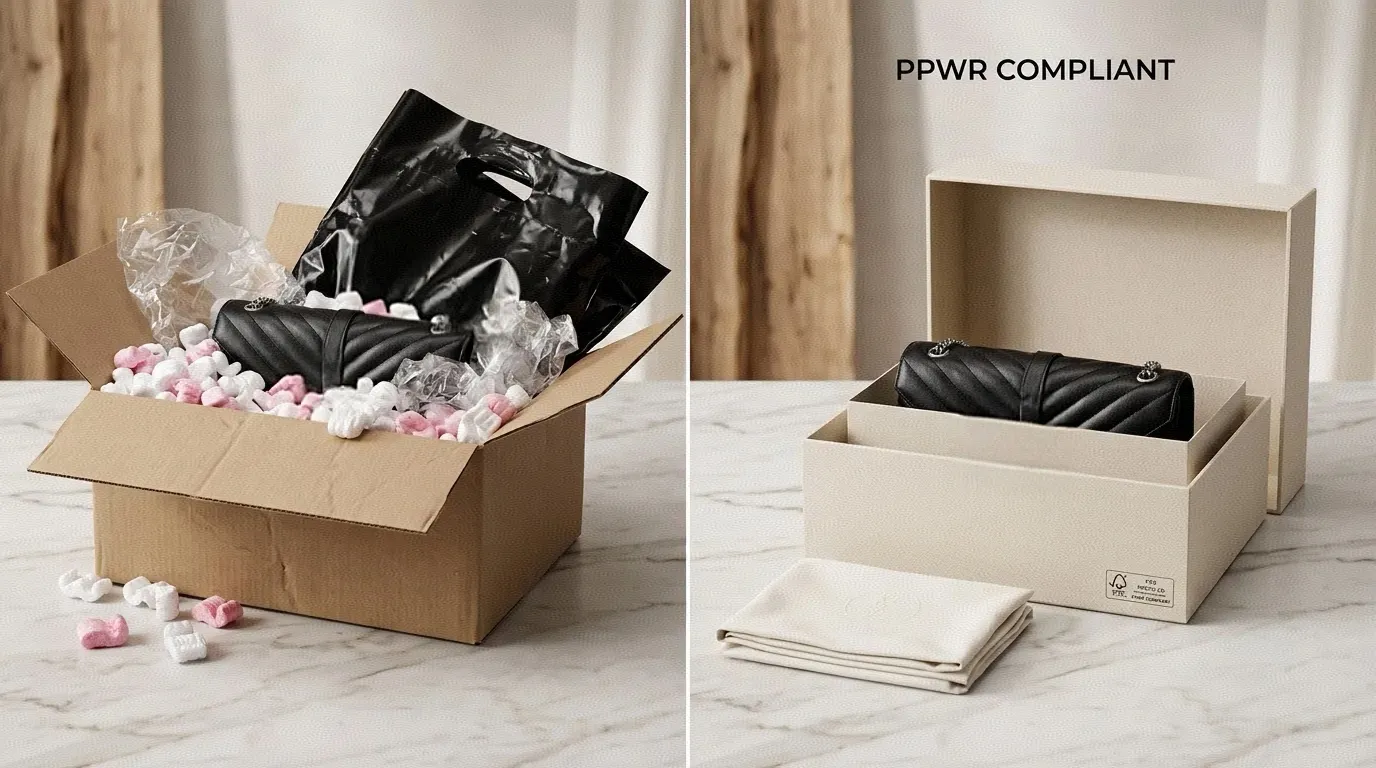
The EU’s Packaging and Packaging Waste Regulation (PPWR) is driving brands to adopt recycled shopping bags and sustainable alternatives to single-use plastics.
Corporate Sustainability
B2B buyers increasingly demand sustainable merchandise. Corporate gifting programs now prioritize recycled materials as a reflection of company values.
Consumer Expectations
Research shows 73% of millennials and Gen Z consumers prefer brands with demonstrated environmental responsibility.
What Materials Can Be Used for Recycled Tote Bags?
This is the core of any recycled tote bag factory discussion. The material you choose affects not just environmental impact, but cost, durability, print quality, and brand perception. Let’s explore each option in depth.
RPET Fabric
RPET (Recycled Polyethylene Terephthalate) is derived from post-consumer plastic bottles and other PET waste. It’s one of the most established recycled materials in the textile industry.
Source
RPET is produced by collecting, sorting, cleaning, and processing PET bottles and food packaging. One ton of RPET fabric saves approximately 5.7 tons of oil compared to virgin polyester.
Characteristics
- Excellent durability and color retention
- Moisture-wicking properties
- Resistance to wrinkles and shrinking
- Smooth surface ideal for vibrant printing
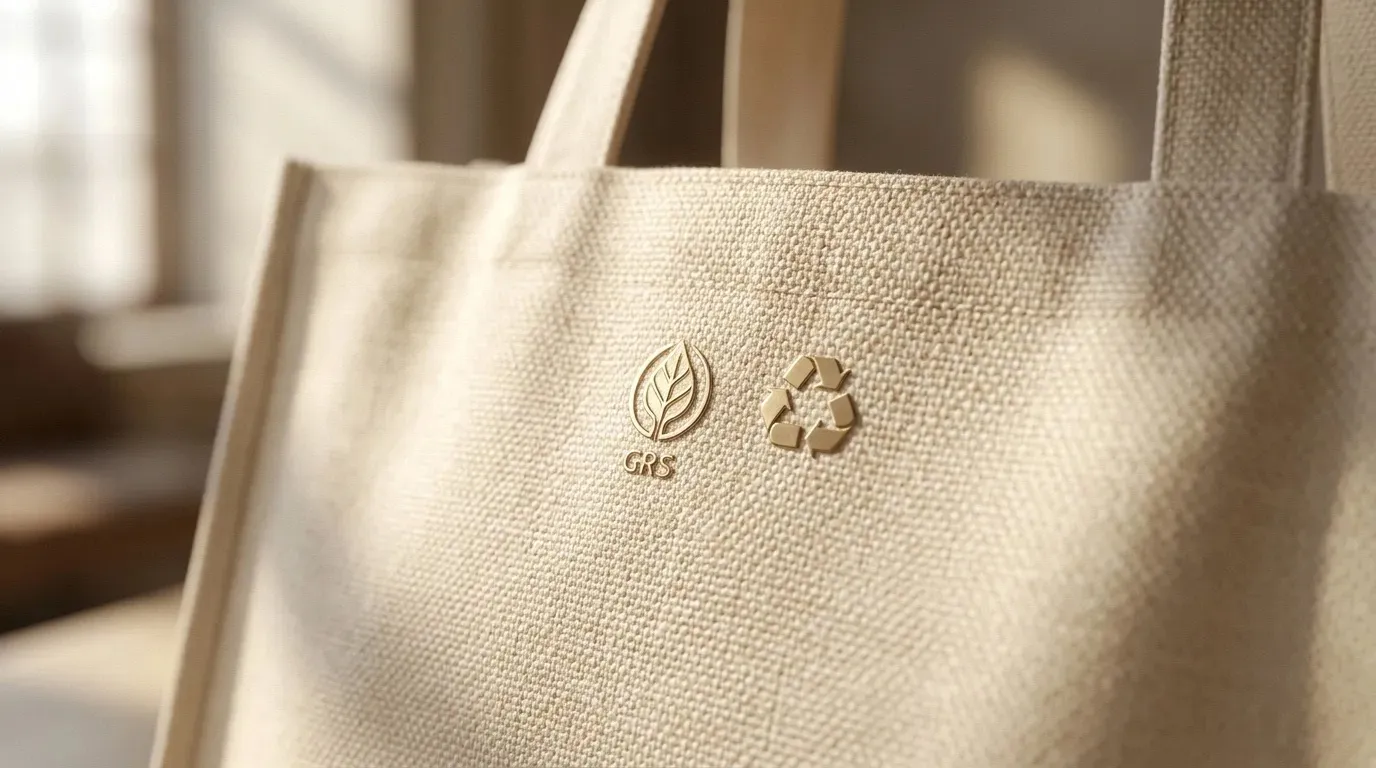
- Can achieve GRS certification for traceability
Best For
RPET tote bags are ideal for:
- Retail bags with high-quality graphics
- Trade show and event giveaways
- Luxury brand sustainable lines
- Brands requiring GRS-certified supply chains
GRS Certification for RPET
Global Recycled Standard (GRS) certification ensures chain of custody from collection to final product. As a recycled tote bag manufacturer with GRS certification, Dreamway provides full traceability documentation for every order.
Recycled Cotton
Recycled cotton is produced from post-industrial and post-consumer cotton waste—including cutting scraps from manufacturing and old garments that would otherwise go to landfill.
Characteristics
- Reduces cotton cultivation water consumption by up to 70%
- Diverts textile waste from landfills
- Requires less energy than virgin cotton production
- Limited color range due to fiber processing
- Slightly coarser texture than organic cotton
Best For
Recycled cotton tote bags excel in:
- Eco-conscious lifestyle brands
- Natural aesthetic product lines
- Zero-waste initiatives
- Educational and non-profit organizations

Organic Cotton
While technically not “recycled,” organic cotton represents a crucial sustainable option. Grown without toxic pesticides or synthetic fertilizers, organic cotton protects soil health and farmer wellbeing.
Characteristics
- GOTS-certified options available
- Soft, luxurious hand feel
- Hypoallergenic properties
- Higher production cost than conventional cotton
- Limited color options in natural state
Key Distinction
Organic cotton focuses on how the cotton is grown, while recycled cotton focuses on what happens to materials after use. Both are essential components of a sustainable textile ecosystem.
Recycled Cotton vs Organic Cotton
Choose recycled cotton when circular economy messaging is paramount. Choose organic cotton when superior softness and agricultural impact matter most. Many brands use both materials across different product lines.
Recycled Canvas
Recycled canvas typically combines recycled cotton fibers with recycled polyester, creating a durable material ideal for heavy-duty applications.
Advantages
- Exceptional durability for repeated use
- Structure holds shape well
- Excellent canvas texture appeal
- Good printability with embroidery and screen printing
- Lower environmental footprint than virgin canvas
Considerations
- Heavier weight may increase shipping costs
- Limited color palette depending on recycled content
- May show slight variations between batches
Best For
Recycled canvas is ideal for premium sustainable bags, boutique retail, and brands emphasizing longevity and reusable design.

Recycled PU Leather
Recycled PU leather represents an innovative alternative to traditional leather, using polyurethane combined with recycled materials to create a leather-like finish without animal products.
Characteristics
- Significant reduction in environmental impact vs. genuine leather
- Consistent quality and color availability
- Cost-effective alternative to full-grain leather
- Vegan and cruelty-free positioning
Want a deeper dive into this material? Read our comprehensive guide: What Is Recycled PU Leather?
Material Comparison Table
Use this comprehensive comparison to guide your material selection. The right choice depends on your brand priorities—whether sustainability credentials, cost efficiency, or aesthetic requirements.
| Material | Sustainability Score | Durability | Cost Level | Typical MOQ | Best Applications |
|---|---|---|---|---|---|
| RPET Fabric | ★★★★★ | Excellent | $$ | 200-500 | Retail bags, events, premium corporate gifts |
| Recycled Cotton | ★★★★☆ | Good | $ | 200-300 | Eco-brands, lifestyle products, reusable shopping |
| Organic Cotton | ★★★★★ | Very Good | $$$ | 200-500 | Luxury eco-brands, premium gifting, retail |
| Recycled Canvas | ★★★★☆ | Excellent | $$ | 200-400 | Boutique, heavy-duty use, premium retail |
| Recycled PU Leather | ★★★☆☆ | Good | $$ | 200-300 | Fashion brands, vegan product lines |
| Traditional Canvas | ★★☆☆☆ | Excellent | $ | 200+ | Budget-conscious, high-volume orders |
| Virgin Polyester | ★☆☆☆☆ | Very Good | $ | 500+ | High-volume, cost-driven procurement |
Note: Cost levels are relative and may vary based on order quantity, customization requirements, and material availability. Contact Dreamway for a detailed quotation tailored to your specifications.

How Recycled Tote Bags Are Manufactured
Understanding the OEM recycled bags production process helps buyers appreciate the complexity and quality control required at each stage. Dreamway’s production flow represents industry best practices for recycled tote bag manufacturing.

Material Sourcing
As an OEM recycled tote bags manufacturer, we source GRS-certified recycled materials from verified suppliers. Each material batch includes traceability documentation from collection to delivery.
- Material composition verification
- GRS chain of custody documentation
- Supplier audit and approval
Cutting & Preparation
Precision cutting ensures pattern accuracy and minimizes material waste. Our automated cutting systems achieve ±1mm tolerance for consistent sizing.
- Computer-controlled cutting patterns
- Material efficiency optimization
- Quality check before assembly
Printing & Decoration
Custom printing brings brand identity to life. From screen printing to digital methods, we match the technique to your design complexity and quantity requirements.
- Screen printing for simple, high-volume designs
- Heat transfer for complex gradients
- Embroidery for premium tactile quality
Sewing & Assembly
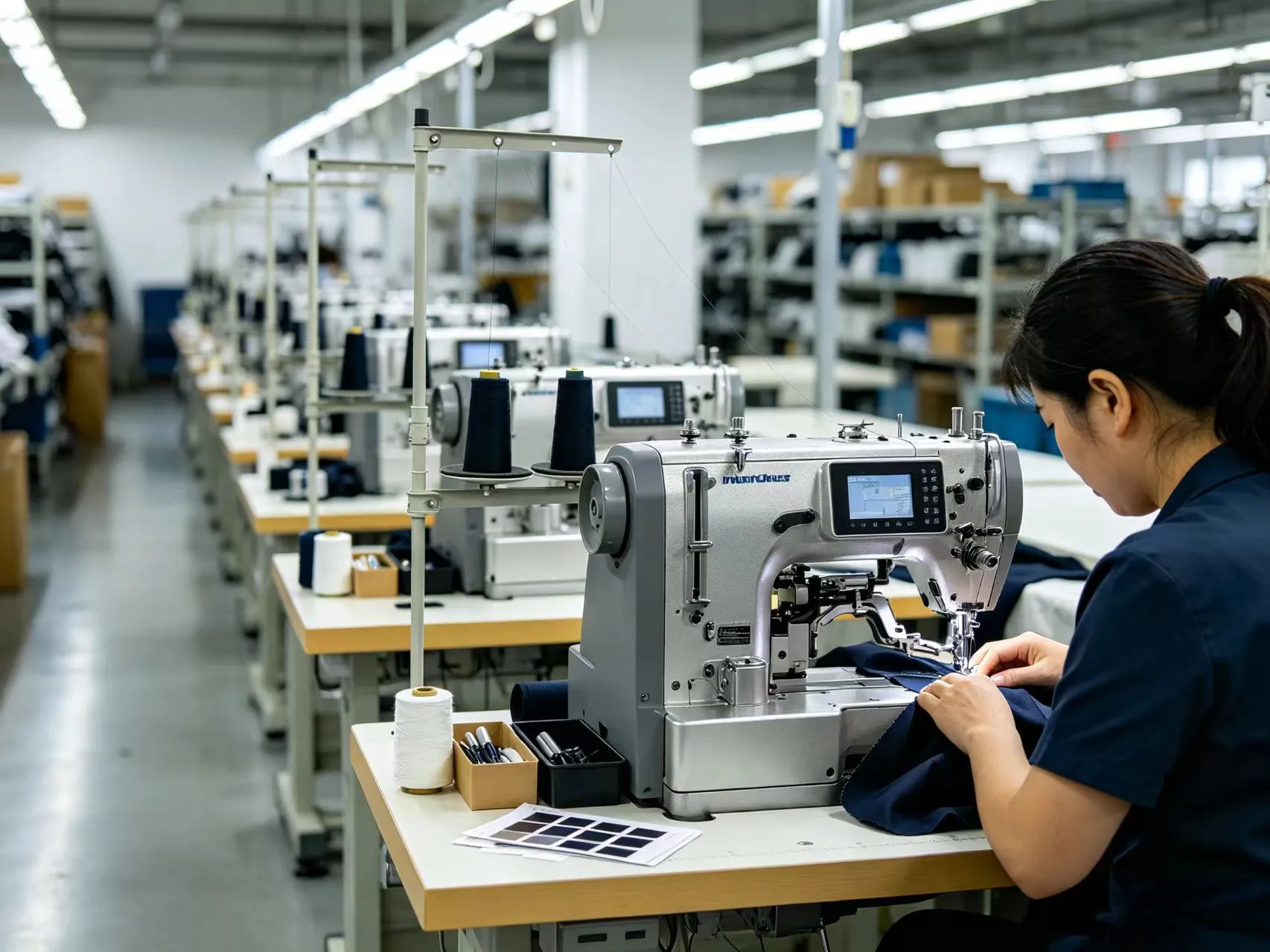
Our skilled technicians use industrial sewing equipment optimized for recycled materials. Stitch density and thread tension are calibrated for each fabric type.
- Industrial sewing machines with multiple stitch options
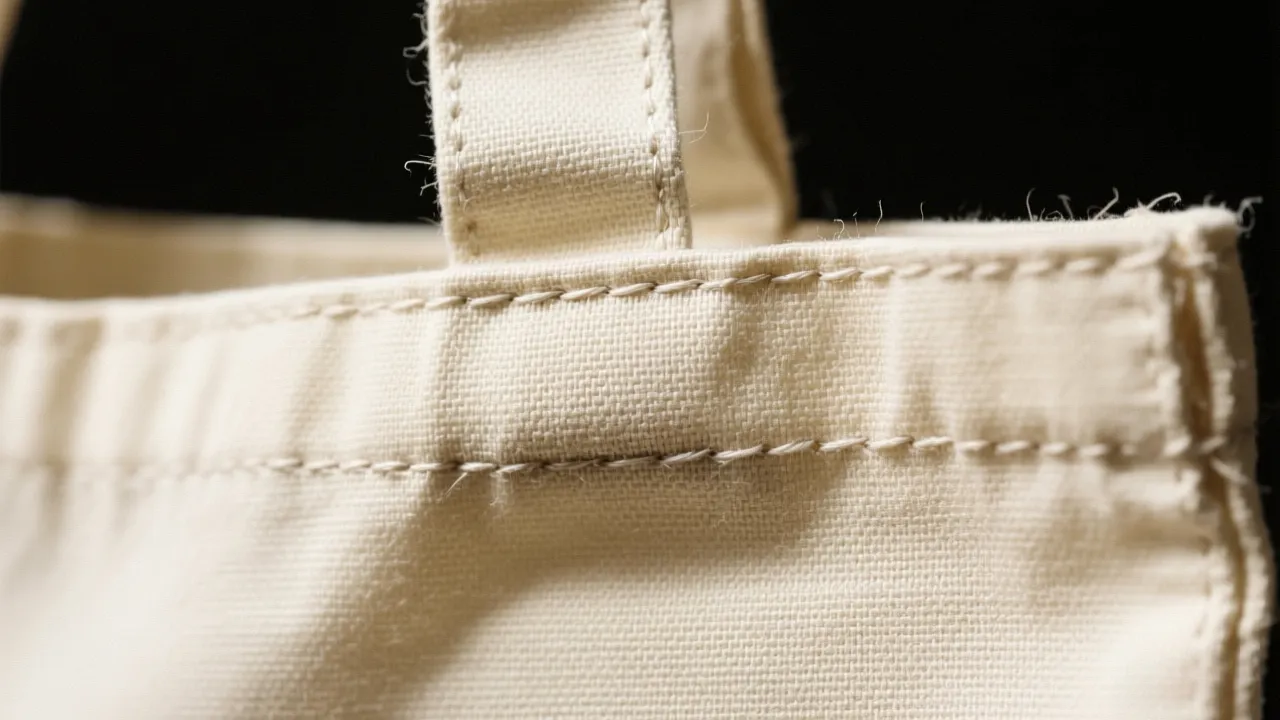
- Quality threading and seam reinforcement
- Handle and strap attachment
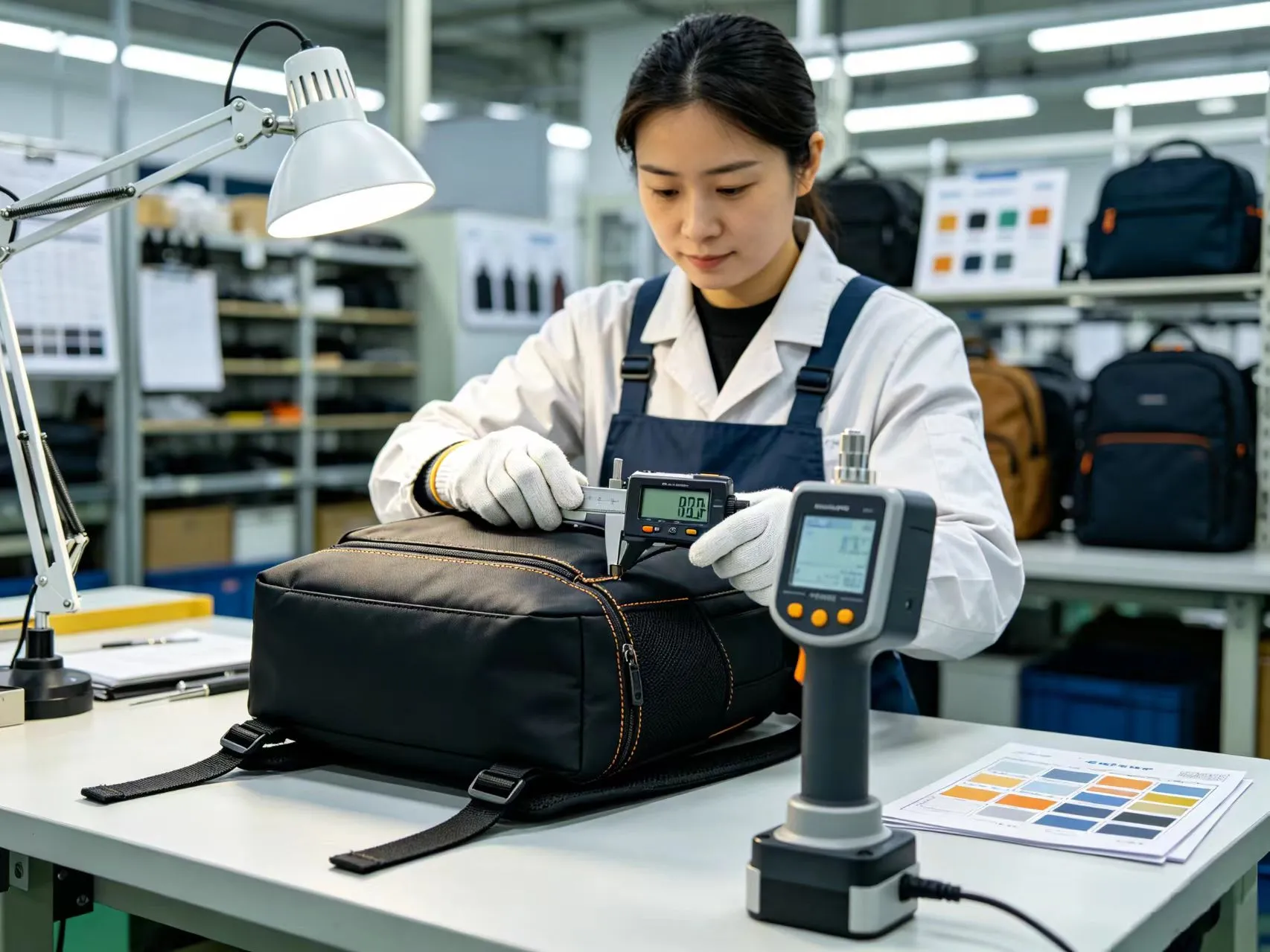
Quality Control
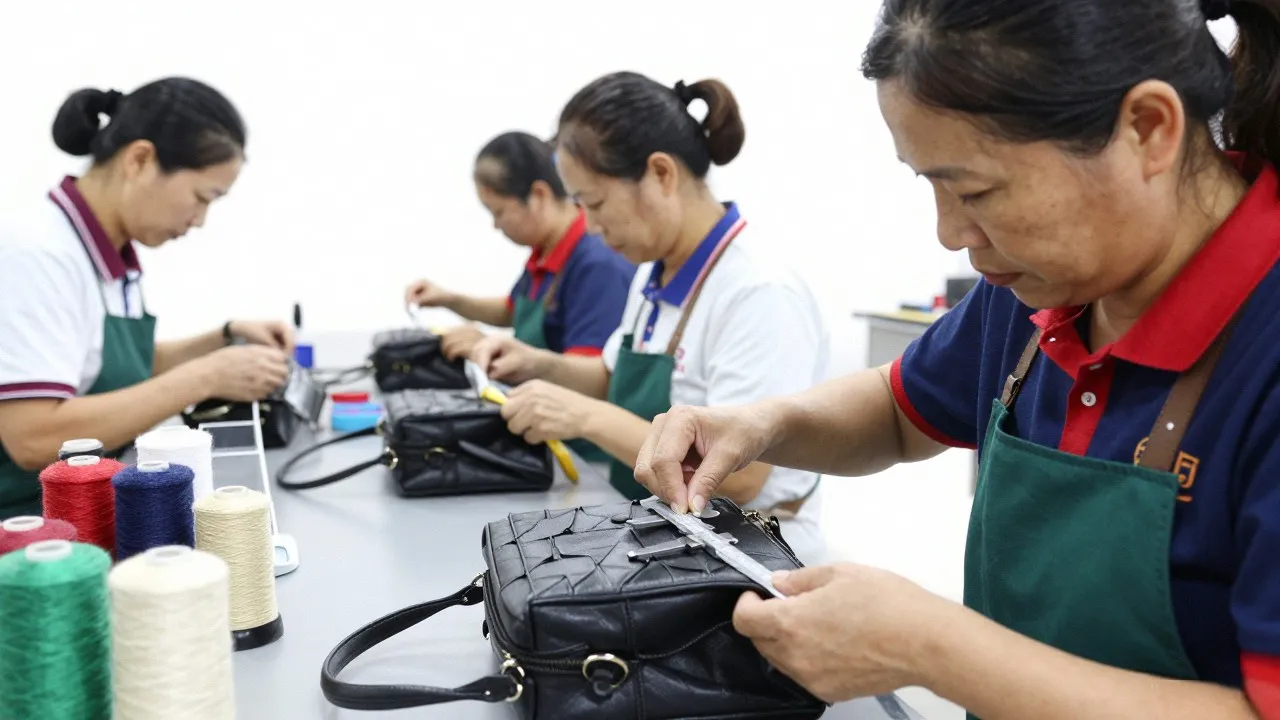
Every recycled tote bag undergoes rigorous inspection before packaging. Our QC process exceeds industry standards for sustainable bag manufacturer requirements.
- Visual inspection for defects
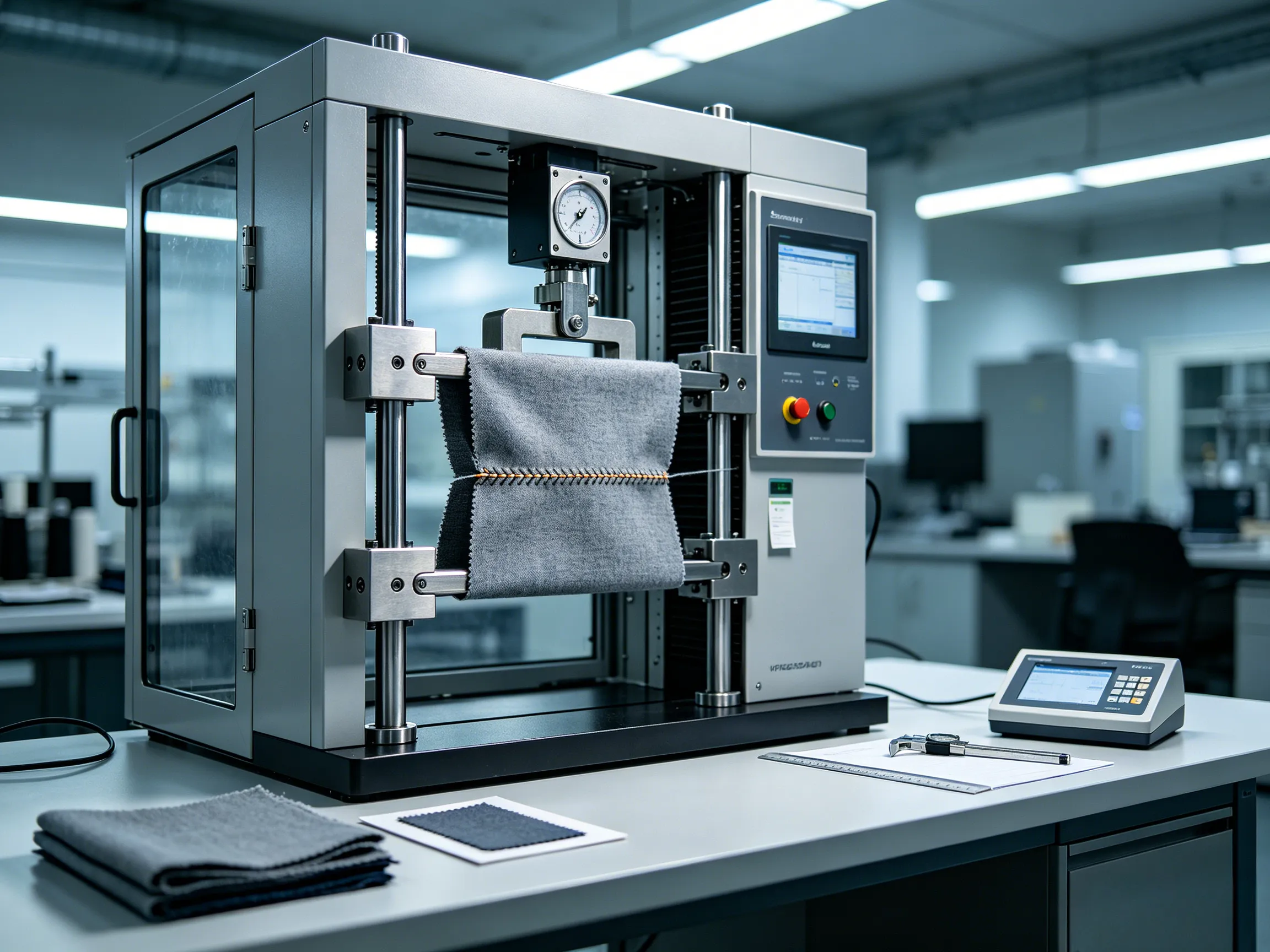
- Physical testing (tear strength, seam integrity)
- Dimension verification
Packaging & Shipping
Eco-conscious packaging uses recycled and recyclable materials. Each unit is individually packed or bulk-packed according to client specifications.
- FSC-certified packaging materials
- Custom packaging options
- Global logistics coordination
Printing Methods for Recycled Tote Bags
Custom recycled tote bag printing transforms functional items into powerful brand ambassadors. The right printing method depends on design complexity, order quantity, and budget.
Screen Printing
Best for: Simple designs, large quantities, solid colors
Advantages:
- Cost-effective for high volumes
- Vibrant, durable colors
- Fast production turnaround
Considerations:
- Setup costs for each color
- Limited to simple designs
- Not ideal for photographic images
Heat Transfer
Best for: Complex designs, small quantities
Advantages:
- Full-color photographic prints
- Low MOQ flexibility
- Detailed gradients possible
Considerations:
- May have slight texture
- Durability varies by method
- Best results on smooth surfaces
DTF (Direct to Film)
Best for: High-quality full-color on various fabrics
Advantages:
- Excellent color reproduction
- Works on cotton, polyester, blends
- Wash-resistant results
Considerations:
- Moderate setup costs
- Requires specialized equipment
- Growing in popularity
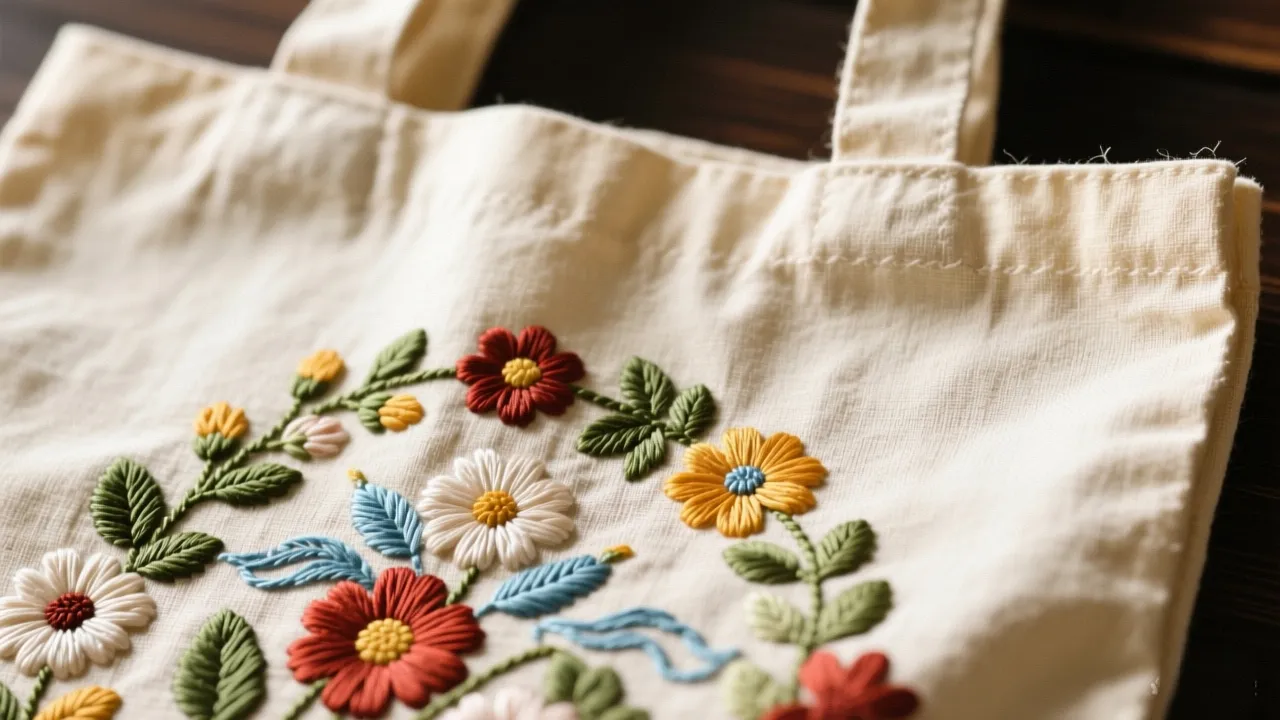
Embroidery
Best for: Logos, premium finishes, text
Advantages:
- Premium, professional appearance
- Extremely durable
- Adds perceived value
Considerations:
- Higher cost per unit
- Limited detail for complex images
- Best on thicker materials
Need help choosing? Read our complete guide: Logo Printing Methods
Important Notice
Disclaimer: Sustainability certifications such as GRS®, GOTS®, OEKO-TEX®, FSC®, and other referenced standards are registered trademarks of their respective organizations. This article is provided for educational purposes only. Certification availability depends on individual material suppliers, manufacturers, and product specifications. Buyers should verify current certification status directly with the relevant certification bodies or suppliers before making purchasing decisions.
Certifications Buyers Should Request
Authentic sustainability credentials require third-party verification. As a responsible recycled tote bag factory, Dreamway maintains comprehensive certifications that demonstrate genuine environmental commitment.
GRS (Global Recycled Standard)
The gold standard for recycled content verification. GRS certification provides:
- Chain of custody from recycled material to final product
- Verification of minimum recycled content percentages
- Social and environmental compliance for processing facilities
When you need it: When claiming recycled content in marketing, satisfying ESG reporting requirements, or supplying to major retailers.
GOTS (Global Organic Textile Standard)
The leading standard for organic textiles. GOTS certification ensures:
- Organic status of fibers from harvest through production
- Responsible social and environmental practices
- No toxic chemicals in processing
When you need it: When marketing products as “organic cotton” or supplying to European retailers with strict chemical restrictions.
OEKO-TEX Standard 100
Product safety certification testing for harmful substances. OEKO-TEX verifies:
- Every component tested for harmful chemicals
- Includes threads, buttons, zippers, prints
- Annual re-testing required
When you need it: When selling to markets with strict chemical safety regulations, especially children’s products.
FSC (Forest Stewardship Council)
Responsible forestry certification for paper and wood components. FSC ensures:
- Paper/cardboard from responsibly managed forests
- Chain of custody documentation
- No deforestation in supply chain
When you need it: When using paper hang tags, FSC-certified packaging, or marketing sustainable forestry commitment.
ISO 9001
Quality management system certification. ISO 9001 demonstrates:
- Consistent quality control processes
- Documented procedures and continuous improvement
- Customer satisfaction focus
When you need it: When working with European corporate buyers who require quality management systems as part of supplier approval.
BSCI
Business Social Compliance Initiative for social auditing. BSCI ensures:
- Fair labor practices in manufacturing
- Worker rights protection
- Regular third-party audits
When you need it: When supplying to major European retailers who require social compliance across their supply chain.
When Do You Actually Need These Certifications?
Not every order requires every certification. Here’s a practical guide:
| Certification | Essential For | Nice to Have For | May Not Need If |
|---|---|---|---|
| GRS | Recycled content claims, major retailers | Mid-size brands with sustainability focus | Budget products without recycled claims |
| GOTS | Organic cotton products | Premium eco-positioning | Non-organic materials only |
| OEKO-TEX | Children’s products, EU markets | Skin-contact items | Non-skin contact packaging only |
| FSC | Paper packaging claims | General sustainability positioning | Plastic packaging only |
For a comprehensive overview of sustainability standards, read our Guide to Sustainability: GRS, OEKO-TEX & FSC
How to Verify a Recycled Tote Bag Factory
Selecting the right recycled bag supplier requires due diligence. Follow this procurement checklist to ensure you’re working with a genuine manufacturer and not a middleman claiming factory status.

Factory Audit Checklist
1. Production Capability Verification
- Request video tour of production facilities
- Verify equipment list matches claimed capabilities
- Confirm production capacity aligns with your order size
- Check for dedicated recycled material processing areas
2. Certificate Authentication
- Request original certification documents
- Verify certificate numbers against issuing organization databases
- Check certificate expiration dates
- Confirm scope of certification matches your product requirements
3. Material Traceability
- Request supply chain documentation for recycled materials
- Verify GRS transaction certificates for each material batch
- Check upstream suppliers are GRS-certified
- Confirm material testing reports are current
4. Quality Control Documentation
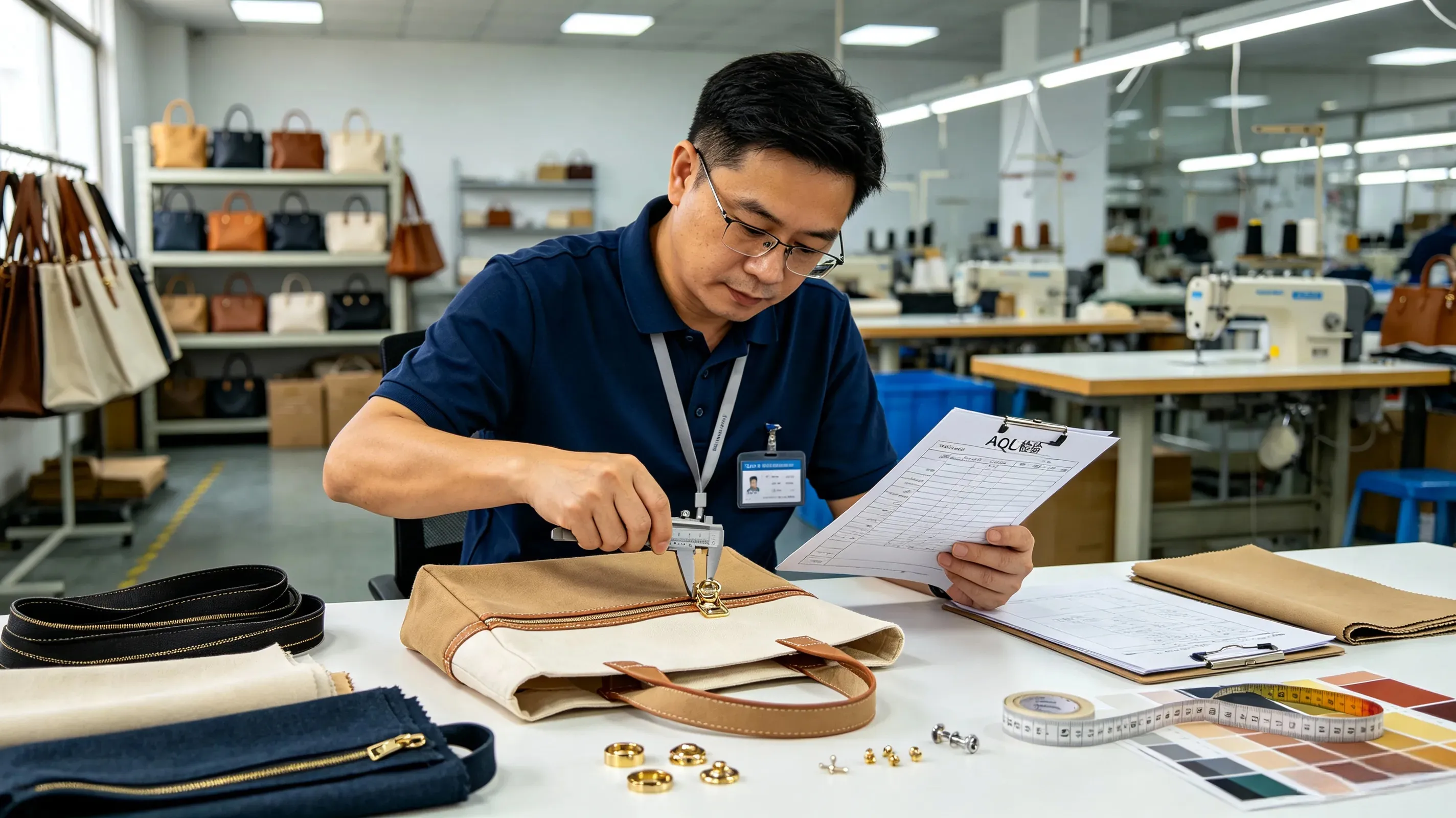
- Review QC procedures and inspection checklists
- Request AQL (Acceptable Quality Level) reports
- Check testing equipment calibration records
- Review QC staff qualifications and training
Warning Signs: Fake Factories
- Cannot provide factory footage: Legitimate manufacturers are proud to show their facilities
- Prices too low: GRS-certified recycled materials have minimum costs; suspiciously low quotes indicate compromised quality or false claims
- No certifications or vague claims: “We can get certified” is not the same as “We are certified”
- Inability to provide traceability documents: Real recycled material suppliers maintain comprehensive documentation
- Middleman language: “We work with factories” suggests you’re dealing with a trading company, not a manufacturer
Common Greenwashing Claims Buyers Should Avoid
Not all eco-friendly bags are actually recycled. The surge in sustainability marketing has created a minefield of misleading claims. Learn to distinguish genuine environmental benefit from clever greenwashing.

The Critical Distinction: Recycled vs. Recyclable
| Claim | What It Actually Means | What To Look For |
|---|---|---|
| “Made from recycled materials” | Product contains some percentage of recycled content | GRS certification with specific recycled percentage documented |
| “Recyclable” | Product CAN be recycled, but may not actually BE recycled | This doesn’t mean the product contains recycled materials |
| “Biodegradable” | Material will eventually break down, often under specific conditions | May take decades; doesn’t address current environmental impact |
| “Eco-friendly” | Vague marketing term with no specific meaning | Look for specific certifications and environmental data |
| “Sustainable” | Undefined term often used without specific criteria | Requires evidence of lifecycle analysis or certification |
Questions to Ask Suppliers
- Can you provide GRS certification for your recycled materials?
- What percentage of the bag contains recycled content?
- Can you trace the material back to its source?
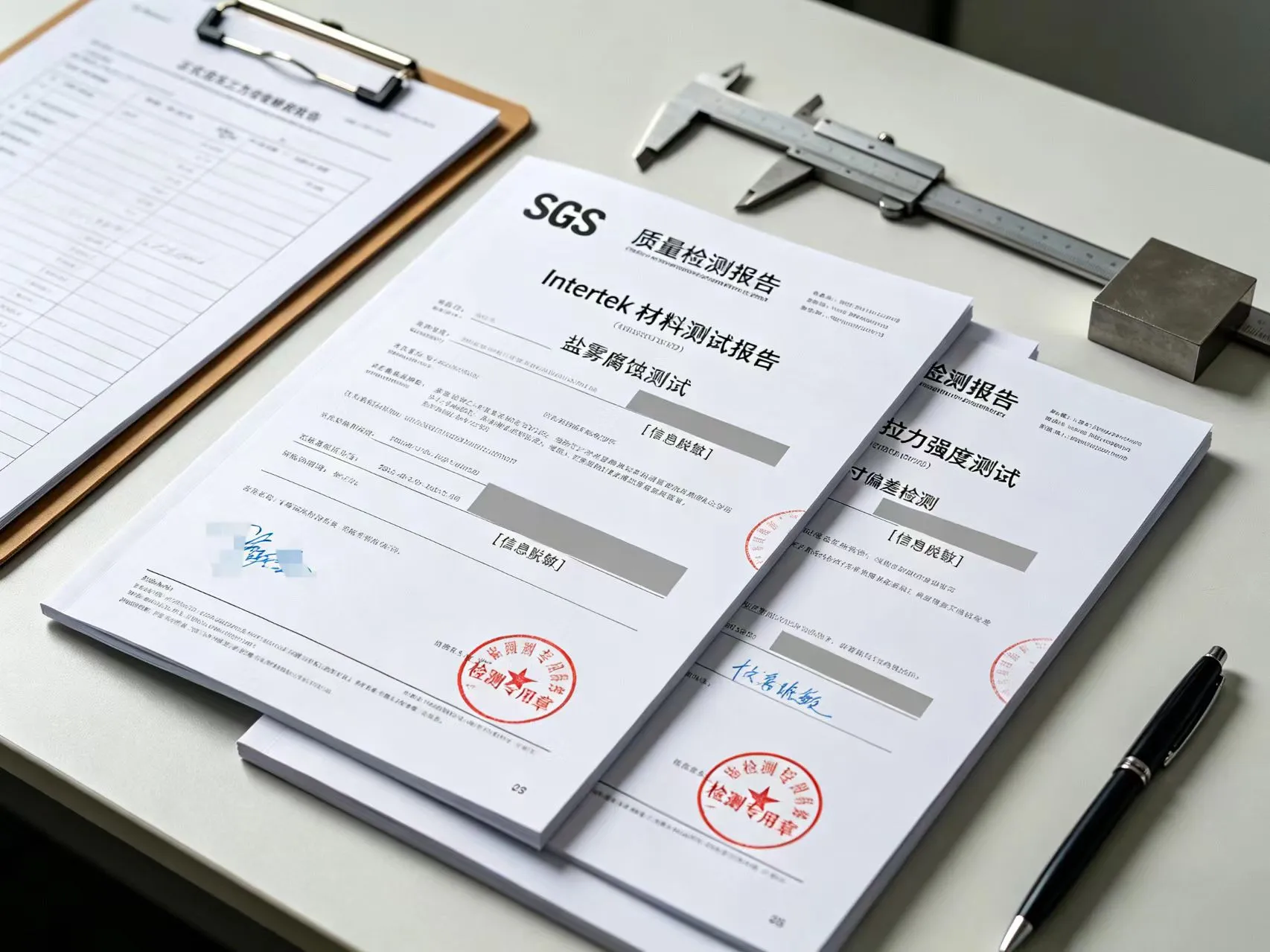
- Do you have third-party lab testing results?
- How do you verify your environmental claims?
- What happens to production waste from your facility?
Greenwashing Red Flags
- Using nature imagery without environmental certifications
- Vague claims like “green,” “natural,” or “eco” without specifics
- Focusing on one small benefit while ignoring larger impacts
- No third-party verification or certification
- Inability to provide technical documentation
- Comparing to worst-case alternatives rather than best practices
Recycled Tote Bags vs Traditional Tote Bags
Make informed decisions with this comprehensive comparison across key decision factors.
| Factor | RPET | Cotton | Organic Cotton | Canvas |
|---|---|---|---|---|
| Environmental Impact | High (diverts plastic from landfill) | Medium (requires farming resources) | High (no pesticides/fertilizers) | Medium |
| Durability | Excellent | Good | Very Good | Excellent |
| Print Quality | Vibrant colors | Good, natural look | Good, natural look | Excellent |
| Softness | Smooth texture | Soft | Very Soft | Medium (sturdy feel) |
| Cost Efficiency | $$ | $ | $$$ | $$ |
| GRS Certifiable | Yes (primary benefit) | Yes (pre/post-consumer waste) | With recycled blend | Yes (recycled canvas) |
| MOQ Flexibility | 200+ | 200+ | 200+ | 200+ |
| Best For | Premium sustainable positioning | Budget-conscious eco messaging | Luxury eco positioning | Heavy-duty, reusable applications |
Typical MOQ for Recycled Tote Bags
Minimum order quantities (MOQ) vary by manufacturer and material. Understanding MOQ dynamics helps brands plan production efficiently.
.webp)
MOQ Structure at Dreamway
| Product Type | Standard MOQ | Custom MOQ | Price Break Points |
|---|---|---|---|
| RPET Tote Bags | 200 | 100 (surcharge) | 500 / 1,000 / 5,000 |
| Recycled Cotton Bags | 200 | 100 (surcharge) | 500 / 1,000 / 3,000 |
| Organic Cotton Bags | 200 | 100 (surcharge) | 500 / 1,000 / 3,000 |
| Recycled Canvas Bags | 200 | 100 (surcharge) | 500 / 1,000 / 3,000 |
| GRS Certified Products | 300 | Contact sales | Varies by certification |
Tips for Lowering Your MOQ Impact
- Standard colors: Choosing from our in-stock color palette reduces MOQ requirements
- Simple designs: Basic screen printing has lower setup costs, enabling smaller runs
- Consolidate orders: Combine multiple designs into one production run
- Plan ahead: Longer lead times allow for production consolidation with other buyers
Looking for even lower quantities? Explore our Low MOQ Factory capabilities
Cost Factors
Understanding recycled tote bag pricing helps buyers budget accurately and identify opportunities for cost optimization.
.webp)
What Drives Recycled Tote Bag Costs?
1. Material Selection
RPET pricing fluctuates based on global PET resin markets. When plastic bottle supply is tight, RPET costs increase. Organic cotton prices depend on harvest conditions and certification premiums.
| RPET | Market-indexed pricing |
| Organic Cotton | 20-40% premium over conventional |
| Recycled Cotton | 10-25% premium over conventional |
2. Certification Requirements
GRS certification adds cost through material traceability systems and third-party audits. However, these costs are often offset by premium pricing for certified products.
3. Printing Method
Complex printing increases unit costs:
- Screen printing (1-2 colors): Most cost-effective for large orders
- Heat transfer: Moderate cost, good for complex designs
- Embroidery: Premium pricing, adds perceived value
- Digital printing: Higher setup, lower per-unit at small quantities
4. Order Quantity
Economies of scale significantly impact pricing. Key breakpoints:
- 200-499 units: Standard pricing
- 500-999 units: 5-10% reduction
- 1,000-4,999 units: 10-20% reduction
- 5,000+ units: 20-30% reduction
5. Customization Complexity
Adding features increases cost:
- Custom hardware (zippers, snaps, buckles)
- Internal pockets or compartments
- Reinforced handles or adjustable straps
- Custom labeling or hang tags
6. Logistics and Shipping
International shipping costs vary by:
- Destination country and port
- Shipping method (sea vs. air)
- Order consolidation opportunities
- Fuel surriers and port fees
Why Invest in Recycled Materials?
While recycled materials carry a premium, consider the total value:
- Brand differentiation: Sustainability positioning commands premium perception
- Customer loyalty: 66% of consumers are willing to pay more for sustainable brands
- Regulatory compliance: Avoid future retrofit costs as regulations tighten
- Marketing leverage: Authentic sustainability claims outperform generic marketing
Real Factory Experience
At Dreamway, our small team of 30+ professionals has served clients across 50+ countries. We believe in putting faces to our process—real people with real expertise driving every order.

Behind the Material Selection

Emily
Senior Project Manager
12 years in OEM bag manufacturing
Manages 15-25 active projects simultaneously
“The most common question I receive is: ‘Which recycled material should we choose?’ My answer always starts with understanding your brand values and end-use. RPET offers excellent GRS traceability for compliance-focused brands. Organic cotton provides that premium hand-feel luxury brands demand. Sometimes the best choice isn’t the most expensive option—it’s the one that aligns with your authentic brand story.”
Quality Control Before Shipment
Kevin
Pattern Development Engineer
15 years in bag pattern making
Expertise in leather, canvas, nylon, and technical fabrics
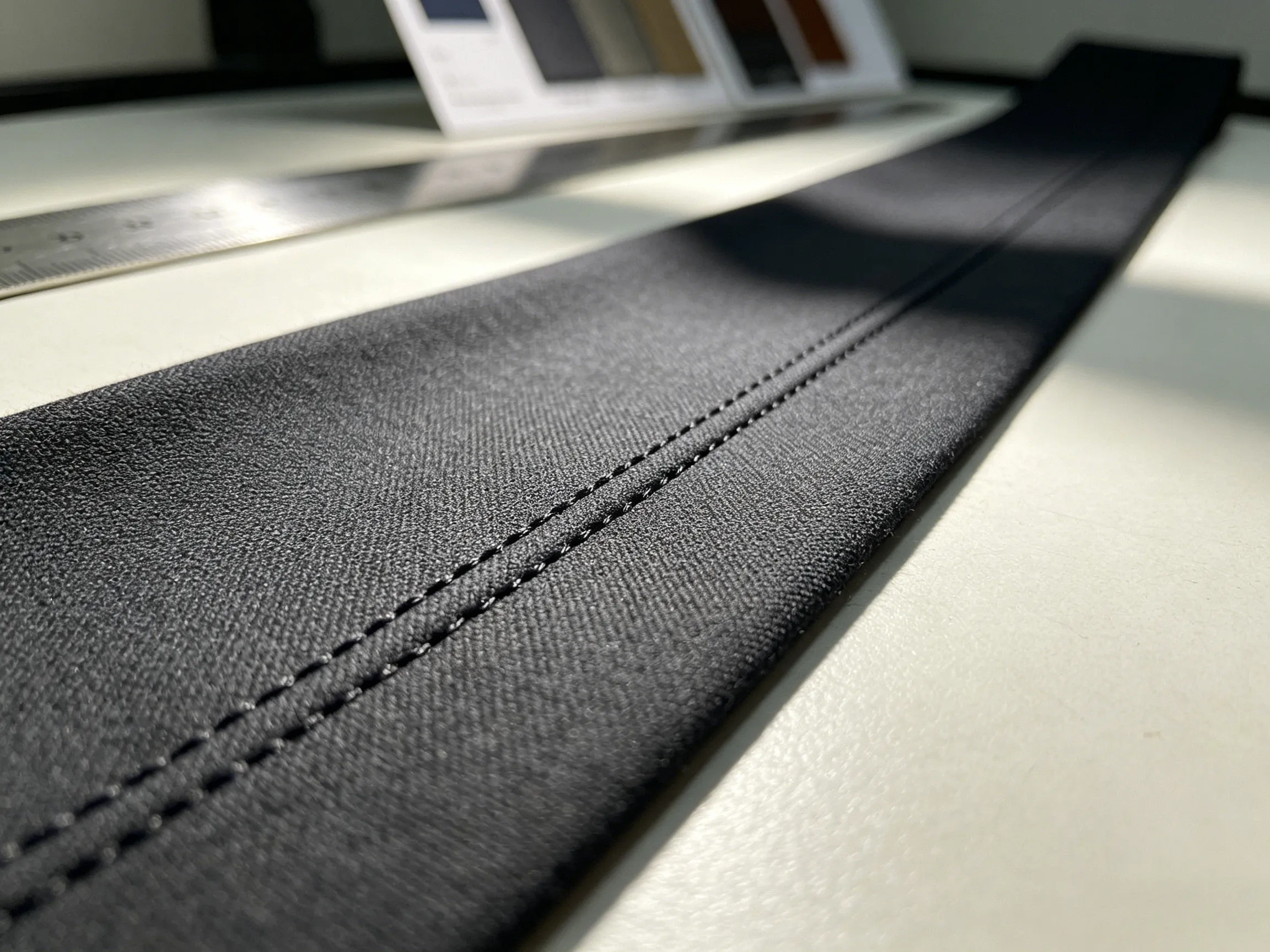
“Quality control isn’t a final step—it’s embedded throughout production. We verify GSM (fabric weight), color consistency against approved standards, logo accuracy including color matching and placement, stitching density and seam integrity, and hardware functionality. For recycled materials, we pay special attention to consistency, as material properties can vary between batches. That’s why we maintain close relationships with our certified material suppliers.”

Frequently Asked Questions
These questions represent the most common inquiries from procurement professionals and brand managers navigating recycled tote bag sourcing.
What is RPET?
RPET (Recycled Polyethylene Terephthalate) is fabric made from post-consumer plastic bottles and other PET waste. It offers the same durability as virgin polyester while significantly reducing environmental impact—one ton of RPET fabric saves approximately 5.7 tons of oil compared to virgin polyester production.
Is recycled cotton really sustainable?
Yes, recycled cotton significantly reduces environmental impact by diverting textile waste from landfills and reducing the need for new cotton cultivation. However, sustainability depends on the entire supply chain. Look for GRS certification to verify genuine recycled content and responsible processing.
Is recycled PU leather eco-friendly?
Recycled PU leather has a lower environmental footprint than traditional leather or virgin PU. However, it’s not biodegradable and has limitations. For a deeper understanding, read our comprehensive guide: What Is Recycled PU Leather?
Can recycled tote bags be customized?
Absolutely. Recycled materials work well with various customization methods including screen printing, heat transfer, DTF printing, and embroidery. The customization options are comparable to traditional materials.
Do recycled bags cost more?
Recycled materials typically carry a 10-40% premium over conventional materials, depending on the material type and certification requirements. However, this premium is often offset by stronger brand positioning and consumer willingness to support sustainable products.
Which certification should I request?
It depends on your marketing claims and customer requirements. GRS is essential for recycled content claims. OEKO-TEX is important for skin-contact products. For guidance matching certifications to your needs, read our Guide to Sustainability.
Can recycled tote bags be printed?
Yes, recycled materials print well. RPET offers particularly vibrant results due to its smooth surface. Organic cotton provides a natural aesthetic. We recommend requesting samples to test print quality with your specific design.
Are recycled tote bags durable?
Quality recycled tote bags are highly durable. RPET offers excellent longevity with resistance to wrinkles and shrinking. Recycled canvas provides exceptional durability for heavy-duty applications. Always verify specifications and request samples for critical applications.
What is the MOQ for recycled tote bags?
Standard MOQ at most manufacturers, including Dreamway, is 200 units per design. Lower quantities may be available with pricing surcharges. Explore our Low MOQ Factory options.
How do I verify recycled materials?
Request GRS certification and verify transaction certificates showing chain of custody from collection to delivery. Ask for lab testing reports confirming material composition. Reputable manufacturers welcome verification requests.
Which material is best for luxury brands?
Organic cotton offers the premium hand-feel luxury positioning requires. Recycled canvas provides durability with sophisticated texture. For technical performance, consider recycled nylon. We recommend requesting samples to evaluate material aesthetics against your brand standards.
How long is production?
Standard production time ranges from 3-5 weeks after sample approval, depending on order size and complexity. GRS-certified orders may require additional time for documentation. Rush orders are available with pricing premiums.
Can recycled tote bags be GRS certified?
Yes, both RPET and recycled cotton can achieve GRS certification. The certification requires supply chain documentation from material collection through manufacturing. Dreamway maintains GRS certification for qualifying recycled material orders.
Can factories provide traceability documents?
Reputable manufacturers with GRS certification can provide comprehensive traceability documentation. This includes GRS Transaction Certificates, supplier audit reports, and material testing results. Request documentation requirements during initial inquiry.
What’s the difference between recycled cotton and organic cotton?
Recycled cotton focuses on circularity—diverting textile waste from landfills. Organic cotton focuses on agricultural practices—growing without toxic chemicals. Both are sustainable options; the choice depends on whether circular economy messaging (recycled) or agricultural impact (organic) aligns better with your brand narrative.
Conclusion
The transition to recycled tote bags represents more than a product choice—it’s a strategic decision that impacts brand perception, regulatory compliance, and environmental footprint. As a leading recycled tote bag factory, Dreamway is committed to helping brands navigate this transition authentically.
Making Your Material Selection
Choose your recycled material based on your priorities:
- RPET: Best for brands prioritizing GRS certification, plastic diversion messaging, and vibrant print quality
- Organic Cotton: Best for luxury positioning, premium hand-feel requirements, and agricultural impact focus
- Recycled Cotton: Best for circular economy messaging and natural aesthetic positioning
- Recycled Canvas: Best for durability-focused applications and heavy-duty reusable bags
- Recycled PU: Best for vegan positioning and fashion-forward brands
Ready to Start Your Sustainable Journey?
As a small but dedicated team of 30+ professionals, we bring personalized attention to every project. Whether you need 200 units for a product launch or 10,000 for a global campaign, Dreamway delivers the quality, certification support, and reliability your brand deserves.
Disclaimer: This article is for informational purposes only. Sustainability certifications referenced are registered trademarks of their respective organizations. Buyers should verify current certification status with relevant certification bodies before making purchasing decisions.
- Recycled PU vs PVC: Which Material Is Better for Sustainable Bags?
- Is Recycled PU Leather Toxic? Safety, Chemical Risks & Buyer Guide
- Recycled PU Leather: Is It Sustainable? Bag Brand Guide
- Recycled PU vs PU Leather: Which Is Better for Bags?
- What Is Recycled PU Leather? Complete Guide for Bag Brands
- PU vs. Polyester for Bags: Which Material Is Better for Your Brand?
- Silk vs. Bamboo vs. Tencel: Why Luxury Wellness Brands Still Choose Real Mulberry Silk for Bedding
- How to Spot Fake Silk: A Factory Guide to Testing Real Mulberry Silk for B2B Buyers
- The Ultimate Guide to Sourcing Mulberry Silk: 16mm vs 19mm vs 22mm Compared
- Canvas vs. Polyester vs. PU: Material Comparison
- Guide to Sustainability: GRS, OEKO-TEX & FSC
- Canvas Fabric Weight Guide: GSM and Oz Explained
- The Future of Vegan Leather: Pineapple, Cactus, and Apple Fiber
- Water-Based PU vs Recycled PU: Which Is Better for Bags?
- Why Water Based PU Leather is so popular?
- Comparing Cotton vs. Blended Canvas for Tote Bags
- Eco-Friendly and Sustainable Canvas Tote Bags
- Canvas Tote Bag Material & Weight Guide: oz/GSM Chart for Every Bag Type
- Sustainable Custom Tote Bags with Logo: Certifications, Materials & Greenwashing Red Flags
- Canvas Tote Bag Factory: What Affects the Durability?
- Cotton Tote Bag Factory: Grades, GSM Options & Fabric Testing
- Luxury Tote Bag Factory for Premium Brands (PU/Leather Options)
- Recycled Tote Bag Factory: RPET, Organic Cotton & Eco-Friendly Materials
- Top Custom PU Handbag Factories & Pro Tips for Choosing Quality
DREAMWAY
Custom Bag & Silk Manufacturer · Shiling, Guangzhou
Company
Products
Guides & Insights
Ready to Bring Your Bag Idea to Life? Let’s Talk Today.
From your first sketch to bulk delivery, our team replies within 12 hours with expert advice and a free quote. No pressure — just honest manufacturing guidance.

Prefer a call? +86-020-87682749 · Mon–Sat, 9:00–18:00 (GMT+8)
Crafted Insights for Premium Cotton Tote Bags
A curated library of expert guides — covering fabrics, printing, certifications, OEM/ODM workflows, and sourcing — to help brands and buyers make confident decisions.
Custom Tote Bags With Logo
Bring your brand to life — customize every stitch, color, and finish with your logo, from sketch to delivery.
Explore → No. 02Fabric Grades, GSM & Testing
Understand cotton grades, GSM weight, and the testing standards that define a premium tote bag.
Explore → No. 03Recycled & Organic Cotton Tote Bags
Choose recycled or GOTS-certified organic cotton — sustainability woven into every bag.
Explore → No. 04Logo Printing Methods for Tote Bags
Silkscreen, heat transfer, embroidery — compare print methods to carry your brand beautifully.
Explore → No. 05OEM Manufacturing: Design to Production
From the first sketch to mass production — a guided OEM journey for your private-label tote line.
Explore → No. 06OEM vs ODM Manufacturing
Understand the difference between OEM and ODM to choose the right path for your brand.
Explore → No. 07OEKO-TEX vs GOTS vs GRS Certifications
A clear comparison of three leading certifications guiding responsible fabric sourcing.
Explore → No. 08MOQ 2026: Cost & Lead Time
2026 insights on minimum order quantity, unit cost, and production lead time for cotton totes.
Explore → No. 09Choosing a Reliable Manufacturer: 2026 Checklist
A vetted checklist to help you identify trustworthy manufacturing partners in 2026.
Explore → No. 10Sample Approval Checklist
Confirm every detail before mass production — avoid costly revisions after sampling.
Explore → No. 11Cotton Tote Bag Manufacturer China
Discover why China leads the world in cotton tote bag manufacturing — quality, capacity, and craftsmanship.
Explore →