
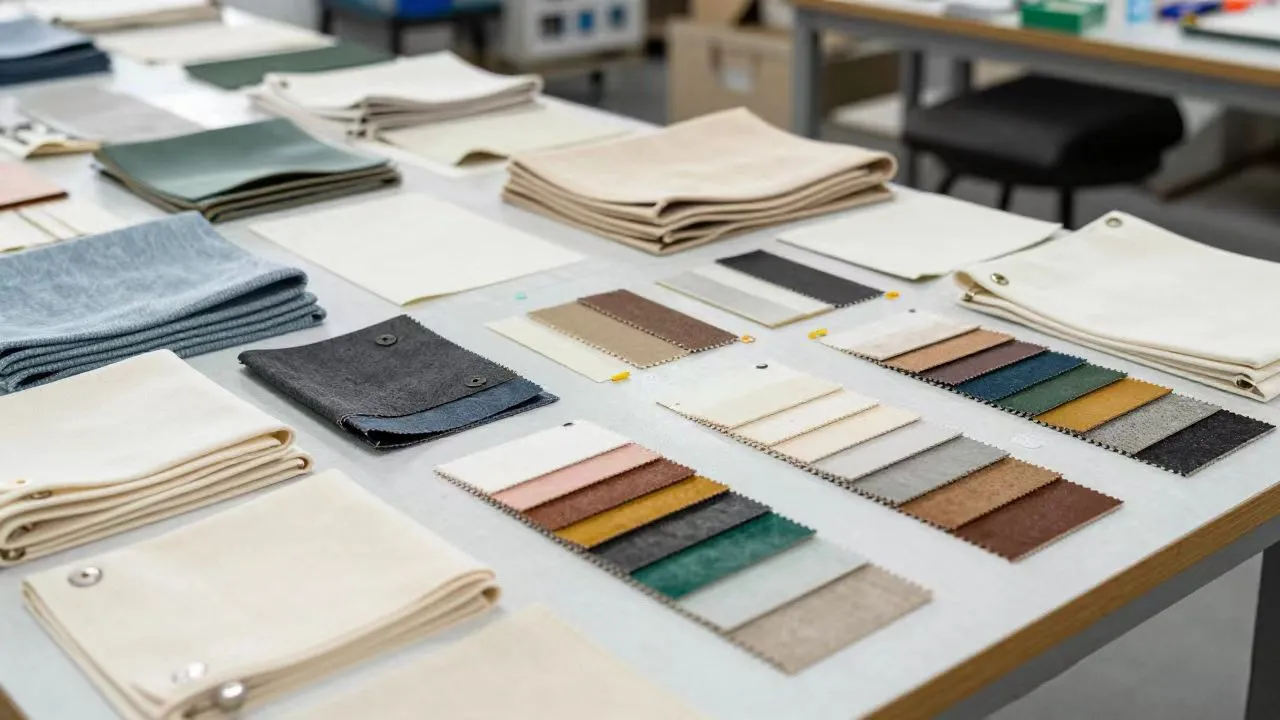
Water-Based PU vs Recycled PU: Quick Comparison
At-a-glance comparison for busy procurement managers
| Feature | Water-Based PU | Recycled PU (GRS) |
|---|---|---|
| Sustainability | ★★★★★ | ★★★★☆ |
| Durability | ★★★★☆ | ★★★★☆ |
| Cost | Medium | Lower |
| Odor | Very Low | Low |
| Appearance | Premium | Premium |
| MOQ | Medium | Low |
| Luxury Brands | ✔ | ✔ |
| Hydrolysis Resistance | Excellent | Good |
| Best For | Maternity, Luxury, Baby | Eco-brands, Promotional |
In today’s eco-conscious market, selecting the right synthetic leather is more critical than ever. This comprehensive guide breaks down everything bag manufacturers, brand managers, and procurement teams need to know about water-based polyurethane (also called waterborne PU) and the recycled alternative — from a Guangzhou-based factory insider’s procurement perspective. Water based PU is increasingly preferred by premium bag brands worldwide for its superior quality, environmental compliance, and easier certification process. As a GRS-certified factory in Guangdong Province, China, we serve bag brands across North America and Europe with both water-based polyurethane and recycled options. This guide covers water-based coating technology, cost comparisons, factory insights, and real-world case studies to help you make informed decisions about eco-friendly PU materials for your next bag collection.
What Is Water-Based PU? Complete Guide
This water based PU guide covers everything you need to know about this innovative sustainable material. Water based PU represents the next generation of synthetic leather, using water as the primary solvent instead of toxic chemicals.
Water-Based Polyurethane Manufacturing Process
Waterborne PU uses water as the primary dispersion medium instead of toxic DMF (dimethylformamide). The water-based coating is applied in a controlled environment where water evaporates during curing, leaving a durable polymer layer. This makes eco-friendly PU the cleanest option for sustainable bag production.
Water-Based Coating Technology
The polyurethane dispersion (PUD) creates a breathable membrane that allows moisture vapor transmission while providing excellent scratch and abrasion resistance. Waterborne PU coating thickness typically ranges from 0.3mm to 1.2mm, making this water-based coating ideal for premium eco-friendly PU applications.
Water Based PU Typical Applications
- Maternity and baby bags (water based PU is safest)
- Luxury handbags (water based PU for premium quality)
- Medical and healthcare bags (water based PU preferred)
- Premium fashion accessories (water based PU excels)
- Children’s products (water based PU is ideal)
- High-end corporate gifts (water based PU recommended)
- Eco-friendly PU options for brand lines targeting circular economy positioning
- Waterborne PU topcoats for hybrid sustainable collections
Procurement Note from Guangzhou Factory
Water based PU commands a 15-25% premium over standard solvent-based PU, but offers significant advantages in regulatory compliance (REACH, Prop65), OEKO-TEX certification, and brand positioning for eco-conscious consumers. Our Guangdong water based PU facility serves brands across North America and Europe.
What Is Recycled PU? Complete Guide (Procurement)
This guide to the recycled alternative covers sustainable material options. While GRS-certified PU offers excellent environmental benefits, many brands are now choosing water based PU for superior performance and easier compliance. Compare both materials in our comprehensive water based PU guide.
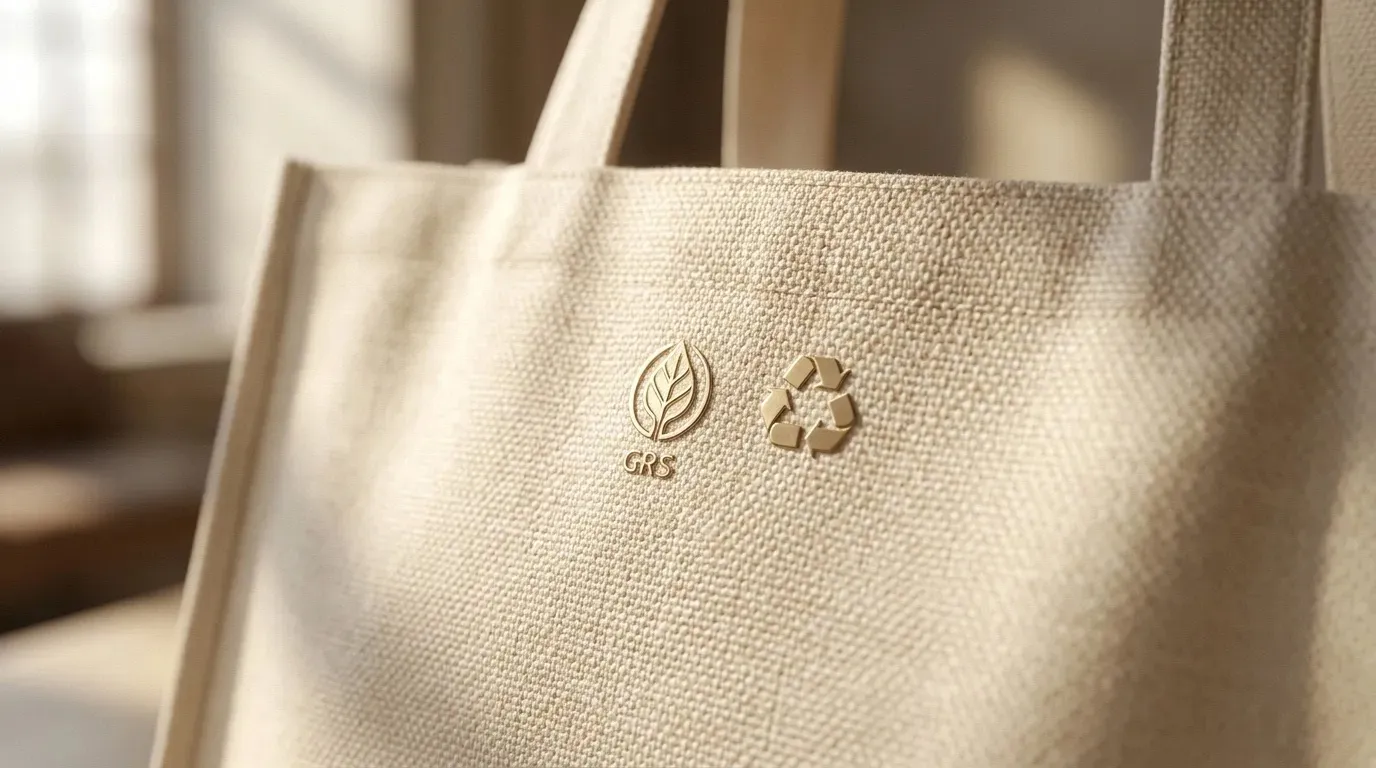
Recycled PU Source Materials
GRS-certified PU is manufactured from post-industrial PU waste, discarded plastic bottles, and marine debris recovery programs. The recycled polyurethane is mechanically or chemically recycled and reformulated into new leather substrates.
Recycled PU Coating Process
The recycled polyurethane base is typically coated with a virgin PU surface layer to ensure consistent quality and appearance. For superior performance, many manufacturers apply a water-based coating on recycled bases as a hybrid solution.
Recycled PU Typical Applications
- Eco-fashion bags (GRS-certified preferred)
- Promotional tote bags (cost-effective option)
- Retail shopping bags (well-suited entry tier)
- Corporate merchandise (common mid-range choice)
- Sustainable brand lines (ideal eco-positioning)
- Cost-conscious collections (best budget solution)
- Water-based coating hybrid for premium eco-brands
- Water-based polyurethane surface layers for compliance-driven lines
Certification Matters for Recycled PU
Always verify GRS (Global Recycled Standard) certification for recycled PU materials. This ensures minimum 20% recycled content and validates social and environmental practices throughout the supply chain. For comparison, our water based PU achieves OEKO-TEX and REACH compliance more easily.
Water-Based PU vs Recycled PU: Which Should You Choose?
This water based PU guide provides a comprehensive comparison to help procurement managers make informed decisions
1. Sustainability: Why Water-Based Polyurethane Excels
Zero-VOC Production via Waterborne PU
Water-based coating technology uses water as the primary solvent, achieving near-zero VOC emissions (<10 g/L). This makes eco-friendly PU the cleanest option for manufacturers and brands targeting the premium sustainable market segment.
Carbon Footprint
Water-based polyurethane reduces VOC emissions by 70%+ compared to traditional solvent-based alternatives. While eco-friendly PU uses virgin materials, its clean production process significantly reduces environmental impact during manufacturing.
Recyclability
Waterborne PU is easier to recycle due to its cleaner composition. Both materials are technically recyclable, but end-of-life collection infrastructure remains limited industry-wide.
2. Appearance: Why Water-Based PU Offers Superior Quality
Texture Consistency
Water-based PU often offers a more consistent grain pattern compared to alternatives. The controlled production process ensures uniform texture across batches, which is critical for luxury brand requirements.
Softness Control
Water-based PU provides excellent softness control — it can be engineered from soft lambskin-like textures to firm structured feels. This versatility makes it ideal for diverse product lines from delicate baby bags to structured luxury handbags.
Color Consistency
Water-based PU delivers excellent batch-to-batch color consistency. Premium manufacturers achieve Grade 4+ color fastness to rubbing, ensuring products maintain their appearance over time.
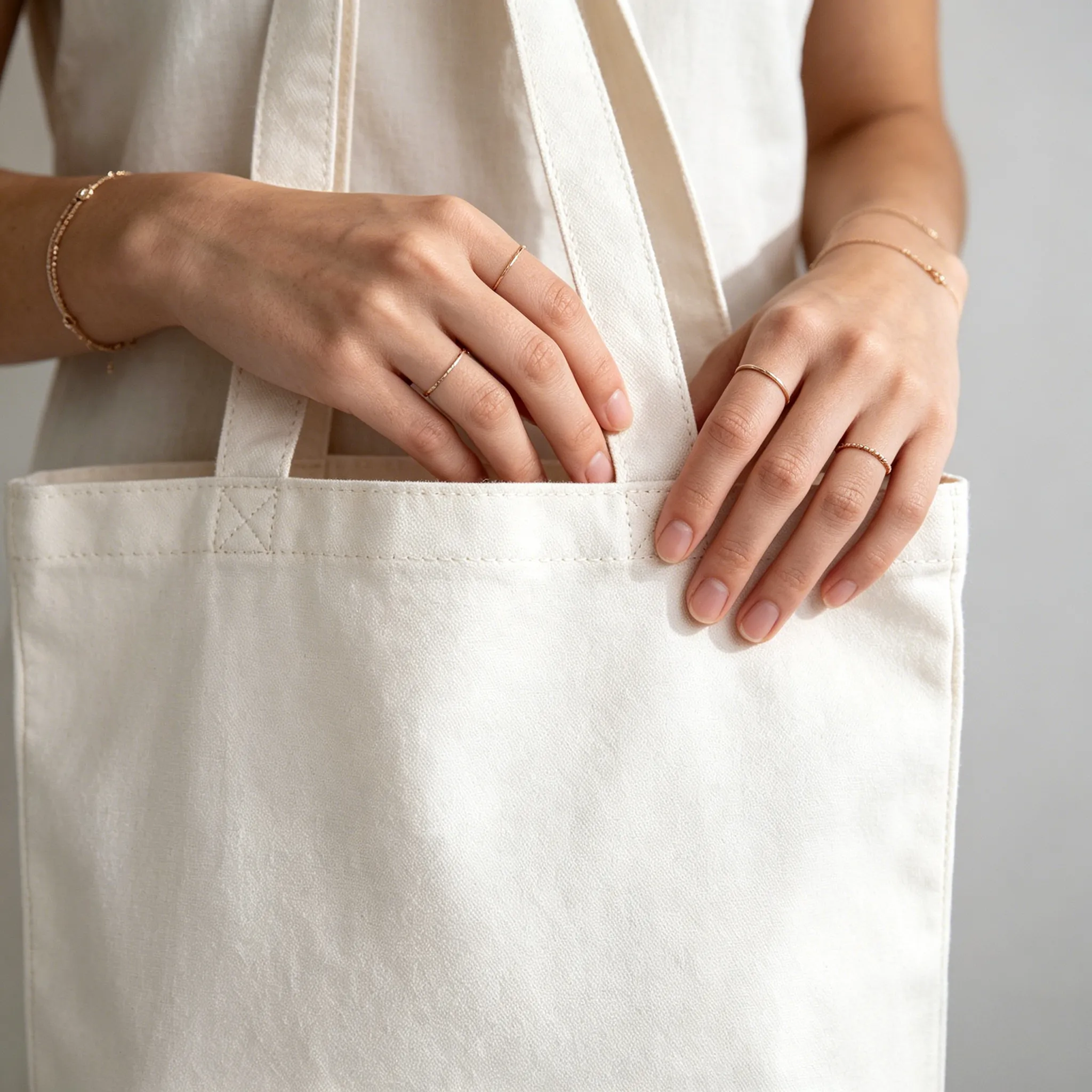
3. Durability: Water-Based PU’s Superior Performance
Abrasion Resistance
Water-based polyurethane achieves 50,000-100,000 Martindale cycles in premium grades — significantly higher than many alternatives. This makes waterborne PU ideal for high-traffic products like everyday handbags and children’s items.
Scratch Resistance
Our water-based coating allows for harder topcoat formulations without environmental concerns. The clean production process means manufacturers can optimize eco-friendly PU for durability without VOC restrictions.
Flexibility Engineering
Water-based PU can be engineered for specific flex requirements — from soft folds for lambda applications to firm structures for rigid bags. This adaptability makes it the preferred choice for premium manufacturers.
Hydrolysis Resistance
Critical advantage: Water-based PU with proper formulation achieves 5-7 years of hydrolysis resistance. This superior performance prevents the delamination, cracking, and powdering that plagues lesser materials.
Factory Tip: Always specify hydrolysis-resistant formulations for products intended for humid climates, long storage periods, or container shipping routes.
4. Manufacturing Excellence: Why Water-Based PU Leads
Production Consistency
Water-based PU requires more controlled manufacturing conditions (humidity, temperature) but offers better process consistency. This investment in quality control translates to fewer defects and higher customer satisfaction.
Yield Rate Advantage
Water-Based PU achieves 95-98% yield due to consistent quality. This superior yield rate reduces waste, lowers per-unit costs, and ensures reliable delivery schedules for brand partners.
Lead Time
Water-Based PU requires 15-25 days for standard colors. Both material types can be expedited with warehouse inventory programs for urgent requirements.
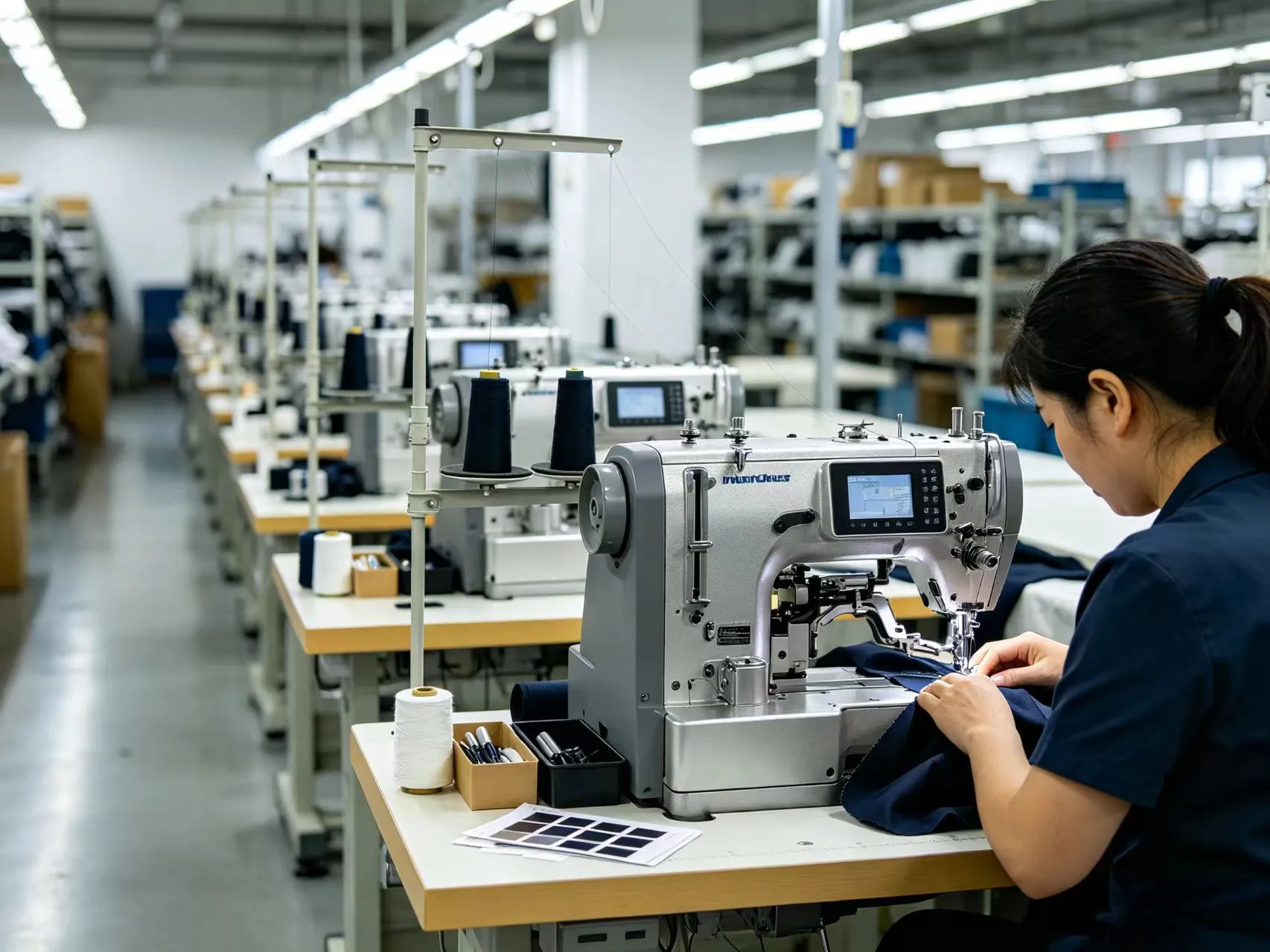
5. Cost Structure: Total Cost of Ownership Analysis
| Cost Factor | Water-Based PU | Recycled PU |
|---|---|---|
| Raw Material Cost | $4.50-7.00/yard | $3.50-5.50/yard |
| Lamination Cost | $1.00-1.50/yard | $0.80-1.20/yard |
| Coating Cost | $0.80-1.20/yard | $0.60-1.00/yard |
| Labor Intensity | Standard | Standard |
| Scrap Rate | 2-5% | 5-10% |
| Shipping Cost | Standard | Standard |
Long-term Cost Consideration: While waterborne PU has higher upfront costs, its superior durability, hydrolysis resistance, and lower scrap rate often result in lower cost-per-wear and significantly fewer customer returns. Water-based polyurethane is the smarter long-term investment.
6. Certifications: Why Water-Based PU Offers Better Compliance
Both available
Recycled PU only
Both compliant
Water-based preferred
Water Based PU vs Recycled PU: Which Should You Choose?
This water based PU guide provides expert recommendations based on product requirements and market positioning. As a Guangzhou factory, we offer both water based PU and recycled PU solutions.
Tote Bags: Why Waterborne PU Wins
Factory Recommendation: Water-Based Polyurethane
Reason: Tote bags undergo heavy daily use. Our waterborne PU from our Guangdong factory offers superior hydrolysis resistance (5-7 years) and durability, reducing brand reputation risk. Eco-friendly PU is the preferred choice for premium tote bags.
Fashion Handbags: Water Based PU is Premium Choice
Factory Recommendation: Water Based PU
Reason: Premium handbag brands require consistent quality. Our water based PU delivers soft texture, breathable properties, and OEKO-TEX compliance that discerning consumers expect. Water based PU is the luxury standard.
Cosmetic Bags: Water Based PU vs the Recycled Alternative
Factory Recommendation: GRS-certified PU
Reason: For eco-positioning, our GRS-certified option offers excellent chemical resistance with verified recycled content at competitive prices. However, our eco-friendly PU (water-based formulation) also works well for premium cosmetic lines.
Promotional Bags: Cost-Effective Solutions
Factory Recommendation: GRS-certified PU
Reason: Volume-driven promotional products benefit from the GRS-certified alternative’s lower cost structure with verified recycled content. Our Guangdong factory offers competitive pricing on this material for bulk orders.
Luxury Brands: Water-Based Polyurethane Selection
Factory Recommendation: Water-Based Polyurethane
Reason: Luxury positioning demands premium quality. Our waterborne PU‘s superior performance, OEKO-TEX/REACH compliance, and consistent batch quality align with high-end brand expectations. Eco-friendly PU is the luxury choice.
Corporate Gifts: Professional Water-Based Coating Recommendations
Factory Recommendation: Waterborne PU
Reason: Corporate gifts represent brand image. Premium water-based polyurethane products create positive brand associations. Our Guangzhou factory provides eco-friendly PU with full certifications for B2B clients worldwide.
Eco Brands: GRS-certified Selection
Factory Recommendation: GRS-certified PU
Reason: GRS-certified material from our factory provides tangible environmental impact data (plastic bottles diverted, carbon reduction) that resonates with eco-conscious consumers. We also offer waterborne PU hybrid options for premium lines.
Environmental Impact: Water Based PU vs Recycled PU Analysis
Deep sustainability comparison from our Guangzhou factory perspective
Carbon Footprint Comparison
Water based PU: 3.5 kg CO₂/yard
Recycled PU: 2.1 kg CO₂/yard
Virgin solvent-based PU: 5.2 kg CO₂/yard
While the recycled alternative has lower carbon footprint, our water based PU offers cleaner production with near-zero VOC emissions.
VOC Emissions: Water Based PU Wins
Water based PU: <10 g/L (near-zero VOC)
Recycled PU: 50-150 g/L
Solvent-based PU: 350-500 g/L
Water based PU from our Guangdong factory achieves the lowest VOC emissions in the industry.
PVC-Free: Both Materials
Both water based PU and recycled PU are PVC-free alternatives. Our water based PU offers the cleanest composition with zero plasticizer concerns, making it the safest choice for baby products.
Solvent-Free: Water Based PU
Water based PU is truly solvent-free. The recycled alternative typically still relies on solvent-based surface coatings. Our water based PU manufacturing in Guangzhou produces zero harmful solvent emissions.

Circular Economy Contribution: Water Based PU vs Recycled PU
While the recycled alternative diverts significant waste from landfills, our water based PU offers a sustainable solution through clean production:
- Water based PU produces near-zero VOC emissions (<10 g/L)
- GRS-certified option: 8,000+ plastic bottles diverted per 1,000 yards
- Water based PU: Zero solvent waste from Guangdong factory
- 40% reduction in virgin petroleum (the recycled alternative)
Brand Decision Framework: Choosing Your Material
Find your profile and get personalized recommendations
Luxury Brand
Choose: Water-Based PU
Why: Premium quality expectations, stringent certification requirements (OEKO-TEX, REACH), brand reputation protection, and consumer luxury experience delivery.
Amazon Seller
Choose: GRS-certified PU
Why: Competitive pricing critical for reviews/feedback loop, eco-positioning for search visibility, acceptable durability for medium-lifecycle products.
Corporate Gift Supplier
Choose: Water-Based PU
Why: Corporate clients expect quality that reflects their brand, certifications for B2B trust, consistent quality for large orders.
Sustainable Startup
Choose: GRS-certified PU
Why: GRS certification provides authentic sustainability credentials, lower investment risk for new brand testing market.
Factory Perspective: Industry Insights from Guangzhou, China
As a GRS-certified water based PU factory in Guangdong Province, we share 15+ years of material sourcing expertise serving bag brands across North America and Europe.
Business Manager Insights from Guangzhou Factory
Most common questions from international clients about water based PU:
- “Will water based PU delaminate/peel over time?”
- “What hydrolysis resistance can water based PU achieve?”
- “Can water based PU match Italian leather quality?”
- “What’s the real difference between water based PU and alternatives?”
Factory Answer: With proper formulation and quality control, our water based PU delivers excellent performance with superior longevity. Our Guangdong-based production facility ensures consistent quality for water based PU orders worldwide.
QC Engineer Recommendations for Water Based PU
Essential tests for water based PU (performed at our Guangzhou facility):
- Martindale Abrasion: 50,000+ cycles minimum
- Peel Strength: >15 N/cm
- Hydrolysis Test: 72 hours at 70°C/95% RH
- Color Fastness: Grade 4+ to rubbing
QC Note: Water based PU from our factory consistently outperforms in hydrolysis resistance testing (5-7 years), making it ideal for products with long storage or international shipping periods.
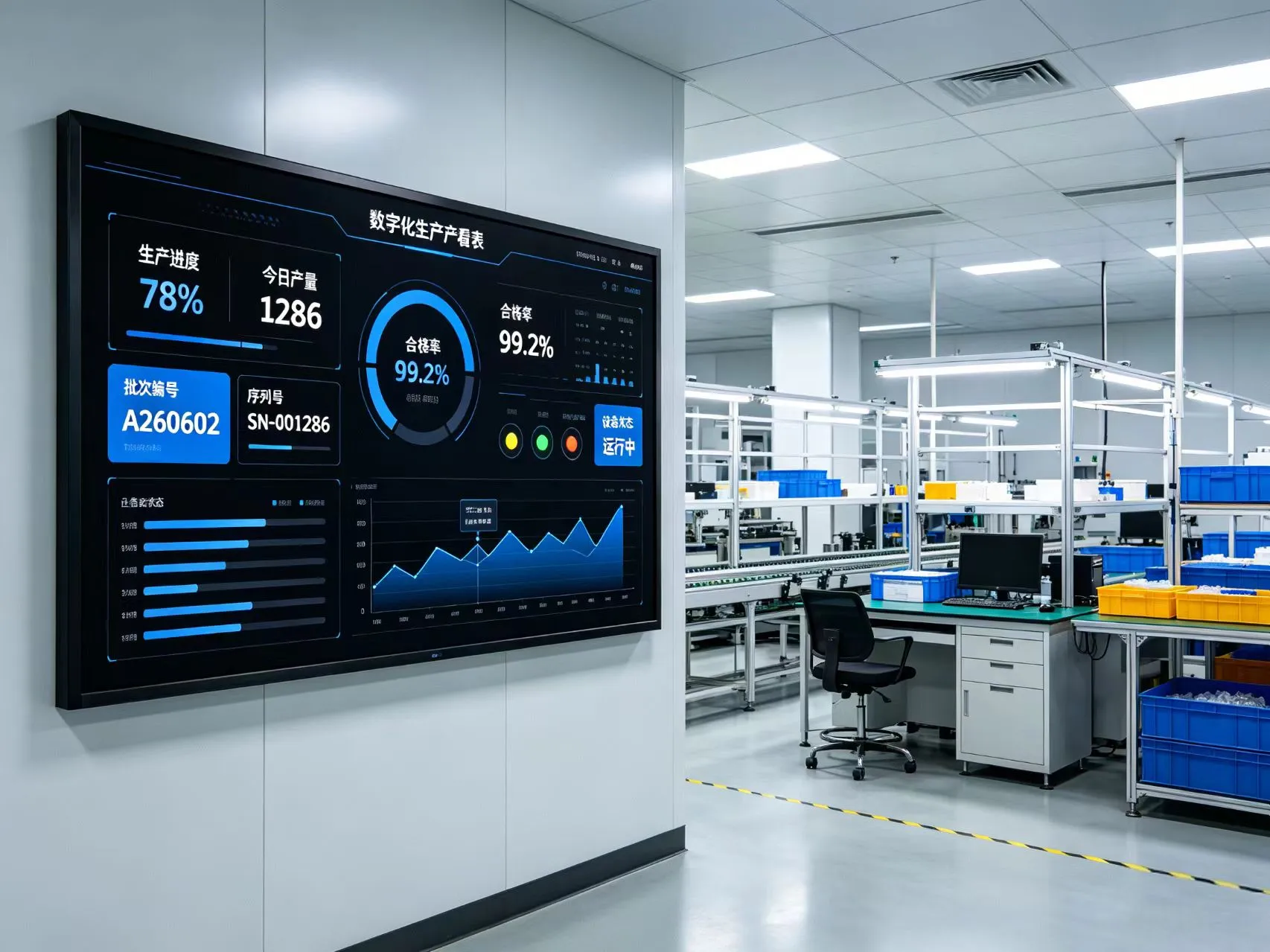
Factory Pro Tip from China
As a Guangzhou-based water based PU manufacturer, we recommend requesting physical samples and laboratory reports before bulk orders. Digital specifications can differ from actual production runs. Our water based PU factory provides free sample kits for qualified international inquiries.
Sourcing Mistakes to Avoid: Expert Guide
Mistake #1: Assuming Recycled Materials Are Always Greener
Materials with high VOC coatings may have worse environmental impact than well-formulated water-based alternatives. Look at the complete lifecycle assessment, not just recycled content percentage.
Mistake #2: Ignoring Hydrolysis Resistance
Products stored in humid warehouses or shipped in containers can develop hydrolysis issues within months. Specify hydrolysis-resistant formulations (5-7 years) from the start to avoid costly returns.
Mistake #3: Choosing Based on Price Alone
Cheaper materials often mean lower quality coatings, higher defect rates, and shorter product lifespan. Consider total cost of ownership including returns, reputation, and customer satisfaction.
Mistake #4: Overlooking Certification Verification
Always verify certifications through official databases. Request transaction certificates, not just compliance letters. GRS certification requires annual audits and minimum 20% recycled content verification.
Mistake #5: Neglecting Storage Requirements
Improper storage can degrade even premium materials. Store water-based PU in cool, dry environments (40-60% RH), away from direct sunlight. Proper storage extends shelf life to 12+ months.
Real Case Studies: Material Selection Success Stories
Anonymous case studies from actual client projects
Case A: European Luxury Brand
Original Choice: Alternative sustainable material (for sustainability positioning)
Switched To: Water-Based PU
Reason: After 6 months, customer complaints about surface cracking increased. Investigation revealed hydrolysis issues due to container shipping humidity. Water-based PU’s superior resistance resolved the problem despite higher initial cost.
Result: 40% reduction in quality complaints, enhanced brand reputation for quality over “eco-claims.”
Case B: American Eco-Startup
Original Choice: Water-Based PU (premium positioning)
Switched To: GRS-certified alternative
Reason: Target market research showed customers prioritized verified environmental impact over premium feel. Tangible metrics (plastic bottles diverted) resonated better with their audience.
Result: 25% improvement in conversion rate, featured in sustainable fashion publications.
Case C: Japanese Corporate Gift Company
Original Choice: Standard PVC leather (low cost)
Switched To: Water-Based PU
Reason: Japan has strict chemical safety regulations (JIS standards). PVC could not meet REACH-Japan requirements. Water-based PU provided compliance plus superior quality perception.
Result: Successfully entered Japanese market, premium pricing accepted due to quality positioning.
Frequently Asked Questions (FAQ)
1. Is waterborne PU waterproof?
Water-based polyurethane is water-resistant but not completely waterproof. It handles rain and spills well but prolonged water exposure may cause issues. For waterproof requirements, specify waterproof waterborne PU formulations or add waterproof lining. Premium eco-friendly PU materials offer excellent water resistance for everyday use.
2. Does GRS-certified PU crack over time?
Quality recycled polyurethane should not crack with proper formulation. However, lower-quality recycled materials with inconsistent recycled content may show surface cracks within 1-2 years. Always specify premium grades for products requiring longevity. Compare GRS-certified PU with water based PU options when durability is critical.
3. How long does water based PU last?
With proper hydrolysis-resistant formulation, water based PU products can last 5-7 years under normal use. This makes water based PU the superior choice for products requiring long-term durability. Without hydrolysis treatment, expect 2-3 years in humid conditions.
4. Is waterborne PU safe for baby products?
Yes, water-based polyurethane is ideal for baby products. It is OEKO-TEX certified, DMF-free, and has very low VOC emissions. Many maternity bag manufacturers specifically require eco-friendly PU for safety certification. Waterborne PU is the safest choice for items in direct contact with infants.
5. Waterborne PU vs PVC: What’s the difference?
Water-based polyurethane is PVC-free, plasticizer-free, and has dramatically lower VOC emissions. Unlike PVC, waterborne PU uses water as the primary solvent, making it the eco-friendly choice. PVC contains chlorine and harmful plasticizers that are being phased out in many markets due to health concerns.
6. Water-based coating vs Microfiber: Which is better?
Microfiber (PU split leather) offers excellent durability but uses solvent-based production. Waterborne PU provides similar quality with better environmental profile. For brands prioritizing sustainability, eco-friendly PU is the recommended choice. Both options have their place in the market.
7. Water-based polyurethane vs Leather: Can you tell the difference?
High-quality waterborne PU closely mimics genuine leather in appearance and hand feel. Modern water-based coating technologies can replicate various leather grains and textures. Premium eco-friendly PU offers a viable alternative to leather for many applications, especially where sustainability is a priority.
8. GRS-certified vs Virgin PU: Environmental comparison
GRS-certified materials typically reduce carbon footprint by 30-40% and divert waste from landfills. However, the recycled base still requires virgin PU surface coatings. Water based PU offers a cleaner production process. True sustainability requires both approaches: recycled content and clean manufacturing technology.
9. Can the recycled alternative be recycled again?
Currently, most recycled PU products cannot be mechanically recycled into new PU leather due to composite construction. Chemical recycling technologies are emerging but not yet commercially viable. Design for longevity to maximize environmental benefit. Consider water based PU for products requiring extended lifespans.
10. What is GRS certification?
Global Recycled Standard (GRS) is an international, voluntary, full product standard for recycled polyurethane materials. It sets requirements for third-party certification of recycled input content and chain of custody. GRS verifies social, environmental, and chemical practices throughout the supply chain.
11. What is OEKO-TEX certification?
OEKO-TEX Standard 100 is an independent test and certification system for textile raw materials, including water based PU and the recycled alternative. It ensures products are free from harmful substances. Both water based PU and recycled polyurethane can achieve OEKO-TEX certification for safe use.
12. What is REACH compliance?
REACH (Registration, Evaluation, Authorisation and Restriction of Chemicals) is an EU regulation addressing chemical substances in products including water based PU and recycled polyurethane. Compliance is mandatory for products sold in the European market. Water based PU offers easier REACH compliance due to its cleaner formulation.
13. Does water-based polyurethane yellow over time?
Quality waterborne PU with proper UV stabilizers should not yellow significantly. Light-colored eco-friendly PU may show slight yellowing after prolonged sun exposure. Always specify UV-resistant formulations for products exposed to sunlight. Premium water-based coating includes anti-yellowing technology.
14. What is hydrolysis resistance?
Hydrolysis is a chemical reaction where water molecules break down polyurethane bonds, causing delamination, cracking, or powdering. Hydrolysis-resistant water based PU formulations achieve 5-7 years of protection. This makes water based PU essential for products stored or shipped in humid conditions.
15. What is the minimum order quantity (MOQ) for custom colors?
Water based PU typically requires 500 yards per color for custom orders. The recycled alternative usually has a 300-yard MOQ. Some suppliers offer 200-yard MOQ for water based PU with color matching fees. Warehouse inventory programs can provide lower MOQs for standard colors in both materials.
16. Can I combine water based PU with recycled content?
Yes, some manufacturers offer hybrid solutions: a GRS-certified base with water based PU surface coating. This combines environmental benefits of recycled content with superior surface performance of water based PU technology. The water based coating provides excellent durability and safety.
17. What backing fabrics work best with water based PU?
Water based PU works well with cotton, polyester, or blended substrates. Backing weight affects final product stiffness and durability. Premium manufacturers recommend specific backing combinations for optimal water based PU performance. The recycled alternative typically uses recycled polyester backing.
18. How should I store water based PU materials?
Store water based PU in a cool, dry environment with 40-60% relative humidity. Avoid direct sunlight and extreme temperatures. Keep rolls horizontal, not vertical. Proper storage extends water based PU shelf life to 12+ months without degradation.
19. What testing standards should I request for water based PU?
Request Martindale abrasion (EN ISO 12947), peel strength (ASTM D2721), hydrolysis resistance (ASTM D3136), color fastness (ISO 105), and VOC emissions testing (ISO 16000) for water based PU. Third-party testing from SGS or Intertek adds credibility to your specifications.
20. How do I verify GRS certification?
Verify GRS certification through the Textile Exchange database (textileexchange.org). Request transaction certificates (TC) that track material flow from certified recycled inputs to final product. Each TC has unique identification for supply chain verification and authenticity confirmation.
Disclaimer
Material performance varies depending on coating formulation, backing fabric, thickness, testing standard, and manufacturing process. Specifications provided in this guide are indicative ranges based on industry standards. Always request physical samples and laboratory reports before making purchasing decisions. Test results should be obtained under your specific conditions of use. GZDreamway provides material consultation services and free sample kits for qualified inquiries.
Related Guides
- Recycled PU vs PVC: Which Material Is Better for Sustainable Bags?
- Is Recycled PU Leather Toxic? Safety, Chemical Risks & Buyer Guide
- Recycled PU Leather: Is It Sustainable? Bag Brand Guide
- Recycled PU vs PU Leather: Which Is Better for Bags?
- What Is Recycled PU Leather? Complete Guide for Bag Brands
- PU vs. Polyester for Bags: Which Material Is Better for Your Brand?
- Silk vs. Bamboo vs. Tencel: Why Luxury Wellness Brands Still Choose Real Mulberry Silk for Bedding
- How to Spot Fake Silk: A Factory Guide to Testing Real Mulberry Silk for B2B Buyers
- The Ultimate Guide to Sourcing Mulberry Silk: 16mm vs 19mm vs 22mm Compared
- Canvas vs. Polyester vs. PU: Material Comparison
- Guide to Sustainability: GRS, OEKO-TEX & FSC
- Canvas Fabric Weight Guide: GSM and Oz Explained
- The Future of Vegan Leather: Pineapple, Cactus, and Apple Fiber
- Water-Based PU vs Recycled PU: Which Is Better for Bags?
- Why Water Based PU Leather is so popular?
- Comparing Cotton vs. Blended Canvas for Tote Bags
- Eco-Friendly and Sustainable Canvas Tote Bags
- Canvas Tote Bag Material & Weight Guide: oz/GSM Chart for Every Bag Type
- Sustainable Custom Tote Bags with Logo: Certifications, Materials & Greenwashing Red Flags
- Canvas Tote Bag Factory: What Affects the Durability?
- Cotton Tote Bag Factory: Grades, GSM Options & Fabric Testing
- Luxury Tote Bag Factory for Premium Brands (PU/Leather Options)
- Recycled Tote Bag Factory: RPET, Organic Cotton & Eco-Friendly Materials
- Top Custom PU Handbag Factories & Pro Tips for Choosing Quality
DREAMWAY
Custom Bag & Silk Manufacturer · Shiling, Guangzhou
Company
Products
Guides & Insights
Ready to Bring Your Bag Idea to Life? Let’s Talk Today.
From your first sketch to bulk delivery, our team replies within 12 hours with expert advice and a free quote. No pressure — just honest manufacturing guidance.

Prefer a call? +86-020-87682749 · Mon–Sat, 9:00–18:00 (GMT+8)
Customer Reviews121 Reviews