
Why Water Based PU Leather is so popular?
Water-based leather is an environmentally friendly leather material made using a water-based coating process. It uses water as a solvent instead of traditional chemical solvents, significantly reducing volatile organic compound (VOC) emissions during production, making it more environmentally friendly and human-friendly.
Here are some Key Characteristics & Benefits of Water Based PU Leather :
1, Environmentally Friendly: Uses water-based resin as the main raw material, avoiding the use of harmful chemicals such as formaldehyde and DMF, meeting green production standards.
2, Physical Properties: Possesses excellent breathability, flexibility, and abrasion resistance; feels close to genuine leather; and exhibits excellent hydrolysis resistance (up to 8 years or more).
3, Processing Advantages: Manufactured through dry and wet polyurethane processing and finishing techniques, preserving the natural texture of leather while enhancing durability.
4, Application Scenarios: Water-based PU is widely used in tote bags factory, fabric finishing, coatings, adhesives, and other fields, especially suitable for home decoration or clothing fabrics with high environmental protection requirements; recycled PU is mostly used in leather goods, furniture, book covers, and other areas sensitive to texture and cost. Its price is usually lower than genuine leather but higher than ordinary PU leather, offering excellent value for money.
5, Water-based PU provides a high-performance, greener choice by replacing hazardous organic solvents with water, delivering excellent protective and aesthetic qualities with less health risk and environmental impact.
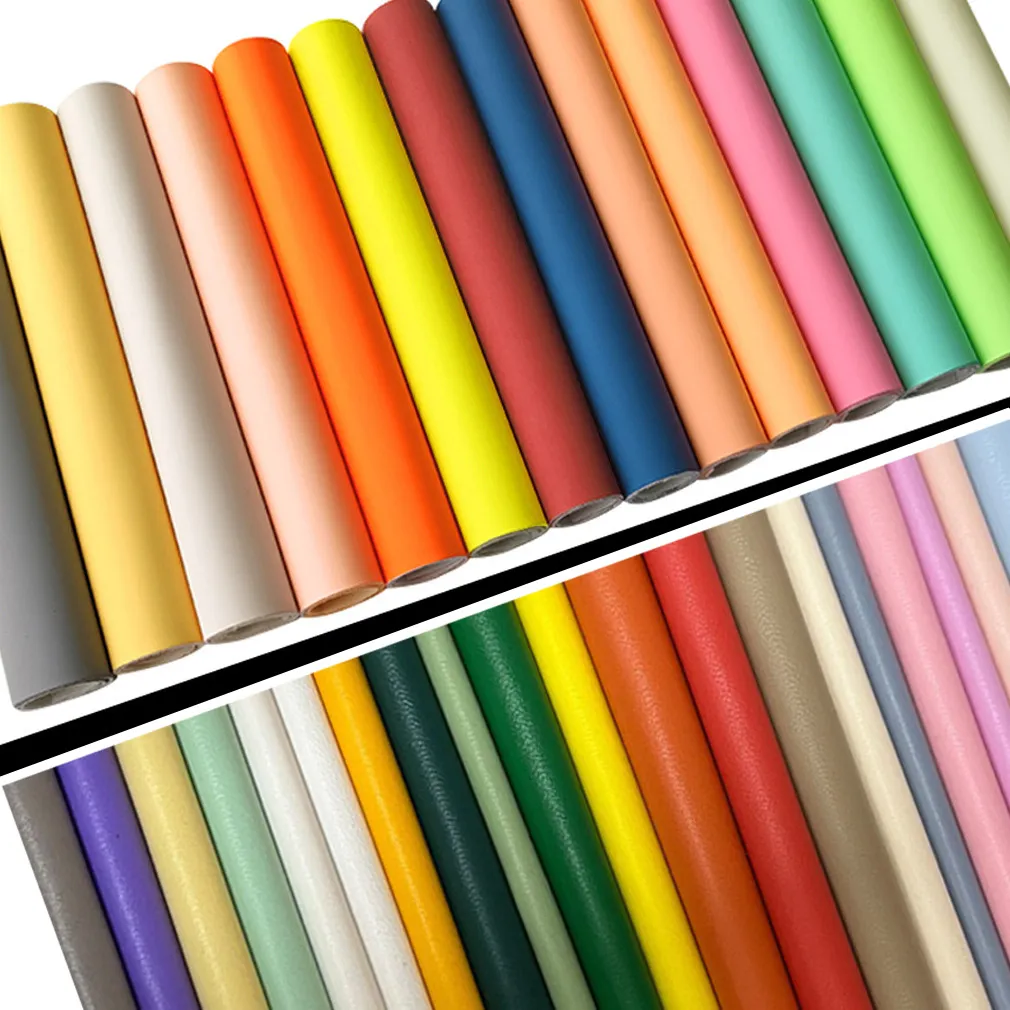
- Recycled PU vs PVC: Which Material Is Better for Sustainable Bags?
- Is Recycled PU Leather Toxic? Safety, Chemical Risks & Buyer Guide
- Recycled PU Leather: Is It Sustainable? Bag Brand Guide
- Recycled PU vs PU Leather: Which Is Better for Bags?
- What Is Recycled PU Leather? Complete Guide for Bag Brands
- PU vs. Polyester for Bags: Which Material Is Better for Your Brand?
- Silk vs. Bamboo vs. Tencel: Why Luxury Wellness Brands Still Choose Real Mulberry Silk for Bedding
- How to Spot Fake Silk: A Factory Guide to Testing Real Mulberry Silk for B2B Buyers
- The Ultimate Guide to Sourcing Mulberry Silk: 16mm vs 19mm vs 22mm Compared
- Canvas vs. Polyester vs. PU: Material Comparison
- Guide to Sustainability: GRS, OEKO-TEX & FSC
- Canvas Fabric Weight Guide: GSM and Oz Explained
- The Future of Vegan Leather: Pineapple, Cactus, and Apple Fiber
- Water-Based PU vs Recycled PU: Which Is Better for Bags?
- Why Water Based PU Leather is so popular?
- Comparing Cotton vs. Blended Canvas for Tote Bags
- Eco-Friendly and Sustainable Canvas Tote Bags
- Canvas Tote Bag Material & Weight Guide: oz/GSM Chart for Every Bag Type
- Sustainable Custom Tote Bags with Logo: Certifications, Materials & Greenwashing Red Flags
- Canvas Tote Bag Factory: What Affects the Durability?
- Cotton Tote Bag Factory: Grades, GSM Options & Fabric Testing
- Luxury Tote Bag Factory for Premium Brands (PU/Leather Options)
- Recycled Tote Bag Factory: RPET, Organic Cotton & Eco-Friendly Materials
- Top Custom PU Handbag Factories & Pro Tips for Choosing Quality
DREAMWAY
Custom Bag & Silk Manufacturer · Shiling, Guangzhou
Company
Products
Guides & Insights
Ready to Bring Your Bag Idea to Life? Let’s Talk Today.
From your first sketch to bulk delivery, our team replies within 12 hours with expert advice and a free quote. No pressure — just honest manufacturing guidance.

Prefer a call? +86-020-87682749 · Mon–Sat, 9:00–18:00 (GMT+8)