
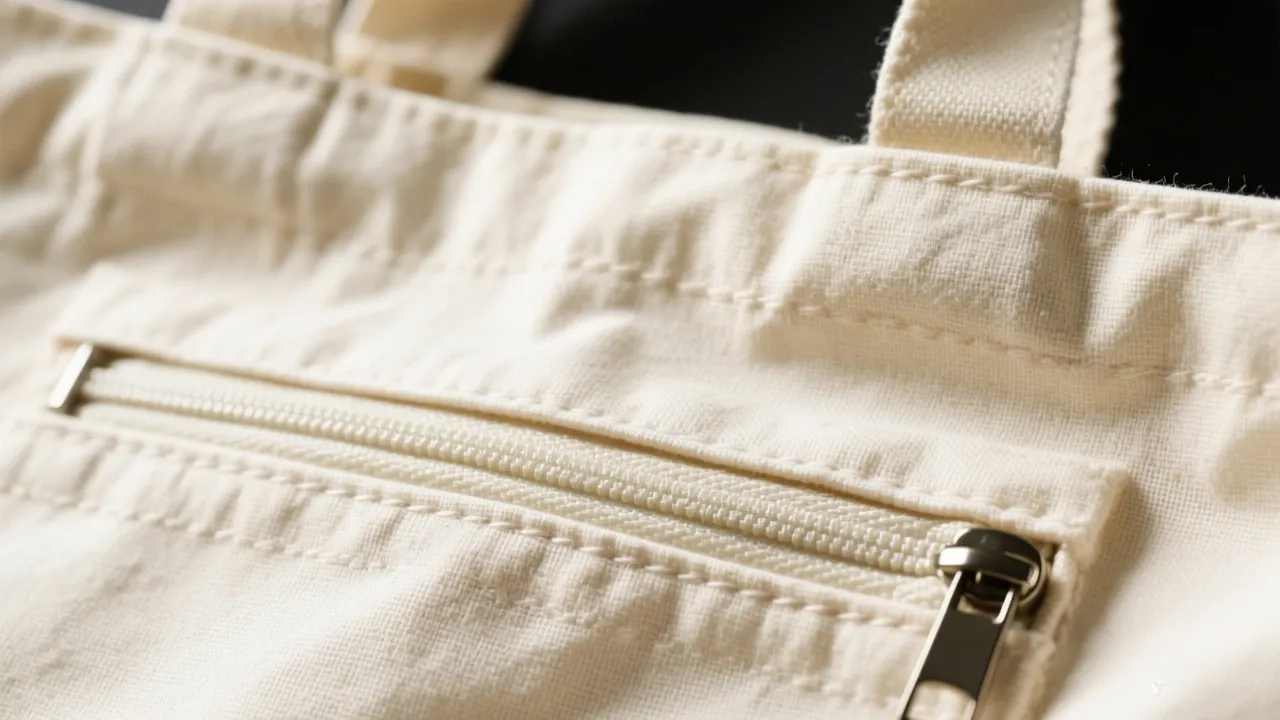
Why Bag Hardware Defines Your Brand’s Reputation
You can source the finest plant‑based vegan leather, design a stunning silhouette, and choose the perfect color palette — but if the zipper jams and the metal tag tarnishes after three months, your customer will remember only one thing: the bag failed. Custom bag hardware — zippers, sliders, pulls, D‑rings, buckles, and metal logo tags — are the functional heart of any handbag, tote, or cosmetic pouch. They endure more physical stress than any other component and are handled hundreds of times over a product’s lifespan.
This deep dive will equip you with the technical knowledge to specify zippers for custom handbags and metal tags for brand identity with confidence. We’ll cover materials, finishes, supplier comparisons, testing standards, and the hidden costs of choosing incorrectly. Whether you’re developing a custom cosmetic bag for a beauty brand or a heavy‑duty reusable wine tote, these insights will help you select hardware that enhances your product rather than undermining it.
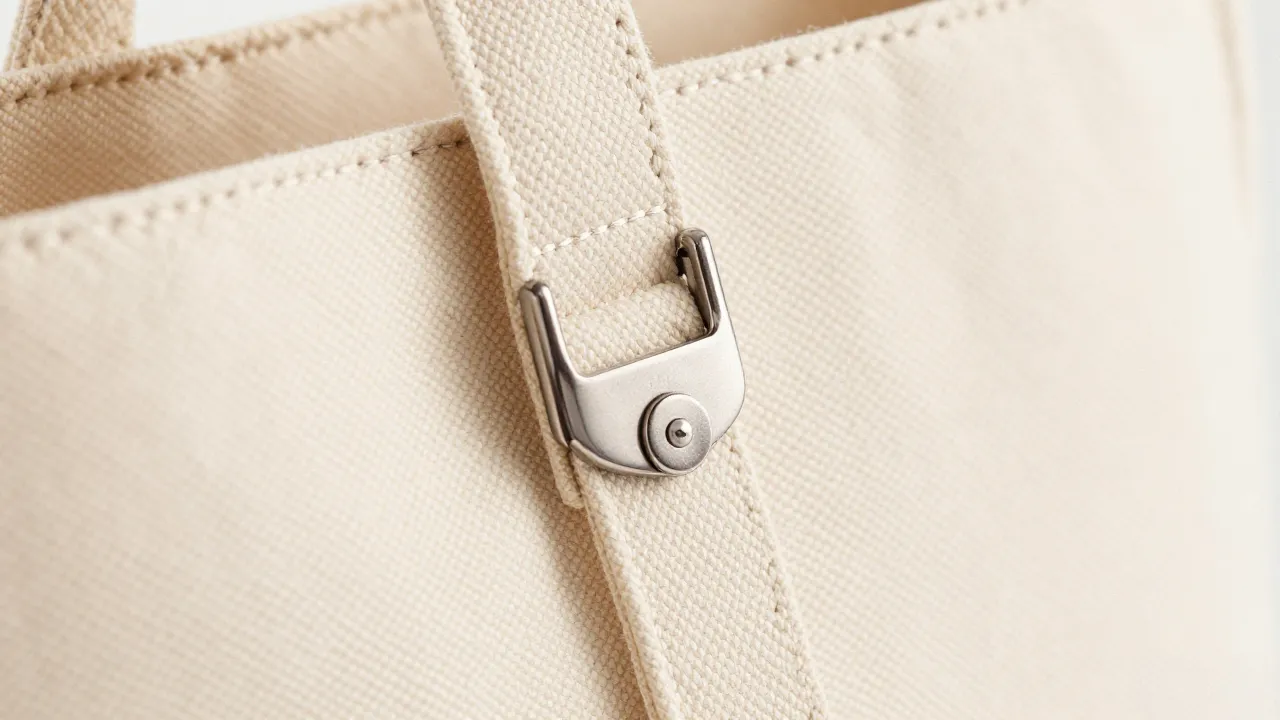
Understanding Zipper Anatomy and How It Affects Function
A zipper is a deceptively complex assembly. The teeth (or chain) are the interlocking elements; they can be made from metal (brass, aluminum, zinc alloy), molded plastic (Delrin), or coiled nylon. The slider engages and disengages the teeth. The tape is the fabric strip to which the teeth are attached. The puller is the tab you grasp. Each of these components affects durability, aesthetics, and cost.
| Zipper Type | Tooth Material | Best Application | Durability | Cost |
|---|---|---|---|---|
| Metal Zipper | Brass, aluminum | Luxury handbags, jeans, heavy‑duty bags | Excellent | High |
| Molded Plastic (Vislon) | Delrin (POM) | Sports bags, waterproof bags | Very Good | Medium |
| Coil (Nylon) Zipper | Nylon coil | Dress bags, lightweight linings | Good | Low |
For custom handbag zippers, the #5 metal zipper is the workhorse standard — large enough for main closures, smooth enough for daily operation. A #3 metal zipper is elegant and slender, ideal for interior pockets or small custom cosmetic bags. A #8 or #10 heavy‑duty zipper belongs on items that carry substantial weight, like a custom wine tote bag designed to hold multiple bottles.
Metal Finishes and Electroplating: Where Beauty Meets Durability
The visual identity of your hardware is defined by its electroplating finish. Common finishes for metal zippers and tags include:
- Gold (antique or bright): Classic, warm, associated with luxury. Requires a protective lacquer to prevent tarnishing.
- Silver / Nickel: Contemporary and versatile. Nickel‑free options are essential for EU compliance under REACH regulations.
- Gunmetal / Black Nickel: Edgy, modern, and excellent at hiding minor scratches.
- Rose Gold / Copper: Trending in the beauty and fashion accessories market.
- Brushed / Matte: Subdued, refined, fingerprint‑resistant.
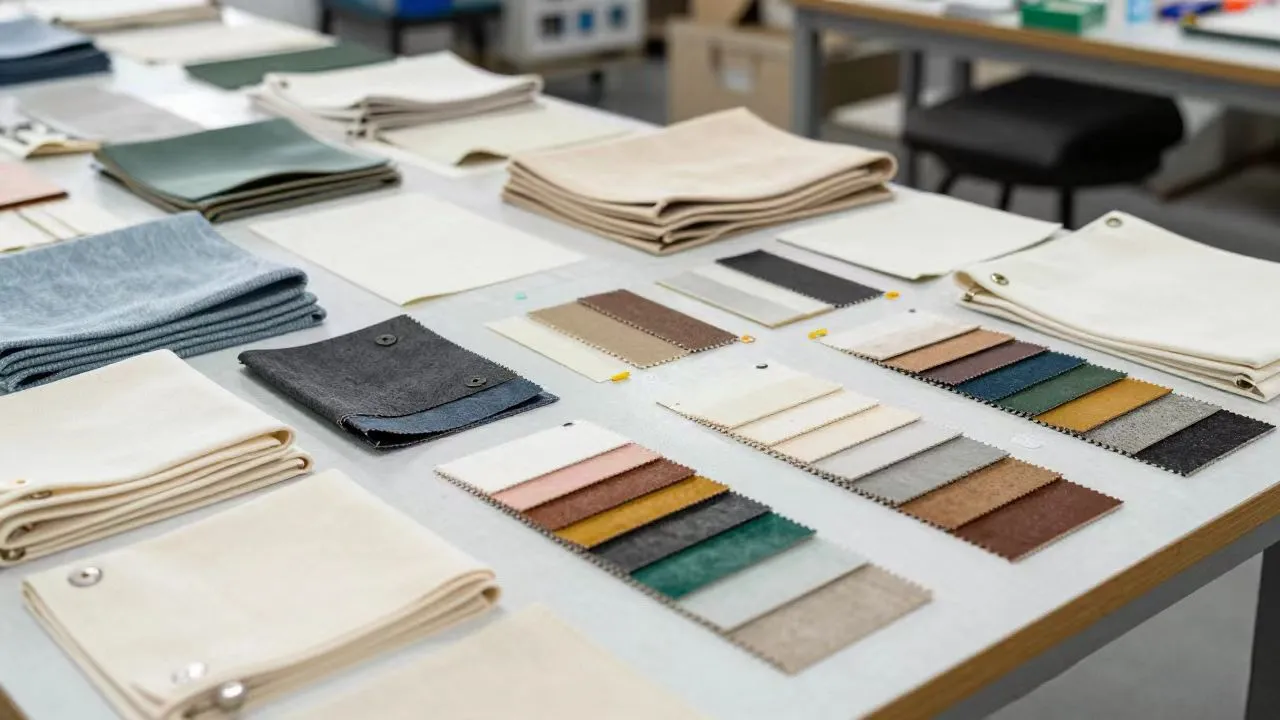
The quality of electroplating varies enormously between suppliers. A poorly plated zipper will begin to show base metal within months, creating an unsightly patchwork of colors. Premium suppliers like YKK and SBS offer guaranteed plating thickness and pass rigorous salt‑spray corrosion tests. When you specify hardware in your handbag tech pack template, always include the finish name and, if possible, a physical control sample to ensure the factory matches the exact tone.
YKK, SBS, and the Global Zipper Landscape
When discussing premium zippers for handbags, YKK is universally recognized as the gold standard. The Japanese‑headquartered manufacturer produces over 7 billion zippers annually and maintains such tight quality control that the defect rate is measured in parts per million. YKK zippers are available in every material, size, and finish imaginable, but they command a premium price and often have longer lead times.
SBS, a Chinese manufacturer, has steadily gained market share by offering zippers that approach YKK quality at 60–70% of the cost. Many major fashion brands now specify SBS for their mid‑range lines. Other reputable Chinese suppliers like YQQ and 3F also produce reliable zippers when properly sourced. The key is not the brand name alone but the supplier’s willingness to provide test reports: look for salt‑spray test results (48–96 hours without corrosion), pull strength test data, and lead content certificates for Prop 65 compliance.
Practical Advice: For your main bag closure, use YKK or SBS exclusively. For interior pocket zippers, where failure is less catastrophic, a verified domestic Chinese brand can save significant cost without hurting perceived quality.
Custom Pullers and Branded Zipper Details
A custom zipper puller transforms a generic closure into a branding opportunity. Pullers can be die‑cast in zinc alloy with your logo, embossed onto leather tabs, or knotted from premium cord. The attachment method matters: a puller attached with a small split ring allows replacement if damaged; a permanently riveted puller cannot be swapped but looks cleaner.
The most sophisticated brands extend their hardware identity beyond the puller. Custom‑branded sliders — where the YKK or SBS logo is replaced with your own — are possible but require significant minimum order quantities (often 10,000+ pieces). For emerging brands, a custom puller paired with a standard premium slider achieves a similar branded effect at a fraction of the investment.
Metal Logo Tags: Making Your Mark Literally and Figuratively
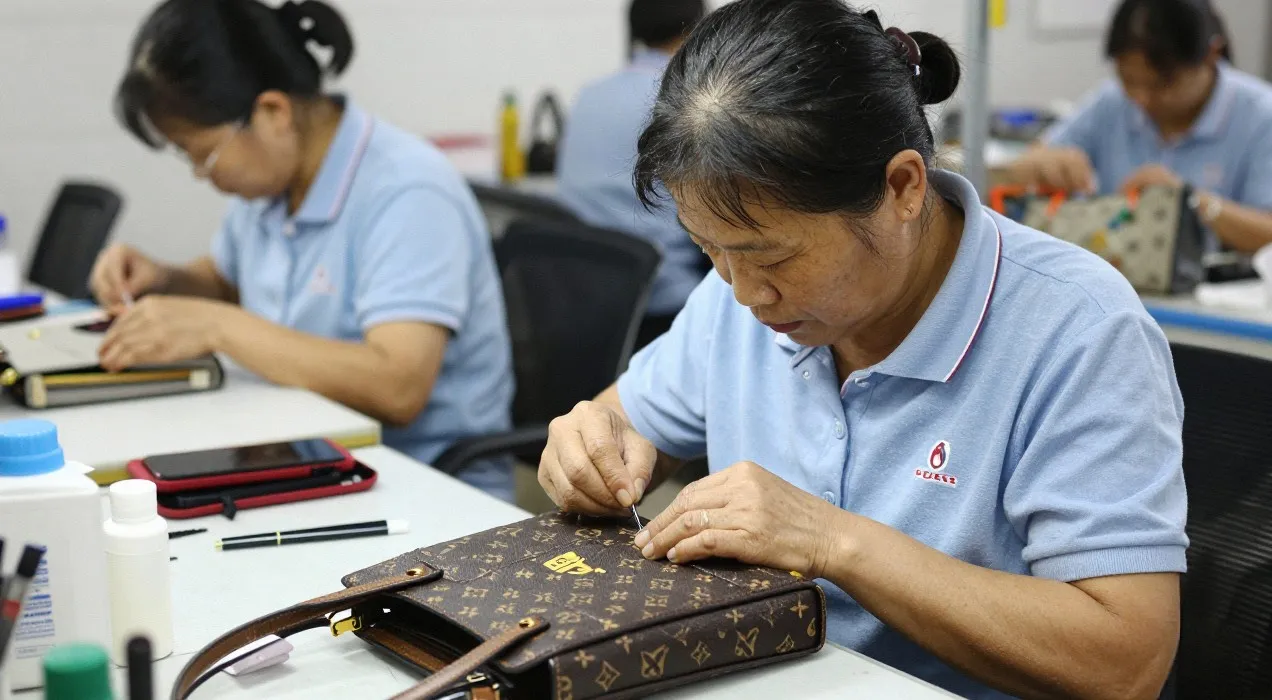
Custom metal tags and metal logo plates for handbags are among the most powerful branding tools available. A substantial, well‑finished metal tag on the front of a bag instantly communicates luxury and permanence. These tags are typically manufactured through die‑casting (for zinc alloy) or stamping (for brass and stainless steel), followed by electroplating and often enamel filling or laser engraving for contrast.
The design process requires attention to detail: ensure your logo has adequate line thickness for the chosen manufacturing method (thin lines may break during casting), specify rounded corners to prevent snagging on clothing, and determine attachment method early — rivets, screws, or sewing‑on all require different hole configurations. A metal tag attached with bulky rivets can scrape against adjacent bags on a retail shelf; a flat, smoothly attached tag avoids this altogether.
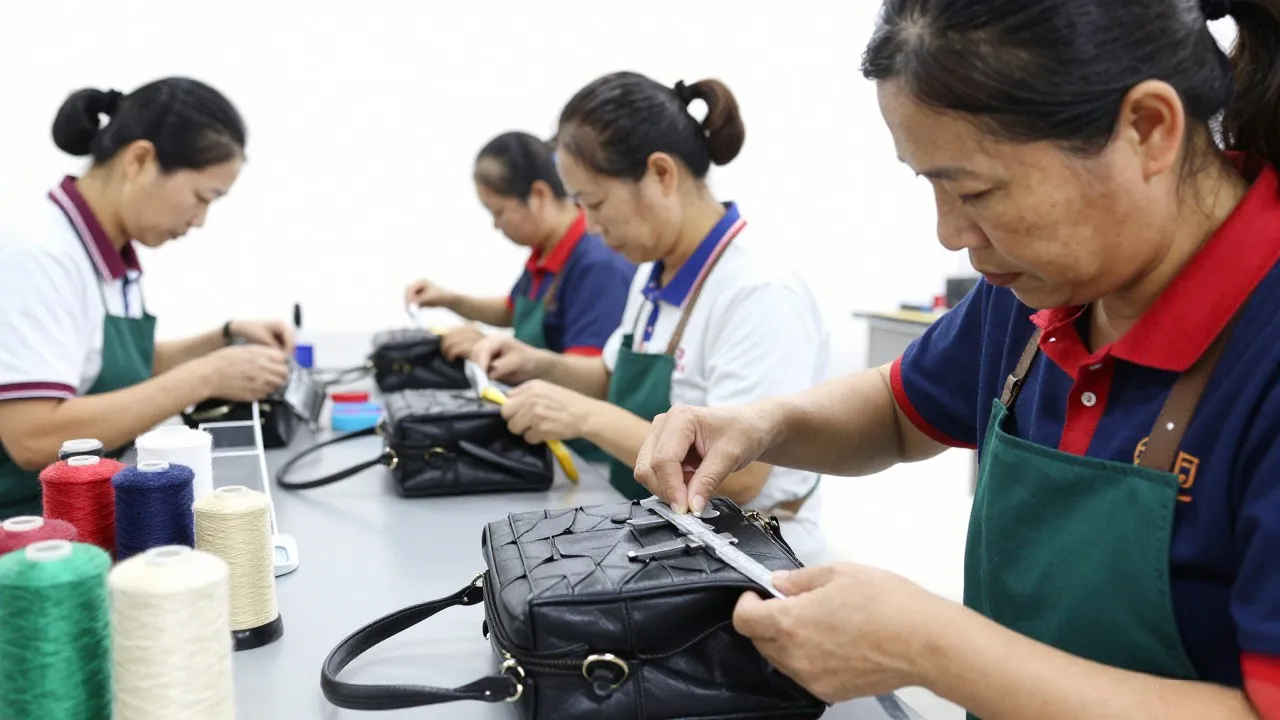
Metal tags also need to pass the same regulatory scrutiny as zippers. Zinc alloy with high lead content is a frequent cause of Prop 65 warning requirements in California. Always request lead‑free certification from your hardware supplier. Your factory should be able to provide a comprehensive factory audit checklist that includes verification of hardware testing protocols.
Sustainable Hardware: Recycled Metals and Eco‑Conscious Finishes
Sustainability in custom bag hardware is a rapidly evolving field. Several zipper manufacturers now offer lines made from recycled brass or post‑consumer recycled polyester tape. YKK’s Natulon® line uses recycled PET bottles for the zipper tape, reducing virgin plastic consumption. Some brands are exploring wooden zipper pullers or cork metal tag backings to complement their use of plant‑based vegan leather.
The challenge with sustainable hardware is verification. Greenwashing — making unsubstantiated environmental claims — is a growing risk for brands. When specifying recycled content in hardware, ask for third‑party certifications such as the Global Recycled Standard (GRS). A factory that has invested in certified sustainable hardware supply chains may charge a small premium, but the marketing value and alignment with your brand’s sustainability narrative often justify the cost.
Cost vs. Value: Why Cheap Hardware Is the Most Expensive Choice
The difference in cost between a top‑quality YKK zipper and an unbranded generic zipper might be $0.30 per bag. The cost of processing a single return — shipping, inspection, repackaging — can exceed $15. The cost of a customer who switches to a competitor because of a broken zipper is immeasurable. High‑quality bag hardware is one of the few areas where a tiny manufacturing cost increase generates an enormous reduction in downstream risk and brand damage.
Similarly, a custom metal logo tag might add $0.50 to your BOM, but it transforms a generic bag into a branded product that commands a 30–50% higher retail price. When you import these bags, don’t forget that reducing tariffs when importing from China can help offset the incremental hardware cost, making premium components viable even for mid‑market price points.
Specify With Confidence, Build With Pride
Choosing the right zippers and metal tags for your custom handbags is both a technical decision and a branding statement. Invest in familiarizing yourself with zipper sizes, materials, and finishes. Demand testing documentation. Partner with a factory that treats hardware selection as a strategic part of product development, not an afterthought. The result will be a product that opens and closes smoothly one thousand times, a logo tag that gleams after years of use, and a customer who reaches for your bag every single day — confident in its quality.
At GZ Dreamway, we guide every client through the hardware selection process, from recommending the right zipper size for your specific bag design to sourcing custom metal logo plates that capture your brand identity perfectly. Let’s build something that feels as good as it looks.
Need Help Specifying Your Bag Hardware?
Contact us for personalized zipper and hardware recommendations based on your bag design, target market, and budget. We’ll send you a curated hardware selection kit with physical samples.
✅ Free physical samples • Expert guidance • No obligation
Customer Reviews101 Reviews