

Leather Handbag Manufacturing Process: 14 Steps from Material Selection to Final QC
The leather handbag manufacturing process is a 14-step orchestration of material science, precision cutting, hand-finishing, and rigorous quality control. Whether you are a fashion brand launching your first collection or a private-label buyer scaling an existing line, understanding how leather bags are made determines whether your finished product will earn margin or chargebacks. Our leather handbag manufacturing process in China has been refined across 18+ years, 5+ million units, and 50+ countries.
This guide walks you through the handbag manufacturing process step by step — from types of leather for handbags and full grain leather bag manufacturing decisions to AQL inspection, OEM leather handbag manufacturing process versus private label leather handbag production, MOQ, lead time, and the seven bag categories we produce. The custom leather handbag manufacturing process standards described here are the same benchmarks our 200+ craftsmen follow on every order inside our 6,000 m² Guangzhou facility.
TL;DR — Quick Facts
- 14 Precision Steps — From material selection to pre-shipment AQL
- 50-Day Total Lead Time — 12-day sampling + 38-day bulk production
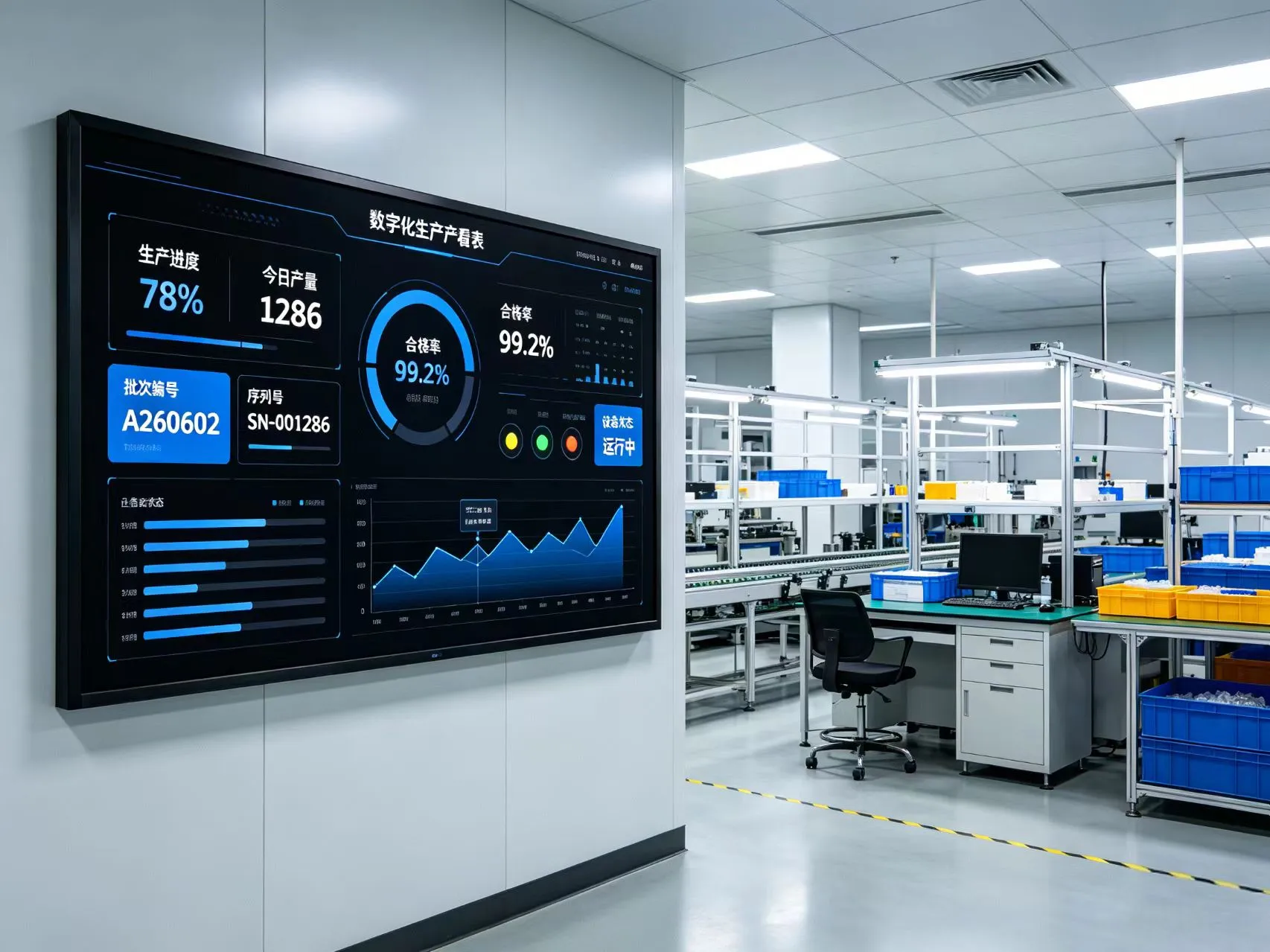
- AQL 2.5 Standard — 99.2% pre-shipment pass rate, third-party audited
- MOQ 200 pcs — Flexible for emerging brands and capsule collections
- Since 2008 — 18+ years, 200+ workers, 6,000 m² Guangzhou facility
- 50+ Countries Served — REACH, Prop 65, ISO 9001, BSCI compliant
“Quality is never an accident; it is always the result of intelligent effort.” — John Ruskin
14-Step Process Overview — From Material to Customer
.webp)
The journey from hide to handbag involves a carefully orchestrated sequence of stages. As a genuine leather handbag manufacturer in China, our 18+ years of experience operating inside the Guangzhou leather bag manufacturing cluster has refined the leather handbag factory process into a 14-step system. Below is the handbag manufacturing process step by step overview used across our leather handbag production process workflow.
At GZDreamway, our team of 200+ skilled workers in our 6,000 m² Guangzhou factory combines traditional craftsmanship with modern manufacturing technology. With over 5 million handbags produced for 50+ countries since 2008, we provide the expertise and reliability brands need to launch on time and on budget. Most orders complete in 50 days from sample approval to delivery.
1. Types of Leather for Handbags — Choosing the Right Material
Our leather handbag manufacturing process begins long before any cutting — with material selection. The types of leather for handbags you specify shape the entire production timeline, the unit cost, and the perceived value of the finished product. Full grain leather bag manufacturing remains the premium choice for heritage brands; top-grain, genuine, and split leathers each offer a different cost-quality curve for emerging and mid-market labels.
1.1 Types of Leather for Handbags: Full-Grain vs Top-Grain vs Genuine
Full grain preserves the hide’s outermost fibers, developing a patina over years of use. Top grain is sanded for consistency, slightly less durable but more uniform. Genuine leather is a layered construction — cost-effective but at the bottom of the durability curve. Brands targeting the luxury segment should specify full grain with vegetable-tanned finishing.
1.2 PU Leather, Water-Based PU and Recycled PU
For vegan and budget-tier lines, water-based PU leather replaces solvent-based PU with reduced VOC emissions. Water-based PU vs recycled PU comes down to fiber source — virgin versus post-consumer — and required tensile strength. See our detailed comparison of water-based PU and recycled PU for tensile, hand-feel, and cost data.
1.3 Plant-Based Vegan Leather — Pineapple, Cactus, and Apple Fiber
The newest category of plant-based leathers uses pineapple leaf fiber (Piñatex), cactus, and apple waste. These materials enter luxury catalogs at premium price points and require specialty cutting tools. Read our forecast for the future of vegan leather in plant-based bags to compare tensile strength and MOQ requirements.
1.4 Is Recycled PU Toxic? Buyer Safety Checklist
Recycled PU may retain plasticizers or solvents from the original feed stock. Before specifying it for EU or US markets, run an independent lab test against REACH and California Prop 65 thresholds. Our buyer safety checklist for recycled PU toxicity lists the seven chemicals to test for.
1.5 Water-Based PU vs Recycled PU — How to Choose
If your brand needs an EU-compliant vegan line with predictable lead times, water-based PU is the safer choice. If your positioning emphasizes circular sourcing and you can accept a 10–15% price premium, recycled PU is the stronger narrative — provided the recycled PU toxicity profile passes lab testing.
1.6 Sustainable Leather Sourcing
Sustainable sourcing now affects every order placed by EU and US brands. Our sustainable leather handbag manufacturing program sources only LWG-certified tanneries with traceable hide origins. LWG gold-rated tanneries deliver both the environmental credentials your buyer-facing marketing requires and the batch-to-batch consistency that the leather bag cutting process depends on.

2. From Sketch to Sample — Leather Bag Sample Development Process
The leather handbag production process officially begins once the tech pack is signed off — typically 7 to 10 days after design freeze. A professional tech pack eliminates ambiguity, reduces sample iterations, and compresses the time from concept to counter-sample. Skipping this step is the single most expensive mistake brands make in how leather bags are made at scale.
2.1 How to Create a Handbag Tech Pack
A complete tech pack includes flat sketches from four angles, a Bill of Materials (BOM), construction details, hardware callouts, lining specs, stitching SPI, and Pantone color codes. Our handbag tech pack template page documents the exact structure we use for every production order.
2.2 The 5-Step Sample Development Process
Sample development follows five formal stages: proto (form check), material confirmation (texture and color), counter-sample (construction refinement), gold sample (production benchmark), and pre-production sample (PPS). The full leather bag sample development process is documented in our operations manual and shared during onboarding. From tech-pack sign-off to gold sample, plan 18 days.
2.3 Sample Fee Refund and Negotiation
Sample fees are typically $80 to $250 per style, refundable against bulk orders above 300 pieces. As a genuine leather handbag manufacturer in China, we offer the most flexible refund structure in the cluster, with full credit at MOQ 500+ and partial credit at MOQ 200–499.
2.4 Sample IO, Counter-Sample, Gold Sample, and PPS Workflow
The leather bag sample development process follows a documented sample input-output (IO) workflow that prevents costly production surprises. Sample IO: buyer submits tech pack, material spec, Pantone codes, and reference swatches — factory acknowledges receipt within 24 hours and assigns a sample maker. Counter-sample (CS): the first factory-built sample using approved materials, sent with a signed sample-IO report for buyer feedback. Gold sample (GS): the second sample after CS revision, locking in materials, edge paint, hardware, and SPI; this is the visual and tactile benchmark. Pre-production sample (PPS): the third sample produced on the actual bulk production line using production-line operators, confirming the gold sample can be replicated at scale. Bulk production only starts after PPS sign-off — typically 18 days from counter-sample to PPS, with three formal reviews.
.webp)
3. Cutting, Stitching, and Edge Paint
The leather bag stitching process and the leather bag cutting process are the two foundational operations of every leather handbag manufacturing workflow. Understanding how leather bags are made at the cutting table is what separates a 200-piece sample run from a 5,000-piece production run. The leather bag cutting process determines hide yield, and the leather bag stitching process sets the perceived quality — edge paint is the detail customers notice first when they unbox a $300 handbag.
3.1 Cutting and Pattern Optimization
Leather is cut manually (hand knife, master cutter), by die (steel rule, high volume), by CNC (digital precision), or by laser (thin leather and synthetics only). For premium hides, a 20-year master cutter on a manual knife typically outperforms a junior on a CNC because the operator can route around natural defects the software cannot see.
3.2 Skiving and Hardware Preparation
Skiving thins the edges of leather panels so they fold and stitch without bulk. Hardware preparation includes de-burring metal pieces, sorting YKK zippers, and matching finish codes (antique brass, nickel, gunmetal). For a deep dive on zipper selection, gauge, and metal tag finishing, see our hardware selection guide.
3.3 Stitching Methods — Saddle Stitch vs Lock Stitch
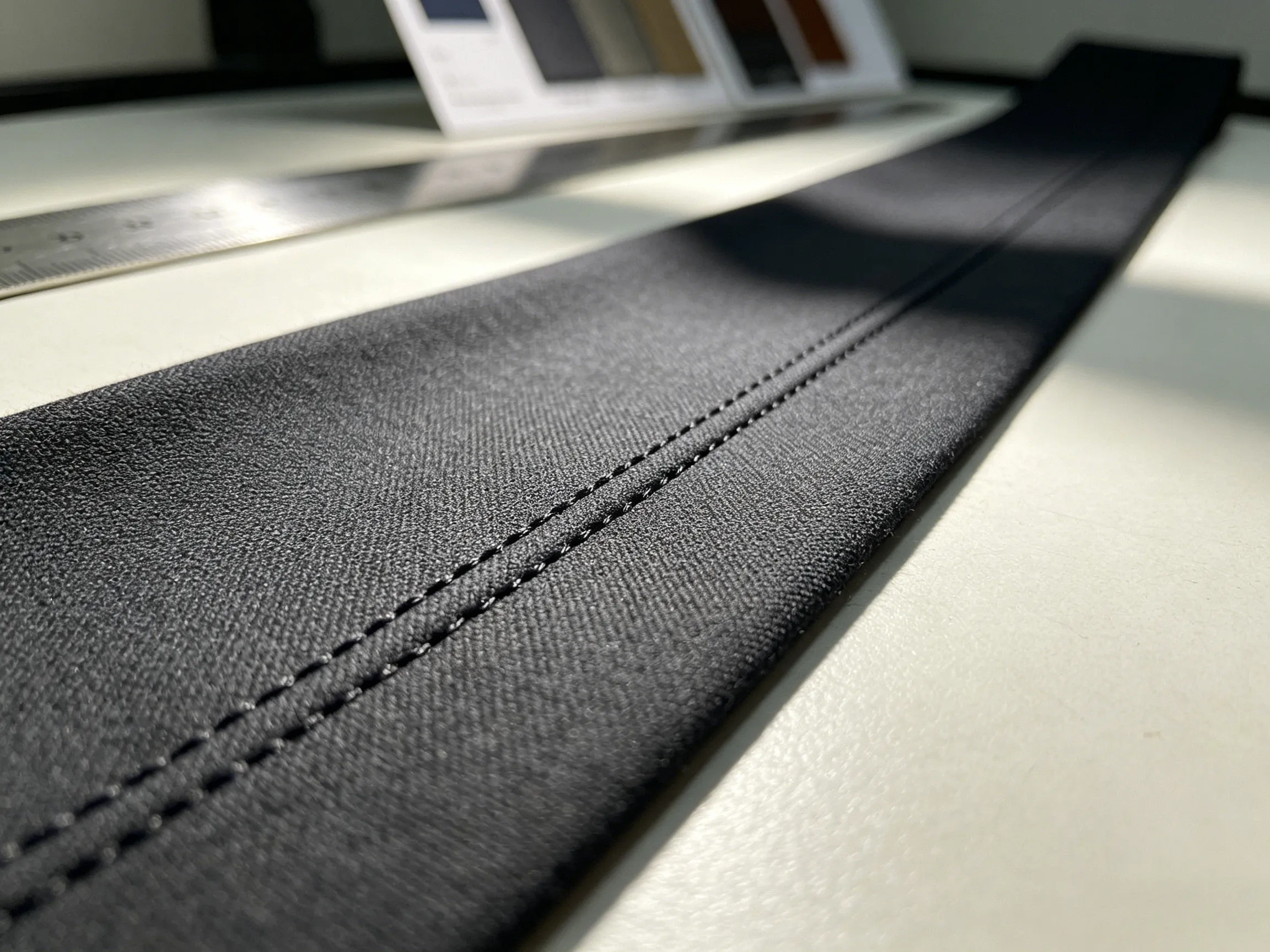
The leather bag stitching process in luxury handbag manufacturing demands saddle stitch — two needles, one thread, every stitch locked independently (if one breaks, the seam holds). Lock stitch is faster and used for hidden structural seams. We default to saddle stitch on all visible top-stitching at 8–10 SPI for premium tier, 6–8 SPI for mid-market.
3.4 Edge Paint and Burnishing — The Premium Finish
Edge paint is applied in four to seven coats, sanded between layers, and finished with a hot iron or burnishing wheel. Cheap edge paint peels within six months; Italian water-based edge paint (Fenice, Borma) lasts the life of the bag. For structured totes that need extra edge durability, see our luxury leather tote manufacturing process notes.
3.5 Why Tote Bags Need Special Handling
Tote bags carry weight, so the handle base, side gussets, and bottom panel require reinforcement. The leather bag making process for totes adds a hidden interfacing layer, a reinforced handle anchor, and (for premium tier) a hand-set rivet at each stress point. We treat every tote as an engineering project, not just a sewing job.
4. Quality Control and AQL Inspection
The leather bag quality control process at GZDreamway is built on four independent checkpoints: IQC (incoming material), IPQC (inline production), OQC (pre-finishing), and pre-shipment AQL. This four-layer system is the difference between a 99.2% pass rate and the industry average of 92–95%.
4.1 Inline QC vs Final Inspection
Inline QC catches defects while the unit is still on the line — when re-work is cheap. Final inspection catches the units that slipped past inline. Both layers are required; relying on final inspection alone is the most common reason for post-shipment chargebacks.
4.2 AQL Sampling Standards Explained
We apply AQL 2.5 by default for standard production, AQL 1.0 for luxury clients, and AQL 4.0 for budget-tier orders. Critical defects (safety, function) are zero-acceptance at every tier. AQL tables determine sample size based on lot quantity — 200-piece lots get 32 samples, 5,000-piece lots get 80.
4.3 Our 5-Stage Quality Control Checklist
Every production run passes through five formal QC stages: incoming leather inspection, hardware verification, inline stitching audit, finished-goods function test, and pre-shipment AQL. The full leather bag quality control checklist is documented in 23 questions and is available to every client on request.
4.4 How to Vet a Supplier Remotely
If you cannot visit the factory in person, our handbag factory audit checklist gives you 23 questions to verify supplier credibility over video call — covering financial stability, machinery list, worker training, and capacity utilization. Audit your factory before you wire 30% deposit.
5. Compliance — REACH, Prop 65, and International Standards
Every leather handbag factory process step inside our 6,000 m² Guangzhou facility is documented to ISO 9001 and audited annually under SEDEX. Compliance is not paperwork — it is the documentation that proves your handbag can clear customs in California, Düsseldorf, and Sydney without a hold or a recall.
5.1 REACH and California Prop 65 Explained
REACH restricts 224 substances in the EU market; California Prop 65 requires warning labels for 900+ chemicals. Both affect every metal, dye, and lining component in your handbag. Our REACH and California Prop 65 compliance program pre-tests every batch and ships with full documentation.
5.2 ISO 9001, SEDEX, and BSCI — Why They Matter
ISO 9001 certifies the quality management system; SEDEX documents ethical labor practices; BSCI covers broader social compliance. Most US and EU retailers require at least one of these before approving a new supplier. We hold all three, with audit reports available under NDA.
5.3 Inside Guangzhou’s Leather Manufacturing Cluster
The Guangzhou leather bag manufacturing cluster is the densest concentration of bag factories, tanneries, and hardware suppliers in the world — over 8,000 related companies within a 30 km radius. Sourcing inside the cluster compresses lead times by 30–40% compared to inland or Southeast Asian production. We rank among the top leather bag manufacturers in China with full cluster integration.
5.4 How We Maintain Compliance Inside Our 6,000 m² Facility
Compliance is maintained at three levels: incoming (supplier certifications and lab tests), in-process (chemical inventory and MSDS logs), and outgoing (batch-specific compliance certificates). Every shipment leaves with a signed compliance dossier — your customs broker will thank you.
6. MOQ, Lead Time, and Production Capacity
The leather handbag manufacturing process in China allows flexible MOQ tiers that other origins cannot match. Standard handbag MOQ is 200 pieces per style; emerging-brand programs accept 100-piece pilot runs; bulk production starts at 500 pieces. Lead time is 50–65 days from PO to FOB across most product categories.
6.1 Standard MOQ — 200 Pieces per Style
Our standard MOQ is 200 pieces per style per color, with a maximum of four colorways in the initial run. This protects unit economics on both sides — your brand gets a viable sample run, our line stays efficient.
6.2 Low MOQ Programs for Emerging Brands
The low MOQ leather bag manufacturer program accepts 100-piece orders with shared tooling and a 15% small-batch premium. For startups testing capsule collections, this is the lowest risk path into the market.
6.3 Small-Batch Sampling in China
Our small MOQ leather handbag factory China program also supports 50-piece runs for designer-grade capsule collections, with a 25% small-batch premium and shared sample development. Ideal for first-time brands validating a concept.
6.4 Lead Time — 50 to 65 Days from PO to FOB
The standard timeline is 12 days for counter-sample after tech-pack sign-off, 38 days for bulk production, 2–3 days for pre-shipment AQL, plus transit to FOB Guangzhou. Add 5–10 days during peak season (August–October).
6.5 Custom Luxury Lead Times
For custom luxury leather handbag manufacturing with hand-finishing, exotic materials, or heritage construction, lead time extends to 60–90 days. The premium is not just material — it is the master craftsman time required for saddle-stitched panels, hand-burnished edges, and limited-edition hardware.
Plan Your Production Today
Mix MOQ tiers to balance unit cost against inventory risk. We build a production plan inside every quote — including HS codes, lead-time milestones, and shipping options — so your landed cost is predictable from day one.
Request a Production Plan7. Handbag Types We Manufacture — 7 Categories
GZDreamway produces seven distinct handbag categories, each with dedicated production lines, tooling, and craftsman teams. Cross-linking the production categories here makes it easy for buyers to find the specific line they need without leaving the manufacturing process guide.
7.1 Custom Leather Tote Bags
Custom leather tote bag manufacturing is our highest-volume line, with hidden interfacing, reinforced handle anchors, and structured bottom panels. MOQ 200 pcs, 50-day lead time.
7.2 Luxury Tote Manufacturing — PU and Leather Options
Luxury leather tote manufacturing covers PU and full-grain leather options for premium brands, with hand-burnished edges and Italian water-based edge paint. MOQ 200 pcs, 60-day lead time.
7.3 Leather Cosmetic Bags
Our leather cosmetic bag manufacturer line produces structured and soft-format cosmetic cases for beauty brands, with custom hardware, embossed logos, and satin linings. MOQ 300 pcs.
7.4 Custom Cosmetic Bags for Beauty Brands
For brand-owned beauty labels, our custom cosmetic bags for beauty brands program includes free dieline design, custom hardware, and small-batch sampling. MOQ 200 pcs.
7.5 Leather Crossbody Bags
The leather crossbody bag manufacturer line specializes in adjustable strap hardware, lightweight construction, and security features. MOQ 200 pcs.
7.6 Custom Leather Wallets
Our custom leather wallet manufacturer line produces bifold, trifold, cardholder, and zip-around wallets with edge paint, RFID blocking, and custom packaging. MOQ 300 pcs.
7.7 Custom Leather Belts
For matching belt programs, our custom leather belt manufacturing line delivers 30 mm to 40 mm widths in full grain, top grain, and recycled leather. MOQ 200 pcs.
7.8 Private Label Across All Categories
Across all seven categories, our private label leather handbag manufacturer service delivers turnkey production with shared tooling, faster time-to-market, and dedicated private-label account managers.
8. Cost Factors and Pricing Breakdown
Unit price in the leather handbag manufacturing process is driven by seven cost factors. Understanding the relative weight of each lets you negotiate smarter and design for margin. As a baseline, material accounts for ~45% of unit cost, labor ~22%, hardware ~18%, and overhead ~15%.
8.1 7 Factors That Affect Custom Handbag Unit Costs
Material grade, hardware specification, construction complexity, order quantity, packaging tier, finishing (edge paint, embossing, foil), and compliance documentation all move unit price. The 7 factors that affect custom handbag unit costs guide ranks each factor’s elasticity and provides design-for-cost guidance.
8.2 Labor vs Material Cost Breakdown
For a $30 unit cost tote, expect ~$13.50 in material, ~$6.60 in labor, ~$5.40 in hardware, and ~$4.50 in overhead. The handbag manufacturing cost structure breakdown shows the percentage for premium, mid-market, and budget tiers.
8.3 Payment Terms — T/T, L/C, and Sample Fee Refund
Standard payment terms are 30% T/T deposit, 70% against B/L copy. L/C at sight is accepted for orders above $50,000. Our handbag factory payment terms guide documents all negotiable terms, including sample-fee refund thresholds and progressive payment schedules for repeat clients.
.webp)
9. OEM vs ODM vs Private Label — Choosing the Right Model
The OEM leather handbag manufacturing process remains the most popular choice for brands that want full design ownership, while the private label leather handbag production workflow delivers the fastest path to market for emerging and e-commerce-native labels. Choosing the right model is a strategic decision that affects lead time, IP risk, and unit cost.
9.1 OEM — You Design, We Build
OEM (Original Equipment Manufacturer) accepts your tech pack, your materials spec, and your quality benchmark. It is the highest-IP-protection model and the longest lead time. For a detailed comparison of OEM vs ODM vs private label leather bags, see our framework guide.
9.2 ODM — We Design, You Brand
ODM (Original Design Manufacturer) starts from our existing ready-to-customize designs. You skip the 18-day sample cycle and move directly to material confirmation. Best for emerging brands with limited design bandwidth and a 60-day launch deadline.
9.3 Private Label — Faster Market Entry
Our private label leather handbag manufacturer program offers the fastest market entry — 35 days from approved catalog design to shipment. Ideal for retailers and e-commerce brands testing new product lines without investing in custom design.
9.4 Genuine Leather OEM and Private Label in China
As a genuine leather handbag manufacturer in China, we operate all three models in parallel, with dedicated project managers for OEM, ODM, and private-label accounts. Most clients start with private label to validate the market, then move to OEM as the brand scales.
9.5 Custom Luxury Manufacturing
For heritage brands and maison-tier clients, our custom luxury leather handbag manufacturing program delivers hand-finished panels, Italian edge paint, and limited-edition hardware. Lead time extends to 60–90 days; unit cost reflects the master craftsman time required.
10. Logistics, HS Codes, and Industry Rankings
10.1 Complete HS Code Guide for Bags
Most leather handbags ship under HS code 4202.21 (leather outer) or 4202.31 (PU/ textile outer). US duty ranges from 5.3% to 10% depending on leather content. The complete handbag HS code complete guide covers 4202, 4203, and the new EU CBAM categories for 2026.
10.2 Top 10 Leather Bag Manufacturers in China
We rank consistently in the top 10 leather bag manufacturers in China based on annual capacity, audit history, and client retention. The ranking is updated annually and based on independent industry data.
11. How to Choose a Leather Handbag Manufacturer
Choosing a leather handbag manufacturer requires evaluating nine criteria — from material sourcing to AQL inspection. The full framework covers product development capability, sourcing depth, QC system, OEM/ODM flexibility, compliance, MOQ flexibility, export experience, communication, and financial stability.
For the complete nine-criterion framework — including red flags to watch for in supplier conversations and a structured supplier-comparison checklist — see our dedicated How to Choose a Leather Handbag Manufacturer guide.
How to Choose a Leather Handbag Manufacturer
The complete 9-criterion selection framework with red flags, supplier-comparison checklist, and decision-flow guide.
Read the Full Guide12. Frequently Asked Questions
Our buyers most often ask about MOQ, lead time, sample fees, payment terms, compliance documentation, and how the leather handbag manufacturing process differs between OEM, ODM, and private label. For a complete set of 25 questions covering material sourcing, factory audits, packaging, and post-shipment dispute resolution, see our dedicated FAQ: Leather Handbag Manufacturing Process page.
FAQ: Leather Handbag Manufacturing Process
25 questions answered — covering materials, MOQ, lead time, sample fees, payment terms, compliance, QC, packaging, and shipping.
Read All 25 QuestionsStart Your Leather Handbag Project Today
Connect with GZDreamway to discuss your custom leather handbag manufacturing needs. From tech pack to delivery, we are committed to bringing your vision to life with exceptional quality and competitive pricing.
Get in Touch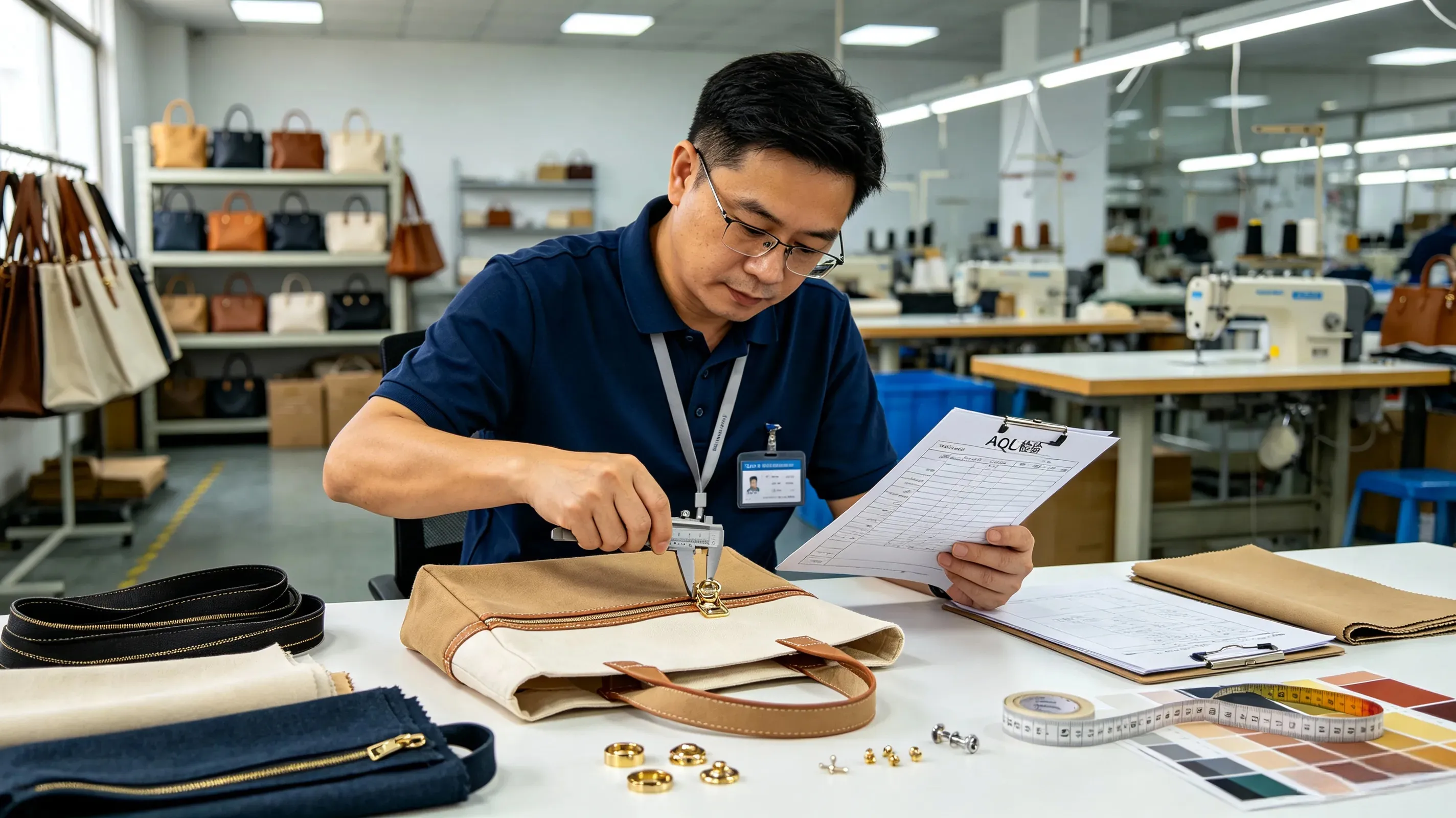
Verified Client Testimonials
“From tech pack to bulk production, GZDreamway delivered our 5,000-piece tote launch in 48 days. The 7-point QC checklist kept defect returns under 0.6%. Communication was professional throughout — we are now planning our FW26 collection with them.”
“The alligator-embossed leather samples required three rounds of edge-paint refinement, and the team handled each iteration with patience. Final 800 units passed REACH testing without any rework. Lead time of 60 days was tight but achievable.”
“As a first-time brand, the low-MOQ program with shared tooling was a lifesaver. We launched 300 crossbody units in 35 days, hitting a 4.4-star average on our Shopify store within the first month. The 98.7% inspection pass rate is real — only 4 units needed minor touch-up.”
“We have worked with three Chinese manufacturers over the past five years. GZDreamway’s AQL 2.5 documentation and inline QC photos are the most thorough we have received. Sample revisions were documented with timestamped photos, which made our internal approval process much faster.”
“What sets GZDreamway apart is the bilingual project management. Our dedicated account manager Emily handled everything in English, but the factory floor communication in Mandarin kept production moving smoothly. The 50-day lead time on our 1,200-piece structured tote was met within 48 days.”
 Verified
Manufacturer


Premium bag & silk manufacturing — under one factory roof.
Tucked inside Shiling Town — Guangzhou’s centuries-old leather district — Dreamway is a focused manufacturing partner for brands that refuse to compromise. We build rugged, retail-ready tote bags, backpacks, handbags with a 200-piece MOQ, and craft 100% Mulberry silk pillowcases, scrunchies & sleep accessories starting from just 50 pieces. Our small team of 30+ artisans is senior, hands-on, and accountable — the same people who quote your sample will personally inspect your shipment.
Every order is verified against our published manufacturing quality standards — AQL 2.5 inspection, hardware pull-tests, seam-strength audits, and silk-fibre authenticity checks. From concept tech-pack to mass production, we run the entire supply chain in-house, so timelines stay honest and revisions stay painless.
Buying Guides & Manufacturing Insights
Sourcing smarter starts with knowing what to compare. These long-form guides break down the decisions our clients wrestle with most — from third-party inspections like the SGS vs Intertek vs Bureau Veritas showdown, to ranking China’s top 10 tote bag manufacturers, to the head-to-head of canvas vs polyester vs PU for bag bodies.
Designing your logo? Our custom tote bag logo size guide shows real placement and stitch-density examples. Curious how a handbag actually comes together? Walk through the leather handbag manufacturing process step by step, and pair it with the canvas tote durability factors that decide whether a bag survives five years of daily use.
For material decisions beyond canvas, compare PU vs polyester for bags and explore our roundup of the world’s top canvas bag manufacturers. If backpacks are your lane, our backpack manufacturing process and backpack lead-time guide give you realistic production windows. Choosing between social-compliance audits? Read BSCI vs SEDEX vs WRAP. For smaller leather goods, dive into the leather wallet manufacturer playbook; for sustainability claims, the recycled PU leather explainer and our backpack QC checklist separate marketing from reality. Finally, stay ahead of EU regulation with our PPWR FAQ for bag manufacturers.
Explore by Topic
Browse our deep-dive knowledge hubs — every cluster is curated by category and updated with new field reports.
By Category
Materials & Compliance
Real Client Cases
Numbers tell part of the story. These production cases show how Dreamway’s small team delivers at scale.
Featured Product Lines
A snapshot of what we manufacture most often — all OEM/ODM-ready with custom hardware, lining, and packaging.
Who We Help
From indie founders to global enterprise — Dreamway is built for brands that need a factory, not a freelancer.
Brand Builders
Beauty & Fashion
Lifestyle & Retail

Skip the inbox. Chat with Victoria — right now.
Point your camera at the QR and you’re connected to a real human in Guangzhou. Send a photo of your reference, get a quote within minutes, and lock in your 200-piece MOQ slot before this month’s capacity fills.
Specialized factories. Unified standards.
Leather & Bag Capital
Our bags come from Guangzhou’s Shiling leather district — home to 30+ senior artisans under one roof, working in 8,000 m² of integrated cutting, sewing, hardware-assembly, and QC space.
Mulberry Silk Heritage
Our 22mm Mulberry silk pillowcases and sleep sets come from vetted partner mills in Suzhou and Hangzhou — at the heart of China’s 5,000-year sericulture heritage, today running OEKO-TEX Standard 100 certified production lines.
Get your sample in 7 working days —
hand-built by Guangzhou’s 30+ artisans.
Send a sketch, a screenshot, or a competitor’s bag you want to beat. We’ll hand-build a custom sample and ship it to your door — produced by the same craftspeople who will run your mass-production order.
business days · in your timezone
on request · signed in 1 day
if first one misses the brief
Editorial Resources for Leather Bag Manufacturing & Sourcing
For buyers, designers, and category managers evaluating private label leather handbag programs, our editorial team in Guangzhou has compiled reference material covering material science, REACH and Prop 65 documentation, production workflow, factory audit criteria, and unit cost modeling. Begin with the leather bag manufacturing topic cluster category page or browse a section below.
Topic Cluster
1 guideVisit our leather bag manufacturing topic cluster category page for an editorial index of private label program overviews, supplier comparison studies, material sourcing guides, and production workflow references curated for global leather bag buyers.
Materials & Sustainability
5 resourcesUnderstand why water based PU leather has become a preferred coating for sustainable handbag programs, with notes on its solvent-free application, softer tactile feel, lower VOC emissions, and compatibility with premium bag collections.
Review our side-by-side comparison of water based PU versus recycled PU characteristics covering tensile strength, aging performance, surface feel, environmental footprint, and price stability for sustainable bag sourcing.
Discover the future of vegan leather alternatives including pineapple leaf fiber, cactus pulp, mushroom mycelium, and apple skin composite materials suitable for plant based bag collections.
Read our safety analysis on whether recycled PU leather is toxic, covering chemical leaching risks, heavy metal content thresholds, certified eco label verification, and buyer checklist for compliance.
Partner with our sustainable leather handbag manufacturer offering eco certified leather sourcing, vegetable tanning options, recycled metal components, and traceability reporting for environmentally conscious collections.
Compliance & Trade
3 resourcesNavigate our REACH and California Prop 65 compliance roadmap for handbags, covering restricted substance lists, accredited laboratory testing protocols, and certification documentation required across US and EU markets.
Reference our complete HS code guide for handbags totes and pouches with tariff classifications, duty rate summaries, and customs documentation notes for major destination markets worldwide.
Apply our factory audit checklist for remote supplier vetting covering production capacity verification, working condition reviews, export documentation sampling, and quality management system confirmation steps.
Production & Craftsmanship
5 resourcesFollow our how to create a handbag tech pack template specifications covering dimension callouts, material references, hardware notes, tolerance definitions, and QC checkpoints that bridge designers with factory production teams.
Study our deep dive into bag hardware selection covering zipper pull strength ratings, metal tag plating thickness standards, slider fatigue testing procedures, and plating adhesion validation for premium bag construction.
Walk through our complete leather handbag manufacturing process covering material preparation, panel cutting, machine stitching, edge painting, sub-assembly, final assembly, and inline quality inspection stages at a modern factory.
Follow our leather bag sample development process timeline covering pattern drafting, hardware confirmation, material swatches, sample revision rounds, and sign-off milestones for new handbag designs.
Explore our Guangzhou leather bag manufacturing cluster overview covering regional supplier networks, skilled artisan availability, raw material sourcing hubs, and consolidated export logistics advantages for global importers.
Quality & Pricing
4 resourcesApply our leather bag quality control checklist covering stitching tolerance ranges, hardware fatigue testing, color fastness verification, lining inspection, and final packaging audits before any shipment leaves the factory floor.
Identify the seven factors that affect custom handbag unit costs including material grade, hardware selection, lining fabric, surface finish, order quantity, packaging complexity, and one-time tooling investment for accurate budget planning.
Review our handbag factory payment terms guide covering T/T and L/C settlement schedules, deposit ratio benchmarks, milestone payment structures, and sample fee refund policies for first time importers working with Asian suppliers.
Examine our handbag manufacturing cost structure breakdown covering labor versus material percentages, hidden overhead allocations, factory markup logic, and benchmark figures used for accurate cost modeling and quotation comparison.
OEM & Private Label Programs
7 resourcesPartner with our genuine leather handbag manufacturer in China offering OEM, ODM, and private label production with full grain, top grain, and split leather options, plus finished hardware sourcing from certified vendors.
Launch private label programs with our private label leather handbag manufacturer offering custom logo embossing, branded packaging, woven care labels, hangtag production, and flexible minimum order quantities for emerging brands.
Collaborate with our custom luxury leather handbag manufacturer offering handcrafted construction techniques, premium material selection, structured silhouette engineering, and limited edition production runs for designer label collaborations.
Source from our small MOQ leather handbag factory in China accepting limited production volumes, offering rapid sample turnarounds and shared material library access for boutique collections and startup brands.
Choose our low MOQ leather bag manufacturer for flexible order quantities, shared tooling programs, and rapid sampling services designed specifically for new brands entering the leather goods market.
Read our top ten leather bag manufacturers in China comparison covering factory scale, specialization areas, export experience, certification status, lead time benchmarks, and minimum order quantity ranges.
Compare OEM versus ODM versus private label leather bag partnerships with our decision framework covering design control boundaries, ownership of intellectual property, margin structures, and operational fit for different brand stages.
Product Categories
7 resourcesReview our luxury tote bag factory for premium brands capabilities covering reinforced handle stitching, structured baseboard inserts, edge paint finishing, and PU plus full grain leather construction options tailored for high end partners.
Reference our how to custom leather belts specifications covering strap dimensions, buckle compatibility, edge finishing options, lining preferences, embossing services, and retail ready packaging methods for boutique buyers.
Read our how to design custom cosmetic bags for beauty brands guide covering size breakdowns, lining preferences, closure mechanisms, branding techniques, gift packaging presentation, and shelf ready merchandising considerations.
Order from our custom leather tote bag manufacturer offering reinforced stitching patterns, structured silhouette options, custom hardware integration, and refined finishing techniques for wholesale tote programs.
Source from our leather cosmetic bag manufacturer offering compact case construction, washable interior linings, custom zipper pulls, and decoration services for skincare, fragrance, and cosmetics brand collaborations.
Partner with our leather crossbody bag manufacturer offering adjustable strap engineering, lightweight frame construction, integrated security features, and custom hardware for crossbody production programs.
Order from our custom leather wallet manufacturer offering billfold, cardholder, coin purse, and passport holder constructions with optional RFID blocking lining, custom embossing services, and presentation packaging.
Buyer Resources
2 resourcesRead our FAQ for leather handbag manufacturing process addressing sample production lead times, bulk production schedules, international shipping options, payment milestone expectations, and quality control procedures.
Apply our how to choose leather handbag manufacturer checklist covering factory experience, communication responsiveness, social audit certifications, sample quality evaluation, and past project reference verification for new buyers.
Compiled by the Guangzhou Dreamway editorial team. All links open internal editorial resources maintained for buyer reference.
Customer Reviews28 Reviews