
The Complete Backpack Quality Inspection Checklist for Buyers
A factory-tested, buyer-ready reference covering AQL sampling, IQC / IPQC / FQC stages, REACH & CPSIA compliance, packaging standards, defect gallery and buyer decision framework.
Contents
Jump directly to any section of this backpack QC guide:
Quick Backpack QC Checklist (30-Second Inspection)
Use this condensed checklist for rapid visual inspection before any full audit:
- ✓ Stitching: ≥8 SPI on main seams, ≥10 SPI on straps
- ✓ Zippers: 20+ open-close cycles, no sticking
- ✓ Straps: Pull test at 2x rated load, no separation
- ✓ Color: ΔE ≤ 1.5 from approved sample
- ✓ Hardware: No rust after 48h salt spray test
- ✓ Dimensions: ±5mm tolerance on all measurements
- ✓ Logo: ±2mm position accuracy, no peeling after tape test
Backpack QC Process: IQC, IPQC & FQC Stages Explained
Every reputable backpack factory should follow a systematic quality control process covering the entire production lifecycle. At GZ Dreamway, our comprehensive QC system ensures consistency and excellence from raw materials to final delivery.
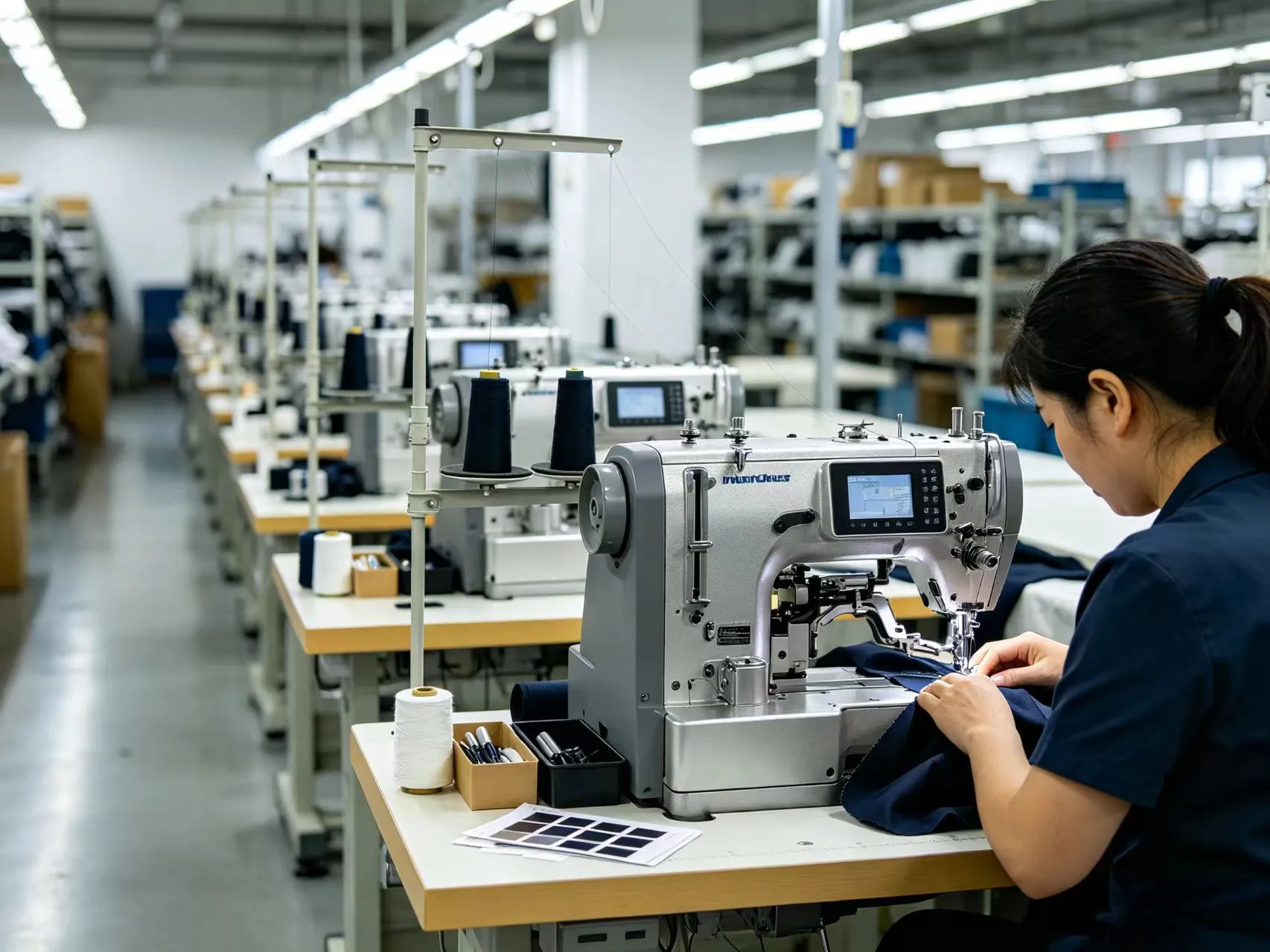
Three Core QC Stages
IQC
Incoming Quality Control
Inspection of all raw materials before they enter production — fabric, hardware, zippers, foam padding.
IPQC
Inline Production QC
Continuous monitoring during manufacturing to catch and correct issues before they become costly.
FQC
Final Quality Control
Comprehensive inspection of completed products using AQL sampling standards before shipment.
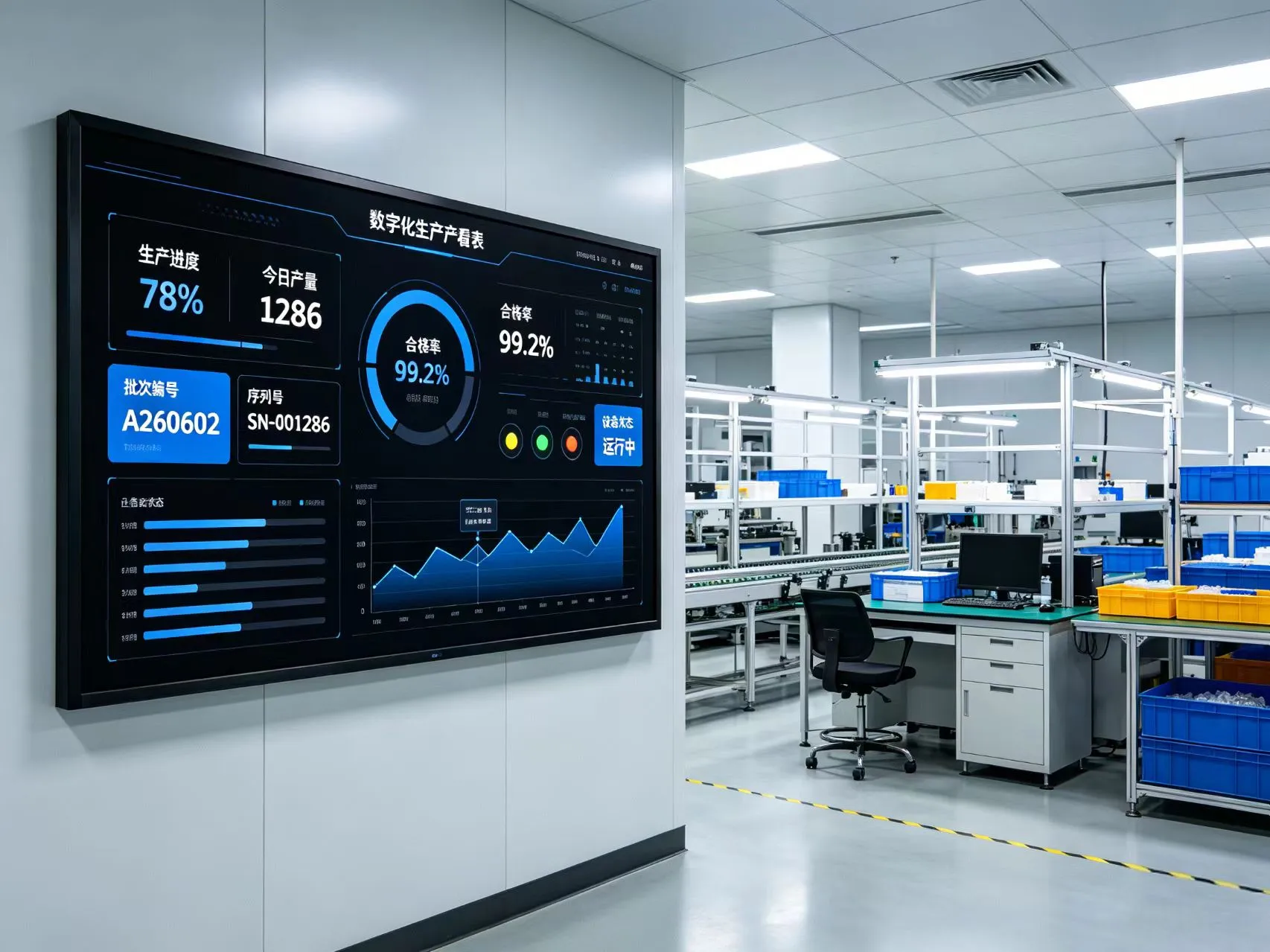
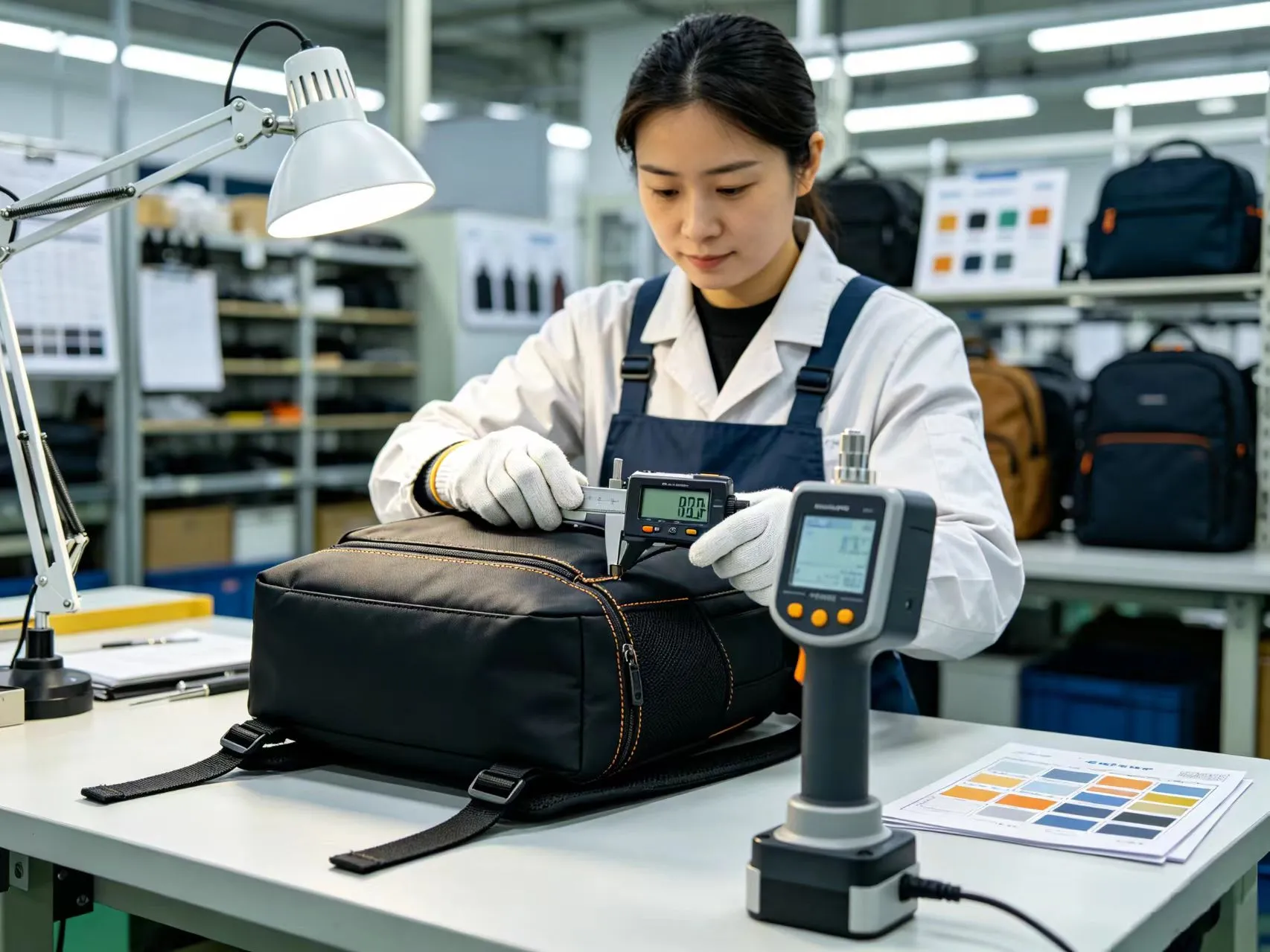
Backpack Material Inspection Checklist
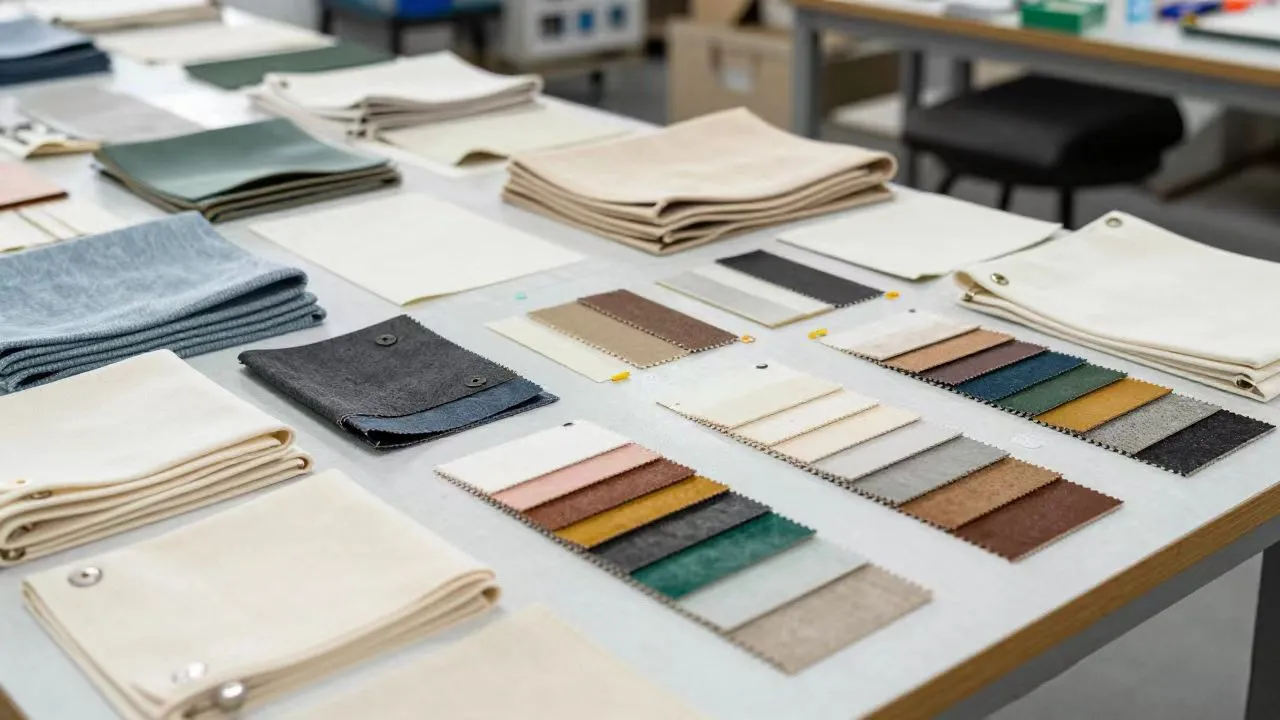
High-quality materials are the foundation of a durable backpack. Every component must meet exact specifications before entering production.
| Material Item | Inspection Method | Common Defects | Acceptance Criteria |
|---|---|---|---|
| Fabric Type | Visual + Material Test | Wrong material, mixed lots | Certificate verification required |
| Fabric Thickness | Measurement Tool | Thin, inconsistent | Per spec ±5% |
| GSM (Weight) | Weighing Scale | Under-weight fabric | Per spec ±10 GSM |
| Color Consistency | Visual + Colorimeter | Shade variation | ΔE ≤ 1.5 |
| Coating Quality | Visual + Adhesion | Peeling, bubbles | No peeling after 50 cycles |
| Zippers | Functional Test | Sticking, broken teeth | Smooth 50+ cycles |
| Buckles | Strength Test | Cracking, weak locking | Hold 2× rated load |
| Webbing | Width + Strength | Narrow, fraying edges | Per spec ±2 mm |
| Foam Thickness | Measurement | Compressed, uneven | Per spec |
| Foam Recovery | Compression Test | Flat, no bounce | ≥ 85% after 24 h |
Fabric & Color Inspection: Common Defects and Acceptance Standards
Fabric defects and color inconsistencies are among the most common reasons for backpack complaints. Thorough inspection before production prevents costly issues.
Common Fabric Problems
Shade Variation
Different shades between rolls cause visible color differences.
- Always approve lab dips
- Check rolls under consistent lighting
- Request shade bands
Fabric Defects
Physical flaws that compromise appearance or durability.
- Check for holes, runs, snags
- Inspect weaving irregularities
- Verify coating uniformity
Color Fading
Loss of intensity after light, washing or friction.
- Request color-fastness reports
- Crocking (rub) test
- Light-fastness verification
Printing Mismatch
Logo or pattern that does not align with approved artwork.
- Compare to approved artwork
- Pantone reference check
- Tape & rub adhesion test
Color Fastness Testing Requirements
| Test Type | Method | Acceptance | Application |
|---|---|---|---|
| Color Fastness to Rubbing | ISO 105 X12 | Grade 4 dry / 3-4 wet | All printed/dyed fabrics |
| Color Fastness to Light | ISO 105 B02 | Grade 4 min. | Outdoor fabrics |
| Color Fastness to Washing | ISO 105 C01 | Grade 4 min. | Detachable linings |
| Color Fastness to Water | ISO 105 E01 | Grade 4 min. | Waterproof bags |
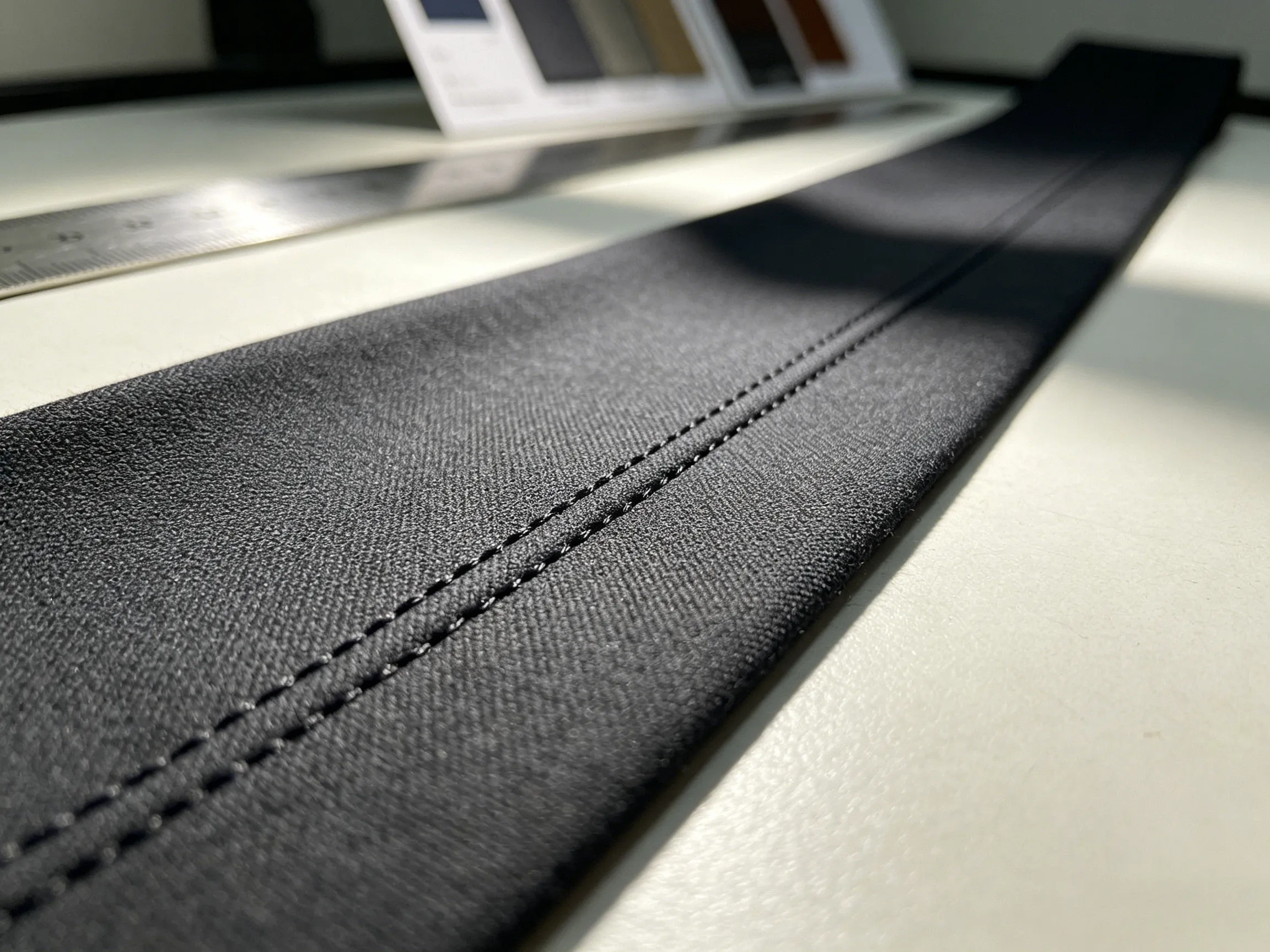
Backpack Stitching Quality Inspection
Stitching is the backbone of backpack durability. A single weak seam can cause catastrophic failure under load.
Stitch Density Requirements
| Area | SPI Range | Minimum | Common Issues |
|---|---|---|---|
| Main Seams | 8 – 10 | 8 SPI | Skipped stitches, loose tension |
| Shoulder Straps | 10 – 12 | 10 SPI | Insufficient reinforcement |
| Handle Attachments | 10 – 12 | 10 SPI | Loose stitches, needle cutting |
| Zipper Seams | 12 – 14 | 12 SPI | Uneven, puckering |
| Binding Stitching | 14 – 16 | 14 SPI | Raw edge exposure |
Stitching Quality Checklist
- Thread color matches approved swatch
- No loose threads or thread tails visible
- Even thread tension on both sides
- No skipped stitches or broken seams
- No puckering or fabric gathering
- Seam allowance minimum 10 mm
- Back-stitching at start and end of every seam
- No needle holes visible in delicate fabrics
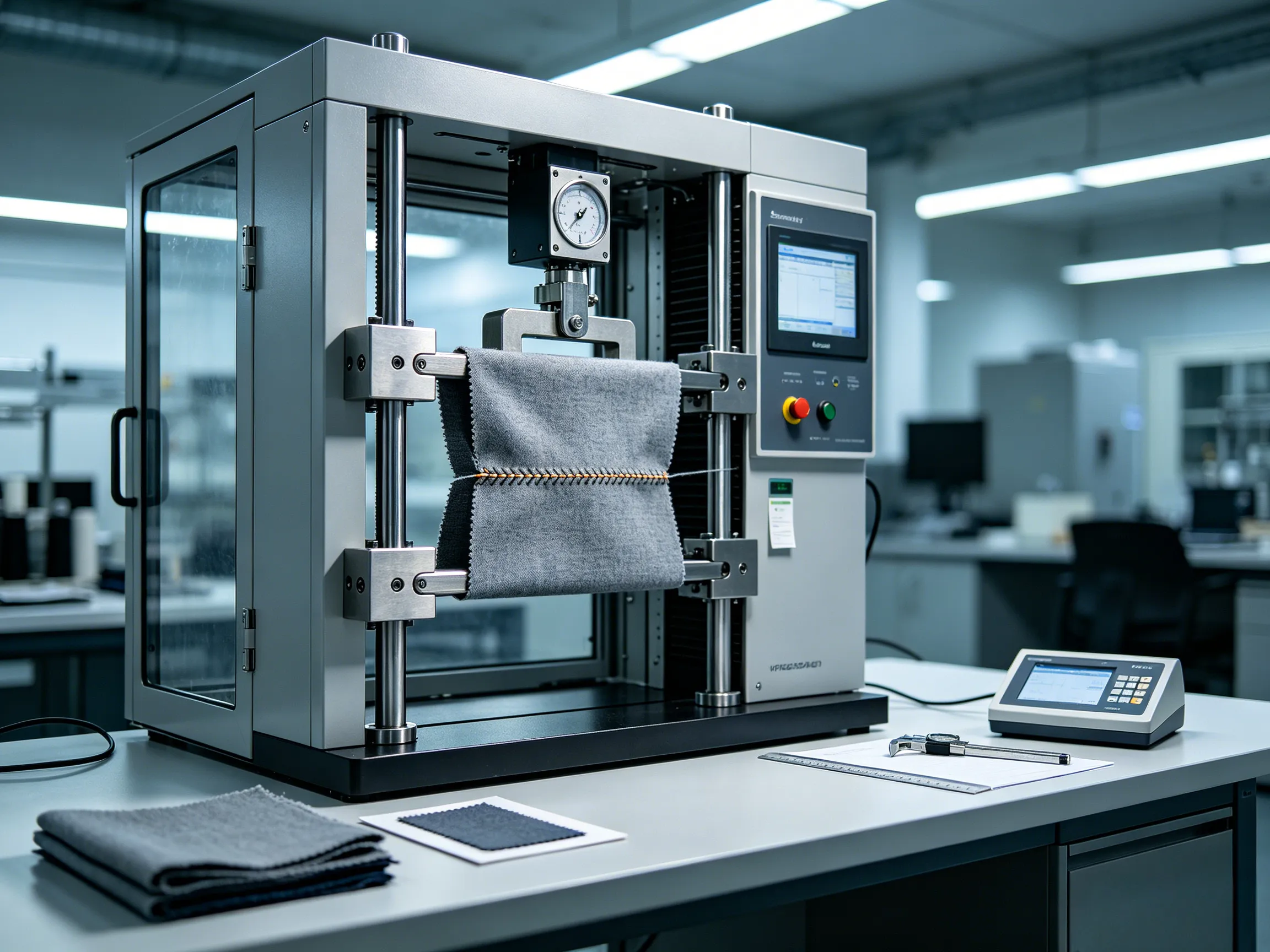
Shoulder Strap & Load-Bearing Tests
Backpacks must endure significant dynamic loads during daily use. Proper testing of straps and load-bearing components is essential.

| Test Name | Purpose | Test Method | Pass Criteria |
|---|---|---|---|
| Strap Pull Test | Strap attachment strength | 2× rated load, 30 min | No separation |
| Handle Strength | Handle durability | 1 000 cycles at max load | No cracking or loosening |
| Static Load | Max weight simulation | 1.5× rated, 1 hour | Deformation ≤ 5% |
| Dynamic Load | Real-world simulation | 500 cycles at rated capacity | No structural failure |
| Falls Impact | Drop resistance | Drop from 1 m on all surfaces | No functional damage |
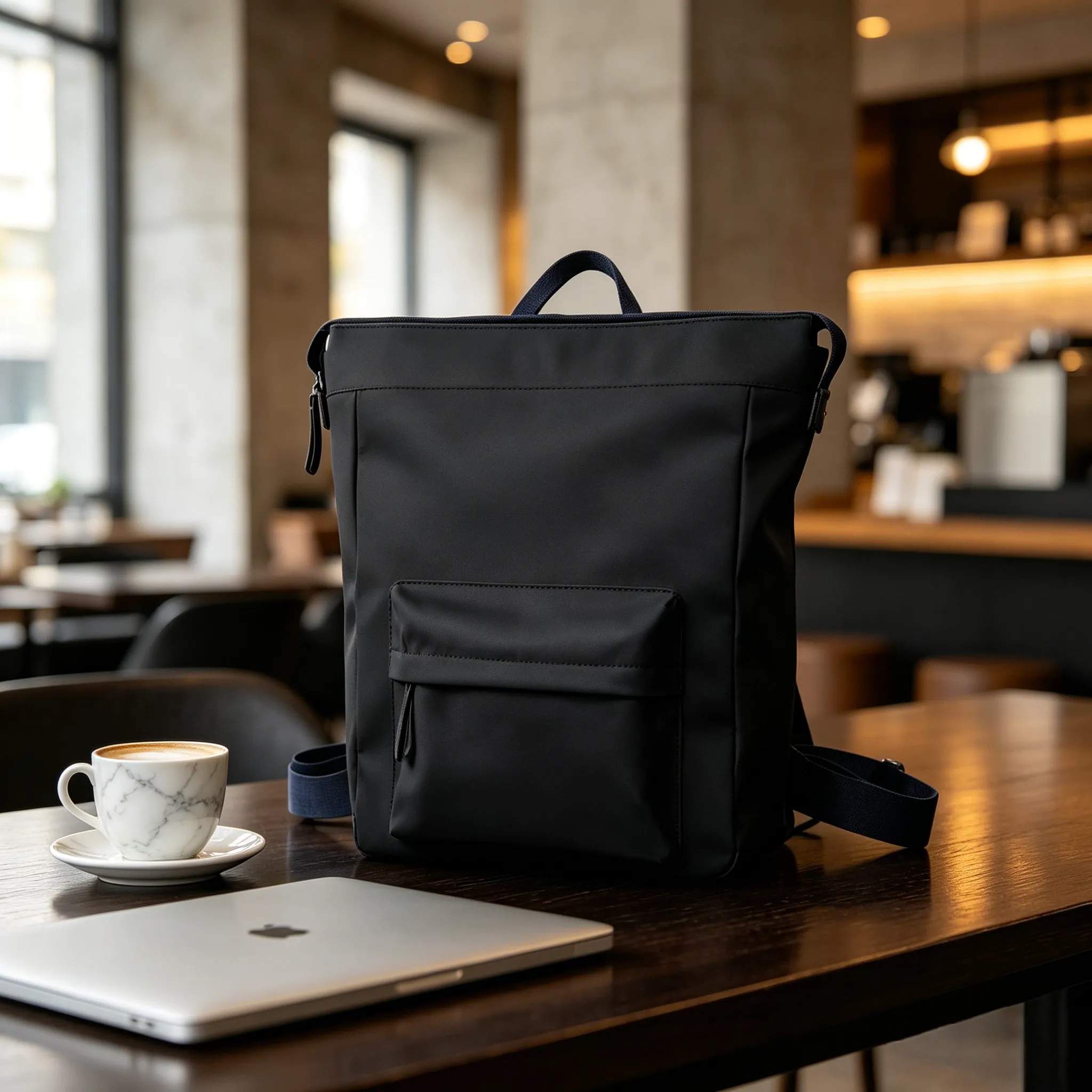

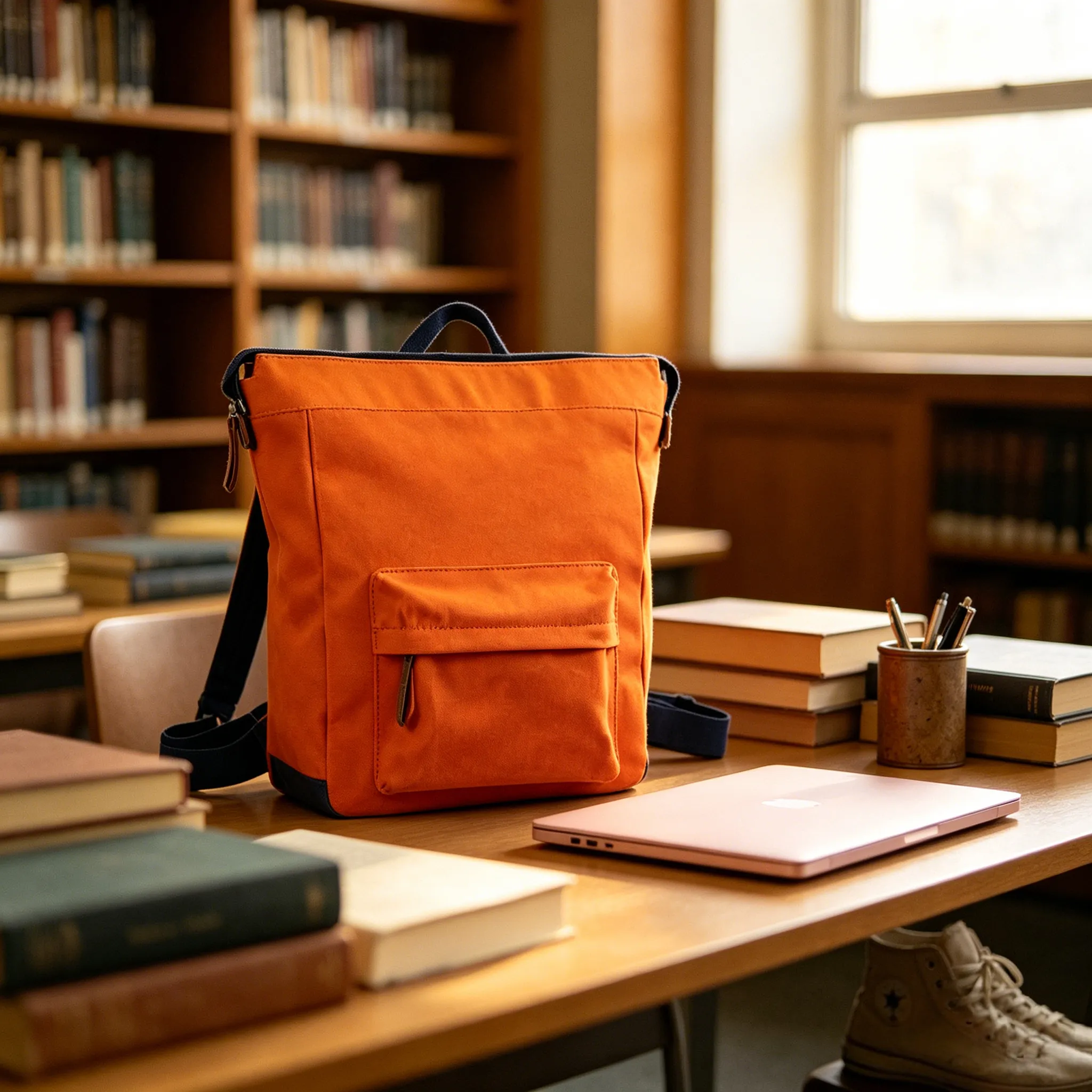
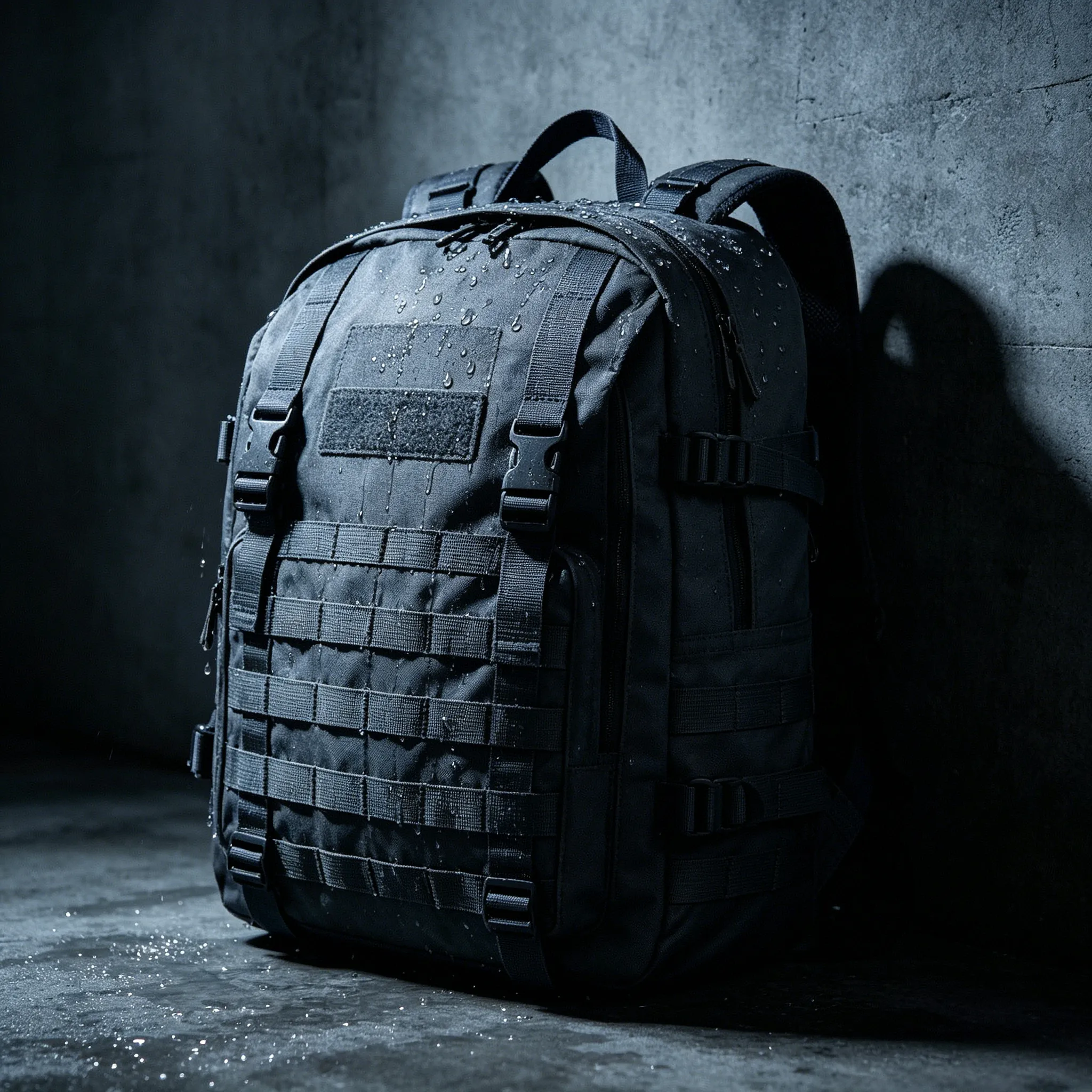
Zipper & Hardware Inspection
Zippers and hardware are the most frequently failed components. Rigorous inspection ensures smooth function and long-term durability.
Zipper Inspection Checklist
| Point | Method | Acceptance |
|---|---|---|
| Smooth Opening/Closing | Manual 20 cycles | No sticking |
| Pull Strength | Pull gauge | ≥ 15 N |
| Teeth Alignment | Visual | Perfect meshing |
| Slider Lock | Lock/unlock test | Secure, easy release |
| Slider Sewing | Visual | No loose threads |
| Auto-Stop Function | Functional test | Stops at designated point |
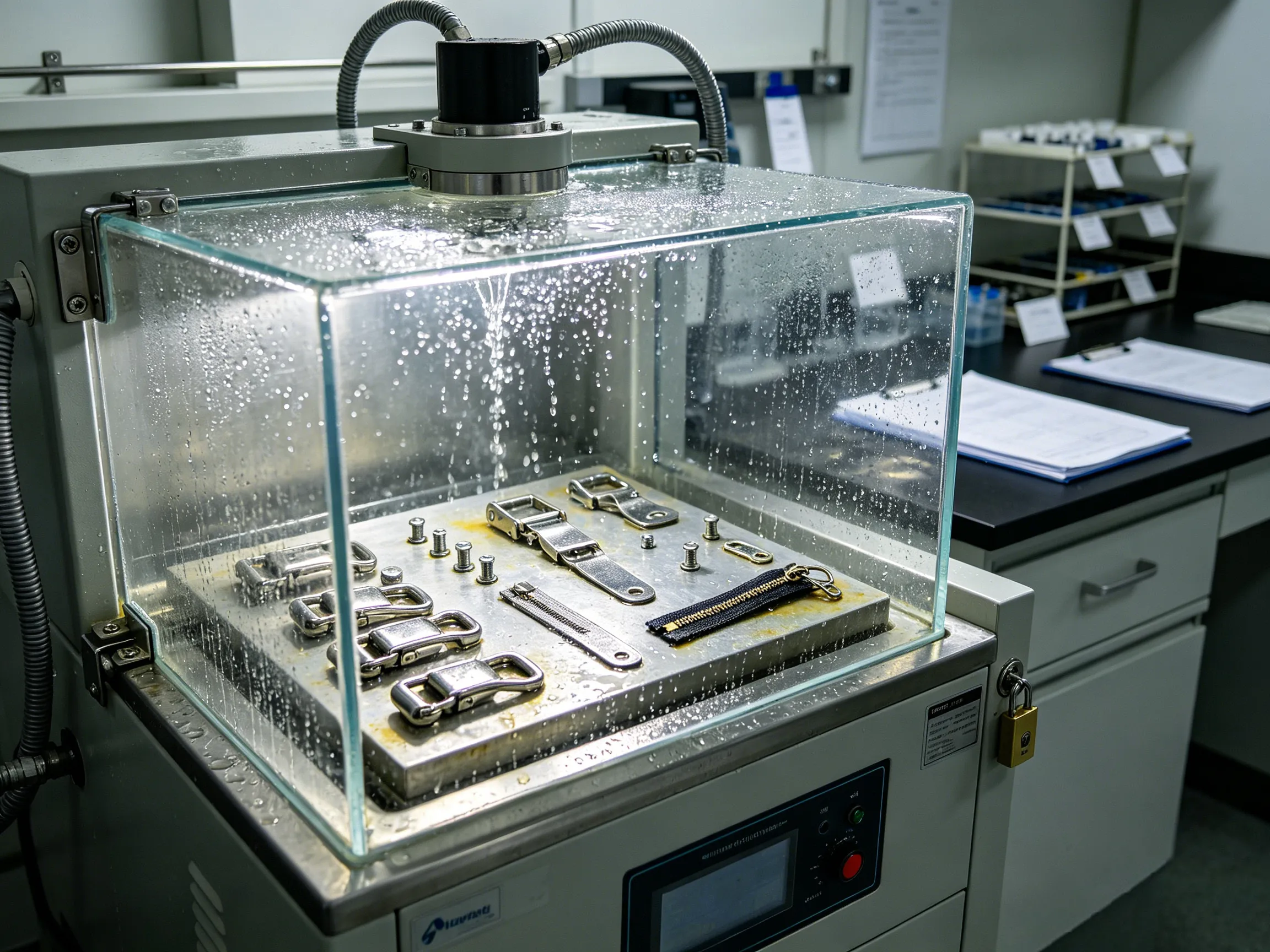
Buckle & Hardware Testing
| Hardware Type | Test Required | Pass Criteria |
|---|---|---|
| Buckles | Breaking strength | ≥ 500 N before failure |
| Buckles | Locking function | No accidental release |
| D-Rings | Pull test | ≥ 800 N |
| Metal Parts | Salt spray 48 h | ≤ 5% red rust |
| Plating | Thickness | ≥ 8 µm nickel / 0.5 µm gold |
| Snap Buttons | Attachment strength | No separation |
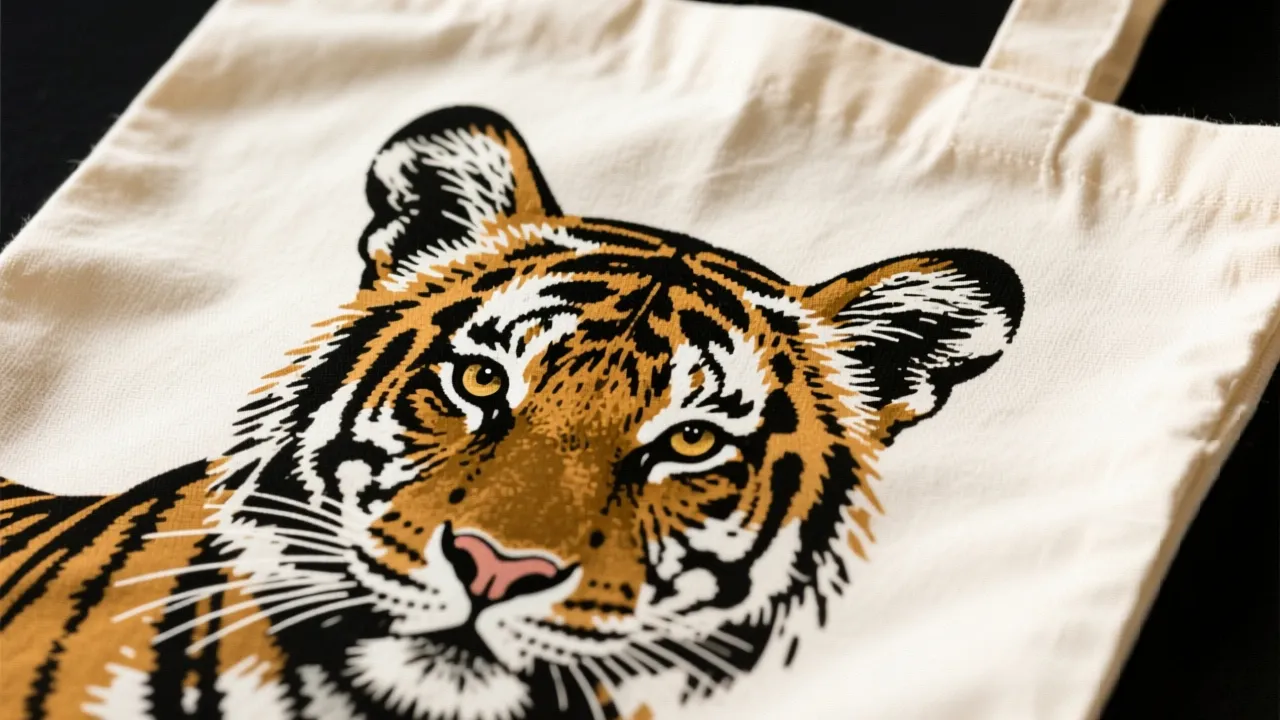
Printing & Embroidery Quality Inspection
Logo and branding quality reflect your brand identity. Both methods require careful inspection for color accuracy and adhesion.
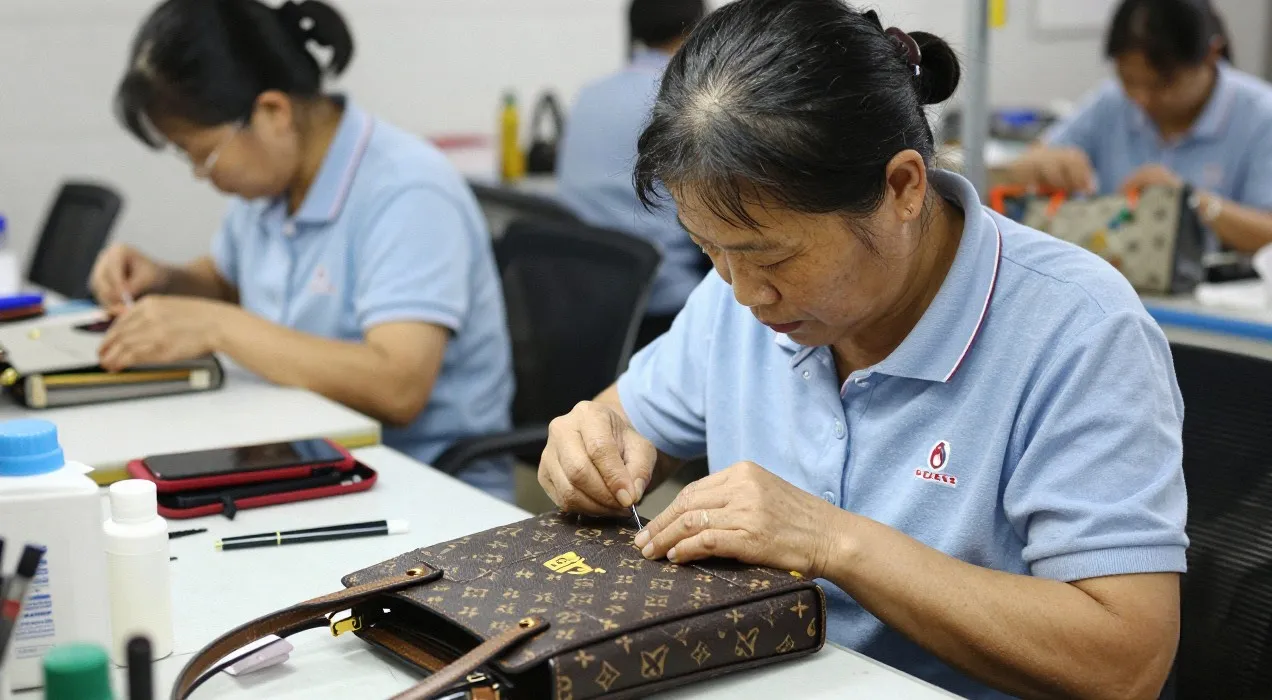
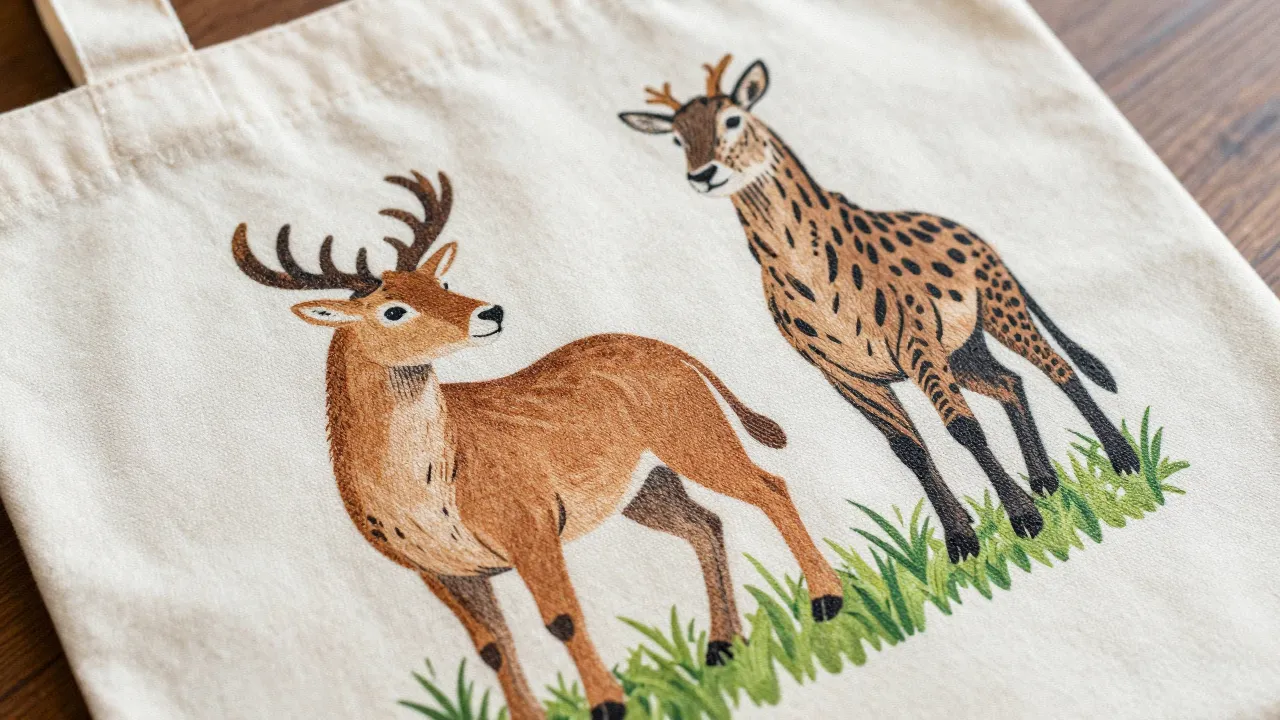
Printing Checklist
| Point | Criteria |
|---|---|
| Position | ±2 mm of template |
| Color | ΔE ≤ 1.5 |
| Adhesion | Pass 3M 600 tape rub |
| Coverage | Complete, no gaps |
| Edge Sharpness | Clean, no bleeding |
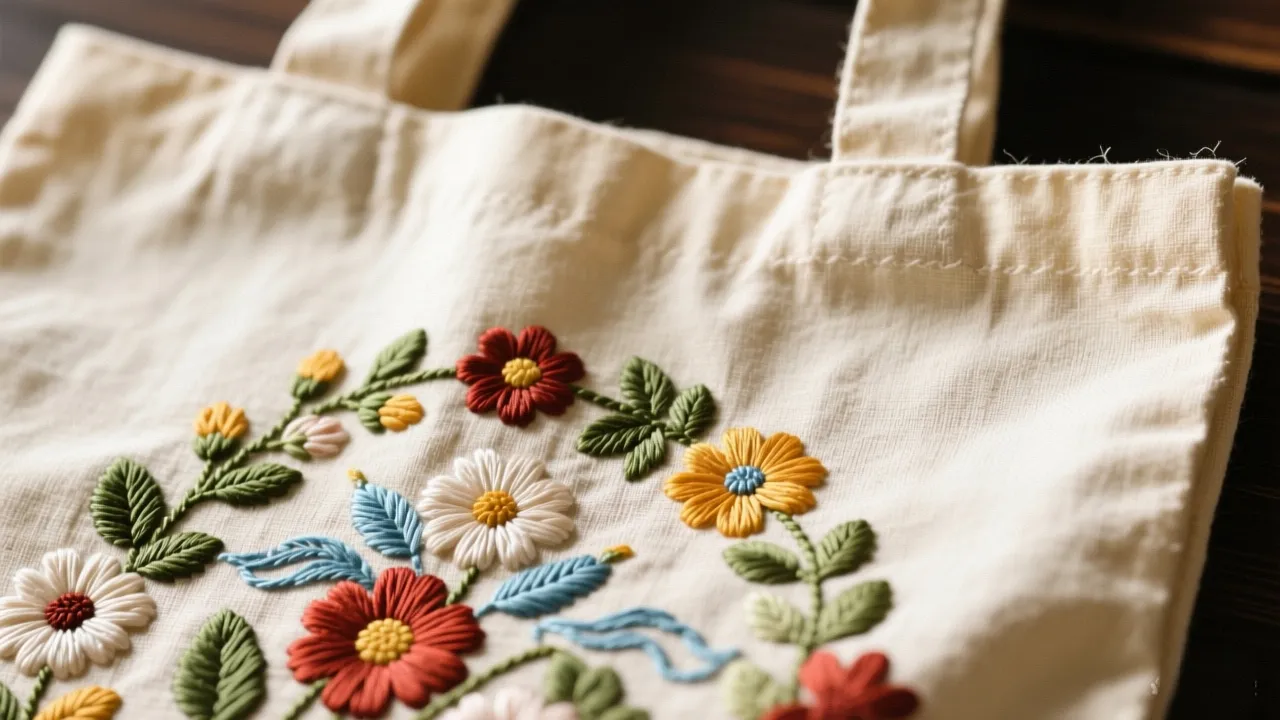
Embroidery Checklist
| Point | Criteria |
|---|---|
| Thread Tension | Even, no puckering |
| Stitch Density | Per design spec |
| Missing Stitches | None allowed |
| Backside | Clean, no excess thread |
| Color Match | Exact to approval sample |
Dimension & Measurement Inspection
Accurate dimensions ensure proper fit, correct packaging and optimized shipping.
| Item | Tolerance | Tool | Why It Matters |
|---|---|---|---|
| Overall Length | ±5 mm | Steel ruler | Fits intended use |
| Width | ±5 mm | Steel ruler | Storage compatibility |
| Height | ±5 mm | Steel ruler | Laptop sleeve fit |
| Strap Length | ±10 mm | Measuring tape | Comfort adjustment |
| Strap Width | ±2 mm | Calipers | Weight distribution |
| Pocket Size | ±3 mm | Steel ruler | Phone/accessory fit |
| Weight | ±5% | Precision scale | Shipping cost |
Backpack AQL Standards: Sampling Tables and Acceptance Levels
AQL (Acceptable Quality Limit) is the cornerstone of professional QC. Understanding AQL helps you set expectations and avoid costly disputes.
.webp)
What Is AQL?
AQL is the maximum percentage of defective items that can be considered acceptable during random sampling. AQL 2.5 means no more than 2.5 defective items per 100 inspected.
Common AQL Levels for Backpacks
| AQL Level | Usage | Defects / 100 pcs | Best For |
|---|---|---|---|
| AQL 1.0 | Premium/Luxury | 1.0 % | High-end brands |
| AQL 2.5 | Standard Quality | 2.5 % | Most retail orders |
| AQL 4.0 | Economy/Budget | 4.0 % | Promotional / bulk |
Sampling Table — Code G
| Lot Size | Sample Size | AQL 1.0 (Ac/Re) | AQL 2.5 (Ac/Re) | AQL 4.0 (Ac/Re) |
|---|---|---|---|---|
| 1 201 – 3 200 | 125 | 3 / 4 | 5 / 6 | 7 / 8 |
| 3 201 – 10 000 | 200 | 4 / 5 | 7 / 8 | 10 / 11 |
| 10 001 – 35 000 | 315 | 5 / 6 | 10 / 11 | 14 / 15 |
| 35 001 – 150 000 | 500 | 7 / 8 | 14 / 15 | 21 / 22 |
Backpack Packaging & Labeling Inspection
Proper packaging prevents 15-30% of shipping damage and customs issues. Every backpack order requires rigorous packaging inspection before shipment.
Inner Packaging Requirements
- Individual polybag for each backpack (transparent or printed)
- Silica gel packet (3-5g) for moisture control during shipping
- Stuffing material (tissue or foam) to maintain shape during transit
- Hangtags attached securely with string (not glued)
- Care instruction card in 5+ languages for international markets
Master Carton Specifications
| Component | Specification | Purpose |
|---|---|---|
| Carton Type | 5-ply corrugated, double-wall | Drop and compression protection |
| Quantity per Carton | 10-20 pcs (per spec) | Handling weight limit |
| Edge Protectors | All 12 edges | Corner impact resistance |
| Strapping | PP or PET bands, 2 per carton | Pallet stability |
| Shipping Marks | Pre-printed or stamped | Warehouse identification |
Labeling Requirements by Market
| Label Type | EU Required | US Required | Notes |
|---|---|---|---|
| Country of Origin | ✓ | ✓ | Mandatory for customs clearance |
| Material Composition | ✓ (REACH) | ✓ (CPSIA) | Fiber content percentages |
| Care Instructions | ✓ | Recommended | Washing, drying symbols |
| Barcode/UPC | Optional | ✓ (retail) | For inventory tracking |
| Prop 65 Warning | N/A | ✓ (California) | For chemical exposure items |
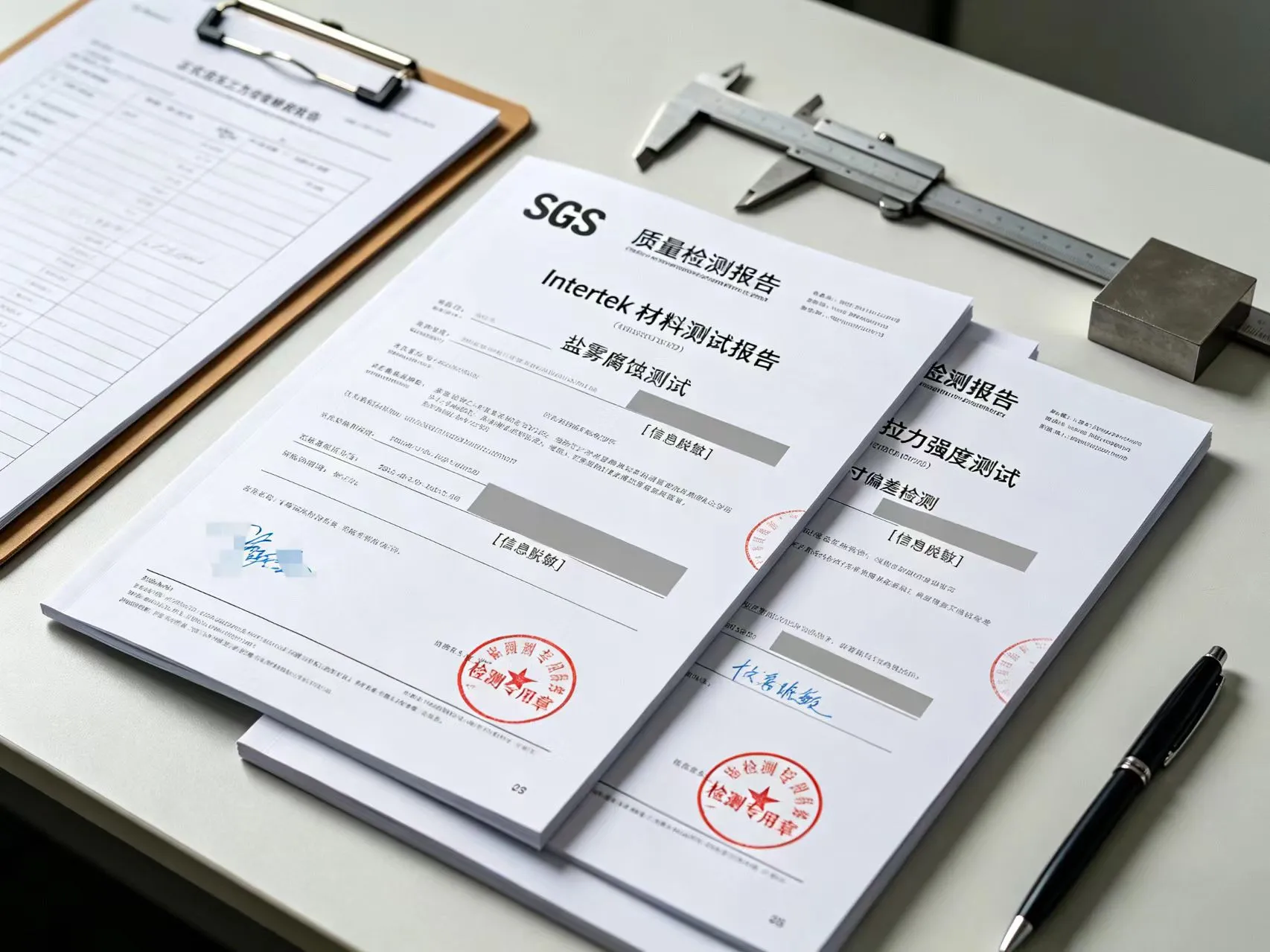
International Compliance & Lab Testing Standards
Backpacks exported to major markets must comply with regional chemical and safety regulations. Understanding these requirements prevents customs rejection and product recalls.
EU Market: REACH Compliance
REACH (Registration, Evaluation, Authorisation and Restriction of Chemicals) restricts 224+ substances in textile materials:
- Lead content ≤ 100 ppm
- Cadmium ≤ 100 ppm
- Azo dyes < 30 ppm (no release of carcinogenic amines)
- Phthalates < 0.1% (DEHP, DBP, BBP, DIBP)
- Formaldehyde < 75 ppm (for skin-contact textiles)
US Market: CPSIA Compliance
The Consumer Product Safety Improvement Act (CPSIA) sets strict limits for children's products and general consumer goods:
- Lead in surface coating ≤ 90 ppm
- Lead in substrate ≤ 300 ppm
- Phthalates ≤ 0.1% (8 restricted phthalates)
- Tracking labels required for children's products
California Proposition 65
Products sold in California must carry warning labels if they expose users to chemicals known to cause cancer or reproductive toxicity. Common backpack-related substances include:
- Lead and lead compounds
- DEHP (phthalate plasticizer)
- Cadmium
Recommended Lab Tests for Backpacks
| Test Type | Standard | When Required | Cost Range |
|---|---|---|---|
| Tear Strength | ASTM D2261 | All backpacks | $50-100 |
| Tensile Strength | ASTM D5034 | All backpacks | $50-100 |
| Color Fastness to Light | ISO 105 B02 | Outdoor fabrics | $80-150 |
| Color Fastness to Rubbing | ISO 105 X12 | Printed/dyed fabrics | $30-60 |
| Zipper Strength | ASTM D2061 | All backpacks | $40-80 |
| REACH Chemical Test | EU REACH | EU export | $200-500 |
| CPSIA Test | US CPSIA | US export | $150-400 |
Pre-Shipment Inspection: Step-by-Step Process and Checklist
PSI is the final quality gate before goods leave the factory. A proper PSI process protects you from receiving defective goods.
PSI Workflow
- Random Sampling per AQL table
- Visual Inspection of appearance, color, stitching, hardware
- Functional Testing — zippers, buckles, straps, closures
- Dimension Check against specifications
- Packing Inspection — material, labeling, quantity
- Photo Documentation & report generation
- Disposition — Pass / Hold / Rework
Common Backpack Quality Problems Buyers Should Avoid
Learning from others' mistakes saves cost and reputation.
Weak Shoulder Strap
Impact: Strap failure during use.
- Insufficient stitching at attachment
- Poor reinforcement design
- Low-grade webbing
- Wrong stitch pattern for load-bearing
Zipper Failure
Impact: Cannot open / close bag properly.
- Low-quality zipper slider
- Incorrect installation
- Mismatched zipper tape width
- Insufficient seam allowance
Fabric Peeling
Impact: Coating separates from base fabric.
- Poor coating adhesion
- Incompatible coating & fabric
- UV-exposure damage
- Chemical cleaning damage
Incorrect Dimensions
Impact: Product does not fit use or packaging.
- Poor production control
- Incorrect pattern cutting
- Fabric shrinkage not accounted for
- Measurement error at QC
Backpack QC by Type: Outdoor, Laptop, School & Promotional Standards
Different backpack categories require specialised focus areas.
🏔️ Outdoor / Trekking
- Load strength 30 kg+ capacity
- Water resistance / sealing
- Durability under extreme conditions
- Hip-belt attachment strength
- Frame & suspension system
💻 Laptop / Business
- Foam protection thickness (≥ 15 mm)
- Laptop compartment dimensions
- Water-resistant outer material
- Professional appearance
- Anti-theft features
🎒 School
- Ergonomic strap design
- Reflective safety elements
- Organisation compartments
- Comfortable back padding
- Adjustable sizing
🎁 Promotional / Event
- Cost-control optimisation
- Brand-logo visibility
- Attractive appearance
- Basic durability requirements
- Quick production turnaround
How to Choose the Right Inspection Level for Your Order
Not all orders require the same level of inspection. Use this decision framework to determine the right QC approach based on your order value, complexity, and risk tolerance.
Decision Matrix: Inspection Level by Order Size
| Order Value (USD) | Risk Level | Recommended Inspection | Inspection Cost |
|---|---|---|---|
| Under $5,000 | Low | Final inspection (PSI) only | $300-500 |
| $5,000 - $20,000 | Medium | DUP + PSI | $600-1,000 |
| $20,000 - $50,000 | Medium-High | IPC + DUP + PSI | $900-1,500 |
| Over $50,000 | High | IPC + DUP + PSI + Container Loading | $1,500-2,500 |
Choosing the Right AQL Level
| Product Tier | Target AQL | Use Case |
|---|---|---|
| Premium / Luxury | AQL 1.0 | High-end brands, designer bags, premium outdoor gear |
| Standard Retail | AQL 2.5 | Mainstream retail, brand-name products, Amazon FBA |
| Budget / Promotional | AQL 4.0 | Promotional items, bulk orders, price-sensitive markets |
Inspection Timing Strategy
- Initial Production Check (IPC): When 10-20% complete — catches early issues when rework is cheap
- During Production Check (DUP): When 40-60% complete — confirms consistency mid-batch
- Pre-Shipment Inspection (PSI): When 80%+ complete and packed — final quality gate before payment
- Container Loading Check (CLC): During container loading — prevents wrong quantity and shipping damage
Factory Quality Control System
A mature backpack factory should have a comprehensive quality management system beyond basic inspection.

| System Component | Requirements | Benefit |
|---|---|---|
| Dedicated QC Team | Trained inspectors at each stage | Consistent monitoring |
| Standard Procedures | Written inspection SOPs per product | Systematic QC |
| Testing Equipment | Pull testers, colorimeters, salt-spray chambers | Objective verification |
| Production Records | Complete batch documentation | Traceability |
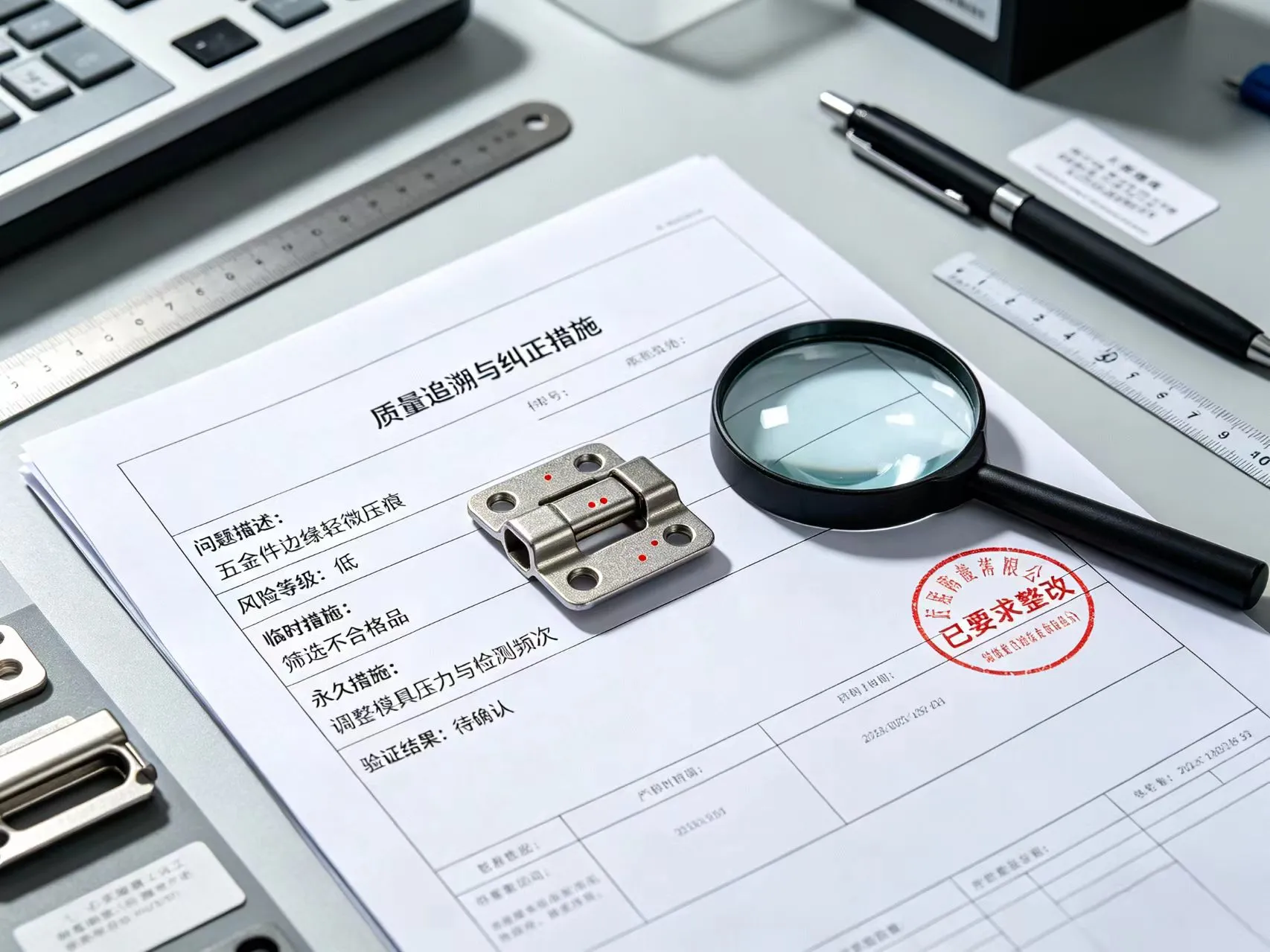
| Corrective Action Process | Systematic problem-solving | Continuous improvement |
Expert Insights from Dreamway QC Team
Quality is not just a department — it is a culture. Our inspectors bring decades of expertise to every order.
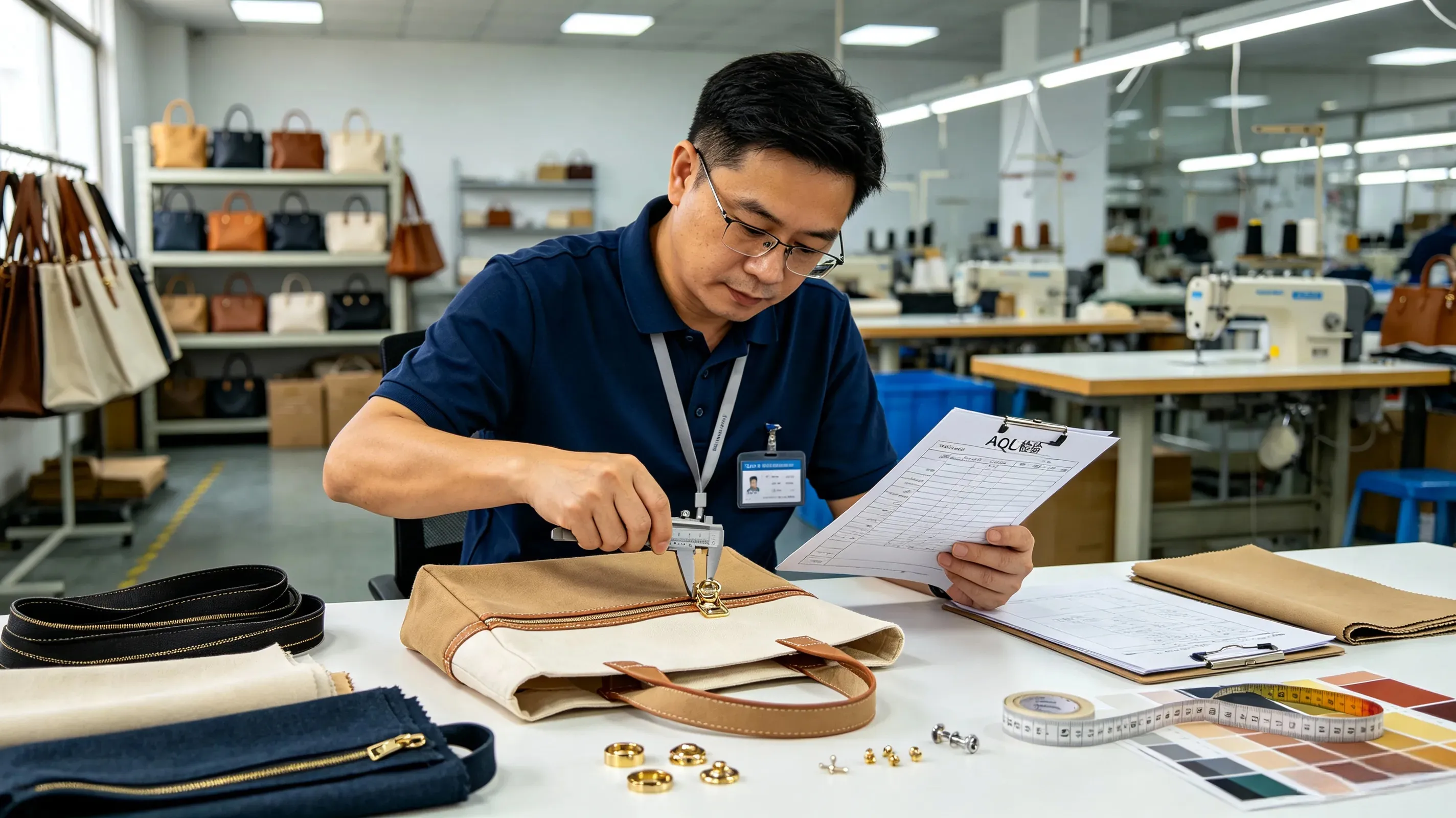
Kevin
QC & Sampling Engineer
"Appearance matters, but structural durability testing matters more — straps, handles, zippers directly affect customer experience and safety."

Emily
Senior Project Manager
"Clear communication of materials, specs and packaging before production reduces unnecessary revisions and delays."
Case Study: Real QC Improvement Results
Real-world data demonstrates how structured QC protocols transform defect rates and buyer satisfaction. Below are anonymised results from three GZ Dreamway clients who implemented our inspection framework.
.webp)
Client A — European Outdoor Retailer (2024–2025)
| Metric | Before (No Formal QC) | After (Full PSI + DUP Protocol) | Improvement |
|---|---|---|---|
| Defect Rate at Arrival | 8.2% | 1.4% | ↓ 83% |
| Customer Complaints | 42 per shipment | 6 per shipment | ↓ 86% |
| Return Rate | 5.7% | 0.9% | ↓ 84% |
| Rework Cost | $3,200 / batch | $280 / batch | ↓ 91% |
Client B — North American School Bag Importer (2023–2025)
| Metric | Before (Basic Visual Check) | After (AQL 2.5 + Lab Testing) | Improvement |
|---|---|---|---|
| REACH/CPSIA Fines | 2 incidents ($8,500 total) | 0 incidents | ↓ 100% |
| Strap Pull Failures (Field) | 23 units | 0 units | ↓ 100% |
| Amazon FBA Compliance | 1 rejection | Full pass (12 consecutive) | ↑ Pass rate |
| Lab Test Cost (Annual) | $0 | $2,100 | ROI: 4× savings vs one fine |
Client C — Middle East Promotional Goods Distributor (2024)
| Metric | Before (No IPC) | After (IPC + PSI) | Improvement |
|---|---|---|---|
| Late Delivery Rate | 35% | 4% | ↓ 89% |
| Production Rework Cycles | 3.2 per order | 0.8 per order | ↓ 75% |
| Client Retention | 62% repeat | 91% repeat | ↑ 47% |
| Order Value Growth | Flat | +38% YoY | Positive trend |
Pattern: Why Early Inspection Pays
Across all three clients, the common thread is timing: defects caught at IPC (10-20%) cost roughly 1/20th to fix compared to defects caught at PSI (80%+). Structured QC is not overhead — it is risk management with measurable ROI.
Before
Reactive QC
Defects discovered after shipment — costly rework, returns, reputation damage.
During
IPC + DUP
Issues caught mid-production when correction is fast and cheap.
After
PSI + Lab Tests
Final gate ensures zero defects at delivery, zero compliance surprises.
Backpack QC Checklist for Buyers
Print this section for your next factory visit or remote inspection.
Pre-Production
- Material samples approved & signed off
- Color lab dips matched to standard
- Tech pack reviewed & confirmed
- Sample backpack approved (fit/function/appearance)
- AQL level agreed upon
- Inspection standard procedures confirmed
During Production
- First article inspection completed
- Raw-material inspection reports received
- Production progress updates reviewed
- Inline quality checks performed
- Any quality issues addressed immediately
Final Inspection
- Sample size selected per AQL table
- Material approved (fabric / hardware / zipper)
- Sample approved for purpose
- Stitching checked (density, tension, reinforcement)
- Logo approved (position, color, adhesion)
- Load tested (straps, handles, seams)
- Dimensions verified
- Function tested (zippers, buckles, closures)
- Packaging confirmed
- Final inspection completed & reported
- Shipping documentation verified
Frequently Asked Questions
A systematic process of inspecting and testing backpacks during and after production to ensure durability, functionality, safety and appearance standards.
AQL 2.5 is standard for most retail backpacks. AQL 1.0 is used for premium brands; AQL 4.0 for promotional or bulk orders.
A pre-shipment inspection typically costs USD 300 – 500 per man-day; during-production and initial-production inspections range from USD 200 – 500.
Skipped stitching at strap attachments, misaligned zipper teeth, coating peeling, incorrect dimensions and loose buckles.
Apply 2× the rated load for 30 minutes (static), or 500 dynamic cycles at rated capacity. Both must pass with no separation.
When 80%+ of production is complete and at least 70% is packed — usually 2 – 3 days before the booked ship date.
These are the three most common Acceptance Quality Limits. 1.0 is strictest (luxury), 2.5 is industry standard, 4.0 is loosest (promotional).
Yes. Live video walk-throughs with on-screen measurement and AQL sampling are accepted for small orders. Critical orders should use an in-person inspector.
Header info, AQL sample selection, defect photos with arrows, measurements table, test results (pull/drop/color), and a final Pass / Hold / Fail disposition.
Issue a written Hold, document with photos, request a root-cause analysis, negotiate rework, replacement or discount before shipment.
Related Reading
- → China Backpack Factory Guide: Complete OEM Manufacturing Overview
- → Inside a Backpack Factory: Complete Manufacturing Process Step by Step
- → Backpack Materials Guide: Polyester, Nylon, Canvas, RPET, Foam & Hardware
- → OEM Backpack Manufacturer: Private Label, ODM & Custom Branding Guide
- → AQL Inspection Guide for Bag Buyers: SGS, Intertek & Bureau Veritas
Last updated: August 2026 · GZ Dreamway — Your Trusted Backpack Manufacturing Partner
- Private Label Backpack Manufacturers | OEM/ODM China Factory
- Custom Travel Bag Manufacturer | OEM/ODM Factory for Travel Bags
- How to Create a Backpack Tech Pack for Manufacturing
- Backpack MOQ Explained: Minimum Order Quantity, Mixed Styles & Cost Strategy
- Custom Backpack Cost Breakdown: Materials, Labor, MOQ & Packaging
- How Long Does It Take to Manufacture a Backpack? Timeline Guide
- How to Create a Backpack Tech Pack for Manufacturing (Free Template)
- The Complete Backpack Quality Inspection Checklist for Buyers
- Inside a Backpack Factory: Complete Backpack Manufacturing Process Step by Step
- Backpack Materials Guide: Polyester, Nylon, Canvas, RPET, Foam & Hardware Explained
- OEM Backpack Manufacturer: Private Label, ODM & Custom Branding Guide
- Backpack Factory China: OEM Manufacturing, MOQ, Production Capacity & Export Guide
DREAMWAY
Custom Bag & Silk Manufacturer · Shiling, Guangzhou
Company
Products
Guides & Insights
Ready to Bring Your Bag Idea to Life? Let’s Talk Today.
From your first sketch to bulk delivery, our team replies within 12 hours with expert advice and a free quote. No pressure — just honest manufacturing guidance.

Prefer a call? +86-020-87682749 · Mon–Sat, 9:00–18:00 (GMT+8)
Your Premium Nylon Backpack Manufacturing Hub
Explore our comprehensive collection of resources, from material selection to final delivery, connecting you with expert insights from China's leading backpack manufacturer.
Core Manufacturing Expertise Essential guides for sourcing nylon backpacks
Discover our extensive catalog of wholesale nylon backpacks, featuring premium materials, competitive pricing, and flexible order quantities tailored for global brands and retailers.
Explore wholesale nylon backpack collectionLearn how to personalize every detail of your backpack—from logo placement and color matching to hardware selection—creating products that truly represent your brand identity.
Complete backpack customization guidePartner with our OEM specialists to bring your designs to life. We handle everything from prototype development to mass production with rigorous quality standards.
OEM backpack manufacturing solutionsOur state-of-the-art manufacturing facilities in China combine traditional craftsmanship with modern production technology to deliver exceptional quality at scale.
China-based backpack factory operationsUnderstanding fabric properties is crucial for product performance. Dive deep into nylon grades, denier ratings, coatings, and treatments that affect durability and aesthetics.
Comprehensive backpack materials guideFrom initial design consultation to final packaging, trace every step of our streamlined manufacturing process designed to minimize lead times without compromising quality.
Inside the backpack manufacturing workflowQuality assurance transforms good products into exceptional ones. Explore our multi-point inspection protocols, stress testing procedures, and compliance verification methods.
Professional quality control checklistMinimum order quantities can make or break a sourcing strategy. Find the right balance between inventory investment and per-unit economics for your business model.
Understanding MOQ requirements explainedTransparent pricing demystifies the cost structure behind custom backpacks. Learn how material costs, labor, tooling, and shipping factor into your final quote.
Detailed custom backpack cost analysisLaunch your own backpack line with professional private label services. We provide complete brand packaging, labeling, and custom documentation support.
Private label backpack manufacturing servicesStart small and scale confidently with our low minimum order commitments. Perfect for startups, market testing, and boutique brands seeking quality manufacturing.
Low MOQ backpack manufacturer optionsNavigate the competitive landscape with confidence. Our curated ranking of top-tier manufacturers helps you identify partners who align with your quality standards.
Top rated backpack manufacturers directoryRelated Product Categories Expand your sourcing portfolio
Complement your backpack line with premium custom travel bags. Our travel bag collection shares the same quality standards and manufacturing expertise.
Custom travel bag manufacturing servicesChoosing the right material impacts cost, durability, and market appeal. Our comprehensive comparison helps you make informed material decisions.
Canvas versus polyester versus PU comparisonA well-prepared tech pack bridges design intent with manufacturing reality. Master the art of creating detailed specifications that manufacturers can execute precisely.
Professional backpack tech pack creationTimeline management separates successful launches from costly delays. Understand typical production phases and learn strategies to optimize your lead time.
Backpack manufacturing lead time factorsExpand your product range with canvas tote bags. This guide covers material costs, printing techniques, and production considerations for complementary items.
Canvas tote bag materials and printing costs
Customer Reviews21 Reviews