
Backpack Factory China: OEM Manufacturing, Production Capacity & Export Guide
Table of Contents
In the global backpack industry, China remains the undisputed manufacturing powerhouse. From outdoor adventure brands to corporate promotional merchandise, the majority of world’s backpacks carry the “Made in China” label—and for compelling reasons that go far beyond labor costs.
This comprehensive guide navigates the complexities of OEM backpack manufacturing in China, equipping brand owners, importers, and procurement professionals with actionable insights for successful production partnerships.
Who Is This Guide For?
Brand Owners
Launching a backpack line? Learn how to navigate OEM partnerships from concept to delivery.
Importers & Wholesalers
Scale your inventory with reliable backpack suppliers who understand international compliance.
Amazon Sellers
Source competitive, quality-controlled backpacks that survive FBA inspections and customer reviews.
Outdoor & Promotional Brands
Partner with factories that understand technical performance and bulk customization needs.
Why China Is the World’s Leading Backpack Manufacturing Hub
The question isn’t whether China can manufacture backpacks—it’s why China remains the optimal choice despite rising costs and geopolitical tensions. The answer lies in infrastructure, ecosystem, and capability depth that no other country has yet replicated.
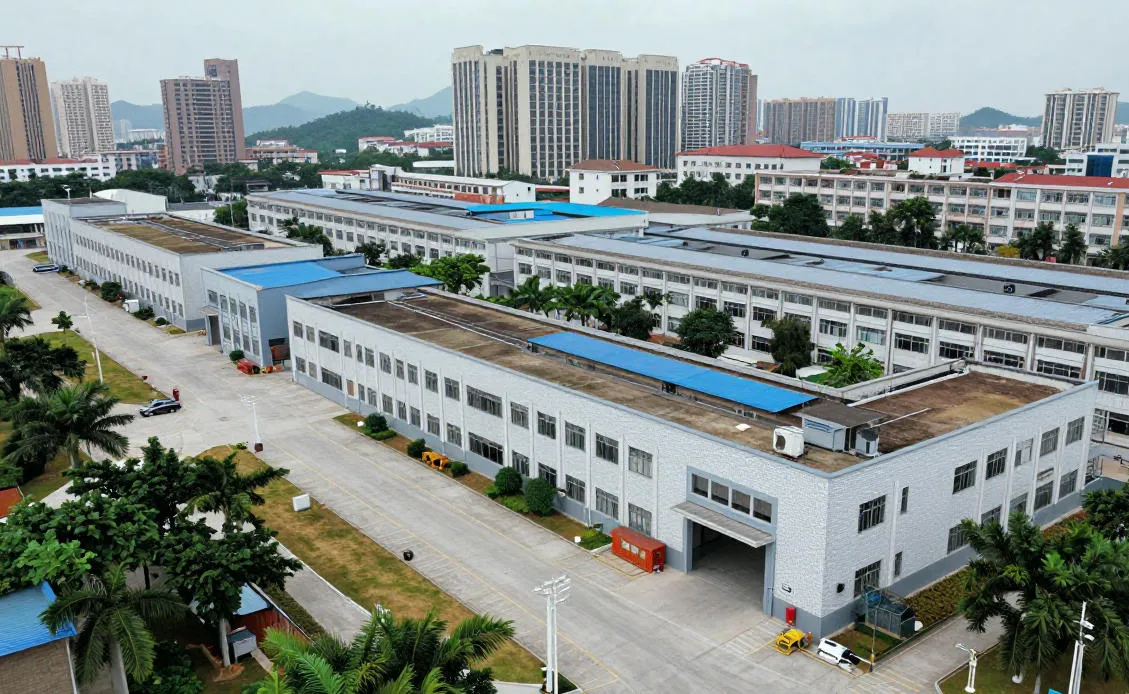
China vs. Vietnam vs. India: Manufacturing Comparison
| Factor | China | Vietnam | India |
|---|---|---|---|
| Complete Supply Chain | Fully integrated (hardware, zippers, fabric, packaging) | Limited, imports most components | Partial, relies on imports |
| Production Capacity | Massive, scalable to millions | Medium scale | Medium-large |
| Quality Consistency | High with proper QC protocols | Moderate | Variable |
| Lead Time | 25-45 days standard | 35-55 days | 40-60 days |
| Technical Expertise | Advanced (technical fabrics, waterproofing) | Basic-intermediate | Basic |
| Certification Access | ISO, BSCI, GRS, OEKO-TEX readily available | Limited availability | Limited availability |
| MOQ Flexibility | 200-500 for standard, lower available | 500+ typical | 500-1000 typical |
| Export Documentation | Experienced, all Incoterms | Moderate experience | Moderate experience |
The Complete Supply Chain Advantage
What truly differentiates China is its complete backpack manufacturing ecosystem. Every component required for backpack production exists within domestic supply chains:
Hardware & Metal Components
From YKK-compatible zippers to precision-machined buckles, China’s hardware suppliers offer unmatched variety and competitive pricing.
Technical Fabrics
Ripstop nylon, Cordura, recycled polyester (RPET), waterproof membranes—Chinese mills produce the full spectrum of performance materials.
Packaging Materials
Hang tags, polybags, cardboard boxes, recycled packaging—all available from specialized suppliers with compliance documentation.
Accessories & Trims
Webbing, drawstrings, reflective tape, logo badges, custom zipper pulls—the supporting cast of backpack manufacturing.
Cost Reality Check
While Vietnamese and Indian labor costs are 30-50% lower than China’s, the total landed cost often favors China when accounting for component sourcing, logistics, quality control trips, and communication efficiency. The complete supply chain eliminates multiple markups and shipping costs inherent in fragmented manufacturing.
Types of Backpack Manufacturers in China
Not all backpack factories in China operate the same way. Understanding the distinction between manufacturer types helps you match with the right partner for your project scale and complexity.
| Factory Type | Best For | Advantages | Considerations |
|---|---|---|---|
| OEM Factory | Brands with custom designs | Flexible, takes your specifications, lower MOQ | You provide detailed tech packs |
| ODM Factory | Brands seeking ready designs | Faster time-to-market, proven designs | May need customization, less uniqueness |
| Private Label | Retailers, Amazon sellers | Quick setup, in-stock options | Limited differentiation, shared designs |
| Trading Company | Small orders, multiple product types | One-stop sourcing, no MOQ | Higher prices, less QC control |
OEM vs. ODM: Which Approach Suits Your Brand?
Original Equipment Manufacturing
You provide complete specifications; factory manufactures to your exact requirements. Ideal for established brands with proprietary designs, technical requirements, or strict quality standards.
- Full design control
- Complete material specification
- Proprietary features possible
- Higher involvement, higher uniqueness
Original Design Manufacturing
Factory provides catalog designs you customize with logos, colors, and minor modifications. Ideal for brands seeking faster market entry or limited customization budgets.
- Faster development cycle
- Lower design costs
- Proven production processes
- May share designs with competitors
Warning: Trading Company vs. Factory
- Trading companies add 15-30% markup over factory pricing
- Factory visits are harder to verify
- QC control is indirect and harder to enforce
- Communication layers increase error potential
Verification tip: Request video calls within the factory during production, not just showroom visits.
OEM Backpack Manufacturing Process
Understanding the custom backpack production workflow helps you plan timelines, anticipate challenges, and maintain quality at every stage. Here’s the complete journey from concept to delivery.
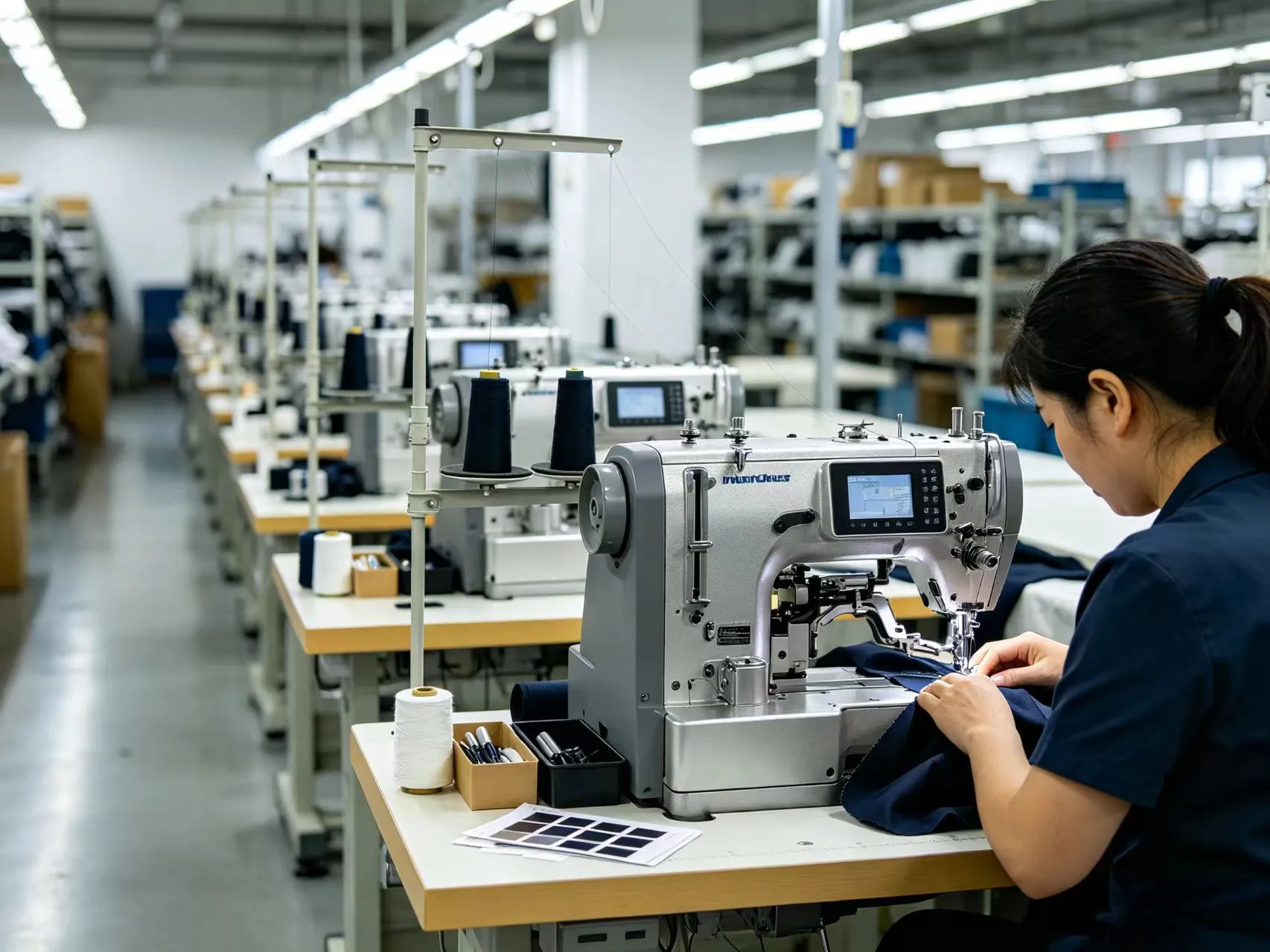
Manufacturing Process Flowchart
Idea & Concept
Define backpack purpose, target market, price point, and key features. Create initial sketches and mood boards.
Tech Pack Development
Detailed specifications including measurements, materials, hardware, colors, artwork, and quality standards.
Quotation & Confirmation
Factory provides pricing based on tech pack. Negotiate terms, MOQ, lead time, and payment conditions.
Sample Development
Pre-production sample for approval. Testing and adjustments until quality meets standards.
Material Sourcing
Procure fabrics, hardware, webbing, and packaging according to specifications. Quality verification of components.
Mass Production
Cutting, sewing, assembly, and decoration. Multiple QC checkpoints throughout production.
Quality Control
AQL inspection per agreed standards. Functionality testing, dimensional checks, appearance review.
Packing & Labeling
Individual packing, tagging, and carton packing per shipping requirements.
Shipment
Documentation preparation, container loading, shipping via agreed Incoterms.
Typical Production Timeline
| Stage | Duration | Cumulative |
|---|---|---|
| Tech Pack Development | 5-10 days | Week 1-2 |
| Sample Development | 10-15 days | Week 3-5 |
| Sample Revisions (if needed) | 5-10 days | Week 5-7 |
| Material Sourcing | 10-15 days | Week 7-9 |
| Mass Production | 15-25 days | Week 9-13 |
| QC & Packing | 5-7 days | Week 13-14 |
| Shipping (Sea Freight) | 25-35 days | Week 18-21 |
Timeline Tip
Standard total timeline from tech pack approval to door delivery: 3-5 months for first orders. Build this buffer into your product launch planning. Rush orders with premiums can reduce timeline by 20-30%.
Production Capacity: What Buyers Should Evaluate
Don’t evaluate a backpack factory’s capacity by headcount alone. The number of workers tells only part of the story. True production capability depends on equipment, processes, and organizational structure.
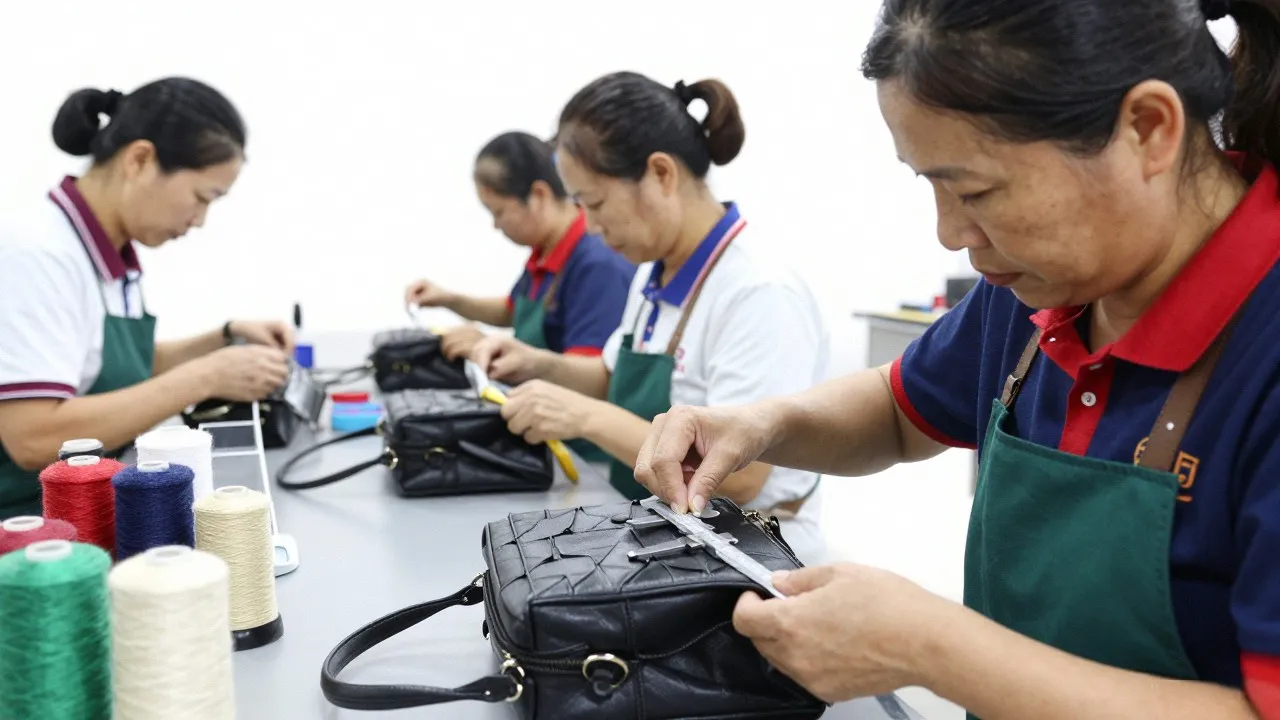
Production Capacity Checklist
1. Sewing Lines
Number of active production lines determines parallel order capacity. A factory with 5 lines can handle 5 different orders simultaneously (if properly managed).
- How many sewing lines are currently operational?
- Can the factory run multiple styles simultaneously?
- What is the maximum units per line per day?
2. Cutting Capacity
CNC cutting machines with die-cutting capabilities affect fabric utilization and precision. Automated cutting improves consistency.
- Manual vs. automated cutting systems
- Die inventory for common shapes
- Fabric utilization rates
3. Monthly Output Capacity
Real capacity varies by backpack complexity. Technical backpacks with many pockets take longer than simple drawstring bags.
- What is monthly capacity for your specific style?
- How is capacity shared during peak seasons?
- What is lead time at 50%, 75%, 100% capacity?
4. QC Team Structure
Dedicated QC staff ratio indicates quality commitment. Professional factories maintain 1 QC per 30-50 sewing operators.
- How many dedicated QC staff members?
- What is QC-to-operator ratio?
- Are QC staff trained in specific testing standards?
5. Sample Team Capability
Sample rooms with skilled technicians indicate a factory’s ability to develop and refine new products.
- Does the factory have a dedicated sample room?
- How many sample technicians are available?
- What is typical sample lead time?
Capacity vs. Utilization: The Real Question
| Factory Size | Sewing Operators | Monthly Capacity (Simple) | Monthly Capacity (Technical) | Best For |
|---|---|---|---|---|
| Small | 20-50 | 5,000-15,000 | 2,000-8,000 | Startups, limited MOQ |
| Medium | 50-200 | 15,000-60,000 | 8,000-30,000 | Growing brands, multiple styles |
| Large | 200-500 | 60,000-150,000 | 30,000-80,000 | Established brands, high volume |
| Enterprise | 500+ | 150,000+ | 80,000+ | Major brands, global retail |
Backpack Materials Available from Chinese Factories
Material selection fundamentally impacts backpack cost, performance, aesthetics, and market positioning. Understanding the backpack materials available helps you make informed decisions aligned with your brand strategy.
| Material | Durability | Waterproof | Cost Level | Typical Use | Sustainability |
|---|---|---|---|---|---|
| Polyester | Good | With coating | $ | Budget, promotional | Standard |
| RPET (Recycled Polyester) | Excellent | With coating | $$ | Eco brands, retail | GRS Certified |
| Nylon (Ripstop) | Excellent | With coating | $$ | Outdoor, technical | Standard |
| Cordura | Superior | With coating | $$$ | Military, tactical, premium | Standard |
| Canvas (Cotton/Blended) | Very Good | Limited | $$ | Fashion, casual, school | Organic options |
| Recycled Canvas | Very Good | Limited | $$$ | Eco fashion, lifestyle | High |
| Oxford Fabric | Good | Limited | $ | Laptop, business | Standard |
| PU Leather | Good | Limited | $$ | Fashion, professional | Recycled options |
| Recycled PU | Good | Limited | $$ | Vegan, eco brands | Moderate |
Material Selection Guide
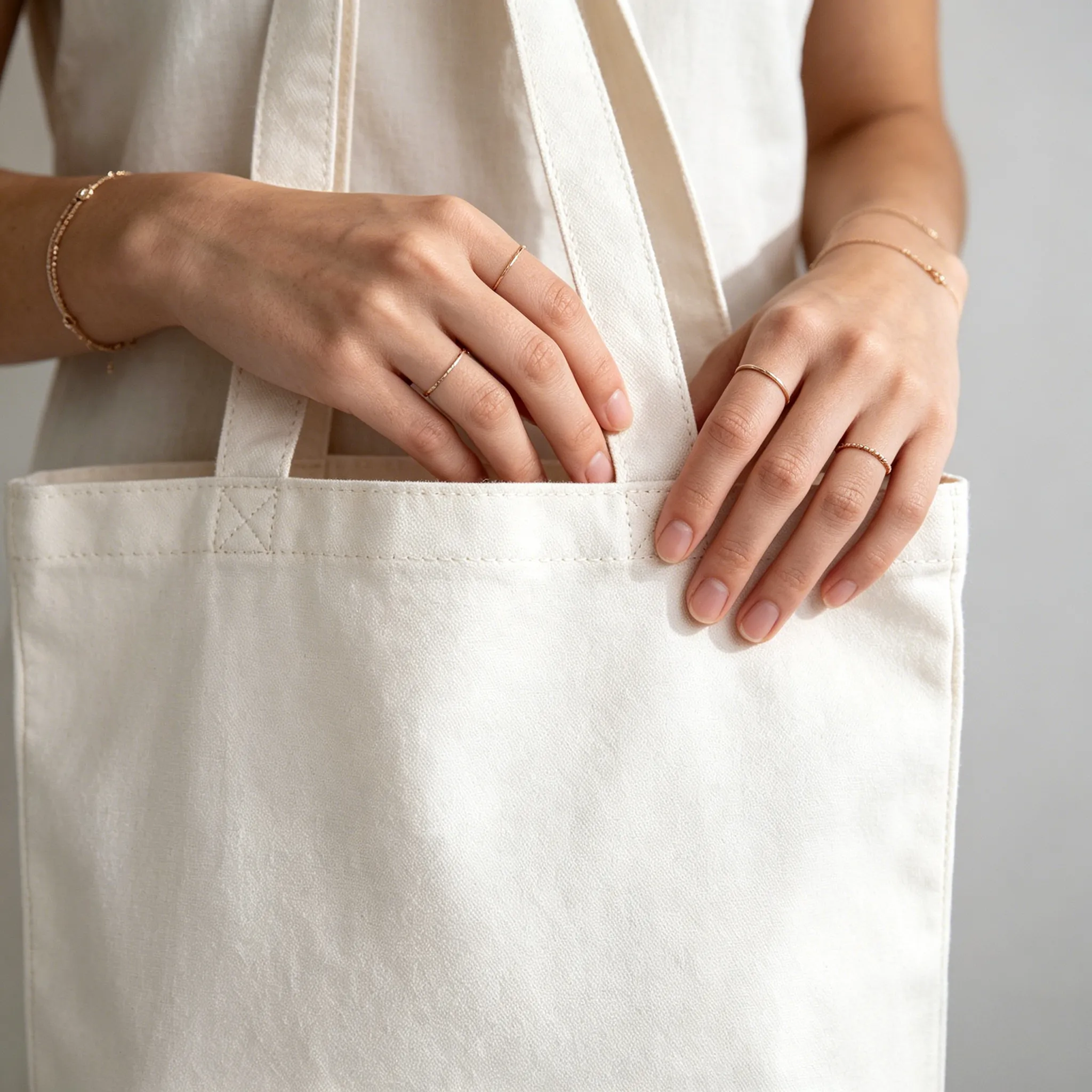
For Outdoor & Adventure
Ripstop nylon or Cordura with DWR coating. Focus on weight, durability, and weather resistance.
For Fashion & Lifestyle
Canvas, cotton blends, or premium PU. Prioritize aesthetics, texture, and brand-appropriate styling.
For Eco Positioning
RPET, recycled canvas, organic cotton, or recycled PU. GRS certification for supply chain transparency.
For Corporate & Promotional
Polyester or Oxford for cost efficiency. Focus on logo visibility and print quality.
Material Comparison: Canvas vs. Polyester vs. PU
| Property | Canvas | Polyester | PU Leather |
|---|---|---|---|
| Weight | Heavy (400-600 GSM) | Light (150-300 GSM) | Medium (250-400 GSM) |
| Durability | Excellent, ages beautifully | Very good, maintains appearance | Good, may peel over time |
| Water Resistance | Requires treatment | Good with coating | Limited naturally |
| Print Quality | Excellent for screen/embroidery | Vibrant for all methods | Good, may limit methods |
| Environmental Impact | Moderate (organic available) | Moderate (RPET available) | Moderate (recycled available) |
| Typical Price Point | Mid-high | Budget-mid | Mid |
For detailed material specifications and sustainability comparisons, explore our material guides: Canvas vs. Polyester | What Is Recycled PU? | RPET Certification Guide
Backpack Hardware & Components
The difference between a premium backpack and a budget offering often lies in hardware quality. Small components like zippers, buckles, and webbing significantly impact user experience and perceived value.
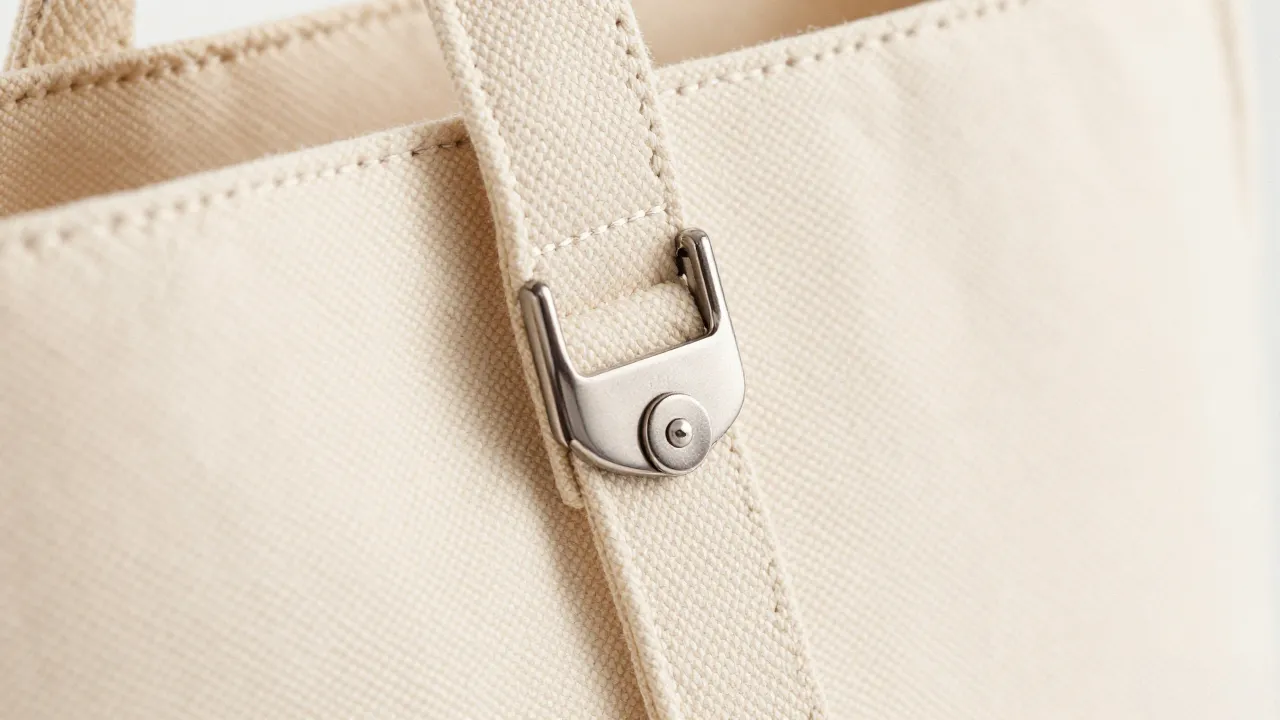
Key Hardware Components
Zippers
The most functional element of any backpack. Quality zippers ensure smooth operation under load.
- YKK: Industry standard for quality, reliable performance
- SBS: Good quality, cost-effective alternative
- YBS: Budget option, adequate for simple designs
- Waterproof zippers: Essential for outdoor/technical bags
Buckles & Clasps
Load-bearing buckles require strength testing. Fashion buckles prioritize aesthetics.
- Duraflex: Premium quality, reliable break strength
- National Mould: Good quality, widely available
- Unbranded: Variable quality, requires testing
Webbing & Straps
Weight-bearing webbing determines load capacity and user comfort.
- Nylon webbing: Strong, slightly elastic, good for load-bearing
- Polyester webbing: Stable, UV resistant, good color retention
- Reflective webbing: Essential for safety-focused designs
Foam & Padding
Back panel and shoulder strap padding affect comfort during extended wear.
- EVA foam: Lightweight, good shock absorption
- Mesh fabric: Breathable, enhances air circulation
- Memory foam: Premium comfort, conforms to body
Lining Materials
Interior finishing affects durability and user experience.
- 210D Polyester: Standard, cost-effective
- RPET lining: Eco positioning
- Waterproof lining: For wet items compartments
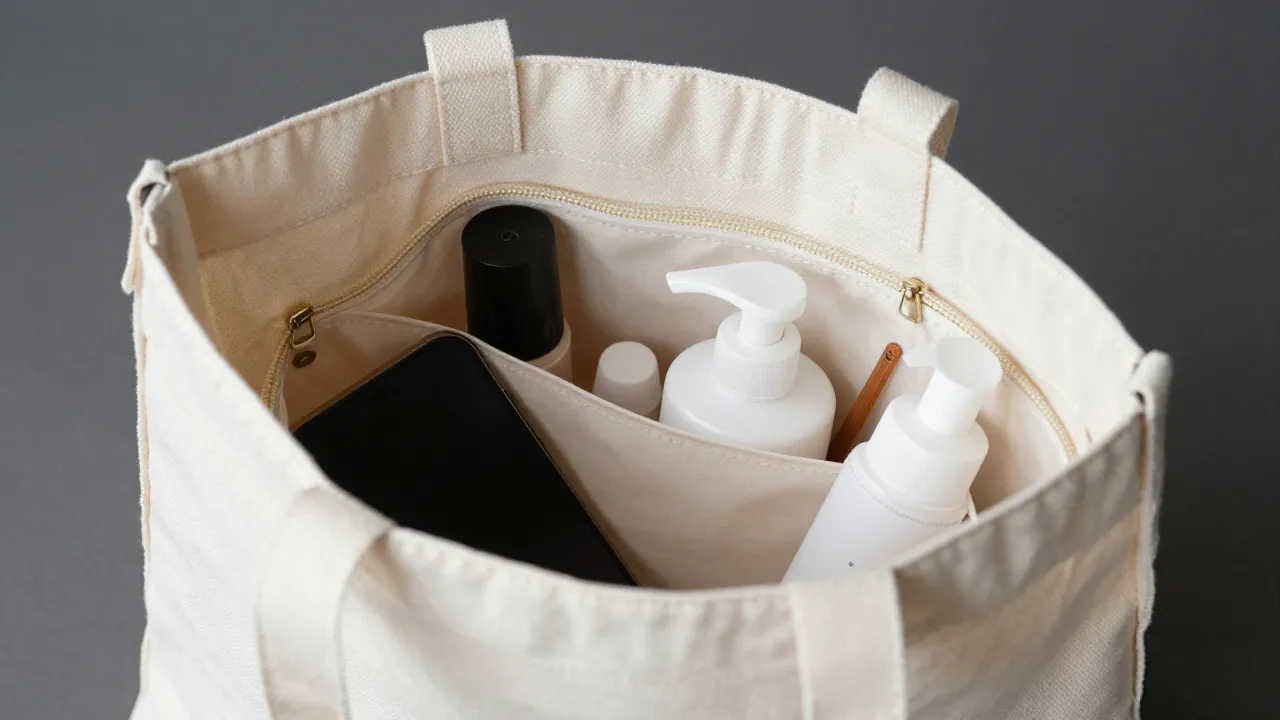
MOQ Explained
Minimum Order Quantity (MOQ) represents the smallest number of units a factory will produce per design. Understanding MOQ structure helps you plan inventory and negotiate terms effectively.
How MOQ Is Determined
Factories set MOQ based on several factors:
- Material efficiency: Fabric width, cutting waste, yield optimization
- Setup costs: Machine adjustment, color mixing, hardware procurement
- Labor allocation: Production line scheduling and operator time
- Profitability: Minimum revenue to justify production resources
| Backpack Type | Typical MOQ | Price Impact | Notes |
|---|---|---|---|
| Simple Backpack | 200 | Standard | Basic style, standard materials |
| Technical Backpack | 200-300 | Standard | Multiple features, testing required |
| Custom Hardware | 500-1000 | Moderate premium | Custom molds or imported hardware |
| GRS Certified | 300-500 | Moderate premium | Certification documentation costs |
| Complex Style | 500+ | Standard | Many pockets, technical features |
| Low MOQ Options | 50-100 | 20-40% premium | Surcharge for small runs |
Why Does MOQ Affect Price?
Every production run incurs fixed setup costs: machine adjustments, material procurement minimums, and labor preparation. Smaller orders spread these costs across fewer units, increasing per-unit price. Understanding this helps you negotiate fair terms and plan optimal order quantities.
Strategies for Lower MOQ Orders
- Consolidate designs: Combine multiple colorways within one style
- Standard materials: Choose in-stock fabrics and hardware
- Simple decoration: Single-color screen print vs. multi-color embroidery
- Flexible timing: Allow factory to combine with other orders
- Long-term partnership: Commit to repeat orders for lower initial MOQ
Backpack Manufacturing Cost Breakdown
Understanding backpack production costs helps you evaluate quotes, identify savings opportunities, and make informed sourcing decisions.
.webp)
| Cost Item | Percentage Range | Typical Contribution |
|---|---|---|
| Materials (Fabric) | 25-35% | Primary cost driver |
| Hardware & Trims | 10-15% | Varies by quality level |
| Labor | 15-25% | Location-dependent |
| Decoration/Printing | 5-15% | Method-dependent |
| Packaging | 3-8% | Simple vs. premium |
| Overhead & Management | 10-15% | Factory efficiency factor |
| QC & Testing | 3-5% | Inspection intensity |
| Profit Margin | 10-15% | Factory margin |
Cost Variation Factors
1. Material Quality
Canvas vs. Cordura, standard vs. GRS-certified, basic vs. premium hardware—each tier affects total cost by 15-40%.
2. Design Complexity
Simple drawstring bag vs. multi-compartment technical pack can double or triple labor costs while materials may only increase 20-30%.
3. Order Quantity
- 200-499 units: Standard pricing
- 500-999 units: 5-10% reduction
- 1,000-4,999 units: 10-20% reduction
- 5,000+ units: 20-30% reduction
4. Decoration Method
Screen printing (1-2 colors): Most cost-effective. Embroidery: Premium pricing. Full-color digital print: Variable based on method.
.webp)
Cost vs. Value: Making the Right Choice
The lowest price isn’t always the best value. Consider:
- Return rates: Quality issues multiply costs through returns, refunds, and reputation damage
- Customer lifetime value: Quality builds brand loyalty and repeat purchases
- Compliance costs: Failed inspections require rework or replacement
- Market positioning: Your price point signals quality to customers
Quality Control Inside a Backpack Factory
Consistent backpack quality control separates professional manufacturers from unreliable suppliers. Understanding QC processes helps you evaluate factory capability and specify requirements in your tech pack.
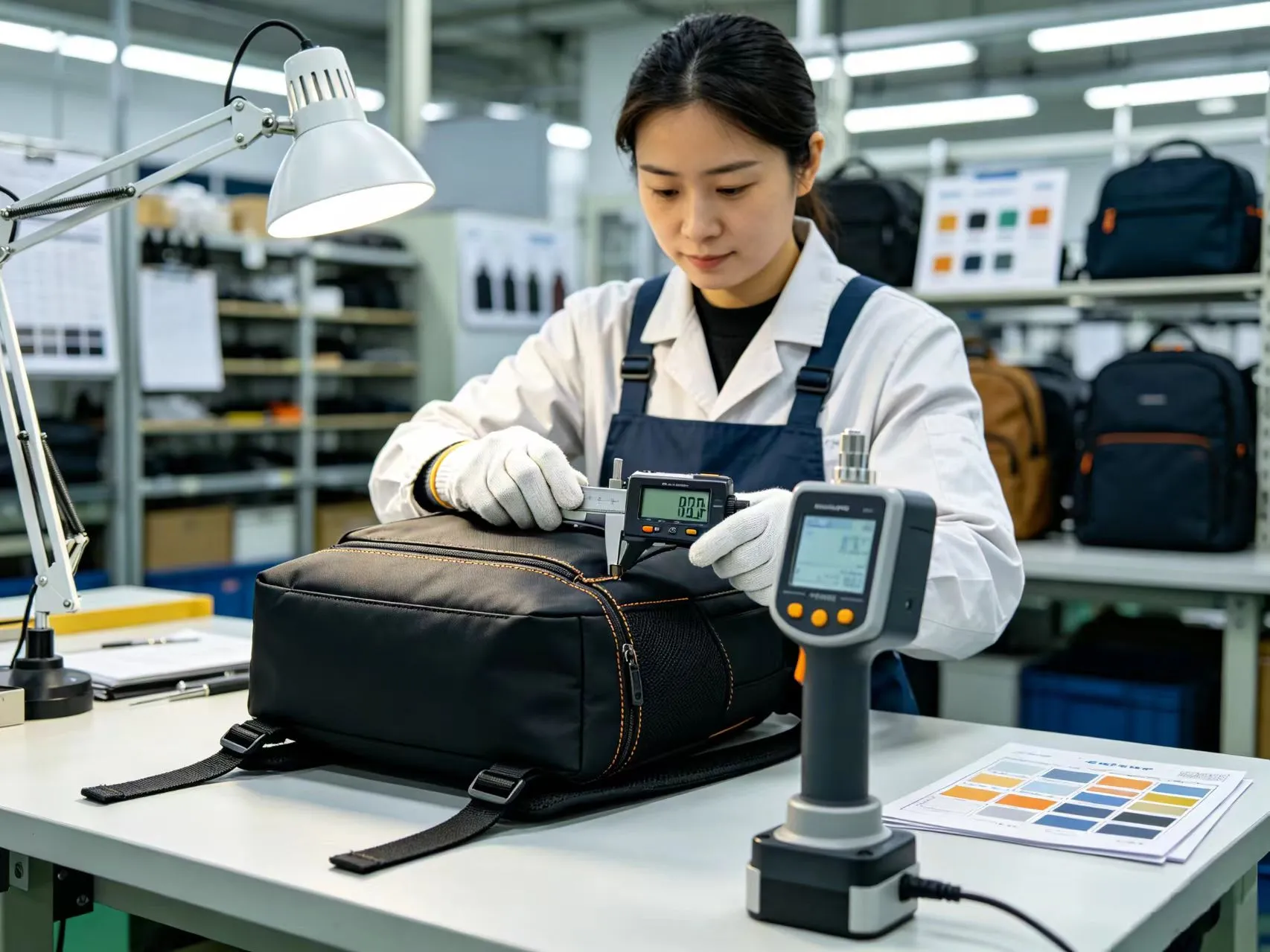
Three-Stage QC Process
Incoming Quality Control
Inspection of raw materials and components before production begins. Rejects substandard materials before they enter manufacturing.
- Fabric inspection (GSM, color, defects)
- Hardware strength testing
- Webbing and strap verification
- Packaging material check
In-Process Quality Control
Monitoring during production to catch issues early. Allows real-time correction before defects compound.
- Cutting accuracy verification
- Stitching quality checks
- Seam reinforcement inspection
- Color consistency monitoring
Final Quality Control
Comprehensive inspection of finished products against specification. AQL sampling determines lot acceptance.
- Visual appearance inspection
- Dimension verification
- Functionality testing
- AQL sampling per standard
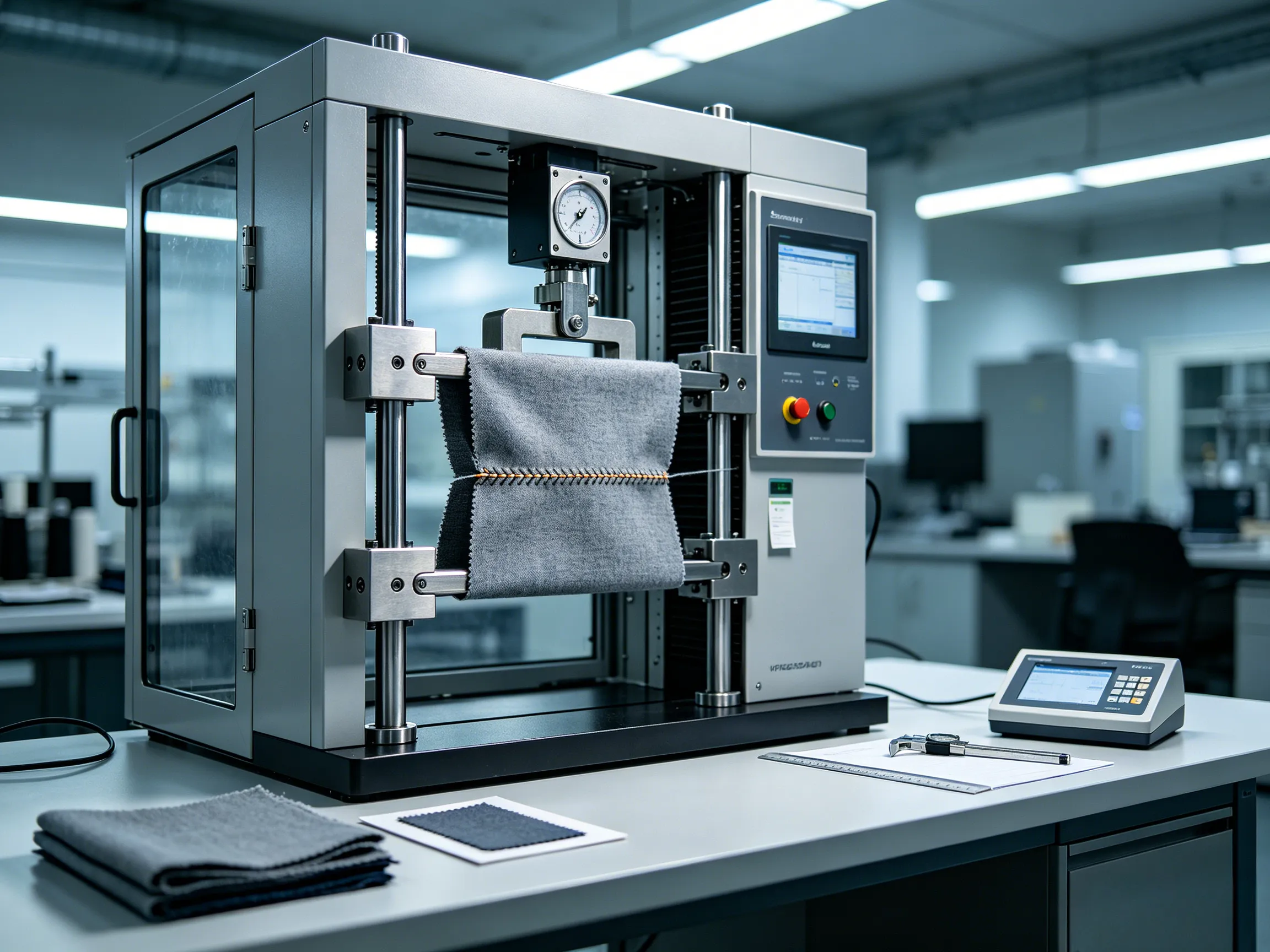
Key Quality Tests for Backpacks
| Test Type | What It Checks | Standard Reference |
|---|---|---|
| Load Test | Shoulder strap and handle strength under load | ASTM F1952, EN 71 |
| Stitching Strength | Seam integrity and thread durability | ASTM D1683 |
| Zipper Test | Zipper cycling and slider durability | ASTM D2061 |
| Color Fastness | Resistance to washing, light, rubbing | AATCC, ISO 105 |
| Water Resistance | Hydrostatic pressure resistance | ISO 811, AATCC 127 |
| Buckle Strength | Break strength of fasteners | ASTM F963 |
| Drop Test | Product survival from drop height | ISTA 1A, ASTM D5276 |
| Lead Content | Heavy metal compliance for all markets | CPSIA, REACH, GB standards |
AQL Inspection Standards
AQL (Acceptable Quality Level) defines the maximum defective percentage considered acceptable in an inspection. Common standards for backpacks:
| AQL Level | Typical Use | Critical Defects | Major Defects | Minor Defects |
|---|---|---|---|---|
| 1.0 | Premium brands, retail | 0 | 1.0 | 2.5 |
| 2.5 | Standard retail | 0 | 2.5 | 4.0 |
| 4.0 | Promotional, budget | 0 | 4.0 | 6.5 |
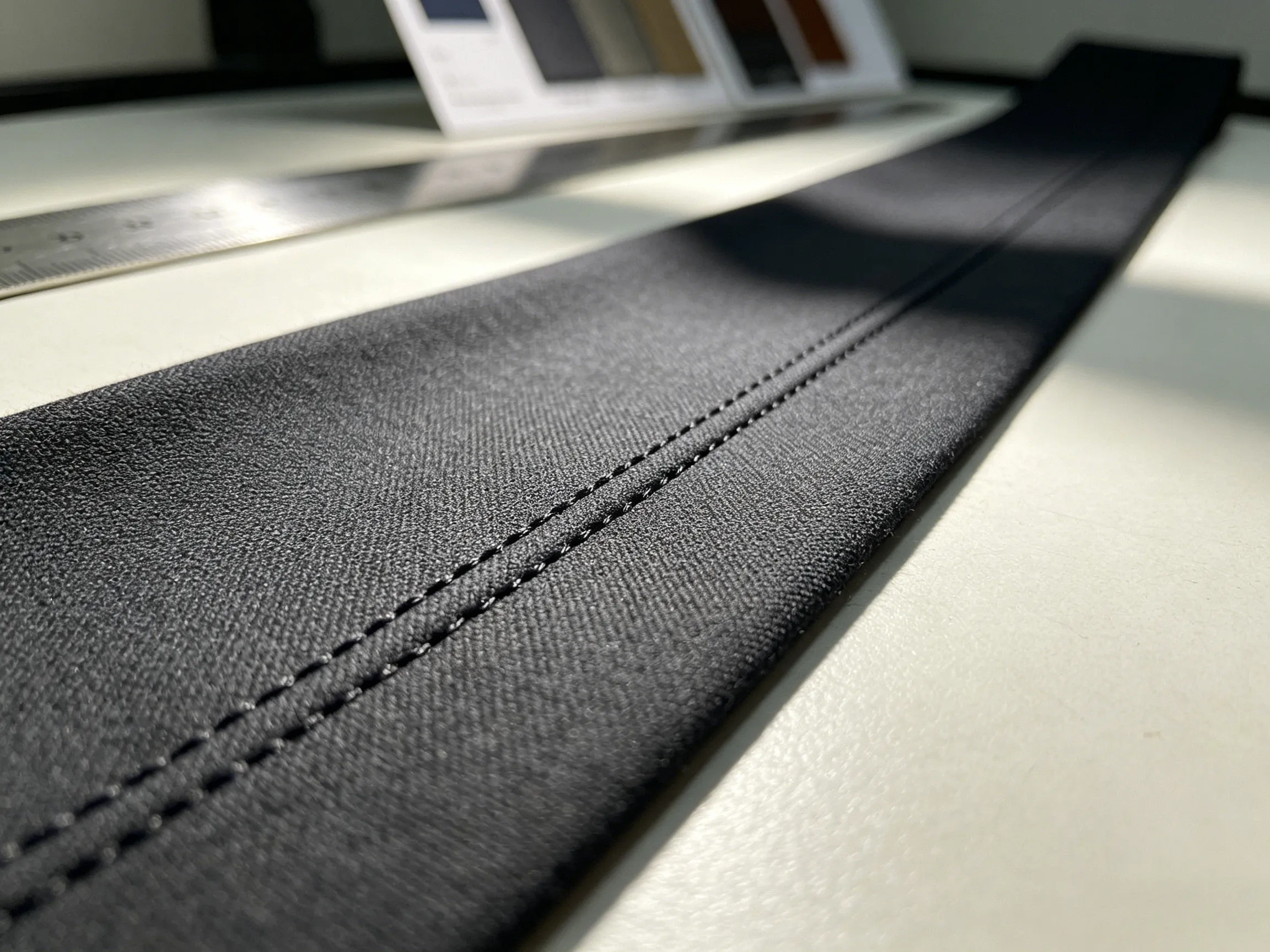
Quality Inspection Checklist
When specifying QC requirements, include:
- AQL standard (e.g., 2.5 major, 4.0 minor)
- Inspection level (G-I, G-II, G-III)
- Sample size formula
- Critical defect list (safety issues)
- Major defect list (functionality issues)
- Minor defect list (cosmetic issues)
- Testing requirements beyond visual inspection
For comprehensive AQL guidance, read our Complete AQL Inspection Guide.
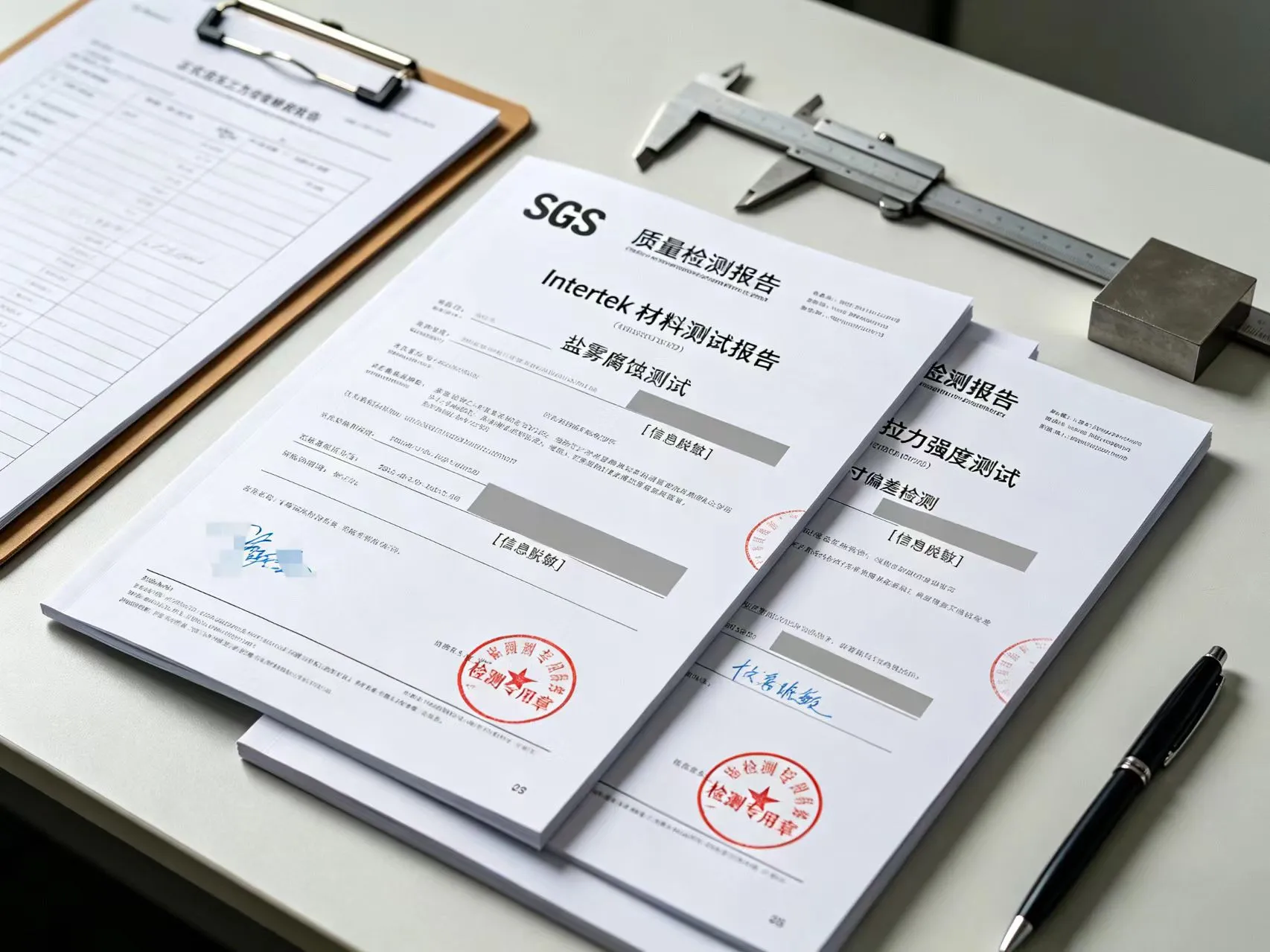
Factory Certifications Buyers Should Look For
Factory certifications validate manufacturing capability, social responsibility, and product safety. Different markets require different certifications—understanding which you need prevents unnecessary costs and compliance gaps.

| Certification | Scope | Required For | Market Focus |
|---|---|---|---|
| ISO 9001 | Quality Management | Corporate buyers, retail | Global |
| BSCI | Social Compliance | European retailers | Europe |
| GRS | Recycled Content | Eco claims, retail | Global |
| OEKO-TEX | Product Safety | Skin contact, EU | Europe, US |
| REACH | Chemical Safety | EU market entry | Europe |
| CPSIA | US Product Safety | US market entry | United States |
| PPWR | Packaging Compliance | EU packaging | Europe |
| GPSR | General Product Safety | EU GPSR compliance | Europe |
Certification by Market
European Union Requirements
Essential: CE marking (if applicable), REACH compliance, GPSR
Often Required: OEKO-TEX, BSCI, WRAP
For Sustainability Claims: GRS, GOTS, FSC
Note: PPWR compliance becoming mandatory for packaging. Digital Product Passport (DPP) requirements emerging.
United States Requirements
Essential: CPSIA compliance, lead content testing
Often Required: Prop 65 (California), FDCA where applicable
For Sustainability Claims: GRS, OEKO-TEX
Note: FTC Green Guides enforcement increasing.
United Kingdom Requirements
Essential: UKCA marking, UK REACH
Often Required: BSCI, ETI base code
For Sustainability Claims: GRS, OEKO-TEX
Note: Post-Brexit standards evolving.
Certification Red Flags
- Expired certificates: Always verify current validity
- Scope mismatches: Certificate must cover your specific products
- Vague claims: “In process” is not certified
- Unverified audits: Third-party verification required
- Copy certificates: Always verify against issuing organization
Export Experience & Shipping
Understanding incoterms and shipping logistics helps you control costs, manage risk, and plan realistic timelines. Export experience varies significantly between suppliers.
Incoterms Explained
| Incoterm | Name | Risk Transfer | Cost Allocation | Best Use |
|---|---|---|---|---|
| EXW | Ex Works | Factory door | Buyer pays all | Experienced importers |
| FOB | Free on Board | Port of loading | Seller to port | Most common, balanced |
| CIF | Cost, Insurance, Freight | Port of destination | Seller to destination | Budget-conscious buyers |
| DDP | Delivered Duty Paid | Buyer’s door | Seller pays all | New importers, door delivery |
Shipping Methods
Sea Freight
Transit time: 25-35 days (China to US West Coast), 35-45 days (to Europe)
Cost: $0.50-2.00 per kg
Best for: Full container loads, cost-sensitive orders
Air Freight
Transit time: 5-10 days
Cost: $3.00-8.00 per kg
Best for: Urgency, samples, high-value small orders
Rail Freight
Transit time: 18-25 days (China to Europe)
Cost: $1.50-3.50 per kg
Best for: Europe-bound orders, middle ground
Express Courier
Transit time: 3-7 days
Cost: $8.00-15.00 per kg
Best for: Samples, documents, small urgent items
Typical Production-to-Delivery Timeline
| Stage | Duration | Cumulative |
|---|---|---|
| Tech Pack & Sample | 3-5 weeks | Week 1-5 |
| Mass Production | 3-5 weeks | Week 5-10 |
| QC & Packing | 1 week | Week 10-11 |
| Documentation & Loading | 3-7 days | Week 11-12 |
| Sea Freight to US | 25-35 days | Week 15-17 |
| Sea Freight to Europe | 30-40 days | Week 16-18 |
| Customs & Delivery | 3-7 days | +1 week |
Planning Tip
Total timeline from tech pack approval:
- US delivery: 4-5 months
- Europe delivery: 4.5-5.5 months
- UK delivery: 5-6 months
Build in 2-4 weeks buffer for delays, especially during peak seasons (August-October for holiday inventory).
Backpack Factory Audit Checklist
Use this checklist when evaluating backpack factories to ensure they meet your quality, capacity, and compliance requirements.
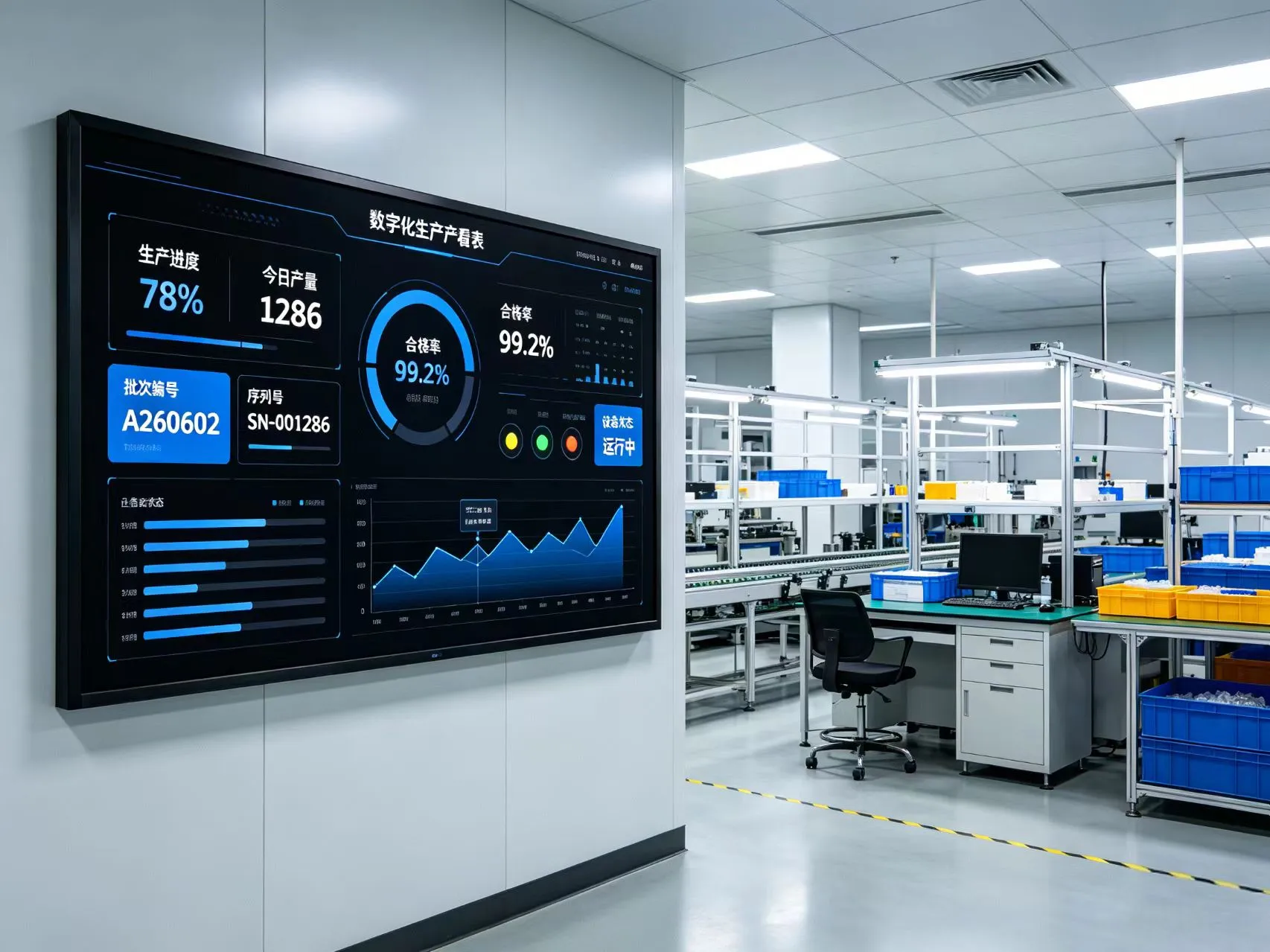
Pre-Shipment Factory Audit Checklist
✓ Sample Capability
- Dedicated sample room with qualified technicians
- Sample lead time matches your requirements
- Sample quality reflects production capability
- Revision process is responsive and professional
✓ QC Team & Procedures
- Dedicated QC staff (not production workers)
- AQL inspection process documented
- Testing equipment calibrated and available
- QC reports provided with shipments
✓ Equipment & Capacity
- Sewing machines match product requirements
- Cutting equipment adequate for scale
- Production capacity meets order requirements
- Equipment maintenance records available
✓ Communication & Response
- Dedicated account manager assigned
- Response time acceptable (24-48 hours)
- English communication capability adequate
- Proactive issue notification
✓ Compliance & Documentation
- Current certifications match your requirements
- Material testing reports available
- Export documentation experience confirmed
- Social compliance audit available if required
✓ Material Traceability
- Approved vendor list for key materials
- Material specification sheets available
- Chemical compliance documentation
- Recycled content verification (if claimed)
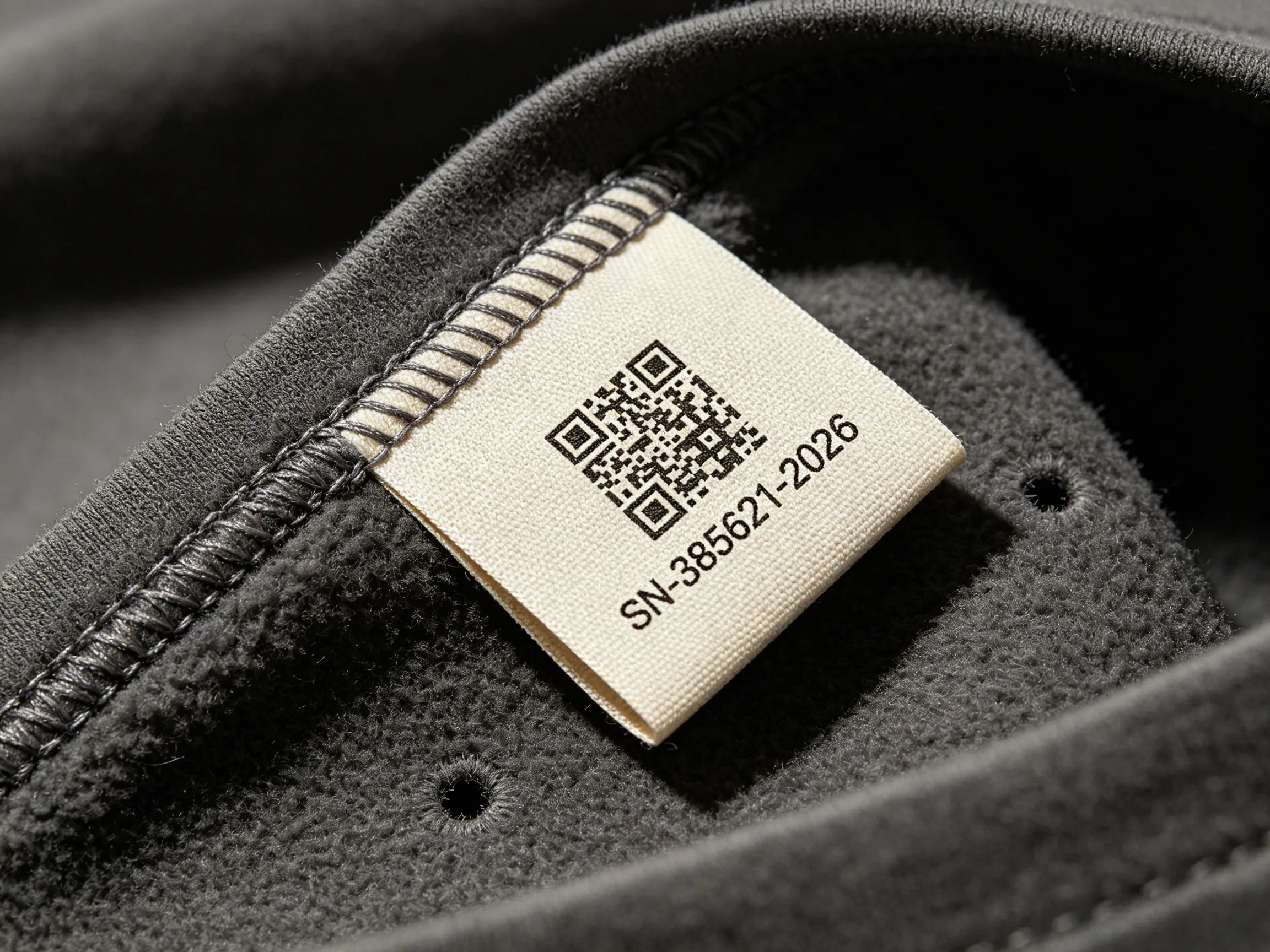
Common Mistakes When Choosing a Backpack Factory
Learning from others’ sourcing mistakes saves time, money, and frustration. Here are the most common errors buyers make when selecting backpack manufacturers in China.
The “Lowest Price” Trap
Mistake: Choosing factories based solely on quoted price.
Reality: Backpack production costs have floor minimums. Prices significantly below market average indicate:
- Lower quality materials than specified
- Reduced QC procedures
- Misrepresentation of capability
- Hidden costs that emerge later
Solution: Compare apples-to-apples. Detailed tech packs receive similar quotes from quality factories.
Missing Tech Pack Clarity
Mistake: Sending vague designs or verbal specifications.
Reality: Ambiguous specifications lead to:
- Sample rejections and revision cycles
- Quality inconsistencies
- Costly production changes
- Disputes over “what was agreed”
Solution: Invest in detailed tech packs. Include measurements, material specs, hardware details, and reference samples.
MOQ Misunderstanding
Mistake: Not confirming MOQ before detailed discussions.
Reality: MOQ misunderstandings waste time when:
- Order quantities don’t meet minimums
- Price quotes assume higher quantities
- Factory can’t accommodate small runs
Solution: State quantity requirements upfront. Discuss MOQ flexibility options early.
Skipping Factory Verification
Mistake: Trusting marketing materials and photos without verification.
Reality: Unverified claims lead to:
- Trading companies posing as factories
- Inflated capability claims
- Copy-pasted certifications
- Surprise quality issues
Solution: Request video calls during production. Use third-party inspection services. Verify certifications directly.
Ignoring AQL Standards
Mistake: Not specifying acceptable quality levels.
Reality: Without clear AQL:
- Factory uses lowest acceptable standards
- Disputes arise over defect acceptance
- Defective products reach customers
Solution: Specify AQL requirements in purchase contracts. Include defect definitions and inspection procedures.
Material Specification Gaps
Mistake: Allowing factory to choose materials.
Reality: Unspecified materials lead to:
- Factory chooses cheapest option
- Quality inconsistency between orders
- Claims not matching delivered product
Solution: Specify exact materials, including GSM, composition, finish, and approved vendors where critical.
Real Factory Insights
At Dreamway, our small team of 30+ professionals has served clients across 50+ countries. We believe in transparency—real people, real expertise, real production capabilities.
Meet Our Business Manager

Emily
Senior Project Manager
12 years in OEM bag manufacturing
Manages 15-25 active projects simultaneously
“Most backpack sourcing problems start before production. A complete Tech Pack and clear material specification can eliminate many misunderstandings. I’ve seen projects delayed by months because initial specs were vague. The time invested in detailed planning pays dividends in smoother production and better outcomes.”
Quality Engineer’s Perspective
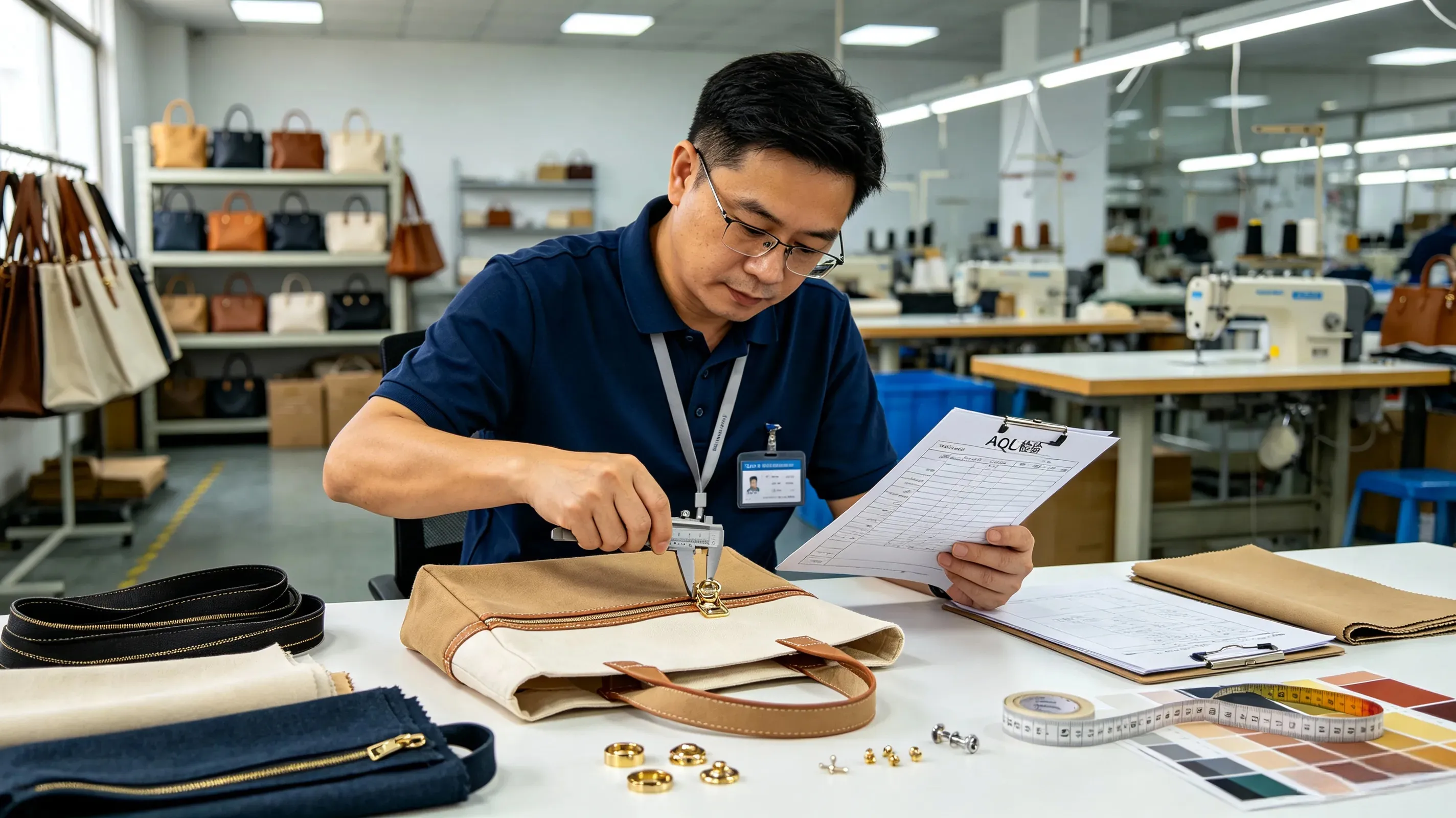
Kevin
Pattern Development Engineer
15 years in bag pattern making
Expertise in leather, canvas, nylon, and technical fabrics
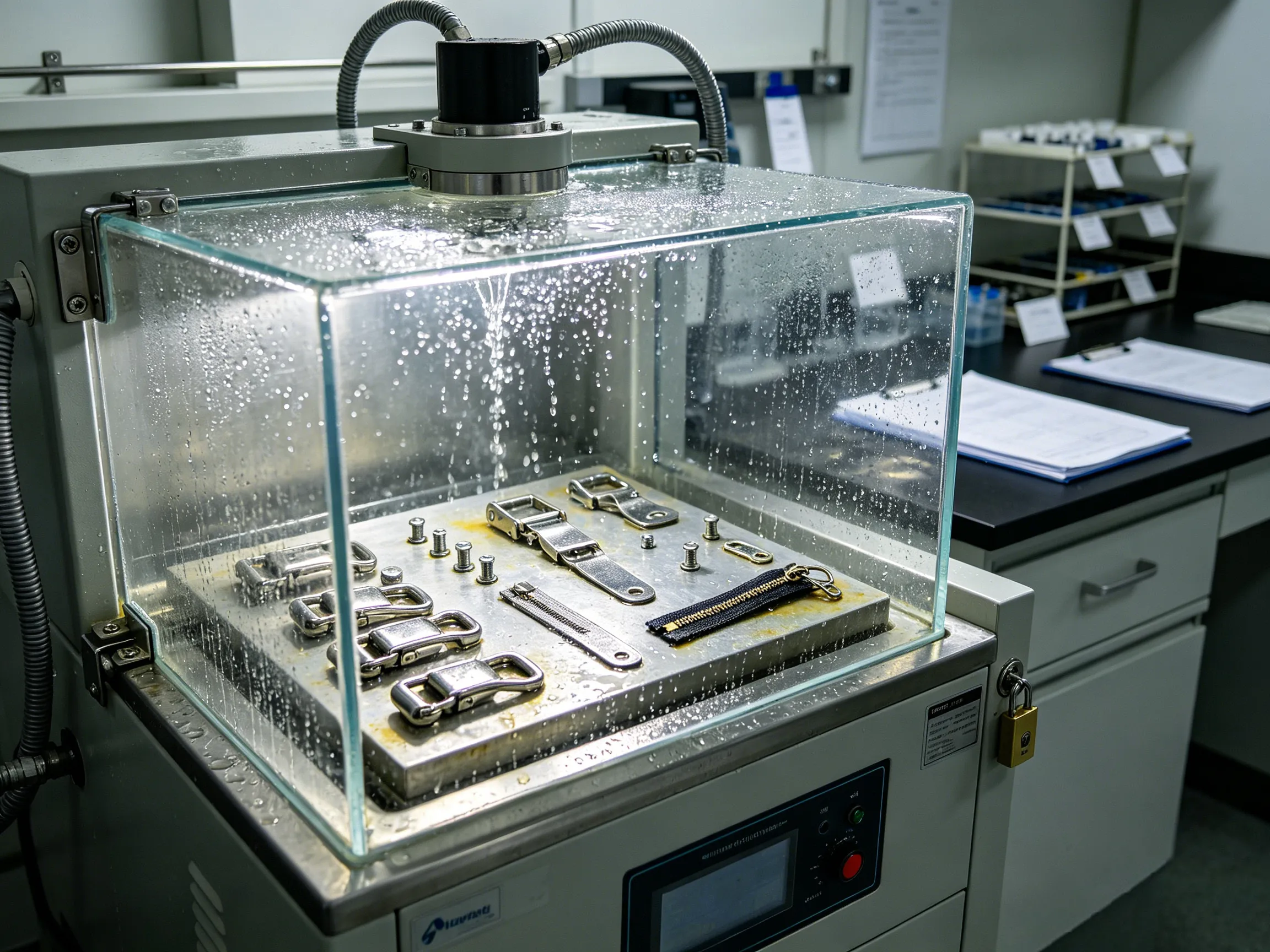
“Backpack failures usually happen at stress points like shoulder straps, handles, zipper ends, and bartack reinforcement. These areas require additional inspection before shipment. We double-check every load-bearing connection and recommend reinforced stitching at critical stress points. A $0.05 increase in thread cost can prevent $5.00 in returns.”
Frequently Asked Questions
These questions represent the most common inquiries from procurement professionals and brand managers navigating backpack sourcing from China.
How long does backpack production take?
Standard production timeline is 25-45 days after sample approval, depending on order size and complexity. Add 3-5 weeks for sample development and 25-40 days for shipping. Plan 4-6 months from project kick-off to delivery.
What is the MOQ for custom backpacks?
Typical MOQ is 200-500 units per style, depending on complexity and material requirements. Lower quantities (50-100) may be available with 20-40% price premium. Discuss your requirements upfront to explore options.
Can I use recycled materials?
Yes, RPET (recycled polyester), recycled canvas, and recycled PU leather are available. GRS certification can be obtained for qualifying orders. Recycled materials may carry a 10-30% premium over virgin materials.
Can I provide my own design?
Absolutely. OEM manufacturing means you provide specifications; we manufacture to your exact requirements. Detailed tech packs ensure your design is reproduced accurately.
Can I mix colors in one order?
Color mixing is typically possible with minimum quantities per color (usually 100-200 units). Some factories charge color premiums. Discuss requirements during quotation stage.
Can factories source YKK zippers?
Yes, YKK zippers are readily available from authorized distributors in China. Specify YKK requirement in tech pack. Budget 20-40% higher cost compared to standard alternatives.
Can factories perform AQL inspection?
Yes, professional factories conduct AQL inspections per agreed standards (typically 2.5 major, 4.0 minor). Specify your AQL requirements in the purchase contract. Inspection reports should accompany shipments.
Can factories arrange SGS testing?
Yes, SGS, Intertek, Bureau Veritas, and other third-party testing can be arranged. Testing costs vary by test type and laboratory. Build testing timelines (2-4 weeks) into your planning.
What certifications are available?
Common certifications include ISO 9001, BSCI, GRS, OEKO-TEX, REACH, CPSIA, and PPWR compliance. Not all factories have all certifications—verify requirements match factory capabilities.
How is shipping arranged?
Shipping terms (EXW, FOB, CIF, DDP) are negotiable. Most orders use FOB with buyer arranging freight. Experienced factories can recommend logistics partners and assist with documentation.
What’s the typical payment terms?
Standard terms are 30% deposit, 70% balance before shipment. Experienced buyers may negotiate 30/70 split. New relationships may require more deposit upfront.
Can I visit the factory before ordering?
Factory visits are welcome and encouraged. Schedule in advance. Video calls can supplement physical visits for ongoing production monitoring.
How do I verify factory capability?
Request video calls during production, not just showroom visits. Verify certifications against issuing organizations. Consider third-party pre-shipment inspection. Request references from similar projects.
What’s included in the sample fee?
Sample fees typically cover material costs, labor, and shipping. Sample costs usually range from $50-200 per unit depending on complexity. Sample fees are often credited against production orders.
Can I get color matching samples?
Yes, color matching samples ensure accuracy. Provide Pantone codes or physical references. Allow extra time (3-5 days) and budget ($20-50) for color approval samples.
What causes backpack production delays?
Common delays include: material availability issues, quality rejections requiring rework, peak season capacity constraints, weather events, and documentation problems. Build buffers into timelines and maintain open communication.
Can I add more items to an existing order?
Adding items after production starts may require new setup and minimums. Changes to running orders risk timeline delays. Plan complete requirements before production start.
What’s included in packaging?
Standard packaging includes individual polybag, hang tag, barcode label, and export carton. Specify packaging requirements in tech pack. Custom packaging (gift boxes, tissue paper) adds cost and MOQ considerations.
How do I handle quality disputes?
Document issues with photos and measurements. Reference agreed specifications. Professional factories offer rework, replacement, or credit for verified defects. Clear specs and AQL agreements prevent most disputes.
What’s the warranty or defective rate policy?
Standard policy is replacement or credit for defects exceeding AQL. Typical defective rate is under 2-3% for quality production. Warranty terms should be agreed before order confirmation.
Can I reorder without new samples?
Reorders can proceed without new samples if specifications remain unchanged. Confirm material availability and allow 1-2 weeks for rebooking production. First orders per new season typically require new approvals.
How do I protect my design IP?
Use NDAs for sensitive projects. Work with factories that respect IP. Register designs in key markets (China, US, EU). Understand that manufacturing documentation creates inherent exposure.
What’s the best shipping method?
Sea freight offers best cost for full orders. Air freight for urgency. Express for samples. Choose based on budget, timeline, and order size. FCL (full container) is more economical than LCL (less than container load).
Do I need a freight forwarder?
For regular shipments, freight forwarders offer expertise, better rates, and documentation support. For occasional orders, factory may handle logistics. Compare options based on volume and frequency.
Conclusion
Sourcing backpacks from China offers compelling advantages—complete supply chains, competitive pricing, diverse material options, and manufacturing expertise spanning decades. Success requires understanding the process, maintaining clear communication, and building relationships with reliable partners.
Key Takeaways
Invest in Planning
Detailed tech packs prevent most production problems. Take time upfront to specify clearly.
Verify Before Committing
Factory visits and video verification prevent costly surprises. Don’t rely solely on marketing materials.
Quality Has a Floor
Prices significantly below market average signal quality compromises. Fair margins enable fair quality.
Plan Realistic Timelines
4-6 months from concept to delivery is realistic for first orders. Build buffers for delays.
Ready to Start Your Backpack Production?
As a small but dedicated team of 30+ professionals, we bring personalized attention to every project. Whether you need 200 units for a product launch or 20,000 for a global retail program, Dreamway delivers the quality, certification support, and reliability your brand deserves.
Disclaimer
This article is intended for educational and sourcing reference purposes only. Manufacturing capabilities, certifications, testing standards, production capacity, pricing, and lead times vary between factories and individual projects. Readers should verify technical specifications, regulatory requirements, and commercial terms directly with qualified manufacturers and independent testing organizations before making purchasing decisions.
Certification names and standards referenced (ISO, BSCI, GRS, OEKO-TEX, REACH, CPSIA, PPWR, GPSR, AQL, etc.) are registered trademarks of their respective organizations. Product testing standards (ASTM, AATCC, EN, etc.) are maintained by their respective standards bodies.