
Sustainable Bags Manufacturer: Trusted OEM/ODM Eco Bag Factory in China
From ESG Pledges to Retail-Ready Reusable Bags — Since 2008
The global shift toward sustainability is no longer optional—it’s mandatory. With the EU’s Corporate Sustainability Reporting Directive (CSRD), California’s SB 54, and single-use plastic bans sweeping across continents, brands face mounting pressure to deliver on their environmental commitments.
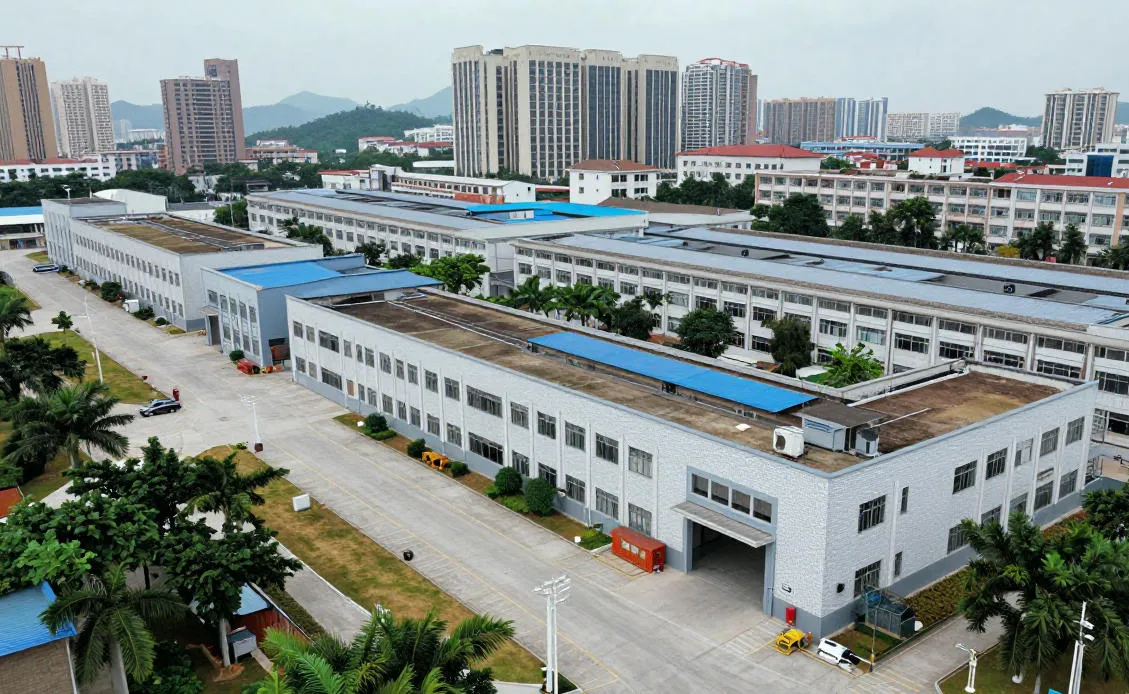
GZDreamway stands at the intersection of tradition and innovation. Headquartered in Huadu Shiling Town, Guangzhou—China’s undisputed “Leather Goods Capital”—we help global brands transform sustainability pledges into certified, retail-ready reusable bags that consumers can feel good about using.
Why Brands Choose a Sustainable Bags Manufacturer in China
China remains the world’s manufacturing powerhouse for sustainable bags, offering unparalleled advantages in quality, cost efficiency, and supply chain integration. Here’s why global brands increasingly partner with Chinese eco bag factories.
The Manufacturing Advantage of Guangzhou’s “Leather Capital”
Huadu Shiling Town has earned its reputation as China’s premier leather goods manufacturing hub. Within a 30-minute radius, you’ll find complete supply chain infrastructure: raw material suppliers, printing facilities, stitching workshops, hardware specialists, and packaging providers—all working in seamless coordination.
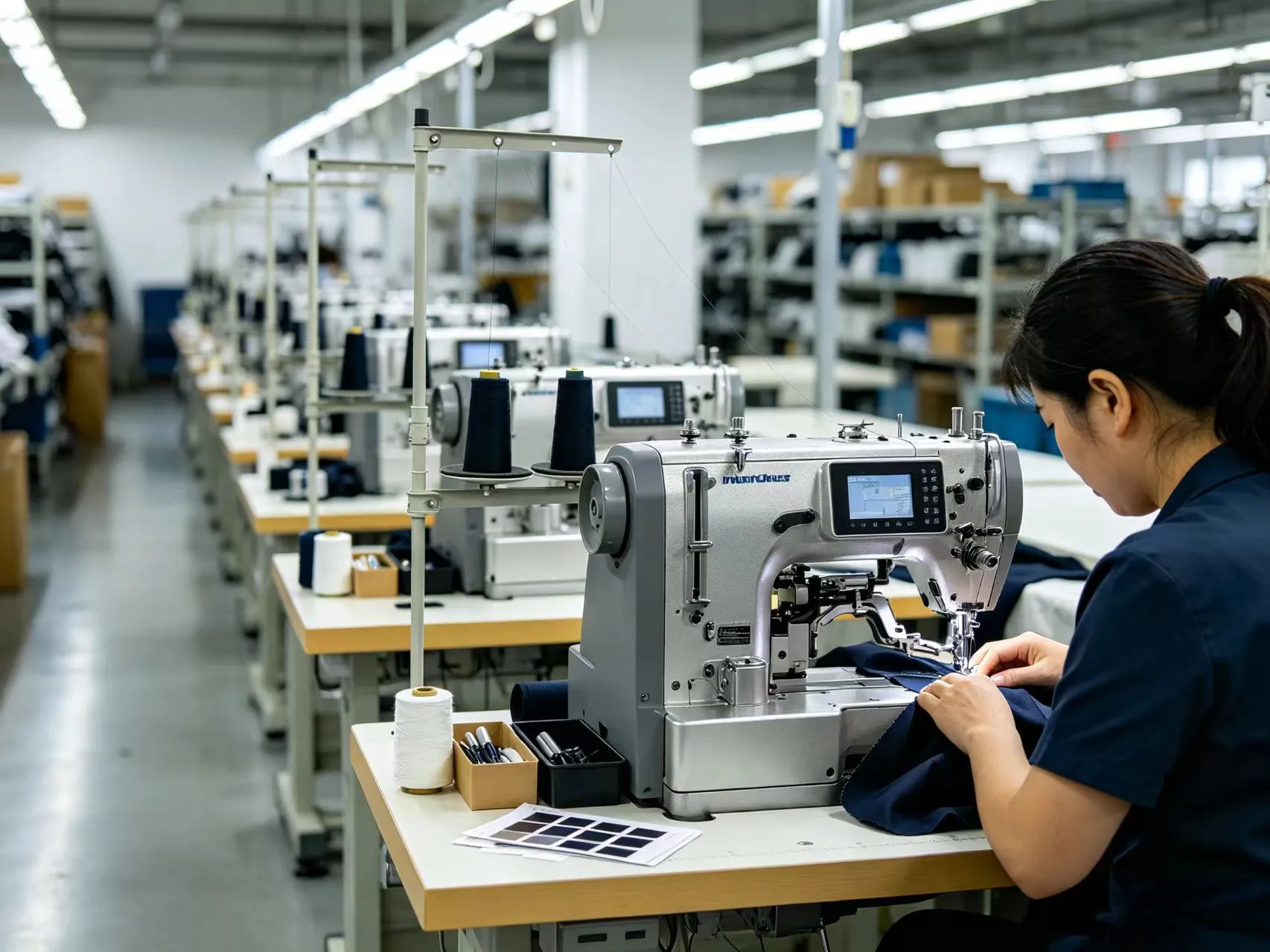
With 30+ years of accumulated expertise in leather goods and bag manufacturing, this region offers advantages that Southeast Asia and India cannot match:
| Factor | Guangzhou, China | Southeast Asia | India |
|---|---|---|---|
| Manufacturing Maturity | 30+ years established | 10-15 years developing | 15-20 years mixed quality |
| Supply Chain Density | Complete within 30km | Partially developed | Fragmented |
| Cost Efficiency | Optimized processes | Rising labor costs | Variable quality |
| Compliance Infrastructure | Established certifications | Growing capability | Inconsistent standards |
| Production Capacity | Scalable, reliable | Capacity limited | Variable output |
When you source from top canvas bag manufacturers in China, you’re not just buying a product—you’re accessing decades of refined processes, skilled labor pools, and institutional knowledge that simply cannot be replicated elsewhere.
What a Real Eco Bags Manufacturer Looks Like
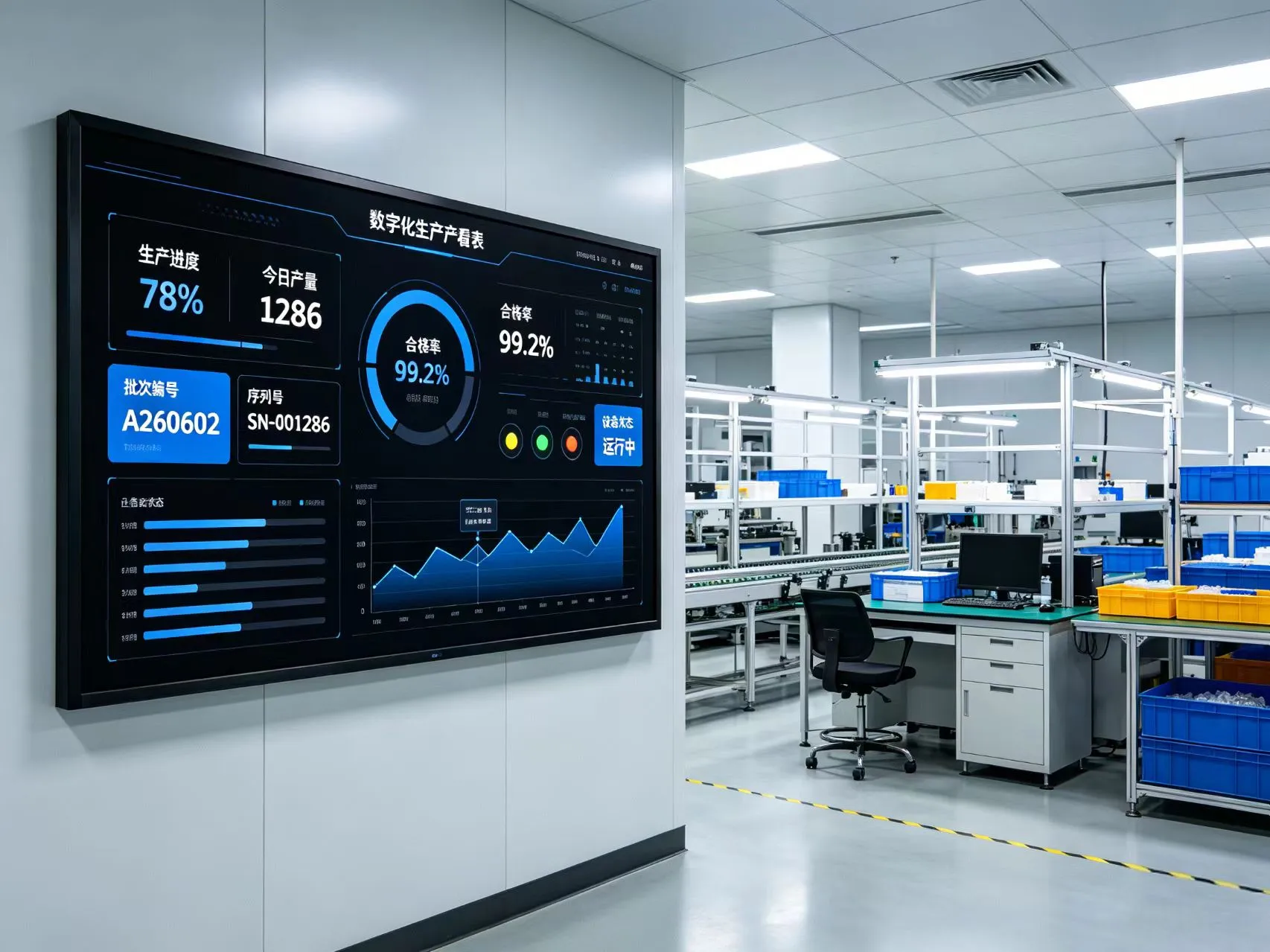
Not all manufacturers are created equal. Before committing to a supplier, verify they meet these 8 essential criteria:
Red Flags to Avoid:
Sustainable Materials We Manufacture With
Below is the full material matrix we run on our production lines—every option meets at least one third-party certification for sustainability. Our recycled tote bag factory offers comprehensive material options to meet your brand’s environmental goals.
Organic Cotton Bags
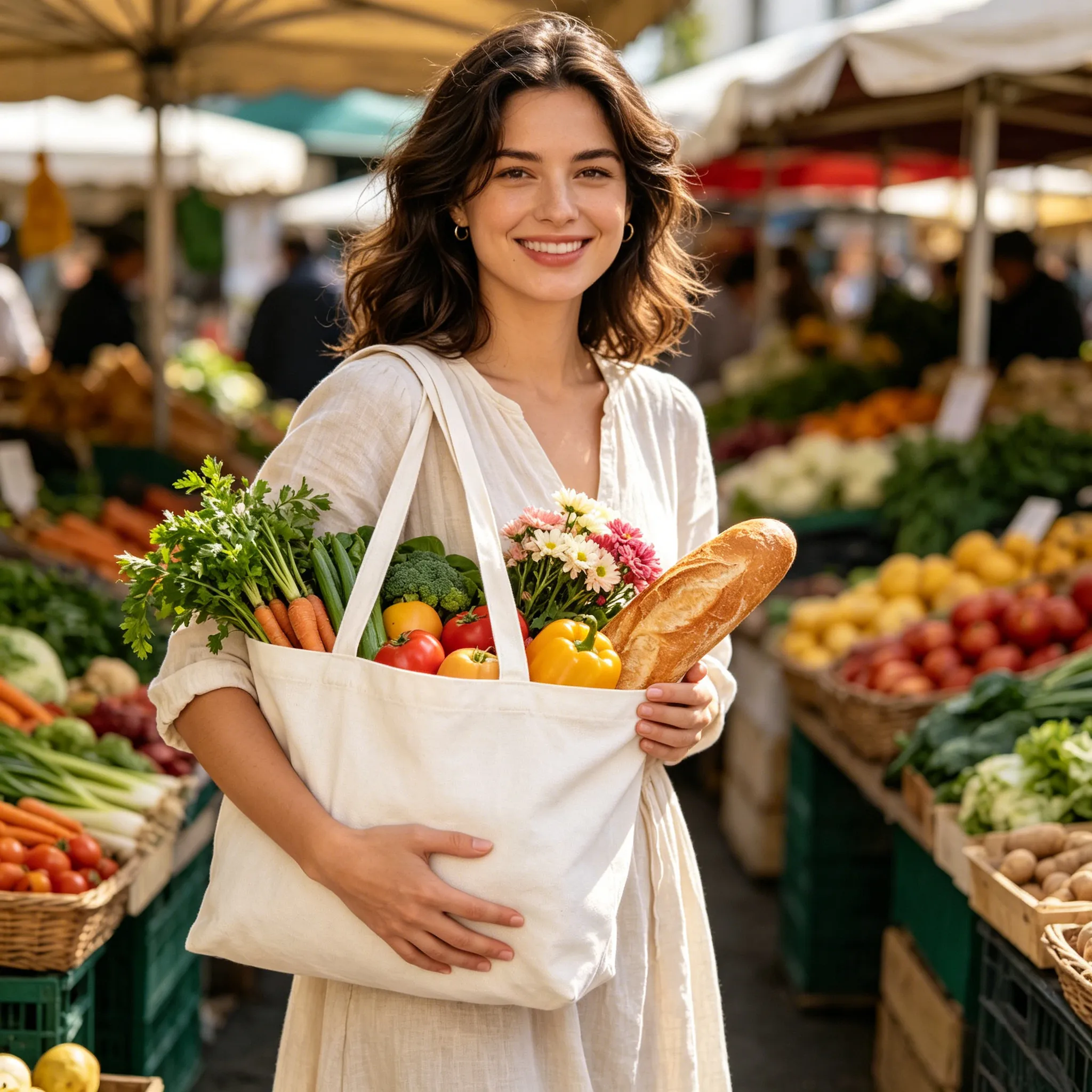
GOTS-certified organic cotton represents the gold standard in sustainable textiles. Our organic cotton bags feature:
- Full traceability from farm to finished product
- Low-impact, certified organic dyes
- Typical applications: tote bags, shopping bags, produce bags
- Biodegradable at end of life
As a cotton tote bag factory, we offer various GSM weights to match your durability requirements.
Recycled Cotton & rPET Bags
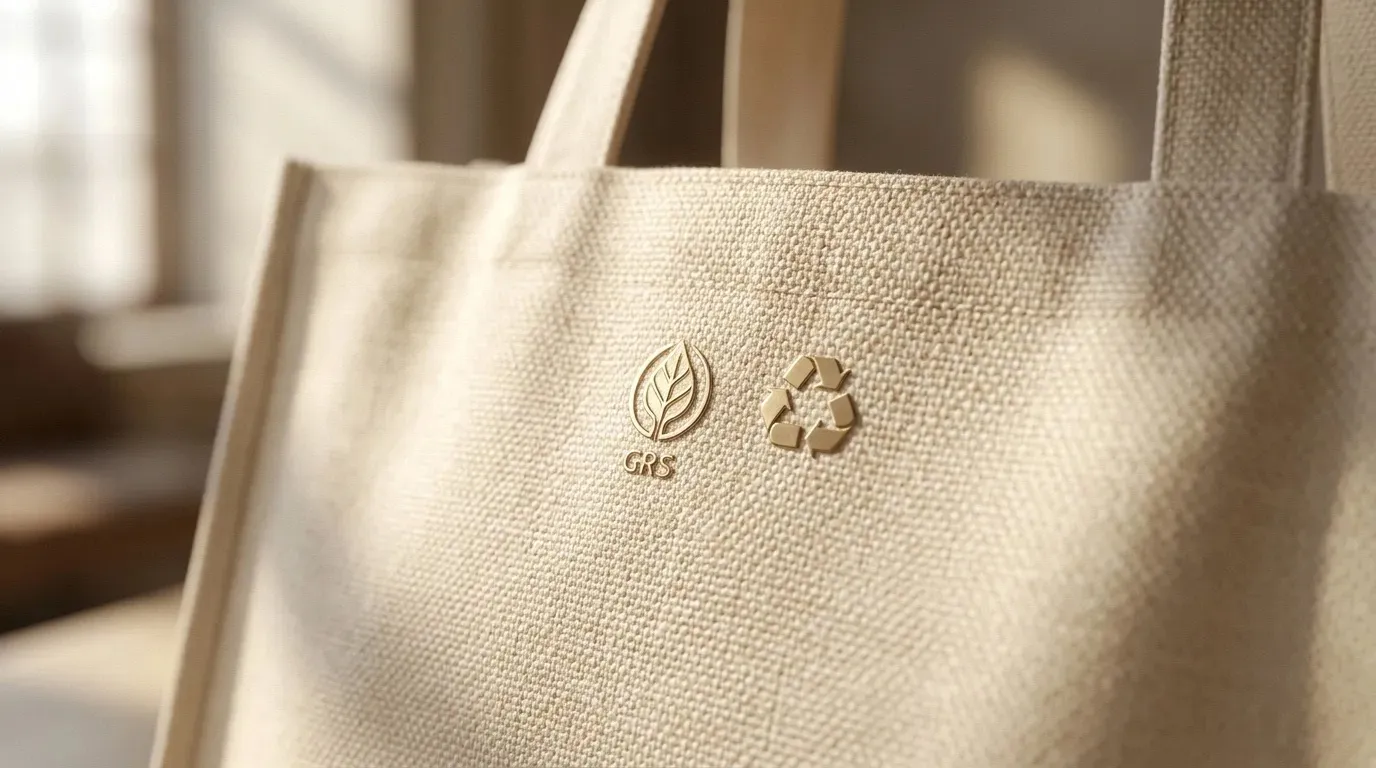
rPET (recycled polyethylene terephthalate) is derived from post-consumer plastic bottles, giving new life to materials that would otherwise end up in landfills or oceans. Our recycled bags feature:
- GRS (Global Recycled Standard) certification
- Each bag uses 5-15 recycled plastic bottles
- Comparable durability to virgin materials
- Ideal for brands with strong sustainability narratives
Learn more about sustainability certifications like GRS and OEKO-TEX in our comprehensive guide.
Canvas Bags (Cotton / Hemp / Bamboo Fiber)
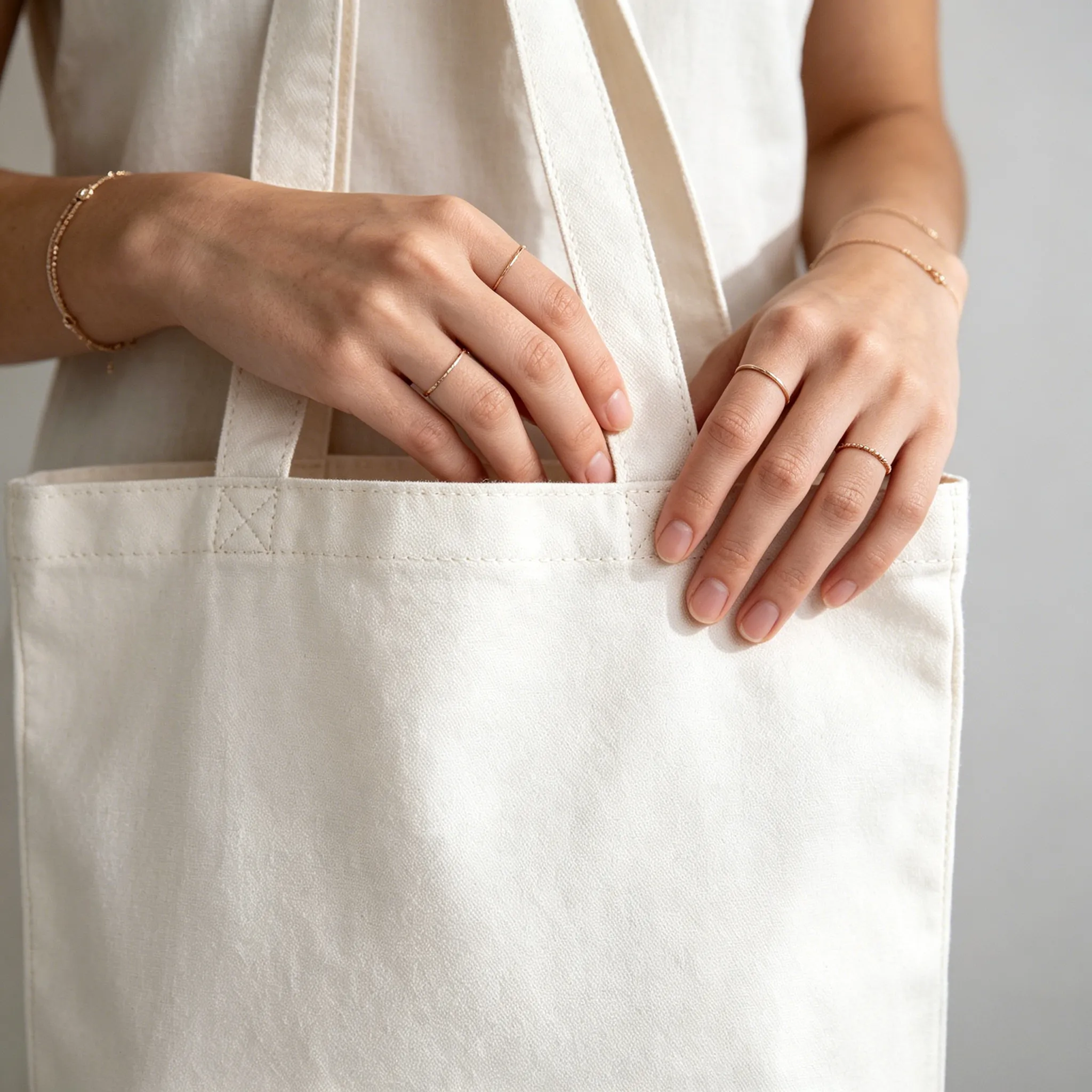
Canvas bags offer exceptional durability that outperforms single-use alternatives by orders of magnitude. Our canvas options include:
- Cotton canvas: Classic, versatile, machine washable
- Hemp canvas: Naturally pest-resistant, minimal water requirements
- Bamboo fiber canvas: Antibacterial properties, silky texture
As canvas tote bag manufacturers, we produce bags that last for years, not single uses.
Jute & Burlap Bags
Jute and burlap bags represent nature’s answer to single-use plastics. These natural fibers offer:
- 100% biodegradable and compostable
- Minimal cultivation water requirements
- Common applications: retail promotional bags, gift bags, agricultural produce bags
- Rustic, earth-friendly aesthetic
As jute tote bag manufacturers, we supply to retailers worldwide seeking natural alternatives.
Non-Woven & PLA Compostable Bags
For brands requiring certified compostable solutions, we offer PLA (polylactic acid) bags made from plant-based sources:
- OK Compost certification
- ASTM D6400 compliant
- EN13432 certified for industrial composting
- Break down within 90-180 days in commercial composting facilities
These non-woven tote bags offer an excellent entry point for brands transitioning to sustainable packaging.
Innovative Plant-Based Materials
This is where we separate ourselves from competitors. Our innovative plant-based materials showcase genuine expertise:
Mushroom Leather (Mycelium)
Rooted in fungal mycelium, this leather alternative grows in 10-14 days using agricultural waste as substrate. Fully biodegradable, customizable thickness, and remarkable durability.
Piñatex® (Pineapple Leaf Fiber)
Derived from pineapple leaf waste, this material supports Filipino farming communities while providing a cruelty-free leather alternative with distinctive texture.
Cork Bags
Harvested from cork oak bark without harming trees, cork offers natural water resistance, hypoallergenic properties, and unique aesthetic grain patterns.
Apple Leather (AppleSkin™)
Transforms apple juice and cider production waste into a durable, flexible material with up to 50% apple content by weight.
Our vegan leather bags manufacturer capabilities position your brand at the forefront of sustainable innovation.
FSC-Certified Paper & Kraft Bags
For single-use sustainable scenarios, our FSC-certified paper and kraft bags offer:
- FSC (Forest Stewardship Council) chain of custody
- Responsible forestry sourcing
- Recyclable and compostable options
- Excellent printability for brand messaging
Our kraft paper bag manufacturer products serve retail, food service, and e-commerce sectors.
Sustainable Bag Types We Manufacture
From retail shopping bags to branded cooler totes, our 12 production lines cover every category your brand needs. Explore our comprehensive range of custom logo reusable bags.
Tote Bags & Shopping Bags

The cornerstone of sustainable retail. Our sustainable tote bags wholesale options include:
- Cotton, canvas, jute, and recycled materials
- Screen print, embroidery, heat transfer, DTG
- Reinforced handles for heavy loads
- Custom sizes and GSM weights
Backpacks & Drawstring Bags
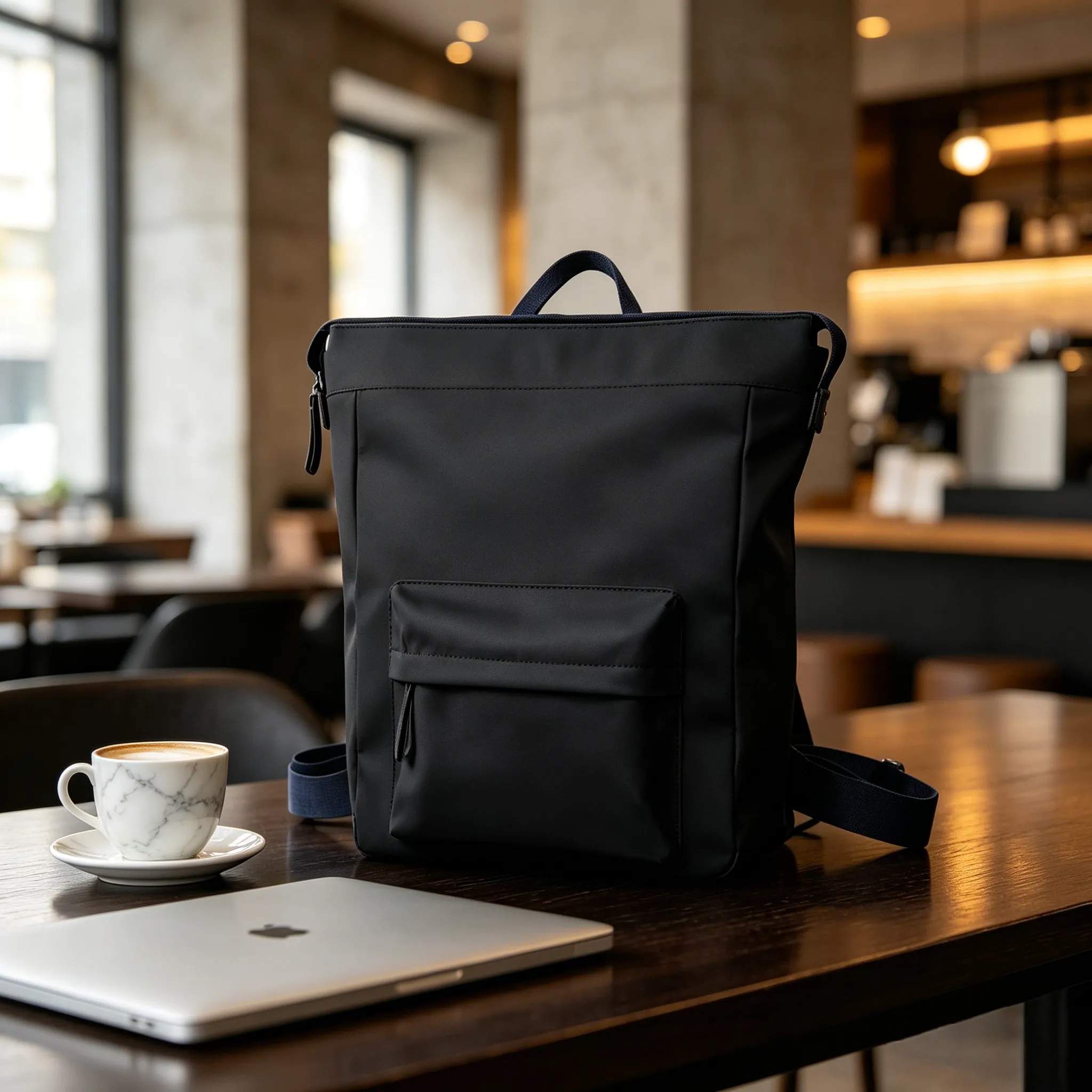
Functionality meets sustainability. Our sustainable backpacks feature:
- ergonomic designs with sustainable materials
- Laptop compartments and tech organization
- Water-resistant recycled linings
- Custom drawstring bag options for events
Pouches & Zipper Pouches
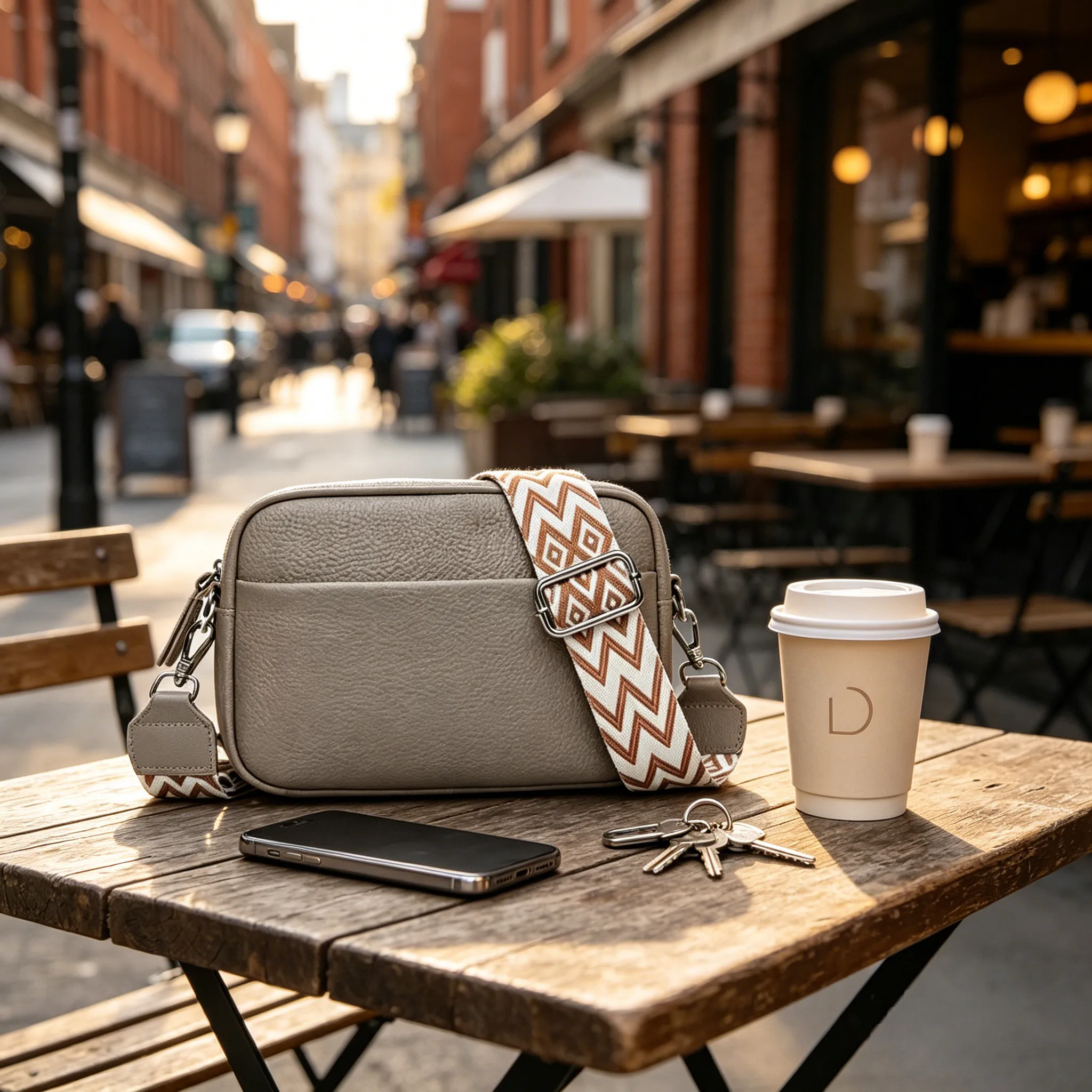
Organize essentials sustainably. Options include:
- Cosmetic pouches with water-resistant linings
- Travel pouches with organization panels
- Pencil cases and tech accessories
- Multi-compartment designs
Cooler & Insulated Bags
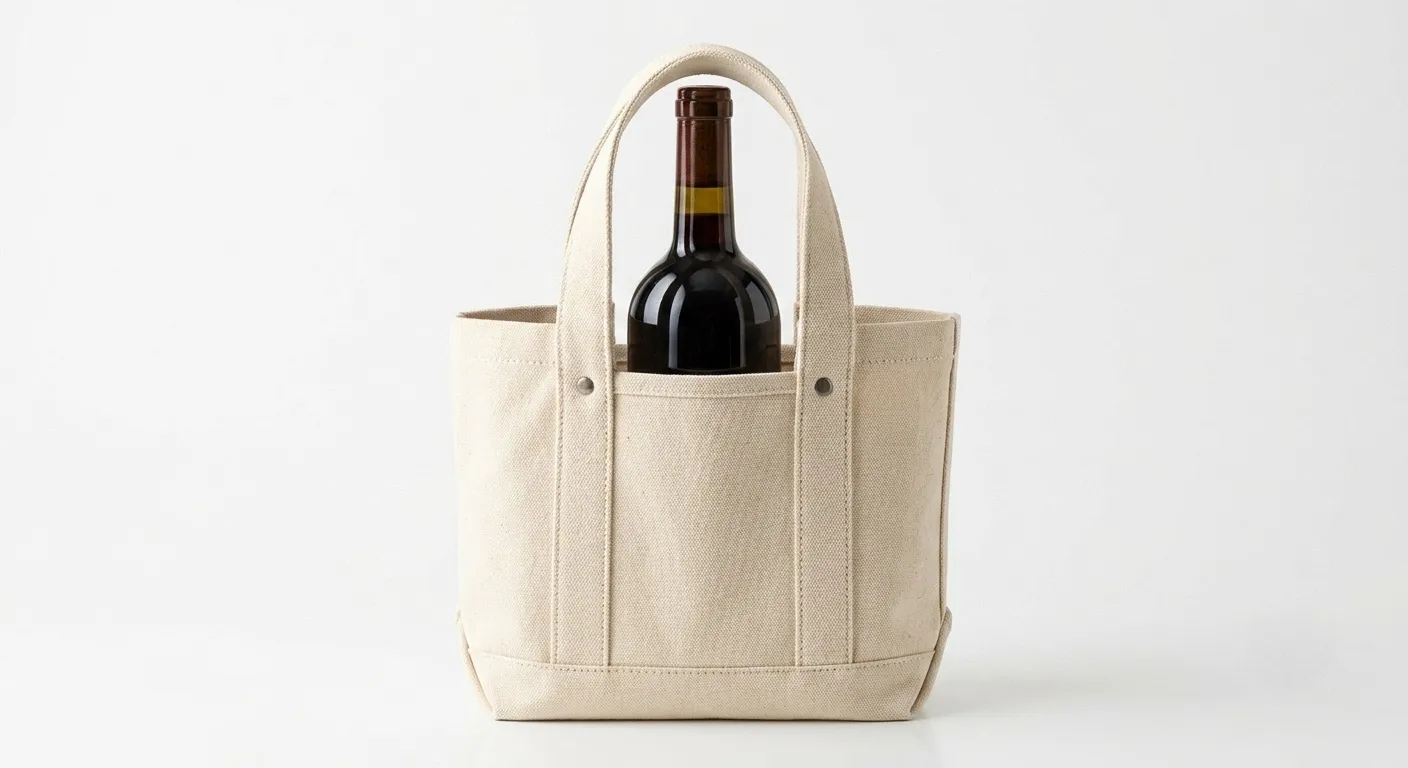
Keep contents temperature-controlled:
- Thermal insulation with recycled materials
- Leak-proof linings
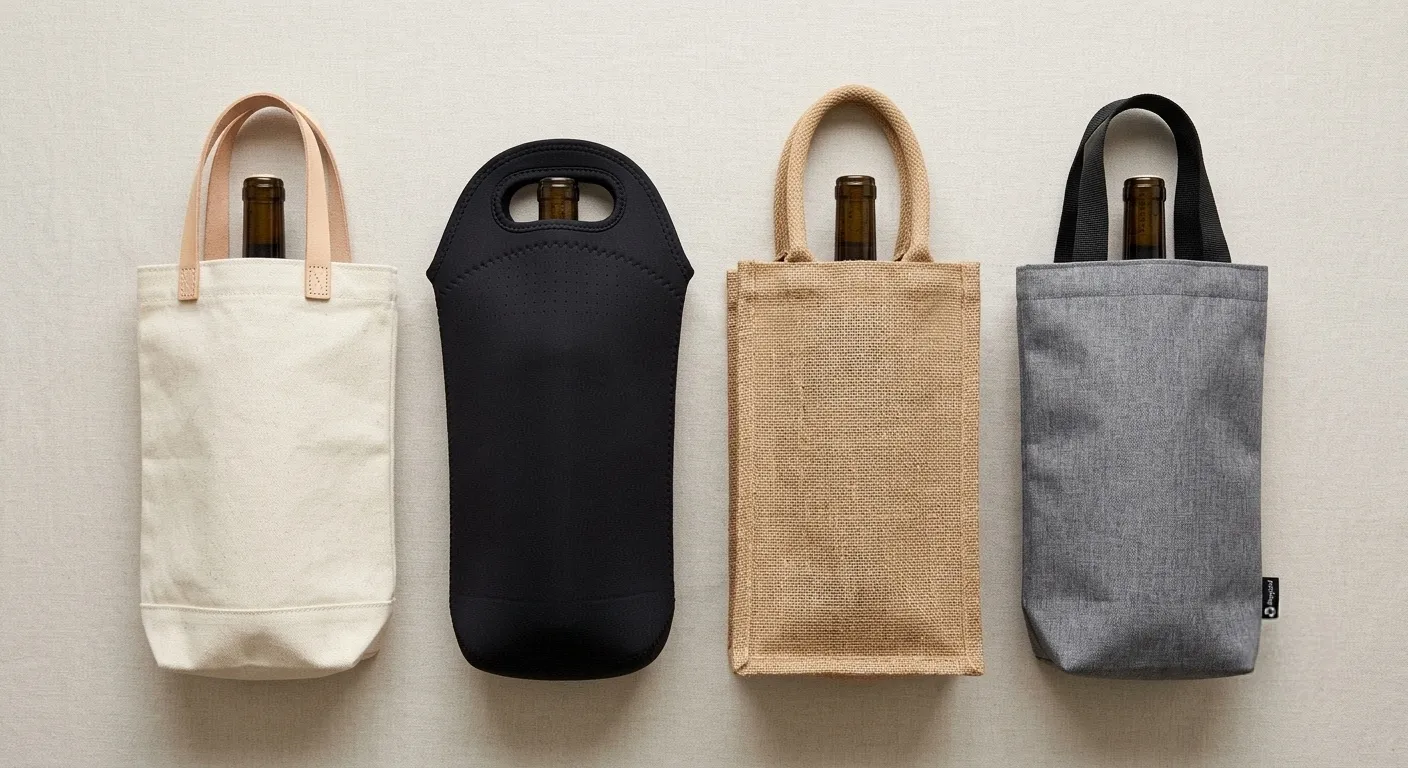
- Wine bags, lunch bags, picnic sets
- Custom branding for corporate gifting
Wine Bags, Garment Bags & Travel Bags
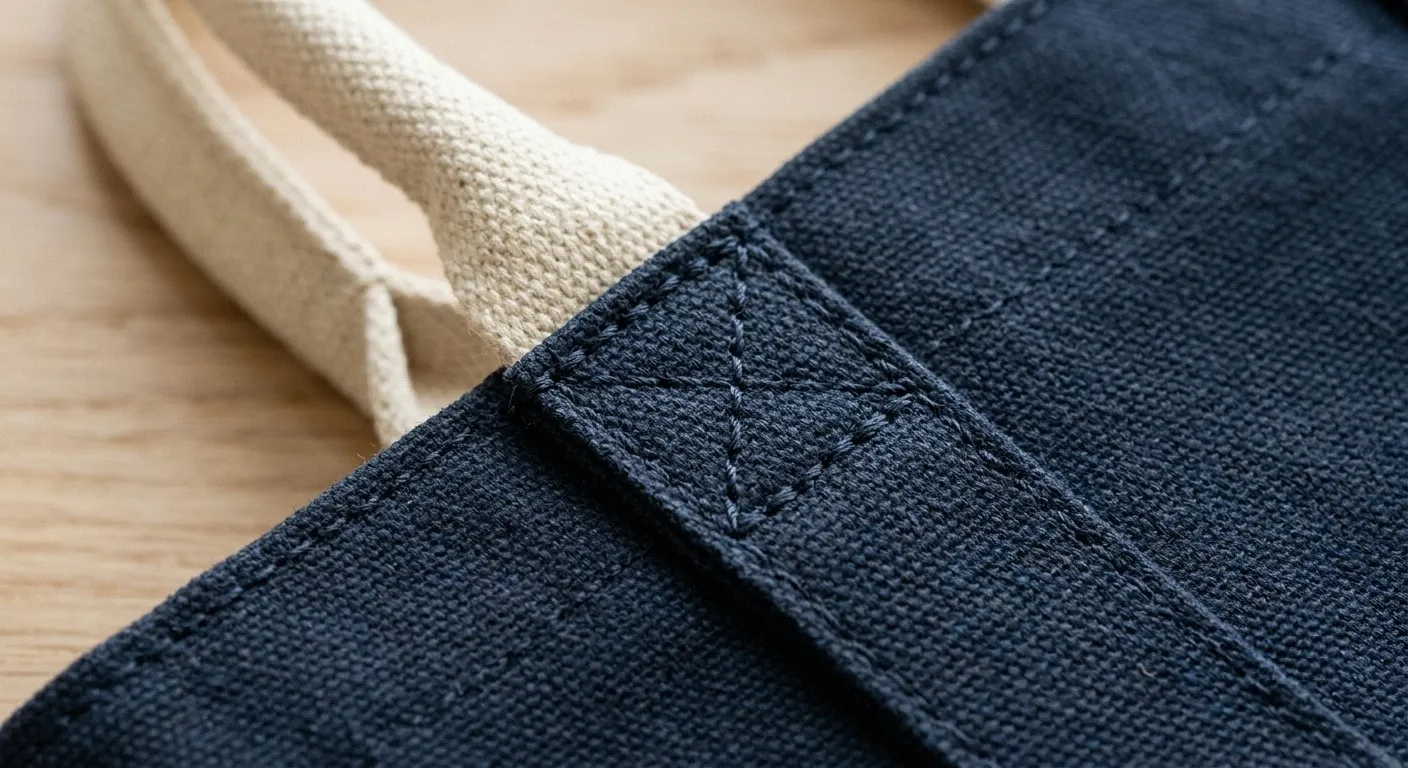
Premium protection for valuable items:
- Wine bottle carriers with insulation
- Breathable garment bags for suits and dresses
- Travel bags with shoe compartments
- Sustainable luggage alternatives
Beach Bags & Mesh Produce Bags

Designed for outdoor living:
- Beach bags with waterproof bases
- Mesh produce bags for grocery shopping
- Reusable shopping alternatives
- Quick-dry, sand-resistant materials
Our Sustainable Bags Manufacturing Process
Every bag that leaves our facility represents a journey from concept to reality. Our tote bag manufacturing process combines traditional craftsmanship with modern technology.
Step 1 – Material & Spec Consultation
.webp)
We begin by understanding your vision:
- Material selection (sustainable options review)
- Size, capacity, and functional requirements
- Branding and logo specifications
- Target price and quantity analysis
- Sustainability certifications required
Share your tech pack or product specifications for accurate quotes.
Step 2 – Sampling & Prototyping

7-10 business days for sample development:
- White sample: Unbranded prototype for fit and function
- Print sample: Your design applied for color/quality review
- Pre-production sample: Final approval sample matching mass production
Our OEM tote bag manufacturing process ensures samples match final production.
Step 3 – Production & Inline QC
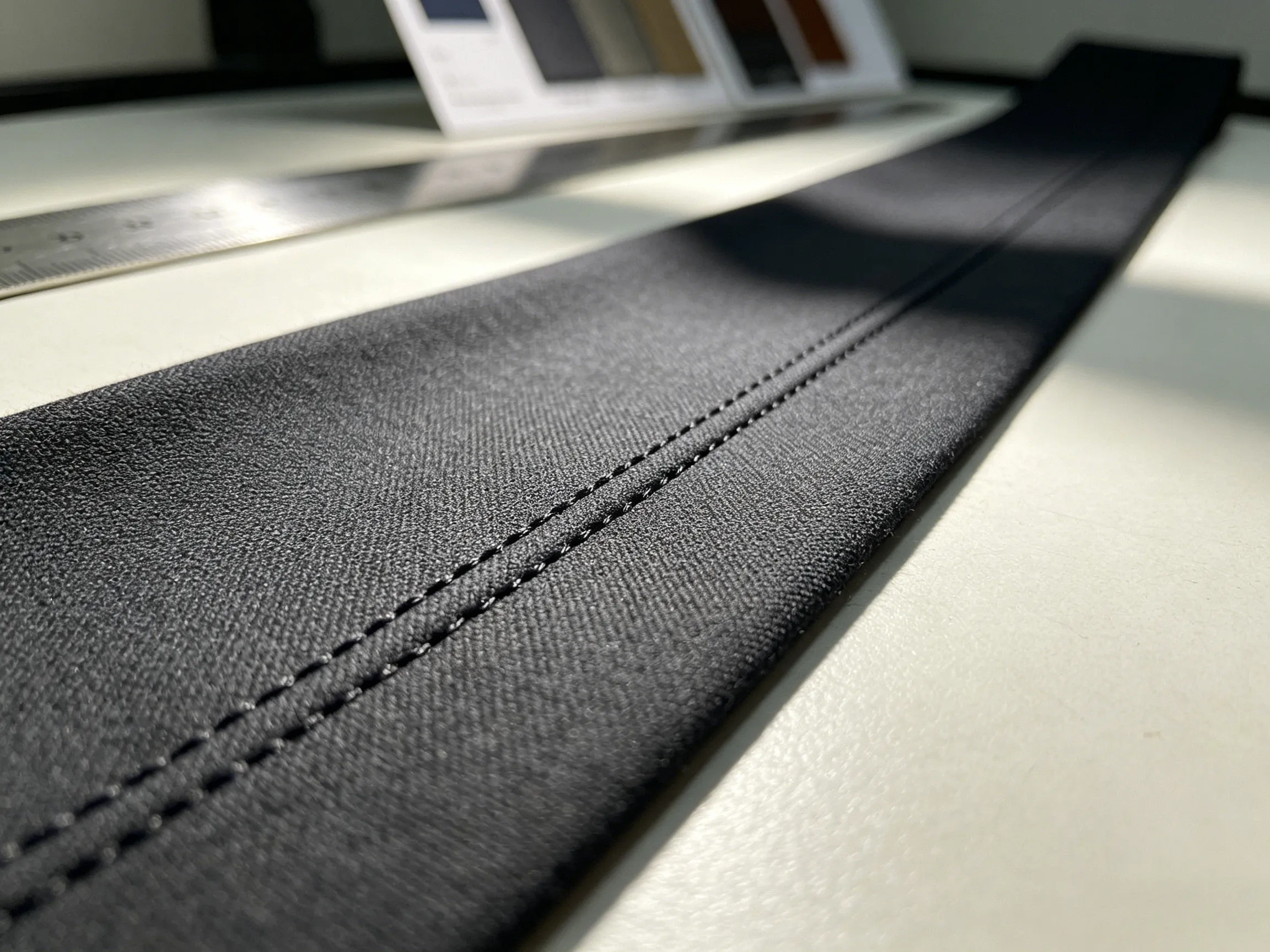
25-35 business days for mass production:
- Fabric cutting with precision CNC machines
- Skilled stitching by certified technicians
- AQL 2.5 inline quality inspections
- Key Control Points (KCP) at critical stages
Learn about our quality control process that ensures consistent excellence.
Step 4 – Custom Printing & Branding
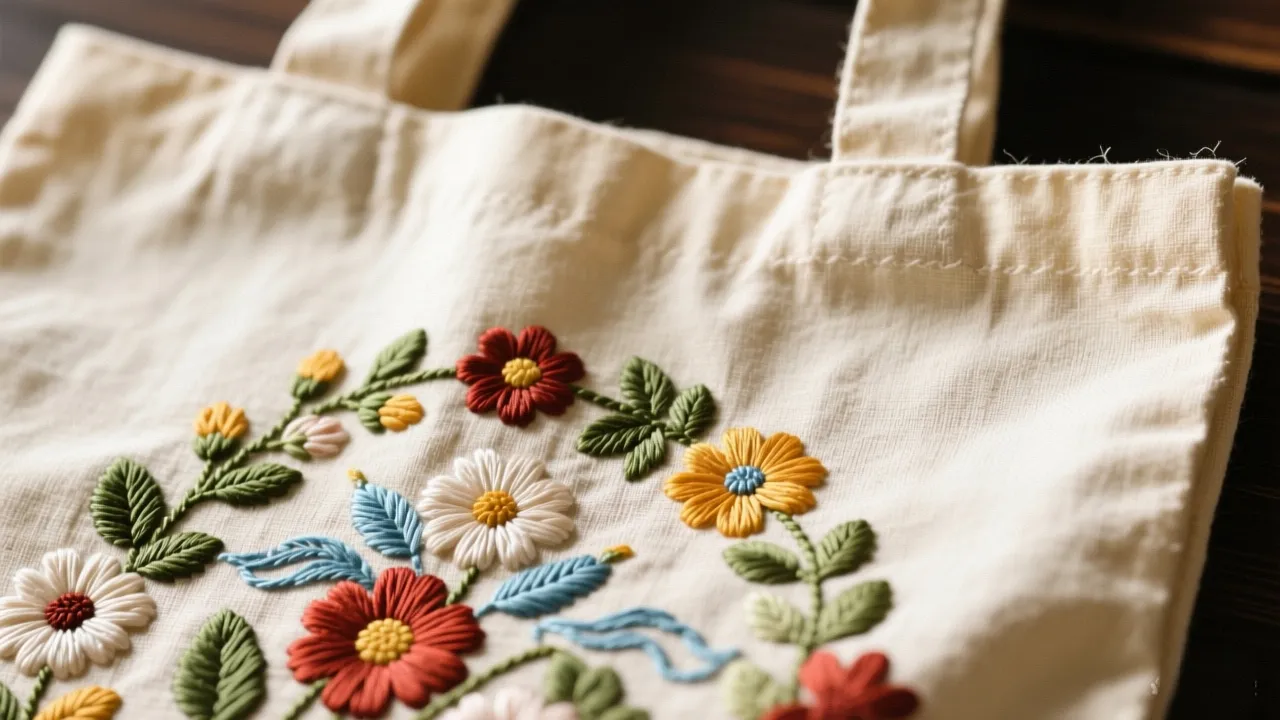
We offer 6 professional branding methods:
| Method | Best For | MOQ | Durability |
|---|---|---|---|
| Screen Printing | Solid colors, high volume | 200+ | Excellent |
| DTG (Direct to Garment) | Complex full-color designs | 50+ | Very Good |
| Heat Transfer | Photorealistic prints | 100+ | Good |
| Embroidery | Premium, textured look | 50+ | Excellent |
| Foil Stamping | Metallic, luxury feel | 200+ | Very Good |
| Debossing/Embossing | Subtle, elegant branding | 200+ | Excellent |
Step 5 – Packaging, Labelling & Global Shipping
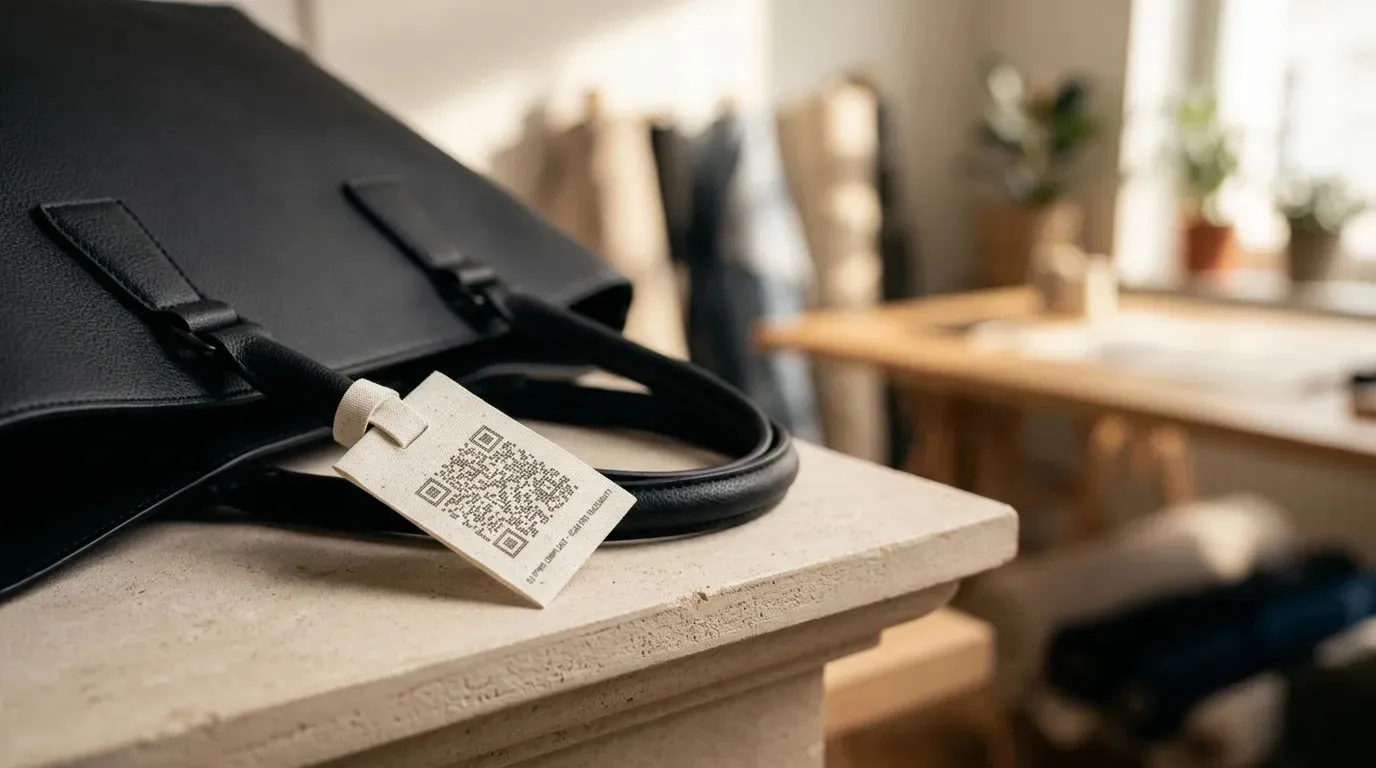
The final touch matters:
- FSC-certified packaging options
- Custom swing tags and care labels
- Polybag-free, recycled packaging materials
- Carbon-neutral shipping alternatives available
Shipping terms: FOB Shenzhen/Guangzhou or CIF by sea or air. We handle shipping logistics for bulk orders worldwide.
Sustainable Bags Certifications & Compliance
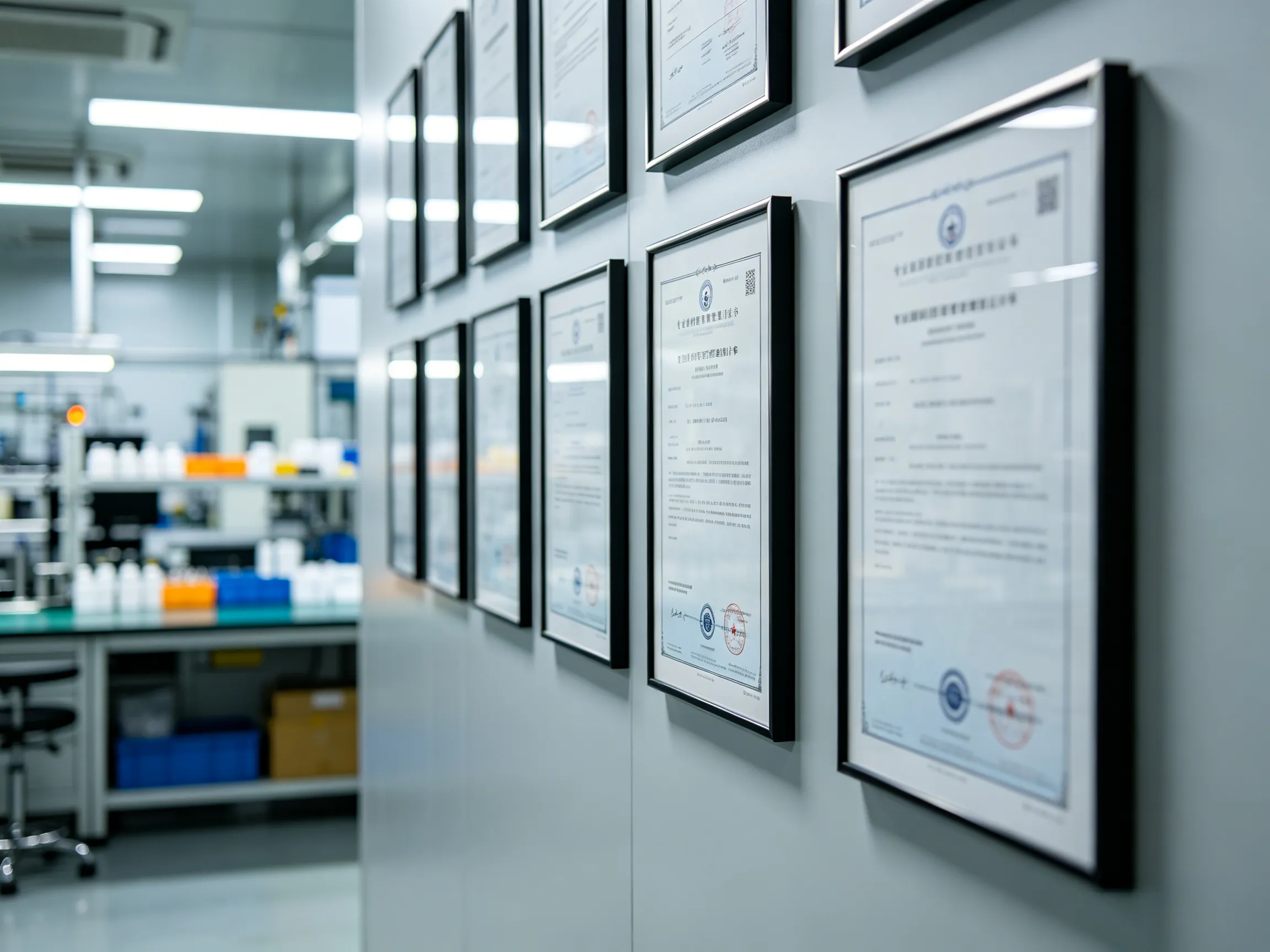
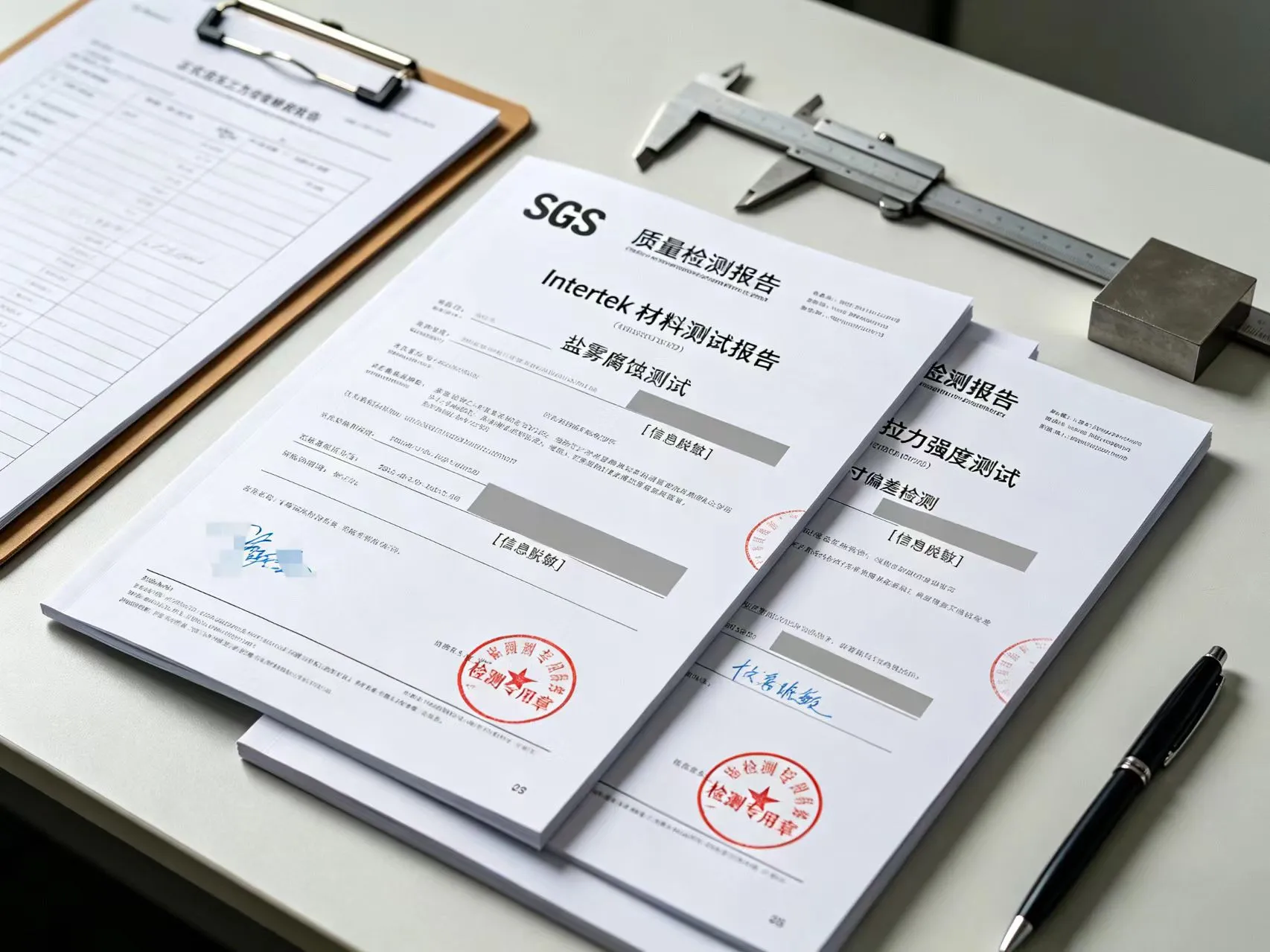
Our certifications are not marketing buzzwords—they’re verifiable proof of our commitment to environmental and social responsibility. Understanding certification differences helps you make informed sourcing decisions.
Material Certifications
GOTS (Global Organic Textile Standard)
Ensures organic status of textiles from harvesting of raw materials through environmentally and socially responsible manufacturing up to labeling.
Learn about GOTS →GRS (Global Recycled Standard)
Verifies recycled content and responsible social, environmental, and chemical practices in production.
Learn about GRS →OEKO-TEX Standard 100
Ensures every component of the article has been tested for harmful substances and is harmless for human health.
Learn about OEKO-TEX →FSC (Forest Stewardship Council)
Promotes responsible management of the world’s forests through independent verification.
Learn about FSC →OK Compost
Certifies products as industrially compostable according to EN 13432 standard.
Social & Environmental Audits
BSCI (Business Social Compliance Initiative)
Monitors workplace standards across the supply chain for ethical production.
Learn about BSCI →Sedex SMETA
Sedex Members Ethical Trade Audit covers labor standards, health & safety, environment, and business ethics.
Learn about Sedex →SA8000
Global social accountability program for improving workplace conditions.
ISO 9001 / ISO 14001
Quality management and environmental management system certifications.
Product Safety & Chemical Compliance
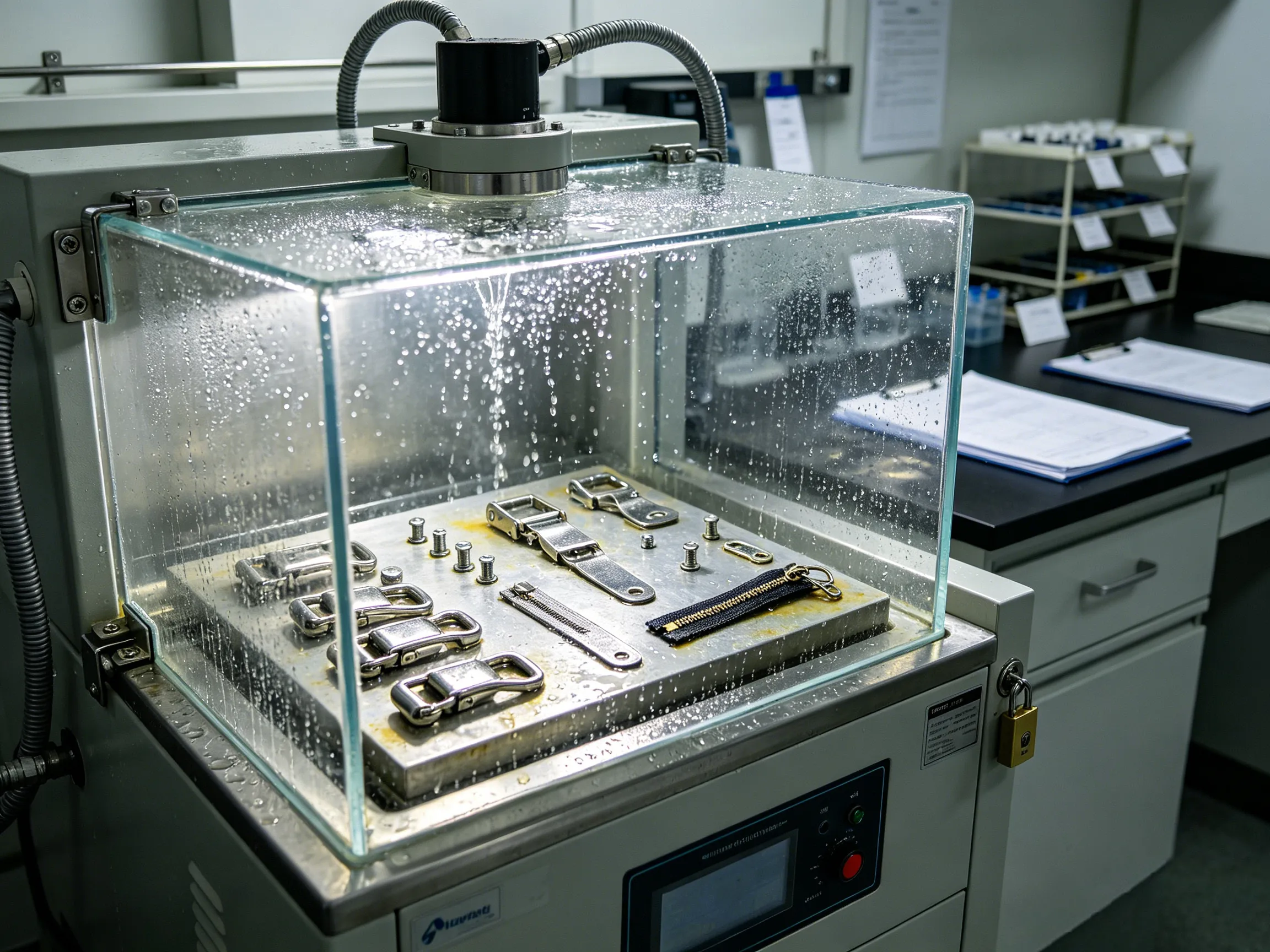
REACH Compliance
EU regulation on chemicals, ensuring safe use of chemical substances in our products.
Learn about REACH →California Prop 65
U.S. regulation protecting consumers from toxic chemical exposure.
LFGB (Germany)
Food contact material safety certification for bags intended for food storage.
FDA Food Contact
U.S. Food and Drug Administration compliance for food-related applications.
Why Certifications Matter for Your Brand
In today’s conscious marketplace, certifications aren’t optional extras—they’re business essentials:
- Retailer Requirements: Major retailers increasingly mandate sustainability certifications for supplier approval
- ESG Reporting: Certifications provide documented evidence for your sustainability reporting
- Customs Clearance: Proper certifications facilitate smoother import/export procedures
- Consumer Trust: Third-party verification builds credibility with eco-conscious buyers
- Competitive Advantage: Certified products command premium positioning in the market
Customization, MOQ & Lead Time
Understanding the commercial parameters helps you plan effectively. Our custom tote bags pricing guide covers every factor affecting your investment.
Flexible MOQ by Material
We understand that brands at different stages have different needs. Our flexible MOQ structure accommodates startups and established brands alike:
| Material Category | Standard MOQ | Flexible MOQ* | Typical Lead Time |
|---|---|---|---|
| Cotton Canvas | 200 pcs | 100 pcs | 25-30 days |
| Organic Cotton (GOTS) | 500 pcs | 300 pcs | 30-35 days |
| Jute / Burlap | 500 pcs | 200 pcs | 28-32 days |
| rPET (GRS Certified) | 500 pcs | 300 pcs | 30-35 days |
| Non-Woven / PLA | 1,000 pcs | 500 pcs | 20-25 days |
| Innovative Materials** | 1,000 pcs | 500 pcs | 35-45 days |
*Flexible MOQ may incur additional unit cost. Contact us for specific quotes.
**Innovative materials include mushroom leather, Piñatex, cork, apple leather.
For low MOQ sustainable bags, we offer flexible options to support brand growth.
Lead Times: Sample / Production / Shipping
.webp)
Sample Development
7-10 business days
White sample → Print sample → Pre-production sample
Mass Production
25-35 business days
Material procurement → Cutting → Stitching → QC → Packing
Shipping
Sea freight: 15-30 days
Air freight: 5-7 days
Express: 3-5 days
Incoterms & Global Logistics
We offer flexible shipping arrangements to match your logistics preferences:
| Incoterm | Seller Responsibility | Buyer Responsibility | Best For |
|---|---|---|---|
| FOB | Delivery to port | Freight, insurance, customs | Experienced importers |
| CIF | Freight + Insurance to destination | Customs clearance | Predictable total cost |
| DDP | All costs including duties | Nothing (just receive goods) | Hands-off importing |
For detailed guidance, read our article on FOB vs EXW vs CIF vs DDP shipping terms.
Industries & Brands We Serve
Since 2008, we’ve partnered with diverse brands worldwide, delivering 30+ million sustainable bags across industries. Our case studies showcase successful collaborations.
Fashion & Apparel Brands
Fashion brands trust us for branded eco bags that align with sustainable collections. From high-street to luxury, we produce bags that reflect brand values.
Beauty & Cosmetics
Beauty brands partner with us for luxury cosmetic pouches and sustainable makeup bags. Our silk-screened and embroidered options elevate unboxing experiences.
Wine, Food & Beverage
Wineries and coffee brands choose our insulated wine bags and reusable coffee cup bags. Our custom reusable wine bags protect products while promoting sustainability.
Retail & Department Stores
Major retailers source our reusable shopping bags as sustainable alternatives to single-use plastic. Branded tote bags become walking advertisements for your store.
Corporate Gifting & Events
Companies choose our corporate gift eco bags for conferences, trade shows, and employee appreciation. Custom designs make memorable impressions at trade show reusable bags events.
NGOs & Environmental Campaigns
Environmental organizations trust our biodegradable and compostable bags for campaign merchandise. Every bag sold supports sustainability messaging.

Industry Case Studies with Verified Metrics
Beyond star ratings, here are three real client engagements where our sustainable bag manufacturing delivered measurable results for brand owners across the EU, Australia, and North America. Names partially redacted to honor NDA terms; verified metrics available on request.
Case Study 1: EU Fashion Brand · 5,000 GOTS Organic Cotton Totes
Client pain point: Needed retail-ready organic cotton totes that could pass EU CSRD audit and meet CSRD reporting thresholds within a tight launch window. Solution: We supplied GOTS-certified 12 oz organic cotton totes with low-impact water-based ink, full chain-of-custody documentation, and PPWR-compliant care labels. Result: Delivered 3 weeks ahead of schedule, helped the brand hit its Q2 sustainability KPI, and unlocked 3 retail chain contracts in DE / FR / NL.
Case Study 2: Australian Winery · 2,000 rPET Wine Tote Bags
Client pain point: Required premium gift packaging for a 2025 vintage release with verifiable recycled content and FSC-certified outer carton. Solution: Custom 12-bottle rPET wine totes with GRS chain-of-custody documents, neoprene inserts, and FSC kraft gift sleeves with soy-ink printing. Result: Reduced packaging plastic by 68% versus prior virgin-PET design; the brand’s cellar-door sales rose 18% in Q4 thanks to the elevated unboxing experience.
Case Study 3: U.S. NGO · 10,000 PLA Compostable Campaign Bags
Client pain point: Coastal cleanup campaign required fully compostable bags for retail distribution that would not contribute to marine microplastic if littered. Solution: Custom PLA + PBAT blend bags with OK Compost and ASTM D6400 certification, water-based flexographic print, and educational hangtags explaining proper disposal. Result: 100% industrial-compostable lifecycle, NGO reached 4 million social impressions in 90 days, and the bag design was adopted by 12 partner retailers for ongoing distribution.
Case Study 4: Japan Corporate Gifting · 3,000 Custom Canvas Totes
Client pain point: Year-end corporate gifting required branded canvas totes for a Tokyo tech conference with only a 12-day lead window and exact Pantone color matching. Solution: 16 oz natural canvas totes with custom Pantone embroidery, lint-free packaging, and air-freight DDP to Tokyo. Result: Delivered 2 days early, embroidery color accuracy hit 98.7%, and the brand’s event attendees posted 2,300+ unboxing photos on Instagram, generating organic reach worth an estimated $180k in equivalent ad spend.
How We Audit Our Supply Chain
Trust is verified, not claimed. Here is the exact playbook we use to keep our factory floor, our upstream mills, and our downstream logistics partners aligned with the sustainability standards your brand promises its customers.
Quarterly Third-Party Audits
We conduct on-site BSCI and Sedex SMETA 4-Pillar audits every quarter, plus annual SA8000 and ISO 14001 surveillance audits. Audit reports are summarized in our supplier scorecards and shared with brand partners under NDA. Each audit covers: fair wages (≥ local living wage), working hours (≤ 60 hrs/week), grievance mechanisms, fire and machine safety, chemical handling, and wastewater treatment.
Worker Voice & Grievance Mechanism
Beyond documentation, we sample-interview 10% of production workers each month through an independent HR consultancy. Workers can raise concerns anonymously via QR-coded suggestion boxes posted in every workshop. Issues trigger a 14-day corrective action plan, with status tracked on our internal sustainability KPI dashboard and rolled up to quarterly board reviews.
Material Chain of Custody
Every batch of GOTS, GRS, OEKO-TEX, or FSC certified material carries a traceable QR code linking to its transaction certificate. We retain material samples for 36 months and ship a sealed reference sample with every bulk order so brand partners can conduct third-party verification if needed.
Continuous Improvement KPIs
Our sustainability dashboard tracks kWh per unit, water per unit, waste diversion rate, audit closure rate, and worker retention month over month. Year-over-year targets are reviewed with our sustainability advisory board, and the latest results are available to brand partners during quarterly business reviews.
Sustainable Bags vs Conventional Bags: A Lifecycle Comparison
Education drives adoption. Help your customers understand why sustainable bags make environmental and economic sense. This content improves dwell time and captures valuable long-tail search traffic.
Carbon Footprint Comparison
| Bag Type | Carbon Footprint (kg CO₂eq) | Water Usage (L) | End-of-Life |
|---|---|---|---|
| Cotton Tote (reused 130x) | 0.09 | 2.7 | Biodegradable |
| Paper Bag (single use) | 0.84 | 13.3 | Recyclable/Compostable |
| Plastic Bag (single use) | 0.06 | Negligible | Non-biodegradable |
| Recycled Canvas (reused 200x) | 0.04 | 1.2 | Recyclable |
*Data based on LCA studies. Actual values vary by manufacturer and usage patterns.
Cost-Per-Use Analysis
One of the most compelling arguments for sustainable bags is cost efficiency over time. Research shows that reusable bags reach their “break-even point” after approximately 65 uses compared to single-use plastic bags.
💡 The Math Behind Sustainability
Reusable cotton tote: $3.00 per bag ÷ 130 uses = $0.023 per use
Single-use paper bag: $0.15 per bag ÷ 1 use = $0.15 per use
Result: Reusable bags are 6.5x more cost-effective over their lifetime!
End-of-Life: Reuse → Recycle → Compost
Sustainable bags offer multiple end-of-life options that conventional bags cannot:
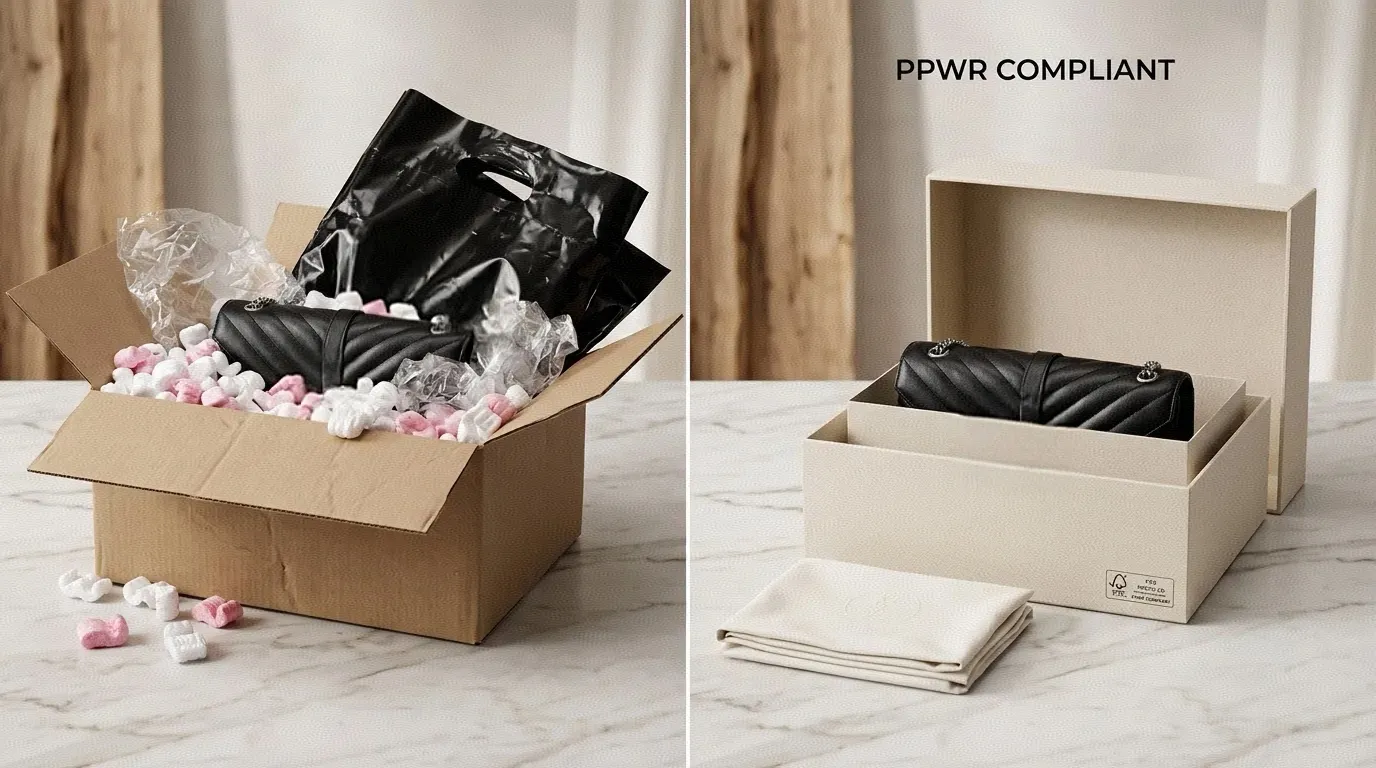
For brands selling in Europe, understanding EU PPWR compliance is essential for market access.
The 2026 Buyer’s Guide to Sourcing Sustainable Bags
Whether you’re a startup launching your first reusable bag line or an established brand scaling to retail chains, this buyer’s guide distills 18 years of manufacturing experience into a clear 3-step framework that protects your budget, your timeline, and your sustainability claims.
Step 1: Map the Regulatory Landscape for Your Target Markets
Before you design a bag, you need to know what regulators in your target markets require. As of 2026, single-use plastic bans now cover 127 countries, including the EU’s SUPD, California’s SB 54, Canada’s Single-Use Plastics Prohibition Regulations, the UK’s Extended Producer Responsibility rules, and Australia’s state-level bans in NSW, VIC, and QLD. Each market sets its own rules for what counts as reusable, what labeling is mandatory, and what recycled-content thresholds qualify for fee reductions.
For EU sales, your bags must comply with PPWR (Packaging and Packaging Waste Regulation) requirements effective from August 2026. For US sales, watch California’s SB 54 reporting deadlines. For Canadian distribution, align with federal SOR/2022-138 thresholds. A short regulatory scoping conversation with your factory partner at the start saves months of retrofitting later.
Step 2: Run the 12-Point Factory Vetting Checklist
Use this checklist when comparing factories. Any factory that cannot answer “yes” to 10+ of these is a red flag:
- Material traceability: Can they provide transaction certificates for every batch?
- Third-party audits: BSCI, Sedex SMETA, SA8000 — all current within 12 months?
- Material certifications: GOTS, GRS, OEKO-TEX, FSC, OK Compost originals available for inspection?
- QC process: AQL 2.5 inspection standard documented and traceable?
- Sample policy: Does the factory refund sample fees on bulk orders?
- Lead time honesty: Are sample and production timelines realistic (not “30 days for everything”)?
- Communication: Single point of contact with documented response time SLAs?
- MOQ flexibility: Do they accommodate 200-piece test orders for new brands?
- Compliance documentation: REACH, Prop 65, LFGB, FDA declarations ready on request?
- Logistics versatility: FOB, CIF, DDP, and Amazon FBA prep all offered?
- References: Can they connect you with 2-3 existing brand partners?
- Transparency: Will they welcome a virtual or in-person factory tour?
Step 3: Lock Down Contracts, QC, and Payment Terms
Three contractual pitfalls derail more sustainable bag programs than any material or factory issue. First, pin down quality acceptance criteria in writing — AQL level, color tolerance (ΔE ≤ 2.0 for brand-critical colors), GSM tolerance (±5%), and rework/rejection remedies. Second, schedule third-party pre-shipment inspection for any order over 5,000 units; the $300 inspection fee routinely catches issues that would cost $30k in rework or chargebacks.
Third, structure payment terms to align with risk: 30% T/T deposit on PO confirmation, 40% on pre-shipment inspection pass, 30% on B/L copy. Avoid 100% TT in advance and 100% on delivery — both extremes concentrate risk on one side. For new brand-factory relationships, an L/C at sight provides additional protection. Once you’ve cleared two successful orders, you can negotiate open-account terms based on trust built on documented performance.
Why Choose GZDreamway as Your Sustainable Bags Manufacturer
3 Decades of Manufacturing Expertise
Since 2008, GZDreamway has grown from a small workshop in Guangzhou’s leather capital to a 30+ person Core Team serving brands across 50+ countries. Our experience shows in every detail:
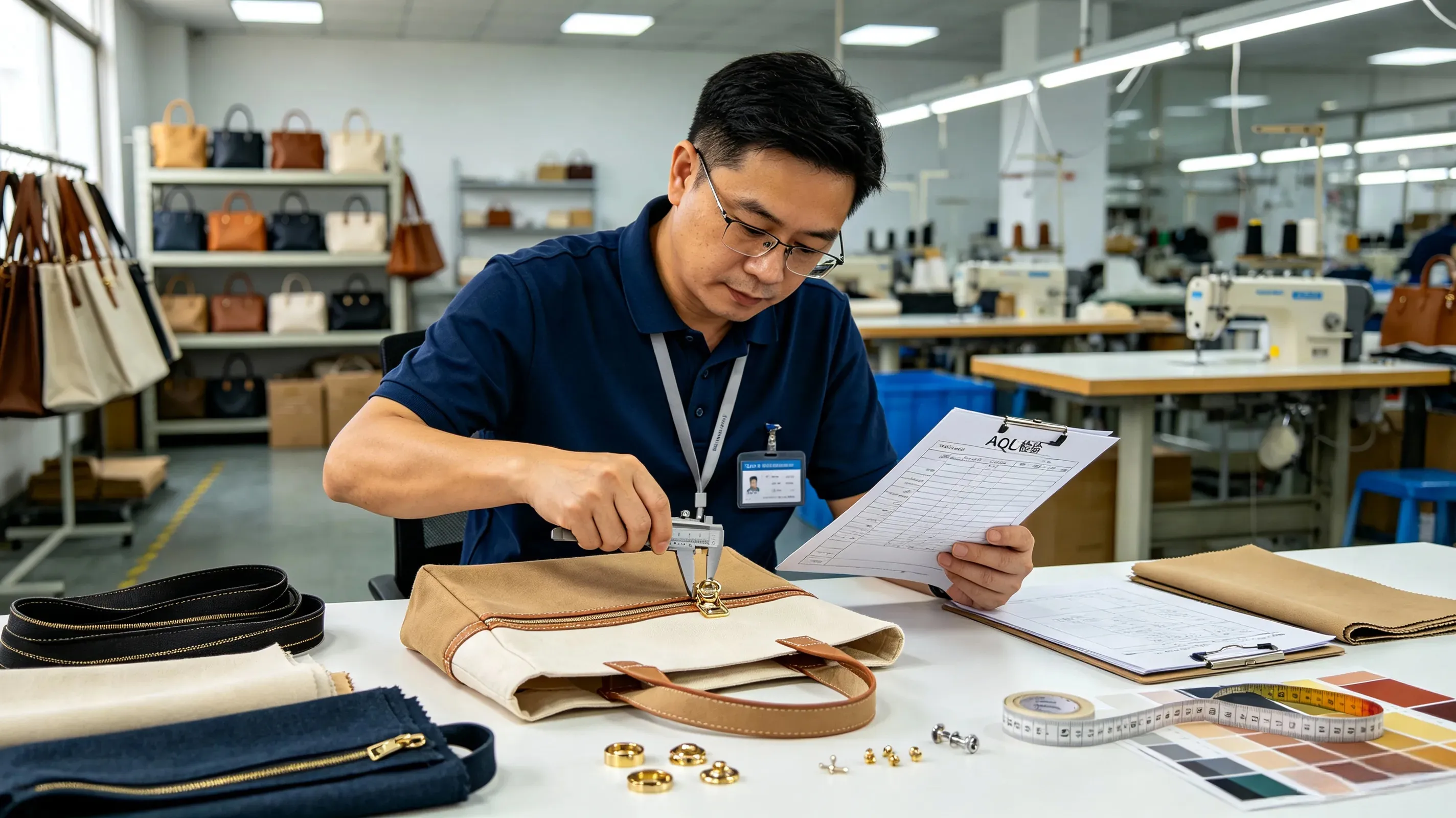
15 years experience in bag pattern making · leather, canvas, nylon, and technical fabrics

12 years in OEM bag manufacturing · manages 15–25 active projects simultaneously

From Our Factory in Guangzhou to Your Shelves Worldwide
Our vertically integrated facility enables complete control over quality, timeline, and costs:
- 30+ sustainable materials in stock and certified
- 12 production lines with capacity up to 500,000 bags/month
- 30-minute supply chain radius for rapid prototyping
- 50+ countries served with established logistics partnerships
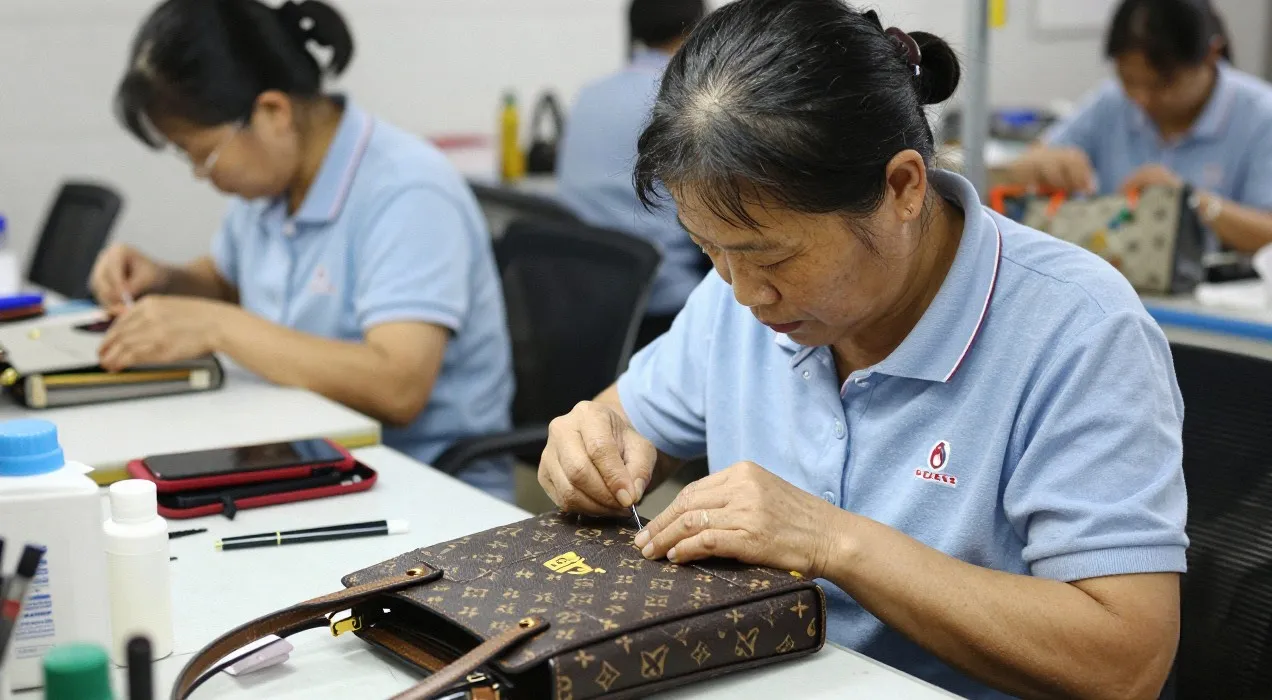
Get Started – Request a Free Quote
Ready to transform your sustainable bag vision into reality? Our team is ready to help:
🌐 Website
Victoria@gzdreamway.com
Info@gzdreamway.com
📞 Phone
86-20-8768-2749
Frequently Asked Questions About Sustainable Bags Manufacturing
What is the best material for sustainable bags?
The best material depends on your specific needs. GOTS-certified organic cotton offers excellent biodegradability, while GRS-certified rPET provides durability from recycled plastics. For brands seeking premium aesthetics, innovative plant-based materials like mushroom leather (mycelium) and Piñatex offer cutting-edge sustainability credentials.
What is the MOQ for custom sustainable bags?
Our low MOQ sustainable bags start at 200 pieces per style for standard materials like cotton and canvas. Specialty materials such as organic cotton or GOTS-certified fabrics typically require 500+ pieces. We offer flexible MOQ options to accommodate brands at various stages of growth.
How long does sustainable bag production take?
Our custom tote bag production lead time follows this timeline: sample development takes 7-10 business days; mass production requires 25-35 business days; shipping varies by method (sea: 15-30 days, air: 5-7 days, express: 3-5 days).
What sustainable bag certifications do you hold?
We maintain 12+ certifications including GOTS, GRS, OEKO-TEX Standard 100, BSCI, Sedex SMETA, FSC, OK Compost, and REACH compliance. These certifications demonstrate our commitment to sustainable manufacturing practices and provide your brand with verifiable proof of environmental and social responsibility.
Can you ship sustainable bags globally?
Yes, we offer international shipping and bulk logistics solutions to over 50 countries. We handle FOB, CIF, and DDP incoterms, with sea freight, air freight, and express courier options available. Carbon-neutral shipping alternatives are also available upon request.
Do you offer biodegradable or compostable bags?
Yes! We offer OK Compost and ASTM D6400 certified compostable bags made from PLA (polylactic acid) derived from plant-based sources. These bags break down within 90-180 days in commercial composting facilities. We also offer naturally biodegradable options like organic cotton, jute, and hemp bags.
How do you ensure ethical labor practices?
Our commitment to ethical manufacturing is verified through regular third-party audits including BSCI, Sedex SMETA, and SA8000. We maintain transparent employment records, fair wages, and safe working conditions. Our factory compliance guide details our social responsibility standards.
Where is your factory located?
Our factory is located in Huadu Shiling Town, Guangzhou, China—known as China’s “Leather Goods Capital.” This strategic location provides access to complete supply chain infrastructure within a 30-minute radius, enabling efficient production and quality control.
Can I get a sample before bulk production?
Absolutely! Sample development is a standard part of our process. We typically provide white samples (unbranded prototypes) first, followed by print samples with your design, and finally pre-production samples for final approval. Sample production takes 7-10 business days. Sample fees are refundable upon bulk order placement.
Do you offer private label / white label sustainable bags?
Yes, we specialize in private label and white label sustainable bag manufacturing. We can produce bags with your brand’s logo, labels, and packaging. Our private label eco bags service includes complete customization from materials to final packaging.
Are sustainable bags more expensive than plastic bags?
Upfront cost is higher, but reusable bags reach their break-even point after roughly 65 uses compared to single-use plastic. When you factor in brand exposure (a reusable bag averages 1,000+ impressions), regulatory compliance with single-use bans, and customer loyalty lift, the total cost of ownership is significantly lower. Our factory-direct pricing keeps per-unit cost competitive even for premium materials.
What’s the difference between GOTS and GRS certification?
GOTS (Global Organic Textile Standard) certifies organic fiber content (minimum 70%) plus environmental and social criteria throughout processing. GRS (Global Recycled Standard) certifies recycled material content (minimum 20%) and chain-of-custody traceability. GOTS applies to virgin natural fibers like organic cotton; GRS applies to recycled inputs like rPET from post-consumer bottles. Many brands source both to cover their full sustainable portfolio.
Can you handle DDP shipping to Amazon FBA warehouses?
Yes. We offer DDP (Delivered Duty Paid) incoterms, including preparation for Amazon FBA inbound requirements. Our logistics team handles Amazon box labels, FNSKU labeling, palletization per Amazon specifications, and customs clearance. We ship DDP to FBA warehouses in the US, EU, and Japan. Contact us with your target FBA destination for a DDP quote.
Are you a compostable bag manufacturer with OK Compost certification?
Yes. As a certified compostable bag manufacturer, we produce OK Compost and ASTM D6400 certified bags made from PLA (polylactic acid) and PBAT blends. These bags fully decompose in industrial composting facilities within 90-180 days without leaving microplastics or toxic residues. We also offer home-compostable options pending order volume. Ideal for food service, retail, and EU markets facing PPWR packaging mandates.
What’s the difference between biodegradable, compostable, and recyclable?
These three terms sound similar but mean very different things under ISO and ASTM standards. Biodegradable means a material breaks down via microbial action, but with no time limit or residue requirement — even conventional plastic is technically biodegradable over centuries. Compostable requires certification (OK Compost, ASTM D6400, EN 13432) proving the material fully decomposes within a defined timeframe without leaving toxic residues. Recyclable means the material can be reprocessed into new products via existing recycling streams.
For brand claims, choose based on end-of-life infrastructure in your target market: compostable for industrial composting regions (EU food service), recyclable for markets with mono-material curbside recycling (rPET, paper), and biodegradable only when paired with specific certifications and disposal guidance. Avoid vague “biodegradable” labels on plastic — they’re red-flagged under EU Green Claims Directive 2026.
Important Disclaimer
Third-Party Links: This article may contain links to external websites, including certification organization websites (GOTS, GRS, BSCI, Sedex, OEKO-TEX, FSC). These links are provided for informational purposes only. GZDreamway does not endorse or guarantee the accuracy of information on external websites.
Environmental Data: Carbon footprint and lifecycle comparison data cited in this article are based on publicly available Life Cycle Assessment (LCA) studies and industry benchmarks. Actual environmental impact may vary based on specific production methods, transportation distances, and end-of-life handling.
Certifications: All certifications mentioned are valid at time of publication. Please verify current certification status during your sourcing process.
Guangzhou Huadu Shilong Town — Premium Bag & Silk Product Manufacturer
Bags MOQ: 200 pcs | Silk Products MOQ: 50 pcs
Serving 50+ Countries Worldwide | 30+ Skilled Employees
Location
Guangzhou, China
Factory DirectScan the QR code to connect with Victoria