How European Brands Can Comply with EU PPWR: A Practical Sourcing & Packaging Guide
As the European Union accelerates its commitment to sustainability through the Packaging and Packaging Waste Regulation (PPWR), businesses importing bags and accessories from Asia face unprecedented compliance requirements. This guide provides actionable insights for European brands, importers, and procurement teams seeking to navigate PPWR successfully while maintaining product quality and supply chain efficiency.
Why EU PPWR Matters for Brand Owners and Importers
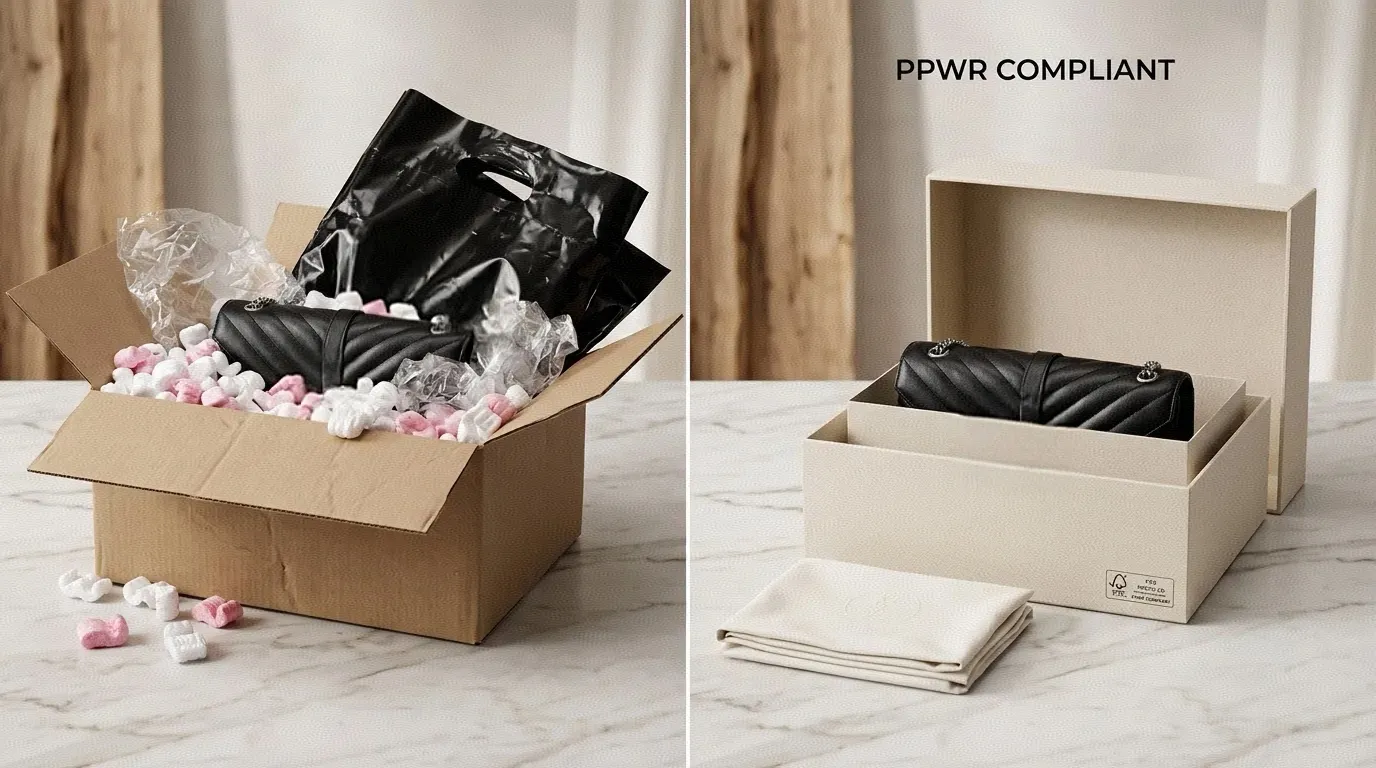
The European Union’s Packaging and Packaging Waste Regulation represents the most significant regulatory shift in packaging compliance history. Unlike previous directives, PPWR establishes mandatory, binding targets across the entire packaging lifecycle—from design and materials to end-of-life recycling.
For the bag and accessories industry, PPWR’s impact extends far beyond surface-level changes. The regulation directly affects how manufacturers source materials, design packaging, create documentation, and track products throughout the supply chain. Any company placing packaging on the EU market—regardless of where it’s manufactured—must ensure compliance.
OEM factories are particularly affected because they serve as the primary point of packaging decisions. When buyers request specific materials or designs, factories must evaluate whether these choices align with PPWR requirements. This creates a shared compliance responsibility between brands and their manufacturing partners.
Who Is Impacted?
- European Brands — Companies designing and marketing products in the EU
- Importers — Businesses bringing products from non-EU countries into the European market
- Private Label Brands — Retailers and wholesalers with custom packaging requirements
- Amazon Sellers & Marketplaces — FBA operators and third-party sellers serving EU customers
- OEM Buyers & Procurement Teams — Purchasing managers responsible for supplier selection and compliance
What Is the EU Packaging and Packaging Waste Regulation (PPWR)?
The PPWR is designed to fundamentally transform how packaging is produced, used, and managed across Europe. Its core objectives focus on creating a genuine Circular Economy for packaging materials.

Key Regulatory Objectives
- Reduce Packaging Waste — Mandatory reduction targets for packaging weight and volume
- Enhance Recyclability — All packaging must meet recyclability standards by specific deadlines
- Increase Recycled Content — Mandatory percentages of recycled material in new packaging
- Promote Reuse — Reusable packaging targets for specific applications
- Extended Producer Responsibility (EPR) — Producers bear full lifecycle costs for packaging waste
Who Needs to Prepare for PPWR?
PPWR compliance is not limited to European-headquartered companies. Any business that places packaged products on the EU market must prepare for these requirements:
| Entity Type | Primary Compliance Obligations |
|---|---|
| European Brands | Packaging design, recyclability targets, documentation, EPR registration |
| Importers | Supplier verification, incoming compliance checks, customs documentation |
| Private Label Brands | Supplier audits, material specifications, labeling compliance |
| Amazon Sellers | FBA packaging requirements, product passport readiness, EPR fees |
| OEM Buyers | Technical specifications, supplier capability assessment, documentation requests |
How PPWR Changes OEM Bag Manufacturing
For OEM factories serving European markets, PPWR introduces fundamental changes to manufacturing processes. These changes span multiple operational areas:

Material Selection
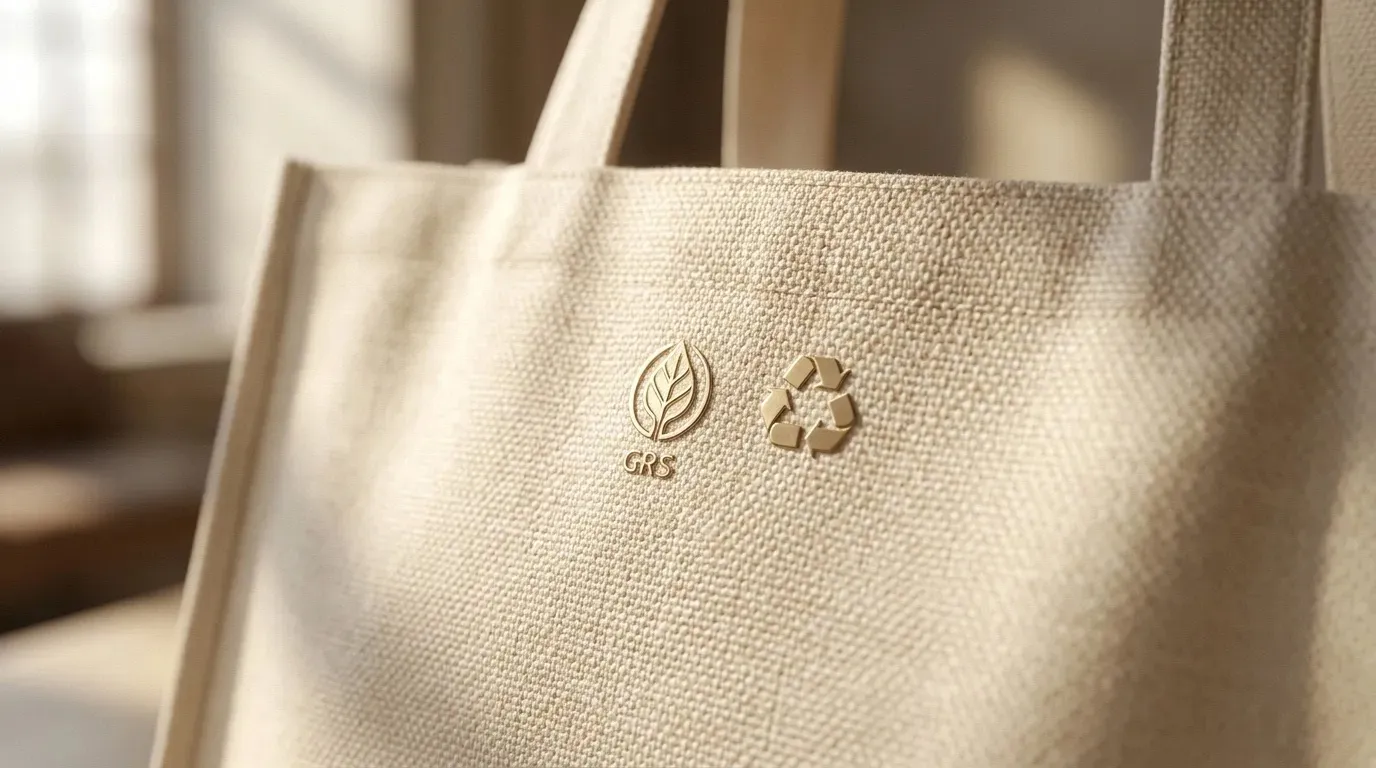
Factories must shift toward materials with proven recyclability and lower environmental impact. This includes sourcing GRS-certified recycled materials, organic fibers, and mono-material alternatives to mixed plastics.
Packaging Design
Packaging must be designed for disassembly and recycling from the initial concept stage. Over-engineered packaging with excessive layers or mixed materials faces increasing regulatory and market rejection.
Labeling & Traceability
Digital Product Passports (DPP) and QR code labels become essential for supply chain transparency. Factories must maintain digital records of material origins, processing methods, and compliance certifications.
Documentation Management
Comprehensive technical files documenting material composition, recyclability assessments, and supplier declarations are now standard requirements for EU market access.
PPWR Requirements That Buyers Should Discuss with Their Factory
Before placing orders, European buyers should verify their OEM partners can address these key compliance checkpoints:

Choosing PPWR-Friendly Materials
Material selection significantly impacts your packaging’s compliance trajectory. Here’s a practical comparison of common materials:
| Material | Pros | Limitations | Suitable Applications |
|---|---|---|---|
| Organic Cotton | Biodegradable, renewable, premium perception | Higher cost, water usage in production | Dust bags, gift bags, premium packaging |
| RPET (Recycled PET) | GRS certified available, excellent recyclability | Perception challenges, collection infrastructure needed | Lining, recycled polybags, cord locks |
| Natural Silk | Luxurious, biodegradable, premium positioning | Higher price point, specialized handling | High-end dust bags, luxury accessories |
| FSC Paper | Certified sustainable sourcing, excellent recyclability | Moisture sensitivity, printing limitations | Hang tags, tissue paper, cartons |
| Recycled Polybags | Cost-effective, proven recycling streams | Virgin plastic reduction targets apply | Shipping protection, inner packaging |
| Nonwoven Natural Fibers | Reusable, customizable, durable | Blended materials may affect recyclability | Reusable shopping bags, promotional items |
Packaging Design Under PPWR
Effective PPWR-compliant packaging design balances protection, sustainability, and regulatory compliance. Consider these principles:
Packaging Reduction Strategies
- Right-size packaging — Match dimensions precisely to product size
- Eliminate unnecessary layers — Remove redundant protective elements
- Optimize material thickness — Use minimum gauge while maintaining protection
Reusable Packaging Options
- Multi-use cotton dust bags that become storage solutions
- Collapsible boxes designed for return logistics
- Modular packaging systems for multiple SKUs
Easy-to-Recycle Design Principles
- Single-material preference — Avoid mixed material combinations
- Removable components — Design for easy separation of recyclable parts
- Standard recycling symbols — Clear identification for sorting facilities
Labeling, Traceability and Digital Documentation
PPWR introduces enhanced requirements for packaging identification and supply chain documentation. While requirements may evolve depending on applicable implementation timelines, buyers should prepare for:
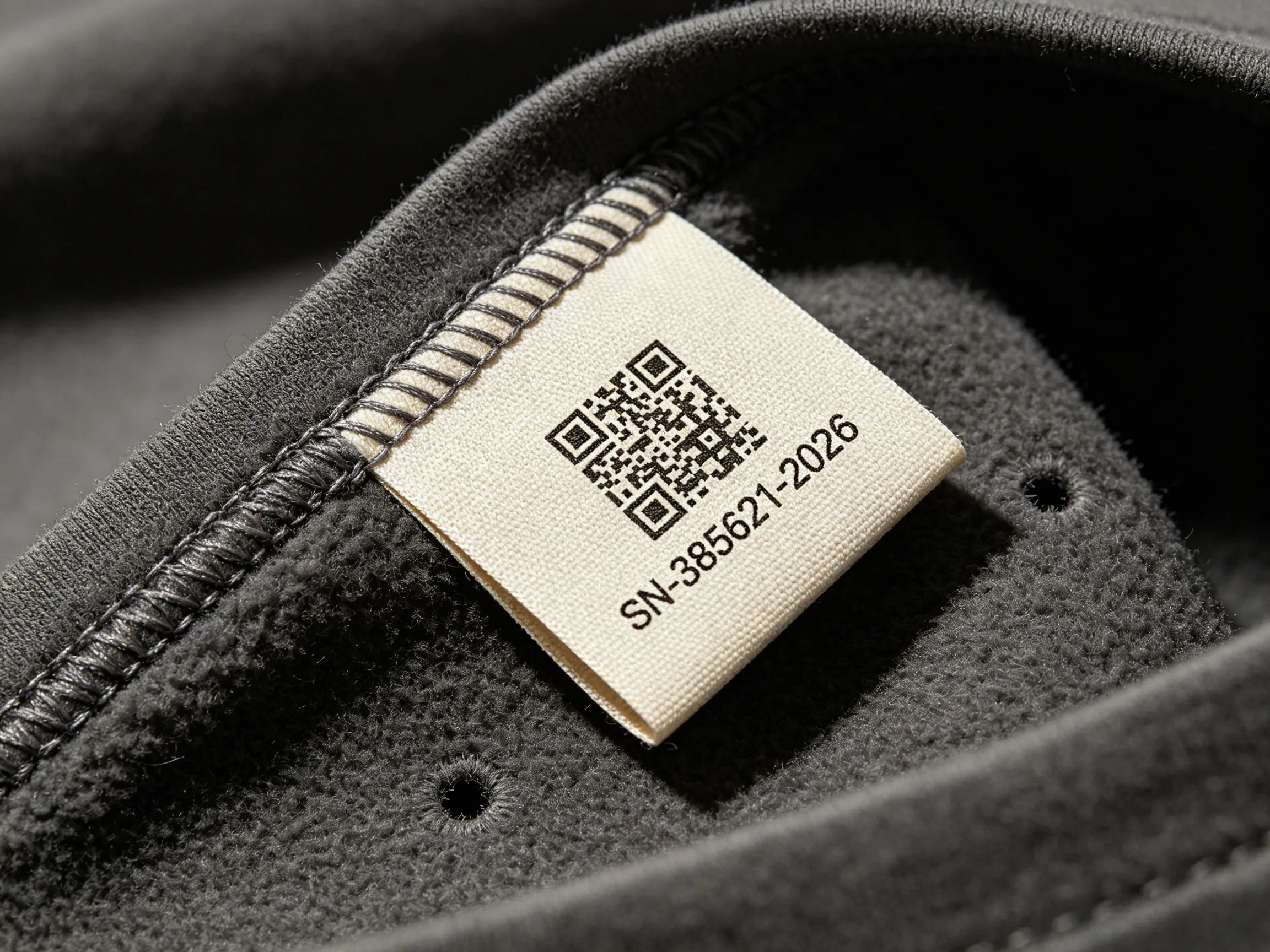
- QR Code Integration — Digital links to product information, material declarations, and recycling instructions
- Batch Number Tracking — Unique identifiers linking products to production records
- Supplier Information — Manufacturer details, country of origin, and contact information
- Material Composition Labels — Clear identification of material types for proper recycling
- Production Records — Digital archives of compliance documentation
Regarding Digital Product Passports (DPP), businesses should monitor evolving implementation requirements and customer-specific compliance requests. The scope and timeline for DPP adoption may vary depending on product categories and market segments.
How OEM Manufacturers Can Help Buyers Prepare
A competent OEM partner serves as your compliance bridge between regulatory requirements and practical implementation. At Dreamway, we understand the nuances of PPWR preparation and have developed comprehensive support systems for our European partners.
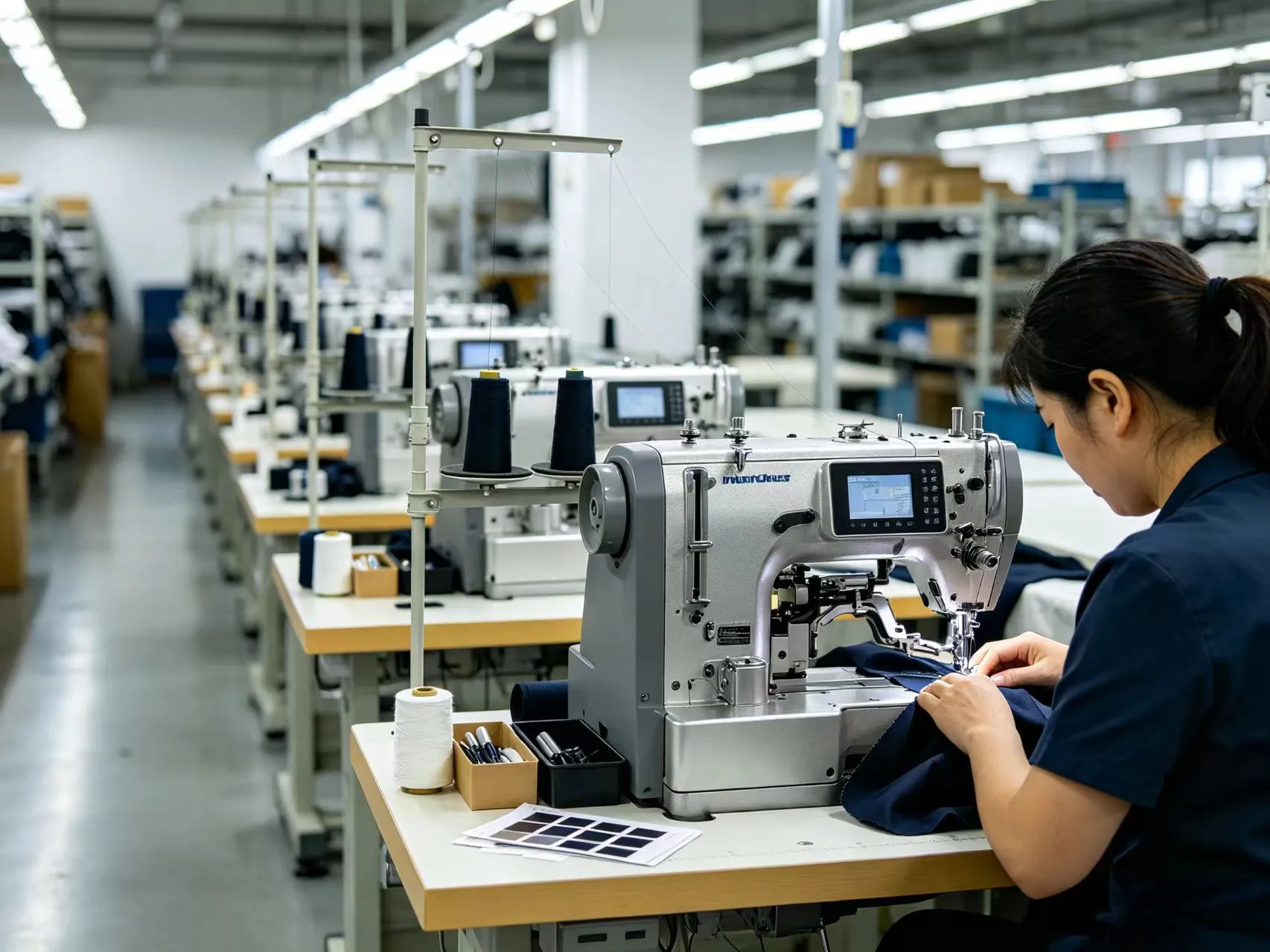
As a small team of 30+ professionals in Guangzhou’s Huadu District, we’ve served clients across 50+ countries, specializing in bag products with MOQ 200 and silk items with MOQ 50. Our experience with international compliance standards positions us as an ideal partner for brands navigating PPWR requirements.

Emily
Senior Project Manager
With 12 years in OEM bag manufacturing, Emily manages 15–25 active projects simultaneously. She leads compliance communication and ensures smooth coordination between buyers and production teams.
- Material confirmation and sourcing
- PPWR compliance consultation
- Supplier coordination
- Sampling management
- Packaging approval workflow
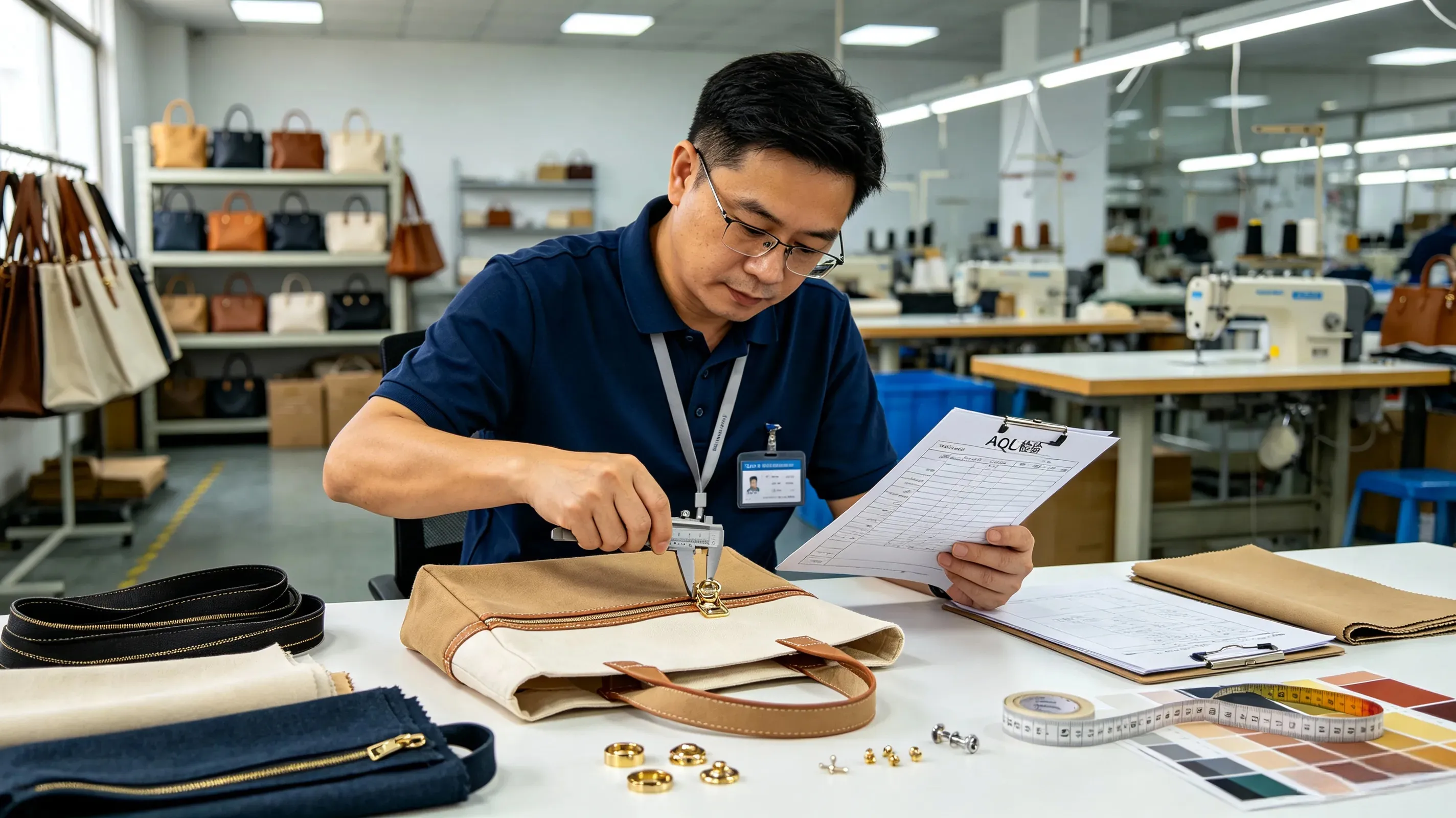
Kevin
Pattern Development Engineer
With 15 years of experience in bag pattern making across leather, canvas, nylon, and technical fabrics, Kevin ensures every product meets exacting specifications.
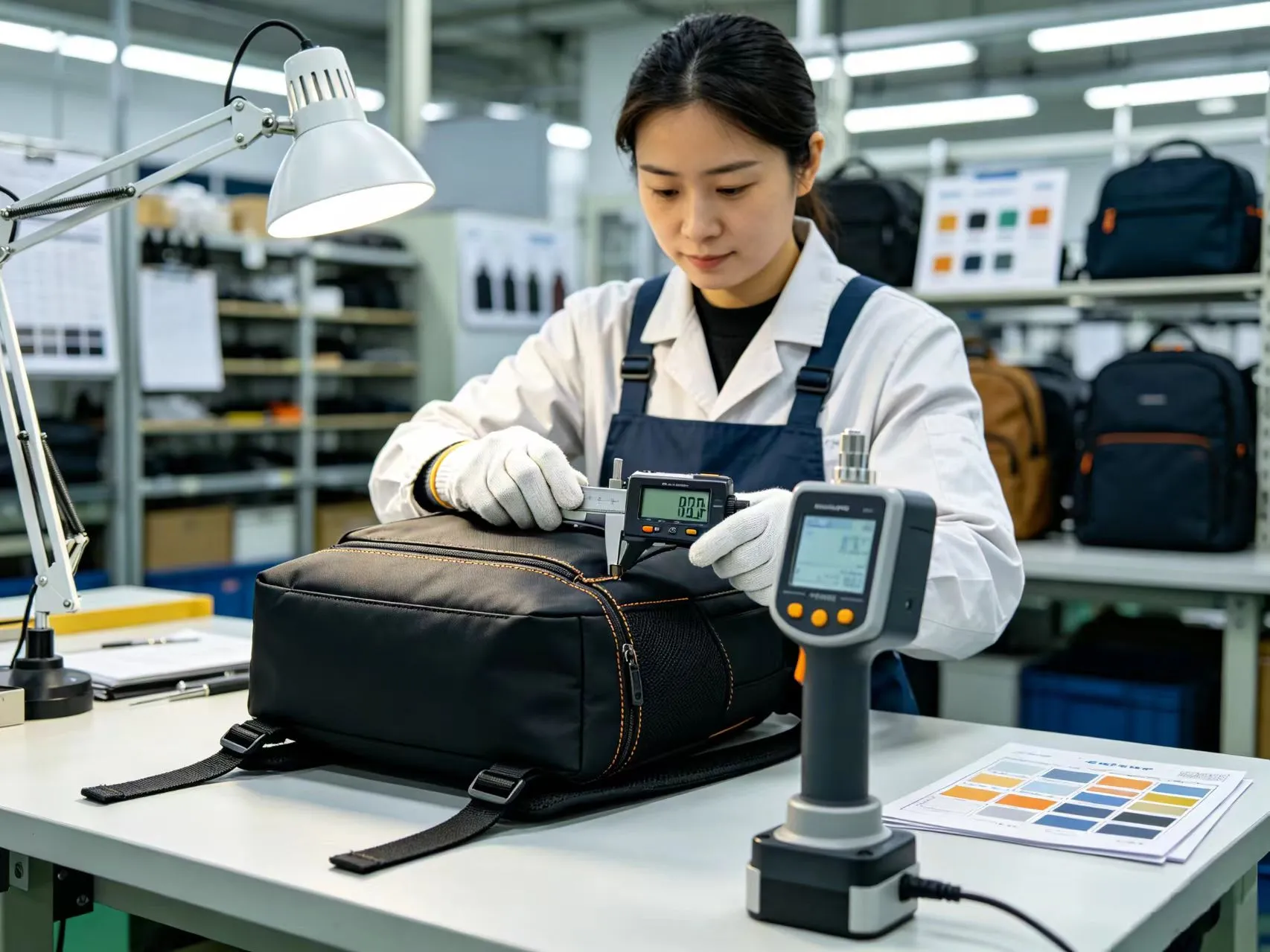
- Incoming material inspection
- Material verification protocols
- Packaging structure review
- AQL quality standards
- Technical documentation

Factory Compliance Workflow
Our structured compliance workflow ensures every order meets PPWR requirements from initial inquiry through final delivery:
Common Compliance Mistakes Buyers Should Avoid
Based on our experience supporting European brands, we’ve identified critical errors that can derail PPWR compliance efforts:

Frequently Asked Questions
Does PPWR apply to bags imported from Asia?
Yes. PPWR applies to all packaging placed on the EU market, regardless of where it is manufactured. Importers bear responsibility for ensuring their overseas suppliers meet applicable requirements.
Can OEM factories provide compliance documentation?
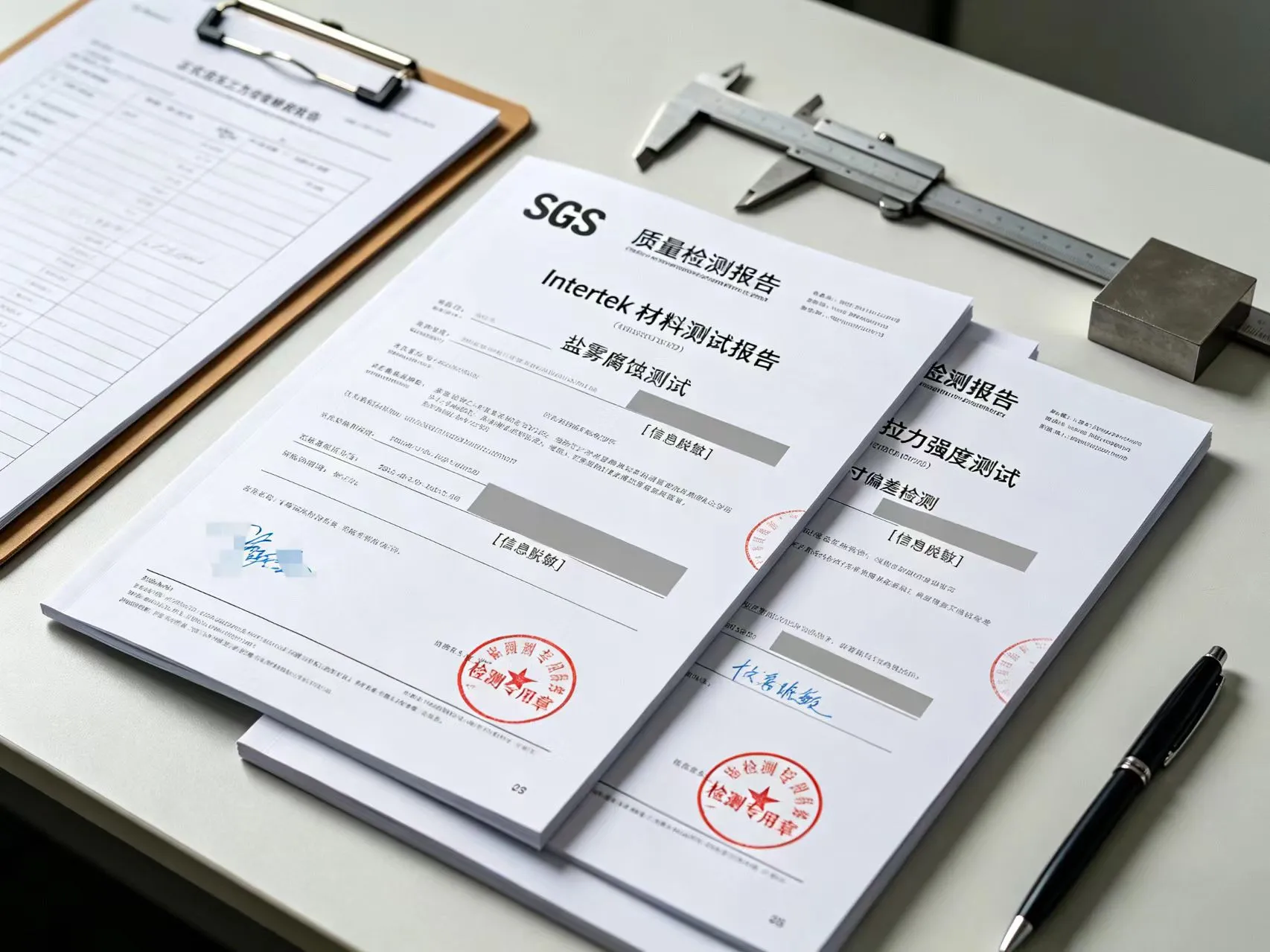
Reputable OEM manufacturers should be able to provide material declarations, test reports (GRS, FSC, OEKO-TEX), supplier declarations, and digital documentation upon request. Buyers should verify these capabilities during supplier selection.
Does PPWR ban plastic packaging?
PPWR does not outright ban plastics but imposes strict reduction targets and recyclability requirements. Virgin plastic use may face restrictions depending on specific product categories and implementation timelines.
Can cotton bags comply with PPWR?
Cotton, especially organic cotton, generally offers excellent PPWR compliance potential due to its biodegradability and renewable characteristics. However, the overall packaging design and end-of-life infrastructure should be considered.
What packaging information should suppliers provide?
Key documentation includes: material composition breakdown, recycled content certificates, recyclability assessments, supplier declarations, test reports, and potentially Digital Product Passport data.
Do I need to use recycled materials?
Depending on applicable requirements, mandatory recycled content percentages may apply to certain packaging types. Buyers should verify current requirements for their specific product categories and target markets.
What is a Digital Product Passport (DPP)?
A DPP is a digital record containing information about a product’s materials, manufacturing history, environmental impact, and end-of-life options. DPP requirements may vary depending on product categories and implementation timelines. Businesses should monitor evolving requirements and customer-specific requests.
What documents should buyers request from suppliers?
Essential documents include: Supplier Declaration of Conformity, material safety data sheets, recycled content verification, GRS/FSC certificates (where applicable), test reports, and packaging specifications with recyclability assessments.
How should factories prepare for PPWR?
Factories should audit current packaging materials, develop compliance documentation systems, establish traceability protocols, source PPWR-friendly alternatives, and train staff on documentation requirements. Collaboration with certified material suppliers is essential.
Does PPWR affect silk products?
Silk packaging, particularly for luxury and premium applications, generally aligns well with PPWR principles due to natural fiber content and biodegradability. However, overall packaging design and any companion materials (e.g., polybags, cartons) should meet applicable requirements.
What are the timelines for PPWR implementation?
Implementation timelines may vary depending on specific requirements, company size, and product categories. Businesses should monitor official EU guidance and consult with compliance professionals for their specific situation.
How does PPWR interact with existing EPR schemes?
PPWR builds upon existing Extended Producer Responsibility frameworks. Businesses already registered under EPR schemes should review how new requirements may affect their compliance obligations.

Key Takeaways
Your PPWR Compliance Checklist
- Start Early — Compliance preparation requires lead time for material sourcing and documentation development
- Partner Strategically — Choose OEM suppliers with proven compliance capabilities and documentation systems
- Optimize Packaging — Right-size, simplify, and prioritize recyclable materials
- Document Everything — Maintain comprehensive compliance records throughout the supply chain
- Monitor Requirements — Stay informed about evolving PPWR implementation timelines and specifics
- Reduce Risk — Proactive compliance minimizes costly retrofits and market access issues
Ready to Discuss Your PPWR Compliance Needs?
As your OEM manufacturing partner, Dreamway is committed to supporting your compliance journey. Our experienced team understands both the regulatory landscape and practical implementation requirements.
Website: www.gzdreamway.com
Let’s collaborate to build compliant, sustainable packaging solutions for the European market.