
PPWR Compliant Materials: A Complete Selection Guide for Bag Manufacturers
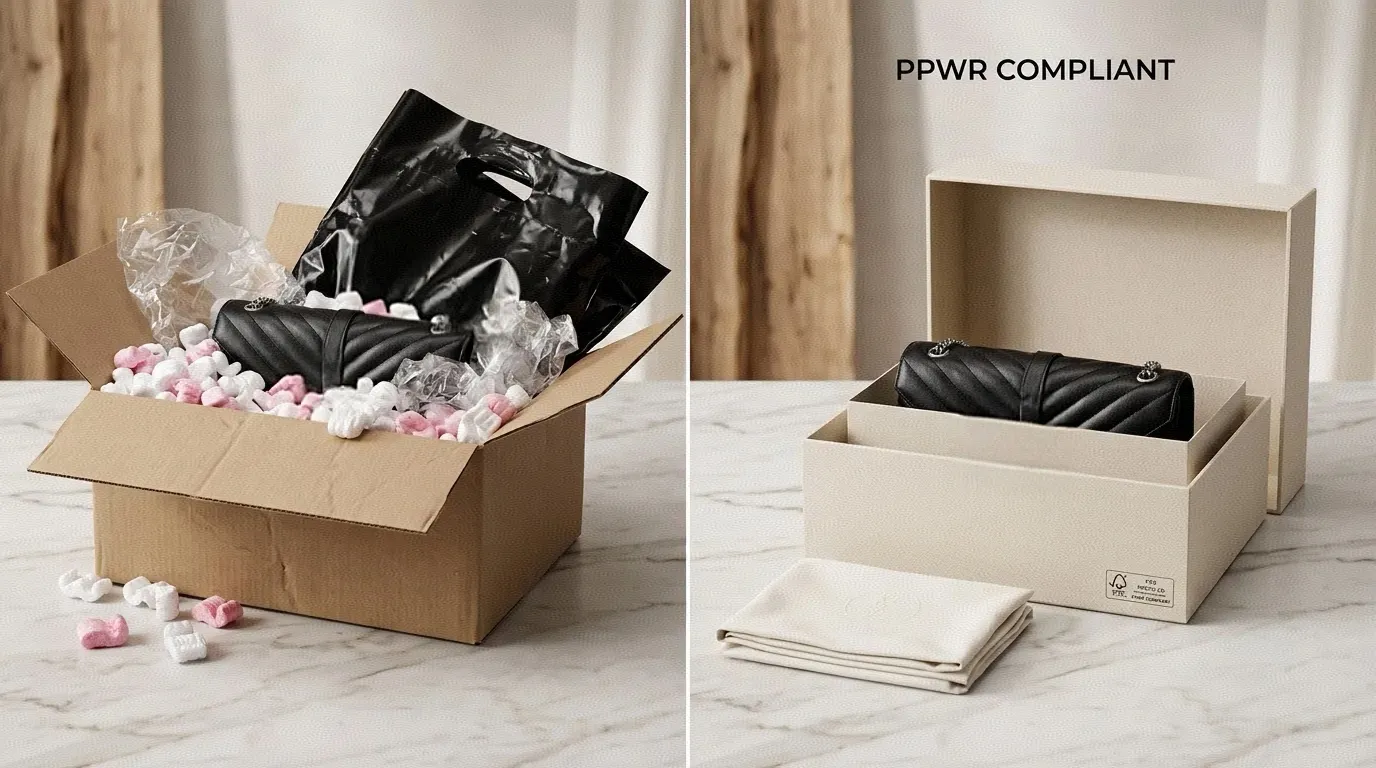
Why Material Selection Matters Under PPWR
The European Union’s Packaging and Packaging Waste Regulation (PPWR) is reshaping how products are designed, manufactured, and shipped to European markets. For B2B importers and brand owners sourcing bags, accessories, and silk products from Asian manufacturers, material selection has become a strategic compliance priority—not merely a cost consideration.
PPWR drives change across four critical dimensions:
- Recyclability — Materials must be designed for end-of-life recycling streams
- Material Transparency — Supply chain visibility from raw material to finished product
- Reduced Environmental Impact — Minimizing waste through smarter material choices
- Supply-Chain Documentation — Comprehensive records supporting compliance claims
For OEM sourcing teams, understanding which PPWR materials align with regulations—and which bag materials offer the best compliance pathway—can determine whether your products gain or lose market access in Europe.

What Does “PPWR-Compliant Materials” Really Mean?
It’s important to clarify: PPWR does not maintain an approved list of materials. Instead, the regulation establishes performance criteria and targets that materials should ideally meet. Materials that are more aligned with PPWR principles typically demonstrate these characteristics:
- Recyclable — Designed for existing recycling infrastructure
- Reusable — Engineered for multiple use cycles
- Documented Source — Verified origins from responsible suppliers
- Traceability — Full supply chain visibility from origin to delivery
- Lower Environmental Impact — Reduced carbon footprint and resource consumption
When evaluating materials for your OEM sourcing needs, focus on these principles rather than seeking a definitive “approved” materials list—because none exists.
Material Comparison Overview
Selecting the right material for your bags and accessories requires balancing functionality, cost, sustainability credentials, and regulatory alignment. This comprehensive comparison helps you evaluate options:
| Material | Recyclability | Traceability | Typical Uses | Notes |
|---|---|---|---|---|
| Cotton | High (biodegradable) | Moderate | Dust bags, shopping bags, linings | Renewable, compostable when untreated |
| Organic Cotton | High | High (GOTS certified) | Premium dust bags, gift packaging | No pesticides, verified farming practices |
| Canvas | High | Moderate | Tote bags, messenger bags, backpacks | Durable, reusable, sturdy construction |
| RPET | High (if source-separated) | High (GRS certified) | Linings, recycled polybags, cord locks | Post-consumer recycled content available |
| Polyester | Moderate | High | Linings, straps, binding tapes | Widely recycled, established streams |
| Nonwoven | Moderate (fiber type dependent) | Moderate | Protective sleeves, reusable bags | Often PP/PE blends—verify recyclability |
| Leather | Low (specialized recycling) | Moderate | Premium bags, wallets, accessories | Biodegradable, long product lifecycle |
| PU (Polyurethane) | Low | High | Vegan leather alternatives, coatings | Not biodegradable, but durable |
| Silk | High (biodegradable) | Moderate | Luxury dust bags, silk packaging | Natural fiber, premium positioning |
| Paper Packaging | High | Moderate | Hang tags, tissue paper, cartons | Widely recycled, easy to print |
| FSC Paper | High | High (certified) | Premium packaging, brand boxes | Verified sustainable forest sourcing |
.webp)
Cotton and Canvas
Cotton and canvas remain foundational materials for the bag industry, offering excellent environmental profiles when sourced responsibly. Their natural fiber composition provides inherent biodegradability and compostability.
Understanding Cotton Specifications
GSM (Grams per Square Meter) determines fabric weight and durability:
- 80-120 GSM: Lightweight linings, dust bags
- 150-250 GSM: Standard canvas, shopping bags
- 300+ GSM: Heavy-duty canvas, technical applications
When Cotton and Canvas Excel
- Premium product packaging requiring luxurious presentation
- Reusable bag programs aligned with sustainability goals
- Products targeting eco-conscious consumer segments
- Luxury and heritage brand positioning
When Alternatives May Be Better
- Single-use applications (consider recycled alternatives)
- Moisture-heavy environments (synthetic linings may perform better)
- Cost-sensitive bulk orders where virgin synthetics are cheaper


Recycled Fabrics
Recycled materials represent one of the most direct pathways to PPWR compliance, reducing virgin resource consumption while maintaining product quality.
Types of Recycled Fabrics
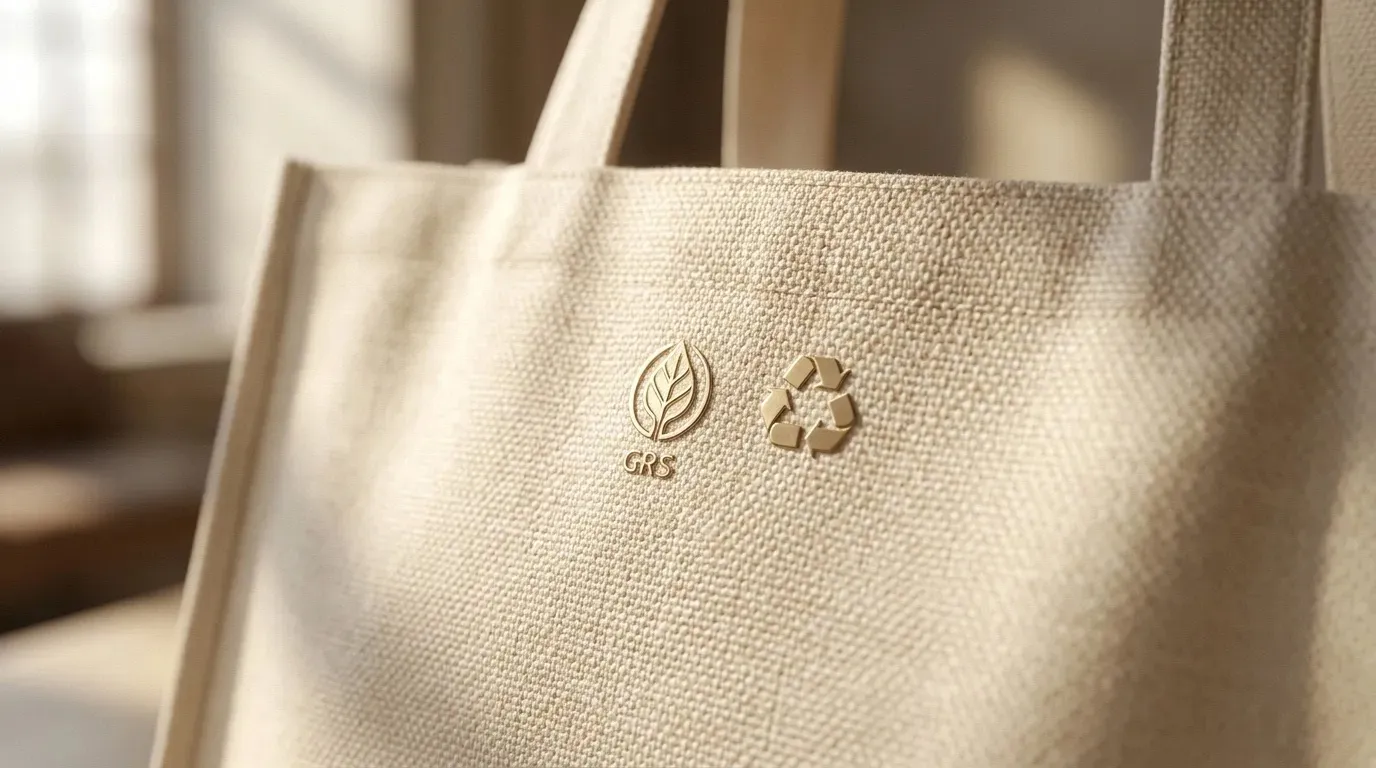
- RPET (Recycled Polyester): Made from post-consumer plastic bottles, widely available with GRS certification
- Recycled Cotton: Pre/post-industrial cotton waste reprocessed into new fibers
- Recycled Nylon: Often from fishing nets and industrial waste (ECONYL®)
Advantages
- Reduced environmental footprint compared to virgin materials
- Supports circular economy objectives
- Growing consumer demand for sustainable products
- GRS certification provides verified chain of custody
Considerations
- Consistent quality may require larger minimum order quantities
- Color availability can be limited compared to virgin materials
- Price premiums apply for certified recycled content
Documentation Requirements
When sourcing recycled fabrics, request supplier documentation such as GRS certificates, recycled content statements, and transaction certificates to verify material provenance.

Silk Materials
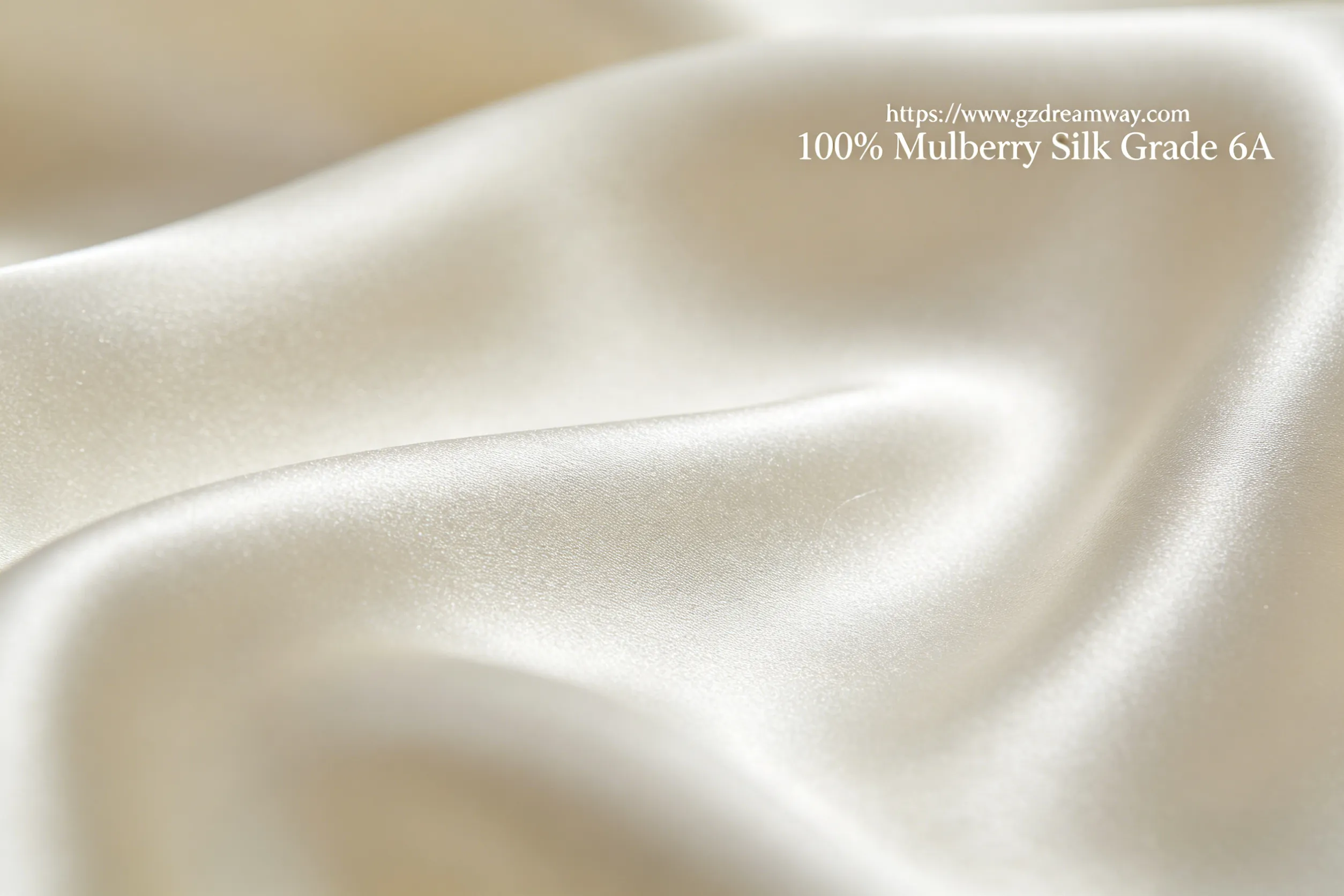
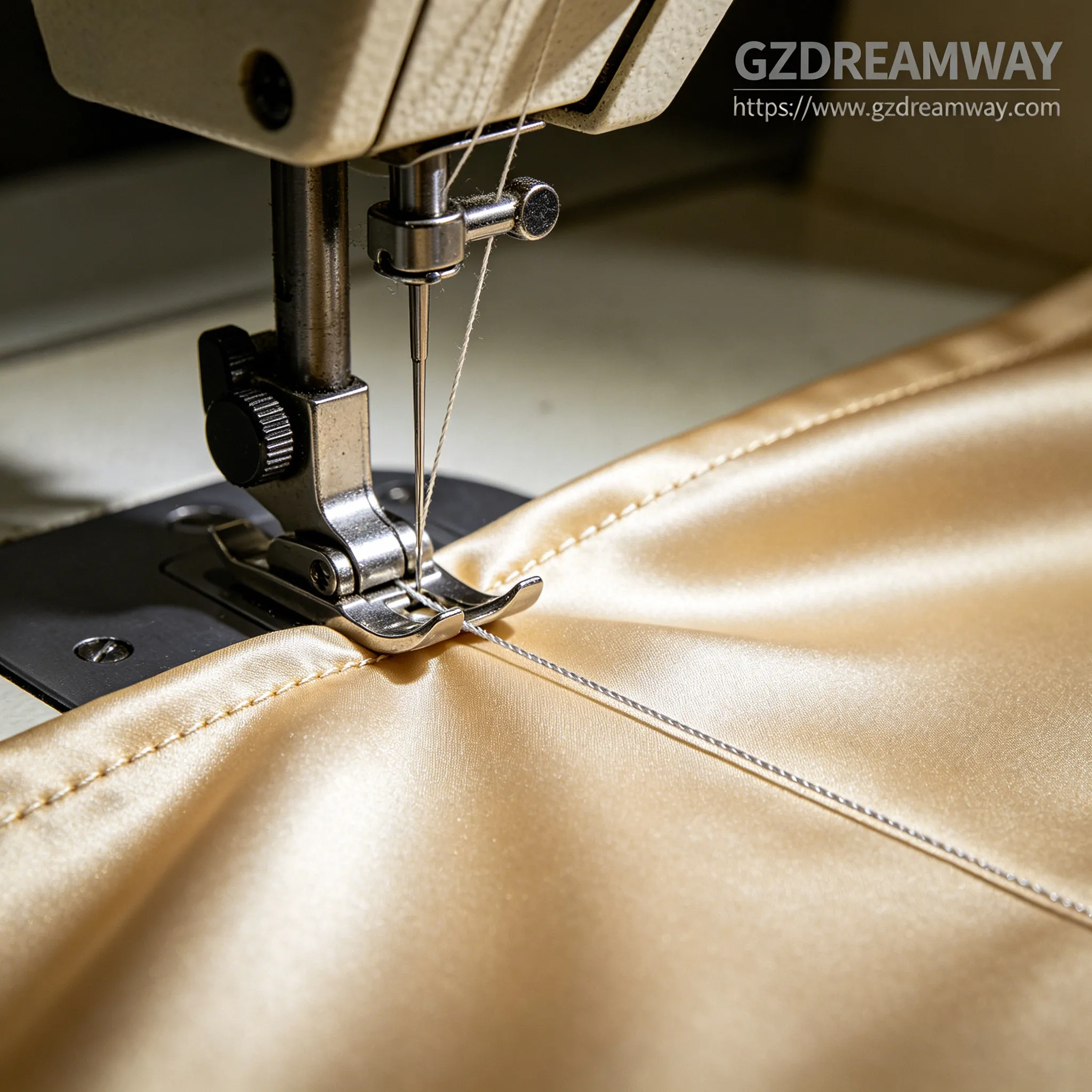
Silk represents the pinnacle of luxury packaging materials, offering exceptional biodegradability and premium positioning that aligns naturally with high-end brand values.
Mulberry Silk
Grade 6A mulberry silk, particularly at 19-25 momme weights, provides the finest quality for luxury applications:
- 19 momme: Lightweight, elegant for delicate accessories
- 22 momme: Standard luxury weight, excellent durability
- 25 momme: Heavyweight, ultimate luxury and durability
Silk Blends
Silk-cotton or silk-modal blends can offer improved durability at lower price points while maintaining silk’s luxurious hand-feel.
Silk Packaging Applications
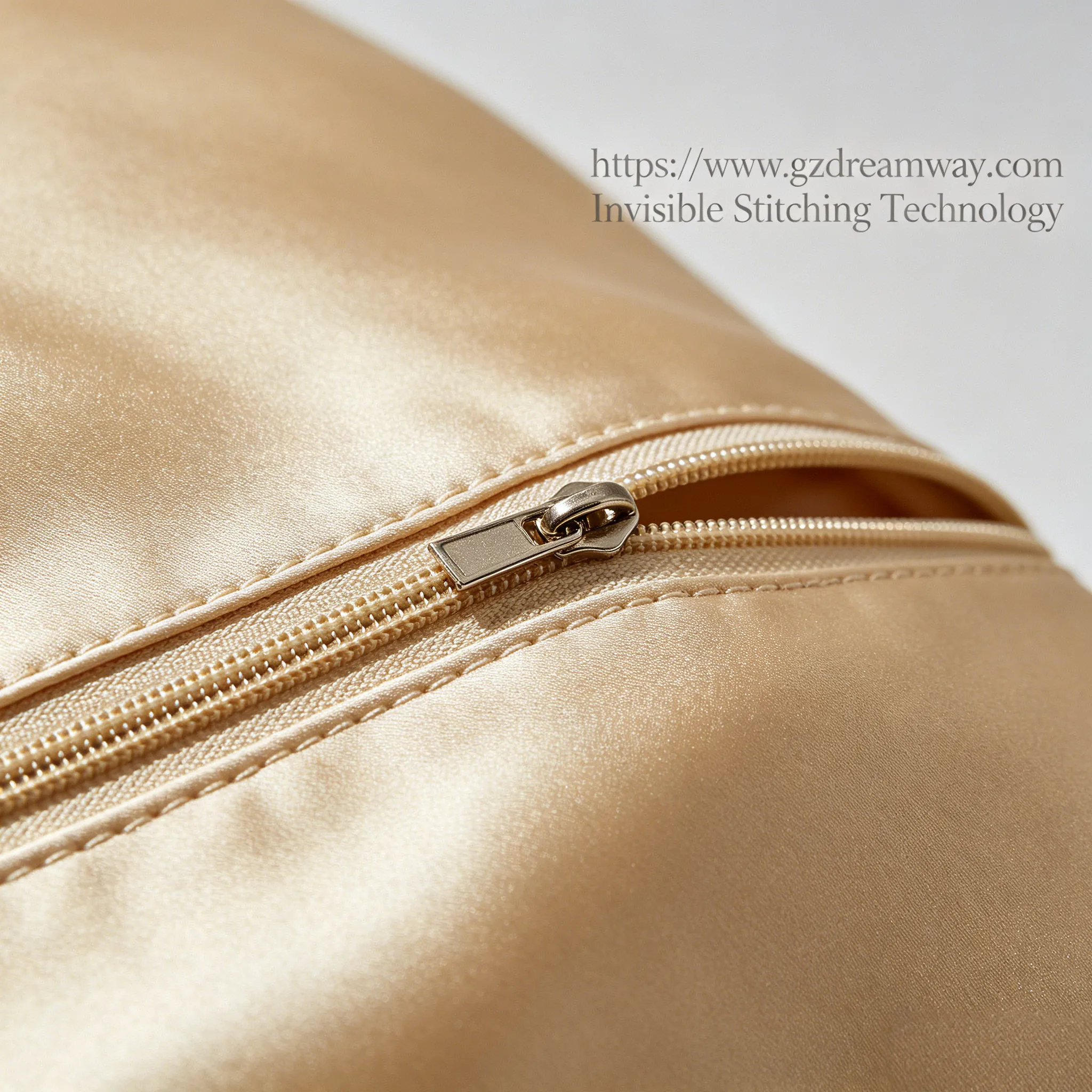
- Premium dust bags for jewelry, watches, and accessories
- Luxury gift packaging for high-end retail
- Pillowcases and sleepwear packaging
- Cosmetic and skincare presentations
Care Requirements
Inform customers that silk requires gentle care: hand wash cold or dry clean, avoid direct sunlight, and store in a breathable location.
Leather and PU Materials
Leather and synthetic alternatives each offer distinct advantages for different market segments and price points.
Genuine Leather
- Pros: Exceptional durability, ages beautifully, natural biodegradability, premium perception
- Cons: Higher cost, supply chain complexity, animal-derived concerns for some markets
- Best for: Luxury bags, wallets, belts, heritage brand positioning
PU (Polyurethane) Leather
- Pros: Vegan-friendly, consistent quality, lower cost, wide color availability
- Cons: Not biodegradable, petroleum-derived, shorter lifecycle than genuine leather
- Best for: Fashion-forward brands, price-conscious collections, trend-driven segments
Microfiber (Ultrasuede-Type)
- Pros: Soft hand-feel, consistent quality, increasingly recycled options available
- Cons: Often not biodegradable, requires specialized recycling
- Best for: Mid-premium accessories, technical performance applications
Bio-Based Materials
Emerging alternatives including mushroom leather (mycelium), pineapple leaf fiber (Piñatex), and apple leather offer sustainable innovations, though availability and consistency may vary.

Packaging Materials Matter Too
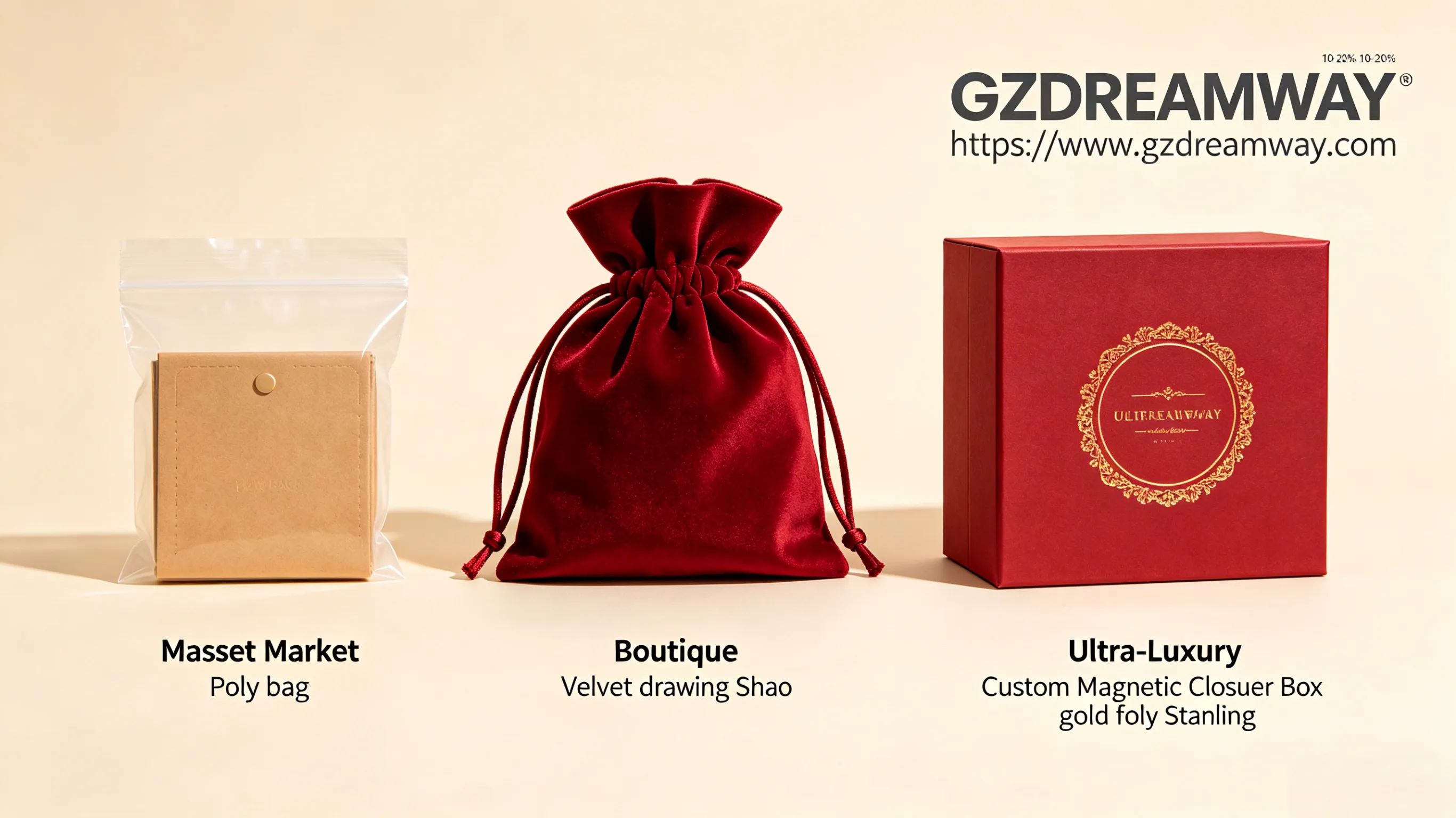
PPWR compliance isn’t limited to your product materials—it extends to all packaging components. A compliant product in non-compliant packaging still faces regulatory challenges.
Paper and Cartons
- FSC-certified paper ensures responsible forest sourcing
- Uncoated papers are more readily recycled than coated alternatives
- Water-based inks and dyes improve recyclability
Polybags and Mailers
- Consider recycled content polybags where plastic is necessary
- Monaterial PE/PP bags are more recyclable than mixed-material options
- Shrink films should be single-material for recycling compatibility
Protective Packaging
- Recycled paper padding as alternative to bubble wrap
- Mushroom-based protective inserts for fragile items
- Corrugated cardboard wrapping rather than foam
Packing Tape
- Paper-based tapes are fully recyclable with cardboard
- Water-activated tape provides secure seals without contamination
- Avoid plastic tapes that contaminate cardboard bales
.webp)
Material Documentation Buyers Should Request
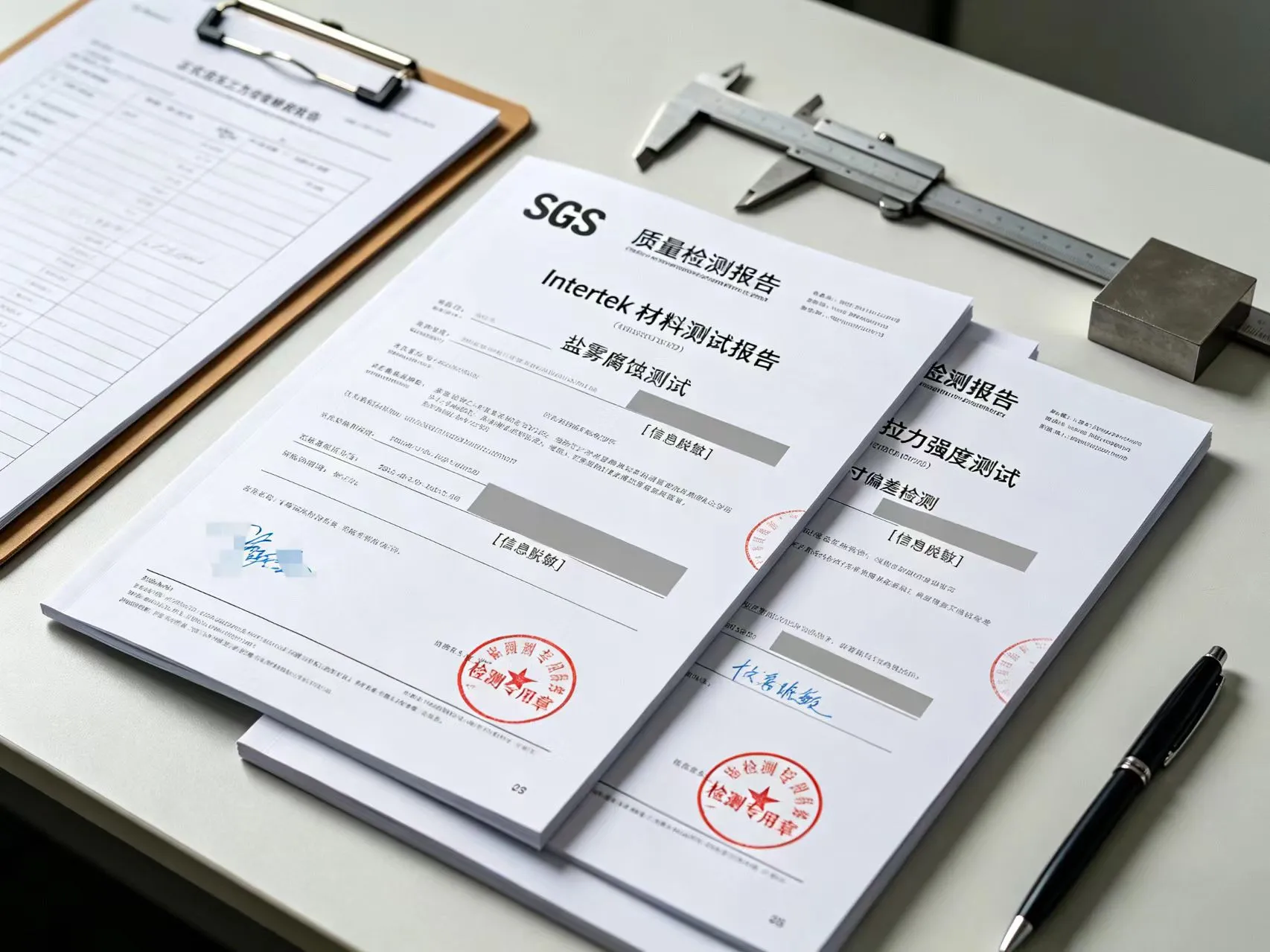
Comprehensive documentation forms the foundation of PPWR compliance. Request these essential documents from your OEM suppliers:
.webp)
Common Material Selection Mistakes
Avoid these frequent errors that compromise compliance and increase costs:
.webp)
How Our Team Reviews Material Compliance Before Production
At Dreamway, our small team of 30+ professionals in Guangzhou’s Huadu District brings over a decade of experience serving clients across 50+ countries. We specialize in bag products (MOQ 200) and silk items (MOQ 50), helping European brands navigate material selection with confidence.

Meet Emily — Senior Project Manager

Emily
Senior Project Manager
With 12 years in OEM bag manufacturing, Emily manages 15-25 active projects simultaneously. She bridges the gap between buyer requirements and production capabilities, ensuring compliance from initial inquiry through delivery.
- Material selection consultation
- Supplier communication coordination
- Packaging review and approval
- Sampling management
- Documentation preparation
Meet Kevin — Quality Control Engineer
Kevin
Pattern Development Engineer
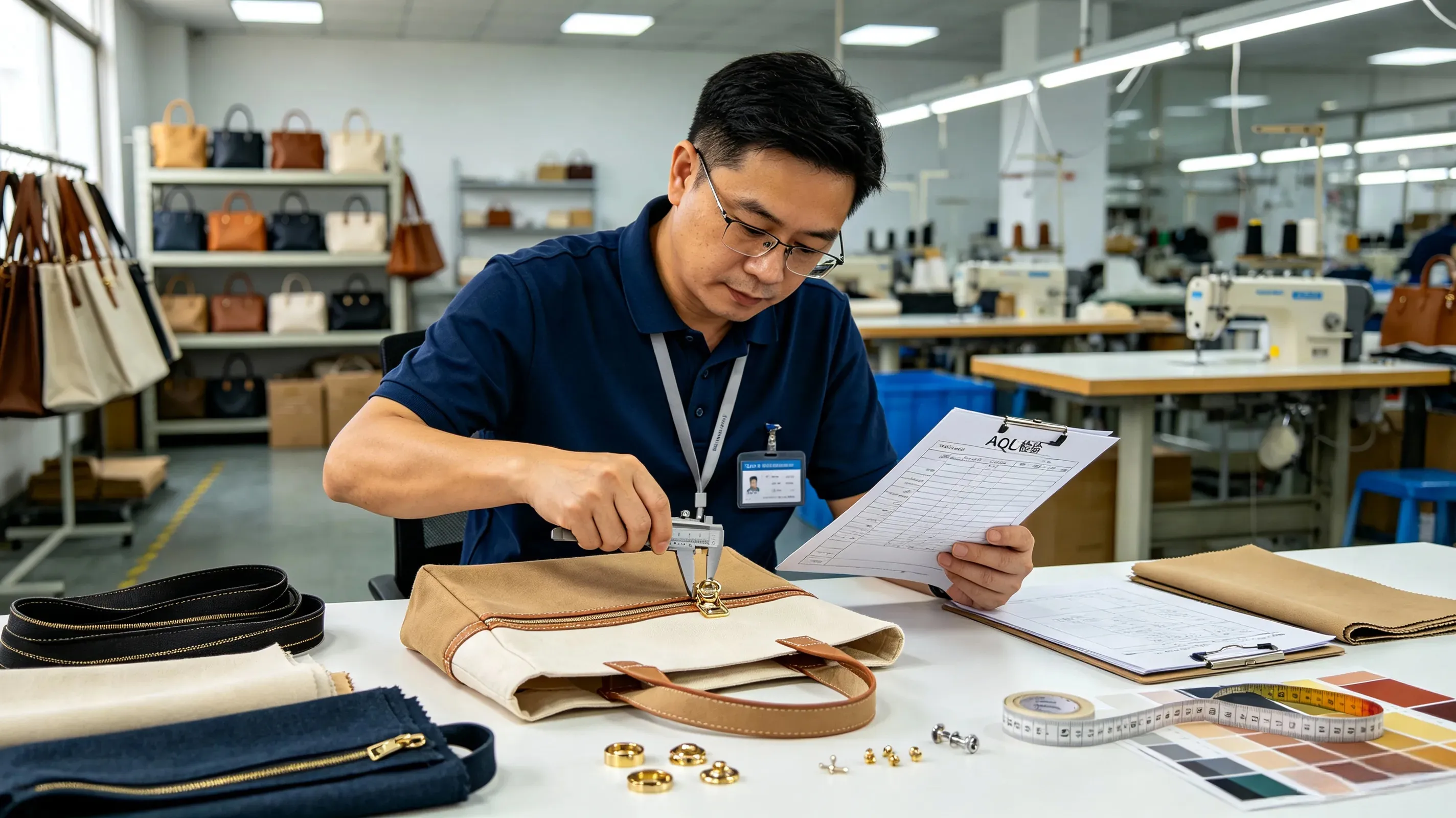
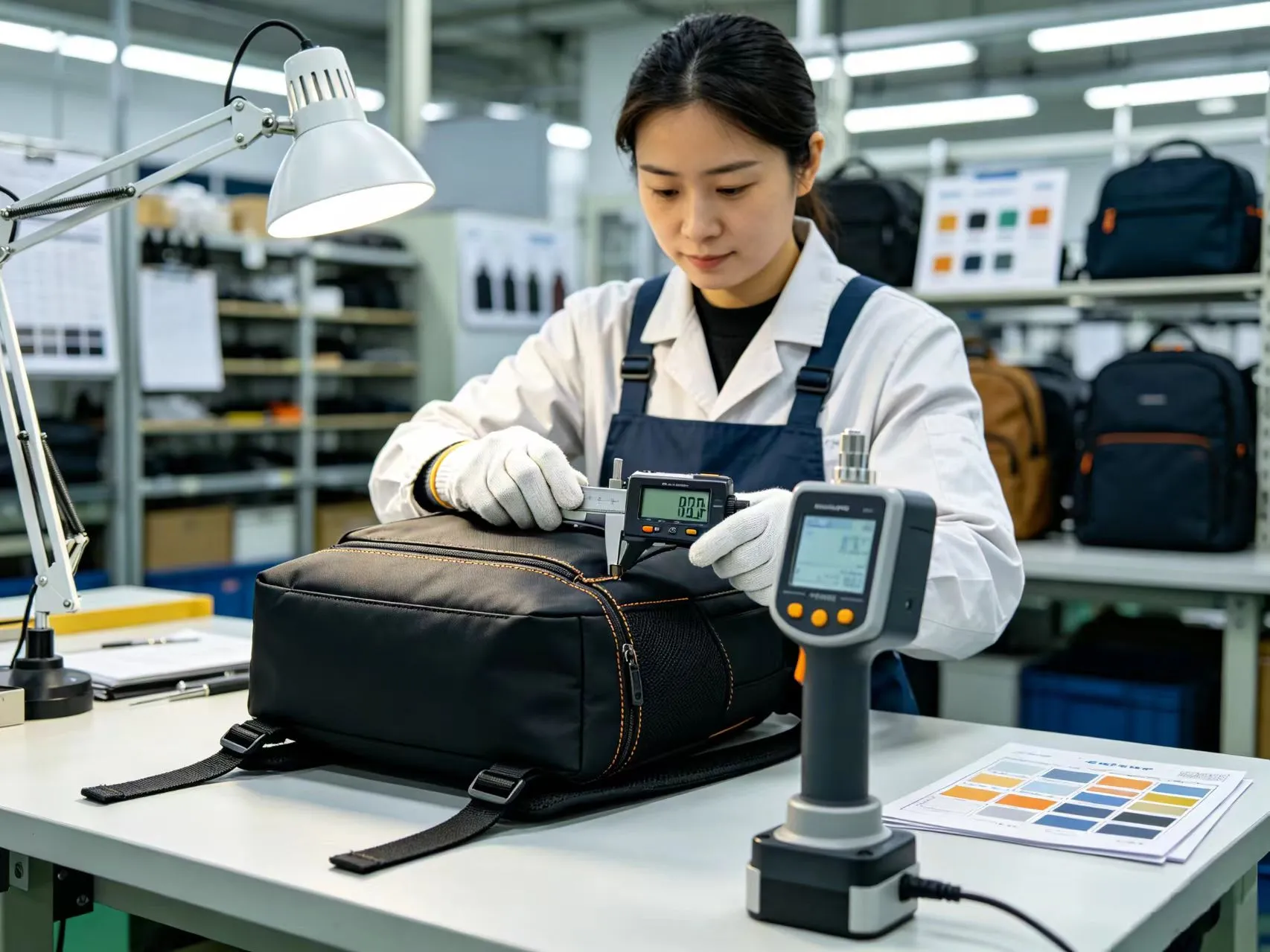
With 15 years of experience in bag pattern making across leather, canvas, nylon, and technical fabrics, Kevin ensures every material specification translates to production reality.
- Incoming inspection protocols
- Material verification testing
- Batch record management
- Production sampling
- Inspection documentation
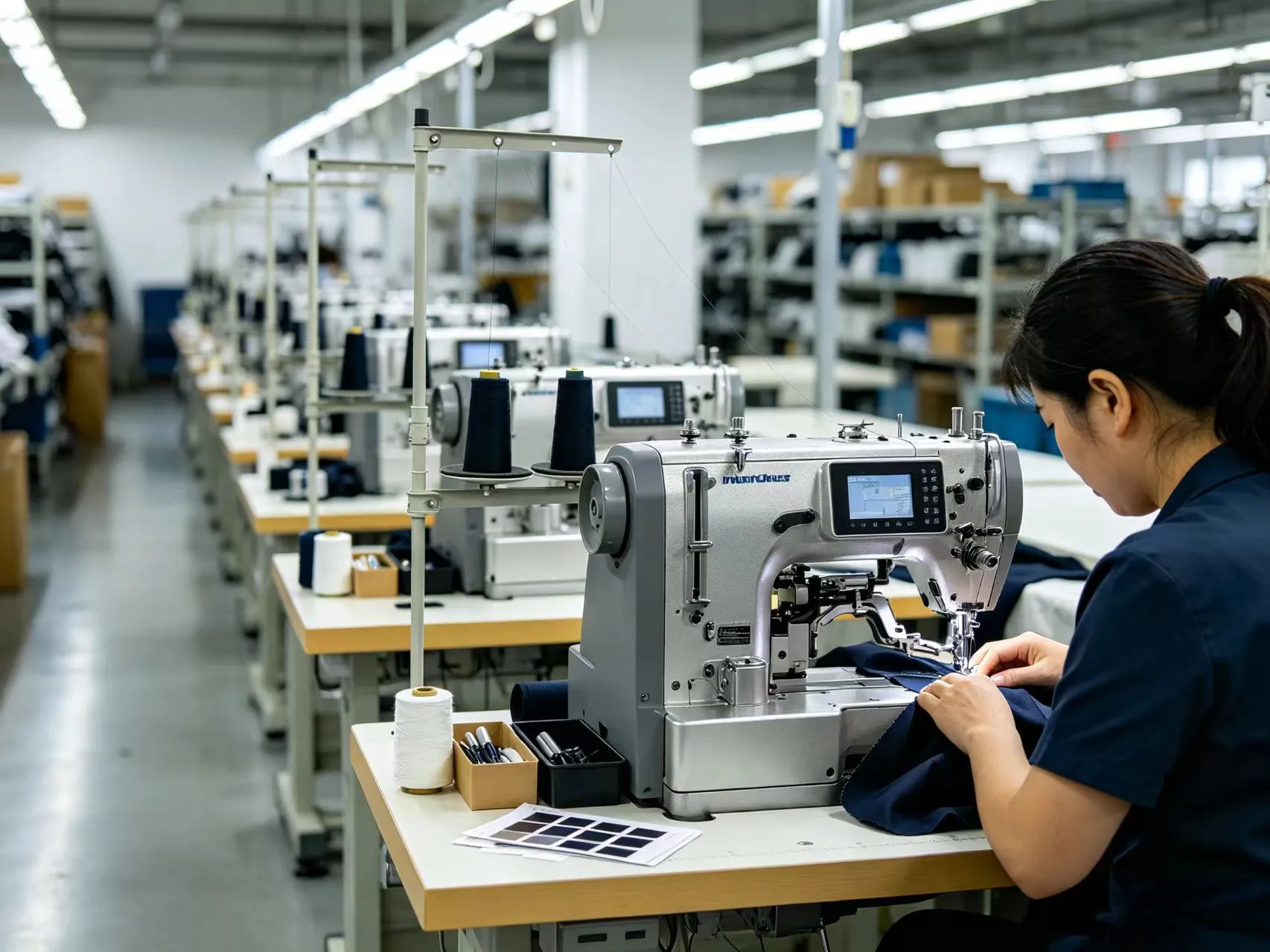
How Materials Move Through Our Factory
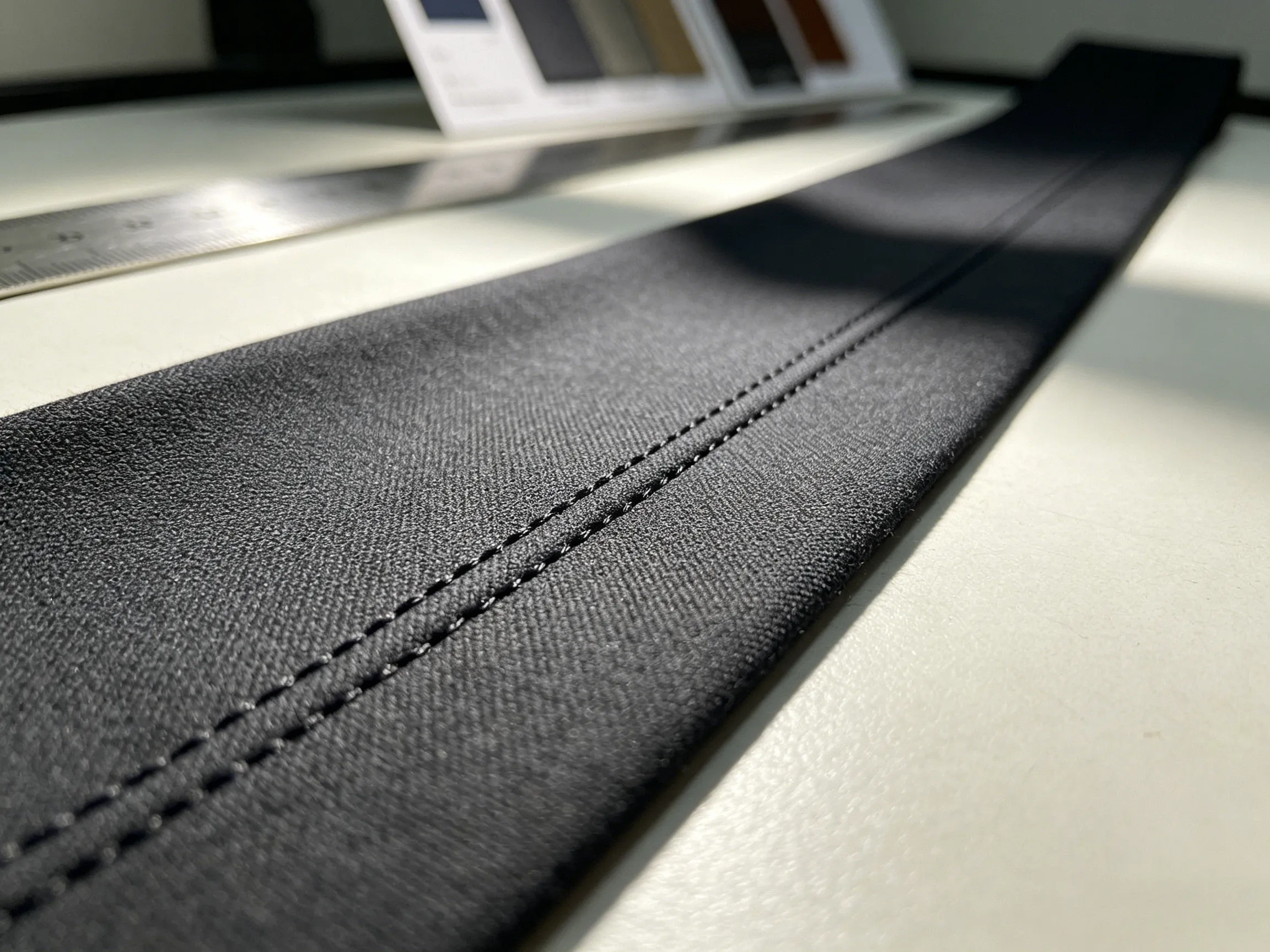
Our structured material workflow ensures every input meets compliance requirements from supplier to shipment:



Questions European Buyers Often Ask
Can cotton bags support PPWR goals?
Yes, cotton bags align well with PPWR principles due to their biodegradability, renewable sourcing, and potential for reuse. Organic cotton with GOTS certification provides additional compliance documentation. The key is ensuring cotton products are designed for extended use and proper end-of-life handling.
Is RPET always better than virgin polyester?
RPET generally offers lower environmental impact than virgin polyester by reducing plastic waste and energy consumption. However, “better” depends on your specific priorities—virgin polyester may offer more consistent quality or color options. GRS-certified RPET provides verified chain of custody, supporting compliance documentation.
Can silk products be sustainably sourced?
Mulberry silk aligns naturally with sustainability goals due to its natural fiber composition and biodegradability. Request certification from suppliers regarding silk sourcing practices. OEKO-TEX certification provides additional verification for responsible production.
Should I use recycled fabrics for my bags?
Recycled fabrics offer compelling environmental benefits and appeal to sustainability-conscious consumers. Consider recycled options for linings, straps, and polybags where applicable. Request GRS certification to verify recycled content claims and support your compliance documentation.
What documents should suppliers provide for compliance?
Essential documentation includes: Supplier Declaration of Conformity, material specification sheets, test reports (physical properties, safety standards), batch records with traceability information, recycled content certificates, and country of origin documentation. The specific requirements may vary based on customer requirements and applicable regulations.
Can OEM factories help prepare compliance documentation?
Yes, competent OEM manufacturers should provide material declarations, test reports, supplier certificates (GRS, FSC, OEKO-TEX), batch records, and traceability documentation. Discuss your documentation requirements during supplier selection to ensure capabilities align with your compliance needs.
How should material batches be tracked?
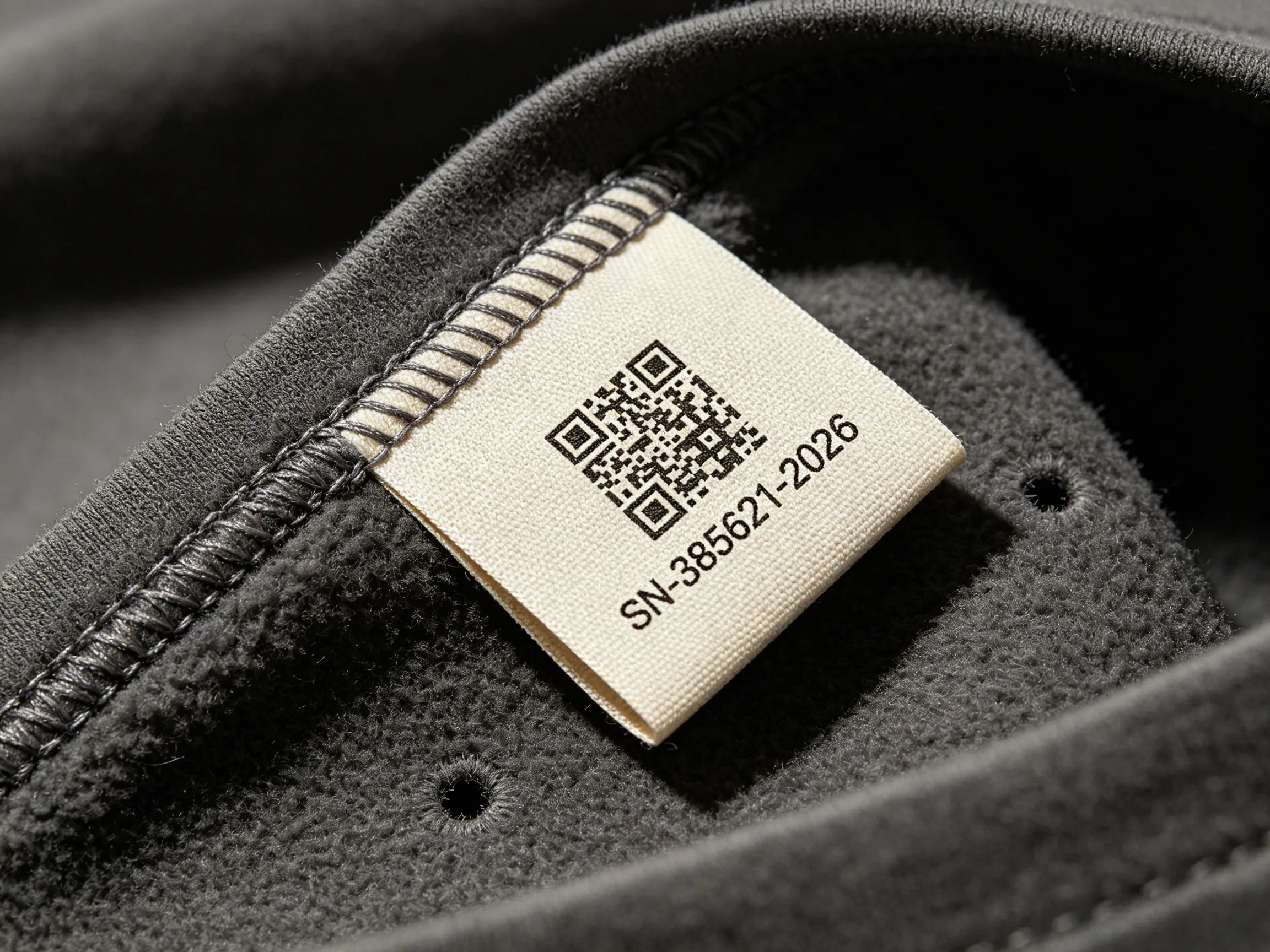
Material batch tracking requires linking incoming material lots to production records to finished products. Request your factory implement systems for lot identification, chain of custody documentation, and recall capability. Digital systems with QR code labels support comprehensive traceability.
Does packaging material matter under PPWR?
Absolutely. PPWR addresses all packaging—not just product materials. Ensure polybags, cartons, tissue paper, hang tags, and protective materials all meet your compliance requirements. A compliant product in non-compliant packaging still faces regulatory exposure.
What information should be included in material specifications?
Comprehensive specifications should include: material composition (fiber content percentages), weight (GSM or denier), construction details (woven, knit, nonwoven), finish treatments, colorfastness ratings, and any applicable certifications. Detailed Tech Packs support compliance documentation and production accuracy.
Can factories recommend compliant materials?
Experienced OEM factories can recommend material alternatives that meet your compliance objectives while balancing cost and performance requirements. Share your specific compliance targets, customer requirements, and price parameters to enable informed recommendations.
What are the key considerations for sustainable OEM manufacturing?
Key factors include: supplier certification and documentation capabilities, material traceability systems, quality control protocols, environmental compliance records, and production transparency. Evaluate factories on their ability to support—not just perform—your compliance requirements.
How does responsible sourcing impact bag quality?
Responsible sourcing improves quality consistency by requiring verified material provenance and supplier accountability. Certified materials (GRS, GOTS, FSC) undergo third-party verification, reducing quality variability. Traceability systems also enable faster problem resolution when issues arise.

Key Takeaways
Your PPWR Material Selection Checklist
- Material Selection — Evaluate recyclability, traceability, and environmental impact for every material choice
- Supplier Documentation — Request comprehensive declarations, certifications, and traceability records
- Traceability — Ensure full chain of custody from raw material through finished product
- OEM Cooperation — Partner with factories capable of supporting your compliance requirements
- Packaging — Remember that packaging materials require the same compliance attention as products
- Long-term Compliance — Build relationships with certified suppliers for consistent documentation


Partner with Dreamway for PPWR-Compliant Sourcing
As your OEM manufacturing partner, Dreamway’s small team of 30+ professionals is committed to supporting your compliance journey. We understand both the regulatory landscape and practical material selection for European markets.
Website: www.gzdreamway.com
Let’s collaborate to select compliant, sustainable materials for your bags and silk products.
Continue Exploring Our Knowledge Center
Deepen your understanding of sustainable manufacturing and compliance strategies with these related resources:
- Digital Product Passports (DPP) — How factories are preparing for the upcoming DPP requirements under PPWR
- OEKO-TEX Certification Guide — Understanding textile safety certifications for European market access
- GRS vs GOTS — Comparing recycled and organic certifications for your supply chain
- Packaging Waste Reduction Strategies — Practical approaches to minimize packaging under PPWR targets

Product Catalogue
Explore our core product categories designed with PPWR compliance in mind:
| Category | Materials | MOQ | PPWR Alignment |
|---|---|---|---|
| Cotton & Canvas Bags | Cotton, Organic Cotton, Canvas, RPET blends | 200 pcs | High — biodegradable, reusable |
| Silk Packaging | Mulberry Silk (19-25 momme) | 50 pcs | High — natural fiber, biodegradable |
| Dust Bags | Cotton, Nonwoven (recycled), Silk | 500 pcs | High — reusable, recyclable options |
| Gift Boxes & Cartons | FSC Paper, Recycled Cardboard | 200 pcs | High — widely recyclable |
| Leather Goods | Genuine Leather, PU, Microfiber | 100 pcs | Moderate — durability-dependent |
Contact us to discuss custom material specifications that meet your specific PPWR compliance requirements.
Fashion Trends & Insights
The European fashion industry is rapidly evolving toward circular economy principles. Key trends affecting material selection include:
Sustainability-Driven Design
Major European brands are increasingly designing products with end-of-life considerations, prioritizing materials that can be recycled through existing infrastructure.
Transparency Requirements
Brands are responding to consumer demand for supply chain visibility, requiring detailed material documentation and traceability from manufacturers.
Durability Over Disposable
The shift away from fast fashion toward quality over quantity supports natural materials like cotton, canvas, and leather that offer longer product lifecycles.
Material Compliance Scorecard
| Material | Recyclability | Cost | Durability | MOQ Flexibility | PPWR Score |
|---|---|---|---|---|---|
| Organic Cotton | |||||
| Canvas | |||||
| RPET | |||||
| Mulberry Silk | |||||
| Genuine Leather | |||||
| PU Leather | |||||
| FSC Paper |
Scorecard Legend: Higher scores indicate better PPWR alignment. Scores based on recyclability, cost-effectiveness, product lifecycle, and compliance documentation availability.

Scan with WhatsApp to chat with Victoria