
Compliance Disclaimer
This article is provided for general informational purposes only and does not constitute legal or regulatory advice. Labeling obligations may vary depending on product category, destination market, and future legislative developments. Businesses should consult official EU legislation and qualified compliance professionals before making regulatory decisions.
The future of European procurement is undergoing a fundamental shift. It’s no longer just about the bag itself—it’s about the packaging, the label information, the traceability documentation, and the digital records that travel with it.
European brands have already begun requiring their OEM suppliers to provide:
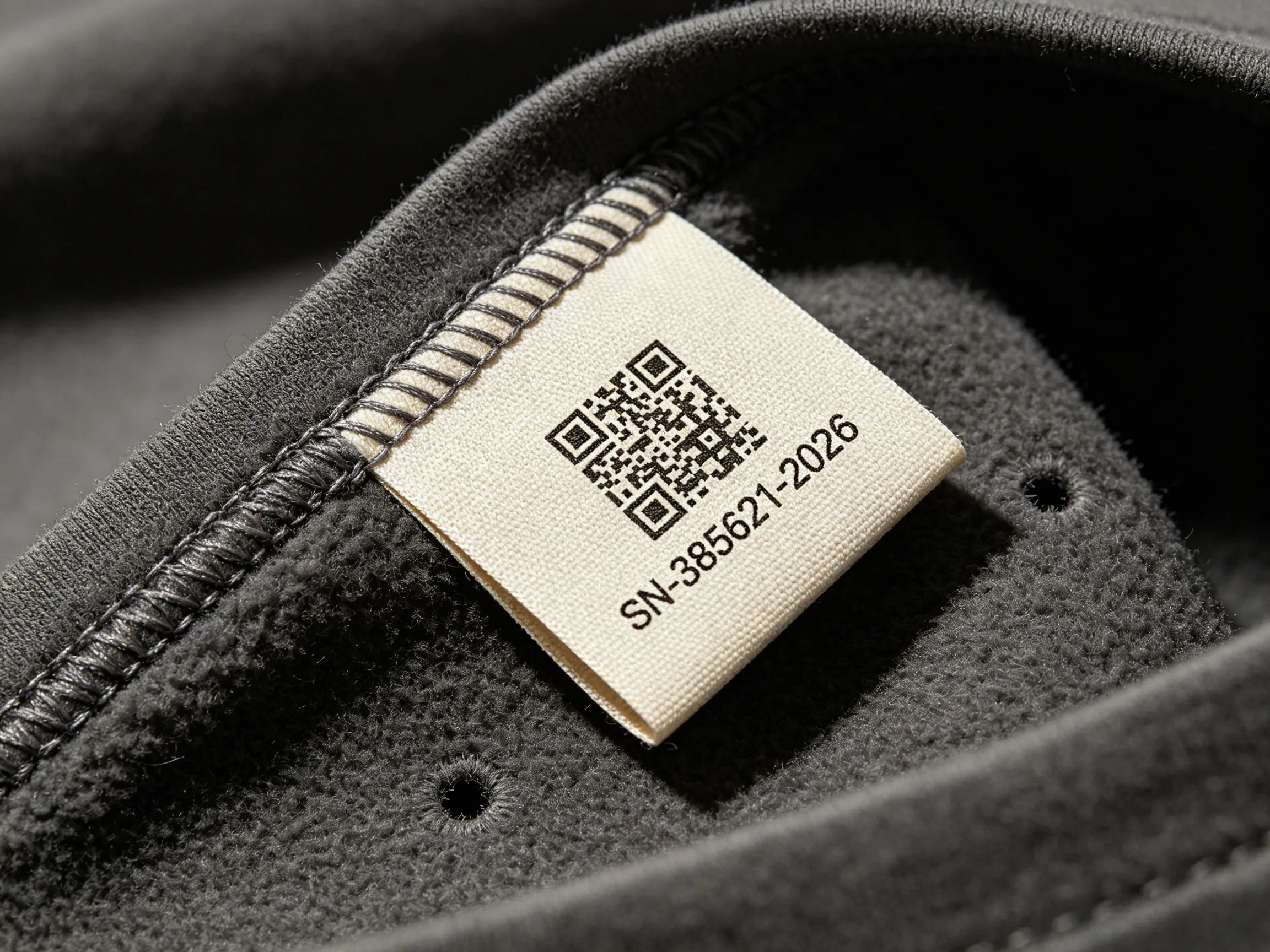
- QR Codes linking to product and material information
- Material Declarations specifying composition and recyclability
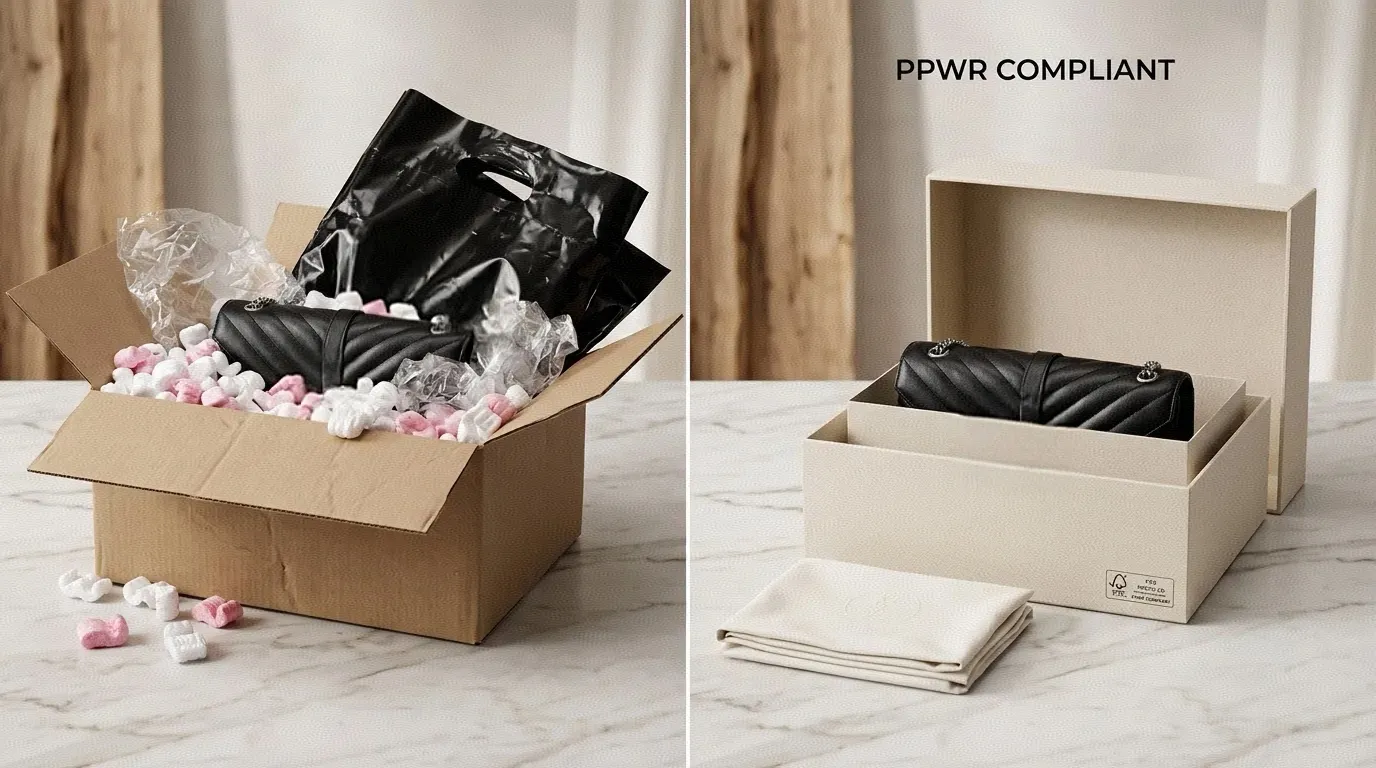
- Packaging Information for sustainability compliance
- Digital Records enabling full supply chain traceability
As the EU Packaging and Packaging Waste Regulation (PPWR) moves toward implementation, these requirements are expected to become increasingly standardized across the European market. For OEM bag manufacturers and global buyers, understanding PPWR labeling requirements is no longer optional—it’s essential for maintaining competitiveness in one of the world’s most demanding regulatory environments.

Why Labeling Matters Under PPWR
In the past, a label was primarily a brand expression—a logo, a care instruction, a country of origin mark. It was marketing, not regulation.
Under PPWR, that paradigm is changing. Labels are becoming regulatory information portals—gateways to data that regulators, customs authorities, recyclers, and consumers can all access and verify. The EU’s push toward Digital Information, Traceability, and Transparency means that every piece of packaging and every label must carry verifiable, standardized information.

The regulation aims to:
- Reduce packaging waste through better information sharing
- Enable circular economy by making recycling instructions accessible
- Support enforcement through standardized data formats
- Empower consumers to make informed purchasing decisions
For bag manufacturers, this means that labeling compliance is becoming as critical as quality compliance. A well-designed label now serves multiple stakeholders—from customs officials to end consumers—and carries legal weight that traditional branding labels did not.
What Information May Appear on Future Packaging Labels?
While the final PPWR requirements continue to evolve, industry experts expect that packaging labels for bags and accessories may include the following elements:
| Label Element | Purpose | Example |
|---|---|---|
| Product Name | Product Identification | Canvas Tote Bag – 40x35cm |
| Material Composition | Transparency & Recycling | 100% Organic Cotton, GRS Certified |
| Country of Origin | Customs & Regulatory | Made in China |
| QR Code | Digital Information Access | Links to Digital Product Passport |
| Recycling Guidance | Consumer Information | “Remove metal parts before recycling” |
| Batch Number | Traceability | Batch: 2024-EU-0847 |
| Supplier Information | Internal & B2B Use | Dreamway Factory, Guangzhou |
| Packaging Material | Sustainability Reporting | Kraft Paper, 80gsm, Recyclable |
| Weight Information | Regulatory Compliance | Packaging Weight: 45g |
| Certifications | Verification | GRS, ISO 9001, BSCI |
This structured approach aligns with Google’s preference for scannable content and supports AI systems in extracting and contextualizing regulatory information.
Understanding QR Codes Under PPWR
Among all labeling elements, the QR Code is generating the most attention. As brands and regulators seek digital solutions for packaging information, QR codes offer an efficient bridge between physical products and digital data.
⚠️ Important Note on Language
Throughout this article, we use terms such as “may,” “likely,” “expected,” and “recommended” because PPWR legislation continues to evolve. Manufacturers should monitor official EU guidance and consult compliance professionals for the most current requirements.
The PPWR is expected to emphasize QR codes as a mechanism for providing extended product information, particularly as the concept of Digital Product Passports (DPP) gains regulatory momentum. While final requirements may vary by product category and market segment, QR codes are likely to play an increasing role in packaging compliance.

What Might a QR Code Link To?
When consumers or stakeholders scan a QR code on future packaging, they may gain access to:
- Material Declarations — Full breakdown of materials used
- Supplier Information — Factory details and certifications
- Production Data — Manufacturing location, date, batch number
- Inspection Records — Quality verification documentation
- Certifications — GRS, ISO, BSCI certificates
- Packaging Details — Materials, weights, recyclability
- Care Instructions — Extended product care guidance
This approach transforms packaging from a static label into a dynamic information portal, supporting both regulatory compliance and consumer transparency.
Digital Product Passport (DPP)
The Digital Product Passport (DPP) represents the next evolution in product transparency. While still emerging in regulatory frameworks, the DPP concept is gaining significant traction in sustainability discussions and may become a cornerstone of PPWR implementation.
What is a Digital Product Passport?
A Digital Product Passport is a digital record that contains comprehensive information about a product throughout its lifecycle—from raw materials to end of life. It enables:
- Product Identification — Unique product identification across the supply chain
- Material Tracing — Verification of material origins and certifications
- Supply Chain Transparency — Visibility into manufacturing processes
- Regulatory Compliance — Supporting EU reporting requirements
- Circular Economy — Facilitating recycling and material recovery
How a Digital Product Passport Works
QR Code Scan
User scans the QR code on the product or packaging
Product Information
Basic product identification and specifications
Material Data
Composition, certifications, origin of materials
Supplier & Factory
Manufacturing location, audit reports, compliance records
Inspection Records
Quality checks, test results, certifications
Packaging Details
Packaging materials, weights, recyclability information
End-of-Life Guidance
Disassembly instructions, recycling pathways
The hierarchical structure of a DPP makes it particularly valuable for AI systems and search engines seeking to understand product supply chains and sustainability credentials.

Recyclability Claims Explained
One of the most complex aspects of PPWR compliance involves environmental claims. Terms like “recyclable,” “reusable,” and “recycled content” carry significant weight—and significant responsibility.
⚠️ Critical Warning
Never make unsupported environmental claims. Under EU Green Claims Directive proposals, misleading sustainability labels could result in penalties and reputational damage. All recyclability and environmental claims must be substantiated with verifiable evidence.
Understanding Key Terms
| Term | Definition | What It Requires |
|---|---|---|
| Recyclable | Product/packaging can be collected, processed, and used again | Must identify the recycling system it can enter; no mixed materials that prevent recycling |
| Reusable | Product/packaging can be used multiple times for its original purpose | Must be designed for durability and multiple use cycles |
| Recycled Content | Product contains materials that have been recovered from post-consumer or post-industrial waste | Must specify percentage and source of recycled material with certification |
| Compostable | Can biodegrade under specific conditions | Must meet EN 13432 or equivalent standards; requires industrial composting facilities |
| Material Identification | Standardized symbols/codes identifying material type | Must use correct resin identification codes (e.g., PET, PE, PP) |
Making Compliant Environmental Claims
When formulating environmental claims for bag packaging, manufacturers should:
- Know the material composition — Identify all components and their recycling compatibility
- Verify end-market availability — Confirm that recycling infrastructure exists for the material
- Obtain certification — Use third-party verified certifications (GRS, FSC, etc.)
- Provide clear instructions — Include consumer guidance on proper disposal
- Avoid vague claims — “Eco-friendly” without specifics is not compliant
Packaging Labels vs. Product Labels
One common point of confusion for international buyers involves the distinction between product labels and packaging labels. Understanding this difference is essential for compliance.
| Product Label | Packaging Label |
|---|---|
| Attached to the bag itself | Attached to carton, shipping box, or polybag |
| Includes: Brand, Size, Material, Care Instructions | Includes: Carton Dimensions, Weight, Batch Number, Recycling Info |
| Consumer-facing | Primarily for logistics, customs, and B2B use |
| May include barcodes (EAN/UPC) | May include QR codes linking to DPP |
| Subject to textile labeling regulations | Subject to packaging waste regulations |
| Attached at manufacturing | Applied during packing stage |
This clear separation helps both manufacturers and buyers understand their compliance responsibilities at each stage of the supply chain.
How OEM Suppliers Can Prepare
For OEM bag manufacturers preparing for PPWR labeling requirements, we recommend a systematic approach across five key steps:
Review Artwork & Label Designs
Audit current label artwork for compliance gaps. Ensure all required elements are present and correctly formatted. Verify that QR codes are properly placed and sized for reliable scanning.
Confirm Packaging Information
Document all packaging materials, weights, and compositions. Prepare material declarations that can be shared digitally. Verify recycling compatibility claims with evidence.
Verify QR Data & Digital Content
Test QR codes to ensure they link to accurate, up-to-date information. Prepare digital content for DPP integration. Establish data update protocols.
Inspect Labels During Production
Implement QC checks at packing stage to verify label accuracy. Train production staff on label requirements. Maintain inspection records.
Archive Digital Records
Establish document management systems for compliance records. Maintain traceability data for required retention periods. Enable quick retrieval for audits and inspections.

Industry Expert Insight
“During the quotation and sampling stages, our team—including our Business Manager Emily—reviews customer artwork, packaging specifications, QR code placement, and labeling requirements to ensure production begins with approved documentation. This proactive approach prevents costly reprints and compliance issues downstream.”
Emily brings 12 years of experience in OEM bag manufacturing, managing 15–25 active projects simultaneously while ensuring each meets international compliance standards.

How Quality Engineers Verify Label Compliance
Label compliance verification is an integral part of the quality control process. At our manufacturing facility, label inspection is embedded into multiple stages of production:
The Four-Stage Inspection Protocol
Incoming Inspection
Verify incoming labels against purchase specifications. Check material declarations and certification validity. Document batch numbers and supplier information.
Inline Inspection
Monitor label application during packing. Verify correct placement and orientation. Check QR code readability with scanning equipment.
Final Inspection
Comprehensive label verification before shipment. Cross-check all label elements against customer requirements. Document any discrepancies for corrective action.
Packing Verification
Confirm correct labels on correct cartons. Verify barcode scanability. Check shipping label accuracy for logistics compliance.

Expert QA Insight
“Our QC team performs systematic checks on every label element—text accuracy, barcode readability, QR code functionality, serial number sequences, and carton markings. Each inspection is documented and linked to the production batch for complete traceability.”
Kevin is our Pattern Development Engineer with 15 years of experience in bag pattern making across leather, canvas, nylon, and technical fabrics.

Common Labeling Mistakes and How to Avoid Them
Through years of quality control experience, we’ve identified the most frequent labeling errors that can lead to compliance failures, customer complaints, or retail rejections:
| Common Mistake | Potential Result | Prevention Strategy |
|---|---|---|
| Incorrect QR Code Content | Scanning leads to wrong or outdated information | Test all QR codes before production; implement data verification protocol |
| Missing Batch Numbers | Traceability failures; inability to investigate issues | Standardize batch number format; verify during inline QC |
| Inaccurate Material Declarations | Customer complaints; regulatory non-compliance | Obtain material certs before production; cross-reference with engineering specs |
| Wrong Language Versions | Retail rejection; customs delays | Maintain language matrix; verify destination market requirements |
| Unreadable Barcodes | Warehouse scanning failures; logistics disruptions | Use barcode verification equipment; test under packing conditions |
| Unsupported Green Claims | Regulatory penalties; reputational damage | Only make claims backed by certified evidence |
| Missing Recycling Instructions | Non-compliance with PPWR guidance | Include clear, tested disposal instructions |
| Incorrect Country of Origin | Customs holds; legal complications | Verify COO with documentation before labeling |
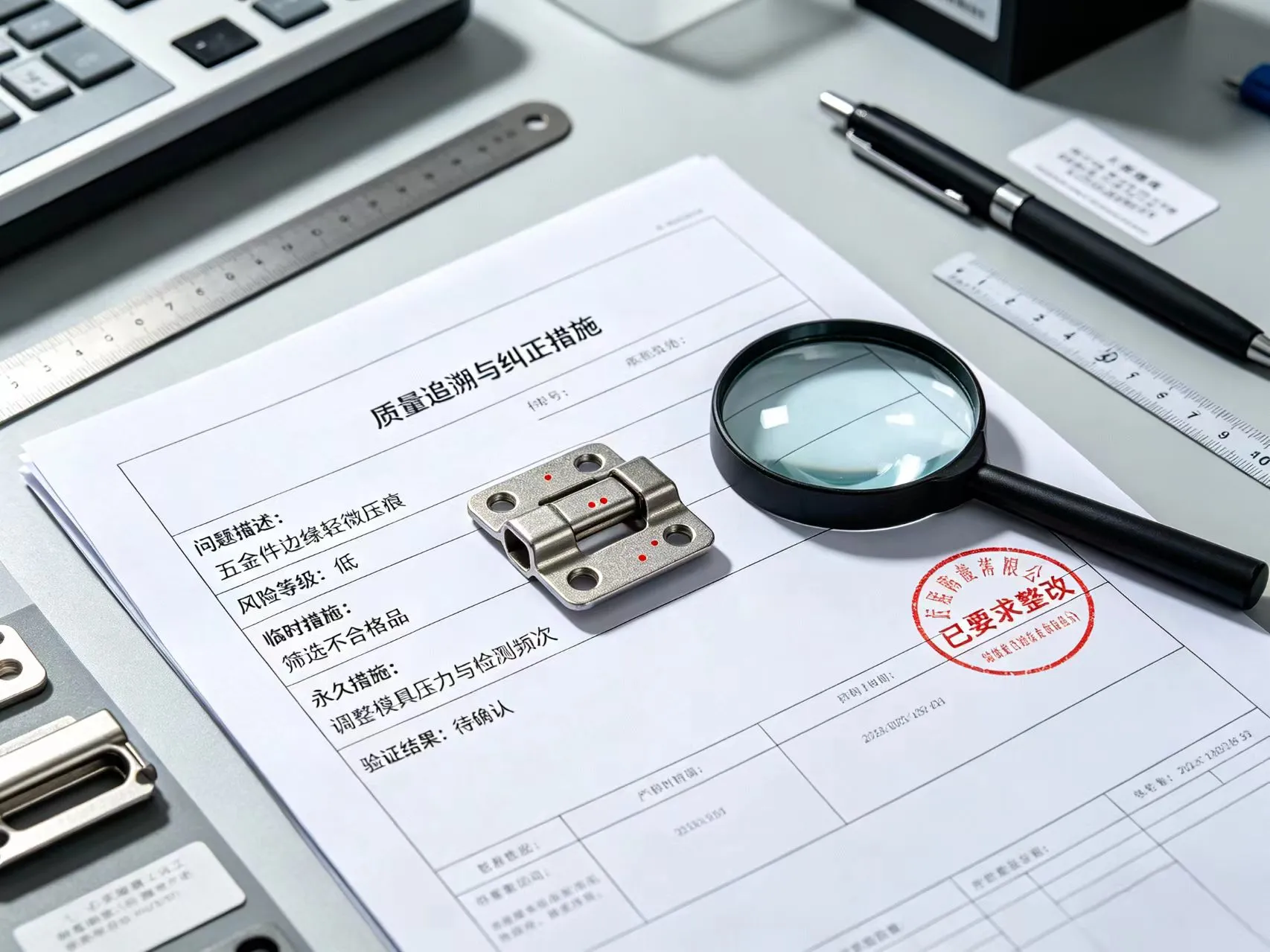
Label Traceability Workflow
Maintaining complete traceability from label design to final shipment requires a well-defined workflow. Here’s how effective label management typically flows:
This systematic approach ensures that every label—from initial design to final shipment—meets the highest standards of accuracy and compliance.
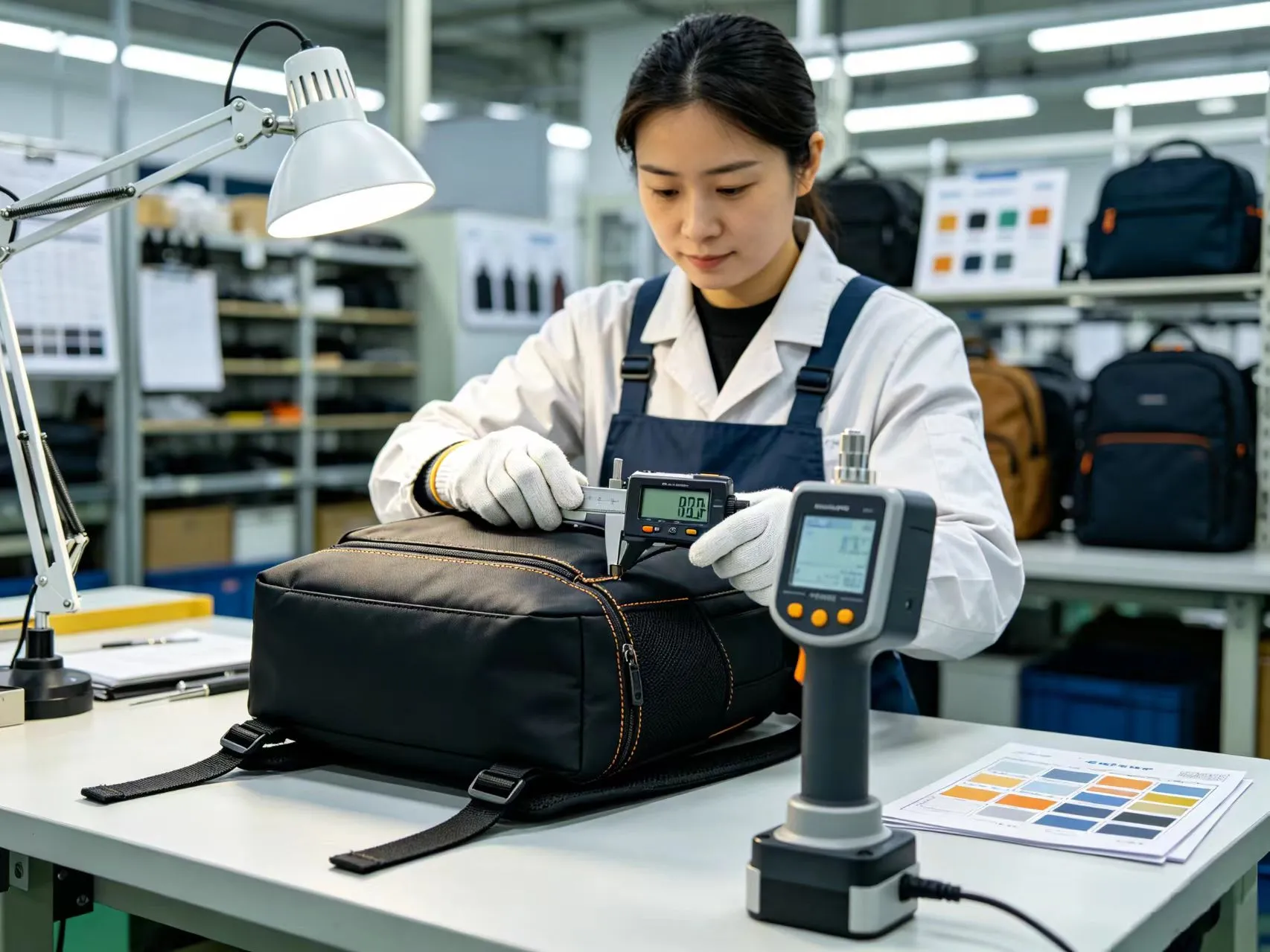
Packaging Documentation Checklist
To ensure complete compliance readiness, we recommend maintaining the following documentation for every order:
Artwork File
Final approved label artwork in production-ready format (AI, PDF, EPS)
Material Declaration
Complete breakdown of all materials used in product and packaging
QR Code Verification Report
Documentation showing successful QR code scan results and linked content
Barcode Test Report
Verification of barcode readability using calibrated scanning equipment
Carton Specification Sheet
Dimensions, weights, and material composition of all shipping cartons
Batch Production Record
Complete production records linked to specific batch/lot numbers
Inspection Report
Final inspection results including label compliance verification
Packaging Approval Document
Customer sign-off on packaging specifications and label designs
Certification Copies
GRS, ISO, BSCI, or other relevant certifications referenced on labels
Recyclability Assessment
Evidence supporting any recycling claims made on packaging
Frequently Asked Questions
Does PPWR require QR codes on all packaging?
While PPWR is expected to emphasize QR codes as a mechanism for providing extended product information, specific requirements may vary by product category, material type, and market segment. The regulation is still evolving, and manufacturers should monitor official EU guidance for the most current requirements. QR codes are widely regarded as a best-practice solution for digital information access and traceability.
What is a Digital Product Passport (DPP)?
A Digital Product Passport is a comprehensive digital record containing information about a product throughout its lifecycle—from raw materials to end of life. It includes data on material composition, manufacturing location, certifications, inspection records, and disposal guidance. DPPs are designed to enhance supply chain transparency and support circular economy objectives.
What information should QR codes on bag packaging contain?
QR codes may link to various types of information depending on product type and customer requirements. Common elements include: material declarations, supplier information, batch numbers, inspection records, certifications, recycling guidance, and care instructions. All linked information should be accurate, up-to-date, and verified.
Are QR codes mandatory under PPWR?
The specific mandatory requirements of PPWR continue to be debated and refined during the legislative process. Industry observers expect QR codes to play a significant role in compliance strategies, particularly for products requiring extended producer responsibility tracking. We recommend preparing QR code infrastructure as a proactive compliance measure.
What are recyclability claims and how should they be made?
Recyclability claims are statements about a product’s ability to be collected, processed, and used again as part of a recycling stream. Under EU Green Claims Directive proposals, such claims must be substantiated with verifiable evidence. Never make unsupported environmental claims. Always ensure recycling infrastructure exists for the specific material before making recyclability assertions.
What is packaging traceability?
Packaging traceability refers to the ability to track packaging materials and information throughout the supply chain—from raw material sourcing through manufacturing, distribution, and end-of-life. Effective traceability enables regulatory compliance, supports quality investigations, and facilitates circular economy initiatives by documenting material flows.
Should suppliers create QR codes or should buyers provide them?
This typically depends on the specific buyer-supplier arrangement. In many OEM relationships, suppliers implement QR codes based on buyer specifications. Best practice involves collaborative design—buyers specify data requirements, suppliers ensure technical implementation, and both parties verify functionality before production.
How should labels be inspected for compliance?
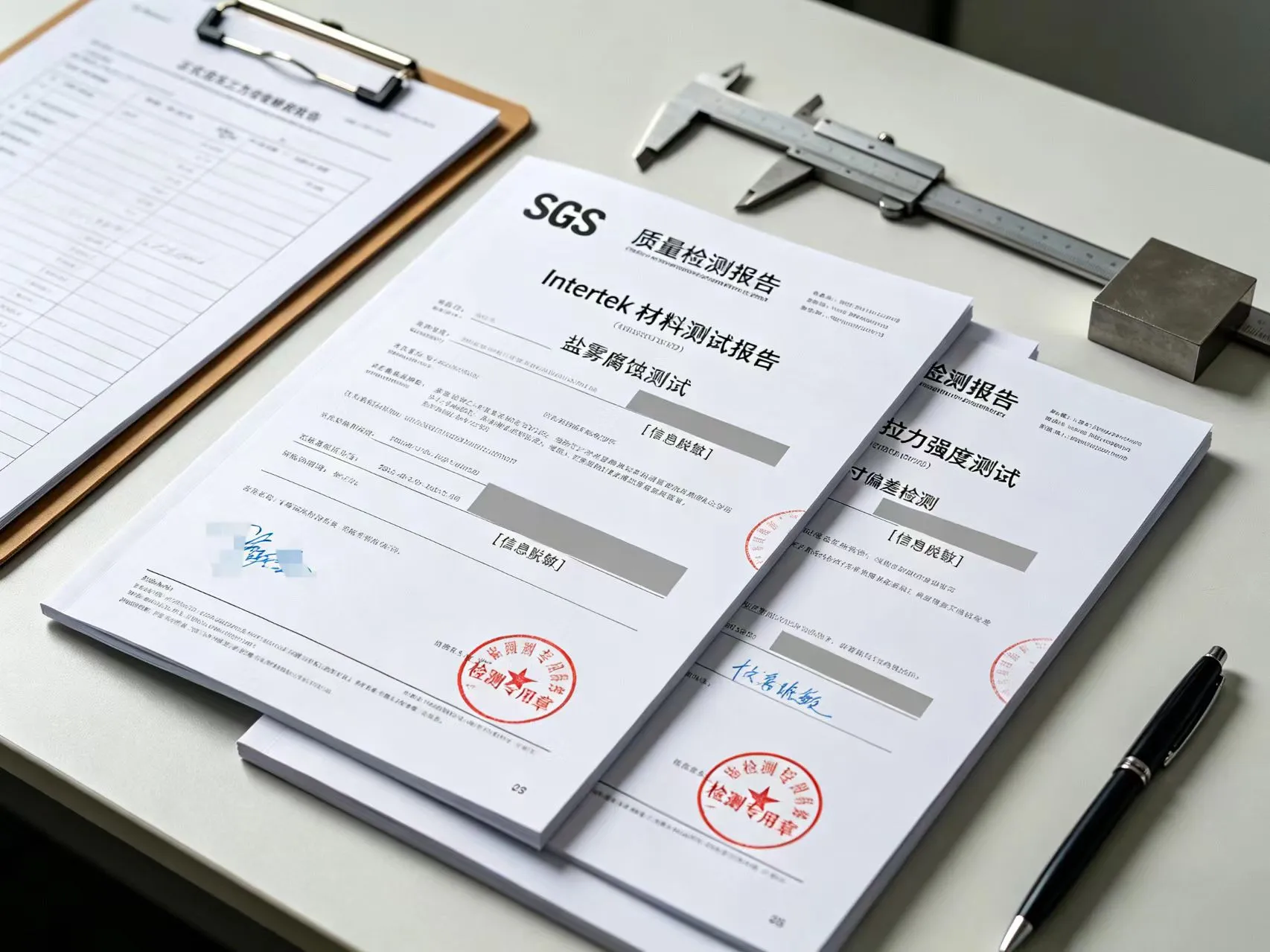
Label inspection should follow a structured protocol at multiple stages: incoming inspection (verify label materials and batch numbers), inline inspection (monitor application during production), and final inspection (comprehensive verification before shipment). Use calibrated scanning equipment for barcodes and QR codes. Document all inspection results.
What documents support label compliance?
Key supporting documents include: approved artwork files, material declarations, certification copies, QR code verification reports, barcode test reports, batch production records, inspection reports, and recyclability assessments. Maintaining organized documentation enables quick response to audits and investigations.
Can buyers specify their own label designs?
Yes, buyers frequently provide their own label specifications including artwork, placement, content, and data requirements. OEM suppliers should review buyer specifications against their internal capabilities and regulatory requirements early in the quotation process to identify any gaps or conflicts.
How should OEM factories manage digital records for compliance?
OEM factories should establish secure, organized document management systems capable of storing, retrieving, and archiving compliance records. Records should be retained for periods that satisfy both customer requirements and regulatory obligations. Digital systems should enable quick retrieval during audits and support traceability investigations.
How does PPWR affect packaging artwork?
PPWR is expected to influence packaging artwork in several ways: additional required elements (QR codes, recycling symbols, material identification), increased emphasis on data accuracy, potential for digital-only information (reducing on-pack text), and greater focus on sustainability communication. Artwork design processes should account for these evolving requirements.
About Dreamway Manufacturing
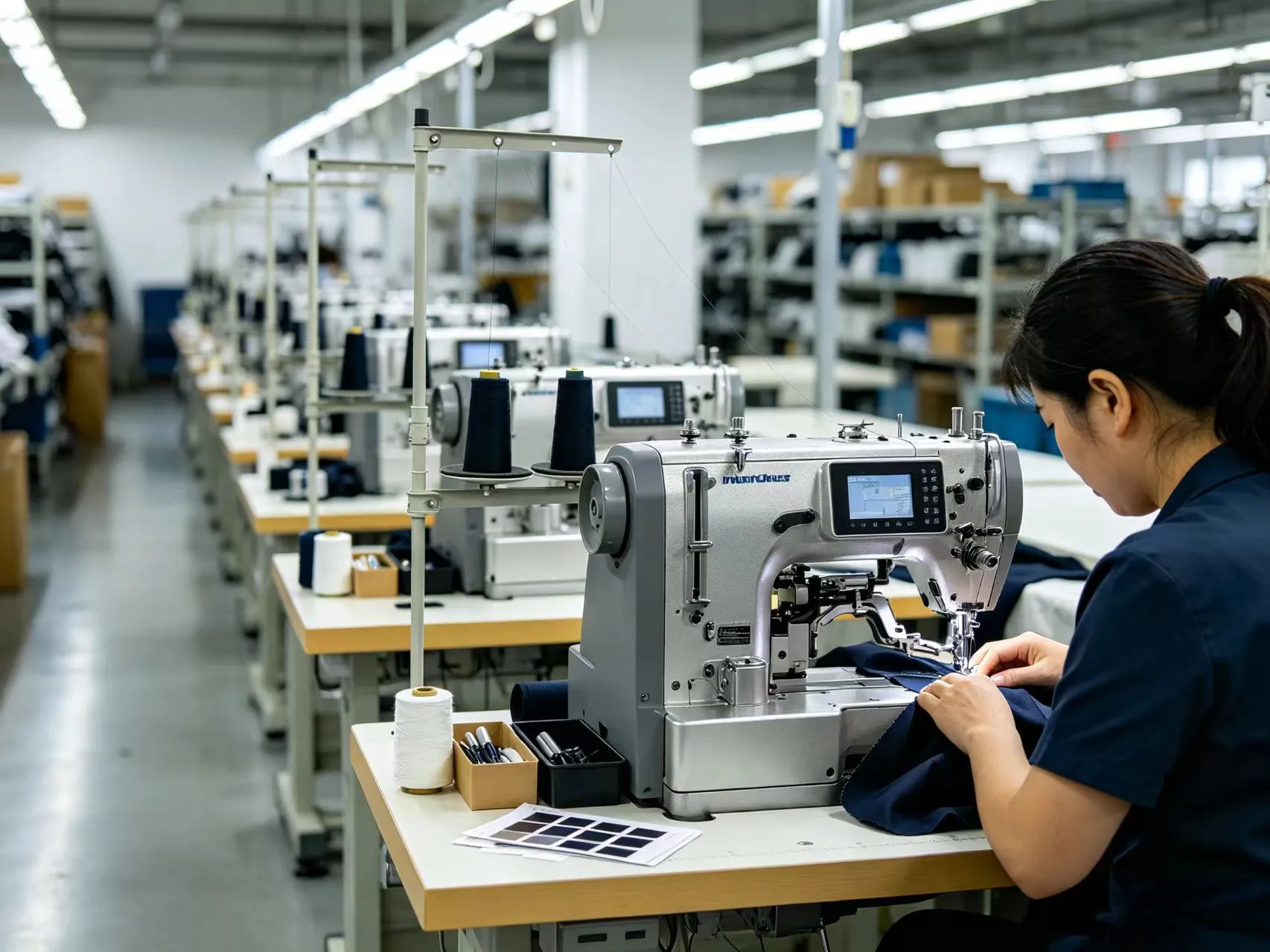

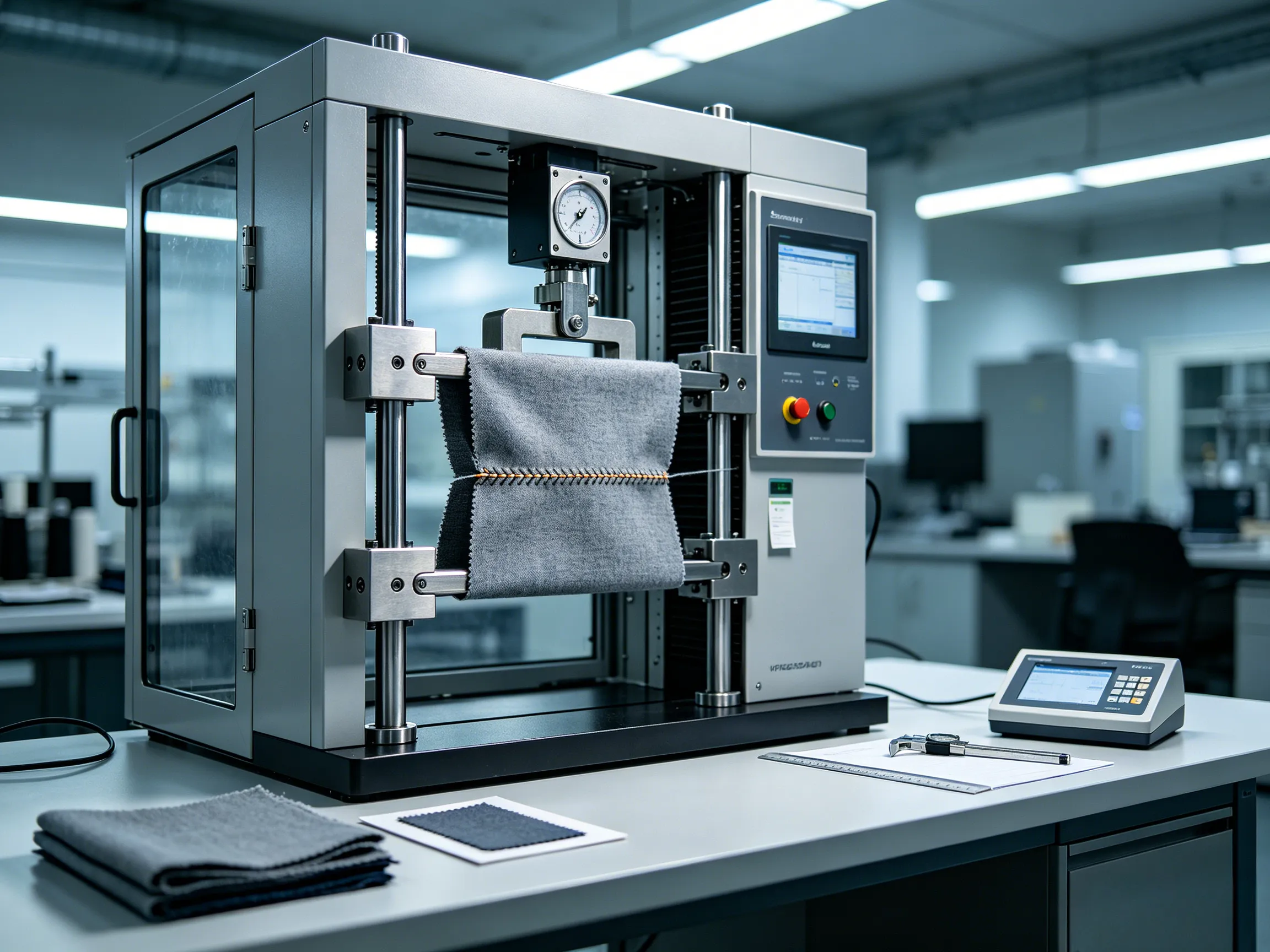
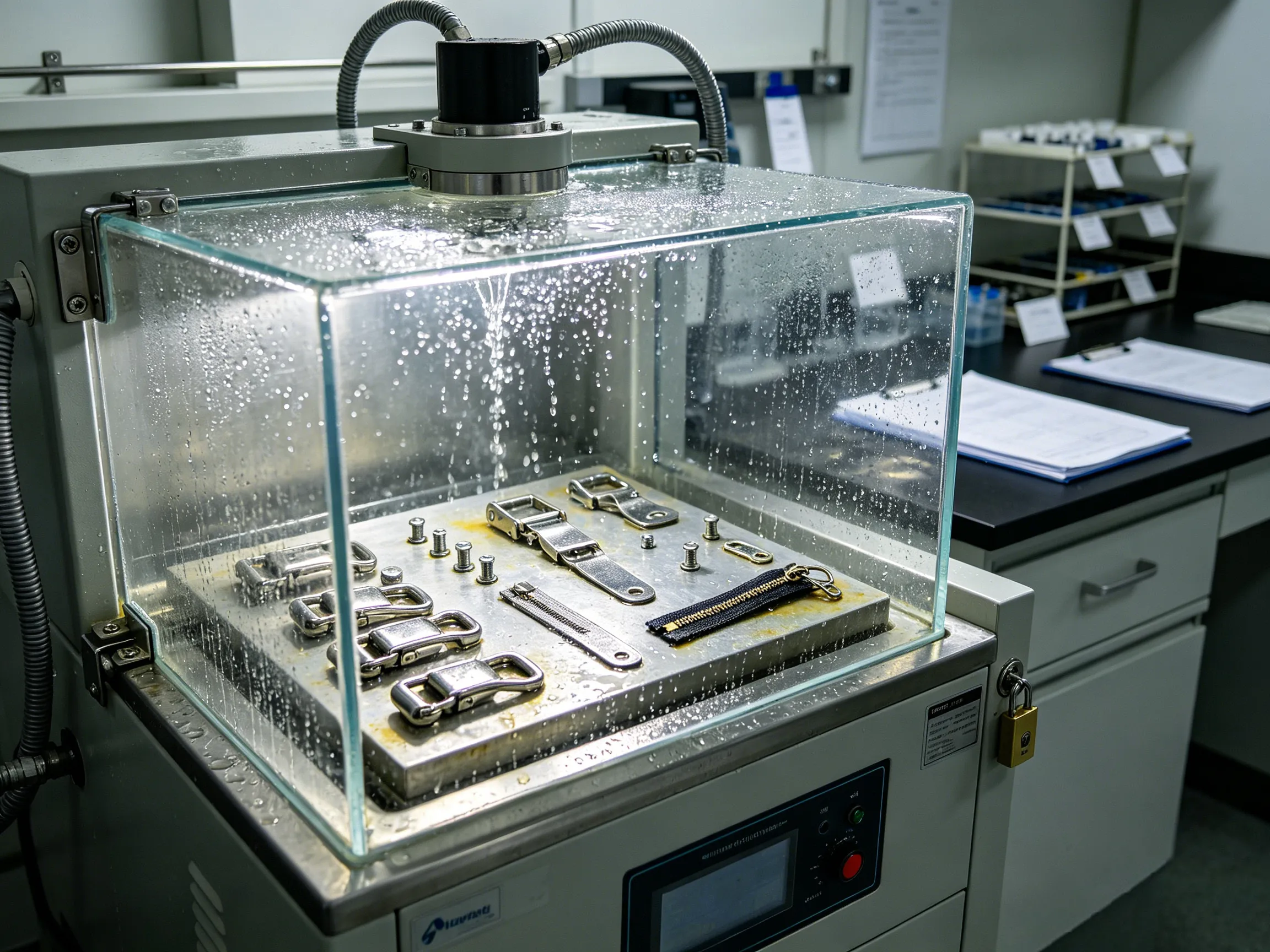
Dreamway is a professional bag and silk product manufacturer located in Guangzhou, China. With a dedicated team of 30+ employees and over 50 countries served, we specialize in OEM bag manufacturing (MOQ: 200 units) and premium silk products (MOQ: 50 units).
Our commitment to quality is supported by ISO and BSCI certifications, GRS-certified materials, and rigorous quality control at every production stage—from incoming materials to final inspection.
Ready to discuss your PPWR-compliant labeling requirements? Visit our website to learn more about our capabilities and certification portfolio.
Disclaimer: This article is for informational purposes only and does not constitute legal or regulatory advice. PPWR requirements continue to evolve, and specific obligations may vary by product category and market. Always consult official EU legislation and qualified compliance professionals for definitive guidance.

Scan with WhatsApp to chat with Victoria