
PPWR FAQ for Bag Manufacturers | EU Packaging Compliance Questions Answered
Disclaimer
This article is provided for general informational purposes only and should not be considered legal or regulatory advice. Packaging requirements may vary depending on product category, destination market and future regulatory updates. Always consult the official EU legislation or qualified compliance professionals before making commercial decisions.
Introduction
The EU Packaging and Packaging Waste Regulation (PPWR) represents the most significant regulatory shift for bag manufacturers and packaging suppliers in recent memory. Since the regulation was proposed and subsequently updated through the legislative process, brands across Europe have been scrambling to understand what compliance means for their supply chains—and increasingly, they’re turning to their manufacturing partners for answers.
If you’re a procurement professional, brand manager, or sustainability officer working with bag manufacturers, you’ve likely noticed a surge in questions about PPWR readiness, material compliance, and documentation requirements. That’s exactly why we’ve compiled this comprehensive FAQ.
In this guide, you’ll find clear, practical answers to the most pressing questions we receive from European brands and their supply chain partners. Whether you’re sourcing handbags, travel bags, fashion accessories, or promotional textile bags, this resource will help you navigate the evolving compliance landscape.

This article draws from publicly available EU regulatory documents, industry guidance, and our direct experience supporting brand partners through the transition. While we cannot provide legal counsel, we can share what we’ve learned from helping manufacturers across 50+ countries prepare for these changes.
Let’s dive into your questions.
What Is PPWR?
The Packaging and Packaging Waste Regulation (PPWR) is the EU’s primary legislative instrument for addressing packaging waste and promoting circular economy principles. It replaces the previous Packaging and Packaging Waste Directive (94/62/EC), introducing significantly more stringent requirements.
Key Differences from the Previous Directive

Unlike its predecessor, which set broad recycling targets, the PPWR introduces:
- Mandatory recyclability requirements for all packaging by 2030
- Minimum recycled content mandates for plastic packaging
- Restriction of certain packaging formats deemed unnecessary
- Digital Product Passport (DPP) requirements for tracking and transparency
- Extended Producer Responsibility (EPR) schemes with harmonized rules
- Labelling requirements including sorting instructions and material identification
The regulation applies to all packaging placed on the EU market, regardless of where it was manufactured. For bag manufacturers serving European clients, this means your products must meet these standards if they’re destined for EU shores.
Why Was PPWR Developed?
The EU generates approximately 177 kg of packaging waste per capita annually, with only a fraction being effectively recycled. The PPWR aims to:
- Reduce packaging waste generation
- Increase recycling rates to 65% by 2025 and 70% by 2030
- Phase out non-recyclable packaging
- Create a truly circular packaging economy
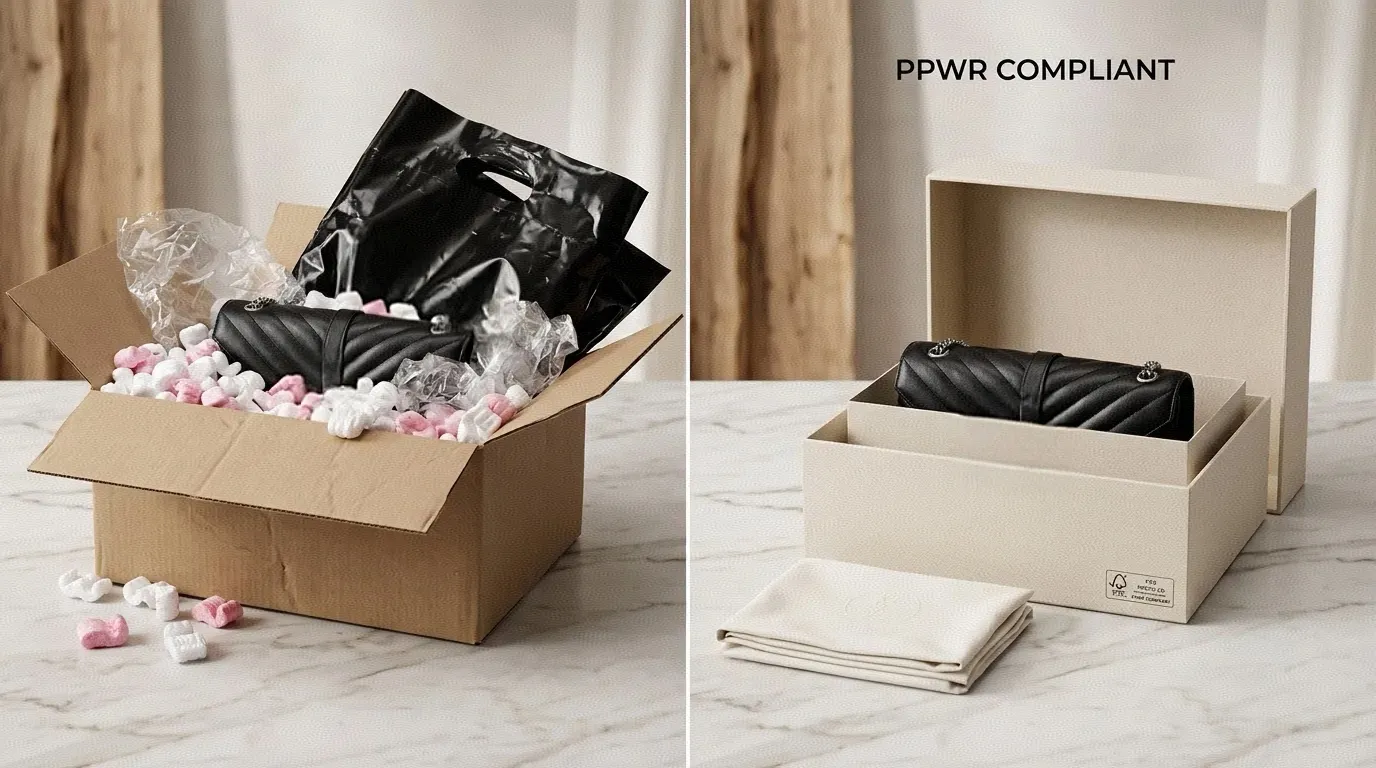
For manufacturers, this represents both a challenge and an opportunity. Those who adapt early will be positioned as preferred suppliers; those who delay may find themselves excluded from the European market.
Who Needs to Comply with PPWR?
PPWR compliance is a shared responsibility across the supply chain. Understanding who bears which obligations is crucial for effective planning.
Brand Owners
Brands placing packaged products on the EU market are primary obligated parties. They must ensure their packaging meets all requirements and are responsible for:
- Ensuring packaging meets recyclability standards
- Meeting recycled content targets (where applicable)
- Affixing proper labeling and Digital Product Passports
- Registering with producer responsibility schemes
- Covering end-of-life costs through EPR contributions
Importers
Importers bringing packaging or packaged goods into the EU have direct compliance obligations. They serve as the “first place of establishment” in the EU and bear significant responsibility for:
- Verifying supplier compliance documentation
- Ensuring proper labeling before customs clearance
- Maintaining traceability records
- Coordinating with manufacturers on DPP requirements
OEM Manufacturers
For OEM (Original Equipment Manufacturer) bag factories producing products under client brands, compliance preparation is essential. Your European clients will increasingly require:
- Material composition documentation
- Recyclability assessments
- Traceability systems
- Quality records supporting compliance claims

ODM Suppliers
ODM (Original Design Manufacturer) factories offering proprietary designs face additional considerations. You must proactively:
- Develop compliant material specifications
- Pre-certify products for multiple markets
- Create documentation packages for various brand clients
- Stay ahead of regulatory changes
Private Label Producers
Private label bag manufacturers supply products to retailers under the retailer’s own brand. These factories must:
- Provide material transparency documentation
- Support retailers’ compliance claims
- Enable traceability throughout the supply chain
- Accommodate varying requirements from different clients
Bag Factories: Your Role in the Chain
Whether you’re producing handbags, backpacks, travel bags, or fashion accessories, as a bag factory, you’re integral to compliance. Your responsibilities include:
- Using compliant materials and components
- Maintaining production records
- Implementing quality control for compliance verification
- Supporting clients’ documentation needs
- Enabling end-of-life traceability where applicable
At Dreamway, we’ve invested significantly in compliance infrastructure. Our 30+ member team includes dedicated personnel for compliance documentation, and we’ve implemented MES tracking systems to support traceability requirements.
Frequently Asked Questions
The following sections address the most common questions we receive from clients, organized by category for easy reference.
General Questions
What is the difference between PPWR and the Packaging Directive?
The Packaging and Packaging Waste Directive (94/62/EC) was a framework directive that set collection and recycling targets. The PPWR is a Regulation, meaning it applies directly in all EU member states without requiring national transposition. Key differences include:
- More prescriptive requirements rather than flexible targets
- Specific material restrictions and phase-outs
- Digital Product Passport mandates
- Harmonized labeling requirements across all EU countries
- Stricter enforcement mechanisms
Does PPWR apply to textile bags?
Yes, textile bags including cotton tote bags, canvas bags, and non-woven bags fall under PPWR if they’re placed on the EU market as packaging or packaging-like products. Key considerations:
- Reusable textile bags may have extended compliance timelines
- Cotton and natural fiber bags have specific sustainability claims requirements
- Recyclability assessments must consider all components (handles, closures, printing)
Does PPWR apply outside the EU?
PPWR applies to all packaging placed on the EU market, regardless of where it’s manufactured. If you’re a non-EU manufacturer exporting to Europe, your products must comply. However, PPWR does not directly affect:
- Products sold exclusively outside the EU
- Packaging for products not entering EU commerce
- Purely domestic supply chains within non-EU countries
Who is responsible for PPWR compliance?
Responsibility is shared across the value chain. Brand owners and importers bear primary legal responsibility, but they rely on manufacturers for documentation, material specifications, and traceability data. Effective compliance requires collaboration between all parties.
Can a Chinese factory become PPWR compliant?
Absolutely. Many Chinese manufacturers, including bag factories, are already implementing PPWR-compliant processes. Key requirements include:
- Documented material specifications
- Third-party recyclability testing
- Traceability systems
- Quality control processes
- Digital documentation capabilities
At Dreamway, we’ve proactively upgraded our quality management systems to ISO standards and implemented real-time MES tracking to support client compliance needs.
Does PPWR replace REACH?
No, PPWR and REACH are separate regulations. REACH (Registration, Evaluation, Authorization and Restriction of Chemicals) governs chemical substances. PPWR addresses packaging sustainability. However, they interact—certain restricted chemicals under REACH may affect packaging material choices under PPWR. Always consider both when selecting materials.
Is PPWR mandatory?
Yes, PPWR is mandatory for all packaging placed on the EU market. Non-compliance can result in market exclusion, fines, and potential liability for downstream parties. Unlike voluntary standards, compliance is a legal requirement.
When does PPWR enter into force?
PPWR timelines vary by requirement. Key dates include:
- 2025-2026: Initial implementation phases, EPR harmonization begins
- 2030: Mandatory recyclability requirements take effect
- 2035: Additional recycled content targets
- Ongoing: Review and potential tightening of requirements
Note: Regulatory timelines may be updated; always verify current status with official EU sources or qualified advisors.
What is the difference between a Regulation and a Directive?
A Regulation is directly applicable in all EU member states upon entry into force. A Directive must be transposed into national law, allowing some flexibility in implementation. PPWR’s status as a Regulation means consistent requirements across all 27 EU member states.
How does PPWR affect existing EPR schemes?
PPWR introduces harmonized Extended Producer Responsibility requirements, replacing fragmented national schemes with consistent EU-wide rules. This simplifies compliance for manufacturers operating across multiple EU markets.
Materials
Can cotton bags comply with PPWR?
Yes, cotton bags can comply, but with important considerations:
- Cotton is renewable but requires documented sustainable sourcing (e.g., GOTS certification)
- Organic cotton provides additional sustainability credentials
- Dyes and treatments must meet chemical safety standards
- End-of-life options (composting vs. recycling) should be documented
- Claims must be substantiated with evidence
Can recycled polyester bags comply?
Yes, and recycled polyester (rPET) is increasingly preferred. Benefits include:
- Reduced virgin material requirements
- GRS (Global Recycled Standard) certification available
- Traceability documentation possible
- Performance equivalent to virgin polyester
At Dreamway, we offer GRS-certified rPET options with full traceability documentation.
Can leather bags comply with PPWR?
Leather bags have unique compliance pathways:
- Leather is natural and biodegradable under proper conditions
- Traceability to source is increasingly required
- Tanning chemicals must meet REACH standards
- Recyclability depends on hardware and construction methods
- Second-hand and vintage leather has extended life value
Does silk packaging fall under PPWR?
Silk packaging presents interesting compliance considerations:
- Silk is a natural, biodegradable material
- Sustainability credentials are generally strong
- Chemical treatments must be documented
- Luxury positioning aligns well with premium compliance strategies
- Consider silk dust bags for high-value items
Our silk products include appropriate documentation to support client compliance claims.
What recycled materials are commonly accepted?
Widely accepted recycled materials include:
- rPET (recycled polyethylene terephthalate): Most established supply chain
- Recycled cotton: From post-industrial or post-consumer sources
- rPP (recycled polypropylene): Growing availability
- Ocean plastics: Premium positioning, requires verification
- Recycled paper/cardboard: Well-established infrastructure
Does recycled content have minimum percentages?
Yes, PPWR establishes minimum recycled content targets for plastic packaging:
- Contact-sensitive packaging: May have different requirements
- Targets increase over time: 2030 targets are higher than 2025
- Verification required: Mass balance or physical segregation methods
Note: Specific percentages may be updated; consult current regulatory text.
What materials are restricted or prohibited?
PPWR restricts several packaging formats:
- Certain single-use plastic formats
- Oxo-degradable plastics
- Packaging with intentionally added microplastics
- Excessive or unnecessary packaging layers
Can bio-based plastics comply?
Bio-based plastics may comply, but require careful assessment:
- Compostability certification (EN 13432) if claiming compostable
- Bio-based content verification
- End-of-life infrastructure considerations
- Claims must be substantiated and not misleading
What makes a material “recyclable”?
A material is considered recyclable if:
- Collection infrastructure exists in majority of EU member states
- Sorting and processing facilities can handle the material
- End market demand exists for recycled output
- Contamination levels remain acceptable
This is a moving target—requirements will tighten over time.
Are mixed-material bags recyclable?
Generally, no. Multi-material constructions are difficult to separate and process. Solutions include:
- Single-material constructions where possible
- Easily separable components
- Material-homogeneous designs
- Documentation of actual recyclability
Packaging
What packaging materials are preferred under PPWR?
Preferred characteristics include:
- Recyclability (design for recycling)
- Minimum recycled content (where applicable)
- Monomaterial construction
- Avoidance of problematic additives
- Optimized material use (right-sizing)
Can mixed-material packaging still be used?
While technically possible, mixed-material packaging faces significant challenges:
- May not meet recyclability thresholds
- Sorting challenges at MRF (Materials Recovery Facility)
- Potential downcycling or landfill
- Documentation burden increases
We recommend monomaterial approaches where feasible.
What makes packaging recyclable?
Recyclability depends on multiple factors:
- Design: Can components be separated?
- Material: Is it accepted by recycling infrastructure?
- Contamination: Are inks, adhesives, or coatings problematic?
- Market: Is there demand for the recycled output?
Are laminated paper bags recyclable?
Standard laminated paper bags are generally NOT recyclable because lamination creates a material compound that cannot be separated in standard paper recycling processes. Alternatives include:
- Water-based coatings (some are recyclable)
- Paper-to-paper lamination (if properly specified)
- Uncoated paper bags
- Functional barriers with documentation
Does PPWR prohibit plastic packaging?
No, PPWR does not broadly prohibit plastic, but it:
- Restricts certain single-use formats
- Requires minimum recycled content
What about reusable packaging?
Reusable packaging is encouraged under PPWR:
- Reuse targets may apply to certain formats
- Reusability claims require substantiation
- Systems for collection and cleaning must exist
- Environmental benefit must be demonstrated
How does PPWR address packaging weight?
PPWR promotes light-weighting through:
- Empty space ratios for certain formats
- Material efficiency requirements
- Right-sizing mandates
- Excessive packaging restrictions
What are the empty space requirements?
PPWR limits unnecessary empty space in packaging:
- Volume utilization must be optimized
- Void fill should be minimized
- Shipping efficiency considerations apply
- Protection without excess remains important
Labeling
Are QR codes mandatory?
QR codes are part of Digital Product Passport requirements, which will become mandatory for many packaging types. Key considerations:
- Implementation timelines vary by product category
- QR codes must link to product-specific data
- Standardized formats are being developed
- Accessibility requirements apply

What information should appear on packaging?
Required packaging labeling includes:
- Material identification: For sorting
- Sorting instructions: Where applicable
- Producer information: Who placed on market
- Digital Product Passport: Via QR code or NFC
- Recycled content: If claiming percentages
Does every bag require a Digital Product Passport?
Digital Product Passport requirements are being phased in based on product category and volume:
- Large batteries and vehicles: First implementation
- Other products: Phased implementation through 2030s
- Verification recommended: For all high-value items
Note: Implementation timelines may change; verify current status.
What is a Digital Product Passport?
A Digital Product Passport (DPP) is a digital record containing:
- Material composition and origin
- Environmental footprint data
- Recycled content documentation
- End-of-life instructions
- Supply chain traceability data
It’s accessible via QR code, NFC, or other digital identifiers.
Can QR codes link to cloud documents?
Yes, cloud-linked QR codes are acceptable for Digital Product Passports:
- QR code links to hosted data repository
- Data must be accurate and current
- Availability requirements apply
- Standardized data formats preferred
At Dreamway, we support cloud-based traceability systems accessible to our clients.
What labeling formats are accepted?
Accepted labeling approaches include:
- Direct printing: On packaging surface
- Labels/Tags: Affixed to packaging
- Digital: QR codes, NFC, RFID
- Combined: Physical marking plus digital access
Documentation
What documents should suppliers prepare?
Essential supplier documentation includes:
- Material Data Sheets: Composition, origin, certifications
- Recyclability Assessments: Third-party verified preferred
- Recycled Content Verification: Mass balance or physical segregation
- Chemical Compliance: REACH declarations
- Traceability Records: Chain of custody documentation
- Quality Records: Production and inspection data
What should importers request from suppliers?
Importers should request:
- Compliance Documentation Package: Material specs, test reports, certifications
- Traceability Data: From raw material to finished product
- DPP Access: QR code and associated data platform
- Declaration of Conformity: Signed supplier attestation
- Update Procedures: How changes are communicated
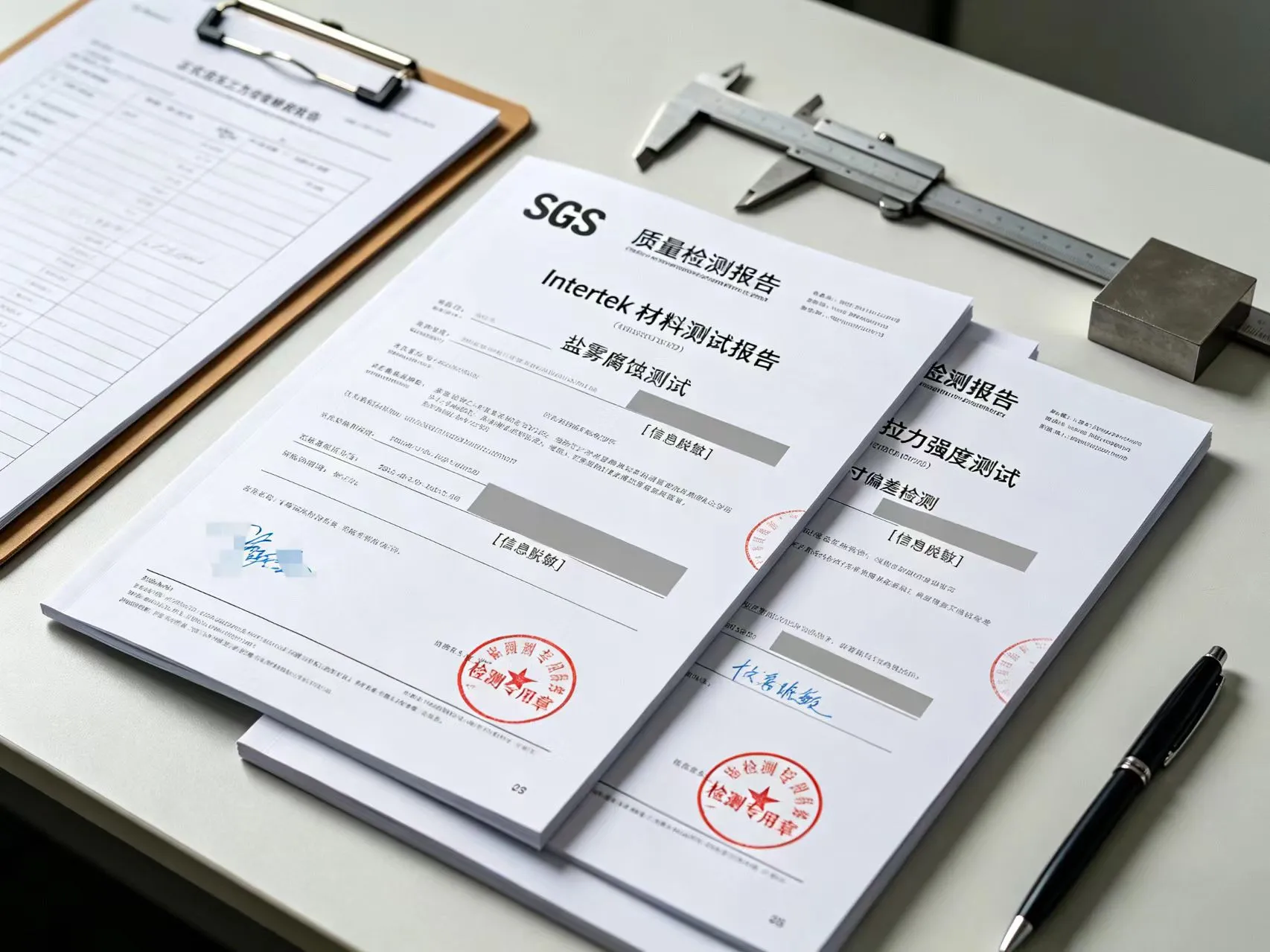
Can third-party testing help?
Third-party verification is highly valuable for:
- Recyclability assessments
- Recycled content verification
- Chemical safety testing
- Performance verification
Reputable test houses include SGS, Bureau Veritas, Intertek, and TÜV.
Is material traceability required?
Yes, traceability is increasingly mandatory:
- Required for recycled content claims
- Supports compliance verification
- Enables supply chain due diligence
- Facilitates incident response
At Dreamway, we maintain comprehensive traceability records through our MES system.
How should packaging records be stored?
Documentation storage requirements include:
- Duration: Minimum 10 years recommended
- Accessibility: Must be available to authorities on request
- Format: Physical and/or digital
- Integrity: Tamper-evident storage
- Updates: Version control for documentation updates
What is a Declaration of Performance?
A Declaration of Performance (DoP) for packaging is a document declaring:
- Product specifications and characteristics
- Declared performance values
- Reference to assessment methods
- Compliance with applicable requirements
It serves as a formal attestation of product compliance.
What is the packaging declaration?
A Packaging Declaration is a formal statement including:
- Packaging composition breakdown
- Recycled content percentages
- Recyclability assessment results
- End-of-life handling instructions
- Producer registration information
Manufacturing
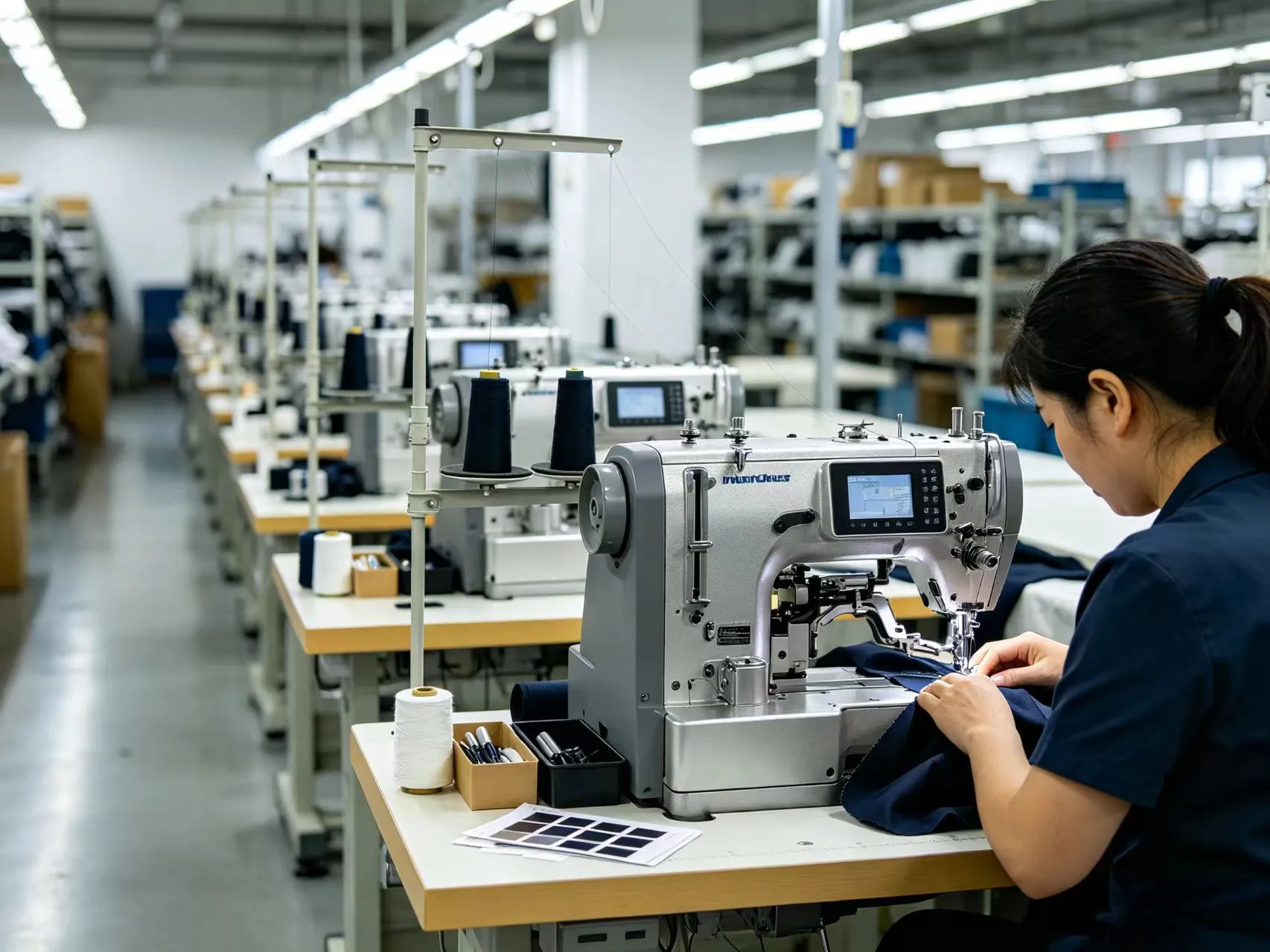
How can factories prepare for PPWR?
Factory preparation steps include:
- Material Audit: Assess current material compliance
- Supplier Communication: Request documentation from upstream
- Quality Systems: Strengthen inspection and documentation
- Traceability Systems: Implement tracking capabilities
- Staff Training: Ensure team understands requirements
Should OEM factories change production workflows?
Workflow adjustments may include:
- Material Separation: Keep compliant and non-compliant materials separate
- Enhanced Record-Keeping: More detailed production logs
- Quality Control Integration: Compliance checks in QC processes
- Documentation Protocols: Standardized compliance file creation
How does quality control support PPWR compliance?
Quality control is integral to compliance:
- Incoming material verification
- In-process checks for correct material use
- Final product compliance verification
- Documentation of inspection results
- Non-conformance tracking and resolution

Can ERP and MES systems improve compliance?
Yes, digital systems significantly support compliance:
- MES (Manufacturing Execution System): Real-time production tracking, lot traceability, quality data collection
- ERP (Enterprise Resource Planning): Material planning, supplier management, documentation control
- Integration: Connected systems enable end-to-end traceability
At Dreamway, our MES provides real-time visibility into production data, supporting client compliance requirements.
What changes to sampling procedures are recommended?
Enhanced sampling approaches include:
- AQL Review: Ensure statistical validity
- Material Verification: Check material identity and composition
- Documentation Sampling: Verify compliance paperwork
- Traceability Tests: Confirm system effectiveness
How should production line changeovers be managed?
Changeover management is critical:
- Material Separation: Prevent cross-contamination
- Line Clearance: Document cleaning verification
- Batch Records: Track which materials used when
- Traceability Links: Connect products to material lots
Inspection
Is AQL inspection enough?
AQL inspection alone is not sufficient for PPWR compliance:
- AQL addresses functional quality defects
- Compliance requires material verification
- Documentation requirements go beyond AQL scope
- Traceability needs AQL cannot address
AQL remains important but must be supplemented with compliance-specific checks.

Should incoming material inspections change?
Incoming inspection should include:
- Identity Verification: Confirm material matches specifications
- Certification Review: Check accompanying test reports
- Traceability Confirmation: Verify lot/batch documentation
- Compliance Spot Checks: Periodic testing verification
What packaging inspections are recommended?
Recommended inspection elements include:
- Label Verification: Correct markings and QR codes
- Material Check: Correct material composition
- Physical Test: Strength, durability as applicable
- Documentation Review: Accompanying paperwork completeness
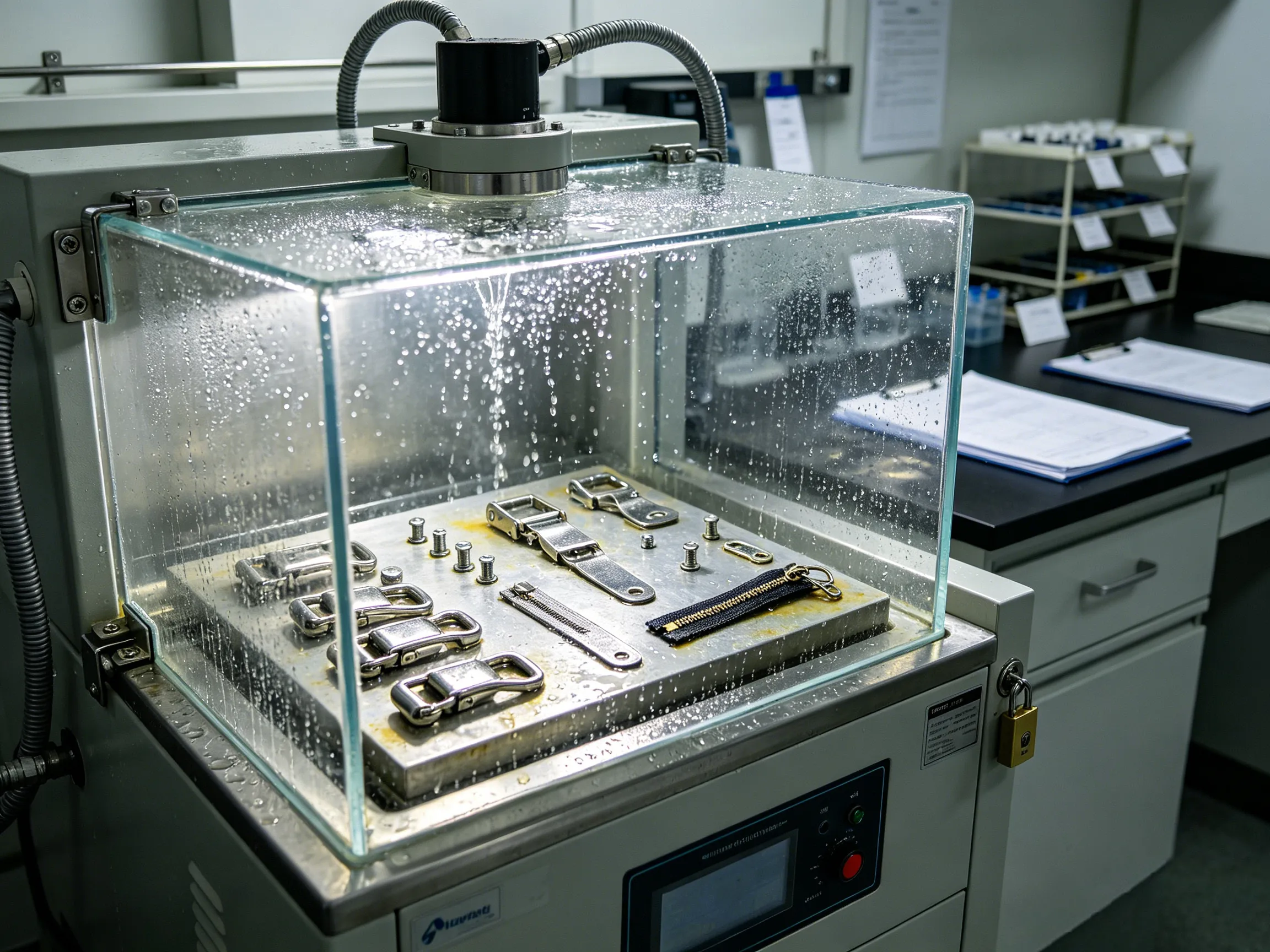
How does salt spray testing relate to PPWR?
Hardware testing supports compliance through:
- Durability verification ensures product longevity
- Corrosion resistance protects product lifespan
- Quality assurance reduces premature disposal
What role does tensile testing play?
Tensile testing supports compliance by:
- Verifying seam strength meets specifications
- Ensuring product durability under normal use
- Reducing failure-related waste
- Supporting performance claims

What is the inspection frequency for compliance?
Inspection frequency depends on:
- Supplier track record and stability
- Material criticality
- Historical compliance data
- Risk assessment outcomes
High-risk materials may require 100% inspection; stable suppliers may use reduced inspection levels.
Procurement
What questions should buyers ask suppliers?
Essential supplier questions include:
- Can you provide material composition documentation?
- What recycled content verification do you offer?
- Do you have recyclability assessments?
- Can you support Digital Product Passport requirements?
- What is your traceability system capability?
- How do you handle non-conforming materials?
What should be included in RFQs?
RFQs should specify:
- Compliance Requirements: PPWR obligations to be met
- Documentation Requirements: Required deliverables
- Testing Requirements: Any third-party verification needed
- Traceability Requirements: System capabilities expected
- Timeline Requirements: When compliance must be achieved
How do you evaluate supplier readiness?
Readiness assessment should cover:
- Documentation Systems: Can they provide required paperwork?
- Traceability Capability: Can they track materials through production?
- Quality Management: ISO 9001 or equivalent preferred
- Certifications: Third-party verifications obtained
- Communication: Responsiveness and transparency
Should compliance requirements be in contracts?
Yes, contracts should include:
- Compliance Representations: Supplier attestation of compliance
- Documentation Requirements: What will be provided and when
- Updates: How regulatory changes will be addressed
- Liability: Who bears responsibility for non-compliance
- Audit Rights: Verification mechanisms
What supplier audits are recommended?
Recommended audit types include:
- Documentation Audit: Review paperwork completeness and accuracy
- Process Audit: Verify manufacturing practices support compliance
- Traceability Audit: Test system effectiveness
- Third-Party Certification: Verify independent verification obtained
Sustainability
Does PPWR ban non-woven bags?
Non-woven bags are not universally banned, but face restrictions:
- Non-woven PP bags may be restricted
- Reusable non-woven bags have different treatment
- Material composition affects classification
- Sustainability claims require substantiation
Always verify current restrictions for specific bag types.
Are reusable bags encouraged?
Yes, PPWR actively encourages reusable alternatives:
- Reuse targets apply to certain formats
- Reusable bags may have extended compliance timelines
- Environmental benefit must be demonstrated
- Collection and cleaning infrastructure needed
Does lighter packaging reduce compliance risk?
Material efficiency is rewarded under PPWR:
- Right-sizing reduces unnecessary material use
- Light-weighting supports sustainability goals while lowering packaging waste fees and potential compliance risks
- Material optimization is encouraged
- But functionality cannot be compromised
What role does recycled content play?
Recycled content is central to PPWR:
- Mandatory percentages for plastic packaging
- Verification requirements increase
- Supply chain traceability essential
- Premium for verified recycled materials
How does circular economy fit into PPWR?
Circular economy principles are foundational:
- Design for recyclability
- Maximum material retention
- Recycled content utilization
- Reuse where feasible
- End-of-life planning
What are environmental footprint requirements?
PPWR introduces footprint considerations:
- Carbon footprint documentation emerging
- Environmental footprint declarations in development
- Greenhouse gas reporting requirements expanding
- Third-party verification may be required
Risk
What happens if packaging is non-compliant?
Non-compliance consequences include:
- Market Withdrawal: Products removed from EU market
- Fines: Penalties vary by member state
- Reputational Damage: Public disclosure possible
- Liability: Third-party claims
- Supply Chain Impact: Client relationships affected

Can products be stopped at customs?
Yes, customs can halt non-compliant products:
- Documentation requirements checked at border
- Missing or incomplete documentation may cause delays
- Market surveillance authorities active
- Preventive measures are preferable to reactive ones
How can companies reduce compliance risks?
Risk reduction strategies include:
- Early Preparation: Don’t wait for deadlines
- Documentation: Maintain comprehensive records
- Third-Party Verification: Independent testing and certification
- Supplier Management: Vet and monitor supply chain
- Expert Consultation: Legal and regulatory advisors
- Continuous Monitoring: Track regulatory developments
What happens during market surveillance?
Market surveillance activities include:
- Documentation audits by authorities
- Product testing and sampling
- Traceability verification
- Labeling compliance checks
- Non-compliance documentation
Cooperation with authorities is essential.
How should compliance incidents be handled?
Incident response should include:
- Immediate Containment: Stop distribution of affected products
- Root Cause Analysis: Understand what went wrong
- Corrective Action: Fix the immediate problem
- Preventive Action: Prevent recurrence
- Communication: Notify affected parties
- Documentation: Maintain records for future reference
Is insurance available for compliance risks?
Specialty coverage is emerging:
- Product liability may cover some compliance issues
- Environmental liability insurance available
- Specialty compliance insurance developing
- Consult insurance professionals for specific needs
What are the liability implications?
Liability may extend to:
- Civil Liability: Claims from affected parties
- Regulatory Liability: Fines and penalties
- Criminal Liability: In serious cases of negligence
- Contractual Liability: Breach of supply agreements
Proper documentation and due diligence provide some protection.
How should regulatory changes be monitored?
Monitoring approaches include:
- Official EU Sources: EUR-Lex, EU Commission websites
- Industry Associations: Trade group communications
- Legal Advisors: Specialized regulatory counsel
- Suppliers: They often have early visibility
- Publications: Compliance-focused media
What is the risk of regulatory updates?
Regulatory risk factors include:
- Timeline Changes: Deadlines may shift
- Requirement Updates: New obligations may be added
- Interpretation Differences: Member state implementation varies
- Enforcement Changes: Market surveillance intensity varies
Build flexibility into compliance strategies.
PPWR Compliance Workflow
Implementing PPWR compliance requires a systematic approach. The following workflow outlines key stages from supplier selection through shipment.
1. Supplier Selection
Evaluate potential suppliers for compliance capability, documentation systems, and certification status.
2. Material Review
Verify all materials meet PPWR requirements, including recyclability and recycled content where applicable.
3. Packaging Design
Ensure packaging design supports compliance: monomaterial where possible, proper labeling, right-sized.
4. Label Verification
Confirm all required markings are present, including QR codes linking to Digital Product Passports.
5. Production
Execute production with enhanced controls, traceability documentation, and compliance monitoring.
6. Inspection
Conduct compliance-focused inspections including material verification and documentation review.
7. Documentation
Compile complete compliance documentation package for delivery with shipment.
8. Shipment
Dispatch with all required documentation, maintaining traceability through delivery.
Expert Insights
Real-world experience matters. Here’s what our team has observed from supporting clients through the PPWR transition.

Expert Insight from Our Senior Project Manager
Emily | Senior Project Manager
Over the past year, we’ve seen a dramatic shift in how European brands approach packaging compliance. The questions we receive have evolved from basic awareness—”What is PPWR?”—to implementation-focused inquiries—”How do we verify recycled content in our supply chain?”
What surprises many clients is the documentation burden. Achieving compliance isn’t just about selecting the right materials; it’s about proving compliance through comprehensive records. Brands that start documentation processes early have a significant advantage over those who delay.
We also see confusion around implementation timelines. Different product categories have different deadlines, and some requirements are being phased in gradually. The key is to avoid waiting for “final” clarity—starting early and adjusting as regulations evolve is the most practical approach.
For brands working with Asian manufacturers, I recommend establishing clear communication channels early. Ask your suppliers about their compliance infrastructure, documentation capabilities, and traceability systems. A supplier’s willingness to invest in compliance support is often a better indicator of partnership potential than price alone.
The most prepared clients we’ve worked with treat compliance as an ongoing process rather than a one-time project. Regulations will continue to evolve, and building flexible systems now will pay dividends as requirements tighten.

QC Engineer’s Perspective
Kevin | Pattern Development Engineer
From a quality engineering standpoint, PPWR compliance fundamentally changes how we approach incoming material inspection and in-process quality control. Traditional AQL inspection focuses on functional defects—loose stitching, hardware failure, dimensional issues. PPWR compliance requires us to verify material composition and traceability.
One of the most impactful changes we’ve implemented is enhanced incoming material verification. Every batch of fabric, hardware, and component now comes with documentation that we verify against specifications. This takes more time upfront but prevents costly issues downstream.
Traceability has become a cornerstone of our quality system. Through our MES platform, we can trace any finished product back to the specific material lots used in its production. This level of traceability supports both quality control and compliance documentation.
For hardware especially, I’ve seen how proper testing prevents compliance issues. Salt spray testing, for instance, verifies that metal components will maintain their appearance and function throughout the product lifecycle. This matters for sustainability—products that fail prematurely become waste.
My advice to factories: don’t treat compliance as separate from quality. Integrate compliance checks into your existing quality processes. The documentation you generate for PPWR can also support other quality initiatives and client requirements.

Common PPWR Misunderstandings
Confusion about PPWR leads to poor decisions. Let’s address the most common misconceptions.
Key Takeaways
As you develop your PPWR compliance strategy, keep these essential points in mind.
Compliance Checklist
- Understand PPWR scope and applicability to your products
- Review current materials against compliance requirements
- Verify all packaging labels meet requirements
- Prepare comprehensive compliance documentation
- Improve traceability throughout supply chain
- Communicate compliance requirements to all suppliers
- Monitor regulatory updates and adjust strategies
- Build flexible systems that can adapt to future changes
- Consider Digital Product Passport requirements early
- Engage with qualified compliance advisors when needed
Ready to Discuss Your Compliance Needs?
At Dreamway, we’re committed to supporting our clients through the PPWR transition. As a bag factory with 30+ years of combined team experience serving customers in 50+ countries, we understand both the challenges and opportunities these regulations present.
Our services include:
- Compliant material sourcing and verification
- Comprehensive documentation packages
- MES-enabled traceability systems
- Third-party testing coordination
- Quality control aligned with compliance requirements
MOQ: 200 pieces for bag products | 50 pieces for silk products
Website: https://www.gzdreamway.com/
Related Resources
.webp)
.webp)
.webp)
.webp)
Final Disclaimer
This article is for informational purposes only and does not constitute legal, regulatory, or professional advice. Regulatory requirements are subject to change, and specific circumstances may affect applicability. Always consult with qualified legal counsel and regulatory advisors before making business decisions. The information herein reflects our understanding as of July 2026 and may not reflect subsequent regulatory developments.

Scan with WhatsApp to chat with Victoria