
SGS Testing vs Material Certification
A Comprehensive Guide for Handbag and Fashion Accessories Buyers
When sourcing handbags, leather goods, or textile products from manufacturers, buyers frequently encounter two distinct yet equally important quality assurance mechanisms: SGS testing and material certification. While these terms are sometimes used interchangeably in casual conversation, they represent fundamentally different approaches to product quality and regulatory compliance. Understanding the distinction between SGS testing vs material certification is essential for any brand or procurement professional seeking to maintain product integrity, meet market requirements, and build reliable supplier relationships.
What Is SGS Testing?
SGS testing refers to product testing conducted by Societe Generale de Surveillance (SGS), one of the world’s leading inspection, verification, and testing companies. However, in industry parlance, “SGS testing” has become a catch-all term for third-party laboratory testing of consumer products, regardless of which specific company performs the analysis.
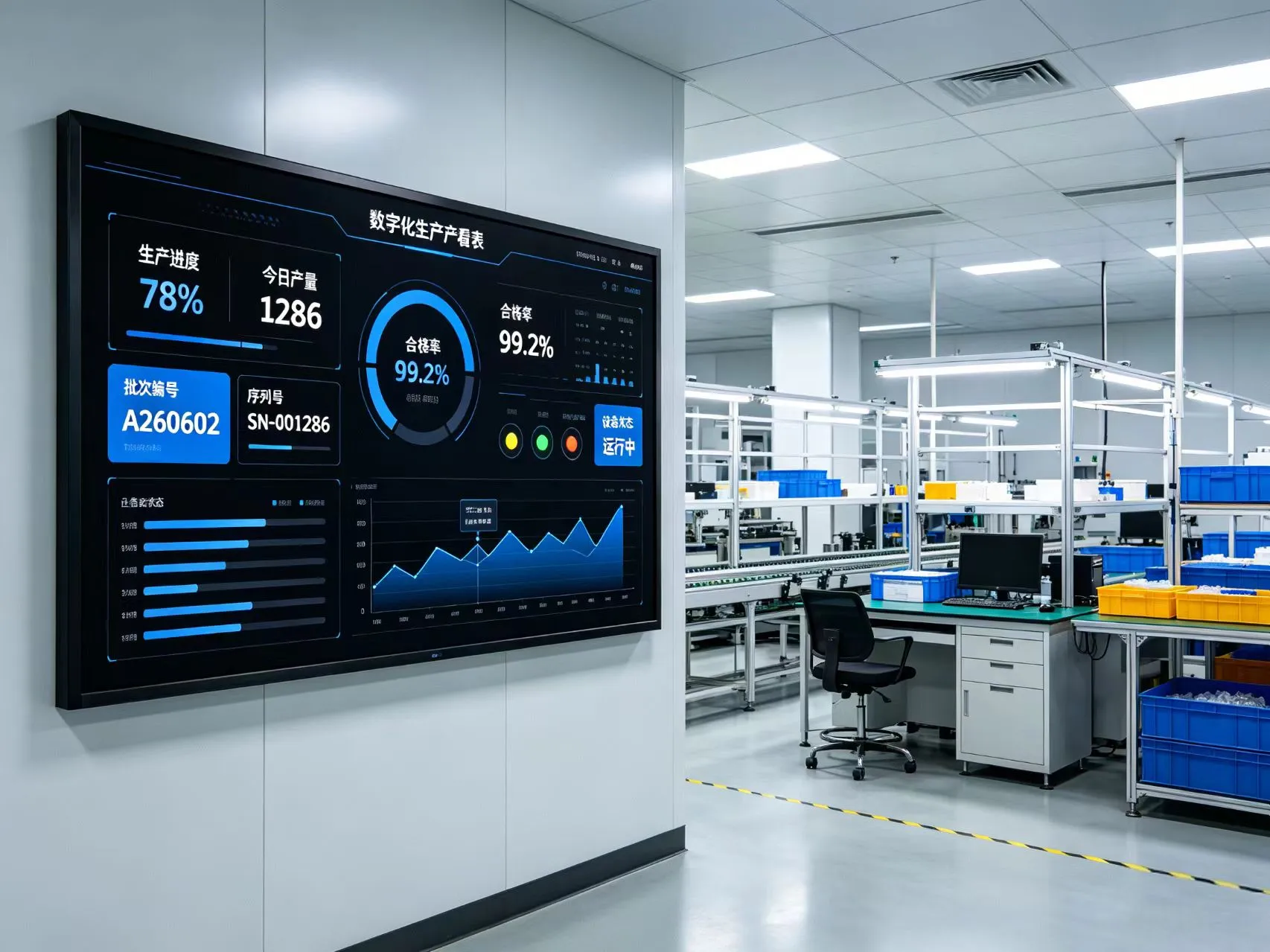
Third-party laboratory testing involves sending product samples to accredited testing facilities where they undergo rigorous scientific analysis under controlled conditions. Unlike factory-conducted inspections, which rely on the manufacturer’s own equipment and judgment, laboratory testing provides an objective, independent assessment of product characteristics.
Common SGS Tests for Bags and Textiles
The specific tests required vary depending on the product type, target market, and end-use requirements. However, several categories of testing are consistently demanded by retailers and regulatory bodies worldwide.

Chemical Safety Testing
- REACH Compliance Testing: Evaluates products for restricted chemicals mandated by EU regulations, including phthalates, lead, cadmium, and formaldehyde
- PFAS Testing: Screens for per- and polyfluoroalkyl substances, increasingly important for water-resistant treatments
- CPSIA Testing: U.S. Consumer Product Safety Improvement Act compliance for children’s products
- Heavy Metals Analysis: Detects trace amounts of metals in dyes, hardware, and coatings
- AZO Dyes Screening: Tests for carcinogenic amine compounds in colored textiles
Physical Performance Testing
- Color Fastness: Measures resistance to fading, bleeding, or transferring color under various conditions including washing, light exposure, rubbing, and perspiration
- Tensile Strength: Determines the force required to break fabric seams and materials
- Abrasion Resistance: Evaluates material durability through Martindale or Wyzenbeek testing cycles
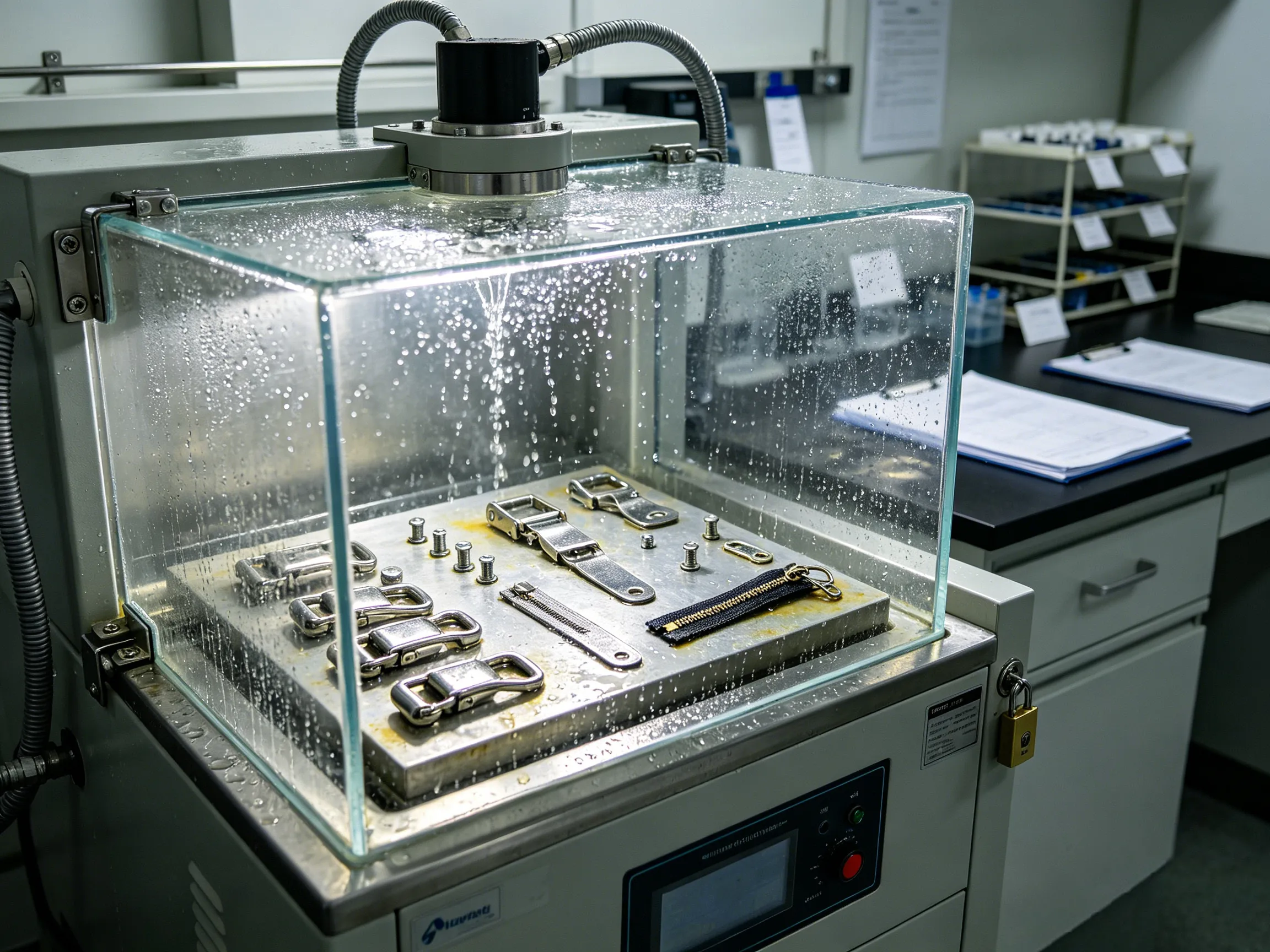
- Water Resistance: Tests waterproofing effectiveness and seam integrity under wet conditions
- Hardware Durability: Assesses zipper functionality, button security, and clasp reliability
Why Buyers Request SGS Testing
The demand for laboratory testing reports stems from several critical business imperatives that affect every stage of the product lifecycle.
What Is Material Certification?
Material certification operates on a fundamentally different principle than product testing. While testing evaluates whether a specific product sample meets certain criteria, certification validates the characteristics, origin, and production conditions of the materials themselves.

Material certifications are issued by accredited certification bodies after thorough audits of manufacturing processes, supply chains, and material sources. These certifications typically remain valid for annual periods, requiring renewal through continued compliance audits.
Common Material Certifications
Depending on your product category and target market, different certifications may be required or beneficial. Understanding which certifications are relevant to your supply chain is essential for effective procurement.
Textile and Fabric Certifications
- OEKO-TEX STANDARD 100: One of the world’s best-known labels for textiles tested for harmful substances. It stands for customer confidence and high product safety.
- GRS (Global Recycled Standard): Verifies the presence and amount of recycled material in products and ensures responsible social, environmental, and chemical practices in production.
- RCS (Recycled Claim Standard): Provides chain of custody verification for recycled materials through the supply chain.
- Bluesign: Ensures resource productivity, consumer safety, and water and air emissions are optimized during manufacturing.
Leather Certifications
- Leather Working Group (LWG): A multi-stakeholder group promoting sustainable and ethical leather manufacturing through an auditing protocol.
- 真皮认证: Validates genuine leather content and sourcing practices for authenticity verification.
Sustainability Certifications
- FSC (Forest Stewardship Council): Certifies that wood and paper products come from responsibly managed forests.
- USDA BioPreferred: Designates products derived from renewable biological materials.
- GOTS (Global Organic Textile Standard): Defines requirements for organic fiber processing throughout the textile supply chain.
What Information Does a Material Certificate Provide?
Understanding the scope and limitations of material certificates helps buyers set appropriate expectations and avoid common procurement mistakes.
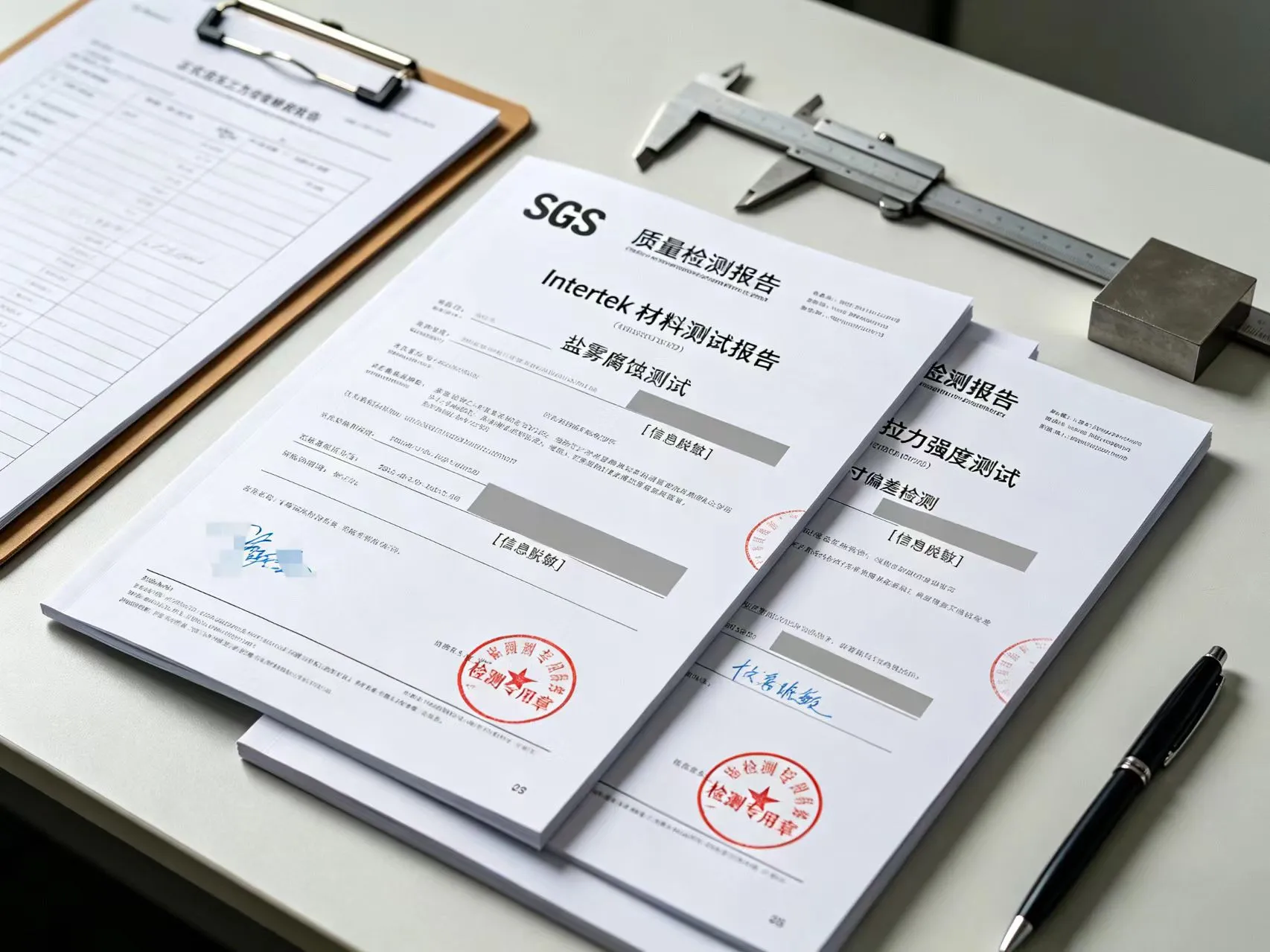
A material certificate typically documents several key elements that establish the material’s provenance and characteristics:
SGS Testing vs Material Certification: What’s the Difference?
Understanding the fundamental differences between testing and certification enables procurement professionals to request appropriate documentation and avoid costly compliance gaps.
| Aspect | SGS Testing | Material Certification |
|---|---|---|
| Primary Purpose | Verify that specific product samples meet defined performance and safety criteria | Verify that materials originate from approved sources and meet defined composition or sustainability standards |
| Issued By | Accredited testing laboratories (SGS, Bureau Veritas, Intertek, etc.) | Certification bodies (OEKO-TEX, GRS, LWG, etc.) |
| Focus | End-product quality, safety, and performance characteristics | Material sourcing, composition, and production process compliance |
| Validity Scope | Applies to tested sample; subsequent production may differ | Applies to certified material supply chain; ongoing compliance required |
| Buyer Value | Product safety assurance, regulatory compliance, customer satisfaction | Sustainable sourcing verification, ESG reporting, authenticity confirmation |
| Renewal Frequency | Typically per shipment or per production run | Annual surveillance audits typically required |
| Sample vs System | Point-in-time assessment of specific items | System-level verification of ongoing processes |
Both testing and certification serve essential but distinct functions in a comprehensive quality assurance program. Neither can fully substitute for the other.
Do Buyers Need SGS Testing, Material Certification, or Both?
The answer depends entirely on your product category, target market, distribution channels, and customer base. A systematic approach to evaluating your compliance requirements ensures you neither over-invest in unnecessary testing nor risk non-compliance.
For brands selling in European and North American markets, the prevailing best practice is to require both material certifications and periodic testing:

Recommended Approach for International Brands
- Foundation: Material certifications for supply chain verification and ESG reporting
- Validation: Pre-shipment testing for critical product safety parameters
- Continuous Improvement: Periodic factory audits and random sample testing
- Documentation: Maintain organized compliance files for each product line
Which Tests and Certifications Are Common for Handbags?
Different product categories present distinct compliance challenges. Understanding the specific requirements for your product type enables more efficient procurement planning.
Fabric Bags
- OEKO-TEX STANDARD 100: Essential for any textile components touching skin
- GRS Certification: Required if marketing products as containing recycled materials
- Color Fastness Testing: Critical for dyed fabrics to prevent color transfer
- PFAS Testing: Increasingly required for water-resistant coatings
- Physical Performance Testing: Seam strength, handle load testing, handle attachment durability
Leather Bags
- Leather Working Group (LWG) Certification: Demonstrates responsible leather manufacturing
- Chrome VI Testing: Required by EU standards for leather products; hexavalent chromium is a restricted substance
- REACH Compliance: Mandatory for EU market entry; covers all leather dyes and finishing treatments
- Color Migration Testing: Essential for articles combining different leather types or colors
PU and Vegan Leather Bags
- REACH Compliance: Critical for polyurethane coatings and finishing chemicals
- DMF Testing: Dimethyl fumarate is restricted in many markets; testing is essential
- Heavy Metals Analysis: Certain pigments and coatings may contain restricted metals
- VOC Emissions Testing: Required for indoor products in some markets
How Brands Verify Supplier Compliance
Responsible brands employ multiple verification strategies to ensure their supply chains maintain stated compliance standards throughout the production relationship.
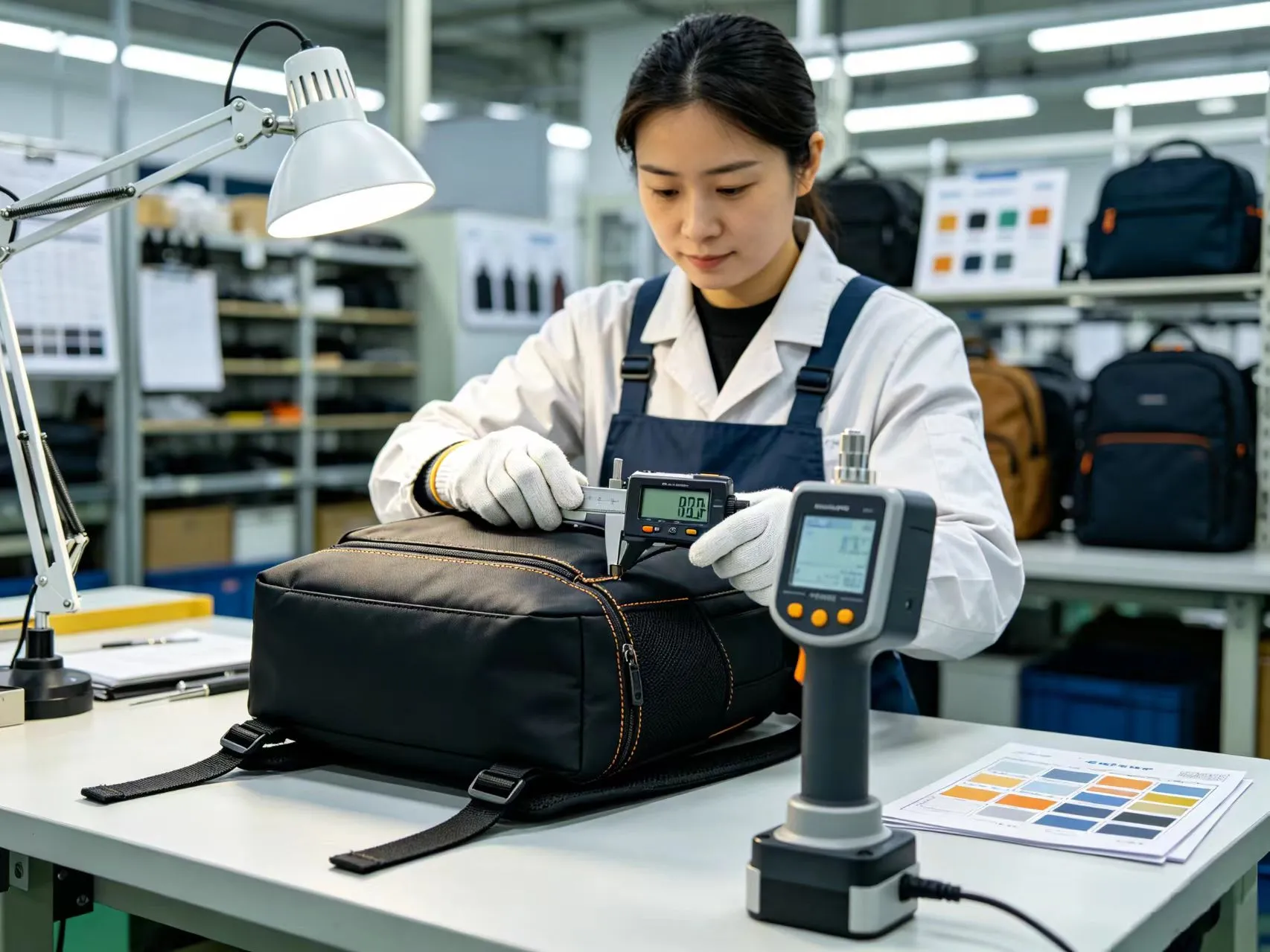
Documentation Requirements
- Material Certificates: Current, valid certificates covering all materials in the product
- Test Reports: Recent laboratory results for applicable safety and performance parameters
- Factory Audit Reports: Third-party social and quality audit results
- Compliance Declarations: Supplier-signed declarations confirming material compliance
Recommended Factory Certifications
- ISO 9001: Quality management system certification demonstrating systematic quality processes
- BSCI: Business Social Compliance Initiative for social responsibility
- Sedex Members Ethical Trade Audit (SMETA): Widely accepted social compliance audit
When Should You Request SGS Testing?
Understanding when testing is mandatory versus when it represents best practice enables efficient allocation of quality assurance resources.
Mandatory Testing Scenarios
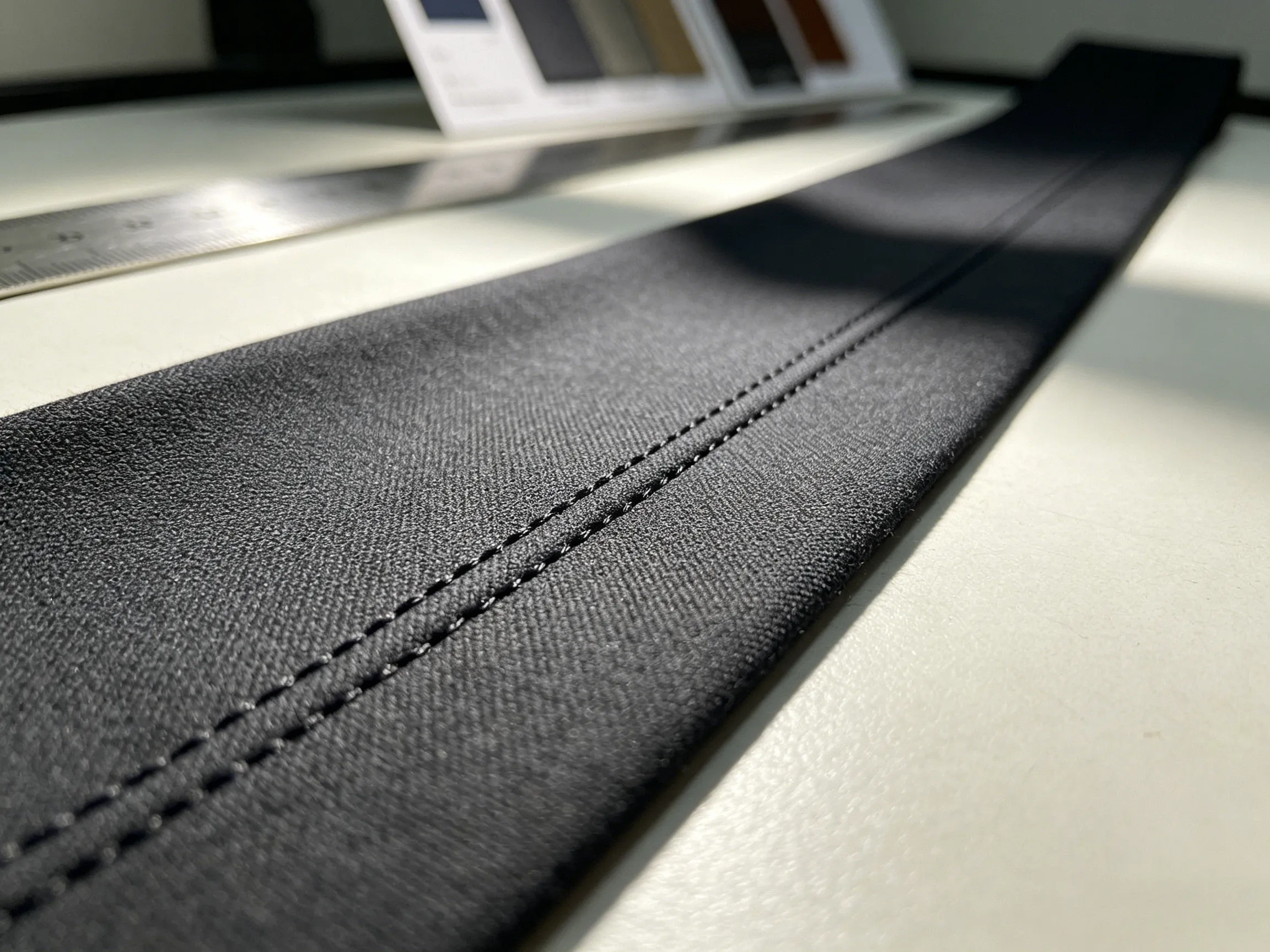
- New Product Development: Every new style requires testing before commercial production to identify potential compliance issues early
- New Materials: Any new raw material source requires testing to verify it meets specifications
- Regulatory Updates: When regulations change, affected products require retesting to verify continued compliance
- Major Production Changes: Modifications to construction, materials, or suppliers necessitate fresh testing
Recommended Testing Scenarios
- Pre-Shipment Inspection: Random sampling from production runs to verify consistency
- Customer Specification: When major retail customers require specific test reports before accepting shipments
- Annual Validation: Periodic retesting of established products to verify ongoing compliance
When Is Material Certification More Important?
While testing validates product performance, certifications provide the documentation framework that modern brands require for sustainability reporting and responsible sourcing commitments.
Certification Priority Scenarios
- Sustainable Sourcing Initiatives: Brands with ESG commitments need certified materials to substantiate environmental claims
- Recycled Content Claims: GRS or RCS certification is mandatory for legally defensible recycled material representations
- Eco-Friendly Product Lines: Marketing products as sustainable requires supporting documentation
- Corporate Procurement Standards: Many corporations require certified materials in their supply chains
- Organic or Natural Fiber Products: GOTS or OEKO-TEX certification validates organic claims
Common Mistakes Buyers Make
Avoiding these frequently observed errors prevents compliance gaps, costly delays, and potential brand reputation damage.
Best Practices for Manufacturers
For manufacturers seeking to serve international brands, implementing robust compliance systems creates significant competitive advantages.
Recommended Manufacturing Practices
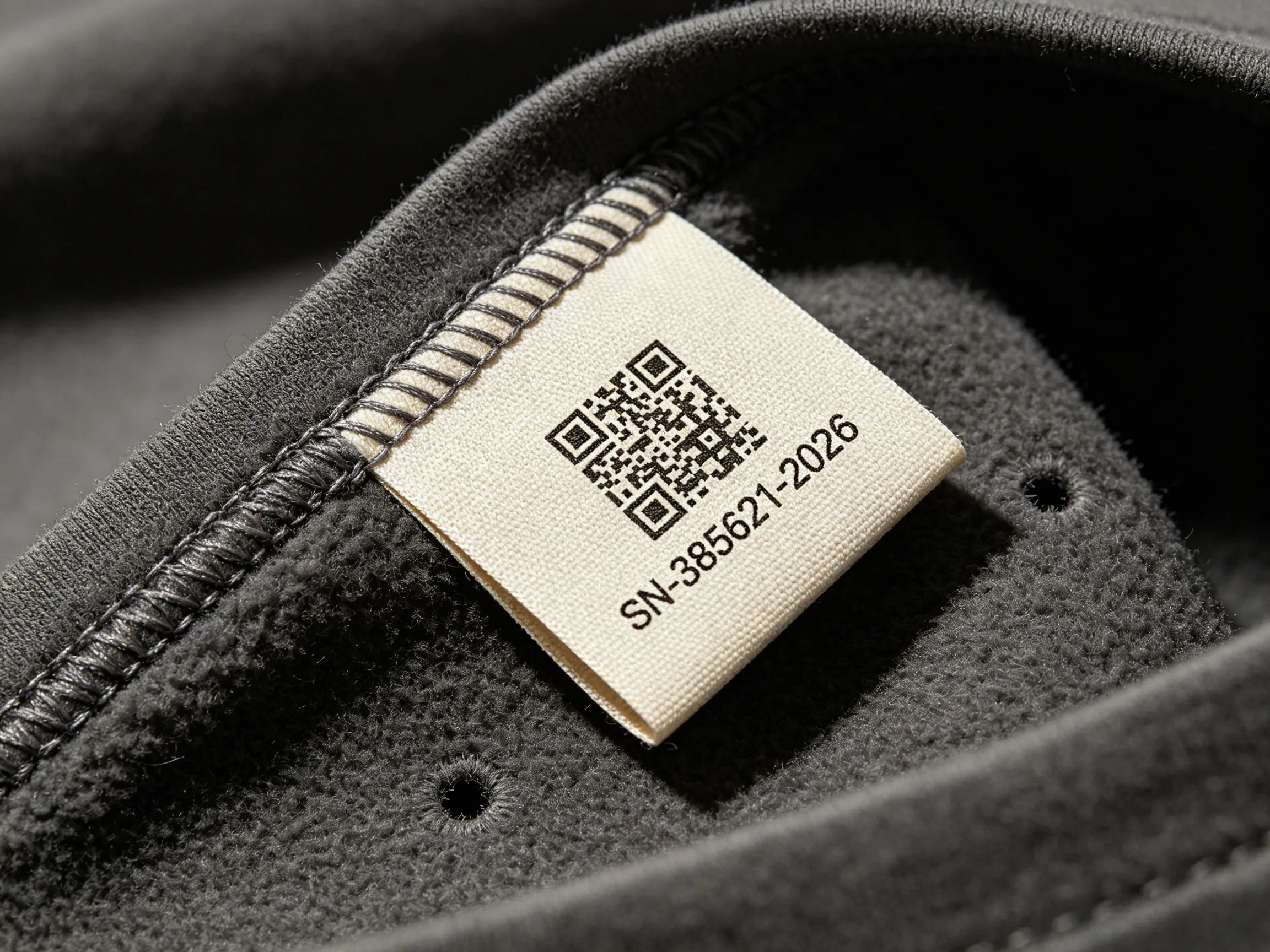
- Maintain Traceable Material Records: Document every material source with invoices, certificates, and test reports organized by production batch
- Keep Valid Certificates Current: Calendar renewal dates and complete surveillance audits well before expiration
- Schedule Regular Testing: Proactively test materials and products before buyers request documentation
- Work with Accredited Laboratories: Partner with laboratories accredited by recognized bodies such as ISO 17025
- Update Compliance Documents: Maintain current compliance declarations and material safety data sheets
- Implement MES Systems: Real-time monitoring enables immediate identification of quality deviations
Frequently Asked Questions
Is SGS testing the same as certification?
No. SGS testing is a laboratory analysis of specific product samples to verify they meet defined performance or safety criteria. Certification validates that materials, processes, or facilities meet established standards and is typically issued by certification bodies. Testing and certification serve different purposes and neither substitutes for the other.
What is the difference between SGS testing and material certification?
SGS testing evaluates whether specific product samples meet requirements—it is a point-in-time assessment of physical products. Material certification validates that materials originate from approved sources and meet defined composition or sustainability standards—it is a system-level verification with ongoing requirements. Testing applies to products; certification applies to materials and production processes.
Do I need SGS testing for every order?
Not necessarily. While testing is essential for new products, new materials, and regulatory compliance, established products with stable supply chains may only require periodic verification. However, many major retailers require test reports for every shipment regardless of product history. Assess your specific market requirements and customer expectations to determine appropriate testing frequency.
Can material certification replace laboratory testing?
No. Material certification and laboratory testing address different compliance aspects. Certification verifies material sourcing and production systems; testing verifies finished product characteristics. A certified material can be manufactured into a substandard product, and an uncertified material can potentially pass testing. Comprehensive compliance programs require both.
Which material certifications do handbag brands require?
Requirements vary by product type and target market. Common certifications include OEKO-TEX STANDARD 100 for textile components, Leather Working Group certification for leather goods, and GRS or RCS for recycled content claims. European markets typically require REACH compliance documentation. Always verify specific requirements with your customers and regulatory authorities.
How long is an SGS report valid?
There is no universal validity period for test reports. Most buyers consider reports older than one year as outdated, particularly for products subject to changing regulations. For products with stable formulations and no regulatory changes, some buyers accept reports up to two years old. However, production changes, new regulations, or customer requirements may necessitate more frequent testing.
Who issues material certifications?
Material certifications are issued by accredited certification bodies. For textile certifications, common issuers include OEKO-TEX, Textile Exchange (for GRS/RCS), and Bluesign. Leather certifications are issued by the Leather Working Group. These organizations maintain accreditation from bodies such as IOAS or national accreditation agencies to ensure certification integrity.
How do buyers verify compliance documents?
Verification should include checking certificate validity through the issuing certification body’s public database, confirming expiration dates and scope coverage, cross-referencing test report numbers with laboratory records, and requesting raw data or manufacturing records when appropriate. Many certification bodies maintain online verification portals where certificate numbers can be checked.
Should suppliers provide both testing reports and certificates?
Yes. Reputable suppliers serving international markets should maintain both current material certifications covering their supply chain and recent test reports demonstrating product compliance. Providing only one type of documentation leaves gaps in compliance verification. Comprehensive suppliers maintain organized compliance files including certificates, test reports, audit reports, and compliance declarations.
What documents should buyers request before placing an order?
Essential documents include current material certificates covering all components, recent test reports for applicable safety and performance parameters, factory certifications (ISO 9001, BSCI, or equivalent), valid compliance declarations, and traceability documentation for materials subject to restricted substance regulations. Requesting these documents before production prevents costly compliance issues.
Conclusion
SGS testing validates whether specific products meet defined performance and safety requirements through scientific analysis of samples. Material certification validates material sourcing, composition, and production process compliance through system-level verification.
These two approaches are not interchangeable—they are complementary components of a comprehensive quality and compliance framework. For international brands, simultaneously addressing test reports, material certifications, and factory management systems represents the optimal practice for minimizing procurement risk, ensuring product quality, and meeting regulatory requirements.
Understanding when to require testing, when to require certification, and how to verify supplier compliance documentation empowers buyers to build reliable supply chains that support long-term brand success.
Partner with Dreamway for Compliant Manufacturing
Dreamway is a professional handbag factory in Guangzhou, China, serving 50+ countries worldwide with a dedicated team of 30+ specialists. We maintain comprehensive compliance documentation including ISO 9001 certification, BSCI audit compliance, and provide full testing and certification support for your products.
Minimum Order Quantities: 200 units for handbags • 50 units for silk products
Visit Our WebsitePremium bag & silk manufacturing — under one factory roof.
Tucked inside Shiling Town — Guangzhou’s centuries-old leather district — Dreamway is a focused manufacturing partner for brands that refuse to compromise. We build rugged, retail-ready tote bags, backpacks, handbags with a 200-piece MOQ, and craft 100% Mulberry silk pillowcases, scrunchies & sleep accessories starting from just 50 pieces. Our small team of 30+ artisans is senior, hands-on, and accountable — the same people who quote your sample will personally inspect your shipment.
Every order is verified against our published manufacturing quality standards — AQL 2.5 inspection, hardware pull-tests, seam-strength audits, and silk-fibre authenticity checks. From concept tech-pack to mass production, we run the entire supply chain in-house, so timelines stay honest and revisions stay painless.
Buying Guides & Manufacturing Insights
Sourcing smarter starts with knowing what to compare. These long-form guides break down the decisions our clients wrestle with most — from third-party inspections like the SGS vs Intertek vs Bureau Veritas showdown, to ranking China’s top 10 tote bag manufacturers, to the head-to-head of canvas vs polyester vs PU for bag bodies.
Designing your logo? Our custom tote bag logo size guide shows real placement and stitch-density examples. Curious how a handbag actually comes together? Walk through the leather handbag manufacturing process step by step, and pair it with the canvas tote durability factors that decide whether a bag survives five years of daily use.
For material decisions beyond canvas, compare PU vs polyester for bags and explore our roundup of the world’s top canvas bag manufacturers. If backpacks are your lane, our backpack manufacturing process and backpack lead-time guide give you realistic production windows. Choosing between social-compliance audits? Read BSCI vs SEDEX vs WRAP. For smaller leather goods, dive into the leather wallet manufacturer playbook; for sustainability claims, the recycled PU leather explainer and our backpack QC checklist separate marketing from reality. Finally, stay ahead of EU regulation with our PPWR FAQ for bag manufacturers.
Explore by Topic
Browse our deep-dive knowledge hubs — every cluster is curated by category and updated with new field reports.
By Category
Materials & Compliance
Real Client Cases
Numbers tell part of the story. These production cases show how Dreamway’s small team delivers at scale.
Featured Product Lines
A snapshot of what we manufacture most often — all OEM/ODM-ready with custom hardware, lining, and packaging.
Who We Help
From indie founders to global enterprise — Dreamway is built for brands that need a factory, not a freelancer.
Brand Builders
Beauty & Fashion
Lifestyle & Retail

Skip the inbox. Chat with Victoria — right now.
Point your camera at the QR and you’re connected to a real human in Guangzhou. Send a photo of your reference, get a quote within minutes, and lock in your 200-piece MOQ slot before this month’s capacity fills.
Specialized factories. Unified standards.
Leather & Bag Capital
Our bags come from Guangzhou’s Shiling leather district — home to 30+ senior artisans under one roof, working in 8,000 m² of integrated cutting, sewing, hardware-assembly, and QC space.
Mulberry Silk Heritage
Our 22mm Mulberry silk pillowcases and sleep sets come from vetted partner mills in Suzhou and Hangzhou — at the heart of China’s 5,000-year sericulture heritage, today running OEKO-TEX Standard 100 certified production lines.
Get your sample in 7 working days —
hand-built by Guangzhou’s 30+ artisans.
Send a sketch, a screenshot, or a competitor’s bag you want to beat. We’ll hand-build a custom sample and ship it to your door — produced by the same craftspeople who will run your mass-production order.
business days · in your timezone
on request · signed in 1 day
if first one misses the brief