
Understanding BSCI, Sedex & WRAP: A Factory Compliance Guide for Global Buyers
Disclaimer: BSCI (amfori), Sedex (SMETA), and WRAP are registered trademarks of their respective organizations. Dreamway is an independent bag manufacturer. Dreamway is not officially affiliated with, endorsed by, or acting as an auditing body for these standards. This guide is provided for informational purposes to demonstrate how our factory supports customer-required social compliance audits.
Quick Answer
Navigating factory certifications can feel overwhelming, but understanding the three major social compliance standards will help you make the right choice for your business. Here’s a direct comparison:
Most commonly required by European buyers. Operated by amfori, it focuses on social compliance across supply chains.
Widely accepted by international retail brands. Note: Sedex is a data-sharing platform, while SMETA is the audit methodology.
Highly recognized in the apparel, footwear, and textile industries, particularly for US market suppliers.
| Certification | Best For | Primary Market |
|---|---|---|
| BSCI | European retail & brand compliance | Europe |
| Sedex (SMETA) | Global supply chain transparency | International |
| WRAP | Apparel & textile manufacturing | USA & North America |
BSCI vs Sedex vs WRAP at a Glance
This comprehensive comparison table covers 30+ dimensions to help you understand the key differences between these three major social compliance certifications.
| Comparison Dimension | BSCI | Sedex (SMETA) | WRAP |
|---|---|---|---|
| Organization | amfori (formerly Foreign Trade Association) | Sedex (Supplier Ethical Data Exchange) | WRAP (Worldwide Responsible Accredited Production) |
| Main Purpose | Social compliance in supply chains | Ethical supply chain data sharing | Workplace standards certification |
| Audit Standard | BSCI Code of Conduct | SMETA (Sedex Members Ethical Trade Audit) | WRAP Principles (12 Principles) |
| Social Compliance | ✓ Comprehensive | ✓ Comprehensive | ✓ Comprehensive |
| Labor Rights | ✓ Yes | ✓ Yes | ✓ Yes |
| Working Hours | ✓ Strictly monitored | ✓ Strictly monitored | ✓ Strictly monitored |
| Health & Safety | ✓ Yes | ✓ Yes | ✓ Yes |
| Environmental Requirements | Basic level | Optional module | Limited scope |
| Business Ethics | Included | Included | Included |
| Supply Chain Transparency | Medium | High | Low |
| Audit Method | Announced, Semi-announced, Unannounced | Announced, Semi-announced, Unannounced | Announced (primarily) |
| Audit Frequency | 1-3 years (based on risk) | 1-2 years (based on risk) | 1-3 years |
| Buyer Recognition | High | Very High | High |
| Europe Acceptance | ★★★★★ | ★★★★☆ | ★★★☆☆ |
| USA Acceptance | ★★★☆☆ | ★★★★☆ | ★★★★★ |
| Amazon Suppliers | Accepted | Accepted | Accepted |
| Walmart Suppliers | Accepted | Preferred | Accepted |
| Fashion Brands | ★★★★★ | ★★★★★ | ★★★★☆ |
| Promotional Products | ★★★★☆ | ★★★★☆ | ★★★☆☆ |
| Bags Industry | ★★★★★ | ★★★★☆ | ★★★★☆ |
| Textile Industry | ★★★★★ | ★★★★★ | ★★★★★ |
| Toy Industry | ★★★☆☆ | ★★★★☆ | ★★★☆☆ |
| Electronics | ★★★★☆ | ★★★★★ | ★★☆☆☆ |
| Certification Validity | 1-3 years | 1-2 years | 1-3 years |
| Typical Audit Cost | $1,500 – $4,000 | $1,200 – $3,500 | $2,000 – $5,000 |
| Factory Preparation | Moderate | Moderate | Intensive |
| Recommended Factory Size | Small to Large | Small to Large | Medium to Large |
| Best For | European market focus | Multi-market suppliers | US apparel focus |
What Is BSCI?
BSCI stands for Business Social Compliance Initiative, a leading business-driven initiative designed to improve social compliance in global supply chains. It is now operated by amfori, a prominent global business association for open and sustainable trade.

Is BSCI a Real “Certification”?
This is a common misconception. BSCI is not technically a certification—it is a membership-based social compliance program. Factories undergo BSCI audits conducted by approved third-party audit firms, but the “certification” is actually the BSCI audit report that gets uploaded to the amfori platform. Buyers who are BSCI members can then access and review the factory’s audit results.
What Does a BSCI Audit Cover?
- Labor Standards: Child labor, forced labor, discrimination, disciplinary practices
- Working Conditions: Working hours, wages, benefits
- Health & Safety: Workplace conditions, fire safety, emergency preparedness
- Environment: Basic environmental compliance
- Management Systems: Documentation, social responsibility policies
BSCI Advantages
- Widely recognized by European retailers and brands
- Single audit accepted by multiple BSCI member buyers
- Clear audit methodology with defined rating system
- Comprehensive platform for audit management
- Supports continuous improvement approach
BSCI Limitations
- Not accepted as a standalone certification in some markets
- Validity depends on buyer requirements
- Limited environmental scope compared to some other standards
- Requires active membership from the buying side
What Is Sedex and SMETA?
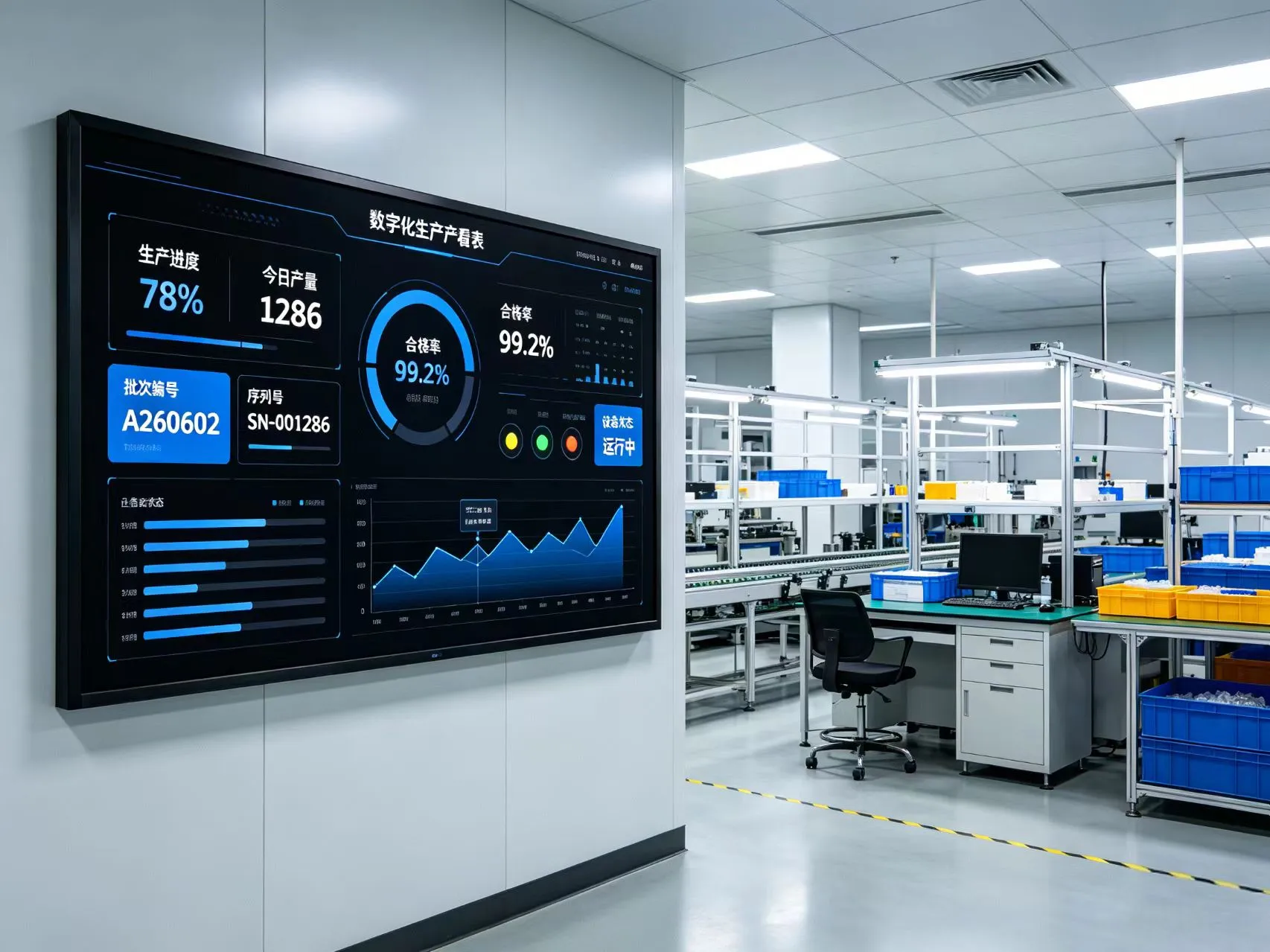
Sedex (Supplier Ethical Data Exchange) is one of the world’s leading ethical trade membership organizations. It operates a collaborative platform that allows suppliers to share their social compliance audit information with multiple buyers—a major efficiency gain for factories working with numerous customers.
Important Distinction
Sedex ≠ SMETA. This is a critical point of confusion in the industry.
- Sedex is a membership organization and data platform
- SMETA (Sedex Members Ethical Trade Audit) is the audit methodology used on the Sedex platform
When buyers request a “Sedex audit,” they actually mean a SMETA audit conducted on the Sedex platform.
SMETA Audit Components
SMETA audits typically cover four pillars:
- Labor Standards: Child labor, forced labor, discrimination, freedom of association
- Health & Safety: Workplace safety, welfare facilities, first aid
- Environment: (Optional 4-pillar audit) Waste management, chemical storage
- Business Ethics: Anti-bribery, corruption policies
Why Sedex/SMETA Is Valuable
- Multi-stakeholder acceptance: Accepted by major global retailers and brands
- Data sharing efficiency: One audit, multiple buyer views
- Risk-based approach: Allows focused auditing on high-risk areas
- Walmart preference: Specifically preferred by Walmart suppliers
- Flexible audit types: Supports 2-pillar (labor + H&S) or 4-pillar (with environment) audits
What Is WRAP Certification?
WRAP stands for Worldwide Responsible Accredited Production. It is an independent, nonprofit organization that promotes safe, lawful, humane, and ethical manufacturing worldwide. WRAP certification is particularly strong in the apparel, footwear, and textile industries.

The 12 WRAP Principles
WRAP Certification Process
WRAP follows a more traditional certification model compared to BSCI or Sedex:
- Application: Factory applies to WRAP and commits to the 12 principles
- Self-Assessment: Factory completes a detailed self-assessment questionnaire
- Document Review: WRAP reviews factory documentation
- Facility Audit: Third-party auditor conducts on-site audit
- Certification Decision: WRAP board reviews and approves/rejects
- Certificate Issuance: Valid for 6 months to 2 years depending on rating
WRAP Strengths
- Strong recognition in US apparel and textile industries
- Clear, comprehensive 12-principle framework
- True certification with certificate documentation
- Supports smaller factories with manageable requirements
- Good for factories targeting US retail brands
Key Differences Between BSCI, Sedex and WRAP
This comparison matrix highlights the most important distinctions across 25+ dimensions to help you understand which certification best fits your factory’s needs.
| Dimension | BSCI | Sedex (SMETA) | WRAP |
|---|---|---|---|
| Audit Method | Third-party audit via amfori-approved firms | SMETA audit by Sedex-approved auditors | WRAP-certified auditors |
| Audit Scope | Social compliance focus | Flexible (2 or 4 pillar) | 12 comprehensive principles |
| Worker Interviews | Mandatory, structured | Mandatory, confidential | Mandatory |
| Document Review | Payroll, contracts, training records | Comprehensive documentation | Detailed document verification |
| Fire Safety | Full inspection required | Full inspection required | Full inspection required |
| Dormitory Inspection | If applicable | If applicable | If applicable |
| Subcontractor Review | Required | Required | Required |
| Environmental Compliance | Basic requirements | Optional (4-pillar) | Limited scope |
| Business Ethics | Included in scope | Included (4-pillar) | Covered under principles |
| Continuous Improvement | CAP-based approach | CAP-based approach | Progressive certification |
| Rating System | A (Excellent) to E (Fail) | Pass/Needs Improvement/Fail | Gold/Silver/Bronze |
| Platform Access | amfori platform | Sedex platform | WRAP certificate |
| Multi-buyer Sharing | Only BSCI members | Yes, core feature | Certificate can be shared |
| Audit Types | Announced, Semi, Unannounced | Announced, Semi, Unannounced | Primarily Announced |
| Worker Voice | Hotline available | Grievance mechanisms | Suggestion systems |
Audit Process Comparison
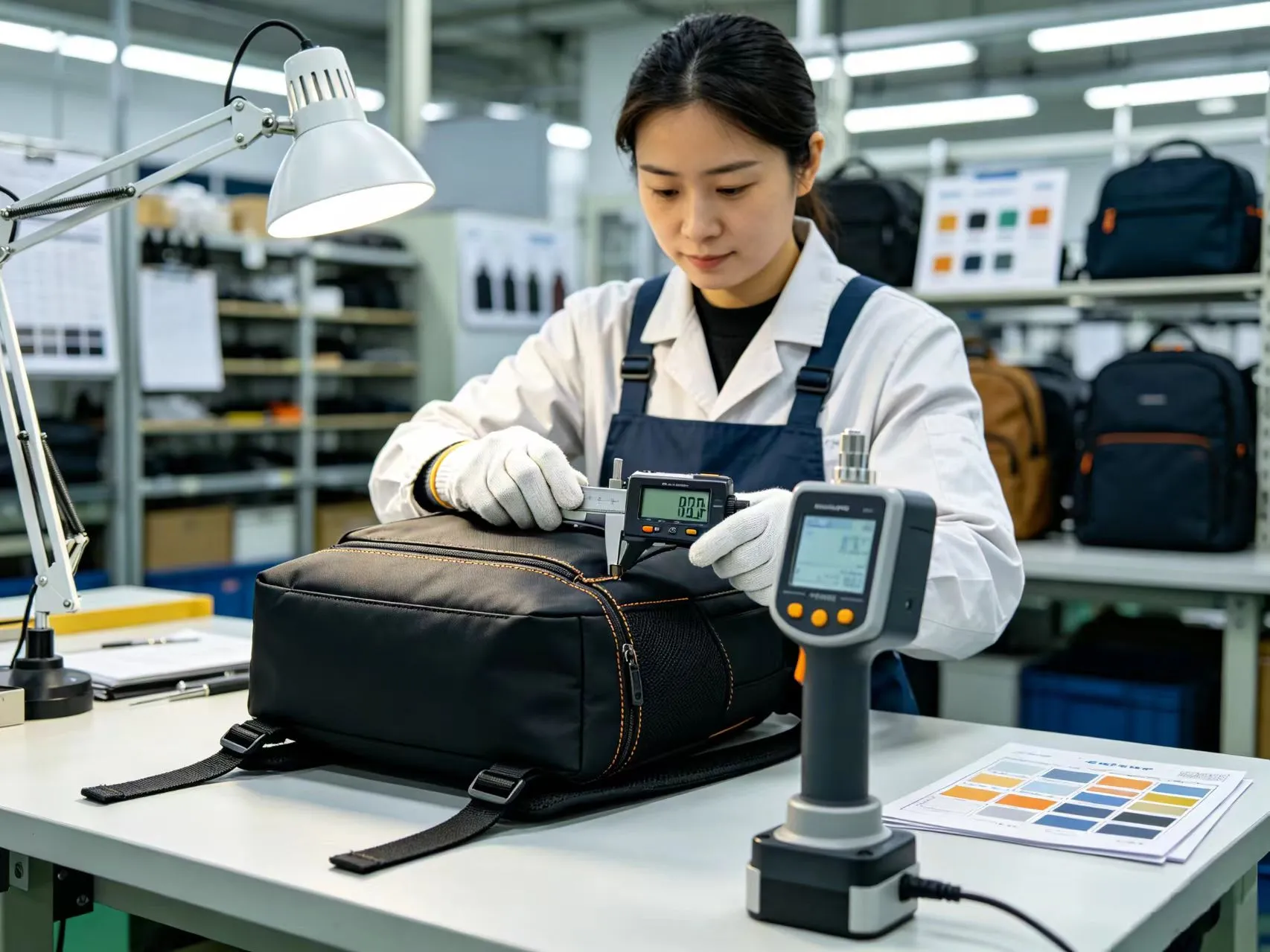
While each certification has its unique elements, the general audit flow follows similar patterns across all three standards. Understanding this process helps factories prepare more effectively.
Standard Audit Flow
Complete internal review of compliance status
Prepare payroll, contracts, certificates
Third-party auditor visits facility
Confidential interviews with employees
Workshop, dormitory, canteen review
Address identified non-conformities
Verify corrective actions (if needed)
Certification or audit report issued
Process Differences by Certification
| Process Stage | BSCI | Sedex (SMETA) | WRAP |
|---|---|---|---|
| Self-Assessment | Factory SAQ questionnaire | Sedex self-assessment questionnaire | Detailed WRAP SAQ |
| Document Preparation | 3-4 weeks typical | 2-4 weeks typical | 4-6 weeks recommended |
| Audit Duration | 1-3 days based on size | 1-3 days based on size | 1-3 days + board review |
| CAP Timeline | 30-60 days | 30-60 days | 60-90 days |
| Follow-up Type | Remote or on-site | Remote or on-site | On-site verification |
| Certificate Issuance | Immediate upon approval | Upon audit completion | After board approval |
Audit Scope Comparison
Understanding exactly what each certification audits helps factories prioritize their preparation efforts.
| Audit Area | BSCI | Sedex (SMETA) | WRAP |
|---|---|---|---|
| Child Labor | ✓ Required | ✓ Required | ✓ Required |
| Forced Labor | ✓ Required | ✓ Required | ✓ Required |
| Working Hours | ✓ Required | ✓ Required | ✓ Required |
| Wages & Benefits | ✓ Required | ✓ Required | ✓ Required |
| Health & Safety | ✓ Comprehensive | ✓ Comprehensive | ✓ Comprehensive |
| Fire Safety | ✓ Required | ✓ Required | ✓ Required |
| Environment | Basic | Optional (4-pillar) | Limited |
| Dormitory | If applicable | If applicable | If applicable |
| Business Ethics | Included | Optional | Included |
| Traceability | Required | Required | Required |
| Management Systems | ✓ Required | ✓ Required | ✓ Required |
| Continuous Improvement | CAP approach | CAP approach | Progressive |
Which Buyers Require Which Certification?
This is often the most critical question for factories. The right certification depends on who your customers are.

| Buyer Type | Primary Certification | Alternative Accepted | Notes |
|---|---|---|---|
| European Retailers | BSCI | Sedex, WRAP | BSCI strongly preferred |
| US Brands | WRAP | BSCI, Sedex | WRAP for apparel/textile |
| Promotional Products | Sedex or BSCI | WRAP | Varies by buyer |
| Luxury Brands | Sedex + BSCI | WRAP | Often require multiple |
| Amazon Sellers | BSCI or Sedex | WRAP | Policy-dependent |
| Corporate Gifts | BSCI | Sedex | Increasingly required |
| Fashion Brands | Sedex or BSCI | WRAP | All three often accepted |
| Baby Products | Sedex | BSCI | Additional testing often required |
Which Certification Is Best for Bag Manufacturers?
As a specialized bag factory serving 50+ countries, Dreamway understands the unique compliance needs of the bags industry. Here’s our recommendation based on product type:

| Product Type | Recommended | Why |
|---|---|---|
| Canvas Bags | BSCI or Sedex | European buyers dominate; flexible acceptance |
| Tote Bags | BSCI | Strong European retail demand |
| PU Bags | BSCI or Sedex | Global market, broad acceptance needed |
| Leather Goods | Sedex | Luxury brands prefer Sedex platform |
| Cosmetic Bags | BSCI + Sedex | Beauty industry often requires both |
| Backpacks | BSCI | Strong European outdoor/school market |
| Promotional Bags | BSCI or Sedex | Both widely accepted |
| Silk Accessories | Sedex or BSCI | Luxury market requires premium compliance |
Dreamway’s Approach
For bag manufacturers serving multiple markets, we recommend maintaining BSCI as the primary certification for European buyers, with Sedex providing the flexibility to serve global retailers and US brands.
Dreamway Compliance Readiness
At Dreamway, we maintain proactive compliance systems to support our customers’ social compliance audit requirements. Below is our current readiness status for each major standard.
.webp)
| Standard | Buyer Focus | Dreamway’s Factory Readiness |
|---|---|---|
| BSCI (amfori) | European retail & brand social compliance | Fully aligned with BSCI Code of Conduct; comprehensive labor & fire safety records ready. |
| Sedex (SMETA 2/4-Pillar) | Global retail transparency & data sharing | SMETA-compliant management systems; complete transparency on labor, H&S, and ethics. |
| WRAP | US market apparel & textile standards | Strict adherence to the 12 Principles; full documentation for export and supply chain security. |
Our Commitment
We maintain continuous compliance systems rather than “audit-focused compliance.” Our documentation, training, and safety protocols are designed to meet and exceed the requirements of all major social compliance standards.
Time Comparison
Timeline awareness helps factories plan production schedules around audit periods and manage customer expectations.
.webp)
Standard Timeline Comparison
BSCI Timeline
Sedex Timeline
WRAP Timeline
Time-Saving Tips
- Maintain continuous compliance rather than “audit cramming”
- Use internal audits to identify gaps before formal audits
- Keep documentation updated monthly, not annually
- Train staff on interview responses throughout the year
Common Non-Conformities
Understanding the most frequently cited issues helps factories focus their preparation efforts where they matter most.

Top 20 Most Common Audit Findings
| # | Non-Conformity | Frequency |
|---|---|---|
| 1 | Excessive overtime hours | Very High |
| 2 | Missing or incomplete payroll records | Very High |
| 3 | Inadequate fire exit markings | High |
| 4 | Poor chemical storage management | High |
| 5 | Missing PPE (Personal Protective Equipment) | High |
| 6 | Dormitory safety violations | Medium-High |
| 7 | Child labor documentation gaps | Medium |
| 8 | Missing training records | High |
| 9 | Unsafe electrical wiring | Medium-High |
| 10 | Incomplete grievance mechanisms | Medium |
| 11 | Missing first aid kits or expired supplies | Medium |
| 12 | Inadequate emergency evacuation plans | Medium-High |
| 13 | Workers not signed employment contracts | High |
| 14 | Wage calculation errors | Medium |
| 15 | Missing age verification documents | Medium |
| 16 | Inadequate ventilation in work areas | Medium |
| 17 | Fire drill not conducted regularly | Medium-High |
| 18 | No occupational health examinations | Medium |
| 19 | Subcontractor not pre-approved | Low-Medium |
| 20 | Missing environmental permits | Low-Medium |
How to Prepare for a Factory Audit
Proper preparation is the key to audit success. Follow this step-by-step guide to ensure your factory is ready.

Step-by-Step Audit Preparation Checklist
Documents Required
- Business license and relevant permits
- Factory layout drawings (production, dormitory, canteen)
- Organization chart
- Social compliance policy
- Environmental permits (if applicable)
HR Records
- Employee roster with age verification
- Employment contracts (all workers signed)
- Training records (safety, awareness)
- Employee handbooks
- Leave and attendance records
Payroll & Wages
- Last 12 months payroll records
- Wage calculation methodology
- Overtime records and compensation
- Social insurance payment receipts
- Employee acknowledgment of wages received
Health & Safety
- Fire safety certificates and equipment inspection records
- Emergency evacuation plans and evacuation maps
- First aid kits and trained first aiders
- PPE inventory and distribution records
- Chemical storage logs and MSDS sheets
- Electrical safety inspection reports
- Fire drill records (minimum 2 per year)
Worker Interviews
- Prepare workers on interview topics
- Ensure worker confidentiality awareness
- Establish worker grievance channels
- Train supervisors on not influencing workers
Corrective Actions
- Review previous audit reports
- Implement outstanding CAP items
- Document corrective actions taken
- Conduct internal pre-audit
Our Audit Preparation: How Dreamway Gets Ready
Before any third-party audit, Dreamway conducts rigorous internal reviews to ensure full compliance and smooth audit experiences. Here’s how we prepare:
Fire Safety Self-Check
- All fire exits clearly marked and unobstructed
- Fire extinguishers inspected and within service date
- Emergency evacuation plans posted on all floors
- Fire drill conducted within the past 6 months
- Electrical systems inspected for safety compliance
Working Hours & Payroll Records
- Last 12 months of complete payroll records ready
- Overtime authorization documentation in place
- Employee attendance records accurately maintained
- Social insurance payment receipts organized
- Wage calculation methodology documented
Documentation & Certificates
- Business license and permits current
- Environmental permits (where applicable)
- Health & safety inspection reports
- Employee contracts and training records
- Previous audit reports and CAP documentation
Our Philosophy
We believe in continuous compliance rather than “cramming” for audits. Our systems are designed to be audit-ready at any time, which benefits both our customers and our workforce.
Third-Party Friendly: We Welcome All Auditors
Dreamway maintains a transparent and cooperative relationship with all recognized third-party auditing organizations. We do not limit our customers to any specific audit firm.
We Accept & Cooperate With All Major Auditors
Our customers are welcome to engage any of the following recognized third-party audit firms for BSCI, SMETA, or WRAP audits:
Our Commitment to Transparency
We maintain open books and welcome auditors at any time. Our compliance documentation is organized, accessible, and ready for review. We view audits as opportunities to demonstrate our commitment to ethical manufacturing practices.
Real Examples: Certification Requirements by Buyer Type
Let’s look at practical scenarios that illustrate how different buyers approach certification requirements.

Case 1: European Retailer
A mid-sized European fashion retailer sourcing bags required all suppliers to have BSCI certification. Dreamway completed BSCI audit in 8 weeks, enabling immediate business initiation.
Case 2: US Apparel Buyer
A US-based footwear company required WRAP certification for textile components including bags. After 12 weeks of preparation including consultant support, certification achieved.
Case 3: Global Sourcing Company
A multinational sourcing firm with buyers across Europe and North America requested Sedex/SMETA audit. The flexible platform allowed sharing with multiple end-buyers.
Case 4: Promotional Products Brand
A corporate gifts company accepted either BSCI or Sedex certification. Dreamway’s BSCI certification satisfied their requirements, streamlining the vendor approval process.
Certification Decision Tree
Use this decision tree to quickly determine which certification might be best for your factory based on your business focus.
Best for European market recognition
Best for multi-market flexibility
Best for US textile/apparel industry
Both provide broad market access
Certification Comparison by Industry
Different industries have varying certification preferences. Here’s our industry-by-industry breakdown.
.webp)
| Industry | Primary Certification | Secondary Option | Notes |
|---|---|---|---|
| Bags & Luggage | BSCI | Sedex | European buyers drive requirements |
| Garments & Apparel | WRAP | BSCI/Sedex | US market often requires WRAP |
| Footwear | WRAP | BSCI | Strong WRAP recognition |
| Home Textiles | Sedex | BSCI | Sedex preferred by major retailers |
| Silk Products | Sedex or BSCI | WRAP | Luxury brands drive requirements |
| Promotional Gifts | BSCI | Sedex | Increasing certification requirements |
| Toys | Sedex | BSCI | Safety testing often required too |
| Electronics | Sedex | BSCI | Environmental focus (4-pillar) |
| Outdoor Products | BSCI | Sedex | European outdoor brands prefer BSCI |
Frequently Asked Questions
Here are the most commonly asked questions about BSCI, Sedex, and WRAP certifications.
.webp)
What is BSCI?
BSCI (Business Social Compliance Initiative) is a social compliance program operated by amfori. It helps European businesses improve working conditions in their global supply chains through a common audit framework.
What is Sedex?
Sedex (Supplier Ethical Data Exchange) is a membership organization that provides a collaborative platform for sharing ethical supply chain data. It is not a certification but a data-sharing platform.
What is SMETA?
SMETA (Sedex Members Ethical Trade Audit) is the audit methodology used on the Sedex platform. When buyers request a “Sedex audit,” they typically mean a SMETA audit.
Is Sedex a certification?
No. Sedex is a platform/membership organization, not a certification. The “certification” in the Sedex context is actually the SMETA audit report that gets uploaded to the Sedex platform.
What is WRAP certification?
WRAP (Worldwide Responsible Accredited Production) is an independent nonprofit certification program based on 12 principles covering labor practices, health & safety, and environmental compliance.
BSCI vs Sedex: Which is better?
Neither is universally “better.” BSCI is preferred for European markets, while Sedex offers better flexibility for multi-market suppliers. Choose based on your customer base.
WRAP vs BSCI: Which should I choose?
WRAP is stronger for US apparel and textile markets, while BSCI is preferred for European markets. If you serve both, consider maintaining both certifications.
Which certification do European buyers prefer?
European buyers most commonly require BSCI, though many also accept Sedex/SMETA. BSCI has the strongest European market recognition.
Which certification is accepted by US brands?
US brands often accept multiple certifications. WRAP is particularly valued for apparel and textile products, but BSCI and Sedex are also frequently accepted.
Does Amazon require BSCI?
Amazon doesn’t mandate specific social compliance certifications, but individual sellers and vendors on Amazon may require them based on their own sourcing policies.
How much does a BSCI audit cost?
BSCI audit costs typically range from $1,500 to $4,000 depending on factory size, location, and audit firm. Note: BSCI membership for factories is free; buyers pay membership fees.
How long does a Sedex audit take?
A Sedex/SMETA audit typically takes 1-3 days on-site depending on factory size and complexity, with report delivery within 1-2 weeks after the audit.
How often should audits be renewed?
Most certifications are valid for 1-3 years, with renewal audits required before expiration. High-risk factories may require more frequent audits.
Can one audit satisfy multiple buyers?
Yes. BSCI reports can be shared with all BSCI member buyers, and Sedex reports can be accessed by all buyer members on the platform. This is a major efficiency benefit.
Which certification is best for bag manufacturers?
For bag manufacturers, BSCI is recommended for European markets, while Sedex provides flexibility for serving global buyers. Most factories benefit from maintaining at least one of these.
Is BSCI enough for luxury brands?
Some luxury brands may require additional certifications beyond BSCI. Sedex is often preferred by luxury brands due to its comprehensive platform capabilities.
What happens if a factory fails an audit?
Failed audits result in a Corrective Action Plan (CAP) being issued. Factories must address all non-conformities within the specified timeframe (usually 30-90 days) before a follow-up audit.
Can small factories obtain these certifications?
Yes. All three certifications are accessible to factories of various sizes. However, smaller factories may need to invest more in documentation and preparation.
Are environmental requirements included?
BSCI includes basic environmental requirements. Sedex offers optional 4-pillar audits that include environmental compliance. WRAP has limited environmental scope.
Glossary of Key Terms
Understanding the terminology helps navigate the certification landscape more effectively.
| Term | Definition |
|---|---|
| BSCI | Business Social Compliance Initiative – a social compliance program for European supply chains |
| amfori | Global business association for open and sustainable trade, operator of BSCI |
| Sedex | Supplier Ethical Data Exchange – a membership platform for ethical supply chain data |
| SMETA | Sedex Members Ethical Trade Audit – the audit methodology used on the Sedex platform |
| WRAP | Worldwide Responsible Accredited Production – an independent certification program |
| CAP | Corrective Action Plan – a documented plan to address audit non-conformities |
| Corrective Action | Steps taken to eliminate the cause of a detected non-conformity |
| Ethical Sourcing | The practice of procuring goods and services in a way that respects ethical standards |
| Social Compliance | Adherence to laws and standards regarding worker rights and workplace conditions |
| Worker Welfare | Programs and conditions that support the physical and mental well-being of workers |
| Supplier Audit | Systematic examination of a supplier’s compliance with standards |
| Third-Party Audit | An audit conducted by an independent certification body |
| SAQ | Self-Assessment Questionnaire – a document factories complete before audits |
| Non-Conformity | A failure to meet specified requirements during an audit |
| Follow-up Audit | A subsequent audit to verify corrective actions have been implemented |
Key Takeaways
Here’s what you need to remember about BSCI, Sedex, and WRAP certifications.
BSCI is widely recognized by European brands and retailers for social compliance, making it essential for factories targeting the European market.
Sedex is a collaborative data-sharing platform, while SMETA is the audit methodology most buyers request. Remember: Sedex ≠ SMETA certification.
WRAP is especially valuable for apparel, footwear, and textile manufacturers supplying US markets, with strong recognition in these industries.
No certification is universally “best” – the right choice depends on your customers, target markets, and product categories.
Preparing documentation, worker training, and safety systems before an audit greatly improves success rates and reduces corrective action requirements.
Many international buyers accept more than one compliance standard if the audit scope meets their sourcing policies.
Regular internal assessments help factories maintain compliance between formal audits and demonstrate continuous improvement.
For custom bag manufacturers serving multiple regions, maintaining BSCI or Sedex often provides the broadest commercial flexibility.
The most common audit failures involve overtime hours, payroll documentation, and fire safety – focus preparation efforts here.
Understanding your buyer’s specific requirements is more important than pursuing every available certification.
Cost and timeline considerations vary significantly – WRAP typically requires more preparation time and investment than BSCI or Sedex.
Maintain continuous compliance rather than “audit-focused compliance” – sustainable practices impress auditors and buyers alike.
About Dreamway Manufacturing
Dreamway is a leading bag factory located in Guangzhou Huadu Shiling, specializing in handbags and silk products. With over 50 countries served, a dedicated team of 30+ professionals, and flexible MOQs (200 pieces for bags, 50 pieces for silk products), we are committed to delivering premium quality and ethical manufacturing practices.
Our factory maintains comprehensive quality compliance certifications to meet the diverse requirements of global brands and retailers. We welcome every customer to conduct collaborative third-party inspections and quality verification at any time.
Our Commitment to Compliance & Sustainability
At Dreamway, we believe that social compliance is not just about passing audits – it’s about creating a sustainable, ethical manufacturing environment that benefits our workers, our customers, and our planet. We continuously invest in:
- Worker Welfare: Fair wages, safe working conditions, and ongoing professional development
- Environmental Responsibility: Sustainable materials sourcing and waste reduction initiatives
- Transparent Operations: Open documentation, welcoming audits, and proactive compliance systems
Website: www.gzdreamway.com
Email: info@gzdreamway.com
Conclusion
Understanding BSCI, Sedex, and WRAP is essential for any factory serving international markets. Each standard has its strengths and preferred applications:
The preferred choice for European retail and brand compliance, offering broad recognition across the EU market.
Ideal for global supply chains requiring data transparency and multi-buyer access through a single audit platform.
Strongly recognized in the US apparel, footwear, and textile industries, with a comprehensive 12-principle framework.
At Dreamway Manufacturing, we maintain readiness for all three major social compliance standards. Our proactive approach to compliance – with continuous documentation, worker training, and safety systems – means we can support any audit requirement our customers bring to us.
Whether you’re sourcing for European retail, US apparel brands, or global retailers requiring flexible compliance options, Dreamway is equipped to meet your social compliance needs. We welcome all recognized third-party auditors and maintain transparent, cooperative relationships with audit firms worldwide.
Premium bag & silk manufacturing — under one factory roof.
Tucked inside Shiling Town — Guangzhou’s centuries-old leather district — Dreamway is a focused manufacturing partner for brands that refuse to compromise. We build rugged, retail-ready tote bags, backpacks, handbags with a 200-piece MOQ, and craft 100% Mulberry silk pillowcases, scrunchies & sleep accessories starting from just 50 pieces. Our small team of 30+ artisans is senior, hands-on, and accountable — the same people who quote your sample will personally inspect your shipment.
Every order is verified against our published manufacturing quality standards — AQL 2.5 inspection, hardware pull-tests, seam-strength audits, and silk-fibre authenticity checks. From concept tech-pack to mass production, we run the entire supply chain in-house, so timelines stay honest and revisions stay painless.
Buying Guides & Manufacturing Insights
Sourcing smarter starts with knowing what to compare. These long-form guides break down the decisions our clients wrestle with most — from third-party inspections like the SGS vs Intertek vs Bureau Veritas showdown, to ranking China’s top 10 tote bag manufacturers, to the head-to-head of canvas vs polyester vs PU for bag bodies.
Designing your logo? Our custom tote bag logo size guide shows real placement and stitch-density examples. Curious how a handbag actually comes together? Walk through the leather handbag manufacturing process step by step, and pair it with the canvas tote durability factors that decide whether a bag survives five years of daily use.
For material decisions beyond canvas, compare PU vs polyester for bags and explore our roundup of the world’s top canvas bag manufacturers. If backpacks are your lane, our backpack manufacturing process and backpack lead-time guide give you realistic production windows. Choosing between social-compliance audits? Read BSCI vs SEDEX vs WRAP. For smaller leather goods, dive into the leather wallet manufacturer playbook; for sustainability claims, the recycled PU leather explainer and our backpack QC checklist separate marketing from reality. Finally, stay ahead of EU regulation with our PPWR FAQ for bag manufacturers.
Explore by Topic
Browse our deep-dive knowledge hubs — every cluster is curated by category and updated with new field reports.
By Category
Materials & Compliance
Real Client Cases
Numbers tell part of the story. These production cases show how Dreamway’s small team delivers at scale.
Featured Product Lines
A snapshot of what we manufacture most often — all OEM/ODM-ready with custom hardware, lining, and packaging.
Who We Help
From indie founders to global enterprise — Dreamway is built for brands that need a factory, not a freelancer.
Brand Builders
Beauty & Fashion
Lifestyle & Retail

Skip the inbox. Chat with Victoria — right now.
Point your camera at the QR and you’re connected to a real human in Guangzhou. Send a photo of your reference, get a quote within minutes, and lock in your 200-piece MOQ slot before this month’s capacity fills.
Specialized factories. Unified standards.
Leather & Bag Capital
Our bags come from Guangzhou’s Shiling leather district — home to 30+ senior artisans under one roof, working in 8,000 m² of integrated cutting, sewing, hardware-assembly, and QC space.
Mulberry Silk Heritage
Our 22mm Mulberry silk pillowcases and sleep sets come from vetted partner mills in Suzhou and Hangzhou — at the heart of China’s 5,000-year sericulture heritage, today running OEKO-TEX Standard 100 certified production lines.
Get your sample in 7 working days —
hand-built by Guangzhou’s 30+ artisans.
Send a sketch, a screenshot, or a competitor’s bag you want to beat. We’ll hand-build a custom sample and ship it to your door — produced by the same craftspeople who will run your mass-production order.
business days · in your timezone
on request · signed in 1 day
if first one misses the brief