
AQL & Third-Party Inspection · Dreamway Field Guide
AQL Inspection Guide for Bag Buyers: Working with SGS, Intertek & Bureau Veritas
A practical, factory-aware guide to AQL inspection in the bag industry—what AQL means, how third-party inspection actually works, and how importers can use SGS, Intertek, and Bureau Veritas without confusion.
Introduction
Every bag importer eventually meets the same acronym: AQL. It appears in purchase orders, sales contracts, quotation forms, factory quality manuals, and inspection reports. Yet many buyers sign off on AQL numbers without fully understanding what those numbers mean in practice.
This guide is written for handbag, backpack, tote bag, and small leather-goods buyers who want to understand AQL inspection, third-party inspection, and pre-shipment inspection in the bag industry. It explains what AQL is, why every importer should understand it, and how third-party inspection companies fit into a realistic sourcing workflow.
If you have ever asked “What does AQL 2.5 actually mean?”, “Is third-party inspection mandatory?”, or “Should I book SGS or Intertek?”, the sections below will help you decide based on your project—not on a slogan.
What Is AQL Inspection?
AQL stands for Acceptable Quality Level. It is a statistical sampling tool, not a guarantee that every single bag is identical. AQL inspection is the practice of using a defined sampling plan to decide whether a production lot is acceptable, acceptable with concession, or rejected.
The concept of AQL originates from military and industrial quality control and is now codified in two widely used international standards:
- ISO 2859-1: the international standard for sampling procedures by attributes, covering inspection levels, AQL values, and acceptance numbers.
- ANSI/ASQ Z1.4: the U.S. equivalent widely used in global trade, including the bag industry, footwear, and consumer goods.
Both standards describe the same logic: define a lot size, choose an inspection level, set the AQL, and the standard tells the inspector how many units to draw and how many defects are tolerable. AQL inspection explained in one sentence: it is a shared, mutually understood rulebook for “is this batch acceptable?”
Common industry references include AQL 1.0, AQL 2.5, and AQL 4.0. The lower the AQL, the stricter the inspection. Lower AQL numbers are typically used for luxury or safety-critical goods; looser numbers are used for promotional products where some cosmetic variation is acceptable.
Why Bag Buyers Use Third-Party Inspection
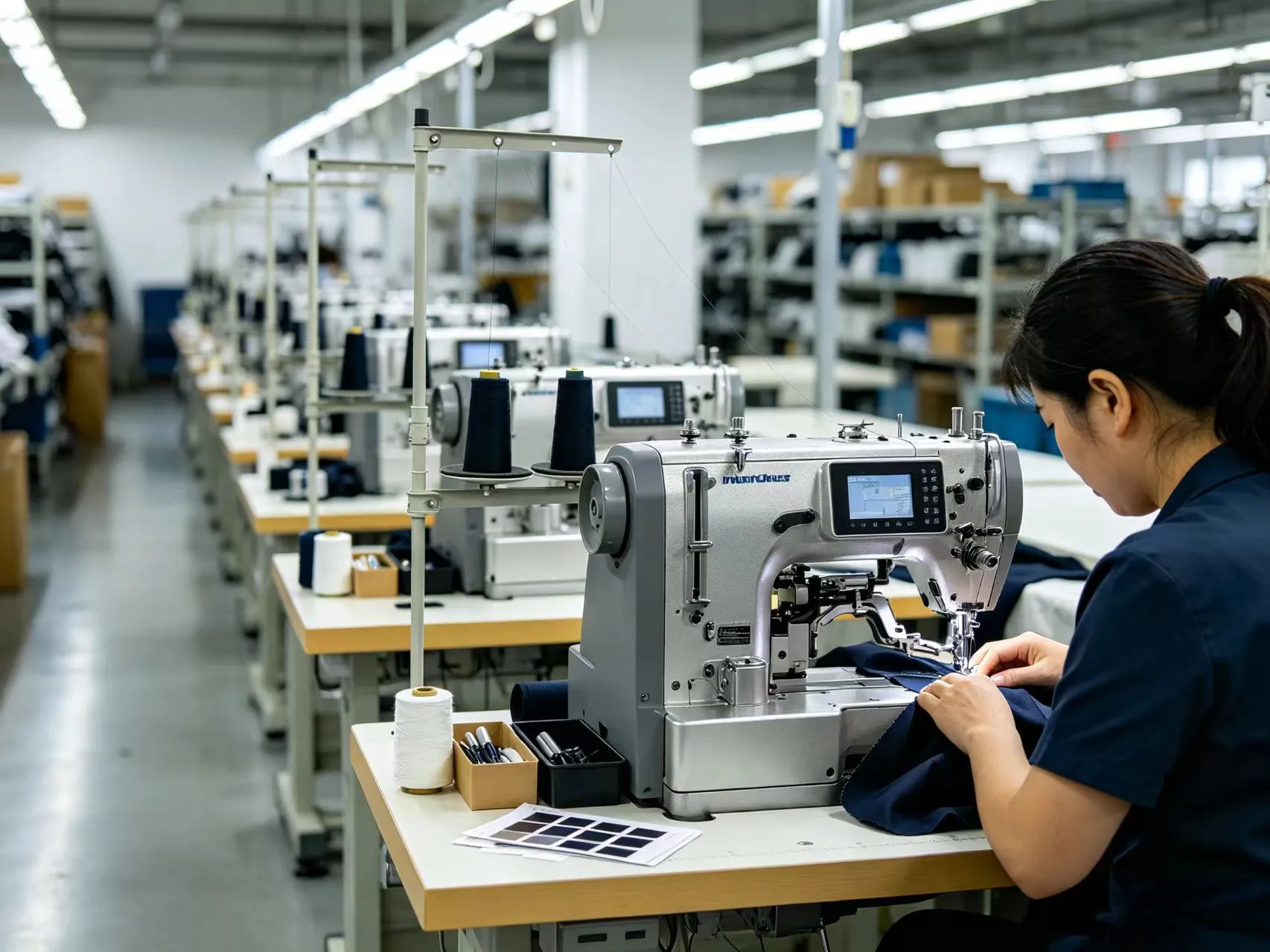
Most buyers do not run their own factory. They rely on a contract manufacturer in another country, often without visiting it personally. Third-party inspection exists to close the distance between buyer and production line.
In a typical factory inspection China project, buyers schedule three checkpoints:
- Before shipment inspection (PSI / Pre-shipment inspection): the final sampling check on finished goods before the container leaves the factory.
- Inline inspection (DUPRO): a mid-production check, usually when 30–50% of the order is complete. It catches problems while there is still time to fix them.
- Final inspection: the last visual and functional check on packed goods, usually 100% packed or near packed.
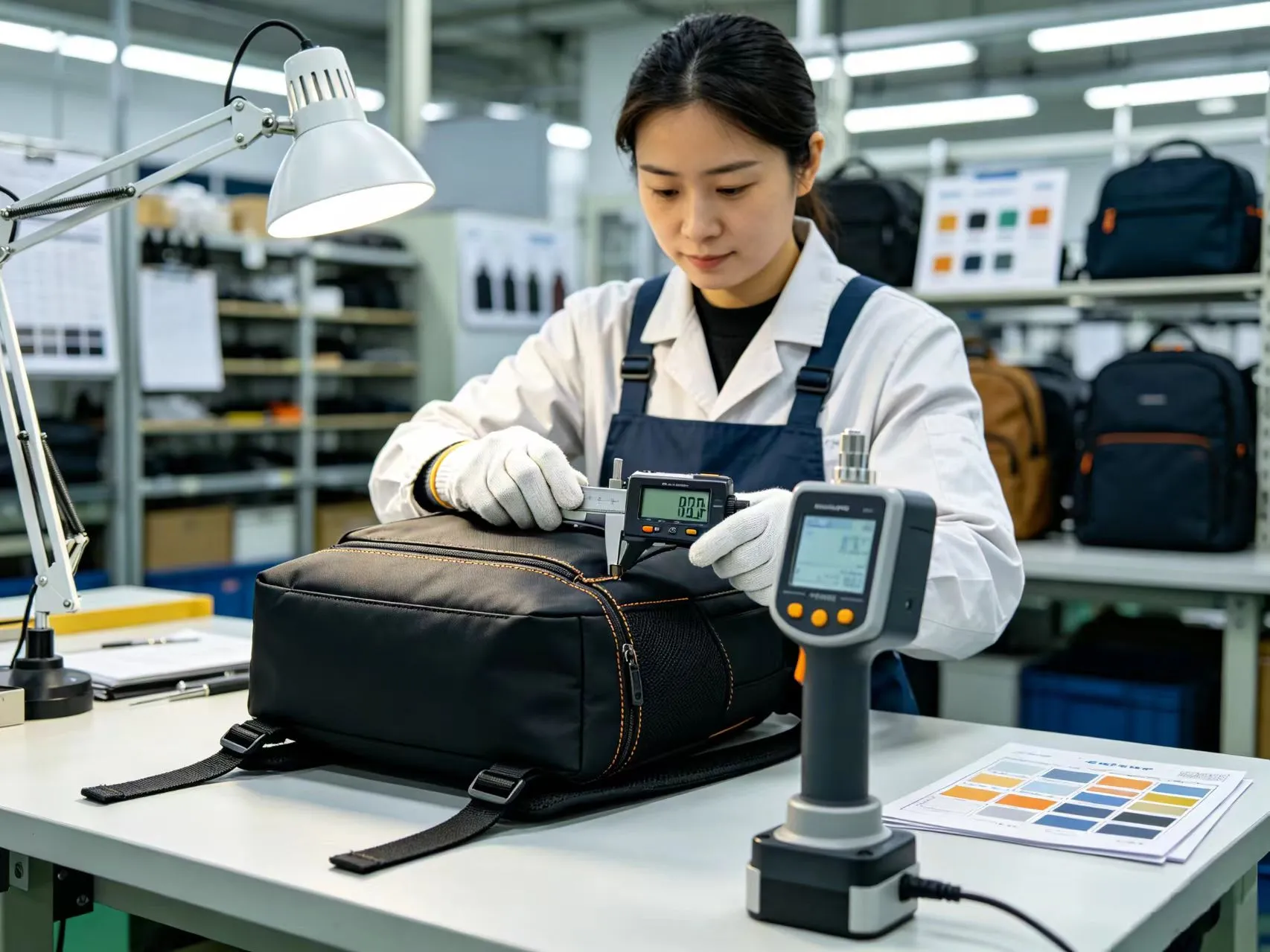
Across bag quality inspection, the same logic applies to handbag inspection, backpack inspection, and tote bag inspection. Independent inspectors bring measurement tools, calibrated scales, lighting booths, color-reference cards, and a defined sampling protocol. Their role is to confirm whether the factory’s production matches the approved reference—not to redesign the product.
Common Inspection Companies Used by Bag Buyers
This section introduces the names you are most likely to encounter. It is an overview, not a ranking. Different inspection companies suit different destinations, products, budgets, and reporting preferences.
SGS
SGS is one of the largest inspection, testing, and certification networks worldwide. For bag buyers, SGS offers factory inspection, product testing, social-compliance audits, and pre-shipment inspection services across a very wide range of countries and product categories. Many buyers book SGS when they need global coverage and a recognizable inspection report that is accepted by their own customer or retail partner.
Intertek
Intertek is widely used for consumer-goods inspection and laboratory testing. In bag projects, buyers may engage Intertek for pre-shipment inspection, material testing, colorfastness, and hardware durability checks. Their network supports many retail-compliance programs, which can be useful when the final destination requires recognized documentation.
Bureau Veritas
Bureau Veritas provides inspection, testing, and certification services with strong coverage in Europe, Asia, and the Americas. Bag buyers often book Bureau Veritas for pre-shipment inspection, supplier audits, and laboratory testing. Their reporting format and scheduling logic are familiar to many European importers.
There is no universal “best” inspection company. Selection depends on:
- Destination market and required documentation
- Buyer or retailer compliance requirements
- Testing scope (e.g., physical tests, chemical tests, social audits)
- Laboratory availability in the production country
How Dreamway Works with Third-Party Inspectors
For a buyer, the real question is not which logo is on the inspector’s badge. It is whether the factory can support the inspection smoothly. Here is how Dreamway, a small handbag and silk-products manufacturer based in Shiling Town, Huadu District, Guangzhou, typically handles third-party inspections.
How Our Business Manager Coordinates Inspection

Emily · Senior Project Manager
Emily has 12 years of experience in OEM bag manufacturing and manages 15–25 active projects simultaneously. Her role includes aligning PPS approval, production status, and inspection booking timelines.
When a client confirms they will book SGS, Intertek, or another third party, Emily aligns the internal production calendar with the inspection date in advance. Final inspection is usually scheduled when around 80% of goods are packed, leaving a window for rework if the inspection identifies isolated issues. Clients are informed that any rescheduling on the buyer’s side may push shipment dates and inspection fees.
How Our QC Engineer Prepares Each Inspection
Kevin · Quality Control & Sampling
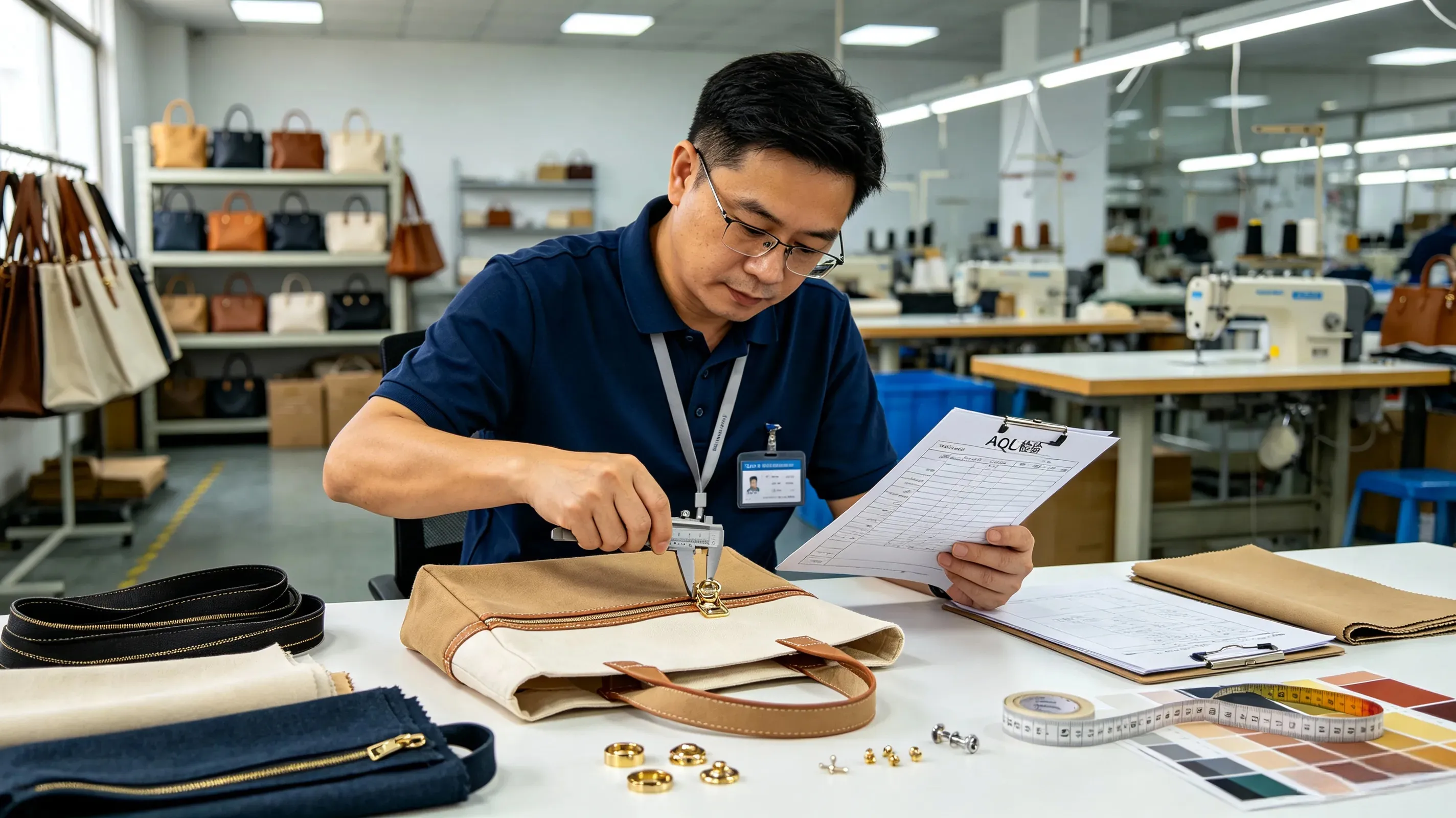
Kevin focuses on fabric, color, dimension, logo, stitching, hardware, and packaging checks. Before any third-party inspection, he re-runs internal sampling against the approved reference.
Before every inspection, our QC engineer checks stitching consistency, dimensions, logo placement, hardware function, and packaging according to the approved AQL standard and the buyer’s specification. Issues are corrected in-house whenever possible; only clean lots are submitted for the external inspection. This is part of how we maintain EEAT-level documentation in our quality system.
Understanding AQL Levels
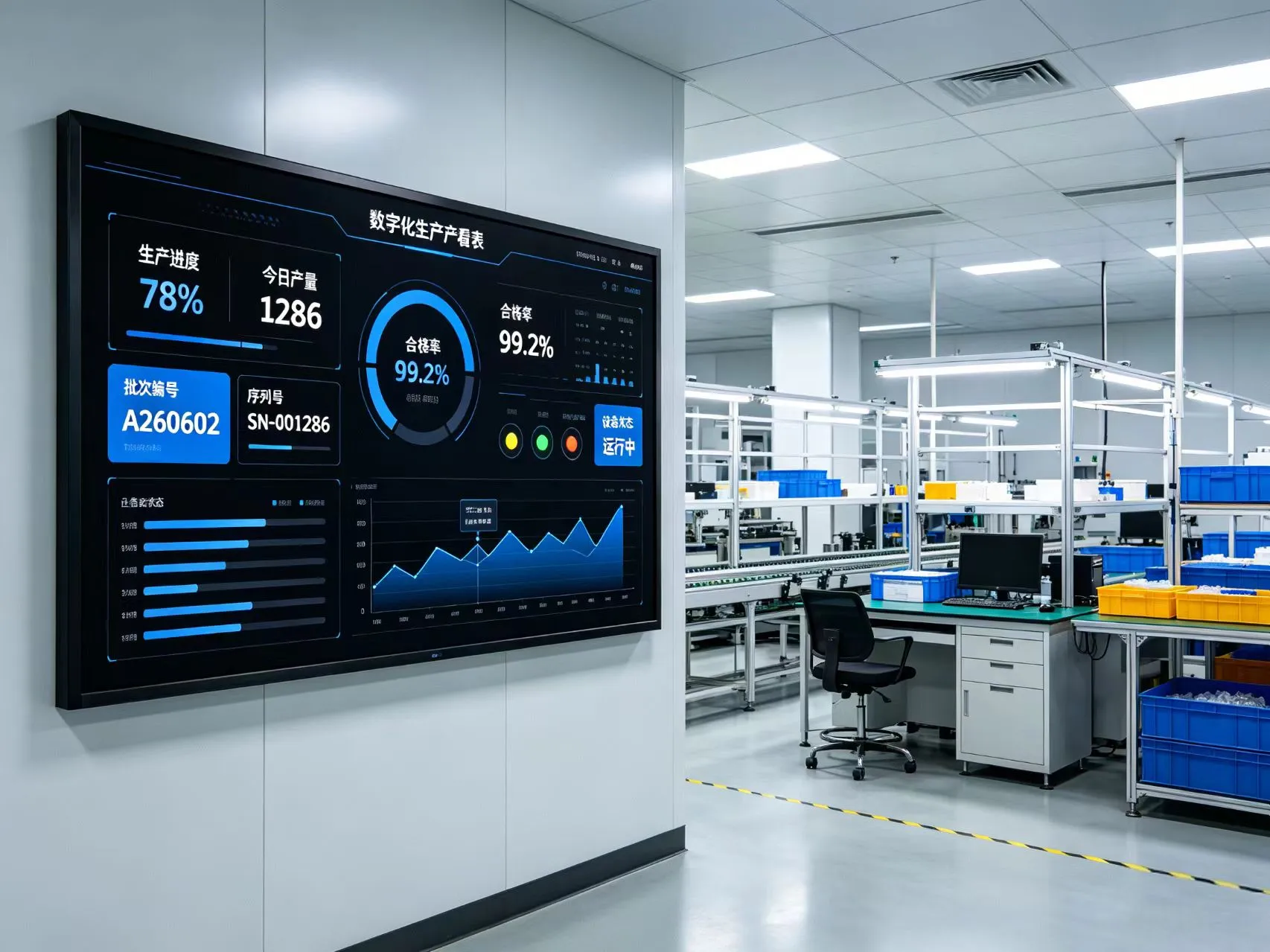
AQL only works when three things are agreed: the defect categories, the inspection level, and the AQL value. Defect categories are usually:
- Critical defects: safety, legal, or functional failures that are unacceptable in any number. Examples include sharp exposed metal, broken zippers that expose sharp parts, hazardous materials, or straps that detach under load.
- Major defects: defects that affect the sale, function, or perceived quality of the bag. Examples include broken stitching at a handle anchor, zipper that does not open smoothly, wrong color versus the approved sample, or a misaligned logo.
- Minor defects: cosmetic variations that do not affect function or sale. Examples include a slightly uneven stitch line, a small loose thread, or a faint scuff on an interior panel.
The inspection level (often General I, General II, or General III) decides how many units are drawn from the lot. The AQL value, by defect category, decides how many defects are tolerable in that sample. Critical defects are usually set at 0 acceptance, meaning one critical defect can fail the lot.
AQL 1.0 vs 2.5 vs 4.0 — Which One Should You Use?
There is no single “correct” AQL for bags. The choice depends on product category, customer expectations, retail channel, and risk tolerance.
| AQL Level | Typical use | What it implies |
|---|---|---|
| AQL 1.0 | Luxury handbags, premium leather goods, safety-critical accessories | Strictest acceptance. Requires near-zero defects in the sample. Expect more inspection-related rework and higher cost of compliance. |
| AQL 2.5 | Retail-quality handbags, backpacks, totes, OEM branded bags | The most common industry default. Balances cost and risk for typical branded retail programs. |
| AQL 4.0 | Promotional bags, giveaways, festival merchandise, lower-priced goods | More lenient. Accepts greater cosmetic variation. Useful where price is the dominant decision factor. |
Whatever value is chosen, it should appear clearly in the purchase order and in the inspection instructions given to the third party. AQL 2.5 and AQL 4.0 are the most common values in the bag industry.
Typical Defects Found During Bag Inspection
Inspectors catalog defects in clear categories. Below are common defect types you will see in real bag quality control reports. Most inspectors allow around twenty categories before the lot is rejected.
- Broken stitchingOpen seams, skipped stitches, or unraveled threads.
- Uneven logoMisaligned, crooked, off-center, or inconsistent color print.
- Logo shiftPattern is positioned in the wrong location versus the approved sample.
- Wrong colorVisible difference from the approved Pantone or reference swatch.
- Color difference between panelsFront/back/strap do not match.
- Zipper issueZipper does not run smoothly, splits under load, or has exposed sharp teeth.
- Wrong dimensionLength, width, height, or handle drop outside tolerance.
- Handle defectHandles of uneven length, twisted, or poorly attached.
- Handle strengthHandle anchor pulls away during load testing.
- Hardware defectScratched, dented, rusted, or discolored metal parts.
- Missing hardwareRivets, buckles, D-rings, or magnetic snaps absent on some units.
- OdorStrong chemical or glue smell detectable inside or outside the bag.
- Glue marksVisible glue residue on exterior or interior surfaces.
- Fabric defectHoles, slubs, stains, weave faults, or coating marks.
- Lining issueTorn lining, exposed seams, or pocketing defects.
- Pocket defectWrong pocket count, misplaced pocket, or uneven stitching.
- Surface scratch or scuffMarks on leather, PU, coated surfaces, or hardware.
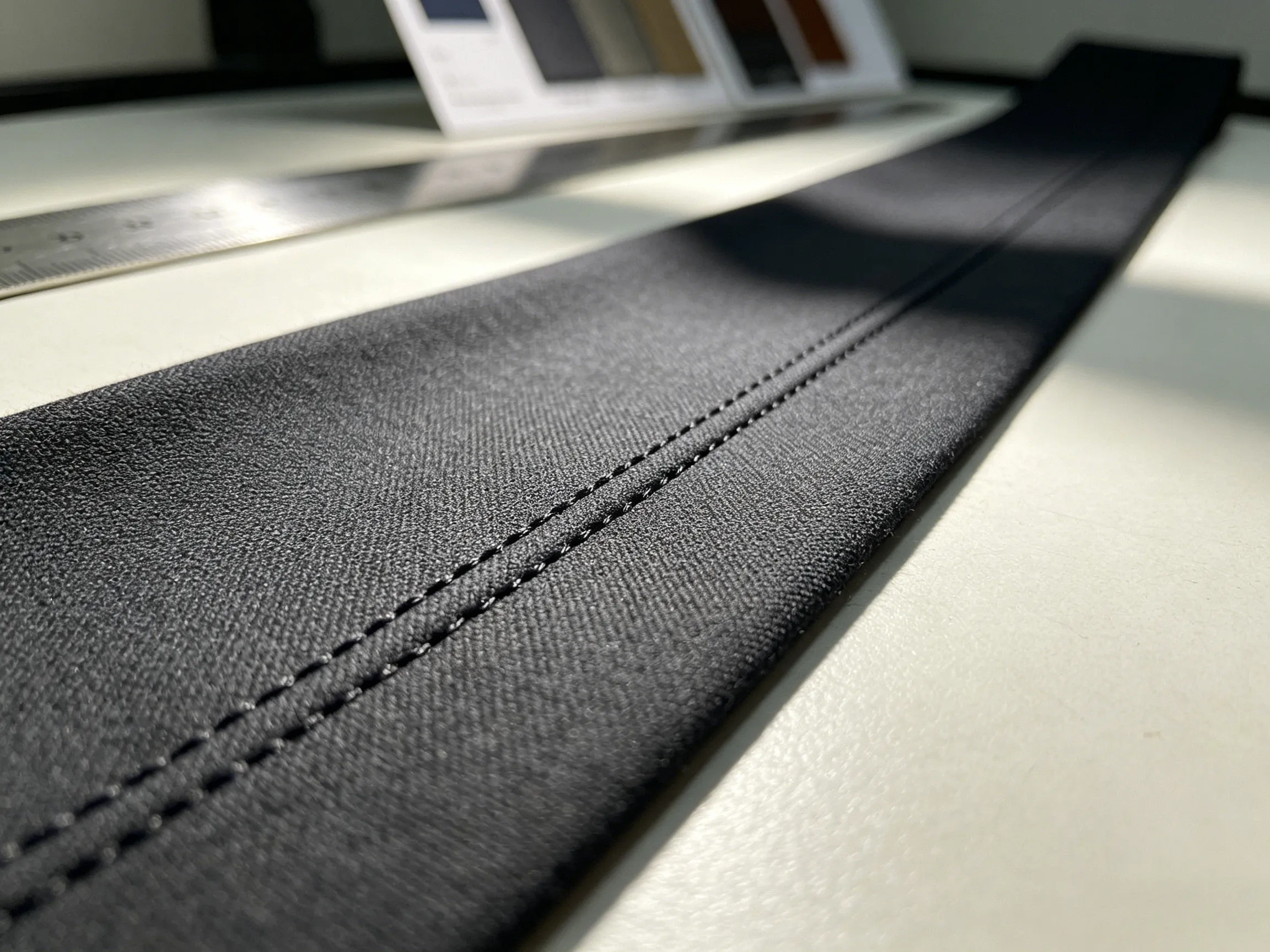
- Stitching density wrongStitches per cm not matching the approved standard.
- Thread color mismatchThread does not match fabric color on visible seams.
- Tag and label issueMissing care label, wrong barcode, or wrong SKU on inner label.
- Packing defectWrong poly bag, wrong quantity per carton, missing carton markings.
- Carton damageWet, crushed, or poorly sealed outer cartons.
Pre-Shipment Inspection Workflow
A reliable workflow looks like this. It works for handbags, backpacks, totes, and small leather goods.
Each step has a deliverable. Production has finished quantity. Internal QC has its own sampling record. The third-party booking has a confirmed date. The inspection report is the formal reference. Shipment only happens after the lot is released.
What Documents Buyers Should Prepare
Inspection quality depends heavily on the documents shared. A complete package usually includes:
- Tech Pack with detailed measurements, materials, and construction notes.
- Artwork and artwork version approved at the pre-production sample stage.
- Pantone or color reference for fabric, thread, lining, and hardware finish.
- Approved Sample (golden sample) physically kept for comparison.
- Packing List with SKU, color, size, and quantity breakdown.
- Carton Marking with shipping marks and consignee information.
Missing documents are a common reason for failed inspections, even when the product is acceptable. The inspector cannot check against a reference that was never shared.
How to Reduce Inspection Failures
The most reliable way to avoid inspection failure is to control the inputs, not just the outputs.
- Golden Sample set and signed off before mass production.
- Production Sample made with bulk materials to confirm that the reference is repeatable at scale.
- Inline QC during sewing, not only at the end.
- Final QC before the third party arrives, mirroring the inspector’s logic.
- Documented tolerances written into the purchase order (e.g., ±3 mm, ±5 mm).
Behind the Inspection: Insights from Our Quality Engineer
Independent inspection is a moment-in-time check. Inside the factory, quality is built into the production line. Here is how our QC engineer approaches a typical bag order.
Kevin · QC & Sampling Engineer
Pattern Development Engineer with 15 years of experience across leather, canvas, nylon, and technical fabrics. Kevin focuses on fabric, color, dimension, logo, hardware, and packaging checks.
During every production run, our QC engineer checks logo placement, stitching density, zipper alignment, carton integrity, and packaging consistency before the third-party inspection begins. The aim is not to pass the inspector by luck; it is to present a lot that genuinely matches the approved reference.
Real Buyer Questions Answered by Our Business Manager
Below are common questions raised by our buyers. The answers reflect how we work day to day, not a marketing script.
Buyer: Should I book SGS before production ends?
Emily: Yes. Booking two to three weeks before the planned final inspection date is the most reliable window. It gives us time to plan output, prep samples, and confirm whether a rework buffer is needed. Late bookings often mean the inspector arrives after production is already packed, which limits options.
Buyer: Can the factory suggest the inspection scope for us?
Emily: We can suggest an inspection scope based on your product, order size, and destination, but the final AQL, defect classification, and inspection level should be approved by the buyer. We do not choose the rules; we execute them.
Buyer: What happens if the third-party inspection fails?
Emily: We review the inspection report together with the buyer, identify whether issues are isolated or systemic, and propose either rework, sorting, or partial rework before re-inspection. A second inspection usually involves an extra fee, so we aim to keep the first one clean.
Buyer: Can I book inspection only on part of the order?
Emily: This is possible on a case-by-case basis, especially for split shipments or staged production. In our experience, however, full-lot inspection provides stronger protection and clearer documentation for the buyer.
Buyer: How do you handle inspection findings during peak season?
Emily: During peak seasons we reserve production capacity for rework in advance, communicate realistic rework time, and ask buyers to acknowledge any potential effect on the shipment date. Transparent planning is usually better than rushing and missing a defect.
Frequently Asked Questions
What does AQL 2.5 mean?
AQL 2.5 is a sampling standard where a defined number of defects is permitted per 100 units checked, depending on the lot size and inspection level. It is the most common default for retail-quality bags.
Is third-party inspection mandatory?
It is not legally mandatory in most destinations, but many retailers, brands, and importers require it as part of their internal compliance or sourcing policy. It is highly recommended for cross-border orders.
Should I choose SGS or Intertek?
It depends on your destination, required documentation, budget, and reporting preference. Both are established providers; the right choice depends on project-specific factors, not on a universal ranking.
Can factories arrange inspections?
Factories can help schedule and coordinate, but the inspection itself should remain independent to protect the buyer. Many factories, including ours, are happy to support booking logistics without influencing the result.
How much does inspection cost?
Cost varies with destination, product complexity, sampling level, and test scope. Your inspection partner will provide a quote based on man-days, laboratory tests, and travel requirements.
What happens if inspection fails?
The buyer can request rework, sorting, partial rework, or re-inspection. Inspection failure is a signal, not a verdict; the response depends on contract terms, defect type, and commercial priorities.
Can I inspect only part of an order?
Yes, in some cases, particularly split shipments or staged production. Full-lot inspection is generally stronger and easier to defend in audit scenarios.
Is 100% inspection better than AQL sampling?
100% inspection can catch more defects, but it is slow, expensive, and inconsistent across inspectors. AQL sampling is the global industry default because it balances cost, speed, and statistical reliability.
What is PSI?
PSI stands for Pre-Shipment Inspection. It is the final sampling check on finished, packed goods before shipment.
What is inline inspection?
Inline inspection, sometimes called DUPRO, is performed during production, usually when the order is 30–50% complete. It catches issues while they can still be corrected without re-opening the line.
What is final random inspection?
Final random inspection is a sampling check on packed or nearly packed goods, using a randomized draw that represents the lot as a whole.
What is a handbag inspection checklist?
It typically covers materials, dimensions, stitching, logo, hardware, function, and packaging. Most inspectors reference the buyer’s tech pack and the approved sample during the check.
What is the difference between AQL 1.0 and AQL 2.5?
AQL 1.0 is stricter and tolerates fewer defects; it is common for luxury and safety-critical goods. AQL 2.5 is the retail default and tolerates a moderate number of cosmetic defects in a defined sample.
What is the difference between AQL 4.0 and AQL 2.5?
AQL 4.0 is more lenient than AQL 2.5. It is common for promotional or lower-priced products where greater cosmetic variation is acceptable.
How long does an inspection take?
For a typical bag order, a single inspector takes roughly half a day to a full day on site, depending on lot size, complexity, and required tests.
Can I use my own checklist instead of AQL?
Yes, you can define your own acceptance criteria. However, doing so removes the benefit of using a globally recognized standard and may make disputes harder to resolve.
Key Takeaways for Bag Buyers
- Understand AQL, defect categories, and the inspection level you are agreeing to.
- Choose an inspection scope (PSI, inline, or final inspection) that matches your project risk.
- Work with an experienced factory that documents inputs, in-process checks, and outputs.
- Approve a golden sample and a pre-production sample before mass production.
- Use third-party inspection before shipment as one element of a complete quality system.
Sourcing Custom Bags with Confidence?
Dreamway is a small team in Shiling Town, Huadu District, Guangzhou, serving buyers in more than 50 countries. We specialize in custom handbags and silk products, with a typical handbag MOQ of 200 units and silk-product MOQ of 50 units.
Visit Dreamway Official WebsiteThis guide is provided for general sourcing education. Buyers should confirm inspection scope, AQL, defect categories, and acceptance criteria directly with their supplier and inspection partner before placing orders.
Premium bag & silk manufacturing — under one factory roof.
Tucked inside Shiling Town — Guangzhou’s centuries-old leather district — Dreamway is a focused manufacturing partner for brands that refuse to compromise. We build rugged, retail-ready tote bags, backpacks, handbags with a 200-piece MOQ, and craft 100% Mulberry silk pillowcases, scrunchies & sleep accessories starting from just 50 pieces. Our small team of 30+ artisans is senior, hands-on, and accountable — the same people who quote your sample will personally inspect your shipment.
Every order is verified against our published manufacturing quality standards — AQL 2.5 inspection, hardware pull-tests, seam-strength audits, and silk-fibre authenticity checks. From concept tech-pack to mass production, we run the entire supply chain in-house, so timelines stay honest and revisions stay painless.
Buying Guides & Manufacturing Insights
Sourcing smarter starts with knowing what to compare. These long-form guides break down the decisions our clients wrestle with most — from third-party inspections like the SGS vs Intertek vs Bureau Veritas showdown, to ranking China’s top 10 tote bag manufacturers, to the head-to-head of canvas vs polyester vs PU for bag bodies.
Designing your logo? Our custom tote bag logo size guide shows real placement and stitch-density examples. Curious how a handbag actually comes together? Walk through the leather handbag manufacturing process step by step, and pair it with the canvas tote durability factors that decide whether a bag survives five years of daily use.
For material decisions beyond canvas, compare PU vs polyester for bags and explore our roundup of the world’s top canvas bag manufacturers. If backpacks are your lane, our backpack manufacturing process and backpack lead-time guide give you realistic production windows. Choosing between social-compliance audits? Read BSCI vs SEDEX vs WRAP. For smaller leather goods, dive into the leather wallet manufacturer playbook; for sustainability claims, the recycled PU leather explainer and our backpack QC checklist separate marketing from reality. Finally, stay ahead of EU regulation with our PPWR FAQ for bag manufacturers.
Explore by Topic
Browse our deep-dive knowledge hubs — every cluster is curated by category and updated with new field reports.
By Category
Materials & Compliance
Real Client Cases
Numbers tell part of the story. These production cases show how Dreamway’s small team delivers at scale.
Featured Product Lines
A snapshot of what we manufacture most often — all OEM/ODM-ready with custom hardware, lining, and packaging.
Who We Help
From indie founders to global enterprise — Dreamway is built for brands that need a factory, not a freelancer.
Brand Builders
Beauty & Fashion
Lifestyle & Retail
Skip the inbox. Chat with Victoria — right now.
Point your camera at the QR and you’re connected to a real human in Guangzhou. Send a photo of your reference, get a quote within minutes, and lock in your 200-piece MOQ slot before this month’s capacity fills.
Specialized factories. Unified standards.
Leather & Bag Capital
Our bags come from Guangzhou’s Shiling leather district — home to 30+ senior artisans under one roof, working in 8,000 m² of integrated cutting, sewing, hardware-assembly, and QC space.
Mulberry Silk Heritage
Our 22mm Mulberry silk pillowcases and sleep sets come from vetted partner mills in Suzhou and Hangzhou — at the heart of China’s 5,000-year sericulture heritage, today running OEKO-TEX Standard 100 certified production lines.
Get your sample in 7 working days —
hand-built by Guangzhou’s 30+ artisans.
Send a sketch, a screenshot, or a competitor’s bag you want to beat. We’ll hand-build a custom sample and ship it to your door — produced by the same craftspeople who will run your mass-production order.
business days · in your timezone
on request · signed in 1 day
if first one misses the brief