
Inside a Backpack Factory: Complete Backpack Manufacturing Process Step by Step
From initial design to final shipment, discover every stage of professional OEM backpack manufacturing
Introduction: What Happens Inside a Backpack Factory?
When you purchase a backpack from a retail store, what you see is simply the finished product — a polished, ready-to-use item packaged elegantly on a shelf or website. However, behind every premium backpack lies a sophisticated manufacturing journey that transforms raw materials into functional art pieces designed to accompany you through daily commutes, weekend adventures, and international travels.
For brands, retailers, and entrepreneurs seeking to source custom backpacks through OEM (Original Equipment Manufacturing) partnerships with factories, understanding this journey is essential. At Dreamway Manufacturing, a specialized bag factory located in Guangzhou, China, we have spent over a decade perfecting the art and science of backpack production.
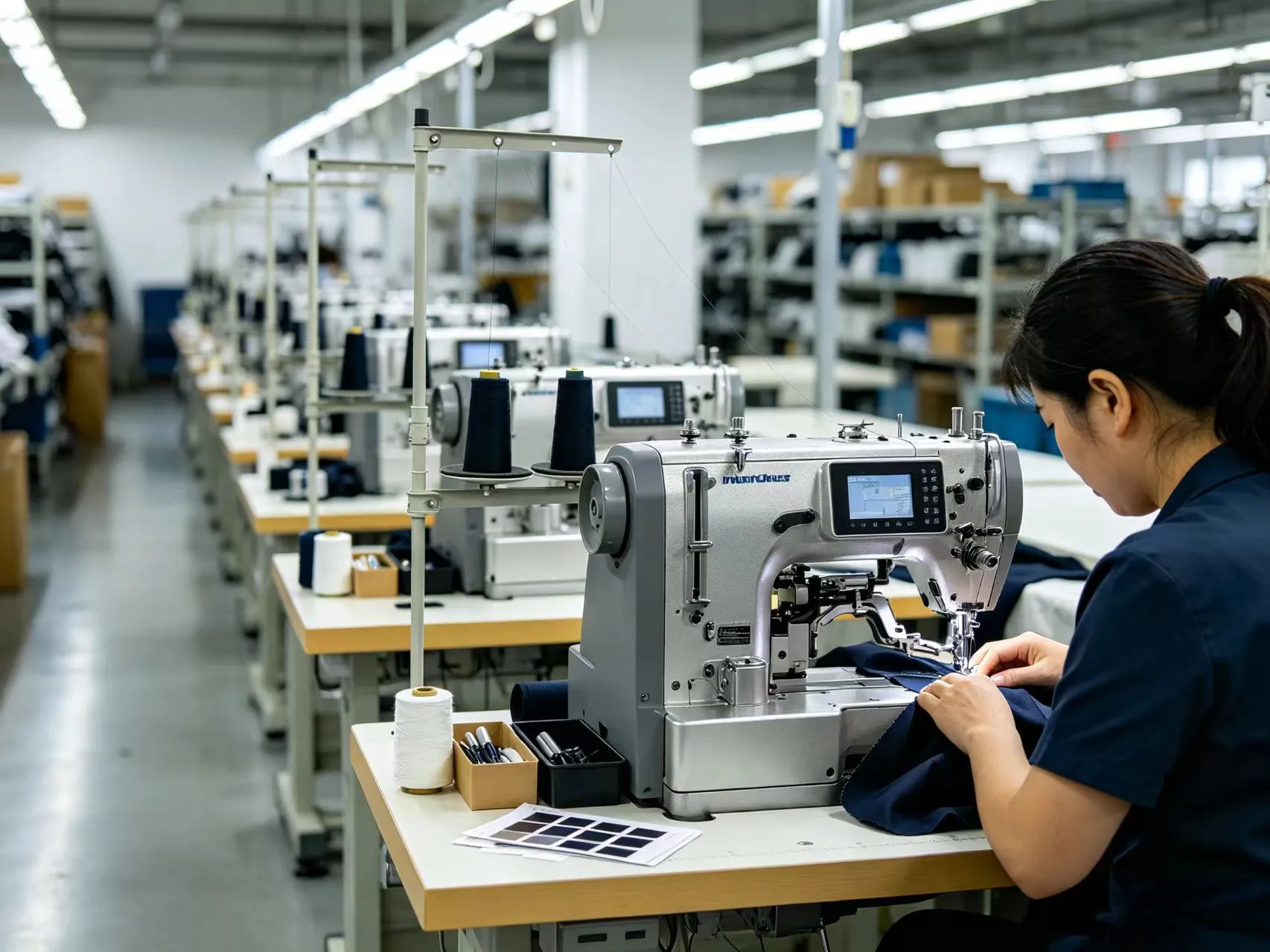
An OEM backpack’s journey from concept to export encompasses multiple critical phases:
- Product Development — Transforming conceptual designs into technical specifications
- Material Sourcing — Procuring premium fabrics, hardware, and accessories
- Pattern Making & Cutting — Precisely cutting fabric pieces for optimal fit
- Sewing & Assembly — Expert craftsmanship joining components together
- Quality Inspection — Rigorous multi-stage quality assurance
- Packing & Shipping — Secure packaging for international delivery
This comprehensive guide will walk you through each stage of backpack manufacturing, revealing the precision, expertise, and attention to detail required to produce backpacks that meet international quality standards. Whether you’re a startup founder launching your first product line, a procurement manager seeking reliable manufacturing partners, or simply curious about how backpacks are made, this article will provide valuable insights into the world of professional bag production.
What You’ll Learn in This Guide
This article covers the complete backpack manufacturing process, including detailed explanations of each production stage, quality control standards, production timelines, and expert insights from our manufacturing team. We also address common challenges buyers face and provide actionable advice for selecting the right factory partner.
Overview of the Backpack Manufacturing Process
Understanding the complete backpack manufacturing workflow is essential for planning your production runs, managing timelines, and ensuring quality outcomes. Modern backpack factories like Dreamway operate with streamlined processes that maximize efficiency while maintaining stringent quality standards.
Complete Production Flow Diagram
Design & Tech Pack
Product specifications, dimensions, materials, and branding requirements
Material Selection
Fabric, hardware, zippers, webbing, and accessories procurement
Sample Development
Prototype creation and approval before mass production
Material Cutting
Precision cutting of all fabric components
Printing & Embroidery
Logo application and branding decoration
Sewing
Expert stitching and component assembly
Assembly
Final construction and component integration
Quality Inspection
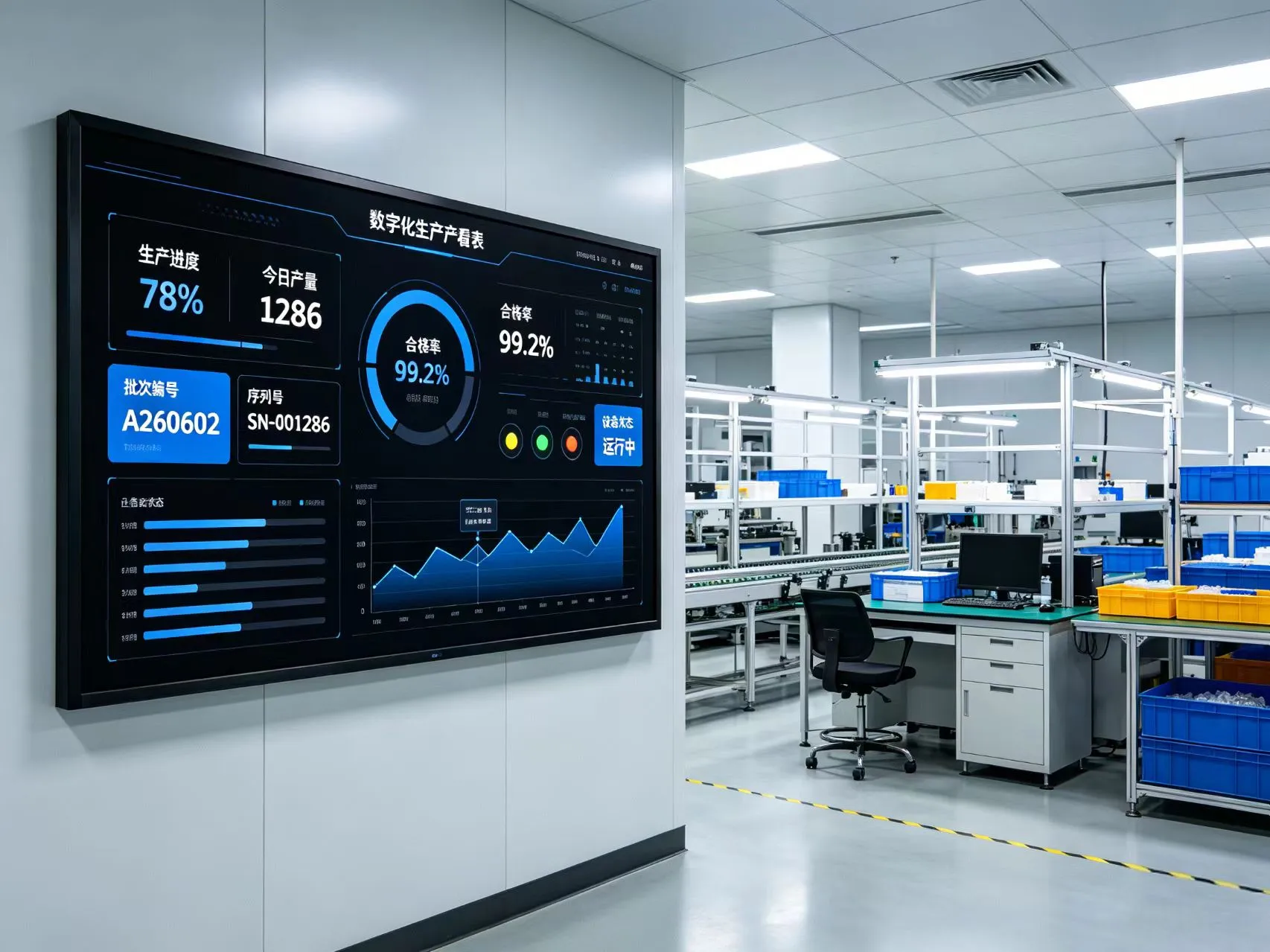
Multi-stage quality control and testing
Packing
Individual packaging and carton preparation
Shipment
Export documentation and international delivery
Each stage of this process requires specialized equipment, skilled technicians, and rigorous quality checkpoints. The following sections will provide detailed explanations of each phase, helping you understand exactly what happens inside a professional backpack factory.
Step 1: Backpack Design & Tech Pack Development
Contrary to common belief, production does not begin with cutting fabric or sewing components. The backpack manufacturing journey actually starts long before physical production — it begins with meticulous design planning and technical documentation that serves as the blueprint for the entire project.
What is a Tech Pack?
A tech pack (technical package) is a comprehensive document that contains all the necessary information for manufacturing a product. In backpack production, a well-developed tech pack includes:
| Tech Pack Component | Description | Importance |
|---|---|---|
| Product Drawings | 2D sketches or 3D renders showing all angles and details | Essential for visual communication |
| Dimensions | Exact measurements for each component and finished product | Critical for fit and function |
| Material Specification | Fabric types, weights, colors, and suppliers | Ensures consistency |
| Stitching Details | Stitch type, thread color, stitch density, seam placement | Determines durability |
| Hardware Requirements | Zippers, buckles, D-rings, sliders, pulls specifications | Affects functionality |
| Packaging Instructions | Individual packaging, labeling, carton specifications | Ensures proper presentation |
The Design Process at Dreamway
At Dreamway Manufacturing, our design collaboration process begins with understanding your brand vision, target market, and functional requirements. Our in-house design team works closely with clients to refine concepts and translate them into production-ready technical specifications.
The typical tech pack development timeline at our factory spans 3-7 days, depending on complexity. During this phase, we address critical questions:
- What is the primary use case for this backpack? (Daily commute, travel, sports, business)
- What is the target price point? (Affects material selection and construction)
- Are there specific compliance requirements? (REACH, CPSIA, California Prop 65)
- What branding elements need to be incorporated? (Logos, tags, labels)
- What are the key functional features? (Laptop sleeve, water bottle pocket, USB charging)
“A detailed tech pack is the foundation of successful OEM backpack production. We recommend clients invest time in the design phase to ensure all specifications are clearly documented. Changes during production are significantly more expensive than adjustments during the planning stage.”— Kevin, Pattern Development Engineer
15 years experience in bag pattern making · leather, canvas, nylon, and technical fabrics
For brands new to OEM manufacturing, we offer tech pack development assistance to help translate your vision into actionable production documents. Our team can work from reference samples, sketches, or even verbal descriptions to create comprehensive technical specifications.
Continue Learning
How to Create a Backpack Tech Pack for OEM Manufacturing — A comprehensive guide to developing production-ready technical documentation.
Step 2: Material Sourcing and Incoming Inspection
The quality of a backpack is only as good as the materials used to construct it. Professional backpack factories understand that material selection and quality control at the entry point are critical for producing consistent, durable products.
Fabric Types for Backpack Manufacturing
The primary fabric types used in backpack production include:
Polyester
Most common backpack fabric. Durable, water-resistant, and cost-effective. Available in various deniers (300D-1680D) for different strength requirements.
Nylon
Stronger than polyester with better abrasion resistance. Lightweight with excellent durability. Popular for technical and outdoor backpacks.
Canvas
Classic, versatile fabric with natural aesthetic. Cotton canvas offers breathability; polyester canvas provides water resistance.
RPET (Recycled PET)
Eco-friendly option made from recycled plastic bottles. Growing demand for sustainable products. GRS certified options available.
Hardware Components
Hardware selection significantly impacts backpack functionality and longevity:
| Hardware Type | Common Materials | Key Considerations |
|---|---|---|
| Zippers | YKK, SBS, OEM brands | Teeth size, tape color, slider type, waterproof options |
| Buckles | Acetal, Nylon, Zinc alloy | Breaking strength, load capacity, UV resistance |
| Webbing | Polyester, Nylon | Width, thickness, breaking strength |
| Foam Padding | EVA, PU, Mesh | Density, thickness, breathability |
Incoming Quality Control (IQC)
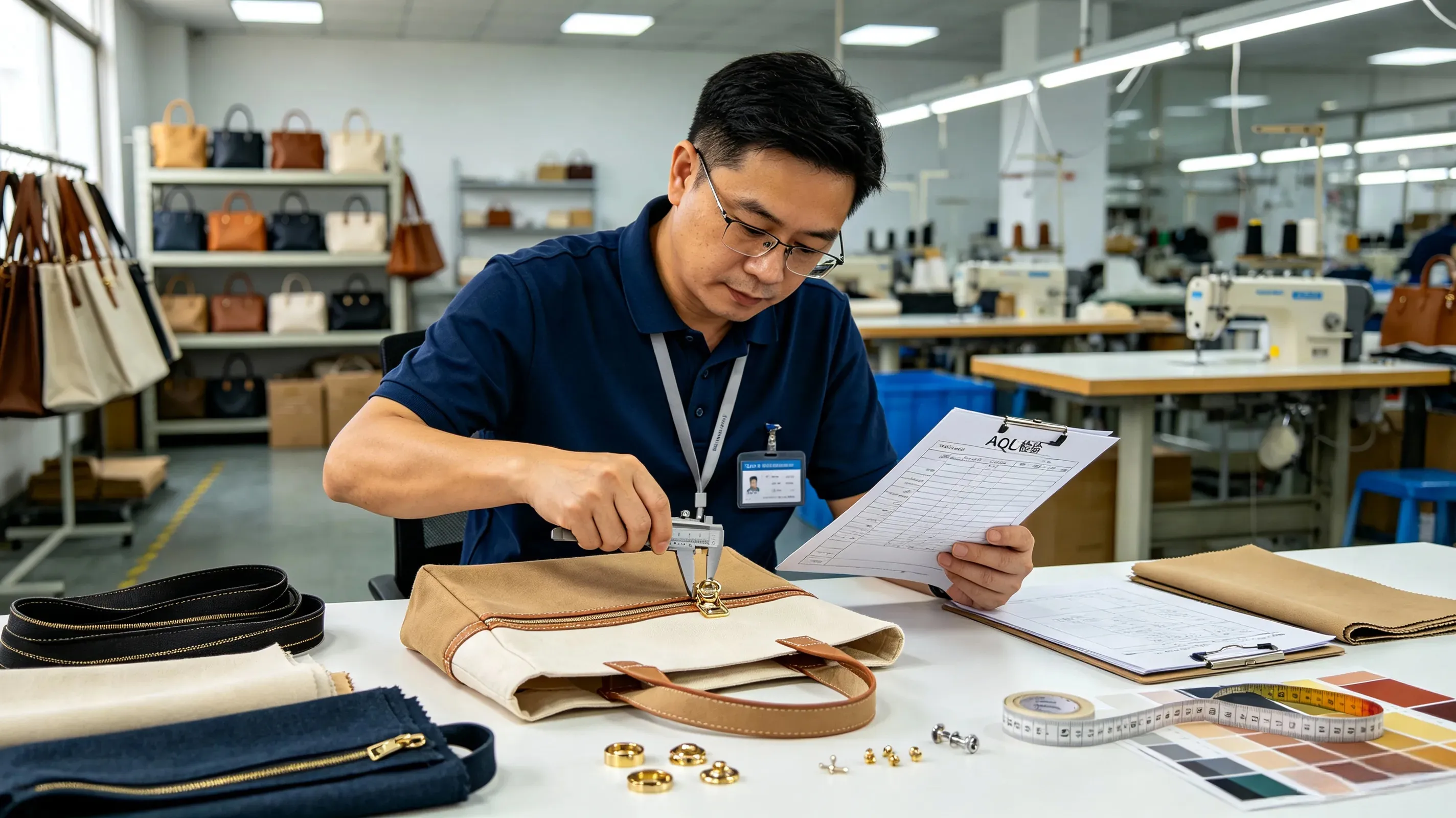
At Dreamway, every material batch undergoes rigorous incoming inspection before being released to production. Our IQC process includes:
- Color Verification — Comparing against approved swatches under standard lighting
- Thickness & Weight Testing — Ensuring materials meet specifications
- Strength Testing — Tensile and tear strength verification
- Visual Inspection — Checking for defects, inconsistencies, or damage
- Documentation Review — Verifying test reports and certifications
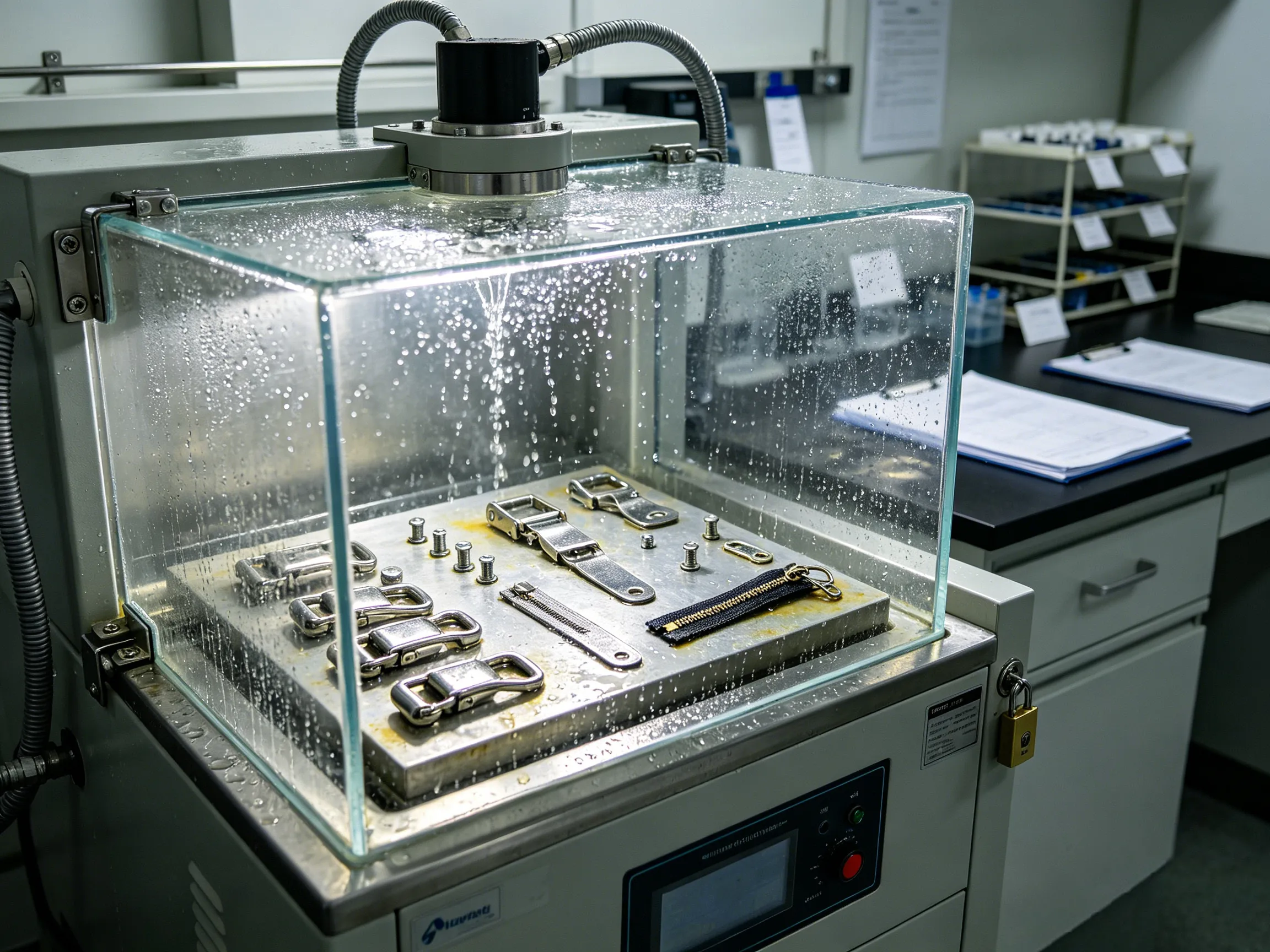
We maintain strong relationships with certified material suppliers and can source sustainable options including GRS-certified recycled materials and bluesign-approved fabrics for environmentally conscious brands.
Related Resources
Backpack Materials Guide: Polyester, Nylon, Canvas, RPET, Foam & Hardware Explained — Comprehensive breakdown of all backpack materials.
Step 3: Fabric Cutting Process
Precision cutting is fundamental to backpack quality. Even the finest materials and most skilled sewers cannot compensate for inaccurately cut components. Modern backpack factories employ advanced cutting technologies to ensure consistency and minimize material waste.
Cutting Technologies
CAD Pattern Making
Computer-aided design systems create precise digital patterns that can be scaled, modified, and reused. Patterns are stored digitally for consistency across production runs.
Automatic Cutting Machines
CNC-controlled cutting equipment follows programmed patterns to cut multiple layers of fabric simultaneously with exceptional precision.
Manual Cutting
Skilled cutters handle complex shapes, curved patterns, and specialized materials requiring human expertise and attention.
The Cutting Workflow
The cutting process follows a systematic workflow:
Digital patterns are created or imported from approved tech packs
Optimizing fabric utilization by arranging pattern pieces for minimal waste
Layers of fabric are spread flat on cutting tables with proper tension
Precision cutting of all components according to marker layout
Cut pieces are organized, counted, and tagged for assembly
Why Precision Matters
Accurate cutting directly impacts:
- Appearance — Consistent component sizes ensure proper alignment and visual appeal
- Stitching Accuracy — Precise edges allow for clean, even seams
- Material Efficiency — Optimized markers reduce fabric waste and costs
- Fit & Function — Properly cut pieces ensure components fit together correctly
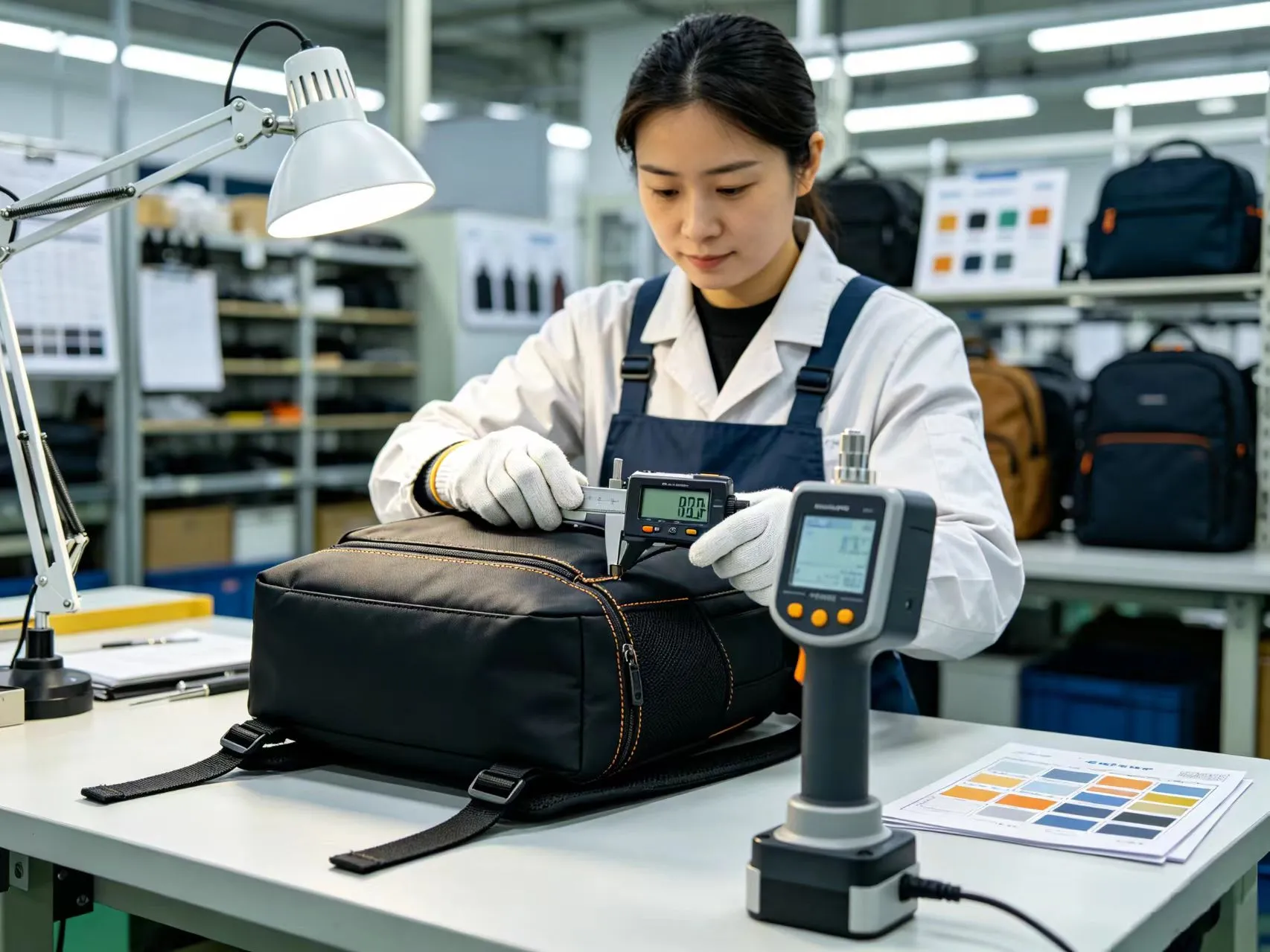
At Dreamway, our cutting department maintains strict tolerances and performs regular equipment calibration to ensure every component meets specification.
Step 4: Logo Printing and Embroidery
Branding is what transforms a generic backpack into your product. The method chosen for applying logos and designs depends on the backpack material, design complexity, durability requirements, and budget considerations.
Common Branding Techniques
Screen Printing
Best for: Simple designs, large quantities, flat surfaces
Durability: Excellent wash resistance
Considerations: Higher setup costs (screen creation), limited color gradients
Heat Transfer
Best for: Complex multi-color designs, small runs
Durability: Good with proper application
Considerations: May crack over time, not suitable for all fabrics
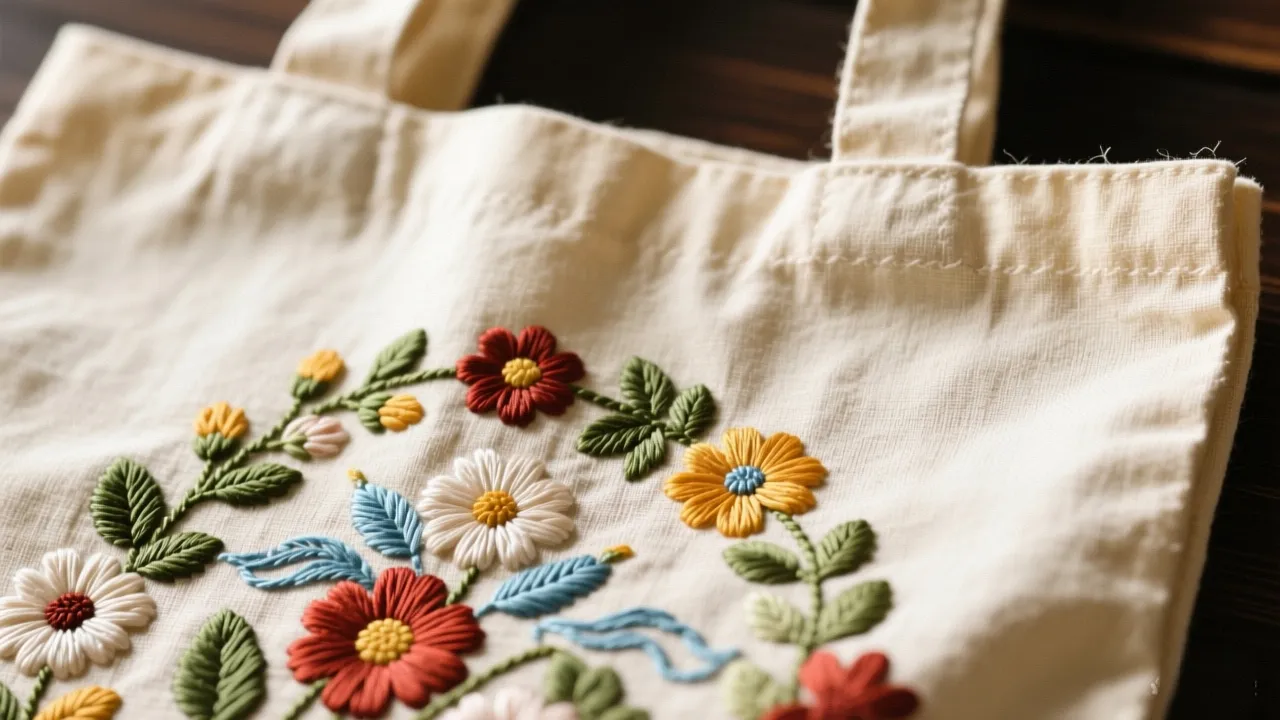
Embroidery
Best for: Premium look, logos on straps and patches
Durability: Extremely durable
Considerations: Limited detail for complex designs, thread color matching
Rubber Patches
Best for: Modern aesthetic, 3D effect
Durability: Excellent longevity
Considerations: Mold fees apply, minimum order quantities
Woven Labels
Best for: Interior labels, care instructions
Durability: Permanent, won’t fade
Considerations: Small size limits design complexity
Material Considerations
Different backpack materials require different branding approaches:
| Material | Recommended Techniques | Avoid |
|---|---|---|
| Polyester | Screen print, sublimation, heat transfer | Some embroidery on thin areas |
| Nylon | Heat transfer, embroidered patches, screen print | Direct embroidery without backing |
| Canvas | Screen print, direct embroidery, rubber patches | Heat transfer (may not adhere well) |
| Leather | Debossing, laser engraving, metal badges | Standard screen printing |
Learn More
Backpack Branding Guide: Logo Application Methods Compared — Expert comparison of branding techniques for custom backpacks.
Step 5: Sewing and Stitching Process
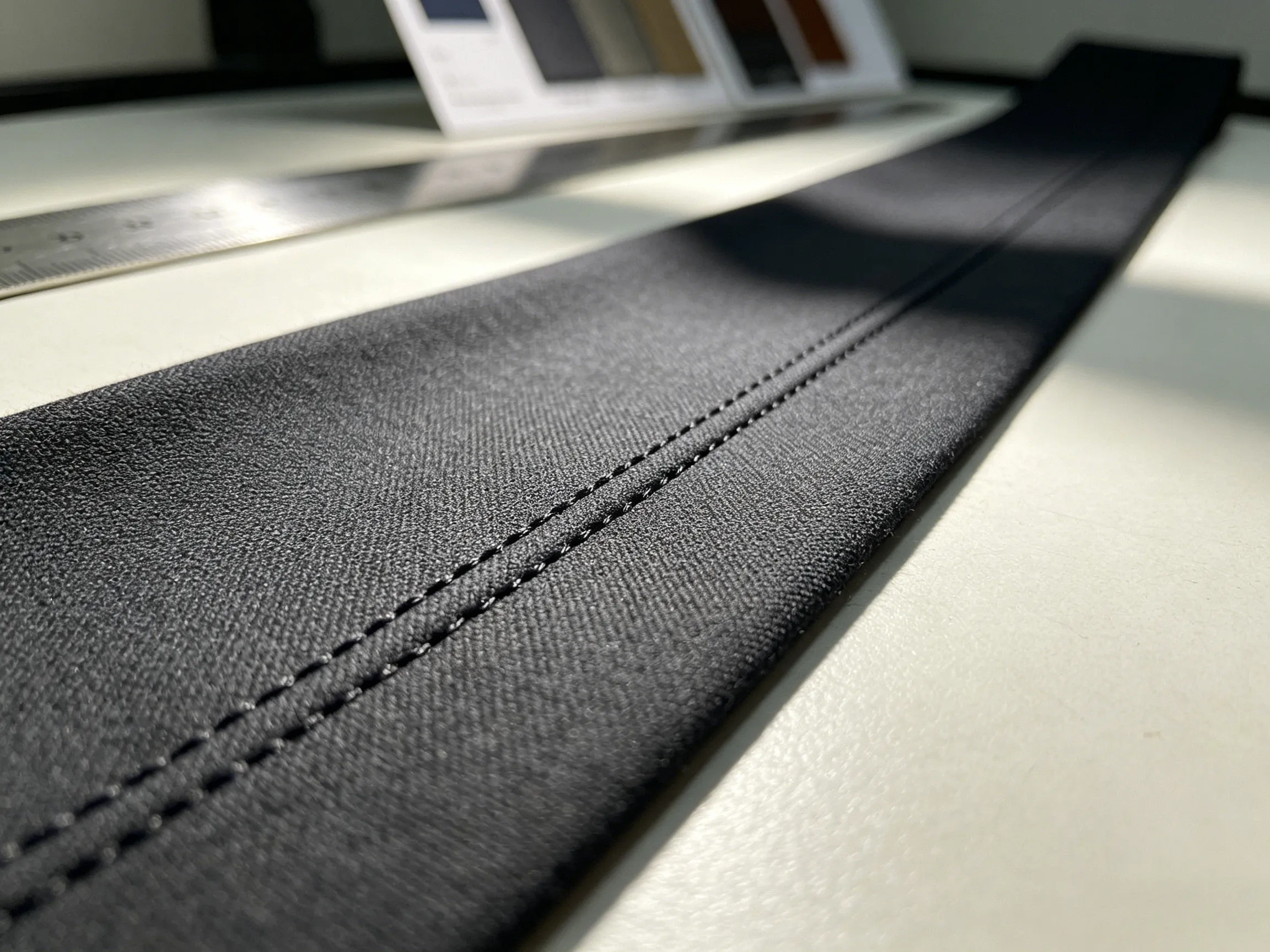
Sewing is the heart of backpack manufacturing — where individual components transform into a cohesive, functional product. This stage requires skilled operators, properly maintained equipment, and meticulous attention to detail.
Sewing Operations Overview
Professional backpack sewing involves multiple specialized operations:
Main Body Sewing
Joining primary panels to form the backpack’s core structure
Shoulder Strap Construction
Creating padded, adjustable straps with proper reinforcement
Pocket Assembly
Installing front, side, and interior pockets
Binding & Finishing
Applying binding tape and edge finishes for durability
Critical Stitching Parameters
Quality backpack construction requires precise control of stitching variables:
| Parameter | Specification | Impact |
|---|---|---|
| Stitch Density | 5-7 stitches per centimeter | Balances strength and flexibility |
| Thread Type | Polyester core spun, bonded nylon | Affects durability and appearance |
| Thread Color | Matched to primary or contrasting | Visual appeal, brand consistency |
| Seam Type | Plain, French, welt, double-stitched | Determines strength and finish |
Reinforcement Techniques
High-stress areas require additional reinforcement to ensure longevity:
- Bartacking —密集的来回缝线加固高应力点
- Triple Stitching — 三重线在关键接缝处增加强度
- Edge Binding — 包裹边缘以防止磨损
- Backing Materials — 在脆弱区域添加额外支撑
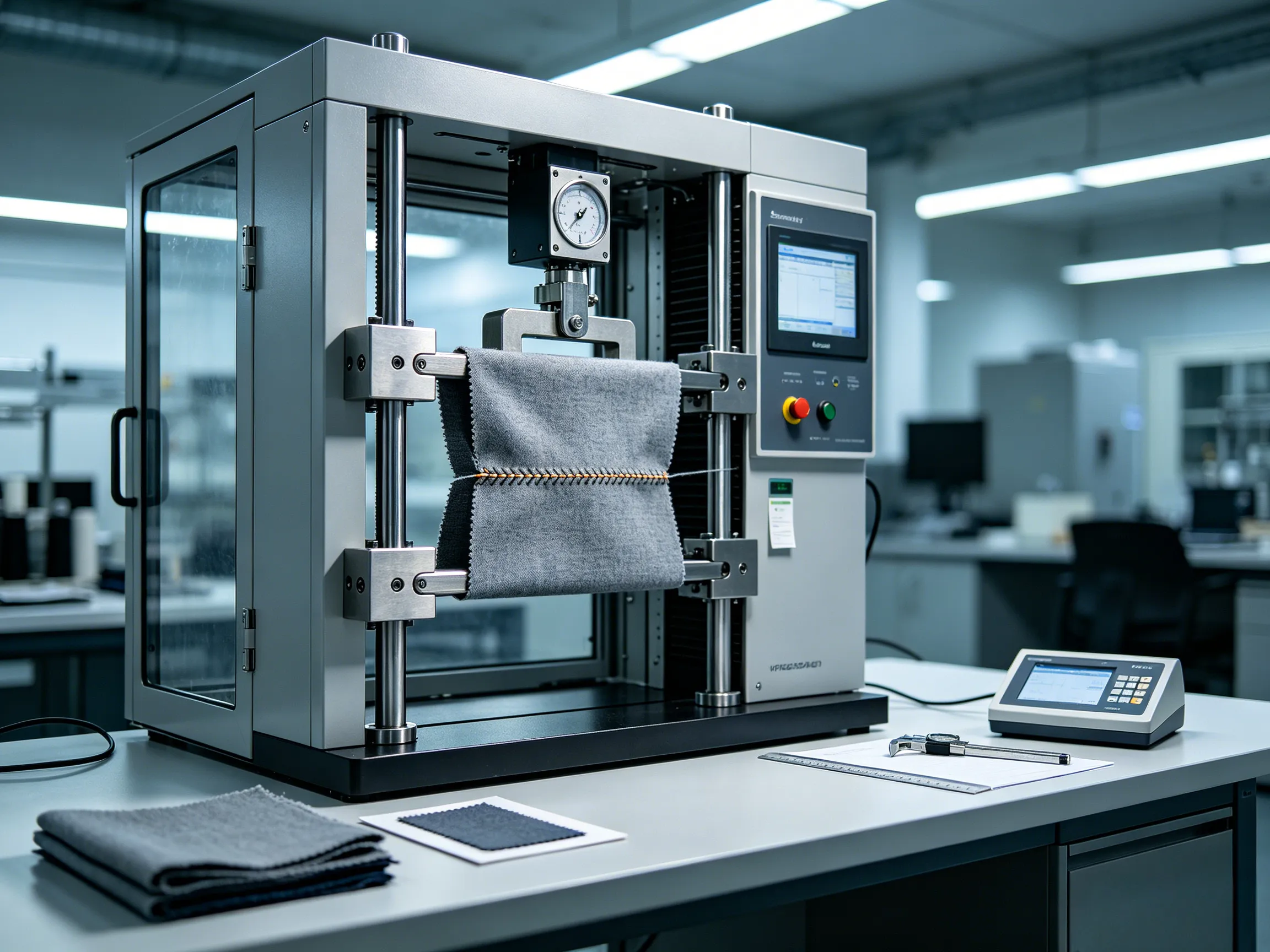
“For backpacks, stress points such as shoulder straps, handles, and zipper areas require reinforced stitching because these areas carry the highest load during daily use. We use bartack reinforcement at all critical junctions, typically 3-5mm wide and extending 5-8mm beyond the stress point. This investment in construction quality significantly extends product lifespan.”— Kevin, Pattern Development Engineer
15 years experience in bag pattern making · leather, canvas, nylon, and technical fabrics
Step 6: Backpack Assembly Process
Once individual components are sewn, the assembly stage brings everything together into a finished backpack. This phase requires careful coordination and systematic quality checks to ensure all features function correctly.
Component Integration Sequence
Professional assembly follows a specific sequence to ensure proper construction:
Front Panel Preparation
Pockets, straps, and logos are attached to the front panel
Back Panel Preparation
Handle, laptop compartment, and harness system installed
Side Panel Attachment
Side pockets and reinforcement panels joined
Main Compartment Assembly
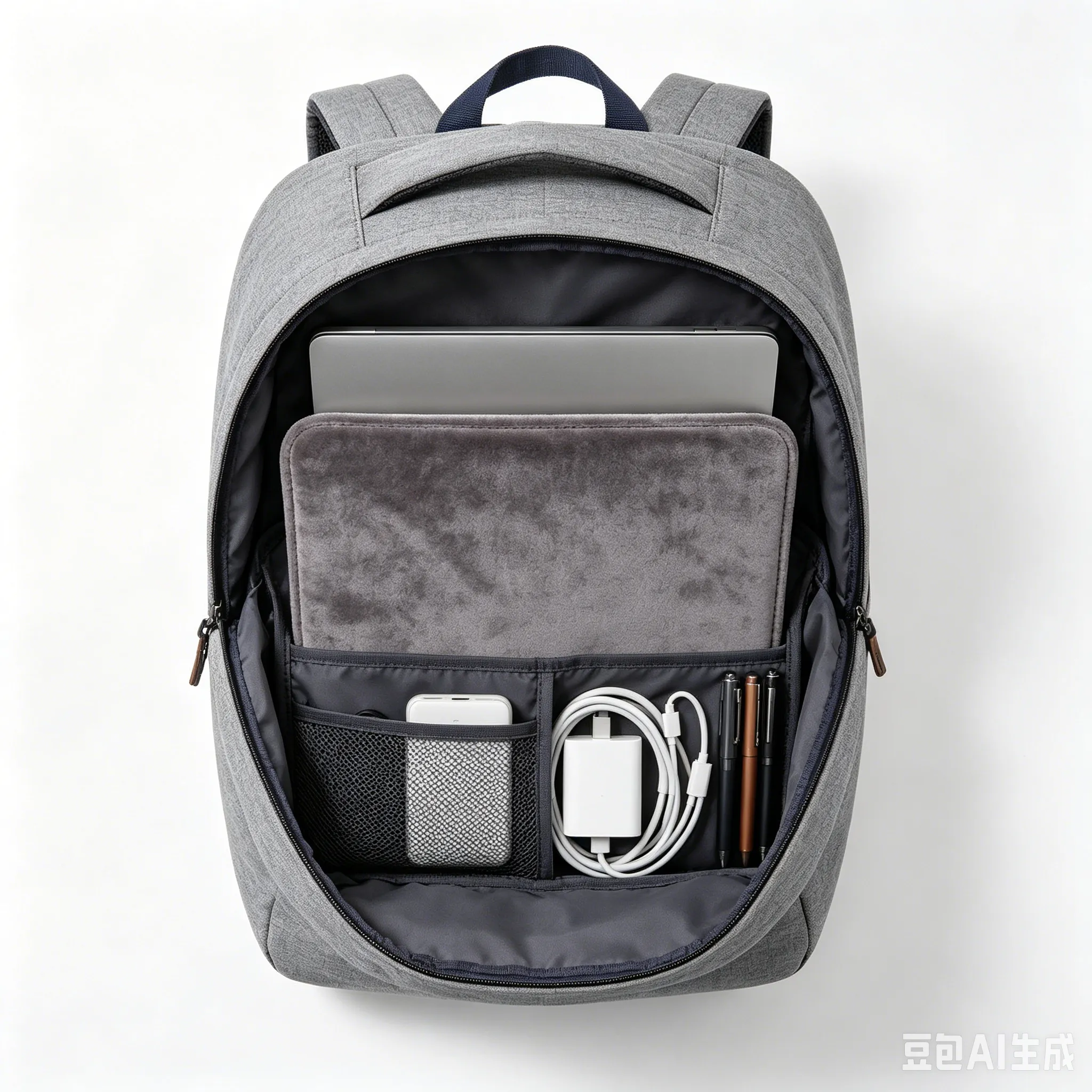
Interior dividers, laptop sleeve, and organization pockets
Final Closure
Main body seaming, bottom panel, and final hardware attachment
Hardware Installation
Zippers, buckles, D-rings, and adjustment hardware
Key Assembly Features
Modern backpacks incorporate various functional features during assembly:
Laptop Compartments
Padded sleeves with secure closure for device protection
Hydration Systems
Internal reservoirs with tube routing ports
USB Charging Ports
External USB access with internal cable management
Anti-Theft Features
Hidden pockets, lockable zippers, RFID-blocking compartments
At Dreamway, our assembly lines are organized by product complexity, with dedicated stations for technical features like laptop compartments and hydration systems. Each assembly worker is trained in specific operations, ensuring consistent quality across production runs.
Step 7: Functional Testing Before Mass Production
Before committing to full production runs, professional backpack factories conduct comprehensive functional testing on prototypes. This step identifies potential issues early, preventing costly problems during mass production and ensuring the final product meets performance expectations.
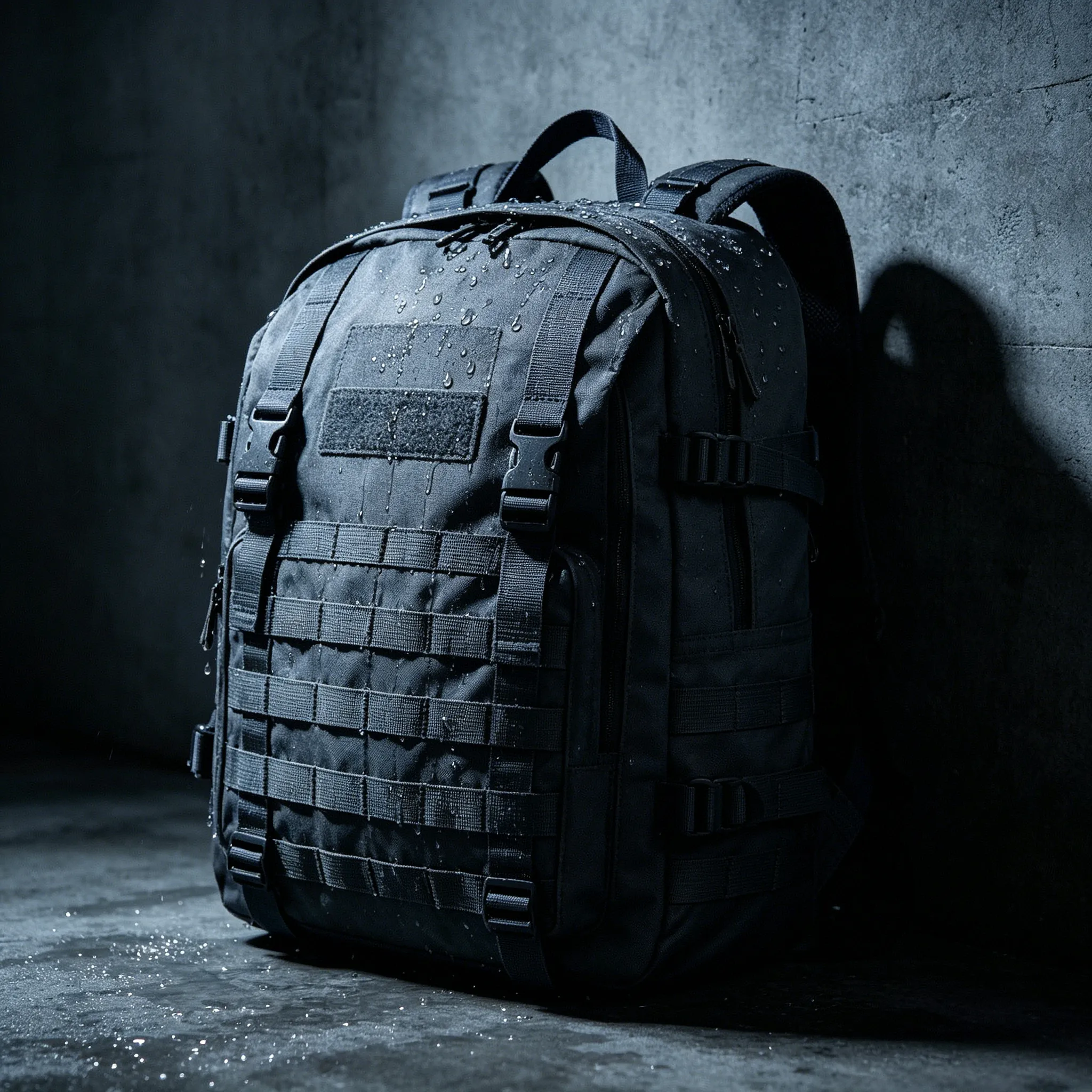
Testing Protocol Overview
| Test Type | Procedure | Acceptance Criteria |
|---|---|---|
| Strap Strength Test | Apply progressive load to straps and handles | No failure at 2x rated capacity |
| Load Test | Fill backpack to capacity, simulate carrying | No structural deformation or seam failure |
| Zipper Test | Cycle zippers 1000+ times under load | Smooth operation, no damage |
| Color Fastness | Accelerated weathering and friction testing | Minimal fading, no dye transfer |
| Dimension Check | Verify all measurements against spec | Within ±5mm tolerance |
Third-Party Laboratory Testing
For clients requiring documented certification, we coordinate testing through accredited laboratories:
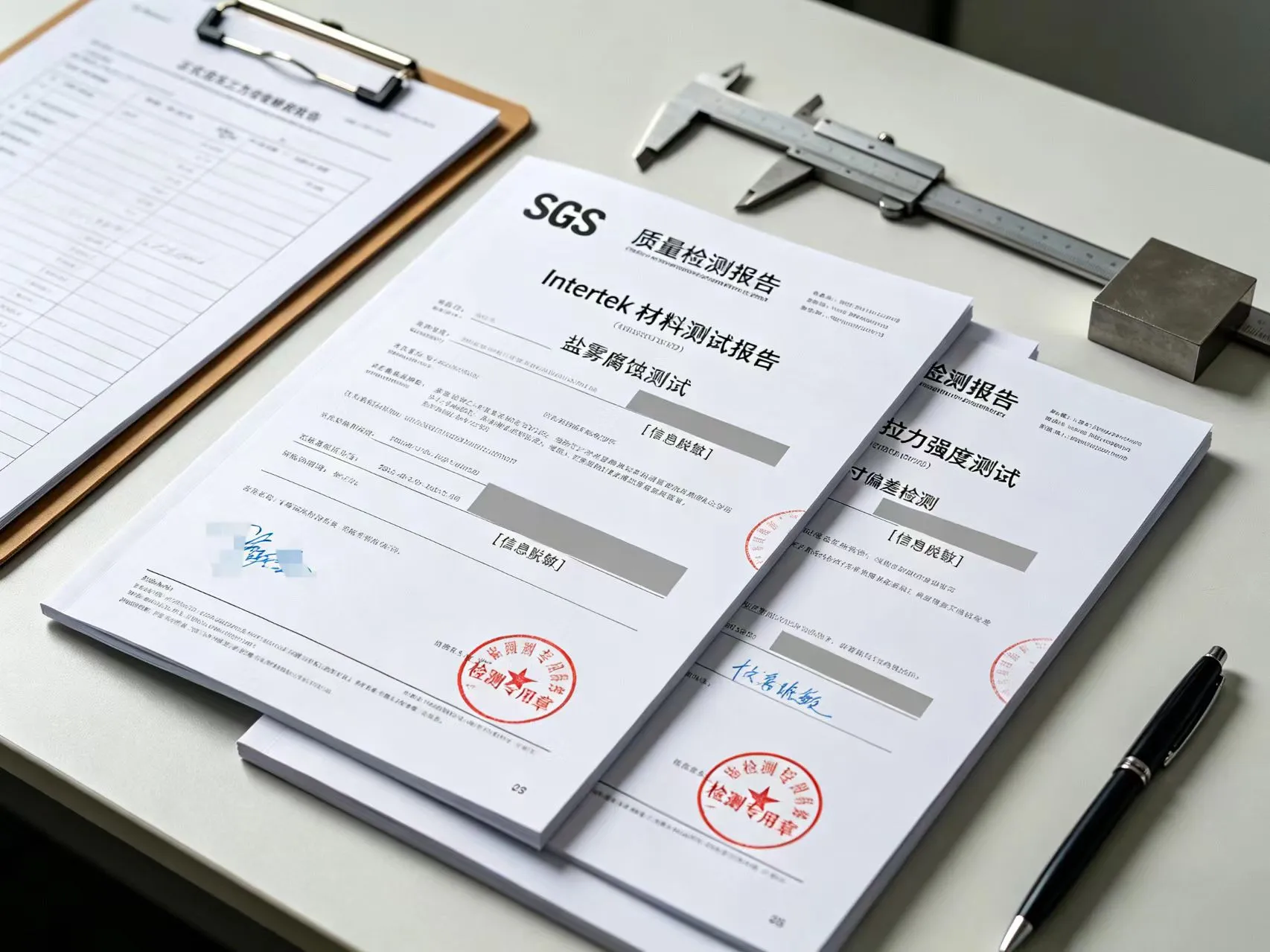
Common certifications include:
- SGS Testing — International inspection and verification company
- Intertek — Total Quality Assurance provider
- Bureau Veritas — Testing, inspection, and certification services
- UL Testing — Product safety testing and certification
Quality Resources
Backpack Quality Inspection Checklist — Comprehensive checklist for evaluating backpack quality.
Step 8: Quality Inspection and AQL Standards
Quality inspection is not a single event but a continuous process throughout backpack manufacturing. Professional factories implement multi-stage quality control systems that catch issues early and ensure consistent output.
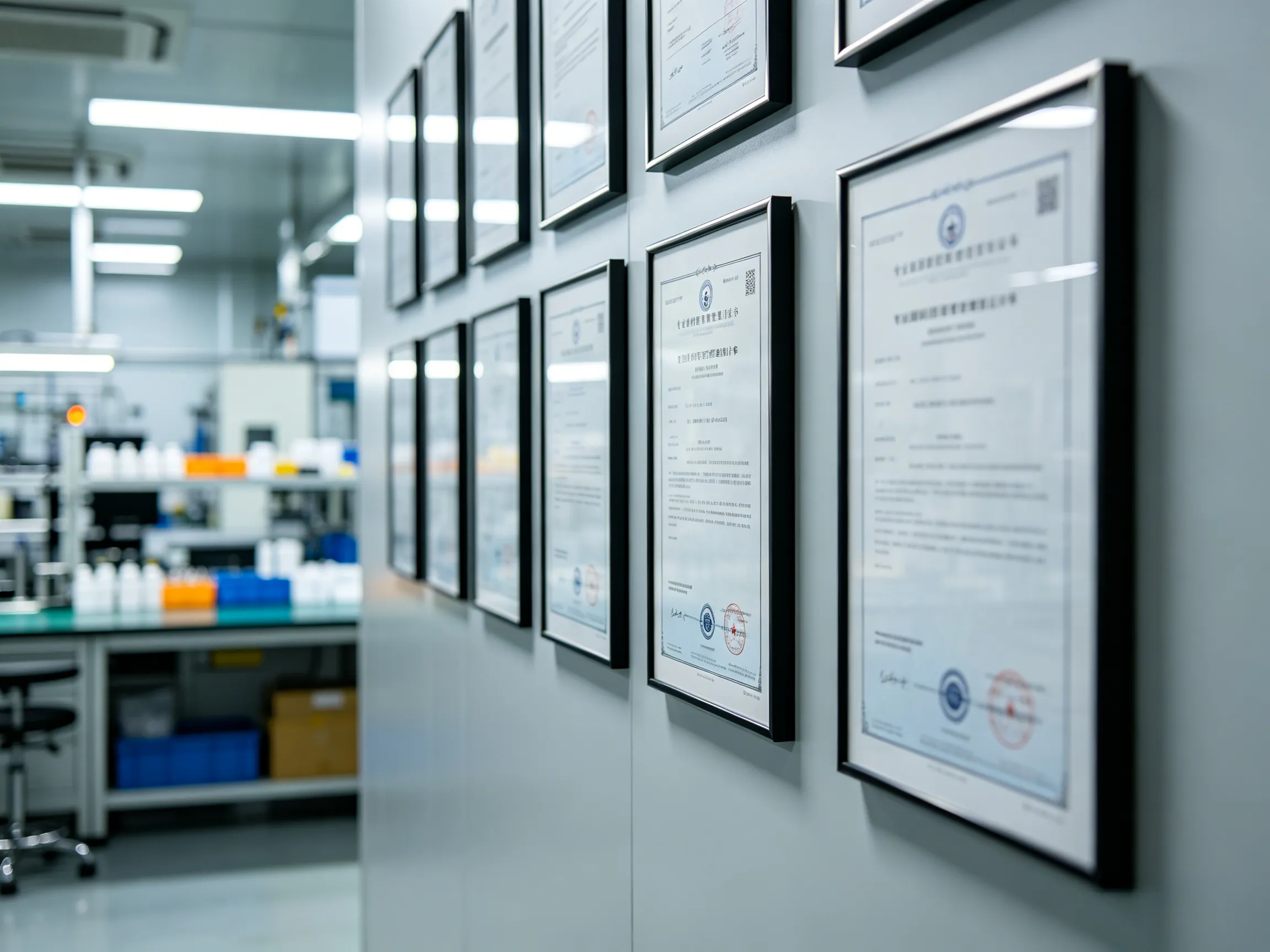
Three-Stage Quality Control System
Incoming Quality Control
Inspection of raw materials and components before release to production
- Fabric roll inspection
- Hardware sampling verification
- Packaging material checks
Inline Inspection
Quality monitoring during the production process
- Component-level checks
- Seam inspection
- Stitching verification
Final Inspection
Comprehensive examination of finished products
- 100% functionality testing
- Visual inspection
- Packaging verification
Understanding AQL Standards
AQL (Acceptable Quality Level) is an industry-standard measurement for determining acceptable defect rates in batch production. Understanding AQL is essential for setting appropriate quality expectations:
| AQL Level | Application | Typical Use Case |
|---|---|---|
| AQL 1.0 | 0-1 defects per 100 units | Premium brands, high-end retail |
| AQL 2.5 | 2-3 defects per 100 units | Standard retail, mid-market brands |
| AQL 4.0 | 4-5 defects per 100 units | Budget products, promotional items |
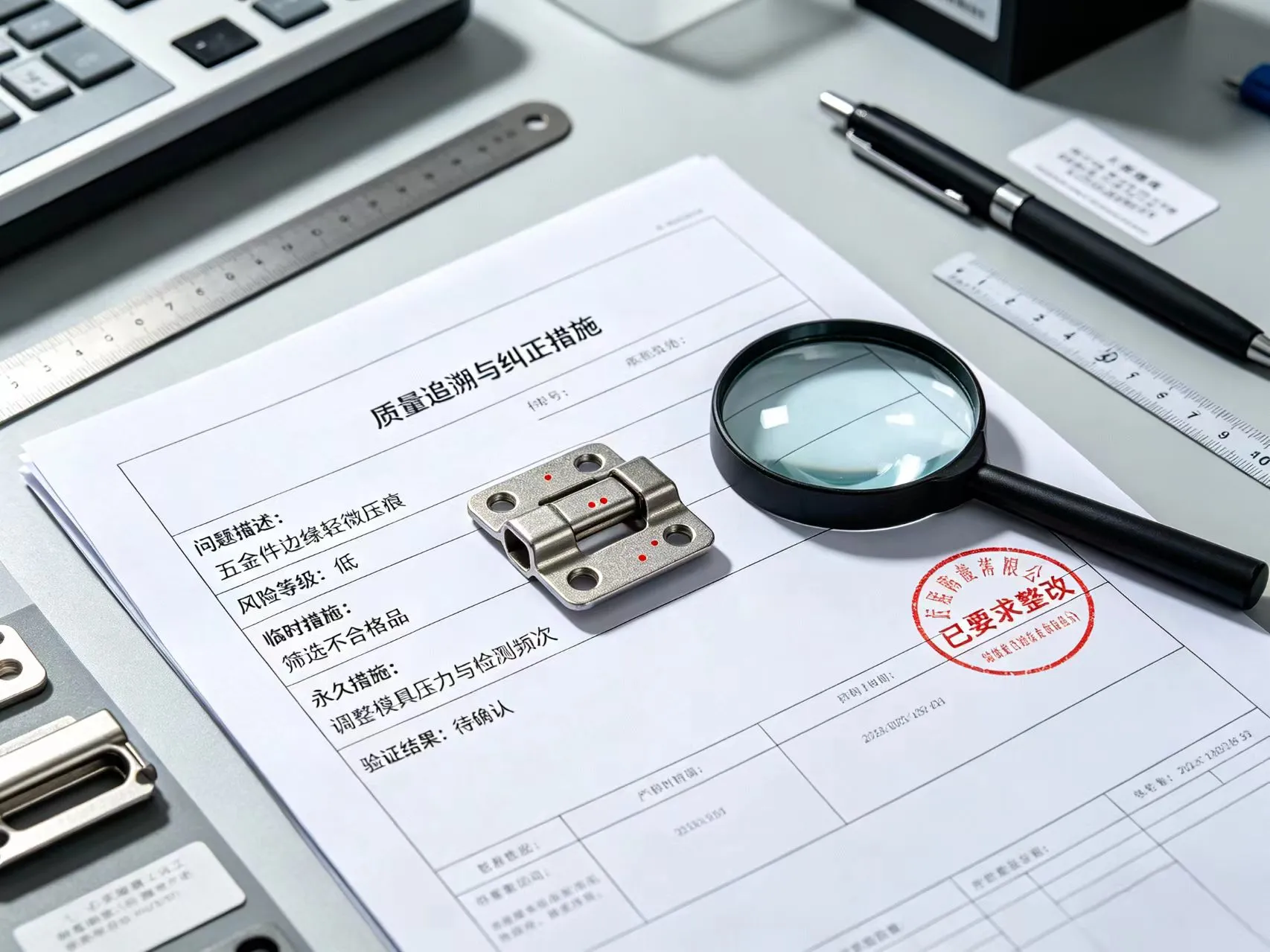
At Dreamway, we default to AQL 2.5 for standard orders and offer AQL 1.0 for clients requiring higher standards. Our quality team conducts inspection sampling according to ANSI/ASQ Z1.4 procedures.
Learn More
AQL Inspection Guide for Bag Buyers — Understanding quality standards and inspection procedures.
Step 9: Packing Process
Professional packing protects backpacks during transit and ensures they arrive in pristine condition. The packing process also serves as an opportunity to enhance brand presentation and provide essential product information.
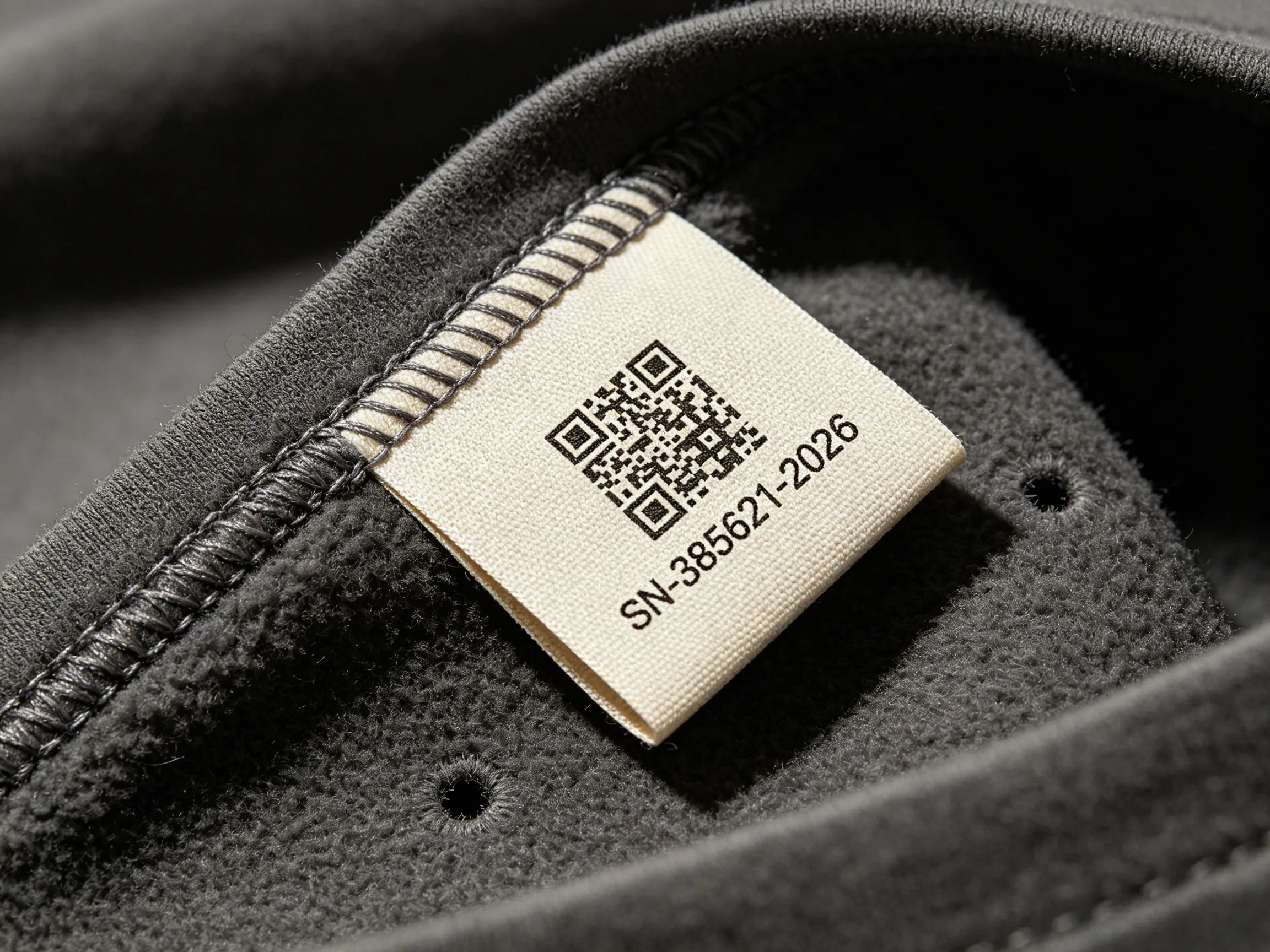
Packing Hierarchy
Individual Packaging
- Polybag — Basic protection, cost-effective
- Non-woven bag — Premium feel, reusable
- Corrugated wrapper — Maximum protection for high-value items
Carton Packing
- Standard corrugated cartons (5-ply minimum)
- Master cartons with divisible compartments
- Mix/match ratio cartons for multiple SKUs
Labeling Requirements
| Label Type | Content | Placement |
|---|---|---|
| Product Label | SKU, description, size, color | Inside polybag or sewn tag |
| Care Label | Washing instructions, material content | Sewn inside main compartment |
| Barcode Label | UPC/EAN, product code | Outside polybag or carton |
| Shipping Mark | Carton dimensions, weight, quantity | Carton exterior |
Export Packaging Standards
For international shipments, proper packaging protects products through multiple handling stages and storage conditions:
- Moisture Protection — Waterproof inner lining or desiccant packets
- Crush Resistance — Reinforced carton corners and proper filling
- Stackability — Cartons designed for safe container stacking
- Labeling Compliance — Country of origin and material content labels
At Dreamway, our packing team is trained in international export requirements and can accommodate specific packaging standards including FSC-certified materials and retail-ready packaging options.
Step 10: Shipping Preparation and Export
The final stage of backpack manufacturing involves preparing products for international delivery. Proper documentation and logistics planning ensure smooth customs clearance and timely delivery to your warehouse or distribution center.
Shipping Documentation
International backpack shipments require comprehensive documentation:
- Commercial Invoice — Product values, HS codes, and transaction details
- Packing List — Detailed carton contents and measurements
- Bill of Lading (B/L) — Shipping contract with carrier
- Certificate of Origin — Country of manufacture declaration
- Quality Reports — Inspection documentation (upon request)
Carton Specifications and CBM Calculation
Understanding carton measurements and CBM (cubic meter) calculations is essential for accurate shipping cost estimation:
| Carton Size | Typical Capacity | CBM per Carton |
|---|---|---|
| Small (40x30x20cm) | 5-8 backpacks | 0.024 |
| Medium (50x40x30cm) | 10-15 backpacks | 0.060 |
| Large (60x50x40cm) | 20-30 backpacks | 0.120 |
Container Loading Optimization
Efficient container loading maximizes cost efficiency:
20ft Container
Approximately 28-32 CBM
Typical capacity: 500-800 backpacks
40ft Container
Approximately 58-66 CBM
Typical capacity: 1000-1500 backpacks
40ft HQ Container
Approximately 68-76 CBM
Typical capacity: 1200-1800 backpacks
Related Guides
Backpack Production Lead Time Guide — Timeline planning for your backpack project.
Complete Backpack Production Timeline
Understanding production timelines helps with project planning and ensures realistic expectations. Here’s a comprehensive breakdown of the backpack manufacturing process duration:
Production Timeline by Stage
| Stage | Duration | Key Activities |
|---|---|---|
| Design & Tech Pack | 3-7 days | Specifications, drawings, material selection |
| Sampling | 7-15 days | Prototype development, client approval |
| Material Preparation | 10-20 days | Fabric production, hardware sourcing, QC |
| Mass Production | 20-40 days | Cutting, sewing, assembly, finishing |
| Inspection | 1-3 days | AQL inspection, defect resolution |
| Packing | 2-5 days | Individual and carton packing |
| Shipping | Variable | Documentation, carrier booking, transit |
Total Timeline Overview
Shipping Time by Destination
| Destination | Sea Freight | Air Freight |
|---|---|---|
| USA (West Coast) | 14-18 days | 5-7 days |
| USA (East Coast) | 25-30 days | 7-10 days |
| Europe | 25-35 days | 5-8 days |
| UK | 28-35 days | 6-9 days |
| Australia | 14-20 days | 5-7 days |
| Southeast Asia | 5-10 days | 2-4 days |
Complete Guide
Backpack Production Lead Time Guide — Detailed timeline planning for backpack manufacturing projects.
Common Problems During Backpack Manufacturing
Understanding potential challenges helps buyers prepare and work with factories to mitigate risks. Here are the most common issues encountered during backpack production:
Buyer Pain Points and Solutions
Material Delays
Issue: Delayed fabric or hardware delivery impacts production schedule
Solution: Buffer stock orders, multiple supplier relationships, early material confirmation
Color Mismatch
Issue: Production colors differ from approval samples
Solution: Lab-dip approval, Pantone color standards, material pre-production samples
Sampling Changes
Issue: Multiple revision rounds extend timeline
Solution: Detailed tech packs, clear approval criteria, virtual previews before sampling
Production Delays
Issue: Capacity constraints or technical issues slow output
Solution: Early order placement, capacity booking, realistic timeline buffers
Quality Issues
Issue: Defects discovered during or after production
Solution: Clear AQL standards, inline inspections, pre-shipment inspection
Documentation Errors
Issue: Incorrect paperwork causes customs delays
Solution: Double-check procedures, experienced freight forwarders, complete documentation
Risk Mitigation Strategies
- Order Buffer — Order 5-10% extra units to cover potential defects
- Progressive Sampling — Approve samples at each development stage
- Factory Audits — Verify production capability before placing orders
- Regular Updates — Request production progress photos and reports
- Third-Party Inspection — Hire independent inspectors for quality verification
How to Choose a Reliable Backpack Factory
Selecting the right manufacturing partner is one of the most critical decisions for your brand. A reliable factory partner ensures consistent quality, on-time delivery, and long-term growth potential.
Factory Evaluation Checklist
Production Capability
- Monthly production capacity matches your volume needs
- Equipment suitable for your product specifications
- Production lines dedicated to your product category
- Lead time capabilities meet your requirements
Quality Systems
- ISO or similar quality certifications
- Multi-stage inspection procedures
- AQL standards clearly defined
- Quality tracking and traceability systems
Sampling Ability
- In-house sample room with skilled technicians
- Reasonable sampling turnaround time
- Multiple revision rounds available
- Competitive sampling costs
Communication & Service
- Responsive communication channels
- English-speaking account managers
- Transparent production updates
- Problem resolution commitment
Export Experience
- Experience with your target market
- Compliance certification capabilities
- Documentation expertise
- Freight and logistics support

Red Flags to Watch For
- Unusually low prices that seem too good to be true
- Reluctance to share factory photos or provide references
- Poor communication or delayed responses
- Lack of quality documentation or inspection procedures
- No sample production before mass order commitment
- No clear policies on defect resolution
Factory Team Experience
Behind every quality backpack is a team of experienced professionals dedicated to their craft. At Dreamway, we believe in showcasing the expertise of our team members who make your products possible.
Meet Our Key Personnel

Emily
Senior Project Manager12 years in OEM bag manufacturing
Manages 15-25 active projects simultaneously
“Clear communication during product development is one of the biggest factors affecting OEM backpack project success. Confirming materials, specifications, and packaging before production helps avoid unnecessary delays and costly revisions. We prioritize detailed discussions upfront to ensure alignment throughout the project lifecycle.”
Kevin
Pattern Development Engineer15 years in bag pattern making
Expertise: leather, canvas, nylon, and technical fabrics
“Quality inspection and durability are the foundations of our production standards. Every stress point, every seam, every stitch is evaluated against strict production criteria. This attention to detail ensures that the backpacks we produce exceed customer expectations in both function and longevity.”
Our Team Structure
Dreamway operates as a small team of 30+ professionals, allowing for personalized attention to each project while maintaining the capacity to serve 50+ countries worldwide. Our integrated approach means:
- Dedicated Account Managers — Single point of contact for your projects
- In-House Design Team — Technical and creative support for product development
- Quality Control Department — Multi-stage inspection specialists
- Production Supervisors — Line management and scheduling expertise
- Logistics Coordinators — Shipping and documentation support
This lean but experienced team structure enables us to maintain exceptional quality standards while providing the flexibility and responsiveness that brands require in today’s fast-paced market.
Frequently Asked Questions
Here are the most common questions we receive about backpack manufacturing:
How are backpacks manufactured?
Backpacks are manufactured through a multi-stage process including design and tech pack development, material sourcing, fabric cutting, printing/embroidery, sewing, assembly, quality inspection, packing, and shipping. Each stage requires specialized equipment and skilled technicians to ensure quality outcomes.
How long does it take to manufacture backpacks?
Standard backpack production takes 45-60 days from order confirmation to shipment. This includes 7-15 days for sampling, 10-20 days for material preparation, and 20-40 days for mass production. Shipping time varies by destination (14-35 days by sea, 5-10 days by air).
What machines are used in backpack production?
Backpack factories use various equipment including industrial sewing machines (single-needle, double-needle, bartack machines), cutting equipment (straight knife cutters, die cutters, laser cutters), heat press machines, embroidery machines, and testing equipment (tensile testers, colorimeters).
What materials are used in backpack manufacturing?
Common backpack materials include polyester (300D-1680D), nylon (420D-1000D), canvas (cotton or polyester blend), RPET (recycled PET), and various hardware components like YKK zippers, ITW buckles, and nylon webbing.
Can factories make custom backpacks?
Yes, OEM factories specialize in custom backpack production. You can specify dimensions, materials, colors, features, branding, and packaging. Custom backpacks typically start with a tech pack or reference sample, followed by prototype development and approval.
What is the minimum order quantity (MOQ) for backpacks?
At Dreamway, our MOQ for bag products is 200 units per style/color combination. This applies to tote bags, backpacks, crossbody bags, and similar products. For silk products, the MOQ is 50 units. Lower quantities may be possible with price adjustments.
Can I order private label backpacks?
Absolutely. Private label/backpack production is a core service. We can apply your logo through screen printing, embroidery, patches, or woven labels. We also provide custom packaging with your brand information.
How does backpack quality inspection work?
Quality inspection involves three stages: Incoming Quality Control (IQC) for materials, Inline Production Quality Control (IPQC) during manufacturing, and Final Quality Control (FQC) on finished products. Inspection follows AQL standards, typically AQL 2.5 for standard orders.
What is a tech pack and why is it important?
A tech pack is a comprehensive technical document containing all specifications for backpack production, including product drawings, dimensions, material specs, stitching details, hardware requirements, and packaging instructions. It ensures clear communication between buyer and factory.
Can you help with backpack design?
Yes, we offer design assistance services. Our in-house team can help translate your concepts into production-ready tech packs, suggest material options, and provide 3D renderings or samples for your approval.
What certifications can factories provide?
Common certifications include ISO 9001 (quality management), BSCI (social compliance), SEDEX, WRAP, and materials certifications like GRS (Global Recycled Standard), OEKO-TEX, and REACH compliance testing.
How do I get samples before bulk production?
Request samples by providing detailed specifications or reference products. Sample fees typically cover material costs and labor. Sample lead time is 7-15 days depending on complexity. We recommend approving samples before confirming bulk orders.
What payment terms are standard for OEM backpack orders?
Standard terms are 30-50% deposit with order confirmation, balance paid before shipment. We accept T/T, L/C, and PayPal (for samples). Credit terms may be available for established clients after evaluation.
How do you handle quality issues or defects?
We implement strict quality control at every stage. If defects occur, we provide detailed inspection reports and offer solutions: defect repair, unit replacement, or price compensation. We recommend pre-shipment inspection by third-party services for large orders.
What is the production capacity of your factory?
Dreamway is a specialized bag manufacturing facility with monthly production capacity of 50,000-100,000 units depending on product complexity. Our small team of 30+ professionals maintains quality standards while serving clients across 50+ countries.
Do you offer eco-friendly backpack options?
Yes, we offer sustainable materials including GRS-certified RPET (recycled PET fabric), organic cotton canvas, and biodegradable hardware options. We can provide environmental certifications and documentation for eco-conscious brands.
What file formats do you need for logo artwork?
Preferred formats: AI, EPS, PDF (vector files) for best quality. For embroidery, we need high-resolution files (300 DPI minimum) or actual thread color codes. We can also work from physical samples or reference images.
Can you produce backpacks that meet specific safety standards?
Yes, we can produce backpacks meeting various safety and compliance standards including CPSIA (USA), REACH (EU), Prop 65 (California), and specific brand testing requirements. Testing is conducted through accredited third-party laboratories.
What is your sample refund policy?
Sample fees are generally not refunded but are credited toward bulk orders when confirmed. This policy ensures we can invest in proper sample development. Exact terms are provided in your quotation.
How do I start a backpack project with your factory?
Contact us with your product requirements including design references, quantity, target price, and timeline. Our team will provide a detailed quotation including sample costs, production lead time, and payment terms. Once confirmed, we begin with tech pack development and sample production.
Do you ship to Amazon FBA warehouses?
Yes, we have extensive experience shipping to Amazon FBA centers. We can prepare FBA-specific labels, carton packing per ASIN requirements, and provide documentation for Amazon compliance.
What is the typical backpack construction quality?
Quality varies by price point, but professional backpacks typically feature: 5-7 stitches per centimeter, bartack reinforcement at stress points, quality zippers (YKK or equivalent), and padded compartments. We customize construction to meet your quality standards.
Can you produce backpacks with special features?
We can incorporate various special features including laptop sleeves, hydration compatibility, USB charging ports, anti-theft pockets, RFID blocking, waterproof construction, modular attachment systems, and custom hardware.
What is your currency and pricing structure?
Pricing is quoted in USD. Unit prices vary based on specifications, quantities, materials, and branding requirements. We provide detailed breakdowns including material, labor, overhead, and profit margins for transparency.
How do you protect my designs and brand?
We treat all client designs and brand assets as confidential. We sign NDAs, implement secure data storage, and do not share client designs with third parties. Production for competing brands with similar designs is avoided.
Disclaimer
This article explains general backpack manufacturing processes for educational and sourcing reference purposes. The information provided represents typical industry practices and may not reflect specific factory procedures or capabilities.
Actual production steps, equipment, materials, quality standards, and lead times may vary depending on:
- Product design complexity and specifications
- Factory capability and capacity
- Material availability and lead times
- Customer requirements and customization
- Seasonal demand fluctuations
- Regulatory compliance requirements
For specific project requirements, we recommend consulting directly with manufacturing partners to obtain accurate quotes and production timelines.
About Dreamway Manufacturing: We are a bag factory located in Guangzhou, China, specializing in OEM backpack and bag production. With a small team of 30+ professionals, we serve clients across 50+ countries. For inquiries, please visit www.gzdreamway.com
- Private Label Backpack Manufacturers | OEM/ODM China Factory
- Custom Travel Bag Manufacturer | OEM/ODM Factory for Travel Bags
- How to Create a Backpack Tech Pack for Manufacturing
- Backpack MOQ Explained: Minimum Order Quantity, Mixed Styles & Cost Strategy
- Custom Backpack Cost Breakdown: Materials, Labor, MOQ & Packaging
- How Long Does It Take to Manufacture a Backpack? Timeline Guide
- How to Create a Backpack Tech Pack for Manufacturing (Free Template)
- The Complete Backpack Quality Inspection Checklist for Buyers
- Inside a Backpack Factory: Complete Backpack Manufacturing Process Step by Step
- Backpack Materials Guide: Polyester, Nylon, Canvas, RPET, Foam & Hardware Explained
- OEM Backpack Manufacturer: Private Label, ODM & Custom Branding Guide
- Backpack Factory China: OEM Manufacturing, MOQ, Production Capacity & Export Guide
DREAMWAY
Custom Bag & Silk Manufacturer · Shiling, Guangzhou
Company
Products
Guides & Insights
Ready to Bring Your Bag Idea to Life? Let’s Talk Today.
From your first sketch to bulk delivery, our team replies within 12 hours with expert advice and a free quote. No pressure — just honest manufacturing guidance.

Prefer a call? +86-020-87682749 · Mon–Sat, 9:00–18:00 (GMT+8)
Your Premium Nylon Backpack Manufacturing Hub
Explore our comprehensive collection of resources, from material selection to final delivery, connecting you with expert insights from China’s leading backpack manufacturer.
Core Manufacturing Expertise Essential guides for sourcing nylon backpacks
Discover our extensive catalog of wholesale nylon backpacks, featuring premium materials, competitive pricing, and flexible order quantities tailored for global brands and retailers.
Explore wholesale nylon backpack collectionLearn how to personalize every detail of your backpack—from logo placement and color matching to hardware selection—creating products that truly represent your brand identity.
Complete backpack customization guidePartner with our OEM specialists to bring your designs to life. We handle everything from prototype development to mass production with rigorous quality standards.
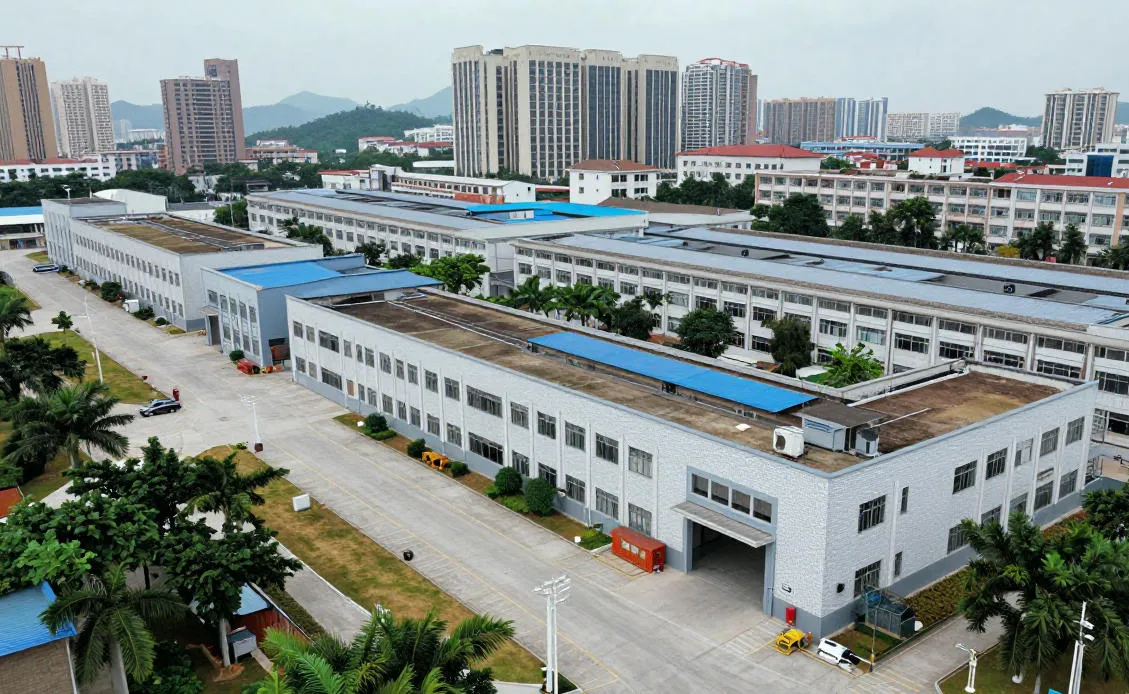
OEM backpack manufacturing solutionsOur state-of-the-art manufacturing facilities in China combine traditional craftsmanship with modern production technology to deliver exceptional quality at scale.
China-based backpack factory operationsUnderstanding fabric properties is crucial for product performance. Dive deep into nylon grades, denier ratings, coatings, and treatments that affect durability and aesthetics.
Comprehensive backpack materials guideFrom initial design consultation to final packaging, trace every step of our streamlined manufacturing process designed to minimize lead times without compromising quality.
Inside the backpack manufacturing workflowQuality assurance transforms good products into exceptional ones. Explore our multi-point inspection protocols, stress testing procedures, and compliance verification methods.
Professional quality control checklistMinimum order quantities can make or break a sourcing strategy. Find the right balance between inventory investment and per-unit economics for your business model.
Understanding MOQ requirements explainedTransparent pricing demystifies the cost structure behind custom backpacks. Learn how material costs, labor, tooling, and shipping factor into your final quote.
Detailed custom backpack cost analysisLaunch your own backpack line with professional private label services. We provide complete brand packaging, labeling, and custom documentation support.
Private label backpack manufacturing servicesStart small and scale confidently with our low minimum order commitments. Perfect for startups, market testing, and boutique brands seeking quality manufacturing.
Low MOQ backpack manufacturer optionsNavigate the competitive landscape with confidence. Our curated ranking of top-tier manufacturers helps you identify partners who align with your quality standards.
Top rated backpack manufacturers directoryRelated Product Categories Expand your sourcing portfolio
Complement your backpack line with premium custom travel bags. Our travel bag collection shares the same quality standards and manufacturing expertise.
Custom travel bag manufacturing servicesChoosing the right material impacts cost, durability, and market appeal. Our comprehensive comparison helps you make informed material decisions.
Canvas versus polyester versus PU comparisonA well-prepared tech pack bridges design intent with manufacturing reality. Master the art of creating detailed specifications that manufacturers can execute precisely.
Professional backpack tech pack creationTimeline management separates successful launches from costly delays. Understand typical production phases and learn strategies to optimize your lead time.
Backpack manufacturing lead time factorsExpand your product range with canvas tote bags. This guide covers material costs, printing techniques, and production considerations for complementary items.
Canvas tote bag materials and printing costs
Customer Reviews23 Reviews