
Backpack MOQ Explained: Minimum Order Quantity, Mixed Styles & Cost Strategy
When sourcing custom backpacks from China, understanding MOQ (Minimum Order Quantity) is essential for strategic procurement. This comprehensive guide covers MOQ principles, cost implications, mixed style options, and practical strategies for brands of all sizes.
Introduction: What Is MOQ for Custom Backpacks?
MOQ stands for Minimum Order Quantity — the smallest number of units a factory will produce per style or design in a single order. In OEM backpack manufacturing, MOQ requirements depend on several key factors:
Material Type
Fabric choices like polyester, nylon, canvas, or RPET affect minimum purchasing quantities
Design Complexity
Multi-compartment designs and technical features require more pattern setup
Production Setup
Pattern making, cutting, and sewing line arrangement all factor into minimums
Packaging Requirements
Custom retail packaging, hang tags, and inserts may increase minimum quantities
Key Insight
MOQ is not only a quantity requirement — it also directly affects material purchasing, production efficiency, and ultimately the unit cost of your backpacks.
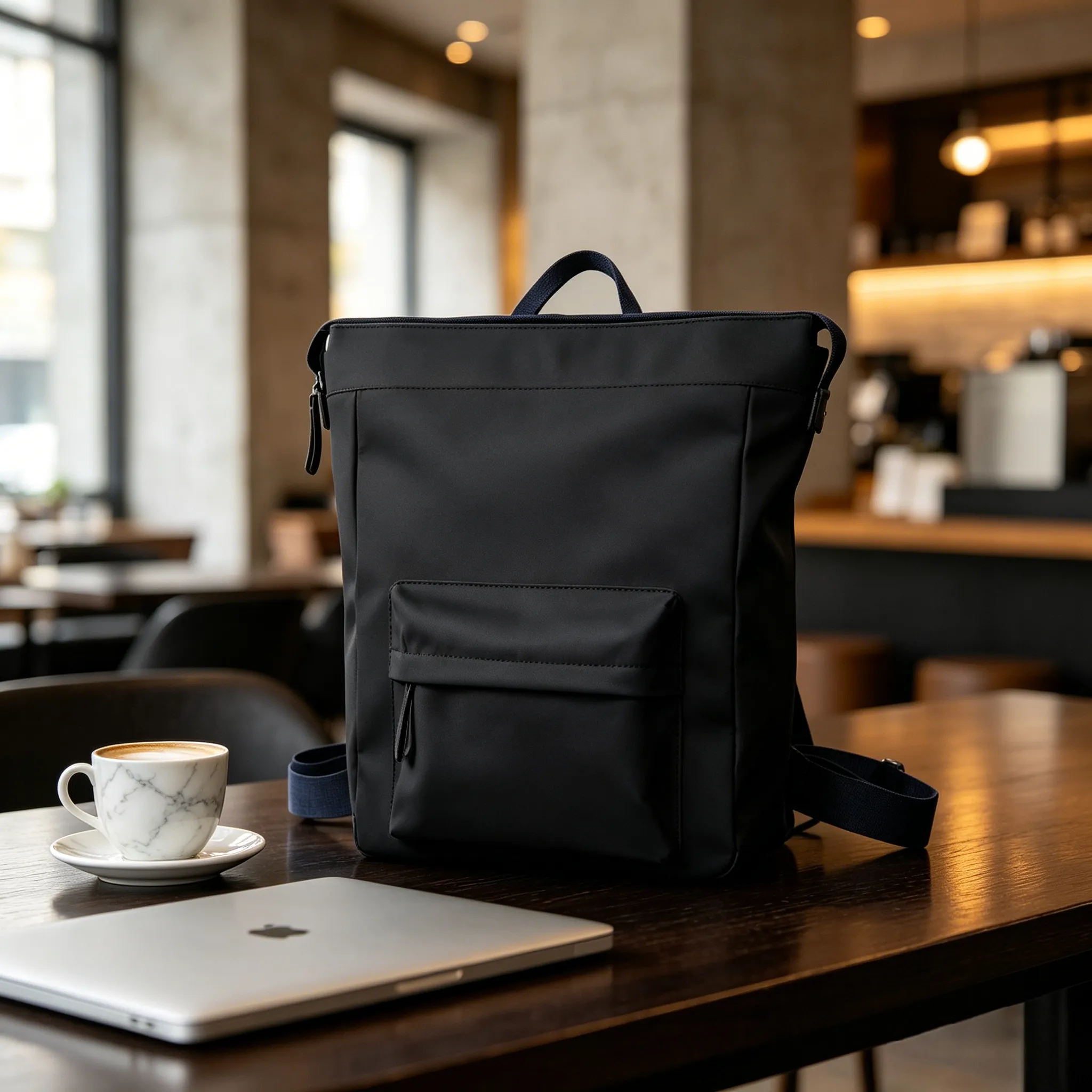
Why Do Backpack Factories Have MOQ Requirements?
Understanding why factories set minimum order quantities helps brands negotiate effectively and plan their orders strategically.
Material Purchasing
Most fabric suppliers operate on minimum order quantities for their materials:
- Polyester — Typically available in smaller quantities, but custom colors may require full dye lots
- Nylon — Often requires minimum fabric roll purchases
- Canvas — Custom weights and colors may have higher minimums
- RPET (Recycled) — Often requires larger minimums due to certification requirements
| Material | Stock Availability | Custom Color MOQ |
|---|---|---|
| Standard Polyester | Immediate | 500+ yards |
| Nylon (Standard) | 5-10 days | 800+ yards |
| Canvas | 3-7 days | 600+ yards |
| RPET Recycled | 10-15 days | 1000+ yards |
Production Efficiency
Manufacturing efficiency is directly tied to order quantity:
- Cutting Setup — Pattern cutting requires machine setup time regardless of quantity
- Sewing Lines — Production line arrangement and worker training are fixed costs
- Quality Control — Inspection protocols remain consistent regardless of batch size
Small orders cannot spread these fixed costs across enough units, making them economically unviable for factories at very low quantities.
Hardware and Accessories
Components like zippers, buckles, labels, and packaging materials all have their own minimum purchase requirements from suppliers, which contribute to the overall MOQ structure.
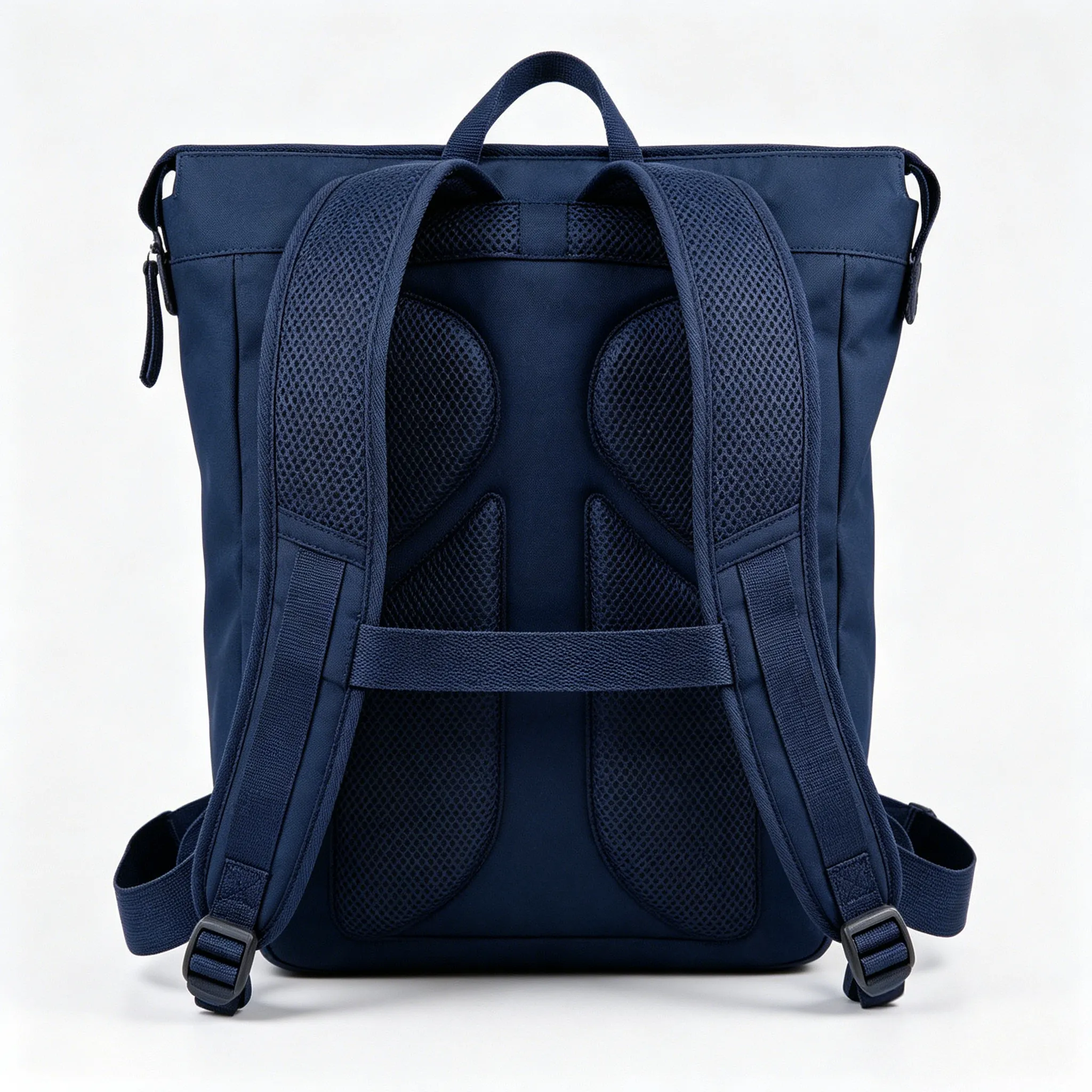
Typical MOQ for Custom Backpack Manufacturing
MOQ requirements vary significantly based on backpack type and customization level. Here are general industry standards:
| Backpack Type | Typical MOQ Range | Notes |
|---|---|---|
| Basic Promotional Backpack | 500-1,000 pcs | Simple design, standard materials |
| Custom Brand Backpack | 300-1,000 pcs | Moderate customization, logo application |
| Premium Outdoor Backpack | 500+ pcs | Technical features, specialized materials |
| Low MOQ Custom Backpack | 100-300 pcs | Depending on design complexity |
Disclaimer: MOQ ranges are general references only. Actual requirements vary depending on materials, customization level, and supplier production conditions. Please confirm specific requirements with your manufacturing partner.
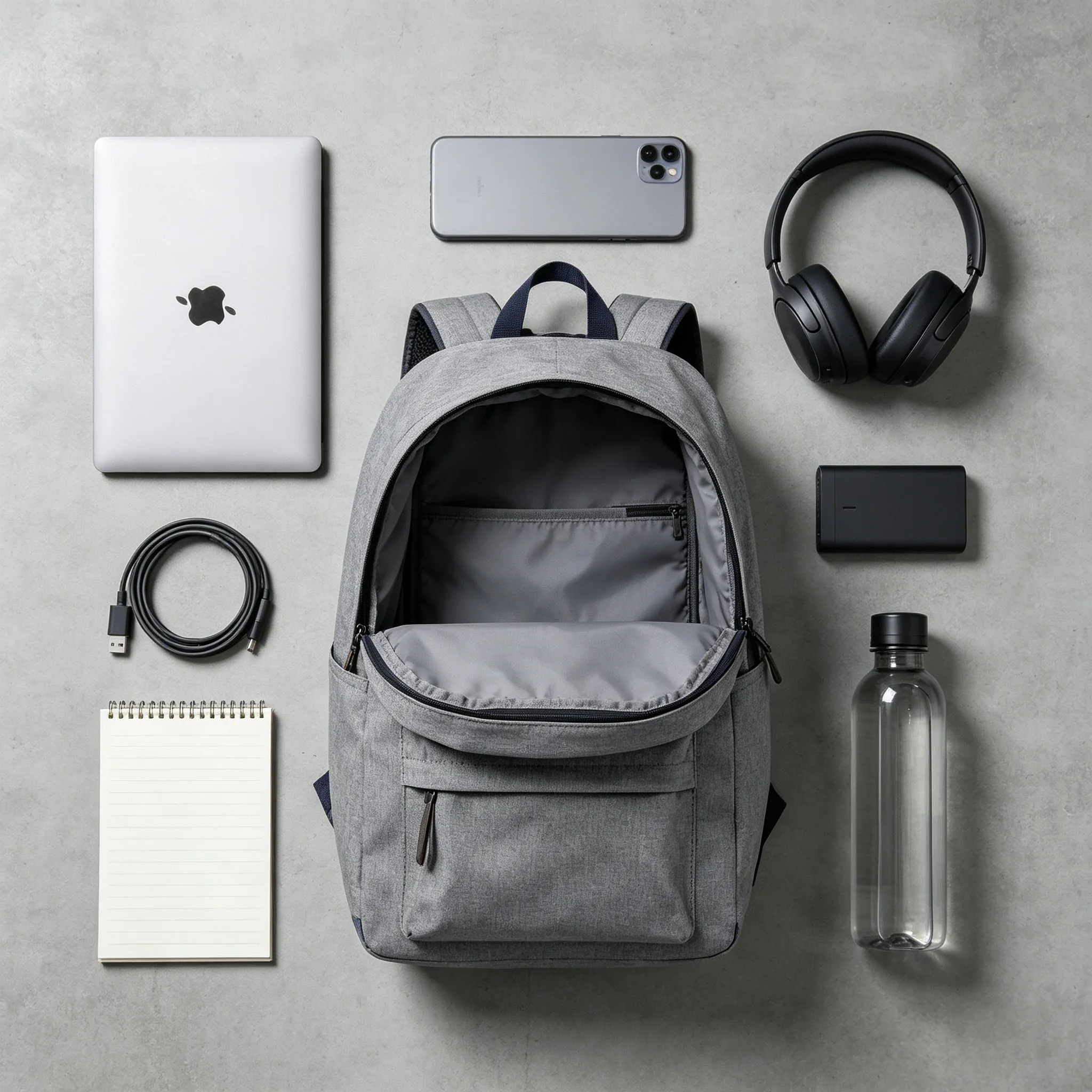
How MOQ Affects Custom Backpack Pricing
Understanding the relationship between order quantity and unit cost is crucial for budget planning and pricing strategy.
Fixed setup costs spread across fewer units
Good balance of cost and inventory commitment
Lower per-unit cost, larger inventory
Cost Breakdown Connection
For a detailed breakdown of how materials, labor, and overhead affect backpack pricing at different quantities, see our Custom Backpack Cost Breakdown Guide.
Unit Cost Factors by Quantity
| Quantity | Material Cost | Labor Cost | Overhead Allocation | Total Unit Cost Index |
|---|---|---|---|---|
| 100 pcs | 100% | 140% | 180% | Highest |
| 500 pcs | 95% | 100% | 110% | Moderate |
| 1,000 pcs | 88% | 85% | 90% | Optimal |
| 5,000+ pcs | 75% | 70% | 65% | Lowest |
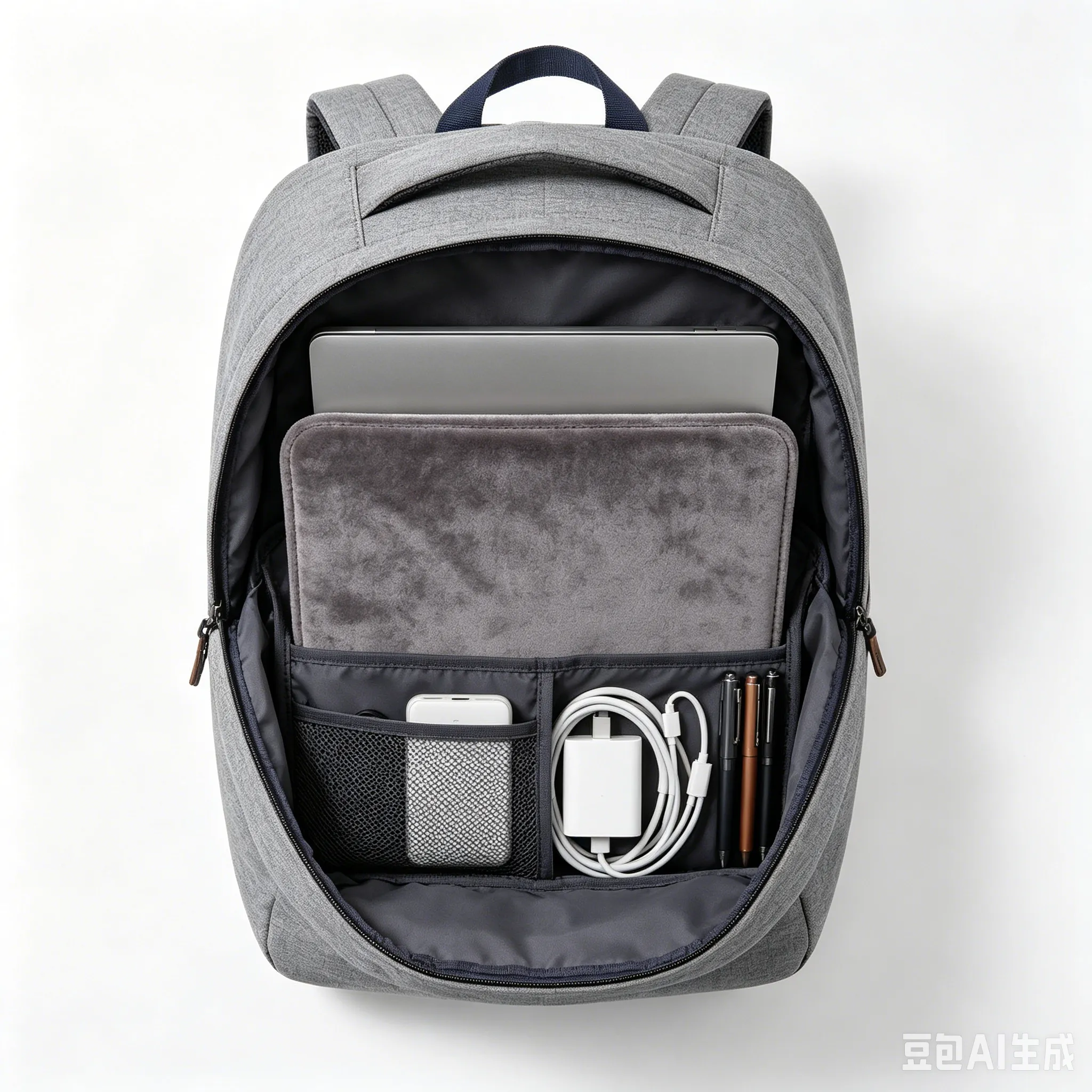
Can You Order Different Backpack Styles Under One MOQ?
This is one of the most common questions from brands entering the custom backpack market, and the answer requires understanding production realities.
The Short Answer
Typically, you cannot infinitely mix styles under a single MOQ. Each design requires its own production setup, which contributes to minimum order requirements.
Why Mixed Styles Are More Complex
Pattern Setup
Each backpack style requires unique pattern pieces and cutting dies
Material Preparation
Different designs may require different fabric cuts and material specifications
Sample Approval
Each style needs individual sample development and approval
Production Adjustment
Sewing lines need reconfiguration between different backpack designs
Mixed Styles MOQ: How Brands Can Combine Designs
While unlimited mixing isn’t possible, there are strategic ways to combine multiple styles within a reasonable MOQ framework.
Real Example: Combining 5 Styles
Imagine your target MOQ is 1,000 pieces. Here are your options:
Option A: Single Style
- Simpler production
- Lower sample costs
- Higher inventory risk
Option B: Multiple Styles
- Test different products
- Reduce inventory risk
- Higher sample costs
Advantages of Mixed Style Orders
- Market Testing — Validate which backpack designs resonate with your customers
- Reduced Risk — Don’t overcommit to a single style that may underperform
- Product Diversity — Offer a range of options without large upfront investment
Considerations and Trade-offs
- Sample Cost — Each style requires its own sample development
- Production Complexity — Multiple styles increase manufacturing complexity
- Quality Control — More styles means more QC checkpoints
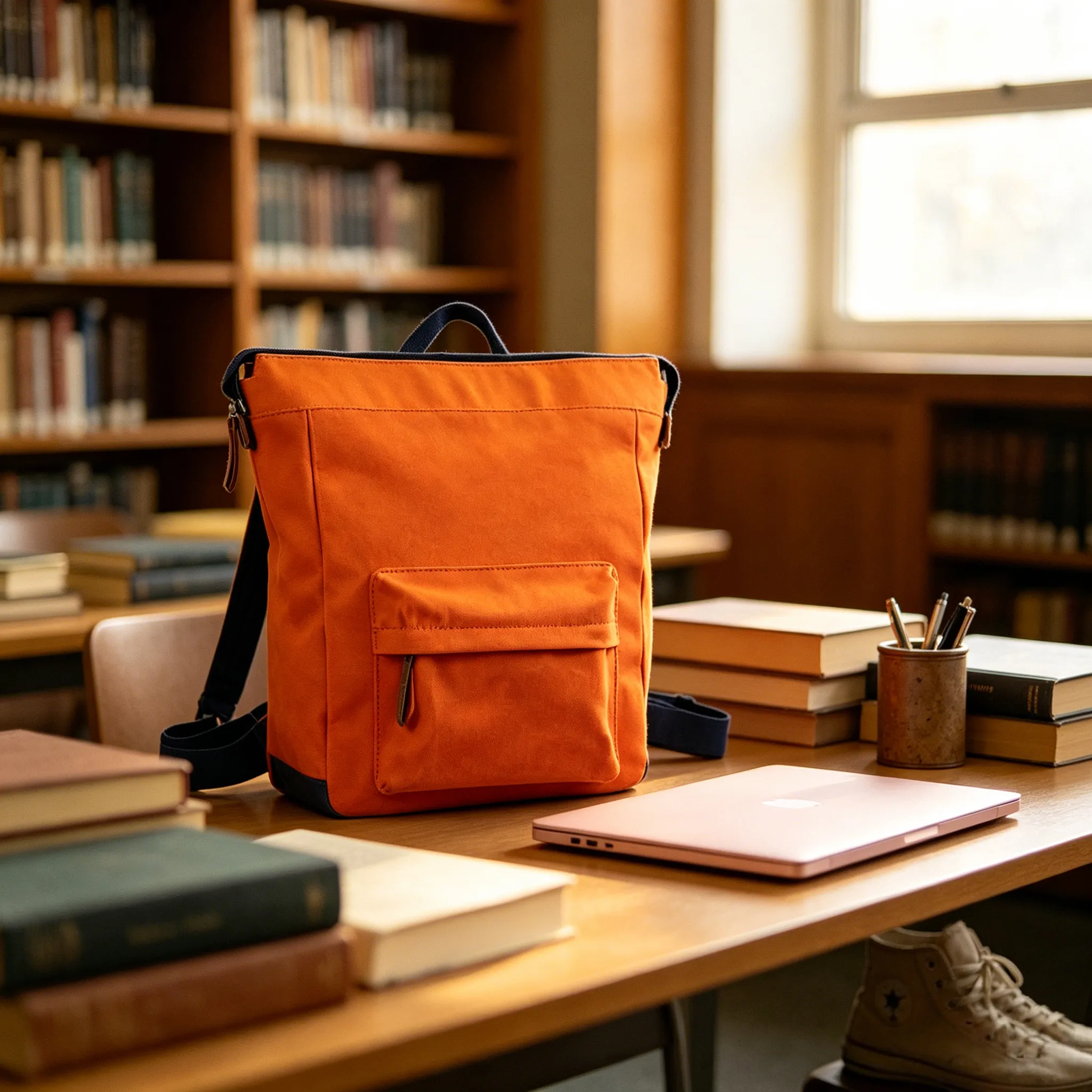
Mixed Colors vs Mixed Styles: What Is Allowed?
Understanding the distinction between mixed colors and mixed styles is crucial for planning your order.
Mixed Colors
Usually EasierMixing colors within a single backpack style is typically straightforward and commonly accepted.
- Black: 200 pcs
- Blue: 150 pcs
- Green: 150 pcs
Usually no additional MOQ surcharge for color mixing.
Mixed Styles
More ComplexMixing different backpack designs requires separate production setups for each style.
- Laptop Backpack: 200 pcs
- Travel Backpack: 150 pcs
- Daypack: 150 pcs
Each style requires unique pattern, cutting, and sewing processes.
Why Style Mixing Is More Complex
| Factor | Mixed Colors | Mixed Styles |
|---|---|---|
| Pattern Requirements | Same pattern | Unique pattern per style |
| Cutting Process | Same cutting setup | Different dies/cuts |
| Sewing Process | Same process | Different assembly steps |
| Sample Requirement | One sample | One per style |
| Production Efficiency | High | Lower |
Low MOQ Backpack Manufacturing: Options for Small Brands
For startup brands, Shopify sellers, Amazon merchants, and emerging designers, lower MOQ options can make custom backpacks accessible without excessive inventory risk.
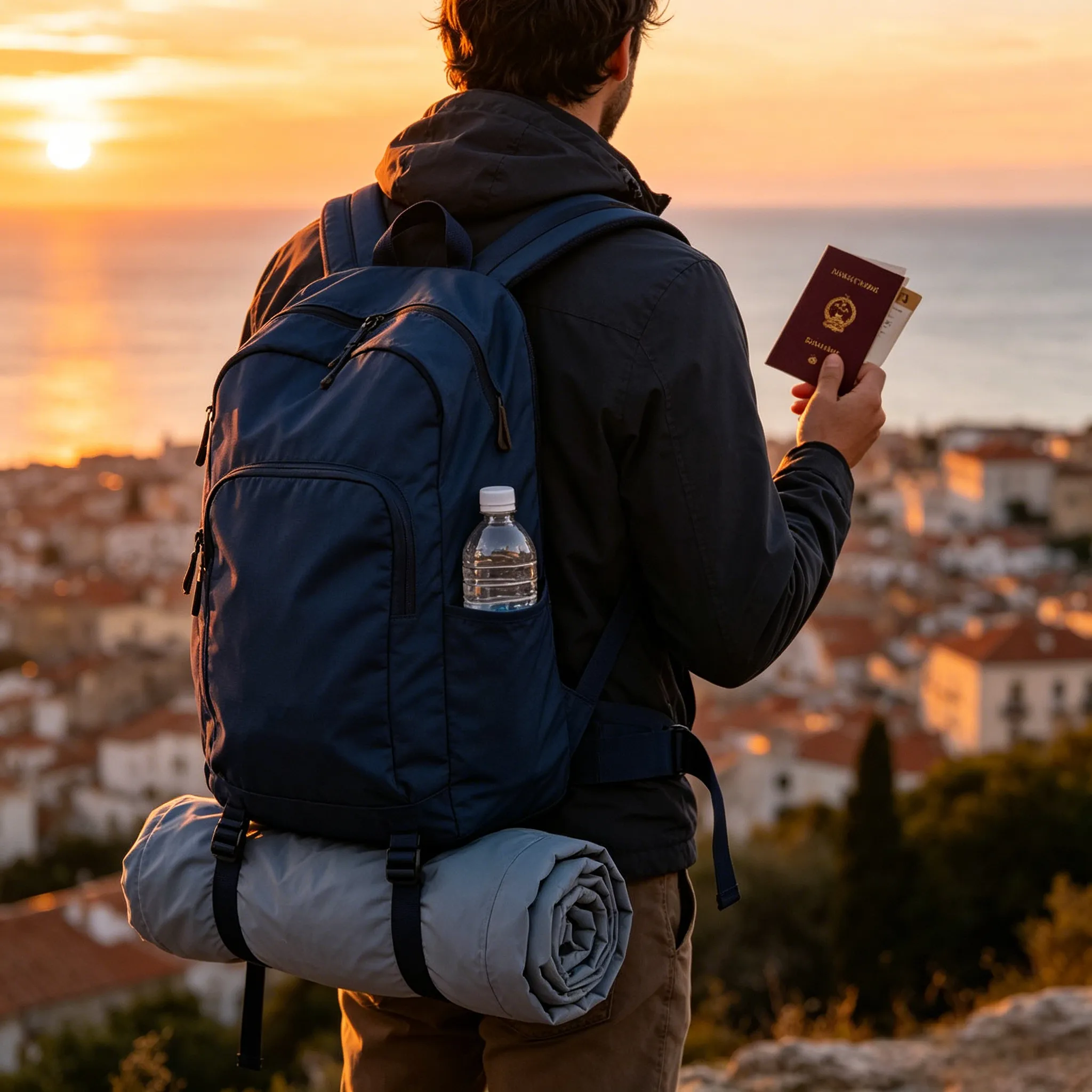
Strategies to Reduce MOQ
1. Use Existing Factory Patterns
Leverage pre-existing backpack designs to eliminate pattern development costs and reduce minimums significantly.
- Benefit: Eliminates development costs
- Trade-off: Limited customization options
- MOQ Impact: Can reduce MOQ to 100-200 pcs
2. Choose Stock Materials
Select from factory inventory of standard fabrics, colors, and hardware instead of custom sourcing.
- Benefit: Faster production, lower costs
- Trade-off: Limited color/material options
- Popular Choices: Standard polyester, black nylon
3. Simplify Design
Reduce complexity by minimizing compartments, hardware, and special structures.
- Benefit: Lower production complexity
- Trade-off: Fewer features
- Focus: Single compartment, basic straps
4. Start With Sampling
Order initial samples to validate market demand before committing to larger production runs.
- Benefit: Test market with minimal risk
- Trade-off: Higher per-unit sample cost
- Approach: Gather customer feedback before bulk order
Startup Success Tip
Many successful brands started with low MOQ orders to test their market. Use initial orders to gather customer feedback and refine your product before scaling up to larger quantities.
Factors That Increase Backpack MOQ
Understanding what drives higher minimum order quantities helps you plan more accurately and identify opportunities to optimize.
Detailed Breakdown
| Customization | MOQ Impact | Additional Lead Time |
|---|---|---|
| Custom Fabric Color (Dye) | +300-500 pcs | +7-14 days |
| Custom Buckles/Hardware | +200-500 pcs | +10-21 days |
| Retail Gift Box | +500-1,000 pcs | +5-10 days |
| Waterproof Membrane | +200-300 pcs | +7-14 days |
| Custom Zipper Pullers | +500-1,000 pcs | +14-21 days |
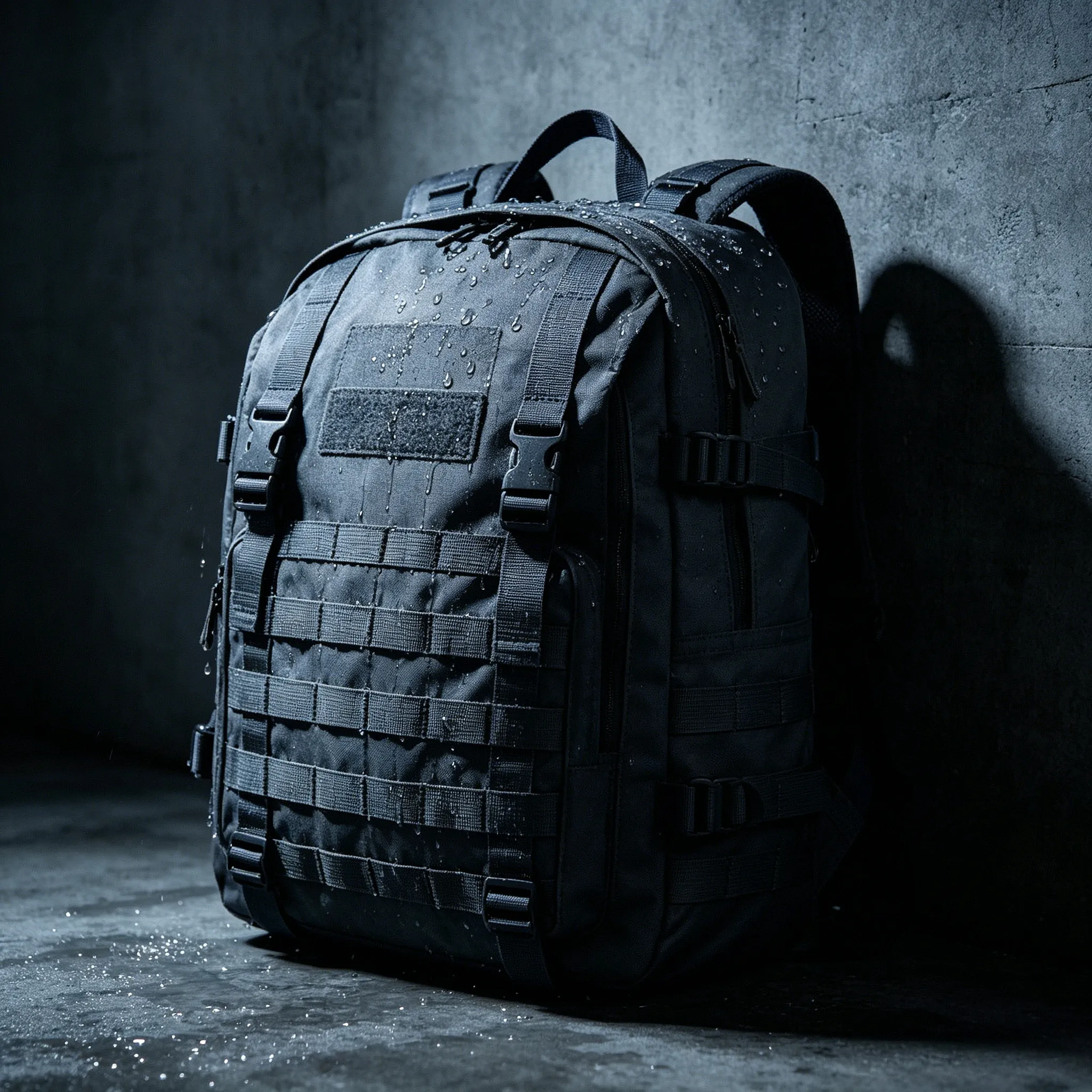
Backpack MOQ for Different Brand Types
Different business models and growth stages have unique MOQ considerations. Here’s a tailored guide for various brand types.
Startup Brands
Focus on testing market demand and validating product-market fit before scaling.
- Use existing patterns
- Stock materials only
- Simple logo application
E-commerce Brands
Balance inventory investment with product variety and sales velocity projections.
- Consider 2-3 color options
- Standard packaging
- Quality-focused materials
Corporate Buyers
Optimize unit cost for bulk orders, often with custom branding and packaging.
- Full customization
- Premium materials
- Custom packaging
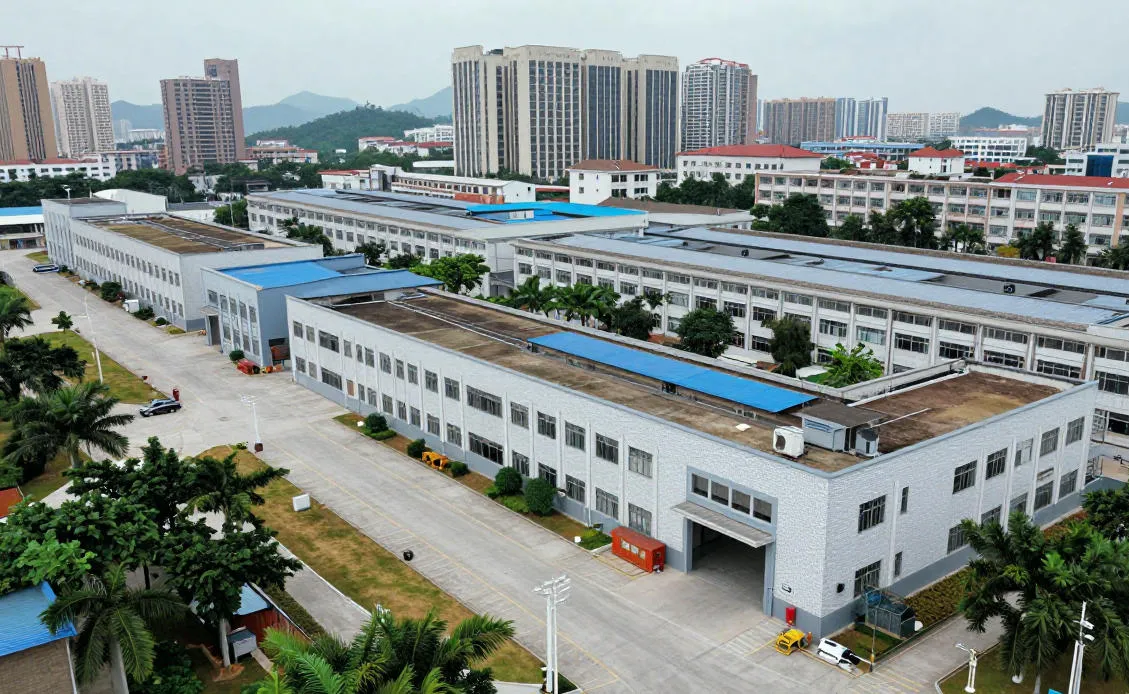
How to Reduce MOQ Without Sacrificing Quality
Strategic approaches can help you achieve lower minimums while maintaining the quality standards your brand requires.
Choose Standard Materials
Opt for in-stock fabrics and hardware instead of custom sourcing. Standard polyester, nylon, and common colors often have lower minimums.
Increase Quantity Gradually
Start with a smaller order to validate quality and market response, then scale up with reorder quantities that often qualify for lower minimums.
Use Existing Designs
Factory patterns eliminate pattern development costs and can significantly reduce MOQ requirements for your first order.
Avoid Excessive Customization
Each customization adds complexity. Focus on essential features for your initial order and add unique elements in subsequent runs.
Quality Never Compromised
Reducing MOQ doesn’t mean reducing quality. Our factories maintain the same rigorous quality control standards regardless of order size. Small batch production often receives extra attention to detail to ensure customer satisfaction and future reorders.
Expert Insight: How Factories Evaluate MOQ Requests
Gain firsthand perspective from our experienced team members on how MOQ decisions are made.
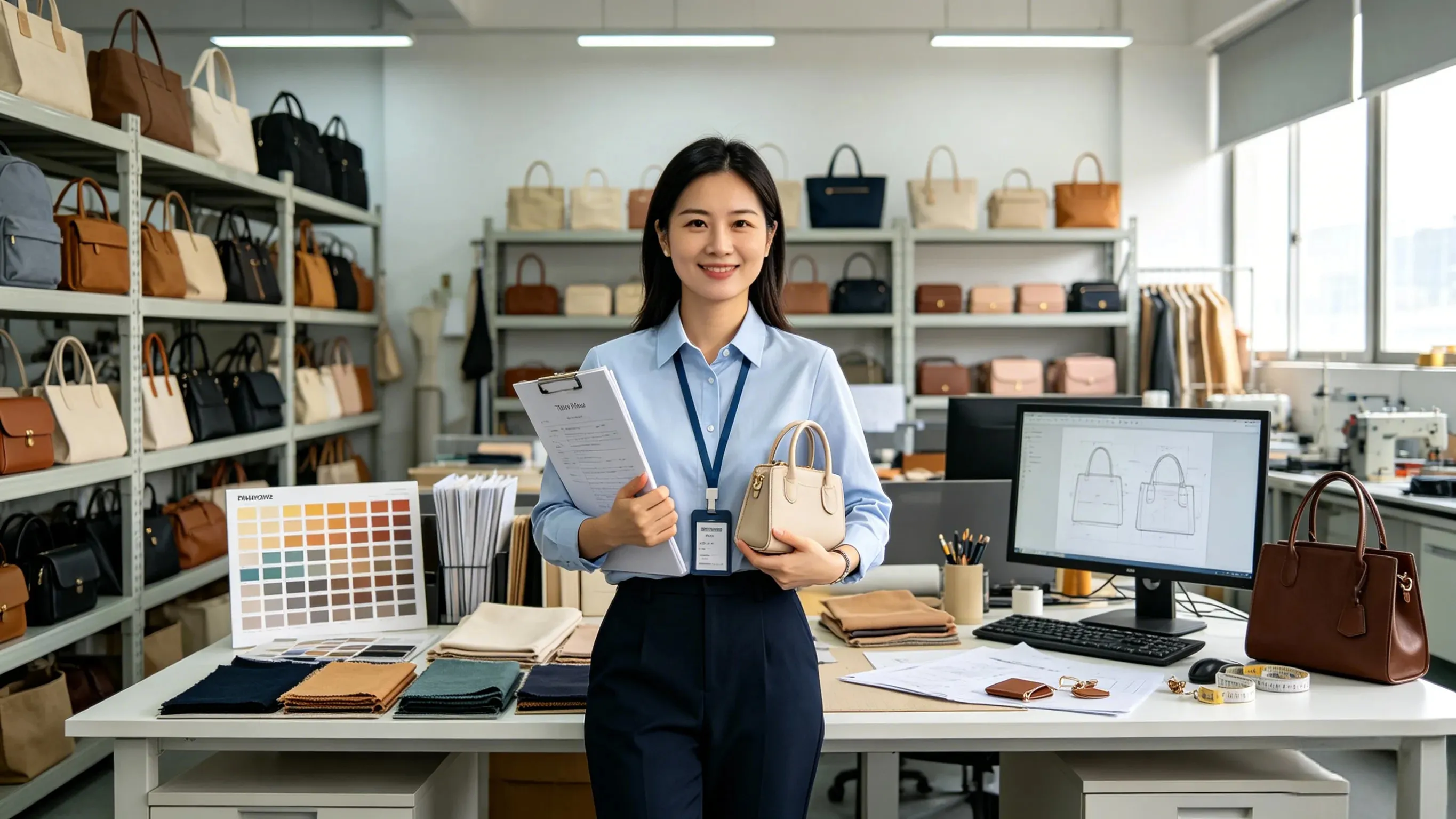
Q: What information helps a factory determine the right MOQ for a backpack project?
A: Product positioning, target market, budget constraints, and expected reorder frequency are all critical factors. Brands that share their growth trajectory and market strategy upfront often receive more tailored recommendations. If you plan to reorder every quarter, a slightly higher initial MOQ might make sense for better pricing.
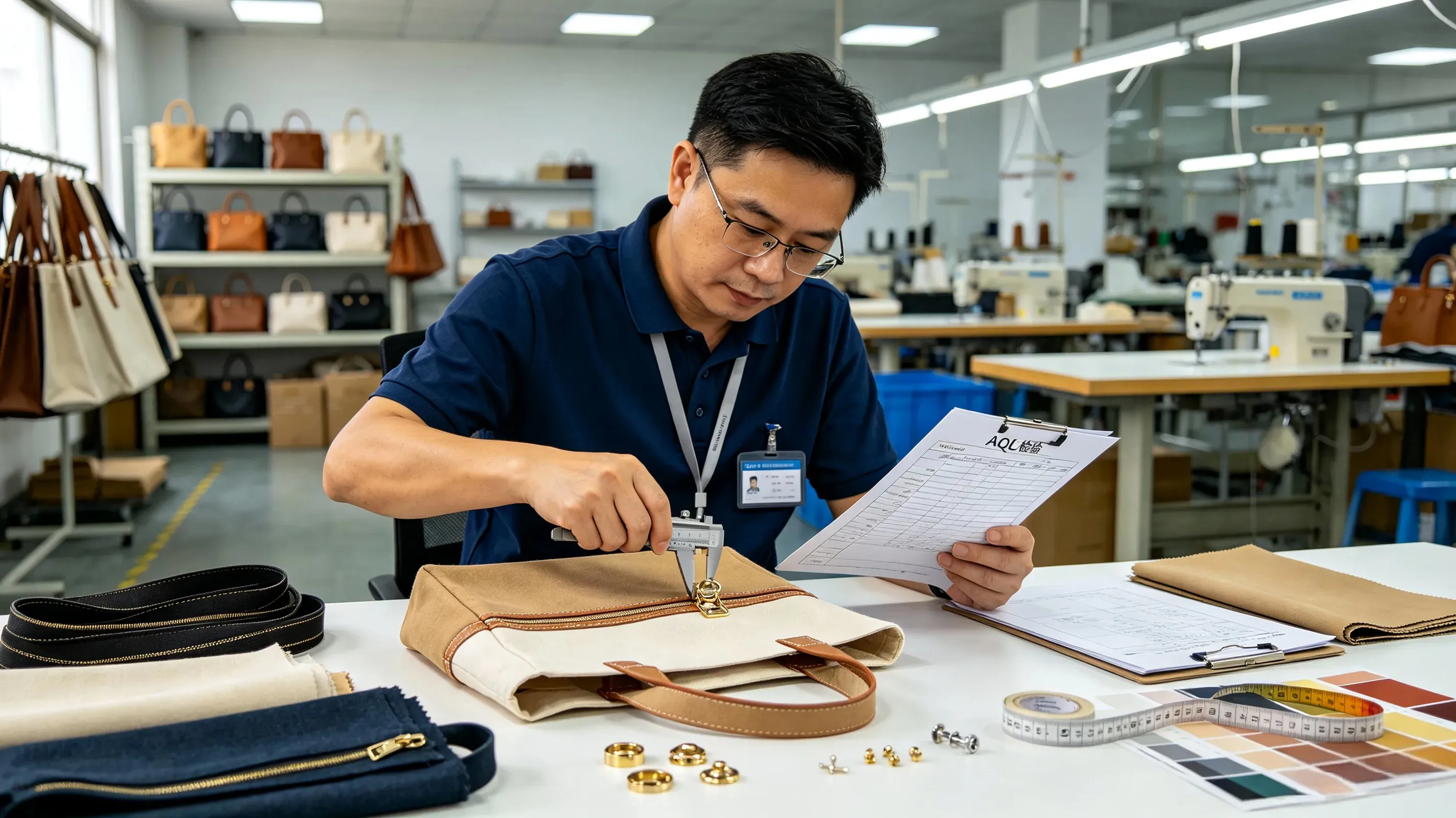
Q: Why can very small orders affect production consistency?
A: Production setup requires calibration time. When we run a large batch, the equipment stays calibrated throughout. Smaller orders may require recalibration between runs, which can introduce variables. Additionally, worker skill development benefits from repetition — consistent practice on similar products improves quality over time.
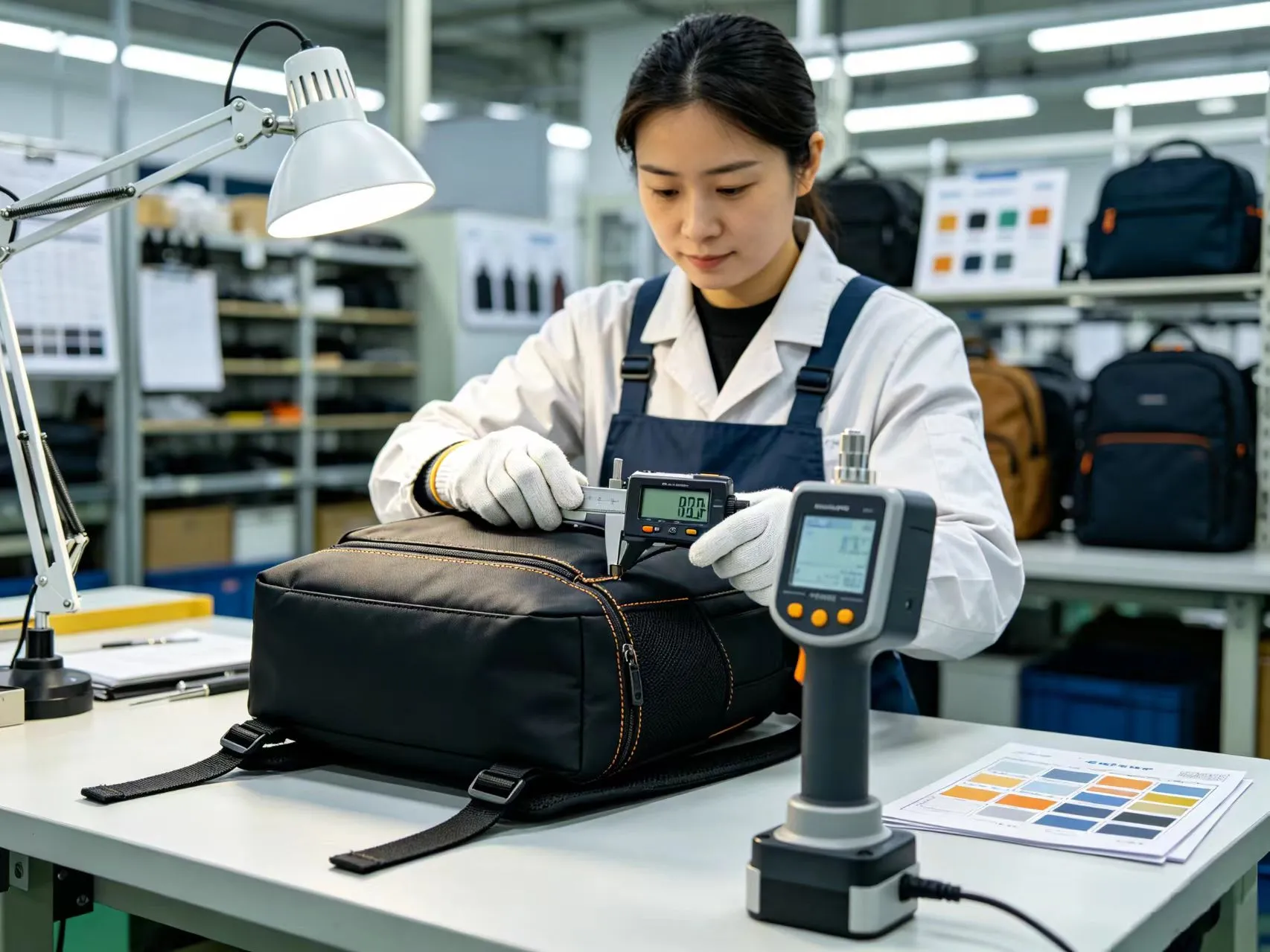
MOQ Checklist Before Requesting a Backpack Quote
Use this comprehensive checklist to prepare for your backpack manufacturing inquiry and ensure accurate quotes.
Product Specifications
Customization Details
Business Requirements
FAQ: Backpack MOQ Questions
What is the MOQ for custom backpacks?
MOQ for custom backpacks typically ranges from 100-1,000 pieces depending on design complexity, materials, and customization level. Basic promotional backpacks often start at 500 pieces, while more complex designs may require 500-1,000 pieces minimum.
Can I order backpacks with different colors?
Yes, most factories allow color mixing within a single style. For example, you can order 500 pieces split across black, blue, and green without significantly increasing the MOQ. Color mixing is typically easier than style mixing.
Can I mix different backpack styles?
Mixed style orders are possible but more complex than color mixing. Each style requires separate pattern setup and production configuration. Many factories offer flexible MOQ arrangements where you can combine 2-5 styles within a total quantity framework.
What is the lowest MOQ for OEM backpacks?
The lowest practical MOQ for OEM backpack production is typically 100-200 pieces when using existing factory patterns and stock materials. Lower quantities may be possible but often result in higher unit costs that may not be economically viable.
Does higher MOQ reduce backpack cost?
Yes, higher order quantities generally result in lower per-unit costs. This is because fixed costs (pattern setup, cutting, line arrangement) are spread across more units. However, the optimal balance depends on your inventory capacity and sales projections.
Why do factories require MOQ?
Factories require MOQ to cover their fixed production costs, ensure material purchasing efficiency, and maintain profitable operations. Small orders below MOQ would result in losses due to setup costs that cannot be recovered.
Can startups order custom backpacks?
Absolutely. Many manufacturers cater to startup brands with lower MOQ options. Strategies include using existing patterns, choosing stock materials, and starting with simpler designs to minimize initial investment while validating market demand.
How does MOQ affect production lead time?
Smaller orders may actually have shorter production times since they can often be scheduled alongside other orders. However, custom materials or colors can extend lead times regardless of quantity. Standard orders of 500-1,000 pieces typically take 25-40 days.
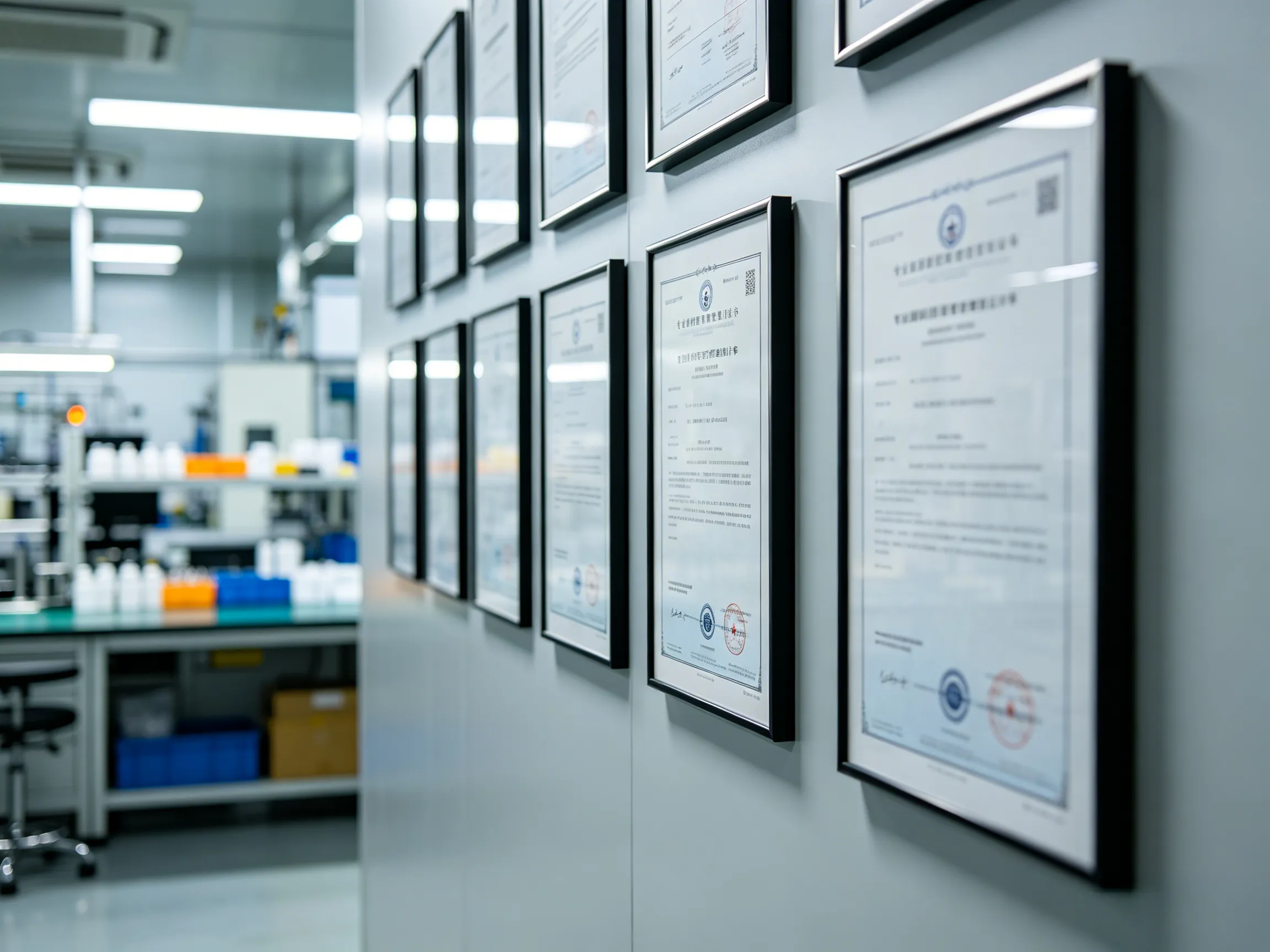
Ready to Discuss Your Backpack Project?
At Dreamway, our small team of 30+ professionals has served clients across 50+ countries, delivering premium quality bags and silk products with competitive MOQs tailored to your business needs.
- Private Label Backpack Manufacturers | OEM/ODM China Factory
- Custom Travel Bag Manufacturer | OEM/ODM Factory for Travel Bags
- How to Create a Backpack Tech Pack for Manufacturing
- Backpack MOQ Explained: Minimum Order Quantity, Mixed Styles & Cost Strategy
- Custom Backpack Cost Breakdown: Materials, Labor, MOQ & Packaging
- How Long Does It Take to Manufacture a Backpack? Timeline Guide
- How to Create a Backpack Tech Pack for Manufacturing (Free Template)
- The Complete Backpack Quality Inspection Checklist for Buyers
- Inside a Backpack Factory: Complete Backpack Manufacturing Process Step by Step
- Backpack Materials Guide: Polyester, Nylon, Canvas, RPET, Foam & Hardware Explained
- OEM Backpack Manufacturer: Private Label, ODM & Custom Branding Guide
- Backpack Factory China: OEM Manufacturing, MOQ, Production Capacity & Export Guide
- Low MOQ Backpack Manufacturer
- How to Customize Backpack: Ingenious Interior Partition Design
- How to Customize Backpack: Adding Advanced Functions
- How to Customize Backpack for Travel
- How to Customize Backpack for Outdoor Adventures
- How to Customize Backpack
DREAMWAY
Custom Bag & Silk Manufacturer · Shiling, Guangzhou
Company
Products
Guides & Insights
Ready to Bring Your Bag Idea to Life? Let’s Talk Today.
From your first sketch to bulk delivery, our team replies within 12 hours with expert advice and a free quote. No pressure — just honest manufacturing guidance.

Prefer a call? +86-020-87682749 · Mon–Sat, 9:00–18:00 (GMT+8)
Your Premium Nylon Backpack Manufacturing Hub
Explore our comprehensive collection of resources, from material selection to final delivery, connecting you with expert insights from China’s leading backpack manufacturer.
Core Manufacturing Expertise Essential guides for sourcing nylon backpacks
Discover our extensive catalog of wholesale nylon backpacks, featuring premium materials, competitive pricing, and flexible order quantities tailored for global brands and retailers.
Explore wholesale nylon backpack collectionLearn how to personalize every detail of your backpack—from logo placement and color matching to hardware selection—creating products that truly represent your brand identity.
Complete backpack customization guidePartner with our OEM specialists to bring your designs to life. We handle everything from prototype development to mass production with rigorous quality standards.
OEM backpack manufacturing solutionsOur state-of-the-art manufacturing facilities in China combine traditional craftsmanship with modern production technology to deliver exceptional quality at scale.
China-based backpack factory operationsUnderstanding fabric properties is crucial for product performance. Dive deep into nylon grades, denier ratings, coatings, and treatments that affect durability and aesthetics.
Comprehensive backpack materials guideFrom initial design consultation to final packaging, trace every step of our streamlined manufacturing process designed to minimize lead times without compromising quality.
Inside the backpack manufacturing workflowQuality assurance transforms good products into exceptional ones. Explore our multi-point inspection protocols, stress testing procedures, and compliance verification methods.
Professional quality control checklistMinimum order quantities can make or break a sourcing strategy. Find the right balance between inventory investment and per-unit economics for your business model.
Understanding MOQ requirements explainedTransparent pricing demystifies the cost structure behind custom backpacks. Learn how material costs, labor, tooling, and shipping factor into your final quote.
Detailed custom backpack cost analysisLaunch your own backpack line with professional private label services. We provide complete brand packaging, labeling, and custom documentation support.
Private label backpack manufacturing servicesStart small and scale confidently with our low minimum order commitments. Perfect for startups, market testing, and boutique brands seeking quality manufacturing.
Low MOQ backpack manufacturer optionsNavigate the competitive landscape with confidence. Our curated ranking of top-tier manufacturers helps you identify partners who align with your quality standards.
Top rated backpack manufacturers directoryRelated Product Categories Expand your sourcing portfolio
Complement your backpack line with premium custom travel bags. Our travel bag collection shares the same quality standards and manufacturing expertise.
Custom travel bag manufacturing servicesChoosing the right material impacts cost, durability, and market appeal. Our comprehensive comparison helps you make informed material decisions.
Canvas versus polyester versus PU comparisonA well-prepared tech pack bridges design intent with manufacturing reality. Master the art of creating detailed specifications that manufacturers can execute precisely.
Professional backpack tech pack creationTimeline management separates successful launches from costly delays. Understand typical production phases and learn strategies to optimize your lead time.
Backpack manufacturing lead time factorsExpand your product range with canvas tote bags. This guide covers material costs, printing techniques, and production considerations for complementary items.
Canvas tote bag materials and printing costsBackpack Manufacturing Guides
How to Customize a Backpack
Customizing a backpack begins with fabric weight (typically 400D–1200D nylon or polyester), hardware selection (YKK zippers, Duraflex buckles), and compartment layout (6–8 functional zones). From adjustable sternum straps and custom zipper pulls to embossed logos and reinforced grab handles, each of the 8–12 detail points shapes both user experience and brand identity across every carrying occasion.
how to customize a backpack — fabric, hardware, and compartment guideHow to Customize a Backpack for Outdoor Adventures
Hiking, climbing, and expedition packs require 1.5–3 kg load-rated construction. Reinforced 1000D+ Cordura bottom panels, YKK AquaGuard weatherproof zippers (5,000 mm hydrostatic head), hydration sleeves (2–3 L), and load-bearing hip belts (15–30 kg capacity) transform a standard pack into gear capable of traversing mountains, forests, and unpredictable terrain with confidence.
how to customize a backpack for outdoor adventures — rugged construction guideHow to Customize a Backpack for Travel
Frequent flyers prioritize 30–45 L carry-on capacity and TSA-compliant organization. Built-in 17-inch TSA-approved laptop sleeves, concealed anti-theft RFID-blocking pockets, luggage pass-through straps, and quick-access top compartments make travel smoother, safer, and considerably more convenient across long international journeys of 8–24 hours.
how to customize a backpack for travel — TSA, anti-theft, and packingAdvanced Backpack Customization Upgrades
Modern packs benefit from 5–8 modular add-ons that extend capability: detachable camera cubes, integrated 10–20 W solar panels, roll-top expanders (5–10 L), MOLLE (Modular Lightweight Load-carrying Equipment) webbing, and ergonomic airflow back panels. These innovations take a backpack’s utility well beyond traditional daily commuting and casual outings.
how to customize a backpack — advanced features and modular add-onsBackpack Interior Partition Design
Thoughtful internal organization uses 4–6 adjustable partitions to prevent gear chaos on every trip. Padded 15–17 inch laptop sleeves, removable dividers (3–5), dedicated shoe compartments, mesh organizer panels (3–5 pockets), and reinforced water-bottle holders transform ordinary carrying space into meticulously planned, accessible storage zones for daily commuters.
backpack interior partition design and layout ideasLow MOQ Backpack Manufacturer
Emerging brands need flexible production partners to scale gradually. BSCI- and Sedex-audited suppliers offering 50–200-unit MOQ (minimum order quantity) help startups, crowdfunding creators, and niche retailers launch within 30–60 days without massive capital commitments while maintaining consistent ISO 9001 quality, custom branding, and reliable delivery schedules.
low MOQ backpack manufacturer — 50 to 200 unit minimumsBackpack Factory in China
Chinese OEM (Original Equipment Manufacturer) factories combine 50,000–200,000-unit monthly capacity with competitive pricing, exporting 3+ million units annually to 90+ countries. Understanding production capacity, MOQ tiers (typically 100–500 units), 7–15 day sample development, AQL-based QC, and export documentation streamlines sourcing decisions for international wholesale buyers.
backpack factory in China — capacity, MOQ, and export guideOEM Backpack Manufacturer and Private Label Services
From logo embroidery and woven labels to fully bespoke ODM (Original Design Manufacturer) projects, manufacturers support brand development across 5–7 customization areas. Custom hardware colorways, exclusive pattern prints, and proprietary silhouette development distinguish premium private-label collections in crowded retail markets within 30–60 day production timelines.
OEM and ODM backpack manufacturer — private label solutionsBackpack Manufacturing Process
Production flows through 7–9 sequential stages: pattern cutting, fabric printing, panel stitching, strap assembly, hardware attachment, final QC, and packaging. Each stage requires precision, trained operators, and consistent ISO 9001 oversight to deliver durable, market-ready finished products within the standard 30–60 day bulk-production schedule.
backpack manufacturing process — 7 production stages explainedBackpack Materials and Hardware Guide
Polyester (600D–1200D, 200–400 GSM) offers affordability; nylon (420D–1000D Cordura) delivers strength-to-weight balance; canvas (10–16 oz) provides heritage appeal; RPET (recycled polyethylene terephthalate, 300D–600D) supports sustainability goals. YKK zippers (size 5–10), Duraflex buckles, and foam density (3–6 mm) each influence durability, comfort, price positioning, and end-user satisfaction.
backpack materials and hardware guide — denier, GSM, and zipper specsBackpack Tech Pack Guide (with Free Template)
A complete tech pack includes 9–12 sections: flat sketches, 12–25 measurements, material callouts (denier, GSM), Pantone color specifications, hardware lists, and construction notes. The free downloadable 12–25 page template streamlines designer–factory communication, cutting sample revision cycles from 4 rounds down to 1–2 rounds during sampling and bulk production.
backpack tech pack guide with free downloadable templateBackpack Quality Control Checklist
Inspection follows AQL (Acceptable Quality Level) 2.5 / 4.0 sampling per ISO 2859-1, covering stitch density (8–12 SPI), seam strength, zipper cycling (500+ cycles), colorfastness (AATCC 61), strap load testing (15–30 kg), and hardware integrity. This 6-stage check helps buyers identify defects before shipment leaves the factory floor.
backpack quality control checklist — AQL sampling and defect standardsBackpack Manufacturing Lead Time
Sampling typically requires 7–15 days, bulk production 30–60 days, plus 2–5 day QC and 21–35 day ocean freight to most major markets. The total 60–115 day timeline supports seasonal launches, holiday sales (Q4), and trade show debuts while avoiding costly expedited shipping premiums of 30–50%.
backpack manufacturing lead time — sampling, production, and shippingCustom Backpack Cost Breakdown
Total production cost breaks into raw materials (55–70%), labor (15–25%), hardware (8–15%), packaging (2–5%), logo application (1–3%), and factory overhead (5–10%). Transparent itemized quotations help buyers benchmark against industry averages of $8–$25 per unit FOB China, budget accurately, and forecast expenses for new private-label collections.
custom backpack cost breakdown — material, labor, and overheadBackpack MOQ Strategy Guide
MOQ (minimum order quantity) typically ranges from 100–500 units per style-color, balancing factory setup costs ($500–$2,000) against buyer flexibility. Mixed-style orders (3–5 SKUs), color grouping (5–8 Pantones), and progressive replenishment strategies help smaller brands access competitive pricing while managing inventory exposure across multiple retail channels and seasonal cycles.
backpack MOQ strategy — minimum order quantity planningBackpack Tech Pack Specifications for Production
Detailed tech packs specify 8–10 stitch types (SPI 8–12), 5–7 seam allowances (10–15 mm), bar-tack placements at 6–10 stress points, panel dimensions (within ±2 mm tolerance), and thread specifications (Tex 30–90). Comprehensive documentation reduces revision cycles by ~60% and accelerates sample approval from 4 rounds down to 1–2 rounds.
backpack tech pack specifications — stitch, seam, and tolerance standardsCustom Travel Bag Manufacturer
Specialized factories produce 4 core product categories—rolling luggage, weekenders, duffels, and convertible backpacks—in 6–8 sizes (20–30 inch) with reinforced handles, smooth-glide wheels, and expandable compartments (5–10 L). OEM and ODM services adapt proven travel silhouettes to match each brand’s positioning within 45–75 day production cycles.
custom travel bag manufacturer — OEM factory and capabilitiesPrivate Label Backpack Manufacturers
Building a backpack brand requires 5–7 partnership service areas: market intelligence, material sourcing, packaging guidance, and scalable 30–90 day end-to-end production. Manufacturing partners who have supported 50+ private-label brand launches transform founder concepts into commercially viable, retail-ready collections with 100–500 unit MOQs.
private label backpack manufacturers — partnership and brand launchWholesale Nylon Backpacks
Built from 420D–1000D Cordura-grade nylon with reinforced 600D–1200D base panels, our wholesale nylon backpacks deliver lightweight strength (~0.8–1.6 kg empty) with daily and outdoor durability. Ballistic weave and ripstop options, paired with YKK reverse-coil zippers, support 50–500 unit MOQ per style-color, full OEM logo application, and 30–60 day bulk production. As a direct-factory nylon backpack supplier serving 30+ private-label brands across 12+ countries, we offer customization, AATCC 61 grade 4+ colorfastness testing, and competitive FOB pricing from $7–$22 per unit.
wholesale nylon backpacks — direct factory supplier and customizationCustom Outdoor Brand Bag Manufacturer
Outdoor brands building hiking, climbing, and expedition collections need a manufacturing partner who understands load-rated performance. As a custom outdoor brand bag manufacturer, we deliver 1000D+ Cordura body fabric, 15–30 kg load-tested hip belts, YKK AquaGuard zippers (5,000 mm hydrostatic head), and BSCI-audited production across 30–60 day timelines. From 100-unit startup runs to 50,000-unit seasonal collections, our OEM and ODM services help outdoor brands launch technical, retail-ready packs backed by ISO 9001 quality, 90+ country export experience, and 50+ private-label launches completed.
custom outdoor brand bag manufacturer — partnership and OEM servicesCustom Travel Brand Bag Manufacturer
Travel brands serving frequent flyers, business commuters, and weekend explorers need a manufacturer fluent in carry-on compliance and modern convenience features. As a custom travel brand bag manufacturer, we produce 20–45 L carry-on backpacks, rolling luggage, weekenders, and convertible duffels with 17-inch TSA-approved laptop sleeves, RFID-blocking pockets, and reinforced wheel housings. Our OEM services support 100–500 unit MOQs, 6 Pantone color matching, and 30–60 day production cycles, helping 40+ travel brands launch polished, retail-ready collections with reliable factory-direct communication and BSCI-audited quality control.
custom travel brand bag manufacturer — partnership and OEM services