
How to Create a Backpack Tech Pack for Manufacturing
What Is a Backpack Tech Pack?
A backpack tech pack is a comprehensive manufacturing document that communicates every technical requirement of your product to the factory. Think of it as a complete product blueprint that eliminates the need for lengthy verbal explanations or endless email exchanges.
Essential Components Every Tech Pack Must Include:
- Basic Information: Product name, style number, target customer, product category
- Design Information: Front view, back view, side view, interior structure drawings
- Manufacturing Information: Materials specifications, sewing requirements, hardware details, packaging requirements
.webp)
Without a proper tech pack, brands frequently encounter incorrect samples, production delays, and unexpected costs that can derail entire product launches. A comprehensive backpack manufacturing document ensures every stakeholder—from designers to production managers—operates from the same precise specifications.
Why Brands Need a Tech Pack When Working With Backpack Factories
Reduce Communication Errors
Imagine telling your factory to “make the straps stronger.” Without specific measurements, materials, and reinforcement requirements, they have no clear direction. A tech pack eliminates guesswork by providing exact specifications that leave no room for interpretation.
Improve Sample Accuracy
Each sample revision cycle costs time and money. With detailed specifications upfront, factories can produce samples that closely match your vision on the first attempt—reducing revisions and accelerating your time to market.
.webp)
Control Production Cost
When material choices, construction methods, and hardware specifications are defined upfront, factories can provide accurate quotations. This transparency prevents costly surprises during production and enables better budget planning.
Essential Sections of a Professional Backpack Tech Pack
| Section | Purpose | Key Elements |
|---|---|---|
| Technical Drawing | Visual reference for all stakeholders | Multi-view sketches, dimension callouts, annotations |
| Measurements | Size control and consistency | External dimensions, functional measurements, tolerances |
| Material Specification | Material selection and sourcing | Fabric types, weights, colors, certifications |
| Construction Details | Production method documentation | Stitching requirements, seam types, reinforcement |
| Hardware Specification | Accessories and components | Zippers, buckles, pulls, metal hardware |
| Packaging Requirement | Shipping preparation | Packing method, labeling, cartons |
Backpack Technical Drawing: The Foundation of a Tech Pack
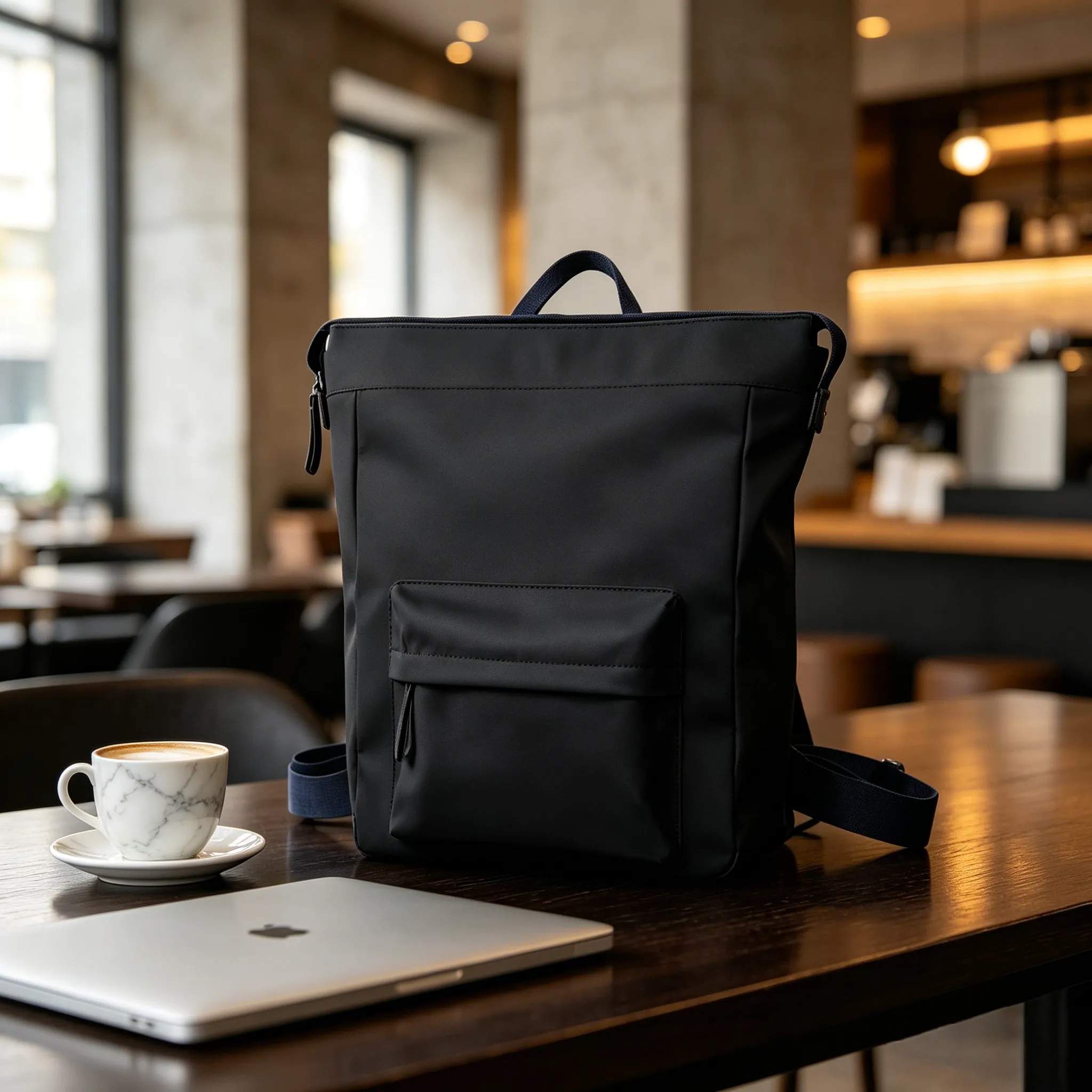
Technical drawings serve as the universal language between designers and manufacturers. For backpacks, comprehensive drawings must include multiple perspectives to capture every design detail.
Required Views for Backpack Technical Drawings
- Front view – Main body, pockets, and closures
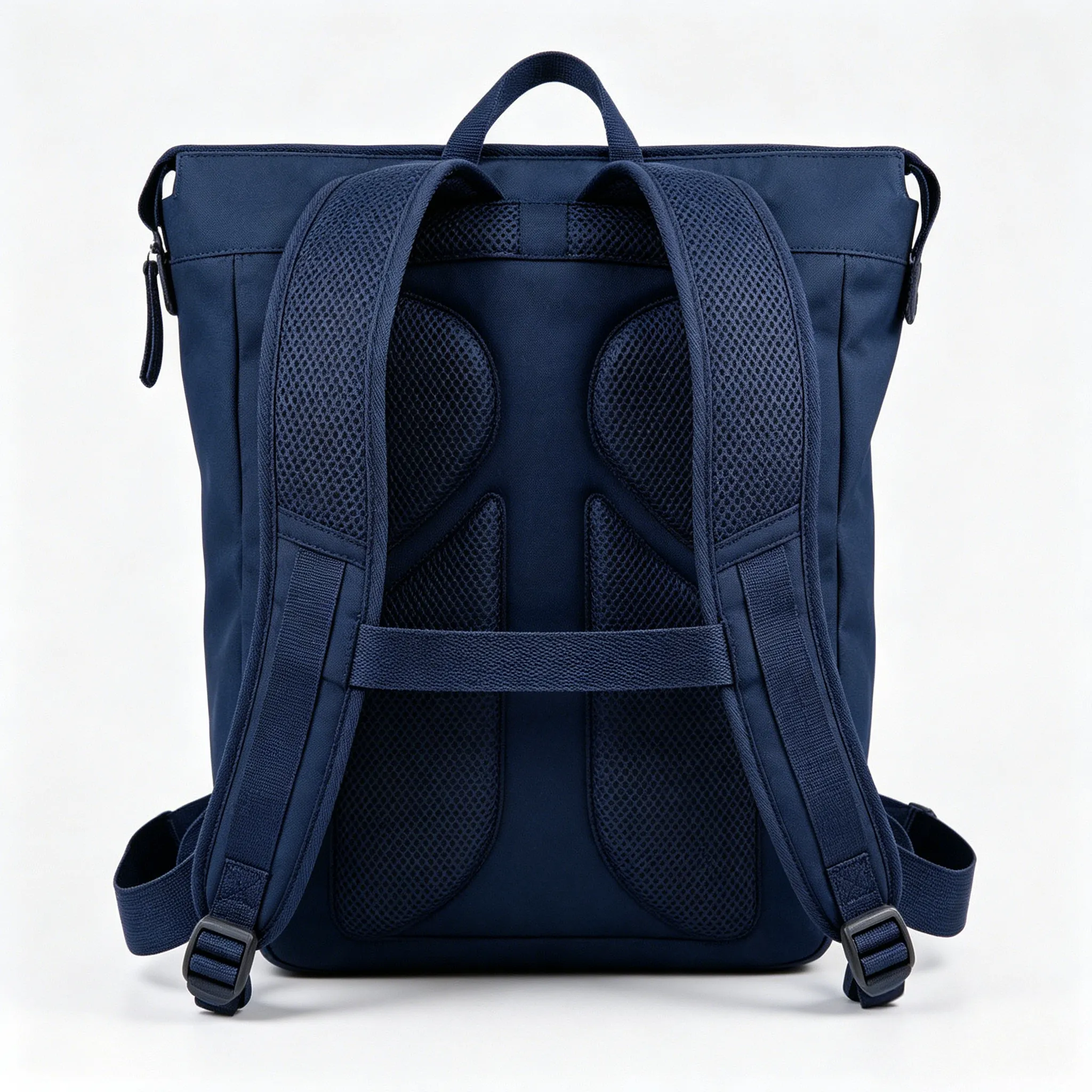
- Back view – Strap attachments, panel seams
- Side view – Depth perspective, contour details
- Bottom view – Base construction, reinforcement
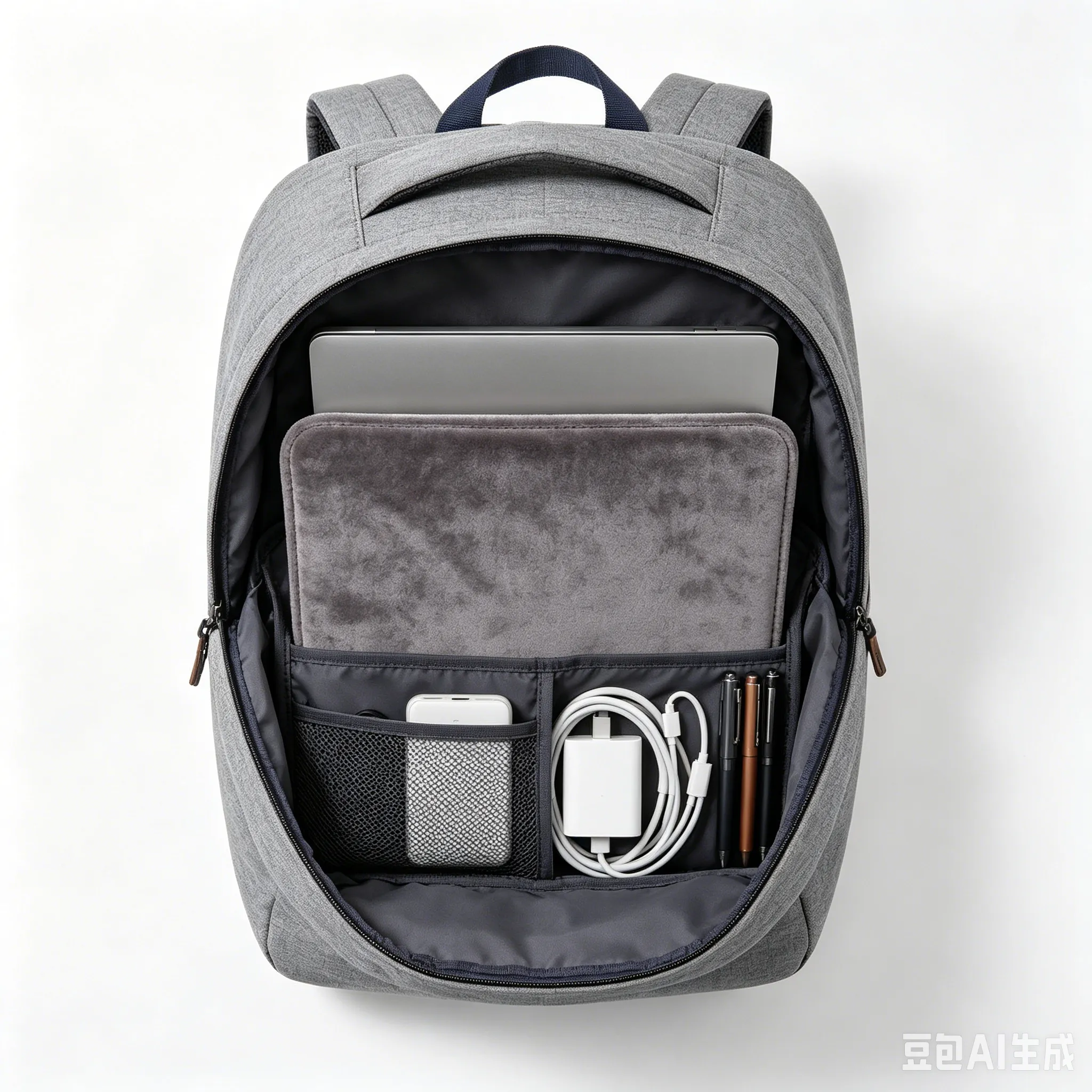
- Inside structure – Compartment layout, pocket placement
What Factories Need to See in Your Drawings
Beyond basic views, your technical drawings should clearly indicate:
- Pocket positions and dimensions
- Zipper directions and types
- Handle placement and attachment method
- Strap structure and width
- Reinforcement areas
- Logo and branding placement
Backpack Measurement Specification Sheet
Precise measurements are the cornerstone of production quality. Inconsistent sizing leads to returns, customer dissatisfaction, and damaged brand reputation.
External Dimensions
| Measurement Point | Specification | Tolerance |
|---|---|---|
| Overall Height | 450mm | ±3mm |
| Overall Width | 320mm | ±3mm |
| Depth | 180mm | ±3mm |
Functional Measurements
| Component | Measurement | Notes |
|---|---|---|
| Shoulder Strap Length | 600-900mm adjustable | Include adjustment range |
| Laptop Compartment | 15″ compatible (380×265×25mm) | Measure interior |
| Main Pocket Volume | 25-30 liters | Specify usable capacity |
| Front Pocket | 200×150mm | Clear opening dimensions |
Choosing Materials in a Backpack Tech Pack
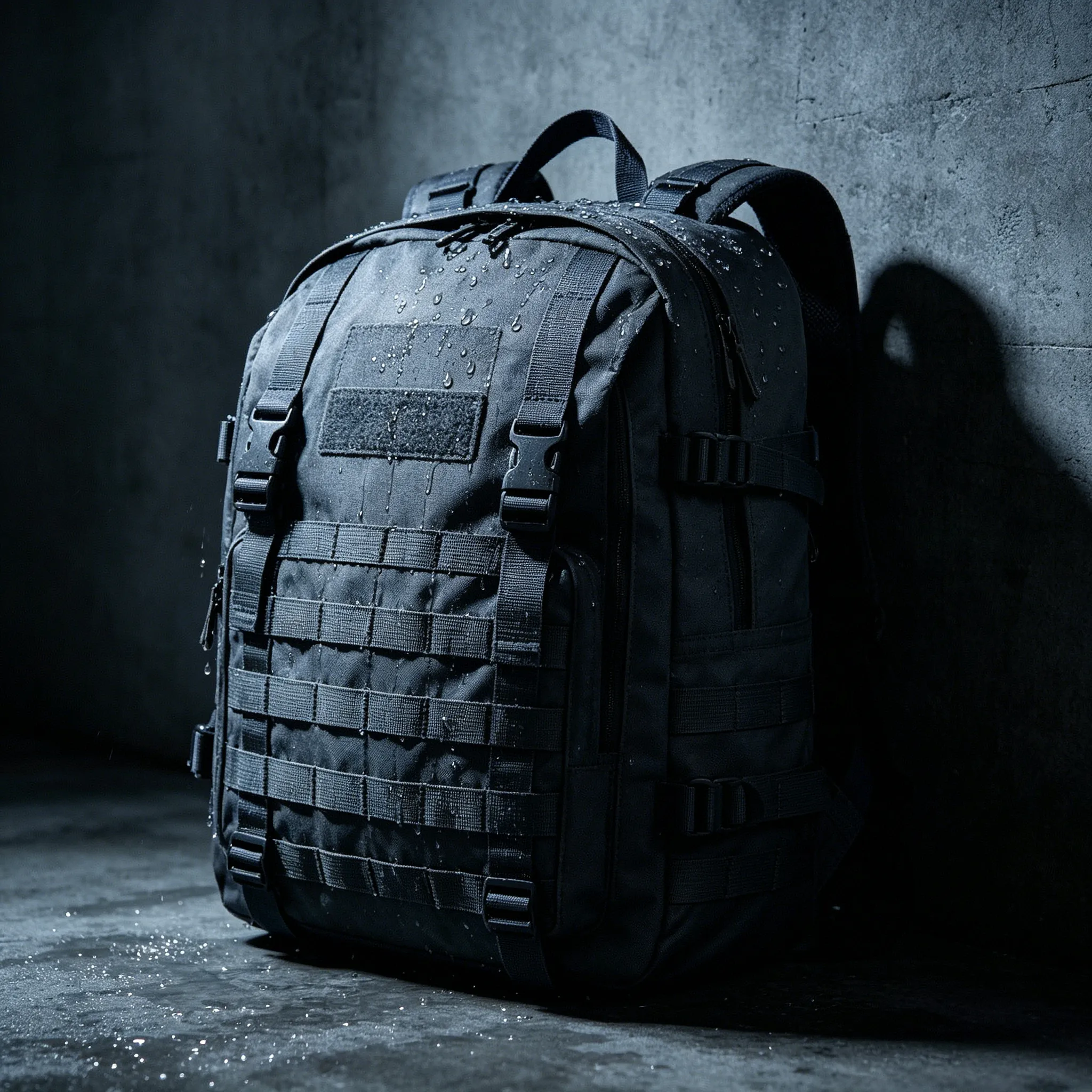
Material selection directly impacts product performance, cost, and market positioning. Your tech pack should specify materials with sufficient detail for factory sourcing.
| Material Type | Common Options | Considerations |
|---|---|---|
| Main Fabric | Polyester 600D, Nylon 420D, Canvas, RPET | Weight (GSM), water resistance, durability |
| Lining | Polyester 190T, Mesh, Recycled polyester | Breathability, moisture resistance |
| Padding | EVA foam, PE board, Mesh foam | Comfort, protection, weight |
| Hardware | YKK zippers, Duraflex buckles, Nylon webbing | Strength, corrosion resistance, aesthetics |
Construction Details: Explaining How the Backpack Should Be Made
Construction details transform your design from concept to manufacturable product. This section requires technical expertise and attention to production realities.
Stitching Requirements
| Area | Stitch Type | Stitch Density | Purpose |
|---|---|---|---|
| Main Seams | Double stitched | 5-6 stitches per 25mm | Strength and durability |
| Reinforcement Points | Triple stitched | 6-7 stitches per 25mm | Heavy load areas |
| Binding | Overlocked | 12-14 stitches per 25mm | Edge finishing |
| Zipper Installation | Straight stitch | 3-4 stitches per 25mm | Secure attachment |
Load Bearing Areas
Critical areas requiring reinforced construction include:
- Shoulder straps – Triple stitching, bartacks at attachment points
- Handle attachment – Metal rivets or reinforced stitching
- Bottom panel – Double-layer construction, corner reinforcement
- Strap-to-body connection – Stress distribution panels
Backpack Hardware Specification Guide
Hardware components significantly impact both functionality and perceived quality. Specify each component with brand, model, and technical requirements.
Zippers
| Position | Type | Size | Puller Style |
|---|---|---|---|
| Main Compartment | YKK #5 reverse coil | 500mm | Custom branded puller |
| Front Pocket | YKK #3 reverse coil | 250mm | Standard puller |
| Side Pocket | YKK #3 nylon coil | 200mm | No puller (stretch pocket) |
Buckles and Closures
- Material: POM plastic or aluminum (specify for outdoor use)
- Strength rating: Minimum 25kg for main straps
- Size: 38mm for chest strap, 25mm for compression straps
Labels and Branding
| Label Type | Placement | Specification |
|---|---|---|
| Woven Label | Inside main compartment | Brand logo, size, material content |
| Rubber Patch | Front panel or strap | Embossed or debossed finish |
| Embroidery | Designated area | Thread count, color specifications |
How to Prepare a Backpack Tech Pack for OEM Factory Quotation
Factory quotations depend heavily on the completeness of your tech pack. Ambiguous specifications lead to inaccurate pricing and unexpected costs.
Information Factories Need for Accurate Quotations:
- Exact product dimensions and volume
- Material specifications with preferred suppliers
- Hardware requirements with brand preferences
- Order quantity and production schedule
- Customization level (OEM/ODM)
- Quality standards and inspection requirements
- Packaging and shipping specifications
.webp)
Without complete specifications, factories may provide estimates that exclude critical components—leading to significant cost overruns during production. Invest time in comprehensive documentation to avoid financial surprises.
Common Mistakes When Creating a Backpack Tech Pack
Avoid These Critical Errors
Missing Measurements
Providing only approximate dimensions leads to samples that don’t fit intended uses. Always specify exact measurements with tolerance ranges for each component.
Choosing Materials Without Specifications
Adequate: “600D Polyester with PVC backing, 250gsm, water resistance ≥1500mm hydrostatic head, EN ISO 811 certification”
No Hardware Details
Leaving hardware specifications vague allows factories to substitute inferior components. Specify brand names, model numbers, and minimum performance requirements.
Overlooking Packaging Requirements
Packaging affects shipping costs, retail presentation, and customer unboxing experience. Include:
- Individual packaging method (polybag, tissue, dust bag)
- Carton dimensions and weight
- Barcode and labeling requirements
- Retail-ready options
Backpack Tech Pack Example: From Design Concept to Factory Sample
Dreamway Factory Case Study: Outdoor Laptop Backpack
“Outdoor laptop backpack, 15-16 inch, water-resistant, under $25 FOB”
Material selection, measurement specs, construction details
First proto sample, fitting assessment
Dimensional check, function test, material verification
Bulk manufacturing, inspection, shipment

Expert Insights From Backpack Manufacturing Team

Emily
Senior Project Manager | 12 Years in OEM Bag Manufacturing
Q: What information helps brands create a factory-ready backpack tech pack?
“The most successful projects start with clear specifications. Brands should provide exact dimensions, target price per unit, intended market positioning, expected order quantity, and quality standards. Even small details like preferred hardware brands or specificPantone colors eliminate costly back-and-forth.”
Kevin
Pattern Development Engineer | 15 Years in Bag Pattern Making
Q: Which tech pack details affect final backpack quality the most?
“Stitching specifications and reinforcement details are critical. I always recommend brands specify stitch density, reinforce load-bearing areas, and define seam construction methods. Material consistency documentation prevents quality variations between production runs. Dimension tolerances must be realistic for the construction method.”
Free Backpack Tech Pack Checklist Before Sending to Factory
Backpack Tech Pack FAQ
What is included in a backpack tech pack?
A complete backpack tech pack includes technical drawings, measurement specifications, material requirements, construction details, hardware specifications, packaging instructions, and quality standards. It serves as the comprehensive blueprint for manufacturing.
Do I need a tech pack to manufacture backpacks?
While it’s technically possible to communicate verbally, a tech pack dramatically reduces errors, revisions, and production delays. Professional manufacturers require detailed specifications for accurate quotations and quality production.
Can a factory create a tech pack for me?
Many OEM factories like Dreamway offer tech pack development services. However, providing your own tech pack ensures your exact vision is communicated. Factory-developed specs may prioritize manufacturing efficiency over specific design intentions.
What software is used to create backpack tech packs?
Common tools include Adobe Illustrator for technical drawings, Excel or Google Sheets for measurement tables, and specialized PLM (Product Lifecycle Management) software for larger operations. The key is clarity and completeness, not the tool used.
How detailed should a backpack tech pack be?
Aim for sufficient detail that any qualified factory can produce your product without additional questions. Include every specification that affects quality, fit, or appearance. When in doubt, add more detail—it costs nothing in documentation but prevents expensive mistakes.
What information does a backpack factory need?
Factories need complete technical specifications: dimensions, materials, hardware, construction methods, quality standards, quantity, timeline, and packaging requirements. Supporting files like design references and color samples accelerate accurate quotation.
- Private Label Backpack Manufacturers | OEM/ODM China Factory
- Custom Travel Bag Manufacturer | OEM/ODM Factory for Travel Bags
- How to Create a Backpack Tech Pack for Manufacturing
- Backpack MOQ Explained: Minimum Order Quantity, Mixed Styles & Cost Strategy
- Custom Backpack Cost Breakdown: Materials, Labor, MOQ & Packaging
- How Long Does It Take to Manufacture a Backpack? Timeline Guide
- How to Create a Backpack Tech Pack for Manufacturing (Free Template)
- The Complete Backpack Quality Inspection Checklist for Buyers
- Inside a Backpack Factory: Complete Backpack Manufacturing Process Step by Step
- Backpack Materials Guide: Polyester, Nylon, Canvas, RPET, Foam & Hardware Explained
- OEM Backpack Manufacturer: Private Label, ODM & Custom Branding Guide
- Backpack Factory China: OEM Manufacturing, MOQ, Production Capacity & Export Guide
DREAMWAY
Custom Bag & Silk Manufacturer · Shiling, Guangzhou
Company
Products
Guides & Insights
Ready to Bring Your Bag Idea to Life? Let’s Talk Today.
From your first sketch to bulk delivery, our team replies within 12 hours with expert advice and a free quote. No pressure — just honest manufacturing guidance.

Prefer a call? +86-020-87682749 · Mon–Sat, 9:00–18:00 (GMT+8)