
Custom Backpack Cost Breakdown: Materials, Labor, MOQ & Packaging
A Comprehensive Guide to Understanding Your Backpack Investment
Introduction: How Much Does a Custom Backpack Cost?
When embarking on the journey of creating custom backpacks for your brand, one of the most common questions we encounter is: “How much does a custom backpack cost?” The answer, as with most manufactured products, is that it depends on multiple interconnected factors that work together to determine your final per-unit price.
Custom backpack pricing typically depends on several key elements: material selection, design complexity, order quantity, branding requirements, packaging needs, and the production process itself. Understanding these factors is crucial for any business—whether you’re a startup brand launching your first product line, an Amazon seller seeking competitive pricing, a corporate buyer ordering promotional items, or an outdoor brand demanding premium quality.
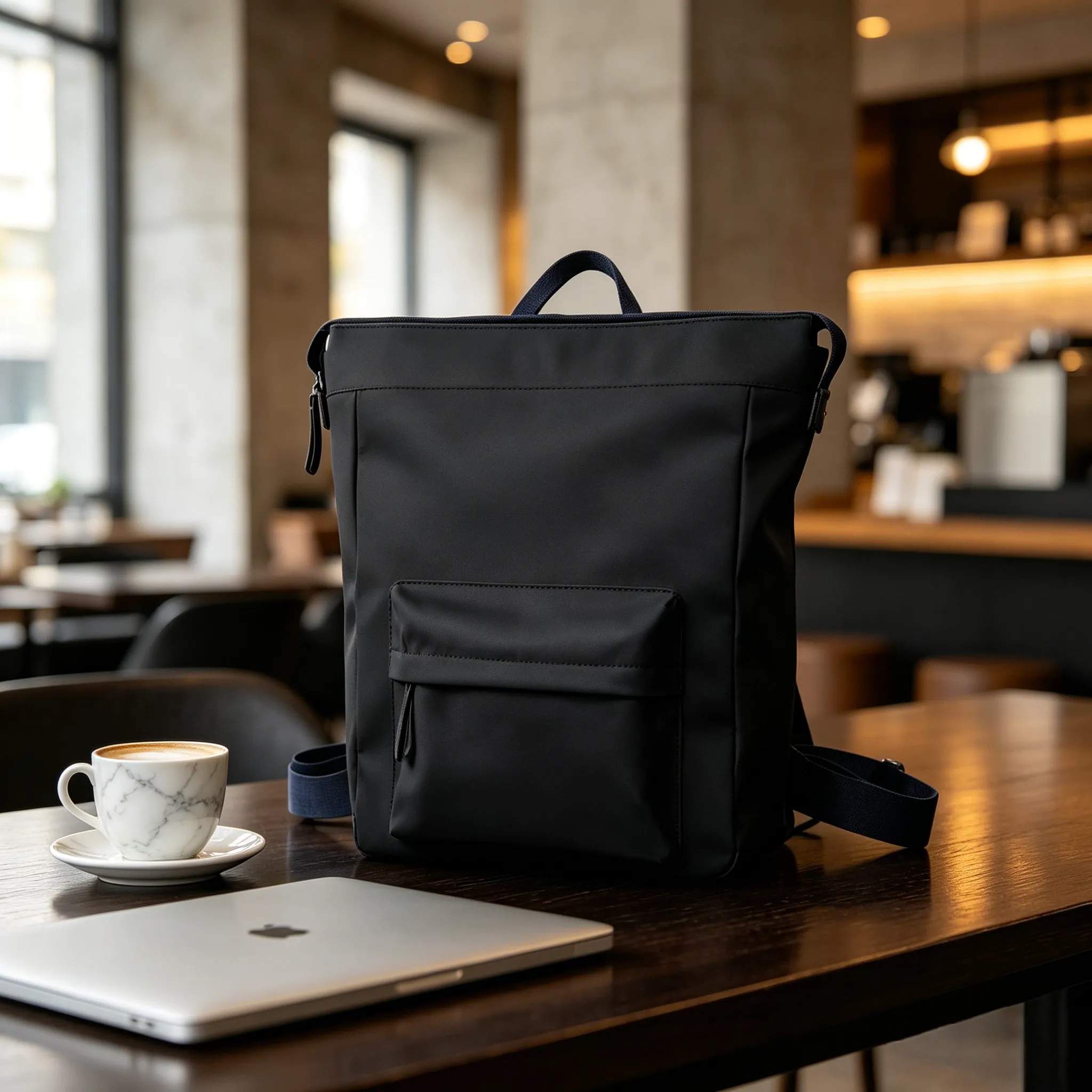
Rather than providing a fixed price—which would be misleading given the vast range of possibilities—we’ve prepared this comprehensive guide to help you understand exactly where your investment goes. We’ll break down every cost component, explain how minimum order quantities (MOQ) affect pricing, and provide expert insights to help you make informed decisions for your custom backpack project.
Material Selection
Fabric choice significantly impacts cost, durability, and final product quality
Design Complexity
More compartments and features mean higher manufacturing investment
Order Quantity
MOQ directly affects your per-unit pricing structure
Branding Requirements
Logo application methods range from basic to premium finishes
Custom Backpack Cost Overview: Main Price Components
To truly understand custom backpack pricing, we need to examine where your investment is distributed across the manufacturing process. While exact percentages vary based on design specifications, factory location, and material choices, the following breakdown provides a reliable framework for cost allocation.
| Cost Component | Approximate Impact | Key Factors |
|---|---|---|
| Fabric & Materials | 30–50% | Material type, quality grade, special treatments |
| Labor & Sewing | 25–40% | Complexity, skill requirements, production location |
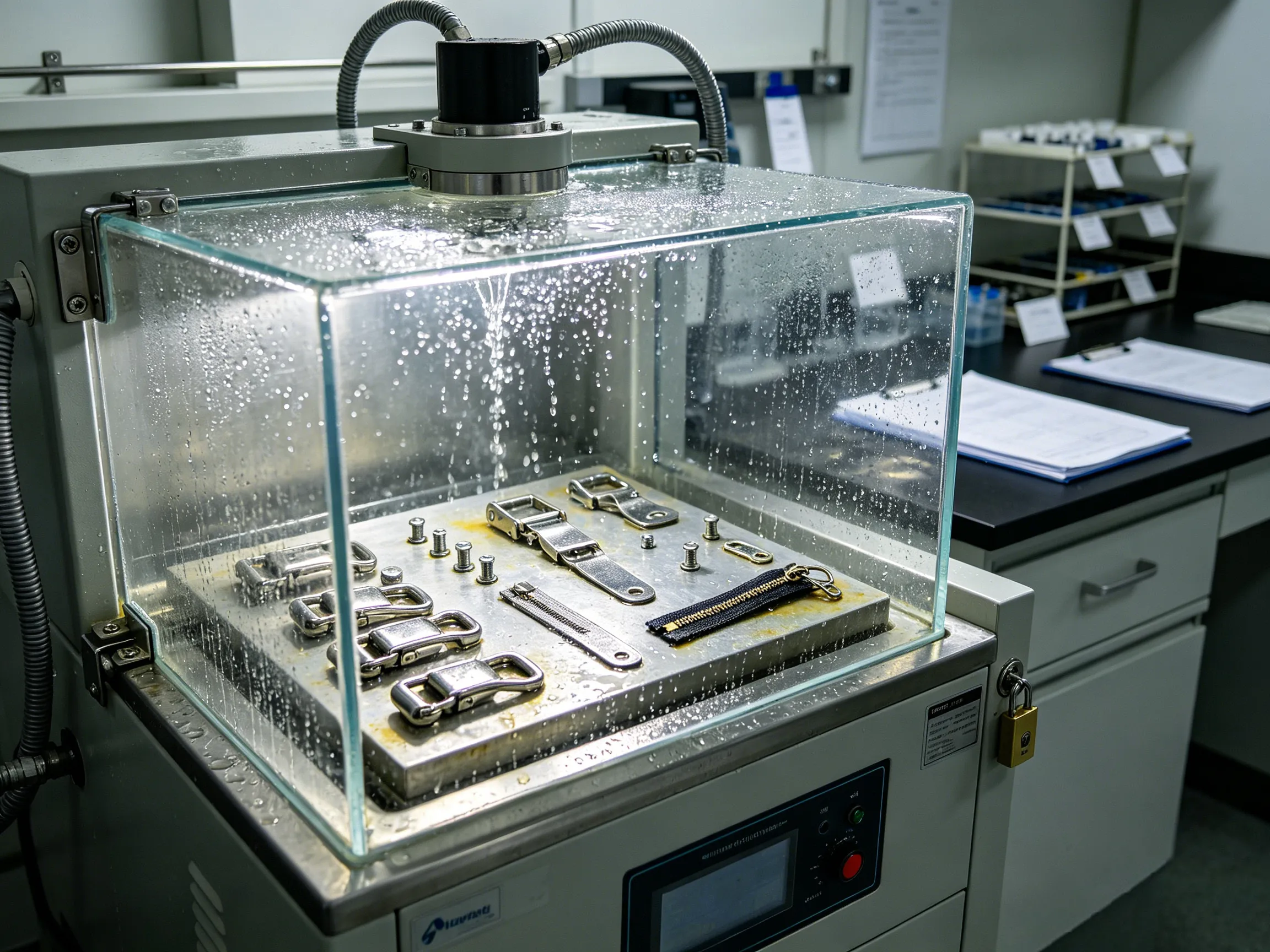
| Hardware | 5–15% | Zipper quality, buckles, metal components |
| Printing / Branding | 5–10% | Logo size, method, color complexity |
| Packaging | 3–8% | Individual vs. bulk, retail presentation |
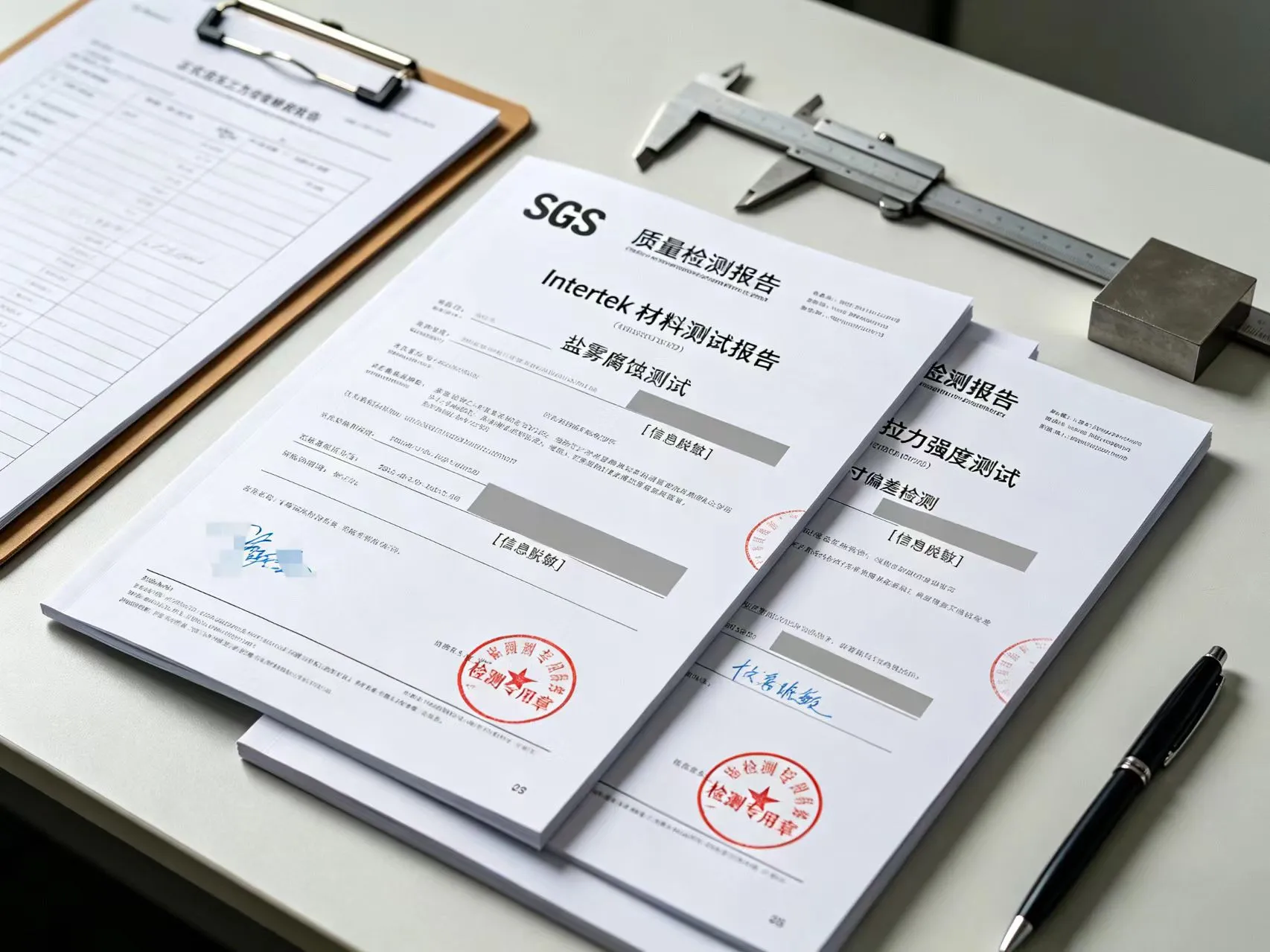
| Quality Control | Variable | Inspection level, testing requirements |
Important Note
Cost percentages are general references only and may vary depending on product specifications, order volume, and supplier conditions. We recommend requesting a detailed quotation based on your specific requirements for accurate pricing.
.webp)
Factor 1: Backpack Materials Cost
The choice of material is often the single largest determinant of your custom backpack cost. Material selection affects not only the base price but also the product’s durability, weight, water resistance, and overall perceived value. Let’s examine the primary fabric options available for custom backpacks.
.webp)
Polyester Backpack Cost
Polyester remains one of the most popular choices for custom backpacks due to its excellent balance of affordability, durability, and customization flexibility. Key advantages include:
Advantages
- Cost-effective for budget-conscious projects
- Excellent durability for everyday use
- Wide range of color options
- Easy to print custom designs
- Good water resistance when coated
Considerations
- Generally lower premium feel
- May degrade faster under UV exposure
- Less tear-resistant than nylon
Polyester backpacks are particularly suitable for school backpacks, promotional items, and corporate giveaways where cost efficiency is paramount.
Nylon Backpack Cost
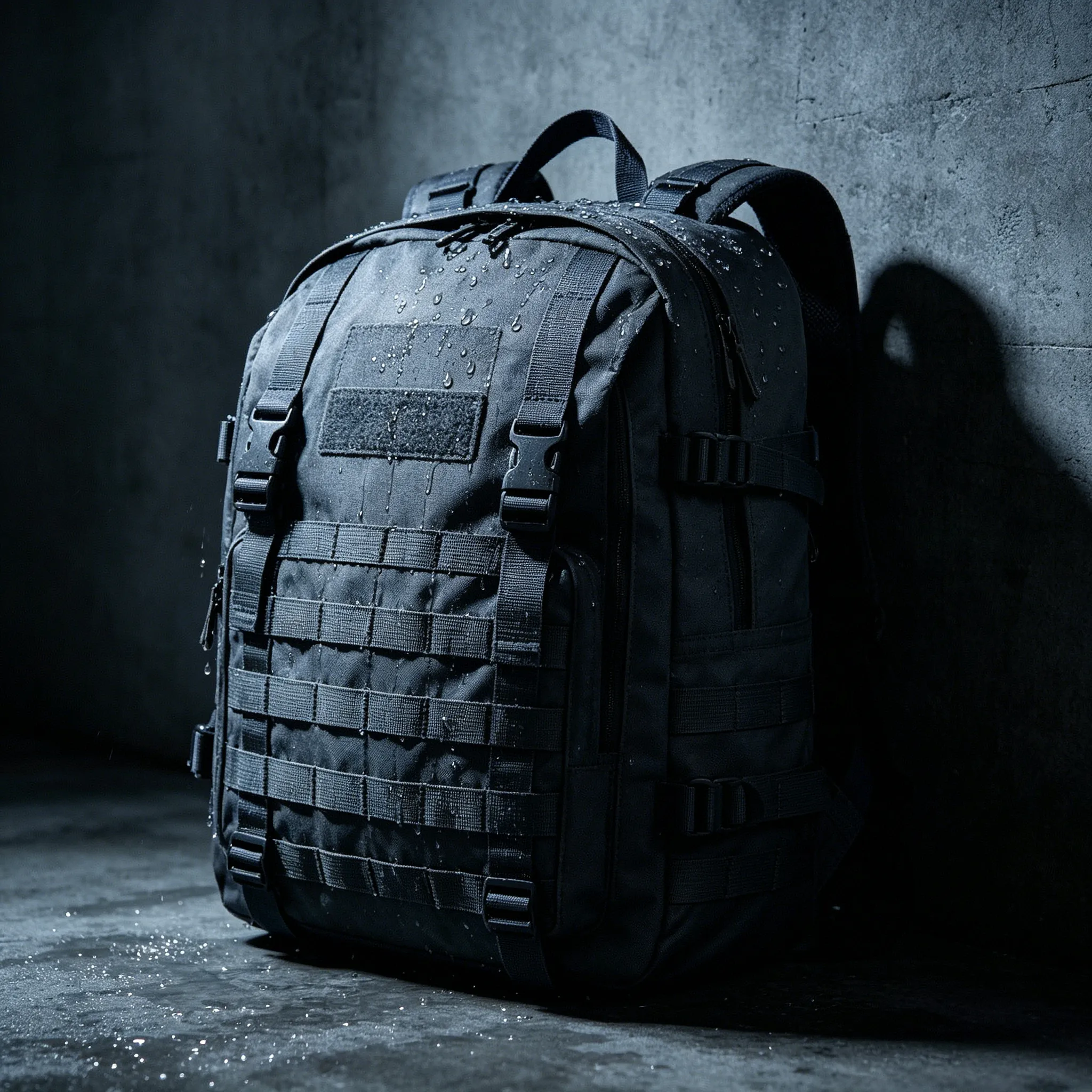
Nylon offers superior strength-to-weight ratios compared to polyester, making it the preferred choice for outdoor and premium products. The characteristics that set nylon apart include:
- Higher tensile strength and tear resistance
- Better abrasion resistance for rugged use
- Smoother texture for premium aesthetics
- Excellent dye retention for vibrant colors
- Superior water resistance properties
Canvas Backpack Cost
Canvas backpacks have gained significant popularity for their eco-friendly appeal and unique aesthetic. Several factors influence canvas backpack pricing:
Canvas Cost Factors
GSM (Grams per Square Meter): Higher GSM means thicker, more durable fabric but increased cost.
Cotton Percentage: Natural cotton blends offer softer feel but may have different durability profiles.
Treatment: Waterproofing and other treatments add to the base material cost.
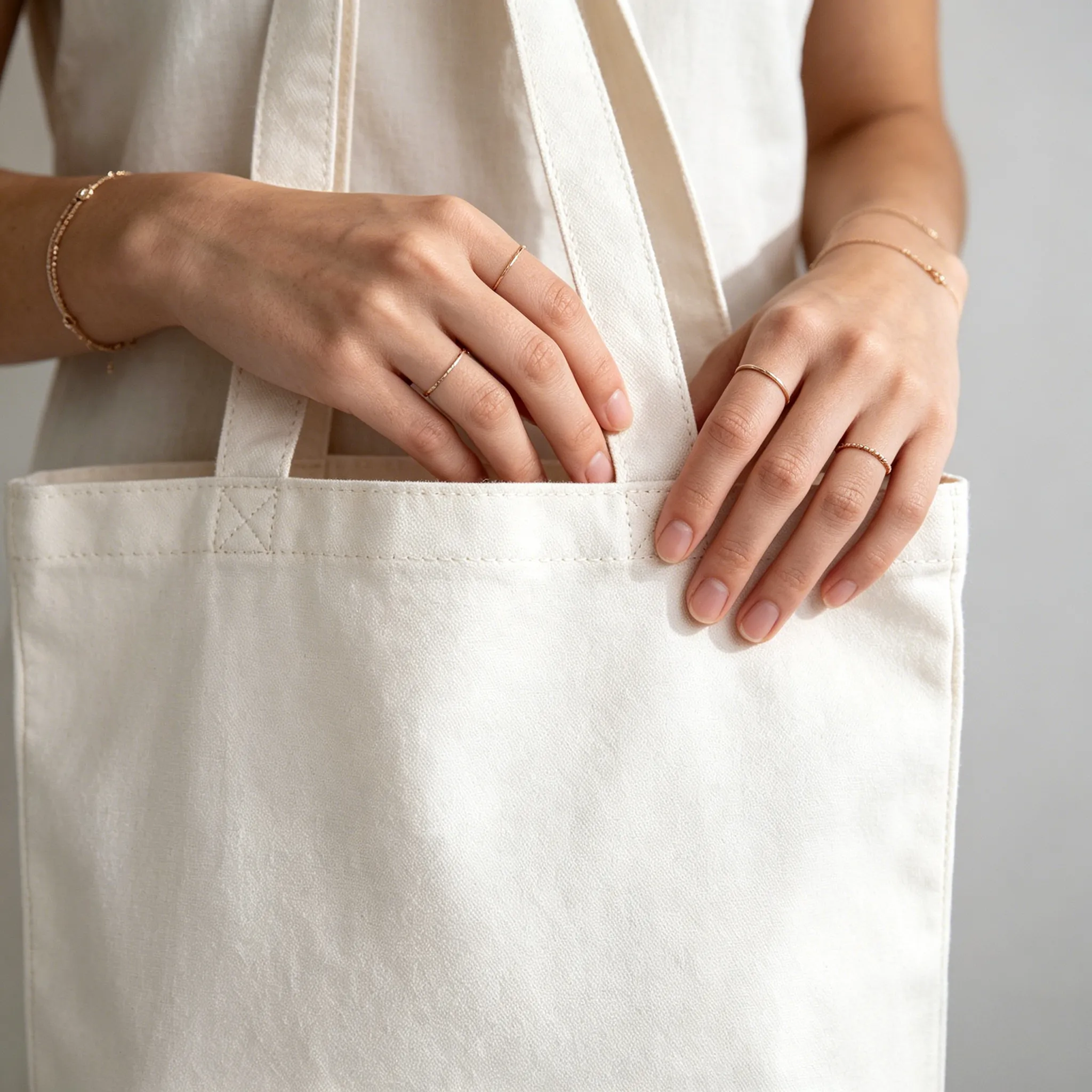
Premium Canvas
12-16oz cotton canvas with waterproof coating
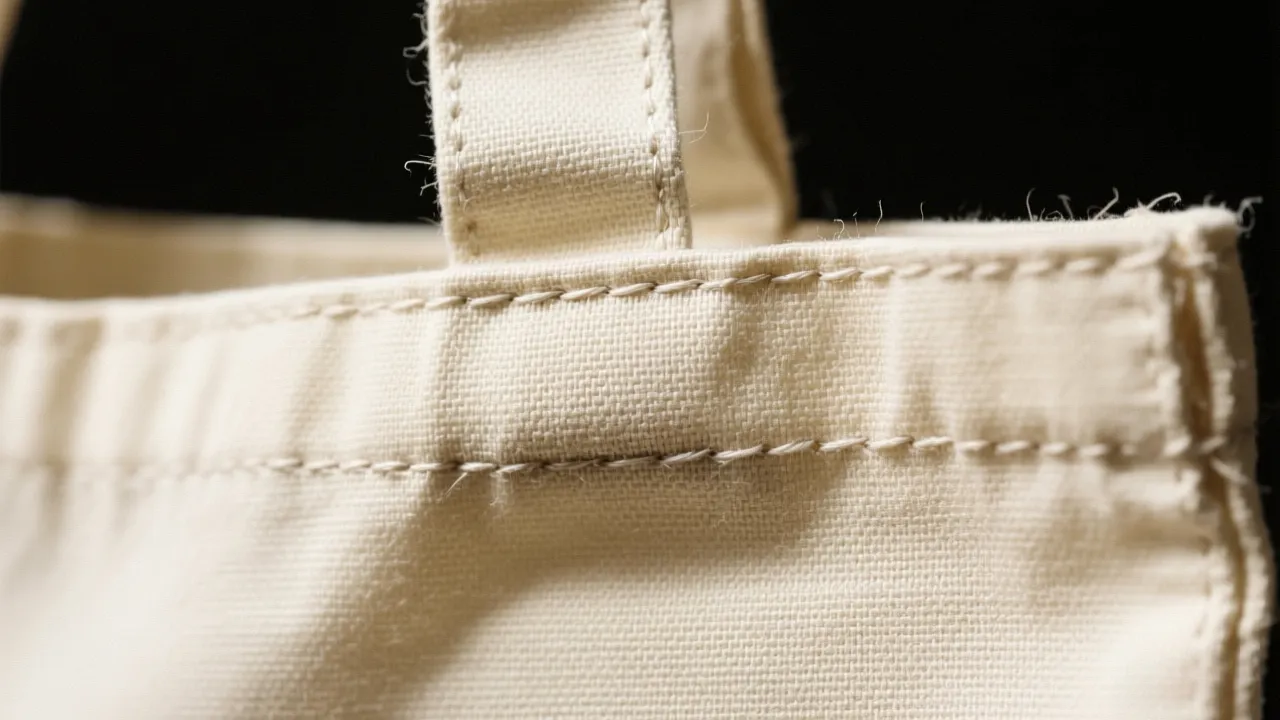
Organic Canvas
Sustainable organic cotton canvas option
RPET Recycled Backpack Cost
As sustainability becomes increasingly important to consumers and brands alike, recycled PET (rPET) materials have emerged as a compelling option. These backpacks are made from recycled plastic bottles and offer environmental benefits without sacrificing quality.
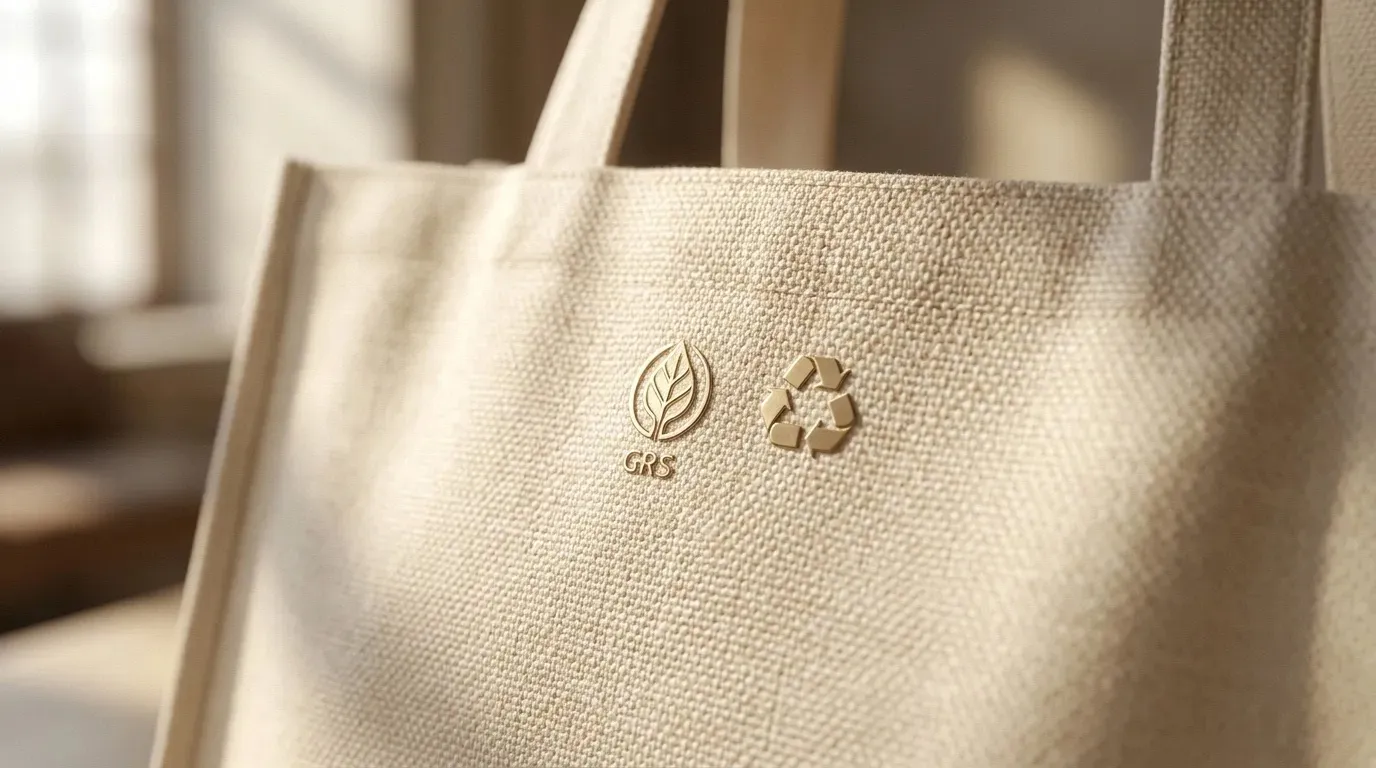
The cost impact of choosing recycled materials includes:
- Recycled Certification: GRS (Global Recycled Standard) certification adds verification costs but provides market differentiation
- Material Availability: Supply chains for recycled materials are still developing, which can affect pricing stability
- Premium Positioning: Eco-friendly products often command higher retail prices, offsetting some manufacturing costs
Foam and Padding Cost
Internal padding components significantly affect both cost and functionality:
| Component | Typical Use | Cost Impact |
|---|---|---|
| Laptop Compartment Foam | Device protection | +15-25% to material cost |
| Shoulder Padding | Comfort enhancement | +10-20% to material cost |
| Back Panel Foam | Ergonomic support | +8-15% to material cost |
| Anti-Shock Foam | Premium protection | +20-35% to material cost |
Factor 2: Backpack Hardware Cost
While hardware typically represents a smaller percentage of total cost (5-15%), its impact on perceived quality and product durability is substantial. High-quality hardware can elevate a backpack from functional to premium, making this an area where cost savings often prove false economy.
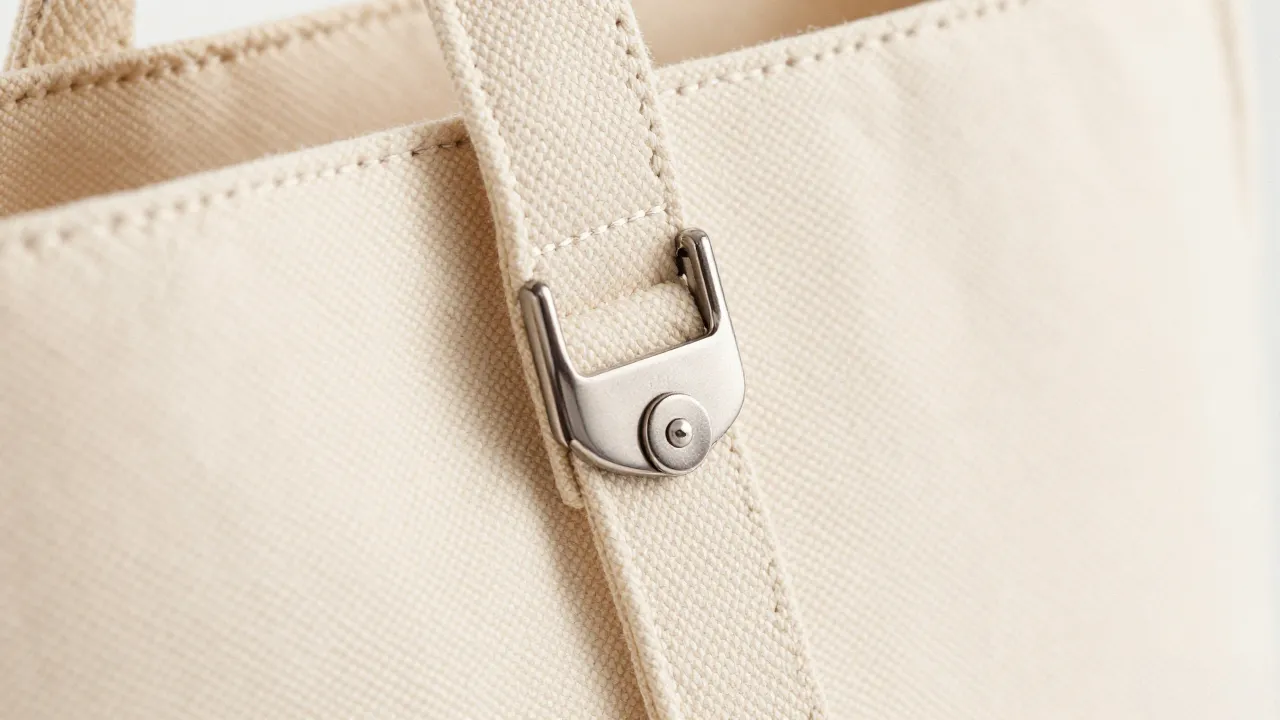
Zippers
Zipper selection significantly affects both functionality and perceived value. Options range from standard to premium:
| Zipper Type | Characteristics | Cost Consideration |
|---|---|---|
| Standard Zipper | Basic functionality, plastic or metal teeth | Most economical option |
| Waterproof Zipper | Sealed construction prevents water ingress | 50-100% higher than standard |
| Premium Zipper | Smooth operation, durable construction | Premium brands such as YKK commonly selected by international brands |
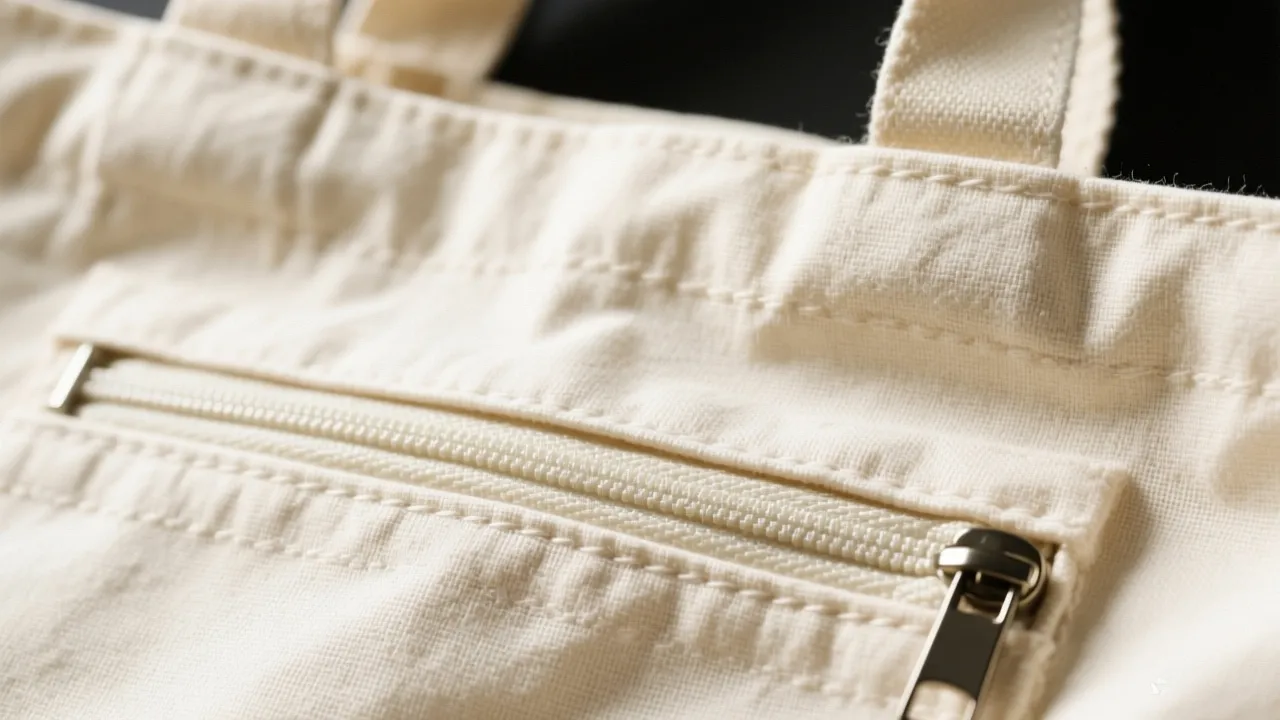
Buckles and Adjusters
The choice between plastic and metal hardware affects both durability and cost:
- Plastic Buckles: Lightweight, cost-effective, suitable for lighter load applications
- Metal Hardware: Superior durability, premium feel, higher weight and cost
- Hybrid Solutions: Metal stress points with plastic structural elements for balanced performance
Webbing and Reinforcement
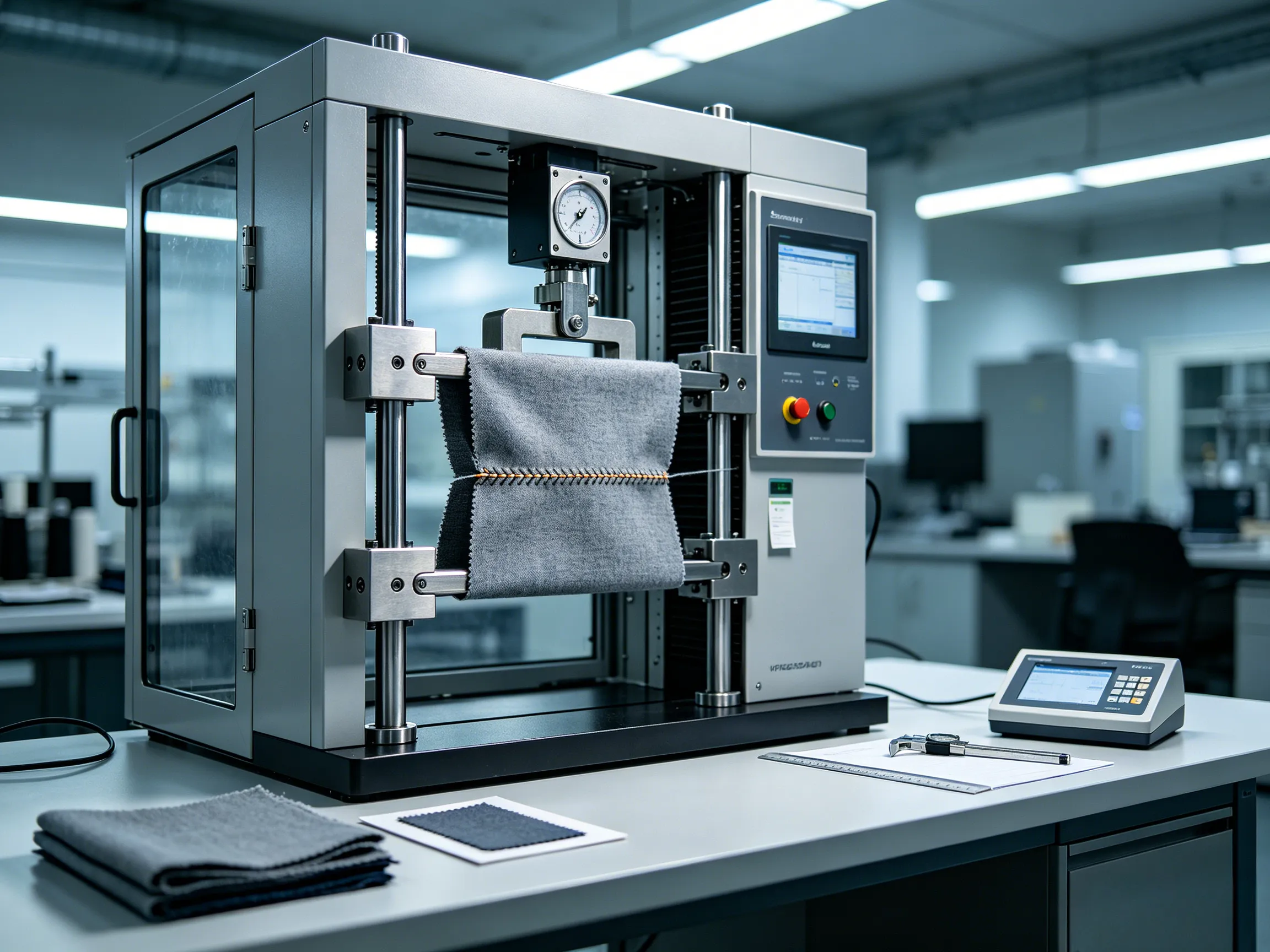
Quality webbing directly impacts load capacity and durability. Higher-quality nylon webbing with reinforced stitching ensures your backpack can handle intended weight capacities without premature wear.
.webp)
Factor 3: Labor Cost in Backpack Manufacturing
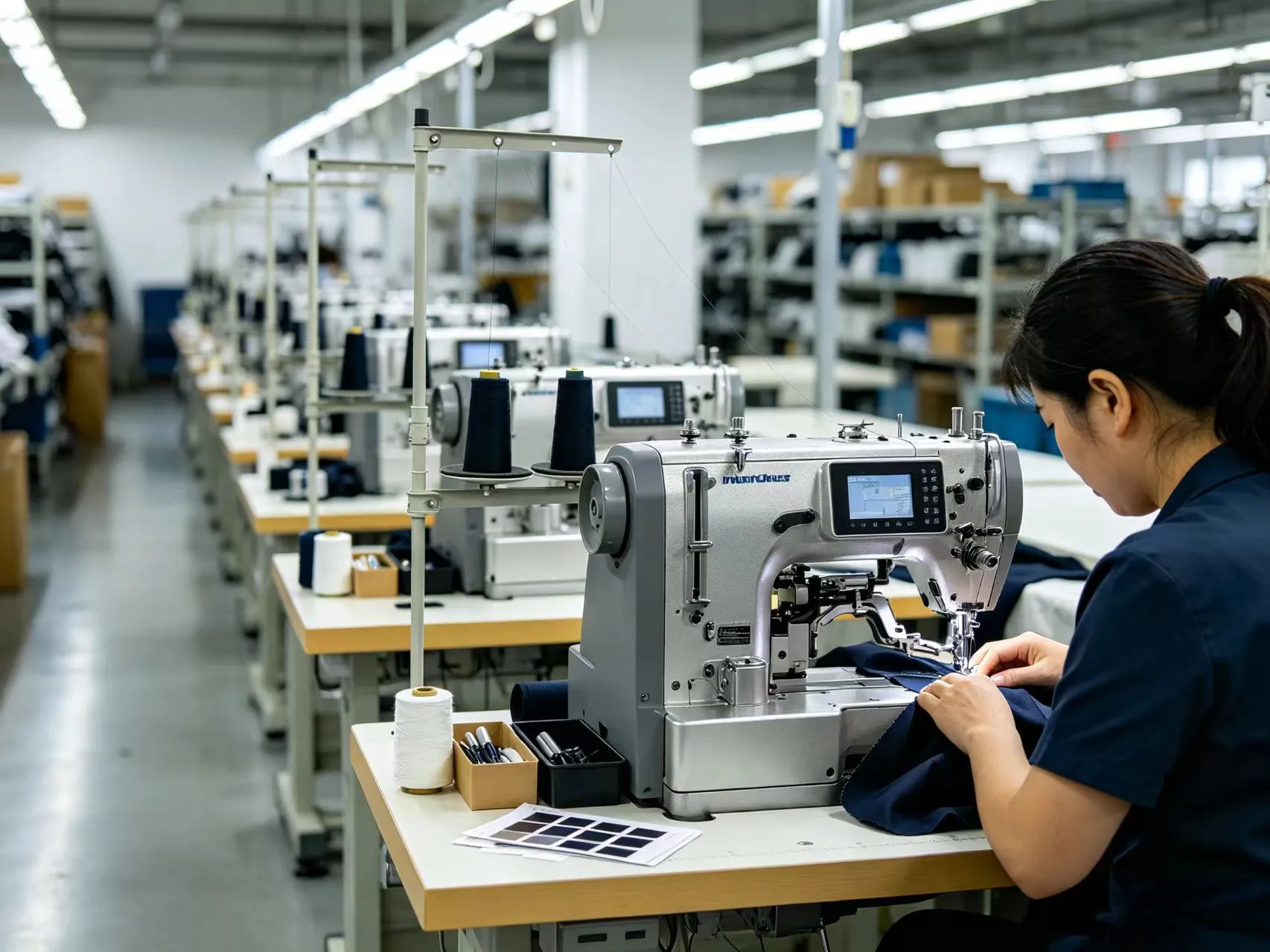
Manufacturing a quality backpack involves far more than simple stitching. The labor component encompasses multiple specialized stages, each contributing to the final product quality and cost.
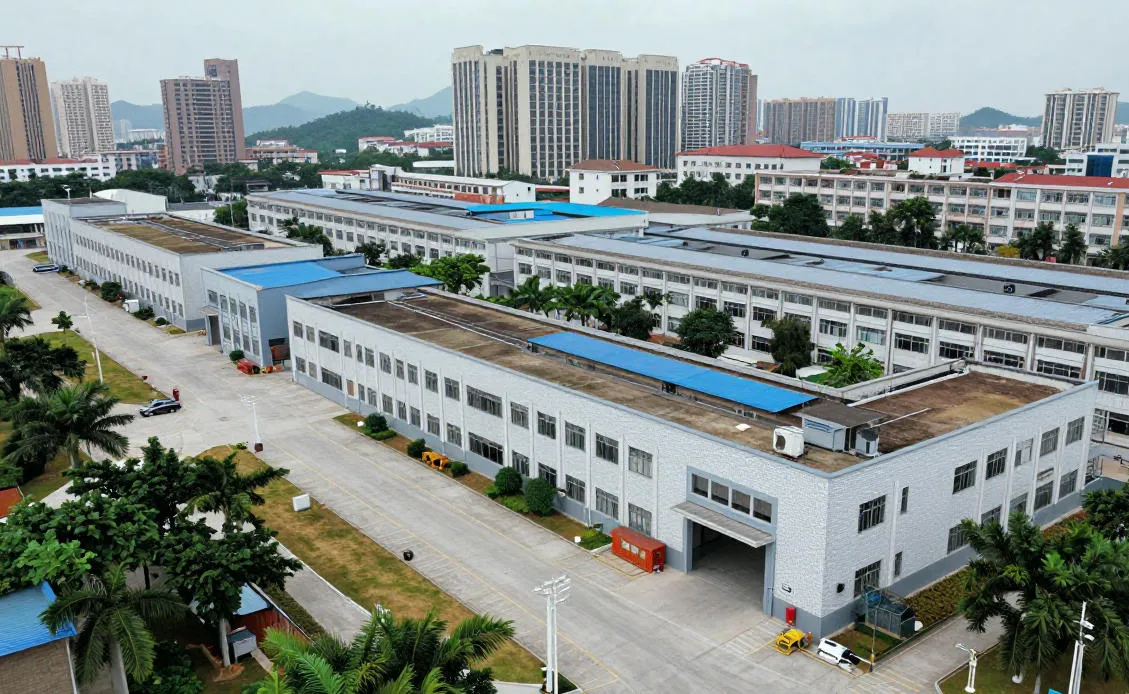
Key Labor Stages
Pattern Making
Creating precise templates for each component, ensuring perfect fit
Cutting
Precision cutting of materials to specification with minimal waste
Sewing
Expert stitching by trained operators with quality checkpoints
Assembly
Component integration and hardware attachment
Quality Inspection
Multi-stage checks ensuring every unit meets standards
Labor costs vary significantly based on production location, worker skill levels, and the complexity of the backpack design. A simple single-compartment backpack requires far less labor investment than a multi-pocket technical pack with specialized features.
Factor 4: How MOQ Affects Custom Backpack Pricing
Minimum Order Quantity (MOQ) is one of the most significant factors affecting your per-unit custom backpack cost. Understanding this relationship is essential for budget planning and inventory decisions.
The MOQ-Pricing Relationship
Generally, the higher your order quantity, the lower the per-unit cost. This is due to fixed costs (tooling, setup, pattern making) being distributed across more units, and production efficiency improvements at higher volumes.
| Quantity | Cost Impact | Best For |
|---|---|---|
| 200 pcs | Higher unit cost | Startups, testing markets, limited editions |
| 500 pcs | Balanced pricing | Established brands, seasonal inventory |
| 1,000+ pcs | Better pricing | Large retailers, promotional campaigns |
| 5,000+ pcs | Significantly reduced | Major orders, distribution networks |
Strategies for Managing MOQ Impact
- Plan Ahead: Longer lead times allow factories to optimize production scheduling
- Flexible Timeline: Being flexible with delivery dates can result in better pricing
- Base + Top-Up Orders: Consider ordering your MOQ with a commitment for future top-up orders
- Similar Specifications: Group products with similar specifications to maximize production efficiency
If you’re looking for more flexible options, exploring low MOQ backpack manufacturers can help you get started with smaller quantities while maintaining quality standards.
Factor 5: Custom Branding Costs
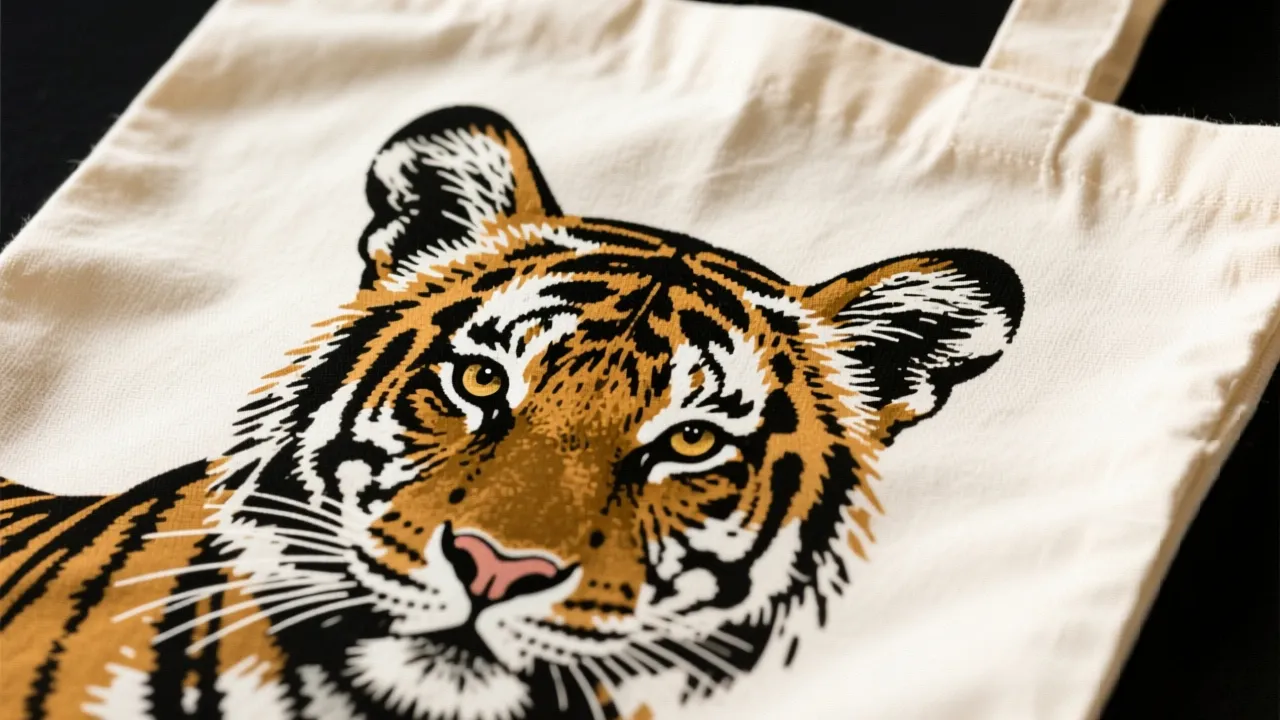
Custom branding transforms a functional backpack into a powerful marketing tool. The method you choose affects both cost and the final visual impact of your branded backpacks.
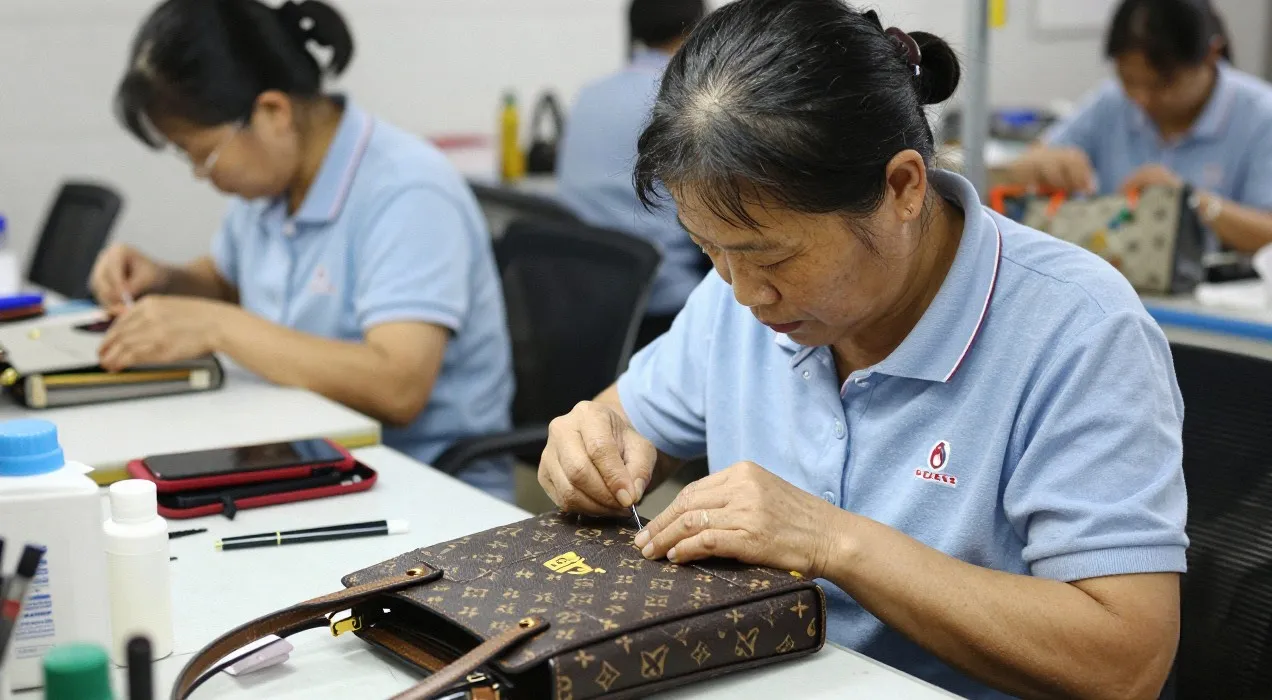
Logo Printing Methods
| Method | Best For | Cost Level | Durability |
|---|---|---|---|
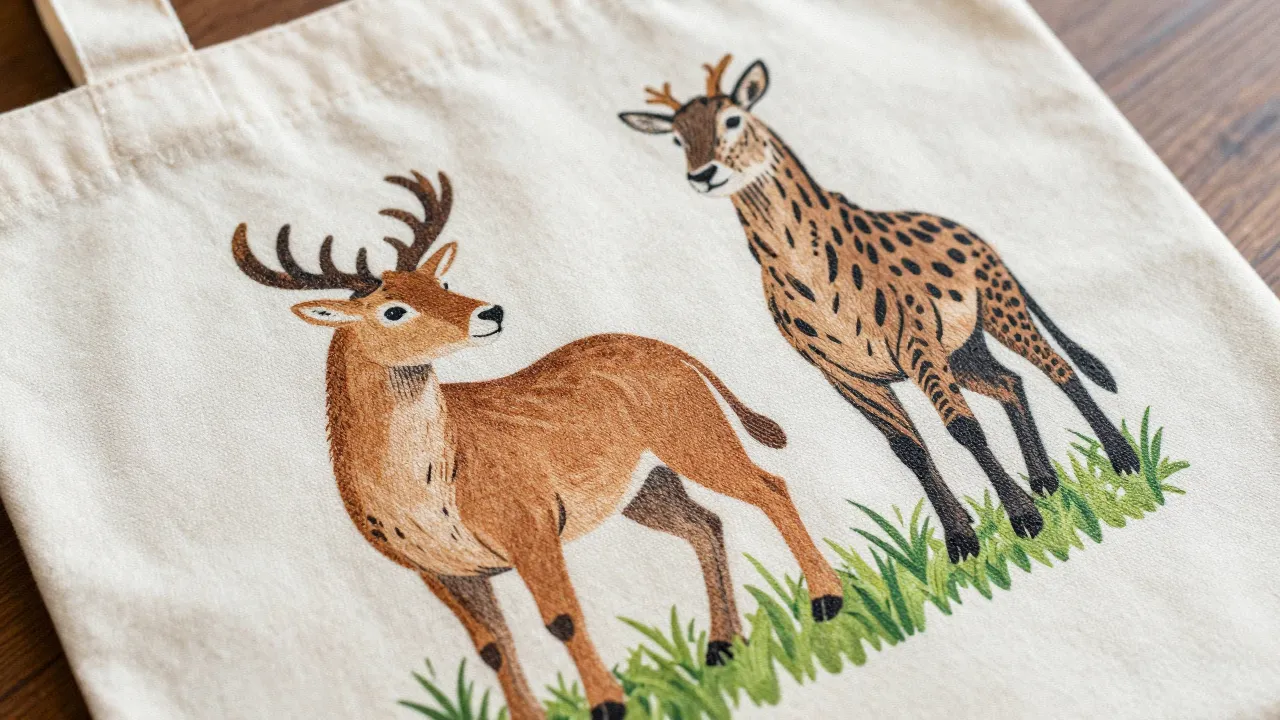
| Screen Printing | Simple logos, large quantities | Economical | Excellent |
| Heat Transfer | Complex designs, small runs | Moderate | Good |
| Digital Printing | Photographic quality, unlimited colors | Higher | Very Good |
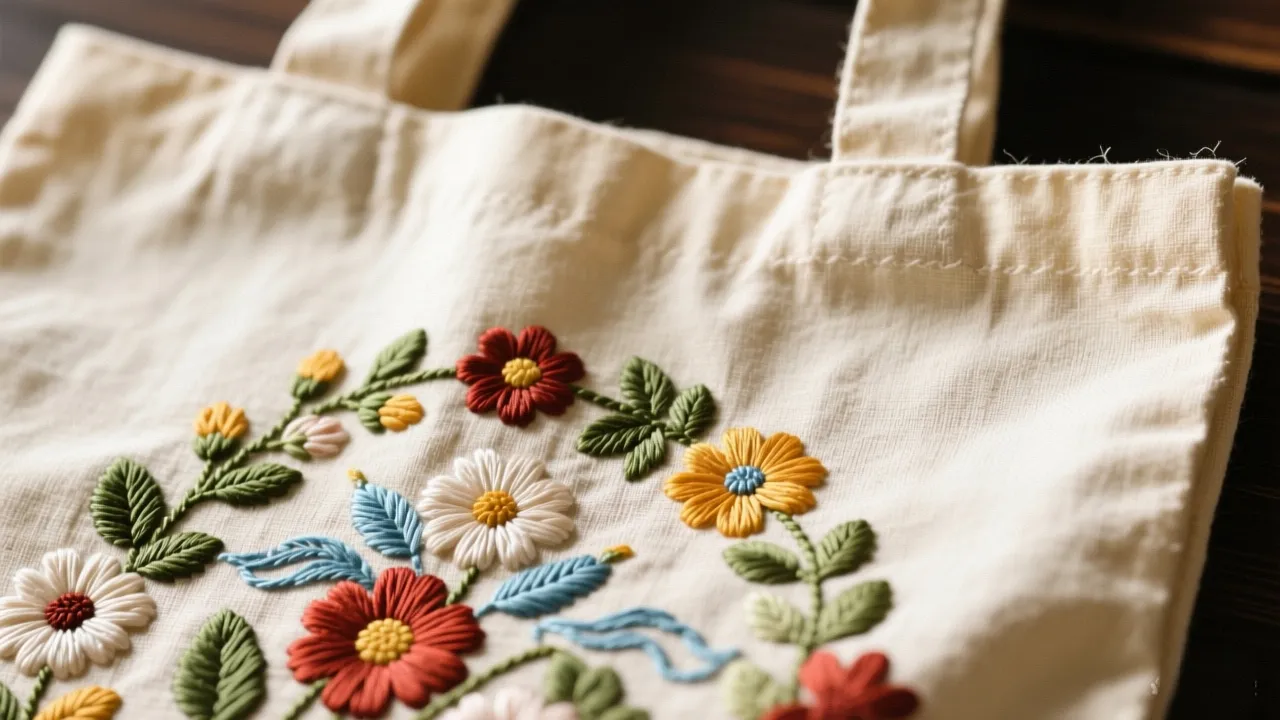
| Embroidery | Premium appearance, textured finish | Premium | Excellent |
Custom Labels
Beyond the main logo, consider these additional branding elements:
- Woven Labels: Premium feel, typically placed inside the bag
- Care Labels: Required for garment-classified products
- Hang Tags: Primary brand communication tool
- Interior Tags: Brand reinforcement visible during use
For detailed information about private label backpack costs and requirements, understanding these various branding options is essential for accurate budgeting.
Factor 6: Packaging Costs
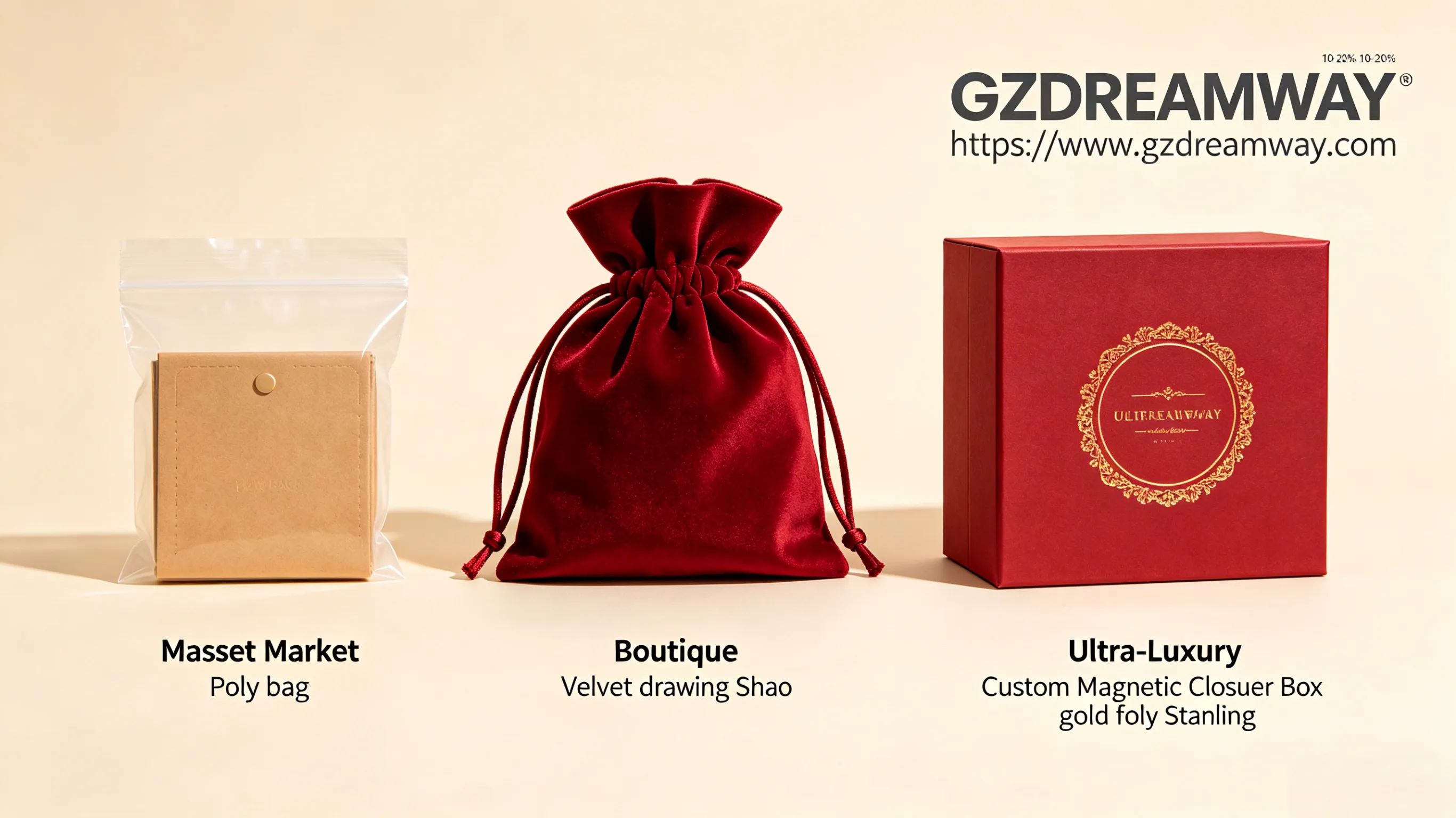
Packaging is an often-overlooked cost factor that can significantly impact both your product’s presentation and your total investment. Many buyers focus so heavily on the backpack itself that packaging becomes an afterthought—but for retail and e-commerce brands, packaging is a critical component of customer experience.
Packaging Options
| Packaging Type | Description | Cost Impact | Best For |
|---|---|---|---|
| Poly Bag | Basic plastic protection | Minimal | Bulk shipping, budget items |
| Custom Poly Bag | Branded plastic bag | Low | E-commerce brands |
| Non-Woven Bag | Reusable branded bag | Moderate | Premium feel, sustainability |
| Custom Box | Full retail packaging | Higher | Retail presentation, gifts |
| Premium Box | Luxury packaging with inserts | Premium | High-end brands, special releases |
Note for E-commerce Brands: Packaging costs for e-commerce are typically higher because each unit requires individual packaging for shipping protection. However, this investment often pays dividends in reduced returns and increased customer satisfaction.
For those interested in sustainable packaging solutions, exploring PPWR-compliant packaging options can align your brand with emerging environmental regulations while demonstrating corporate responsibility.
Factor 7: Design Complexity and Its Impact on Cost
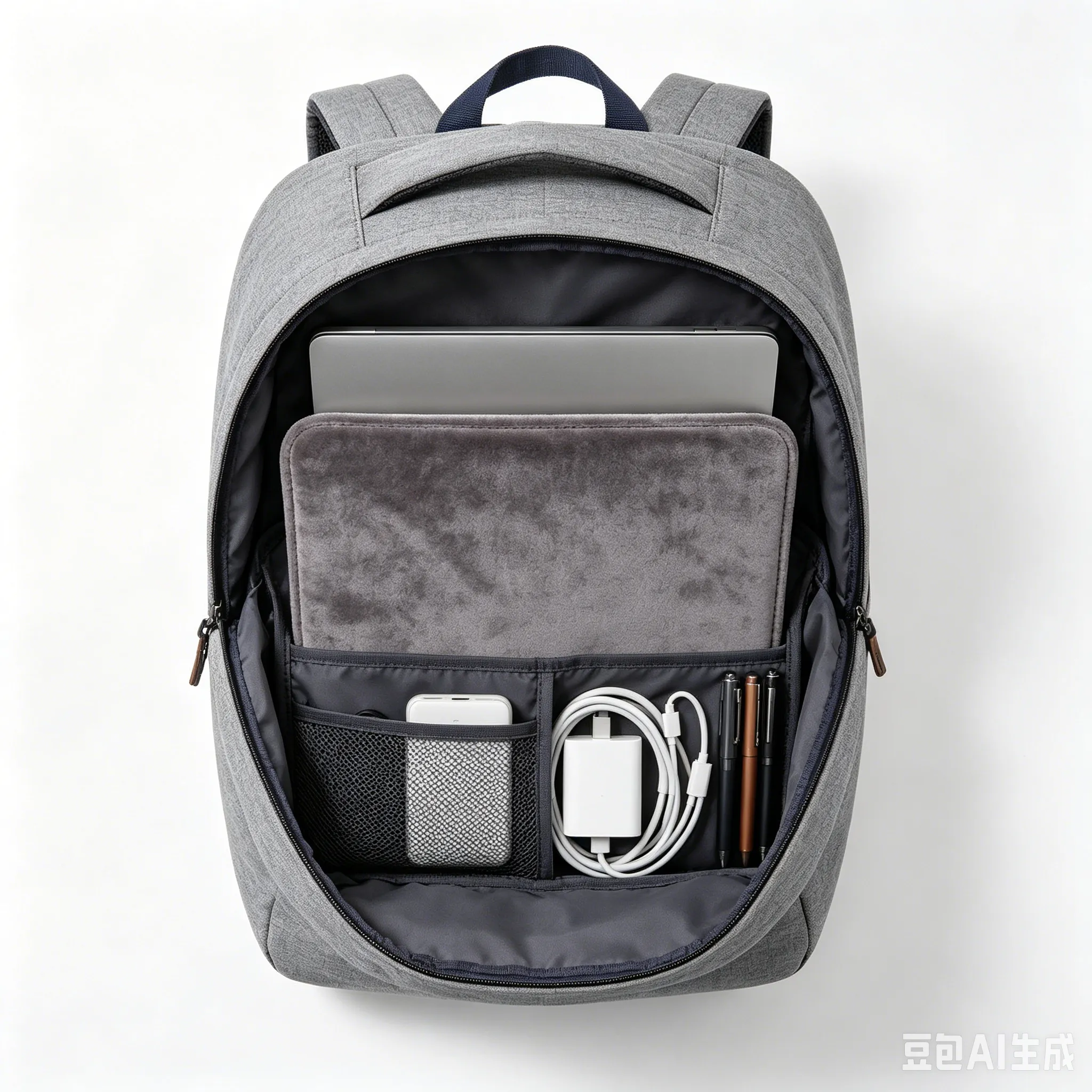
One of the most common questions we receive is: “Why do two seemingly similar backpacks have such different prices?” The answer often lies in design complexity. Let’s explore how various design elements influence manufacturing costs.
Key Complexity Factors
Number of Compartments
More pockets = more pieces, seams, and labor time
Special Construction
Unique shapes and structural elements require custom patterns
Waterproof Structure
Sealed seams and waterproof materials add significant cost
Hidden Pockets
Additional security features require extra materials and construction
Functional Features
USB ports, anti-theft features, and tech integration
For those interested in adding advanced functions to backpacks, our comprehensive guide on customizing backpacks with advanced functions provides detailed information about various options and their cost implications.
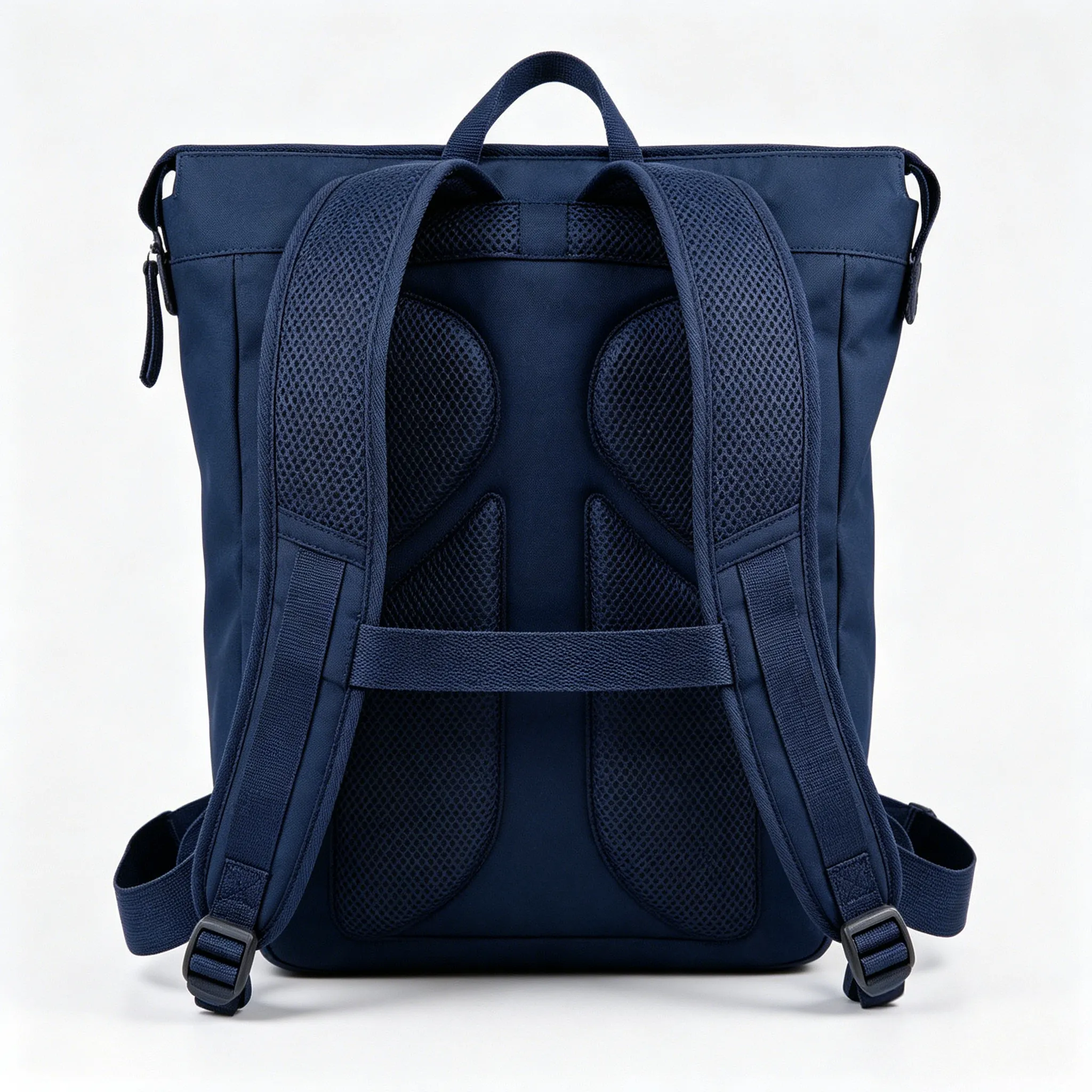
Custom Backpack Cost Example: From Design to Shipment
Let’s walk through a practical example to illustrate how all these cost factors come together in a real custom backpack project.
Case Study: Custom Laptop Backpack
| Product Specifications | |
|---|---|
| Material | 600D Polyester with PVC coating |
| Size | 17″ laptop compartment, 30L capacity |
| Features | Padded laptop sleeve, USB charging port, anti-theft pocket |
| Branding | Screen print logo (1 color), woven label, hang tag |
| Packaging | Individual poly bag with barcode |
| Quantity | 500 pieces |
Educational Purpose Disclaimer
The above pricing structure is provided as an example for educational purposes only. Actual pricing varies based on specific product requirements, supplier conditions, and market factors. We recommend obtaining a detailed quotation for your specific project.
China Custom Backpack Factory Pricing vs Other Suppliers
Understanding the landscape of global backpack manufacturing helps you make informed decisions about sourcing. China remains a dominant force in custom backpack production, offering distinct advantages for brands worldwide.

Factory Direct vs Trading Companies
| Aspect | Factory Direct | Trading Company |
|---|---|---|
| Customization | Full design control, flexible specifications | Limited to pre-existing options |
| Communication | Direct access to production team | Mediated communication |
| Pricing | More competitive, no middleman markup | Includes service fees |
| Quality Control | Direct oversight of production | Dependent on company standards |
| Lead Time | Direct scheduling | May add processing time |
When evaluating China backpack manufacturer costs, consider not just the quoted price but also the total value proposition, including production capabilities, quality assurance processes, and communication efficiency.
Our Commitment: As a direct manufacturer with over 15 years of experience serving clients across 50+ countries, we provide transparent pricing, direct communication, and comprehensive quality control throughout the production process.
How to Reduce Custom Backpack Costs Without Sacrificing Quality
Every brand wants the best value for their investment. Here are proven strategies to optimize your custom backpack costs while maintaining acceptable quality standards.
- Choose Right Materials: Match material quality to your market. Premium materials aren’t always necessary for promotional items, but don’t compromise on durability for frequently-used products.
- Optimize Design: Simplify designs where possible. Reduce compartment count, use standard hardware, and avoid over-engineering.
- Increase MOQ Carefully: Balance higher quantities against inventory risk. Sometimes mid-volume orders offer the best value.
- Avoid Unnecessary Hardware: Premium zippers and metal hardware add cost. Assess whether premium hardware is essential for your product category.
- Prepare Complete Tech Pack: Detailed specifications reduce back-and-forth, minimizing costly revisions and production errors.
For a comprehensive understanding of specification requirements, review our guide on creating a backpack tech pack for manufacturing.
.webp)
What Makes a Backpack Cheap vs Expensive?
Understanding the difference between budget and premium backpacks helps you make informed decisions—whether you’re sourcing products or evaluating quotes.
| Low Cost Backpack | Premium Backpack |
|---|---|
| Basic polyester fabric (300D-400D) | Premium nylon or canvas (500D-1000D) |
| Simple single-needle stitching | Reinforced double stitching at stress points |
| Standard plastic or basic metal hardware | Premium hardware with branded components |
| Basic poly bag packaging | Retail-ready custom packaging |
| Minimal quality inspection | Multi-stage quality control with testing |
| Standard foam padding | High-density memory foam or ergonomic padding |
| Basic logo printing | Premium branding with detailed finishing |
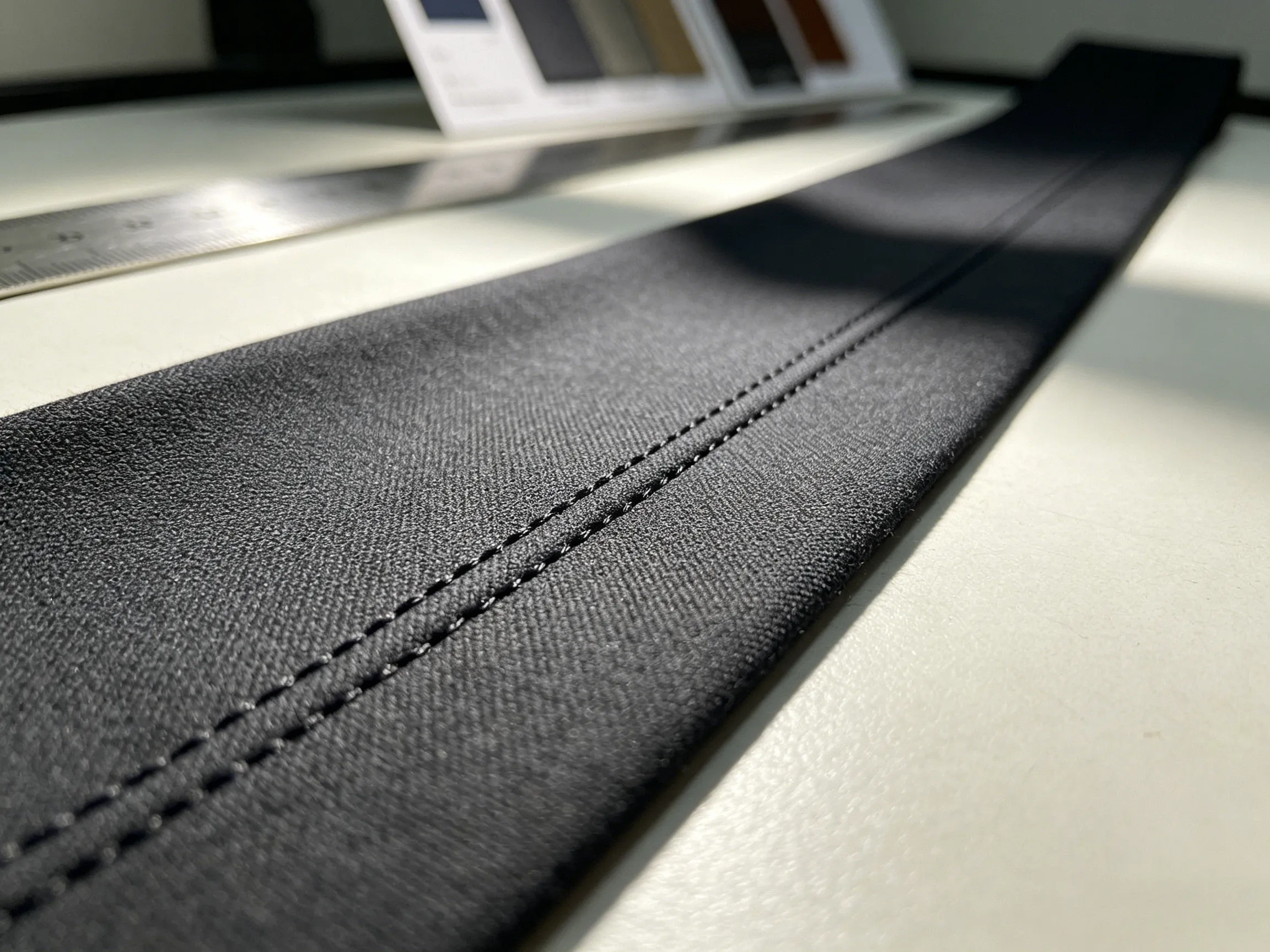
Expert Insight: How Backpack Factories Evaluate Costs
Industry expertise provides invaluable context for understanding custom backpack pricing. We’ve gathered insights from our manufacturing leadership to help you better understand the quotation process.

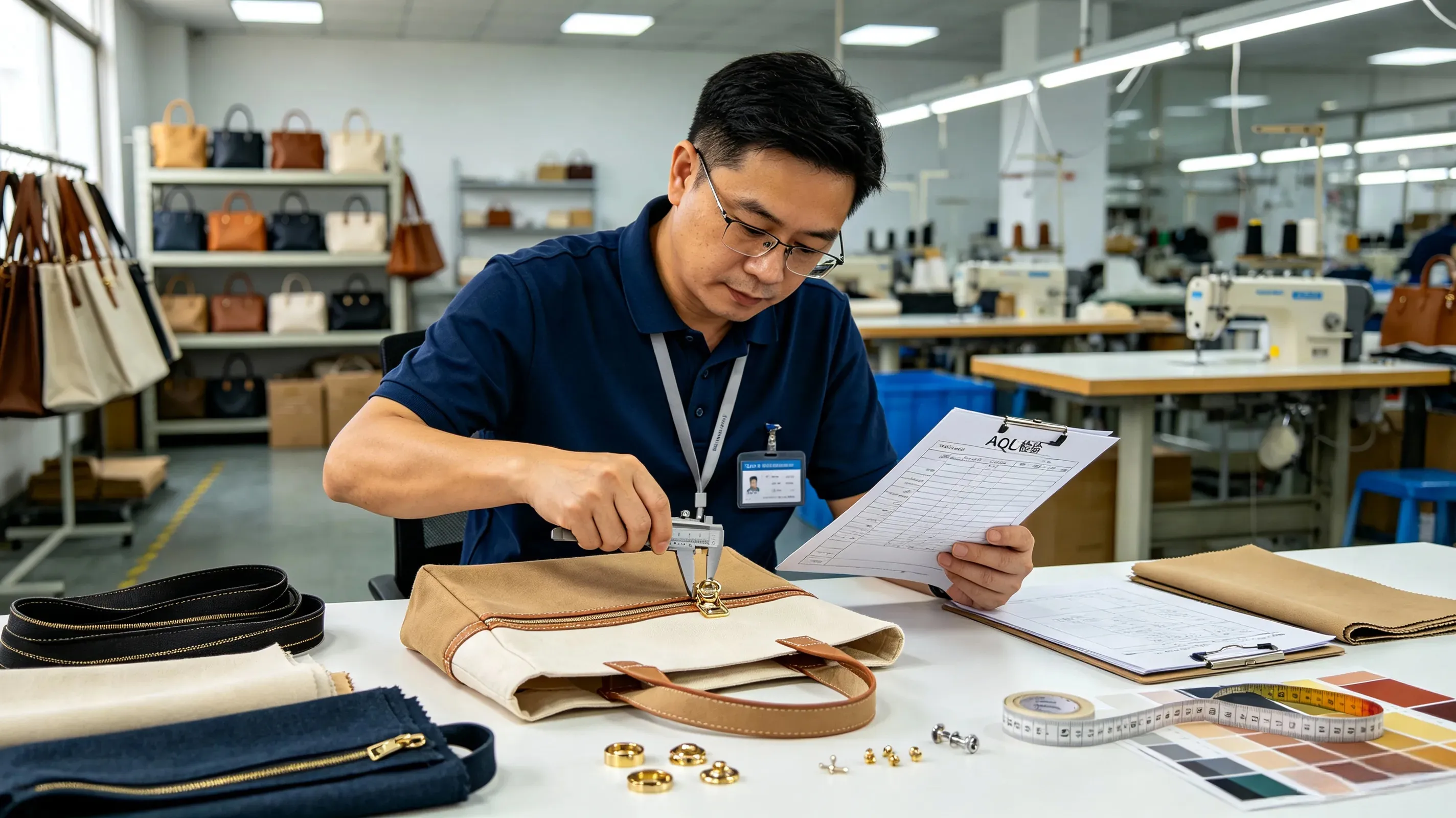
Emily
Senior Project Manager • 12 Years in OEM Bag Manufacturing
“The more complete your product specifications, the faster and more accurately we can provide a quotation. Key information includes material preferences, quantity requirements, branding details, and packaging expectations. Having a reference sample or detailed tech pack dramatically improves pricing accuracy.”
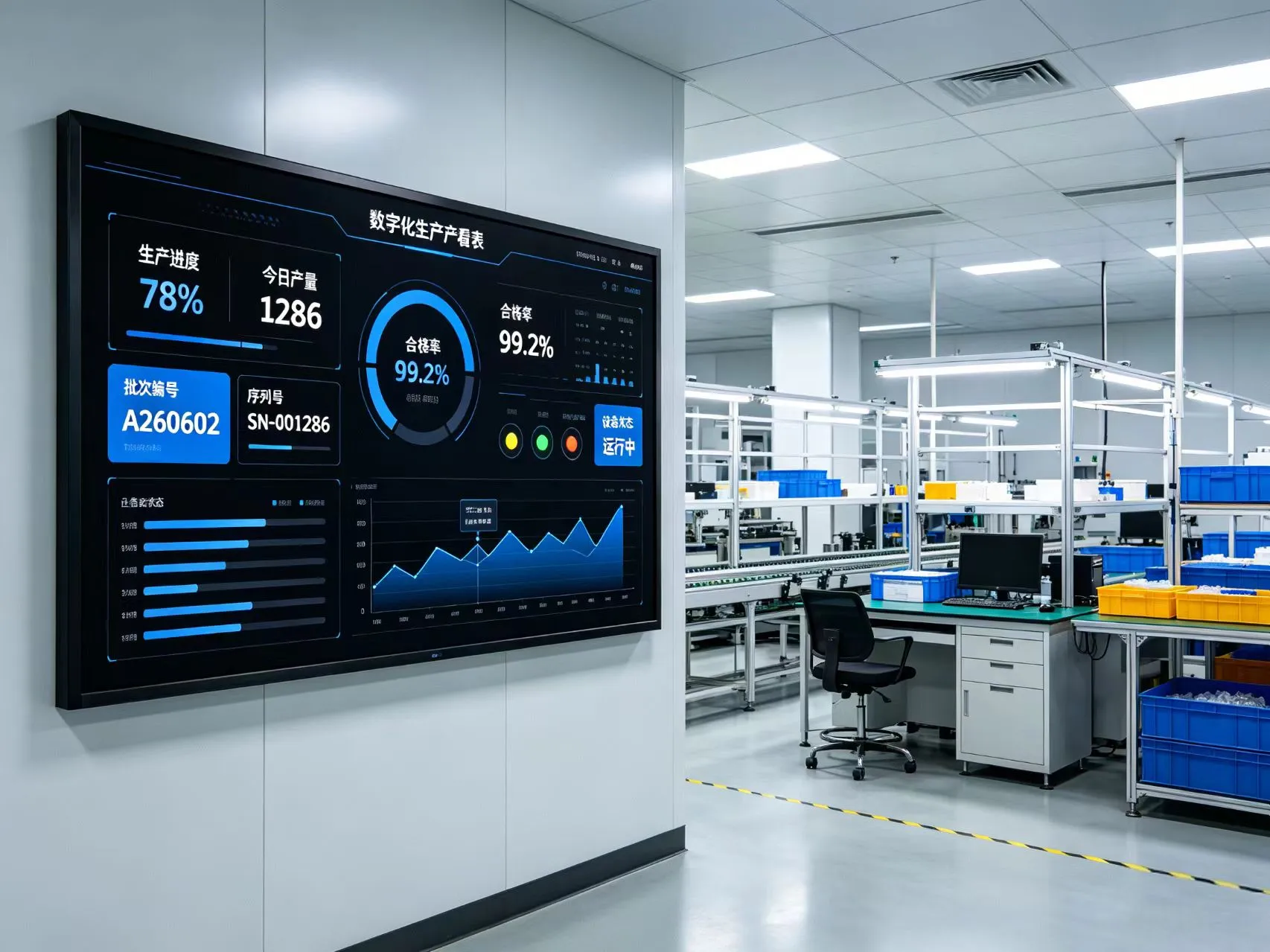
Kevin
Pattern Development Engineer • 15 Years in Bag Pattern Making
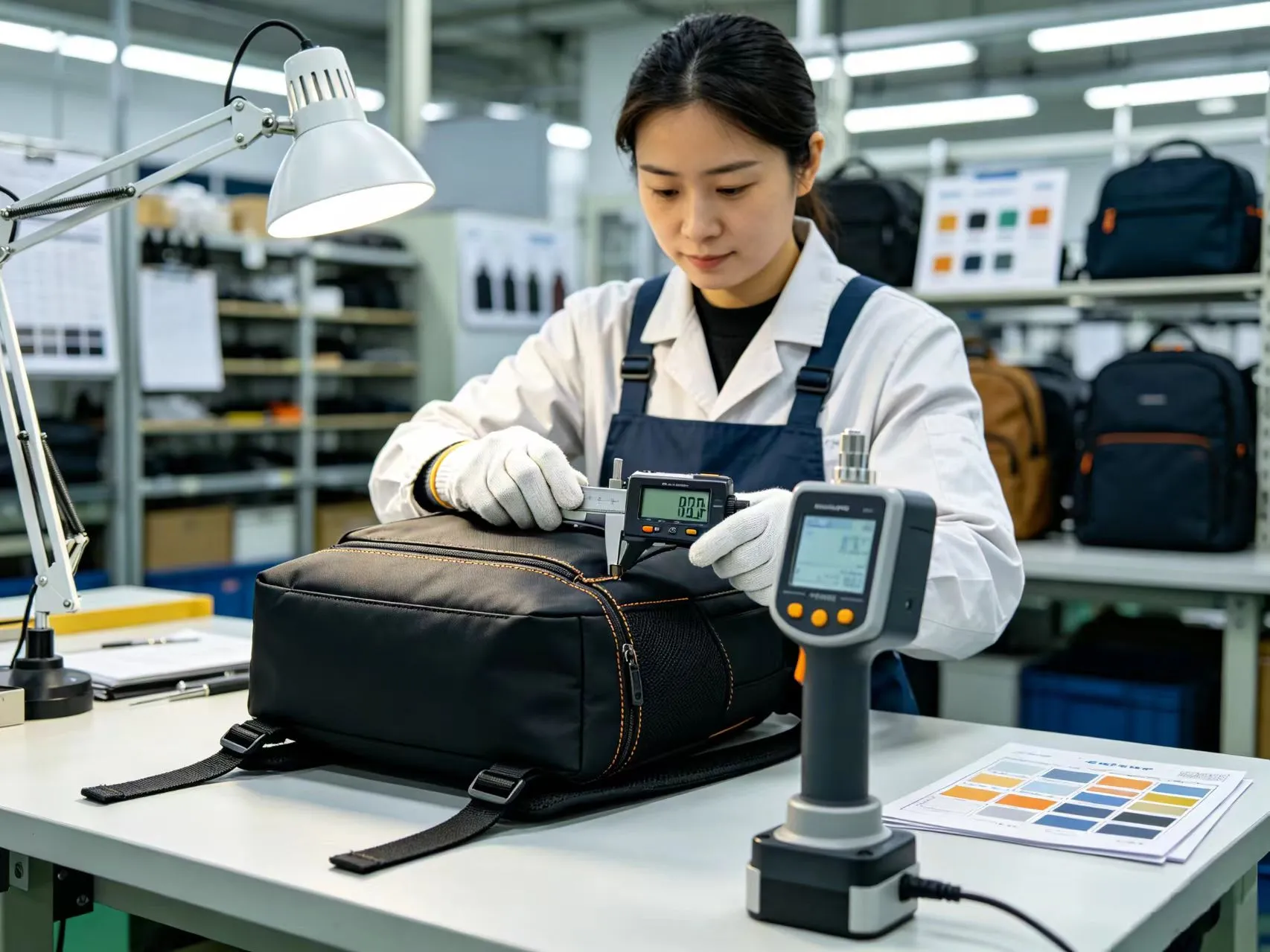
“Stitching quality, reinforcement points, and material selection are the three pillars of backpack durability. Cost savings in these areas often lead to premature product failure, which costs more in returns and reputation damage than the initial savings.”
Custom Backpack Cost Checklist Before Requesting a Quote
Before reaching out to manufacturers, prepare the following information to ensure you receive accurate and comparable quotations:
Pre-Quotation Checklist
FAQ: Custom Backpack Cost Questions
Disclaimer
The cost estimates, percentages, and pricing examples provided in this article are for general reference purposes only and do not represent guaranteed pricing from any specific manufacturer. Actual costs vary based on product specifications, order volume, material availability, supplier conditions, and market factors. We recommend obtaining detailed quotations based on your specific requirements before making procurement decisions.
All product images shown are for illustration purposes and may not represent actual products discussed. Trademarks mentioned belong to their respective owners and are not affiliated with this content.
Ready to Get Your Custom Backpack Quote?
Our team of experienced professionals is ready to help you bring your backpack vision to life with competitive pricing and exceptional quality.
Get a Free Quote Today
- Private Label Backpack Manufacturers | OEM/ODM China Factory
- Custom Travel Bag Manufacturer | OEM/ODM Factory for Travel Bags
- How to Create a Backpack Tech Pack for Manufacturing
- Backpack MOQ Explained: Minimum Order Quantity, Mixed Styles & Cost Strategy
- Custom Backpack Cost Breakdown: Materials, Labor, MOQ & Packaging
- How Long Does It Take to Manufacture a Backpack? Timeline Guide
- How to Create a Backpack Tech Pack for Manufacturing (Free Template)
- The Complete Backpack Quality Inspection Checklist for Buyers
- Inside a Backpack Factory: Complete Backpack Manufacturing Process Step by Step
- Backpack Materials Guide: Polyester, Nylon, Canvas, RPET, Foam & Hardware Explained
- OEM Backpack Manufacturer: Private Label, ODM & Custom Branding Guide
- Backpack Factory China: OEM Manufacturing, MOQ, Production Capacity & Export Guide
DREAMWAY
Custom Bag & Silk Manufacturer · Shiling, Guangzhou
Company
Products
Guides & Insights
Ready to Bring Your Bag Idea to Life? Let’s Talk Today.
From your first sketch to bulk delivery, our team replies within 12 hours with expert advice and a free quote. No pressure — just honest manufacturing guidance.

Prefer a call? +86-020-87682749 · Mon–Sat, 9:00–18:00 (GMT+8)
Your Premium Nylon Backpack Manufacturing Hub
Explore our comprehensive collection of resources, from material selection to final delivery, connecting you with expert insights from China’s leading backpack manufacturer.
Core Manufacturing Expertise Essential guides for sourcing nylon backpacks
Discover our extensive catalog of wholesale nylon backpacks, featuring premium materials, competitive pricing, and flexible order quantities tailored for global brands and retailers.
Explore wholesale nylon backpack collectionLearn how to personalize every detail of your backpack—from logo placement and color matching to hardware selection—creating products that truly represent your brand identity.
Complete backpack customization guidePartner with our OEM specialists to bring your designs to life. We handle everything from prototype development to mass production with rigorous quality standards.
OEM backpack manufacturing solutionsOur state-of-the-art manufacturing facilities in China combine traditional craftsmanship with modern production technology to deliver exceptional quality at scale.
China-based backpack factory operationsUnderstanding fabric properties is crucial for product performance. Dive deep into nylon grades, denier ratings, coatings, and treatments that affect durability and aesthetics.
Comprehensive backpack materials guideFrom initial design consultation to final packaging, trace every step of our streamlined manufacturing process designed to minimize lead times without compromising quality.
Inside the backpack manufacturing workflowQuality assurance transforms good products into exceptional ones. Explore our multi-point inspection protocols, stress testing procedures, and compliance verification methods.
Professional quality control checklistMinimum order quantities can make or break a sourcing strategy. Find the right balance between inventory investment and per-unit economics for your business model.
Understanding MOQ requirements explainedTransparent pricing demystifies the cost structure behind custom backpacks. Learn how material costs, labor, tooling, and shipping factor into your final quote.
Detailed custom backpack cost analysisLaunch your own backpack line with professional private label services. We provide complete brand packaging, labeling, and custom documentation support.
Private label backpack manufacturing servicesStart small and scale confidently with our low minimum order commitments. Perfect for startups, market testing, and boutique brands seeking quality manufacturing.
Low MOQ backpack manufacturer optionsNavigate the competitive landscape with confidence. Our curated ranking of top-tier manufacturers helps you identify partners who align with your quality standards.
Top rated backpack manufacturers directoryRelated Product Categories Expand your sourcing portfolio
Complement your backpack line with premium custom travel bags. Our travel bag collection shares the same quality standards and manufacturing expertise.
Custom travel bag manufacturing servicesChoosing the right material impacts cost, durability, and market appeal. Our comprehensive comparison helps you make informed material decisions.
Canvas versus polyester versus PU comparisonA well-prepared tech pack bridges design intent with manufacturing reality. Master the art of creating detailed specifications that manufacturers can execute precisely.
Professional backpack tech pack creationTimeline management separates successful launches from costly delays. Understand typical production phases and learn strategies to optimize your lead time.
Backpack manufacturing lead time factorsExpand your product range with canvas tote bags. This guide covers material costs, printing techniques, and production considerations for complementary items.
Canvas tote bag materials and printing costs