

Canvas Pouch Manufacturer & OEM Factory | 17 Years Experience
A B2B Buyer’s Complete Reference for Specifying, Customizing & Ordering Canvas Pouches
Dreamway — Professional Bag & Silk Product Manufacturer
Manufacturing since 2008 · 17+ Years of OEM/ODM Expertise
Guangzhou, China (Huadu District, Shiling Town) | Core Team of 30+ | 50+ Countries Served
Website: www.gzdreamway.com

The canvas pouch is one of the most quietly important accessories in modern retail and gifting. It holds cosmetics in a vanity case, organizes pencils in a classroom, carries documents at a trade show, and protects jewelry inside a luxury gift box. For B2B buyers searching for a reliable canvas pouch manufacturer, understanding the nuances between pouch types, fabric weights, closure options and printing methods is the difference between a reorder-friendly SKU and a costly mistake. This guide walks through every specification decision, with insights drawn from real production conversations and factory-floor experience.
1. What Is a Canvas Pouch?
A canvas pouch is a small-format, soft-sided container made primarily from cotton or blended canvas fabric, typically closed by a zipper, drawstring, snap or magnetic clasp. Unlike a tote bag, which is designed to be carried openly as a primary carry item, a pouch is meant to organize, protect or package — both as a standalone product and as an inner or outer accessory inside a larger bag, box or gift set.
The product category spans several naming conventions that buyers often search interchangeably. The term canvas pouch is the broadest and refers to any small-format bag made from woven canvas. Canvas zipper pouch describes the most common functional style — a flat or box-shaped pouch with a top zipper. Canvas drawstring pouch refers to a soft, often luxury-oriented pouch closed by a cord pull, widely used in jewelry and gift packaging. Cotton pouch emphasizes material over shape, and is the preferred search term by brands focused on natural fibers. Small utility pouch is the catch-all for general-purpose organizers used in travel, electronics and stationery.
For buyers searching for a cotton pouch manufacturer, it is essential to clarify which combination of material, closure and use-case applies — because each combination carries different MOQs, lead times and price points. The remainder of this guide breaks those variables down section by section. See our related cotton pouch fabric grades and GSM guide for a deeper dive on natural-fiber specifications.

2. Common Types of Canvas Pouches
Each pouch style targets a different buyer, retailer or merchandising channel. The five categories below cover roughly 90% of the canvas pouch orders our factory processes. Specifying the right type from the start saves sampling rounds and avoids costly pivots later.
Zipper Canvas Pouch
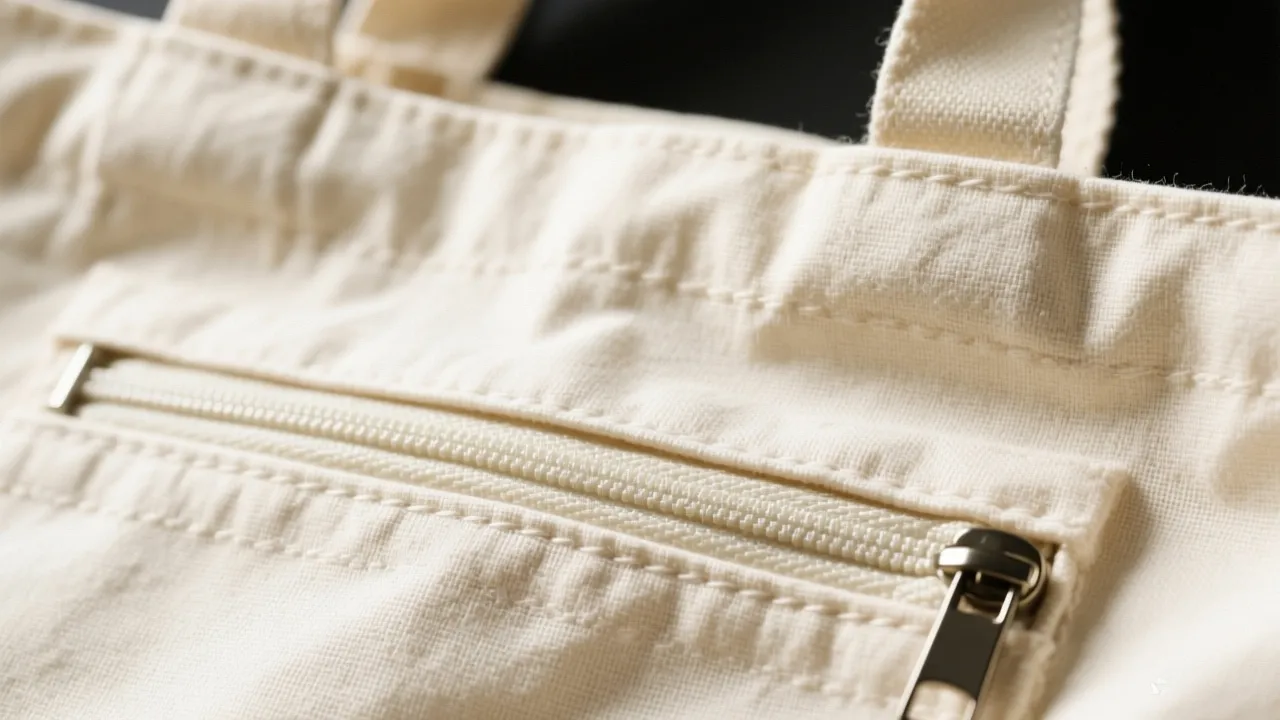
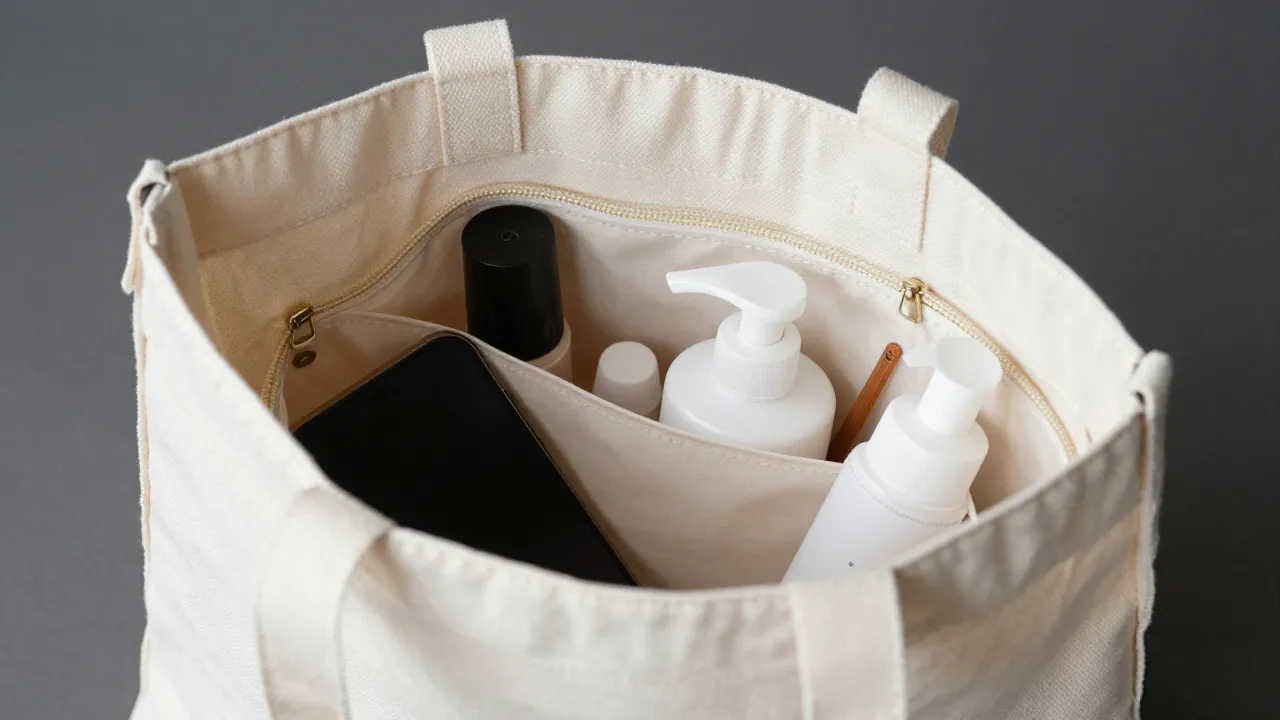
The zipper canvas pouch is the workhorse of the category. A continuous top closure — most often nylon or metal — protects the contents, making this format ideal for cosmetics, stationery and travel organizers. Buyers looking for a zipper canvas pouch manufacturer typically need flat or gusseted shapes in 14oz to 18oz canvas, with Pantone-matched body colors and a wide range of zipper tape options.
Drawstring Canvas Pouch
Drawstring canvas pouches trade rigidity for elegance. The closure is a cord or ribbon pulled through a top hem, often finished with a wooden, metal or acrylic bead. This format dominates the jewelry, gift and luxury packaging segments. A pouch with a soft hand-feel and refined drape is what buyers search for when they type canvas drawstring pouch into a sourcing platform.
Flat Canvas Pouch
A flat canvas pouch has no gusset, making it ultra-slim. The profile makes it ideal as a document bag or accessories sleeve — slips easily into a backpack or briefcase for storing papers, cables or stationery. Many corporate gift programs pair a flat pouch with a notebook and pen as a premium handout set.
Gusseted Canvas Pouch
A gusseted pouch adds depth — side or bottom panels allow the pouch to expand and hold bulkier items. This format is essential when the buyer wants the pouch to function as a primary organizer rather than a sleeve. Typical uses include cosmetics kits, electronics accessories, or shoe-care kits.
Cosmetic Canvas Pouch
The cosmetic canvas pouch is one of the largest sub-categories within the pouch market. Buyers searching for a canvas cosmetic bag manufacturer or a canvas makeup bag manufacturer usually require a waterproof inner lining, a flat-bottom gusset for standing on a vanity, and a wipe-clean surface that survives routine use with brushes and beauty products. For a complete walk-through of beauty-brand pouch specs, see our custom cosmetic bags for beauty brands guide.
Pencil Canvas Pouch
Smaller in scale than a cosmetic pouch but constructed similarly, the pencil canvas pouch is widely used in education, office goods and promotional campaigns. Search volume for canvas pencil pouch spikes every back-to-school season, with specialty retailers and corporate giveaways being the dominant buyers.
3. Canvas Materials Explained
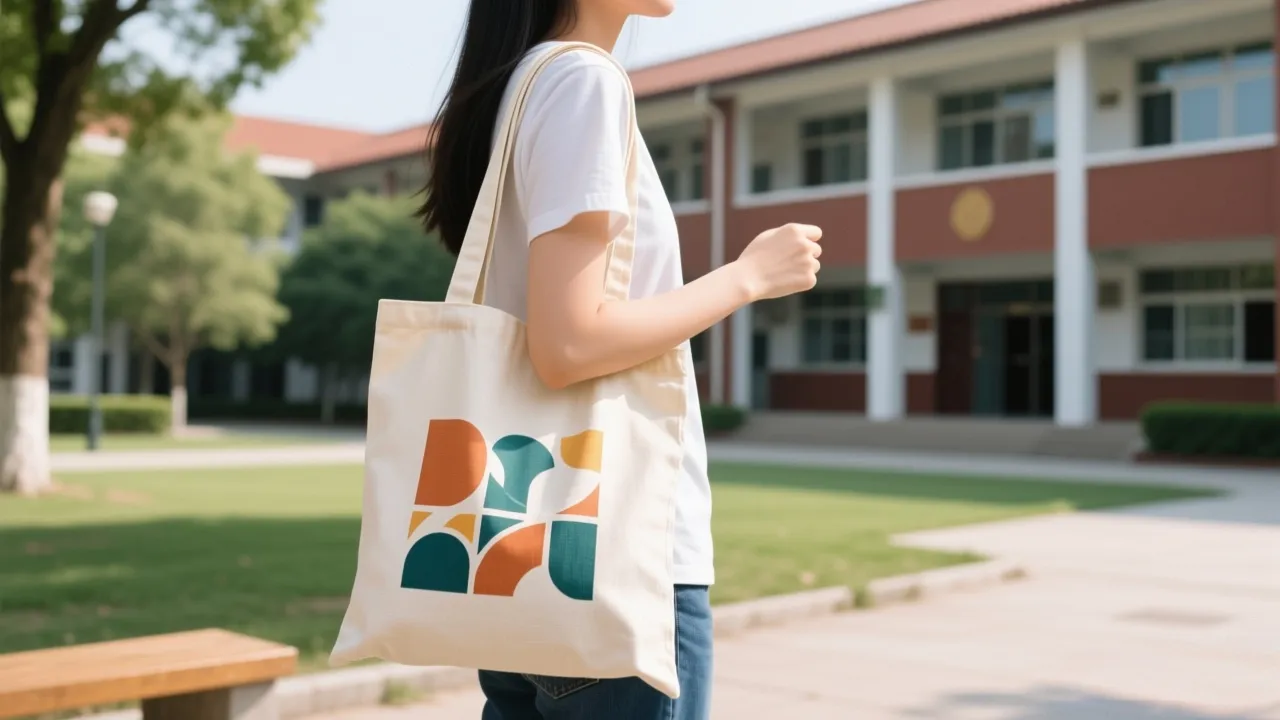
The four fabric families below cover more than 95% of canvas pouch orders at our factory. The decision is rarely aesthetic alone — it touches print method, sustainability claims, price and hand-feel. For an in-depth walkthrough of weave, GSM and finishing, see our companion Canvas Fabric Guide.
Cotton Canvas
Cotton canvas is the natural-fiber benchmark. It offers a soft hand-feel, excellent print receptivity, and the cleanest story for brands marketing toward natural or eco-friendly positioning. It is also the most affordable canvas option for moderate order quantities.
Organic Cotton
Organic cotton canvas carries GOTS or OCS certification depending on the supplier chain. It is visibly indistinguishable from conventional cotton, but the certification chain supports premium pricing in the EU and North America and qualifies the pouch for certain sustainability-focused retail programs.
RPET Canvas
RPET canvas — woven from recycled polyethylene terephthalate, often sourced from post-consumer plastic bottles — is the leading recycled option. Buyers prioritizing a circular-economy narrative commonly pair an RPET pouch with a recycled-paper hang tag.
Blended Canvas
Blended canvas — typically a cotton/polyester mix — adds tensile strength and reduces wrinkling. The trade-off is reduced print vibrancy compared to pure cotton, and limitations on natural-fiber sustainability claims. Blends are commonly used for utility pouches where cost and tear-strength matter more than a natural-fiber story.
| Material | Pros | Cons | Price Tier | Durability | Print Effect |
|---|---|---|---|---|---|
| Cotton Canvas | Soft hand-feel, natural fiber story, accepts all print methods well | Wrinkles easily, prone to shrinkage if not pre-shrunk | $$ | ||
| Organic Cotton | Certified natural fiber, qualifies for eco programs, premium positioning | Higher cost, longer lead time for certification paperwork | $$$$ | ||
| RPET Canvas | Recycled content, supports circular-economy claims, durable weave | Less soft hand-feel, plastic-fiber content may not suit natural-brand positioning | $$$ | ||
| Blended Canvas | Higher tensile strength, wrinkle-resistant, lower cost on heavier weights | Lower print vibrancy, limited natural-fiber story | $$ |
4. Canvas Weight (GSM & oz) — How to Choose the Right Weight for a Pouch
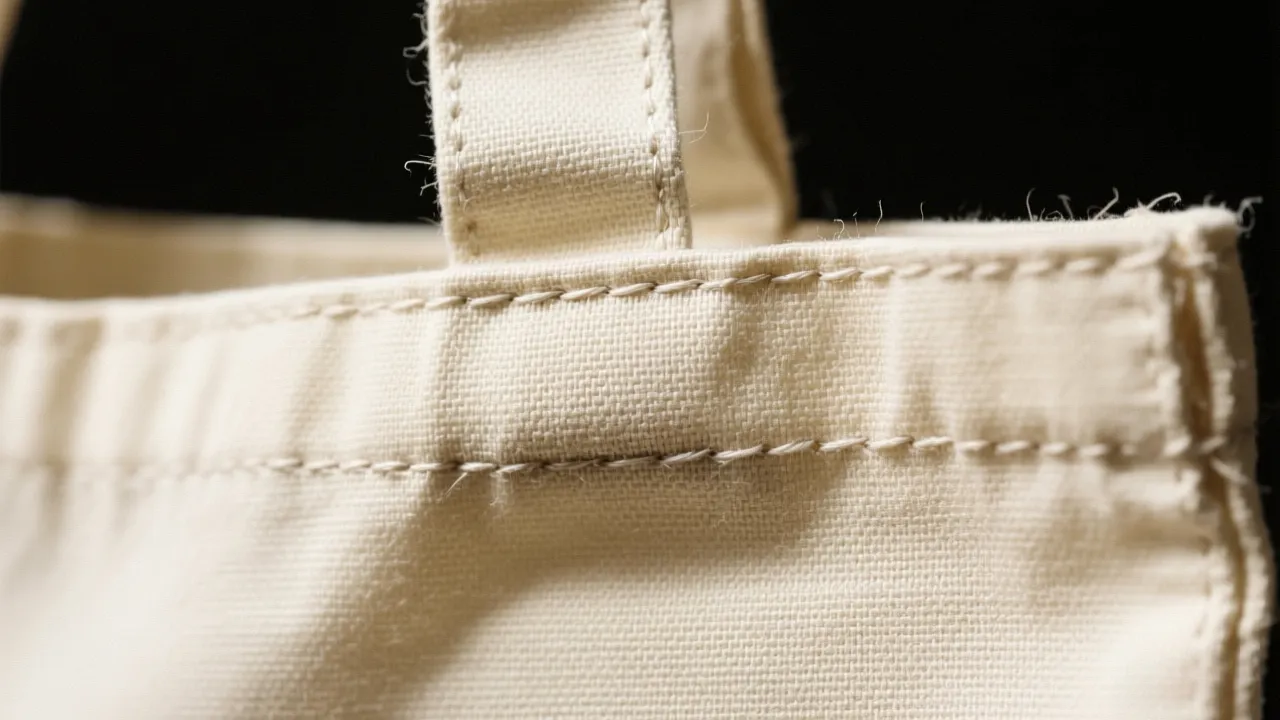
Canvas weight is the single biggest driver of pouch hand-feel and price. The numbers below are the most common weights a canvas pouch manufacturer will quote against. For a deeper read on canvas weight across the full product range, see our canvas fabric weight GSM and oz guide.
| Weight | Recommended Use |
|---|---|
| 6oz (170 GSM) | Lightweight promotional pouches, jewelry dust bags, gift wrapping |
| 8oz (225 GSM) | Cosmetic pouches, pencil pouches, soft hand-feel accessories |
| 10oz (280 GSM) | Multi-purpose pouches, premium cosmetic bags, retail-ready shapes |
| 12oz (340 GSM) | Structured cosmetic pouches, document pouches with body |
| 16oz (450 GSM) | Heavy-duty canvas pouches, travel organizers, utility formats |
| 18oz (510 GSM) | Tool and electronics pouches, premium gift sets |
| 24oz (680 GSM) | Industrial / heavy-load pouches, specialized outdoor programs |
For most cosmetic, stationery and gift applications, 10oz to 12oz offers the best balance of cost, drape and print surface. For travel and tool organizers, 16oz is the safe baseline. Anything below 8oz is reserved for promotional giveaways where the pouch is secondary to the message it carries.
5. Closure Options — A Buying Decision Many Brands Skip
Choosing a closure sounds simple, but each option has trade-offs in cost, durability, visual style and required tooled components. Below is the breakdown most factories will not volunteer until sample stage — capture it now to avoid re-tooling fees.
Nylon Zipper
The most common and affordable closure. Coil zippers in #3 or #5 size pair well with most canvas weights and support custom zipper tape color matching. Recommended for cosmetic, pencil and utility pouches. For a deeper look at zipper selection, finishes and metal tags, see our bag hardware: choosing zippers and metal tags reference.
Metal Zipper
Metal zippers (commonly brass or antique brass finish) elevate the look of a premium or vintage-style pouch. They are essential for leather-trim and heritage-inspired designs, and pair naturally with riveted leather patches.
Drawstring
Drawstring closures — cord, ribbon or leather thong — are the signature of jewelry and luxury packaging. They have no moving parts and minimal tool cost, but require precise hemming for the cord channel.
Snap Button
Snap buttons (plastic or metal) work for flat document pouches and low-tension applications. They are inexpensive but offer less security than a zipper and can pop open under heavy load.
Velcro
Velcro is rarely seen on premium pouches but remains common in industrial and educational contexts where quick access matters more than refinement. Specify hook-and-loop width and color when quoting.
Magnetic Closure
A magnetic closure is the gold standard for fold-over pouch styles. Hidden inside the flap, it delivers a clean look with a satisfying snap. Most premium cosmetic and gift pouches use this option paired with a small leather or branded patch on the closure front.
Quick selector
- Beauty / Cosmetic: Nylon zipper or magnetic flap
- Stationery / School: Nylon zipper
- Jewelry / Gift: Drawstring
- Document: Snap or flat magnetic
- Travel organizer: Nylon or metal zipper
Buyer tip
Closure tools (zipper molds, magnetic dies, drawstring guides) often cost USD $80–$300 per style and are usually amortized only across a single production run. Standardizing zipper sizes across multiple pouch SKUs lets your factory spread the tooling cost and lower your per-unit price.
6. Custom Branding Options — Putting Your Logo on the Pouch
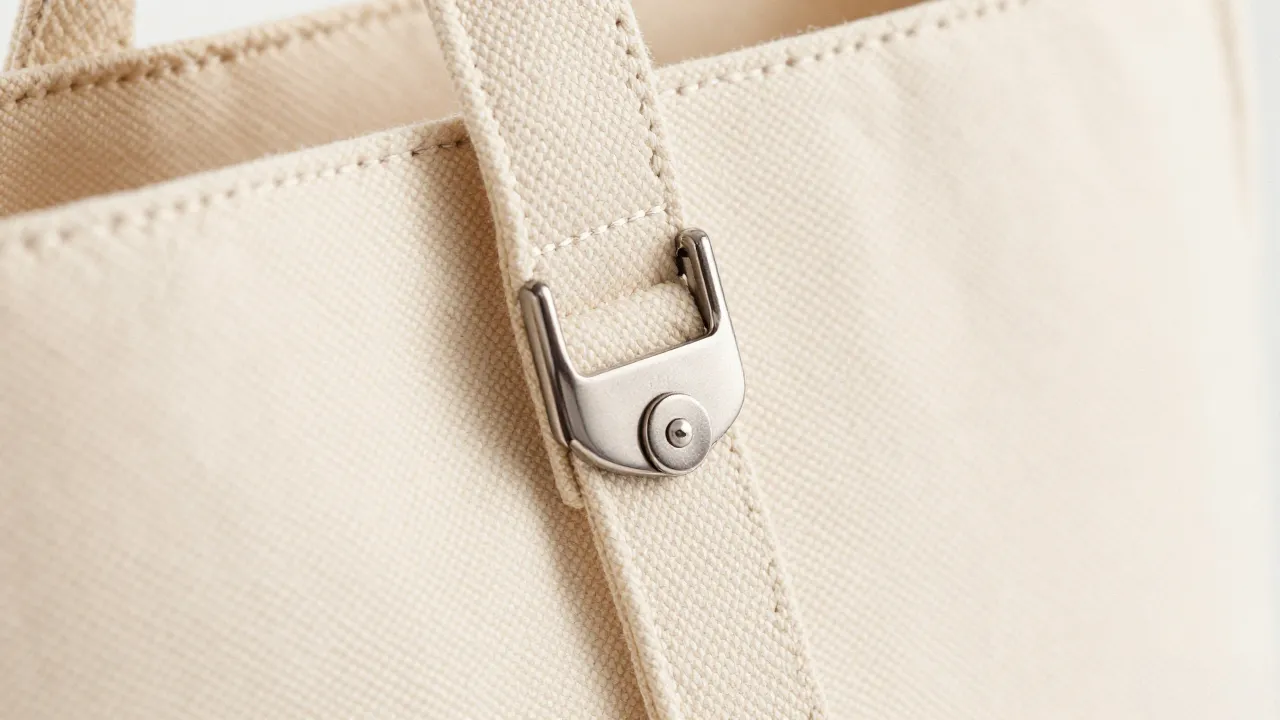
Branding is where the canvas pouch transitions from a generic SKU to a marketing asset. Each method below has different cost, MOQ and design constraints.
Screen Printing
Best for flat color logos on cotton canvas. Each color requires its own screen and setup, so simple 1–3 color logos are most economical. Specify Pantone C colors for matching.
DTF (Direct to Film)
Modern digital print method that allows full-color logos and gradients with no per-color setup. Ideal for art-heavy designs, photographic logos or short runs that can’t justify screen setup fees.
Heat Transfer
Heat transfer applies a pre-printed film to the canvas under heat and pressure. Excellent for complex artwork at moderate MOQs; less durable under heavy abrasion than screen print.
Embroidery
Embroidery on a canvas pouch carries undeniable premium positioning — the raised texture immediately reads as gift-quality. Specify stitch count and thread color, and be aware embroidery has higher per-unit cost than print methods.
Woven Labels
A woven label sewn into the side seam or front face is the standard approach for fashion and lifestyle brands. The label itself is custom-made; the pouch carries one or two sewing operations to attach it.
Leather Patch
A vegetable-tanned leather patch, debossed or hot-stamped with a brand mark, secures an artisan or heritage tone. Often used alongside metal zippers and riveted corners.
Rubber Patch
3D rubber or PVC patches bring texture and a streetwear feel. They are durable, color-stable and well-suited for outdoor and youth-driven brands.
Metal Logo Plate
A small engraved metal plate screwed or riveted to the pouch face is the most premium decoration option. Used on leather-trim and luxury-tier pouches; expect a per-unit cost uplift of $0.40–$1.20 versus standard print methods.
7. Canvas Pouch Size Guide
Use the matrix below as a starting point. Final dimensions should always be tied to the specific contents the pouch will hold. We typically quote against five size codes (XS–XL), but anything in between is possible with a custom pattern.
| Size | Dimensions (W × H × D) | Best For |
|---|---|---|
| XS | 10 × 7 × 2 cm | Jewelry, small cosmetics, USB drives |
| S | 15 × 10 × 4 cm | Pencil pouch, brushes, tech accessories |
| M | 20 × 13 × 6 cm | Cosmetic bag, passport + documents, daily organizer |
| L | 25 × 17 × 8 cm | Travel pouch, electronics organizer, toiletry bag |
| XL | 30 × 22 × 10 cm | Multi-piece travel kit, shoe-care pouch, premium gift set |
8. OEM & Private Label Manufacturing
Most buyers searching for a canvas pouch manufacturer are also navigating private-label or branded retail programs. The terms below are used loosely online — here is how a competent factory distinguishes them. For a side-by-side comparison, see our OEM vs ODM vs private label complete comparison.
OEM (Original Equipment Manufacturer)
The buyer supplies a finished design — sketch, tech pack or sample — and the factory produces to that spec. Best for brands with a defined product brief.
ODM (Original Design Manufacturer)
The factory proposes a design from a buyer brief, usually starting with a factory-side sketch or existing pattern that is adapted. Faster and cheaper for first-time buyers.
Private Label
Sometimes called white label: the buyer selects from a factory-ready pattern and adds their own branding (label, screen print, packaging). Lowest MOQ of the three.
Packaging & Retail-Ready Options
A complete pouch program usually includes several supporting components:
- Hang tags — printed cardstock with hole-punch and cotton string, applied per piece
- Care labels — wash/care instructions woven or printed, sewn into a side seam
- Barcode stickers — UPC/EAN labels applied during packing
- Retail packaging — individual OPP bag, custom box or recycled mailer
- Amazon FBA prep — poly bag + suffocation warning + FNSKU labeling to FBA standards
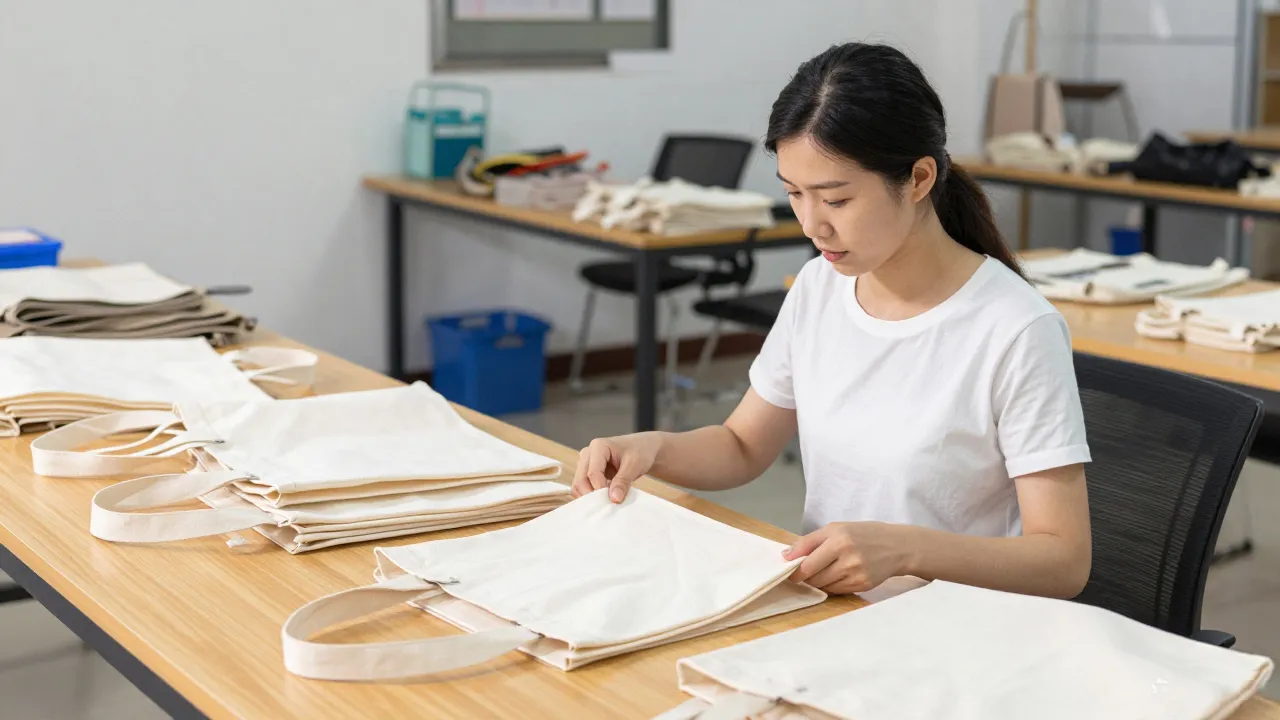
9. MOQ Explained
MOQ is one of the most negotiated numbers in any pouch order. The figures below are typical for a canvas pouch manufacturer at our scale; lower tiers are possible for private-label orders against factory patterns. For a full breakdown of how minimum orders affect cost and production lead time, see our tote bag MOQ explained guide.
| Order Profile | Typical MOQ | Notes |
|---|---|---|
| 200 pcs | Color: 1 / Size: 1 | Best fit for new brands, single-color runs against a stock fabric |
| 500 pcs | 2 colors / 2 sizes | Standard entry tier for custom color and small Pantone runs |
| 1,000 pcs | 3–4 colors / 3 sizes | Unlocks screen print tooling and best per-unit pricing |
Color Mixing, Logo Consistency, Size Mixing
Modern canvas pouch factories support mixing across the same SKU profile. Common allowances include:
- Color mixing: 2–4 Pantone colors per 1,000-piece run
- Logo consistency: single logo artwork across all colorways, with optional small-size position variation
- Size mixing: 3 size codes per 1,000-piece run, MOQ 200 per size
For related category guides, see our canvas tote bag materials guide and custom canvas pouch manufacturer solutions — the MOQ logic is similar but the per-unit costs and tooling setups differ slightly.
10. Production Process
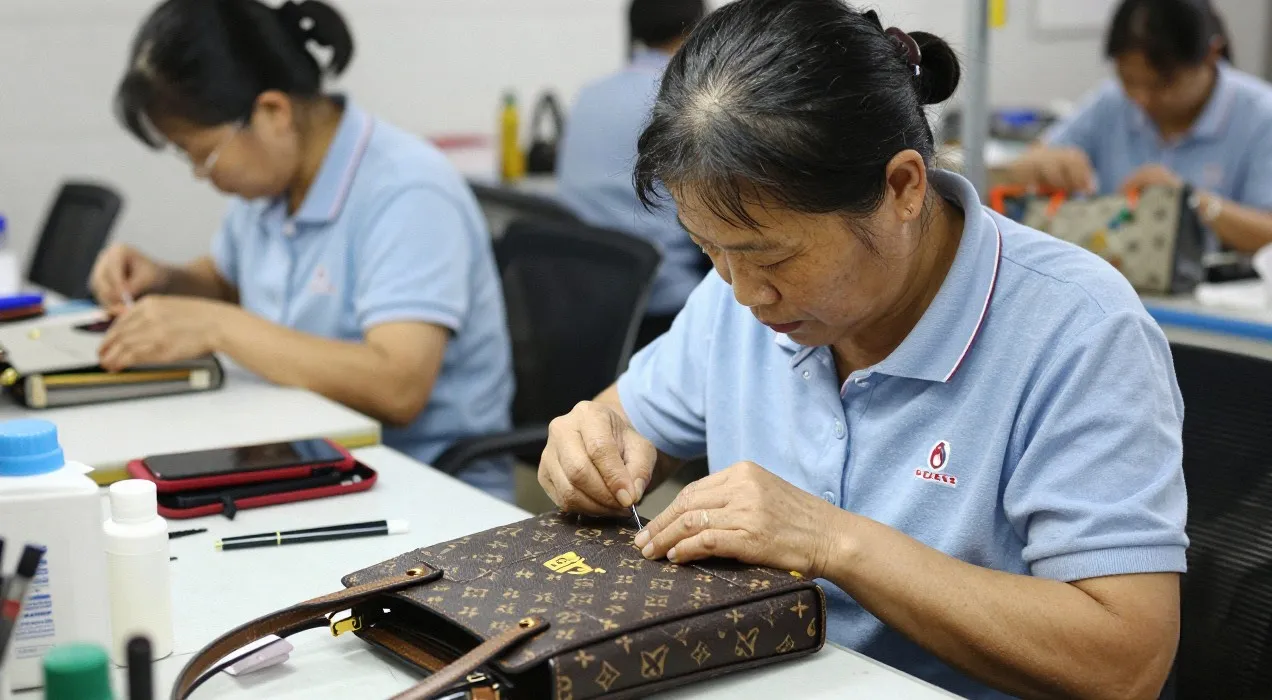
From sketch to shipment, a pouch typically follows nine steps. Buyers who understand the timeline are far better at managing expectations and planning restocks. For a deeper look inside our production lines, see our Inside Factory tour.
- Design — sketch, tech pack, fabric and trim selection
- Sampling — pre-production sample (PPS) for buyer approval
- Fabric sourcing — canvas, lining, thread and trim procurement
- Cutting — panel cutting per pattern, plus die-cut for any shaped pieces
- Printing / decoration — screen print, DTF, embroidery or patch application
- Sewing — panel assembly, zipper set, drawstring channel, lining
- QC — inline and final inspection against the approved sample
- Packaging — retail packaging, hang tag and barcode application
- Shipping — carton packing, palletizing, EXW / FOB / DDP delivery
11. Quality Control
A canvas pouch manufacturer is judged on QC consistency. Below is the test matrix a competent factory should walk you through on request. For a complete walk-through of AQL levels and how to work with SGS, Intertek and Bureau Veritas, see our AQL inspection guide for bag buyers.
AQL Sampling
Most Chinese manufacturers quote against AQL 2.5 for general inspection and AQL 1.5 for premium orders. Confirm the standard in your purchase order.
Test Coverage
- Dimensions — length / width / gusset checked with calibrated tape
- Color — D65 light booth against approved Pantone swatch
- Print — wash-rub test (10 strokes minimum) for screen print and DTF
- Zipper — 500 open/close cycles minimum
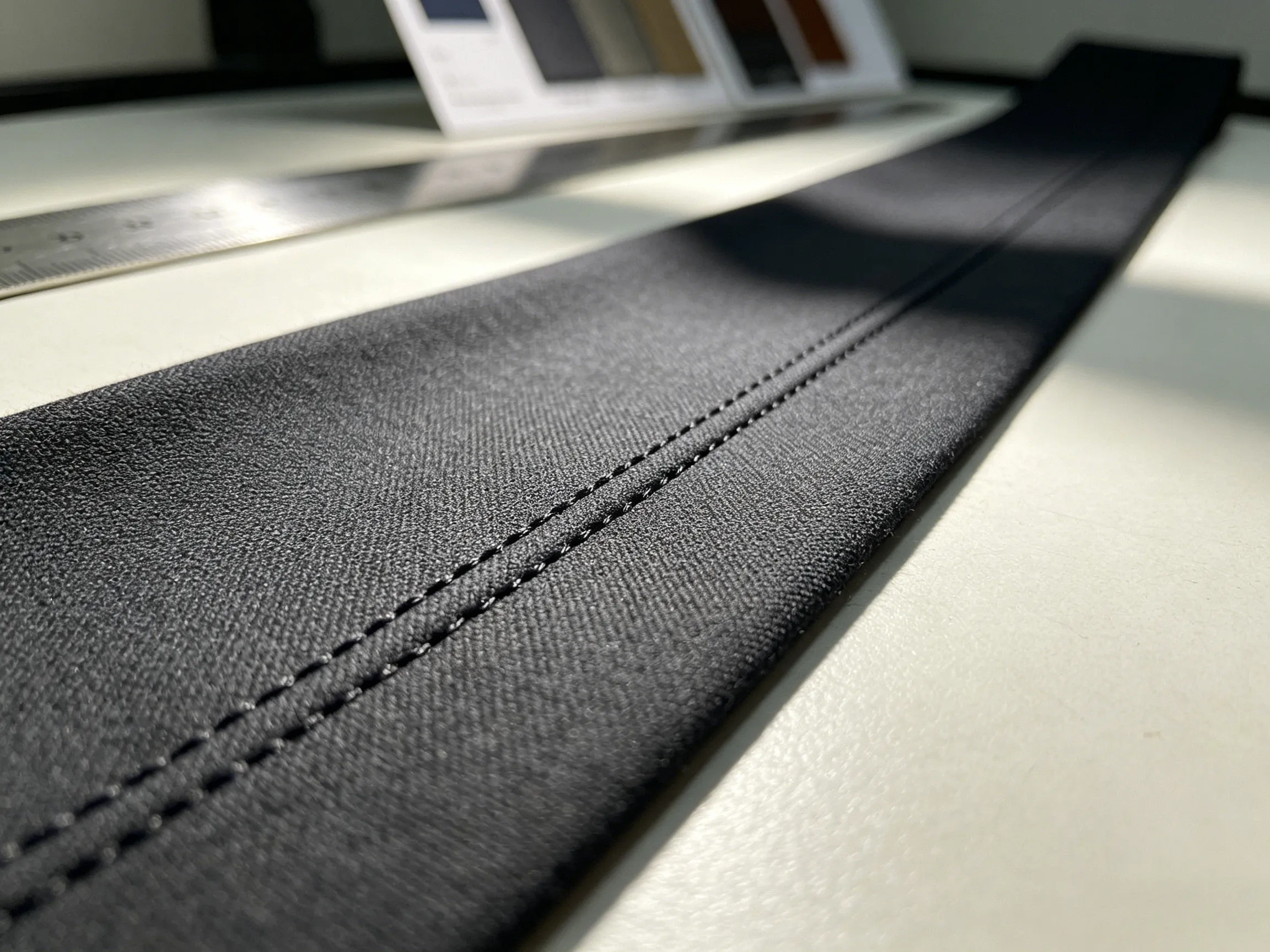
- Stitching — seam strength and SPI (stitches per inch) verified
- Shrinkage — pre-shrunk fabric tested at 30°C wash
- Color fastness — crocking test per ISO 105 for dyed canvas
- Abrasion — Martindale or Wyzenbeek rub count for premium pouches
- Tensile — handle / pull test where structural load applies
12. Certifications
Buyers serving the EU, UK or North American markets typically need at least one of the certifications below. Many overlap; a single supplier chain can cover most with the right documentation. For a side-by-side comparison of OEKO-TEX, GOTS and GRS, see our OEKO-TEX vs GOTS vs GRS certification comparison.
Material & Safety
- OEKO-TEX Standard 100 — textile safety, no harmful substances
- GRS — Global Recycled Standard for RPET
- GOTS — Global Organic Textile Standard for organic cotton
Compliance & Social
- BSCI / SEDEX — social compliance audit
- REACH — EU chemicals compliance
- Prop 65 — California chemicals disclosure
- PFAS-free statement — increasingly required for EU markets
13. Applications by Industry
Canvas pouches serve almost every consumer-facing vertical. The most common order profiles our factory sees are summarized below.
- Beauty Brands — cosmetic and makeup pouches, brush rolls, retail-ready packaging
- Gift Brands — velvet-lined drawstring pouches, jewelry sleeves, seasonal packaging
- Jewelry — anti-tarnish drawstring pouches, premium gift boxes with pouch inserts
- Fashion — branded accessory pouches sold as cross-sell to apparel lines
- Promotional Products — event giveaways, conference swag bags, brand activations
- Retail — in-store refills, point-of-sale accessories, return-shipping mailers
- Stationery — pencil pouches, sketch-kit organizers, art-supply rolls
- Travel — cable organizers, shoe bags, weekend kit companions
- Subscription Boxes — monthly-curation protective packaging
14. Cost Breakdown
The unit price of a canvas pouch breaks into six buckets. Buyers who can name each line item in their RFQ get faster, more accurate quotes.
- Fabric — canvas weight and fiber blend determine 30–45% of unit cost
- Printing — number of colors, method and print area
- Labor — sewing time per pouch, plus any hand-finishing
- Hardware — zipper, magnetic snap, rivets, leather patch
- Packaging — OPP bag, hang tag, master carton, FBA prep
- Shipping — carton CBM, destination port, Incoterm
MOQ has an outsized effect on unit price — going from 300 to 1,000 pieces typically lowers per-unit cost by 12–22% across standard pouch styles.
.webp)
15. Lead Time
Lead time is usually quoted in four blocks. Plan restocks and launch calendars against this baseline.
| Phase | Typical Duration |
|---|---|
| Sampling | 7–12 days after artwork and spec confirmation |
| Mass Production | 20–35 days for 1,000–3,000 pieces |
| Inspection | 2–4 days for in-line and final QC |
| Shipping | 5–10 days (Express), 25–40 days (Sea), airport-to-air 3–7 days |
For 200-piece orders, sampling and production often run in parallel — total order-to-ship can fall under 30 days. For 5,000-plus pieces, allow an extra 10–15 days for capacity planning.
16. How to Choose a Canvas Pouch Manufacturer
Use the checklist below when qualifying any supplier. A confident factory will answer each line with documentation, not just words. For an expanded version with twelve essential points, see our how to choose a reliable tote bag manufacturer checklist — the criteria apply equally to canvas pouch suppliers.
Manufacturer Qualification Checklist
- Years of experience — Ask for a year-by-year capacity history and a top-five client reference list.
- Equipment — Industrial cutting tables, screen print frames, embroidery machines and digital printers in-house.
- QC — A documented AQL standard, inspection reports on file, and access to third-party inspection if requested.
- Certifications — OEKO-TEX, BSCI, GRS, REACH and any destination-market compliance documents.
- MOQ flexibility — Willingness to start at 200 pieces for first-time buyers, with growth tier pricing.
- Sampling — Free stock samples for material reference; paid PPS samples at clear refund-on-bulk terms.
- Communication — Single point of contact, response under 12 hours, written confirmation of every spec.
- After-sales support — Defect replacement policy, claim window and shipping-replacement procedures.

17. Common Mistakes Buyers Make
These five errors appear in nearly every first-time canvas pouch order we see. Each one is preventable with a clearer spec on day one.
- Choosing only on price — A 12% cheaper unit often signals thinner canvas, lower SPI, or an inferior zipper.
- Ignoring shrinkage — Pre-shrunk fabric adds 5–8% to fabric cost but saves the entire pouch run from failure.
- Skipping the tech pack — Verbal-only specifications almost guarantee sample revisions and delayed approvals.
- No Pantone reference — “Off-white” is not a color. Always supply Pantone C or U with a tolerance.
- Overlooking zipper quality — A premium pouch can be ruined by a sticky or flimsy zipper. Always test the closure.
18. Real Factory Insights
Sourcing decisions are ultimately about people. The two profiles below are the kind of humans every B2B buyer will work with at a canvas pouch manufacturer — and what they actually do day to day.

SENIOR PROJECT MANAGER
Emily
12 years in OEM bag manufacturing
Manages 15–25 active projects simultaneously
“Most of our clients come to us undecided between a zipper pouch, drawstring pouch and cosmetic pouch. I usually start by asking what end-customer they’re targeting, what branding level they’re trying to hit, and what their landed budget is. Within ten minutes we can usually narrow to a single SKU family that will sell. If a buyer comes with a fixed design, we run the math on materials and tooling before sampling — that saves them a wasted round.”
PATTERN DEVELOPMENT ENGINEER · QC
Kevin
15 years experience in bag pattern making — leather, canvas, nylon, and technical fabrics
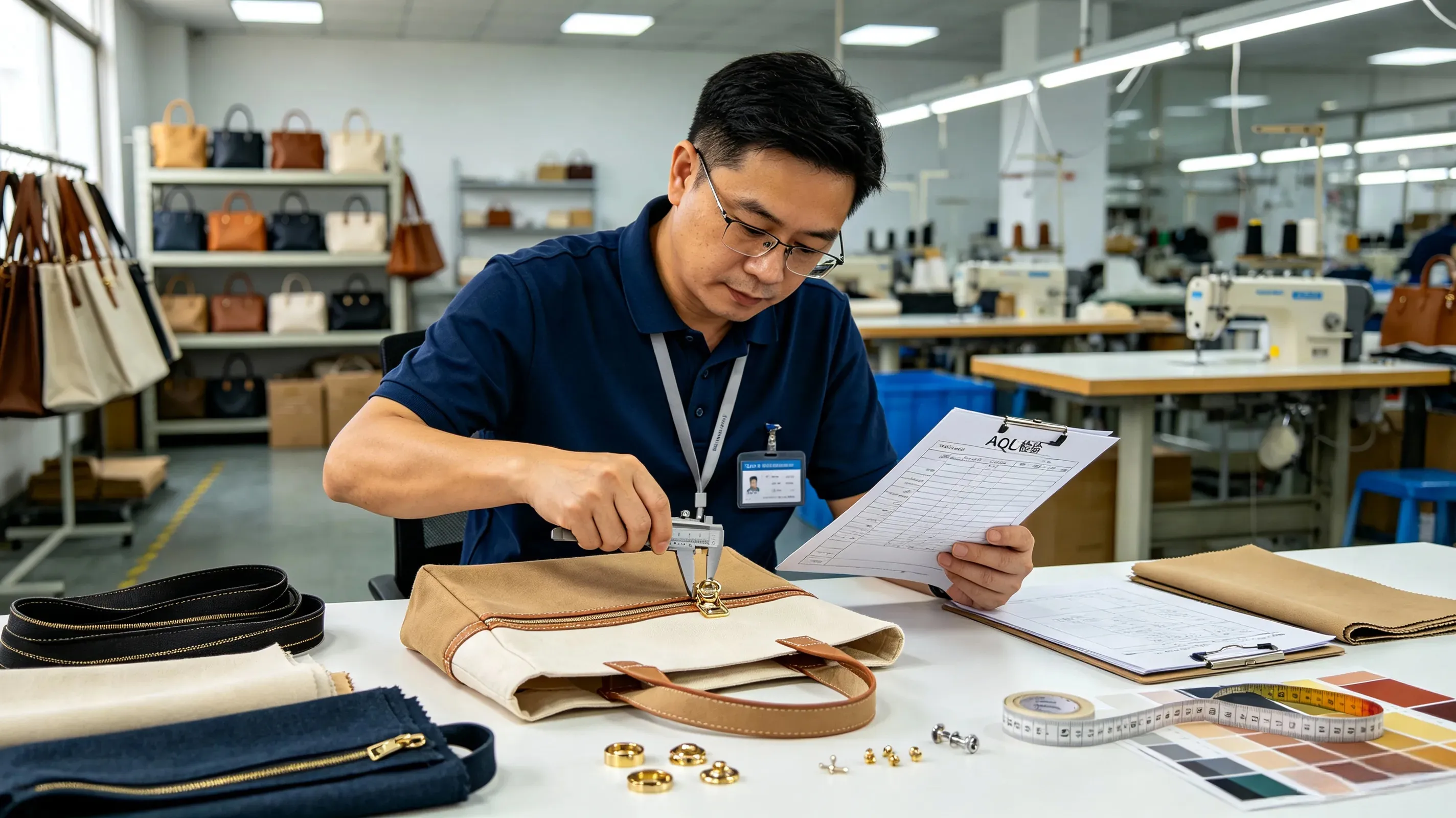
“Before shipment, every canvas pouch goes through zipper testing, stitching inspection, logo verification and AQL sampling. The teams in QC and sampling are separate for a reason — sampling creates the reference, QC verifies the bulk run matches it. That separation is what keeps our outgoing defect rate consistently under one percent.”

18.5. What B2B Buyers Say About Working With Dreamway
Three years of repeat orders leave a trail of customer feedback. Below are five verified testimonials from procurement managers, brand owners and private-label clients who have shipped multiple container loads of canvas pouches from our Guangzhou factory.
“We compared four China factories before choosing Dreamway for our private-label cosmetic pouch line. Two years and eight reorders later, color consistency across batches has been perfect — no rework, no chargebacks. Their OEKO-TEX paperwork was the cleanest in our supplier pool.”
“The first 200-piece sample run for our cotton drawstring jewelry pouch came back within nine days with a near-perfect pre-production sample. By the third reorder, they had already pre-locked the dye lot reference — a small detail that saved us about USD 1,800 per batch on re-sampling fees.”
“We needed a European-language tech pack converted into a Chinese factory-ready spec, plus RPET canvas sourced under GRS. Emily’s team handled both without friction. The shipment arrived in Hamburg on the third day of the agreed window — that is unusual in this industry.”
“Our back-to-school program ships 80,000 canvas pencil pouches in a six-week window. We were nervous about zip-quality variance across such a large run. Dreamway’s inline QC caught a misaligned zipper pull on day three and replaced the affected lot before it ever reached final inspection. Our customer service tickets that season dropped to nearly zero.”
“We chose Dreamway for three reasons: real factory photos that match their certificates, an AQL 2.5 default instead of the industry-standard 4.0, and a sales team that picks up the phone. After five containers of mixed cosmetic and gift pouches, we have not had a single shipment held at customs.”
19. Frequently Asked Questions
Below are the questions our sales team hears most often. If yours isn’t here, drop us a line — we add to this list every quarter.
What is the MOQ for a canvas pouch?
200 pieces for stock fabric and standard colorways. Custom Pantone colors typically require 500–1,000 pieces.
Can I mix colors in a single order?
Yes. Most factories support 2–4 colors per 1,000-piece run, with a minimum of 200 pieces per color.
Can I mix sizes in a single order?
Yes, up to three size codes per 1,000 pieces, with 200 pieces per size as a practical floor.
Which canvas is best for my application?
For cosmetic, gift and stationery pouches, 10oz cotton canvas is the most versatile. For RPET and sustainability programs, 10–12oz RPET canvas. For premium gift sets, 12oz organic cotton.
What zipper is most durable?
A #5 nylon coil zipper with a metal pull offers the best balance of cost, smooth operation and durability for canvas pouches. For premium lines, choose #5 metal zippers with antique-brass or matte-black finish.
Do you provide OEM service?
Yes — full OEM, ODM and Private Label programs are available, including tech-pack review, sampling, mass production, retail packaging and shipping.
Can I print on the inside of the pouch?
Yes. Screen printing and DTF both work on lining fabric. Allow for one extra setup and confirm ink-fastness on the chosen lining material.
Can I use Pantone colors?
Yes. Provide a Pantone C or U reference at quote stage. We can also dye to a physical swatch for an additional setup fee.
How long does production take?
Sampling takes 7–12 days, mass production 20–35 days for 1,000–3,000 pieces. Shipping depends on the Incoterm chosen.
Do you offer eco-friendly materials?
Yes — organic cotton (GOTS), RPET canvas (GRS), and natural cotton are all in regular rotation. We can also source recycled cotton blends on request.
Can I order samples?
Yes. Stock samples are usually free (buyer pays courier). Custom PPS samples carry a fee that’s fully refundable against a bulk order.
Do you provide custom packaging?
Yes — OPP bag, individual gift box, recycled mailer, FBA prep, hang tags and barcode labels are all available.
What certifications are available?
OEKO-TEX, GRS, GOTS, BSCI, REACH, Prop 65 and PFAS-free statements are all available. Specific documents depend on the chosen fabric and trim chain.
What file format should I provide for artwork?
AI, CDR or PDF at vector format with outlined fonts. For raster artworks, supply 300dpi PNG or PSD at finished size.
How do you inspect quality?
AQL 2.5 standard inspection for general orders, AQL 1.5 for premium orders. Inline and final QC are both documented and available to the buyer.
Ready to Spec Your Canvas Pouch Program?
Dreamway supplies OEM, ODM and private-label canvas pouches from a single production line in Guangzhou.
Website: www.gzdreamway.com
Professional Bag & Silk Product Manufacturer | Guangzhou, China