The Complete Factory Guide to Canvas Dust Bags for Luxury Brands
How Premium Brands Source Custom Cotton & Canvas Dust Bags from China
1. What Is a Canvas Dust Bag?
A canvas dust bag is a soft, breathable protective pouch used by luxury brands to wrap, store, and ship high-value items. The true purpose of a dust bag is far more strategic than simple packaging — it is a silent ambassador of the brand, the first tactile surface the customer touches, and the final safeguard that protects craftsmanship from the moment a handbag leaves the atelier to the day it becomes a cherished heirloom.
Almost every luxury house — from European leather maisons to independent watchmakers and fine jewelry ateliers — wraps its most precious creations in a fabric dust bag. Inside every Hermès Birkin, every Rolex Submariner, every pair of Christian Louboutin heels, and every Bottega Veneta clutch, there is a simple cotton or canvas envelope doing quiet but essential work. The dust bag shields the product from dust, light scuffs, and humidity, while communicating the brand’s visual language through a discrete printed logo, a tonal ribbon, or a custom-woven label.
For B2B buyers and sourcing managers, understanding the role of the dust bag is the first step in elevating it from a commodity accessory to a strategic brand asset. Whether your project falls under cotton dust bag, canvas dust bag, or premium luxury dust bag categories, the manufacturing principles remain the same: breathable fibers, precise stitching, refined hand-feel, and flawless logo reproduction.
Circular-Economy Thinking: How a GOTS-certified cotton dust bag completes a sustainable lifecycle in luxury packaging
Where Dust Bags Are Used
Luxury handbags: The most common application — every leather tote, crossbody, and clutch ships with a branded dust bag inside the box.
Designer shoes: High-end footwear uses larger gusseted dust bags to prevent creasing and surface contact between pairs.
Watches and jewelry: Fine watches and jewelry rely on soft cotton pouches to protect polishing and gemstones from micro-scratches.
Luxury accessories: Silk scarves, leather wallets, belts, and small leather goods all benefit from soft fabric enclosures.
Travel and storage: Premium owners use dust bags during travel and long-term storage to keep collectibles in pristine condition.
2. Why Luxury Brands Use Canvas Dust Bags
Every luxury brand faces the same challenge: how to protect exquisite craftsmanship while reinforcing the brand story at every unboxing moment. The canvas dust bag elegantly solves both demands with a single, understated accessory.
Protection Functions
The primary engineering purpose of a dust bag is protection, and the materials chosen must perform against four specific threats:
Dust: Tightly woven cotton and canvas fibers prevent fine particles from settling on leather, suede, and metal hardware.
Moisture: Natural fibers absorb and release ambient humidity, preventing the mildew and drying-out that plague synthetic packaging.
UV light: Opaque canvas blocks light that would otherwise fade dyes, dry out leather, and degrade organic materials over years of storage.
Scratches and abrasion: Soft fabric separates the product from the outer carton, the gift box, and adjacent items during shipping and handling.
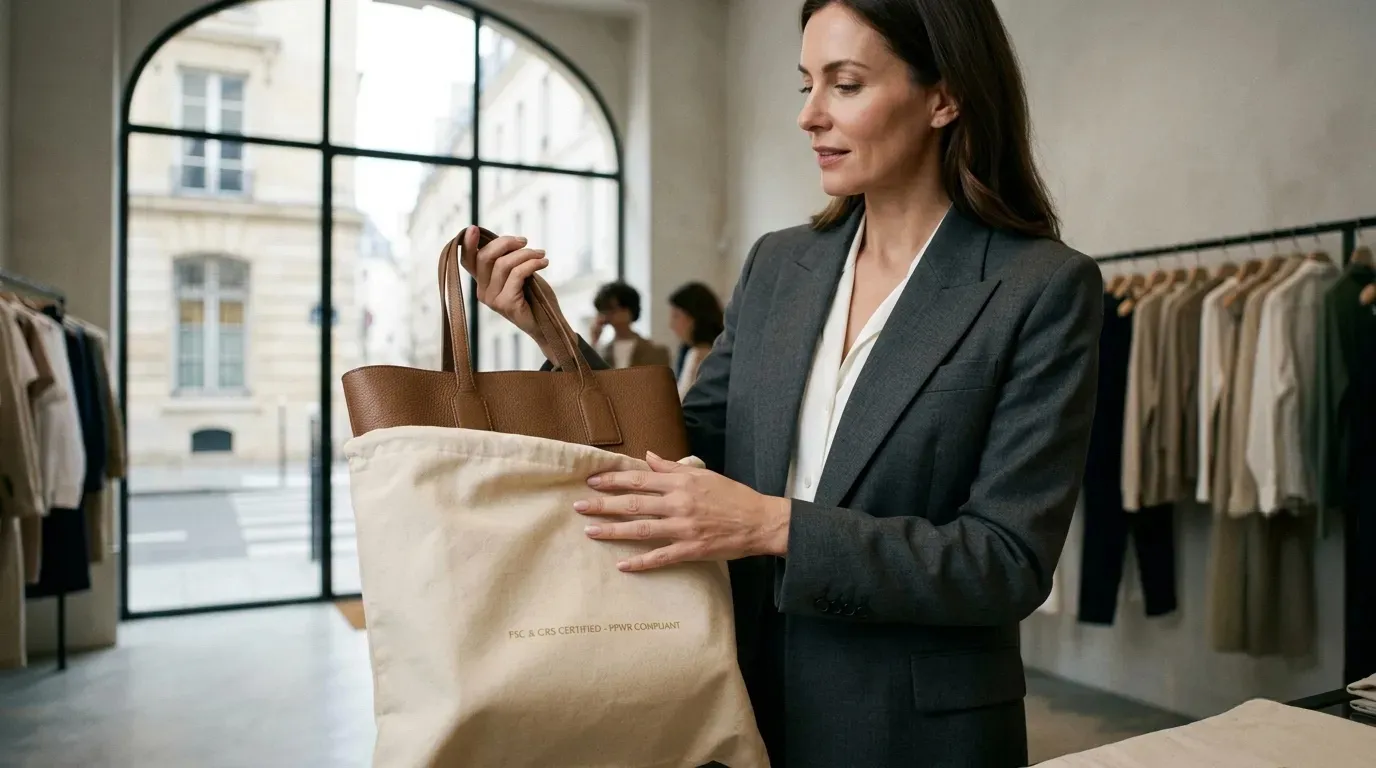
B2B Sourcing in Paris: How luxury boutiques evaluate canvas dust bag quality and sustainability credentials
Brand and Experience Functions
Beyond physical protection, dust bags deliver two of the most valuable marketing moments in luxury retail: the photograph and the unboxing. A luxury dust bag supplier understands that the pouch is photographed for resale listings, kept in customer storage closets for years, and shown to friends during gifting. Every detail — fabric hand-feel, drawstring weight, logo clarity — shapes how the customer perceives the brand long after the transaction.
For brands investing in branded dust bags, the goal is to transform a protective sleeve into a tactile brand artifact. Premium natural cotton, refined drawstring ribbons, and Pantone-matched logo prints all contribute to this elevated perception.
3. Canvas vs. Cotton vs. Muslin vs. Non-woven vs. Polyester Dust Bags
Choosing the right fabric is the single most consequential decision in dust bag specification. Each material family offers a unique combination of price, durability, print quality, and sustainability — and the optimal choice depends on your product positioning, customer expectations, and price point.
Tech accessories, sports bags, photographic prints
Why Canvas Dominates the Luxury Segment
Canvas — a heavyweight, plain-weave cotton fabric — has become the benchmark material for premium dust bags because it combines a substantial hand-feel with excellent dimensional stability. The denser weave holds printed logos with crisp edges, supports tonal dye consistency across production batches, and ages beautifully over years of customer use. When sourced as GOTS-certified organic cotton canvas, the material also delivers a tangible sustainability story that increasingly influences purchasing decisions across Europe and North America.
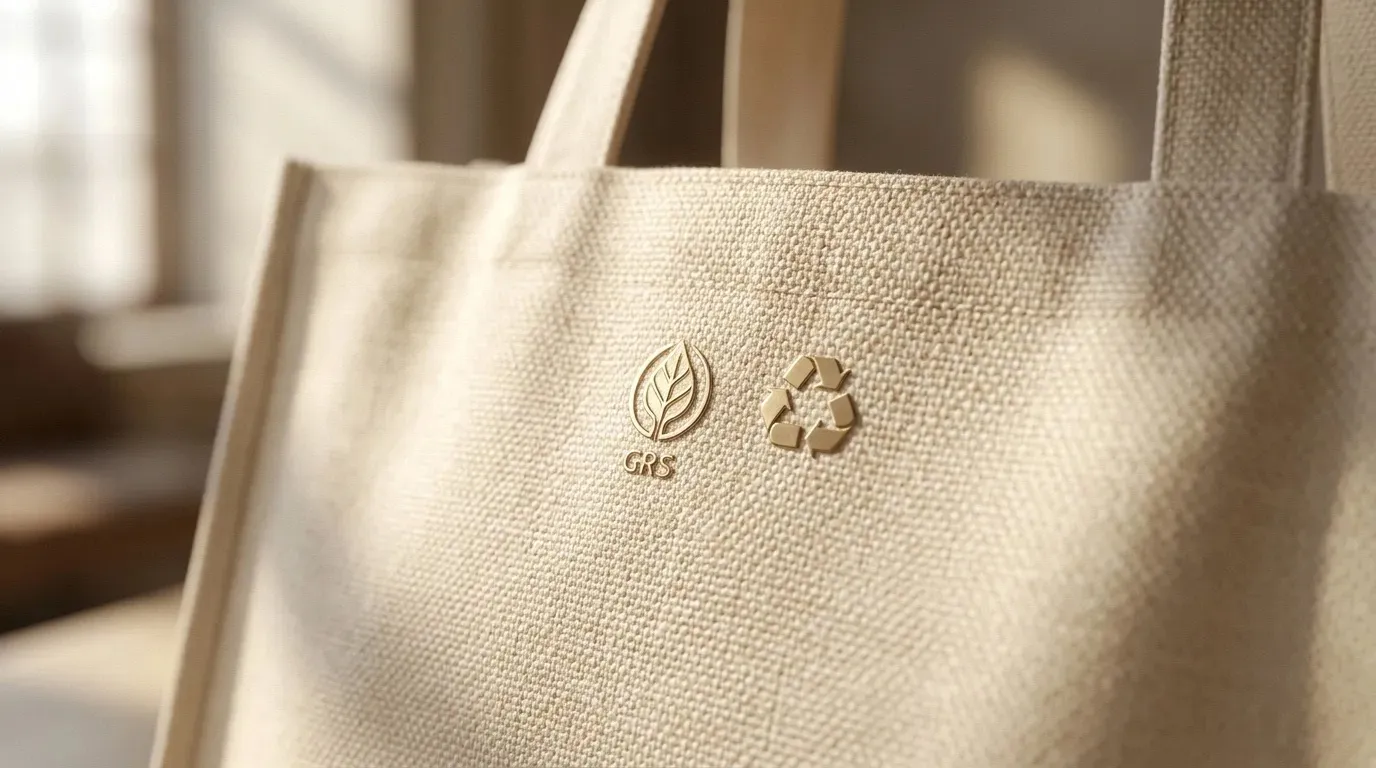
GRS-certified Recycled Fabric: Refined hand-feel and texture that rival virgin cotton — without compromising sustainability
For a deeper comparison of canvas weights, weaves, and finishing options, see our related Canvas Materials Guide for buyers.
4. Canvas Dust Bag Styles: A Visual Encyclopedia
Style selection shapes the entire customer experience. A drawstring pouch evokes heritage and ritual, a flat envelope signals restraint and minimalism, and a gusseted storage bag communicates generosity and care. Below is a complete typology of the canvas dust bag styles our factory regularly produces for global brands.
Drawstring Dust Bag
The classic silhouette. A single cotton or polyester cord threads through the top hem, allowing the bag to cinch closed with a gentle pull. Used by heritage houses for shoes, scarves, and small leather goods. Available with single or double channels.
Flat Dust Bag
A simple rectangular envelope without a closure, folded over at the top and sealed with a discreet logo sticker or branded tissue. Favored by minimalist Scandinavian and contemporary ready-to-wear labels.
Bottom Gusset Dust Bag
Adds a folded bottom panel that expands to accommodate three-dimensional objects. Essential for structured handbags, boot storage, and any product that needs a free-standing pouch rather than a flat sleeve.
Large Storage Dust Bag
Oversized format for travel, seasonal wardrobe storage, and luxury blanket or quilt packaging. Typically features reinforced corners and a double-pull drawstring for heavier loads.
Double Drawstring Dust Bag
Two parallel channels allow the user to tighten the top evenly and produce a clean gathered finish. Often used for premium footwear and structured totes where presentation matters.
Luxury Ribbon Closure
Replaces the cord with a satin or grosgrain ribbon threaded through metal eyelets. The most refined closure option — favored by ultra-luxury maisons and bridal accessory brands.
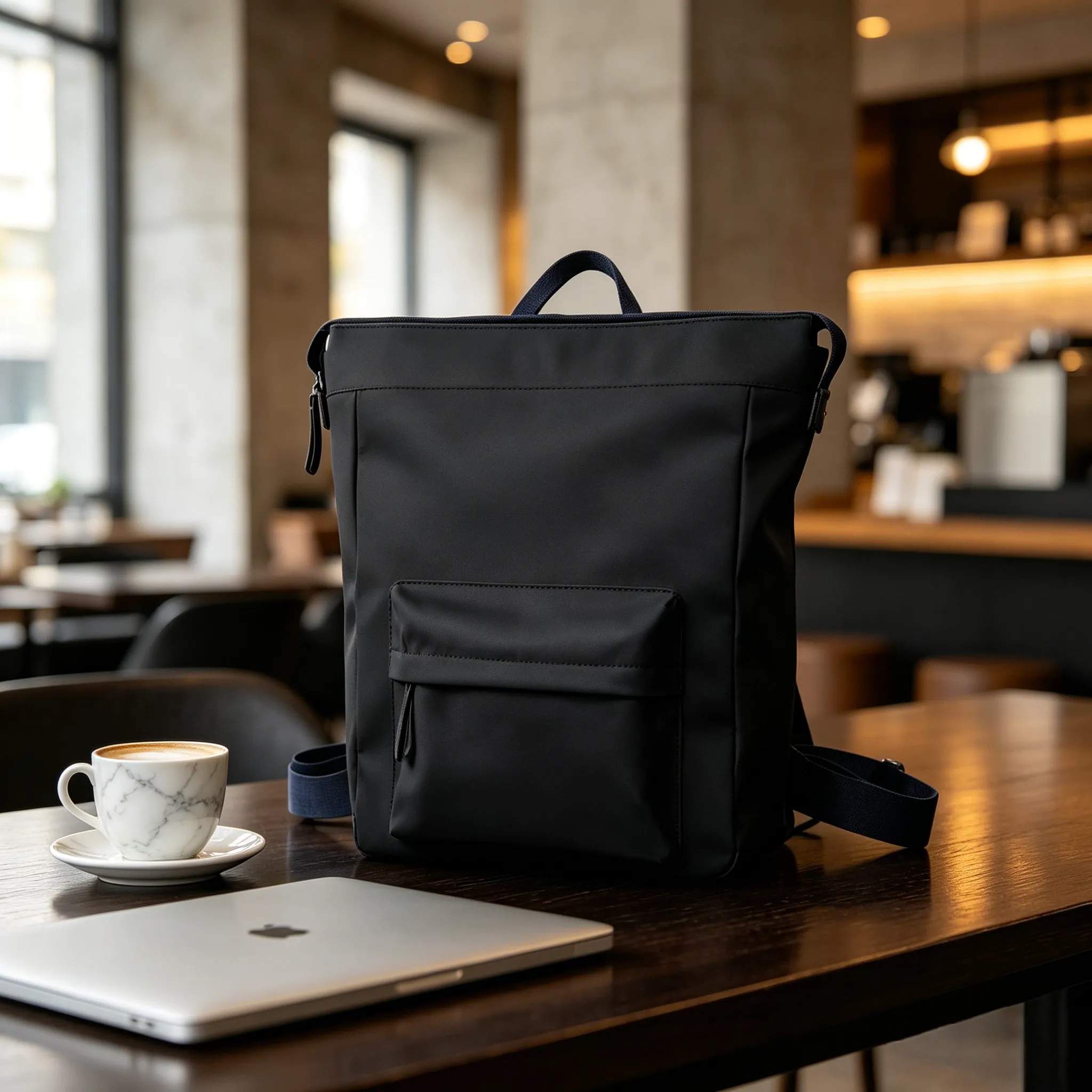
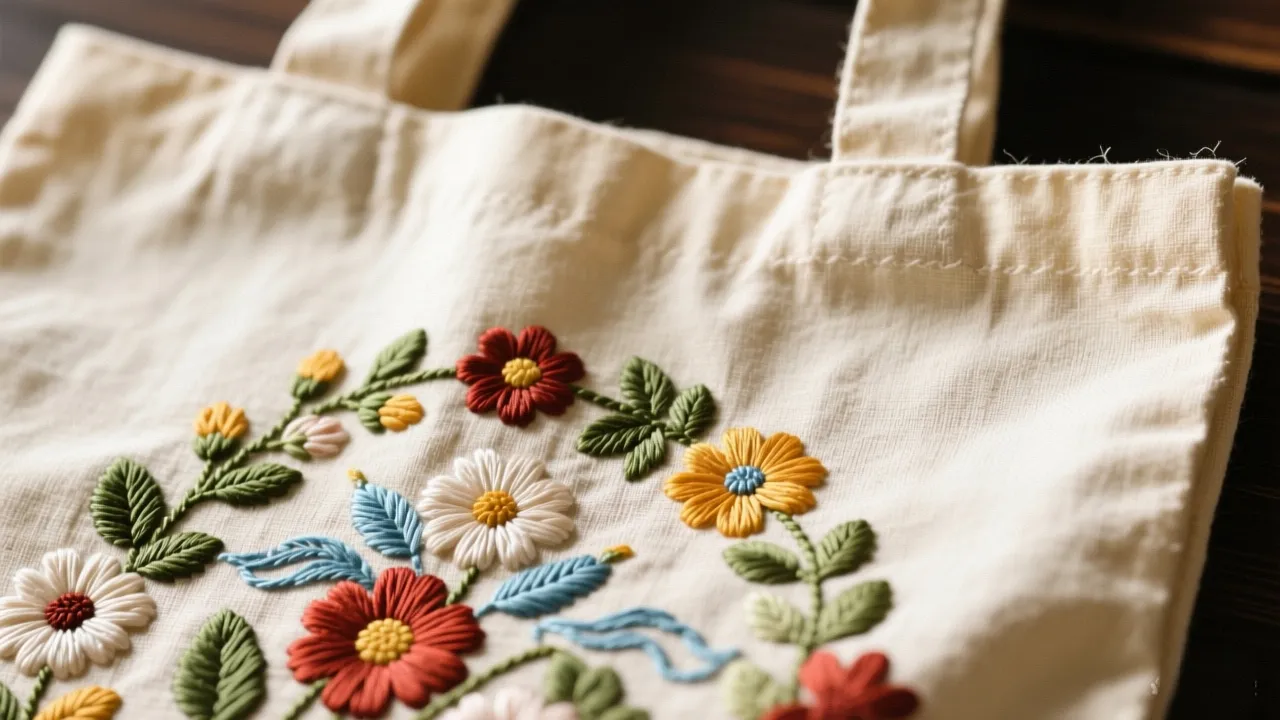
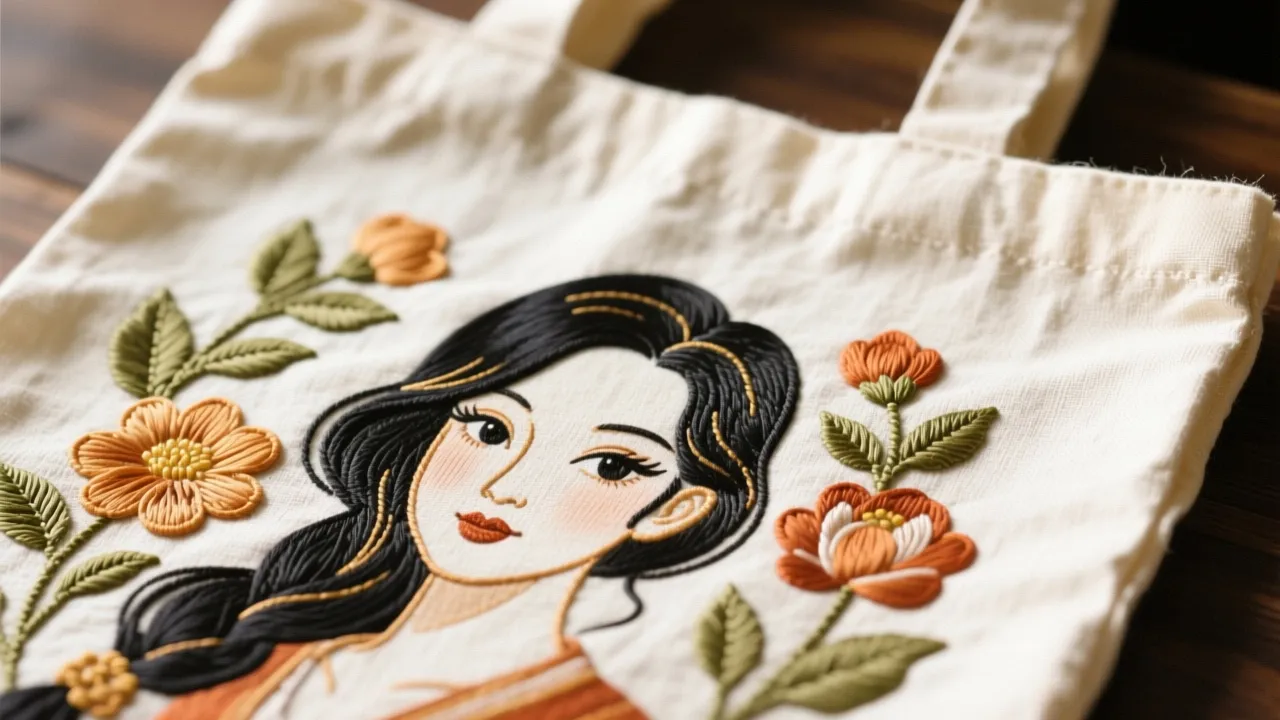
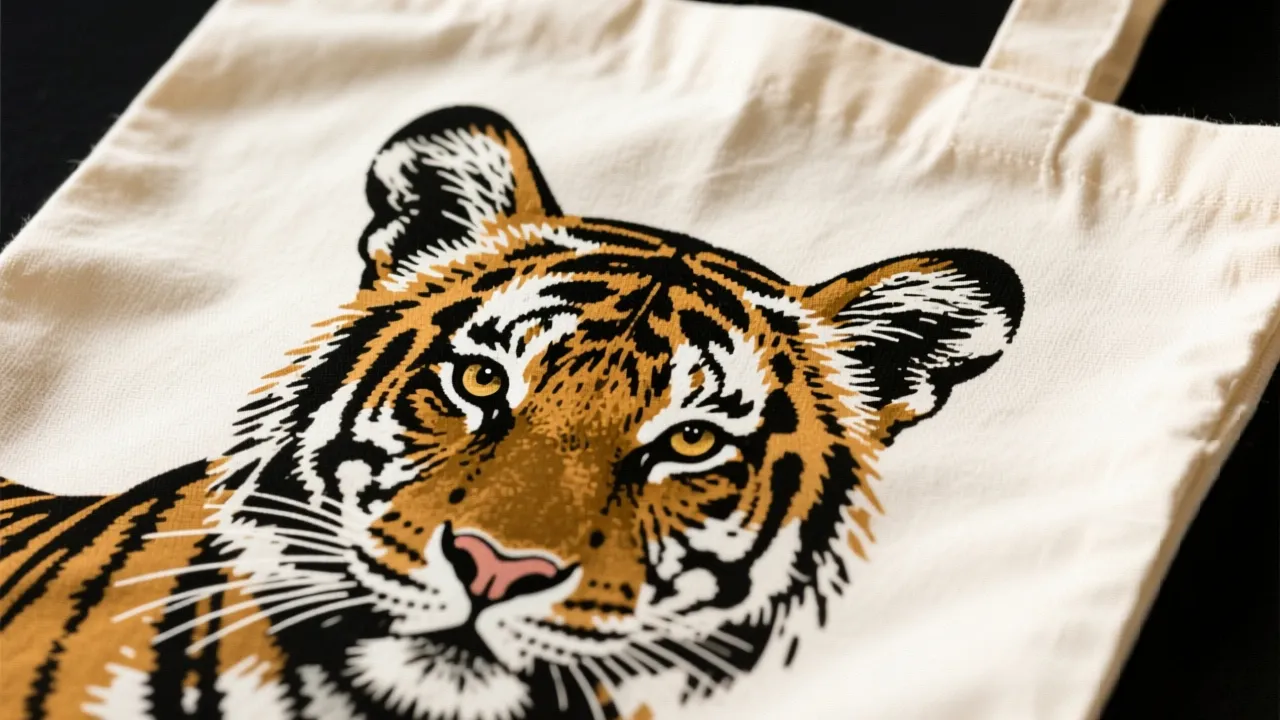
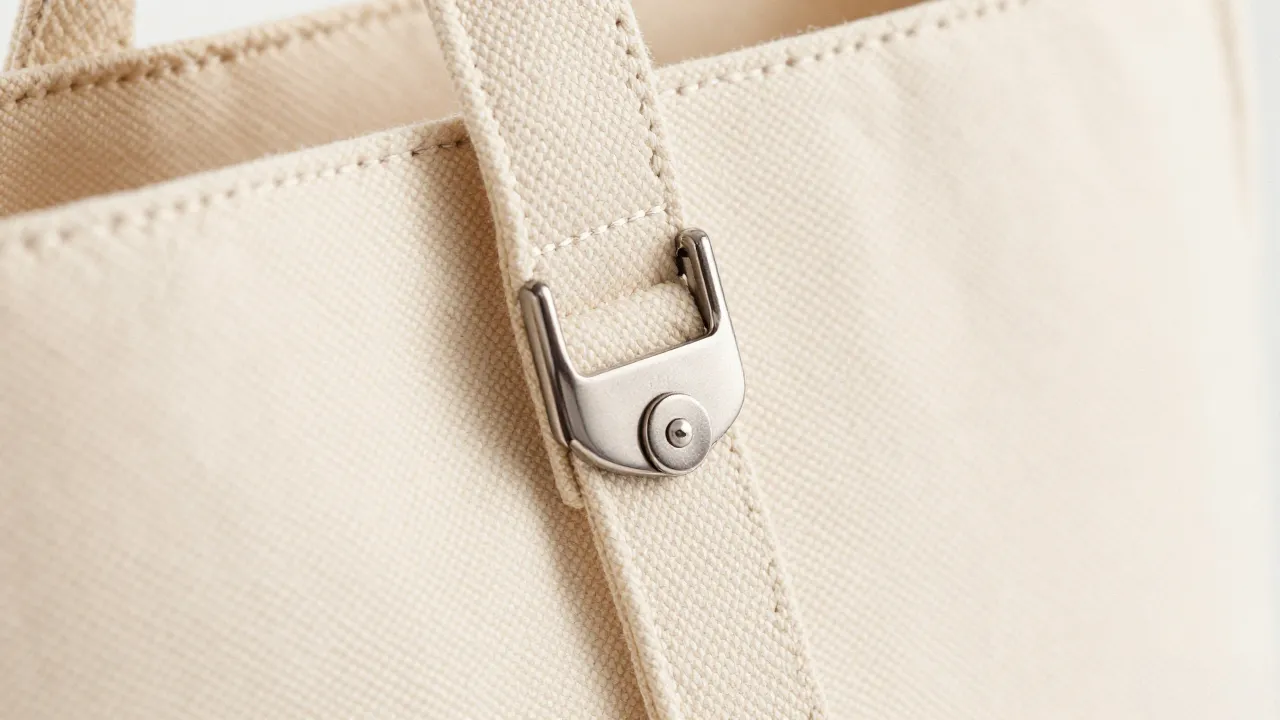
Luxury Backpack & Its Canvas Dust Bag: A coordinated packaging statementCanvas Tote in Context: When the dust bag becomes a daily companionBlank Canvas: The starting point for custom brand storytelling
5. Fabric Weight Guide: Choosing the Right Canvas Weight
Canvas weight, measured in ounces per square yard (oz) or grams per square meter (GSM), determines the dust bag’s hand-feel, durability, and price point. The right weight depends on what you are protecting and how the customer will interact with the dust bag over its lifetime.
For most luxury handbag applications, the industry default sits between 8oz and 10oz — substantial enough to feel premium in the hand while still folding neatly into a gift box. Lighter 4oz–6oz weights suit jewelry and silk products where drape and softness matter more than structure. Heavier 12oz weights are reserved for heritage houses, archival storage, and travel-grade products where longevity is paramount.
For a comprehensive breakdown of weave, finish, and certification options, see our Canvas Fabric Weight Guide.
6. Printing Options: Bringing Your Logo to Life
The way your logo is applied to the dust bag is the single most visible brand expression. Modern canvas bag printing offers six principal techniques, each with distinct advantages in cost, durability, and visual character.
Screen Printing
The workhorse of the industry. Ink is pushed through a mesh screen onto the canvas, producing crisp opaque logos with excellent Pantone color matching. Ideal for one-to-four color logos in medium to large production runs.
Heat Transfer Printing
A printed film is heat-pressed onto the fabric, enabling photographic detail, gradients, and complex multi-color artwork. Excellent for limited editions and artist collaborations.
Digital Direct Printing
Modern digital printers deposit ink directly onto the canvas, allowing low-MOQ full-color customization without screen setup fees. Perfect for sampling, e-commerce brands, and complex patterns.
Embroidery
Thread-stitched logos convey heritage, craftsmanship, and permanence. Embroidery is the premium choice for monograms, crests, and minimalist luxury marks where tactile dimension matters.
Woven Label
A separately woven label is sewn onto the dust bag — often on the outside corner or inside seam. Woven labels deliver ultra-refined logo detail and are the preferred choice for couture houses.
Leather Patch
A small piece of leather or PU is debossed or foil-stamped with the logo and stitched to the canvas. Used by heritage leather brands to reinforce the material connection between the dust bag and the product it protects.
Logo Placement Strategy
Most luxury dust bags place the logo in one of three positions: centered on the front lower-third (the most visible position when the bag stands upright), centered on the drawstring channel (visible when the bag is cinched closed), or discreetly inside the seam (favored by minimalist houses). The choice depends on your brand’s visual rhythm: bold and present, or quiet and refined.
Embroidery Detail: Thread-by-thread craftsmanship for premium logo applicationMacro Embroidery: The density and precision that define luxury-grade stitchingDigital Direct Print: Photographic clarity and gradient capability on natural canvas
7. Drawstring Options: The Finishing Detail That Matters
The drawstring is the dust bag’s interactive moment — the point where the customer physically engages with the product. Choosing the right cord, ribbon, or end-cap transforms the opening ritual from functional to ceremonial.
Cord and Rope Materials
Cotton rope: The traditional choice. Soft, natural hand-feel, fully biodegradable. Slightly thicker diameter creates an heirloom quality. Pairs naturally with unbleached or natural canvas.
Polyester rope: Higher tensile strength, color-fast, and uniform diameter. The practical choice for larger bags and high-volume production. Available in a wide color range.
Waxed cotton rope: A heritage detail. The wax coating gives a subtle sheen, water resistance, and a satisfying grip. Used by British and Americana-style brands.
Satin or grosgrain ribbon: The luxury choice. Replaces the cord entirely with a flat ribbon for a softer, more refined closure. Available in custom widths and Pantone-matched colors.
End Cap and Hardware Options
The drawstring end caps — the small finishing pieces at each end of the cord — are an often-overlooked detail that quietly signals quality. Options include:
Heat-sealed or knotted ends: The simplest, most economical solution, appropriate for cotton and polyester cord.
Metal aglets (tips): Brushed brass, antique silver, or polished nickel sleeves that slide over the cord ends. The classic luxury signal.
Plastic end caps: Cost-effective, color-matched, and uniform. Used in mid-market and large-volume production.
Custom logo end caps: Metal or molded tips engraved or cast with the brand mark — the ultimate finishing detail for ultra-premium dust bags.
Hardware Hierarchy: From molded plastic to cast metal — the finishing detail customers remember
8. Manufacturing Process: From Raw Canvas to Finished Dust Bag
Understanding the production journey — and the inspection points within it — empowers buyers to specify with confidence and to verify incoming shipments against documented standards.
Step 1: Fabric Inspection
Every roll of canvas is checked on arrival for weight (GSM), tensile strength, color consistency, and weave uniformity. Any fabric showing weaving defects, dye variation, or contamination is rejected before cutting.
Step 2: Pattern Making and Cutting
Digital patterns are programmed into CNC cutting machines that slice fabric panels within ±3mm tolerance. Automated cutting dramatically reduces material waste and ensures that every dust bag in a production lot shares identical dimensions.
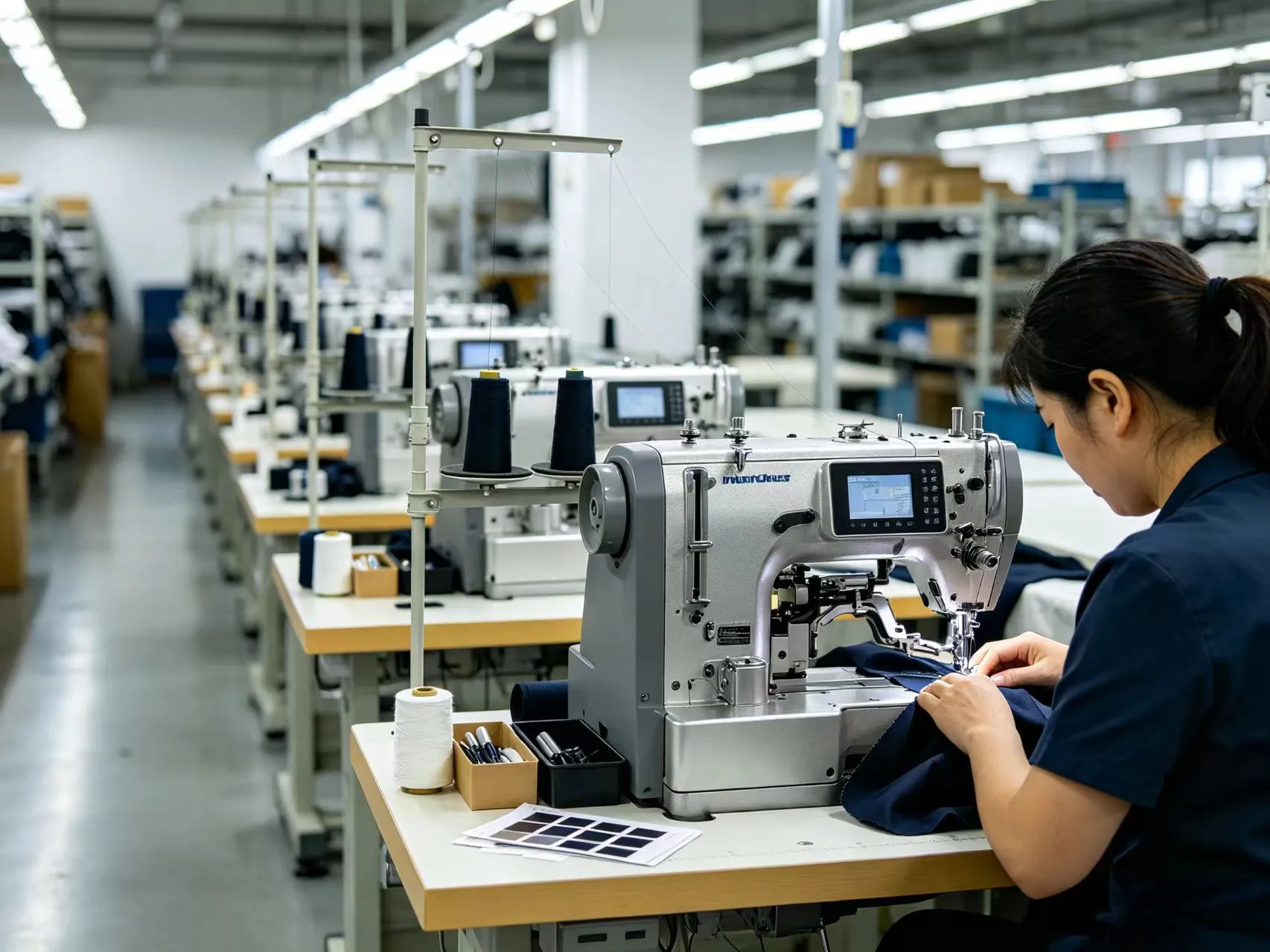
Manufacturing Foundation: Modern equipment and skilled craftspeople ensure consistent dust bag quality
Step 3: Printing or Embroidery
Logo artwork is applied either by screen printing, heat transfer, digital direct print, or embroidery depending on the spec. Pre-production samples are always produced and approved by the client before mass production begins.
Step 4: Sewing Assembly
Skilled sewing operators assemble the cut panels using industrial sewing machines, with double-stitched seams at stress points and bar-tack reinforcement at the drawstring channel exits.
Step 5: Drawstring Installation
The cord or ribbon is threaded through the top hem channel, end caps are attached (if specified), and the closure is tested for smooth operation and secure cinching.
Step 6: Ironing and Finishing
Each dust bag is steam-pressed to remove production creases, ensuring a crisp presentation when the bag is opened by the customer.
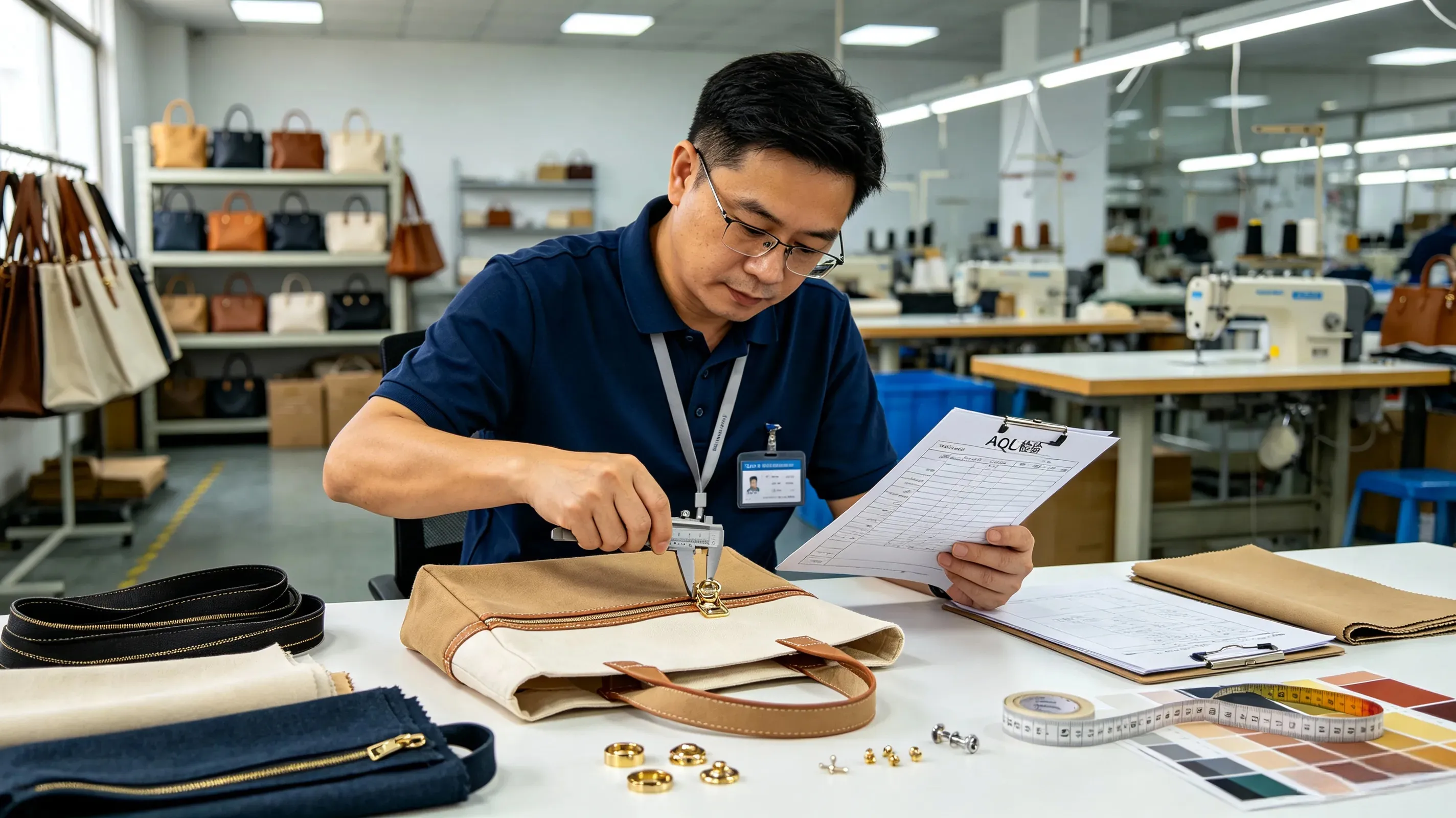
Step 7: Quality Control
Final inspection verifies dimensions, stitching quality, print clarity, drawstring function, and overall appearance. AQL sampling standards apply.
Step 8: Packing
Dust bags are folded according to the client’s preferred retail format, polybagged to prevent dust and moisture during shipping, and packed into export cartons with internal dividers to prevent compression creases.
For a deeper look inside our facility, see our Inside a Factory article.
9. Quality Control Checklist: What Every Canvas Dust Bag Must Pass
Quality is not a single inspection at the end of the line — it is a discipline embedded into every step of the production process. The checklist below represents the minimum verification protocol applied to every dust bag that leaves our facility.
Kevin
Pattern Development Engineer 15 years experience in bag pattern making across leather, canvas, nylon, and technical fabrics
The Eight-Point Quality Control Checklist
Fabric GSM verification: Confirmed against the approved pre-production sample before cutting.
Logo position: Centered placement within ±2mm of the approved artwork coordinates.
Color difference (Delta E): Pantone-matched dye or print verified against the approved color standard.
Seam strength: Pull-tested to a minimum threshold; seam slippage and breakage recorded as defects.
Drawstring pull test: Each bag is cinched and released a minimum of 10 times to verify smooth operation and channel integrity.
Size tolerance: Width, height, and gusset dimensions verified within ±5mm of the tech pack specification.
Needle detection: Every production batch passes through industrial needle detectors to identify any broken needle fragments.
Packing inspection: Final folded presentation, polybag seal, and carton packing verified before container loading.
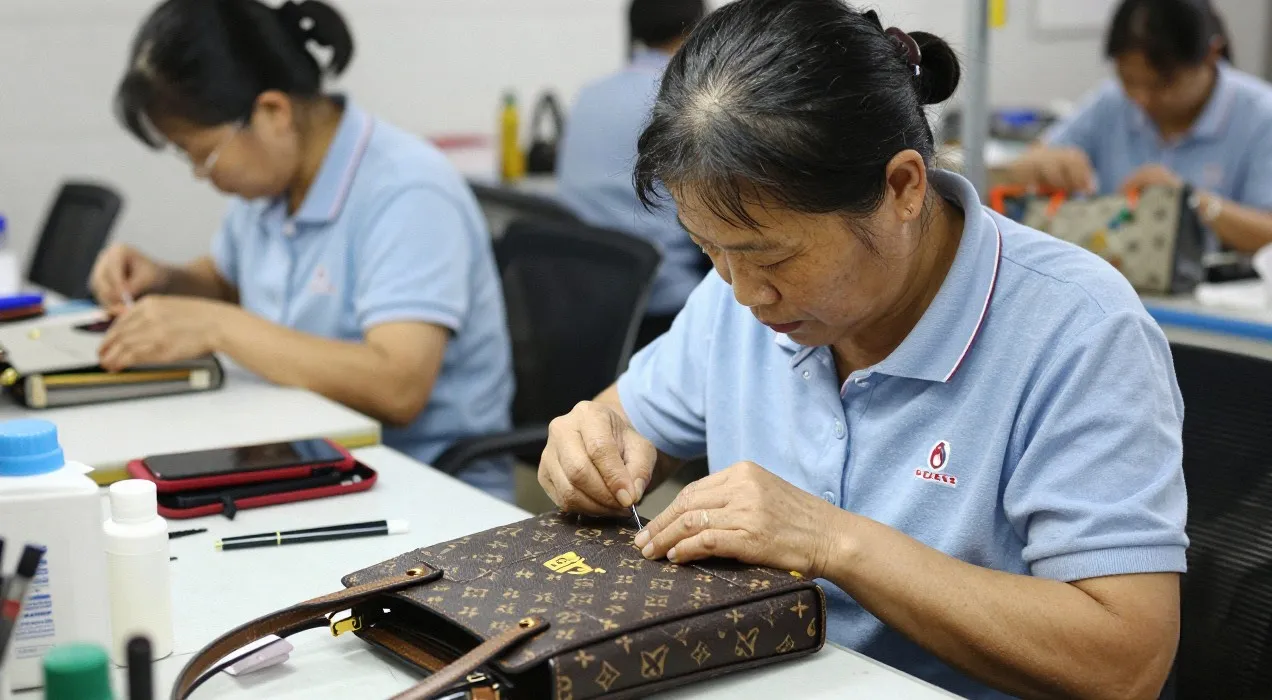
Manufacturing Foundation: Top-tier equipment and meticulous craftsmanship build the production capacity behind every dust bag
Kevin, our Senior Pattern Development Engineer, explains: “Every dust bag we ship has been inspected at least three times — at fabric intake, after sewing, and before packing. AQL 2.5 standards are non-negotiable. We’ve found that the brands who stay with us for years are the ones who ask the most questions during sampling — that’s how we both win.”
Digital Quality Closed Loop: Real-time MES monitoring prevents risk at every manufacturing stage
Disclaimer
Material performance, printing durability, certifications, and production capabilities referenced in this article may vary depending on fabric specifications, artwork, order quantity, and customer requirements. Buyers should confirm all technical specifications, compliance requirements, and sample approvals before mass production.
10. OEM & Private Label Services
Modern brands rarely manufacture in-house. The OEM (Original Equipment Manufacturer) and ODM (Original Design Manufacturer) models allow brands to outsource production while retaining full control over design, materials, and brand identity. Our factory supports both models with flexible service tiers.
OEM Services
In an OEM engagement, the brand provides complete specifications — fabric, dimensions, logo artwork, hardware — and the factory manufactures to those specifications. This model suits established brands with in-house design teams and clear technical packs.
ODM Services
For emerging brands without dedicated product development resources, our ODM service offers ready-to-customize dust bag designs with adjustable dimensions, materials, and logo applications. Our in-house design team can also develop new patterns from scratch based on a brand brief.
Private Label Components
Beyond the dust bag itself, a complete private label package typically includes:
Hangtags: Cardboard or kraft tags printed with the brand logo, product name, and barcode.
Sticker labels: Self-adhesive seals for the dust bag closure or the gift box exterior.
Barcode stickers: EAN-13, UPC, or custom QR-coded labels for retail scanning and inventory management.
Retail packaging: Branded gift boxes, outer cartons, and protective tissue that complete the customer unboxing experience.
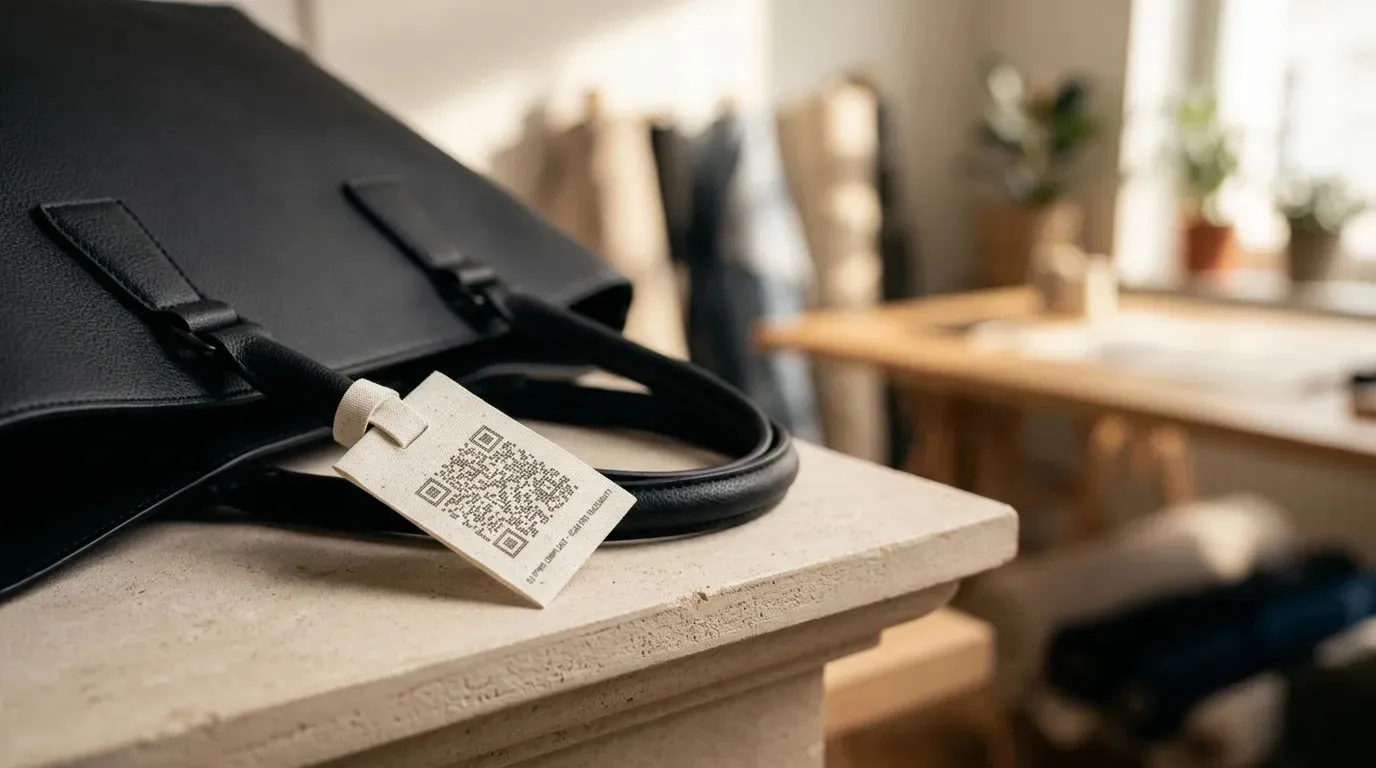
Digital Product Passport Ready: QR-coded labels supporting EU DPP and PPWR traceability compliance
11. MOQ Guide: Minimum Order Quantities Explained
Minimum order quantities exist to amortize setup costs — fabric sourcing, dye matching, screen making, and cutting preparation — across a viable production run. The more customization required, the higher the MOQ. Understanding this logic helps brands plan their inventory and budget effectively.
Order Type
MOQ
Why
Stock (no customization)
100 pcs
Reuses existing fabric stock, dies, and print screens
Custom (fabric + logo)
300 pcs
Covers fabric sourcing minimum, dye lot setup, and screen preparation
Embroidery logo
500 pcs
Embroidery programming and thread setup add fixed cost
Luxury packaging suite
1,000 pcs
Coordinated dust bag, hangtag, sticker, and box require multi-line production scheduling
For brands that need a smaller first run, our factory also offers stock-color options (natural, black, white, beige) at 100-piece MOQ, allowing emerging brands to enter the market without committing to full custom production.
12. Pricing Factors: What Determines Your Per-Unit Cost
Dust bag pricing is rarely a single number. It is the sum of six interacting cost drivers, and understanding each helps buyers optimize their specification for value rather than chasing the lowest headline price.
Fabric
Heavier weights, GOTS-certified organic cotton, and custom-dyed colors all add material cost. Stock colors and standard weights offer the most competitive pricing.
Printing
Screen print setup is amortized across volume; digital print has minimal setup but higher per-unit ink cost. Embroidery and leather patches command premium pricing.
Embroidery
Embroidery cost scales with stitch count and thread color changes. Simple monograms are economical; complex crests with multiple colors are premium.
Drawstring
Standard cotton cord is economical; waxed rope, satin ribbon, and metal aglets add cost but elevate the perceived quality of the dust bag.
Packaging
Bulk polybag packing is the most economical. Individual folding, branded stickers, and gift-ready retail packaging increase per-unit labor cost.
Order Quantity
Volume discounts apply across all cost categories. Larger orders unlock better fabric pricing, reduced setup amortization, and preferential production scheduling.
Transparent Cost Structure: How labor, materials, and overhead combine in every dust bag you order
13. Typical Lead Time: From Artwork to Delivery
Lead time for a custom dust bag order is the sum of six sequential stages, each with its own duration. Planning ahead — particularly around seasonal launches and holiday gifting cycles — prevents costly air-freight upgrades and stockout scenarios.
Stage
Duration
Description
Artwork
1–3 days
Logo file preparation, Pantone matching, artwork approval
Sampling
7–10 days
Pre-production sample production and DHL delivery to client
Approval
3–5 days
Client review, revisions if needed, final production sign-off
Sea or air freight to destination port or warehouse
For a detailed breakdown of how to compress these timelines for rush orders, see our Lead Time Guide.
14. How to Choose a Reliable Canvas Dust Bag Manufacturer
The wrong manufacturing partner can cost you more than money — it can cost you the customer relationship. Use this seven-point checklist to evaluate any potential dust bag supplier before signing a purchase order.
✔ Material sourcing transparency: Can the factory document the origin, weight, and certifications of their canvas?
✔ In-house QC capability: Does the factory run AQL inspection with trained inspectors and documented protocols?
✔ Certifications: Are OEKO-TEX, GOTS, BSCI, or ISO certifications current and verifiable?
✔ Printing technology: Does the factory offer multiple printing methods in-house, or do they outsource critical branding steps?
✔ OEM/ODM experience: Can the factory share case studies of brands similar to yours in size and category?
✔ Lead time reliability: Does the factory commit to written lead times with penalties for missed shipments?
✔ Factory audit welcome: Is the factory open to third-party audits, video factory tours, and on-site client visits?
International Quality Certification: Adherence to ISO and BSCI global manufacturing standards
15. Case Study: How a European Luxury Leather Brand Solved Its Logo Fading Problem
Real case studies illustrate how the right manufacturing decisions translate into measurable business results. Below is a recent engagement our factory completed for a heritage European leather brand.
Client Profile
A third-generation French leather maison known for handmade shoes and small leather goods. Their products retail from €450 to €2,800, and they ship globally from a single Paris atelier.
The Challenge
The brand had been using a competitor’s dust bags for three years. Repeated customer complaints surfaced: the printed logo faded after a single season of closet storage, and the cotton canvas pilled against the smooth leather lining of their flagship loafers. The brand’s customer service team was replacing 8–10% of dust bags annually under warranty — a hidden cost of over €40,000 per year.
The Solution
Our factory reformulated the dust bag spec in three ways:
Switched to water-based screen printing ink instead of the plastisol ink the previous supplier used, eliminating the plasticizer migration that caused logo fading.
Upgraded to 10oz combed cotton canvas with a tighter weave, reducing surface pilling and providing a smoother hand-feel against leather.
Added a soft cotton lining strip along the dust bag’s interior back panel, creating a protective buffer between the printed canvas and the leather product.
The Results
Within 12 months of switching to the new dust bag spec, the French maison reported:
Logo fading complaints dropped to zero across more than 20,000 units shipped.
Reorder frequency increased 34% as customers began to collect and reuse the higher-quality dust bags.
Warranty replacement costs fell to under €3,000 annually — a 92% reduction.
Customer unboxing sentiment (measured through post-purchase surveys) rose from 7.2 to 9.1 out of 10.
This case study illustrates a principle that drives our work with every client: the dust bag is not an accessory to the product — it is part of the product experience. Investing in the right specification pays dividends across quality, customer satisfaction, and lifetime brand value.
16. Meet Our Team: The People Behind Every Dust Bag
Behind every well-made dust bag is a team of specialists who care about details most customers never see. We believe in introducing the people who handle your project — because trust in manufacturing is built person by person, not just company by company.
Emily
Senior Project Manager 12 years in OEM bag manufacturing · manages 15–25 active projects simultaneously
Kevin
QC & Sampling Engineer 15 years experience in bag pattern making · leather, canvas, nylon, and technical fabrics
Our Production Foundation
Based in Shiling Town, Huadu District, Guangzhou — China’s historic leather goods manufacturing heartland — our facility houses modern cutting, printing, embroidery, and sewing lines supported by a small team of 30+ dedicated professionals. We have shipped to more than 50 countries and serve brands ranging from independent designers to established heritage houses.
Hands-On Craftsmanship: Every dust bag passes through skilled hands trained in detail and quality
17. Frequently Asked Questions
Below are the twelve most common questions we receive from brands sourcing custom dust bags. If your question is not answered here, our team is happy to provide a personalized response within one business day.
1. What fabric is best for luxury dust bags?
For most luxury applications, 8oz–10oz combed cotton canvas offers the optimal balance of hand-feel, durability, and price. For heritage and ultra-luxury positioning, 12oz heavyweight canvas delivers an heirloom quality. If sustainability is central to your brand story, specify GOTS-certified organic cotton.
2. What GSM should I choose?
For lightweight jewelry and silk applications, 4oz–6oz (135–200 GSM) is appropriate. For most luxury handbags, 8oz–10oz (270–340 GSM) is the industry standard. For heritage leather goods, archival storage, and travel-grade products, 12oz (410+ GSM) is recommended.
3. Can I print inside the dust bag?
Yes. Inside printing is common for branding on the dust bag’s interior panel, often using water-based ink. It is a popular option for minimalist brands who want the outside to remain clean and the inside to carry the brand mark.
4. Can I customize drawstrings?
Absolutely. We offer cotton rope, polyester cord, waxed cotton, and satin or grosgrain ribbon. Custom Pantone colors, end cap styles (knotted, heat-sealed, plastic, or metal aglets), and even custom logo end caps are all available.
5. Can I order different sizes in one production run?
Yes. Mixed-size production runs are common. Each size shares the same fabric and print, but the cutting pattern adjusts. Note that very small runs of each size may push the per-unit cost higher due to setup amortization.
6. Can I mix colors in one order?
Yes. Mixed-color orders are supported, with a typical minimum of 100 pieces per colorway. Custom Pantone dye matching is available for runs of 300+ pieces per color.
7. What is the MOQ?
MOQ starts at 100 pieces for stock-color dust bags with no customization, 300 pieces for custom fabric and logo, 500 pieces for embroidery, and 1,000 pieces for a full luxury packaging suite including hangtags and gift boxes.
8. Can you produce GOTS-certified organic cotton dust bags?
Yes. We source GOTS-certified organic cotton canvas from audited mills and can provide the GOTS transaction certificate for your compliance documentation. Lead time for GOTS orders is typically 5–7 days longer than standard cotton.
9. Are dust bags washable?
Yes, our canvas and cotton dust bags can be hand-washed or machine-washed on a gentle cycle in cold water. We recommend air-drying flat to preserve the shape and logo. Avoid bleach and high-heat tumble drying.
10. Can I add woven labels?
Yes. Woven labels are a popular premium upgrade. They can be sewn onto the exterior corner or hidden inside the seam. Custom weaving setup requires 2–3 additional days in the sampling stage.
11. Can you make shoe dust bags?
Yes. We produce custom shoe dust bags in a range of formats, including single-shoe envelopes, paired-shoe gusseted pouches, and travel sets. Reinforced bottom panels and tie closures are common upgrades for shoe dust bags.
12. Can you produce jewelry pouches?
Yes. Jewelry pouches typically use lighter 4oz–6oz cotton or muslin, often with a drawstring closure and optional interior card slot. We also offer velvet and satin alternatives for fine jewelry clients.
Ready to Source Your Custom Canvas Dust Bag?
Our small team of 30+ dedicated professionals has produced custom dust bags for luxury brands across 50+ countries. Whether you need 100 pieces for a boutique launch or 50,000 units for a global rollout, we bring the same attention to fabric, print, and stitching to every order.
MOQ starts at 200 pieces for custom bags and 50 pieces for silk products. Share your tech pack or brief today, and we will respond with a detailed quotation within one business day.
Trusted Partnership: Every contract we sign reflects our commitment to quality and customer satisfaction
Get in Touch
Our team is ready to discuss your next dust bag project — from material selection to delivery logistics.
Custom Crafted · Artisan Made · Direct from Source
As a leading canvas bag manufacturer in China, we combine decades of expertise with modern craftsmanship to deliver exceptional products for discerning brands worldwide.






.webp)