
PFAS Regulations Explained for Bags & Textiles
A Comprehensive Compliance Guide for Brand Owners, Importers, and Manufacturers
Introduction
Over the past few years, an increasing number of European and American buyers have been asking a critical question during supplier audits: “Is your product PFAS-free?”
This shift reflects growing regulatory pressure and consumer awareness around “forever chemicals”—a class of synthetic compounds that persist in the environment and human body for decades. The terms you may encounter include:
- PFAS Free — Products containing no per- and polyfluoroalkyl substances
- Forever Chemicals — Common nickname for PFAS due to their extreme persistence
- Fluorine-Free — Alternative materials without fluorine compounds
- Sustainable Materials — Eco-conscious alternatives that meet modern environmental standards
As regulations tighten across major markets—from the European Union to California, Canada, and beyond—PFAS compliance has evolved from an optional environmental consideration into a mandatory sourcing requirement. This comprehensive guide will equip you with the knowledge needed to navigate PFAS regulations, select compliant materials, and maintain the documentation that international buyers expect.
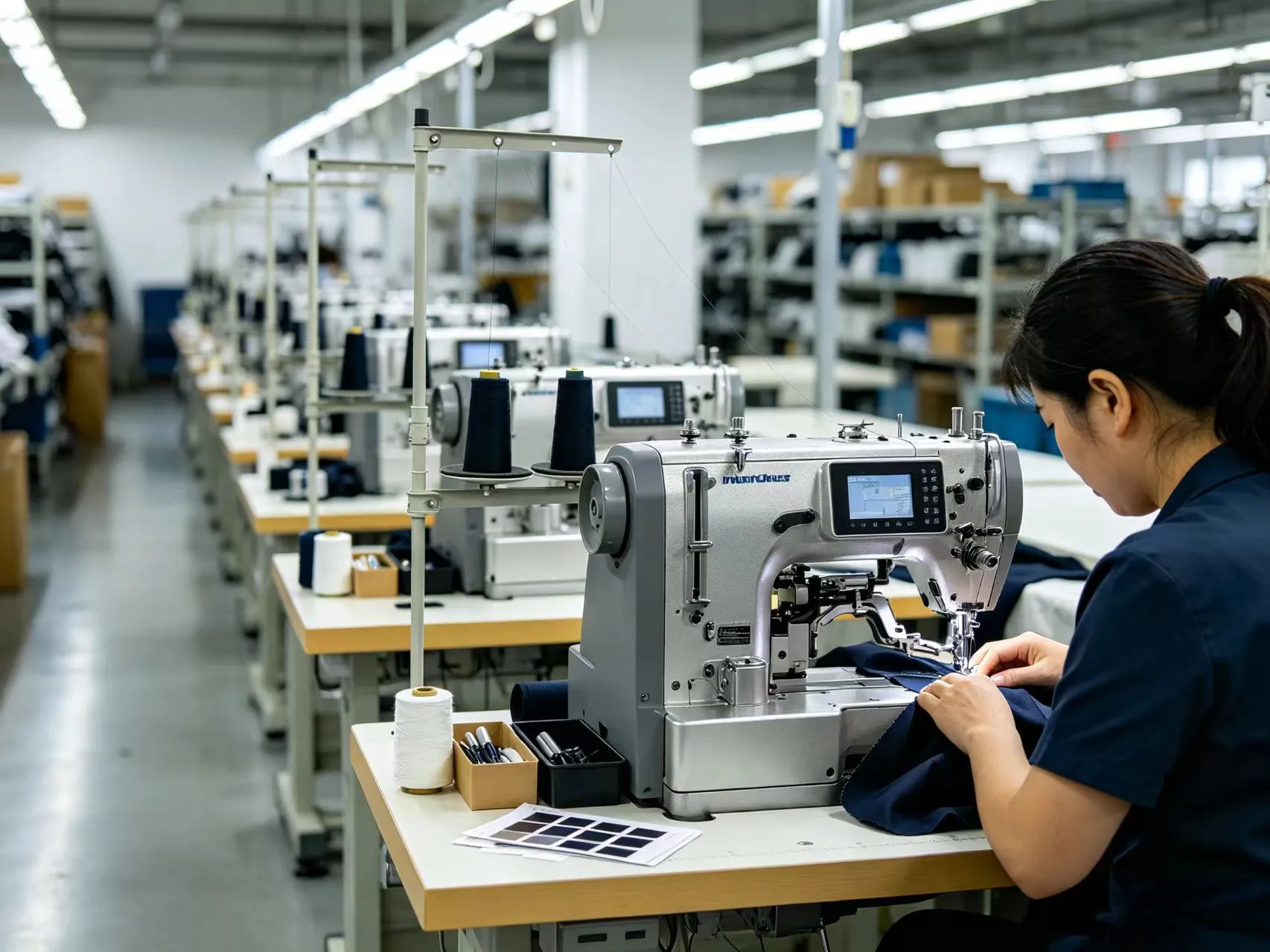
What Are PFAS?
Definition and Chemical Structure
PFAS, or Per- and Polyfluoroalkyl Substances, is a broad family of synthetic chemicals characterized by multiple fluorine atoms attached to a carbon chain. This unique molecular structure gives PFAS compounds exceptional resistance to water, oil, grease, and stains—properties that made them incredibly popular in industrial and consumer applications since the 1950s.
Why “Forever Chemicals”?
The nickname “forever chemicals” stems from PFAS’s remarkable environmental persistence. The carbon-fluorine bond is one of the strongest in organic chemistry, making these compounds extremely resistant to:
- Thermal degradation
- Chemical breakdown
- Biological degradation
- Photolytic decomposition
Once released into the environment, PFAS can persist for centuries or longer, accumulating in soil, water, wildlife, and the human body.
Typical Applications in Bags and Textiles
PFAS have been extensively used in the bags and textiles industry due to their functional benefits:
- Water Resistance — Applied to outdoor gear, rain covers, and waterproof compartments
- Oil Resistance — Used in food-related bags and culinary accessories
- Stain Resistance — Common in light-colored bags and premium leather goods
- Outdoor Textiles — Applied to hiking backpacks, camping gear, and sports bags
- Leather Finishing — Used in premium leather bag coatings for durability
- Coatings — Found in waterproof membranes and protective layers
Why Are PFAS Being Restricted?
Environmental Concerns
PFAS contamination has become one of the most significant environmental challenges of the 21st century. These chemicals:
- Bioaccumulate — Concentrate in living organisms at increasing levels up the food chain
- Contaminate groundwater — Have been detected in drinking water sources worldwide
- Spread globally — Have been found in remote Arctic regions far from any industrial source
- Resist natural breakdown — Persist indefinitely under normal environmental conditions
Human Health Impacts
Research has linked PFAS exposure to numerous health concerns:
- Immune system disruption
- Hormonal imbalances and thyroid disorders
- Developmental issues in infants and children
- Increased cancer risk
- Liver and kidney damage
- Reproductive health effects
Government Response
In response to mounting scientific evidence, governments worldwide have begun implementing strict regulations on PFAS, with the European Union leading the charge through comprehensive bans and the United States pursuing both federal and state-level restrictions.

Where Are PFAS Commonly Found in Bags?
Understanding which bag components may contain PFAS is essential for compliance verification. Below is a comprehensive overview of bag types and their PFAS risk levels:
| Bag Type | Components with PFAS Risk | Risk Level | Primary Concerns |
|---|---|---|---|
| Outdoor Backpacks | Outer fabric, waterproof membrane, rain cover | High | Water-resistant coatings, DWR treatments |
| Laptop Bags | Fabric coating, padding materials | Medium | Stain-resistant finishes, protective layers |
| Diaper Bags | Interior lining, easy-clean coatings | High | Oil and stain resistance for baby safety |
| Travel Bags | Waterproof fabric, luggage coatings | Medium-High | Weather-resistant treatments |
| Leather Handbags | Leather finishing, edge coating | Medium | Waterproof leather treatments, color finishes |
| PU Handbags | PU leather coating, surface finish | Medium | Surface treatments for durability |
| Canvas Bags | Fabric coating, printing inks | Low-Medium | Waterproof coatings, screen printing |
| Waterproof Bags | All components, welded seams | High | PFAS-based waterproofing essential |
| Sports Bags | Fabric, moisture-wicking linings | Medium | Performance fabric treatments |
| Promotional Bags | Low-cost coatings, recycled materials | Medium | Unknown material sources |
Hidden Sources of PFAS in Bag Manufacturing
Beyond the primary fabrics, PFAS can hide in unexpected components:
- Fabric Coatings — Durable Water Repellent (DWR) treatments
- Waterproof Membranes — GORE-TEX and similar technologies
- Zipper Treatments — Water-resistant zipper tapes and coatings
- Leather Finishing — Protective coatings on premium leather
- Printing Inks — Some specialty inks contain fluorochemicals
- Adhesives — Certain bonding agents in multi-layer constructions
Global PFAS Regulations Overview
PFAS regulations vary significantly across jurisdictions. Here’s a comprehensive comparison of major markets:
| Country/Region | Key Legislation | Restriction Level | Implementation Status | Reporting Requirements |
|---|---|---|---|---|
| European Union | REACH, PFAS Restriction Proposal | Comprehensive ban proposed | 2025-2026 phase-in | Mandatory disclosure |
| United States (Federal) | EPA SNUR, TSCA | Expanded restrictions | Ongoing | Varies by state |
| California | AB 1817, Prop 65 | Stringent bans | 2025 full enforcement | Strict reporting |
| Canada | Canadian Environmental Protection Act | Progressive restrictions | Ongoing phase-out | Disclosure required |
| United Kingdom | UK REACH | Similar to EU | Post-Brexit alignment | Mandatory |
| Japan | Chemical Substances Control Law | Moderate restrictions | Voluntary phase-out | Industry guidelines |
| Australia | National Industrial Chemicals Notification | Emerging regulations | Under development | Reporting in progress |
| China | MEE Regulations | Limited restrictions | Monitoring phase | Export documentation |
EU PFAS Regulations Explained
The REACH Framework
The European Union’s Registration, Evaluation, Authorisation and Restriction of Chemicals (REACH) regulation is the cornerstone of chemical management in Europe. Under REACH, the European Chemicals Agency (ECHA) has proposed one of the world’s most comprehensive PFAS restrictions.
Proposed EU PFAS Ban
In 2023, a landmark proposal was submitted to restrict over 10,000 PFAS substances across all industries, including textiles and bags:
- Scope — Covers all PFAS substances, including those used in manufacturing
- Timeline — 12-month transition for most uses, extended timelines for textiles
- Alternatives — Manufacturers must demonstrate no suitable alternatives exist for extended timelines
- Enforcement — Market surveillance by member states
Affected Products and Timeline
| Product Category | Proposed Timeline | Key Requirements |
|---|---|---|
| Outdoor apparel & gear | 18 months | Complete PFAS-free transition |
| Textiles (general) | 24 months | Alternative verification required |
| Leather goods | 24 months | Documentation of alternatives |
| Bags and luggage | 24 months | Supply chain verification |

United States PFAS Regulations
Federal Actions
The U.S. Environmental Protection Agency (EPA) has taken significant steps to address PFAS:
- Significant New Use Rules (SNUR) — Requires notification before manufacturing new PFAS
- Toxic Substances Control Act (TSCA) — Expanded authority to regulate PFAS chemicals
- National Primary Drinking Water Regulations — Set maximum contaminant levels for PFOA and PFOS
State Regulations
Individual U.S. states have enacted stricter regulations, creating a complex compliance landscape:
| State | Key Legislation | Requirements | Effective Date |
|---|---|---|---|
| California | AB 1817, SB 343 | Bans PFAS in textiles, requires disclosure | 2025 |
| Maine | LD 2173 | Intentionally added PFAS reporting | 2026 |
| Minnesota | HF 2310 | PFAS in various products | 2032 |
| Washington | SB 5153 | PFAS in apparel and textiles | 2026 |
| Colorado | HB 22-1345 | PFAS reporting requirements | 2024 |
| New York | A7658/S5427 | PFAS in apparel | 2027 |
PFAS Testing Methods
Testing Approaches
Accurate PFAS testing requires understanding different analytical methods:
| Method | Description | Detection Level | Application |
|---|---|---|---|
| Total Fluorine | Screening method measuring all fluorine content | 10-50 ppm | Quick screening, non-specific |
| Organic Fluorine | Measures organically bound fluorine | 1-10 ppm | More specific than total fluorine |
| Target PFAS Analysis | Identifies specific PFAS compounds | 0.1-1 ppb | Comprehensive compliance verification |
| LC-MS/MS | Liquid chromatography tandem mass spectrometry | Parts per trillion | Gold standard for PFAS detection |
Recommended Testing Laboratories
For reliable PFAS testing, partner with accredited international laboratories:
- SGS — Global leader in testing, inspection, and certification
- Intertek — Comprehensive chemical testing services
- Bureau Veritas — International testing and certification
- TÜV — European testing and quality assurance
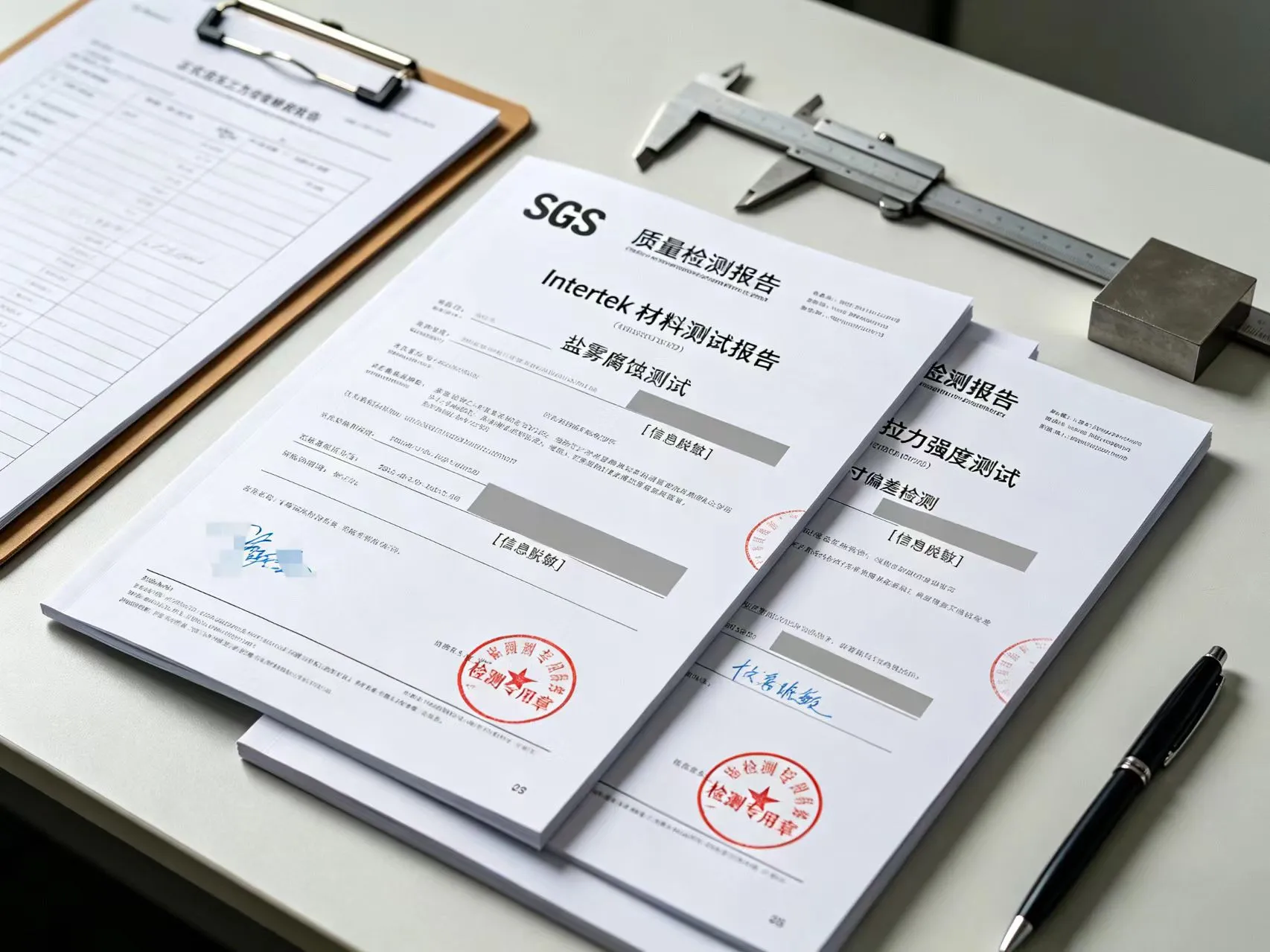
Sampling and Testing Frequency
Proper sampling is critical for accurate results:
- Initial Testing — Required for new products and new suppliers
- Annual Verification — Recommended for ongoing compliance
- Material Changes — Required when switching suppliers or materials
- Random Audits — Periodic spot testing recommended
PFAS-Free Materials for Bags
Transitioning to PFAS-free materials requires careful evaluation of alternatives. Here’s a comprehensive comparison:
| Material | Water Resistance | Cost | Durability | Environmental Impact | PFAS-Free Status |
|---|---|---|---|---|---|
| Organic Cotton | Low | Medium | Medium | Excellent | Yes |
| Natural Canvas | Low-Medium | Low-Medium | High | Excellent | Yes |
| Waxed Canvas | High | Medium | High | Good | Yes |
| RPET (Recycled PET) | Medium | Medium | High | Excellent | Yes |
| Nylon (Standard) | Medium | Medium | High | Good | Yes |
| Polyester | Medium | Low | High | Moderate | Yes |
| PU Leather | Medium-High | Low-Medium | Medium | Moderate | Yes |
| TPU Coating | High | Medium | High | Good | Yes |
| Genuine Leather | Medium | High | Excellent | Moderate | Usually Yes |
| Cork | Medium | Medium | High | Excellent | Yes |
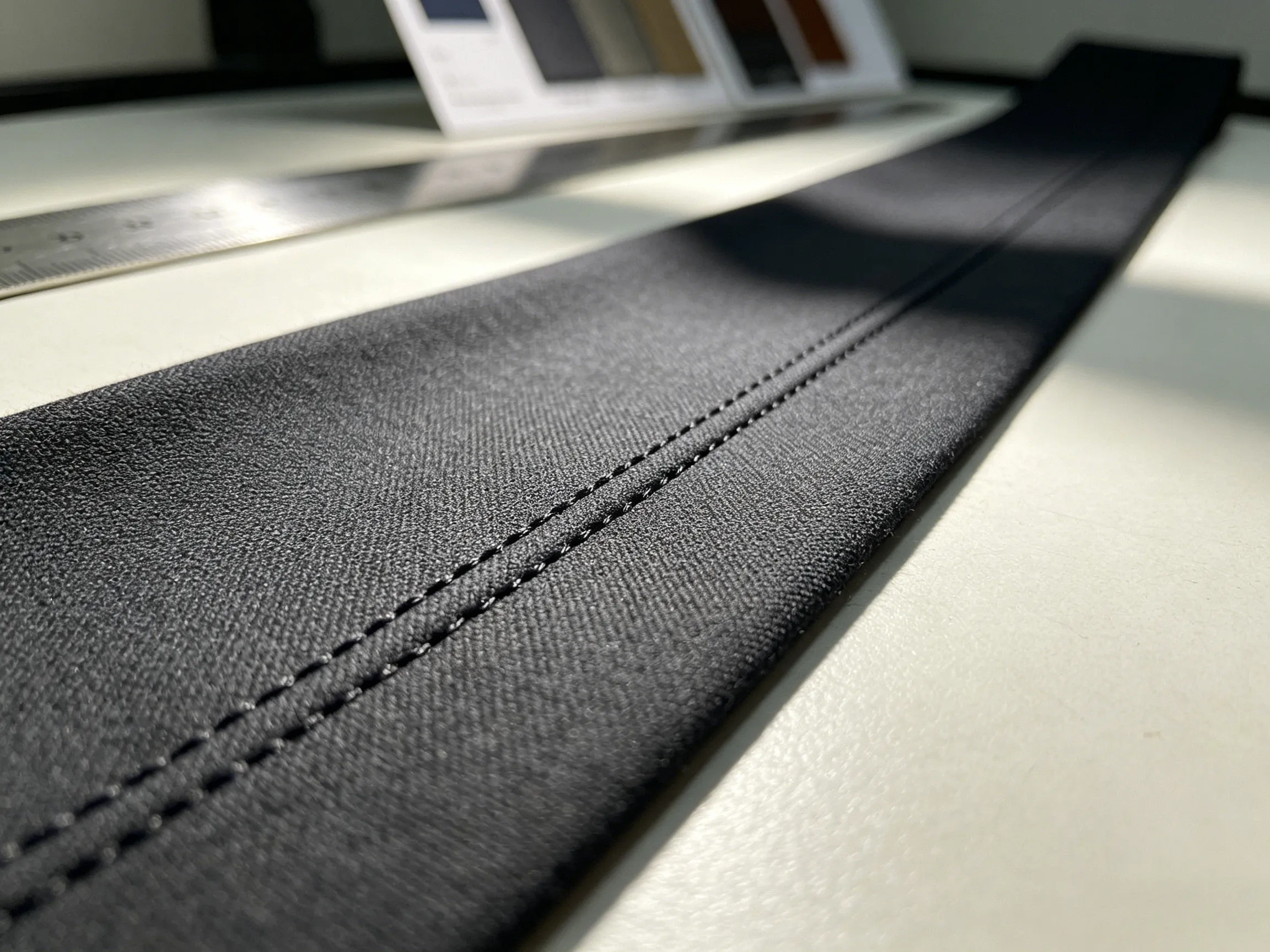
PFAS vs Waterproof Performance
One common misconception is that PFAS-free means sacrificing waterproof performance. Modern alternatives offer excellent water resistance:
PU Coating
Polyurethane coatings provide excellent waterproofing without PFAS. Ideal for bags requiring full water protection.
TPU Coating
Thermoplastic polyurethane offers superior durability and environmental benefits over traditional PVC.
Silicone Coating
Emerging alternative with excellent water repellency and a more favorable environmental profile.
Wax Finish
Traditional solution for canvas bags, providing water resistance with natural materials.
| Technology | Water Resistance | Breathability | Durability | Environmental | Cost |
|---|---|---|---|---|---|
| PFAS (DWR) | Excellent | Good | Excellent | Poor | Low |
| PU Coating | Excellent | Good | Very Good | Moderate | Medium |
| TPU Coating | Excellent | Very Good | Excellent | Good | Medium-High |
| Silicone | Very Good | Excellent | Good | Good | Medium |
| Wax Finish | Good | Excellent | Good | Excellent | Medium |
How Manufacturers Can Eliminate PFAS
Achieving PFAS-free production requires a systematic approach. Here’s our recommended workflow:
Supplier Approval & Screening
Evaluate suppliers’ chemical policies and PFAS commitments. Request declarations and certifications.
Material Declaration
Obtain written declarations from all suppliers confirming PFAS-free status of materials.
Chemical Inventory Review
Audit all chemicals used in production, including coatings, finishes, dyes, and adhesives.
Testing & Verification
Conduct third-party laboratory testing of materials and finished products.
Factory Audit
Perform on-site audits to verify compliance with PFAS-free manufacturing processes.
Mass Production Control
Implement quality control checkpoints throughout production to maintain compliance.
Ongoing Verification
Establish regular testing schedules and monitor supplier compliance continuously.
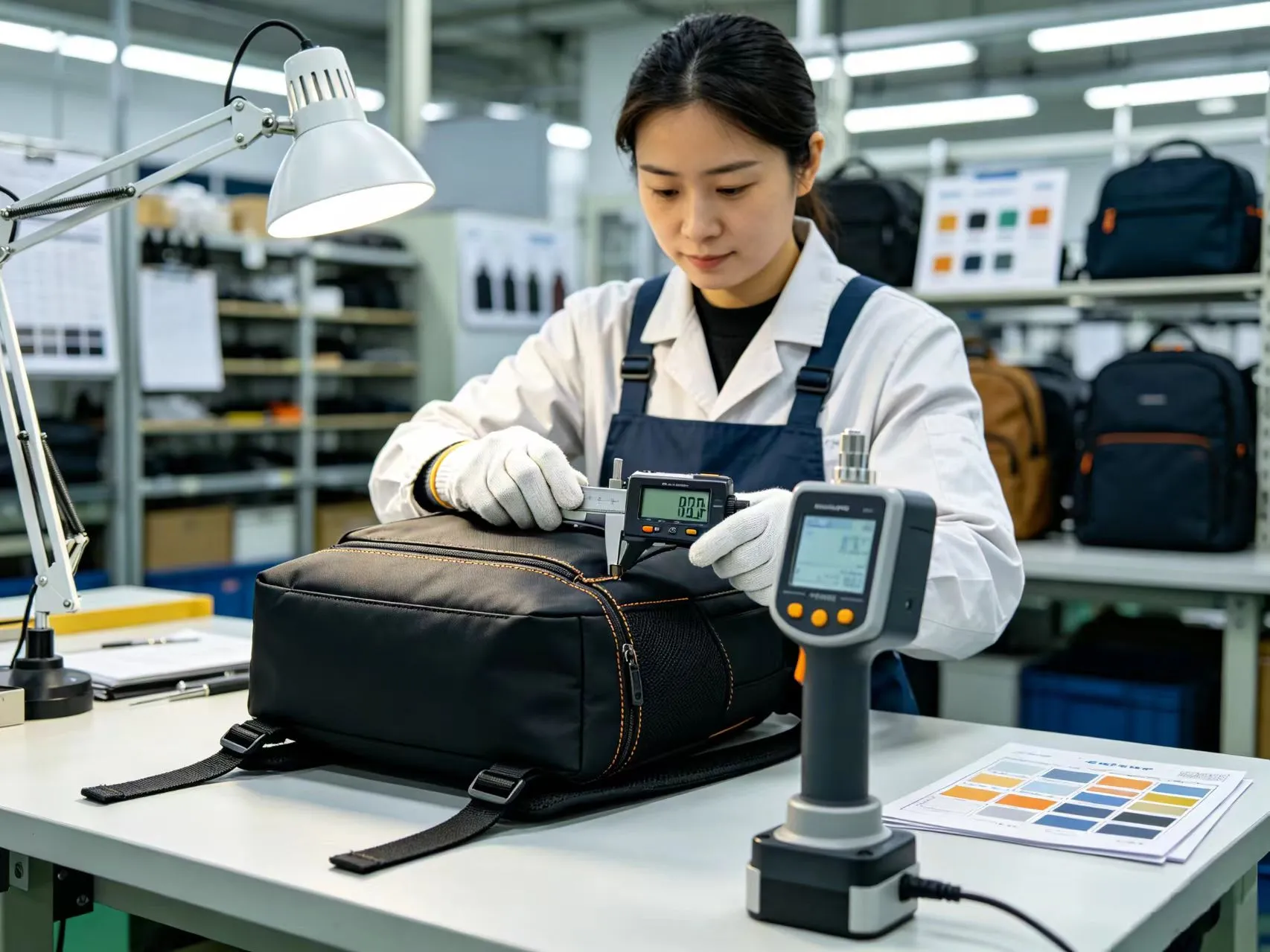
PFAS Documentation Buyers Expect
International buyers require comprehensive documentation to verify PFAS compliance. Here’s what you should have ready:
Essential Documentation Checklist
- Supplier Declaration — Written confirmation from suppliers that materials contain no PFAS
- Chemical Declaration — Detailed list of all chemicals used in manufacturing
- Test Reports — Third-party laboratory results showing PFAS levels below detection limits
- Material Safety Data Sheets (MSDS) — Standard safety documentation for all materials
- REACH Compliance Certificate — Confirmation of EU chemical regulation compliance
- Risk Assessment — Documentation of PFAS risk evaluation and mitigation measures
- Factory Audit Report — Third-party or internal audit results
- Traceability Documentation — Records linking finished products to raw materials

PFAS vs Other Compliance Standards
Understanding how PFAS compliance relates to other standards is crucial for comprehensive compliance programs:
| Standard | Purpose | Scope | Mandatory | Testing Required |
|---|---|---|---|---|
| PFAS-Free | Eliminate forever chemicals | Specific chemicals | Increasingly yes | Yes |
| REACH | General chemical safety | All chemicals in EU | Yes (EU market) | Varies |
| California Prop 65 | Consumer protection | Carcinogens/reproductive harm | Yes (California) | Yes |
| OEKO-TEX Standard 100 | Textile safety | Finished textiles | Voluntary | Yes |
| ZDHC MRSL | Manufacturing safety | Chemicals in production | Industry requirement | Yes |
| bluesign® | Responsible production | Full supply chain | Voluntary | Yes |
| GRS (Global Recycled Standard) | Recycled content verification | Recycled materials | Voluntary | Yes |
| GOTS (Global Organic Textile Standard) | Organic textiles | Organic fibers | Voluntary | Yes |
Common PFAS Compliance Mistakes
Avoiding these common pitfalls can save time, money, and reputation:
Critical Mistakes to Avoid
- Assuming “Waterproof” = “Contains PFAS” — Many PFAS-free alternatives provide excellent water resistance
- Ignoring Coatings and Treatments — These often contain PFAS even when base fabrics don’t
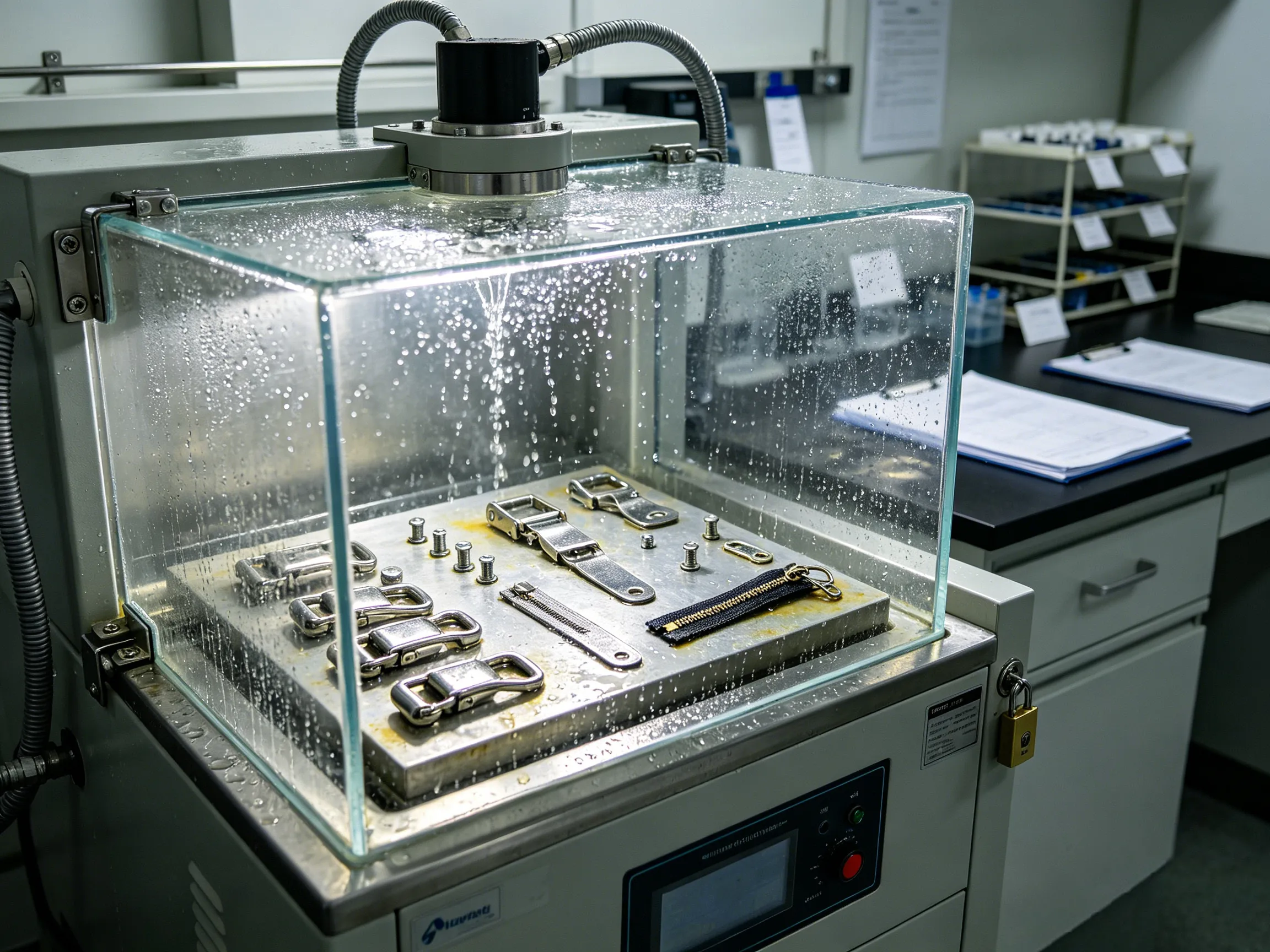
- Overlooking Accessories — Zippers, hardware, and trim can contain PFAS
- Testing Only Finished Products — Material-level testing is more reliable
- Accepting Supplier Claims Without Verification — Always require documentation and testing
- Not Monitoring Supplier Changes — Material changes can introduce PFAS
- Lacking Chemical Declarations — Maintain comprehensive records
- No Traceability System — Cannot verify compliance without proper tracking
Frequently Asked Questions
What are PFAS?
PFAS (Per- and Polyfluoroalkyl Substances) are a group of synthetic chemicals characterized by multiple fluorine atoms attached to a carbon chain. They are called “forever chemicals” because they persist in the environment for decades or centuries without breaking down.
Are PFAS banned?
PFAS are being progressively restricted worldwide. The EU has proposed comprehensive bans, the US has federal and state-level restrictions, and other countries are implementing similar measures. Full bans are expected to be in place for most applications by 2026-2032.
Are canvas bags PFAS-free?
Natural canvas itself is typically PFAS-free. However, if the canvas has been treated with waterproof coatings or printed with certain inks, it may contain PFAS. Always request documentation and testing for treated canvas products.
Is nylon PFAS-free?
Standard nylon is generally PFAS-free. However, nylon used in outdoor gear or waterproof applications often receives PFAS-based DWR (Durable Water Repellent) treatments. Look for PFAS-free labeled alternatives.
Do leather bags contain PFAS?
Natural leather without finishing treatments is typically PFAS-free. However, many leather bags have protective coatings, waterproof finishes, or color treatments that may contain PFAS. Request documentation from your supplier.
Can waterproof bags be PFAS-free?
Yes! Modern alternatives like PU coatings, TPU coatings, and silicone treatments provide excellent waterproofing without PFAS. These materials meet the performance requirements of most bag applications.
How do buyers verify PFAS compliance?
Buyers typically require: supplier declarations, chemical inventories, third-party laboratory test reports, factory audit reports, and traceability documentation. Testing should cover total fluorine content and specific PFAS compounds.
Who performs PFAS testing?
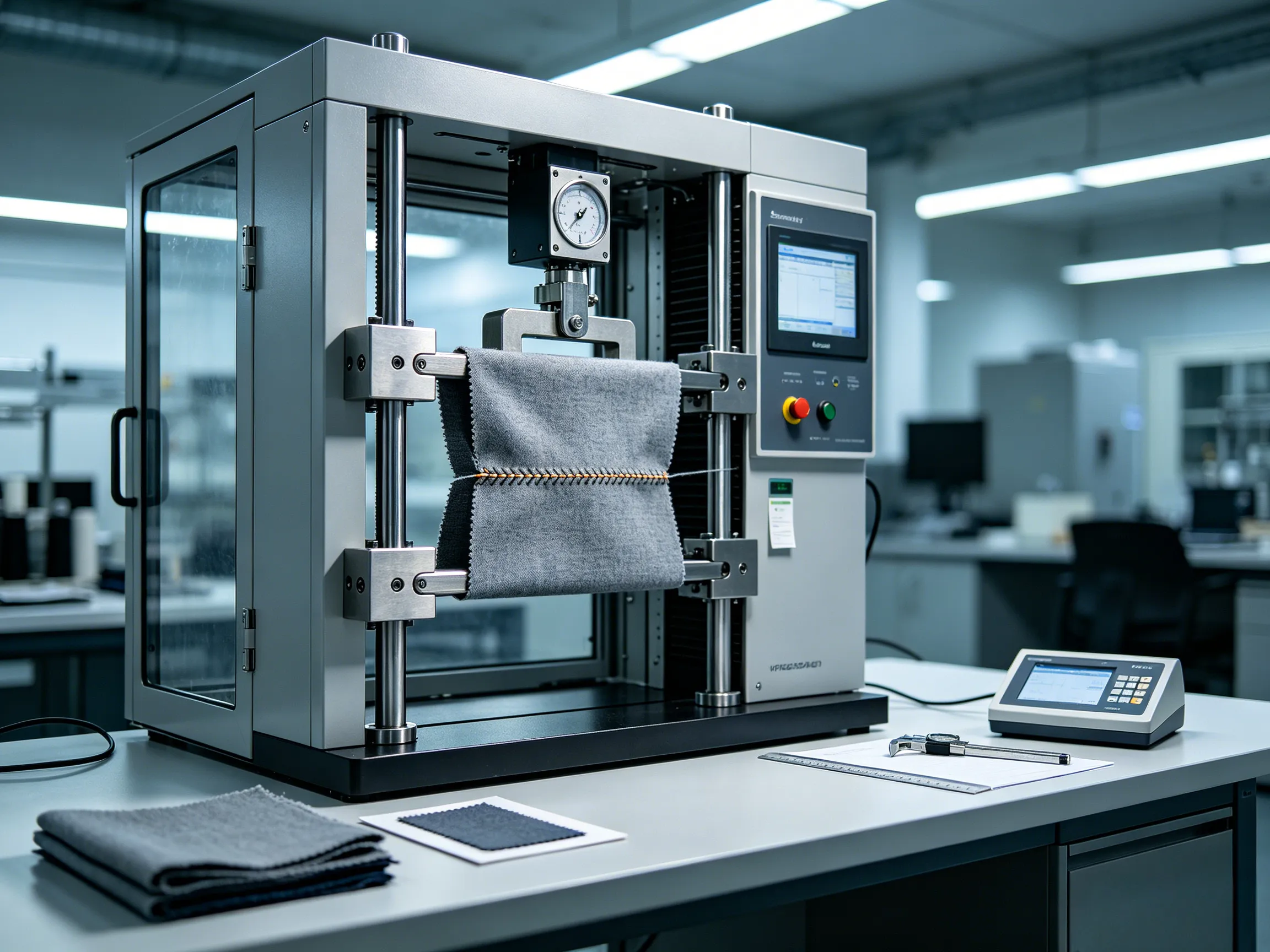
Accredited international laboratories such as SGS, Intertek, Bureau Veritas, and TÜV offer PFAS testing services. Choose laboratories with ISO 17025 accreditation for reliable results.
Does REACH include PFAS?
Yes, PFAS are covered under REACH regulations. The EU has proposed a comprehensive restriction covering over 10,000 PFAS substances, with textile and bag applications included in the scope.
How often should testing be repeated?
We recommend annual testing for ongoing compliance. Testing should also be conducted when: switching suppliers, changing materials,生产工艺发生重大变化, or when regulations are updated.
Future Trends
Global PFAS Phase-Out
The transition away from PFAS is accelerating globally:
- EU — Comprehensive ban expected by 2025-2026
- USA — Federal action expanding, state regulations proliferating
- Asia-Pacific — Growing awareness and voluntary restrictions
- Emerging Markets — Increased buyer requirements driving change
Buyer Expectations
Forward-thinking brands are moving beyond compliance to leadership:
- Proactive PFAS-free commitments
- Supply chain transparency requirements
- Third-party verified claims
- Sustainability-focused material choices
Material Innovation
The industry is responding with new PFAS-free technologies:
- Bio-based water-resistant coatings
- Nanotechnology surface treatments
- Recycled material innovations
- Cross-industry collaboration on alternatives
Digital Compliance
Technology is transforming compliance management:
- Blockchain-based supply chain tracking
- Digital product passports
- Automated compliance verification
- Real-time chemical inventory systems
Final Thoughts
Conclusion
PFAS compliance is rapidly evolving from a niche environmental consideration into a fundamental requirement for accessing global markets. European, North American, and other regulated markets are implementing increasingly strict requirements, making PFAS-free sourcing essential for long-term business success.
The key to successful PFAS compliance lies in proactive preparation: understanding regulations across your target markets, selecting appropriate PFAS-free materials, maintaining rigorous testing protocols, and building comprehensive documentation systems.
Manufacturers and suppliers who embrace PFAS-free production now will be best positioned to capture market opportunities as regulations tighten. Those who delay risk being left behind as buyers increasingly require verified PFAS compliance as a standard supplier qualification.
The transition to PFAS-free manufacturing represents not just regulatory compliance, but an opportunity to demonstrate environmental leadership and build the sustainable, transparent supply chains that today’s conscious consumers and brands demand.
Start your PFAS compliance journey today—your future market access depends on it.
Premium bag & silk manufacturing — under one factory roof.
Tucked inside Shiling Town — Guangzhou’s centuries-old leather district — Dreamway is a focused manufacturing partner for brands that refuse to compromise. We build rugged, retail-ready tote bags, backpacks, handbags with a 200-piece MOQ, and craft 100% Mulberry silk pillowcases, scrunchies & sleep accessories starting from just 50 pieces. Our small team of 30+ artisans is senior, hands-on, and accountable — the same people who quote your sample will personally inspect your shipment.
Every order is verified against our published manufacturing quality standards — AQL 2.5 inspection, hardware pull-tests, seam-strength audits, and silk-fibre authenticity checks. From concept tech-pack to mass production, we run the entire supply chain in-house, so timelines stay honest and revisions stay painless.
Buying Guides & Manufacturing Insights
Sourcing smarter starts with knowing what to compare. These long-form guides break down the decisions our clients wrestle with most — from third-party inspections like the SGS vs Intertek vs Bureau Veritas showdown, to ranking China’s top 10 tote bag manufacturers, to the head-to-head of canvas vs polyester vs PU for bag bodies.
Designing your logo? Our custom tote bag logo size guide shows real placement and stitch-density examples. Curious how a handbag actually comes together? Walk through the leather handbag manufacturing process step by step, and pair it with the canvas tote durability factors that decide whether a bag survives five years of daily use.
For material decisions beyond canvas, compare PU vs polyester for bags and explore our roundup of the world’s top canvas bag manufacturers. If backpacks are your lane, our backpack manufacturing process and backpack lead-time guide give you realistic production windows. Choosing between social-compliance audits? Read BSCI vs SEDEX vs WRAP. For smaller leather goods, dive into the leather wallet manufacturer playbook; for sustainability claims, the recycled PU leather explainer and our backpack QC checklist separate marketing from reality. Finally, stay ahead of EU regulation with our PPWR FAQ for bag manufacturers.
Explore by Topic
Browse our deep-dive knowledge hubs — every cluster is curated by category and updated with new field reports.
By Category
Materials & Compliance
Real Client Cases
Numbers tell part of the story. These production cases show how Dreamway’s small team delivers at scale.
Featured Product Lines
A snapshot of what we manufacture most often — all OEM/ODM-ready with custom hardware, lining, and packaging.
Who We Help
From indie founders to global enterprise — Dreamway is built for brands that need a factory, not a freelancer.
Brand Builders
Beauty & Fashion
Lifestyle & Retail

Skip the inbox. Chat with Victoria — right now.
Point your camera at the QR and you’re connected to a real human in Guangzhou. Send a photo of your reference, get a quote within minutes, and lock in your 200-piece MOQ slot before this month’s capacity fills.
Specialized factories. Unified standards.
Leather & Bag Capital
Our bags come from Guangzhou’s Shiling leather district — home to 30+ senior artisans under one roof, working in 8,000 m² of integrated cutting, sewing, hardware-assembly, and QC space.
Mulberry Silk Heritage
Our 22mm Mulberry silk pillowcases and sleep sets come from vetted partner mills in Suzhou and Hangzhou — at the heart of China’s 5,000-year sericulture heritage, today running OEKO-TEX Standard 100 certified production lines.
Get your sample in 7 working days —
hand-built by Guangzhou’s 30+ artisans.
Send a sketch, a screenshot, or a competitor’s bag you want to beat. We’ll hand-build a custom sample and ship it to your door — produced by the same craftspeople who will run your mass-production order.
business days · in your timezone
on request · signed in 1 day
if first one misses the brief