
PFAS Regulations Explained for Bags & Textiles
PFAS restrictions are becoming a major compliance issue for the global bag and textile industry. Waterproof, stain-resistant, and oil-repellent treatments traditionally used in handbags may contain PFAS chemicals. As governments worldwide tighten regulations on these “forever chemicals,” brands and manufacturers must transition toward safer, PFAS-free alternatives. This comprehensive guide explores what PFAS regulations mean for your business and how to prepare for a sustainable future in sustainable handbag manufacturing.
What Are PFAS and Why Are They Used in Bags and Textiles?
Understanding PFAS Chemicals
PFAS stands for Per- and Polyfluoroalkyl Substances — a group of thousands of synthetic chemicals designed to resist water, oil, grease, and stains. These chemicals are known as “forever chemicals” because they do not break down naturally in the environment and can accumulate over time.
Common search queries addressed: “What does PFAS stand for?” and “Why are PFAS called forever chemicals?”
Common Uses of PFAS in Bags and Textile Products
PFAS-based treatments have been widely used across the textile and bag manufacturing industry due to their exceptional performance characteristics:
Many traditional fluorinated finishes provide excellent performance but create regulatory challenges as governments worldwide implement stricter chemical compliance requirements.
Why PFAS Regulations Matter for the Bag Manufacturing Industry
Increasing Global Regulations on PFAS
Governments across the globe are restricting PFAS due to their environmental persistence and potential health concerns. Textile and fashion supply chains are under increasing pressure to eliminate these chemicals. Key regulatory developments include:
- EU PFAS Restriction: The European Union is implementing comprehensive restrictions on PFAS substances in consumer products
- US State Laws: Multiple US states have enacted PFAS regulations for textiles and consumer goods
- Global Movement: International bodies are coordinating efforts to phase out PFAS worldwide
Impact on Handbag Brands and Manufacturers
For Brands
- Product compliance risks
- Import restrictions
- Sustainability requirements
- Consumer demand for eco-friendly products
For Manufacturers
- Material selection changes
- Supplier qualification requirements
- Production process adjustments
- Compliance documentation needs
Key PFAS Regulations Affecting Bags and Textiles
European Union PFAS Restrictions
The European Union has been at the forefront of PFAS regulation, implementing comprehensive chemical regulations that affect textile and consumer products entering the market. The EU’s approach includes:
- REACH regulation restrictions on PFAS substances
- Proposed ban on over 10,000 PFAS chemicals
- Timeline for textile industry compliance
Target Keywords: EU PFAS restriction, PFAS ban Europe, textile compliance EU
United States PFAS Regulations
In the United States, PFAS regulations vary by state but are becoming increasingly stringent:
- State-level PFAS legislation (California, Maine, Minnesota, etc.)
- EPA PFAS Strategic Roadmap implementation
- Growing requirements for consumer products
- Impact on imported bags and textiles
Global Trends Toward PFAS-Free Products
The shift toward PFAS-free products is accelerating globally, driven by:
Sustainable Fashion Movement
Consumer and brand demand for eco-friendly materials
Green Procurement Requirements
Major retailers implementing chemical restrictions
Retailer Chemical Restrictions
RSL (Restricted Substances List) compliance mandates
How PFAS Regulations Affect Bag Materials
Materials That May Require PFAS Testing
Several common bag and textile materials have traditionally relied on PFAS treatments:
Traditional PFAS-Based Treatments vs PFAS-Free Alternatives
Understanding the comparison between traditional and alternative treatments is crucial for making informed material decisions:
| Feature | PFAS Treatment | PFAS-Free Alternative |
|---|---|---|
| Water Resistance | Excellent | Improved with new technologies |
| Environmental Impact | Higher concern | Lower impact |
| Regulatory Risk | Increasing | Lower |
| Sustainability | Limited | Better aligned |
| Cost | Established | Competitive |
What Are PFAS-Free Alternatives for Bags and Textiles?
Fluorine-Free Water Repellent (FWR) Finishes
Fluorine-free waterproof fabric treatments represent a significant advancement in sustainable textile technology:
- Non-fluorinated waterproof treatments
- Suitable for diverse textile applications
- Increasingly adopted by sustainable brands
- Comparable performance to traditional methods
Sustainable Fabric Options
Several PFAS-free textile options are available for manufacturers:
Balancing Performance and Sustainability
Achieving the right balance requires consideration of multiple factors:
How Bag Manufacturers Can Achieve PFAS Compliance
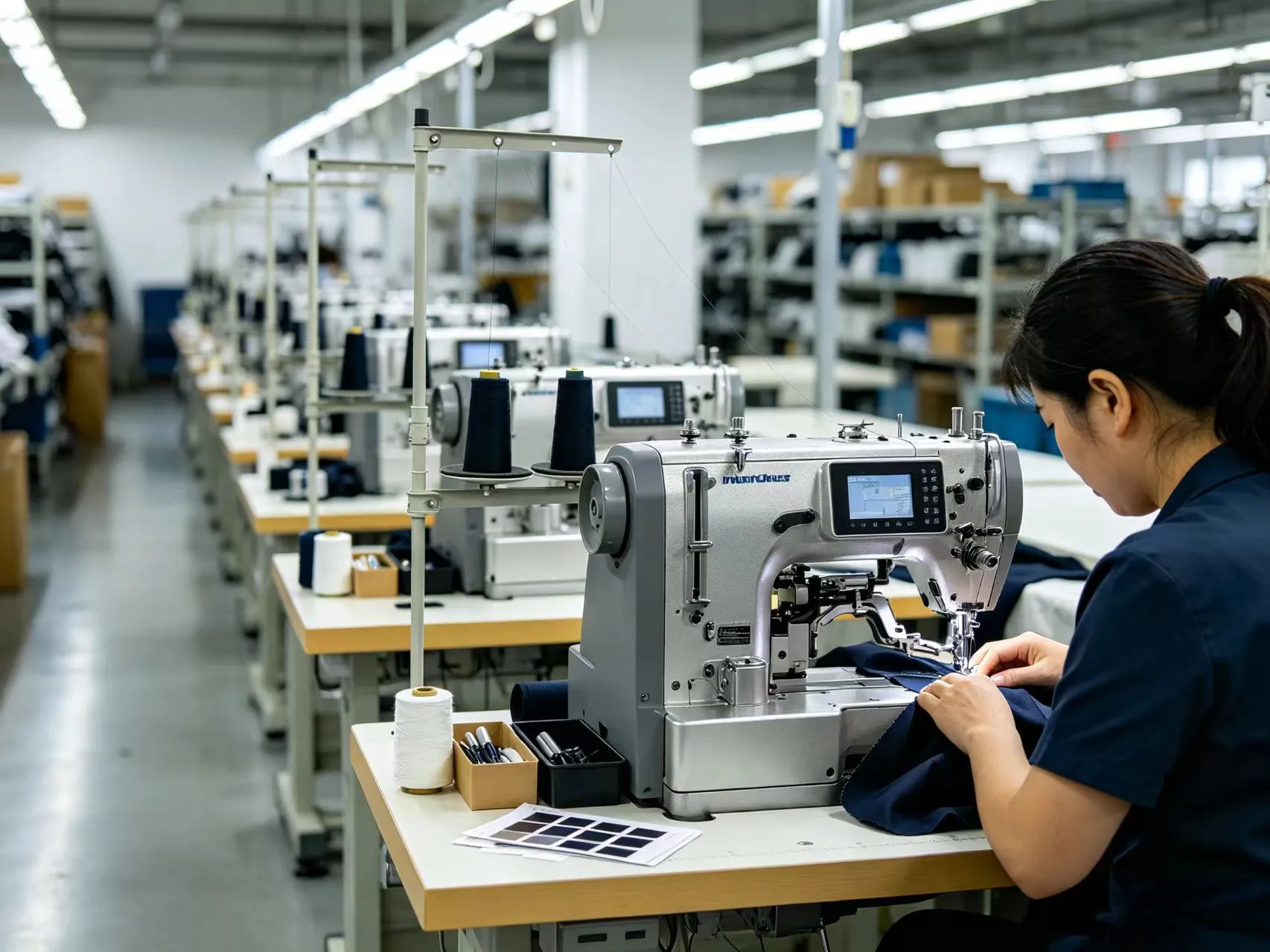
Selecting Compliant Raw Materials
As a responsible handbag manufacturer, we implement rigorous material selection processes:
- Verified Suppliers: We work exclusively with vetted suppliers who provide full chemical transparency
- Material Certifications: Every fabric batch comes with certified chemical compliance documentation
- Chemical Declarations: Comprehensive REACH and RoHS compliance verification for all materials
PFAS Testing and Quality Control
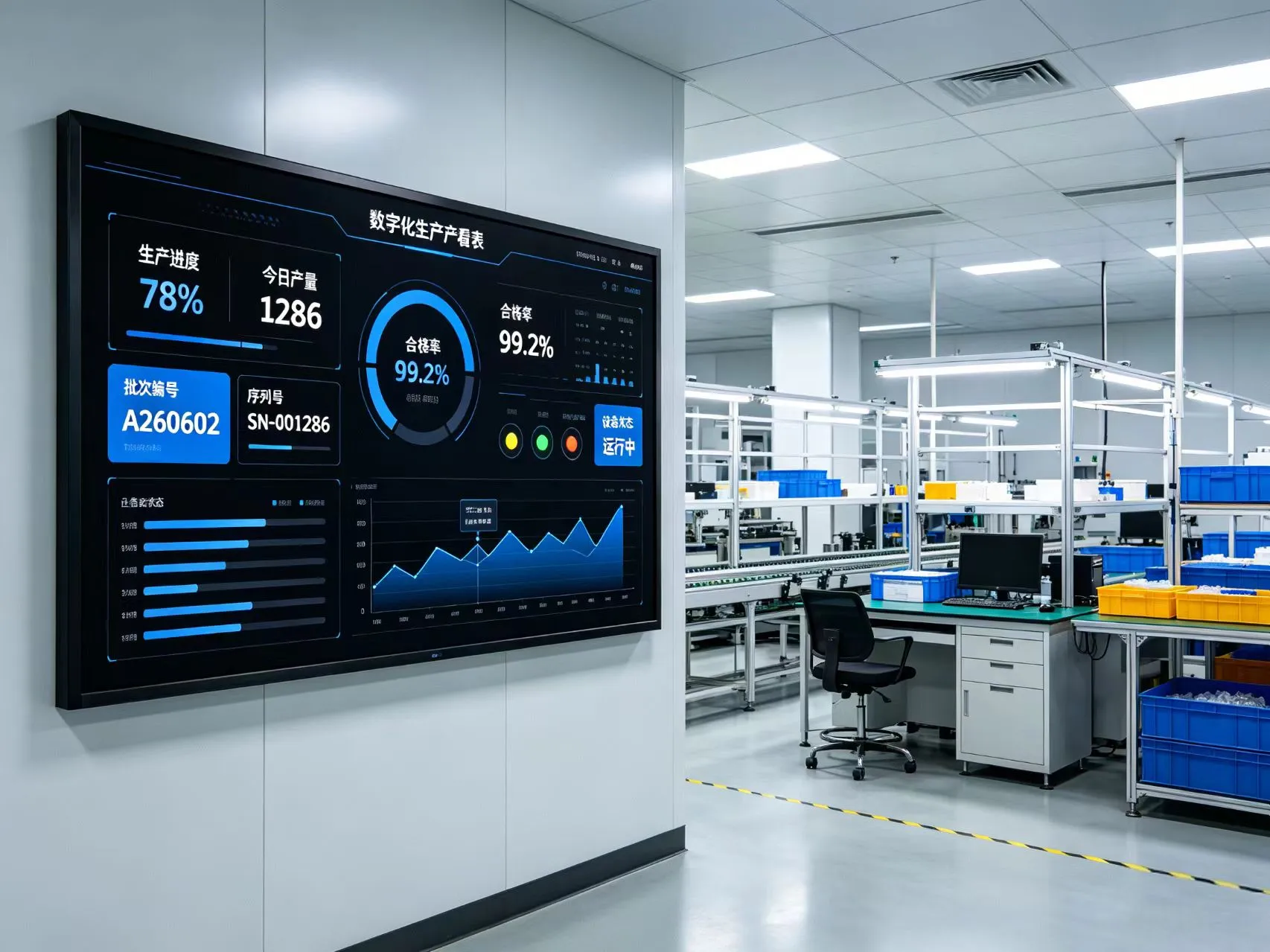
Our textile quality control processes ensure complete chemical compliance:
Laboratory Testing
Third-party certified labs conduct comprehensive PFAS testing
Chemical Screening
Pre-production material screening for restricted substances
Batch Monitoring
Consistent testing across production runs
Building a Transparent Supply Chain
Transparency is essential for PFAS compliance for textile manufacturers:
- Material Traceability: Full visibility from raw material to finished product
- Supplier Management: Regular audits and compliance verification
- Compliance Documentation: Complete paper trail for regulatory requirements
Our Quality Assurance & Testing Capabilities
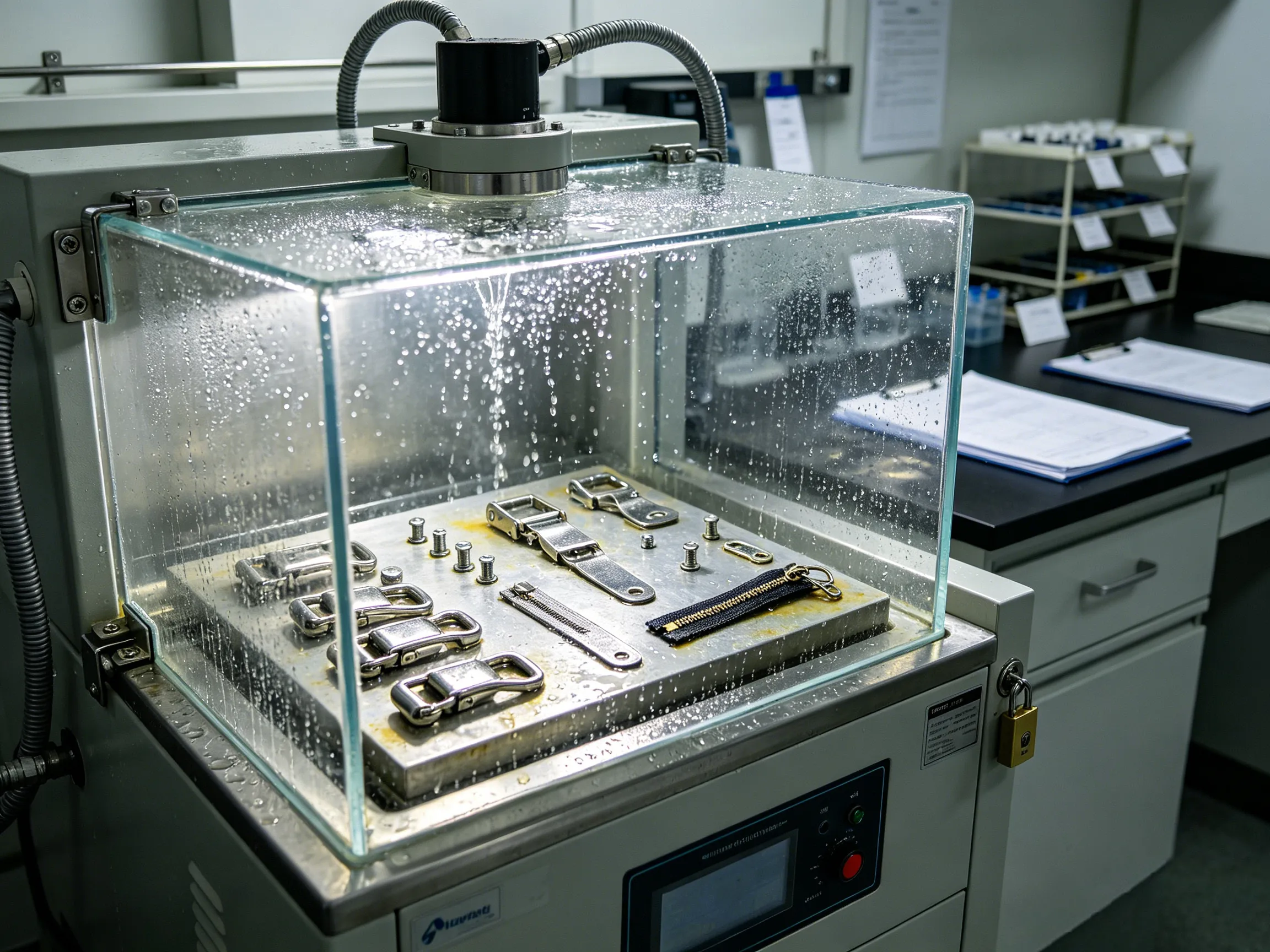
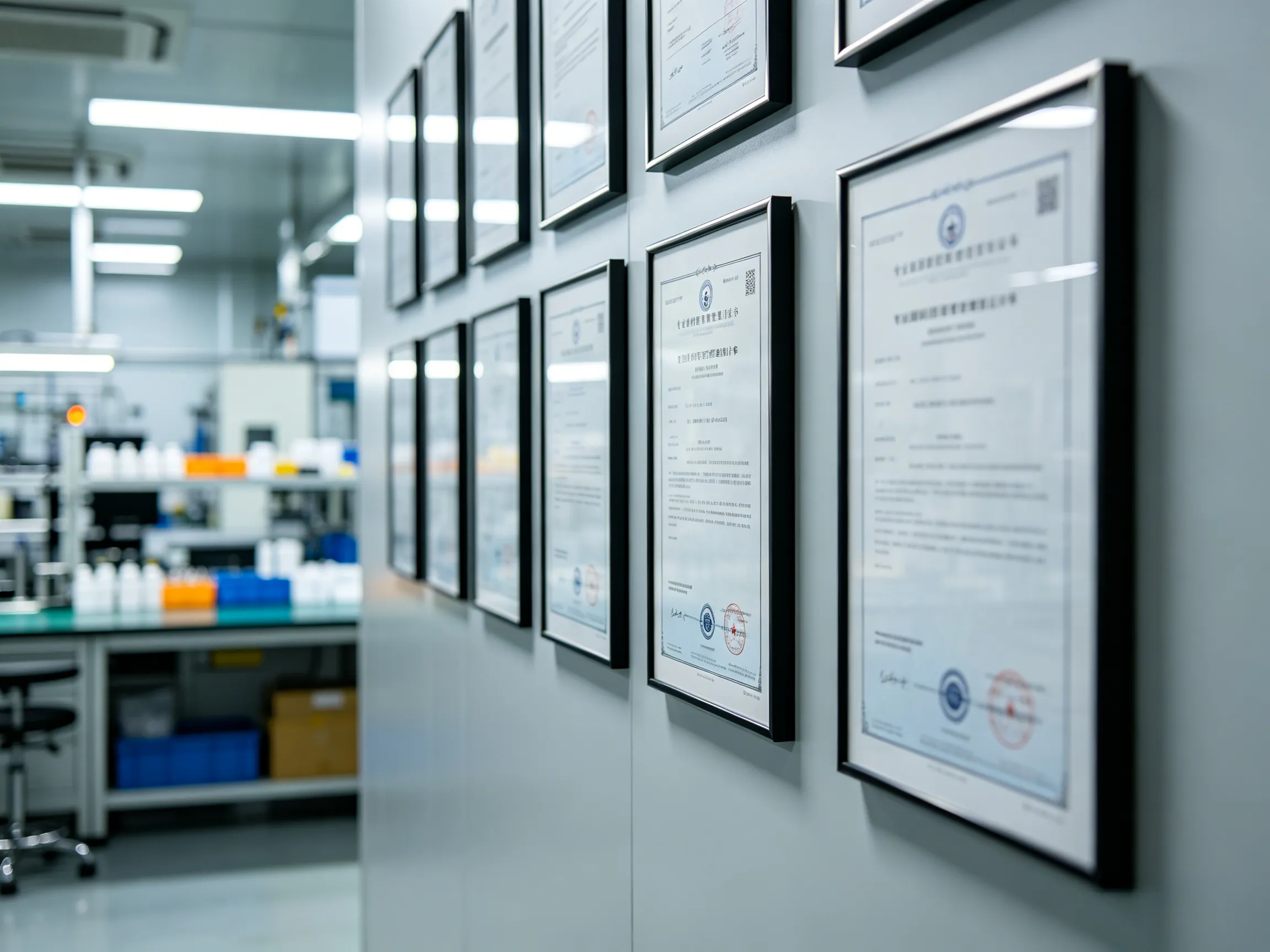
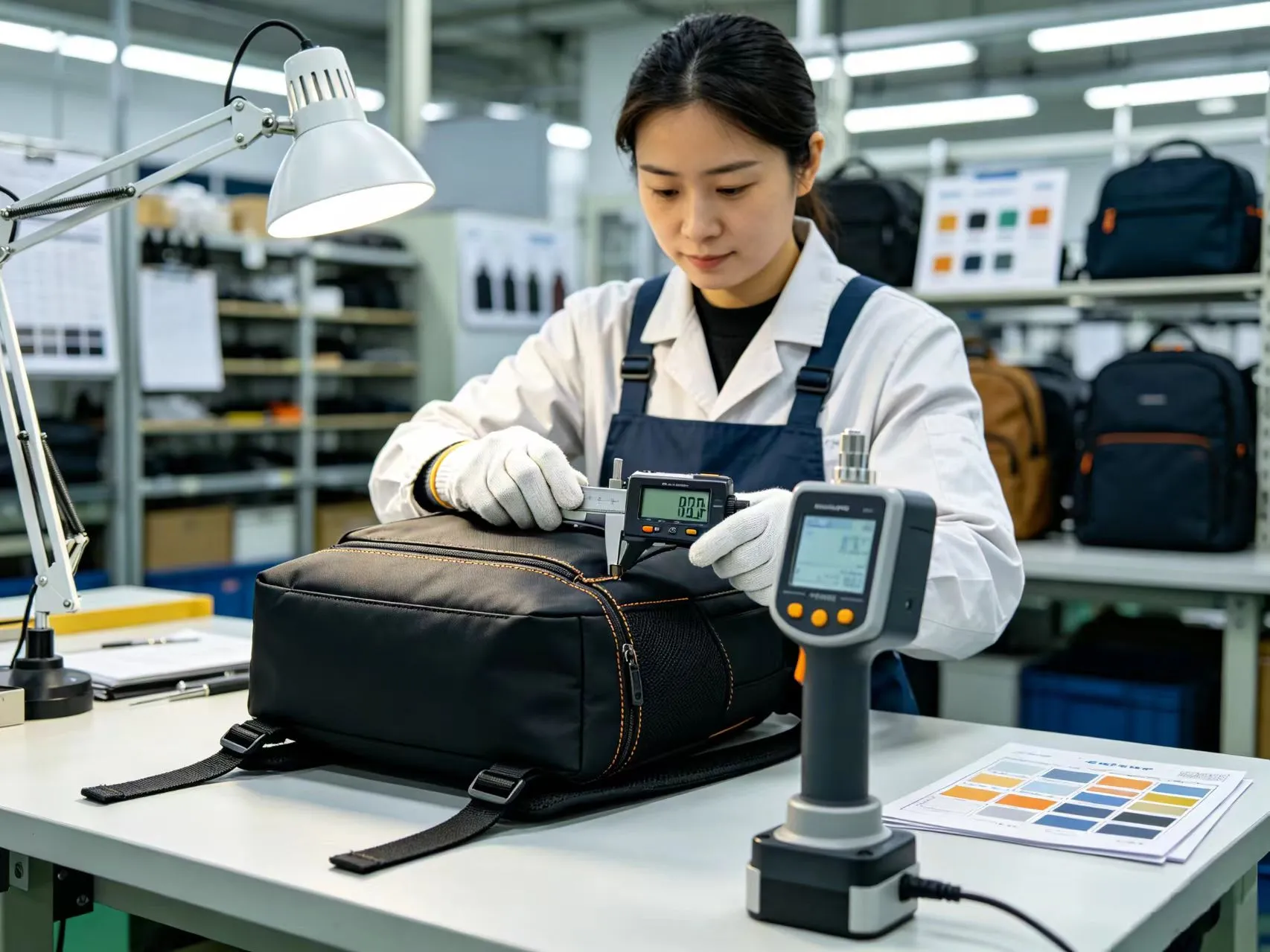
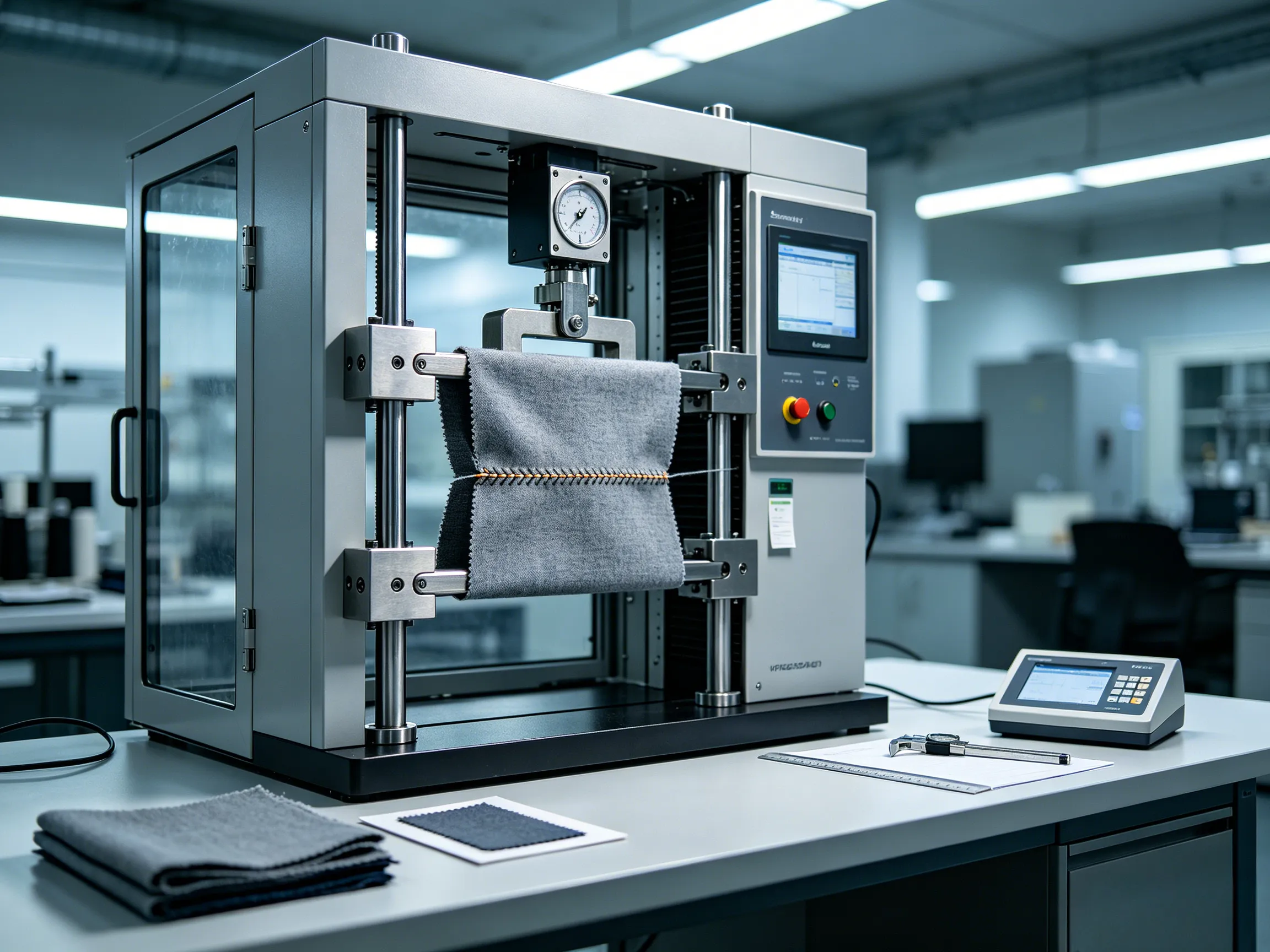
Professional Testing & Inspection Reports
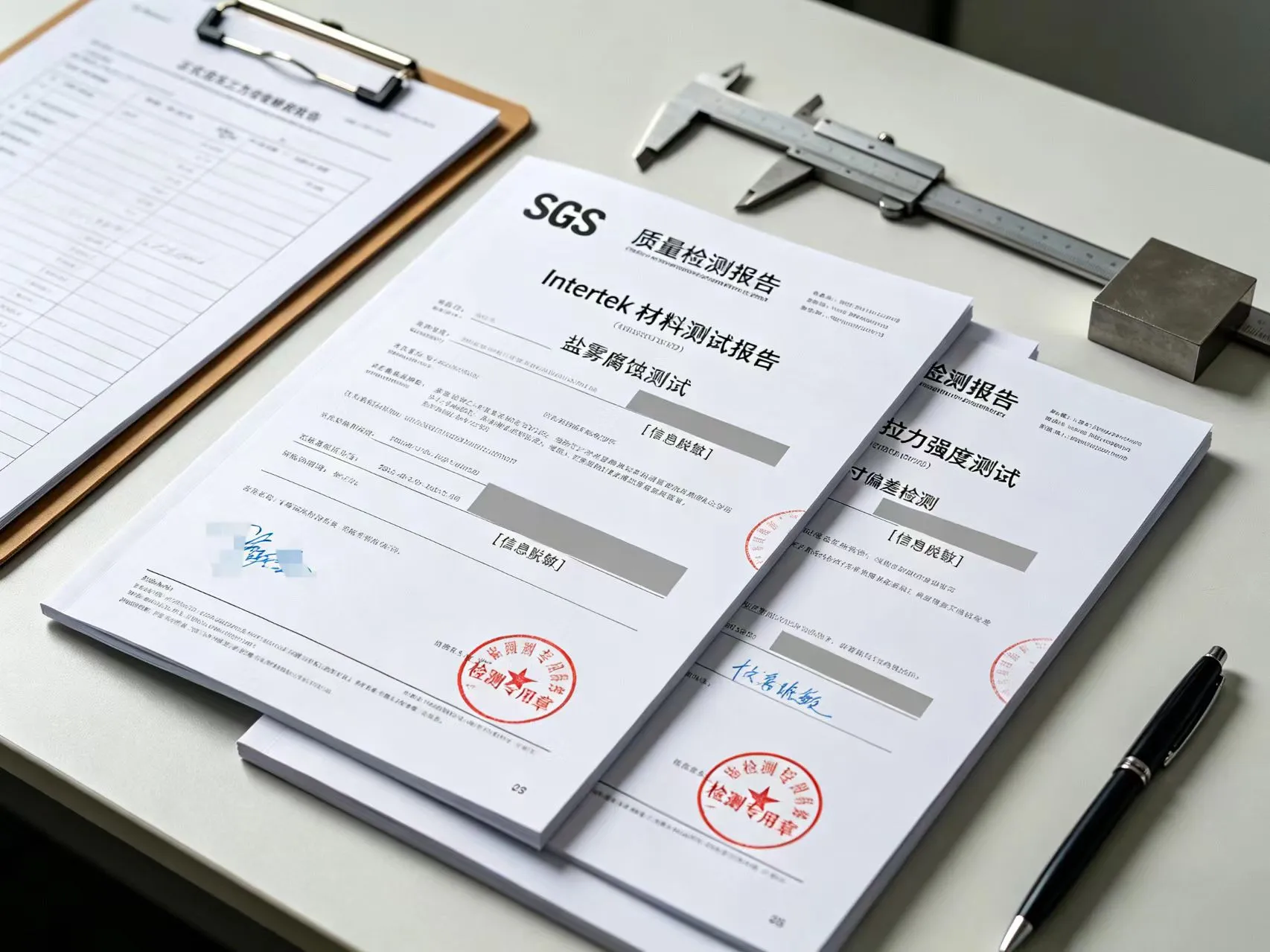
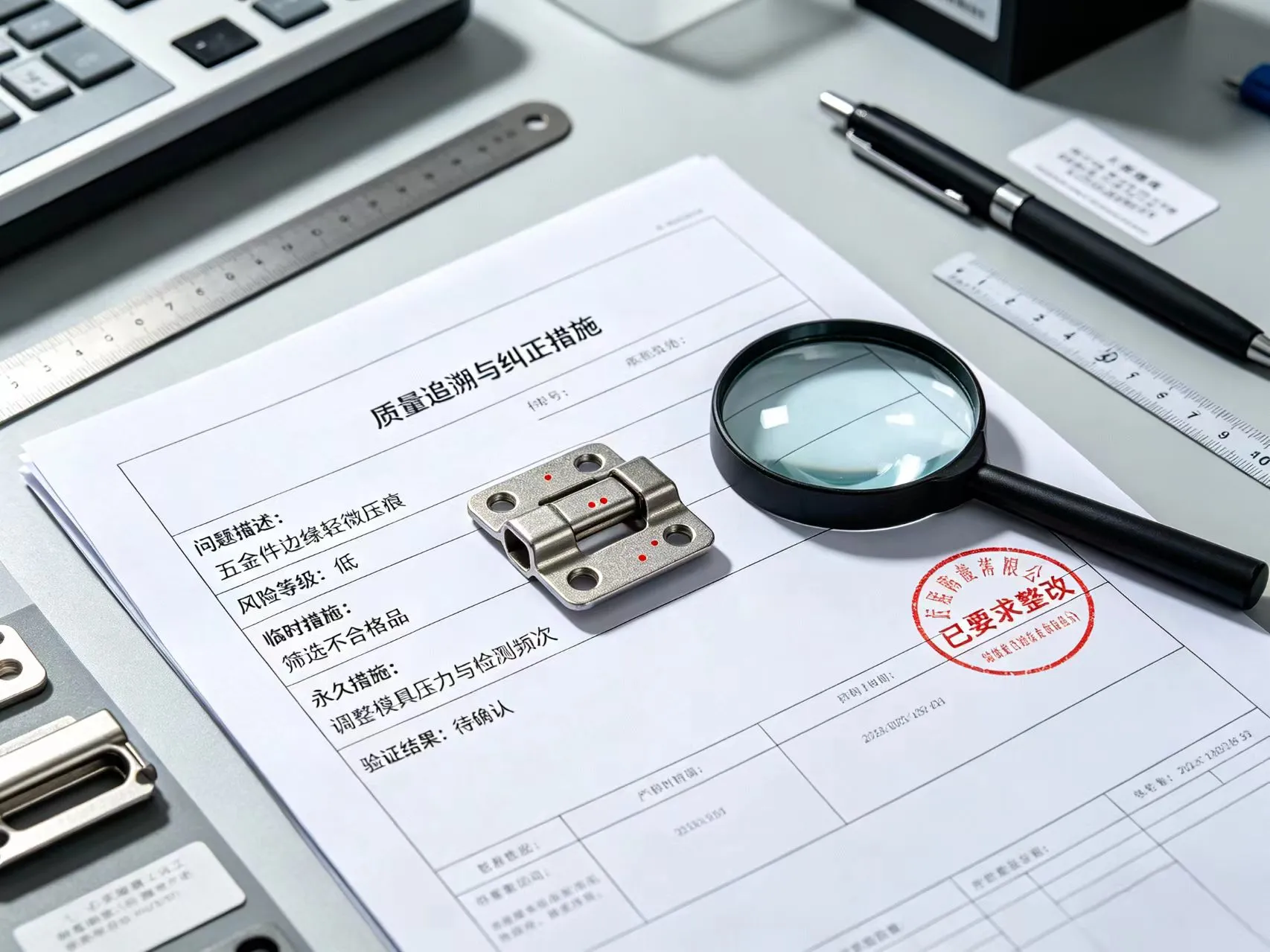
Third-Party Testing Partnerships
We collaborate with internationally recognized testing laboratories to provide comprehensive PFAS testing for textiles:
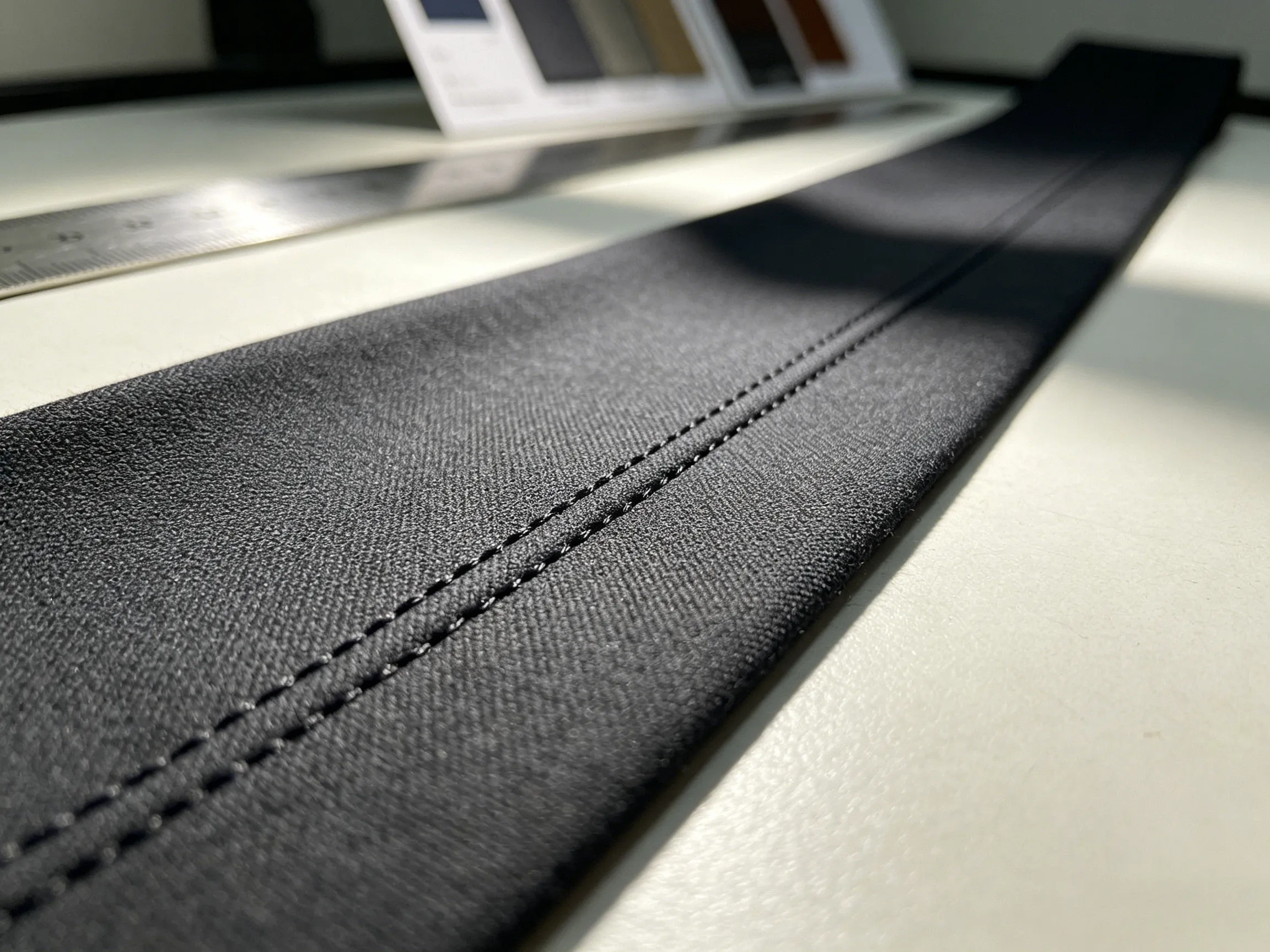
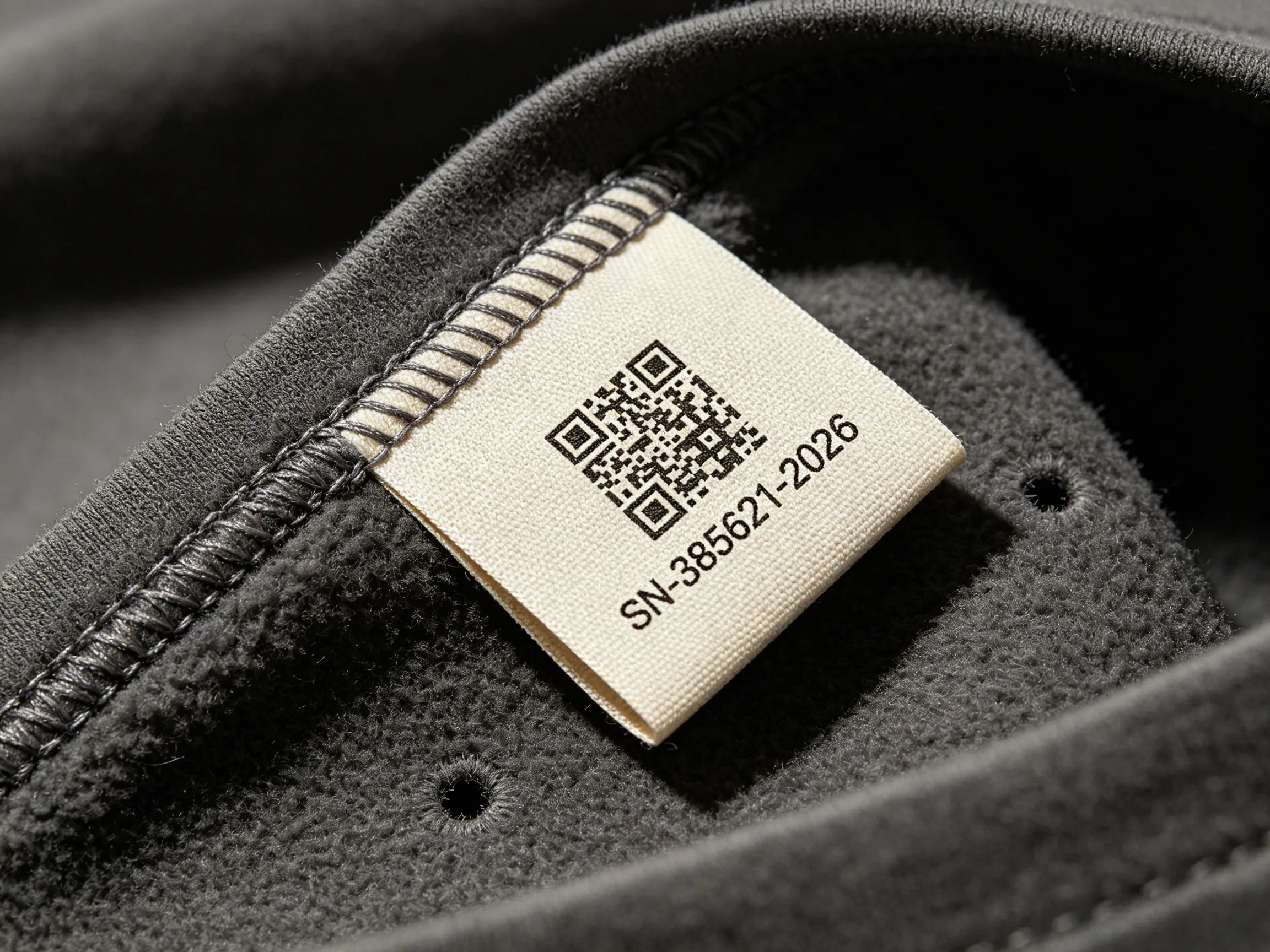
Microscopic Quality & Precision Craftsmanship
About Dreamway Manufacturing
Located in Guangzhou, China, Dreamway is a specialized handbag factory with over a decade of experience in sustainable handbag manufacturing. Our small but dedicated team of 30+ professionals serves clients across 50+ countries worldwide.
Learn more: www.gzdreamway.com
What Should Brands Ask Their Bag Manufacturer About PFAS?
When evaluating PFAS-free bags manufacturer partners, these essential questions will help ensure compliance:
Material Questions
- ✓ Are your fabrics PFAS-free?
- ✓ Do your coatings contain fluorinated chemicals?
- ✓ Can you provide material certifications?
- ✓ What testing protocols do you follow?
Manufacturing Questions
- ✓ How do you ensure chemical compliance?
- ✓ Do you conduct third-party testing?
- ✓ Can you support sustainable product development?
- ✓ What documentation can you provide?
The Future of PFAS-Free Handbags and Sustainable Textiles
The trajectory is clear: sustainable handbag manufacturing is no longer optional but essential for market competitiveness. Key future trends include:
More Regulations Worldwide
Additional countries and regions will implement PFAS restrictions
Eco-Conscious Consumer Demand
Increasing demand for environmentally responsible materials
Green Manufacturing Growth
Expansion of sustainable production capabilities
How Bag Manufacturers Can Help Brands Meet PFAS Requirements
A knowledgeable handbag manufacturer serves as a strategic partner in achieving regulatory compliance:
PFAS-Free Material Sourcing
Access to certified PFAS-free fabrics and trims
Custom Handbag Development
Tailored solutions meeting your specifications
Sustainable Production
Eco-friendly manufacturing processes
Compliance Support
Documentation and certification assistance
Quality Management
Rigorous QC throughout production
Transparency
Full supply chain visibility
Frequently Asked Questions About PFAS Regulations for Bags
What is PFAS in handbags?
PFAS in handbags refers to chemical substances historically used in water-resistant and stain-resistant treatments for bag materials. These “forever chemicals” persist in the environment and are now subject to increasing regulatory restrictions.
Are PFAS banned in bags and textiles?
PFAS regulations vary by region, but many markets are moving toward restrictions. The EU has proposed comprehensive bans, and US states are implementing their own requirements. Brands should prepare for a global shift toward PFAS-free products.
How can I make a PFAS-free handbag?
Creating PFAS-free handbags involves:
- Choose certified PFAS-free fabrics
- Use fluorine-free coatings and treatments
- Work with compliant manufacturers
- Obtain proper documentation and certifications
What materials are PFAS-free alternatives?
PFAS-free alternative materials include:
- Organic cotton
- Recycled polyester
- Fluorine-free treated fabrics
- Bio-based materials
- Natural fibers with wax coatings
How do manufacturers test for PFAS?
PFAS testing for textiles involves:
- Chemical testing laboratories (SGS, Intertek, etc.)
- Supplier documentation review
- Material certification programs
- Batch testing protocols
Conclusion: Preparing for a PFAS-Free Future in Bag Manufacturing
PFAS regulations are fundamentally reshaping the bag and textile industry. As regulatory requirements tighten globally, brands need reliable manufacturing partners that understand compliance and can deliver sustainable, market-ready products.
The transition to PFAS-free materials and sustainable production represents not just regulatory compliance, but a significant competitive advantage. Forward-thinking brands that embrace these changes will be better positioned for the future of fashion.
Partner with Dreamway for Your PFAS-Free Manufacturing Needs
Our experienced team is ready to help you develop compliant, sustainable, and market-ready handbag products. With our expertise in sustainable handbag manufacturing, modern quality control systems, and commitment to environmental responsibility, we are your ideal partner for navigating the PFAS-free transition.
Visit Our WebsitePremium bag & silk manufacturing — under one factory roof.
Tucked inside Shiling Town — Guangzhou’s centuries-old leather district — Dreamway is a focused manufacturing partner for brands that refuse to compromise. We build rugged, retail-ready tote bags, backpacks, handbags with a 200-piece MOQ, and craft 100% Mulberry silk pillowcases, scrunchies & sleep accessories starting from just 50 pieces. Our small team of 30+ artisans is senior, hands-on, and accountable — the same people who quote your sample will personally inspect your shipment.
Every order is verified against our published manufacturing quality standards — AQL 2.5 inspection, hardware pull-tests, seam-strength audits, and silk-fibre authenticity checks. From concept tech-pack to mass production, we run the entire supply chain in-house, so timelines stay honest and revisions stay painless.
Buying Guides & Manufacturing Insights
Sourcing smarter starts with knowing what to compare. These long-form guides break down the decisions our clients wrestle with most — from third-party inspections like the SGS vs Intertek vs Bureau Veritas showdown, to ranking China’s top 10 tote bag manufacturers, to the head-to-head of canvas vs polyester vs PU for bag bodies.
Designing your logo? Our custom tote bag logo size guide shows real placement and stitch-density examples. Curious how a handbag actually comes together? Walk through the leather handbag manufacturing process step by step, and pair it with the canvas tote durability factors that decide whether a bag survives five years of daily use.
For material decisions beyond canvas, compare PU vs polyester for bags and explore our roundup of the world’s top canvas bag manufacturers. If backpacks are your lane, our backpack manufacturing process and backpack lead-time guide give you realistic production windows. Choosing between social-compliance audits? Read BSCI vs SEDEX vs WRAP. For smaller leather goods, dive into the leather wallet manufacturer playbook; for sustainability claims, the recycled PU leather explainer and our backpack QC checklist separate marketing from reality. Finally, stay ahead of EU regulation with our PPWR FAQ for bag manufacturers.
Explore by Topic
Browse our deep-dive knowledge hubs — every cluster is curated by category and updated with new field reports.
By Category
Materials & Compliance
Real Client Cases
Numbers tell part of the story. These production cases show how Dreamway’s small team delivers at scale.
Featured Product Lines
A snapshot of what we manufacture most often — all OEM/ODM-ready with custom hardware, lining, and packaging.
Who We Help
From indie founders to global enterprise — Dreamway is built for brands that need a factory, not a freelancer.
Brand Builders
Beauty & Fashion
Lifestyle & Retail

Skip the inbox. Chat with Victoria — right now.
Point your camera at the QR and you’re connected to a real human in Guangzhou. Send a photo of your reference, get a quote within minutes, and lock in your 200-piece MOQ slot before this month’s capacity fills.
Specialized factories. Unified standards.
Leather & Bag Capital
Our bags come from Guangzhou’s Shiling leather district — home to 30+ senior artisans under one roof, working in 8,000 m² of integrated cutting, sewing, hardware-assembly, and QC space.
Mulberry Silk Heritage
Our 22mm Mulberry silk pillowcases and sleep sets come from vetted partner mills in Suzhou and Hangzhou — at the heart of China’s 5,000-year sericulture heritage, today running OEKO-TEX Standard 100 certified production lines.
Get your sample in 7 working days —
hand-built by Guangzhou’s 30+ artisans.
Send a sketch, a screenshot, or a competitor’s bag you want to beat. We’ll hand-build a custom sample and ship it to your door — produced by the same craftspeople who will run your mass-production order.
business days · in your timezone
on request · signed in 1 day
if first one misses the brief