
EU GPSR Compliance Guide for Bag Importers
In an era where product safety regulations are becoming increasingly stringent across global markets, the European Union’s General Product Safety Regulation (GPSR) stands as one of the most comprehensive frameworks governing consumer product safety. For bag importers operating within the EU—or those seeking to expand into this lucrative market—understanding and complying with GPSR is no longer optional. It is a fundamental requirement for market access, brand credibility, and sustainable business operations.
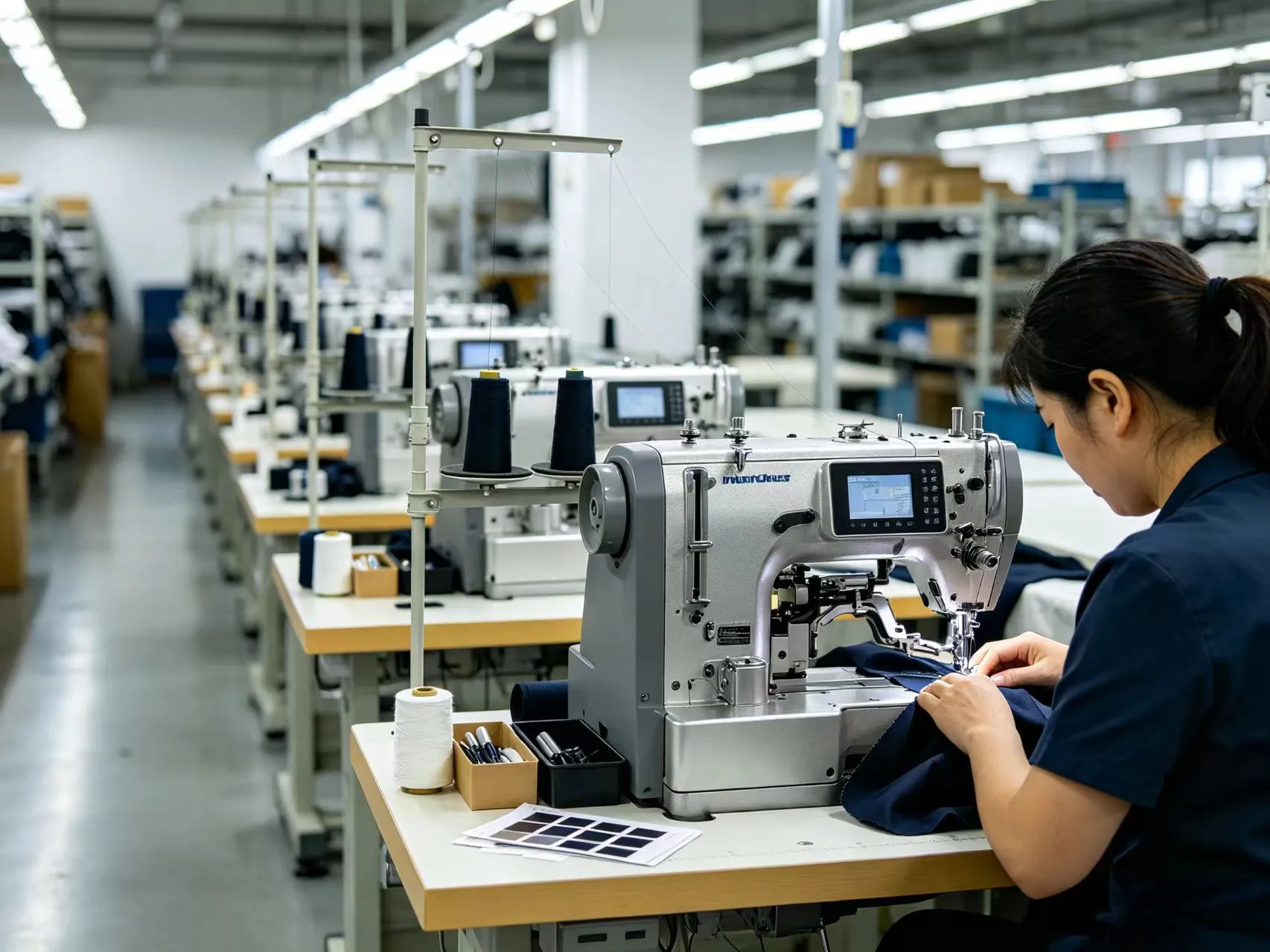
This comprehensive guide demystifies the EU GPSR, clarifies its distinctions from other compliance standards such as CE marking, REACH, and OEKO-TEX certification, and provides actionable insights for bag importers, brand owners, and OEM/ODM buyers seeking to navigate the complex landscape of product safety compliance.
What Is the EU GPSR?
The EU General Product Safety Regulation (Regulation (EU) 2023/988) represents the European Union’s updated framework for ensuring that products placed on the market are safe for consumer use. While many industry professionals are familiar with terms like CE marking and REACH compliance, GPSR operates as a distinct yet complementary regulatory mechanism.
GPSR replaced the previous General Product Safety Directive (GPSD), which had been in place since 2001. The transition from a Directive to a Regulation reflects the EU’s intent to create more uniform, directly applicable rules across all member states—eliminating the variability that often arose from national implementations of Directives.
Key Characteristics of GPSR
- Full Name: General Product Safety Regulation (EU) 2023/988
- Purpose: To ensure all consumer products placed on the EU market are safe under normal and reasonably foreseeable conditions of use
- Effective Date: December 13, 2024
- Scope: Applies to all consumer products, with specific exclusions for medical devices, pharmaceuticals, and food products
Products Covered by GPSR
GPSR applies broadly to all consumer products intended for or likely to be used by consumers, regardless of whether they are new, second-hand, or reconditioned. For the bag industry, this includes but is not limited to:
Products Excluded from GPSR
Certain product categories are explicitly excluded from GPSR’s scope and are governed by other specific regulations:
- Personal protective equipment (covered by EU PPE Regulation)
- Aviation products (covered by sector-specific regulations)
- Live animals
- Antiques
- Products for “first use” by businesses
Who Must Comply with GPSR?
GPSR establishes a comprehensive chain of responsibility across the entire product supply chain. Understanding who bears which obligations is crucial for ensuring compliance at every stage—from design conception to final delivery to the end consumer.

| Economic Operator | Primary Responsibilities |
|---|---|
| Manufacturers | Product safety design, risk assessment, technical documentation, market surveillance |
| OEM Factories | Compliance with buyer specifications, quality control, batch records, test report generation |
| Brand Owners | Market compliance strategy, technical file maintenance, recall coordination |
| EU Importers | Verifier of manufacturer compliance, EU representative designation, documentation custody |
| Distributors | Due diligence, storage compliance, documentation verification |
| Fulfillment Companies | Storage and logistics compliance, traceability maintenance |
| Online Marketplaces | Marketplace operator obligations, suspicious product reporting |
Does GPSR Apply to Your Bags?
For bag importers, the applicability of GPSR is straightforward: if you are placing bags on the EU market for consumer use, GPSR applies. This encompasses not only traditional retailers but also:
- Bag brands developing proprietary product lines
- Importers bringing international products into the EU
- Amazon sellers and other e-commerce marketplace vendors operating in EU territories
- Shopify brands and direct-to-consumer businesses shipping to EU customers
- Promotional product companies supplying branded merchandise
- OEM/ODM buyers commissioning custom bag production

Why Compliance Must Begin Before Production
A critical distinction that many importers overlook is that GPSR compliance should be integrated into the product development process—not addressed retroactively before shipment. This proactive approach offers significant advantages:
- Cost Efficiency: Identifying and rectifying safety issues during design costs a fraction of addressing them after production or during customs inspection
- Time Savings: Retrofitting products with required labels, documentation, and safety features can delay shipments by weeks
- Risk Mitigation: Products that fail compliance checks face recalls, market withdrawal, and potential legal liabilities
- Brand Protection: Non-compliant products damage brand reputation and customer trust
GPSR Requirements for Bag Importers
GPSR imposes comprehensive requirements across multiple dimensions of product safety. For bag importers, the following areas demand particular attention:
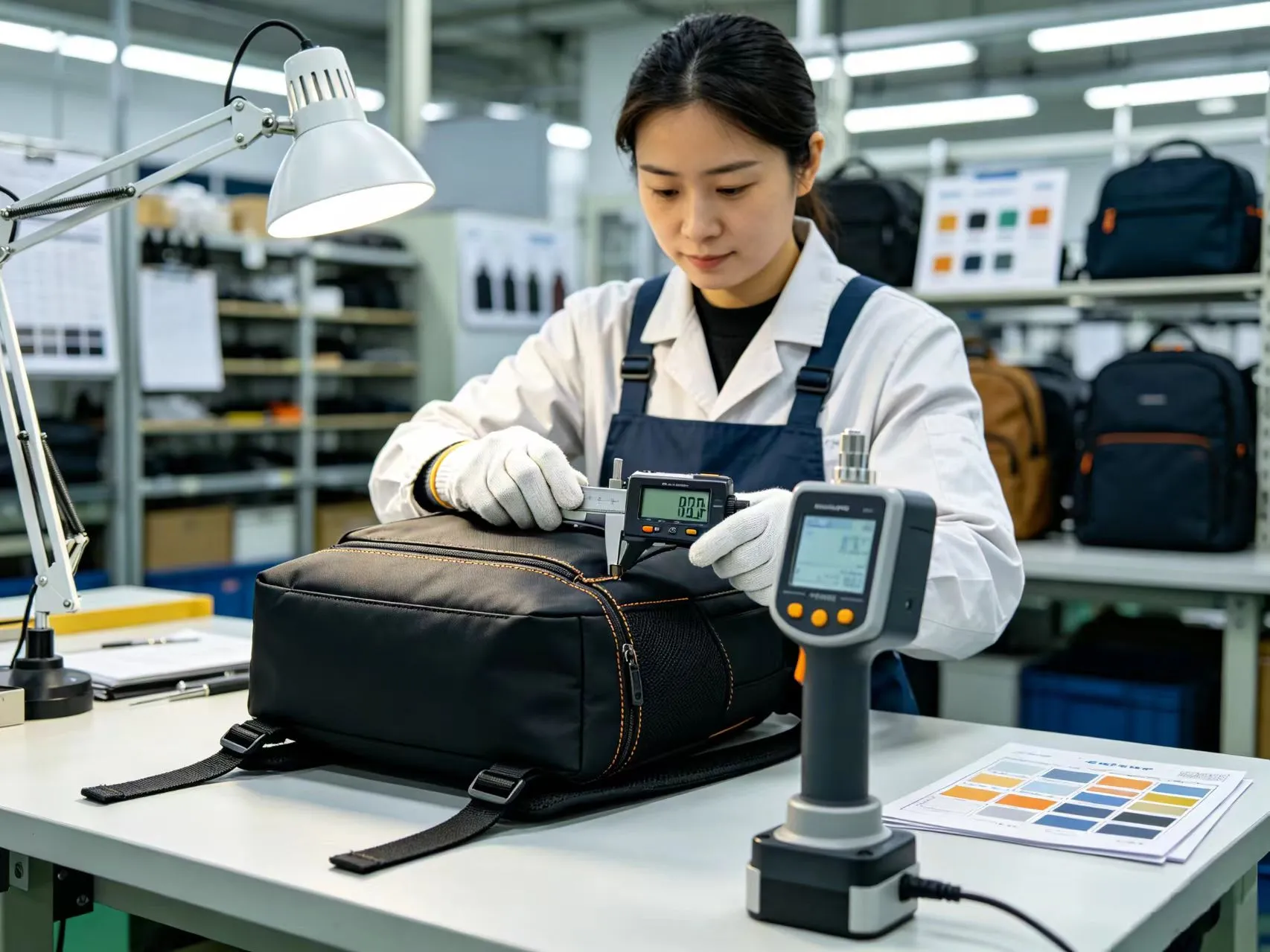
Product Safety Requirements
Chemical Safety
- Restricted substances compliance (REACH Annex XVII)
- Phthalate content limits
- Heavy metal restrictions (lead, cadmium, mercury)
- Azo dyes and formaldehyde levels
- Flame retardant chemicals (where applicable)
Mechanical Safety
- Choking hazards: Small components must be securely fastened
- Sharp edges: All metal hardware and structural elements must be smooth and rounded
- Drawstrings: Must not pose strangulation risks, especially for children’s products
- Breaking strength: Handles, straps, and seams must withstand expected loads
- Flammability: Materials must meet appropriate fire resistance standards
Packaging Safety
- Packaging materials must not pose choking or suffocation hazards
- Plastic packaging requires recycling symbols and thickness considerations
- Age-appropriate warning labels on packaging
Technical Documentation Required Under GPSR
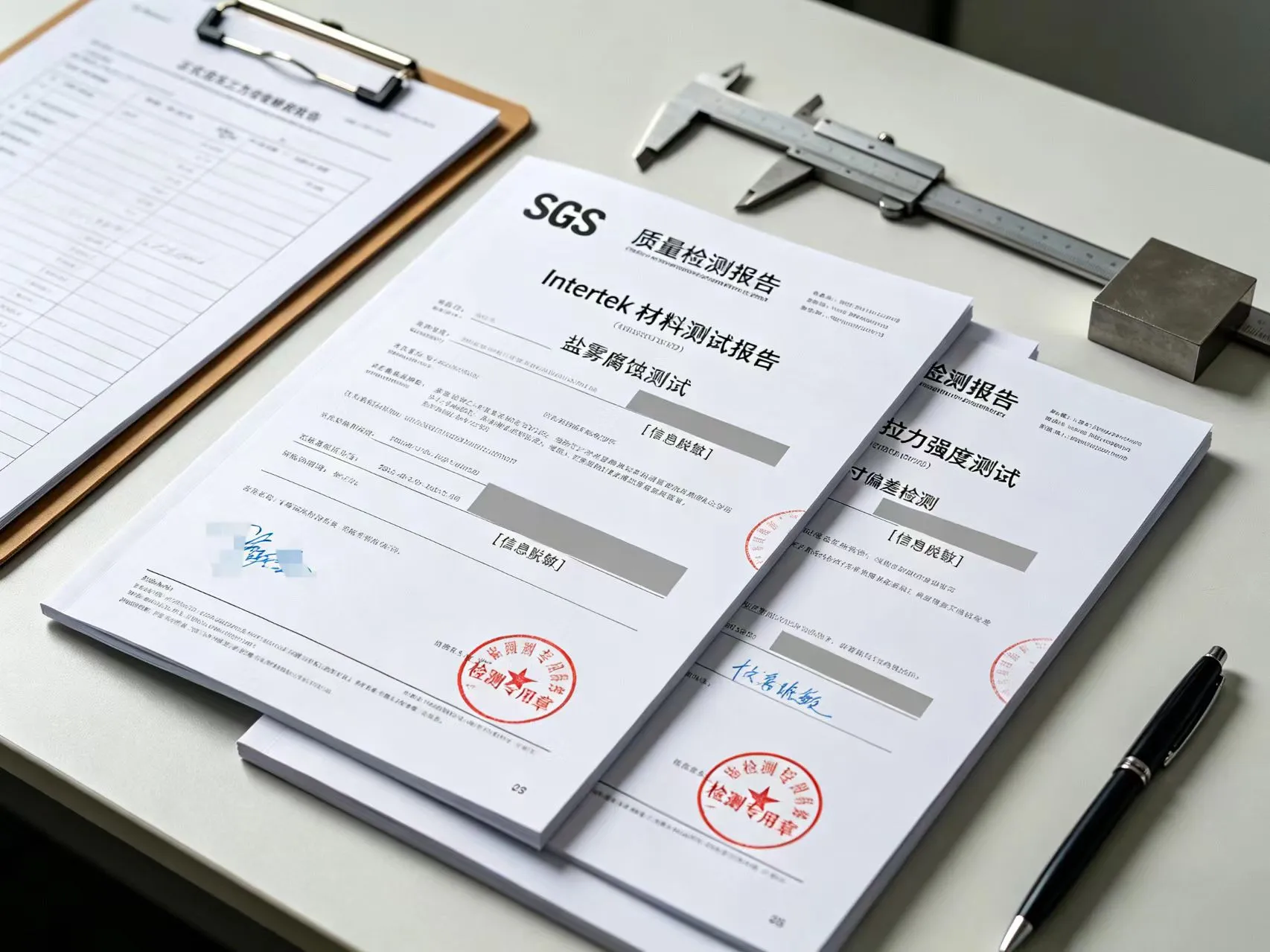
The technical file forms the cornerstone of GPSR compliance. Importers must maintain comprehensive documentation that demonstrates product safety and enables regulatory authorities to assess compliance upon request.
| Document Type | Description | Purpose |
|---|---|---|
| Product Description | Detailed specifications, intended use, target consumer | Defines product scope and safety parameters |
| Material Specifications | Component-by-component material listing with supplier declarations | Enables chemical compliance verification |
| Bill of Materials (BOM) | Complete inventory of all components, hardware, and materials | Supports traceability and risk assessment |
| Risk Assessment | Systematic identification and evaluation of potential hazards | Demonstrates safety-by-design approach |
| Factory Inspection Records | Audit reports, quality certifications, production capability assessments | Validates manufacturing competence |
| Test Reports | Laboratory results for chemical, mechanical, and functional testing | Proves compliance with safety standards |
| User Instructions | Care labels, usage guidelines, age recommendations | Ensures safe consumer use |
| Warning Labels | Age warnings, material hazards, care instructions | Communicates residual risks |
| Batch Records | Production lot numbers, production dates, quality checkpoints | Enables incident tracing |
| Supplier Declarations | COC, MSDS, test reports from material suppliers | Documents supply chain compliance |
| Traceability Information | QR codes, serial numbers, production tracking systems | Supports recall capabilities |
GPSR Labeling Requirements
Product labeling under GPSR must provide consumers and market surveillance authorities with essential information for safe product use and compliance verification.

┌─────────────────────────────────────────┐
│  Product Information:                  │
│  Model: Luxury Leather Tote - Classic  │
│  SKU: LTH-TOTE-001                      │
│                                         │
│  Importer:                              │
│  [Company Name]                         │
│  [Address]                              │
│  [Email] | [Phone]                      │
│                                         │
│  Manufacturer:                          │
│  Dreamway Leather Goods Co., Ltd.       │
│  Guangzhou, China                       │
│                                         │
│  Country of Origin: China               │
│  Batch No.: 2024-GP-001                │
│                                         │
│  ⚠️ WARNING:                          │
│  Not suitable for children under 3     │
│  due to small parts.                   │
│                                         │
│  [QR Code → Digital Product Passport]   │
└─────────────────────────────────────────┘
Required Label Elements
- Importer Information: EU-based importer’s name, address, and contact details
- Manufacturer Information: Name and address of manufacturing facility
- Country of Origin: Clearly marked on product and packaging
- Batch Number: For traceability purposes
- Model Number: Product identification
- Warnings: Age-appropriate warnings, material hazards, care instructions
- Contact Information: Accessible channels for consumer inquiries
- QR Codes: Linking to digital product information (increasingly required)
GPSR Traceability Requirements
Traceability is a cornerstone of effective product safety management. GPSR requires that products can be traced throughout the supply chain—from raw material suppliers to end consumers.
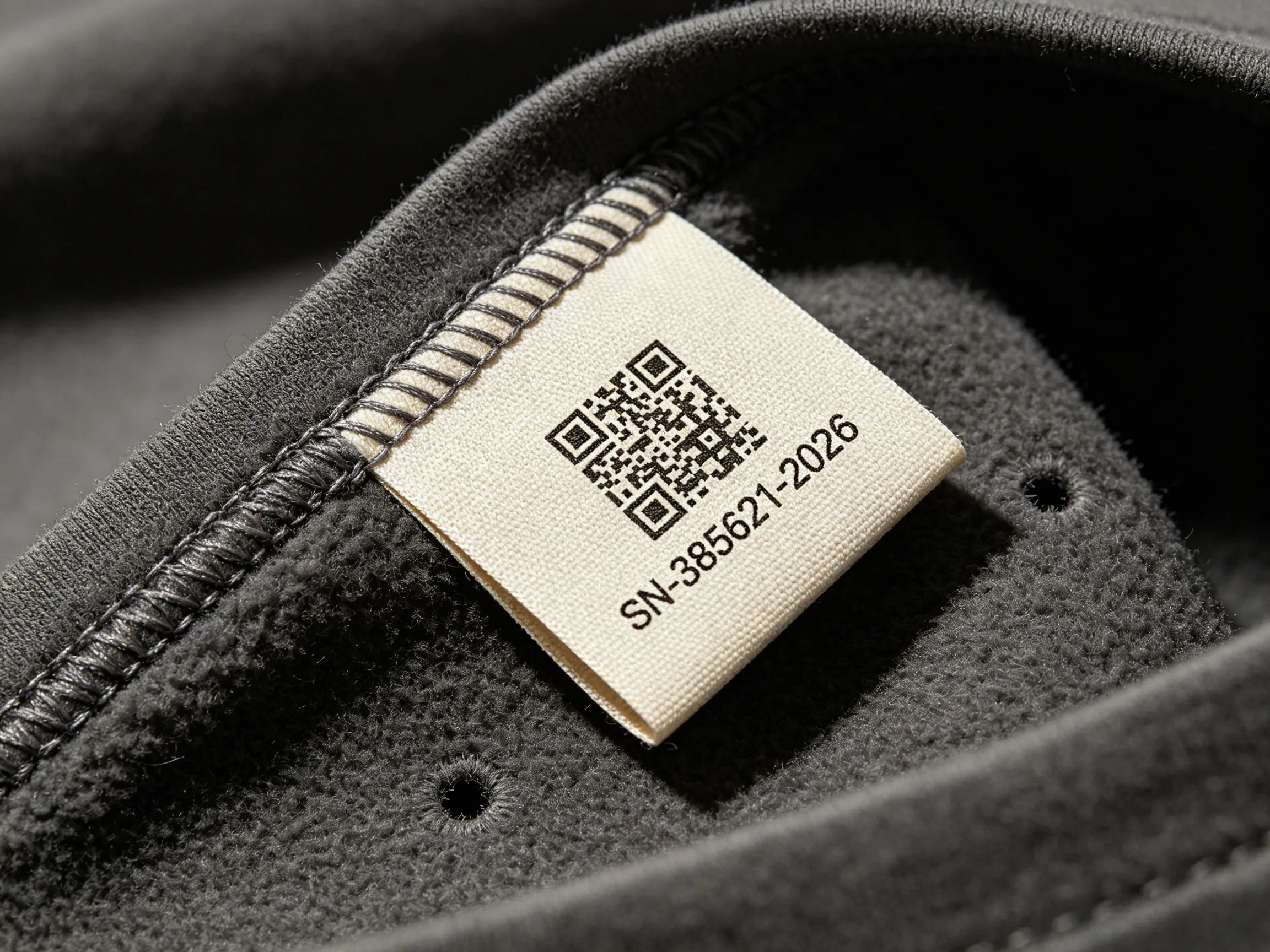
Traceability Elements
- Batch Numbers: Unique identifiers assigned to production lots
- Production Records: Detailed manufacturing logs including dates, operators, and quality checkpoints
- Material Traceability: Ability to trace each component back to its supplier
- Supplier Management: Approved supplier lists with qualification records
- QR Code Systems: Digital links to product passports containing full compliance documentation
- Digital Records: Electronic systems maintaining compliance documentation
- Serial Numbers: For individual product identification when required
Why Traceability Reduces Recalls
Effective traceability systems dramatically reduce the scope and cost of product recalls. When a safety issue is identified, importers with robust traceability can:
- Quickly identify affected batch numbers
- Target recalls precisely rather than recalling entire product lines
- Communicate effectively with distributors and retailers
- Provide authorities with evidence of due diligence
- Minimize consumer disruption and brand damage
GPSR Risk Assessment for Bags
A systematic risk assessment framework is essential for demonstrating GPSR compliance. Manufacturers and importers must document their analysis of potential hazards and the measures taken to mitigate them.

| Risk Category | Potential Hazards | Assessment Method |
|---|---|---|
| Chemical Risks | Restricted substances, heavy metals, formaldehyde | Laboratory testing, supplier declarations |
| Mechanical Risks | Handle breakage, zipper failure, seam splitting | Strength testing, drop testing, fatigue testing |
| Functional Risks | Unexpected use patterns, age-inappropriate features | User testing, market research |
| Packaging Risks | Choking hazards, suffocation risks, age warnings | Visual inspection, age-gating review |
| Children’s Products | Small parts, sharp edges, strangulation risks | Age-specific testing, warning label review |
| Transportation Risks | Storage conditions, humidity, temperature | Packaging testing, transit simulation |
| Environmental Risks | Recyclability, hazardous material disposal | Material review, packaging assessment |
GPSR Testing Requirements
Testing forms the empirical foundation of GPSR compliance. While specific test requirements depend on product type and intended use, the following categories are commonly applicable to bags.

Chemical Testing
- Heavy metals analysis (lead, cadmium, mercury, chromium)
- Phthalate content (DEHP, DBP, BBP, DINP)
- Azo dye decomposition products
- Formaldehyde content
- Color fastness (migration, fading)
Mechanical Testing
- Handle testing: Load-bearing capacity, fatigue resistance, attachment strength
- Zipper testing: Cycle testing, pull force, interlocking strength
- Seam strength: Breaking force, stitch integrity
- Drop testing: Impact resistance from specified heights
- Handle testing: Cycle testing, break strength
Packaging Testing
- Drop test for packaged products
- Stack compression test
- Packaging material composition verification
Third-Party Laboratory Requirements
GPSR requires that testing be conducted by competent, objective laboratories. While manufacturers may conduct internal testing, third-party verification from accredited laboratories significantly strengthens compliance documentation. Major testing organizations include:
- SGS (Société Générale de Surveillance)
- Intertek
- Bureau Veritas
- TÜV Rheinland
- UL Solutions
GPSR vs. Other Compliance Standards
Understanding the relationship between GPSR and other compliance frameworks is essential for developing an efficient compliance strategy.

| Standard | Purpose | Mandatory/Voluntary | Region | Documentation |
|---|---|---|---|---|
| GPSR | General product safety | Mandatory | European Union | Technical file, risk assessment |
| REACH | Chemical substance regulation | Mandatory | European Union | REACH compliance declarations |
| California Prop 65 | Chemical exposure warnings | Mandatory | California, USA | Warning labels for listed chemicals |
| OEKO-TEX Standard 100 | Textile safety certification | Voluntary | Global | Annual testing, certification |
| CPSIA | Children’s product safety | Mandatory | United States | Tracking labels, testing reports |
| ISO 9001 | Quality management | Voluntary | Global | Quality management system |
| BSCI | Social compliance | Voluntary | Global (EU focus) | Audit reports, improvement plans |
| GRS | Recycled content verification | Voluntary | Global | Chain of custody, content verification |
Key Distinctions
- GPSR ≠ CE: CE marking applies to specific product categories with harmonized standards. GPSR is broader and applies to all consumer products. A bag may require CE marking for specific features (e.g., children’s products withdrawable cords) while also requiring GPSR compliance.
- GPSR ≠ REACH: REACH focuses specifically on chemical substances. GPSR encompasses all safety aspects including chemicals, but also mechanical, functional, and packaging safety.
- GPSR ≠ OEKO-TEX: OEKO-TEX is a voluntary certification demonstrating textile safety. GPSR makes compliance mandatory but does not prescribe specific testing standards.
Common GPSR Compliance Mistakes
Learning from others’ errors can save significant time, money, and regulatory headaches. Here are the most frequently observed compliance failures:
Assuming REACH Equals GPSR
REACH compliance is necessary but not sufficient. GPSR requires comprehensive documentation beyond chemical compliance, including mechanical safety, traceability, and labeling.
Missing EU Importer Information
Products without identifiable EU responsible parties cannot be legally placed on the EU market. This information must appear on the product, packaging, and accompanying documentation.
Incomplete Technical File
A technical file is not merely a collection of test reports. It must include risk assessments, design rationale, traceability records, and ongoing compliance documentation.
Poor Traceability Systems
Without batch-level traceability, any safety incident requires recalling the entire production run—a costly and unnecessary outcome.
Outdated Test Reports
Material formulations change. Test reports must reflect current production. Annual re-testing is recommended for consistent products.
Supplier Documentation Gaps
Component suppliers must provide current declarations and test reports. Relying on outdated or incomplete supplier documentation creates compliance vulnerabilities.
Improper Warning Labels
Warnings must be clear, conspicuous, and appropriate for the target consumer. Generic warnings that fail to address specific hazards are inadequate.
No Formal Risk Assessment
Assuming safety without documented analysis is not compliance. Every product requires a structured risk assessment demonstrating identification and mitigation of hazards.
GPSR Compliance Workflow for OEM Projects
For importers commissioning custom bag production, integrating GPSR compliance throughout the project lifecycle ensures efficient market entry.
.webp)
Customer Inquiry
Define product requirements, target market (EU focus = GPSR applicability), and compliance expectations.
Material Selection
Evaluate materials against REACH, OEKO-TEX, and GPSR chemical requirements. Obtain supplier declarations and SDS sheets.
Compliance Review
Conduct preliminary risk assessment. Identify potential hazards and design mitigation measures.
Sample Approval
Evaluate prototype against design specifications and safety requirements. Verify labeling and packaging compliance.
Laboratory Testing
Conduct required chemical and mechanical testing through accredited third-party laboratories.
Risk Assessment Finalization
Document comprehensive risk analysis incorporating test results. Define residual risks and warning requirements.
Mass Production
Implement quality control checkpoints. Maintain production records and batch traceability systems.
Final Inspection
Conduct pre-shipment compliance verification. Confirm labeling accuracy and documentation completeness.
Documentation Package
Compile complete technical file including test reports, risk assessments, traceability records, and compliance declarations.
Shipping
Verify EU importer documentation. Confirm batch numbers and QR code functionality. Prepare customs documentation.
GPSR Checklist Before Shipping
Use this comprehensive checklist to verify GPSR compliance before each shipment to the EU market.
Product Safety Review
- Risk assessment completed and documented
- All identified hazards addressed or mitigated
- Design changes reviewed for safety implications
- User testing conducted (if applicable)
Chemical Compliance
- REACH compliance verified
- Heavy metal testing completed
- Phthalate content within limits
- Supplier declarations obtained
- MSDS sheets collected
Technical Documentation
- Technical file complete
- Test reports from accredited laboratories
- BOM documentation verified
- Factory inspection records on file
- User instructions finalized
Label Verification
- EU importer information displayed
- Manufacturer information correct
- Country of origin marked
- Batch number assigned
- Model number visible
- Warnings appropriate for target age group
- QR code functional and linked
Packaging Review
- Packaging materials verified
- Age warnings on packaging
- Recycling symbols present (if required)
- Packaging dimensions accurate
Factory Inspection
- Latest audit report current
- Quality certifications valid
- Production capability confirmed
- Social compliance verified (BSCI/Audit)
Traceability
- Batch numbering system functional
- Production records maintained
- Material traceability complete
- Supplier list updated
Supplier Declaration
- Declaration of Conformity signed
- Material declarations current
- Chain of custody documented
Testing Reports
- Chemical test reports valid
- Mechanical test reports current
- Test standards match product requirements
- Laboratory accreditation verified
Batch Records
- Production date recorded
- Quality checkpoint results documented
- Operator records maintained
- Defect records filed
Frequently Asked Questions
Is GPSR mandatory?
Yes. GPSR (EU General Product Safety Regulation) is mandatory for all consumer products placed on the EU market. Non-compliance can result in market withdrawal, recalls, fines, and legal liability.
Does GPSR apply outside Europe?
No. GPSR applies specifically to products placed on the market in the European Union. However, similar regulations exist in other markets (e.g., CPSIA in the United States, Product Safety Act in Australia).
Is GPSR the same as CE marking?
No. CE marking applies to products covered by specific EU harmonization legislation with designated harmonized standards. GPSR applies to all consumer products and does not use CE marking. However, some products may require both GPSR compliance and CE marking.
Does GPSR replace REACH?
No. REACH (Registration, Evaluation, Authorization and Restriction of Chemicals) remains in force and focuses specifically on chemical substances. GPSR encompasses broader product safety requirements including, but not limited to, chemical safety.
Who is responsible for compliance?
Compliance responsibility extends across the supply chain. For products manufactured outside the EU, the EU importer typically bears primary responsibility for ensuring compliance before placing products on the market.
What documents are required?
A complete technical file should include: product description, material specifications, BOM, risk assessment, factory inspection records, test reports, user instructions, warning labels, batch records, supplier declarations, and traceability information.
Can factories prepare GPSR files?
Yes. Experienced OEM factories like Dreamway can prepare comprehensive GPSR documentation packages, including risk assessments, test coordination, and traceability systems. However, the EU importer remains ultimately responsible for compliance.
Does Amazon require GPSR?
Yes. Amazon and other online marketplaces selling to EU consumers require sellers to ensure products comply with applicable EU regulations, including GPSR. Amazon may request compliance documentation during listing or upon request.
What happens if products fail GPSR?
Non-compliant products face market withdrawal, mandatory recalls, fines, and potential legal action. Authorities can also impose import bans and require destruction of non-compliant products at the importer’s expense.
How often should products be tested?
Annual re-testing is recommended for consistent products. Testing should be repeated whenever materials change, production processes change, or new hazard information becomes available.

Final Thoughts
GPSR represents a fundamental shift in how product safety is conceptualized and implemented within the European Union. Moving beyond checkbox compliance to genuine safety culture requires investment in documentation, testing, traceability systems, and ongoing vigilance.
The regulation establishes that compliance is not a single certificate or test report—it is a comprehensive, documented commitment to product safety spanning design, production, documentation, and market monitoring. Manufacturers and importers who integrate GPSR thinking into their product development processes from the outset will find compliance becomes a natural extension of quality operations rather than a burdensome regulatory requirement.
For bag importers seeking to establish or strengthen their position in the EU market, GPSR compliance is not merely a legal obligation—it is a competitive advantage. Brands that demonstrate robust compliance infrastructure build trust with retailers, reduce customs delays, minimize recall risks, and position themselves for sustainable market success.
About Dreamway
Dreamway is a professional bag manufacturing factory located in Shiling Town, Huadu District, Guangzhou, China. We specialize in leather goods, canvas bags, and silk products, serving clients across 50+ countries with a dedicated team of 30+ professionals.
Products: Leather handbags, canvas bags, backpacks, travel bags, silk pillowcases, silk sleep masks, silk scrunchies, and custom OEM/ODM products
MOQ: 200 pieces for bags | 50 pieces for silk products
Website: https://www.gzdreamway.com/
We provide comprehensive compliance documentation support, including GPSR technical files, REACH compliance testing, and full traceability systems for EU market requirements.
Premium bag & silk manufacturing — under one factory roof.
Tucked inside Shiling Town — Guangzhou’s centuries-old leather district — Dreamway is a focused manufacturing partner for brands that refuse to compromise. We build rugged, retail-ready tote bags, backpacks, handbags with a 200-piece MOQ, and craft 100% Mulberry silk pillowcases, scrunchies & sleep accessories starting from just 50 pieces. Our small team of 30+ artisans is senior, hands-on, and accountable — the same people who quote your sample will personally inspect your shipment.
Every order is verified against our published manufacturing quality standards — AQL 2.5 inspection, hardware pull-tests, seam-strength audits, and silk-fibre authenticity checks. From concept tech-pack to mass production, we run the entire supply chain in-house, so timelines stay honest and revisions stay painless.
Buying Guides & Manufacturing Insights
Sourcing smarter starts with knowing what to compare. These long-form guides break down the decisions our clients wrestle with most — from third-party inspections like the SGS vs Intertek vs Bureau Veritas showdown, to ranking China’s top 10 tote bag manufacturers, to the head-to-head of canvas vs polyester vs PU for bag bodies.
Designing your logo? Our custom tote bag logo size guide shows real placement and stitch-density examples. Curious how a handbag actually comes together? Walk through the leather handbag manufacturing process step by step, and pair it with the canvas tote durability factors that decide whether a bag survives five years of daily use.
For material decisions beyond canvas, compare PU vs polyester for bags and explore our roundup of the world’s top canvas bag manufacturers. If backpacks are your lane, our backpack manufacturing process and backpack lead-time guide give you realistic production windows. Choosing between social-compliance audits? Read BSCI vs SEDEX vs WRAP. For smaller leather goods, dive into the leather wallet manufacturer playbook; for sustainability claims, the recycled PU leather explainer and our backpack QC checklist separate marketing from reality. Finally, stay ahead of EU regulation with our PPWR FAQ for bag manufacturers.
Explore by Topic
Browse our deep-dive knowledge hubs — every cluster is curated by category and updated with new field reports.
By Category
Materials & Compliance
Real Client Cases
Numbers tell part of the story. These production cases show how Dreamway’s small team delivers at scale.
Featured Product Lines
A snapshot of what we manufacture most often — all OEM/ODM-ready with custom hardware, lining, and packaging.
Who We Help
From indie founders to global enterprise — Dreamway is built for brands that need a factory, not a freelancer.
Brand Builders
Beauty & Fashion
Lifestyle & Retail

Skip the inbox. Chat with Victoria — right now.
Point your camera at the QR and you’re connected to a real human in Guangzhou. Send a photo of your reference, get a quote within minutes, and lock in your 200-piece MOQ slot before this month’s capacity fills.
Specialized factories. Unified standards.
Leather & Bag Capital
Our bags come from Guangzhou’s Shiling leather district — home to 30+ senior artisans under one roof, working in 8,000 m² of integrated cutting, sewing, hardware-assembly, and QC space.
Mulberry Silk Heritage
Our 22mm Mulberry silk pillowcases and sleep sets come from vetted partner mills in Suzhou and Hangzhou — at the heart of China’s 5,000-year sericulture heritage, today running OEKO-TEX Standard 100 certified production lines.
Get your sample in 7 working days —
hand-built by Guangzhou’s 30+ artisans.
Send a sketch, a screenshot, or a competitor’s bag you want to beat. We’ll hand-build a custom sample and ship it to your door — produced by the same craftspeople who will run your mass-production order.
business days · in your timezone
on request · signed in 1 day
if first one misses the brief