
How to Read a Factory QC Inspection Report
A Comprehensive Guide for International Sourcing Professionals
In international trade, a Factory QC Inspection Report is more than just a document—it is the definitive evidence of your product’s quality at the point of production. Yet, for many procurement professionals, receiving a 30-page quality inspection report can feel overwhelming. Critical data points get overlooked, and decision-making becomes paralyzed by uncertainty.
This comprehensive guide will empower you to decode every section of a QC inspection report with confidence. You will learn how to interpret inspection results, understand defect classifications, master the AQL system, and make informed sourcing decisions that protect your brand and your bottom line.
What Is a Factory QC Inspection Report?
A Factory QC Inspection Report is a formal document that records the quality inspection results of products either during production or before shipment. It serves as the critical evidence that determines whether your products meet specified requirements, contractual standards, and regulatory compliance.
For international buyers sourcing from manufacturers—especially in categories like bags, accessories, and silk products—a QC report is often the only independent verification you receive before products leave the factory. It is the foundation upon which release decisions, payment authorizations, and risk assessments are made.
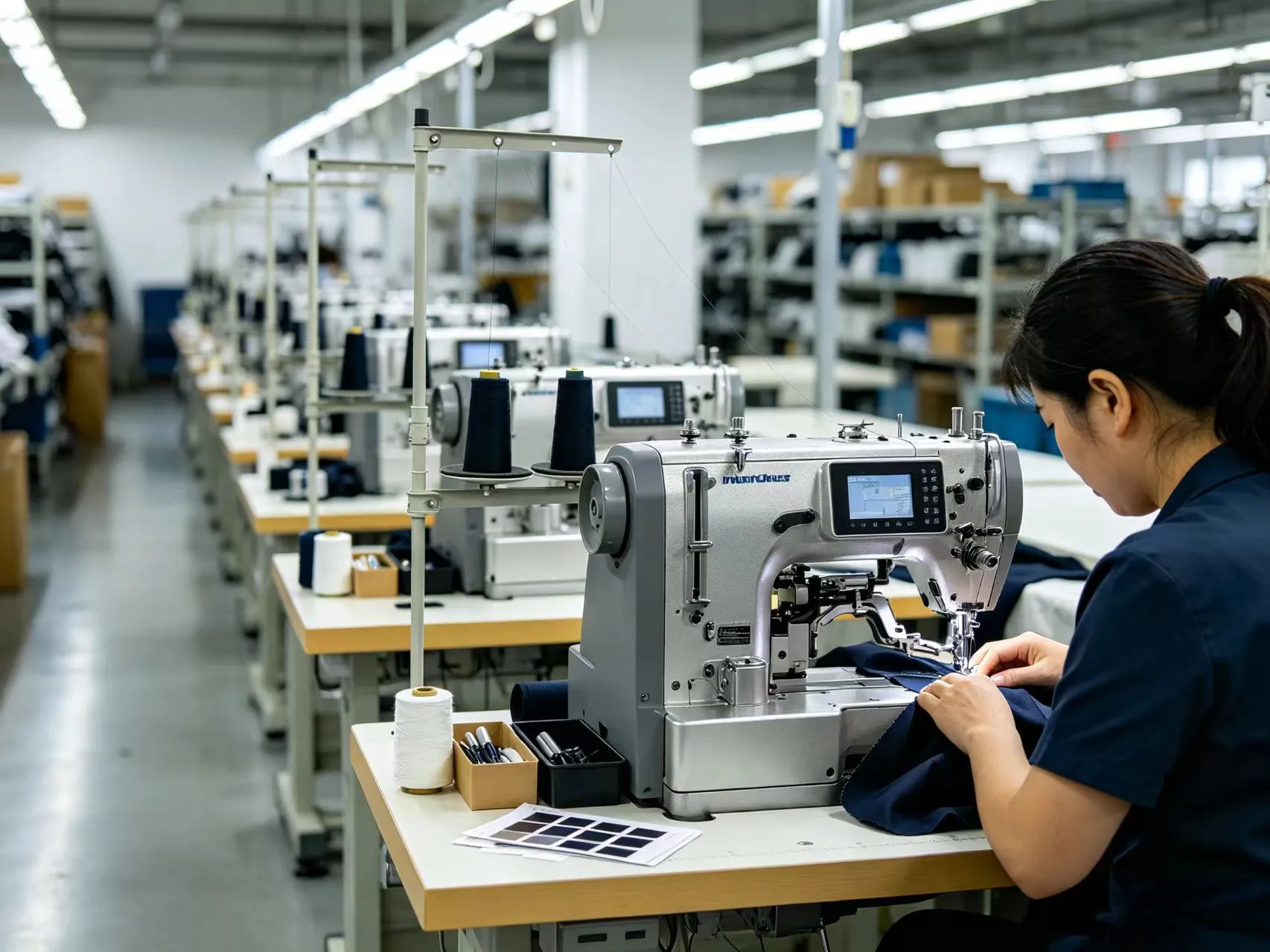
Why QC Inspection Reports Matter to Buyers
- Verify Product Quality — Confirm that manufactured products meet your specifications and quality standards before shipment.
- Reduce Sourcing Risks — Identify quality issues early, avoiding costly returns, chargebacks, and reputational damage.
- Ensure Specification Compliance — Verify that materials, dimensions, colors, logos, and packaging match your purchase order requirements.
- Support Import Requirements — Provide documentation for customs clearance, retail compliance, and legal verification.
When Is a QC Inspection Report Created?
Quality inspections occur at different stages of the production cycle. Understanding when inspections are conducted helps you plan your quality control strategy effectively.
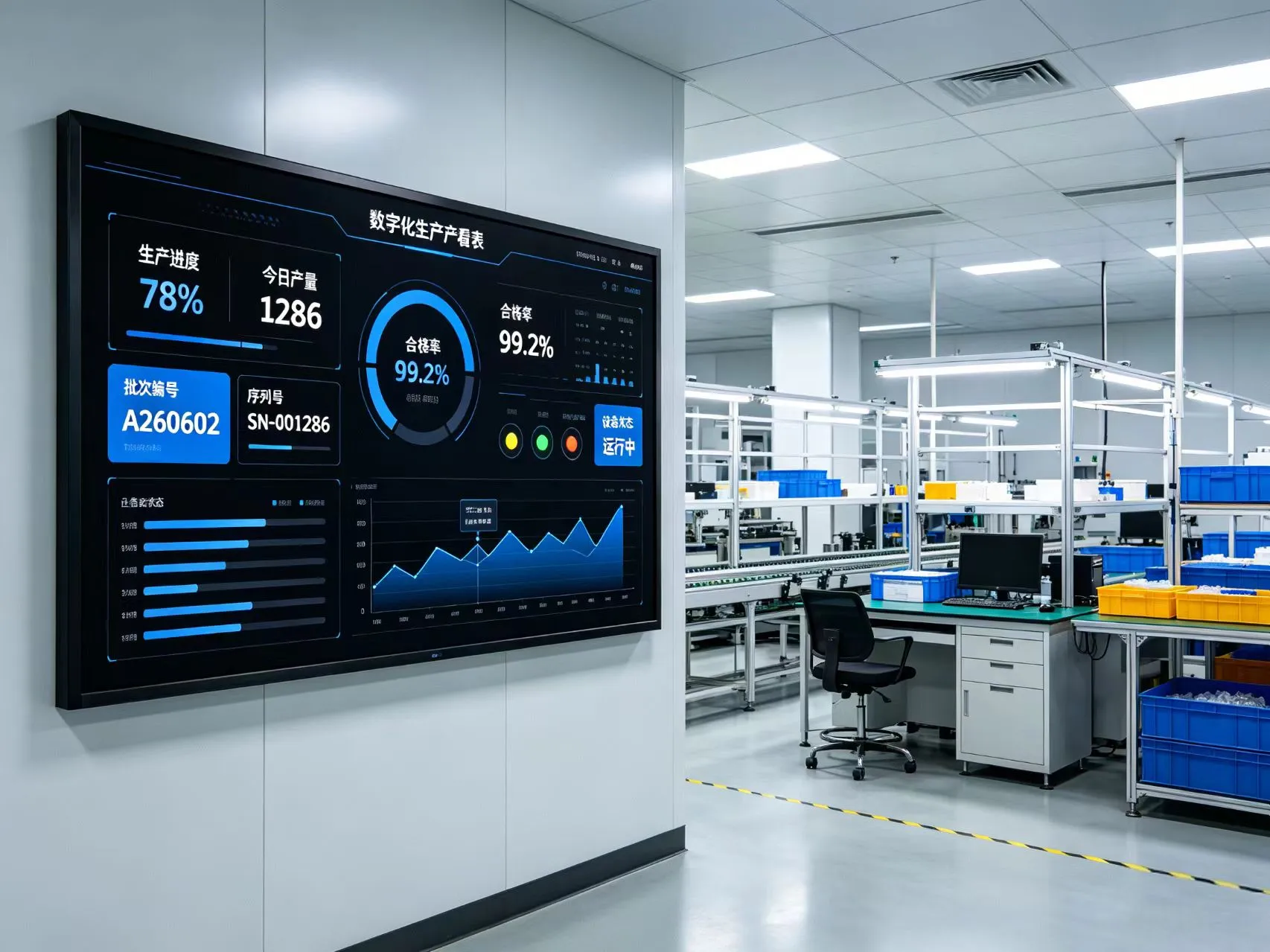
| Inspection Type | Timing | Purpose |
|---|---|---|
| DPI (During Production Inspection) | 20-30% production completion | Verify raw materials, work-in-progress quality, and early defect detection |
| PSI (Pre-Shipment Inspection) | 100% production, before loading | Final verification of finished goods, packaging, and labeling |
| FRI (Final Random Inspection) | 100% packed, ready for shipment | Statistical sampling of finished products using AQL standards |
| CLI (Container Loading Inspection) | During container loading | Verify correct products, quantities, and proper loading procedures |
What Information Is Included in a QC Inspection Report?
A comprehensive QC inspection report contains multiple sections that together provide a complete picture of your product’s quality status.
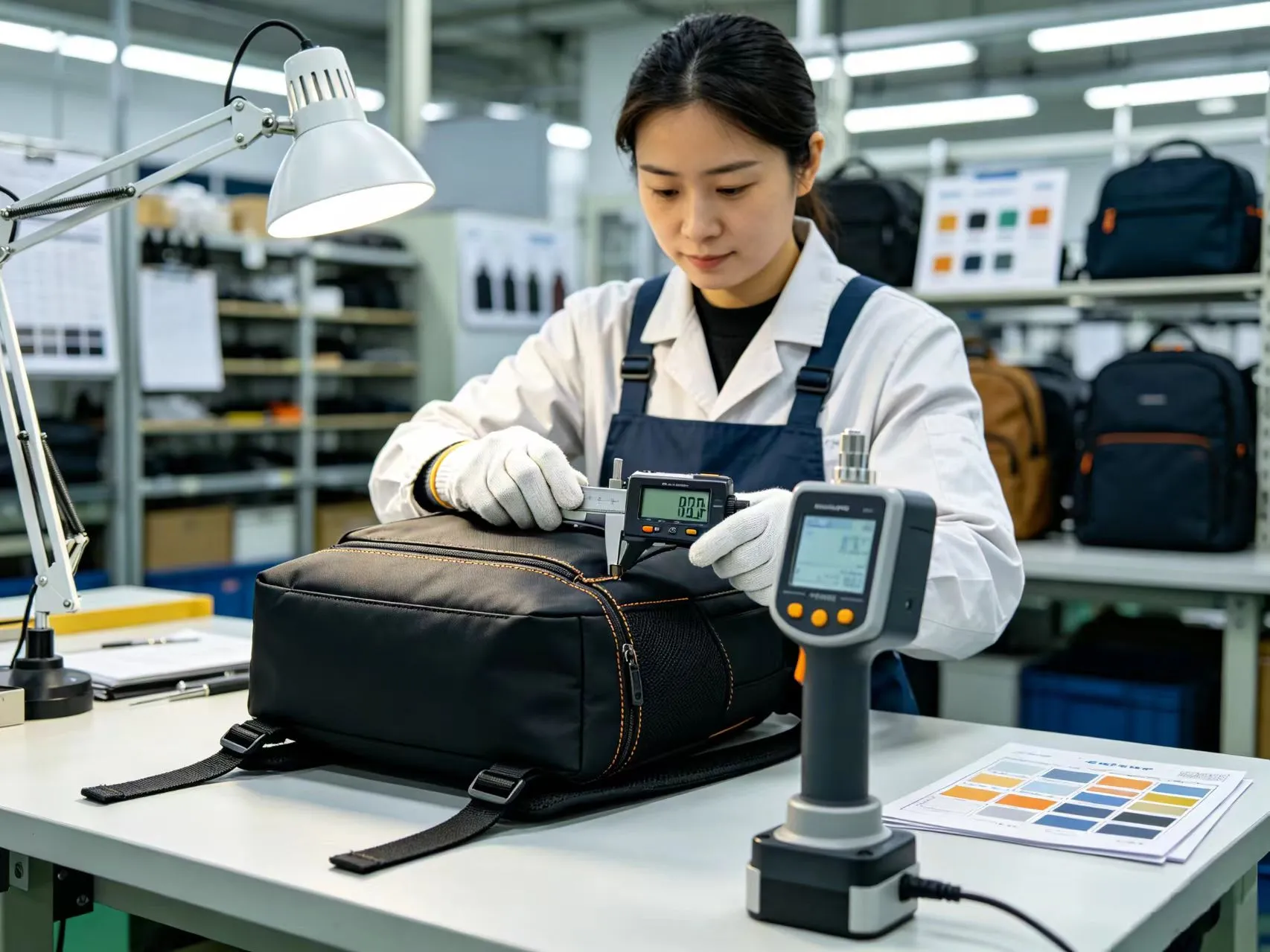
Supplier & Order Information
- Purchase Order (PO) Number
- Factory Name and Address
- Product Description
- Order Quantity
- Sample Reference
Product Specifications
- Materials — Fabric type, hardware, lining, trims
- Dimensions — Length, width, height, tolerance range
- Color — Pantone codes, dye lot information
- Logo/Branding — Placement, size, embroidery/print quality
- Packaging — Individual, inner, master carton specifications
Inspection Conditions
- Inspection Date — When the inspection was conducted
- Inspector Name — Assigned QC personnel
- Inspection Location — Factory address or third-party facility
- Inspection Standard — AQL level, reference standards (ISO, ANSI)
- Weather/Environment — Temperature, humidity if relevant
Understanding AQL Inspection Standards
AQL (Acceptable Quality Limit) is the cornerstone of modern quality inspection methodology. It represents the maximum percentage of defective items that can be considered acceptable in a random sample inspection. Understanding AQL is essential for any buyer involved in international sourcing.
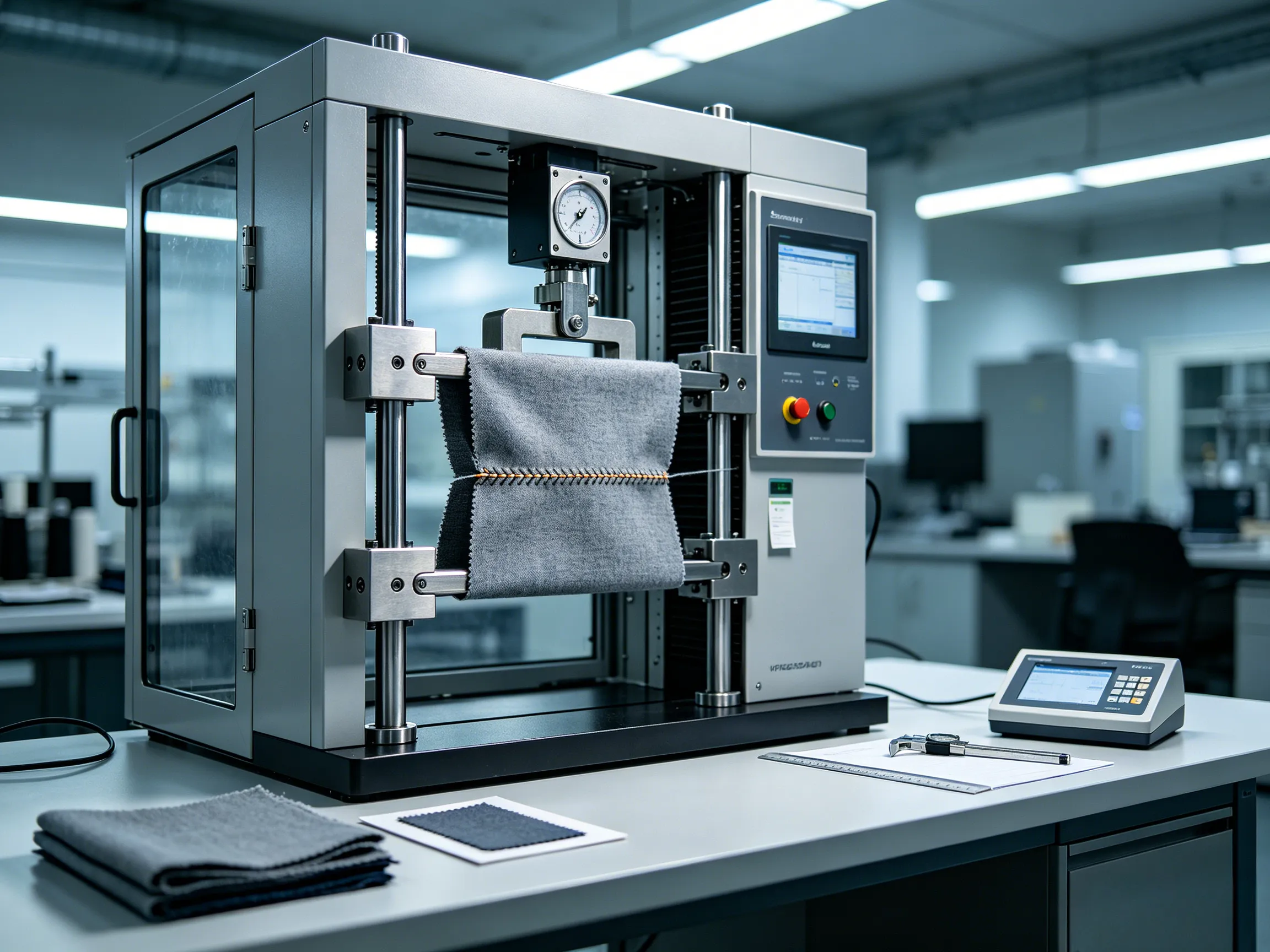
What Does AQL Mean in Inspection?
AQL is not the actual defect rate found in your order—it is the threshold that determines whether an order passes or fails inspection. If the number of defects found exceeds the AQL acceptance number, the lot fails.
For example, if you use AQL 2.5 for major defects and inspect 200 pieces, the acceptance number might be 10. If you find 11 or more major defects, the order fails the inspection.
AQL Standards Table
| Defect Type | AQL Level | Common Usage | Example Products |
|---|---|---|---|
| Critical Defects | 0 (Zero) | Safety hazards, legal compliance | Broken zippers, sharp edges, choking hazards |
| Major Defects | 2.5 | Functional issues, significant appearance flaws | Broken hardware, wrong color, major stitching errors |
| Minor Defects | 4.0 | Cosmetic issues, minor deviations | Slight thread ends, minor color variation, small creases |
Understanding Defect Classifications
Defects are categorized into three levels based on their severity and impact on product usability, safety, and marketability. Proper classification is crucial for making pass/fail decisions.
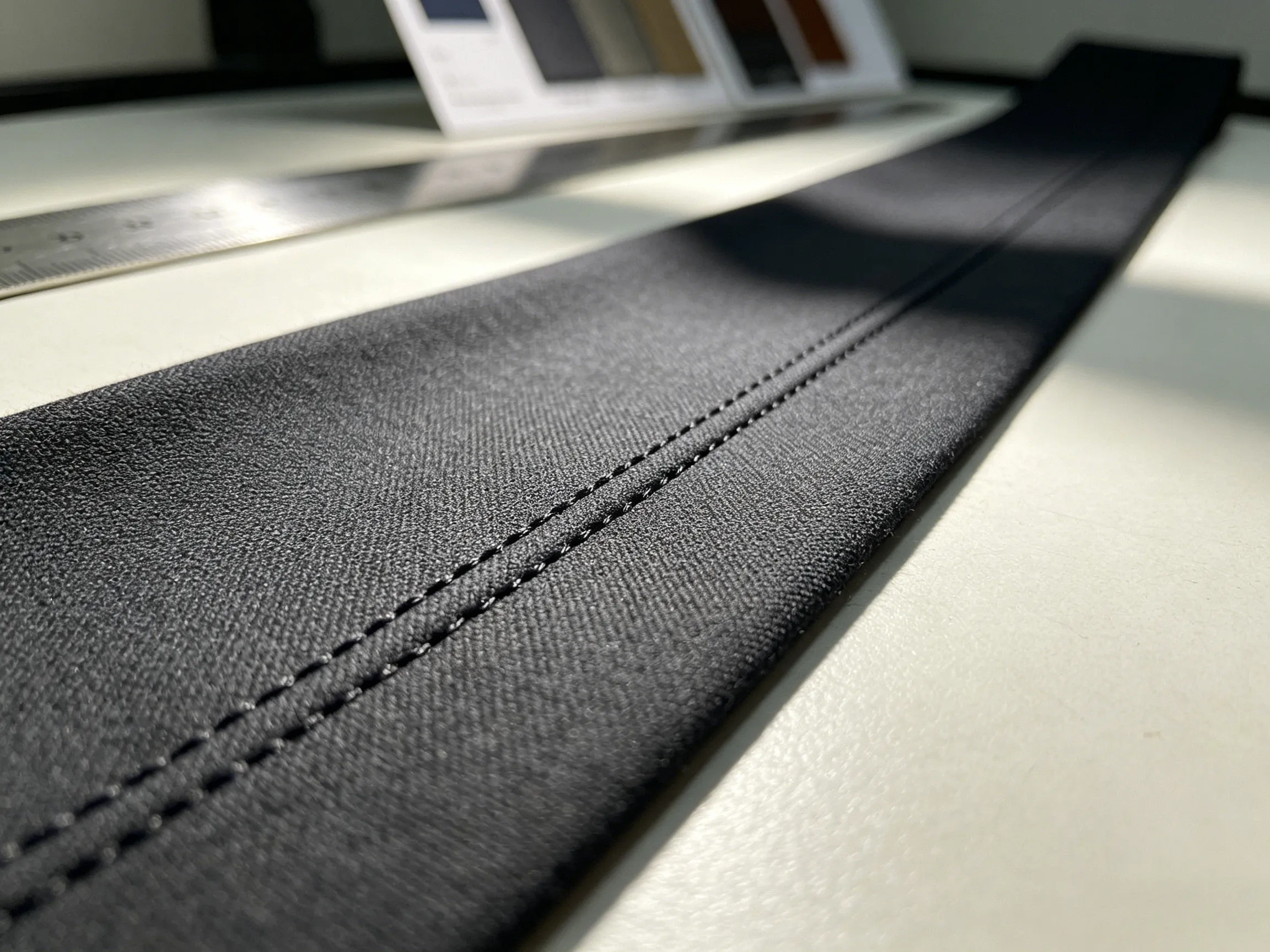
Critical Defects
Critical defects are zero-tolerance issues that violate safety regulations, legal requirements, or create potential harm to users. Any critical defect typically results in automatic inspection failure.
Examples of Critical Defects:
- Safety hazards (sharp exposed wires, toxic materials)
- Missing essential components (missing clasps on child products)
- Fire safety non-compliance
- Incorrect materials that fail safety tests
Major Defects
Major defects significantly affect product functionality, appearance, or marketability. Products with major defects are often considered unsellable or require costly rework.
Examples of Major Defects:
- Broken or malfunctioning zippers
- Incorrect dimensions exceeding tolerance
- Wrong color or pattern
- Major stitching failures, seam separation
- Damaged hardware (broken buckles, snapped clasps)
Minor Defects
Minor defects are cosmetic or minor functional issues that do not significantly impact product usability or marketability. These are evaluated against the AQL 4.0 standard.
Examples of Minor Defects:
- Slight loose thread ends
- Minor color variations within tolerance
- Small cosmetic scratches on hardware
- Minor creases from packaging
- Small glue residue
How to Read Inspection Photos
Modern QC inspection reports include extensive photography documentation. Understanding what each type of photo reveals is essential for thorough quality assessment.
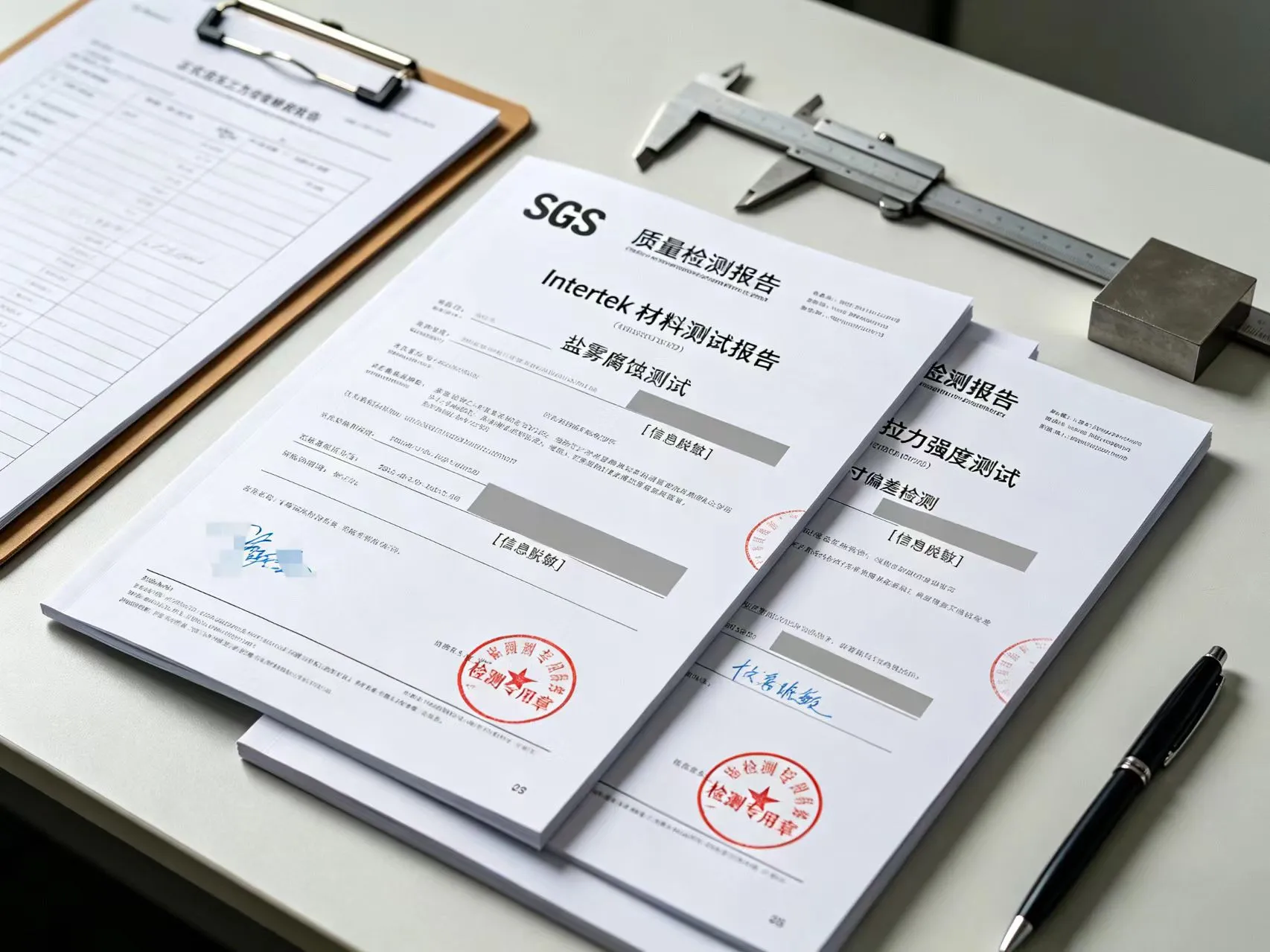
Overall View Photos
Show the complete product from multiple angles. Use these to assess general appearance, shape, and proportions. Compare with your approved sample.
Close-Up Photos
Capture detail areas like seams, hardware, logo placement, and stitching quality. Look for consistent stitch density, clean edges, and proper alignment.
Packaging Photos
Document inner packaging, hang tags, price tags, and care labels. Verify compliance with retail requirements and country-specific labeling laws.
Measurement Photos
Show actual measurements taken during inspection. Compare against specification sheets and verify dimensions are within tolerance.
Label and Logo Photos
Verify correct brand name spelling, logo accuracy, barcode readability, and compliance with marking requirements.
How to Interpret Pass or Fail Results
Understanding the inspection verdict is critical for decision-making. Inspections typically result in one of three outcomes:
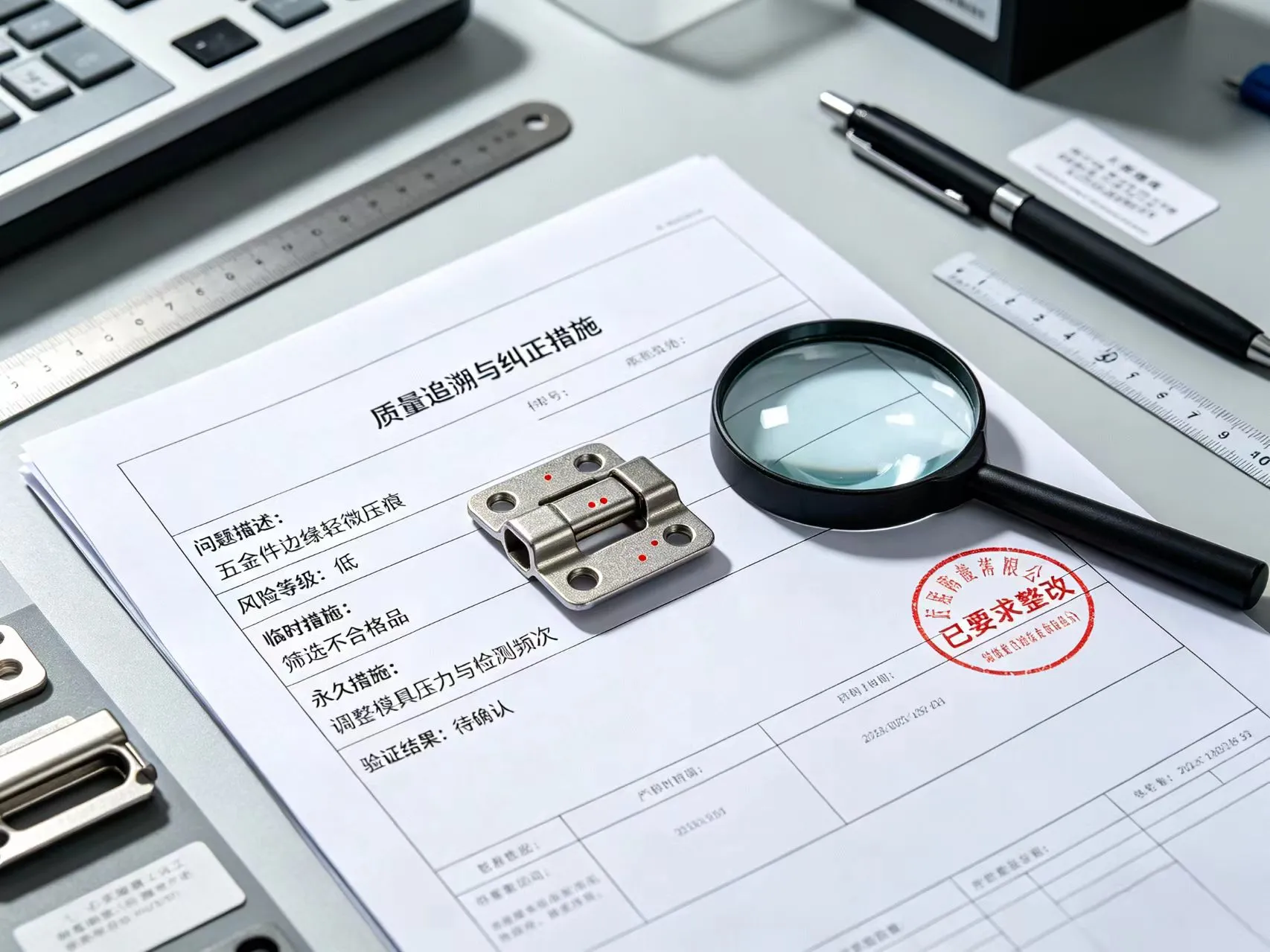
PASS
All defects found are within the AQL acceptance limits. The order meets quality standards and is approved for shipment.
CONDITIONAL PASS
Defects exceed AQL for minor issues, but major/critical defects are acceptable. Some buyers accept with written agreement; others require rework or sorting.
FAIL
Defects exceed AQL limits for major or critical defects. Shipment is halted until corrective actions are completed and re-inspection passes.
Common QC Report Metrics Buyers Should Check
Beyond pass/fail verdicts, these key metrics provide deeper insights into your order’s quality status:
| Metric | What It Tells You | What to Look For |
|---|---|---|
| Sample Size | Number of units inspected per AQL tables | Matches your agreed inspection level |
| Defect Rate | Percentage of defective items found | Below AQL acceptance number |
| Defect Breakdown | Distribution by type (Critical/Major/Minor) | No critical issues, major issues controlled |
| Measurement Results | Actual dimensions vs. specifications | All within tolerance range |
| Functional Testing | Tests performed (zipper cycles, drop test, etc.) | All tests passed |
| Packaging Inspection | Carton condition, stacking, labeling | Meets export and retail requirements |
Common Mistakes Buyers Make When Reading Inspection Reports
Avoiding these pitfalls will help you make better sourcing decisions:
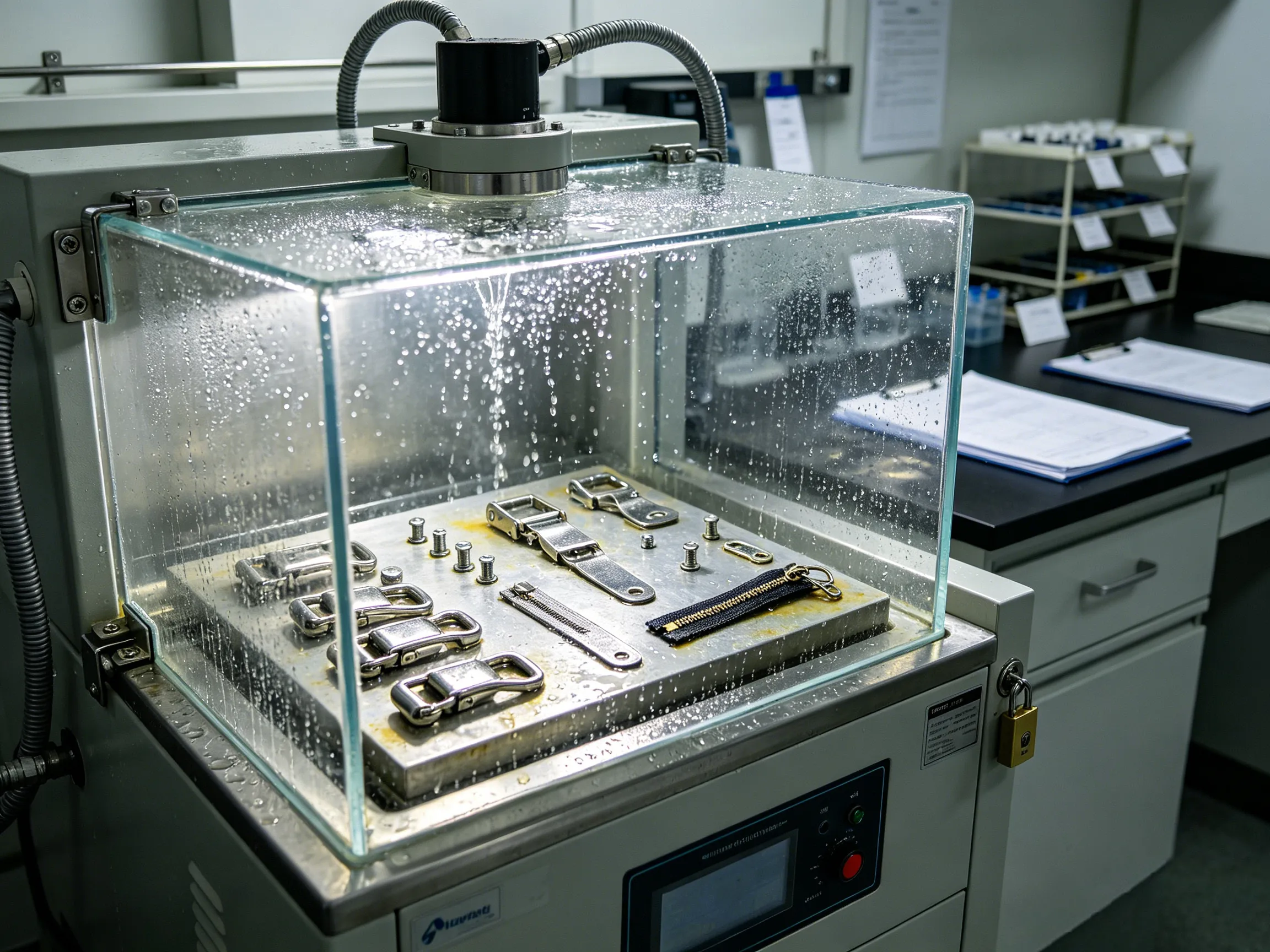
Reading Only the First Page
The executive summary shows the verdict, but defect details and photos are in subsequent sections. Always review the complete report.
Ignoring Inspection Photos
Photos document actual product conditions. Without reviewing them, you cannot fully assess quality issues.
Not Understanding AQL
Many buyers don’t realize AQL is a sampling standard, not an inspection guarantee. Zero defects is ideal but rarely cost-effective.
Overlooking Measurement Data
Products may pass visual inspection but fail dimensional requirements. Always check measurements against specs.
Misunderstanding Minor Defects
Some minor defects can compound into major issues at scale. Consider your market and customer expectations.
Not Comparing with Approved Sample
The report should reference your approved sample. Without comparison, you cannot verify consistency.
What Happens After a Failed Inspection?
When an inspection fails, the supplier must implement corrective actions before shipment can proceed. Understanding these procedures helps you negotiate fair resolutions.
Rework
Supplier repairs or replaces defective units. Requires follow-up inspection to verify effectiveness.
Sorting
All units are inspected and separated into pass/fail categories. Time-consuming but may be necessary for minor cosmetic defects.
Re-inspection
After rework or sorting, a new inspection is conducted. Must achieve PASS before shipment authorization.
Replacement
Severe cases may require replacement of entire order or affected portion. Involves rem production.
Corrective Action Plan (CAP)
Supplier documents root cause analysis and preventive measures for future production.
Negotiation Tip
Document all communications regarding failed inspections. Agree on timelines for corrective actions and clarify who bears inspection re-visit costs in your purchase agreement.
Best Practices for Buyers Reviewing QC Reports
Follow this checklist to maximize the value of your quality inspection reports:
Compare Report with Purchase Order
Verify that product descriptions, quantities, specifications, and quality requirements match exactly.
Review All Defect Photos Carefully
Don’t skip the photo gallery. Defect images often reveal issues that written descriptions miss.
Verify AQL Standards Applied
Confirm the correct AQL levels were used for each defect category per your agreement.
Confirm All Measurements
Check that dimensional measurements are within tolerance and documented correctly.
Compare Against Approved Sample
Look for any deviations from your pre-approved sample in materials, color, or construction.
Request Clarification When Needed
If anything is unclear, contact the inspector or supplier immediately for explanation.
How Reliable Manufacturers Improve QC Reporting
The quality of a QC inspection report often reflects the manufacturer’s commitment to quality management. Understanding what separates professional reporting from basic documentation helps you evaluate supplier reliability.
Standardized Inspection Procedures
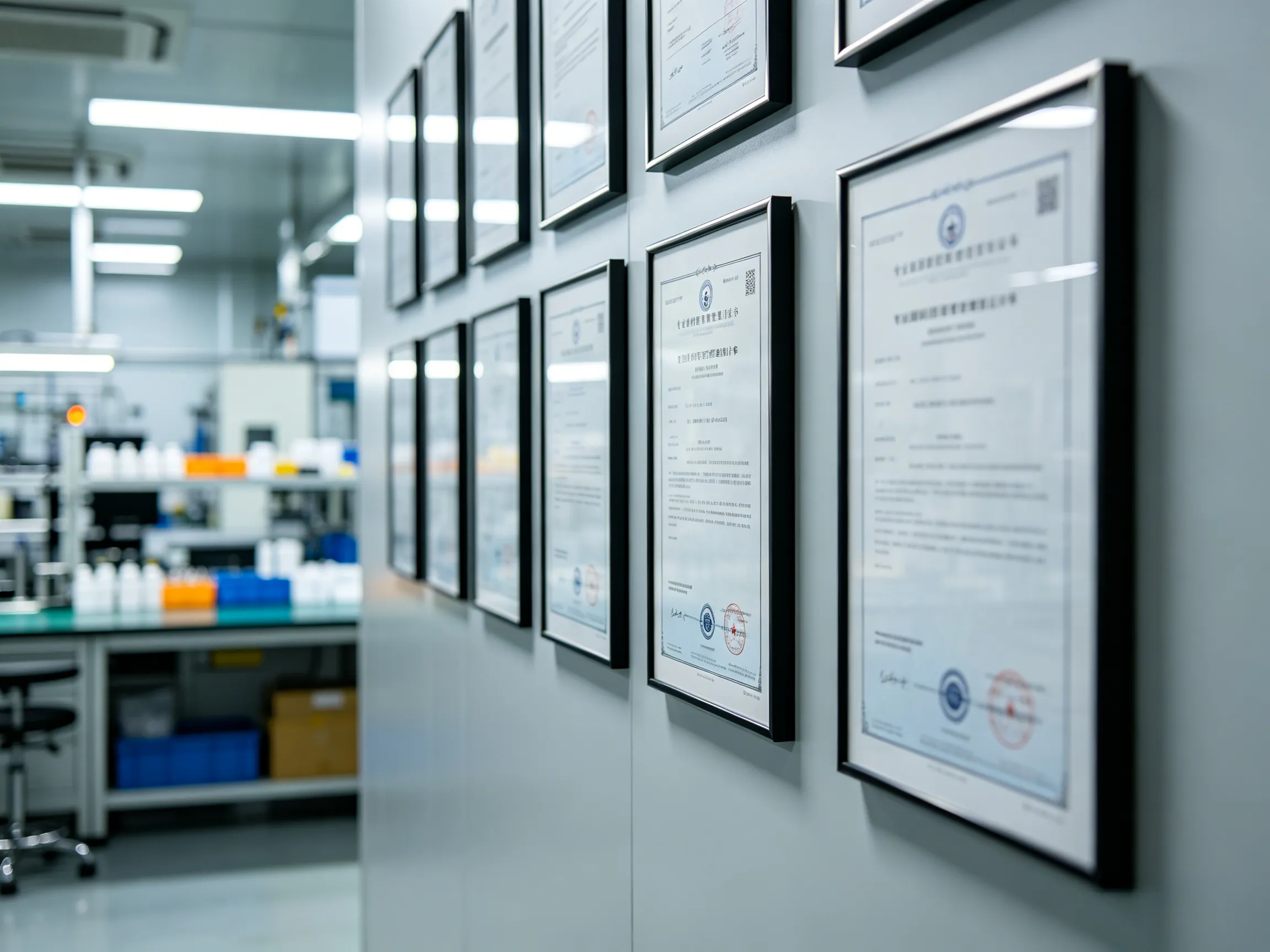
Professional factories implement consistent inspection protocols based on international standards like ISO 2859-1, ensuring reproducible and defensible quality assessments.
Traceable Quality Records
Advanced manufacturers maintain digital records linking each production batch to raw material lot numbers, production dates, and inspection results—enabling precise root cause identification.
Third-Party Inspection Support
Reliable suppliers welcome independent third-party inspections and provide transparent access to their quality management systems.
Continuous Improvement Culture
Factories with mature quality systems analyze defect trends, implement preventive actions, and regularly upgrade their inspection capabilities.
About Our Quality Management
At Dreamway Manufacturing, we combine modern manufacturing equipment with rigorous quality protocols. Our 30+ member team in Guangzhou serves clients across 50+ countries, maintaining strict quality standards from production through final inspection. We support both bag products (MOQ: 200) and silk products (MOQ: 50), with comprehensive quality documentation available for every order.
Frequently Asked Questions
What is a factory QC inspection report?
A factory QC inspection report is a formal document that records the quality inspection results of products during or after production. It documents defects found, AQL calculations, measurements, and the overall pass/fail verdict for an order.
Who prepares a QC inspection report?
QC inspection reports are prepared by quality control inspectors, either internal factory QC staff or third-party inspection companies like SGS, Bureau Veritas, or Intertek. Third-party reports generally carry more weight with buyers.
What does AQL mean?
AQL stands for Acceptable Quality Limit. It is the maximum percentage of defective items permitted in a lot to be considered acceptable. Common AQL levels are 0 for critical defects, 2.5 for major defects, and 4.0 for minor defects.
What is the difference between major and minor defects?
Major defects significantly affect product functionality, appearance, or marketability (e.g., broken zippers, wrong colors). Minor defects are cosmetic issues that don’t impact usability (e.g., slight thread ends, minor creases). Major defects use stricter AQL standards (typically 2.5) than minor defects (typically 4.0).
How do buyers approve inspection reports?
Buyers typically review the complete report, including all defect photos and measurement data. If satisfied, they authorize shipment release. If concerns exist, they may request corrective actions or re-inspection before approval.
Can products fail inspection because of minor defects?
Yes, if the number of minor defects exceeds the AQL acceptance number, the inspection can fail. However, minor defects alone usually result in a “Conditional Pass” rather than a complete failure, giving buyers options for acceptance or negotiated rework.
Should every order have a QC report?
For significant orders or new suppliers, a QC inspection report is highly recommended. Many buyers require inspections for orders above certain value thresholds or when working with new factories. The cost of inspection is small compared to the cost of receiving defective goods.
How do third-party inspection reports differ from factory reports?
Third-party reports are prepared by independent inspection companies with no financial interest in the order outcome, making them more objective. Factory reports may have inherent bias. Many buyers require third-party reports for high-value orders or new supplier relationships.
How long should inspection records be kept?
Quality inspection records should be retained for at least 3 years, or longer depending on product liability laws in your market. Records are essential for resolving disputes, tracking supplier performance, and demonstrating due diligence.
What should buyers do after receiving a failed QC report?
First, review the complete report and defect photos to understand the issues. Then, contact the supplier to discuss corrective actions—rework, sorting, or replacement. Document all communications and establish clear timelines. Request re-inspection before authorizing shipment.
Conclusion
A Factory QC Inspection Report is far more than a bureaucratic document—it’s a powerful tool for protecting your brand, managing supply chain risks, and building successful long-term partnerships with manufacturers.
By mastering the key elements covered in this guide—AQL standards, defect classifications, inspection metrics, and decision frameworks—you’ll be equipped to interpret any QC report with confidence and make informed sourcing decisions that safeguard your business interests.
Remember: successful international sourcing isn’t about eliminating all defects—it’s about understanding quality levels, setting appropriate standards, and working with reliable partners who share your commitment to excellence.
Ready to source with confidence? Dreamway Manufacturing combines rigorous quality control with flexible MOQ options (200 for bags, 50 for silk products) to serve brands across 50+ countries. Connect with us today →
Premium bag & silk manufacturing — under one factory roof.
Tucked inside Shiling Town — Guangzhou’s centuries-old leather district — Dreamway is a focused manufacturing partner for brands that refuse to compromise. We build rugged, retail-ready tote bags, backpacks, handbags with a 200-piece MOQ, and craft 100% Mulberry silk pillowcases, scrunchies & sleep accessories starting from just 50 pieces. Our small team of 30+ artisans is senior, hands-on, and accountable — the same people who quote your sample will personally inspect your shipment.
Every order is verified against our published manufacturing quality standards — AQL 2.5 inspection, hardware pull-tests, seam-strength audits, and silk-fibre authenticity checks. From concept tech-pack to mass production, we run the entire supply chain in-house, so timelines stay honest and revisions stay painless.
Buying Guides & Manufacturing Insights
Sourcing smarter starts with knowing what to compare. These long-form guides break down the decisions our clients wrestle with most — from third-party inspections like the SGS vs Intertek vs Bureau Veritas showdown, to ranking China’s top 10 tote bag manufacturers, to the head-to-head of canvas vs polyester vs PU for bag bodies.
Designing your logo? Our custom tote bag logo size guide shows real placement and stitch-density examples. Curious how a handbag actually comes together? Walk through the leather handbag manufacturing process step by step, and pair it with the canvas tote durability factors that decide whether a bag survives five years of daily use.
For material decisions beyond canvas, compare PU vs polyester for bags and explore our roundup of the world’s top canvas bag manufacturers. If backpacks are your lane, our backpack manufacturing process and backpack lead-time guide give you realistic production windows. Choosing between social-compliance audits? Read BSCI vs SEDEX vs WRAP. For smaller leather goods, dive into the leather wallet manufacturer playbook; for sustainability claims, the recycled PU leather explainer and our backpack QC checklist separate marketing from reality. Finally, stay ahead of EU regulation with our PPWR FAQ for bag manufacturers.
Explore by Topic
Browse our deep-dive knowledge hubs — every cluster is curated by category and updated with new field reports.
By Category
Materials & Compliance
Real Client Cases
Numbers tell part of the story. These production cases show how Dreamway’s small team delivers at scale.
Featured Product Lines
A snapshot of what we manufacture most often — all OEM/ODM-ready with custom hardware, lining, and packaging.
Who We Help
From indie founders to global enterprise — Dreamway is built for brands that need a factory, not a freelancer.
Brand Builders
Beauty & Fashion
Lifestyle & Retail
Skip the inbox. Chat with Victoria — right now.
Point your camera at the QR and you’re connected to a real human in Guangzhou. Send a photo of your reference, get a quote within minutes, and lock in your 200-piece MOQ slot before this month’s capacity fills.
Specialized factories. Unified standards.
Leather & Bag Capital
Our bags come from Guangzhou’s Shiling leather district — home to 30+ senior artisans under one roof, working in 8,000 m² of integrated cutting, sewing, hardware-assembly, and QC space.
Mulberry Silk Heritage
Our 22mm Mulberry silk pillowcases and sleep sets come from vetted partner mills in Suzhou and Hangzhou — at the heart of China’s 5,000-year sericulture heritage, today running OEKO-TEX Standard 100 certified production lines.
Get your sample in 7 working days —
hand-built by Guangzhou’s 30+ artisans.
Send a sketch, a screenshot, or a competitor’s bag you want to beat. We’ll hand-build a custom sample and ship it to your door — produced by the same craftspeople who will run your mass-production order.
business days · in your timezone
on request · signed in 1 day
if first one misses the brief