
Sample Approval Checklist Before Mass Production
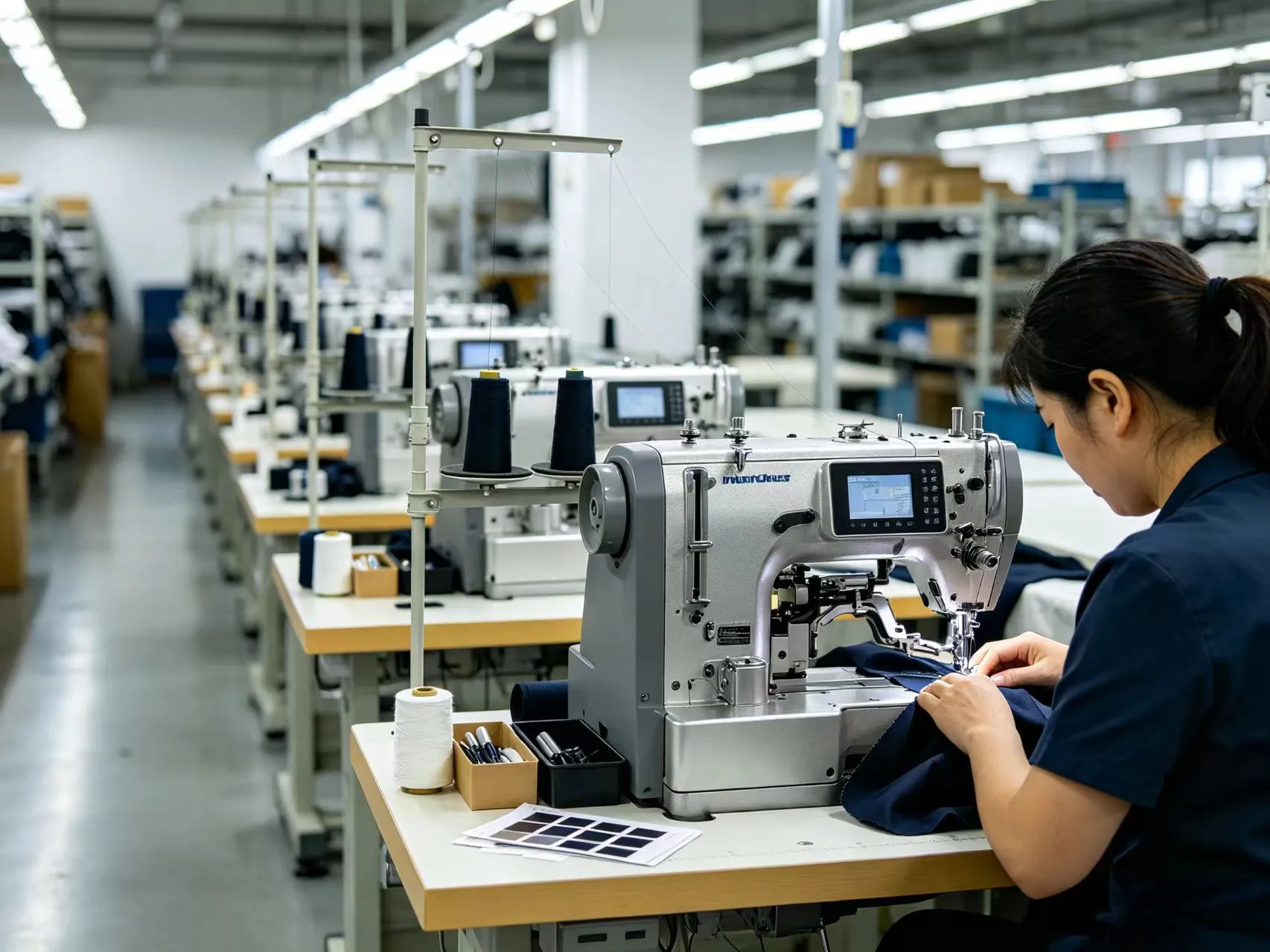
What Is Sample Approval?
Sample approval is the formal process by which a buyer or brand representative examines, tests, and officially authorizes a product sample before the manufacturer proceeds with full-scale production. This checkpoint serves as the definitive reference point for all subsequent manufacturing activities, establishing the quality benchmark against which every production unit will be measured.
In the context of OEM/ODM partnerships—particularly for premium accessories like handbags, backpacks, and silk products—sample approval bridges the gap between design intent and mass production reality. It is not merely a formality but rather a strategic quality control mechanism that protects both buyers and manufacturers from costly errors, delays, and brand reputation damage.
Types of Samples in Product Development
Understanding the various sample types is essential for navigating the product development journey effectively. Each sample serves a distinct purpose in the approval workflow:
- Concept Sample — Initial visualization demonstrating basic design direction and proportions; not intended for production reference
- Prototype Sample — Functional sample exploring construction methods and material combinations; useful for design validation
- Development Sample — Refined version incorporating buyer feedback;接近量产标准 but may use substitute materials
- Salesman Sample — Representative sample for trade shows and sales presentations; emphasizes visual appeal over production accuracy
- Pre-Production Sample (PP Sample) — Critical milestone sample produced using actual production materials, processes, and tooling; serves as the primary approval reference
- Golden Sample — The officially approved benchmark retained throughout production; all mass production must match this standard
Why Sample Approval Is Critical Before Mass Production
The pre-production sample approval phase is where potential issues are identified and resolved at minimal cost. Once mass production begins, corrections become exponentially more expensive and time-consuming. Here is why this checkpoint matters:
Prevent Quality Issues
Approximately 70% of production defects originate from issues that existed in the approved sample but were overlooked. Thorough sample review prevents defect replication across thousands of units.
Reduce Production Costs
Correcting a color mismatch on 200 samples costs a fraction of reworking 10,000 finished units. Early detection saves 10-15% on average production expenses.
Improve Communication
The approval process creates documented consensus between buyer and manufacturer, eliminating misunderstandings about specifications and expectations.
Ensure Product Consistency
With an approved golden sample, both parties have a tangible reference point, ensuring every production unit meets the same quality standards.
Sample Approval Checklist Before Mass Production
This comprehensive checklist represents our refined methodology developed through years of serving global brands. Use this as your systematic guide during the sample approval process.
Material Verification
Verify that all materials match the approved specifications and tech pack requirements:
- Exterior Fabric — Confirm fiber content, weight (GSM), weave structure, and surface treatment match approved swatch
- Leather/Hide — Verify leather grade, thickness, texture pattern, and any natural markings are within acceptable range
- PU/Vegan Leather — Check base fabric weight, coating thickness, embossing pattern, and flex resistance
- Lining Material — Confirm fabric type, color, print (if applicable), and dimensional stability
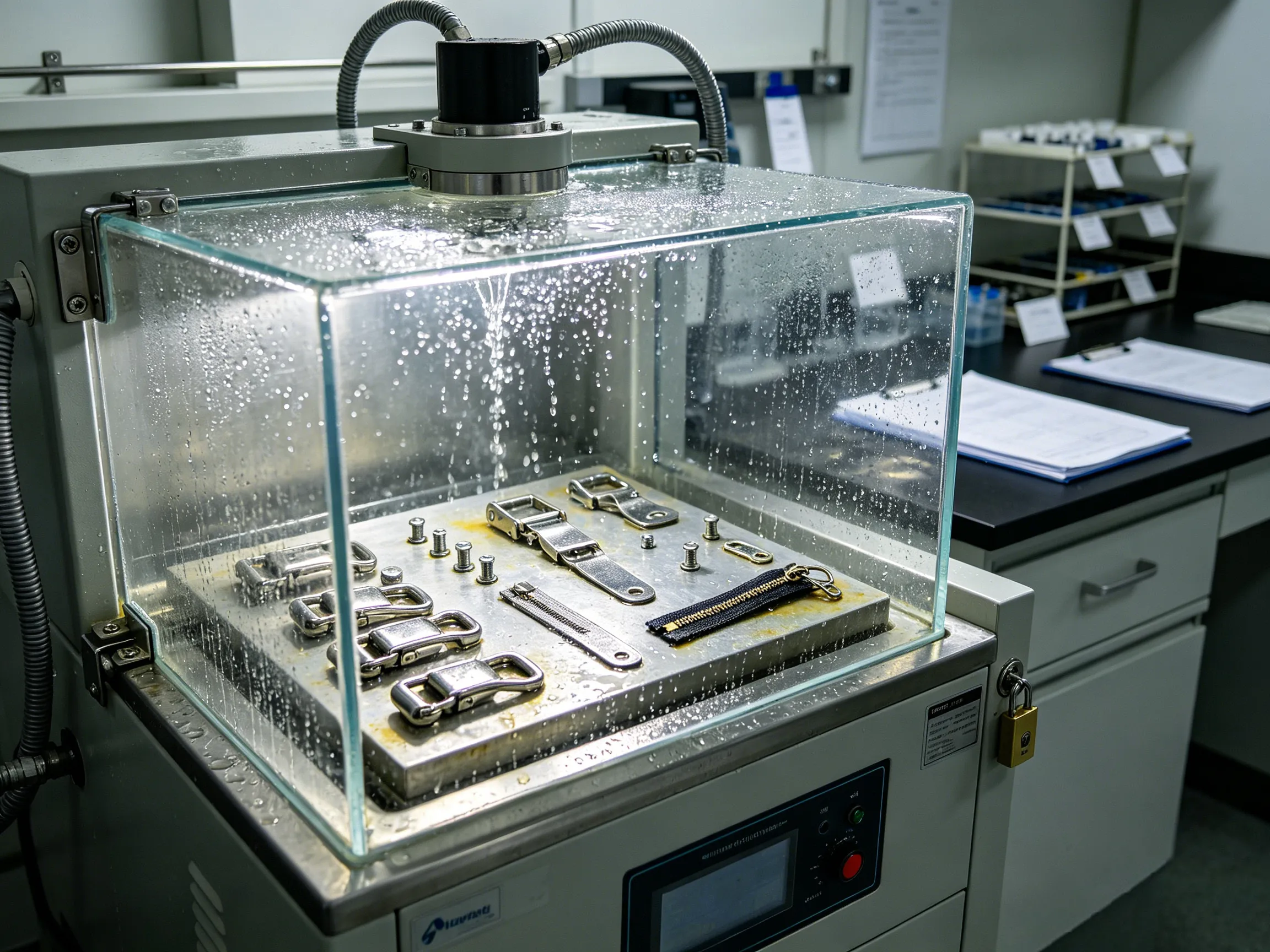
- Hardware Components — Inspect alloy composition, plating quality, and corrosion resistance for all metal parts
- Zippers — Test slider operation, teeth alignment, tape strength, and waterproof coating (if specified)
- Webbing & Straps — Verify width, thickness, breaking strength, and colorfastness
- Adhesives & Treatments — Confirm all surface coatings, water repellents, and bonding agents are applied correctly
Color Accuracy
Color consistency is paramount for brand integrity and customer satisfaction:
- Pantone Reference — Compare sample against original Pantone number under standardized D65 light source
- Material Color — Check all visible surfaces; colors may vary between different material types
- Print & Embroidery — Verify pattern registration, color saturation, and wash stability
- Logo Colors — Confirm metal hardware color, printed logo, and embroidered details match brand standards
- Batch Consistency — Request multiple samples from different production batches to verify color uniformity
Dimensions & Specifications
| Measurement Point | Tolerance | Measurement Method |
|---|---|---|
| Body Width | ±3mm | Horizontal distance at widest point |
| Body Height | ±3mm | Vertical distance from base to top |
| Body Depth | ±2mm | Lateral thickness measurement |
| Strap Length | ±5mm | End to end, excluding hardware |
| Handle Drop | ±3mm | From attachment point to grip |
| Pocket Dimensions | ±2mm | Internal usable space |
| Weight | ±5% | Per unit, empty |
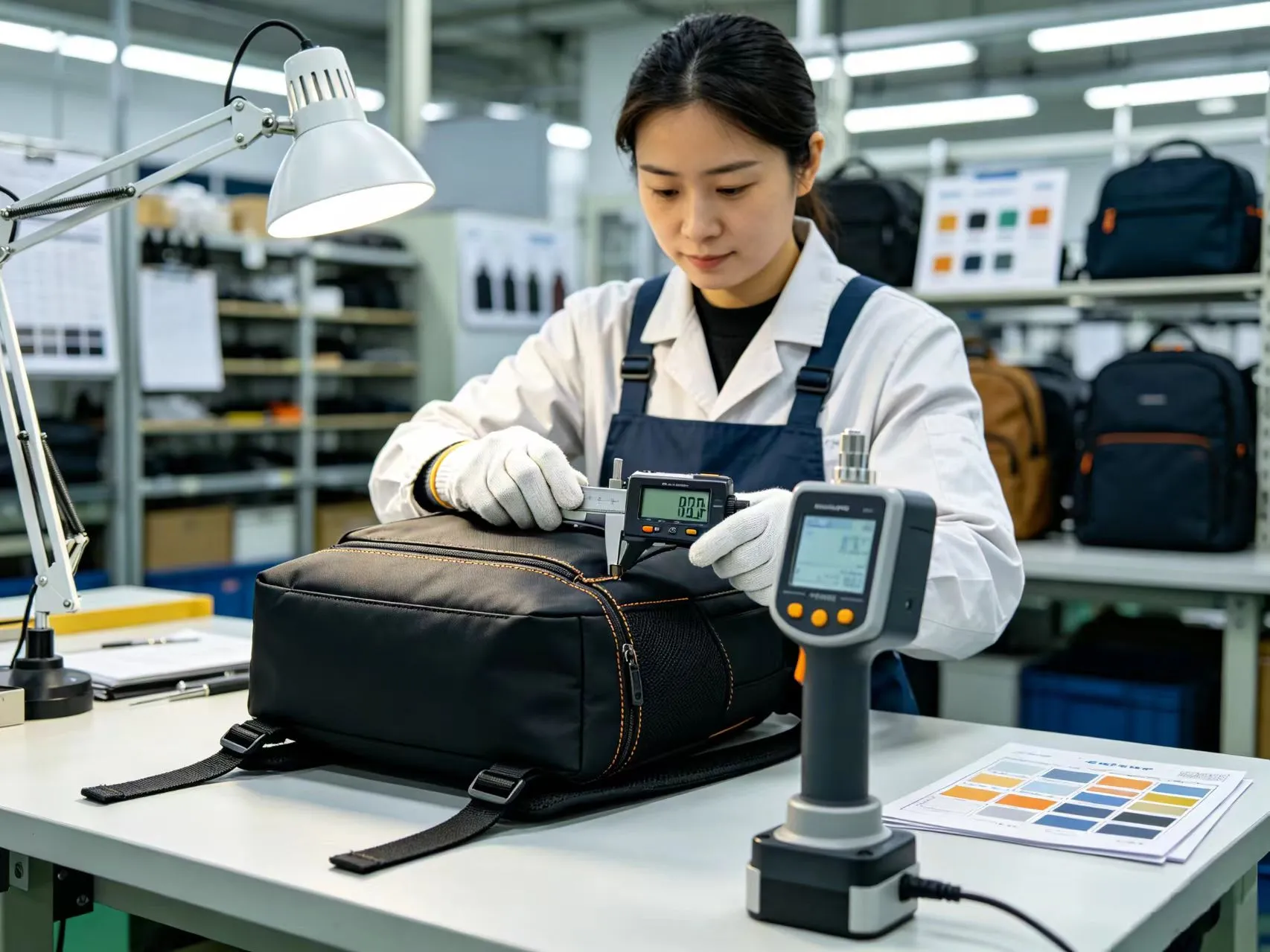
Workmanship Inspection
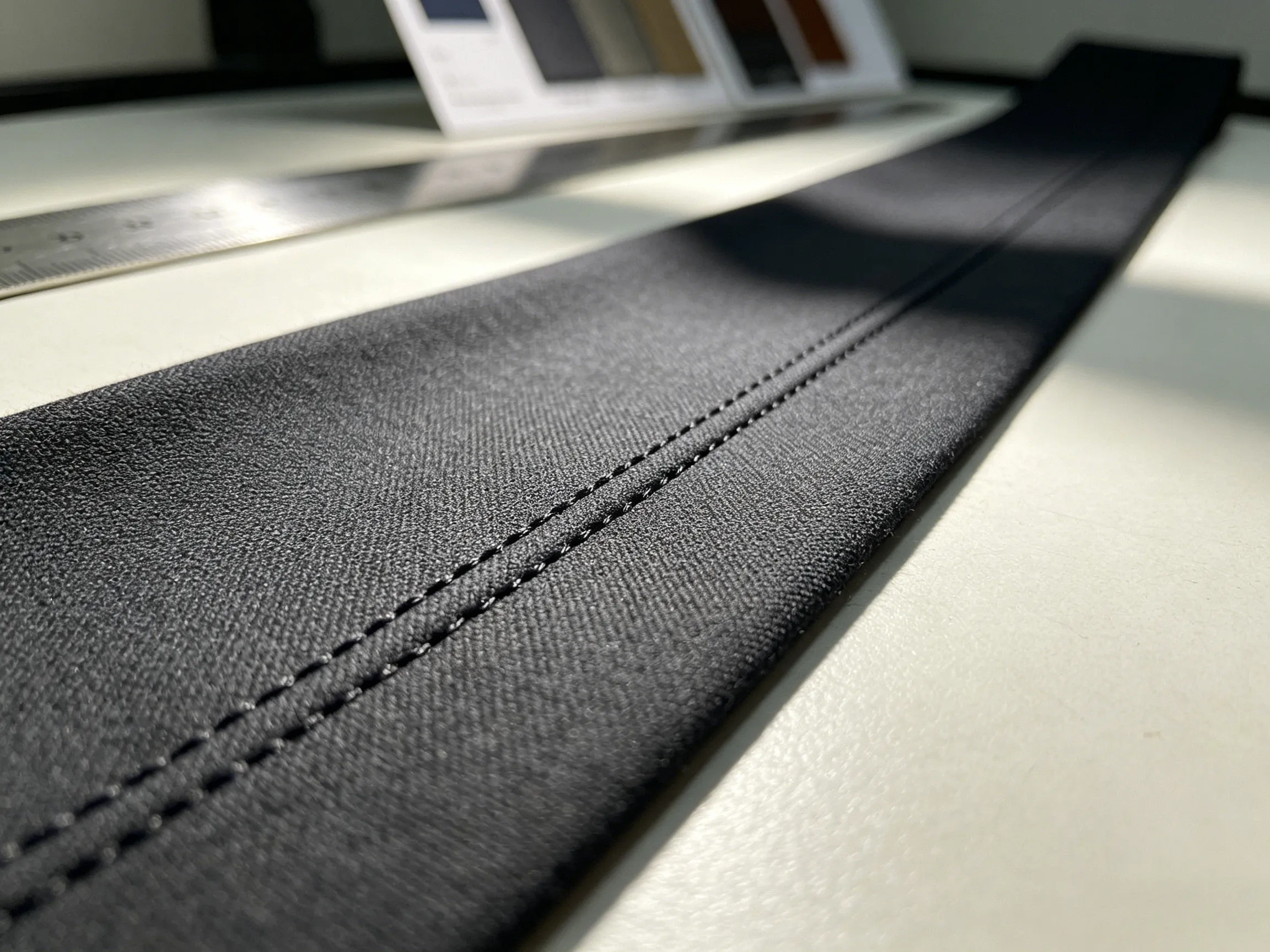
- Stitching Quality — Check stitch density (minimum 5 stitches per cm for silk; 4-6 for leather), tension consistency, and thread color match
- Seam Strength — Verify seam allowances meet minimum 10mm standard; test for seam skipping or loosing
- Edge Painting — Inspect for even coverage, no bleeding, proper adhesion, and consistent color
- Glue Application — Ensure no visible glue marks, overflow, or adhesive failure under normal handling
- Thread Trimming — Confirm all loose threads are neatly trimmed; no fraying at stitch lines
- Symmetry & Alignment — Compare left and right sides for balanced construction; check pocket and hardware positioning
- Corner Reinforcement — Verify stress points are properly reinforced with additional stitching or backing
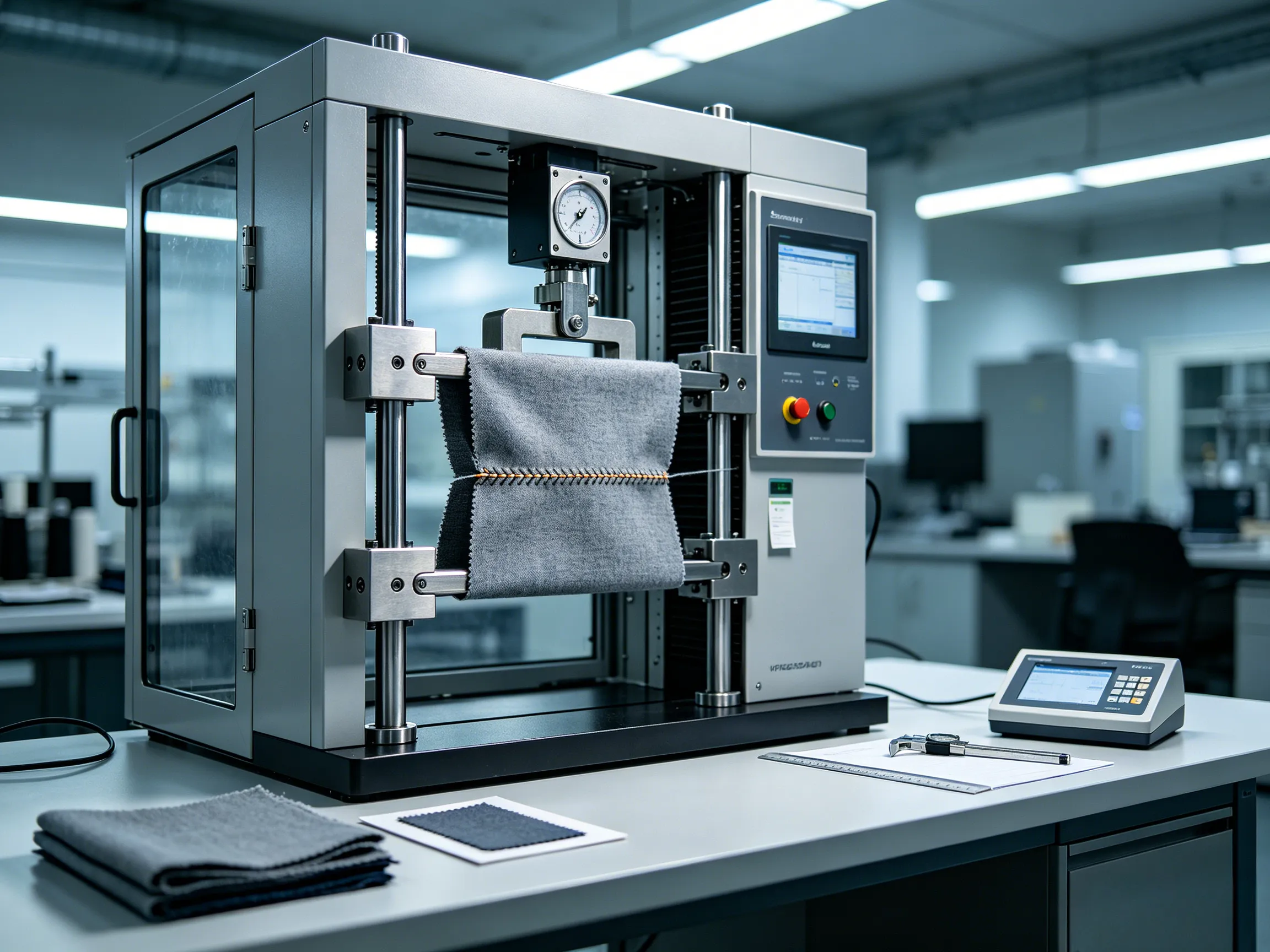
Hardware Inspection
- Buckles & Clasps — Test opening/closing mechanism; verify pull strength meets 15kg minimum
- Zippers — Operate smoothly through full travel; check for teeth catching or slider sticking
- Rivets & Studs — Confirm secure attachment; no rotation or pull-out under pressure
- Snaps & Buttons — Verify positive engagement; check for surface scratches or plating defects
- Metal Finish — Inspect for consistent color, no oxidation, and proper lacquer top coat
- Magnetic Closures — Test snap strength and alignment; verify no interference with nearby metals
Logo & Branding
- Logo Placement — Measure distance from edges; verify centering and alignment with design intent
- Embossing/Debossing — Check depth, clarity, and consistent pressure across entire logo area
- Screen Printing — Verify ink adhesion, color accuracy, and no bleeding at edges
- Metal Badges — Confirm secure attachment; check plating consistency and edge finishing
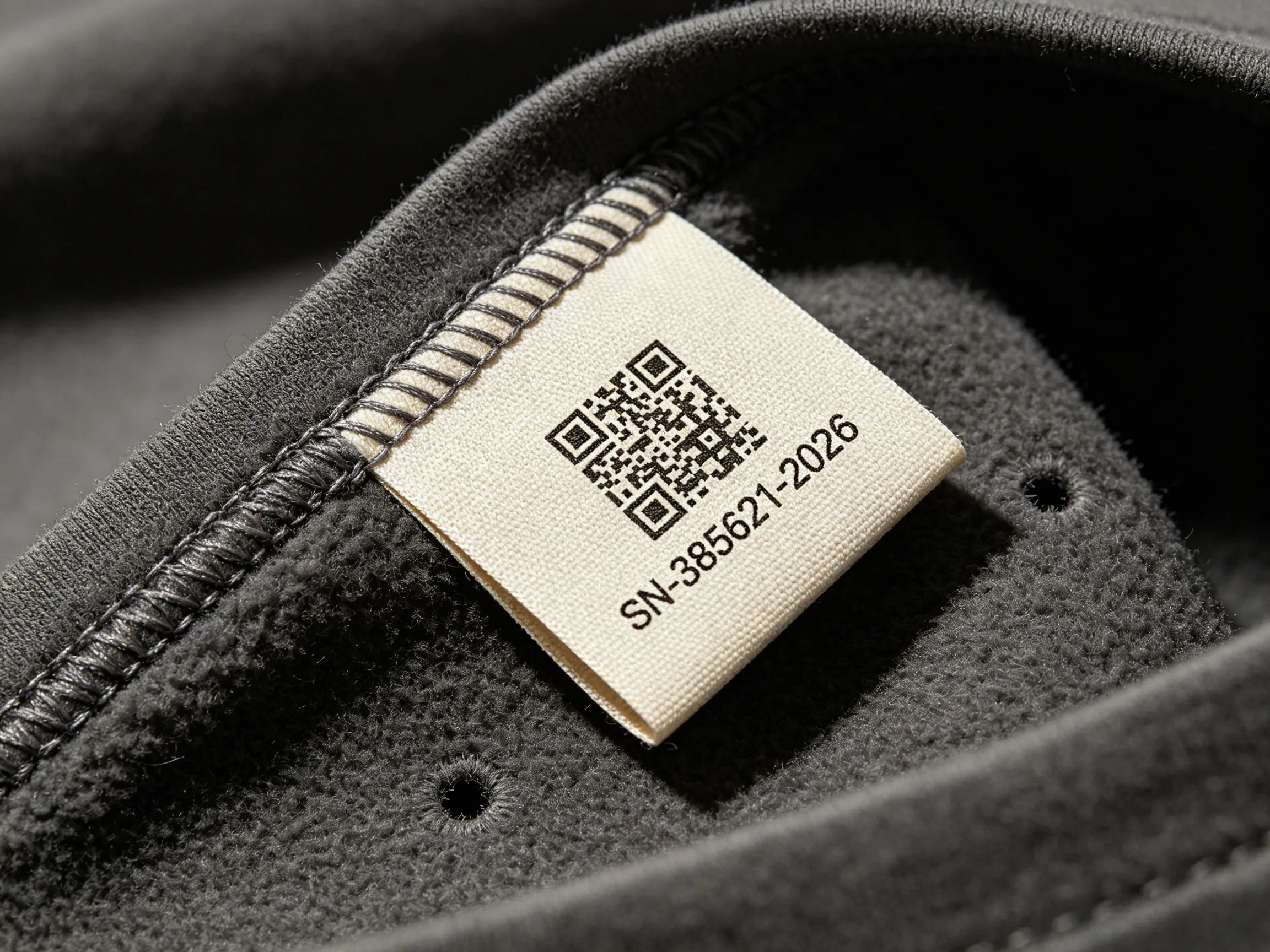
- Interior Labels — Verify content accuracy, care instructions, and country of origin compliance
- Hangtags — Check design accuracy, paper quality, and proper hole punching
- Serial Number Placement — Confirm location matches specifications; verify legibility
Functionality Testing
- Zipper Operation — Perform 50 cycles minimum; verify smooth operation and no teeth separation
- Strap Strength — Load test to 1.5× rated capacity; check for stretching or hardware failure
- Closure Mechanisms — Test drawstrings, magnetic strips, and frame closures for reliability
- Handle Attachment — Verify secure stitching and rivet strength under dynamic load
- Shoulder Strap Adjustment — Test slide buckles and D-ring swivels for smooth operation
- Water Resistance — If specified, conduct water droplet or immersion testing
- Drop Test — Perform controlled drop from 1 meter to verify structural integrity
Packaging Approval
- Polybags & Dust Bags — Verify material thickness, size, and print quality
- Tissue Paper — Check paper weight, size, and logo print registration
- Sticker & Label Accuracy — Confirm barcode scannability, price tag accuracy, and regional compliance
- Carton Construction — Verify board thickness, crush resistance, and proper assembly
- Shipping Marks — Confirm carton marks match requirements: country of origin, size, weight, and handling symbols
- Gift Box Quality — For premium packaging, inspect box construction, magnetic closures, and ribbon finishing
- Packaging Sequence — Verify products are packed in correct order with all accessories included
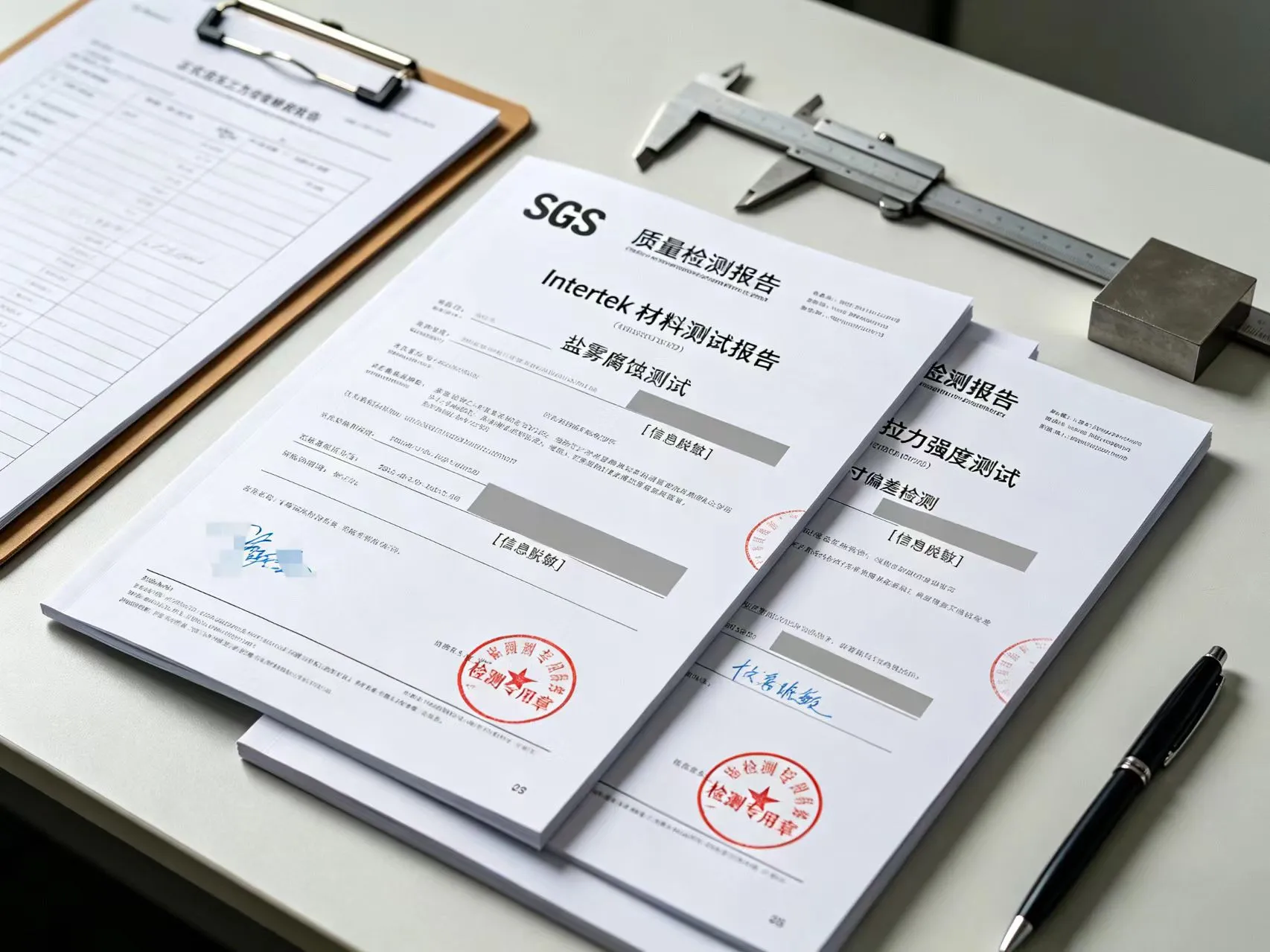
Documents Required for Sample Approval
Comprehensive documentation ensures clarity and protects all parties throughout the approval process:
Tech Pack
Complete technical specification including measurements, materials, construction details, hardware specifications, and artwork files. Serves as the primary reference document.
Bill of Materials (BOM)
Itemized list of all components with supplier information, quantities, unit costs, and approved material sources. Essential for cost verification and material sourcing.
Color Standards
Physical Pantone swatches or digital color references (CMYK, RGB, HEX values) for all visible colors. Include material-specific standards where colors may vary.
Artwork Files
Vector files (AI, EPS) for logos and graphics, provided in all required color separations with proper bleed and trim marks.
Quality Standards
Detailed QC requirements including acceptable defect levels (AQL), inspection methods, and reference photos of approved quality levels.
Approval Form
Formal sign-off document capturing approval status for each checkpoint, capturing any conditions or revisions required, signed by authorized representatives.

Common Mistakes During Sample Approval
Avoiding these frequent errors can significantly improve your approval success rate:
Critical Pitfalls to Avoid
- Ignoring Minor Defects — “Small” issues at sample stage become “major” problems in production. Every imperfection matters when scaled to thousands of units.
- Approving Without Testing — Functional testing should never be skipped. Load testing, zipper cycling, and closure tests reveal potential failures.
- Missing Packaging Review — Packaging defects are the most common post-production issue. Review packaging with the same rigor as the product itself.
- Verbal Approvals Only — Always document approvals in writing with photos and specific reference samples. Verbal agreements create disputes.
- Poor Communication — Language barriers and time zone differences can cause misunderstandings. Use visual references and confirm in writing.
- Rushing the Process — Compressed timelines increase error rates. Allow adequate time for thorough review and potential revisions.

What Happens After Sample Approval?
Once your sample receives formal approval, the following steps transition your project from development to production:
Golden Sample Archival
The approved sample becomes your golden standard. At Dreamway, we archive multiple copies in climate-controlled storage, photographed from all angles with detailed measurement records. This sample serves as the ultimate reference for all production QC checkpoints.
Production Release
With approved sample documentation, production schedules are confirmed, materials are bulk-ordered, and manufacturing processes are locked. Any changes after this point require formal change orders and may incur additional costs.
QC Standard Distribution
Approved specifications and sample photos are distributed to all production line supervisors, QC personnel, and inspection teams. Everyone works from the same reference point.
Production Monitoring
During production, random samples are pulled at each milestone for comparison against the golden sample. Any deviations trigger immediate corrective action before proceeding.
First Article Inspection (FAI)
Upon completion of initial production, comprehensive inspection of the first batch verifies production consistency. Any issues discovered are corrected before the remainder proceeds.
Best Practices for Buyers and Manufacturers
For Buyers
- Approve samples only after complete review against all specifications
- Maintain organized approval records with dated documentation
- Confirm all specifications in writing before approval
- Request pre-production samples when specifications are complex
- Visit the factory for critical orders whenever possible
- Establish clear communication channels and response timelines
For Manufacturers
- Archive approved samples in protected, climate-controlled storage
- Train production teams on approved standards and tolerances
- Source materials exclusively from approved suppliers
- Maintain complete traceability from raw materials to finished goods
- Implement systematic in-line quality checkpoints
- Proactively communicate any production challenges immediately
Sample Approval Checklist (Printable Summary)
Use this consolidated checklist for your next sample approval session:
| Check Item | Status | Notes |
|---|---|---|
| Materials (Fabric/Leather/PU) | ☐ Approved ☐ Rejected | |
| Color Accuracy (Pantone Match) | ☐ Approved ☐ Rejected | |
| Dimensions & Specifications | ☐ Approved ☐ Rejected | |
| Stitching Quality | ☐ Approved ☐ Rejected | |
| Hardware Components | ☐ Approved ☐ Rejected | |
| Functionality Testing | ☐ Approved ☐ Rejected | |
| Packaging Materials | ☐ Approved ☐ Rejected | |
| Labels & Tags | ☐ Approved ☐ Rejected | |
| Logo & Branding | ☐ Approved ☐ Rejected | |
| QC Standards Compliance | ☐ Approved ☐ Rejected | |
| Documentation Complete | ☐ Approved ☐ Rejected |
Frequently Asked Questions
What is a PP Sample?
A Pre-Production (PP) Sample is the final sample produced before mass production begins. It must be made using the exact materials, processes, and tooling intended for production. The PP sample is the critical approval checkpoint that authorizes the manufacturer to proceed with bulk production.
What is the difference between a PP Sample and a Production Sample?
A PP sample is produced to validate production readiness and obtain approval before committing to mass production. A production sample is taken from actual mass production runs for ongoing quality monitoring. The PP sample must be approved before any production samples can be considered valid references.
Can mass production start before sample approval?
Technically yes, but this practice carries extreme risk. Without formal sample approval, there is no documented standard against which to measure production quality. If defects occur, the buyer has no contractual reference to demand corrections. Responsible manufacturing partners will not begin production without written approval.
What should buyers check before approving a sample?
Buyers should verify: material authenticity and quality, color matching against standards, dimensional accuracy, stitching and construction quality, hardware functionality, logo and branding accuracy, packaging compliance, and functional performance through testing. No single factor should be considered in isolation—the overall product must meet brand quality expectations.
Who signs off on sample approval?
Approval authority depends on organizational structure. Typically, quality control managers or product development leads provide initial approval. Final authorization often requires sign-off from brand representatives, purchasing managers, or design directors. All approvals should be documented in writing with clear responsibility assignment.
How many sample revisions are common?
For first-time product development, 2-3 revision cycles are common and should be anticipated in project timelines. Complex designs or challenging materials may require additional iterations. Established partnerships with clear specifications typically achieve approval within 1-2 cycles.
What documents are required for sample approval?
Essential documents include: complete Tech Pack, Bill of Materials, approved color swatches/Pantone references, artwork files, quality specifications, inspection methods, and a formal approval form. Additional documents may include material safety data sheets, compliance certificates, and packaging specifications.
What happens if production differs from the approved sample?
When production units deviate from the approved sample, corrective action should be initiated immediately. Common remedies include: production hold pending investigation, sorting to separate conforming from non-conforming units, rework or repair of defective items, or in severe cases, rejection and remake of affected quantities. Prevention through golden sample archival is always preferable to correction.
Why is the Golden Sample important?
The Golden Sample serves as the immutable reference standard throughout production. All subsequent units must match this sample within specified tolerances. It protects buyers by providing tangible evidence of approved quality and gives manufacturers clear guidance for production standards. Without a golden sample, disputes about quality become subjective and difficult to resolve.
How do manufacturers control quality after sample approval?
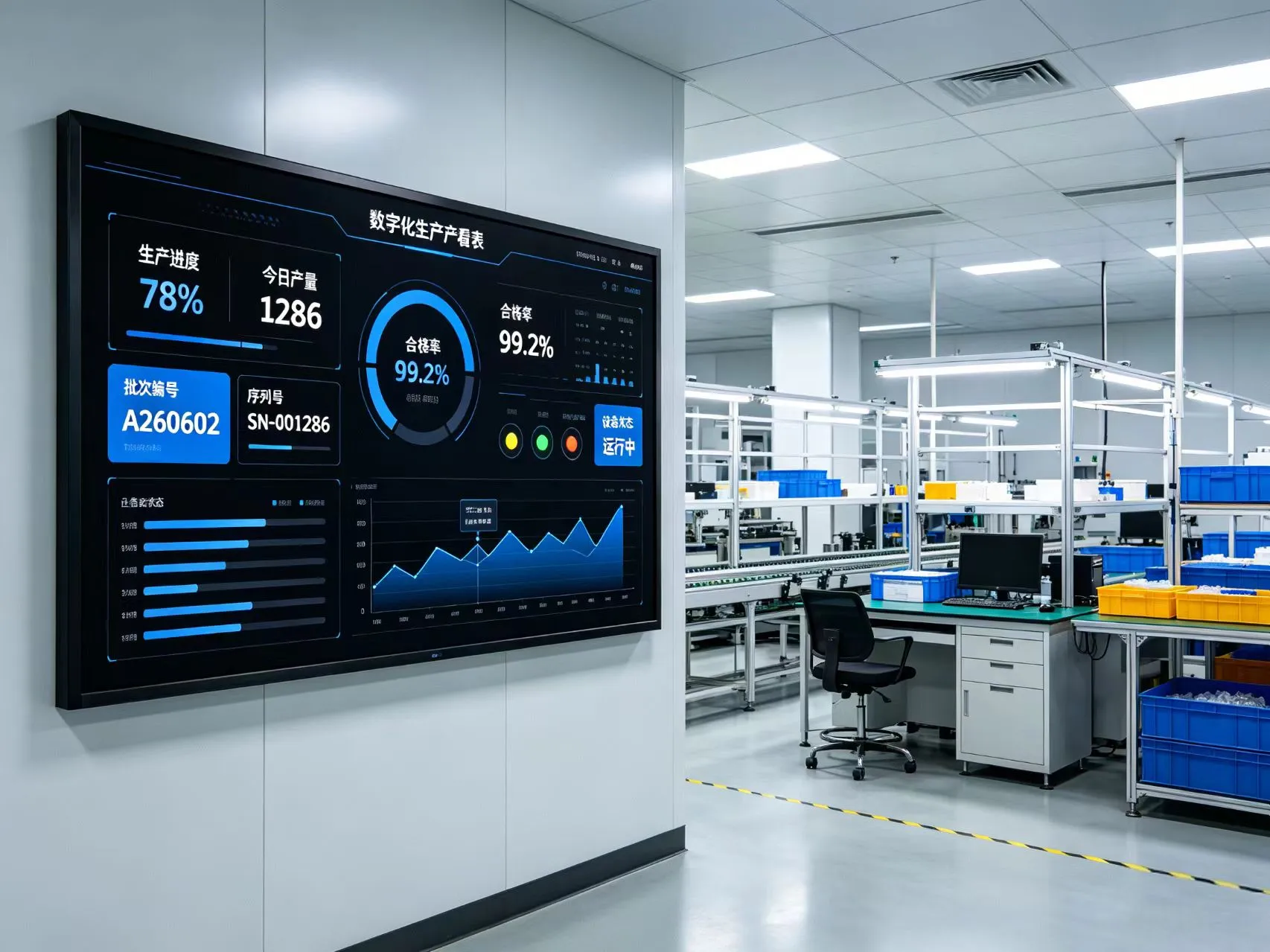
Quality control after approval includes: incoming material inspection, in-process checkpoints at critical operations, random sampling during production, first article inspection of completed units, pre-shipment inspection, and retention of reference samples. At Dreamway, we implement a comprehensive MES (Manufacturing Execution System) that tracks real-time quality data and flags any deviations from approved standards.
Ready to Start Your Project?
At Dreamway, we specialize in premium bag and silk product manufacturing with MOQs starting at 200 pieces for bags and 50 pieces for silk items. Our 30+ member team combines traditional craftsmanship with modern quality systems to deliver exceptional products for global brands.
Contact us today to discuss your sample development and production requirements.
Website: https://www.gzdreamway.com/
Conclusion
Sample approval is the cornerstone of quality-controlled manufacturing. A comprehensive sample approval checklist serves as your first—and most important—line of defense against production defects, cost overruns, and timeline delays.
By establishing clear approval criteria, maintaining thorough documentation, and following the systematic approach outlined in this guide, buyers and manufacturers can build productive partnerships based on shared quality standards and mutual confidence.
For OEM/ODM bag and silk projects, the discipline of proper sample approval creates the foundation for long-term success. It transforms manufacturing from a transactional arrangement into a collaborative partnership where both parties work toward the shared goal of exceptional products that delight end customers.
Invest the time in thorough sample approval, and you will reap the rewards throughout your entire production run.
Premium bag & silk manufacturing — under one factory roof.
Tucked inside Shiling Town — Guangzhou’s centuries-old leather district — Dreamway is a focused manufacturing partner for brands that refuse to compromise. We build rugged, retail-ready tote bags, backpacks, handbags with a 200-piece MOQ, and craft 100% Mulberry silk pillowcases, scrunchies & sleep accessories starting from just 50 pieces. Our small team of 30+ artisans is senior, hands-on, and accountable — the same people who quote your sample will personally inspect your shipment.
Every order is verified against our published manufacturing quality standards — AQL 2.5 inspection, hardware pull-tests, seam-strength audits, and silk-fibre authenticity checks. From concept tech-pack to mass production, we run the entire supply chain in-house, so timelines stay honest and revisions stay painless.
Buying Guides & Manufacturing Insights
Sourcing smarter starts with knowing what to compare. These long-form guides break down the decisions our clients wrestle with most — from third-party inspections like the SGS vs Intertek vs Bureau Veritas showdown, to ranking China’s top 10 tote bag manufacturers, to the head-to-head of canvas vs polyester vs PU for bag bodies.
Designing your logo? Our custom tote bag logo size guide shows real placement and stitch-density examples. Curious how a handbag actually comes together? Walk through the leather handbag manufacturing process step by step, and pair it with the canvas tote durability factors that decide whether a bag survives five years of daily use.
For material decisions beyond canvas, compare PU vs polyester for bags and explore our roundup of the world’s top canvas bag manufacturers. If backpacks are your lane, our backpack manufacturing process and backpack lead-time guide give you realistic production windows. Choosing between social-compliance audits? Read BSCI vs SEDEX vs WRAP. For smaller leather goods, dive into the leather wallet manufacturer playbook; for sustainability claims, the recycled PU leather explainer and our backpack QC checklist separate marketing from reality. Finally, stay ahead of EU regulation with our PPWR FAQ for bag manufacturers.
Explore by Topic
Browse our deep-dive knowledge hubs — every cluster is curated by category and updated with new field reports.
By Category
Materials & Compliance
Real Client Cases
Numbers tell part of the story. These production cases show how Dreamway’s small team delivers at scale.
Featured Product Lines
A snapshot of what we manufacture most often — all OEM/ODM-ready with custom hardware, lining, and packaging.
Who We Help
From indie founders to global enterprise — Dreamway is built for brands that need a factory, not a freelancer.
Brand Builders
Beauty & Fashion
Lifestyle & Retail

Skip the inbox. Chat with Victoria — right now.
Point your camera at the QR and you’re connected to a real human in Guangzhou. Send a photo of your reference, get a quote within minutes, and lock in your 200-piece MOQ slot before this month’s capacity fills.
Specialized factories. Unified standards.
Leather & Bag Capital
Our bags come from Guangzhou’s Shiling leather district — home to 30+ senior artisans under one roof, working in 8,000 m² of integrated cutting, sewing, hardware-assembly, and QC space.
Mulberry Silk Heritage
Our 22mm Mulberry silk pillowcases and sleep sets come from vetted partner mills in Suzhou and Hangzhou — at the heart of China’s 5,000-year sericulture heritage, today running OEKO-TEX Standard 100 certified production lines.
Get your sample in 7 working days —
hand-built by Guangzhou’s 30+ artisans.
Send a sketch, a screenshot, or a competitor’s bag you want to beat. We’ll hand-build a custom sample and ship it to your door — produced by the same craftspeople who will run your mass-production order.
business days · in your timezone
on request · signed in 1 day
if first one misses the brief
Crafted Insights for Premium Cotton Tote Bags
A curated library of expert guides — covering fabrics, printing, certifications, OEM/ODM workflows, and sourcing — to help brands and buyers make confident decisions.
Custom Tote Bags With Logo
Bring your brand to life — customize every stitch, color, and finish with your logo, from sketch to delivery.
Explore → No. 02Fabric Grades, GSM & Testing
Understand cotton grades, GSM weight, and the testing standards that define a premium tote bag.
Explore → No. 03Recycled & Organic Cotton Tote Bags
Choose recycled or GOTS-certified organic cotton — sustainability woven into every bag.
Explore → No. 04Logo Printing Methods for Tote Bags
Silkscreen, heat transfer, embroidery — compare print methods to carry your brand beautifully.
Explore → No. 05OEM Manufacturing: Design to Production
From the first sketch to mass production — a guided OEM journey for your private-label tote line.
Explore → No. 06OEM vs ODM Manufacturing
Understand the difference between OEM and ODM to choose the right path for your brand.
Explore → No. 07OEKO-TEX vs GOTS vs GRS Certifications
A clear comparison of three leading certifications guiding responsible fabric sourcing.
Explore → No. 08MOQ 2026: Cost & Lead Time
2026 insights on minimum order quantity, unit cost, and production lead time for cotton totes.
Explore → No. 09Choosing a Reliable Manufacturer: 2026 Checklist
A vetted checklist to help you identify trustworthy manufacturing partners in 2026.
Explore → No. 10Sample Approval Checklist
Confirm every detail before mass production — avoid costly revisions after sampling.
Explore → No. 11Cotton Tote Bag Manufacturer China
Discover why China leads the world in cotton tote bag manufacturing — quality, capacity, and craftsmanship.
Explore →Discover the World of Exquisite Clutch Bags
From elegant evening clutches to sophisticated everyday designs, our curated collection showcases the finest craftsmanship in leather accessories. Explore our comprehensive range of women’s clutch purses crafted by skilled artisans with decades of experience.
Featured Clutch Collections
Ready to find your perfect clutch bag? Our dedicated team is here to help you source premium accessories that elevate your brand.
Explore Full Clutch CollectionManufacturer Knowledge Hub
Twenty-two practical guides from our Guangzhou factory — covering everything from clutch sourcing, MOQ strategy, and quality control to tariffs, tech packs, and compliance. Each card opens a dedicated resource built from real production data.
Manufacturing & Products
Clutch Purses Manufacturer
Browse the full OEM clutch catalog — from evening minaudières to daytime wristlets — all built to your brand’s specs in our Guangzhou workshop.
Browse the full catalog Private LabelPrivate Label Leather Handbags
Launch a private-label leather line with low MOQs, custom hardware finishes, and dedicated pattern engineers who own your project end to end.
Plan your private label MaterialsGenuine Leather from China
Source full-grain and top-grain leather handbags direct from a Guangzhou maker with long-standing tannery partnerships and traceable supply.
Source full-grain leather Case StudyCustom Leather Clutch — A Success Story
Read how a European fashion brand grew from a cautious 30-piece trial into multi-thousand-piece annual reorders of bespoke clutch bags.
Read the case study Rush OrderRush-Order Logo Tote Bags
Need totes in two weeks? Our express lane ships custom-logo totes with full inline QC and export packing — without skipping any approval step.
Reserve a rush slot LogisticsImport Tote Bags: Shipping, Duty, Lead Time
A complete playbook on import logistics — port-to-port transit, customs duty brackets, and the realistic total lead time from PO to your warehouse.
Map your import routeQuality & Compliance
Tote Bag Quality-Control Checklist
Our 47-point QC checklist covers stitch density, colorfastness, hardware pull-strength, and packing — applied to every shipment, every order.
Download the QC checklist SamplingHandbag Sample-Approval Checklist
Use the same nine-step sample approval workflow our merchandisers run before any bulk production begins — and avoid costly reworks downstream.
Run the sample workflow ComplianceHandbag Compliance: REACH & Prop 65
A plain-English map of REACH SVHC, Prop 65, and CPSIA — learn which handbag materials trigger which compliance rules for US and EU markets.
Decode compliance rulesProcess & Capacity
How Low-MOQ Manufacturing Works
How low-MOQ production stays profitable — pattern sharing, modular components, and a dedicated small-batch line that keeps unit costs sensible.
Tour the MOQ workflow FactoryAbout Our Tote Bag Factory
Meet the 15-year tote bag factory behind your brand — 450 artisans, 18 production lines, and a weekly capacity of 80,000 units across cotton and canvas.
Meet our 450 artisans PaymentsHandbag Factory Payment Terms
T/T 30/70 vs L/C at sight vs D/P — the actual payment terms our clients use for first orders and repeat orders, with pros and cons explained.
Compare payment terms CostingHandbag Cost-Structure Breakdown
See exactly what drives handbag cost — materials 38%, labor 24%, hardware 11%, overhead 18%, margin 9% — with the levers you can actually pull.
Open the cost breakdown PricingEight Price Factors in Handbag Quotes
Eight pricing variables that shift a $9.50 handbag quote to $14.20 — leather grade, lining fabric, zip-pull alloy, edge paint, and four more.
Map the price leversDesign & Technical
Handbag Design Trends 2026
Color, hardware, silhouette, and material forecasts for SS26 handbag collections — curated from Milano and Paris runway shows plus buyer feedback.
Forecast SS26 designs TariffHandbag HS Code Complete Guide
HS codes 4202.21, 4202.22, 4202.31, 4202.32 — find the right tariff line to avoid customs delays and misclassification on every handbag shipment.
Decode HS codes Tech PackHandbag Tech Pack Template
Free handbag tech pack template with bill-of-materials, stitch specs, hardware callouts, and tolerance tables — drop in your numbers and ship.
Get the tech pack template EngineeringTech-Pack Cost-Down Engineering
Five engineering moves that quietly cut $1.80 per bag — reinforcement layouts, seam reductions, and material substitution that buyers never see.
Cut $1.80 per bagSourcing Strategy & Contact
Tariff Engineering with HTS Code Hacks
Reclassify components to shift handbag tariffs from 10% to 3.3% — legally, with proper HTS documentation that survives a CBP audit.
Reclassify duty lines RiskThe True Cost of Cheap Handbag Factories
Five risks of buying from $4.50/bag factories — defect rates, compliance gaps, IP exposure, and what they really cost your brand over three seasons.
Audit factory risks ContactStart Your Project with Our Team
Send your tech pack and get a working sample in seven days — three ways to reach our merchandising team and the fastest path from sketch to shipment.
Start a 7-day sample