
Recycled PU vs PVC: Which Material Is Better for Sustainable Bags?
A sourcing-grade comparison for sustainable bag brands — written by the engineering desk at Dreamway, a bag manufacturer based in Guangzhou, China.

Introduction
Recycled PU and PVC are both synthetic materials, but they differ significantly in composition, environmental impact, and suitability for sustainable bag production. Understanding these differences is essential for bag brands developing sustainability-forward product lines in 2026.
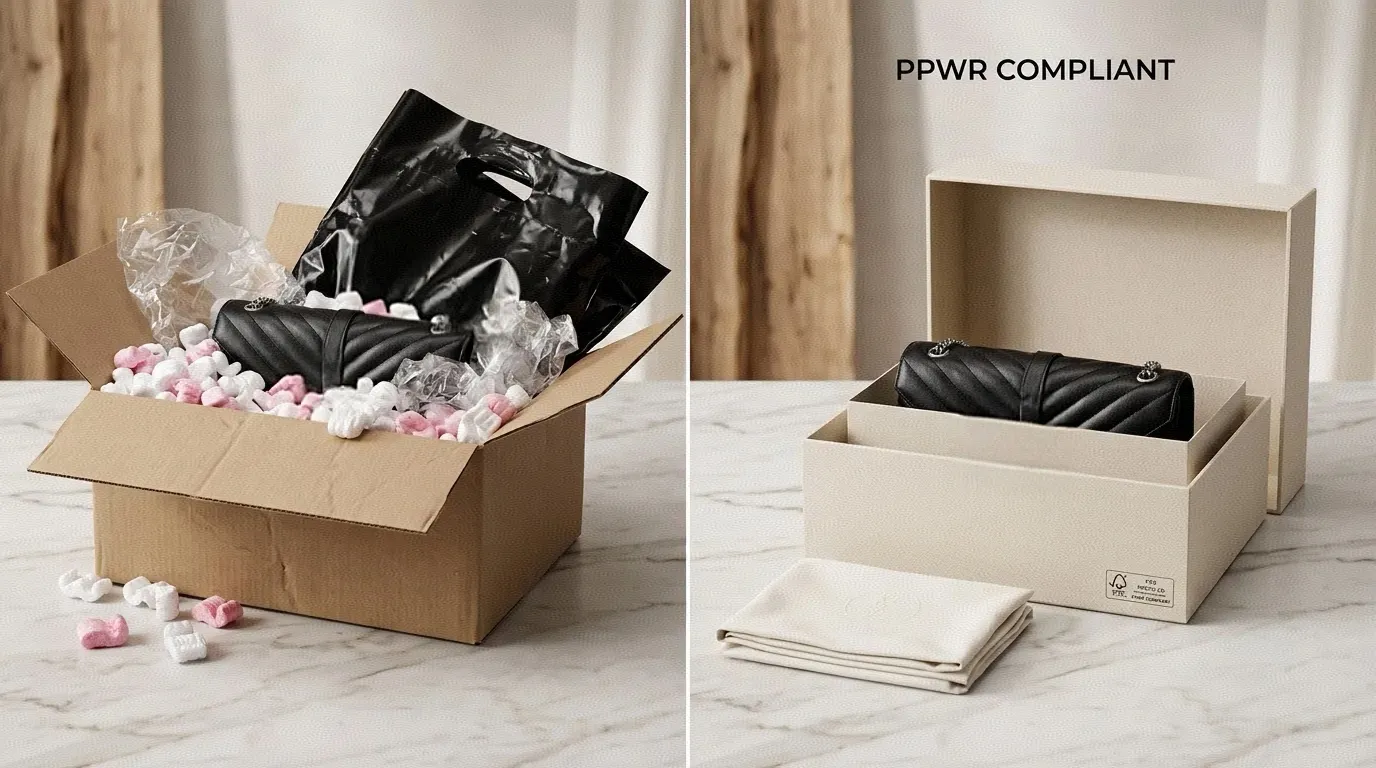
As regulations tighten across European and North American markets — particularly with the EU’s Packaging and Packaging Waste Regulation (PPWR) — brands are under increasing pressure to justify their material choices with verifiable data, certifications, and transparent supply chain practices.
This guide cuts through the noise. We compare recycled PU leather and PVC leather across material composition, sustainability credentials, safety profiles, bag applications, cost considerations, and certification requirements. By the end, your sourcing team will have a clear framework for making evidence-based material decisions that align with both brand values and regulatory compliance.
- What Are Recycled PU Leather and PVC?
- Recycled PU vs PVC: Material Composition Comparison
- Is Recycled PU More Sustainable Than PVC?
- Recycled PU vs PVC: Safety and Chemical Considerations
- Recycled PU vs PVC for Handbags and Bags
- Cost Comparison: Recycled PU vs PVC
- Which Material Should Sustainable Bag Brands Choose?
- Certifications to Check Before Buying Recycled PU Materials
- Expert Insight: How Bag Factories Evaluate PU Materials
- Frequently Asked Questions
What Are Recycled PU Leather and PVC?
Recycled PU Leather
Recycled PU leather is a polyurethane-based synthetic leather that incorporates recycled content — typically post-industrial PU scrap or recovered polyurethane from end-of-life products — blended into the polyurethane coating layer.
The standard three-layer structure remains:
- Fabric backing — polyester, cotton, or blended knit providing tensile strength.
- Polyurethane coating — the polymer surface delivering the leather-like aesthetic and flexibility.
- Recycled content — reprocessed polyurethane feedstock blended into the coating layer.
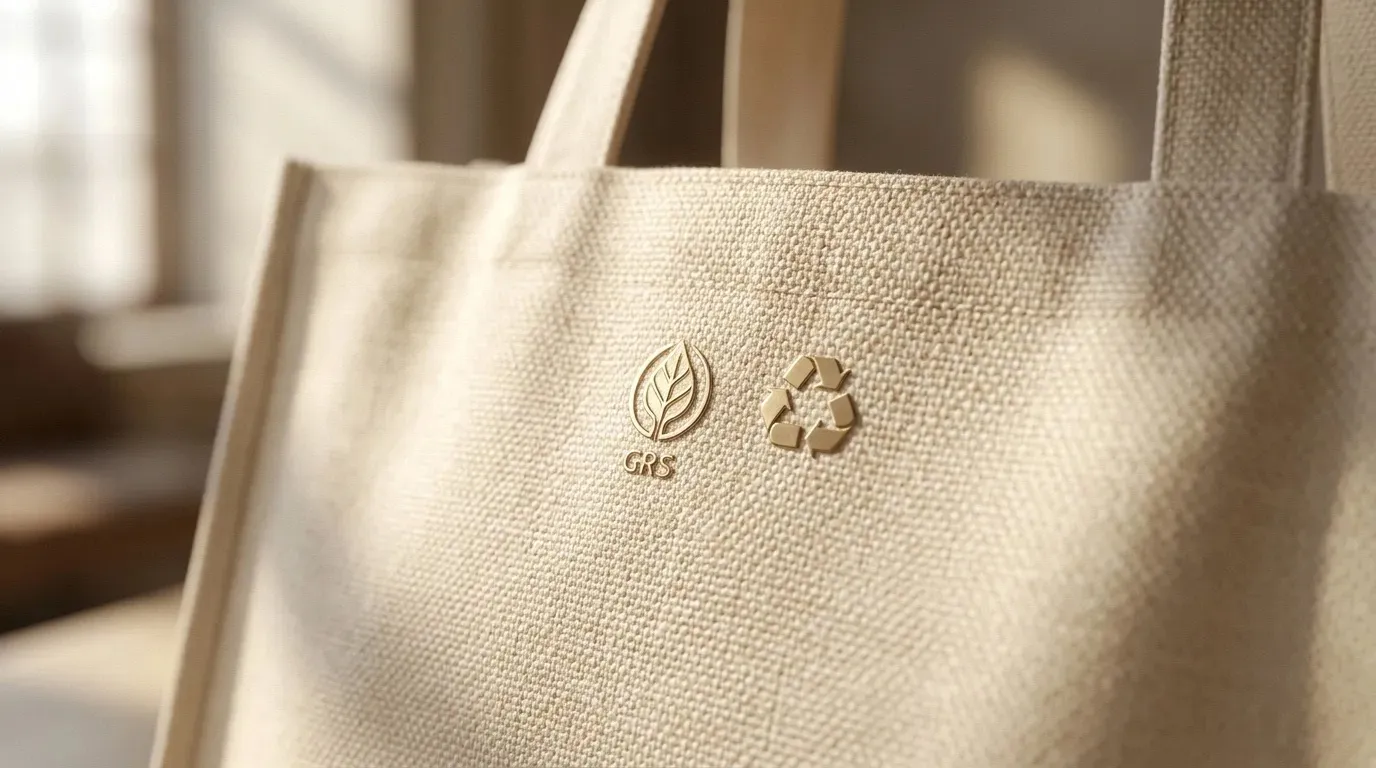
Do not claim “100% recycled.” The recycled percentage in recycled PU varies depending on supplier technology, formulation capabilities, and certification standards. Always verify the exact percentage from your supplier’s GRS transaction certificate.
PVC Leather
PVC leather — also known as polyvinyl chloride synthetic leather — is a plastic-based synthetic material with a PVC resin coating applied to a fabric backing. It has been widely used in the bag and accessories industry for decades due to its cost-effectiveness and water resistance.
PVC leather applications range from mass-market handbags and cosmetic cases to luggage and promotional bags. While it offers durability and waterproof performance, PVC production and disposal require careful management because certain additives and chemical processes may raise environmental and health concerns.
PVC leather is a vegan leather option — but vegan does not automatically mean sustainable. Understanding the distinction matters for brands building genuine sustainability narratives.
Recycled PU vs PVC: Material Composition Comparison
The following table summarizes the key material-level differences between recycled PU and PVC leather.
| Factor | Recycled PU | PVC |
|---|---|---|
| Base material | Polyurethane (with recycled content) | Polyvinyl chloride |
| Flexibility | Higher | Medium |
| Touch feeling | More leather-like | Plastic feeling |
| Breathability | Better | Lower |
| Sustainability potential | Higher (with recycled content + certifications) | Lower |
| Application | Premium bags, sustainable collections | Cost-focused products, waterproof applications |
Recycled PU generally offers a more leather-like hand-feel, better flexibility, and superior breathability — qualities that matter for premium positioning and end-user comfort. PVC wins on cost and waterproof performance but carries a heavier environmental profile.
Is Recycled PU More Sustainable Than PVC?
This is the core question for most sustainable bag brands — and the answer requires nuance.
1. Recycled Content Advantage
Recycled PU’s primary sustainability advantage lies in its recycled content:
- Reduces virgin petrochemical feedstock usage.
- Diverts post-industrial PU waste from landfill.
- Supports circular economy principles for synthetic materials.
However, the actual benefit depends critically on:
- The recycled percentage (verify with GRS transaction certificate).
- Whether the supplier holds relevant certifications.
- The manufacturing energy used in production.
2. PVC Environmental Considerations
PVC production and disposal require careful management because certain additives — particularly plasticizers (often phthalates) and stabilizers — and chemical processes may raise environmental and health concerns.
The Verdict
Recycled PU generally offers a higher sustainability ceiling than PVC — but the gap is not absolute. A poorly specified recycled PU with minimal recycled content and no certifications may deliver less environmental benefit than a well-managed PVC supply chain. Material selection should always be driven by specific product requirements, certification verification, and supply chain transparency.
Recycled PU vs PVC: Safety and Chemical Considerations
Safety is a frequent concern for brands sourcing synthetic leathers. Here is what the evidence shows.
Chemical Safety Comparison
| Consideration | Recycled PU | PVC |
|---|---|---|
| VOC emissions | Lower in general | Higher; depends on formulation |
| Restricted substances | Manageable with REACH/OEKO-TEX | Phthalates require attention |
| Heavy metals | Low risk with certified suppliers | Stabilizers may contain cadmium/lead |
| Plasticizers | Lower usage | Higher usage; phthalate concern |
Safety depends on manufacturing process, testing, and compliance — not material type alone. Both recycled PU and PVC can be produced safely when suppliers adhere to REACH compliance, OEKO-TEX standards, and relevant market regulations.
For bags that contact skin directly — such as handbags and accessories worn against the body — buyers should always request:
- REACH compliance documentation.
- OEKO-TEX Standard 100 test report.
- California Prop 65 compliance (for US market).

Recycled PU vs PVC for Handbags and Bags
Here is how the two materials stack up across common bag categories — use this as a quick reference for product development decisions.
| Product | Recommended Material | Notes |
|---|---|---|
| Luxury handbags | Recycled PU / Premium PU | Leather-like aesthetics, premium hand-feel |
| Cosmetic bags | PU (recycled or standard) | Lightweight, color-consistent, easy to clean |
| Promotional bags | PVC or PU (depending on budget) | Cost-driven; PVC for waterproof needs |
| Sustainable brand bags | Recycled PU | Certifiable recycled content, credible narrative |
| Outdoor/bath bags | PVC or coated PU | Waterproof requirement may favor PVC |
Luxury Handbags
Premium aesthetics, leather-like hand-feel, and certifiable sustainability credentials make recycled PU the preferred choice for sustainable luxury collections.
Recommended: Recycled PUCosmetic Bags
Lightweight construction and easy color matching make PU the practical choice — recycled PU adds sustainability positioning.
Recommended: Recycled PUWaterproof Bags
For bags requiring water resistance — beach bags, bath accessories — PVC or coated PU delivers reliable waterproof performance.
Recommended: PVC / Coated PUEco-Led Collections
Sustainable brand positioning demands verifiable credentials — recycled PU with GRS certification is the defensible choice.
Recommended: Recycled PU (GRS)Cost Comparison: Recycled PU vs PVC
Cost is a primary driver in B2B material selection — and the PU vs PVC comparison reflects real price differentials.
Cost Drivers
- Material cost — PVC is generally less expensive per yard; recycled PU carries a premium for recycled content.
- Processing cost — Both materials have similar processing requirements; recycled PU may require additional quality verification steps.
- MOQ impact — Recycled PU often has higher minimum order quantities due to supplier batch sizes.
- Certification cost — GRS, OEKO-TEX, and REACH documentation add cost but are essential for sustainability claims.
- Brand positioning — Premium materials command premium prices; recycled PU enables premium pricing for sustainable brands.
.webp)
We do not publish fixed per-yard prices because material costs are influenced by thickness, backing fabric, finishing, recycled content percentage, certification requirements, and order quantity. Request a tailored quote with your specifications for accurate pricing.
Which Material Should Sustainable Bag Brands Choose?
The right choice depends on your brand’s positioning, product requirements, and target market. Here is a practical decision framework.
Choose Recycled PU if:
- Your brand has sustainability positioning and an eco-conscious customer base.
- You need premium appearance and leather-like aesthetics.
- Your customers actively seek eco-friendly products and verifiable sustainability credentials.
- You are targeting European markets where PPWR and regulatory compliance matter.
- You want to build a defensible, certified sustainability story.
Choose PVC if:
- Your product line focuses on low-cost bags and budget-conscious segments.
- The bag requires waterproof performance (beach, pool, bath applications).
- You are producing high-volume promotional bags with short product lifecycles.
- Your target market does not prioritize sustainability credentials.
- The product design benefits from PVC’s rigid structure and durability.
Do not create a false narrative that “PVC is inherently bad.” PVC is a legitimate material with specific applications. The issue is not PVC itself — it is how it is specified, produced, and disposed of. Responsible sourcing means evaluating materials against your specific product requirements, not following blanket verdicts.
Certifications to Check Before Buying Recycled PU Materials
Certifications are the primary mechanism for verifying recycled content, chemical safety, and supply chain transparency. Here are the most relevant certifications for recycled PU in 2026.
GRS — Global Recycled Standard
GRS verifies the recycled content percentage and tracks it through the supply chain via chain-of-custody documentation. It is the foundational certification for any brand making recycled content claims.
- Confirms minimum recycled percentage.
- Provides traceability from feedstock to final product.
- Required for GRS transaction certificates with each shipment.
OEKO-TEX Standard 100
OEKO-TEX certifies that the material has been tested for harmful substances and is safe for human contact. Essential for handbags and accessories that touch skin daily.
REACH Compliance
REACH restricts hazardous chemicals in materials sold in the European Union. Critical for:
- Restricting SVHCs (Substances of Very High Concern).
- Ensuring compliance with phthalate restrictions.
- Meeting EU market access requirements.
California Prop 65
Required for products sold in California — tests for chemicals known to cause cancer, birth defects, or reproductive harm. Relevant for US market brands.
Certifications cover different aspects. GRS verifies recycled content and traceability. OEKO-TEX verifies chemical safety. REACH verifies regulatory compliance. No single certification covers everything — request the full documentation set relevant to your market and claims.
Expert Insight: How Bag Factories Evaluate PU Materials
These insights come from the Dreamway manufacturing team — the people who work with recycled PU and PVC on the production floor every day.

Emily
Senior Project Manager · 12 Years in OEM Manufacturing“Why do sustainable brands specifically ask for recycled PU over standard PU or PVC?”
The first question is almost always about certification — buyers want the GRS certificate, the exact recycled content percentage, and full chain-of-custody traceability. Right after that comes MOQ, because recycled PU often carries a higher minimum than standard PU or PVC. Then it’s color-matching capability, finishing options, and sample availability. I always advise buyers to treat the sustainability story the same way they treat the bag’s design: it has to be authentic, verifiable, and ready to defend in front of their own customer. PVC still has its place — especially for waterproof applications — but recycled PU is winning the premium positioning battle in 2026.
Kevin
Pattern Development Engineer · 15 Years Experience“What documents should buyers request before selecting a recycled PU material?”
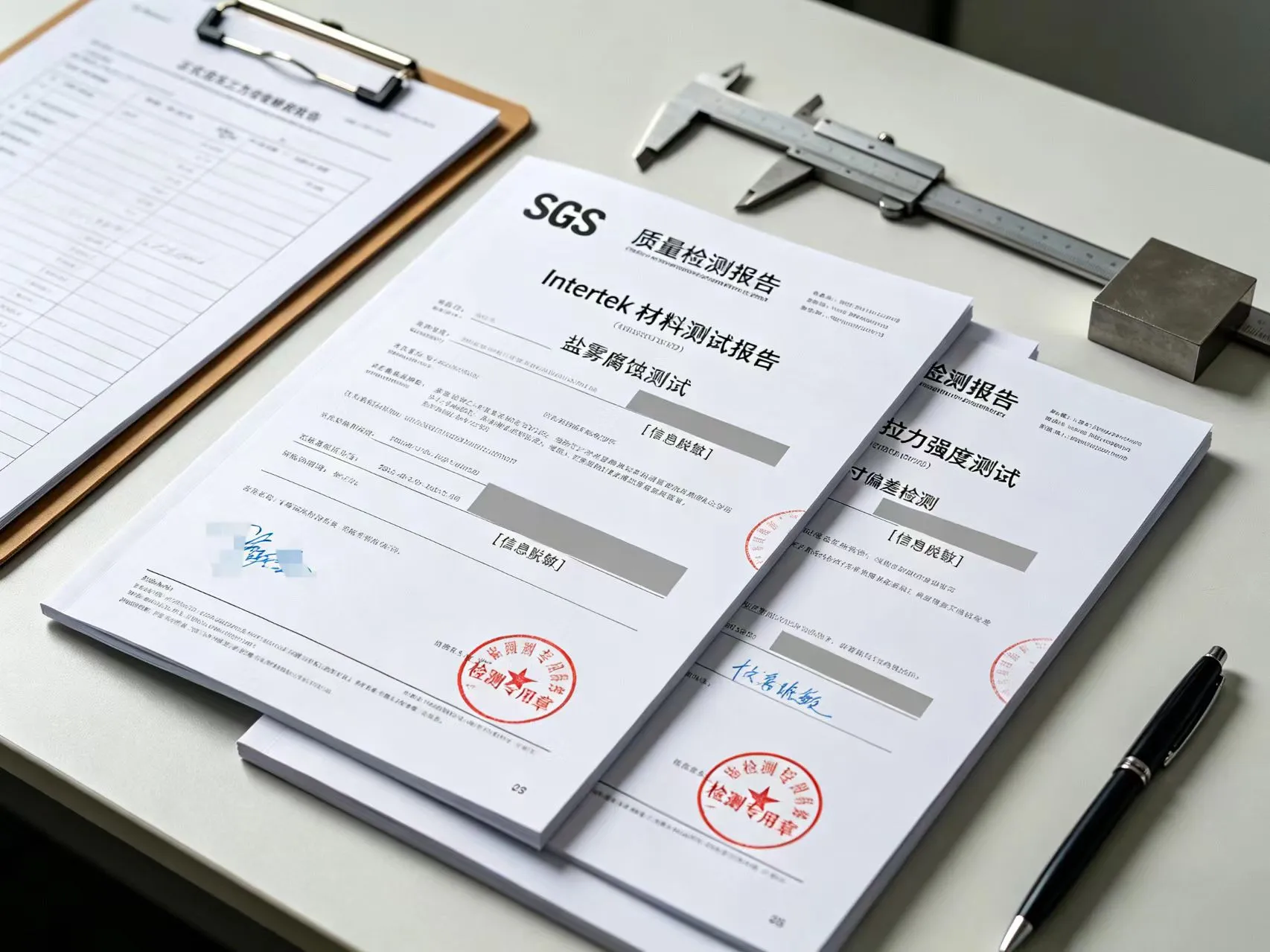
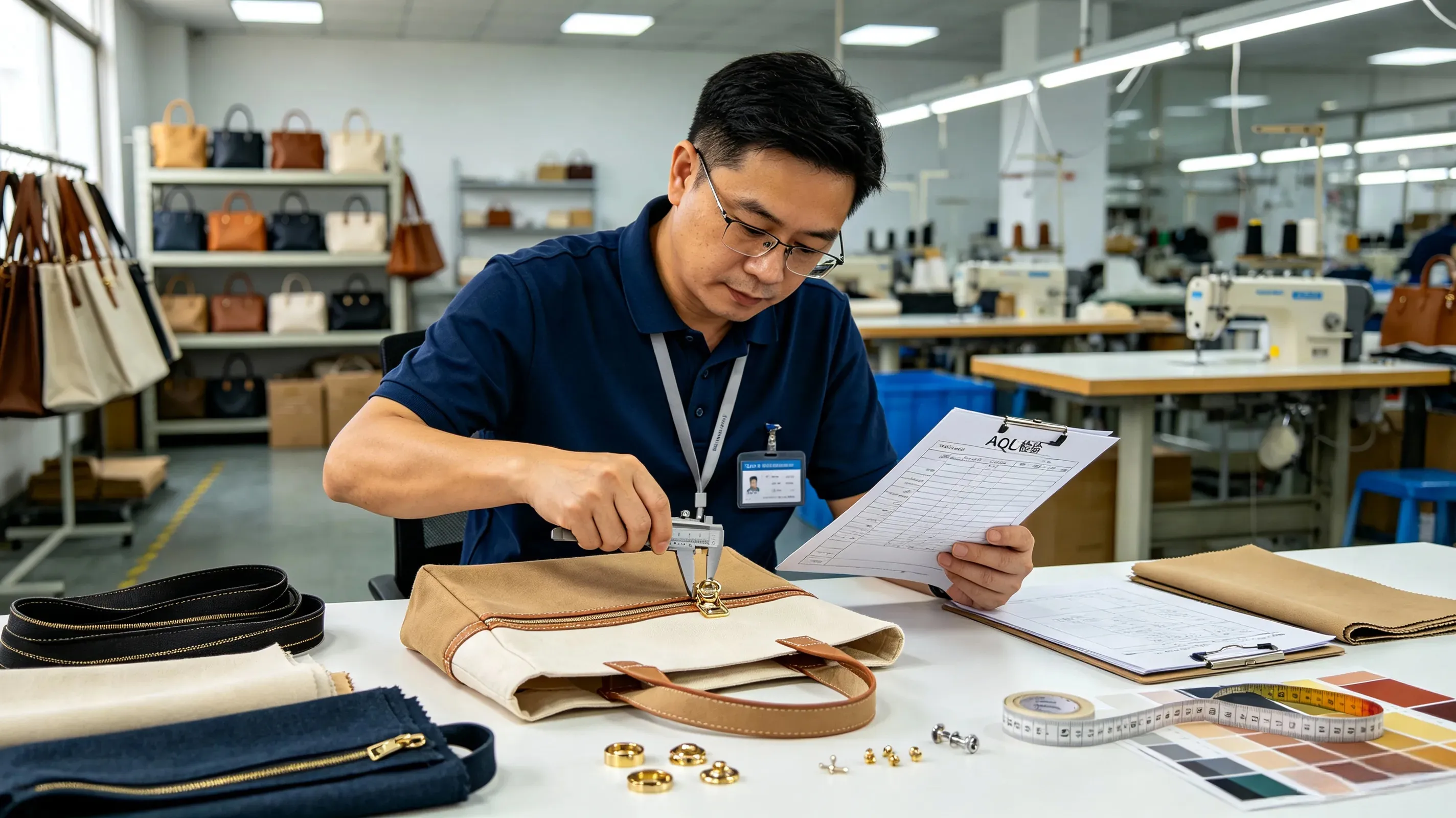
At minimum: the GRS transaction certificate (to verify recycled content percentage), OEKO-TEX Standard 100 report, and REACH compliance statement. For EU-bound products, confirm California Prop 65 if selling in the US. We also recommend requesting a coating adhesion test, color consistency report, abrasion resistance data, and an odor test report — these are the quality parameters that catch problems before they reach production. Every new lot should be treated as a fresh qualification, even from a trusted supplier, because formulation can vary between batches.

Frequently Asked Questions About Recycled PU vs PVC
Conclusion
Recycled PU is often preferred by sustainable bag brands because it combines a leather-like appearance with measurable recycled content potential, better breathability, and a higher sustainability ceiling than PVC — provided the recycled percentage and certifications are verified.
However, material selection should always consider:
- Product requirements — aesthetics, durability, waterproof performance, target price point.
- Certification — GRS, OEKO-TEX, REACH, and other relevant standards for your markets.
- Durability testing — verify performance against the specific bag application’s expected use conditions.
- Target market — EU regulations, US Prop 65, and consumer expectations vary by geography.
PVC remains a legitimate choice for waterproof applications, budget-focused products, and high-volume promotional bags. The goal is not to eliminate PVC — it is to use each material where it delivers the most value.
At Dreamway, we work with both materials daily. Our engineering and QC teams can help you evaluate specifications, source certified materials, and ensure your chosen material performs at production quality. Contact our team to discuss your next project.
Published by Dreamway — Handbag and Silk Product Manufacturer · Guangzhou, China
Small team of 30+ professionals · Serving 50+ countries worldwide
Handbag MOQ: 200 pcs | Silk Product MOQ: 50 pcs
- Recycled PU vs PVC: Which Material Is Better for Sustainable Bags?
- Is Recycled PU Leather Toxic? Safety, Chemical Risks & Buyer Guide
- Recycled PU Leather: Is It Sustainable? Bag Brand Guide
- Recycled PU vs PU Leather: Which Is Better for Bags?
- What Is Recycled PU Leather? Complete Guide for Bag Brands
- PU vs. Polyester for Bags: Which Material Is Better for Your Brand?
- Silk vs. Bamboo vs. Tencel: Why Luxury Wellness Brands Still Choose Real Mulberry Silk for Bedding
- How to Spot Fake Silk: A Factory Guide to Testing Real Mulberry Silk for B2B Buyers
- The Ultimate Guide to Sourcing Mulberry Silk: 16mm vs 19mm vs 22mm Compared
- Canvas vs. Polyester vs. PU: Material Comparison
- Guide to Sustainability: GRS, OEKO-TEX & FSC
- Canvas Fabric Weight Guide: GSM and Oz Explained
- The Future of Vegan Leather: Pineapple, Cactus, and Apple Fiber
- Water-Based PU vs Recycled PU: Which Is Better for Bags?
- Why Water Based PU Leather is so popular?
- Comparing Cotton vs. Blended Canvas for Tote Bags
- Eco-Friendly and Sustainable Canvas Tote Bags
- Canvas Tote Bag Material & Weight Guide: oz/GSM Chart for Every Bag Type
- Sustainable Custom Tote Bags with Logo: Certifications, Materials & Greenwashing Red Flags
- Canvas Tote Bag Factory: What Affects the Durability?
- Cotton Tote Bag Factory: Grades, GSM Options & Fabric Testing
- Luxury Tote Bag Factory for Premium Brands (PU/Leather Options)
- Recycled Tote Bag Factory: RPET, Organic Cotton & Eco-Friendly Materials
- Top Custom PU Handbag Factories & Pro Tips for Choosing Quality
DREAMWAY
Custom Bag & Silk Manufacturer · Shiling, Guangzhou
Company
Products
Guides & Insights
Ready to Bring Your Bag Idea to Life? Let’s Talk Today.
From your first sketch to bulk delivery, our team replies within 12 hours with expert advice and a free quote. No pressure — just honest manufacturing guidance.

Prefer a call? +86-020-87682749 · Mon–Sat, 9:00–18:00 (GMT+8)