
Sustainable Leather Handbag Manufacturer
A comprehensive guide to partnering with eco-conscious leather handbag manufacturers in China — from material sourcing to compliance and long-term quality partnerships.
What Is Sustainable Leather Handbag Manufacturing?
Sustainable leather handbag manufacturing is far more than a trend — it represents a fundamental shift in how fashion accessories are produced, sourced, and delivered to market. For brands seeking an eco-friendly handbag manufacturer, understanding this comprehensive approach is essential for making informed sourcing decisions.
At its core, sustainable handbag manufacturing encompasses the entire product lifecycle: from raw material selection to end-of-life disposal. It requires manufacturers to take responsibility not just for production quality, but for environmental impact, chemical safety, supply chain ethics, and social compliance at every stage.
Material Selection
Choosing responsibly sourced leather, recycled materials, and eco-friendly alternatives that minimize environmental footprint.
Responsible Sourcing
Verifiable supply chains with full traceability from raw material to finished product, ensuring ethical treatment of workers and animals.
Chemical Management
Strict control of harmful substances including AZO dyes, formaldehyde, and heavy metals to meet international safety standards.
Production Efficiency
Optimized manufacturing processes that reduce energy consumption, water usage, and carbon emissions without compromising quality.
Waste Reduction
Comprehensive recycling programs, leather offcut utilization, and zero-waste design principles to minimize landfill contributions.
Packaging Sustainability
FSC-certified papers, recycled materials, and plastic-free solutions that align with consumer expectations for eco-conscious brands.
Key Insight
Sustainability in handbag manufacturing is not about choosing between quality and environmental responsibility — it’s about recognizing that long-term brand value is built on both. A truly sustainable manufacturer delivers products that last, using processes that protect.
The demand for sustainable fashion accessories manufacturer partnerships has grown dramatically as consumers increasingly research brands before purchasing. European brands, in particular, focus heavily on REACH compliance, PFAS regulations, and OEKO-TEX certification. American retailers prioritize California Proposition 65 compliance, while luxury brands emphasize GRS certification and full supply chain traceability.
For corporate buyers, ESG procurement requirements mean that sustainability documentation is no longer optional — it’s a prerequisite for business. The modern eco conscious handbag supplier must be prepared to demonstrate environmental responsibility at every level, from material certificates to carbon footprint calculations.
Why Brands Choose Sustainable Leather Handbag Manufacturers
The decision to partner with a sustainable handbag factory China goes beyond corporate social responsibility — it’s a strategic business move that delivers measurable returns across multiple dimensions.
Meeting Consumer Demand for Sustainable Fashion
Today’s consumers — especially millennials and Gen Z — actively research brand sustainability practices before making purchases. A Nielsen study found that 73% of global consumers would change consumption habits to reduce environmental impact. For fashion accessories, this translates directly into purchasing decisions.
Brands that position themselves with authentic sustainability stories outperform competitors in customer loyalty and repeat purchases. An ethical handbag factory partnership enables brands to make credible claims backed by verifiable practices, not just marketing language.
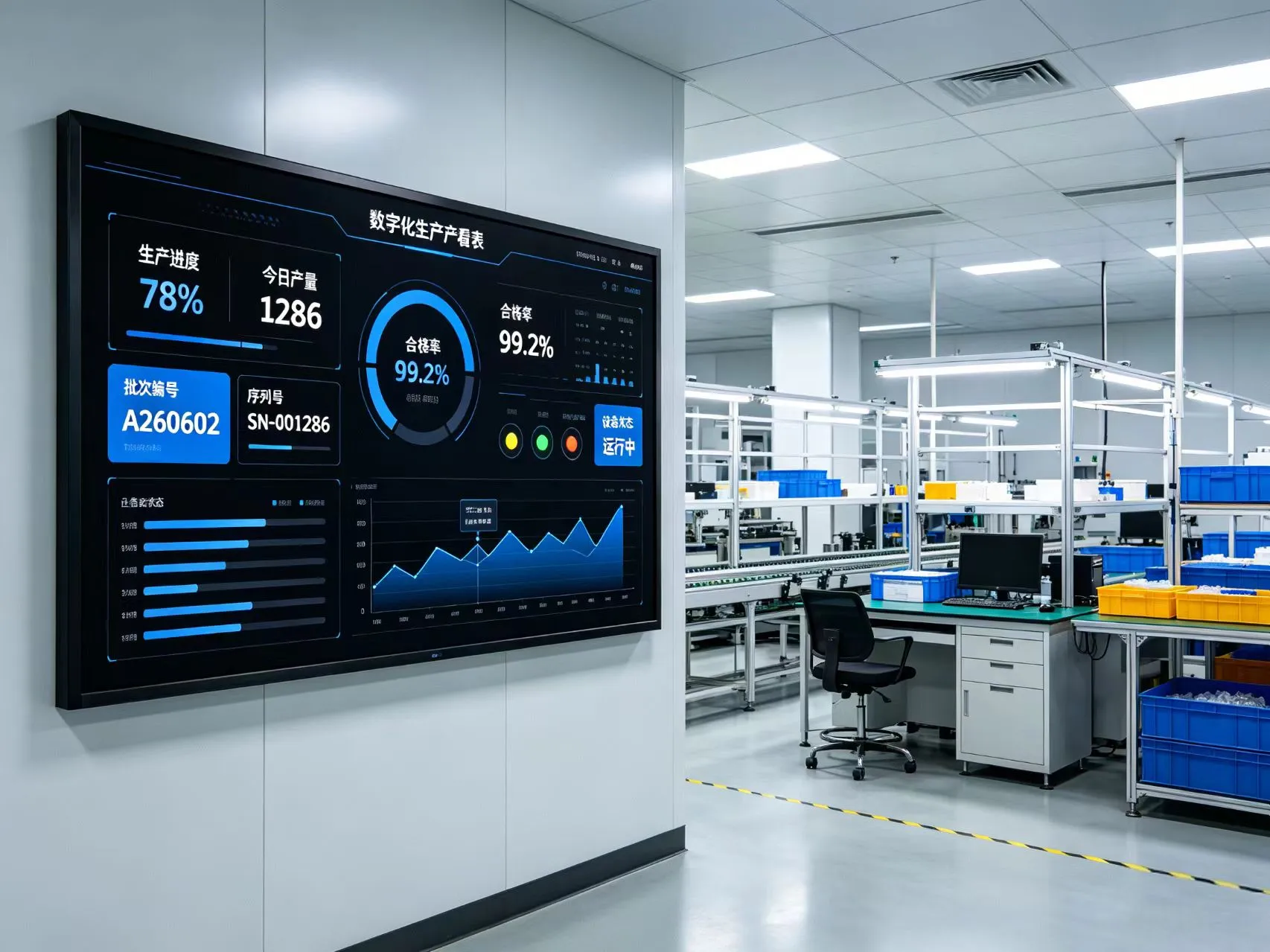

Building Brand Value
Sustainability creates premium positioning opportunities. Products manufactured with certified materials and responsible processes command higher price points while attracting quality-conscious consumers. This enables brands to move away from price-based competition toward value-based differentiation.
Working with a recycled leather handbags manufacturer or vegan leather handbags manufacturer provides compelling brand narratives that resonate with conscious consumers. These stories become marketing assets that drive engagement across social media and content marketing channels.
Supporting ESG Goals
Corporate sustainability commitments require supply chain partners who can deliver measurable environmental improvements. A certified sustainable manufacturing partner helps brands report on:
- Carbon footprint reduction in production
- Water consumption minimization
- Waste diversion from landfills
- Chemical safety compliance
- Worker welfare standards
For publicly traded companies and those seeking investment, ESG performance increasingly affects valuation and access to capital. A sustainable manufacturing partnership becomes a competitive advantage in investor relations.
Reducing Environmental Impact
The fashion industry accounts for approximately 10% of global carbon emissions — more than international flights and maritime shipping combined. Leather production, in particular, has historically carried significant environmental burdens related to tanning processes and chemical usage.
Modern sustainable manufacturing addresses these challenges through:
Water-Based Processing
Transitioning from solvent-based to water-based tanning reduces toxic chemical discharge and improves worker safety while meeting European environmental regulations.
Circular Economy Practices
Leather offcuts become accessories, recycled materials reduce virgin resource demand, and packaging designs enable reuse or composting.
Improving Brand Transparency
Modern consumers demand supply chain transparency. Brands that can demonstrate responsible sourcing — from leather hide origin to finished product — build trust that converts to customer loyalty.
A sustainable manufacturing partner provides the documentation and audit trails necessary to support transparency claims. This includes material certifications, production records, and third-party verification that substantiate brand narratives.
Market Insight
Brands working with certified sustainable manufacturers report higher customer retention rates and stronger wholesale relationships. Retailers increasingly require sustainability documentation as part of vendor onboarding, making compliant partnerships a prerequisite for market access.
Sustainable Materials for Handbag Manufacturing
This section represents the most critical content for sustainable handbag materials search queries. Material innovation drives the industry forward, and brands must understand their options when sourcing from a water based PU handbags manufacturer or exploring plant based leather handbags.
.webp)
Responsible Genuine Leather
Genuine leather remains the premium choice for luxury handbags, but responsible sourcing transforms it into a sustainable option. The key concept is understanding leather as an agricultural by-product.
By-Product Philosophy
Premium leather comes from animal hides that would otherwise be discarded by the meat industry. Rather than viewing leather as a primary product driving animal agriculture, sustainable manufacturers source from existing meat supply chains, maximizing the value extracted from each animal and reducing waste.
Better Utilization of Animal Hides
Sustainable leather handbag manufacturing prioritizes full hide utilization. Quality-conscious manufacturers work with tanneries that:
- Source hides from verified farms with animal welfare certifications
- Process hides using chrome-free or reduced-chrome tanning methods where possible
- Implement wastewater treatment systems meeting EU standards
- Maintain chemical safety documentation for all processes
Material Durability Advantages
One of the most overlooked sustainability benefits of genuine leather is product longevity. A well-constructed leather handbag lasts 10-15 years with proper care, compared to 2-3 years for fast-fashion alternatives. This extended product lifecycle dramatically reduces per-use environmental impact.
Recycled Leather
Recycled leather represents one of the most innovative developments in sustainable materials. Also known as reconstituted leather or leather composite, this material addresses both waste reduction and resource conservation.
.webp)
Composition
Recycled leather combines leather fiber scraps with binding agents, creating a homogeneous material that can be processed using standard manufacturing equipment. The final product maintains leather’s aesthetic and functional properties while diverting waste from landfills.
- Contains 30-70% reclaimed leather fibers
- Reduced environmental footprint vs. virgin leather
- Consistent thickness and quality
- Available in various finishes and colors
Advantages of Recycled Leather
- Environmental Impact: Reduces leather waste by 40-60% compared to virgin production
- Cost Efficiency: 15-30% lower material costs while maintaining quality perception
- Consistency: More uniform thickness and texture than natural leather
- Customization: Accepts dyes and finishes identically to traditional leather
Applications
Recycled leather works exceptionally well for handbag linings, back panels, and secondary surfaces where visual consistency matters. For eco friendly leather alternatives, it’s an excellent mid-market option that balances sustainability credentials with premium tactile qualities.
Water-Based PU Leather
Water-based polyurethane leather represents a significant advancement in synthetic alternatives. Unlike traditional solvent-based PU that releases volatile organic compounds (VOCs), water-based formulations dramatically reduce environmental and health impacts.
Why Water-Based PU Is Popular
The shift from solvent-based to water-based PU leather production reduces VOC emissions by up to 90%. This addresses both environmental regulations and consumer health concerns, making it ideal for brands targeting European markets with strict chemical safety requirements.
For brands seeking eco friendly handbag manufacturer partnerships, water-based PU offers:
- REACH compliance without extensive chemical testing
- Soft hand-feel approaching genuine leather
- Consistent color absorption for vibrant custom designs
- Cost-competitive positioning in the mid-market segment
Recycled PU Leather
Building on the water-based foundation, recycled PU incorporates post-industrial and post-consumer PU waste. This material addresses both the production impact (through water-based processing) and end-of-life concerns (through recycled content).
| Feature | Water-Based PU | Recycled PU | Traditional PU |
|---|---|---|---|
| Environmental Impact | ✓ Low VOC | ✓✓ Lowest Impact | ✗ High VOC |
| Material Cost | Moderate | Moderate-High | ✓ Low |
| Durability | ✓ Good | ✓ Good | ✓ Good |
| REACH Compliance | ✓ Easy | ✓ Easy | ✗ Challenging |
| Consumer Perception | Positive | Excellent | Neutral |
Plant-Based Leather Alternatives
The emergence of plant-based leather alternatives represents the cutting edge of sustainable materials innovation. These bio-based materials offer genuine leather aesthetics without animal products or petroleum-derived plastics.

Plant-Based Options
- Pineapple Leather (Piñatex): Made from pineapple leaf fibers, biodegradable, supports Filipino farming communities
- Cactus Leather (Desserto): Sustainable cactus farming in Mexico, soft hand-feel, excellent durability
- Apple Leather: Derived from apple industry waste, compostable, smooth texture
- Mushroom Leather (Mylo): Mycelium-based, entirely biodegradable, luxury market applications
Future Outlook
Plant-based leather alternatives are gaining market traction as major brands commit to sustainable materials. However, scalability, cost, and durability consistency remain challenges. Working with an experienced manufacturer ensures proper material handling and quality control for these emerging options.
Organic & Recycled Textile Materials
Beyond leather alternatives, sustainable handbag manufacturing incorporates organic and recycled textiles for linings, straps, and decorative elements.
Organic Cotton
GOTS-certified organic cotton for linings and dust bags, grown without pesticides or synthetic fertilizers.
Recycled Polyester (rPET)
Made from post-consumer plastic bottles, reducing landfill waste while providing durable strap materials.
Hemp Blends
Industrial hemp requires minimal water and pesticides, offering exceptionally durable strap and binding materials.
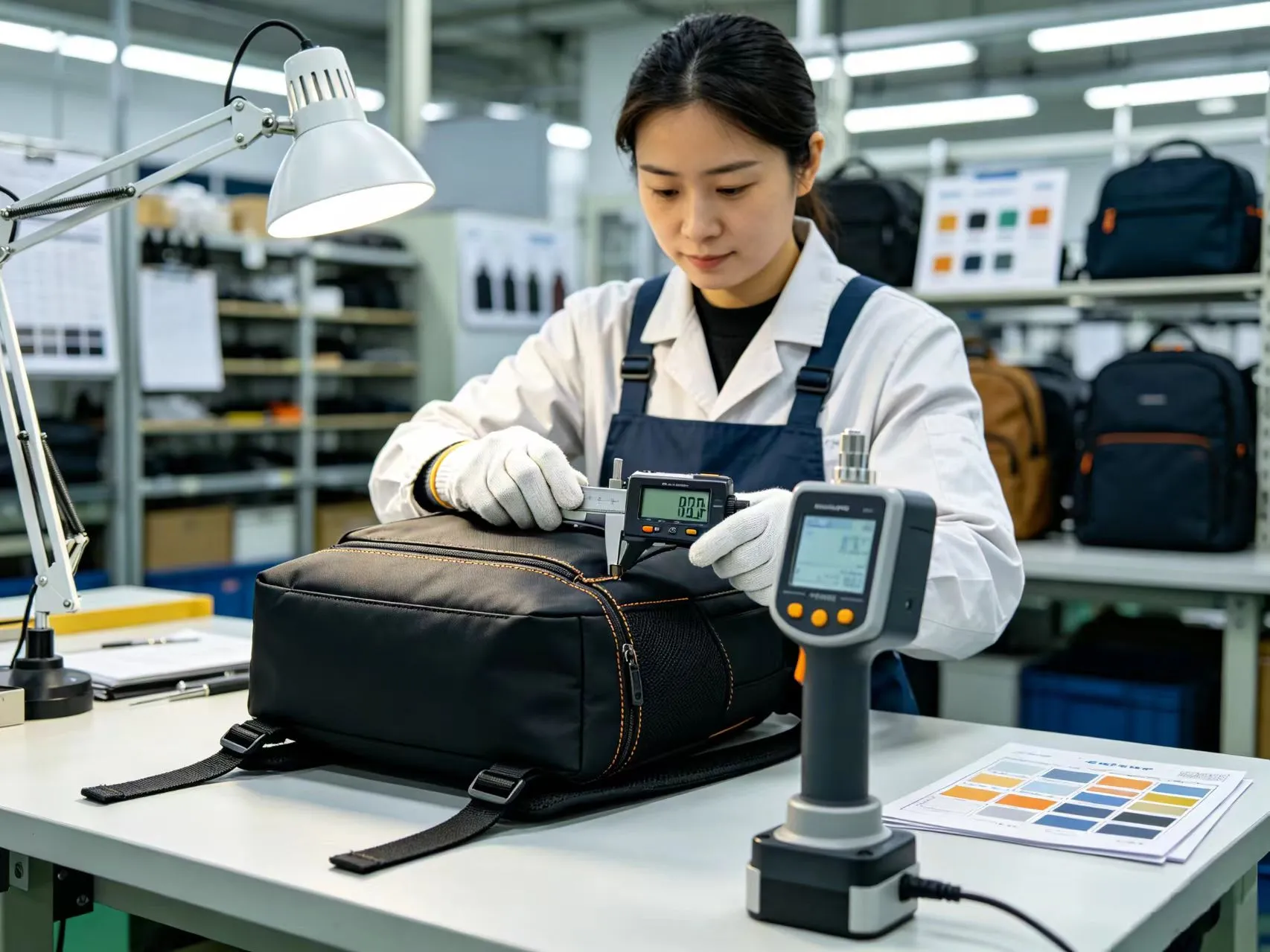
Sustainable Certifications & Compliance for Leather Handbags
This section represents the highest SEO value for compliance-focused search queries. A compliant handbag manufacturer must navigate multiple certification frameworks depending on target markets.
GRS
Global Recycled Standard for recycled content verification
OEKO-TEX
Standard 100 for chemical safety testing
REACH
EU chemical regulation compliance
BSCI / Sedex
Social compliance audits
GRS Certification
The Global Recycled Standard (GRS) provides verification for recycled materials throughout the supply chain. For GRS certified handbag manufacturer partnerships, certification requires:
- Minimum 20% recycled content in final product
- Third-party verification of recycled material sources
- Social and environmental compliance throughout supply chain
- Chemical restrictions matching REACH requirements
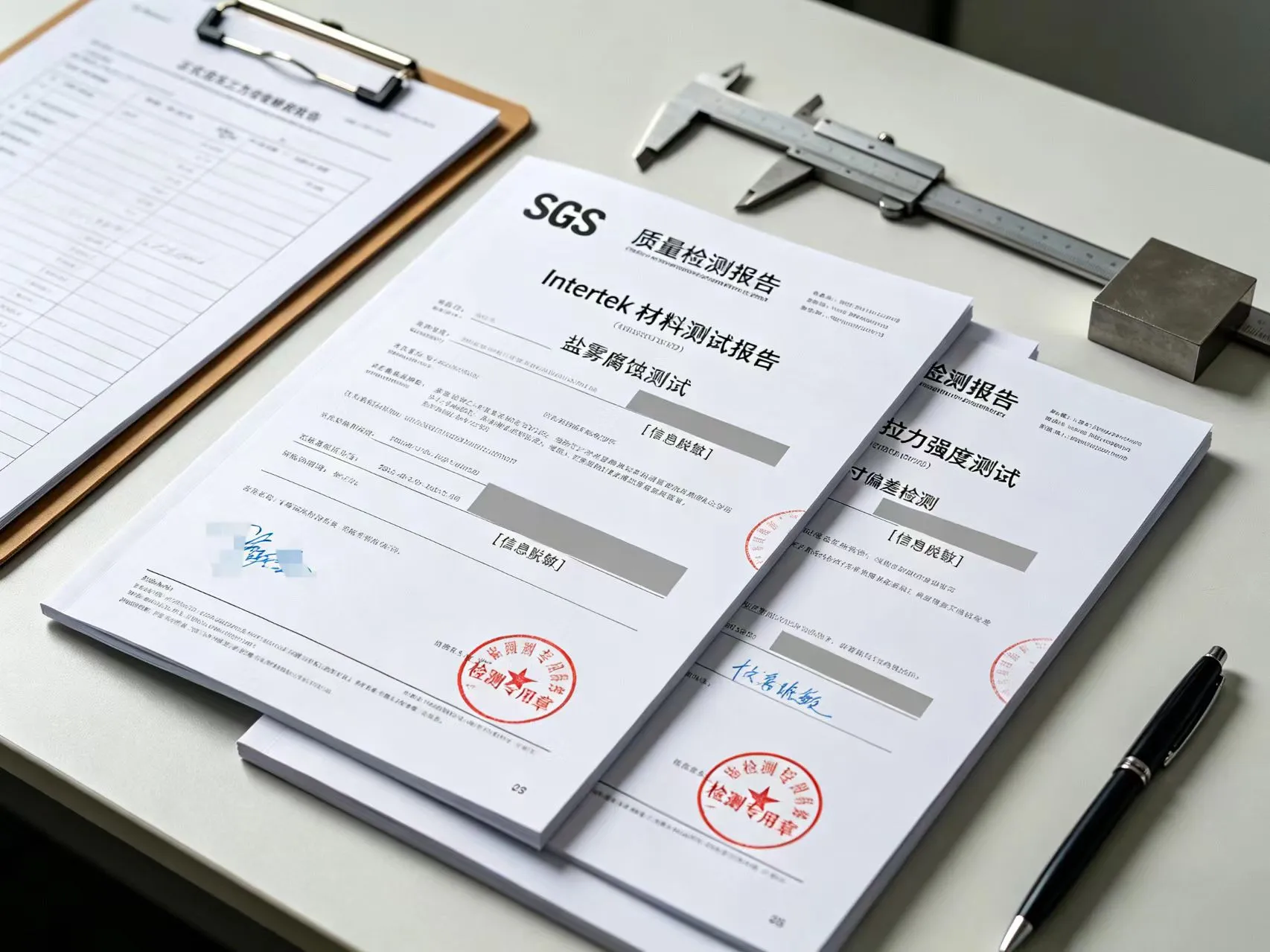
SEO Value
GRS certification directly supports recycled materials verification search queries and demonstrates supply chain transparency that European buyers specifically request. Document your certification scope and renewal dates for maximum credibility.
OEKO-TEX Standard 100
OEKO-TEX Standard 100 testing verifies that every component of a finished product — from fabrics to buttons to threads — is free from harmful substances. For OEKO TEX handbag factory partnerships, testing covers:
Chemical Classes Tested
- AZO dyes and aromatic amines
- Formaldehyde release
- Heavy metal content
- Phthalates and plasticizers
- Pesticide residues
- Chlorinated phenols
Product Classes
- Class I: Products for babies (strictest)
- Class II: Products with skin contact
- Class III: Products without skin contact
- Class IV: Decoration materials
Most leather handbags fall under Class II or III, but brands targeting baby/child products need Class I certification for all components.
REACH Compliance
REACH (Registration, Evaluation, Authorisation and Restriction of Chemicals) is the EU’s comprehensive chemical regulation. REACH compliant handbag manufacturer status requires:
- Full disclosure of chemicals used in production
- Testing documentation for restricted substances
- REACH declarations for all materials
- Ongoing monitoring of regulatory updates
Market Requirement
REACH compliance is non-negotiable for European market access. Brands sourcing from China should verify manufacturer compliance documentation before placing orders, as non-compliant shipments face customs rejection and potential penalties.
California Proposition 65
California’s Proposition 65 requires warning labels for products containing chemicals known to cause cancer or reproductive harm. For US market access, manufacturers must test for Prop 65 chemicals including:
- Lead and cadmium in metal components
- Phthalates in plastic and coated materials
- Certain AZO dye compounds
- Formaldehyde in leather treatments
PFAS Regulations
Per- and polyfluoroalkyl substances (PFAS) face increasing regulatory pressure globally. For PFAS free handbags, manufacturers must verify:
- Waterproof coatings do not contain PFAS compounds
- Impregnation treatments use alternative technologies
- Supply chain documentation excludes PFAS suppliers
- Testing confirms non-detect levels (typically <1ppm)
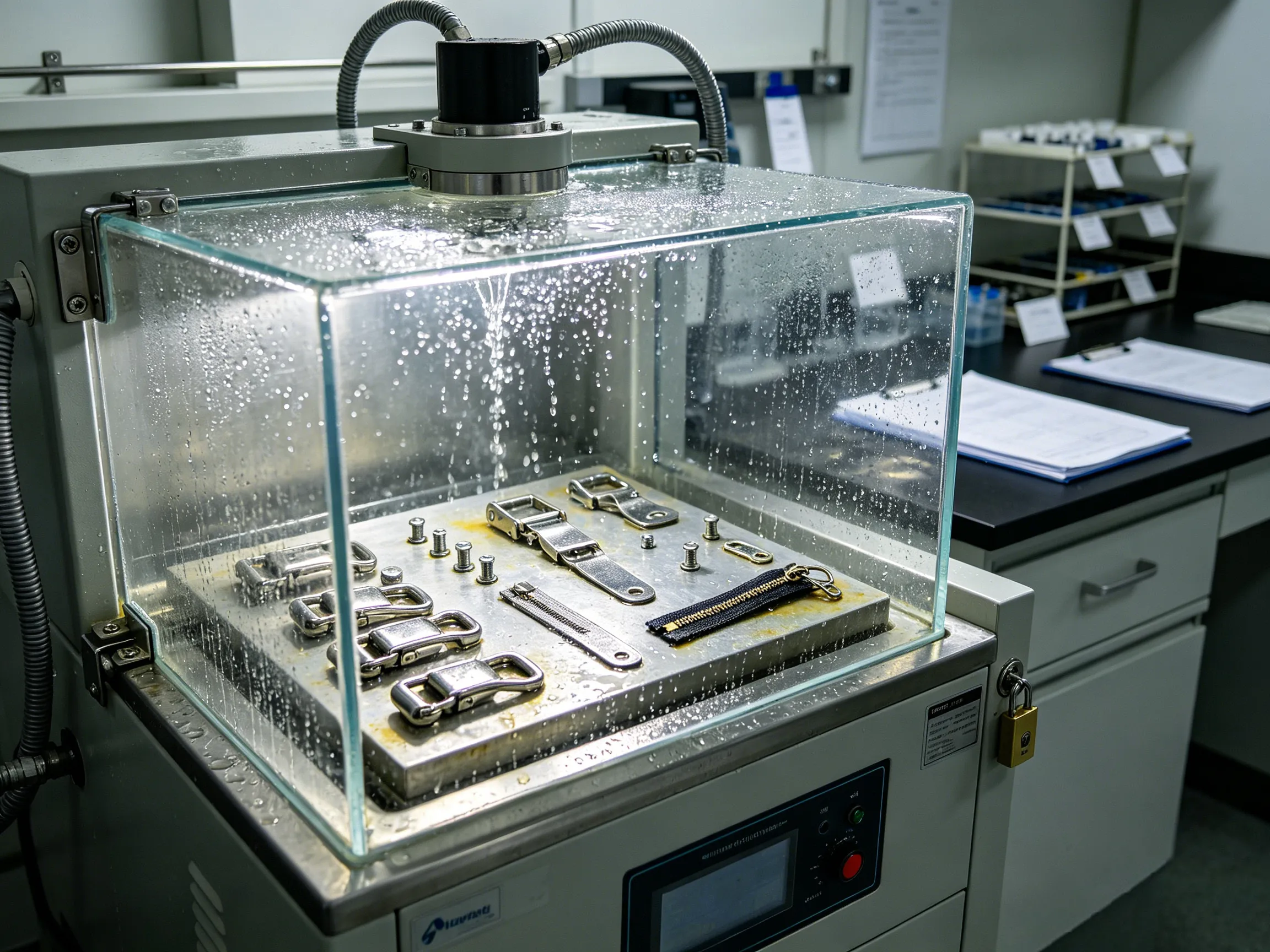
BSCI / Sedex / WRAP Social Compliance
Social compliance audits verify ethical treatment of workers throughout the manufacturing process. A sustainable fashion certification portfolio typically includes:
| Audit Standard | Focus Area | Typical Duration | Validity Period |
|---|---|---|---|
| BSCI | European stakeholder requirements, labor rights | 1-2 days | 2 years |
| Sedex SMETA | Labor standards, health & safety, environment | 1-2 days | 1 year |
| WRAP | US-focused compliance, documentation intensive | 2-3 days | 1 year |

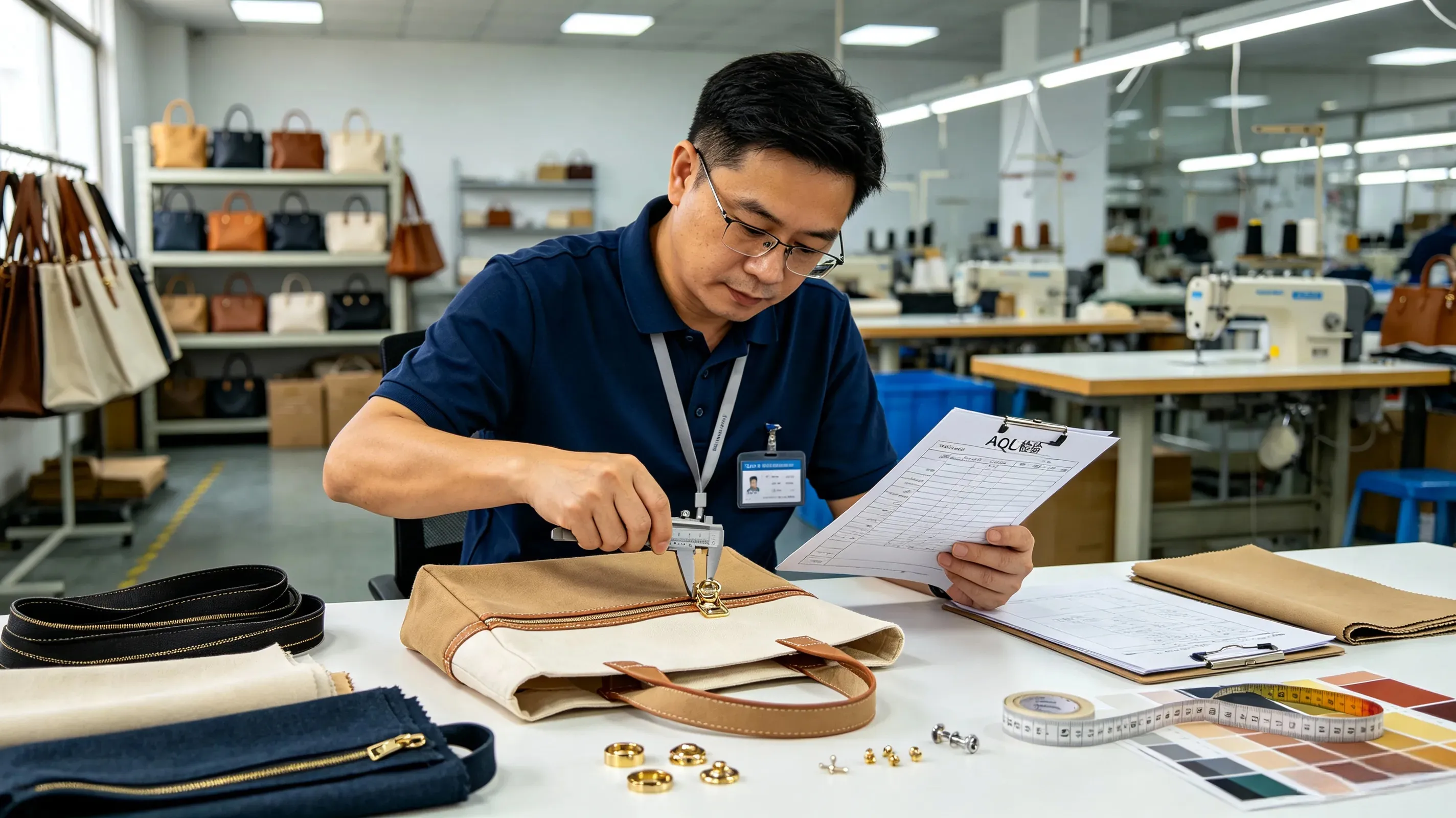
Our Sustainable Leather Handbag Manufacturing Process
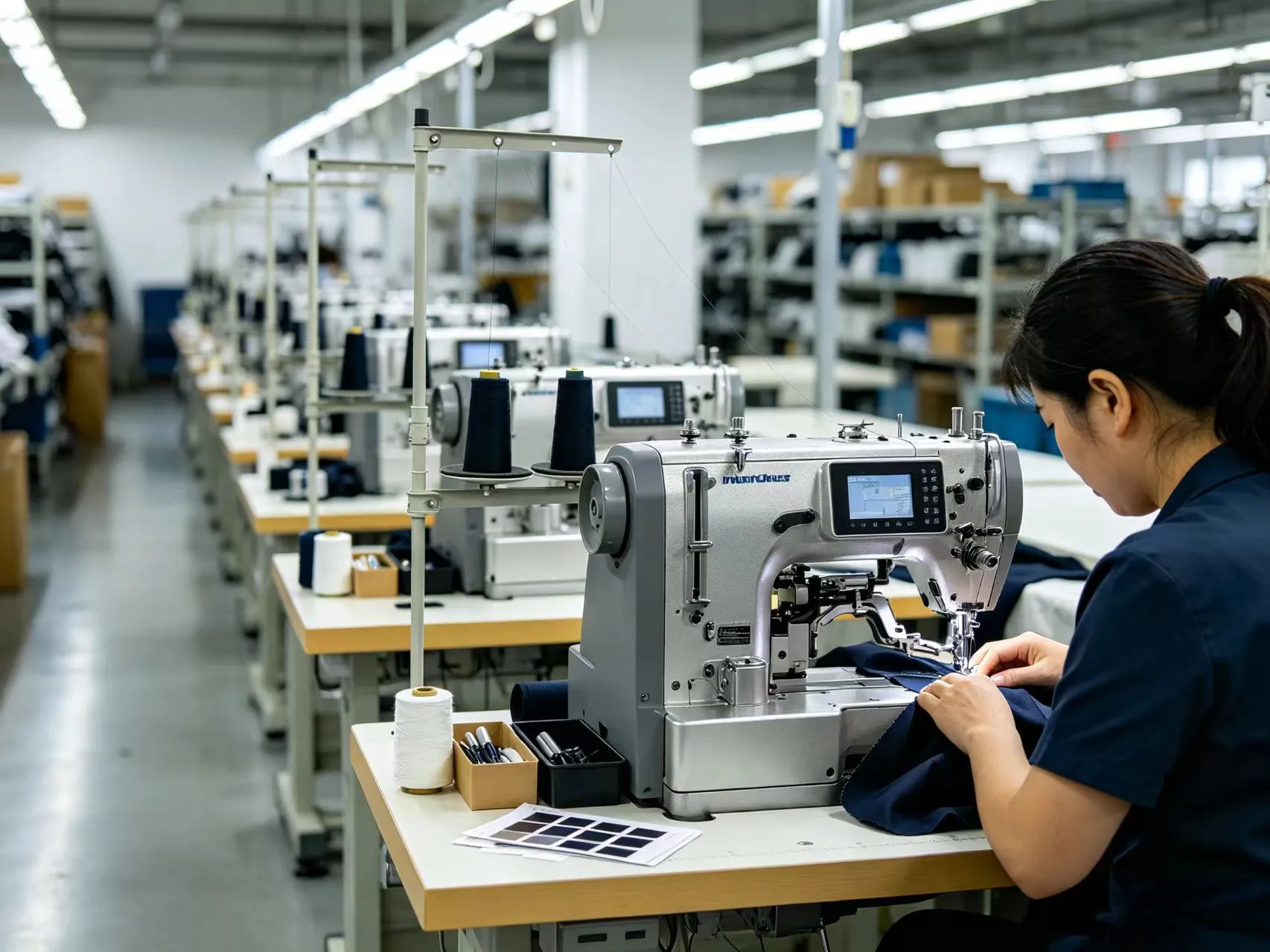
Understanding the sustainable handbag production process helps brands appreciate how sustainability principles translate into operational excellence. Every stage presents opportunities for environmental improvement.
.webp)
Sustainable Material Selection
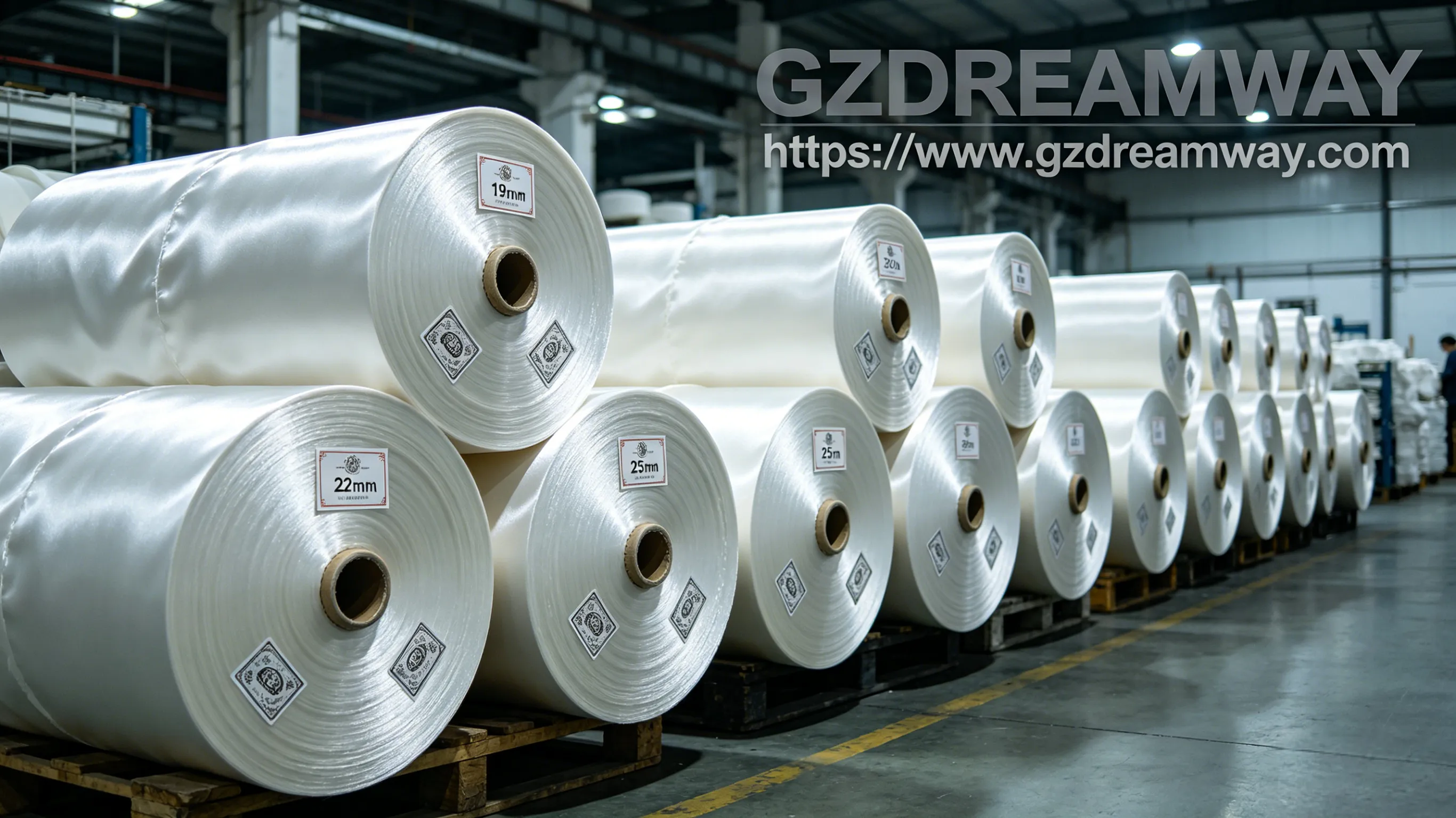
Every product begins with material selection guided by sustainability criteria. We evaluate suppliers based on certification portfolio (GRS, OEKO-TEX, Leather Working Group), chemical safety documentation, and environmental management systems. This stage determines approximately 70% of the product’s environmental footprint.
For each material, we document origin, processing methods, and end-of-life options. Water-based PU, recycled leather, and organic textiles receive priority when specifications permit.
Design Optimization for Sustainability
Sustainable design minimizes waste from the outset. Our design team optimizes patterns to maximize hide utilization — typically achieving 85-90% leather yield compared to industry averages of 70-75%. This directly reduces material costs while decreasing environmental impact.
Design considerations include assembly method efficiency, adhesive usage minimization, and assembly/disassembly for repairability. Timeless styles that won’t require replacement within 2-3 years receive preference in recommendations to brands.
Material Cutting Efficiency
Precision cutting technology maximizes material yield. Computer-controlled cutting systems optimize nest patterns across hide surfaces, reducing waste by 15-20% compared to manual cutting methods.
Leather offcuts exceeding 5cm are separated for secondary products (key fobs, pull tabs, decorative elements), while smaller waste is collected for recycling programs. Zero waste from premium hides represents our operational target.
Responsible Production
Our production facility operates under continuous improvement programs targeting energy efficiency, water conservation, and chemical management. Key initiatives include:
- LED lighting with motion sensors throughout facility
- Solar panel installation covering 40% of energy needs
- Water recycling system reducing fresh water consumption by 60%
- Water-based adhesives replacing solvent-based alternatives where possible
Waste Reduction Programs
Comprehensive waste management distinguishes genuine sustainability from greenwashing. Our waste hierarchy prioritizes: reduction at source, reuse of materials, recycling into new products, and responsible disposal only as last resort.
Leather scraps become accessories and promotional items. Metal hardware offcuts return to suppliers for recycling. Packaging materials use recycled content and are themselves recyclable.
Quality Control Integration
Sustainability does not mean compromising quality — it means integrating durability into the sustainability framework. Every handbag undergoes comprehensive testing to ensure product longevity:
- Material inspection: Fiber analysis, chemical testing, colorfastness verification
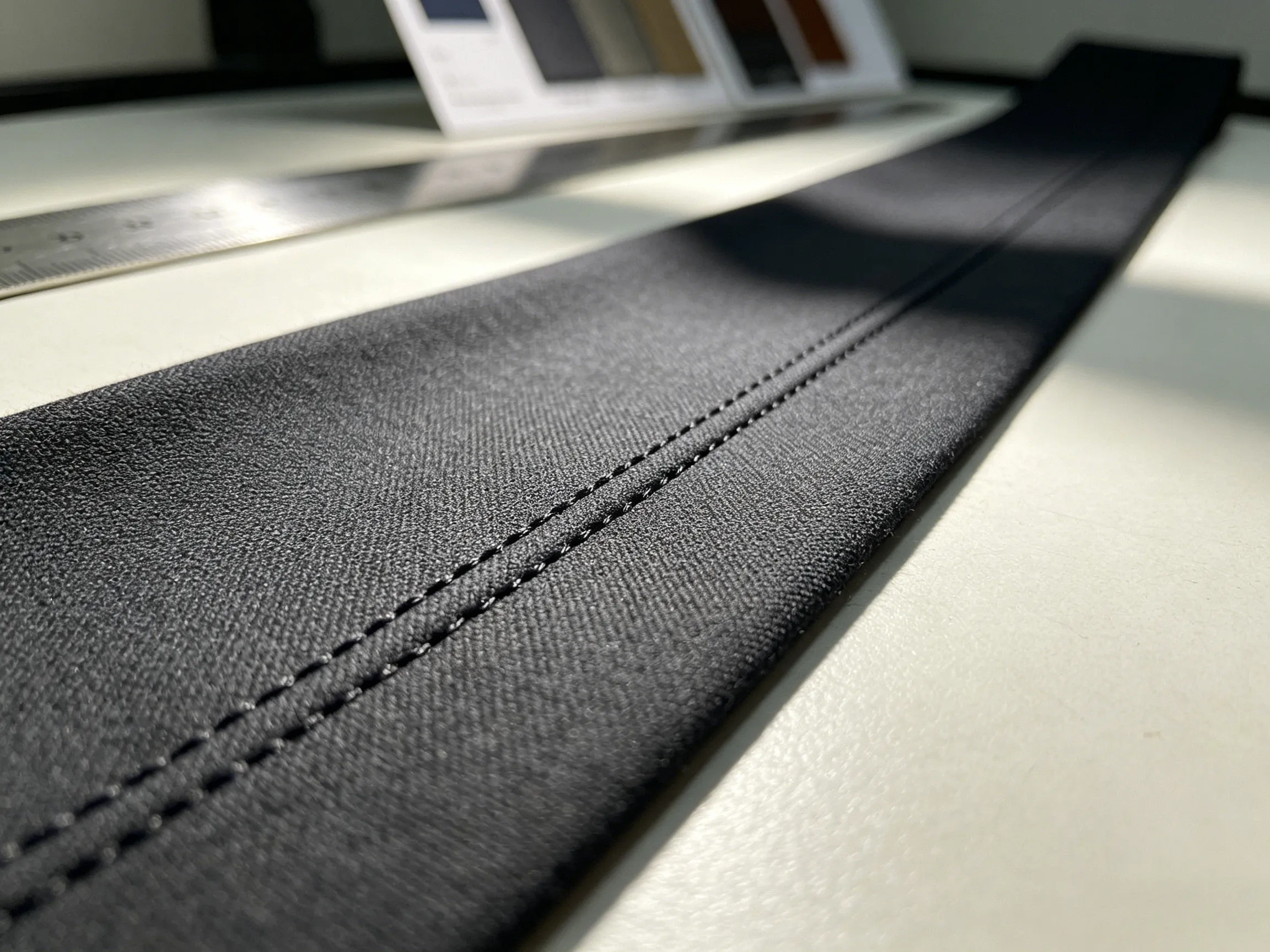
- Stitching inspection: Seam strength, stitch density, thread quality assessment
- Hardware testing: Tensile strength, corrosion resistance, finishing durability
- Durability testing: Handle循环加载, zipper cycling, strap strength validation
- Final inspection: AQL 2.5 general inspection or 100% inspection per client requirement
Sustainable Packaging
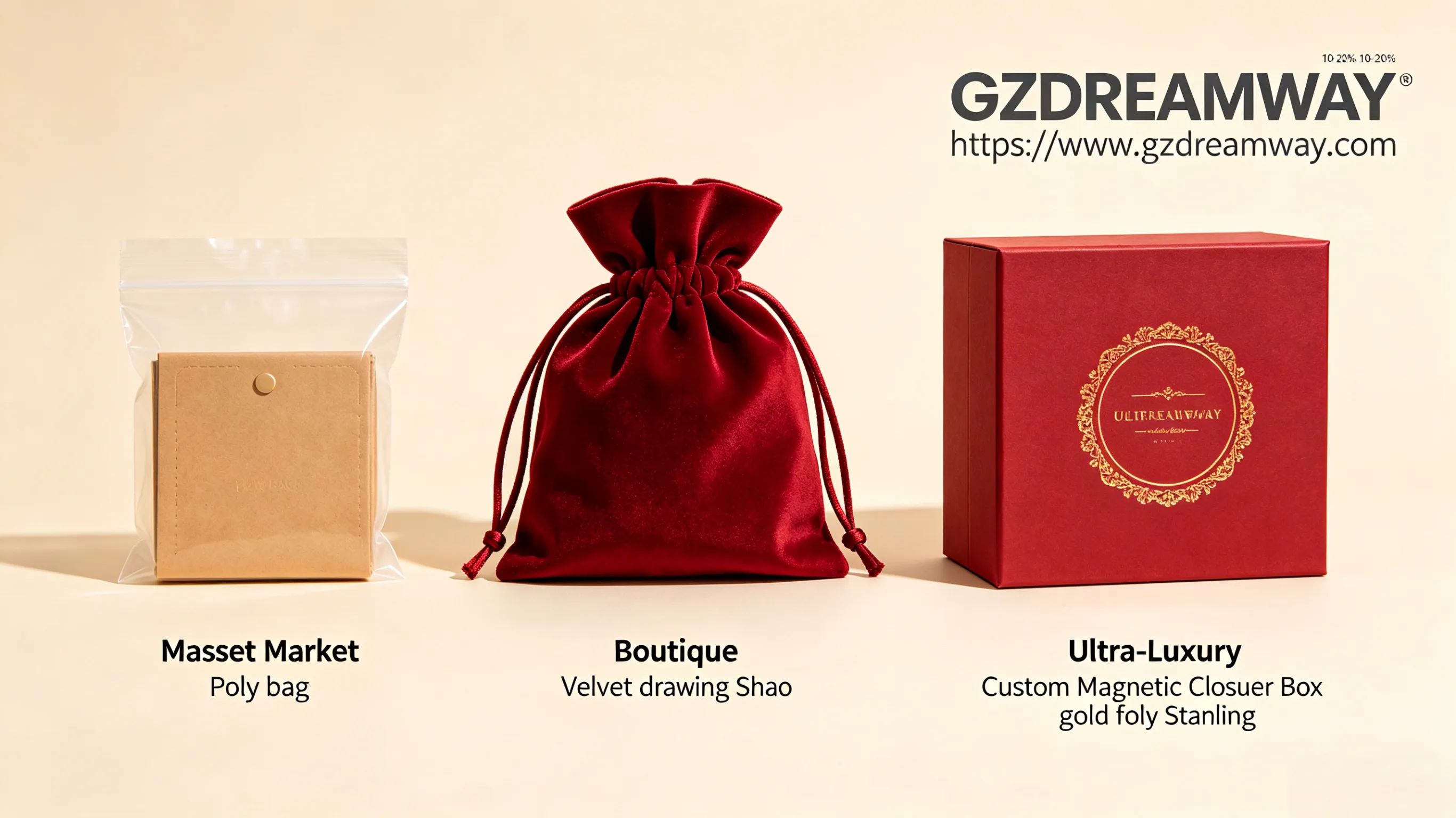
Packaging represents the first and last brand touchpoint. We offer multiple sustainability levels:
- Standard: Recycled cardboard, soy-based inks, paper-based void fill
- Premium: FSC-certified boxes, natural cotton dust bags, reusable drawstring pouches
- Luxury: Custom magnetic closure boxes with gold foil stamping, silk-lined interiors
All options eliminate single-use plastics and provide clear recycling guidance for end consumers.
Shipping Optimization
Logistics emissions significantly impact product lifecycle carbon footprint. We optimize shipping through:
- Consolidated container loading to maximize per-shipment volume
- Ocean freight preference over air freight for non-urgent shipments
- Eco-friendly packing materials that reduce weight and volume
- Supplier proximity optimization where possible
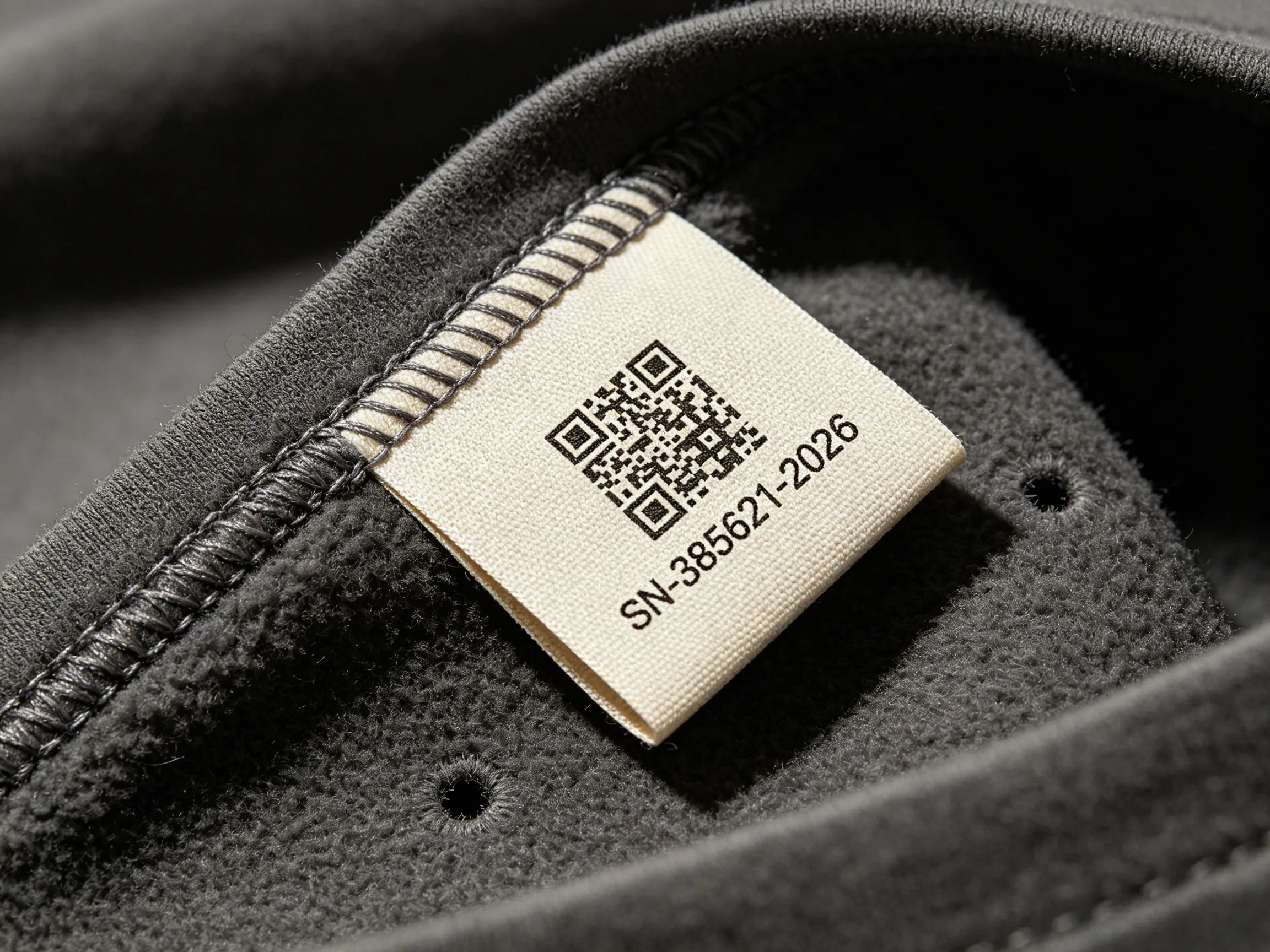
Sustainable Design Options for Custom Handbags
Design decisions profoundly impact sustainability outcomes. Eco friendly handbag design principles extend product lifespan, reduce environmental impact, and create authentic brand differentiation.
Minimalist Design
Simplicity represents sustainability at its most elegant. Minimalist designs require fewer materials, reduce assembly complexity, and create timeless products that remain relevant across seasons. The key principles include:
- Eliminating unnecessary pockets and compartments
- Using single-material construction where possible
- Reducing hardware to functional essentials only
- Choosing clean lines over trend-driven details

Durable Construction
Investment in construction quality delivers sustainability dividends throughout product lifespan. Durable construction features include:
Reinforced Stress Points
Handle attachments, strap connections, and bottom corners receive additional stitching and support layers.
Quality Hardware
Solid brass or stainless steel hardware with protective coatings resists corrosion and breakage.
Precision Stitching
Consistent stitch density (4-5 stitches per centimeter) ensures seam integrity under load.
Timeless Styles
Classic silhouettes outlast trend-driven designs by years or decades. Timeless style considerations include:
- Neutral color palettes that complement varied wardrobes
- Proportional designs that don’t date with fashion shifts
- Functional excellence over decorative novelty
- Quality-focused aesthetics over flashiness
Replaceable Components
Modular design enables repair and component replacement, dramatically extending product lifespan. Design for replaceability includes:
Strap Systems
Removable straps with standardized attachment points allow handle replacement without bag reconstruction.
Hardware Standardization
Common hardware sizes (zipper pulls, D-rings, magnetic closures) enable easy part sourcing for repairs.
Multi-Functional Designs
Products serving multiple purposes reduce the number of items consumers need to purchase. Multi-functional features include:
- Convertible bags that transform from shoulder to backpack to crossbody
- Removable interior organizers that serve as separate pouches
- Packs that expand for travel use but compress for daily carry
- Interchangeable covers or panels for style variation
Design Philosophy
Extending product lifecycle is one of the most effective sustainability strategies. A handbag that lasts 10 years instead of 2 represents 80% reduction in per-year environmental impact — far more impactful than any material substitution alone.
Eco-Friendly Customization Options
Brand personalization doesn’t require environmental compromise. Custom sustainable handbags and eco friendly private label handbags can achieve premium customization through responsible methods.
Sustainable Logo Options
Logo Application Methods
- Hot Stamping: Heat transfer using metallic or pigmented foil — no ink or chemical mordants required
- Embossing/Debossing: Physical impression creating logo texture — minimal environmental impact
- Laser Engraving: Precise marking using focused light — no consumables beyond electricity
- Woven Labels: Organic cotton or recycled polyester labels with standard manufacturing footprint
Sustainable Hardware
Hardware customization options with sustainability credentials:
- Recycled Metal: Hardware cast from recycled brass or aluminum
- Coating Alternatives: Water-based lacquers replacing chrome plating where aesthetics permit
- Bio-Based Plastics: Zip pulls and decorative elements from plant-derived materials
- Natural Finishes: Raw brass and copper that develop beautiful patina over time
Recycled Packaging
Complete packaging sustainability requires attention to every component:
| Packaging Component | Sustainable Option | Certification |
|---|---|---|
| Gift Box | 100% recycled cardboard, FSC-certified virgin fiber blend | FSC, GRS |
| Dust Bag | Organic cotton, recycled cotton, or natural linen | GOTS, GRS |
| Wrapping Paper | Recycled paper with soy-based inks | FSC |
| Void Fill | Recycled paper, biodegradable peanuts, tissue paper | None required |
| Shipping Box | Kraft corrugated with water-activated tape | FSC |
| Adhesive Tapes | Paper-based with natural rubber adhesive | Compostable certified |
FSC Paper Materials
The Forest Stewardship Council (FSC) certification ensures paper products come from responsibly managed forests. For brands, FSC certification provides:
- Credible environmental claim substantiation
- European market access facilitation
- Consumer recognition (FSC logo awareness exceeds 50% in European markets)
- Supply chain documentation for sustainability reporting
Quality Control for Sustainable Leather Handbags
Critical Insight
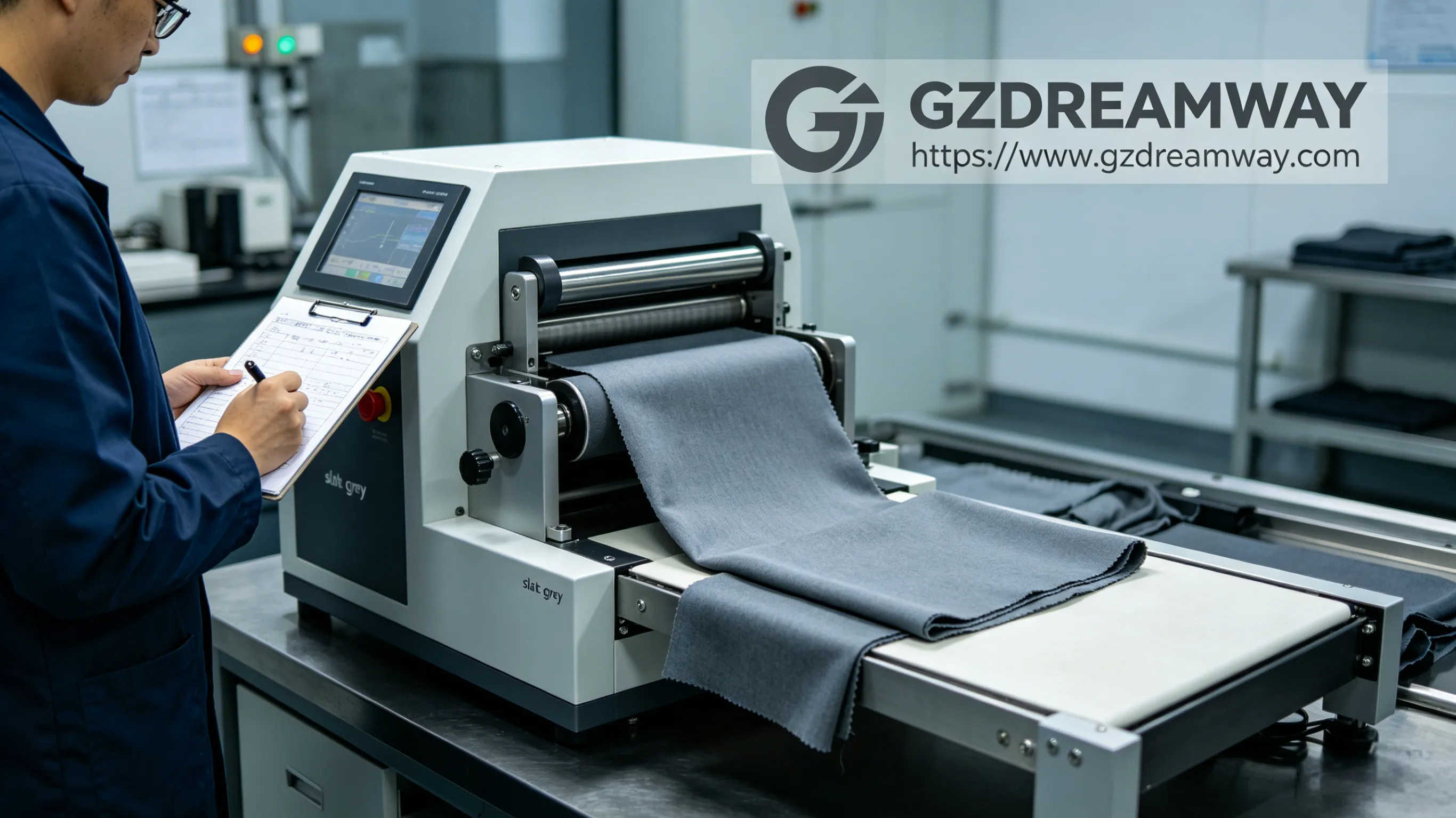
Sustainability ≠ Sacrificing Quality. A sustainable product must be durable — otherwise it’s just waste that wore out quickly. Our quality control integrates sustainability verification with traditional craftsmanship standards.

Material Inspection
Every incoming material batch undergoes comprehensive verification:
- Physical properties: Thickness, weight, tensile strength, tear resistance
- Color consistency: Delta E measurement against approved standards
- Surface quality: Defect inspection under standardized lighting
- Chemical testing: Spot checks for restricted substances per target market regulations
Stitching Inspection
Stitching quality directly impacts product durability and longevity:
Stitch Density
4-5 stitches per centimeter for leather, verified with calibrated magnifying loupe
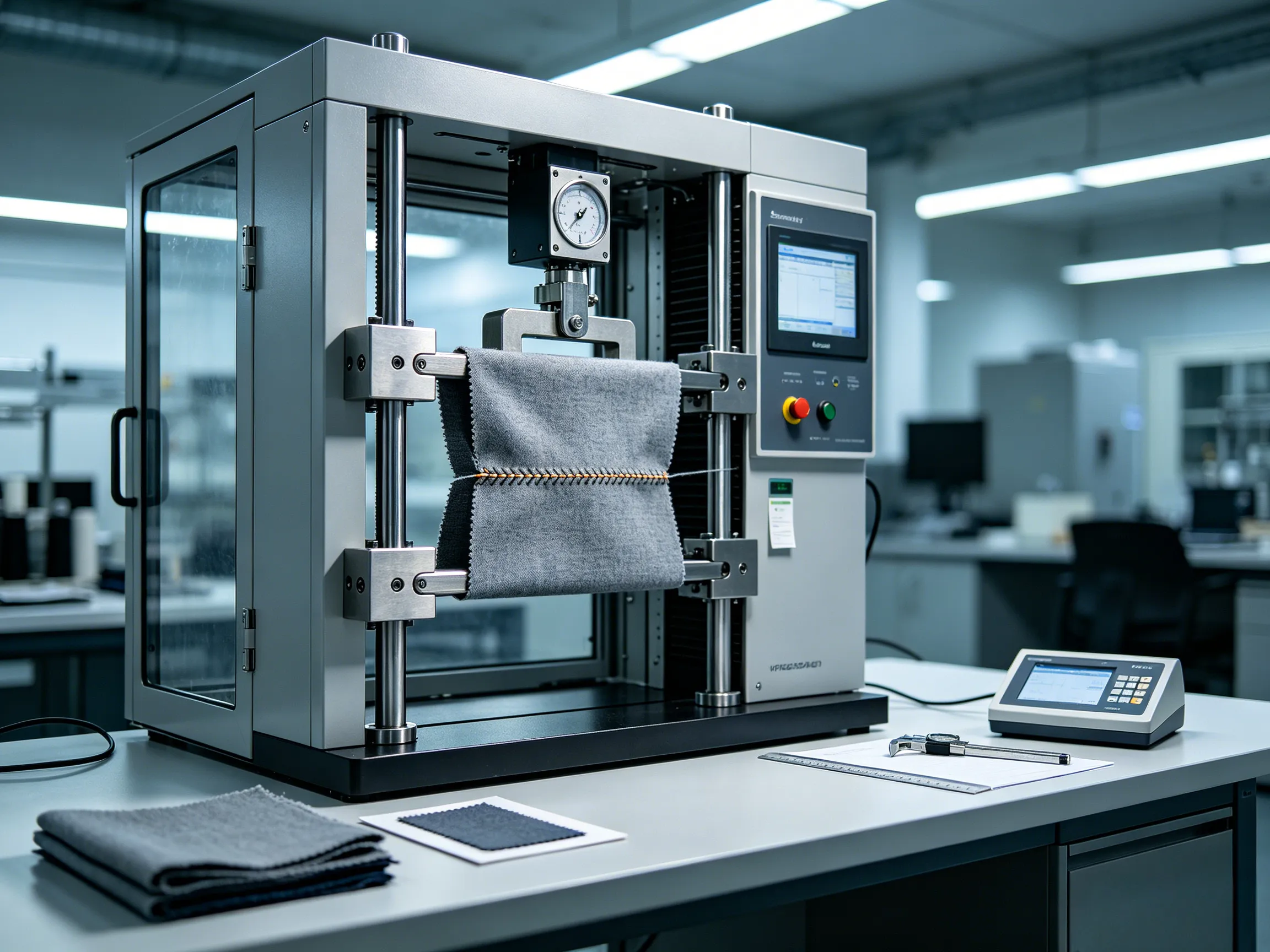
Seam Strength
Tensile testing validates seam integrity under expected load conditions
Visual Standards
No skipped stitches, no loose threads, consistent tension throughout seam
Hardware Testing
Hardware represents a critical failure point in handbag durability:
- Corrosion Resistance: Salt spray testing per ASTM B117 standards
- Pull Strength: D-ring, swivel, and strap attachment testing to 2x rated load
- Finish Durability: Scratch and rub resistance testing for plated/coated hardware
- Function Testing: Zipper cycling (10,000 cycles minimum), magnetic closure strength
Durability Testing
Accelerated lifecycle testing predicts long-term performance:
| Test | Standard | Acceptance Criteria |
|---|---|---|
| Handle Cycling | ASTM D 2051 | No failure after 5,000 cycles at 2x rated load |
| Seam Slippage | ASTM D 1683 | <6mm seam separation after standard loading |
| Zipper Strength | ASTM D 2061 | No failure below rated specification |
| Color Fastness | AATCC 16 | Grade 4 minimum after 20 hours xenon exposure |
Final Inspection
Every handbag receives thorough final inspection before shipping:
- AQL 2.5 General Inspection: Statistical sampling for standard orders, accepts max 2.5% defective rate
- 100% Inspection: Individual examination for premium brands or high-value orders
- Special Inspection: Customized checklists addressing specific brand requirements
Sustainable Packaging Solutions for Handbags
Packaging sustainability has become a consumer expectation and regulatory requirement. Sustainable handbag packaging requires attention to materials, design, and end-of-life considerations.
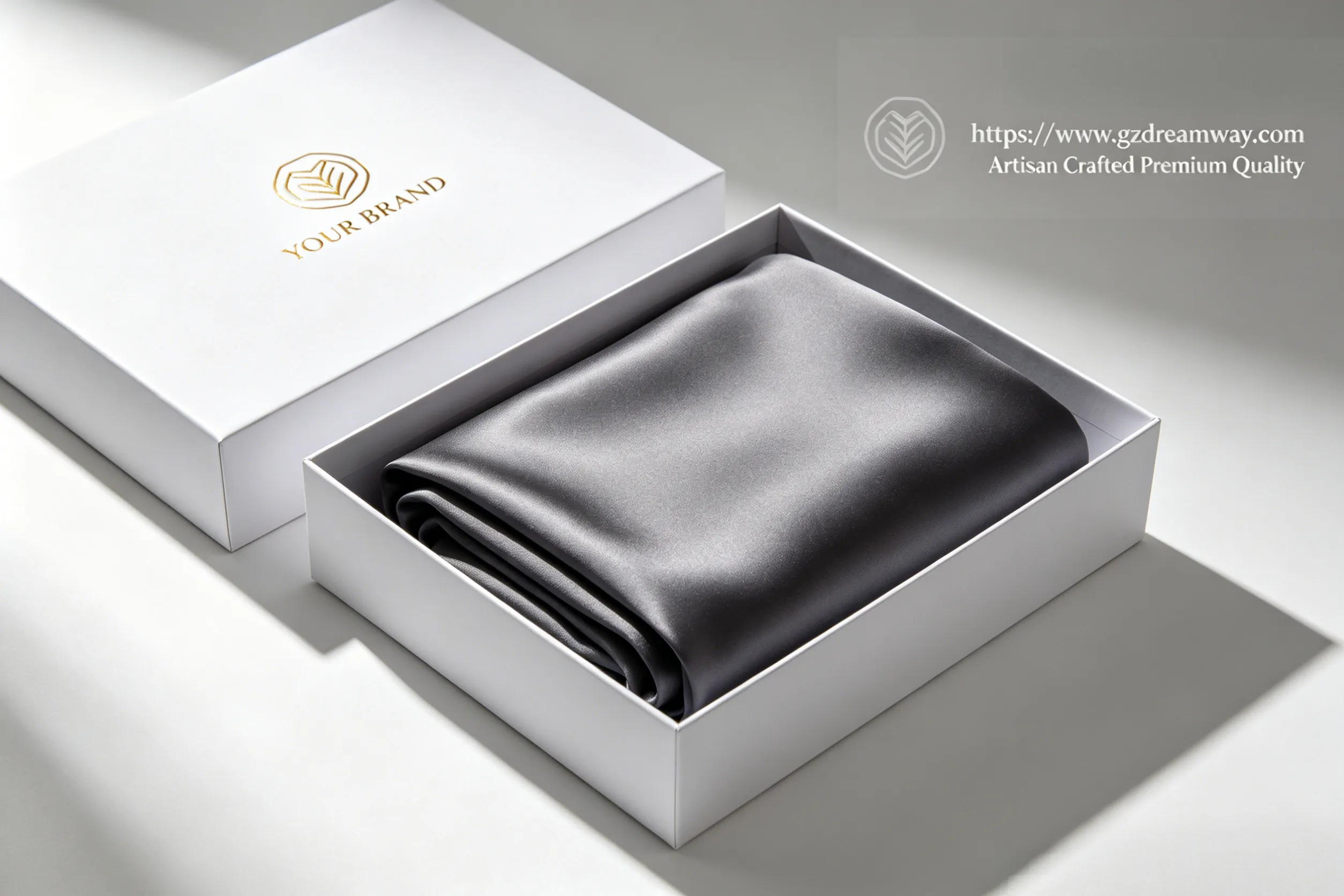
Recycled Paper Boxes
Recycled content boxes provide premium presentation with reduced environmental impact:
- 100% post-consumer recycled cardboard where available
- FSC-certified recycled fiber for premium applications
- Smooth surfaces using post-consumer waste (PCW) pulps
- Comparable print quality to virgin materials
FSC Packaging
FSC certification provides credible chain-of-custody for paper materials:
Certification Tiers
FSC 100%: All materials from FSC-certified forests — strongest environmental claim
FSC Mix: Combination of FSC, recycled, and controlled sources — practical balance
FSC Recycled: 100% recycled materials — strong recycled content claim
Reusable Dust Bags
Quality dust bags serve as useful accessories rather than disposable packaging:
- Organic cotton: GOTS-certified, chemical-free, breathable protection
- Recycled cotton: GRS-certified content, lower environmental footprint
- Linen: Durable natural fiber with elegant aesthetic
- Silk: Premium option for luxury brands, naturally protective
Plastic Reduction
Eliminating plastic from packaging requires systematic approach:
| Plastic Component | Sustainable Alternative |
|---|---|
| Poly bag (product) | Recycled paper sleeve, organic cotton bag, cellulose film |
| Poly bag (shipping) | Kraft mailer, recycled cardboard box, compostable mailer |
| Plastic ties | Cotton ribbon, paper twist ties, natural twine |
| Plastic adhesive tape | Water-activated paper tape, natural rubber adhesive |
| Foam inserts | Molded recycled paper, biodegradable peanuts, tissue paper |
Minimal Packaging
Reducing packaging volume and weight directly impacts transportation emissions:
- Rightsize boxes to product dimensions — eliminate wasted space
- Eliminate unnecessary layers (box within box)
- Design for flat shipping where product construction permits
- Concentrate on retail-ready presentation — no additional packaging needed
Sustainable Leather Handbags for Different Industries
Every industry vertical presents unique requirements for sustainable handbags. Understanding these nuances helps brands position their products effectively in their target markets.

Fashion Brands
Fashion-forward brands require sustainable manufacturing partners who understand design evolution and seasonal responsiveness:
- Trend-responsive production timelines (6-10 weeks from approval to shipment)
- Flexible MOQ options for emerging brands
- Sample development for design validation before bulk production
- Full OEM/ODM capabilities for private label positioning
Luxury Brands
Luxury sustainability demands exceptional quality and comprehensive documentation:
- Premium materials: Full-grain leather, precious metal hardware, exotic materials
- Hand-finished details: Edge painting, hand-stitching, artisan hardware
- Complete traceability: Material origin documentation through finished product
- Third-party verification: SGS, Bureau Veritas, or Intertek inspection reports
Eco-Conscious Startups
Sustainable startups require manufacturing partners who share their values:
Shared Values
Certifications that validate sustainability claims: GRS, OEKO-TEX, FSC
Transparent Communication
Factory tours, video calls, and direct access to production teams
Material Innovation
Early access to new sustainable materials and production technologies
Corporate Gifts
Corporate sustainability requirements extend to promotional products:
- ESG documentation for corporate sustainability reporting
- Consistent quality across large volume orders
- Brand compliance with corporate gift policies
- Carbon footprint calculation support for net-zero commitments

Retailers
Retail partnerships require operational excellence:
- Consistent quality across multiple production runs
- Compliance documentation for retail vendor onboarding
- Barcode and RFID integration capabilities
- Flexible fulfillment: LDP, drop-ship, floor-ready merchandise
Lifestyle Brands
Lifestyle brands benefit from manufacturing versatility:
- Coordinated product lines: Bags, accessories, travel goods
- Silk product capabilities: Pillowcases, eye masks, scrunchies
- Consistent brand aesthetic across product categories
- Packaging design that extends brand identity
Cost Considerations for Sustainable Handbag Manufacturing
Understanding the economics of sustainable manufacturing helps brands make informed decisions. While sustainable products typically carry higher unit costs, the total cost of ownership often favors quality over initial price.
.webp)
Factors Affecting Sustainable Product Costs
| Cost Factor | Impact on Price | Value Consideration |
|---|---|---|
| Material Sourcing | +15-40% | Certified materials command premium, ensure compliance |
| Certification Costs | +5-10% | Testing, audits, documentation — market access enabler |
| Production Methods | +10-20% | Energy efficiency, water treatment, waste management |
| Quality Investment | +5-15% | Longer product lifespan, fewer returns, higher margins |
| Packaging | +10-30% | Premium presentation, reduced damage, brand value |
| Order Quantity | Variable | Higher volumes dilute per-unit overhead significantly |
Total Cost of Ownership
A handbag that lasts 10 years instead of 2 delivers 5x the value per dollar spent. When calculating true cost, brands should factor in: reduced customer complaints, lower return rates, positive sustainability positioning, and premium price justification.
Order Quantity Impact
MOQ flexibility varies by manufacturer capability:
- Standard MOQ: 200-500 units per style — optimal cost-efficiency point
- Lower MOQ: 50-100 units — typically 20-30% price premium
- Sample MOQ: 1-5 units — development and validation purposes
- Multi-style orders: Distributed volume reduces per-style minimums
Cost Reduction Strategies
Strategic approaches to manage sustainable product costs:
Design Optimization
- Simplify construction where possible
- Standardize hardware across product line
- Optimize pattern layouts for material yield
- Design for manufacturing efficiency
Volume Strategy
- Consolidate multiple styles per order
- Plan production runs 3-6 months ahead
- Consider seasonal forecasting for optimal timing
- Evaluate pre-production financing options
How to Choose a Sustainable Leather Handbag Manufacturer
Selecting the right manufacturing partner shapes brand success and sustainability outcomes. This procurement checklist provides systematic evaluation criteria for sustainable handbag supplier selection.
| Evaluation Criteria | Why It Matters | Verification Method |
|---|---|---|
| Material Transparency | Enables traceability and sustainability claims | Request material data sheets, certifications |
| Certification Support | Market access and compliance assurance | Verify active certifications, scope documents |
| Production Process | Environmental impact and quality consistency | Factory tour, process documentation review |
| Quality System | Product durability and defect rates | Inspection reports, AQL records, testing data |
| Packaging Options | Complete sustainability solution | Sample packaging review, material certifications |
| MOQ Flexibility | Startup support and growth scaling | Discuss pricing tiers, production scheduling |
| Supply Chain Communication | Long-term partnership viability | Response time, transparency, problem resolution |
Due Diligence Checklist
Pre-Qualification Questions
Before requesting samples or placing orders, verify:
- What sustainability certifications do you currently hold?
- Can you provide testing documentation for target market compliance?
- What percentage of your production uses certified sustainable materials?
- Do you offer GRS, OEKO-TEX, or FSC certified products?
- What is your REACH compliance process?
- Can you provide references from sustainable fashion brands?
Site Visit Evaluation
Physical facility evaluation reveals operational realities:
- Cleanliness and Organization: Indicates quality consciousness and process discipline
- Worker Conditions: Fair wages, reasonable hours, safe environment (BSCI/SMETA indicators)
- Equipment Investment: Modern machinery enables quality and efficiency
- Waste Management: Visible recycling programs, waste segregation, chemical handling
- Chemical Storage: Proper ventilation, MSDS documentation, restricted access
Sample Evaluation Criteria
Request samples before production commitment and evaluate:
Quality Assessment
- Stitching consistency and seam integrity
- Hardware quality and attachment strength
- Material consistency and surface quality
- Construction accuracy vs. specifications
- Overall craftsmanship and finish details
Sustainability Verification
- Material certifications included with sample
- Packaging materials match sustainability requirements
- Chemical safety documentation available
- Traceability documentation completeness
- Carbon/environmental footprint data if requested
Frequently Asked Questions
This FAQ addresses the most common questions from brands seeking sustainable leather handbag manufacturing partnerships.
Sustainable handbag materials include: genuine leather from verified by-product sources, recycled leather, water-based PU leather, recycled PU leather, and plant-based alternatives such as pineapple leather (Piñatex), cactus leather (Desserto), and apple leather. Organic cotton, recycled polyester (rPET), and hemp are excellent options for linings and straps.
Genuine leather can be sustainable when sourced responsibly. The key is viewing leather as an agricultural by-product — hides from meat production that would otherwise be discarded. Certified leather (Leather Working Group, REACH compliant) ensures responsible tanning processes with proper chemical management and wastewater treatment. The durability of genuine leather also contributes to sustainability through extended product lifespan.
Yes, we offer GRS (Global Recycled Standard) certified materials for recycled leather and recycled textile products. Our GRS certification scope covers material sourcing, processing, and chain of custody documentation. Contact us to discuss GRS requirements for your specific product line.
Yes, all our leather handbags are manufactured to meet EU REACH regulation requirements. We maintain comprehensive chemical safety documentation including REACH declarations for all materials, restricted substance testing, and ongoing monitoring of regulatory updates. REACH compliance documentation is included with every European market shipment.
Absolutely. We have extensive OEKO-TEX Standard 100 experience across all product classes. Our testing capabilities cover leather, textiles, hardware, threads, and adhesives for chemical safety verification. We can provide OEKO-TEX certificates and testing reports for all product components upon request.
Yes, our OEM and ODM capabilities cover complete custom design manufacturing. We work with brands from initial concept through production, offering design consultation for sustainability optimization, material selection guidance, sample development, and scalable bulk production. MOQ starts at 200 units for custom designs.
Our standard MOQ for custom leather handbags is 200 units per style/colorway. We offer flexible arrangements for emerging brands, including lower MOQ options (50-100 units) with adjusted pricing. For silk products, our MOQ is 50 units. Sample orders of 1-5 units are available for design validation.
Yes, we specialize in private label sustainable handbag manufacturing. Our services include brand consultation, material sourcing with sustainability credentials, custom packaging design, compliance documentation, and quality control systems that meet retailer vendor requirements. We’ve served 50+ countries with private label programs.
Both materials have sustainability advantages in different contexts. Recycled leather contains genuine leather fibers (30-70%), offering authentic leather aesthetics with reduced environmental impact. PU leather (especially water-based) eliminates animal products entirely and offers excellent consistency. The “better” choice depends on your brand positioning: recycled leather suits luxury positioning, while water-based PU serves vegan/mid-market positioning.
Water-based PU leather uses water as the carrier medium instead of toxic solvents found in traditional PU production. This dramatically reduces VOC emissions (up to 90%), improves worker safety, and simplifies compliance with EU environmental regulations. Water-based PU offers excellent hand-feel approaching genuine leather, making it popular for brands targeting European markets.
Vegan leather refers to any leather alternative that doesn’t use animal products. This includes PU leather (polyurethane), plant-based materials (cactus, pineapple, apple), and innovative materials (mushroom leather/mycelium). For brands seeking vegan positioning, we offer multiple options ranging from water-based PU to cutting-edge plant-based alternatives.
Our current certification portfolio includes: ISO 9001 (Quality Management), BSCI (Social Compliance), ISO 14001 (Environmental Management). We work with certified material suppliers for OEKO-TEX, GRS, and FSC requirements, providing full certification chain support for your product needs.
Quality assurance integrates throughout production: incoming material inspection, inline production checks at key control points, pre-shipment inspection (AQL 2.5 or 100% per client requirement), and third-party inspection option (SGS, Bureau Veritas, Intertek). We maintain detailed quality records for every production batch, supporting traceability requirements.
Typical production timelines: Sample development 2-3 weeks, bulk production 6-10 weeks from sample approval, shipping 2-4 weeks depending on destination. Rush orders may be accommodated with adjusted pricing. We recommend planning 3-4 months from concept to door for new product development.
Yes, we offer PFAS-free waterproofing solutions for handbags requiring water resistance. Our alternatives include water-based DWR (Durable Water Repellent) treatments and mechanical water resistance through fabric construction. Testing confirms non-detect PFAS levels (<1ppm) for full regulatory compliance.
Target Keywords Covered
This article comprehensively addresses the following keyword clusters for sustainable leather handbag manufacturing:
Core Business Keywords
sustainable leather handbag manufacturer sustainable handbag manufacturer China eco friendly handbag manufacturer ethical handbag factoryMaterial Keywords
recycled leather handbags vegan leather handbags manufacturer water based PU handbags plant based leather handbags eco friendly leather alternativesCompliance Keywords
GRS certified handbag manufacturer OEKO TEX handbag factory REACH compliant handbag manufacturer PFAS free handbags sustainable fashion certificationBuyer Intent Keywords
sustainable handbag supplier private label sustainable handbags custom eco friendly handbags wholesale sustainable handbags ethical fashion accessories manufacturerReady to Partner with a Sustainable Handbag Manufacturer?
Dreamway is your sustainable leather handbag manufacturing partner — from material innovation to compliance support and long-term product quality. Let’s discuss your next sustainable collection.
Premium bag & silk manufacturing — under one factory roof.
Tucked inside Shiling Town — Guangzhou’s centuries-old leather district — Dreamway is a focused manufacturing partner for brands that refuse to compromise. We build rugged, retail-ready tote bags, backpacks, handbags with a 200-piece MOQ, and craft 100% Mulberry silk pillowcases, scrunchies & sleep accessories starting from just 50 pieces. Our small team of 30+ artisans is senior, hands-on, and accountable — the same people who quote your sample will personally inspect your shipment.
Every order is verified against our published manufacturing quality standards — AQL 2.5 inspection, hardware pull-tests, seam-strength audits, and silk-fibre authenticity checks. From concept tech-pack to mass production, we run the entire supply chain in-house, so timelines stay honest and revisions stay painless.
Buying Guides & Manufacturing Insights
Sourcing smarter starts with knowing what to compare. These long-form guides break down the decisions our clients wrestle with most — from third-party inspections like the SGS vs Intertek vs Bureau Veritas showdown, to ranking China’s top 10 tote bag manufacturers, to the head-to-head of canvas vs polyester vs PU for bag bodies.
Designing your logo? Our custom tote bag logo size guide shows real placement and stitch-density examples. Curious how a handbag actually comes together? Walk through the leather handbag manufacturing process step by step, and pair it with the canvas tote durability factors that decide whether a bag survives five years of daily use.
For material decisions beyond canvas, compare PU vs polyester for bags and explore our roundup of the world’s top canvas bag manufacturers. If backpacks are your lane, our backpack manufacturing process and backpack lead-time guide give you realistic production windows. Choosing between social-compliance audits? Read BSCI vs SEDEX vs WRAP. For smaller leather goods, dive into the leather wallet manufacturer playbook; for sustainability claims, the recycled PU leather explainer and our backpack QC checklist separate marketing from reality. Finally, stay ahead of EU regulation with our PPWR FAQ for bag manufacturers.
Explore by Topic
Browse our deep-dive knowledge hubs — every cluster is curated by category and updated with new field reports.
By Category
Materials & Compliance
Real Client Cases
Numbers tell part of the story. These production cases show how Dreamway’s small team delivers at scale.
Featured Product Lines
A snapshot of what we manufacture most often — all OEM/ODM-ready with custom hardware, lining, and packaging.
Who We Help
From indie founders to global enterprise — Dreamway is built for brands that need a factory, not a freelancer.
Brand Builders
Beauty & Fashion
Lifestyle & Retail

Skip the inbox. Chat with Victoria — right now.
Point your camera at the QR and you’re connected to a real human in Guangzhou. Send a photo of your reference, get a quote within minutes, and lock in your 200-piece MOQ slot before this month’s capacity fills.
Specialized factories. Unified standards.
Leather & Bag Capital
Our bags come from Guangzhou’s Shiling leather district — home to 30+ senior artisans under one roof, working in 8,000 m² of integrated cutting, sewing, hardware-assembly, and QC space.
Mulberry Silk Heritage
Our 22mm Mulberry silk pillowcases and sleep sets come from vetted partner mills in Suzhou and Hangzhou — at the heart of China’s 5,000-year sericulture heritage, today running OEKO-TEX Standard 100 certified production lines.
Get your sample in 7 working days —
hand-built by Guangzhou’s 30+ artisans.
Send a sketch, a screenshot, or a competitor’s bag you want to beat. We’ll hand-build a custom sample and ship it to your door — produced by the same craftspeople who will run your mass-production order.
business days · in your timezone
on request · signed in 1 day
if first one misses the brief
Editorial Resources for Leather Bag Manufacturing & Sourcing
For buyers, designers, and category managers evaluating private label leather handbag programs, our editorial team in Guangzhou has compiled reference material covering material science, REACH and Prop 65 documentation, production workflow, factory audit criteria, and unit cost modeling. Begin with the leather bag manufacturing topic cluster category page or browse a section below.
Topic Cluster
1 guideVisit our leather bag manufacturing topic cluster category page for an editorial index of private label program overviews, supplier comparison studies, material sourcing guides, and production workflow references curated for global leather bag buyers.
Materials & Sustainability
5 resourcesUnderstand why water based PU leather has become a preferred coating for sustainable handbag programs, with notes on its solvent-free application, softer tactile feel, lower VOC emissions, and compatibility with premium bag collections.
Review our side-by-side comparison of water based PU versus recycled PU characteristics covering tensile strength, aging performance, surface feel, environmental footprint, and price stability for sustainable bag sourcing.
Discover the future of vegan leather alternatives including pineapple leaf fiber, cactus pulp, mushroom mycelium, and apple skin composite materials suitable for plant based bag collections.
Read our safety analysis on whether recycled PU leather is toxic, covering chemical leaching risks, heavy metal content thresholds, certified eco label verification, and buyer checklist for compliance.
Partner with our sustainable leather handbag manufacturer offering eco certified leather sourcing, vegetable tanning options, recycled metal components, and traceability reporting for environmentally conscious collections.
Compliance & Trade
3 resourcesNavigate our REACH and California Prop 65 compliance roadmap for handbags, covering restricted substance lists, accredited laboratory testing protocols, and certification documentation required across US and EU markets.
Reference our complete HS code guide for handbags totes and pouches with tariff classifications, duty rate summaries, and customs documentation notes for major destination markets worldwide.
Apply our factory audit checklist for remote supplier vetting covering production capacity verification, working condition reviews, export documentation sampling, and quality management system confirmation steps.
Production & Craftsmanship
5 resourcesFollow our how to create a handbag tech pack template specifications covering dimension callouts, material references, hardware notes, tolerance definitions, and QC checkpoints that bridge designers with factory production teams.
Study our deep dive into bag hardware selection covering zipper pull strength ratings, metal tag plating thickness standards, slider fatigue testing procedures, and plating adhesion validation for premium bag construction.
Walk through our complete leather handbag manufacturing process covering material preparation, panel cutting, machine stitching, edge painting, sub-assembly, final assembly, and inline quality inspection stages at a modern factory.
Follow our leather bag sample development process timeline covering pattern drafting, hardware confirmation, material swatches, sample revision rounds, and sign-off milestones for new handbag designs.
Explore our Guangzhou leather bag manufacturing cluster overview covering regional supplier networks, skilled artisan availability, raw material sourcing hubs, and consolidated export logistics advantages for global importers.
Quality & Pricing
4 resourcesApply our leather bag quality control checklist covering stitching tolerance ranges, hardware fatigue testing, color fastness verification, lining inspection, and final packaging audits before any shipment leaves the factory floor.
Identify the seven factors that affect custom handbag unit costs including material grade, hardware selection, lining fabric, surface finish, order quantity, packaging complexity, and one-time tooling investment for accurate budget planning.
Review our handbag factory payment terms guide covering T/T and L/C settlement schedules, deposit ratio benchmarks, milestone payment structures, and sample fee refund policies for first time importers working with Asian suppliers.
Examine our handbag manufacturing cost structure breakdown covering labor versus material percentages, hidden overhead allocations, factory markup logic, and benchmark figures used for accurate cost modeling and quotation comparison.
OEM & Private Label Programs
7 resourcesPartner with our genuine leather handbag manufacturer in China offering OEM, ODM, and private label production with full grain, top grain, and split leather options, plus finished hardware sourcing from certified vendors.
Launch private label programs with our private label leather handbag manufacturer offering custom logo embossing, branded packaging, woven care labels, hangtag production, and flexible minimum order quantities for emerging brands.
Collaborate with our custom luxury leather handbag manufacturer offering handcrafted construction techniques, premium material selection, structured silhouette engineering, and limited edition production runs for designer label collaborations.
Source from our small MOQ leather handbag factory in China accepting limited production volumes, offering rapid sample turnarounds and shared material library access for boutique collections and startup brands.
Choose our low MOQ leather bag manufacturer for flexible order quantities, shared tooling programs, and rapid sampling services designed specifically for new brands entering the leather goods market.
Read our top ten leather bag manufacturers in China comparison covering factory scale, specialization areas, export experience, certification status, lead time benchmarks, and minimum order quantity ranges.
Compare OEM versus ODM versus private label leather bag partnerships with our decision framework covering design control boundaries, ownership of intellectual property, margin structures, and operational fit for different brand stages.
Product Categories
7 resourcesReview our luxury tote bag factory for premium brands capabilities covering reinforced handle stitching, structured baseboard inserts, edge paint finishing, and PU plus full grain leather construction options tailored for high end partners.
Reference our how to custom leather belts specifications covering strap dimensions, buckle compatibility, edge finishing options, lining preferences, embossing services, and retail ready packaging methods for boutique buyers.
Read our how to design custom cosmetic bags for beauty brands guide covering size breakdowns, lining preferences, closure mechanisms, branding techniques, gift packaging presentation, and shelf ready merchandising considerations.
Order from our custom leather tote bag manufacturer offering reinforced stitching patterns, structured silhouette options, custom hardware integration, and refined finishing techniques for wholesale tote programs.
Source from our leather cosmetic bag manufacturer offering compact case construction, washable interior linings, custom zipper pulls, and decoration services for skincare, fragrance, and cosmetics brand collaborations.
Partner with our leather crossbody bag manufacturer offering adjustable strap engineering, lightweight frame construction, integrated security features, and custom hardware for crossbody production programs.
Order from our custom leather wallet manufacturer offering billfold, cardholder, coin purse, and passport holder constructions with optional RFID blocking lining, custom embossing services, and presentation packaging.
Buyer Resources
2 resourcesRead our FAQ for leather handbag manufacturing process addressing sample production lead times, bulk production schedules, international shipping options, payment milestone expectations, and quality control procedures.
Apply our how to choose leather handbag manufacturer checklist covering factory experience, communication responsiveness, social audit certifications, sample quality evaluation, and past project reference verification for new buyers.
Compiled by the Guangzhou Dreamway editorial team. All links open internal editorial resources maintained for buyer reference.