
Top Leather Bag Manufacturers in China
A Practical Guide for Global Brands Choosing OEM & Private Label Leather Bag Manufacturers
China remains one of the most important production bases for genuine leather handbags, leather goods and private-label accessories. The opportunity is substantial, but the sourcing decision is more nuanced than comparing a few unit prices.
A leather bag is a product of material, pattern engineering, construction, finishing, hardware and presentation. A factory that is highly capable at high-volume fashion production may not be the right partner for a small luxury launch. Likewise, a workshop that excels at prototypes may not have the planning, inspection discipline or supply-chain depth required for a seasonal retail program.
This guide explains how to evaluate leather bag manufacturers in China, what different supplier models are designed to do, and which questions to ask before approving a sample or placing an order. It includes a reference list of ten manufacturers and a practical framework covering OEM leather handbag factories, leather goods suppliers, quality inspection, development communication and production risk.
The goal is not to declare one universal winner. It is to help a fashion brand, retailer, hospitality group or emerging designer match its product requirements with the right manufacturing profile.
Important Disclaimer
This guide is based on publicly available information, manufacturing capabilities, product specialization and export experience. The manufacturers listed below are provided for reference only and are not ranked by quality, pricing, shipment volume or business performance. The inclusion of a company does not constitute an endorsement, guarantee, certification or recommendation.
Business conditions, product lines, certifications, minimum order quantities and production capacity can change. Buyers should perform their own supplier qualification before making sourcing decisions. Request current business credentials, samples, compliance documents, references and written quotations. Verify that all claims are relevant to the specific product, material and destination market.
Product images in this article are illustrative manufacturing or lifestyle visuals. They should not be interpreted as a guarantee that every listed manufacturer produced the pictured item. Any legal, regulatory, environmental or performance statement should be checked against the requirements of the country where the product will be sold.
How We Selected These Manufacturers
A useful leather bag supplier comparison needs more than a factory name and a product category. It should consider how a supplier works with a buyer from the first drawing through production and after-sales support. For this reference list, the relevant dimensions are capability indicators rather than a numerical ranking.
OEM capability
Can the supplier build from a buyer’s tech pack, reference sample or design brief? Look for pattern development, prototype iteration, material approval and controlled production handover.
Leather craftsmanship
Evaluate cutting yield, skiving, turned edges, edge painting, reinforcement, stitching consistency and the way leather characteristics are managed across panels.
Product range
A broad catalog can be convenient, but specialization may matter more. Match the factory to handbags, totes, backpacks, wallets, cosmetic bags or small leather goods as appropriate.
Export experience
International programs require clear documentation, packaging discipline, inspection coordination, shipping awareness and communication across time zones.
Quality control
Ask how incoming leather, hardware, in-line construction and finished goods are checked. A quality claim is more meaningful when the factory can explain the records behind it.
Development communication
Sampling often involves many small decisions. A responsive project manager who records approvals can reduce ambiguity and protect the final specification.
Supply-chain access
Reliable access to leather, lining, zippers, metal components, packaging and specialist processes affects both lead time and repeatability.
Commercial fit
MOQ, payment terms, sampling charges, capacity windows and order flexibility should fit the buyer’s launch stage and forecast rather than being treated as afterthoughts.
These criteria also explain why “the best leather bag manufacturer” is rarely a useful universal search outcome. A luxury house seeking complex construction, an online label testing a small capsule collection and a department-store buyer planning a large replenishment program have different risk profiles. The right supplier is the one whose proven process matches the product and the buyer’s operating model.
Practical rule: qualify the manufacturing process you will actually buy. A supplier may show beautiful finished goods but still be unsuitable for your leather grade, hardware, target price, quantity, compliance needs or delivery calendar.
Top Leather Bag Manufacturers in China — Not Ranked
The manufacturers below are listed for reference only and are not ranked in any particular order. Their profiles are intentionally concise except for GZDreamway, whose manufacturing context is described in greater detail because it is the featured supplier in this guide. Contact each company directly to confirm current services, product scope and commercial terms.
1. Sitoy Group
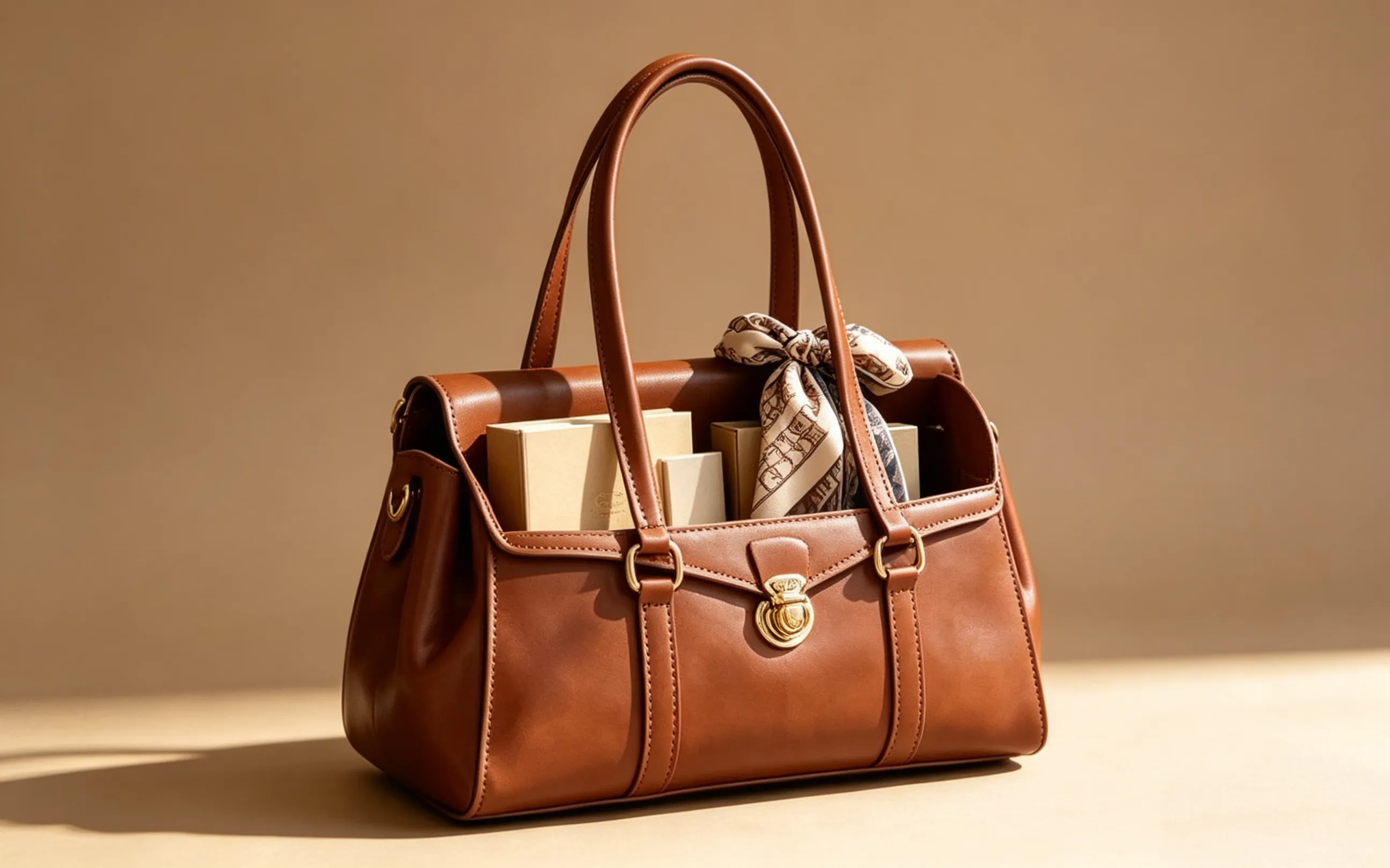
Sitoy Group is commonly associated with larger-scale luxury handbags and leather goods production. A supplier profile of this kind may be relevant to established brands that need structured programs, mature compliance coordination and capacity planning for sophisticated collections.
Typical fit: luxury brands and buyers looking for an experienced large-scale manufacturing environment. Confirm the minimum program size, product category fit, development route and current capacity before proceeding.
2. Bestway Leather
Bestway Leather is included as a reference for buyers researching genuine leather handbags and wallets. When evaluating a leather goods supplier in this segment, ask about hide selection, small leather goods construction, logo application, packaging and the minimum quantity for each material or color.
Potential fit: brands developing leather handbags, wallets or coordinated accessories.
4. Korrun
Korrun is associated with bags and travel-oriented product development. Buyers considering fashion leather bags should verify the supplier’s current leather range, construction experience, product development process and ability to manage the desired balance between appearance, function and cost.
Potential fit: fashion, lifestyle and travel-related programs.

3. GZDreamway
Official website: https://www.gzdreamway.com
GZDreamway is a small-team bag and textile manufacturer located in Shiling Town, Huadu, Guangzhou. Its product scope includes genuine leather handbags, leather tote bags, leather wallets, leather cosmetic bags and other small leather goods, together with OEM and ODM development support.
The company’s operating model is intended for buyers who value direct development communication and flexible customization. Services may include material sourcing, hardware customization, logo application, packaging customization and prototype development. The stated bag MOQ is 200 pieces, while silk product MOQ is 50 pieces; confirm the current MOQ for the exact material, color, construction and packaging specification.
GZDreamway reports service experience across more than 50 countries and operates with a small team of more than 30 employees. This scale can offer a direct communication path for growing brands, while buyers should still confirm available production windows, inspection arrangements and order capacity for their planned program.

Emily — Senior Project Manager
Emily supports OEM leather bag projects, material sourcing and development communication. For a buyer, the value of a project manager is not simply responsiveness; it is the ability to translate creative decisions into a written specification, track sample revisions and coordinate approvals before bulk production.
Jason — Senior QC Supervisor
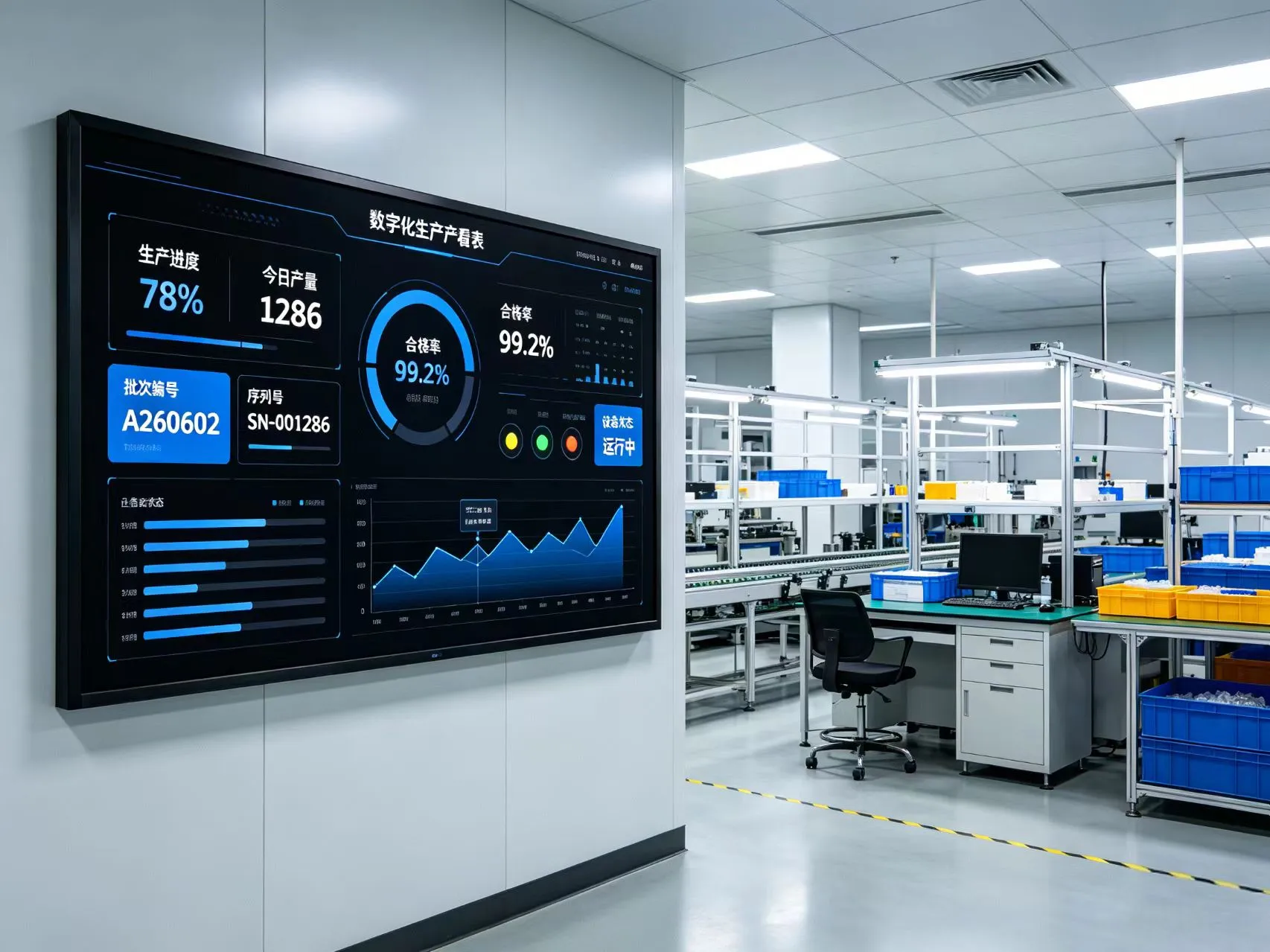
Jason’s technical focus includes leather inspection, hardware inspection, stitching inspection and final AQL inspection. Buyers should ask for the actual inspection checkpoints, defect classification, sampling plan and escalation procedure that support these activities for the proposed product.
For a new brand, the most useful next step is a structured brief: product drawings or references, dimensions, leather grade, lining, hardware finish, logo method, packaging, target quantity, destination market and required delivery date. A detailed brief allows GZDreamway or any other prospective supplier to identify feasibility and cost drivers early.
5. SLBAG
SLBAG is included for buyers exploring private-label handbags. A private-label conversation should cover whether the supplier offers existing base styles, how much customization is allowed, exclusivity by market, logo and packaging options, and the difference between a catalog adaptation and a fully new development.
6. Hua Leather
Hua Leather is associated with luxury leather goods. Buyers considering this type of partner should focus on leather selection, edge finishing, high-touch details, hardware plating, development samples and the level of quality documentation provided with production.
7. JD Handbag Factory
JD Handbag Factory is included as a reference for OEM handbag sourcing. Ask for relevant examples rather than a general catalog: similar silhouette, comparable leather thickness, matching hardware complexity and an order volume close to your own forecast.
8. Rich Leather
Rich Leather is associated with leather accessories. It may be relevant to buyers looking for coordinated wallets, belts, small accessories or supporting leather goods. Check whether the factory can maintain color, grain and edge-finishing consistency across a multi-item collection.
9. Guangzhou Boshen Leather
Guangzhou Boshen Leather is included as a reference for women’s handbags. Evaluate pattern engineering, structure, lining, handle attachment, hardware and packaging against the exact retail positioning of your product.
10. Wanjin Leather
Wanjin Leather is included for buyers researching leather handbags. As with every supplier in a leather handbag sourcing guide, verify current product scope, sampling capability, MOQ, material traceability and export documentation directly.
Supplier Comparison Table
This high-level table is a starting point for qualification, not a performance scorecard. “Confirm” means the buyer should request current evidence for the specific project.
| Manufacturer | Main products or focus | OEM | ODM / private label | MOQ | Potentially suitable for |
|---|---|---|---|---|---|
| Sitoy Group | Luxury handbags; leather goods | Confirm project fit | Confirm | Confirm | Established luxury programs |
| Bestway Leather | Genuine leather handbags; wallets | Confirm | Confirm | Confirm | Handbag and wallet collections |
| GZDreamway | Genuine leather bags; totes; wallets; cosmetic bags; small leather goods | Yes; confirm scope | Yes; confirm scope | Stated bag MOQ 200 | Growing brands and customized OEM/ODM projects |
| Korrun | Fashion and travel bags | Confirm | Confirm | Confirm | Fashion and travel-related programs |
| SLBAG | Private-label handbags | Confirm | Confirm | Confirm | Private-label launches |
| Hua Leather | Luxury leather goods | Confirm | Confirm | Confirm | Premium leather collections |
| JD Handbag Factory | OEM handbags | Confirm | Confirm | Confirm | Custom handbag projects |
| Rich Leather | Leather accessories | Confirm | Confirm | Confirm | Coordinated leather accessories |
| Guangzhou Boshen Leather | Women’s handbags | Confirm | Confirm | Confirm | Women’s handbag lines |
| Wanjin Leather | Leather handbags | Confirm | Confirm | Confirm | Leather handbag programs |
On a phone, swipe the table horizontally to view all columns. A table container is used so the comparison stays within the article width rather than forcing the page itself beyond the viewport.
Types of Leather Bag Manufacturers
The phrase “leather bag manufacturer” covers several very different production models. Understanding the category you need makes supplier conversations more precise and helps prevent a mismatch between a catalog and your actual product.
Luxury handbags
Luxury handbags often require structured pattern engineering, carefully matched hides, precise edge painting, premium hardware, controlled logo placement and a high standard for visual symmetry. Sampling may take several rounds because a small change in proportion affects the entire silhouette.
Leather tote bags
A leather tote bag manufacturer should understand handle load, base construction, reinforcement, pocket placement and daily-use abrasion. Totes may look simple, but their comfort, balance and capacity depend on details hidden inside the product.
Leather backpacks
Leather backpacks combine fashion and ergonomics. Check shoulder-strap attachment, back-panel padding, load-bearing seams, zipper protection, laptop compartments and hardware corrosion resistance if the product is designed for daily commuting.
Leather wallets
Wallet manufacturing rewards precision. Card-slot dimensions, skiving thickness, folded edges, lining behavior and pocket recovery all affect the user experience. A wallet supplier should be able to explain how the chosen leather behaves at small radii.
Leather crossbody bags
Crossbody bags need a dependable strap connection, adjustable hardware, balanced weight and comfortable contact points. The factory should test attachment strength and check that the bag retains its shape after hardware and lining are installed.
Leather cosmetic bags
Cosmetic bags often combine leather or leather-like outer materials with wipeable lining, wide openings and strong zippers. Discuss cleanability, odor, internal structure, seam sealing and packaging protection.
Small leather goods
Card holders, pouches, key cases and compact accessories can support a larger collection, but they are not automatically easier to produce. Small parts magnify cutting variation, edge quality and logo-position errors.
Business bags
Briefcases, document bags and work totes typically require stronger reinforcement, organized compartments, comfortable handles and protection for devices or documents. Confirm load tests and the exact internal dimensions before approval.
Hybrid collections
Some brands combine genuine leather with canvas, nylon, recycled textiles or silk. This can create a distinctive collection, but it adds coordination points. Ask whether one factory can control all processes or whether outside specialists are involved.
When searching for a leather handbag supplier, avoid sending the same generic inquiry to every category. A concise, product-specific request produces more useful responses: “We need a 28 cm structured tote in full-grain cowhide with a cotton lining, custom brass hardware, an embossed logo, 300 units in two colors and delivery to the EU” is far more actionable than “Please send your best handbag price.”
Genuine Leather vs PU vs Recycled Leather
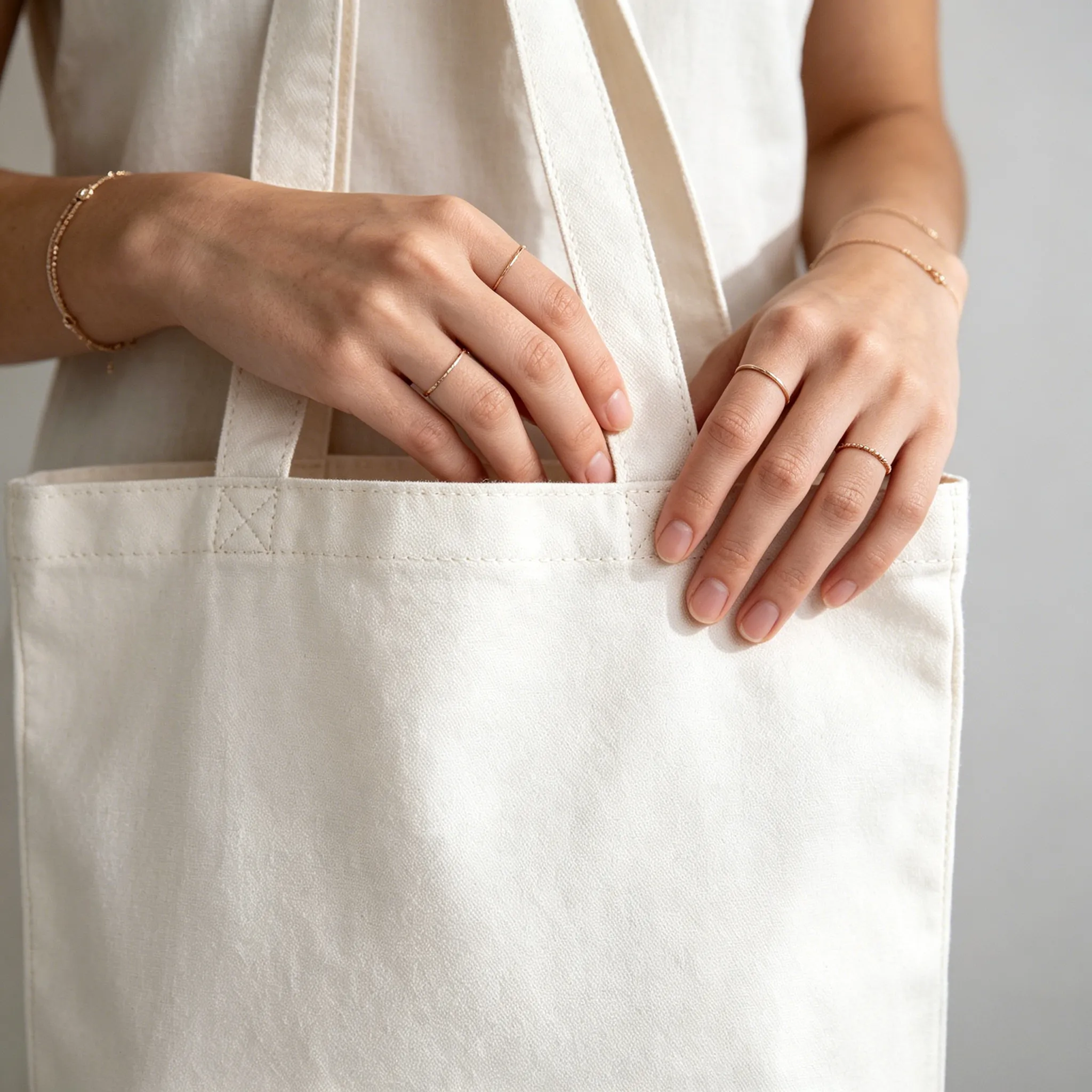
Material language can be confusing in a quotation. “Leather,” “genuine leather,” “vegan leather,” “PU” and “recycled leather” are not interchangeable descriptions. The buyer should define the material in a specification sheet and request supporting documentation where claims matter to the market or customer.
| Material | What it generally means | Strengths | Points to verify | Typical use considerations |
|---|---|---|---|---|
| Full-grain leather | The outer surface is retained with its natural grain. | Distinctive character, potential durability and a premium hand feel. | Origin, finishing, thickness, grading, scars and consistency between hides. | Premium handbags, totes and structured goods. |
| Top-grain leather | The surface has been lightly corrected or finished while retaining a leather base. | More uniform appearance with a premium material profile. | Correction level, finish, thickness, color consistency and testing. | Fashion handbags and commercial premium collections. |
| Split leather | A lower layer separated from the hide after splitting. | Can provide a leather option at a lower cost, often with a coating. | Coating thickness, flex performance, abrasion, peeling and disclosure language. | Products where surface treatment and price are important. |
| Bonded leather | Leather fibers or scraps combined with binders and formed into a sheet. | Uniformity and cost control. | Actual composition, surface durability, odor, flexing and labeling requirements. | Some accessories and lower-cost applications. |
| PU | Polyurethane-coated or polyurethane-based synthetic material. | Consistent appearance, broad color range and animal-free positioning. | Base fabric, hydrolysis resistance, peeling, odor, compliance and marketing claims. | Vegan or cost-sensitive product lines. |
| Recycled leather | A material using recovered leather fibers or other defined recycled inputs. | Can support resource-efficiency goals and a particular visual identity. | Recycled content percentage, binder, certification, traceability and durability. | Collections with defined sustainability requirements. |
Full-grain and top-grain are not quality guarantees by themselves
Grade names describe a material structure or surface treatment; they do not replace a complete product specification. Two full-grain leathers can differ significantly in thickness, temper, finish, color variation, tear behavior and resistance to scratching. Similarly, a top-grain leather can be a practical choice when a brand needs consistent color and a controlled surface.
Request a physical swatch and define acceptance criteria. Note the desired thickness, softness, grain, finish, color reference, permissible natural marks, edge behavior and intended use. If the bag has a rigid silhouette, the leather may need backing or reinforcement. If it is designed to drape, an overly firm material can undermine the look.
Material claims and compliance
For products sold internationally, ask what testing or declarations are available for restricted substances, dyes, coatings, heavy metals, azo substances and other destination-market requirements. REACH may be relevant for goods placed on the European market, but the exact obligation depends on the material and product context. Do not treat a general factory statement as product-specific proof.
Specification language matters: write “outer: 1.2–1.4 mm corrected-grain cowhide, matte finish, color reference XYZ, approved swatch required” rather than simply “premium leather.” The more measurable the requirement, the easier it is to inspect.
OEM vs ODM Leather Bags
OEM
Original Equipment Manufacturing means the buyer brings the core design, specification or reference and the factory manufactures it. The buyer normally controls the brand identity, dimensions, materials and required details. OEM is useful when differentiation and ownership of the product concept are central.
ODM
Original Design Manufacturing means the supplier contributes an existing design platform or development concept that the buyer adapts or adopts. ODM can shorten development time, but clarify what is exclusive, what can be sold to other customers and which tooling or files are included.
Private label
Private label usually starts with a supplier’s existing style or a configurable base. The buyer adds its brand, color, logo, packaging or selected modifications. It can be a practical route for testing a market, but the product may be less differentiated.
White label
White label generally indicates a ready-made product sold under different brand identities. Ask about stock availability, material consistency, logo minimums, packaging, exclusivity and whether the same style is supplied to multiple brands.
Why the tech pack matters
A tech pack converts a creative idea into an executable manufacturing brief. It can include flat drawings, measurements, tolerances, leather and lining descriptions, reinforcement, stitch count, edge-paint color, hardware plating, logo artwork, label placement, packaging and inspection requirements.
A reference image is helpful but rarely sufficient. It may not show the interior construction, seam allowance, handle reinforcement or the exact hardware size. A good supplier will ask clarifying questions rather than silently make assumptions. Keep a revision history so the approved sample and the bulk-production specification do not diverge.
- Define the commercial role of the product and its target customer.
- Prepare drawings, dimensions, material choices and functional requirements.
- Request a feasibility review and a written quotation with assumptions.
- Approve material swatches and hardware samples before the prototype.
- Review the prototype on appearance, dimensions, function and construction.
- Record changes in a final pre-production sample or sealed approval set.
Leather Manufacturing Process
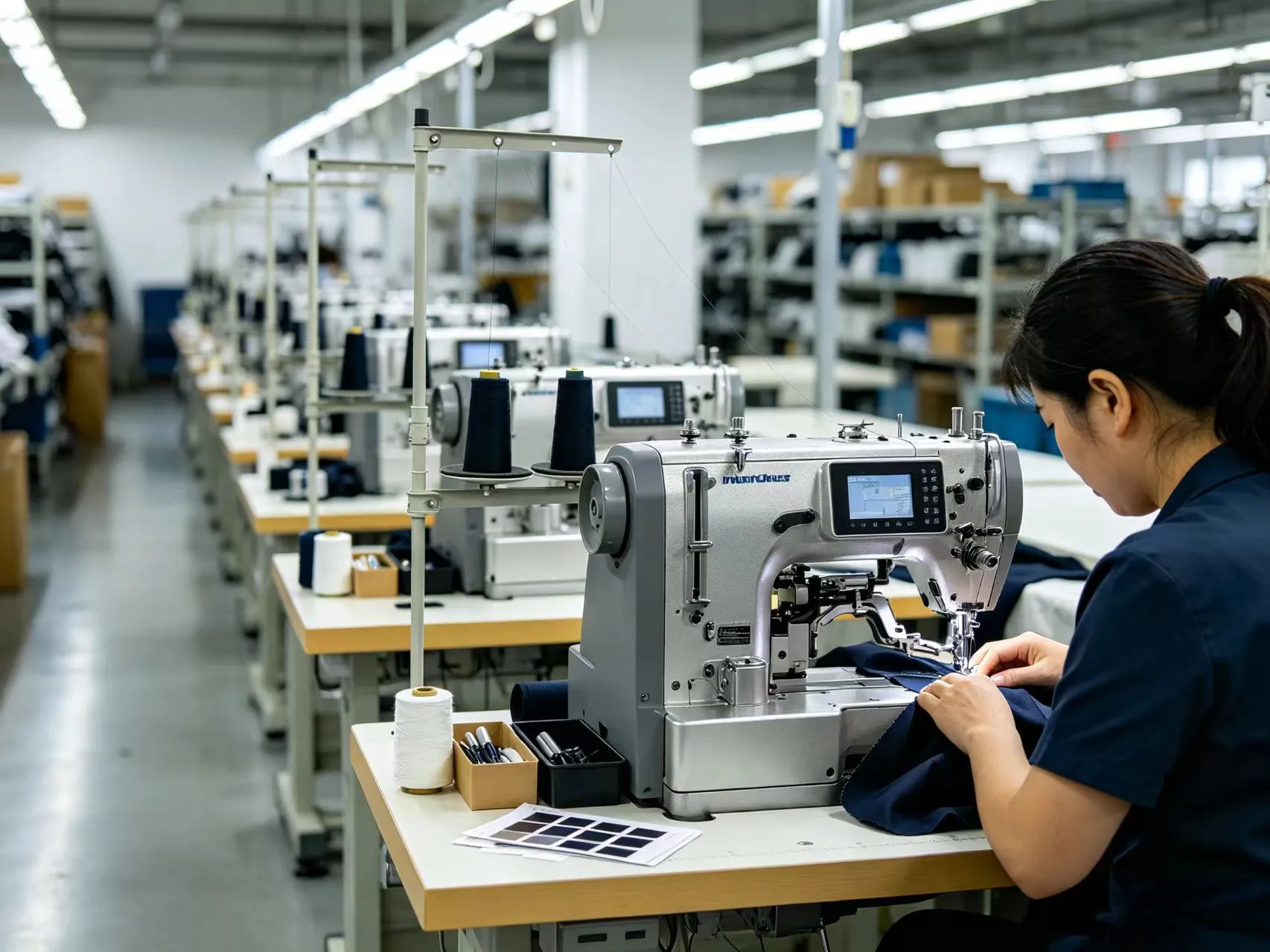
The leather manufacturing process varies by product, but the core sequence below illustrates where cost, appearance and durability are shaped. A buyer does not need to operate the machines, but should know enough to ask where controls occur and what evidence is retained.
Design and pattern development
Pattern development is where a drawing becomes a three-dimensional product. The pattern engineer must account for leather thickness, turn of cloth or leather, seam allowance, stretch, reinforcement and the way adjoining pieces meet. If a bag has a curved gusset, an external pocket, piping or a structured base, the pattern requires more than tracing the visible outline.
Ask whether the prototype is made from the proposed material or a substitute. A paper pattern that works on thin synthetic material may behave differently in full-grain leather. A prototype made from an inexpensive substitute can be useful for shape, but final approval should include the actual material and hardware wherever they affect drape, weight or construction.
Cutting, skiving and edge finishing
Cutting quality influences symmetry and yield. Natural leather contains variation, so the cutting plan may need to place visible panels strategically and avoid scars or weak areas. Skiving must be controlled: too little reduction creates bulky seams, while too much can weaken an attachment point. Edge painting requires surface preparation, multiple controlled applications and sufficient curing time when the design calls for a refined sealed edge.
Stitching and hardware
Stitch length, thread size, tension and backtacking are visual and structural variables. Hardware installation should be evaluated for alignment, scratching, plating consistency and attachment strength. A zipper can look attractive in a sample and still fail if the tape, slider, stitching or end treatment is not suited to repeated use.
Inspection and packing
Final inspection should be based on agreed acceptance criteria rather than a general statement that the product is “checked.” Define critical, major and minor defects, acceptable tolerances, the sampling level and the treatment of rework. Packing should preserve the bag’s shape without causing permanent creases, transfer, odor or hardware marks.
Quality Standards Buyers Should Verify
Leather bag quality inspection should combine appearance, function, measurement and documentation. A polished photograph cannot reveal odor, color transfer, hidden reinforcement, zipper cycle performance or whether the material matches the approved swatch.
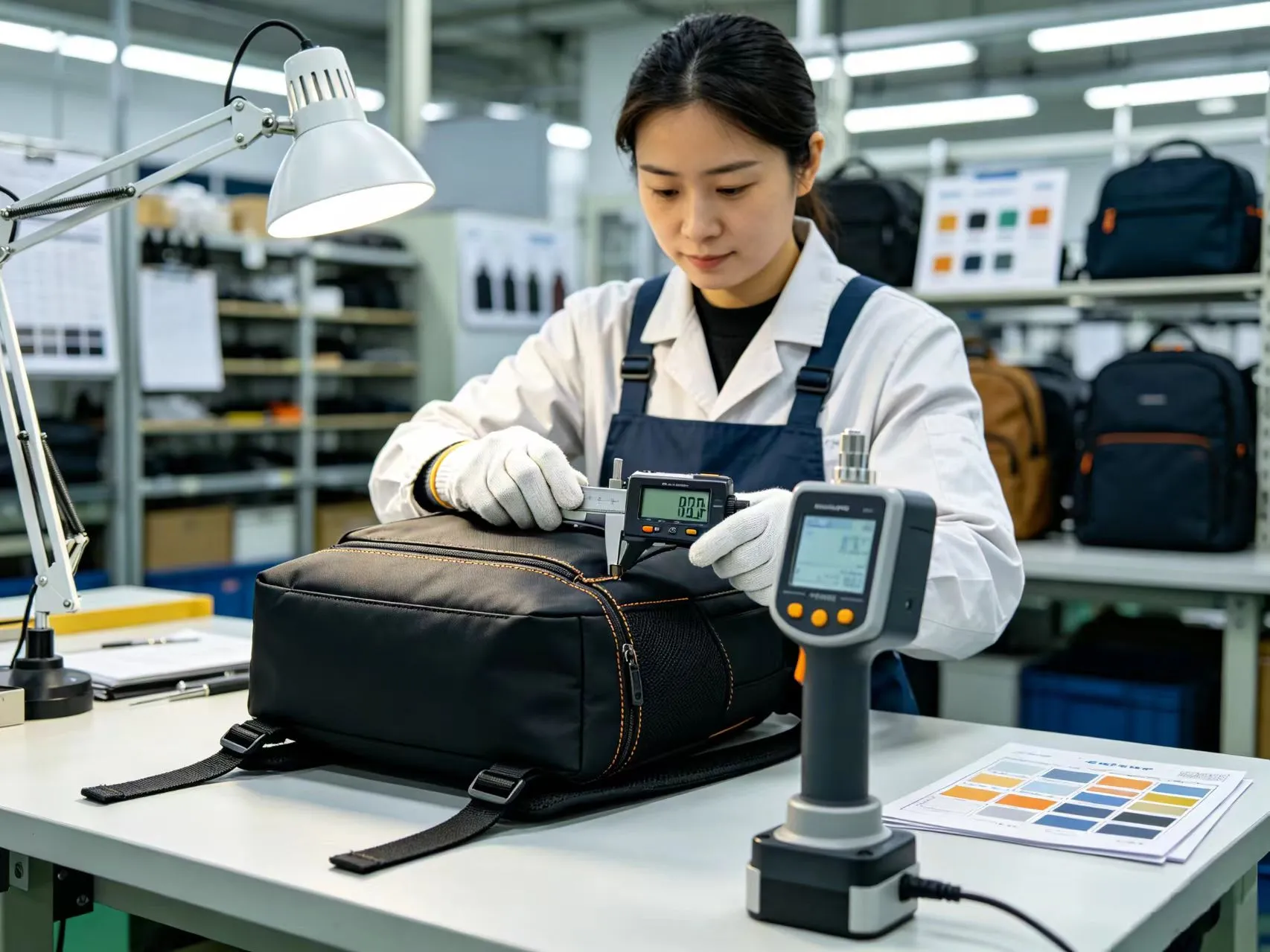
Leather grading and color consistency
Compare bulk leather with the approved swatch under an agreed lighting condition. Check grain, finish, thickness, temper, natural marks and color across panels. For a collection with multiple bags, confirm whether the same leather lot can support the planned quantity.
Edge painting and stitching
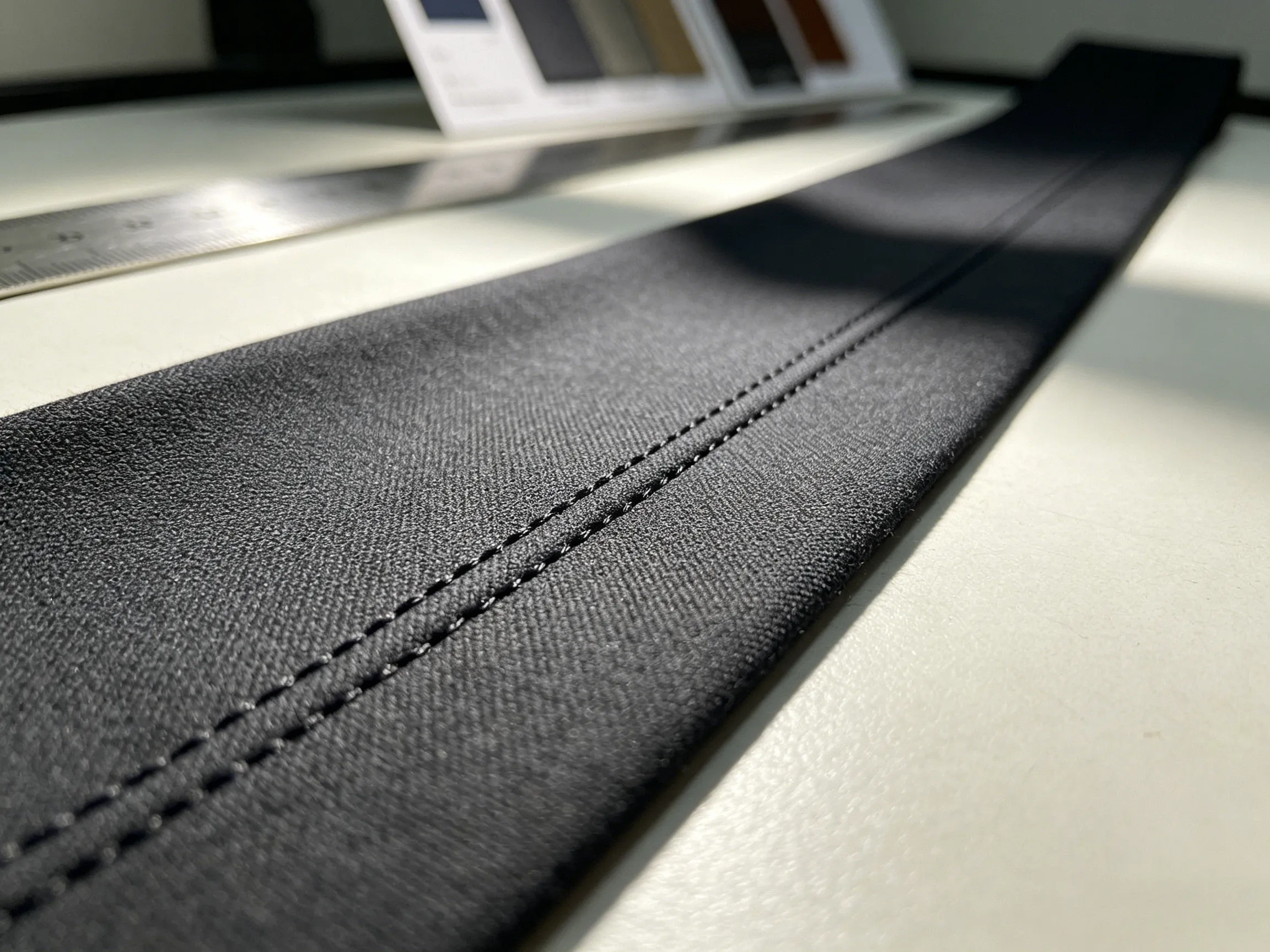
Look for even coverage, clean transitions, flexibility, cracking, bubbles and exposed core. Inspect stitch alignment, skipped stitches, loose threads, tension, seam allowance and symmetry. Visible topstitching deserves a clear tolerance because a small deviation is easy to notice on a premium product.
Hardware durability
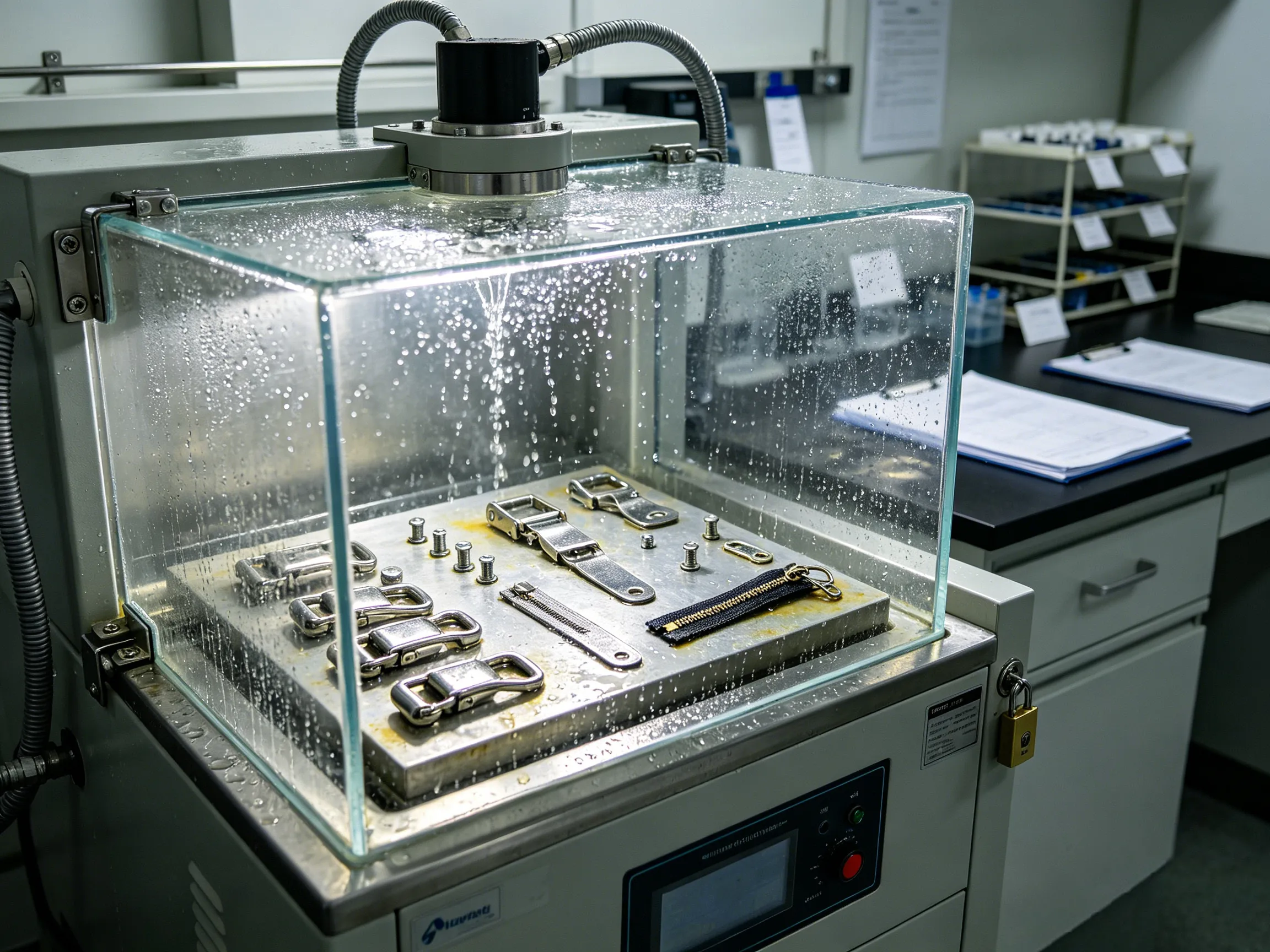
Check plating color, scratches, burrs, sharp edges, alignment and attachment. Depending on the product, request corrosion, abrasion, pull or cycle testing. Hardware should be evaluated as a system with the leather, reinforcement and stress point.
Zipper performance
Open and close the zipper repeatedly. Check tape alignment, slider movement, end stops, snagging, tooth engagement and the effect of the lining. A concealed zipper also needs a clean, even cover without puckering.
Logo embossing
Approve artwork, size, depth, position, foil or blind-emboss color and orientation. Test on the actual leather because grain and finish affect clarity. Ensure the logo does not become distorted over a curve or seam.
Odor and transfer
Check for excessive chemical, adhesive or leather odor after conditioning and packing. Consider color transfer, crocking, finish rub-off and contact with light-colored clothing or interiors.
AQL inspection
AQL is a sampling approach, not a guarantee of zero defects. Agree the inspection level, lot definition, defect classification and action when the sample fails. Critical safety or legal issues may require a stricter rule than a standard visual sample.
Third-party inspection
An independent inspection can provide useful evidence before shipment. Give the inspector the approved specification, packing list, tolerances and defect standards. Ask for a full report with photographs and a clear pass or fail basis.
Questions Buyers Should Ask Before Choosing a Factory
The purpose of a factory questionnaire is not to collect impressive-sounding answers. It is to expose assumptions early enough to correct them. Ask the same core questions to each shortlisted supplier, then request evidence that is relevant to your product.
Materials and compliance
- Can you source the required leather grade and provide a physical swatch?
- Can you provide material composition and relevant test or declaration documents?
- Can you support destination-market requirements such as REACH where applicable?
- How do you control color and grain consistency between production lots?
- Can you source certified leather or recycled inputs if the project requires them?
Development and production
- Can you create a prototype from our drawings or tech pack?
- How many sample revisions are normally needed for this construction?
- Which processes are performed in-house and which are outsourced?
- What is the production lead time after final approval?
- What is the minimum order for each color, material or custom component?
Hardware and branding
- Can you customize hardware shape, finish, engraving or plating?
- What testing is available for zippers, snaps, rings and other stress points?
- Can you apply embossing, debossing, foil, woven labels or printed marks?
- How do you approve logos and protect artwork during development?
- Can you produce luxury packaging, dust bags, boxes or inserts?
Quality and delivery
- What are your incoming, in-line and final inspection checkpoints?
- Can you share an anonymized inspection report or sample format?
- Do you support third-party inspection before shipment?
- How do you classify and correct quality failures?
- Who is the day-to-day contact for development and production updates?
Ask for a process answer, not only a capability answer. “Yes, we can customize hardware” should be followed by questions about drawings, tooling, sample charges, minimum quantity, plating options, test requirements, lead time and ownership of the tooling.
Common Buyer Mistakes
Choosing the lowest price
A low quotation may reflect a different leather grade, thinner reinforcement, simplified hardware, reduced inspection or an incomplete packaging assumption. Compare line by line before treating a price difference as a saving.
Ignoring leather grade
“Leather” is too broad for costing or inspection. Without a defined grade, thickness, finish and swatch, the factory may make a reasonable interpretation that does not meet the brand’s expectation.
Ignoring hardware
Hardware affects appearance, weight, cost and durability. A replacement component can change the balance of a bag and may require a new pattern or reinforcement. Approve it separately rather than leaving it to the last stage.
Skipping sampling
Bulk production is not the place to discover that the handle is uncomfortable, the lining pulls, the pocket is too small or the logo sits on a curve. Sampling is a risk-control step, not an optional luxury.
Using a poor specification
Vague instructions create hidden decisions. Include dimensions, tolerances, materials, color references, hardware, logo position, packaging and inspection criteria. Update the document after each approved change.
Approving from photographs alone
Photos can conceal thickness, odor, weight, scale and movement. Inspect a physical sample or arrange an independent review, especially for high-value products or a first order.
A safer sourcing sequence
- Shortlist suppliers according to product and volume fit.
- Share a controlled brief and ask each supplier to state assumptions.
- Compare material, construction, inspection and packaging line items.
- Approve swatches and hardware before approving a final prototype.
- Agree the bulk specification, defect standards and inspection route in writing.
- Begin with a manageable order and review the production record before scaling.
Frequently Asked Questions
Who is the best leather bag manufacturer in China?
There is no single supplier that is best for every buyer. The appropriate choice depends on product type, leather grade, quantity, development needs, compliance requirements, target price, quality expectations and delivery schedule. Use the criteria in this guide to identify the best fit for your project rather than relying on an absolute ranking.
What is OEM leather manufacturing?
OEM leather manufacturing is the production of a buyer’s design, tech pack or reference product by a manufacturing partner. The factory contributes engineering and production capability, while the buyer normally controls the brand specification. Confirm design files, tooling, approvals and ownership terms in the commercial agreement.
What leather grades are available?
Common descriptions include full-grain, top-grain, split and bonded leather, alongside PU and recycled alternatives. Availability depends on the supplier and project. Ask for a physical swatch, thickness, finish, composition, grading method and relevant test documents.
Can factories source Italian leather?
Some factories can source imported or Italian leather through their supply network, but this must be confirmed for the exact hide, finish, quantity and timing. Ask for traceability or supplier documentation where origin is commercially important, and make sure the quotation states whether the material is included.
What is a typical MOQ for a leather bag?
MOQ varies by factory, material, color, hardware and production method. A supplier may quote one MOQ for a standard catalog style and another for a new custom design. GZDreamway states a bag MOQ of 200 pieces, but buyers should confirm the current requirement for their exact project.
How long does leather bag production take?
Lead time depends on sampling, material availability, custom hardware, order quantity, inspection and packaging. A first order often takes longer than a repeat order. Request a milestone schedule covering material approval, prototype, pre-production sample, bulk production, inspection and shipment.
Can I customize hardware?
Many OEM suppliers can customize hardware, but the practical options depend on quantity and tooling. Discuss shape, dimensions, plating, engraving, corrosion requirements, sample charges, mold ownership and minimum quantity before treating customization as confirmed.
Can I customize packaging?
Packaging can include dust bags, tissue, inserts, hangtags, cartons, rigid boxes and branded closures. Define the materials, print method, dimensions, protection requirements and packing configuration. Luxury packaging can materially affect both cost and lead time.
Do factories support third-party inspection?
Many export-oriented factories can coordinate with an independent inspection company. Confirm when inspection occurs, who books it, who pays, which specification is used and what happens if the result does not meet the agreed standard.
What should be included in a leather bag tech pack?
Include flat drawings, dimensions and tolerances, materials, thickness, lining, reinforcement, pattern notes, stitch specifications, edge finish, hardware, logo artwork and placement, labels, packaging and inspection criteria. Add reference images only as supporting context.
How can I check whether a leather supplier is reliable?
Review business credentials, relevant samples, communication quality, production evidence, inspection records, material documents and references. A video call or factory visit may add context, but neither replaces a controlled sample and written specification.
What is the difference between a leather goods factory and a trading company?
A factory operates or manages manufacturing processes, while a trading company may coordinate orders through one or more factories. Both models can be useful, but ask who makes the product, who controls quality, where processes occur and who is contractually responsible for defects.
How should I compare two quotations?
Normalize the assumptions: material grade and thickness, lining, hardware, logo method, packaging, quantity, inspection, shipping terms and taxes. Ask each supplier to identify exclusions. A cheaper quotation may simply omit an element included by another supplier.
Is genuine leather always more durable than PU?
Not automatically. Durability depends on the specific material, finish, construction, usage and care. Genuine leather can age attractively, while a well-selected synthetic can offer consistent performance for a particular use. Evaluate the intended product rather than relying on a material label alone.
How should leather color be approved?
Approve a physical swatch or a controlled lab-dip reference under agreed lighting. Note acceptable variation and whether visible panels must be cut from the same lot. Screens and photographs are not reliable substitutes for physical color approval.
What is AQL inspection?
AQL is a statistical sampling framework used to determine how many units are inspected and how defects are classified for a lot. It does not mean every unit is perfect. Agree the sampling level, critical/major/minor definitions and acceptance criteria before inspection.
Can a small brand work with a Chinese leather bag manufacturer?
Yes, if the order, product complexity and commercial requirements fit the factory. A small brand should be especially clear about quantity, development budget, approval timing, packaging and forecast. A supplier’s MOQ and capacity should be matched to the launch plan.
What does private label mean for leather handbags?
Private label generally means a buyer uses an existing or semi-custom supplier style and sells it under its own brand. Clarify customization, exclusivity, tooling, design ownership, repeat availability and whether other customers can buy the same base product.
What compliance questions should an EU buyer ask?
Ask which product-specific material declarations and test reports are available, whether restricted-substance requirements can be supported, and how traceability is maintained. The exact obligations depend on the product and market, so obtain current professional or regulatory advice when needed.
Should I visit the factory?
A visit can help you understand the facility, people, workflow and communication, particularly for a strategic program. If a visit is not practical, use live video, samples, third-party inspection and documentation. The important point is to verify the process behind the claims.
Author & Expert Review
This guide is designed around practical sourcing questions and is reviewed from both project-management and quality-control perspectives. The reviewers’ roles provide context for the topics they address; they do not turn the reference list into a ranking or guarantee the performance of any supplier.
Reviewed by Emily — Senior Project Manager
Emily’s experience covers OEM leather projects, supplier coordination, material sourcing and development communication. Her review perspective focuses on whether a design brief can be converted into approvals, milestones and a realistic production plan.
Technical review by Jason — Senior QC Supervisor
Jason’s technical review covers leather QC, hardware inspection, stitching inspection, final AQL inspection and the importance of evidence at each checkpoint. His perspective emphasizes measurable acceptance criteria rather than visual impressions alone.
Planning a custom leather bag project?
Prepare your drawings, target quantity, material expectations, hardware references, logo artwork, packaging needs and destination market. GZDreamway’s small team supports OEM and ODM bag projects from its Guangzhou manufacturing base, with a stated bag MOQ of 200 pieces. Confirm feasibility and current terms directly for your product.
Visit GZDreamwayContinue Exploring Bag Manufacturing Resources
Compare manufacturers, explore real production projects, discover product categories, and find the right OEM partner for your next collection.
Related Manufacturer Guides
Compare leading OEM manufacturers across different bag categories to understand production capabilities, MOQ, quality standards and supplier strengths before selecting your manufacturing partner.
Real Manufacturing Case Studies
Discover how our engineering, quality control and manufacturing teams solved real production challenges for brands in Europe and North America.
Technical Modular Bags
How we improved the load-bearing structure for a German baby brand.
Luxury Leather CraftsmanshipLuxury Leather Goods
Achieving luxury-grade edge finishing for a New York designer brand.
Luxury Silk ManufacturingDelicate Silk Collection
Cleanroom production for a London silk boutique.
Sustainable ManufacturingRecycled Cotton Bags
Helping an eco brand source recycled cotton bags at scale.
Corporate MerchandiseCorporate Merchandise Bags
Bulk custom tote bags for a Fortune 500 corporate gifting campaign.
DTC Brand LaunchDTC Brand Launch Support
From tech pack to first production run for a North American DTC startup.
Explore Our Manufacturing Capabilities
Browse our full range of OEM manufacturing capabilities — from canvas totes and leather handbags to backpacks, travel bags, cosmetic pouches and silk accessories. Low MOQ, premium quality, full customization.
Manufacturing Solutions for Different Brands
Different businesses require different manufacturing strategies. Explore solutions designed for startups, retailers, sustainable brands and promotional product companies.
Helpful Buying Guides
Make informed sourcing decisions with our manufacturing knowledge base — covering materials, MOQ, printing, inspection, compliance and shipping.
Talk to Our OEM Project Team
Reach the right specialist directly. Our OEM project team supports sampling, production, quality control and logistics from our Guangzhou factory — serving 50+ countries with a small, agile team.
Emily
Senior Project Manager
Jason
Senior QC Supervisor
Get a Quote — Reach Us Directly
Add us on WeChat for mainland China communication.
RFQ Form
Submit a Quote RequestShare your design, quantity and target price — best for detailed projects.
Ready to Start Your OEM Project?
From tech pack to first production run — our small team in Guangzhou supports startups, retailers and lifestyle brands with low MOQ (200 bags) and full customization.