
OEM vs ODM vs Private Label: Which Leather Bag Manufacturing Model Fits Your Brand?
A factory-floor comparison with real cost data, MOQ realities, lead times, and the IP traps that cost brands the most. Plus a 480-piece production case you can sanity-check your own numbers against.
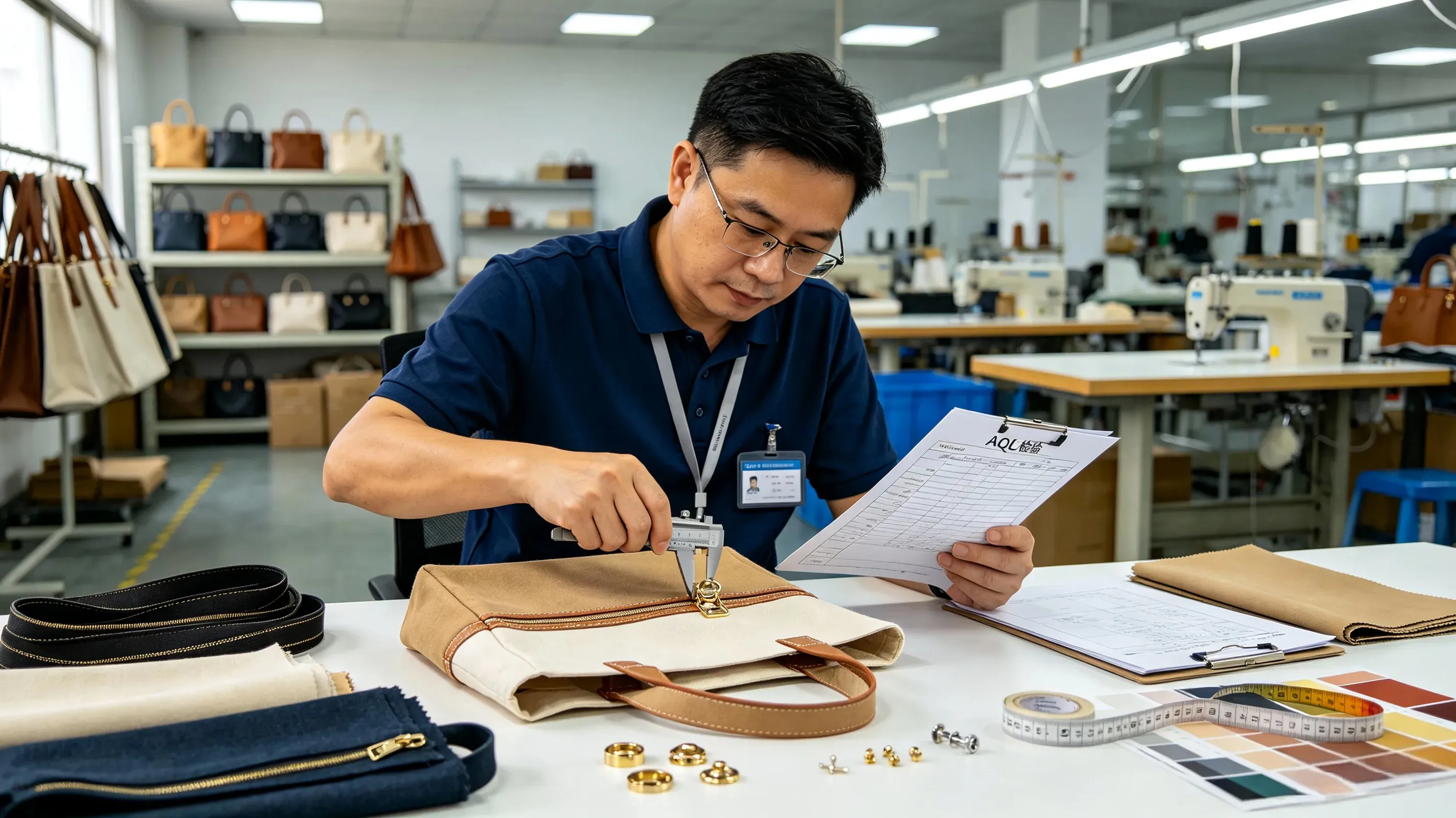
Pattern Development Engineer

Senior Project Manager
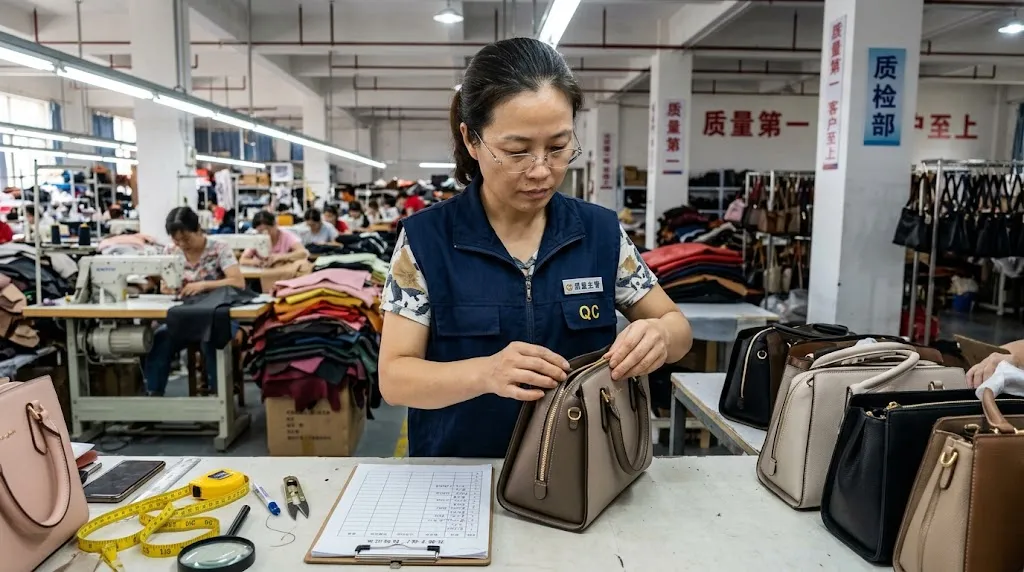
Senior QC Supervisor
“OEM vs ODM vs private label” is not a vocabulary test. It is a decision that quietly locks in 2–3× cost variance, 8–12 weeks of lead time, and your IP exposure for the next 3–5 years. Most brands only realise how consequential the choice was after the deposit clears.
This guide is the same comparison framework we walk our buyers through at the factory — written down so you can use it before you wire money to anyone. We close with a 480-piece real production case, a 3-question decision tree, and a 4-week action plan. If you only have 30 seconds, jump to the TL;DR.
For context on the factory floor and the seven steps every OEM order moves through, see our leather handbag manufacturing process guide — we have run 200+ custom OEM programs from that floor since 2008.
- OEM — You already have a tech pack and own the IP. OEM is the right path.
- ODM — You want to tweak an existing mould, not start from zero. ODM saves you 4–8 weeks.
- Private Label — Speed and low MOQ matter more than unique design. Fastest route to a listing.
Real cost spread: 2.5–4× across the three models on the same product. Use the 3-question decision tree in Section 7. Lock the HS code for your import market, and do not pay a sample fee before the IP clause is signed.
Why the Model You Choose Shapes Everything
“OEM,” “ODM,” and “private label” get thrown around interchangeably in B2B bag conversations. The labels are not interchangeable — and the cost of misclassifying your project is real. Mislabel it, and you can end up paying 2–3× more than you needed to, lose control of your design, or wait an extra 8–12 weeks for a launch that was already late.
What follows are the same numbers, decisions, and clauses we use with our own buyers — pulled directly from the genuine leather handbag OEM service we have run since 2008. You will get a 3-question decision tree, a 480-piece production case, and a 4-week action plan. If you are still deciding which model fits your handbag brand, jump to Section 7.

Three Models, Plain English
Before any side-by-side table, let us anchor each term to a concrete example you can picture on the factory floor. For the full process each model triggers, see our leather handbag manufacturing process guide.
OEM — You Design, Factory Builds
OEM (Original Equipment Manufacturer) in the leather bag context means the brand owns the design — the tech pack, the pattern, the materials, the hardware, the moulds. The factory builds to your specification. It is, in practice, a build-to-print relationship. We have run 200+ custom OEM programs for genuine leather handbag brands from our Guangzhou floor since 2008.
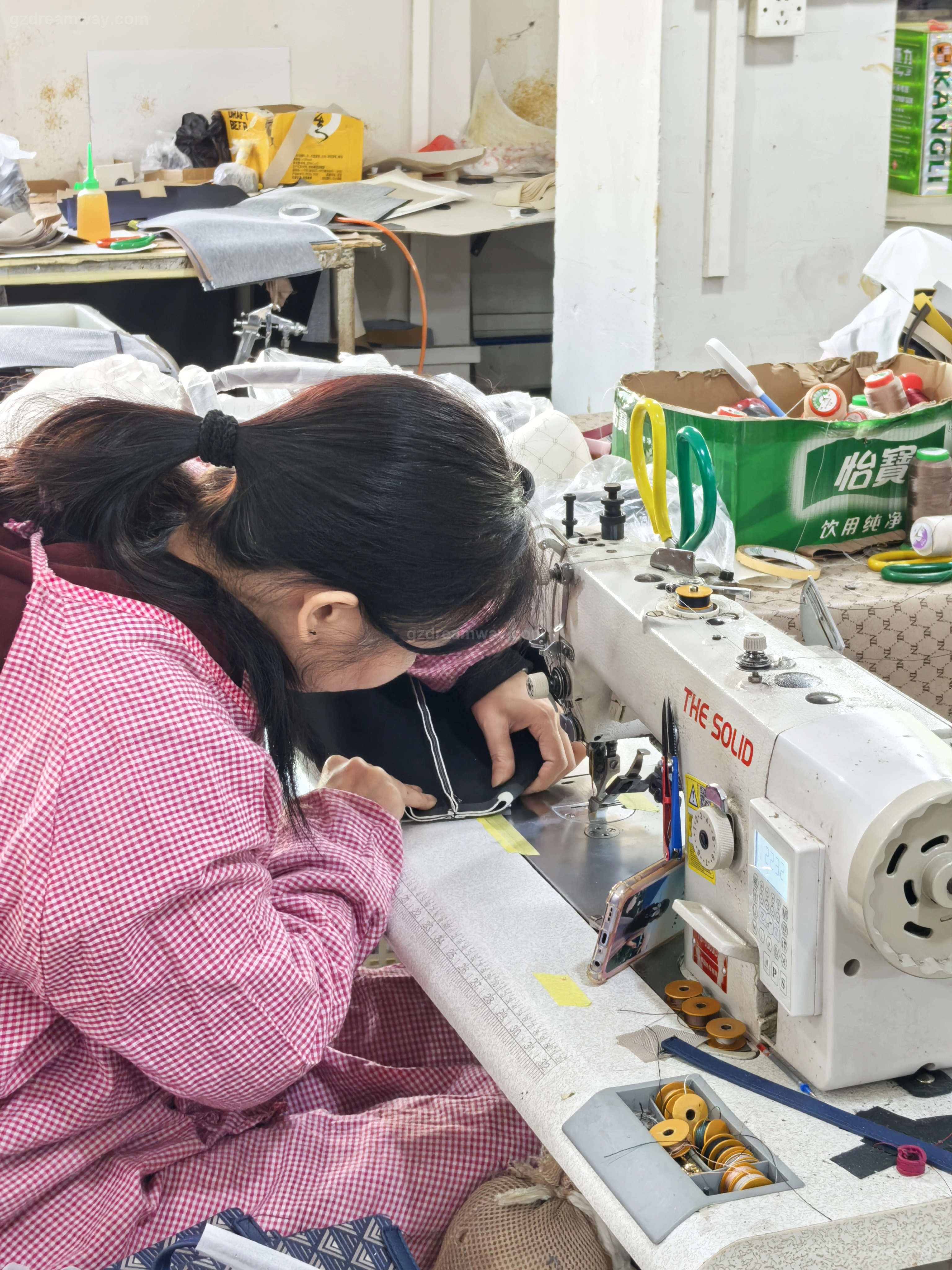
ODM — Factory Designs, You Fine-Tune
ODM (Original Design Manufacturer) flips the script. The factory owns the mould, the pattern, and the base design. You select from a 50–200 style catalogue and request modifications — colour, hardware, lining, logo plate. The base design IP stays with the factory; your brand owns only the customisation layer.
The full leather bag sample development process at this tier runs 14–25 days — roughly half the OEM timeline, because the heavy pattern-making work is already done.
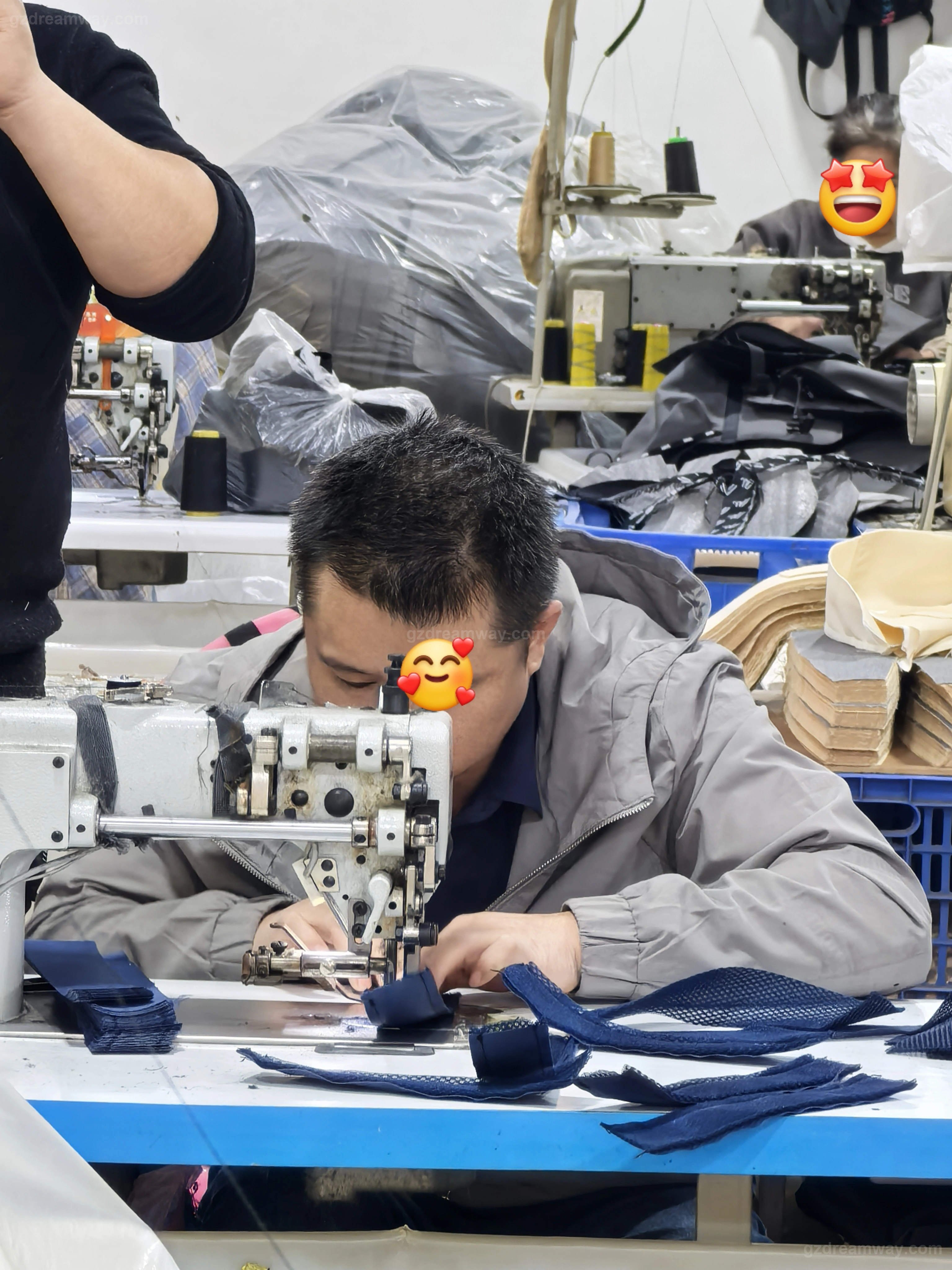
Private Label — White Label
Private label leather bags are finished or near-finished stock designs with no design customisation. You apply your logo (deboss, emboss, hangtag, or metal plate) and sell under your brand. It is the fastest path to a leather bag SKU on the market.
See our private label leather handbag line — we ship from 30 pieces per style, with a 25–40 day PO-to-delivery window.
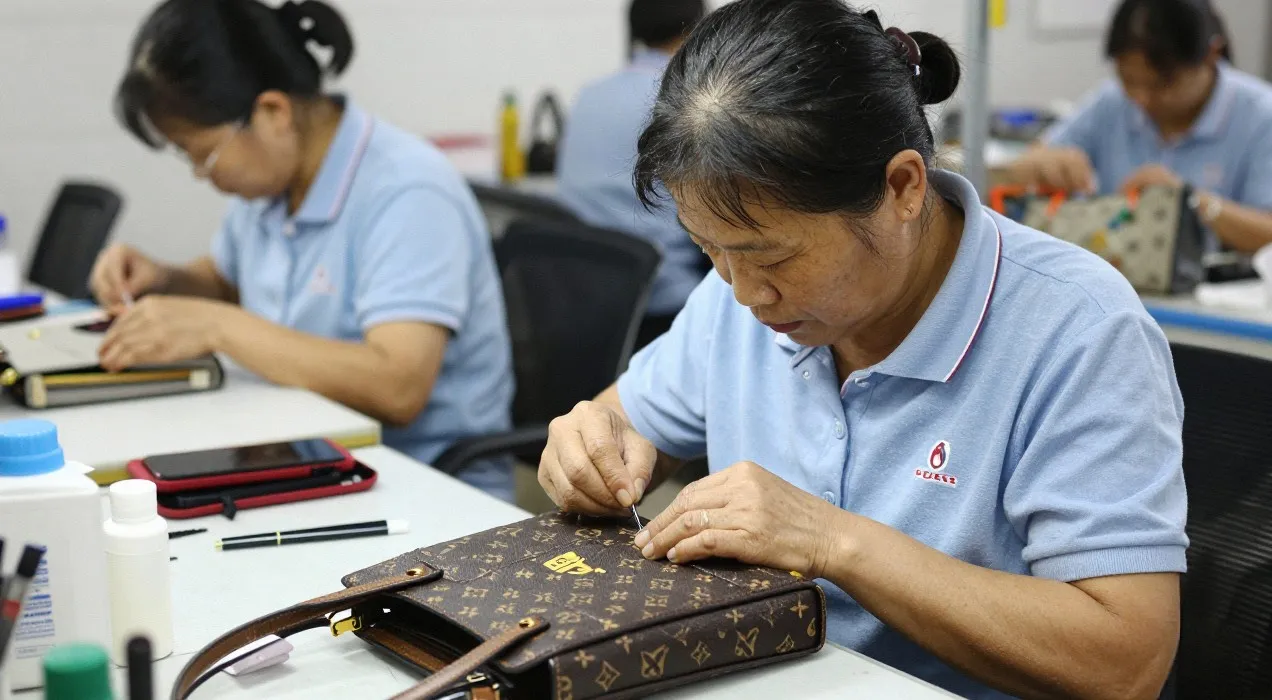
Side-by-Side: 12 Dimensions, One Table
One table. Twelve dimensions. No marketing fluff.
| Dimension | OEM | ODM | Private Label |
|---|---|---|---|
| Design Lead | Brand | Factory | Factory |
| IP Ownership | Brand (100%) | Factory (base) + Brand (custom) | Factory + Brand (logo only) |
| Typical MOQ | 200–500 pcs | 100–300 pcs | 30–100 pcs |
| Sample Cycle | 30–45 days | 14–25 days | 7–10 days |
| Sample Cost | $45–$85 | $35–$70 | $20–$45 |
| 500-Piece Unit Cost | $32–$58 | $25–$48 | $18–$32 |
| Design Freedom | 100% | 30–60% | 5–10% |
| Mould Ownership | Brand | Factory (can buy out) | N/A |
| Revision Flexibility | High | Medium | Very Low |
| Contract Complexity | High | Medium | Low |
| Capital Requirement | $50K–150K | $20K–50K | $5K–20K |
| Best For | Established brands / Hero SKUs | Growth phase / Multi-SKU testing | Startup / Market validation |
The cost spread is not theoretical. On a mid-size 30cm tote in full-grain leather at 500 pieces, OEM buyers see 2.5–3× higher tooling cost than private label buyers — but their unit cost drops 30–45% versus the 50-piece tier. For the actual labour-vs-material split inside each piece, our handbag manufacturing cost structure breakdown walks through 7 line items.
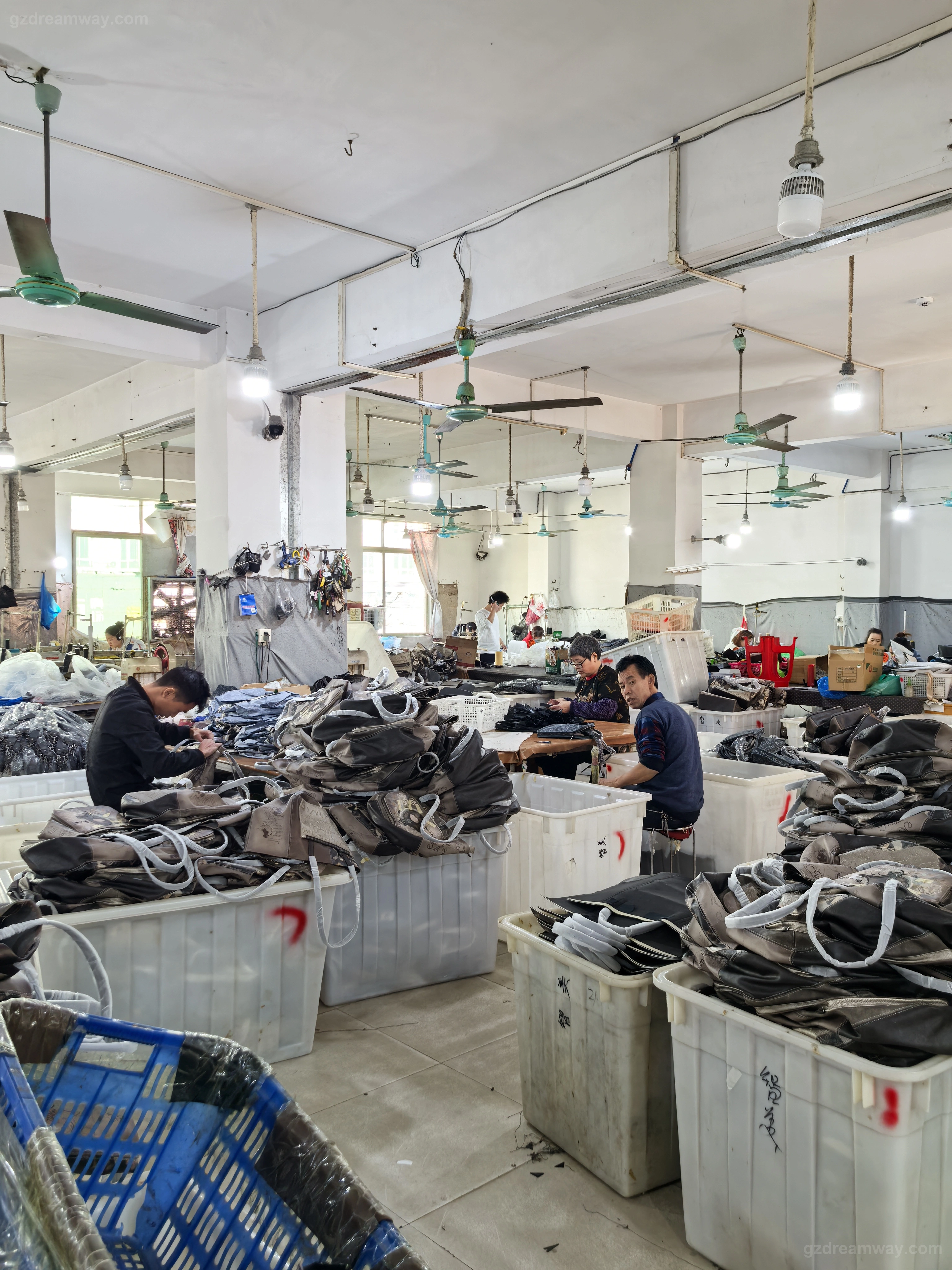
Costs, MOQ, Lead Times & IP: The Four Numbers That Actually Drive the Decision
Let us go one level deeper on each factor that ends up in your P&L. If you are still in planning mode, this is the section that justifies the model you will end up choosing.
3.1 Unit Cost Breakdown
For a 30cm zip-top tote in full-grain leather at 200 pieces, OEM typically lands at $52–68/pc, ODM at $38–52/pc, private label at $22–32/pc. Material accounts for 55–65% across all three — the savings in private label come from skipped tooling and a simpler pattern, not from cheap leather.
See the seven cost factors in our custom handbag unit cost guide.

3.2 MOQ Reality Check
Advertised MOQ and real MOQ are not the same number. Most factories quote 200 for OEM to protect NPI cost, but a small MOQ leather handbag factory in China can run 50–100 piece OEM pilots at a 20–30% per-unit premium — and the premium is usually worth it if the pilot succeeds.
Private label is genuinely 30–100 pcs. Below 50 pieces per design, low MOQ leather bag manufacturing is your lane.
3.3 Lead Time Comparison
OEM from tech pack to shipment: 90–120 days. ODM with light modification: 45–65 days. Private label from PO to delivery: 25–40 days. The biggest single time sink in OEM is the leather bag sample development process — usually 3–4 rounds before a sealed sample is signed off.
3.4 IP & Sample Ownership
This is where most brands lose money without noticing. In OEM you own the pattern, mould, tech pack, and artwork — everything. In ODM, the factory owns the pattern and may resell the same bag to your direct competitor next quarter unless your contract says otherwise. In private label, the IP is so minimal there is almost nothing to protect — but that is also why private label cannot defend a price point.
Always sign an IP clause before paying for samples. We cover the exact wording in Section 8.
OEM Path: What It Really Takes
OEM gives you 100% design control — but only if you have the inputs the factory needs. Skipping any of these three prep steps is the most common reason OEM programs run 30% over budget and 2–3 weeks late.
4.1 Three Things You Must Have First
- A complete tech pack — Without one, the factory cannot quote accurately. Use our handbag tech pack template guide. A vague sketch with no tolerances will trigger 5+ sample revisions and burn the budget you did not plan for.
- Material specs with 2–3 alternates — Top-grain, split, PU, water-based PU, recycled PU — see what water-based PU leather actually is for the sustainable angle. Two alternates give you room to negotiate on lead time without compromising aesthetics.
- A realistic target price and timeline — 8–12 weeks from tech pack to sealed sample, with 2–3 revision rounds built in. Plan a $400–$1,200 sample budget and do not be surprised if it is exactly that.
4.2 Who OEM Is Right For
Established brands with a hero SKU. Brands with a strong design language. Any product where the bag itself is the differentiator — not the marketing around it.
Our genuine leather handbag OEM service has run 200+ custom programs since 2008. For premium positioning, our custom handbag factory programs cover bespoke and luxury tiers — that page lists our actual small-batch and low-MOQ capabilities rather than the marketing version.
4.3 Hidden OEM Costs You Don’t See in the First Quote
Tooling, moulds, dies, plates, custom hardware — these add $1,500–$4,000 before your first sample leaves the workshop. The right zipper and metal hardware decision alone can swing 5–8% of unit cost across the whole run, so spec the BOM carefully.
Before you lock the BOM, read our deep dive into bag hardware, zippers, and metal tags.
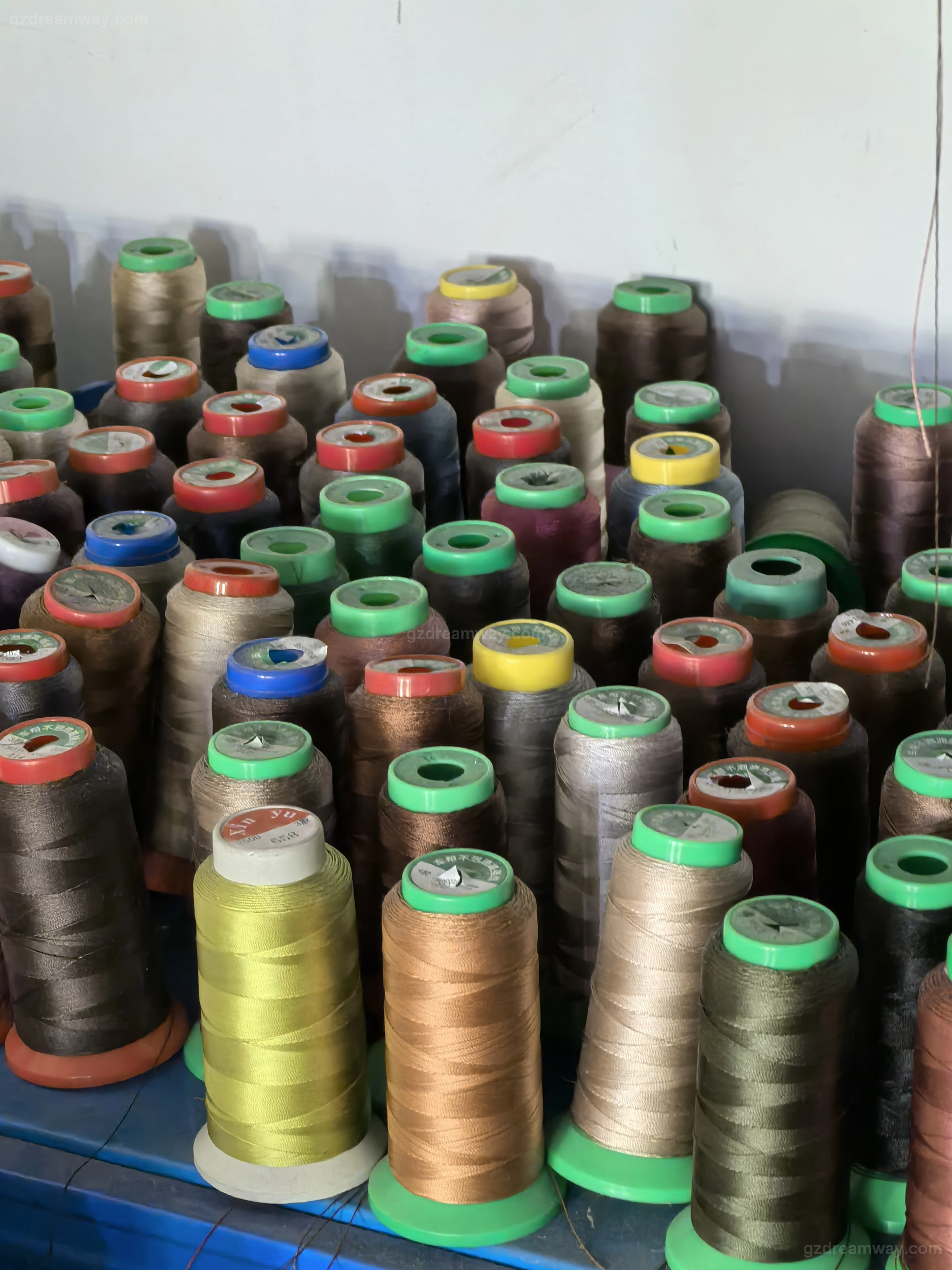
ODM Path: The Middle Lane Most Brands Under-Use
ODM sits in the middle — faster than OEM, cheaper than full custom, and with enough differentiation to defend a price point. Most brands skip past it because the marketing copy says “OEM or private label” and never mentions ODM at all. That is a missed opportunity.
5.1 What ODM Feels Like in Practice
You walk into a factory showroom, pick 3–5 base styles from 50–200 existing moulds, then layer in your colour, hardware, lining, and logo. The factory’s pattern maker tweaks the existing die; you skip the 3-week pattern-making phase of OEM entirely.
The full leather bag sample development process at this tier runs 14–25 days, roughly half the OEM timeline.
5.2 Best Scenarios for ODM
- You are launching a second product line and want to test 3–4 styles at once
- Your brand has a hard 6-week launch window and missing it is not an option
- You are scaling from a private label hit to a more differentiated range
- You want water-based PU vs recycled PU material flexibility without paying NPI cost — see our comparison of water-based PU vs recycled PU
5.3 The Biggest ODM Trap
The factory owns the mould. If you place a 5,000-piece order, another brand can order the same bag with a different colour next month — and you will see it on a competitor’s Instagram feed. Negotiate mould exclusivity in your contract. Most factories will grant it for an upfront fee of $800–$2,500 per style. Define territory, duration, and enforcement in writing, not in a WeChat message.
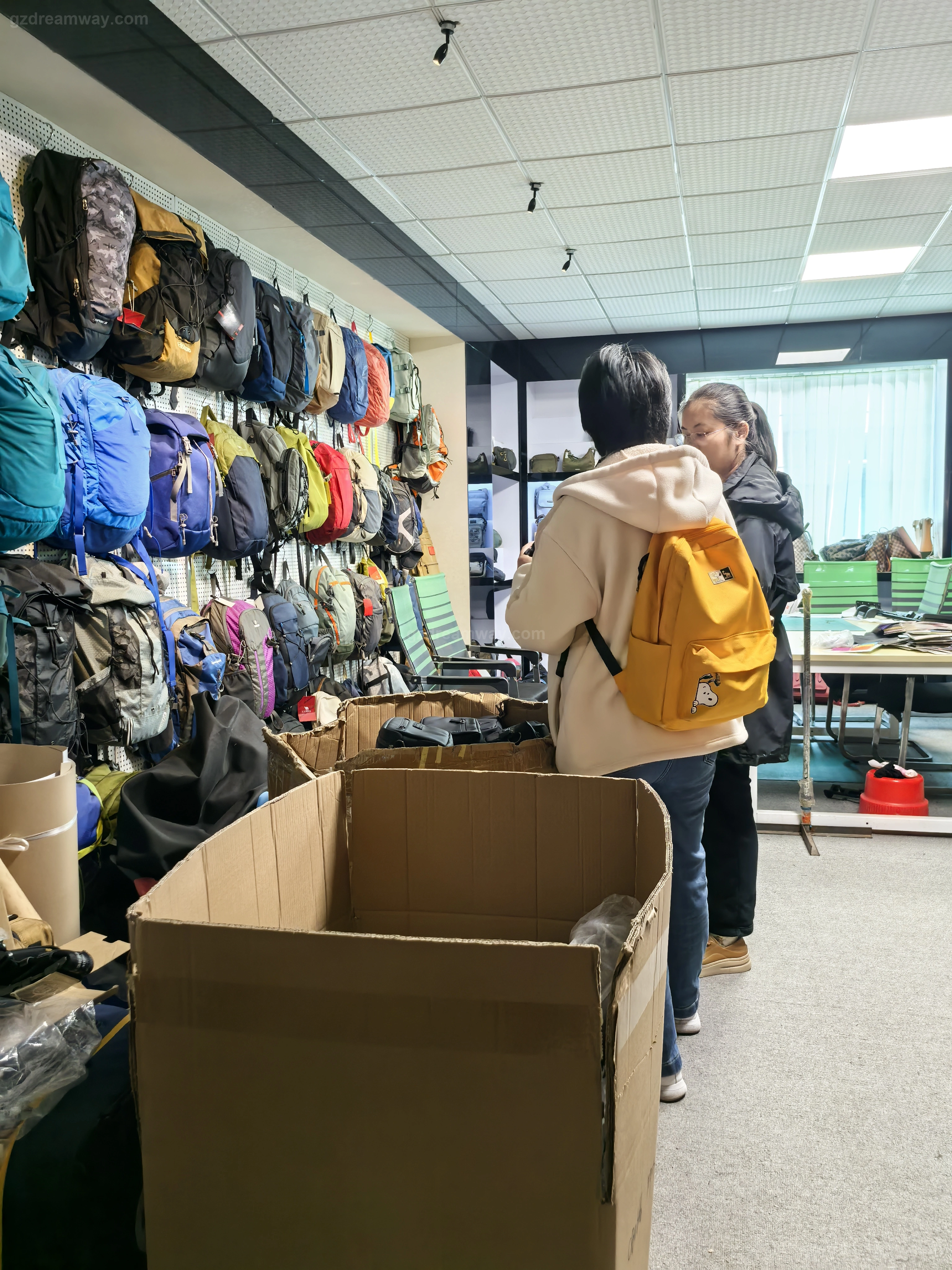
Private Label: Speed Over Customisation
Private label is not a compromise — it is a strategic lane with its own economics. If your goal is to put a leather bag under your brand next month, not next quarter, this is the model. If your goal is to own a unique design, it is not.
6.1 What Private Label Really Sells You
You are buying speed. The factory has 30–100 finished designs in stock, photographed, with BOMs locked. Your job is to pick 1–3 styles that fit your brand positioning, apply the logo, and list them in 2–3 weeks.
Our private label leather handbag line ships from 30 pieces per style, with a 25–40 day PO-to-delivery timeline.
6.2 Best Categories for Private Label
Tote bags, crossbody bags, cosmetic bags, wallets — categories where function is universal and brand is the differentiator. The bag itself does not need to be unique; the way you market and present it does.
6.3 What Private Label Does Not Tell You
- Material substitutions: A factory may swap a leather grade mid-run to protect their margin. Lock the spec in writing — and lock the leather source in writing — before you wire the deposit.
- Colour drift: 5–10% Pantone drift is normal in private label production. Order a pre-production reference sample and approve it before bulk cut.
- Sustainability angle: If eco-positioning is your brand story, confirm whether the factory can run sustainable leather or recycled PU lines at your quantity. Some cannot.
Decision Framework: 3 Questions + Scorecard + Stage Roadmap
Three layers. Pick the one that matches how you actually make decisions — gut, weighted, or stage-based.
7.1 Three-Question Fast Decision (60 Seconds)
Q1: Do you have a complete tech pack with measurements, materials, and a hardware list?
Q2: Do you have at least 6 weeks before launch, and is design differentiation actually important?
Q3: Is the brand the differentiator, not the bag design?
7.2 Five-Dimensional Scorecard
Rate each factor 1–5 against your brand, multiply by weight. Highest score wins — usually.
| Factor | Weight | OEM Wins | ODM Wins | PL Wins |
|---|---|---|---|---|
| Differentiation Need | 30% | ⭐⭐⭐⭐⭐ | ⭐⭐⭐ | ⭐ |
| Speed to Market | 20% | ⭐⭐ | ⭐⭐⭐⭐ | ⭐⭐⭐⭐⭐ |
| Development Budget | 20% | ⭐⭐ | ⭐⭐⭐ | ⭐⭐⭐⭐⭐ |
| IP Control | 15% | ⭐⭐⭐⭐⭐ | ⭐⭐⭐ | ⭐⭐ |
| Technical Capability | 15% | ⭐⭐⭐⭐ | ⭐⭐⭐ | ⭐⭐⭐ |
7.3 Brand Stage Roadmap
Startup / Validation
Private Label — test the market with low risk and low MOQ
Growth / $50K–100K Revenue
ODM — differentiate with custom colours and hardware
Established / Hero SKU
OEM — full design ownership for your flagship product
If you want a longer discussion of how to pick the right factory at each stage, see our how to choose a reliable tote bag factory guide for the closest available walkthrough — and our custom handbag factory page for the leather-specific equivalent.
IP, Contracts, Payment & Compliance: The Five Clauses That Save You $5K–$50K
This section is, in our experience, where brands leave the most money on the table. Most buyers sign first and negotiate later. The order is wrong. Reverse it and you will save yourself real money.
8.1 Four IP Clauses You Must Lock In
- Mould & Pattern Ownership — In OEM it is yours. In ODM, buy the mould or pay an exclusivity fee. Without this in writing, the factory can resell your design.
- NDA + Non-Compete Clause — The factory cannot sell the same bag to your direct competitor in your market for 12–24 months. Specify the market (US/EU/UK) and the channel (online/offline).
- Sample Retention Policy — Who keeps the golden sample, and for how long? If they keep it, who pays for the storage, and what happens if they go bankrupt?
- Subcontracting Approval — No factory should move your order to a partner workshop without written consent. Subcontracting is the most common way quality quietly drops mid-run.
8.2 Payment Terms: T/T vs L/C vs Credit
OEM defaults to 30% T/T deposit + 70% against B/L copy. ODM often 50/50. Private label usually 50/50 or 100% before shipping.
Letter of Credit (L/C) is safer for orders above $30K but adds 1–2% bank fees. Sample fees are typically refunded against a 2–3× MOQ PO — get that in writing before you pay. Our handbag factory payment terms guide covers the seven common structures in detail.
8.3 Compliance Bottom Lines: REACH, Prop 65, HS Code
For EU and US shipments, REACH SVHC < 0.1% and California Prop 65 warnings are no longer optional — they are the baseline for any major retailer.
For US import, the complete HS code list for handbags avoids 5–15% duty surprises. For material compliance and lab testing, our REACH and Prop 65 guide for handbags gives you the buyer checklist our QC team uses.
8.4 Remote Factory Audit
Even with a signed contract, run a remote audit before paying the deposit. Our factory audit checklist for handbag suppliers covers 32 verification points you can complete via video walk-through in about 60 minutes — most buyers do it on a single Saturday morning.

Case Study: 480 Pieces, 14 Weeks, 38% Margin
A North American direct-to-consumer leather goods label came to us in March with a tech pack they had spent 6 weeks refining. They had a hero SKU in mind, a real launch date, and a budget that did not have a lot of slack. Here is what we actually ran, in the order we ran it.
Project Start
30cm structured tote, full-grain pebbled leather, custom YKK Excella zip, brass D-rings, 480 pieces total. The brand was 4 years old with a tight launch calendar. We had a tech pack we could quote against in 3 business days — that speed mattered.
Pattern & Sampling
Pattern creation, Sample 1 ($440), one revision round with detailed comments. We photograph every sample against the golden reference before shipping.
Sealed Sample & Bulk Order
Sample 2 sealed and signed off. Pre-production bulk fabric order released the same week. Hardware and lining confirmed against the golden sample.
Mass Production
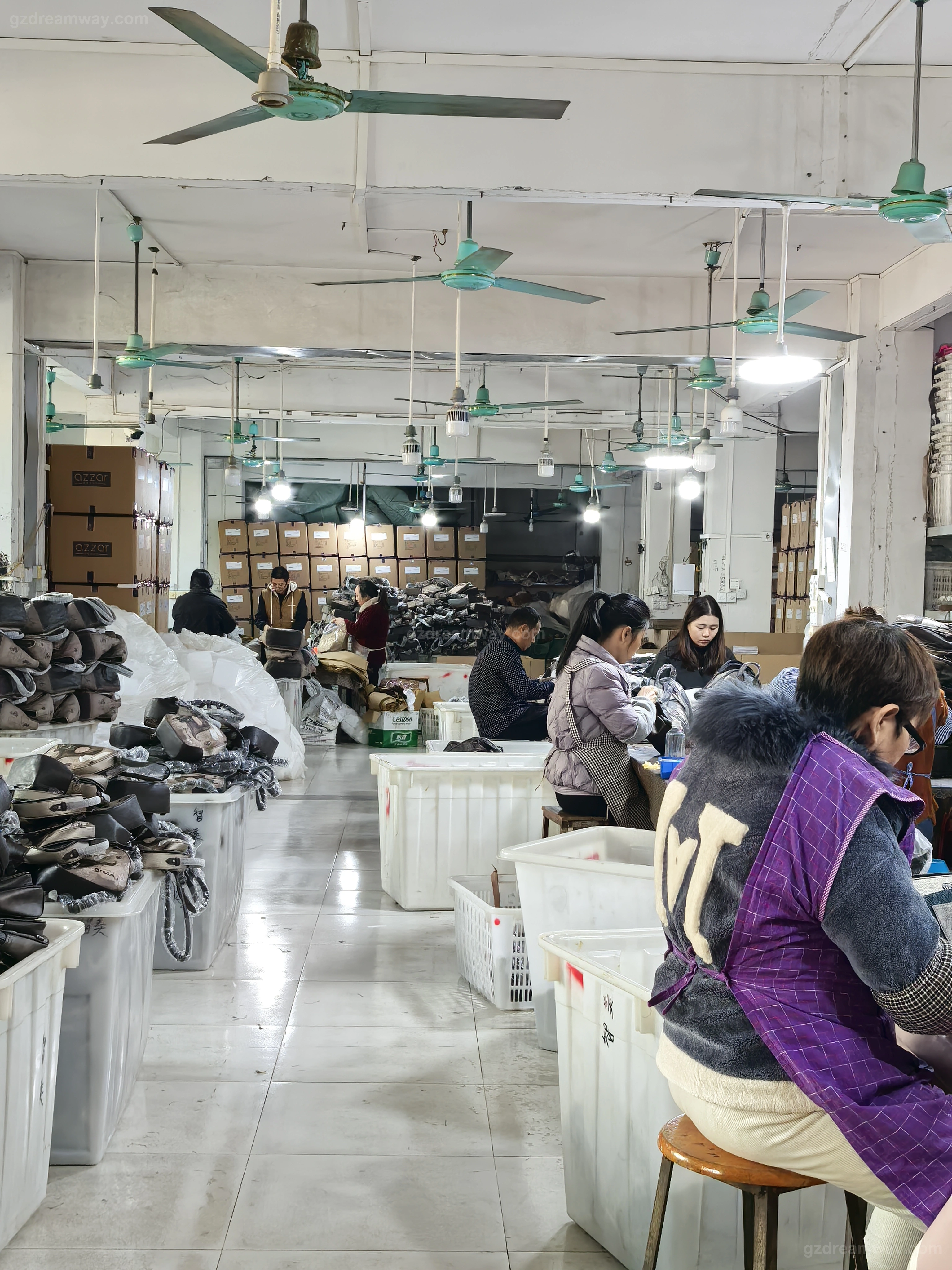
Cutting, stitching, and assembly at our manufacturing process — two shifts across cutting, sewing, and edge paint lines. Inline QC at 30% and 70% completion.
QC & Shipment
12-point final QC inspection using our leather bag quality control checklist, individual polybag packing, FOB shipment from Guangzhou.
7 Red Flags & Your 4-Week Action Plan
Two parts. First, the red flags. Second, the action plan you should run after you pick a model.
10.1 Seven Factory Red Flags (Walk Away If You See These)
- No factory audit invitation — Reputable factories welcome video walk-throughs. Use our top leather bag manufacturers list to calibrate what “good” looks like.
- “We can do 50-piece MOQ for OEM” with no premium — true OEM below 100 pieces almost always carries a 20–30% per-unit premium. No premium is a sign the numbers are not real.
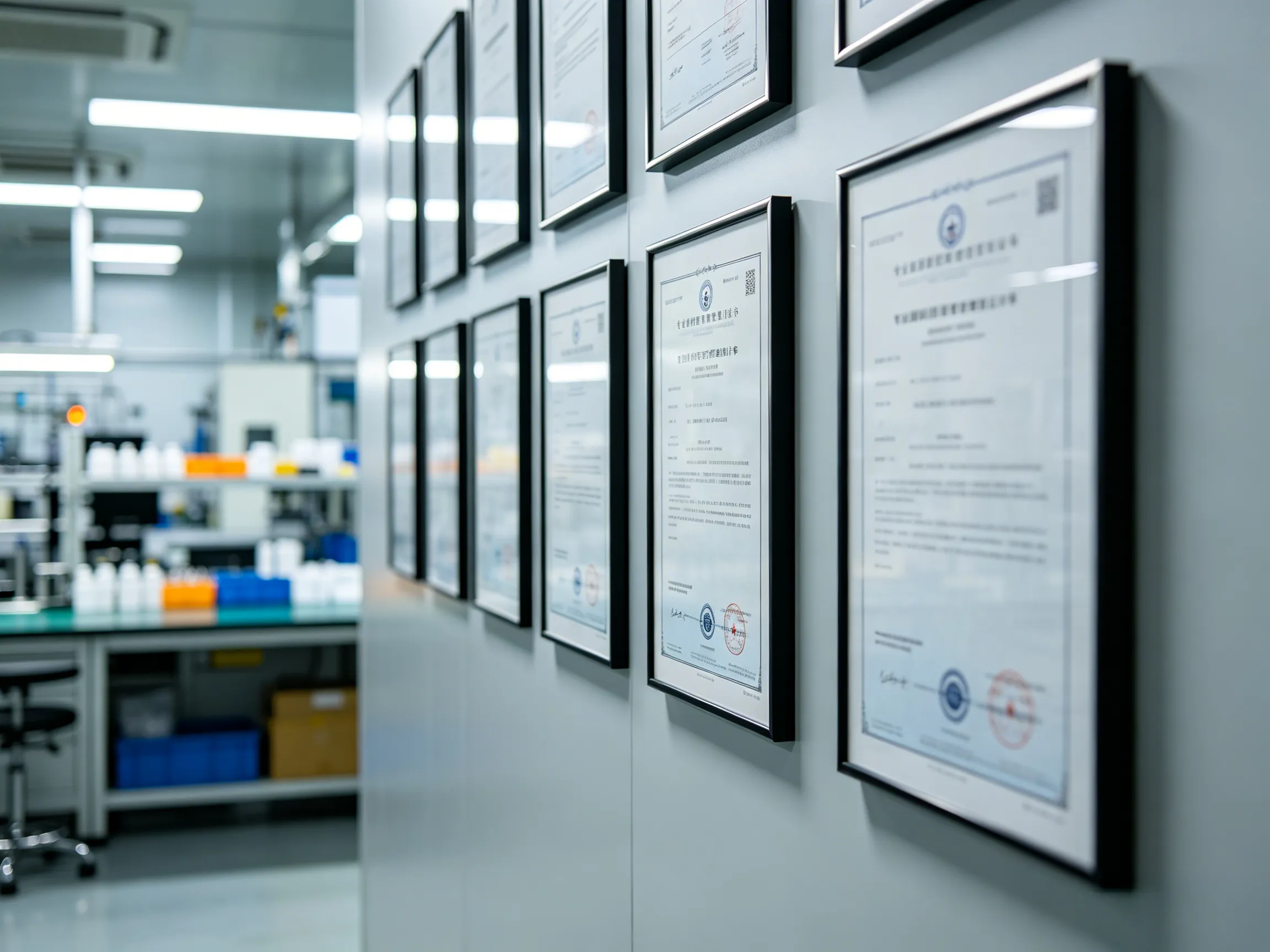
- Refuses to share material certificates — REACH, Prop 65, leather traceability. If they cannot produce these in 24 hours, the certificates do not exist.
- Sample fee non-refundable forever — industry standard is sample fee refunded against a 2–3× MOQ PO. “Forever non-refundable” is a cash-flow play, not a quality stance.
- 100% T/T in advance — 30/70 T/T or L/C is the standard for OEM. See our payment terms guide for what is actually normal.
- No IP or NDA discussion before sampling — if the conversation about IP is being avoided, your design is at risk.
- No clear sample retention or tooling ownership clause in the quote — vague on ownership usually means the factory reserves it for themselves.
10.2 Your 4-Week Action Plan (Once the Model Is Picked)
| Week | Action | Output |
|---|---|---|
| Week 1 | Lock the tech pack or reference images. Define MOQ and target price. Get the brand team aligned. | Internal brief |
| Week 2 | Shortlist 3–5 factories. Request written quotes with payment terms and lead times. | Quote matrix |
| Week 3 | Run a remote factory audit. Sign NDA + IP clause. Pick the supplier. | Approved supplier |
| Week 4 | Pay the sample deposit. Align on timeline. Freeze material and hardware spec. | PO ready |
FAQ — The Six Questions We Get Every Week
These are real questions, paraphrased from buyer calls. We have included the answer we give in the meeting, not the marketing version.
What is the main difference between OEM and ODM in leather bag manufacturing?
OEM means you own the design — the factory builds to your tech pack. ODM means the factory owns the base design and you customise within it. OEM is slower and more expensive but gives full IP control. ODM is faster and cheaper but limits differentiation.
A small MOQ leather handbag factory in China like ours can support both paths with flexible volume options — and yes, we have run hybrid OEM/ODM programs where the brand owns the artwork but the factory supplies the pattern base.
Can a small brand use OEM with low MOQ?
Yes. A small MOQ leather handbag factory in China can run 50–100 piece OEM pilots, often with a 20–30% per-unit premium. The trade-off is unit cost vs design freedom. If you are testing a new style before committing to a 500-piece run, this is often the right call.
Is private label really cheaper than OEM?
At the same volume, yes — typically 40–55% cheaper on unit cost. The savings come from skipped tooling, no fresh pattern making, and minimal customisation. For the material science behind the cost-saving options, see water-based PU vs recycled PU or whether recycled PU leather is safe.
How do I protect my design if I use ODM?
Three things, in writing. First, negotiate mould exclusivity in the contract (typically $800–$2,500 per style). Second, sign an NDA. Third, add a 12–24 month non-compete clause for your market. Get all of this on paper before paying the sample fee. Our private label guide covers the full IP framework in more detail.
Which model is right for a startup handbag brand?
Most startups start with private label to validate the market, then shift to ODM once they hit $50K–$100K in revenue, and finally move to OEM once a hero SKU emerges. The risk-cost trade-off changes at each stage, and the timing depends less on the brand’s age and more on repeat purchase rate. See our sample development process for a full timeline breakdown.
How long does OEM really take from idea to first shipment?
Realistically 14–22 weeks: 4–6 weeks for the leather bag sample development process, 8–12 weeks for bulk production, 2–4 weeks for QC and shipping. Private label can be as fast as 25–40 days from PO if the design is already in the factory’s catalogue.
Get Your Custom Manufacturing Plan
Send us your bag type, target quantity, and which model (OEM / ODM / private label) you are leaning toward. We will come back within 48 hours with a feasibility note, a realistic sample-cost range, and a clear list of next steps. No sales chase.

If you are still in research mode, our custom tote bags FAQ and how to choose a reliable tote bag factory guides cover the most common follow-up questions — the framework is the same whether you are sourcing totes or handbags.
About GZDreamway Manufacturing
GZDreamway is a professional handbag and silk product manufacturer based in Guangzhou, China. We sit in the Shiling Town leather bag industrial hub of Huadu District — the heart of China’s leather goods manufacturing cluster — and we have been serving global brands since 2008.
Our quality standards are built on rigorous inspection at every production node. Read more on our leather bag quality control checklist page — it is the same checklist our QC supervisors use on every shipment.
Disclaimer: The cost figures, lead times, and MOQ ranges referenced in this article are based on typical scenarios from our manufacturing operations since 2008. Actual figures will vary depending on material specifications, design complexity, order volume, and market conditions. All pricing is quoted in USD and subject to a final written quotation. GZDreamway reserves the right to update figures as market conditions change. This article is for informational purposes only and does not constitute a binding offer or contract.
Guangzhou Huadu Shilong Town — Premium Bag & Silk Product Manufacturer
Bags MOQ: 200 pcs | Silk Products MOQ: 50 pcs
Serving 50+ Countries Worldwide | 30+ Skilled Employees
Location
Guangzhou, China
Factory DirectScan the QR code to connect with Victoria

Editorial Resources for Leather Bag Manufacturing & Sourcing
For buyers, designers, and category managers evaluating private label leather handbag programs, our editorial team in Guangzhou has compiled reference material covering material science, REACH and Prop 65 documentation, production workflow, factory audit criteria, and unit cost modeling. Begin with the leather bag manufacturing topic cluster category page or browse a section below.
Topic Cluster
1 guideVisit our leather bag manufacturing topic cluster category page for an editorial index of private label program overviews, supplier comparison studies, material sourcing guides, and production workflow references curated for global leather bag buyers.
Materials & Sustainability
5 resourcesUnderstand why water based PU leather has become a preferred coating for sustainable handbag programs, with notes on its solvent-free application, softer tactile feel, lower VOC emissions, and compatibility with premium bag collections.
Review our side-by-side comparison of water based PU versus recycled PU characteristics covering tensile strength, aging performance, surface feel, environmental footprint, and price stability for sustainable bag sourcing.
Discover the future of vegan leather alternatives including pineapple leaf fiber, cactus pulp, mushroom mycelium, and apple skin composite materials suitable for plant based bag collections.
Read our safety analysis on whether recycled PU leather is toxic, covering chemical leaching risks, heavy metal content thresholds, certified eco label verification, and buyer checklist for compliance.
Partner with our sustainable leather handbag manufacturer offering eco certified leather sourcing, vegetable tanning options, recycled metal components, and traceability reporting for environmentally conscious collections.
Compliance & Trade
3 resourcesNavigate our REACH and California Prop 65 compliance roadmap for handbags, covering restricted substance lists, accredited laboratory testing protocols, and certification documentation required across US and EU markets.
Reference our complete HS code guide for handbags totes and pouches with tariff classifications, duty rate summaries, and customs documentation notes for major destination markets worldwide.
Apply our factory audit checklist for remote supplier vetting covering production capacity verification, working condition reviews, export documentation sampling, and quality management system confirmation steps.
Production & Craftsmanship
5 resourcesFollow our how to create a handbag tech pack template specifications covering dimension callouts, material references, hardware notes, tolerance definitions, and QC checkpoints that bridge designers with factory production teams.
Study our deep dive into bag hardware selection covering zipper pull strength ratings, metal tag plating thickness standards, slider fatigue testing procedures, and plating adhesion validation for premium bag construction.
Walk through our complete leather handbag manufacturing process covering material preparation, panel cutting, machine stitching, edge painting, sub-assembly, final assembly, and inline quality inspection stages at a modern factory.
Follow our leather bag sample development process timeline covering pattern drafting, hardware confirmation, material swatches, sample revision rounds, and sign-off milestones for new handbag designs.
Explore our Guangzhou leather bag manufacturing cluster overview covering regional supplier networks, skilled artisan availability, raw material sourcing hubs, and consolidated export logistics advantages for global importers.
Quality & Pricing
4 resourcesApply our leather bag quality control checklist covering stitching tolerance ranges, hardware fatigue testing, color fastness verification, lining inspection, and final packaging audits before any shipment leaves the factory floor.
Identify the seven factors that affect custom handbag unit costs including material grade, hardware selection, lining fabric, surface finish, order quantity, packaging complexity, and one-time tooling investment for accurate budget planning.
Review our handbag factory payment terms guide covering T/T and L/C settlement schedules, deposit ratio benchmarks, milestone payment structures, and sample fee refund policies for first time importers working with Asian suppliers.
Examine our handbag manufacturing cost structure breakdown covering labor versus material percentages, hidden overhead allocations, factory markup logic, and benchmark figures used for accurate cost modeling and quotation comparison.
OEM & Private Label Programs
7 resourcesPartner with our genuine leather handbag manufacturer in China offering OEM, ODM, and private label production with full grain, top grain, and split leather options, plus finished hardware sourcing from certified vendors.
Launch private label programs with our private label leather handbag manufacturer offering custom logo embossing, branded packaging, woven care labels, hangtag production, and flexible minimum order quantities for emerging brands.
Collaborate with our custom luxury leather handbag manufacturer offering handcrafted construction techniques, premium material selection, structured silhouette engineering, and limited edition production runs for designer label collaborations.
Source from our small MOQ leather handbag factory in China accepting limited production volumes, offering rapid sample turnarounds and shared material library access for boutique collections and startup brands.
Choose our low MOQ leather bag manufacturer for flexible order quantities, shared tooling programs, and rapid sampling services designed specifically for new brands entering the leather goods market.
Read our top ten leather bag manufacturers in China comparison covering factory scale, specialization areas, export experience, certification status, lead time benchmarks, and minimum order quantity ranges.
Compare OEM versus ODM versus private label leather bag partnerships with our decision framework covering design control boundaries, ownership of intellectual property, margin structures, and operational fit for different brand stages.
Product Categories
7 resourcesReview our luxury tote bag factory for premium brands capabilities covering reinforced handle stitching, structured baseboard inserts, edge paint finishing, and PU plus full grain leather construction options tailored for high end partners.
Reference our how to custom leather belts specifications covering strap dimensions, buckle compatibility, edge finishing options, lining preferences, embossing services, and retail ready packaging methods for boutique buyers.
Read our how to design custom cosmetic bags for beauty brands guide covering size breakdowns, lining preferences, closure mechanisms, branding techniques, gift packaging presentation, and shelf ready merchandising considerations.
Order from our custom leather tote bag manufacturer offering reinforced stitching patterns, structured silhouette options, custom hardware integration, and refined finishing techniques for wholesale tote programs.
Source from our leather cosmetic bag manufacturer offering compact case construction, washable interior linings, custom zipper pulls, and decoration services for skincare, fragrance, and cosmetics brand collaborations.
Partner with our leather crossbody bag manufacturer offering adjustable strap engineering, lightweight frame construction, integrated security features, and custom hardware for crossbody production programs.
Order from our custom leather wallet manufacturer offering billfold, cardholder, coin purse, and passport holder constructions with optional RFID blocking lining, custom embossing services, and presentation packaging.
Buyer Resources
2 resourcesRead our FAQ for leather handbag manufacturing process addressing sample production lead times, bulk production schedules, international shipping options, payment milestone expectations, and quality control procedures.
Apply our how to choose leather handbag manufacturer checklist covering factory experience, communication responsiveness, social audit certifications, sample quality evaluation, and past project reference verification for new buyers.
Compiled by the Guangzhou Dreamway editorial team. All links open internal editorial resources maintained for buyer reference.