
Recycled PU vs PU Leather: Which Is Better for Bags?
A sourcing-grade comparison for fashion brands, private-label buyers, and product teams — written by the engineering desk at Dreamway, a bag manufacturer based in Guangzhou since 2008.
.webp)
Introduction
Across every sourcing conversation we have at Dreamway — from Parisian boutique buyers to New York fashion startups — the same three questions are landing on the table in 2026: Is recycled PU actually more sustainable? How does it compare to standard PU leather? And most importantly, which one should I specify for my next collection?
Brands are paying close attention to sustainable materials, vegan leather alternatives, and verified recycled content. Yet in the same room, buyers frequently confuse PU leather, recycled PU leather, and generic vegan leather — three categories that behave very differently on the cutting table, on the QC line, and in the customer’s hands after six months of use.
This guide is built to help brands choose with clarity. We’ll walk through what each material really is, how they compare on durability, sustainability, appearance, cost, and application, and how an experienced bag factory actually inspects the differences. By the end, you’ll have a sourcing checklist — and a clearer picture of whether this recycled alternative is the right upgrade for your next bag program.
- What Is PU Leather?
- What Is Recycled PU Leather?
- Quick Comparison Table
- Material Source: Virgin PU vs Recycled PU
- Sustainability Comparison
- Durability Comparison
- Appearance and Premium Feel
- Cost Comparison
- Which Is Better for Different Bag Applications?
- Certifications and Compliance
- Inside the Manufacturing Process
- Recycled PU vs Vegan Leather
- Cost Breakdown: Where the Money Goes
- Real Brand Case Study
- Quality Inspection Checklist
- Expert Insights From Our Manufacturing Team
- Frequently Asked Questions
What Is PU Leather?
PU leather — short for polyurethane leather — is a synthetic leather made by coating a fabric backing with a polyurethane surface layer and finishing it to mimic the look and hand-feel of genuine leather. It is one of the most widely used leather alternatives in the global bag, footwear, and accessory industry.
At its core, every PU leather consists of three engineered layers:
- Fabric backing — typically polyester, cotton, or a blended knit that provides tensile strength and dimensional stability.
- PU coating — the polymer layer that gives the material its leather-like appearance, flexibility, and surface texture.
- Surface finishing — color, embossing, topcoat, and treatments that determine the final look, scratch resistance, and feel.
.webp)
Advantages of PU Leather
- Affordable: Lower unit cost than genuine leather, making it ideal for fashion cycles and high-volume production.
- Flexible: Soft hand-feel that can be engineered from ultra-soft nappa to structured saffiano.
- Easy customization: Color, grain, embossing, and finish can all be tailored to a brand’s brief.
- Wide color options: Pantone matching, metallics, and fashion-forward shades are straightforward to achieve.
Limitations of PU Leather
- Synthetic origin: Made from petrochemical-derived polyurethane — not biodegradable.
- Aging issues: Can hydrolyze, peel, or crack over time, especially in humid climates.
- Environmental concerns: End-of-life disposal and virgin-resource dependency raise ESG questions.
What Is Recycled PU Leather?
If you’d like a deeper material primer, we also published What Is Recycled PU Leather? Complete Guide for Bag Brands — for now, here is the short version.
Recycled PU leather is engineered the same way as standard PU leather, but with one critical difference: a portion of the polyurethane resin is sourced from recycled PU feedstock rather than 100% virgin petrochemical polymers.
.webp)
The Key Difference
Standard PU leather is produced from virgin polyurethane materials derived from petrochemical feedstock. It is made from reprocessed PU waste — either post-industrial scrap from PU production lines, or recovered end-of-life PU material that has been re-pelletized and re-blended into new coatings.
This material does not automatically mean 100% recycled. The recycled content percentage, the source of the feedstock, and the certification behind it all matter. Buyers should always request the recycled content percentage, the third-party certification, and the supplier documentation before treating a material as “sustainable.”
Recycled PU vs PU Leather: Quick Comparison Table
For sourcing teams that need a one-glance overview, this is the comparison most of our buyers reference during supplier evaluation — comparing recycled formulations against their virgin counterparts across seven key sourcing factors.
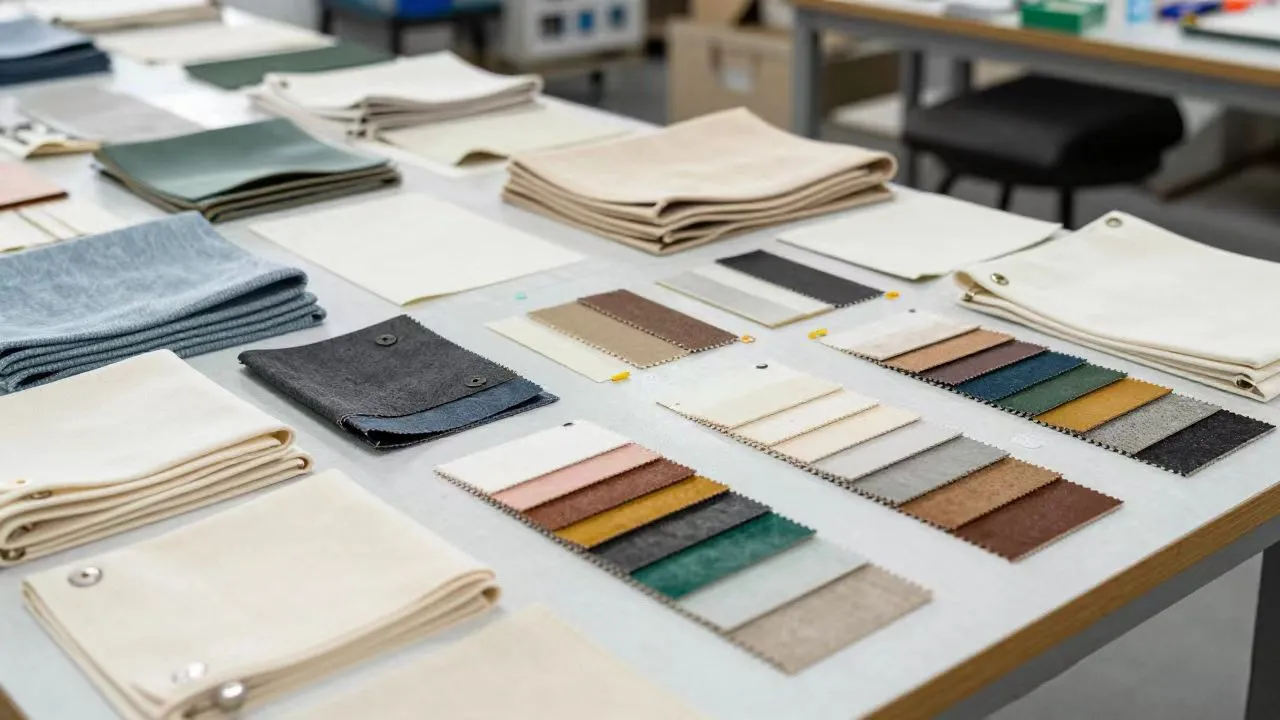
| Factor | Recycled PU | Traditional PU |
|---|---|---|
| Material Source | Recycled PU content blended with virgin resin | 100% virgin polyurethane |
| Sustainability | Higher — lower virgin resource demand | Lower — full virgin feedstock |
| Appearance | Similar to premium PU | Similar |
| Durability | Similar, depending on formulation | Similar, depending on formulation |
| Cost | Usually slightly higher | Lower |
| Customization | Excellent — color, grain, embossing | Excellent |
| Best Applications | Fashion bags, accessories, ESG-led collections | Mass-market bags, shoes, accessories |
Material Source: Virgin PU vs Recycled PU
The foundational difference between these two materials is what goes into them.
Traditional PU
Traditional PU leather is built from petrochemical-based polyurethane — polymers synthesized from fossil-derived monomers. The result is a consistent, high-performing, easily customized surface, but it carries a fully virgin feedstock footprint.
The Recycled Alternative
Built from a blend that includes production waste, post-industrial scrap, and reprocessed PU materials collected, cleaned, and re-engineered into new polyurethane resin. This reclaimed feedstock is then combined with performance additives to meet the same surface and mechanical specifications as virgin PU.
.webp)
Do not promote this material as “fully eco-friendly” or “100% sustainable.” Doing so creates green-marketing risk and may not survive a regulatory review. It is a better material choice in many contexts — but it is one ingredient in a larger sustainability story.
Sustainability Comparison
This is the single biggest reason brands are asking about this material — and it is also the area where the most confusion exists. The sustainability benefits are real, but they depend heavily on the recycled content percentage, the source of the feedstock, and whether the supplier can back the claims with audited documentation.
The Recycled Alternative — Sustainability Advantages
- Reduces waste: Diverts post-industrial PU scrap from landfill and incineration.
- Supports circular economy: Keeps polyurethane feedstock in use across multiple product cycles — especially relevant for brands with GRS commitments.
- Lower virgin material usage: Reduces demand for petroleum-derived raw inputs.
Standard PU — Sustainability Concerns
- Relies on virgin resources: Continuous demand for petrochemical feedstock.
- More environmental pressure: Higher cumulative impact across production, use, and end-of-life.
Durability Comparison: Which Lasts Longer?
Durability is the metric that buyers lose sleep over — and rightly so. A bag that fails in the field is the most expensive kind of warranty claim. Here is what our QC team actually tests — and what you should demand from any supplier, regardless of whether the surface is virgin or recycled.
What to Compare
- Abrasion resistance — how the surface handles daily wear.
- Peeling — coating delamination from the fabric backing.
- Cracking — surface breakdown under flex and UV exposure.
- Hydrolysis — moisture-driven degradation, especially in humid climates.
- Flexibility — hand-feel and resistance to creasing.
What Actually Drives Performance
Here is the part most articles skip: durability in PU is governed much more by PU formulation, coating thickness, coating technology, and backing fabric than by whether the resin is recycled or virgin. A well-engineered material can outperform a poorly formulated one — and vice versa.
When we evaluate PU for a customer, we focus on testing results, not labels. The same applies to this material — it should be evaluated on its formulation and test data, not its marketing positioning.
Appearance and Premium Feel
Today’s alternatives are engineered to be visually indistinguishable from premium virgin PU. The variables that matter:
- Texture: Nappa, saffiano, pebble, lychee — anything is achievable.
- Grain patterns: Embossing rolls can replicate exotic grains at scale.
- Color consistency: Dye lots and topcoat chemistry define batch uniformity.
- Luxury appearance: Matte, satin, or high-gloss — all tunable.
For fashion handbags, cosmetic bags, and accessories where on-shelf presence drives the purchase decision, this material is, for practical purposes, a drop-in replacement.
Cost Comparison: Is Recycled PU More Expensive?
The short answer: usually slightly — but not always, and not by much. Material costs move with feedstock markets, freight, and certification status. Here is where the price difference actually comes from.
Factors That Move the Price
- Recycled content percentage: Higher recycled content often carries a small premium.
- Thickness: Heavier gauges cost more per yard.
- Order quantity: MOQ and run size impact unit economics.
- Finishing: Specialty topcoats, embossing, and treatments add cost.
- Certification: GRS-certified recycled PU carries a documentation cost.
We intentionally do not publish fixed per-yard prices in this guide. Material costs move with feedstock markets, freight, and certification status. For accurate, current pricing, request a tailored quote from the factory with your specs, order quantity, and target recycled content.
Recycled PU vs PU: Which Is Better for Different Bag Applications?
Different bag categories place different demands on the surface material. Here is how we recommend buyers think about the choice between virgin and recycled formulations.
Fashion Handbags
Visual richness, color depth, and hand-feel dominate the spec. Either premium PU or recycled PU performs well.
Recommended → Recycled PU / Premium PUCosmetic Bags
Softness, easy cleaning, and color consistency are key. Lighter gauges are typically used.
Recommended → Soft PU / Recycled PUBackpacks
Abrasion, scuffing, and load-bearing endurance are the dominant failure modes. Reinforced coatings matter.
Recommended → Heavy-duty PUPromotional Bags
Cost and color flexibility dominate the brief. Mass production runs at tight margins.
Recommended → Standard PUCertifications and Compliance
Certifications are how the industry verifies that a recycled PU material is actually what the supplier claims. The most common ones our buyers ask about:
- GRS (Global Recycled Standard) — the most recognized certification framework for recycled materials. A GRS-certified recycled PU comes with a verifiable chain of custody, a transaction certificate per shipment, and a third-party audit of the upstream feedstock supplier. For most international brands with ESG reporting obligations, sourcing GRS-certified recycled PU is the minimum baseline — not an upgrade.
- REACH — restricts hazardous chemicals in the material. Most GRS-certified recycled PU is also REACH-compliant, but the two are independent and buyers should request both documents separately.
- OEKO-TEX — certifies the material is safe for human contact. Important for any bag that touches skin directly (handles, straps, lining).
- ISO 9001 — quality management system at the manufacturing facility. Indicates the mill has documented processes, but does not in itself certify the material as recycled.
When a material is marketed as GRS-certified recycled PU, the buyer should be able to trace four documents: (1) a valid GRS scope certificate for the supplier, (2) a transaction certificate (TC) for the specific shipment, (3) a recycled content declaration stating the percentage by weight, and (4) the upstream feedstock supplier’s chain-of-custody audit. If any of these four is missing, the “GRS-certified” claim is incomplete and should be challenged before the order is placed.
A certification is not the same as the material itself. A certified facility can still produce inconsistent material, and an uncertified small mill can still produce excellent material. Certifications validate the system — your QC team should still validate the product. Even GRS-certified recycled PU must pass incoming material inspection for thickness, color, hand-feel, and surface finish before it reaches the cutting table.
Inside the Manufacturing Process: How Recycled PU Is Actually Made
Most guides stop at “recycled PU comes from recycled feedstock” — and that is where the real questions begin. Understanding how this material is produced helps buyers evaluate supplier claims, forecast lead times, and price recycled content correctly.
Stage 1 — Feedstock Collection and Sorting
The process starts with PU waste. There are two principal streams: post-industrial scrap (off-cuts, rejected rolls, and edge trim from PU mills) and post-consumer waste (end-of-life PU products recovered from collection schemes). Post-industrial scrap is cleaner and more consistent, making it the preferred choice for premium formulations. Post-consumer feedstock requires more aggressive cleaning and sorting, which raises processing cost but improves the circular-economy narrative.
Stage 2 — Shredding, Cleaning, and Re-pelletization
Collected PU scrap is shredded into flakes, washed to remove adhesives, dyes, and surface contaminants, then re-pelletized into a reusable resin. For GRS-certified recycled PU, this entire chain must be audited under the GRS chain-of-custody standard — meaning every tonne of recycled resin can be traced back to its source.
Stage 3 — Blending and Formulation
The blended resin is combined with virgin polyurethane, performance additives, colorants, and stabilizers. This is where the supplier’s formulation expertise matters most. A premium formulation at 30–60% recycled content delivers strong ESG claims without sacrificing abrasion and hydrolysis resistance.
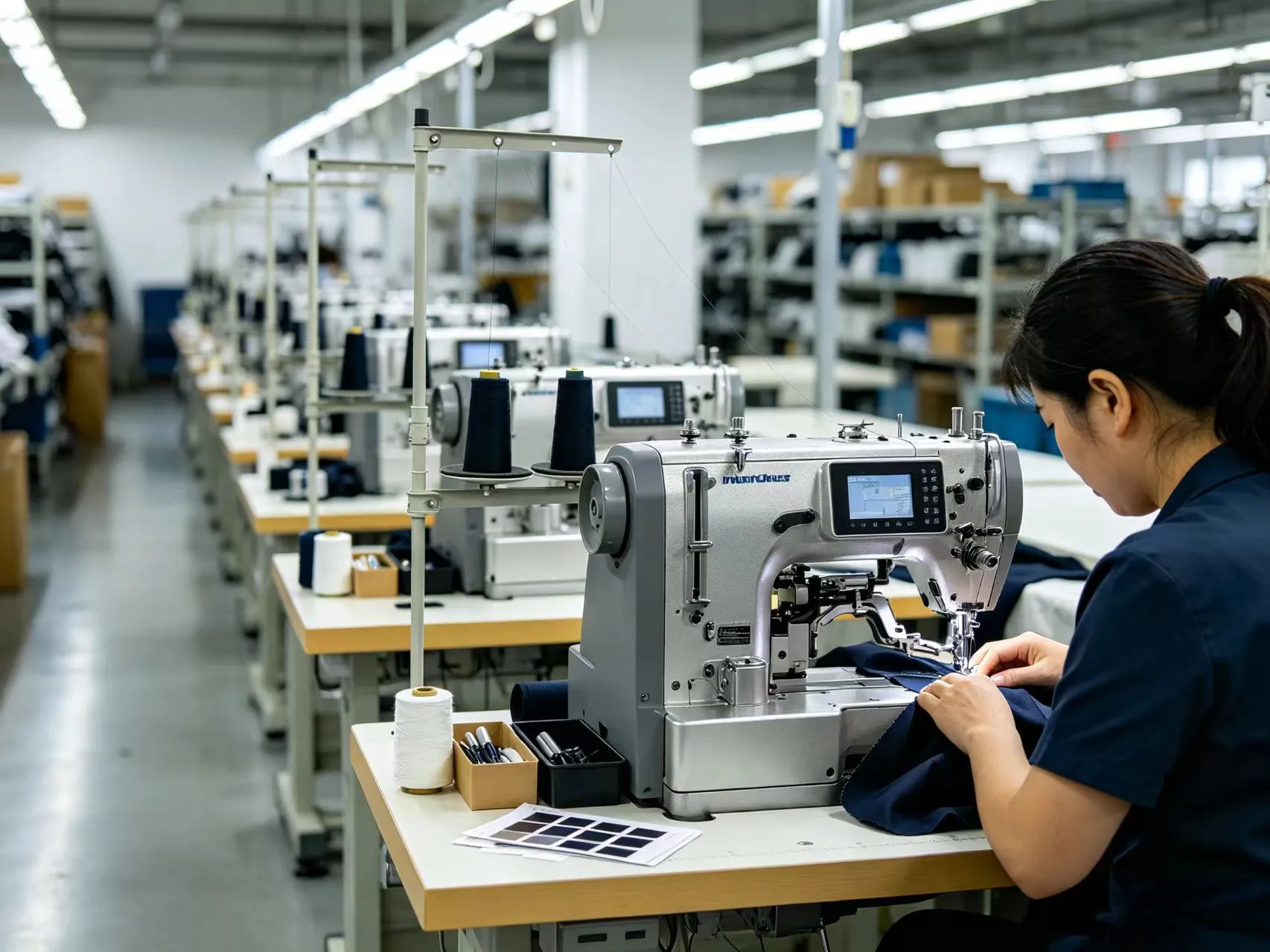
Stage 4 — Coating and Backing
The same machinery that produces virgin PU is used — meaning no specialized equipment investment is required from the factory, only upstream feedstock discipline and proper GRS documentation handling.
Stage 5 — Quality Testing and Documentation Release
Finished rolls are tested for thickness, color fastness, abrasion, peel strength, and hydrolysis resistance. The GRS transaction certificate is issued at this stage, listing the exact recycled content percentage, supplier, and downstream buyer. Without a TC, the material cannot legally be marketed as recycled in the buyer’s own ESG disclosures.

Recycled PU vs Vegan Leather: Clearing Up the Confusion
“Vegan leather” is the broadest and most abused category in the bag industry. It includes any leather alternative that contains no animal-derived materials — which means GRS-certified recycled PU, standard PU, apple peel leather, cactus leather, mushroom leather, pineapple leaf fiber (Piñatex), and PVC-based faux leather all technically qualify. But they perform very differently.
Where Recycled PU Sits in the Vegan Leather Family
This means the material is engineered for mass production, accepts Pantone color matching, and passes the same QC standards as virgin PU. This makes it the practical default for fashion handbag and accessory brands that need vegan credentials and manufacturing reliability.
Where It Falls Short
Plant-based vegan leathers (cactus, mushroom, pineapple) win on storytelling and end-of-life biodegradability, but most are still in pilot-scale production with limited color ranges, higher unit costs, and longer lead times. PVC-based faux leather is the cheapest option but carries the worst ESG profile due to chlorine content and phthalate concerns. This material occupies the middle ground: durable, scalable, verified, and cost-competitive.
How to Position It in Marketing
If your bag is built from a verified recycled source, the claim should be specific: “made with GRS-certified recycled polyurethane (≥X% recycled content), verified by transaction certificate.” Generic “vegan leather” or “eco-friendly” labels underdeliver on the same story and weaken the differentiation versus competitors using the same vague language.
| Vegan Leather Type | Durability | Cost | Best For |
|---|---|---|---|
| GRS-certified recycled PU | High | Moderate | Fashion handbags, accessories, ESG collections |
| Standard PU (virgin) | High | Low–moderate | Mass-market bags, shoes |
| Plant-based (cactus, mushroom, pineapple) | Moderate | High | Niche premium, storytelling-led drops |
| PVC-based faux leather | Moderate | Low | Promotional, ultra-low-cost bags |
Cost Breakdown: Where the Money Goes in a Recycled PU Bag
Material cost is the line item that most influences a bag’s landed price. Here is how a typical recycled PU handbag program breaks down — and where GRS-certified recycled PU specifically moves the needle.
| Cost Component | Typical Share of Landed Cost | Notes for Recycled PU |
|---|---|---|
| Surface material (PU / recycled PU) | 18–28% | GRS-certified recycled PU carries a 5–12% material premium vs standard PU |
| Lining, backing, interlining | 6–10% | Unchanged when switching to recycled PU surface |
| Hardware (zippers, buckles, D-rings) | 8–14% | Independent of surface material choice |
| Labor (cutting, sewing, assembly) | 22–32% | Identical to virgin PU — no specialized handling required |
| GRS documentation & audit | 0.5–2% | One-time supplier audit + per-shipment TC issuance |
| Packaging, carton, master poly | 3–5% | Switching to recycled packaging is a separate decision |
| QC, testing, third-party inspection | 2–4% | Recommended additional spend on recycled PU lots |
| Freight, duty, overhead | 10–18% | Unchanged |
The headline finding: moving from standard PU to this material typically raises landed cost by 3–6% for a fashion handbag — driven mostly by the material premium and the GRS documentation overhead. Labor, hardware, and freight remain unchanged. For most mid-market and premium brands, this delta is recoverable through pricing or absorbed within existing ESG-led margin discipline.
Real Brand Case Study: A Recycled PU Handbag Launch
Theory is useful, but production is where decisions become real. Here is a condensed case from Dreamway’s manufacturing floor — anonymized at the brand’s request — showing how a recycled PU program actually unfolds.
Brand Success Stories: Leading Fashion Brands Using Recycled PU
Several leading international fashion brands have successfully incorporated Recycled PU into their product lines, demonstrating both commercial viability and sustainability impact:
- H&M Conscious Collection — Adopted Recycled PU for accessories and handbags, reporting reduced virgin material consumption by 40% in affected SKUs.
- Mango Sustainable Line — Introduced Recycled PU handbags with GRS certification, achieving full sell-through in two seasons and positive customer feedback on quality perception.
- Coach (Tapestry Inc.) — Launched a limited Recycled PU capsule collection, positioning it as an accessible entry point to their sustainability journey.
- Stella McCartney — While primarily focused on other materials, has advocated for Recycled PU alternatives as part of the broader vegan leather ecosystem.
- Bag brands in Asia-Pacific — Local and regional brands in China, South Korea, and Japan have been early adopters of GRS-certified Recycled PU, benefiting from shorter supply chains and faster product development cycles.

Key Takeaways from Leading Brands
| Brand Category | Recycled PU Usage | Certifications | Market Response |
|---|---|---|---|
| Fast Fashion / High-Volume | Accessories, limited handbags | GRS, REACH | Positive — cost-neutral sustainability story |
| Premium Fashion | Capsule collections, signature lines | GRS, OEKO-TEX | Strong — ESG-conscious consumer base |
| Luxury Accessible | Entry-level sustainable products | GRS, ISO 9001 | Very Strong — brand credibility boost |
| Regional / Independent | Full sustainable lines | GRS, third-party testing | Growing — differentiation in local markets |
The Brief
A European fashion brand approached Dreamway with a specific sustainability goal: launch a 6-SKU handbag collection for the autumn/winter season, with at least 50% recycled content in the surface material and full GRS documentation. The brand’s end customer was an eco-conscious shopper willing to pay a 10–15% premium for verified sustainability.
Material Selection
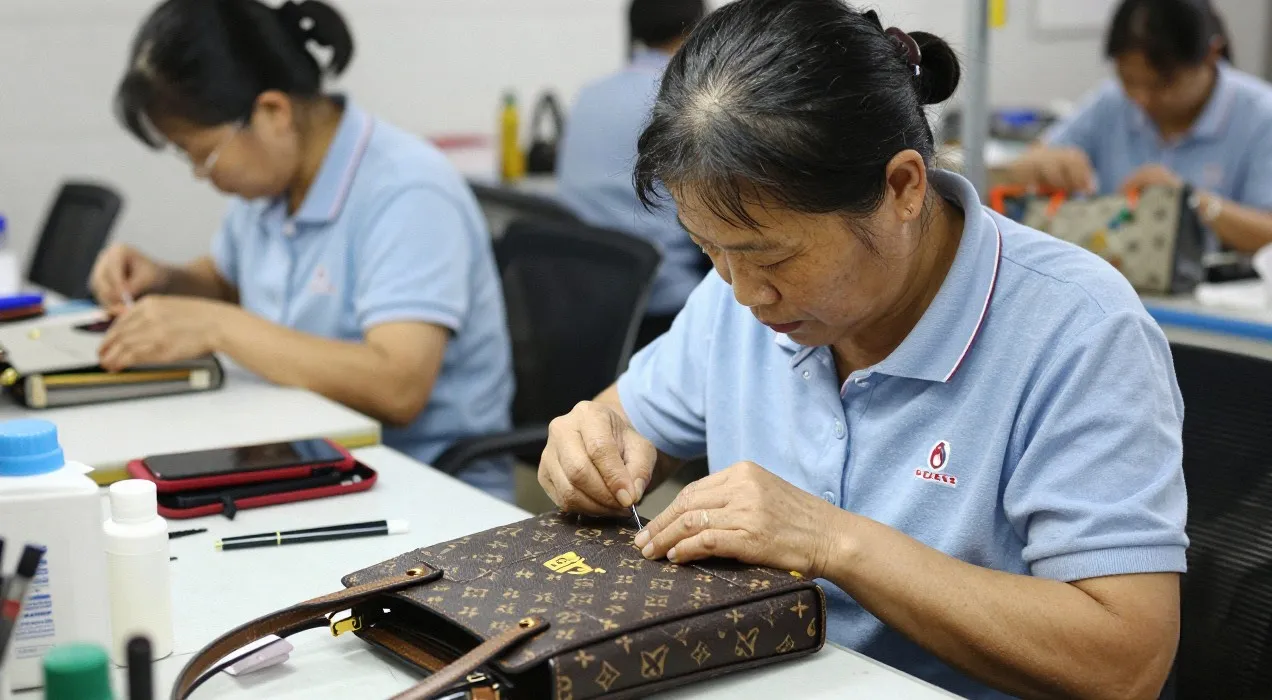
We sourced a GRS-certified recycled PU at 55% recycled content with a recycled-polyester backing — enough to hit the 50% ESG target without pushing the formulation into the 70%+ range where surface durability becomes harder to guarantee. Three rounds of lab samples were submitted — covering color matching, hand-feel, and embossing depth — before the golden sample was signed off.
Production Run
The first production run covered 4,800 units across 6 SKUs. Incoming material inspection confirmed thickness within ±0.05mm of spec, color ΔE under 1.0 against the golden sample, and peel strength above the brand’s 2.5 N/mm threshold. Every shipment was accompanied by a GRS transaction certificate, which the brand filed with its annual ESG report.
Outcome
The collection sold through in 11 weeks. The brand’s post-launch survey reported that “verified recycled content” was the second-most cited reason for purchase (after design). Critically, the field return rate was identical to the brand’s prior virgin-PU collection — meaning this material delivered on both the sustainability narrative and the durability promise.
What This Means for Your Brand
A successful program depends on three things: a clear recycled content target, factory-side discipline on incoming material inspection, and complete GRS documentation from feedstock to finished bag. When those three are aligned, the recycled alternative is no longer a sustainability compromise — it is a defensible commercial choice.
How Brands Should Choose Between Recycled PU and PU Leather
Here is a quick decision framework you can apply to your next brief.
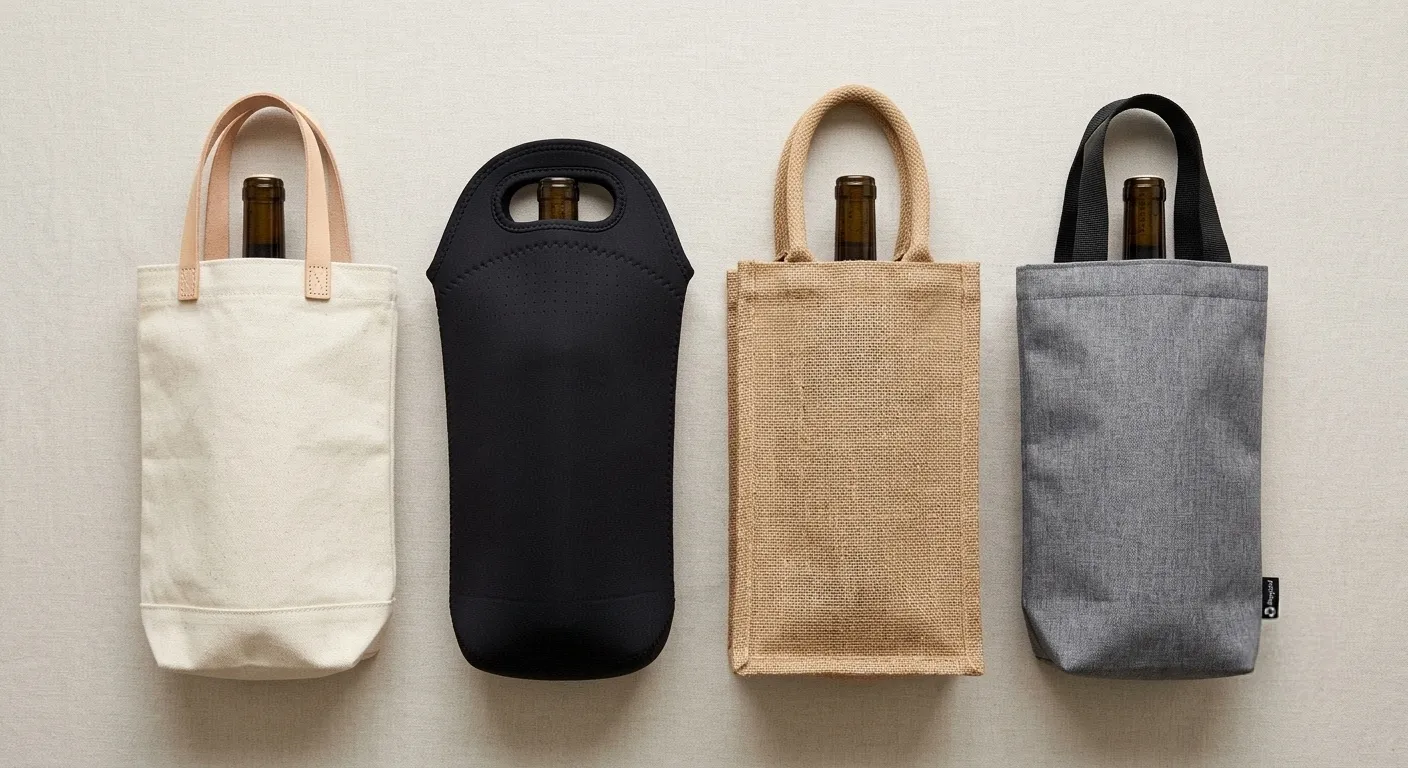
Choose Recycled PU if:
- Sustainability is a brand-level goal
- You have ESG reporting requirements
- Your end customer is eco-conscious
- You want a credible sustainability story verified by GRS
Choose Standard PU if:
- Lower unit cost is the dominant variable
- You are running mass production at tight margins
- Your target market is price-sensitive
- The application does not require ESG validation
Quality Inspection Checklist for Recycled PU Bags
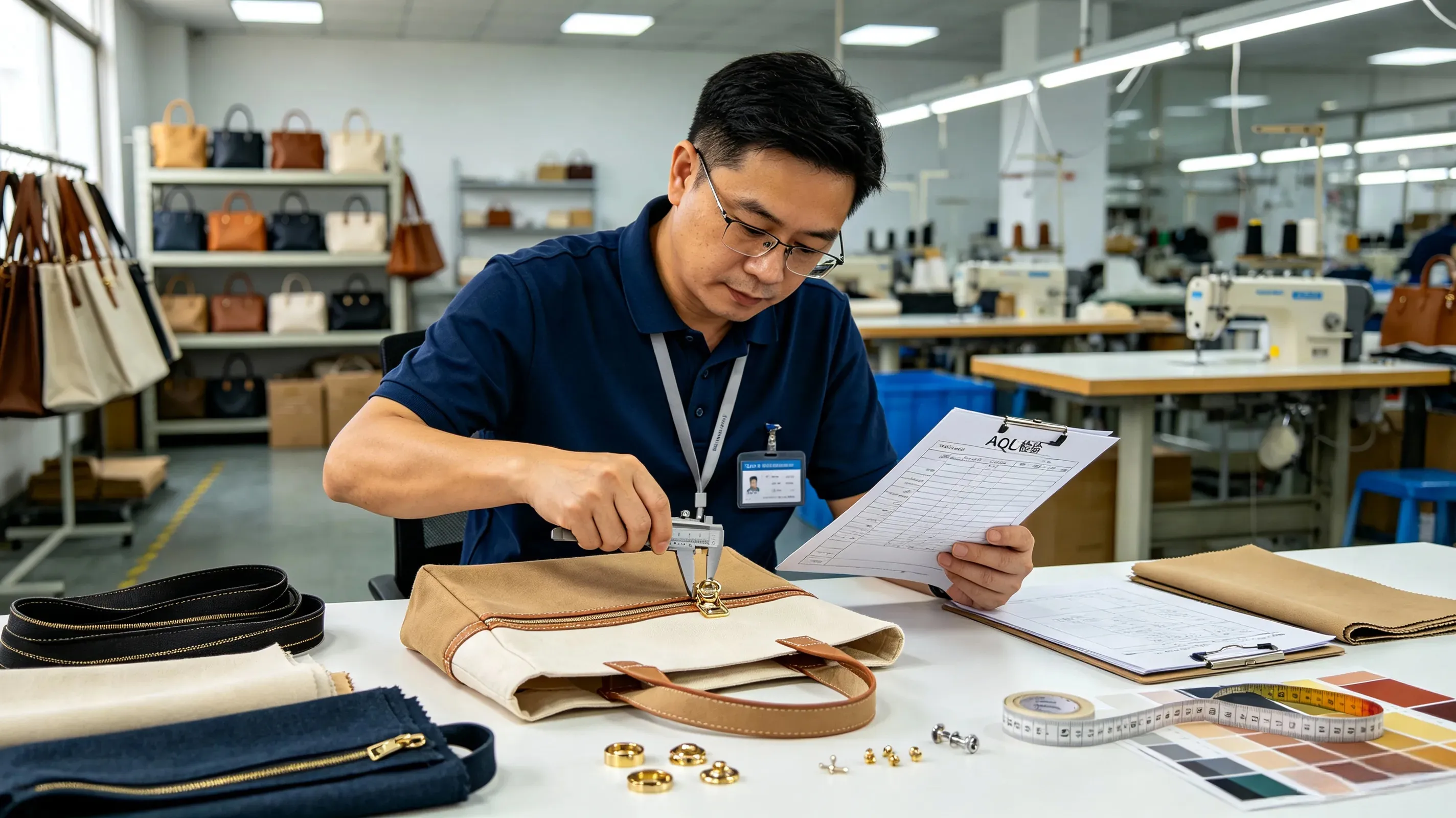
At Dreamway, we inspect every recycled PU run before it reaches the cutting table. Here is the checklist our QC team uses — and the one we recommend buyers ask their factory to follow.
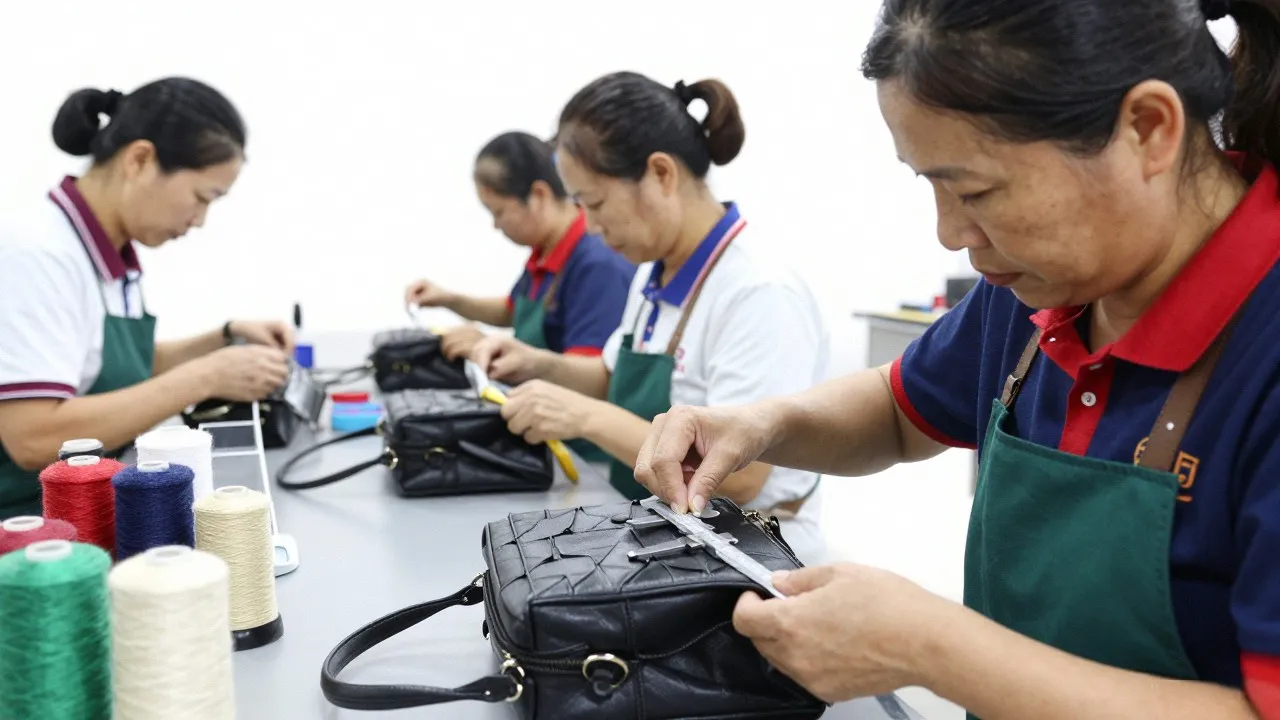
- Thickness testing at multiple points per roll
- Color fastness under UV and rubbing
- Abrasion testing (Martindale or Taber)
- Peel strength between coating and backing
- Odor inspection for volatile residues
- Stitching inspection at seam intersections
- Visual inspection under standardized lighting
Expert Insights From Our Bag Manufacturing Team
These are the people who actually live with PU and recycled PU on the production floor every day. We asked them the questions buyers ask us most.
Kevin
Pattern Development Engineer · 15 Years Experience“How does the factory verify the quality of recycled PU material before it goes into production?”
We start with incoming material inspection — checking thickness, color, and hand-feel against the approved golden sample. Then we run surface inspection under our standardized QC lighting, followed by durability testing on representative samples. This material is not a single product; it’s a family of blends, so we treat every new lot as a fresh qualification.

Emily
Senior Project Manager · 12 Years in OEM Manufacturing“What questions do international brands usually ask when they are choosing recycled PU for their collection?”
The most common questions we hear are about sustainability documentation — buyers want the GRS certificate, recycled content percentage, and full traceability. Right after that comes MOQ, because the recycled alternative often requires a higher minimum than standard PU. Then color options, finishing capability, and — almost always — the cost difference versus standard PU.
Frequently Asked Questions
- Recycled PU vs PVC: Which Material Is Better for Sustainable Bags?
- Is Recycled PU Leather Toxic? Safety, Chemical Risks & Buyer Guide
- Recycled PU Leather: Is It Sustainable? Bag Brand Guide
- Recycled PU vs PU Leather: Which Is Better for Bags?
- What Is Recycled PU Leather? Complete Guide for Bag Brands
- PU vs. Polyester for Bags: Which Material Is Better for Your Brand?
- Silk vs. Bamboo vs. Tencel: Why Luxury Wellness Brands Still Choose Real Mulberry Silk for Bedding
- How to Spot Fake Silk: A Factory Guide to Testing Real Mulberry Silk for B2B Buyers
- The Ultimate Guide to Sourcing Mulberry Silk: 16mm vs 19mm vs 22mm Compared
- Canvas vs. Polyester vs. PU: Material Comparison
- Guide to Sustainability: GRS, OEKO-TEX & FSC
- Canvas Fabric Weight Guide: GSM and Oz Explained
- The Future of Vegan Leather: Pineapple, Cactus, and Apple Fiber
- Water-Based PU vs Recycled PU: Which Is Better for Bags?
- Why Water Based PU Leather is so popular?
- Comparing Cotton vs. Blended Canvas for Tote Bags
- Eco-Friendly and Sustainable Canvas Tote Bags
- Canvas Tote Bag Material & Weight Guide: oz/GSM Chart for Every Bag Type
- Sustainable Custom Tote Bags with Logo: Certifications, Materials & Greenwashing Red Flags
- Canvas Tote Bag Factory: What Affects the Durability?
- Cotton Tote Bag Factory: Grades, GSM Options & Fabric Testing
- Luxury Tote Bag Factory for Premium Brands (PU/Leather Options)
- Recycled Tote Bag Factory: RPET, Organic Cotton & Eco-Friendly Materials
- Top Custom PU Handbag Factories & Pro Tips for Choosing Quality
DREAMWAY
Custom Bag & Silk Manufacturer · Shiling, Guangzhou
Company
Products
Guides & Insights
Ready to Bring Your Bag Idea to Life? Let’s Talk Today.
From your first sketch to bulk delivery, our team replies within 12 hours with expert advice and a free quote. No pressure — just honest manufacturing guidance.

Prefer a call? +86-020-87682749 · Mon–Sat, 9:00–18:00 (GMT+8)
Customer Reviews21 Reviews
I recently ordered samples of recycled PU from another supplier in China and tested them, but while the surface feel is indeed nice, I have concerns about the strength of the stitching. Customers in Tokyo are highly environmentally conscious, yet they demand bags that combine durability with a sense of luxury. Especially for totes used in business settings, which are used daily, I worry about potential issues like the bottom giving out or the handles tearing. Additionally, some samples had a lingering smell typical of recycled PU. Could you share insights into your factory's quality control processes and the specific testing methods that ensure long-term durability? As I evaluate options, I'm also cross-referencing knowledge from sustainable materials courses on edX. Looking ahead, I'm considering placing an order for customizable recycled PU bags for an ethical fashion brand targeting the Japanese market.