
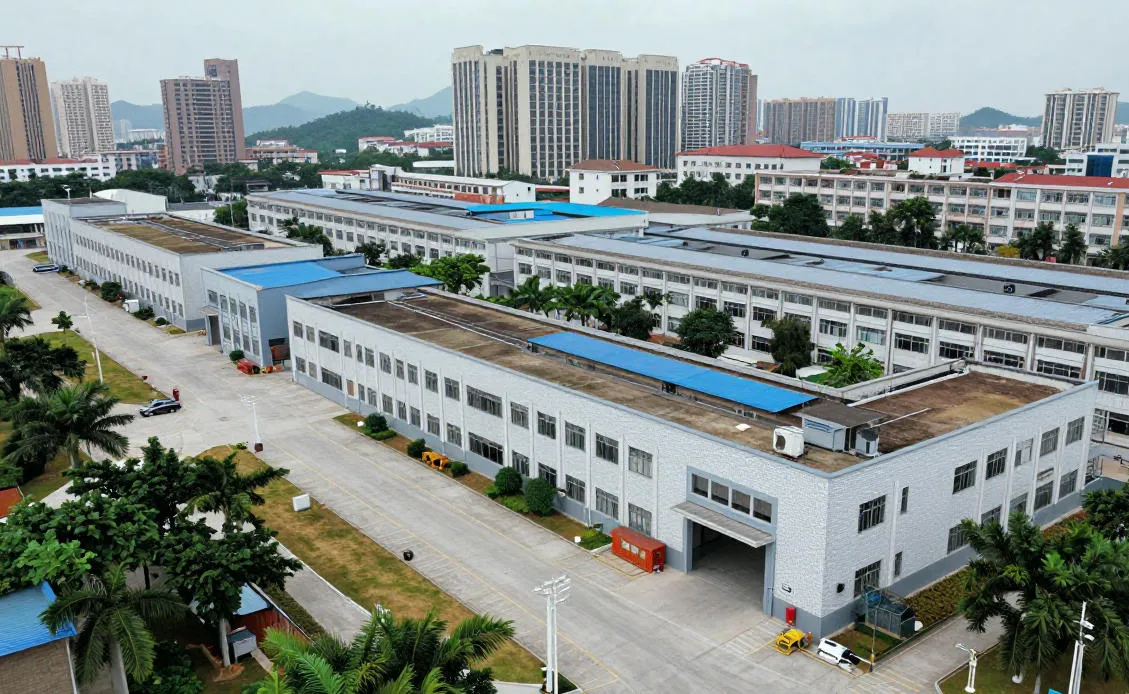
Why Remote Audits Have Become the New Standard
The era when every brand could hop on a flight to Guangzhou to walk the factory floor is over — and the smartest brands have discovered that a well‑structured remote factory audit can be just as effective as an on‑site visit, often at a fraction of the time and cost. For importers sourcing custom handbags, canvas tote bags, or cosmetic pouches, the ability to verify a supplier remotely is no longer a temporary workaround; it’s a permanent competitive advantage.
However, a remote audit is only as good as the checklist behind it. Without a systematic framework, you risk missing critical red flags — fake certifications, under‑capacity production lines, or quality control processes that exist only on paper. This guide provides exactly that framework: a step‑by‑step factory audit checklist designed specifically for bag and accessory importers who need to vet manufacturers thoroughly without traveling.
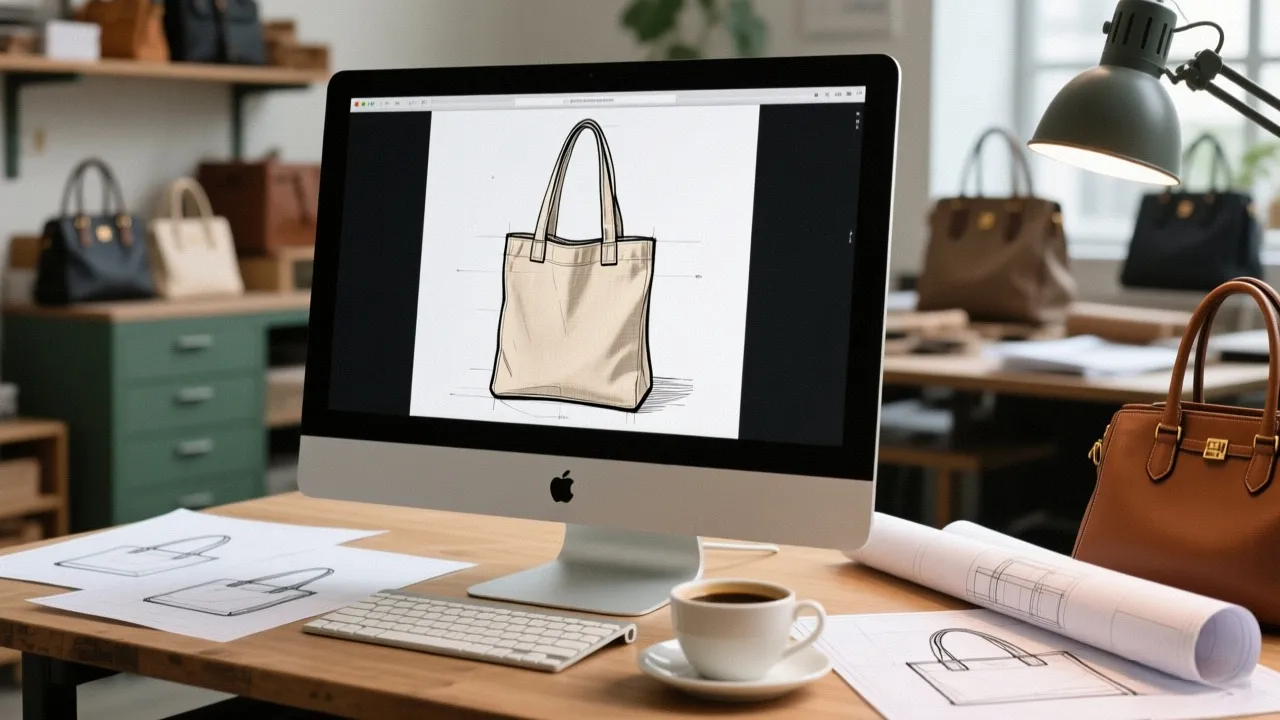
Phase 1: The Document Deep‑Dive Before You Even Connect
Before the first video call, request the following documents and verify them independently. A factory that is slow to provide these or offers excuses is already waving a red flag.
- Business License (营业执照): Verify the registration number against China’s National Enterprise Credit Information Publicity System. Confirm the factory is authorized to manufacture and export textile goods.
- ISO 9001, BSCI, or WRAP Certifications: These are not just badges. Request the certificate number and check its validity on the issuing body’s website. An expired or suspended certification is worse than none.
- Material Compliance Reports: The factory must provide up‑to‑date REACH and Prop 65 test reports for the specific materials they intend to use. A factory that can’t produce REACH and Prop 65 compliance documentation will expose you to customs holds and legal liability.
- Previous Export Records: Ask for a sample of recent bills of lading (with client details redacted) to confirm they have experience shipping to your target market.
Phase 2: The Structured Video Walkthrough — Live, Not Pre‑Recorded
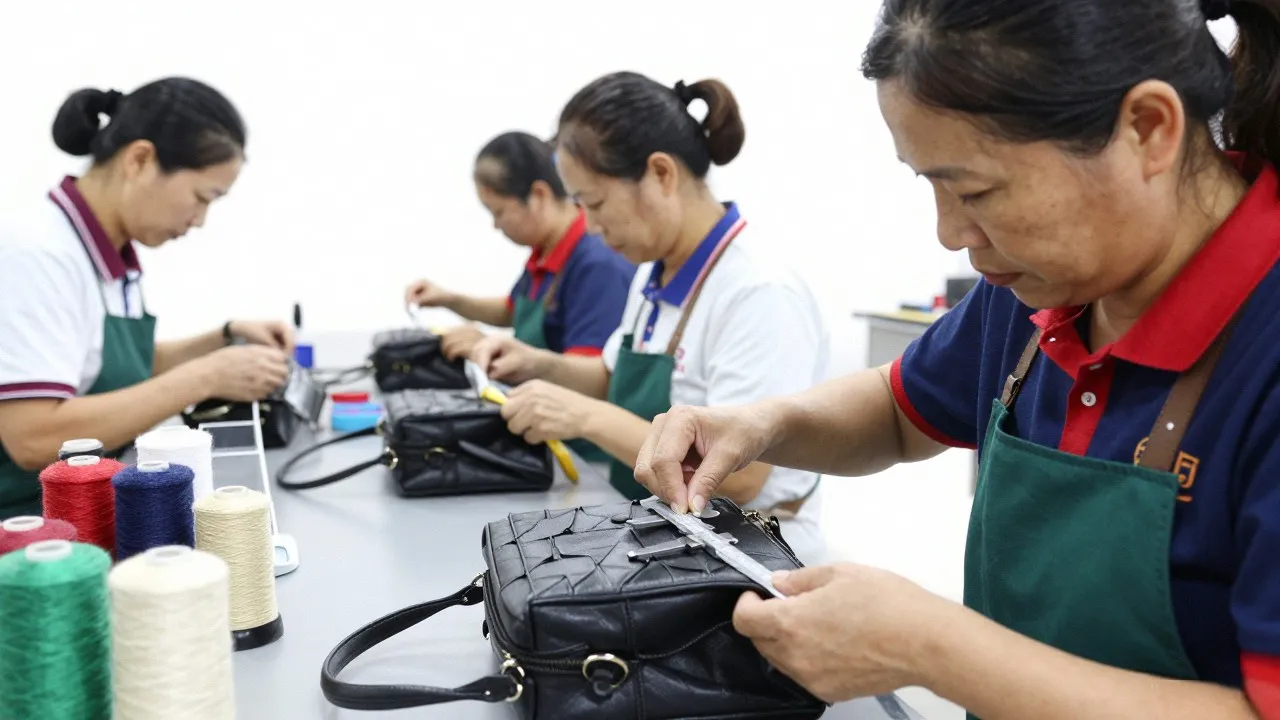
Never accept a pre‑recorded factory video as evidence of production capacity. Demand a live video factory tour conducted via WeChat, Zoom, or WhatsApp. Guide the camera operator. Ask them to walk through the facility in real‑time, and observe the following:
General Organization and Housekeeping
A clean, well‑lit, organized factory floor is consistently correlated with quality output. Look for clear aisle marking, proper material storage off the floor, and unobstructed fire exits. If the floor is chaotic, your order will be too.
Machinery and Workforce
Count the number of sewing stations, cutting tables, and printing presses. Compare this with the factory’s claimed monthly output. For example, a factory claiming to produce 50,000 bags per month with only 20 sewing stations is being dishonest. Watch workers’ faces — do they appear hurried but controlled, or exhausted and stressed?
In‑Production Orders
Ask to see what is currently on the line. If the factory claims to have capacity but every table is empty, they may be a trading company that subcontracts work. Request to see samples from current production and check their quality against your standards. Inspect the zippers and metal hardware on these samples — substandard components are immediately visible.
Phase 3: Testing Technical Competence and Sample Room Capabilities
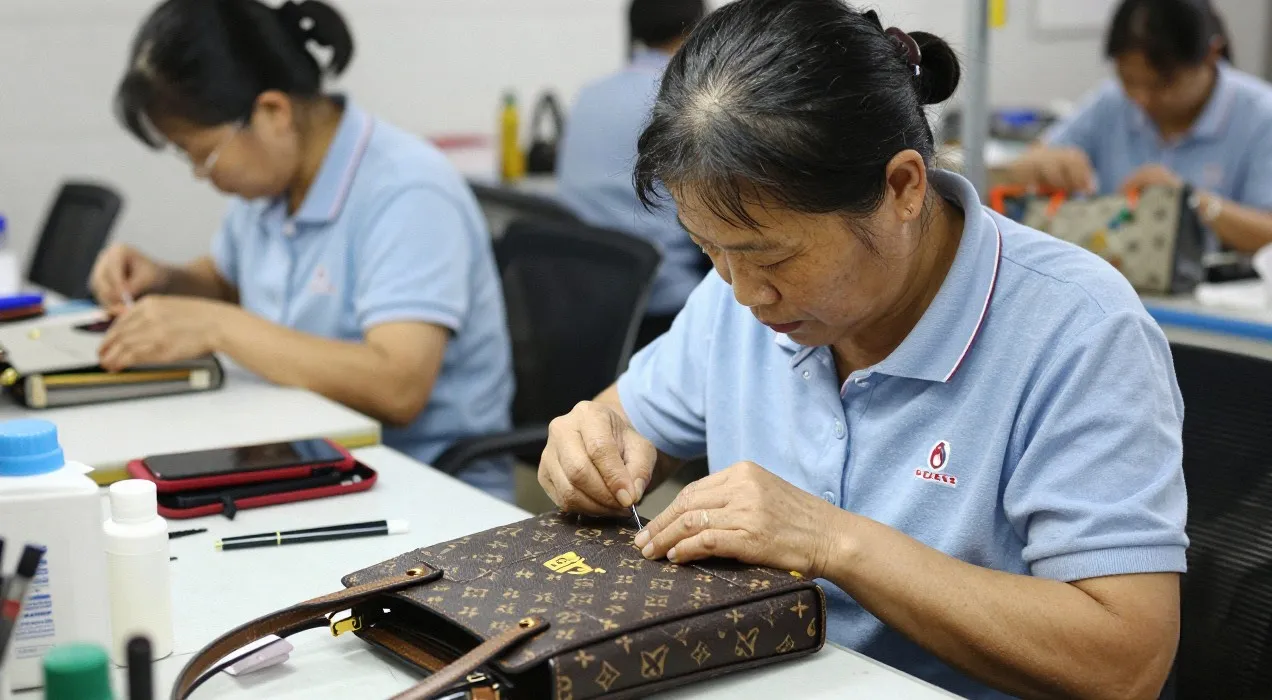
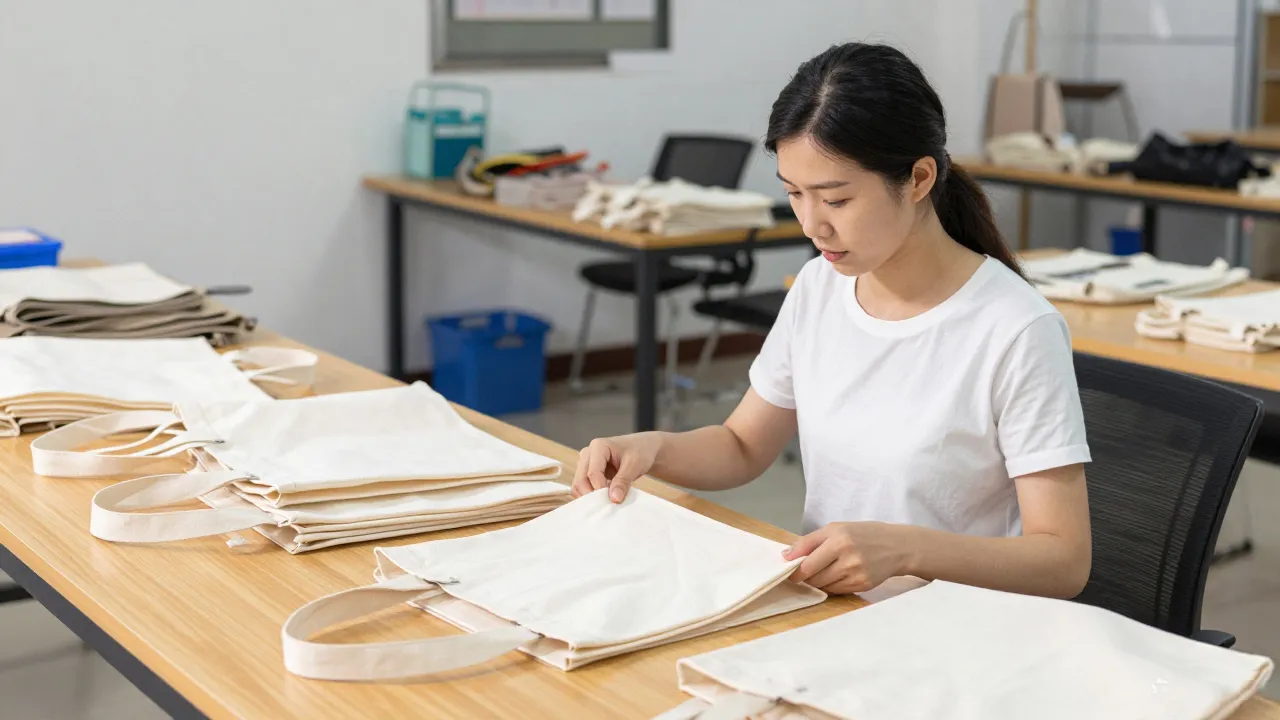
A factory that can’t read a tech pack will never deliver your design. Send a complete tech pack template for a bag they have never seen before, and ask them to produce a counter‑sample within a specified timeline. Evaluate not just the final product, but the process: did they ask clarifying questions? Did they suggest cost‑saving material alternatives? Did they flag potential production difficulties early? This communication quality is predictive of how the relationship will function once you place a bulk order.
Additionally, request a detailed breakdown of their quality control process. Where in the production line are inspections performed? What percentage of units are checked? Do they have in‑house testing equipment for colorfastness, seam strength, and zipper durability? A factory that enthusiastically shares its QC data is far more trustworthy than one that claims “we just make good bags.”
Phase 4: Mapping the Supply Chain and Subcontracting Risk
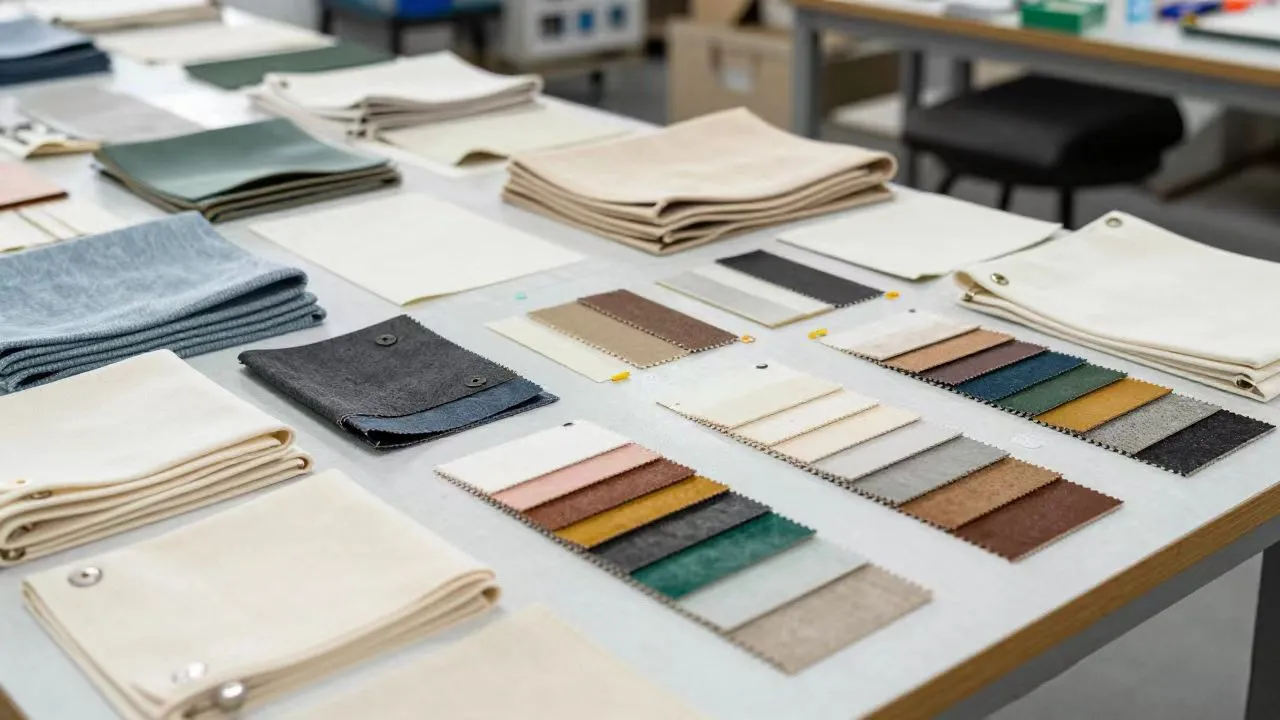
One of the biggest risks of remote sourcing is subcontracting. A factory accepts your order, then sends it to a smaller, unaudited workshop without your knowledge. To guard against this, ask the factory to identify its primary raw material suppliers. A legitimate manufacturer will have no hesitation in naming its canvas, zipper, and hardware vendors. You can then cross‑reference these suppliers independently.
Request a copy of the factory’s internal audit report for any subcontractors they may use for specialized processes like embroidery or printing. If they deny using subcontractors but refuse to let you verify material supplier relationships, treat this as a high‑risk indicator.
Phase 5: Social Responsibility and Ethical Manufacturing Checks
Modern consumers and retailers demand ethical sourcing. A remote audit must include questions about working conditions. Request the factory’s payroll records for a random month (with names redacted) and verify that wages exceed the local minimum. Ask to see the factory’s fire drill log and first‑aid station. While you cannot verify everything remotely, a factory that refuses to show basic safety infrastructure is likely hiding serious violations.
Certifications such as BSCI (Business Social Compliance Initiative) or SMETA (Sedex Members Ethical Trade Audit) are strong indicators, but they must be current and issued directly to the factory, not to a parent company or trading intermediary. Independently confirm the validity of these credentials.

Beyond Quality: Financial Stability and Duty Optimization
An audit must also evaluate the factory’s business stability. Ask about their client concentration: a factory that derives 80% of its revenue from a single customer is a financial risk to you. Inquire about their payment terms and whether they have the working capital to purchase raw materials for large orders without requiring a 100% deposit.
Finally, confirm that the factory can support your logistics strategy. Do they provide FOB Guangzhou or EXW terms? Can they split invoices to help you reduce tariffs and duties legally? A manufacturer who thinks beyond the production floor and understands the import process is a strategic partner, not just a supplier.
Audit Your Supplier With Confidence
Remote factory audits are a skill, refined through practice and a structured checklist. With the right documentation review, live walkthroughs, technical tests, and compliance verification, you can select a handbag manufacturer with the same confidence as an on‑site visit — often with clearer objectivity, since you’re not swayed by a charming tour guide or an expensive lunch.
At GZ Dreamway, we welcome remote audits. Our transparent approach means we’ll walk you through our production floor live, share our certifications, and connect you with our quality control team directly. No smoke, no mirrors — just verified quality.
Ready to Audit Your Supplier? Start With Ours.
Book a free, live virtual tour of our factory in Guangzhou. See our production lines, meet our QC team, and receive a complete audit documentation pack before you place a single order.
✅ Free live tour • Complete audit pack • No commitment required
Customer Reviews88 Reviews
The checklist is excellent, but as a shop owner in Dubai, I'm facing a minor issue with digital samples. I'm planning to launch a line of vegan leather backpacks (MOQ 80-120) for the UAE market, and I need a remote audit for Dubai handbag brands and private label bags Middle East. The issue was that the digital swatches for "Brushed Gold" and "Champagne Gold" looked too similar, causing a week's delay in color approval. This has affected the launch timeline slightly. Can you provide consultation on HS codes for UAE, shipping options via Jebel Ali, and finish tolerances suitable for high humidity? I also need supply chain traceability UAE with PFC-free certifications and batch tracking to ensure transparency for my eco-conscious clients. Thank you for your help on this project.