

7 Factors That Affect Custom Handbag Unit Costs
Understanding the complex interplay of factors that influence custom handbag manufacturing costs is crucial for businesses seeking to optimize their procurement strategies and achieve desired profit margins. From material selection to production volume, each decision point contributes to the final unit cost, making informed choices essential for competitive positioning. This comprehensive analysis explores the seven primary cost drivers that directly impact custom handbag pricing and profitability.
The custom handbag manufacturing industry operates within a complex ecosystem where multiple variables converge to determine final product costs. Businesses investing in custom handbag solutions must navigate intricate relationships between design specifications, material choices, production quantities, and quality requirements. Each factor interacts with others, creating a web of dependencies that significantly influences the bottom line.
Successfully managing custom handbag costs requires deep understanding of manufacturing processes, material properties, and market dynamics. Companies that master these cost factors gain competitive advantages through optimized pricing strategies, improved profit margins, and enhanced customer value propositions. The relationship between cost factors and final pricing determines not only profitability but also market positioning and brand perception.
Contemporary handbag manufacturing encompasses diverse techniques, materials, and production scales that directly impact unit costs. Modern consumers demand innovative designs, sustainable materials, and personalized features, adding layers of complexity to cost calculations. Manufacturers must balance innovation with cost-effectiveness while meeting evolving market expectations and regulatory requirements.
Factor 1: Material Selection and Quality Standards
Material selection represents the most significant factor affecting custom handbag unit costs, often accounting for 40-60% of total production expenses. The choice between premium leather, synthetic alternatives, canvas, polyester, or innovative eco-friendly materials creates substantial cost variations. Premium full-grain leather commands significantly higher prices than synthetic alternatives, while exotic skins and specialty fabrics further increase costs.
Quality standards and certification requirements add another layer of complexity to material costs. Materials meeting specific compliance standards such as REACH, Prop 65, or organic certifications typically cost more than standard alternatives. For detailed information about compliance requirements, our compliance guide provides comprehensive insights.

The complexity of material sourcing affects costs differently across various material types. Exotic materials require specialized suppliers and longer lead times, increasing procurement costs. Sustainable and ethically sourced materials often command premium prices due to limited supply chains and certification requirements. Seasonal availability of certain materials may also impact pricing and production scheduling.
Material waste during cutting and assembly processes influences effective material costs per unit. Complex patterns and irregular shapes result in higher material waste percentages, increasing the effective cost per handbag. Efficient pattern layout and material utilization strategies can significantly impact final unit costs without compromising design integrity.
Material Cost Impact: Premium materials can increase unit costs by 50-200% compared to standard alternatives, making material selection a critical cost driver.
Factor 2: Production Volume and Economies of Scale
Production volume directly correlates with unit costs through economies of scale, with larger orders achieving significantly lower per-unit prices. Fixed setup costs, including tooling, sample development, and production line configuration, spread across greater quantities, reducing per-unit allocation. Small orders of under 100 units typically face premium pricing due to setup costs being distributed across fewer pieces.
The relationship between volume and cost follows a predictable curve, with unit costs decreasing substantially as order quantities increase up to optimal batch sizes. Orders exceeding factory capacity may incur overtime costs or require premium pricing for rush production. Understanding optimal order quantities helps balance inventory costs with production efficiency.

Minimum order quantities (MOQs) set by manufacturers create threshold effects where small changes in order size can dramatically impact unit costs. Factories typically establish MOQs based on setup costs, labor efficiency, and production scheduling requirements. Orders below MOQs often face significant premium pricing or may not be accepted at all.
Long-term contracts and repeat orders often qualify for volume discounts and preferential pricing arrangements. Consistent ordering patterns enable factories to optimize production schedules, reduce changeover costs, and invest in specialized tooling that improves efficiency. These benefits translate to cost savings passed on to committed customers.
Factor 3: Design Complexity and Manufacturing Processes
Design complexity directly impacts manufacturing time, skill requirements, and material waste, creating proportional increases in unit costs. Intricate designs featuring multiple panels, complex closures, decorative elements, or specialized hardware require additional production steps and skilled labor. Simple geometric shapes with minimal construction details achieve the lowest unit costs.
Specialized manufacturing processes such as embroidery, heat transfer printing, digital printing, or screen printing add significant costs per unit. Each process requires separate equipment, setup time, and skilled operators. The number of colors, design complexity, and placement precision affect pricing for decorative elements.

Hardware selection and integration influence costs through both material and labor components. Premium zippers, buckles, handles, and metal accessories carry higher purchase prices and often require specialized installation techniques. The number and type of hardware pieces directly correlate with assembly time and labor costs.
Quality requirements for complex designs often necessitate additional inspection steps and quality control measures. More complex assemblies have higher failure rates and require more rigorous testing procedures, increasing labor costs per unit. Tolerance requirements for complex designs may also limit production speeds and efficiency.
| Design Feature | Cost Increase | Complexity Level | Production Impact |
|---|---|---|---|
| Basic Construction | Base Cost | Simple | Fast Assembly |
| Multiple Panels | +15-25% | Moderate | Extra Sewing Steps |
| Embellishments | +20-40% | High | Specialized Labor |
| Custom Hardware | +10-30% | Moderate-High | Installation Time |
| Multiple Colors | +15-35% | High | Printing Setup |
| Special Closures | +25-50% | High | Complex Assembly |
Factor 4: Labor Costs and Skilled Workforce Requirements
Labor costs represent the second-largest component of handbag manufacturing expenses after materials. The skill level required for different handbag styles affects wage rates and production efficiency. Premium handbags requiring precise stitching, leather craftsmanship, or specialized techniques command higher labor costs due to the need for experienced artisans and reduced production speeds.
Geographic location significantly influences labor costs, with manufacturing in developed countries typically costing 2-4 times more than similar production in developing regions. However, quality consistency, intellectual property protection, and shipping costs must be balanced against labor cost savings. Nearshore manufacturing may offer compromise solutions with moderate labor costs and reduced shipping expenses.

Training and development investments for new or complex products affect initial production costs. Specialized skills required for new manufacturing techniques or innovative materials may require training programs that temporarily reduce efficiency. These costs are often allocated to early production runs, affecting unit costs for initial orders.
Quality control requirements for premium handbags necessitate additional inspection steps and skilled quality assurance personnel. Higher-end products often require individual inspection and testing, increasing labor costs per unit. Automated quality control systems can reduce long-term costs but require significant initial investments.
Benefits of Skilled Labor:
- Higher quality output
- Fewer defects and rework
- Ability to handle complex designs
- Better consistency
- Reduced material waste
- Longer product lifespan
Challenges of Skilled Labor:
- Higher wage requirements
- Longer training periods
- Limited availability
- Higher turnover costs
- Increased recruitment expenses
- Specialized facility needs
Factor 5: Manufacturing Location and Supply Chain Efficiency
Manufacturing location profoundly impacts total costs through labor expenses, transportation costs, quality standards, and supply chain efficiency. Countries with lower labor costs may appear attractive but could introduce complications such as longer lead times, communication challenges, and quality inconsistencies. The total cost of ownership includes all associated expenses beyond direct manufacturing costs.
Proximity to raw material suppliers affects material costs and lead times. Factories located near textile mills, leather tanneries, or hardware manufacturers benefit from reduced transportation costs and faster material availability. Regional clustering of suppliers creates cost advantages through shared logistics and reduced inventory requirements.
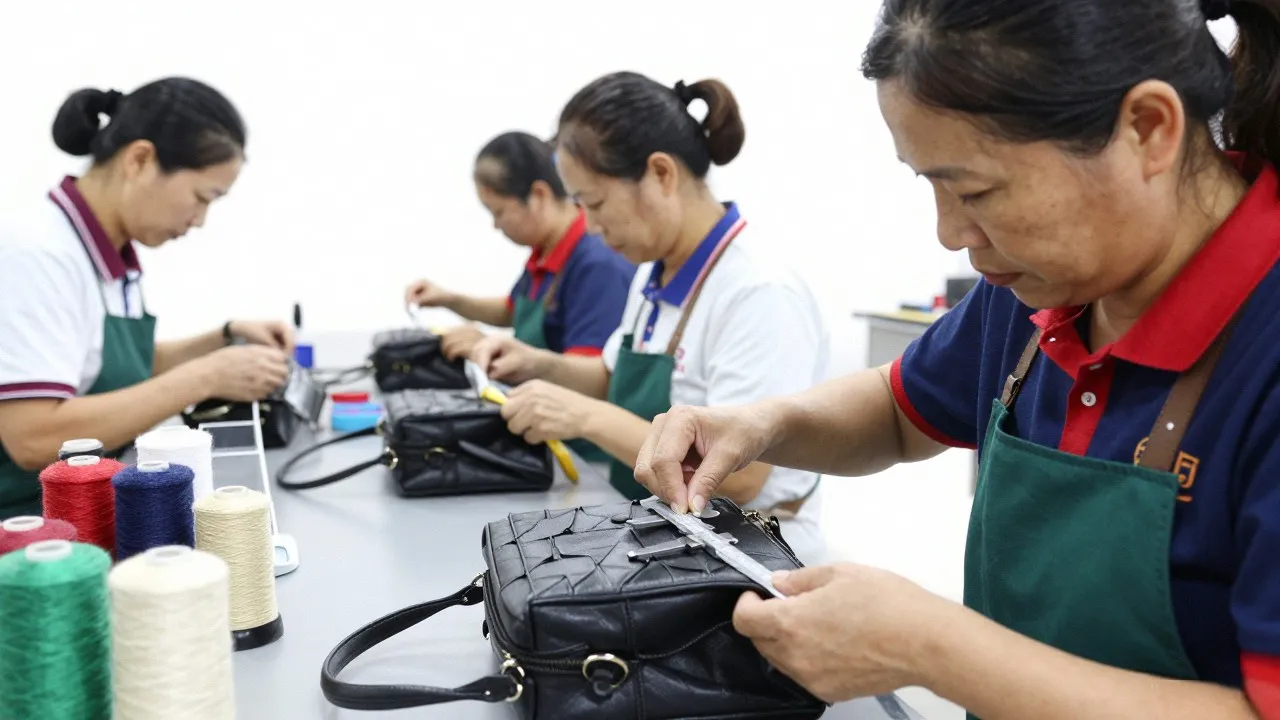
Infrastructure quality in manufacturing locations affects production efficiency and cost. Reliable electricity, transportation networks, and telecommunications systems support smooth operations. Poor infrastructure can result in production delays, increased maintenance costs, and quality issues that ultimately raise unit costs.
Regulatory environments and trade policies influence manufacturing costs through tariffs, import duties, and compliance requirements. Understanding regional regulations helps optimize manufacturing location decisions. For information about tariff reduction strategies, see our tariff guide.
Factor 6: Quality Standards and Certification Requirements
Quality standards and certification requirements significantly impact manufacturing costs through additional testing, documentation, and compliance procedures. Products targeting specific markets may require certifications such as OEKO-TEX Standard 100, GOTS (Global Organic Textile Standard), or REACH compliance. These certifications require testing protocols, documentation systems, and ongoing compliance verification.
Quality control processes for premium products involve multiple inspection points, statistical sampling, and comprehensive testing procedures. Higher quality standards require more skilled inspectors, advanced testing equipment, and comprehensive documentation systems. The cost of quality control typically ranges from 3-8% of total manufacturing costs for premium products.
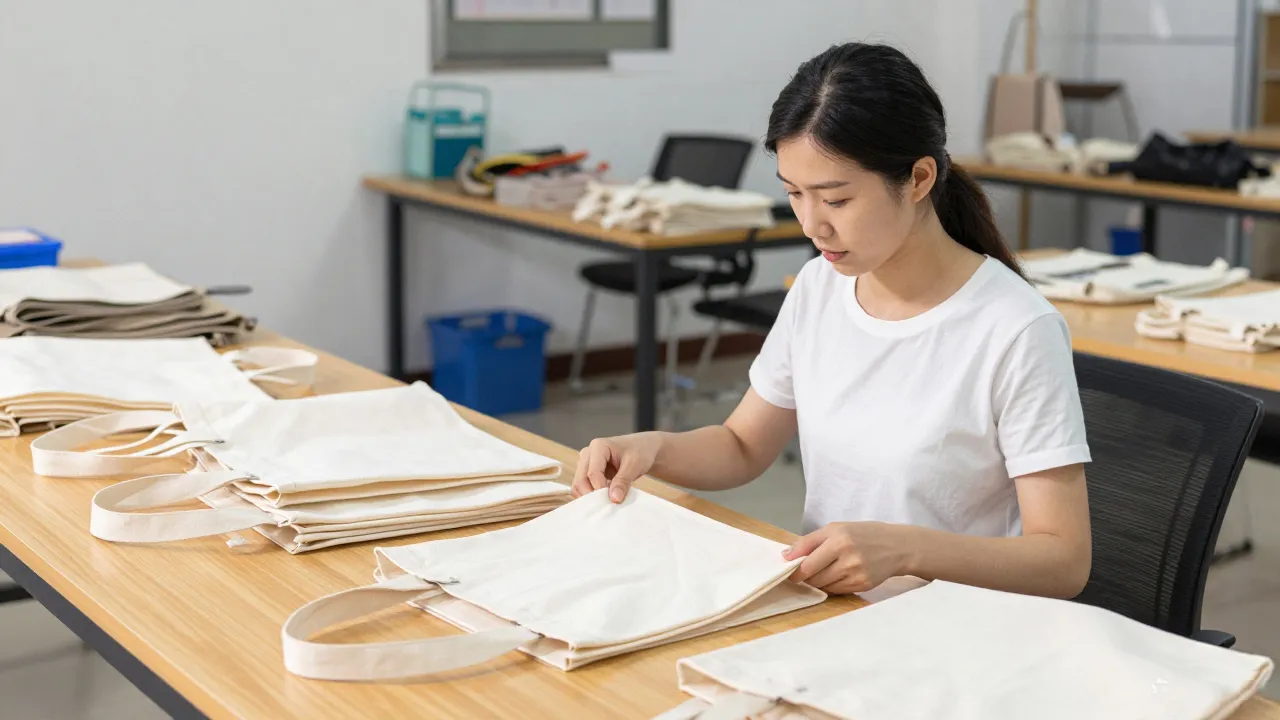
Sustainability certifications and eco-friendly requirements add costs through specialized materials, production processes, and verification procedures. Consumers increasingly demand sustainable products, making these certifications valuable despite added expenses. The cost premium for sustainable production typically ranges from 10-25% above conventional manufacturing.
For detailed information about sustainability certifications, our certification guide provides comprehensive coverage of available options and requirements.
Factor 7: Hardware and Accessory Components
Hardware and accessory components represent a significant portion of handbag costs, particularly for premium products. Zippers, buckles, handles, straps, and decorative elements contribute both material and labor costs. Premium hardware from established brands commands higher prices but often provides better durability and aesthetic appeal.
Custom hardware development involves mold costs, minimum order quantities, and extended lead times that affect total project costs. Unique buckles, specialized zippers, or custom logos require investment in tooling and production setup that may be allocated across entire production runs. These costs can significantly impact unit prices for small orders.

Hardware compatibility with chosen materials affects both costs and product performance. Certain metals may react with specific materials, requiring specialized treatments or alternative materials. Compatibility testing and validation add costs but prevent field failures and warranty claims.
Supplier relationships for hardware components influence pricing and availability. Established relationships with hardware manufacturers may provide access to competitive pricing, exclusive designs, or priority production slots. New product introductions may require premium pricing until suppliers achieve production efficiency.
Comprehensive Cost Optimization
Successfully managing custom handbag unit costs requires strategic coordination of all seven factors to achieve optimal pricing while maintaining quality and market competitiveness. Our manufacturing expertise helps clients navigate these complex cost relationships to achieve desired outcomes.
Interdependency of Cost Factors
The seven factors affecting custom handbag unit costs interact in complex ways, creating interdependencies that amplify or mitigate individual cost impacts. For example, choosing premium materials may justify higher labor costs for skilled craftsmanship, while simple designs may enable cost-effective production even with standard materials. Understanding these interactions enables strategic decision-making that optimizes total costs.
Volume requirements may influence material choices, as minimum order quantities for specialty materials may conflict with production volumes. Similarly, design complexity may affect quality standards, as intricate assemblies may require additional inspection procedures. Strategic planning must account for these interdependencies to avoid unexpected cost increases.

Cost Optimization Strategies
Effective cost optimization involves balancing all seven factors to achieve target pricing while maintaining desired quality and functionality. Phased development approaches allow testing of different cost combinations before committing to full production. Prototyping and sample production help identify cost-saving opportunities without compromising final product quality.
Negotiation strategies should address multiple cost factors simultaneously rather than focusing on single components. Suppliers may offer package deals that reduce total costs through coordinated reductions across materials, labor, and production processes. Long-term partnerships enable shared cost reduction initiatives and mutual investment in efficiency improvements.
Impact of Technology on Manufacturing Costs
Technological advances in manufacturing equipment, automation, and production planning software continue to influence handbag manufacturing costs. Automated cutting systems reduce material waste and improve consistency, while computerized sewing machines increase production speeds. However, technology investments require careful evaluation of return on investment and compatibility with existing production capabilities.
Digital design tools enable virtual prototyping and pattern optimization, reducing material waste and development time. These tools can significantly impact costs by identifying efficiency opportunities before physical production begins. The initial investment in technology may be offset by long-term cost savings and quality improvements.

Seasonal and Market Influences
Seasonal demand patterns and market conditions affect manufacturing costs through capacity utilization, material availability, and labor market conditions. Peak seasons may command premium pricing due to capacity constraints, while off-season periods may offer cost advantages through excess capacity. Understanding these patterns enables strategic planning of production schedules.
Currency fluctuations impact costs for international manufacturing, affecting material imports, labor costs, and final product pricing. Hedging strategies and contract terms can mitigate currency risk, but require careful planning and financial expertise. Stable supplier relationships provide some protection against currency-related cost fluctuations.
Quality vs. Cost Trade-offs
Quality requirements directly influence cost structures, with higher standards typically requiring premium pricing. However, excessive quality requirements may create unnecessary costs without corresponding value to end customers. Balancing quality with cost effectiveness requires understanding customer expectations and market positioning requirements.
Defect rates and warranty costs must be considered in total cost calculations. Lower-quality production may initially reduce costs but increase long-term expenses through returns, repairs, and brand reputation damage. Optimal quality levels balance customer satisfaction with cost efficiency.

Long-term Cost Management
Successful long-term cost management requires continuous monitoring and adjustment of all seven cost factors. Regular cost analysis identifies opportunities for improvement and ensures continued competitiveness. Market research and competitor analysis inform strategic decisions about cost targets and acceptable trade-offs.
Relationship management with suppliers and manufacturers enables collaborative cost reduction initiatives. Shared knowledge about production processes, material innovations, and market trends creates opportunities for mutual cost improvements. Long-term contracts may provide cost stability while enabling planned cost reduction initiatives.
Future Trends in Handbag Manufacturing Costs
Emerging trends in handbag manufacturing continue to influence cost structures and optimization strategies. Sustainable materials, digital manufacturing, and customization technologies create new cost considerations while potentially reducing traditional production expenses. Companies that anticipate and adapt to these trends gain competitive advantages.
Automation and artificial intelligence in manufacturing processes promise to reduce labor costs while improving quality and consistency. However, implementation requires significant investment and may affect supplier relationships. Strategic planning must balance automation benefits with human expertise requirements.

Implementation Strategies for Cost Reduction
Implementing cost reduction strategies requires systematic analysis of current practices and identification of improvement opportunities. Data-driven approaches using cost accounting and production metrics provide objective insights into cost drivers and optimization potential. Regular reviews ensure continued effectiveness of cost management initiatives.
Change management processes ensure that cost reduction efforts do not compromise quality or customer satisfaction. Clear communication with stakeholders about cost reduction goals and methods helps maintain support and cooperation. Success metrics should balance cost improvements with quality and service objectives.
Strategic Cost Management
Effective custom handbag cost management requires integrated consideration of all seven factors, strategic supplier relationships, and continuous optimization processes. Success comes from balancing cost efficiency with quality requirements and market positioning.
Conclusion and Strategic Recommendations
Mastering the seven factors that affect custom handbag unit costs enables businesses to achieve optimal pricing while maintaining competitive advantages. Success requires understanding the complex interrelationships between cost factors and implementing systematic approaches to cost management. Continuous improvement and adaptation to market changes ensure sustained cost effectiveness.
Strategic partnerships with experienced manufacturers provide access to cost optimization expertise and best practices. Collaborative approaches that align supplier incentives with cost reduction objectives create win-win situations that benefit all parties. The investment in sophisticated cost management processes yields substantial returns through improved profitability and market competitiveness.
For expert assistance with custom handbag manufacturing and cost optimization, visit our homepage or contact our manufacturing specialists. Our team provides comprehensive support for all aspects of custom handbag production and cost management.
Guangzhou Huadu Shilong Town — Premium Bag & Silk Product Manufacturer
Bags MOQ: 200 pcs | Silk Products MOQ: 50 pcs
Serving 50+ Countries Worldwide | 30+ Skilled Employees
Location
Guangzhou, China
Factory DirectScan the QR code to connect with Victoria

Discover the World of Exquisite Clutch Bags
From elegant evening clutches to sophisticated everyday designs, our curated collection showcases the finest craftsmanship in leather accessories. Explore our comprehensive range of women’s clutch purses crafted by skilled artisans with decades of experience.
Featured Clutch Collections
Ready to find your perfect clutch bag? Our dedicated team is here to help you source premium accessories that elevate your brand.
Explore Full Clutch CollectionManufacturer Knowledge Hub
Twenty-two practical guides from our Guangzhou factory — covering everything from clutch sourcing, MOQ strategy, and quality control to tariffs, tech packs, and compliance. Each card opens a dedicated resource built from real production data.
Manufacturing & Products
Clutch Purses Manufacturer
Browse the full OEM clutch catalog — from evening minaudières to daytime wristlets — all built to your brand’s specs in our Guangzhou workshop.
Browse the full catalog Private LabelPrivate Label Leather Handbags
Launch a private-label leather line with low MOQs, custom hardware finishes, and dedicated pattern engineers who own your project end to end.
Plan your private label MaterialsGenuine Leather from China
Source full-grain and top-grain leather handbags direct from a Guangzhou maker with long-standing tannery partnerships and traceable supply.
Source full-grain leather Case StudyCustom Leather Clutch — A Success Story
Read how a European fashion brand grew from a cautious 30-piece trial into multi-thousand-piece annual reorders of bespoke clutch bags.
Read the case study Rush OrderRush-Order Logo Tote Bags
Need totes in two weeks? Our express lane ships custom-logo totes with full inline QC and export packing — without skipping any approval step.
Reserve a rush slot LogisticsImport Tote Bags: Shipping, Duty, Lead Time
A complete playbook on import logistics — port-to-port transit, customs duty brackets, and the realistic total lead time from PO to your warehouse.
Map your import routeQuality & Compliance
Tote Bag Quality-Control Checklist
Our 47-point QC checklist covers stitch density, colorfastness, hardware pull-strength, and packing — applied to every shipment, every order.
Download the QC checklist SamplingHandbag Sample-Approval Checklist
Use the same nine-step sample approval workflow our merchandisers run before any bulk production begins — and avoid costly reworks downstream.
Run the sample workflow ComplianceHandbag Compliance: REACH & Prop 65
A plain-English map of REACH SVHC, Prop 65, and CPSIA — learn which handbag materials trigger which compliance rules for US and EU markets.
Decode compliance rulesProcess & Capacity
How Low-MOQ Manufacturing Works
How low-MOQ production stays profitable — pattern sharing, modular components, and a dedicated small-batch line that keeps unit costs sensible.
Tour the MOQ workflow FactoryAbout Our Tote Bag Factory
Meet the 15-year tote bag factory behind your brand — 450 artisans, 18 production lines, and a weekly capacity of 80,000 units across cotton and canvas.
Meet our 450 artisans PaymentsHandbag Factory Payment Terms
T/T 30/70 vs L/C at sight vs D/P — the actual payment terms our clients use for first orders and repeat orders, with pros and cons explained.
Compare payment terms CostingHandbag Cost-Structure Breakdown
See exactly what drives handbag cost — materials 38%, labor 24%, hardware 11%, overhead 18%, margin 9% — with the levers you can actually pull.
Open the cost breakdown PricingEight Price Factors in Handbag Quotes
Eight pricing variables that shift a $9.50 handbag quote to $14.20 — leather grade, lining fabric, zip-pull alloy, edge paint, and four more.
Map the price leversDesign & Technical
Handbag Design Trends 2026
Color, hardware, silhouette, and material forecasts for SS26 handbag collections — curated from Milano and Paris runway shows plus buyer feedback.
Forecast SS26 designs TariffHandbag HS Code Complete Guide
HS codes 4202.21, 4202.22, 4202.31, 4202.32 — find the right tariff line to avoid customs delays and misclassification on every handbag shipment.
Decode HS codes Tech PackHandbag Tech Pack Template
Free handbag tech pack template with bill-of-materials, stitch specs, hardware callouts, and tolerance tables — drop in your numbers and ship.
Get the tech pack template EngineeringTech-Pack Cost-Down Engineering
Five engineering moves that quietly cut $1.80 per bag — reinforcement layouts, seam reductions, and material substitution that buyers never see.
Cut $1.80 per bagSourcing Strategy & Contact
Tariff Engineering with HTS Code Hacks
Reclassify components to shift handbag tariffs from 10% to 3.3% — legally, with proper HTS documentation that survives a CBP audit.
Reclassify duty lines RiskThe True Cost of Cheap Handbag Factories
Five risks of buying from $4.50/bag factories — defect rates, compliance gaps, IP exposure, and what they really cost your brand over three seasons.
Audit factory risks ContactStart Your Project with Our Team
Send your tech pack and get a working sample in seven days — three ways to reach our merchandising team and the fastest path from sketch to shipment.
Start a 7-day sample
Customer Reviews101 Reviews