

Understanding HS Codes for Handbags, Totes & Pouches: A Complete Guide
When importing or exporting handbags, totes, and pouches internationally, understanding the Harmonized System (HS) codes is crucial for compliance, customs clearance, and accurate tariff calculations. The HS code system provides a standardized numerical method for classifying traded products, making international commerce more efficient and transparent. This comprehensive guide will walk you through all the essential HS codes related to various types of bags, helping you navigate the complex world of international trade regulations.
What Are HS Codes and Why Are They Important?
The Harmonized Tariff Schedule (HTS) codes are six-digit identification codes that categorize over 5,000 groups of products traded worldwide. These codes were developed by the World Customs Organization and are used by customs authorities globally to identify products when assessing duties and taxes. For handbag manufacturers, importers, and exporters, knowing the correct HS codes ensures proper classification, prevents delays at customs, and helps avoid penalties.
Incorrect HS code classification can lead to significant issues including customs delays, additional fees, and potential legal complications. The precision required in HS code selection makes it essential for businesses to understand not just the basic categories but also the specific subcategories that apply to their particular products.
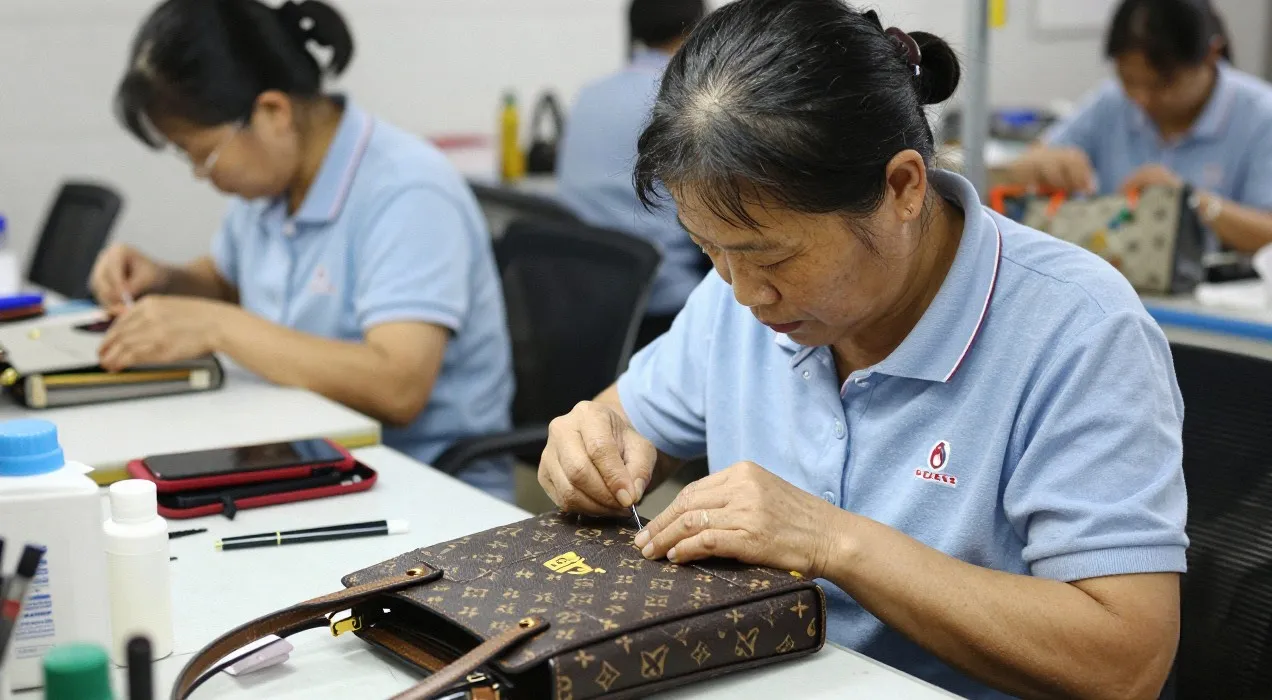
Main HS Code Categories for Handbags and Bags
The primary classification for handbags and similar articles falls under Chapter 42 of the Harmonized System, which covers “Articles of leather; saddlery and harness; travel goods, handbags and similar containers; articles of animal gut (other than silk-worm gut).” Within this chapter, there are several key headings that specifically address different types of bags and their materials.
| HS Code | Description | Common Products |
|---|---|---|
| 4202.11 | Trunks, suitcases, vanity cases, executive cases, briefcases, school satchels, and similar containers, with outer surface of leather, of composition leather, or of patent leather | Leather briefcases, executive cases, school bags |
| 4202.12 | With outer surface of plastic sheeting or of textile materials | Plastic-covered bags, textile-covered luggage |
| 4202.21 | Handbags, whether or not with shoulder strap, including those without handle | Purse-style handbags, clutch bags |
| 4202.22 | Whether or not with shoulder strap, including those without handle, with outer surface of plastic sheeting or of textile materials | Fabric handbags, canvas totes |
| 4202.31 | Travel, sports and similar bags, with outer surface of leather, of composition leather, or of patent leather | Duffel bags, gym bags, travel bags |
| 4202.32 | With outer surface of plastic sheeting or of textile materials | Canvas travel bags, fabric duffels |
Specific HS Codes for Different Types of Handbags
Within the broader categories, there are specific sub-classifications that further define the type of handbag based on material, construction, and intended use. Understanding these distinctions is particularly important for accurate classification and duty assessment.
Leather Handbags Classification
Leather handbags fall under the 4202.21 category, which specifically addresses handbags with an outer surface of leather, composition leather, or patent leather. This classification includes both traditional leather and synthetic leather alternatives. The distinction here is important because leather products often face different regulatory requirements and duty rates compared to textile alternatives.
Within the leather handbag category, there are further subdivisions based on whether the item has handles, shoulder straps, or other carrying mechanisms. The presence or absence of these features can affect the specific HS code assignment and the corresponding import duties.

Textile and Canvas Bag Classifications
Textile-based handbags, including canvas totes and fabric purses, are classified under 4202.22. This category encompasses a wide variety of materials including cotton, polyester, nylon, and other fabric combinations. The classification process for textile bags requires careful consideration of the primary material composition and any additional features like zippers, hardware, or decorative elements.
Canvas bags represent a significant portion of the market, particularly for eco-friendly and reusable applications. These products often benefit from preferential trade agreements and may qualify for reduced tariffs under certain circumstances. Understanding the specific HS codes for canvas bags can help importers take advantage of these opportunities.
For detailed information about canvas fabric specifications and weight measurements, our comprehensive guide on canvas fabric weight measurements provides valuable insights into material selection and classification.
Specialized Bag Categories and Their HS Codes
Beyond the basic handbag classifications, there are specialized categories for specific types of bags that serve particular functions. These include cosmetic bags, wine tote bags, laptop bags, and other specialty items that may have unique regulatory requirements.
Cosmetic bags, for example, often fall under specific subcategories due to their specialized design and intended use. The materials used in cosmetic bags, particularly those designed for travel, must meet additional safety and compliance standards that affect their classification and import requirements.
Custom cosmetic bags for beauty brands require special attention to both HS code classification and compliance requirements. For more information on creating compliant cosmetic bags, visit our guide on custom cosmetic bags for beauty brands.

Quality Control and Compliance Considerations
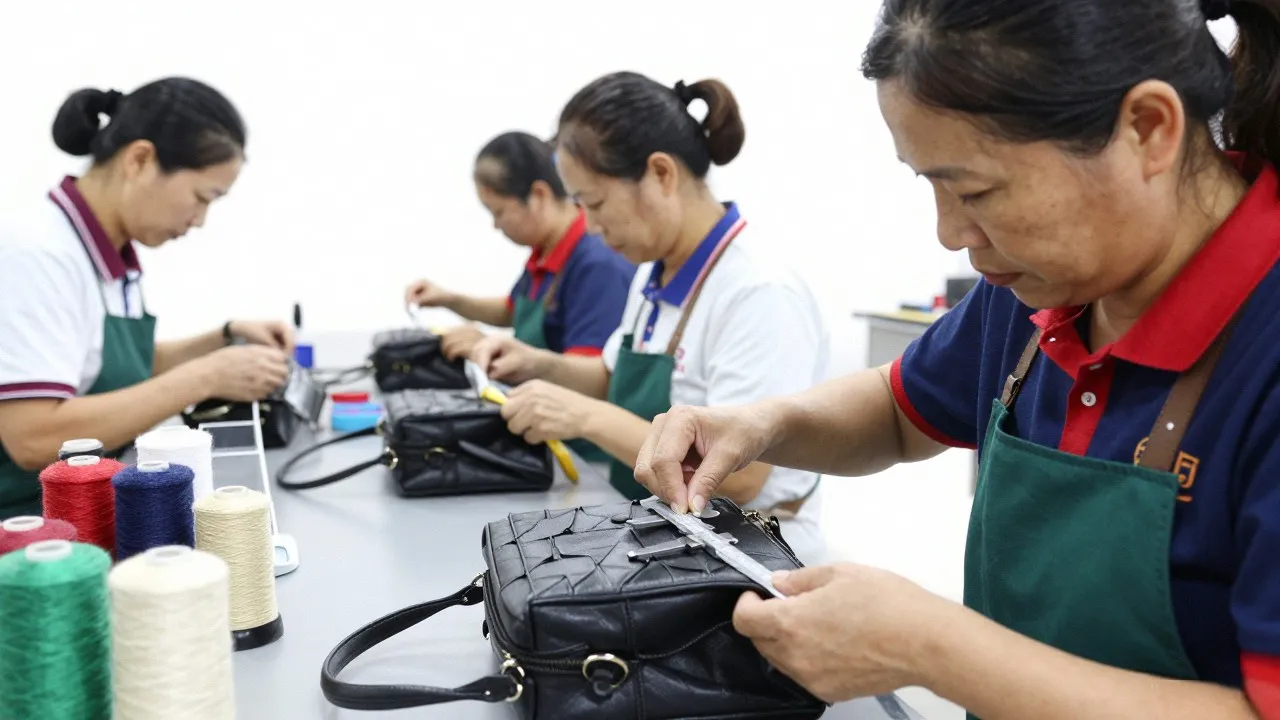
Manufacturing facilities play a crucial role in ensuring that products meet both quality standards and regulatory requirements. Proper quality control processes help ensure that the final products match their intended HS code classifications and meet all applicable safety and compliance standards.
During the manufacturing process, quality control teams must verify that materials, construction methods, and finished products align with the expected specifications for their intended HS code classification. This includes checking material composition, dimensions, and any special features that might affect classification.
Compliance Requirements for International Trade
Beyond HS code classification, handbags and bags must meet various compliance requirements depending on the destination country. These requirements can significantly impact the classification process and may require additional documentation or testing.
In the United States, products must comply with Proposition 65 regulations if they contain certain chemicals, while European markets require REACH compliance for chemical substances. Understanding these additional requirements is essential for proper HS code assignment and successful market entry.
For detailed information about compliance requirements, our article on handbag compliance with REACH and Prop 65 provides comprehensive guidance on meeting international standards.

Tote Bags and Shopping Bags Classification
Tote bags represent one of the most popular categories of bags and have specific classification considerations. Standard tote bags typically fall under 4202.22 if made from textile materials, but the classification can vary based on size, construction, and intended use.
Reusable shopping bags, particularly those made from canvas or other durable materials, have gained popularity due to environmental concerns. These products often benefit from favorable trade policies and may qualify for reduced tariffs under sustainability initiatives.
For businesses looking to create custom reusable wine tote bags, our custom wine tote bag solutions offer tailored manufacturing services that meet specific market needs.

Pouches and Small Accessories
Smaller bags and pouches have their own specific classification considerations within the HS system. Pouches designed for specific purposes, such as cosmetic bags, document holders, or electronic device protection, may have different classifications based on their primary function and materials.
The distinction between a simple pouch and a more complex bag with multiple compartments can affect the HS code assignment. Manufacturers and importers should carefully consider the primary function and construction details when determining the appropriate classification.

Hardware Components and Their Impact on Classification
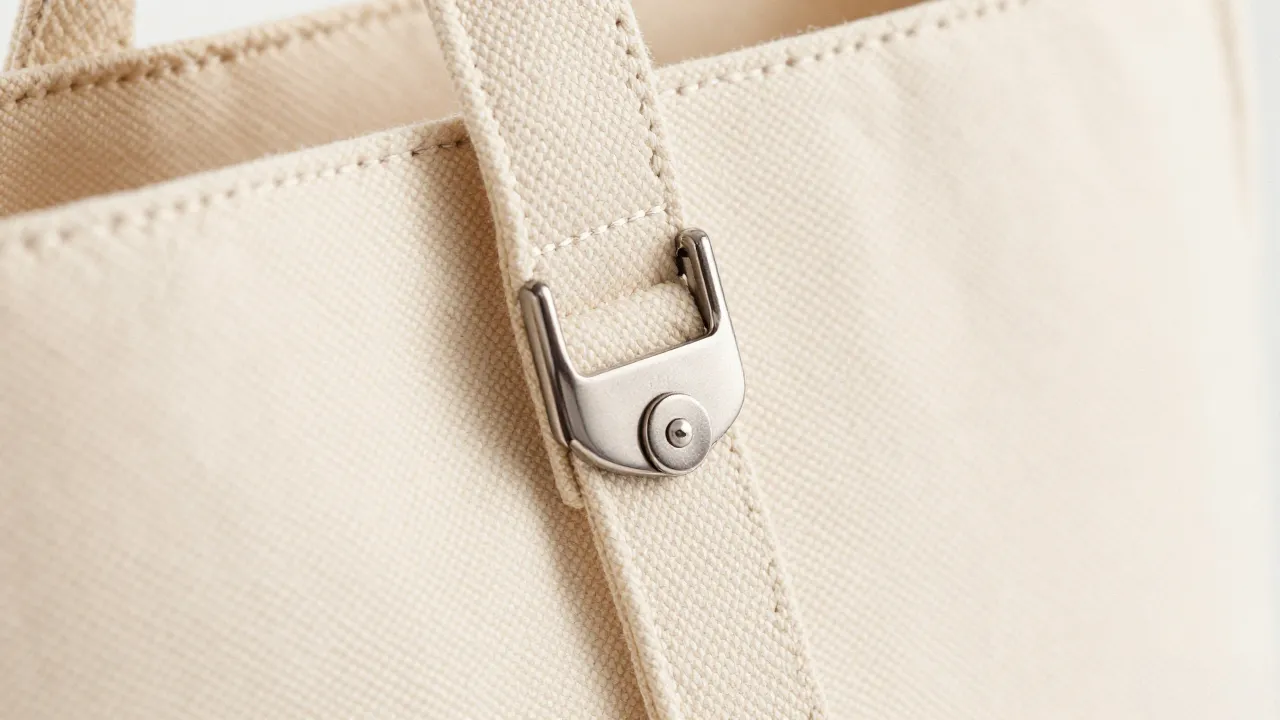
The hardware components used in handbags, totes, and pouches can sometimes influence their HS code classification. Zippers, buckles, handles, and other metal or plastic components may require separate consideration depending on their proportion of the total product value and weight.
High-quality hardware components, such as those used in premium handbags, can significantly affect both the product’s market positioning and its classification requirements. Understanding how these components interact with the overall product classification is crucial for accurate HS code assignment.
Our detailed guide on handbag hardware components explores the various options available for manufacturers and their impact on product classification.

Material-Specific Classification Considerations
Different materials used in bag construction have specific classification implications. Leather, synthetic leather, canvas, polyester, and other materials each have distinct requirements and considerations within the HS code system.
The growing trend toward sustainable and vegan materials has introduced new classification challenges. Plant-based leathers and other innovative materials may require special consideration when determining the appropriate HS code classification.
For insights into future trends in sustainable materials, our article on future of vegan leather bags explores emerging technologies and market opportunities.

Manufacturing and Design Implications
The manufacturing process and design specifications can influence HS code classification. Features such as waterproofing treatments, insulation layers, or specialized compartments may affect how a product is classified.
Design documentation, including tech packs and detailed specifications, plays an important role in ensuring accurate classification. Our handbag tech pack template guide provides manufacturers with essential tools for accurate product specification.
Import Duty Optimization Strategies
Understanding HS codes properly can help importers optimize their duty payments and take advantage of preferential trade programs. Many countries offer reduced tariffs for products that meet specific criteria, such as being manufactured in certain regions or meeting sustainability standards.
For detailed strategies on reducing import costs, our guide to reducing tariffs for bag imports from China offers practical approaches to cost optimization.

Quality Assurance in Manufacturing
Professional manufacturing facilities implement comprehensive quality control systems to ensure that products meet both customer specifications and regulatory requirements. This includes verifying that the final products match their intended HS code classifications.
Regular factory audits help maintain quality standards and ensure compliance with international regulations. Our handbag factory audit checklist provides a comprehensive framework for quality assurance.

Market Trends and Future Considerations
The handbag and bag industry continues to evolve with changing consumer preferences and regulatory requirements. Staying informed about upcoming trends helps manufacturers and importers prepare for changes in classification requirements.
Current trends indicate growing demand for sustainable materials, customizable designs, and multi-functional products. These trends may influence future HS code classifications and regulatory requirements.
For insights into upcoming design trends, explore our handbag design trends for 2026 analysis.

Sustainability and Certification Requirements
Increasingly, consumers and regulators demand proof of sustainable practices in bag manufacturing. Various certifications can affect both market positioning and HS code classification, particularly for products claiming environmental benefits.
Our comprehensive guide to bag sustainability certifications explains the various options available to manufacturers seeking to demonstrate environmental responsibility.

Advanced Manufacturing Techniques
Modern bag manufacturing incorporates various decoration and finishing techniques that can influence product classification. Embroidery, heat transfer printing, digital printing, and other processes add value and functionality to products while potentially affecting their HS code assignment.

Cost Factors in Manufacturing
Various factors influence the manufacturing cost of bags, including materials, labor, and compliance requirements. Understanding these factors helps businesses make informed decisions about product development and market positioning.
For detailed analysis of manufacturing cost factors, our article on handbag manufacturing price factors provides comprehensive insights into cost structure analysis.

Shipping and Logistics Optimization
Efficient shipping of bulk bag orders requires careful planning and optimization. Understanding packaging requirements, shipping methods, and logistics considerations helps reduce costs while maintaining product quality.
Our guide to shipping bulk bags cost optimization offers practical strategies for efficient logistics management.

Material Comparison Analysis
Choosing the right materials for bag manufacturing involves comparing various options including canvas, polyester, and PU leather. Each material has specific advantages and considerations that affect both product performance and market positioning.
For detailed comparison analysis, our canvas vs polyester vs PU comparison guide provides comprehensive material evaluation criteria.

Complete HS Code Reference Guide
For businesses requiring comprehensive information about handbag HS codes, our complete handbag HS code guide provides detailed reference information and practical examples.
Key Takeaway: Accurate HS code classification is essential for successful international trade in handbags, totes, and pouches. The complexity of the classification system requires careful attention to product specifications, materials, and construction details. Working with experienced manufacturers who understand these requirements can significantly reduce risks and ensure smooth customs clearance.
Need Expert Guidance on HS Codes and Bag Manufacturing?
Our experienced team understands the complexities of international trade regulations and can help you navigate HS code classification requirements. Whether you’re importing, exporting, or manufacturing bags, we provide the expertise needed for successful market entry.
Guangzhou Huadu Shilong Town — Premium Bag & Silk Product Manufacturer
Bags MOQ: 200 pcs | Silk Products MOQ: 50 pcs
Serving 50+ Countries Worldwide | 30+ Skilled Employees
Location
Guangzhou, China
Factory DirectScan the QR code to connect with Victoria

Discover the World of Exquisite Clutch Bags
From elegant evening clutches to sophisticated everyday designs, our curated collection showcases the finest craftsmanship in leather accessories. Explore our comprehensive range of women’s clutch purses crafted by skilled artisans with decades of experience.
Featured Clutch Collections
Ready to find your perfect clutch bag? Our dedicated team is here to help you source premium accessories that elevate your brand.
Explore Full Clutch CollectionManufacturer Knowledge Hub
Twenty-two practical guides from our Guangzhou factory — covering everything from clutch sourcing, MOQ strategy, and quality control to tariffs, tech packs, and compliance. Each card opens a dedicated resource built from real production data.
Manufacturing & Products
Clutch Purses Manufacturer
Browse the full OEM clutch catalog — from evening minaudières to daytime wristlets — all built to your brand’s specs in our Guangzhou workshop.
Browse the full catalog Private LabelPrivate Label Leather Handbags
Launch a private-label leather line with low MOQs, custom hardware finishes, and dedicated pattern engineers who own your project end to end.
Plan your private label MaterialsGenuine Leather from China
Source full-grain and top-grain leather handbags direct from a Guangzhou maker with long-standing tannery partnerships and traceable supply.
Source full-grain leather Case StudyCustom Leather Clutch — A Success Story
Read how a European fashion brand grew from a cautious 30-piece trial into multi-thousand-piece annual reorders of bespoke clutch bags.
Read the case study Rush OrderRush-Order Logo Tote Bags
Need totes in two weeks? Our express lane ships custom-logo totes with full inline QC and export packing — without skipping any approval step.
Reserve a rush slot LogisticsImport Tote Bags: Shipping, Duty, Lead Time
A complete playbook on import logistics — port-to-port transit, customs duty brackets, and the realistic total lead time from PO to your warehouse.
Map your import routeQuality & Compliance
Tote Bag Quality-Control Checklist
Our 47-point QC checklist covers stitch density, colorfastness, hardware pull-strength, and packing — applied to every shipment, every order.
Download the QC checklist SamplingHandbag Sample-Approval Checklist
Use the same nine-step sample approval workflow our merchandisers run before any bulk production begins — and avoid costly reworks downstream.
Run the sample workflow ComplianceHandbag Compliance: REACH & Prop 65
A plain-English map of REACH SVHC, Prop 65, and CPSIA — learn which handbag materials trigger which compliance rules for US and EU markets.
Decode compliance rulesProcess & Capacity
How Low-MOQ Manufacturing Works
How low-MOQ production stays profitable — pattern sharing, modular components, and a dedicated small-batch line that keeps unit costs sensible.
Tour the MOQ workflow FactoryAbout Our Tote Bag Factory
Meet the 15-year tote bag factory behind your brand — 450 artisans, 18 production lines, and a weekly capacity of 80,000 units across cotton and canvas.
Meet our 450 artisans PaymentsHandbag Factory Payment Terms
T/T 30/70 vs L/C at sight vs D/P — the actual payment terms our clients use for first orders and repeat orders, with pros and cons explained.
Compare payment terms CostingHandbag Cost-Structure Breakdown
See exactly what drives handbag cost — materials 38%, labor 24%, hardware 11%, overhead 18%, margin 9% — with the levers you can actually pull.
Open the cost breakdown PricingEight Price Factors in Handbag Quotes
Eight pricing variables that shift a $9.50 handbag quote to $14.20 — leather grade, lining fabric, zip-pull alloy, edge paint, and four more.
Map the price leversDesign & Technical
Handbag Design Trends 2026
Color, hardware, silhouette, and material forecasts for SS26 handbag collections — curated from Milano and Paris runway shows plus buyer feedback.
Forecast SS26 designs TariffHandbag HS Code Complete Guide
HS codes 4202.21, 4202.22, 4202.31, 4202.32 — find the right tariff line to avoid customs delays and misclassification on every handbag shipment.
Decode HS codes Tech PackHandbag Tech Pack Template
Free handbag tech pack template with bill-of-materials, stitch specs, hardware callouts, and tolerance tables — drop in your numbers and ship.
Get the tech pack template EngineeringTech-Pack Cost-Down Engineering
Five engineering moves that quietly cut $1.80 per bag — reinforcement layouts, seam reductions, and material substitution that buyers never see.
Cut $1.80 per bagSourcing Strategy & Contact
Tariff Engineering with HTS Code Hacks
Reclassify components to shift handbag tariffs from 10% to 3.3% — legally, with proper HTS documentation that survives a CBP audit.
Reclassify duty lines RiskThe True Cost of Cheap Handbag Factories
Five risks of buying from $4.50/bag factories — defect rates, compliance gaps, IP exposure, and what they really cost your brand over three seasons.
Audit factory risks ContactStart Your Project with Our Team
Send your tech pack and get a working sample in seven days — three ways to reach our merchandising team and the fastest path from sketch to shipment.
Start a 7-day sample
Customer Reviews106 Reviews