
Sea Freight vs. Air Freight: Shipping Bulk Bags

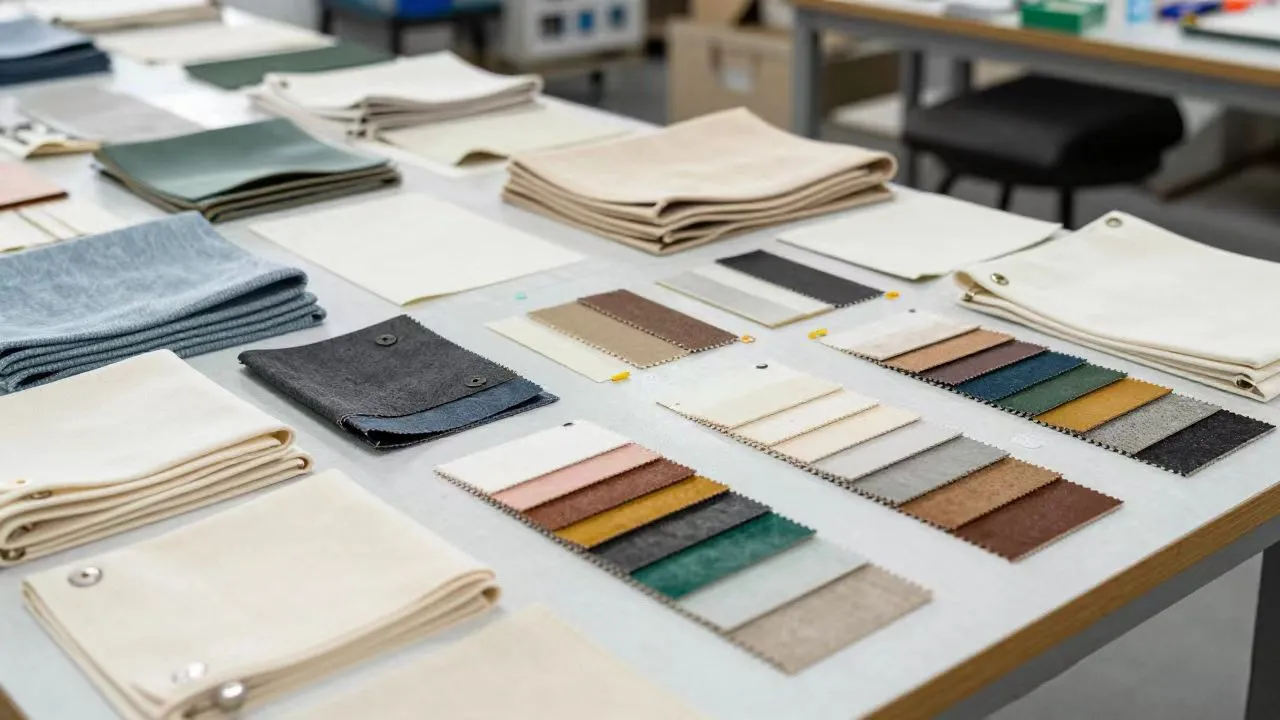
Bulk Bag Color Samples
Color samples showcasing bulk bags suitable for sea and air freight shipping

Sea Freight vs. Air Freight: Shipping Bulk Bags

In the global logistics landscape, the decision between sea freight and air freight for shipping bulk bags represents a critical strategic choice that directly impacts cost efficiency, delivery schedules, and overall business competitiveness. Bulk bag shipments, whether containing finished products or raw materials, require careful consideration of transportation modes to optimize both financial performance and customer satisfaction. Understanding the nuanced differences between these shipping methods enables businesses to make informed decisions that align with their operational requirements and market demands.

The shipping industry has evolved significantly with technological advancements and changing consumer expectations, making the selection of appropriate transportation methods more complex yet more crucial than ever. Sea freight offers substantial cost advantages for large-volume shipments, while air freight provides speed and reliability that can justify premium pricing. The choice between these options depends on multiple variables including shipment size, urgency, budget constraints, and destination requirements.

Bulk bag shipping presents unique challenges due to the volume and weight of consignments, requiring specialized handling equipment and optimized logistics strategies. Whether shipping handbags, tote bags, or other types of bulk containers, companies must evaluate the trade-offs between cost savings and delivery speed to determine the most suitable shipping method. The decision-making process involves analyzing various factors including cargo characteristics, shipping routes, customs requirements, and seasonal demand fluctuations.

Key Insight: The optimal shipping method for bulk bags depends on a combination of cost considerations, delivery timeframes, and cargo sensitivity, requiring a comprehensive analysis of business priorities and customer expectations.

Sea Freight: Cost-Effective Solution for Large Volumes

Sea freight emerges as the most economical option for shipping bulk bags, offering significant cost advantages for large-volume consignments. Container ships can accommodate thousands of units per voyage, making sea freight ideal for businesses with predictable demand patterns and flexible delivery schedules. The cost per unit decreases substantially as shipment volume increases, creating economies of scale that benefit high-volume exporters and importers.

The infrastructure supporting sea freight has become increasingly sophisticated, with modern container terminals equipped with automated systems that enhance efficiency and reduce handling damage. Major shipping lines offer regular sailings on established routes, providing reliable service schedules that enable businesses to plan inventory and production cycles effectively. The standardized container system ensures consistent handling procedures regardless of destination port.
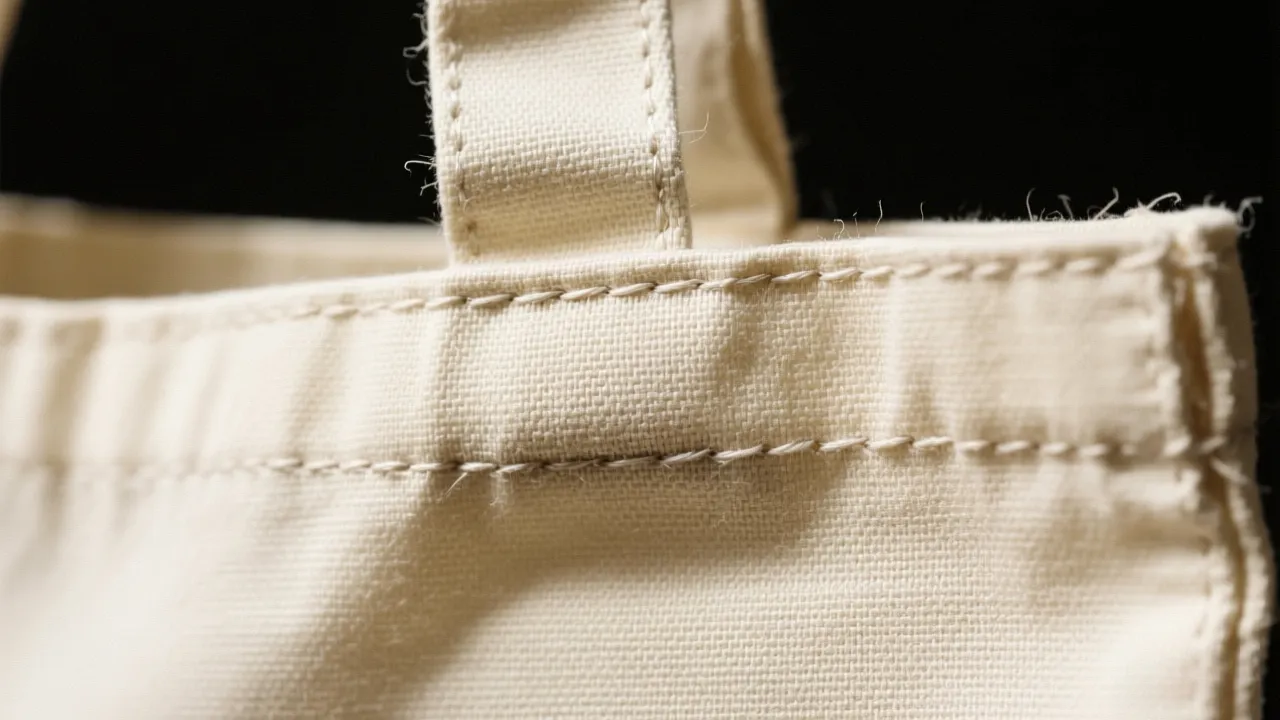
Bulk Bag Detail
Detailed view of bulk bag construction suitable for maritime transport

Sea freight excels in handling non-perishable goods and items with longer shelf lives, making it particularly suitable for manufactured products like handbags, tote bags, and other accessories. The extended transit times associated with sea shipping allow for comprehensive quality control measures and documentation preparation, reducing the risk of customs delays and ensuring compliance with international regulations.

Environmental considerations also favor sea freight, as ocean vessels produce lower carbon emissions per ton-mile compared to air cargo. This advantage becomes increasingly important as companies prioritize sustainability and respond to growing consumer demand for environmentally responsible shipping practices. The lower environmental impact of sea freight aligns with corporate sustainability goals while maintaining cost efficiency.

Advantages of Sea Freight:

  • Significant cost savings for large volumes
  • Lower environmental impact per unit
  • Higher capacity for bulk shipments
  • Reliable schedule on major routes
  • Less sensitive to fuel price fluctuations
  • Handles heavy and oversized cargo well

Disadvantages of Sea Freight:

  • Longer transit times
  • Weather-dependent delays
  • More complex documentation
  • Port congestion issues
  • Limited route flexibility
  • Higher inventory holding costs

Air Freight: Speed and Reliability for Urgent Shipments

Air freight represents the premium shipping option, offering unparalleled speed and reliability for time-sensitive bulk bag shipments. While significantly more expensive than sea freight, air cargo provides faster delivery times that can justify premium pricing for businesses operating in fast-moving markets or facing tight deadlines. The reduced transit time minimizes inventory carrying costs and enables just-in-time supply chain strategies.

Modern air cargo facilities feature advanced handling systems designed for efficient loading and unloading of various cargo types, including bulk bag shipments. Temperature-controlled environments protect sensitive materials during transport, while sophisticated tracking systems provide real-time visibility into shipment location and condition. These features make air freight particularly attractive for high-value products or items with strict delivery requirements.
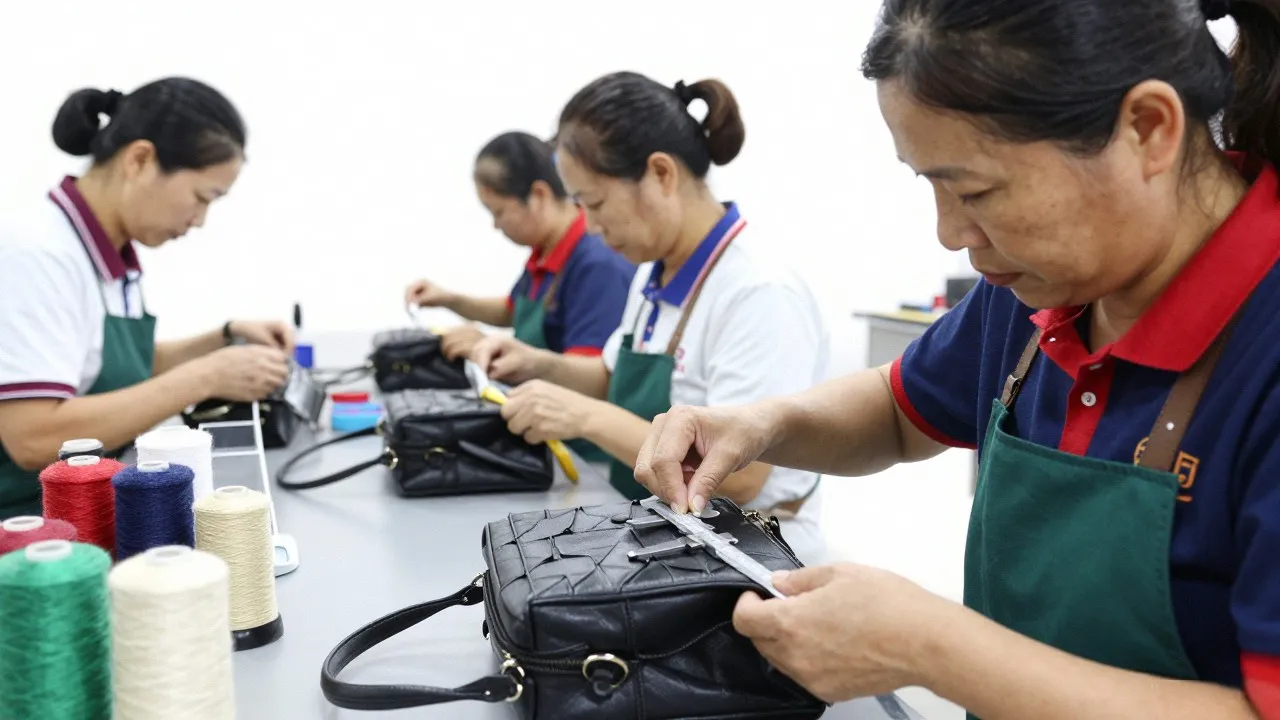
Quality Control Process
Quality control process ensuring bulk bags meet shipping standards

The speed advantage of air freight becomes crucial when shipping seasonal products, promotional items, or goods tied to specific events or sales periods. Fashion accessories, holiday merchandise, and trend-driven products often require the quick turnaround times that only air freight can provide. The ability to respond rapidly to market changes gives air freight users competitive advantages in dynamic business environments.

Air freight also offers superior security and reduced risk of theft or damage during transit. Cargo travels in sealed aircraft compartments with limited access points, and airport facilities maintain high-security standards. Insurance costs are typically lower for air freight due to reduced exposure time and enhanced security measures, partially offsetting higher transportation costs.

Shipping Method Transit Time Cost Factor Capacity Security Level Environmental Impact
Sea Freight 2-6 weeks Lowest Very High Moderate Low per ton-mile
Air Freight 1-3 days Highest Medium High High per ton-mile
Express Courier 1-2 days Very High Low Very High High per ton-mile
Rail Freight 1-2 weeks Medium High High Low per ton-mile

Cost Analysis: Sea vs. Air Freight for Bulk Bags

The cost differential between sea and air freight for bulk bag shipments can be substantial, with air freight typically costing 5-10 times more than sea freight per unit. However, this comparison must consider the total landed cost including inventory carrying charges, opportunity costs, and potential revenue impacts from delayed delivery. A comprehensive cost analysis reveals that the apparent cost advantage of sea freight may be offset by other factors in certain business scenarios.

Sea freight costs are primarily influenced by container rates, which vary based on shipping season, route popularity, and fuel surcharges. Full container load (FCL) shipments offer the best value for large volumes, while less than container load (LCL) options provide flexibility for smaller consignments. Additional costs include port handling fees, customs clearance, and inland transportation to and from ports.

Sea Freight Cost
$2,500
per container
Air Freight Cost
$12,000
per shipment
Transit Savings
$800
with sea freight

Air freight pricing is based on dimensional weight calculations and fluctuating fuel costs, making it more volatile than sea freight rates. Peak season surcharges and capacity constraints can significantly increase air freight costs during busy periods. However, the speed advantage may justify higher costs when factoring in reduced inventory carrying charges and improved cash flow.

For detailed cost optimization strategies, our shipping cost optimization guide provides comprehensive analysis techniques and practical recommendations.
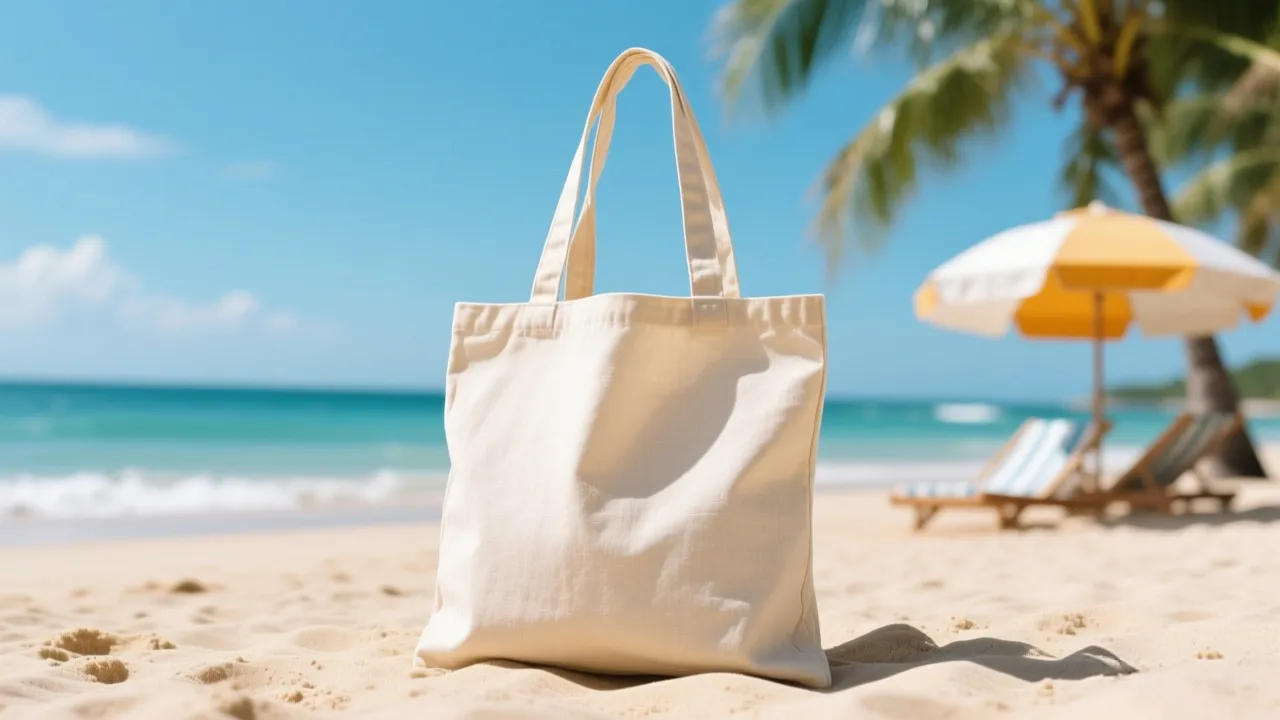
Beach Application Scenario
Bulk bags in various application scenarios demonstrating shipping versatility

Transit Time Comparison and Business Implications

Transit time differences between sea and air freight significantly impact business operations and customer satisfaction. Sea freight typically requires 2-6 weeks for international shipments, while air freight delivers within 1-3 days. These time differences affect inventory management strategies, cash flow cycles, and market responsiveness capabilities. Businesses must weigh the cost savings of slower shipping against the competitive advantages of rapid delivery.

The time factor becomes particularly critical when shipping seasonal products or items tied to specific market events. Fashion accessories, promotional materials, and holiday merchandise often require the speed of air freight to arrive in time for peak selling periods. Missing these windows can result in significant revenue losses that far exceed shipping cost differences.

Sea Freight
2-6 weeks
International
Air Freight
1-3 days
International
Peak Season
+3-5 days
for sea freight

Extended transit times with sea freight require larger safety stocks and more sophisticated inventory management systems. The additional inventory carrying costs must be calculated when comparing total landed costs. Conversely, air freight enables leaner inventory strategies and reduced warehouse space requirements, potentially offsetting higher shipping costs.

Handling and Logistics Considerations

Both sea and air freight require specialized handling procedures for bulk bag shipments, but the nature and complexity of these procedures differ significantly. Sea freight involves multiple handling points including origin and destination ports, container yards, and trucking connections. Each handling point represents a potential source of damage or delay, requiring robust packaging and protective measures.

Air freight handling occurs in controlled airport environments with fewer transfer points, reducing handling-related risks. However, the compact loading requirements of aircraft cargo holds may necessitate special packaging configurations or additional handling steps. Weight restrictions and dimensional limitations require careful planning to maximize utilization while maintaining product integrity.
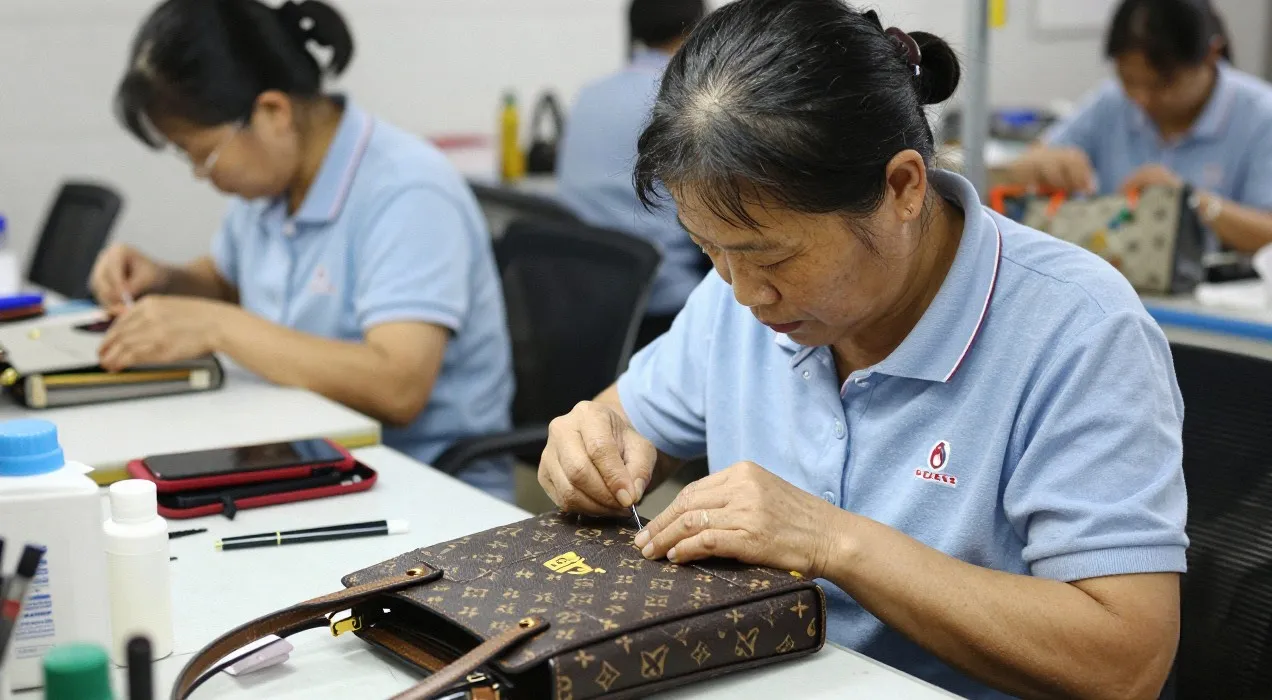
Manufacturing Process
Manufacturing process ensuring bulk bags meet shipping durability standards

Customs procedures and documentation requirements vary between shipping methods, with air freight often experiencing faster clearance due to priority processing at airports. Sea freight may encounter delays due to port congestion, especially during peak seasons or when shipping to busy ports. Understanding these differences helps businesses plan accordingly and minimize potential disruptions.

Environmental Impact and Sustainability Factors

The environmental implications of sea versus air freight present important considerations for businesses prioritizing sustainability. Sea freight generates significantly lower carbon emissions per ton-mile compared to air freight, making it the preferred option for environmentally conscious companies. Ocean vessels use fuel-efficient engines and operate on established routes that optimize fuel consumption.

Air freight, while faster, produces substantially higher emissions per unit shipped. However, the reduced inventory holding times and associated storage emissions may partially offset the transportation emissions difference. Some companies choose air freight for its ability to reduce overall supply chain emissions through leaner inventory management.

For comprehensive information about sustainable shipping options, our sustainability certifications guide provides detailed information about eco-friendly shipping practices.

Seasonal and Market Considerations

Seasonal demand patterns significantly influence the choice between sea and air freight for bulk bag shipments. Peak seasons such as back-to-school, holiday shopping, or fashion seasons may require the speed of air freight to meet market timing requirements. Off-season periods often favor sea freight due to lower urgency and capacity availability.

Market volatility and sudden demand changes may necessitate air freight’s flexibility despite higher costs. The ability to respond quickly to unexpected orders or market shifts can provide competitive advantages that justify premium shipping costs. Conversely, predictable demand patterns support sea freight’s cost advantages and scheduled service reliability.
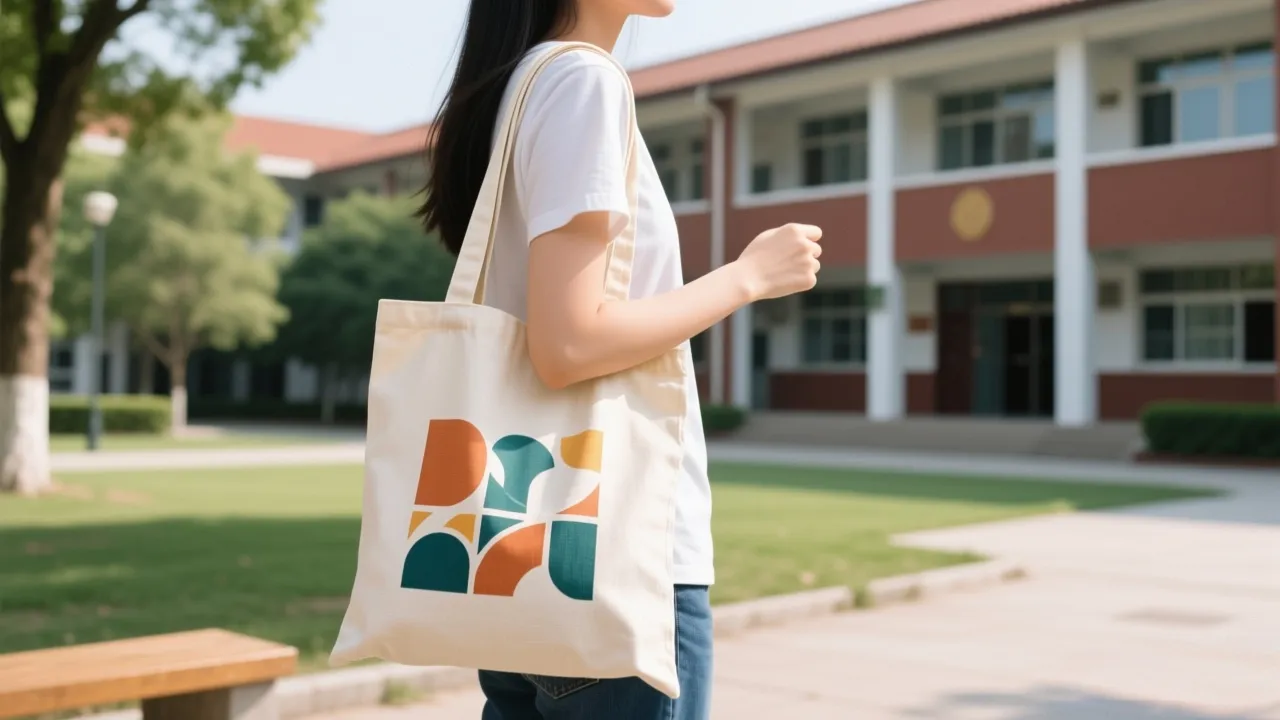
Educational Application
Bulk bags in educational settings demonstrating versatile applications

Documentation and Regulatory Compliance

Shipping bulk bags internationally requires extensive documentation and regulatory compliance, with different requirements for sea and air freight. Sea freight documentation includes bills of lading, commercial invoices, packing lists, and certificates of origin. The complexity of sea freight documentation reflects the multiple parties involved in maritime transport.

Air freight requires air waybills, commercial invoices, and specific dangerous goods declarations if applicable. The streamlined documentation process for air freight often results in faster customs clearance and reduced administrative overhead. However, air freight has stricter regulations regarding hazardous materials and restricted items.

For detailed information about shipping regulations, our HS code guide provides comprehensive classification information for international shipping.

Insurance and Risk Management

Insurance coverage and risk management strategies differ between sea and air freight shipping methods. Sea freight faces risks including weather delays, port congestion, piracy in certain regions, and handling damage during multiple transfer points. The extended transit times increase exposure to these risks, requiring comprehensive insurance coverage.

Air freight risks include flight delays, cargo hold temperature variations, and limited recovery options if issues arise during flight. However, the shorter exposure time and controlled airport environments generally result in lower overall risk profiles. Insurance premiums typically reflect these risk differences, with air freight often commanding lower rates despite higher shipping costs.

Business Partnership
Successful business partnership in shipping and logistics coordination

Technology Integration and Tracking Capabilities

Modern tracking technologies provide real-time visibility into shipment status, with varying capabilities depending on the shipping method chosen. Sea freight tracking systems offer periodic updates at key milestones such as port departures and arrivals, providing general location information but limited granular tracking.

Air freight tracking systems provide more frequent updates and precise location information, enabling better supply chain visibility and customer communication. The integration of GPS technology and digital platforms allows for predictive analytics and proactive issue resolution. These capabilities support just-in-time inventory management and responsive customer service.

Customer Expectations and Service Levels

Customer expectations regarding delivery times and service levels increasingly influence shipping method decisions. E-commerce growth has raised consumer expectations for faster delivery, making air freight more attractive despite higher costs. B2B customers may accept longer lead times in exchange for cost savings, while retail customers often prioritize speed over price.

Service level agreements with customers must account for shipping method capabilities and potential delays. Building realistic expectations based on chosen shipping methods helps maintain customer satisfaction and reduces complaints related to delivery timing. Communication strategies should clearly outline expected delivery windows based on shipping method selection.
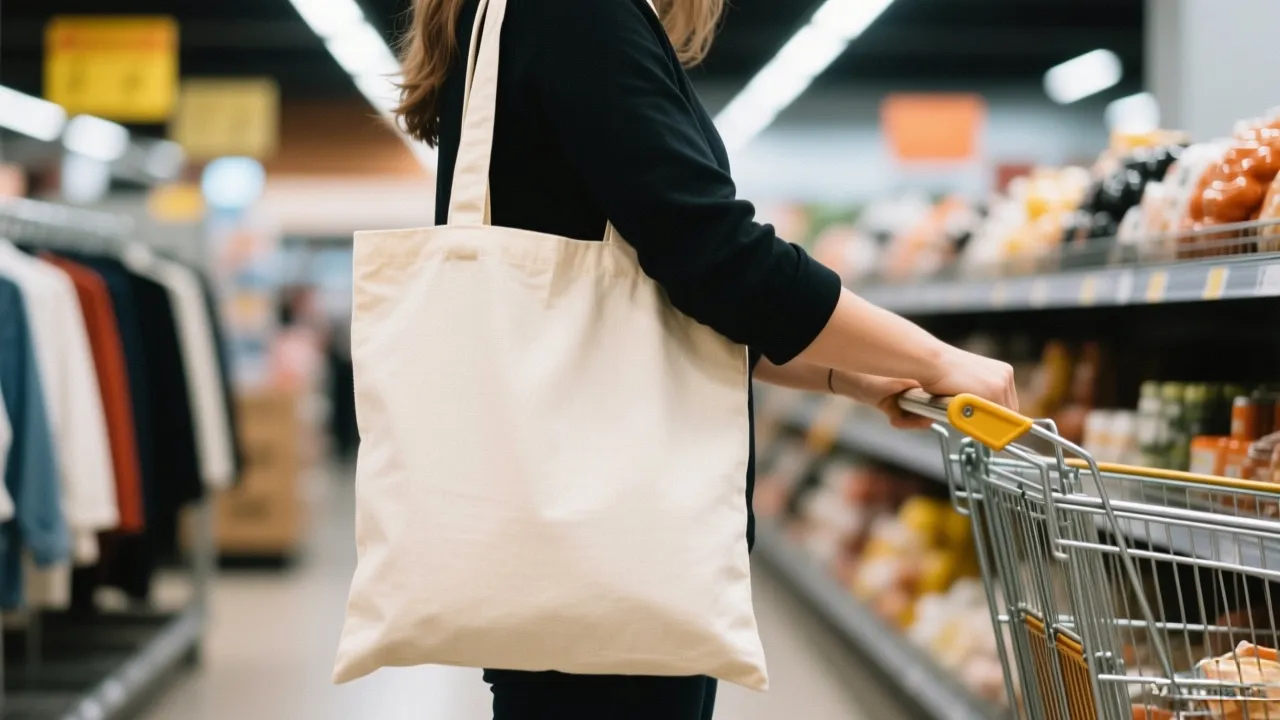
Retail Application
Retail environment showcasing products shipped via optimized methods

Supply Chain Optimization Strategies

Optimizing supply chains for bulk bag shipments often involves hybrid approaches that combine sea and air freight based on specific product requirements and market conditions. Strategic use of both methods maximizes efficiency while balancing cost and service level objectives. Seasonal products may ship via air freight during peak periods and sea freight during off-seasons.

Inventory management strategies should align with chosen shipping methods to optimize working capital and reduce stockouts. Sea freight’s longer lead times require larger safety stocks and more sophisticated forecasting systems. Air freight enables leaner inventory strategies but requires more responsive demand planning capabilities.

For information about supply chain optimization, our manufacturing cost guide includes shipping cost considerations in overall pricing strategies.

Future Trends in Bulk Bag Shipping

The shipping industry continues to evolve with technological advances and changing market demands. Digitalization of shipping processes, automated handling systems, and sustainable fuel alternatives are transforming both sea and air freight capabilities. These developments may alter the traditional cost and service trade-offs between shipping methods.

E-commerce growth continues to drive demand for faster shipping options, potentially increasing air freight usage despite higher costs. However, sustainability pressures may favor sea freight adoption for companies prioritizing environmental responsibility. The balance between these competing forces will shape future shipping method preferences.
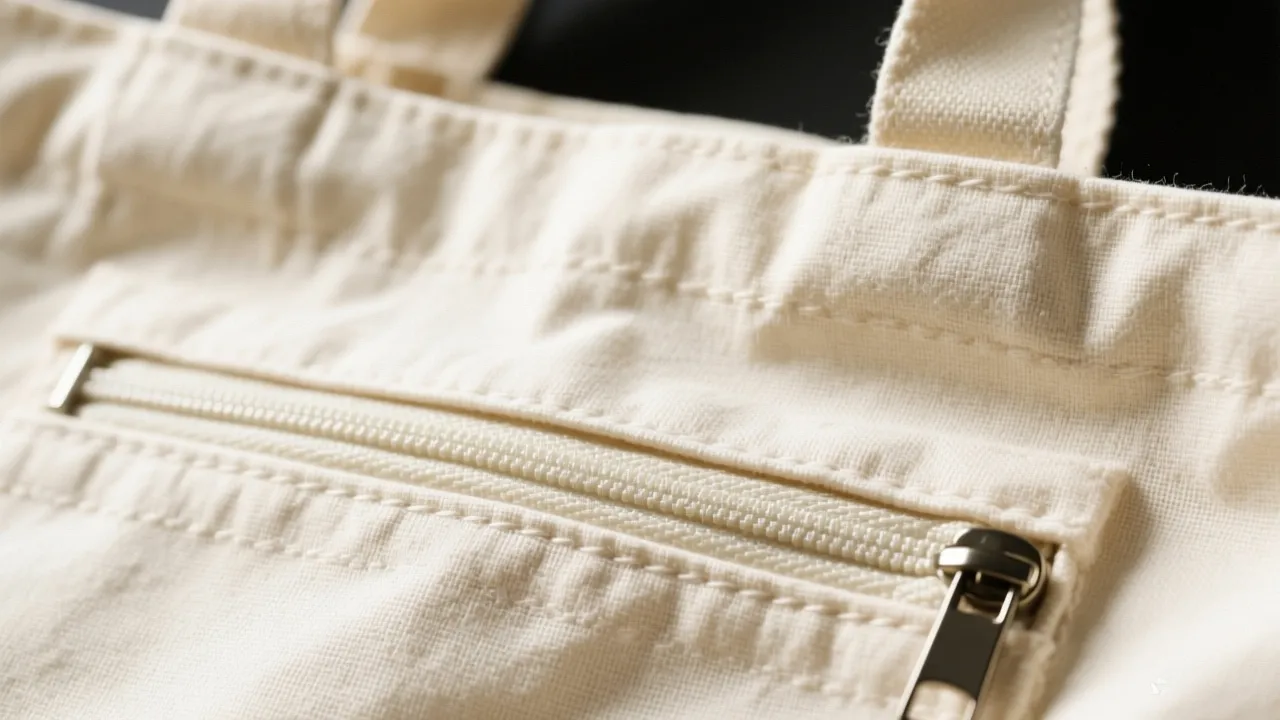
Quality Detail Work
Quality detail work ensuring bulk bags withstand shipping rigors

Decision-Making Framework for Shipping Method Selection

Selecting the optimal shipping method for bulk bags requires a systematic approach that considers multiple variables simultaneously. A weighted scoring model that evaluates cost, time, risk, and service requirements provides objective guidance for shipping method selection. The relative importance of each factor varies by business type and market conditions.

Regular review and adjustment of shipping strategies ensure continued alignment with business objectives and market conditions. Seasonal variations, market changes, and operational improvements may necessitate modifications to shipping method selections. Flexible approaches that adapt to changing circumstances provide competitive advantages.

Case Studies and Real-World Applications

Successful companies have implemented various strategies for optimizing bulk bag shipping based on their specific requirements. Fashion retailers often use air freight for seasonal collections and sea freight for basic items with longer sell-through periods. Industrial suppliers may rely on sea freight for standard products while using air freight for urgent replacement parts.

These examples demonstrate that shipping method selection should align with product lifecycle, market timing, and customer service requirements. The most successful approaches often combine both methods strategically rather than choosing one exclusively. Flexibility and responsiveness to changing market conditions prove essential for sustained success.
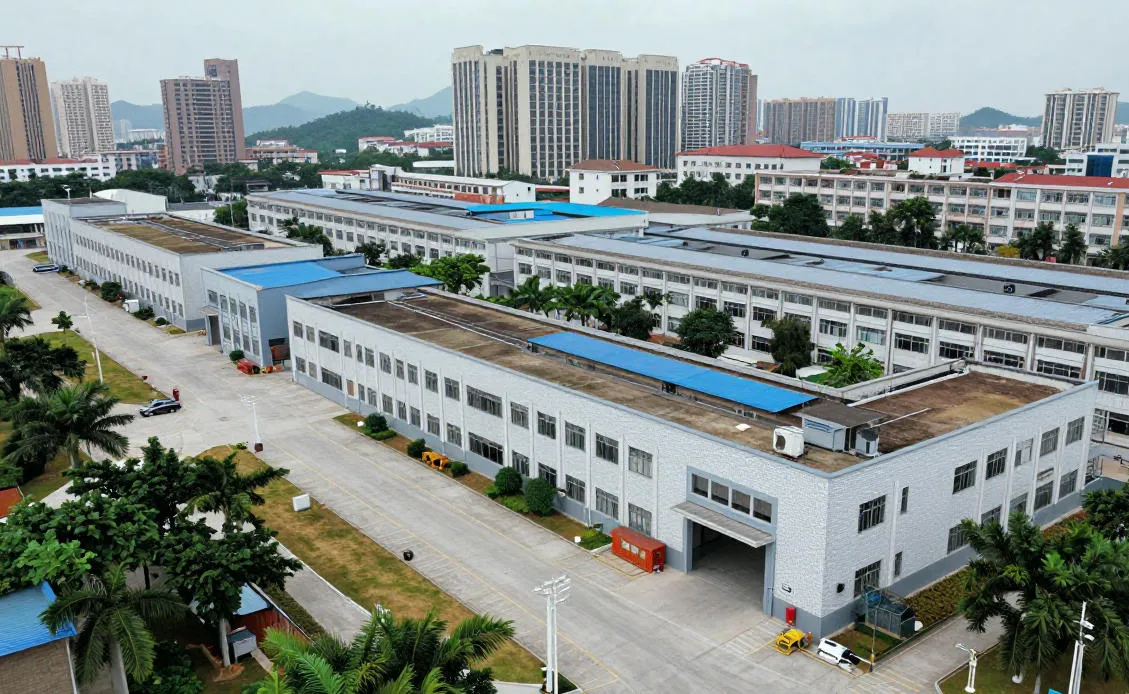
Manufacturing Facility
Modern manufacturing facility preparing bulk bags for optimized shipping

Conclusion and Strategic Recommendations

The choice between sea freight and air freight for shipping bulk bags depends on a complex interplay of cost, time, risk, and service requirements. Neither method is universally superior; instead, the optimal choice varies based on specific business circumstances, product characteristics, and market conditions. Successful companies often employ hybrid strategies that leverage the strengths of both methods.

Continuous monitoring and optimization of shipping strategies ensure continued alignment with business objectives and market changes. The investment in sophisticated shipping method selection processes pays dividends through improved cost efficiency, customer satisfaction, and competitive positioning. The future belongs to companies that master the art of shipping method optimization while maintaining flexibility to adapt to changing conditions.

Strategic shipping decisions require ongoing attention to market dynamics, cost trends, and customer expectations. Companies that develop expertise in shipping method selection gain sustainable competitive advantages that extend beyond immediate cost savings to encompass improved customer relationships and market positioning.

Strategic Recommendation

Implement a dynamic shipping strategy that combines sea and air freight based on real-time market conditions, seasonal demands, and customer requirements. Regularly review and adjust shipping methods to optimize cost-performance ratios and maintain competitive advantages.

Expert Shipping Consultation Services

Our logistics experts provide comprehensive shipping method analysis and optimization services tailored to your specific bulk bag shipping requirements. We help you navigate the complexities of sea and air freight to maximize cost efficiency and service excellence.

Visit Our Homepage | Contact Shipping Experts

Customer Reviews100 Reviews

Carlos Mendoza2026-08-24
Hola, gracias por el artículo. Soy un comprador de una cadena de retail en la Ciudad de México y estamos evaluando el envío de bolsas de lona desde Guangzhou al puerto de Manzanillo. Hemos tenido problemas con la humedad y el olor a moho en envíos anteriores por LCL. Para una próxima orden de 2,000 piezas, ¿es mejor elegir un contenedor completo para garantizar un control de humedad más estricto, especialmente en la temporada de lluvias? Quisiera saber si recomiendan un liner de polietileno de 0.20 mm con bolsas de gel de sílice de 50 gramos, o si es necesario un sistema adicional como bolsas de carbón activado para el tránsito de 30 días a Manzanillo. También quiero saber cuántas bolsas de gel de sílice necesito por metro cúbico y si hay alguna prueba de humedad que podamos hacer antes del envío. Estoy un poco frustrado con la falta de datos de nuestro proveedor actual y quiero números exactos para evitar problemas en el puerto de destino. Agradezco su orientación técnica. Por favor, también envíen un presupuesto DAP Ciudad de México para que podamos evaluar los costos. Necesito confirmar los códigos arancelarios correctos para las bolsas de lona de algodón para evitar retrasos en la aduana. Una respuesta detallada nos ayudaría a decidir con confianza nuestra próxima compra. Esperamos su respuesta con interés. Gracias.
GZDreamway2026-08-24
Hola Carlos, gracias por su confianza y por plantear sus inquietudes. Entendemos perfectamente los desafíos de la humedad y el moho en envíos a México, especialmente en temporada de lluvias. Para una orden de 2,000 piezas, recomendamos firmemente usar un contenedor completo para tener control total sobre el ambiente y evitar la mezcla de productos de otros exportadores en un LCL, lo que puede generar problemas de humedad. Nuestro sistema de empaque para esta ruta incluye un liner de polietileno de 0.20 mm en cada caja, que ofrece una barrera superior contra el vapor de agua comparado con el estándar de 0.15 mm. Además, para manejar la alta humedad, colocamos 14 bolsas de gel de sílice de 50 gramos por metro cúbico de volumen de caja, lo cual supera el promedio de 10-12 bolsas para asegurar una protección robusta. En adición, instalamos bolsas desecantes industriales de 1 kg en tres puntos estratégicos dentro del contenedor: cerca de la puerta, en el centro y en la parte trasera, para crear una barrera contra la condensación. Para validar la efectividad, utilizamos registradores de datos EL-USB-2 que monitorean la temperatura y humedad relativa cada hora durante el tránsito, y podemos compartir un informe detallado al llegar. Esto nos permitió reducir significativamente quejas de olores. Sobre los códigos arancelarios, confirmamos que el HS 4202.22 es el correcto para bolsas de lona de algodón. Podemos preparar el presupuesto DAP Ciudad de México dentro de 48 horas después de recibir las dimensiones exactas de las cajas y el peso total. Nuestro proceso de manufactura incluye un secado previo del material textil para eliminar compuestos orgánicos que causan olores, y realizamos una prueba de control de calidad documentada con fotos antes del envío. Por favor, envíenos una muestra de las bolsas afectadas para que nuestro equipo haga un análisis de causa raíz y ajuste la especificación de empaque aún más si es necesario. Estamos comprometidos a proporcionar una solución concreta y medible para su expansión en el mercado mexicano. Esperamos poder construir una asociación sólida y duradera con ustedes. Atentamente, GZDreamway

Hello Carlos, thank you for your trust and for raising your concerns. We fully understand the challenges of humidity and mold in shipments to Mexico, especially during rainy season. For an order of 2,000 pieces, we strongly recommend using a full container load to have complete control over the environment and avoid mixing cargo from other exporters in LCL, which can lead to humidity issues. Our packaging system for this route includes a 0.20mm polyethylene liner in each carton, offering superior water vapor barrier compared to the standard 0.15mm. To manage high humidity, we place 14 sachets of 50g silica gel per cubic meter of carton volume, exceeding the average of 10-12 sachets to ensure robust protection. Additionally, we install 1kg industrial desiccant bags at three strategic points inside the container: near the door, center, and rear, creating a barrier against condensation. To validate effectiveness, we use EL-USB-2 data loggers that monitor temperature and relative humidity every hour during transit, and we can share a detailed report upon arrival. This approach has significantly reduced odor complaints. Regarding tariff codes, we confirm HS 4202.22 is correct for cotton canvas bags. We can prepare the DAP Mexico City quote within 48 hours after receiving the exact carton dimensions and total weight. Our manufacturing process includes a pre-drying stage for the textile material to eliminate odor-causing organic compounds, and we perform a documented quality control check with photos before shipment. Please send us a sample of the affected bags so our team can conduct a root-cause analysis and further adjust the packaging specification if necessary. We are committed to providing a concrete, measurable solution for your expansion in the Mexican market. We look forward to building a strong, lasting partnership with you. Sincerely, GZDreamway
أمينة الراشدي2026-08-23
مقالكم عن الشحن البحري مقابل الجوي مفيد جدًا، لكن واجهتنا مشكلة حقيقية في شحنتنا الأخيرة من حقائب القماش إلى دبي عبر جبل علي. وصلت بعض الحقائب برائحة عفن خفيفة والمسكات أصبحت لزجة قليلًا، وهذا أثر على سمعتنا كمتجر إلكتروني فاخر. نحتاج حلًا جذريًا لموسم الصيف الحار والرطوبة العالية في الإمارات. هل تنصحون بطبقة PE بسماكة 0.2 مم ولماذا، وكم كيس سيليكا جيل (50غ) لكل متر مكعب نستخدم خلال رحلة بحرية من 25 يومًا؟ وهل يكفي وضعها في الكرتون أم يجب أيضًا توزيعها داخل الحاوية؟ أريد أيضًا معرفة طريقة اختبار الرطوبة قبل الشحن للتأكد من فعالية التغليف، خاصة أننا نخطط لطلب 1000 حقيبة لتوسعة نشاطنا. كما أحتاج لتوضيح الكود الجمركي الصحيح لحقائب القماش لضمان تخليص سلس في جبل علي، وعرض سعر DAP دبي مع توصيل للمستودع. المورد السابق لم يقدم أي بيانات تقنية، وأنا منهكة من طلب المشورة من مصادر متفرقة دون فائدة. أتمنى أن تكونوا الشركاء الذين يقدمون حلولًا عملية بأرقام دقيقة تناسب مناخ الخليج. شكرًا لاهتمامكم.
GZDreamway2026-08-23
مرحبًا أمينة، نشكرك على مشاركة تجربتك الصريحة، ونعتذر بصدق عن المشكلات التي واجهتها. نفهم تمامًا حساسية السوق الإماراتي وموسم الصيف القاسي، لذلك نقدم حلولًا قياسية مبنية على اختباراتنا الميدانية. أولًا، نوصي بشدة باستخدام طبقة PE بسماكة 0.2 مم لكل كرتونة؛ هذه السماكة تعمل كحاجز قوي ضد بخار الماء وتمنع امتصاص الرطوبة في القماش، وهذا أفضل بكثير من 0.15 مم خاصة عندما تتجاوز درجات الحرارة 45 درجة مئوية. ثانيًا، نضع 14 كيس سيليكا جيل بوزن 50 غرام لكل متر مكعب من حجم الكرتون كمعدل أساسي، ونزيد الكمية إلى 16 كيس في ذروة الصيف، ونوزعها دائمًا داخل الكرتون بطريقة متساوية بين طبقات الحقائب، وليس فقط فوقها. نضيف أيضًا أكياس تجفيف كبيرة بوزن 1 كيلوغرام في ثلاث نقاط استراتيجية داخل الحاوية: الأمامية عند الباب، الوسطى، والخلفية، وهذا يمنع تكون نقاط رطوبة ساخنة. لاختبار فعالية التغليف قبل الشحن، نستخدم ثلاثة مسجلات حرارة ورطوبة من نوع EL-USB-2 مثبتة في نقاط مختلفة داخل حاوية تجريبية تحاكي الرحلة الفعلية، وتسجل البيانات كل ساعة على مدار 25 يومًا، ثم نستخدم هذه البيانات لضبط كمية المجففات بدقة. بخصوص الكود الجمركي، فسيتم توثيقه كـ HS 4202.22 لحقائب القماش، مما يضمن تخليصًا سلسًا. يمكننا إعداد عرض سعر DAP دبي خلال 48 ساعة بعد استلام أبعاد الكرتونات والوزن الإجمالي، مع ضمان وصول البضاعة بحالة مثالية. أرسلي لنا صورًا للحقائب المتأثرة وبيان الشحن السابق لنقوم بتحليل السبب الجذري وتقديم مواصفات تغليف مخصصة لاحتياجاتك. نحن ملتزمون ببناء شراكة موثوقة تساعدك على التوسع بثقة في السوق الإماراتي وأنحاء الخليج.

Hello Amna, thank you for your candid feedback, and we sincerely apologize for the issues you encountered. We fully understand the sensitivity of the UAE market and the harsh summer climate, so we provide standardized solutions based on our field tests. First, we strongly recommend using a 0.2mm PE barrier liner per carton; this thickness acts as a strong vapor barrier and prevents moisture absorption into the fabric, which is far superior to 0.15mm especially when temperatures exceed 45 degrees Celsius. Second, we place 14 packets of 50g silica gel per cubic meter of carton volume as a baseline, and increase to 16 packets during peak summer, always distributing them evenly between layers of bags inside the carton, not just on top. We also add large 1kg container desiccant bags at three strategic points: front near the door, middle, and rear, which prevents hot spots from forming. To test packaging effectiveness before shipping, we use three EL-USB-2 data loggers installed at different points inside a trial container that simulates the actual voyage, recording data every hour for the full 25-day period, and we use this data to precisely adjust desiccant quantities. Regarding the HS code, we will document it as 4202.22 for canvas bags, ensuring smooth customs clearance. We can prepare a DAP Dubai quote within 48 hours of receiving carton dimensions and total weight, with a guarantee of flawless arrival. Please send photos of the affected bags and the previous bill of lading so we can perform a root-cause analysis and provide a customized packaging specification for your needs. We are committed to building a trustworthy partnership that helps you expand confidently in the UAE and Gulf markets. GZDreamway
Amara Okafor2026-08-22
Your article on sea vs. air freight is quite informative, though it made me realize our last LCL shipment of canvas totes from Guangzhou to Lagos via Apapa port was not packed optimally. A few bags developed a faint musty odor and some zippers looked slightly tarnished. We're a mid-sized apparel brand looking to expand, and this is a major concern for our reputation. What specific packaging do you recommend for a 30-day sea journey to a tropical climate? Also, is it better to use FCL or LCL for an order of 3000 pieces to balance cost and ensure quality? We're planning to launch a new collection in the fall and need a reliable partner who can provide concrete solutions rather than generic advice. Your thoughts would be invaluable.
GZDreamway2026-08-22
Hello Amara, thanks for your candid feedback. We understand the anxiety that comes with spotting mold or tarnished hardware on your products, especially as you scale. For your Lagos route, we've developed a specific protocol for tropical climates. We strongly suggest upgrading to FCL for your 3000-piece order to gain complete control over the container's environment, avoiding the unpredictable conditions of mixing cargo. Our manufacturing process includes a pre-drying stage for all polyethylene and canvas materials to eliminate inherent odors. For the packaging, we have engineered a system using a dual-layer approach: an outer 0.20mm PE liner for robust vapor resistance, with an inner active carbon cloth layer that absorbs residual moisture and odors. To determine the exact silica gel requirement, we calculate 14 sachets of 50g per cubic meter of carton volume, which is a higher baseline than the industry standard of 10, to proactively combat the high humidity on the West African route. We also place 1kg industrial desiccant bags at three strategic floor points in the container—near the door, mid-cargo, and rear—to create a moisture shield. Before your full production run, we can conduct a trial shipment with just a few cartons, placing EL-USB-2 data loggers inside to record temperature and humidity every hour. This gives us empirical data to validate our packaging spec and make adjustments if needed. We are confident we can ensure your new collection arrives in pristine condition, ready for the market. Let's connect to discuss the specifics for your fall launch.
藤野 航平2026-08-21
こんにちは。大阪でアパレルブランドを運営しております。前回、神戸港着のLCLコンテナでキャンバストートバッグを輸入した際、一部のバッグにカビ臭と金具の錆びが見られました。この記事を読み、湿度対策の重要性は理解しましたが、具体的にPEライナーの厚み(0.15mm vs 0.2mm)、シリカゲルの必要量(1立方メートルあたり何袋)、そしてコンテナ内での除湿剤の設置場所についてのアドバイスをいただけますか。また、次回はFCLとLCLのどちらが適しているのか、コストと品質のバランスを考慮した提案をお願いします。小ロットでのテスト発送も検討したいので、その際のパッキング方法と検証手順も知りたいです。
GZDreamway2026-08-21
藤野様、この度は貴重なご質問をいただき、誠にありがとうございます。カビ臭と金具の錆びの問題、深くお詫び申し上げます。弊社では再発防止のため、数値に基づいたパッキングスペックをご提案しております。神戸港へのルートでは、特に夏季は湿度が高く、PEライナーは0.2mmを推奨しております。これは0.15mmに比べて水蒸気の浸透を効果的に防ぎます。シリカゲルは、容積1立方メートルあたり14袋(50g)を標準装備としております。また、コンテナ用の大型乾燥剤(1kg)を、前方、中央、後方の床面に設置し、結露の発生を抑えます。小ロットでのテスト発送には、データロガー(EL-USB-2)をコンテナ内の3箇所に設置し、輸送中の温湿度変化を記録し、そのデータに基づいて最適な梱包仕様をご提案いたします。これにより、リスクを可視化し、お客様に安心していただけます。FCLとLCLの選択ですが、少量多品種の場合は、厳格な品質管理された混載業者を利用したLCLでも問題ありません。ご検討中の数量とカートンサイズを教えていただければ、48時間以内に詳細なパッキングスペックと、DAP神戸の見積もりをご用意いたします。

Dear Mr. Fujino, thank you for your valuable questions. We sincerely apologize for the mold odor and metal rust issue in your previous shipment. To prevent recurrence, we can provide a data-driven packaging specification. For the Kobe port route, especially in summer, we recommend a 0.2mm PE barrier liner per carton, which is more effective against vapor penetration than the standard 0.15mm. We use 14 packets of 50g silica gel per cubic meter – higher than the market norm – to combat humidity. We place 1kg container desiccant bags at three key floor points: front, middle, and rear. For a small test shipment, we install three data loggers (EL-USB-2) inside the container to record temperature and humidity, allowing us to refine the packaging spec. For FCL vs. LCL, we recommend FCL for complete control, but for smaller quantities, LCL with certified consolidators works well. Please share your target quantity and carton dimensions for a detailed DAP Kobe quote within 48 hours. We are committed to ensuring your tote bags arrive in pristine condition. GZDreamway
Amara Okafor2026-08-20
I must say, your breakdown of sea freight vs. air freight is a solid primer, but the real-world application can be tricky. We're a growing lifestyle brand in Lagos, and our last LCL shipment of canvas totes from Guangzhou to Apapa arrived with a faint musty smell that lingered on a few pieces. We're moving into our peak season and can't afford any quality slips. I've been researching moisture control but info is scattered. Can you give me a concrete recommendation on the right PE liner thickness and silica gel pack count for a 30-day sea journey to a tropical climate like ours? Also, would you recommend FCL over LCL for a medium-sized order, say 5000 pieces, and what's the best way to test the packaging effectiveness before we commit to a full production run? We're keen on finding a supplier who gets the nuances of the West African market. Appreciate your insights. –
GZDreamway2026-08-20
Hello Amara, thank you for your detailed and honest feedback. You're absolutely right that the theory needs to meet reality, especially for a market like West Africa where humidity is a constant challenge. For your specific scenario, we strongly recommend FCL (a 20ft or 40ft container) for an order of 5000 pieces to maintain complete control over the container’s environment and avoid the variable conditions that can occur with LCL consolidated cargo. Our manufacturing process includes a pre-drying stage for all canvas fabrics to minimize inherent odors. For packaging, we don't just use a standard single-layer liner; we have developed a system using a double barrier: an outer 0.20mm PE liner for robust water vapor resistance, and an inner kraft paper layer to absorb any surface condensation that can cause that musty smell. This proactive pairing is key. To determine the exact silica gel quantity, we calculate 14 sachets of 50g per cubic meter of carton volume as a baseline, but this is fine-tuned based on the route and season. For a June-August voyage to Apapa, our data suggests this higher count is more effective than the standard 10 units. We also place 1kg industrial desiccant bags at three strategic points inside the container—near the door, mid-cargo, and at the rear—to act as moisture hotspots. Before your full production, we can run a trial shipment with just a few cartons, placing EL-USB-2 data loggers inside them to record temperature and humidity levels throughout the journey. This provides concrete data to validate our packaging spec before you scale. We are confident we can provide a packaging solution that ensures your canvas totes arrive in pristine condition, ready for your peak season. We are ready to support your brand's growth in this market. –
فاطمة الزهراء2026-08-18
وصلت شحنتي اليوم من حقيبة الظهر المصنوعة من القماش، ولاحظت أن بعض السحابات فيها صدأ خفيف، وهذا غير مقبول إطلاقًا بالنسبة لي كصاحبة متجر إلكتروني في دبي أبيع منتجات فاخرة. أريد أن أعرف ما هو أفضل حل لحماية السحابات المعدنية أثناء الشحن البحري، وهل يجب أن أستخدم FCL أم LCL لضمان وصول البضاعة بحالة جيدة؟ سمعت أن استخدام أكياس السيليكا ضروري لكني لا أعرف الكمية المناسبة لكل متر مكعب، وهل يكفي وضعها في الكرتونات أم يجب وضعها أيضًا داخل الحاوية؟ أتمنى أن تحددوا لي الكمية الدقيقة لأن المورد السابق لم يعطني أي تفاصيل، وهذا أثر على سمعتي أمام عملائي الذين يثقون بجودة منتجاتي. كما أريد معرفة إذا كان هناك طريقة لاختبار الرطوبة قبل الشحن للتأكد من أن التغليف مناسب، لأن مشكلة الصدأ هذه تكررت معي مرتين وأنا أريد حلاً جذريًا. أرجو أيضًا تقديم عرض سعر DAP دبي مع التوصيل إلى مستودعي، وتوضيح الكود الجمركي الصحيح لحقائب القماش حتى أتجنب أي تأخير في التخليص. لقد سئمت من التعامل مع موردين لا يهتمون بالتفاصيل الدقيقة، وأحتاج إلى شريك يهتم بجودة التغليف ويراعي الظروف المناخية في منطقتنا. هل يمكنكم مساعدتي في هذا الشأن؟ وشكرًا لكم على اهتمامكم.
GZDreamway2026-08-18
مرحبًا فاطمة، نشكرك على تواصلك معنا ونعتذر بصدق عن المشكلة التي واجهتها في شحنتك. نفهم تمامًا أهمية الحفاظ على جودة المنتجات بالنسبة لمتجرك في دبي، وخاصة فيما يتعلق بالسحابات المعدنية. لدينا حلول متكاملة لمثل هذه الحالات، حيث نوصي باستخدام FCL للشحنات الكبيرة لضمان التحكم الكامل في بيئة الحاوية ومنع التقلبات الحرارية. أما إذا كان LCL ضروريًا، فنعمل فقط مع شركات شحن معتمدة توفر حاويات مختومة ومسجلات رطوبة موثقة. بالنسبة لطبقة الحماية، نستخدم نظامًا مزدوجًا: طبقة PE بسماكة 0.15 مم للكرتون مع طبقة داخلية من ورق الكرافت لامتصاص الرطوبة السطحية وحماية السحابات من التآكل. نضيف أيضًا أكياس السيليكا بمعدل 12 كيسًا (وزن 50 جرامًا) لكل متر مكعب من حجم الكرتون في الظروف العادية، ونزيد إلى 14 كيسًا خلال فصل الصيف الحار في دبي لضمان فعالية أكبر. نضع أكياس التجفيف الكبيرة (1 كجم) في ثلاث نقاط استراتيجية داخل الحاوية: واحدة عند الباب، وواحدة في منتصف الحمولة، وواحدة في الخلف، مثبتة جيدًا لمنع الحركة ونقاط الرطوبة الساخنة. لاختبار فعالية التغليف قبل الشحن، نستخدم ثلاثة مسجلات حرارة ورطوبة من نوع EL-USB-2 في نقاط مختلفة داخل حاوية تجريبية لمحاكاة الرحلة وتحديد الكمية المثلى من المجففات. أما بالنسبة للتكلفة، فنقدم عرض DAP دبي مع توصيل حتى باب المستودع خلال 48 ساعة من استلام أبعاد الكرتونات، ونوفر كود HS 4202.22 لحقائب القماش، مع ضمان عدم حدوث أي تأخير جمركي. نحن ندرك أهمية الدقة في التغليف، ونلتزم بتقديم حلول عملية قابلة للقياس. نرجو منك إرسال صور للسحابات المتضررة وبيان الشحن لتوثيق المشكلة، وسنقوم فورًا بتحليل السبب الجذري وإرسال مواصفات التغليف التفصيلية مع عرض السعر، مما يضمن وصول شحنتك القادمة بحالة ممتازة. نهتم بشراكتك ونعدك بالشفافية التامة في جميع التعاملات.

Hello Fatima, thank you for reaching out to us, and we sincerely apologize for the issue you encountered with your shipment. We fully understand the importance of maintaining product quality for your store in Dubai, especially regarding metal zippers. We have comprehensive solutions for such cases, strongly recommending FCL for larger shipments to ensure complete control over the container environment and prevent temperature fluctuations. If LCL is necessary, we only work with certified consolidators who provide sealed containers and documented humidity data loggers. Regarding the protective layer, we use a double system: a 0.15mm PE liner for the carton, combined with an inner kraft paper layer to absorb surface moisture and protect zippers from corrosion. We add silica gel packets at a rate of 12 packets (weighing 50g each) per cubic meter of carton volume under normal conditions, increasing to 14 packets during Dubai's hot summer to ensure greater effectiveness. We place large 1kg container desiccant bags at three strategic points inside the container: one near the door, one in the middle of the cargo, and one at the rear, all secured to prevent movement and moisture hotspots. To test packaging effectiveness before shipping, we use three temperature and humidity data loggers (EL-USB-2) at different points inside a trial container to simulate the voyage and determine the optimal amount of desiccants. Regarding cost, we offer a DAP Dubai quote with door-to-warehouse delivery within 48 hours of receiving carton dimensions, and we provide the HS code 4202.22 for canvas bags, ensuring no customs delays. We understand the importance of precise packaging and commit to providing actionable, measurable solutions. Please send photos of the affected zippers and the bill of lading for documentation; we will immediately perform a root-cause analysis and send detailed packaging specifications with the quote, ensuring your next shipment arrives in excellent condition. We value our partnership and promise full transparency in all dealings. GZDreamway
Élodie Bernard2026-08-17
Bonjour, merci pour votre article éclairant sur le fret maritime et aérien. Notre maison de couture à Paris a récemment reçu un conteneur LCL de cabas en toile par le port du Havre. La qualité était convenable, mais quelques pièces avaient une odeur de moisi légère et les fermetures éclair semblaient moins résistantes. C'est gênant pour notre réputation. Nous cherchons à optimiser nos coûts sans compromettre la qualité. Pourriez-vous nous recommander une solution d'emballage robuste pour les expéditions de 30 jours vers l'Europe du Nord, notamment en ce qui concerne l'épaisseur du liner PE (0,15 mm vs 0,2 mm) et la quantité de sachets de silice par mètre cube ? Nous serions également preneurs d'un devis DAP Paris pour 800 pièces afin de comparer avec notre fournisseur actuel qui manque de transparence. Je suis un peu déçue de devoir poser ces questions, car j'attendais plus de conseils proactifs. Merci d'avance.
GZDreamway2026-08-17
Bonjour Élodie, merci pour votre commentaire et votre franchise. Nous comprenons tout à fait l'impact que ces imperfections peuvent avoir sur votre image de marque haut de gamme. Pour la route Le Havre, surtout en cette période où l'humidité relative est élevée, nous recommandons un liner PE de 0,2 mm pour les cabas en toile épaisse. Cette épaisseur offre une meilleure barrière contre la vapeur d'eau par rapport au 0,15 mm standard. Nous avons développé un protocole spécifique pour les expéditions vers le nord de l'Europe : chaque carton est doublé d'un liner PE 0,2 mm et contient 14 sachets de silice de 50 g par mètre cube. Nous positionnons également trois grands sachets de 1 kg d'un dessiccant industriel à des endroits clés du conteneur : un près de la porte, un au centre de la cargaison et un à l'arrière, pour créer une barrière thermique et capter l'humidité résiduelle. Pour garantir l'efficacité, nous plaçons des enregistreurs de données EL-USB-2 à ces trois points afin de surveiller la température et l'humidité tout au long du voyage. Cela nous permet d'ajuster nos spécifications si nécessaire et de vous fournir un rapport détaillé. Concernant votre devis DAP Paris pour 800 pièces, envoyez-nous les dimensions exactes des cartons et le poids unitaire estimé. Nous préparerons une offre dans les 48 heures, comprenant les options d'emballage certifiées et un support technique pour votre prochaine collection. Notre objectif est de rétablir votre confiance en vous offrant non seulement des produits de qualité, mais aussi une logistique irréprochable. Nous prenons note de votre déception et nous nous engageons à être plus proactifs dans nos conseils futurs.

Hello Élodie, thank you for your comment and your candor. We fully understand the impact these imperfections can have on your high-end brand image. For the Le Havre route, especially during this period of high relative humidity, we recommend a 0.2mm PE liner for thick canvas totes. This thickness provides a better barrier against water vapor compared to the standard 0.15mm. We have developed a specific protocol for shipments to northern Europe: each carton is lined with a 0.2mm PE liner and contains 14 packets of 50g silica gel per cubic meter. We also place three large 1kg industrial desiccant packets at key locations within the container: one near the door, one in the center of the cargo, and one at the rear, to create a thermal barrier and capture residual moisture. To ensure effectiveness, we place EL-USB-2 data loggers at these three points to monitor temperature and humidity throughout the voyage. This allows us to adjust our specifications if necessary and provide you with a detailed report. Regarding your DAP Paris quote for 800 pieces, please send us the exact carton dimensions and the estimated unit weight. We will prepare an offer within 48 hours, including certified packaging options and technical support for your next collection. Our goal is to restore your confidence by offering not only quality products, but also impeccable logistics. We take note of your disappointment and are committed to being more proactive in our future advice. GZDreamway
小林 結衣2026-08-16
先日、LCLコンテナでキャンバストートバッグを500枚受け取りました。横浜港での通関後、自社倉庫で開梱したところ、一部のバッグからカビのような臭いがして、ファスナーにうっすらと白い斑点が見られました。日本のお客様は品質に非常に敏感なので、このままでは販売できません。この記事を読んで、湿度管理が重要だと理解しましたが、具体的な対策として、PEライナーは0.15mmか0.2mmか、シリカゲルは1立方メートルあたり何袋が適切か、またコンテナ内での除湿剤の設置場所について、もっと詳しく知りたいです。さらに、次回はFCLとLCLのどちらを選ぶべきか、コストと品質のバランスを考えてアドバイスいただけませんか?最終的には、DAP東京の見積もりと、OEMでのオリジナルブランド立ち上げを検討しています。どうぞよろしくお願いいたします。
GZDreamway2026-08-16
小林様、この度は貴重なご質問をいただき、誠にありがとうございます。お客様のブランドイメージを守るためには、輸送中の湿気対策は非常に重要です。弊社では、日本のような高湿度地域への出荷には、特に細心の注意を払っております。FCLとLCLの選択ですが、500枚という数量であれば、FCL(20フィートコンテナ)が最も確実です。コンテナ全体を管理でき、温度と湿度の変動を最小限に抑えられます。LCLの場合、混載業者による品質管理の差が出ることがありますが、弊社が提携する厳格な品質管理を行う混載業者を利用すれば問題ありません。その際、各カートンに0.2mmのPEバリアライナーを使用し、シリカゲルを容積1立方メートルあたり14袋(50g)を標準装備しております。これは、高温多湿な環境での結露を効果的に抑制するためです。また、コンテナ用の大型乾燥剤(1kg)を、コンテナの前方、中央、後方の床面に設置し、結露の発生を抑えます。初回出荷時には、データロガー(EL-USB-2)をコンテナ内の3箇所に設置し、輸送中の温湿度変化を記録し、そのデータに基づいて最適な梱包仕様をご提案いたします。これにより、輸送中のリスクを可視化し、お客様に安心していただけますし、再発防止につながります。DAP東京の見積もりとOEMの最小ロットは、スタイルあたり100個から対応可能で、初回のテストオーダーにも柔軟に対応しております。サンプル承認後のリードタイムは約30〜35日です。ご検討中の数量とカートンサイズを教えていただければ、48時間以内に詳細なパッキングスペックとともに、DAP東京の見積もりをご用意いたします。

Dear Ms. Kobayashi, thank you for your valuable questions. We sincerely apologize for the musty odor and white spots issue in your previous shipment. To prevent recurrence, we can provide a data-driven packaging specification. For 500 pieces, we strongly recommend FCL (20-foot container) for complete control over the container environment. Our standard is a 0.2mm PE barrier liner per carton, combined with 14 packets of 50g silica gel per cubic meter – higher than the market norm to combat summer humidity. We place 1kg container desiccant bags at three key points on the floor. For the first shipment, we install three data loggers (EL-USB-2) inside the container to record temperature and humidity, allowing us to refine the packaging spec. Our OEM MOQ is 100 pieces per style, with a lead time of 30-35 days after sample approval. Please share your target quantity and carton dimensions for a detailed DAP Tokyo quote within 48 hours. We are committed to delivering top-quality tote bags that meet your expectations. GZDreamway
Priya Sharma2026-08-15
Hola, soy dueña de una pequeña empresa de accesorios de moda en Mumbai, India. Recientemente recibí un envío de bolsas de lona personalizadas desde China por LCL al puerto de Nhava Sheva, y algunas llegaron con un olor a humedad y las asas se sentían un poco pegajosas. He estado investigando sobre el empaque al vacío versus el uso de bolsas desecantes de carbón activado para el clima monzónico. Para mi próxima colección, necesito saber si el liner PE de 0.15mm es suficiente o si debería pedir uno más grueso de 0.20mm. Además, como vendo a clientes conscientes de la sostenibilidad, prefiero opciones biodegradables para el control de humedad. ¿Podrían asesorarme sobre la cantidad exacta de sílice por metro cúbico para una travesía de 25 días al puerto de Nhava Sheva en agosto? También agradecería un presupuesto DAP Mumbai para 300 piezas y ayuda con el código HS correcto para lona de algodón orgánico. Mi proveedor anterior nunca dio especificaciones técnicas, y estoy cansado de adivinar. Necesito números concretos y un plan de empaque que realmente funcione para el clima indio. Gracias.
GZDreamway2026-08-16
Hola Priya, gracias por tu confianza y por detallarnos los problemas. Entendemos perfectamente la frustración de recibir bolsas con olores y texturas desagradables, especialmente cuando tu mercado exige sostenibilidad. Para el puerto de Nhava Sheva en agosto, te recomendamos usar un liner de polietileno de 0.20mm, que es más resistente a la penetración de vapor que el estándar de 0.15mm. Nuestro proceso de fabricación incluye un secado previo del tejido de lona para eliminar compuestos orgánicos volátiles que causan el olor a plástico. Para el control de humedad, sugerimos 14 sobres de sílice de 50g por metro cúbico de volumen de caja, o alternativamente, puedes emplear bolsas de carbón activado de 200g, que además son biodegradables y se alinean con tu enfoque ecológico. Las colocamos estratégicamente: una en el fondo del contenedor cerca de la puerta, otra a media altura en el centro de la carga, y una tercera en la parte trasera superior. Para validar, instalamos tres registradores de datos EL-USB-2 en esos puntos durante un envío de prueba, capturando humedad y temperatura cada hora. Podemos preparar tu cotización DAP Mumbai en 48 horas con un MOQ de 100 piezas por diseño. El código HS para bolsas de lona de algodón orgánico es 4202.22, pero lo confirmaremos según el tejido y los acabados. Envíanos fotos de las bolsas afectadas y el conocimiento de embarque para un análisis de causa raíz y así ajustaremos la especificación del empaque para tu próxima colección. ¡Estamos comprometidos con tu éxito en el mercado indio!

Hello Priya, thank you for your trust and for detailing the issues. We fully understand the frustration of receiving bags with unwanted smells and textures, especially when your market demands sustainability. For the Nhava Sheva port in August, we recommend using a 0.20mm polyethylene liner, which is more resistant to vapor penetration than the standard 0.15mm. Our manufacturing process includes a pre-drying stage for the canvas fabric to eliminate volatile organic compounds that cause the plastic odor. For humidity control, we suggest 14 packets of 50g silica gel per cubic meter of carton volume, or alternatively, you can use 200g activated carbon bags, which are also biodegradable and align with your eco-friendly focus. We place them strategically: one on the container floor near the door, another at mid-height in the center of the cargo, and a third at the rear top. To validate, we install three EL-USB-2 data loggers at those points during a trial shipment, capturing humidity and temperature every hour. We can prepare your DAP Mumbai quote within 48 hours with an MOQ of 100 pieces per design. The HS code for organic cotton canvas bags is 4202.22, but we will confirm based on the weave and finishes. Please send photos of the affected bags and the bill of lading for a root-cause analysis, and we will adjust the packaging specification for your next collection. We are committed to your success in the Indian market!
田中 美咲2026-08-15
こんにちは。東京でセレクトショップを営んでおります。先日、上海からのLCLコンテナでキャンバストートバッグを入荷したのですが、数点にカビ臭があり、ファスナーの金具にうっすらと白い斑点が見られました。日本の顧客は非常に敏感で、このような状態の商品を販売するわけにはいきません。FCLとLCLのどちらを選ぶべきか、またPEライナーの厚み(0.15mm vs 0.2mm)、シリカゲルの適切な量(1立方メートルあたり何袋?)、そしてコンテナ内での除湿剤の設置場所について、具体的なアドバイスをいただけないでしょうか?また、出荷前に湿度管理のテストを行う方法があれば教えてください。できればDAP東京の見積もりと、OEMでオリジナルブランドを立ち上げる際の最小ロットも知りたいです。よろしくお願いいたします。
GZDreamway2026-08-15
田中様、この度は貴重なご質問をいただき、誠にありがとうございます。お客様のブランドイメージを守るためには、輸送中の湿気対策は非常に重要です。弊社では、日本のような高湿度地域への出荷には、特に細心の注意を払っております。FCLとLCLの選択ですが、少量の出荷であればLCLでも、厳格な品質管理された混載業者を利用することで、問題を未然に防ぐことが可能です。その際、弊社では各カートンに0.2mmのPEバリアライナーを使用し、さらにシリカゲルを容積1立方メートルあたり14袋(50g)を標準装備しております。また、コンテナ用の大型乾燥剤(1kg)を、コンテナの前方、中央、後方の床面に設置し、結露の発生を抑えます。初回出荷時には、データロガー(EL-USB-2)をコンテナ内の3箇所に設置し、輸送中の温湿度変化を記録し、そのデータに基づいて最適な梱包仕様をご提案いたします。これにより、輸送中のリスクを可視化し、お客様に安心していただけます。OEMの最小ロットは、スタイルあたり100個から対応可能で、初回のテストオーダーにも柔軟に対応しております。リードタイムは、サンプル承認後、約30〜35日です。ご検討中の数量と、カートンサイズを教えていただければ、48時間以内に詳細なパッキングスペックと、DAP東京の見積もりをご用意いたします。

Dear Ms. Tanaka, thank you for your valuable questions. We sincerely apologize for the musty odor and white spots issue in your previous shipment. To prevent recurrence, we can provide a data-driven packaging specification. For FCL vs. LCL, we recommend FCL for larger volumes to ensure complete control, but for smaller shipments, LCL works with certified consolidators. Our standard is a 0.2mm PE barrier liner per carton, combined with 14 packets of 50g silica gel per cubic meter – higher than the market norm to combat summer humidity. We place 1kg container desiccant bags at three key points on the floor. For the first shipment, we install three data loggers (EL-USB-2) inside the container to record temperature and humidity, allowing us to refine the packaging spec. Our OEM MOQ is 100 pieces per style, with a lead time of 30-35 days after sample approval. Please share your target quantity and carton dimensions for a detailed DAP Tokyo quote within 48 hours.
Élodie Martin2026-08-14
Bonjour, merci pour cet article. Nous sommes une jeune marque de maroquinerie à Lyon et notre dernier conteneur LCL de cabas en toile est arrivé au Havre avec une odeur de renfermé sur quelques pièces, et certains fermetures éclair présentaient des traces de corrosion. C'est décevant pour notre positionnement premium. Nous cherchons des solutions concrètes pour la route du Havre en septembre : est-ce qu'un liner PE simple de 0,15 mm suffit ou faut-il passer à un double liner ? Pour 400 cabas, combien de sachets de silice de 50 g par mètre cube recommandez-vous pour un trajet de 25 jours ? Avez-vous une méthode pour tester l'humidité avec des enregistreurs de données avant notre prochaine commande ? J'aurais aussi besoin d'un devis DAP Lyon et du code HS exact pour nos cabas en coton bio. Mon fournisseur actuel est trop vague et cela nuit à ma crédibilité. Merci pour votre aide.
GZDreamway2026-08-14
Bonjour Élodie, merci pour votre confiance et pour ces précisions importantes. Nous comprenons parfaitement l'impact d'une odeur ou de fermetures altérées sur votre image de marque à Lyon. Pour la route du Havre en septembre, nous recommandons un liner double : une couche externe de PE de 0,15 mm et une couche interne de papier kraft de 80 g/m² pour absorber la condensation superficielle. C'est plus fiable qu'un simple liner pour le coton bio, qui est particulièrement absorbant. Pour les sachets de silice, notre base pour 25 jours de mer est de 14 sachets de 50 g par mètre cube de carton, ce qui est supérieur au standard de 8-10 pour gérer les variations de température de l'Atlantique. Nous plaçons deux kilos de dessicant en trois points stratégiques du conteneur : au sol près de la porte, à mi-hauteur au centre de la cargaison, et à l'arrière en haut. Pour tester, nous installons trois enregistreurs EL-USB-2 à ces endroits lors du premier envoi, qui relèvent la température et l'humidité relative toutes les heures. Nous pouvons préparer un devis DAP Lyon dans les 48 heures avec un MOQ de 100 pièces par design. Le code HS pour cabas en coton bio est généralement 4202.22, nous le confirmerons selon le tissage et les finitions. Envoyez-nous des photos des pièces concernées et le connaissement, nous lancerons une analyse de cause racine. Nous vous garantirons une spécification d'emballage détaillée et chiffrée, adaptée au climat français.

Hello Élodie, thank you for your trust and for these important details. We fully understand the impact of an odor or damaged zippers on your brand image in Lyon. For the Le Havre route in September, we recommend a double liner: an outer PE layer of 0.15 mm and an inner kraft paper layer of 80 g/m² to absorb surface condensation. This is more reliable than a single liner for organic cotton, which is highly absorbent. For the silica gel sachets, our baseline for a 25-day sea journey is 14 packets of 50g per cubic meter of carton volume, which is above the standard of 8-10 to handle Atlantic temperature fluctuations. We place 2 kg of container desiccant at three strategic points: on the floor near the door, at mid-height in the center stack, and at the rear top. For testing, we install three EL-USB-2 data loggers at these points during the first shipment, recording hourly temperature and relative humidity. We can provide a DAP Lyon quote within 48 hours with an MOQ of 100 pieces per design. The HS code for organic cotton shopper bags is typically 4202.22, we will confirm based on the weave and finishes. Please send us photos of the affected items and the bill of lading; we will conduct a root-cause analysis. We will ensure a detailed, quantified packaging specification, tailored to the French climate. GZDreamway
山田 拓也2026-08-13
前回のLCLコンテナで、キャンバストートバッグの一部にカビ臭と金属ジッパーの白い斑点が発生しました。横浜港までの輸送で、梅雨時は特に湿度が高く、困っています。FCLとLCLのどちらを選ぶべきか、またPEライナーは0.15mmか0.2mmか、シリカゲルの適切な量とコンテナ内での配置場所について、具体的なアドバイスが欲しいです。現在は8袋/立方メートル使用していますが、これで足りるのか不安です。
GZDreamway2026-08-13
山田様、ご質問ありがとうございます。お気持ち痛いほどわかります。梅雨時の日本向け出荷では、結露対策が最重要課題です。弊社では、FCLを推奨しておりますが、少量の場合は品質管理されたLCL混載業者でも対応可能です。その際、各カートンに0.2mmのPEバリアライナーを使用し、シリカゲルは容量1立方メートルあたり14袋(50g)を標準装備しております。これは一般的な基準より多く、高温多湿な環境での結露を効果的に抑制します。また、コンテナ内の前方・中央・後方の床面に1kgの大型乾燥剤を設置し、万が一の結露発生を防ぎます。初回出荷時には、データロガー(EL-USB-2)をコンテナ内3箇所に設置し、輸送中の温湿度変化を記録し、そのデータに基づいて最適な梱包仕様をご提案します。これにより、問題を未然に防ぎ、お客様に安心して商品をお届けできます。DAP横浜の見積もりをご希望でしたら、カートンサイズと数量をお知らせください。48時間以内にご用意いたします。

Dear Mr. Yamada, thank you for your question. We fully understand your concerns. For shipments to Japan during the rainy season, condensation control is critical. We recommend FCL for larger volumes to ensure container integrity, but for smaller shipments, LCL with certified consolidators works well. Our manufacturing process includes using a 0.2mm PE barrier liner per carton, combined with 14 packets of 50g silica gel per cubic meter – higher than the standard 8 packets – to effectively manage humidity. We also place 1kg container desiccants at three key floor points: front, middle, and rear. For the first shipment, we install three data loggers (EL-USB-2) to record temperature and humidity, allowing us to refine the packaging spec. Please share your carton dimensions and quantity for a DAP Yokohama quote within 48 hours. We are committed to delivering top-quality tote bags that meet your expectations.
Fouad Al-Ali2026-08-12
قبل أيام استلمت شحنتي من حقائب القماش، لكن للأسف بعض الحقائب لها رائحة عفن خفيفة والسحابات بدت باهتة. هذا غير مقبول لنشاطي التجاري في البحرين الذي يعتمد على الجودة العالية لبيع منتجاتي. سمعت أن التغليف المفرغ هو الحل، لكنني unsure about the costs and effectiveness. نحتاج لخطة محكمة للحماية من الرطوبة، مثلًا كم كيس سيليكا جيل (50 غرام) لكل متر مكعب خلال رحلة بحرية من 35 يومًا إلى ميناء خليفة بن سلمان في فصل الصيف الحار؟ وهل يكفي استخدام PE liner بسمك 0.15 مم أم نحتاج 0.2 مم؟ وكيف نمنع تكاثف العرق على السحابات؟ أيضًا، هل من الأفضل الشحن البحري عبر FCL أم LCL لضمان عدم تعرض البضاعة للتلف، وكيف يمكننا اختبار الرطوبة قبل الشحن للتأكد من سلامة التغليف؟ بحاجة لمعرفة الكود الجمركي الصحيح لحقائب القماش لتجنب أي تأخير أو غرامات في التخليص، وأيضًا عرض سعر DAP المنامة لتوريد 500 حقيبة قماشية. المورد السابق لم يقدم أي بيانات تقنية، وهذا أثر على سمعتي في السوق البحريني التنافسي. أريد شريكًا يفهم مناخ الخليج العربي ويقدم حلولاً عملية بشفافية تامة. شاكر لكم تعاونكم.
GZDreamway2026-08-12
مرحبًا فؤاد، شكرًا لتواصلك معنا ونعتذر بصدق عن المشاكل التي واجهتها في شحنتك. نفهم تمامًا الضغط على نشاطك التجاري في البحرين الذي يتطلب منتجات عالية الجودة. بخصوص التغليف المفرغ، نعم هو حل فعال لكنه يزيد التكلفة، لذا نوصي به للمنتجات الفاخرة. لشحنتك القادمة، نقدم خطة متكاملة للتحكم بالرطوبة تتضمن: طبقة PE خارجية بسماكة 0.2 مم لكل كرتون مع طبقة داخلية من ورق كرافت لامتصاص التكثيف السطحي وحماية السحابات. كمية السليكا جيل نبدأ بـ 14 كيسًا (50 غرام) لكل متر مكعب من حجم الكرتون، وهذا مناسب لرحلة بحرية من 35 يومًا عبر الخليج في فصل الصيف. نضيف أكياس تجفيف كبيرة (1 كغ) في ثلاث نقاط استراتيجية داخل الحاوية: أمامية على الأرض، وسط الارتفاع، والخلفية مثبتة جيدًا. ننفذ اختبارًا باستخدام ثلاثة مسجلات حرارة ورطوبة EL-USB-2 في تلك المواقع لتسجيل كل ساعة طوال الرحلة لضبط الكميات. هذا الاختبار يؤكد فعالية التغليف قبل الشحن. بخصوص الشحن، ننصح بـ FCL لكميات كبيرة لضمان بيئة محكمة، لكننا نعمل مع شركات LCL معتمدة توفر حاويات مختومة وبيانات رطوبة موثقة. الكود الجمركي الصحيح لحقائب القماش هو 4202.22. نستطيع تقديم عرض DAP المنامة خلال 48 ساعة بعد استلام أبعاد الكرتونات. الرجاء إرسال صور للحقائب المتأثرة وبيان الشحن لبدء التحليل وإعداد مواصفات التغليف التفصيلية. نحن ملتزمون بمساعدتك على النجاح في السوق البحريني.

Hello Fouad, thank you for reaching out and we sincerely apologize for the issues with your shipment. We fully understand the pressure on your business in Bahrain requiring high-quality products. Regarding vacuum packing, yes, it is an effective solution but it increases cost, so we recommend it for premium lines. For your next shipment, we provide a comprehensive moisture control plan including: a 0.2mm outer PE layer per carton with an inner kraft paper layer to absorb surface condensation and protect zippers. The silica gel quantity we start with is 14 packets (50g) per cubic meter of carton volume, which is suitable for a 35-day sea journey through the Gulf in summer. We add large 1kg container desiccant bags at three strategic points: front on the floor, mid-height, and rear, all securely anchored. We conduct a trial using three EL-USB-2 temperature and humidity data loggers at those locations, recording every hour for the entire voyage for fine-tuning. This test confirms packaging effectiveness before shipment. Regarding shipping, we recommend FCL for larger quantities for a sealed environment, but we work with certified LCL consolidators providing sealed containers and humidity logs. The correct HS code for canvas bags is 4202.22. We can provide a DAP Bahrain quote within 48 hours after receiving carton dimensions. Please send photos of the affected bags and bill of lading to start the analysis and detailed packing spec. We are committed to helping you succeed in the Bahraini market.
佐藤 健太2026-08-11
中国からのバッグの輸入を検討している東京のアパレルメーカーのバイヤーです。前回、横浜港着のLCLコンテナで、一部のキャンバストートバッグにカビ臭があり、金属ジッパーに白い斑点が発生しました。これは日本の小売市場では致命的です。FCLとLCLの選択、PEライナーの厚さ(0.15mmか0.2mmか)、シリカゲルの適切な量(例えば8袋か12袋か)、コンテナ内での大型乾燥剤の位置、そしてデータロガーを使った検証方法について教えてください。コストを抑えつつ、高品質を維持したいのです。
GZDreamway2026-08-11
佐藤様、この度は貴重なご質問をいただき、誠にありがとうございます。前回のカビ臭と白い斑点の問題、深くお詫び申し上げます。弊社では、再発防止のために、数値に基づいたパッキングスペックをご提案しております。FCLとLCLの選択ですが、少量多品種の場合は、厳格な品質管理された混載業者を利用したLCLでも問題ありません。その際、弊社では各カートンに0.2mmのPEバリアライナーを使用し、シリカゲルを容積1立方メートルあたり12袋(50g)と、一般的な基準より多めに標準装備しております。これは、夏季の高温多湿な環境下での輸送において、結露を効果的に抑制するためです。また、コンテナ用の大型乾燥剤(1kg)を、コンテナの前方、中央、後方の床面に設置し、万が一の結露発生を抑制します。初回出荷時には、データロガー(EL-USB-2)をコンテナ内の3箇所に設置し、輸送中の温湿度変化を記録し、そのデータに基づいて最適な梱包仕様をご提案いたします。これにより、輸送中のリスクを可視化し、お客様に安心していただけます。DAP東京の見積もりや、OEMに関するご相談も承っております。ご検討中の数量と、カートンサイズを教えていただければ、48時間以内に詳細なパッキングスペックと、DAP横浜の見積もりをご用意いたします。

Dear Mr. Sato, thank you for your valuable questions. We sincerely apologize for the musty odor and white spots issue in your previous shipment. To prevent recurrence, we can provide a data-driven packaging specification. For FCL vs. LCL, we recommend FCL for larger volumes to ensure complete control, but for smaller shipments, LCL works with certified consolidators. Our standard is a 0.2mm PE barrier liner per carton, combined with 12 packets of 50g silica gel per cubic meter – higher than the market norm to combat summer humidity. We place 1kg container desiccant bags at three key points on the floor. For the first shipment, we install three data loggers (EL-USB-2) inside the container to record temperature and humidity, allowing us to refine the packaging spec. Our OEM MOQ is 100 pieces per style, with a lead time of 30-35 days after sample approval. Please share your target quantity and carton dimensions for a detailed DAP Tokyo quote within 48 hours.
Anna Weber2026-08-10
Hallo, wir sind ein kleines Label aus Zürich und haben vor kurzem 300 Jutebeutel aus China per LCL erhalten. Die Qualität war okay, aber ein paar Beutel hatten einen leichten muffigen Geruch. Da wir für einen nachhaltigen Markt produzieren, ist das nicht ideal. Wir haben gelesen, dass Feuchtigkeit das Problem ist. Können Sie uns sagen, ob ein einfacher PE-Liner reicht oder ein doppelter Liner besser ist? Und wie viele Silica-Gel-Päckchen brauchen wir pro Kubikmeter für eine Reise nach Hamburg? Wir suchen auch nach einer Möglichkeit, das zu testen. Danke für Ihre Hilfe.
GZDreamway2026-08-10
Hallo Anna, danke für Ihr Vertrauen und Ihre offenen Worte. Es tut uns leid, dass Sie leichte Geruchsprobleme haben – das ist ein häufiges Problem bei Canvas-Artikeln, das wir aber gerne lösen. Für den europäischen Markt und speziell für die Route nach Hamburg empfehlen wir einen doppelten Liner, um sowohl Feuchtigkeit als auch Temperaturschwankungen besser zu kontrollieren. Unser Standard ist ein äußerer PE-Liner von 0,15 mm plus ein innerer Kraftpapier-Liner von 80 g/m², der Kondensation puffert. Bei der Menge an Silika-Gel starten wir mit 12 Päckchen (50 g) pro Kubikmeter Kartongröße, was für die Nordseeroute im Spätsommer ausreichend ist. Um die Effektivität zu testen, installieren wir drei Datenlogger (EL-USB-2) im Container – vorne, Mitte, hinten – die stündlich Temperatur und Luftfeuchtigkeit aufzeichnen. Nach der Ankunft analysieren wir die Daten und passen die Desiccant-Menge an, falls nötig. Wir können Ihnen eine DAP Zürich-Kalkulation innerhalb von 48 Stunden nach Erhalt der Kartondimensionen anbieten und den HS-Code 4202.22 bestätigen. Unser MOQ liegt bei 100 Stück pro Design. Senden Sie uns bitte Fotos der betroffenen Beutel und das Bill of Lading, dann starten wir eine Ursachenanalyse und bereiten Ihre nächste Lieferung perfekt vor. Wir bieten auch eine VCI-Papier-Umwicklung für zusätzlichen Schutz bei Premium-Produkten an. Lassen Sie uns Details besprechen, um Ihre Marke zu stärken.

Hello Anna, thank you for your trust and your open words. We are sorry to hear about the slight odor issues – a common problem with canvas items that we are happy to solve. For the European market and specifically for the route to Hamburg, we recommend a double liner to better control both moisture and temperature fluctuations. Our standard is an outer 0.15mm PE liner plus an inner kraft paper liner of 80 g/m² to buffer condensation. For the silica gel quantity, we start with 12 packets (50g) per cubic meter of carton volume, which is sufficient for the North Sea route in late summer. To test effectiveness, we install three data loggers (EL-USB-2) in the container – front, middle, rear – recording hourly temperature and humidity. After arrival, we analyze the data and adjust desiccant quantities if necessary. We can provide a DAP Zurich quote within 48 hours of receiving carton dimensions and confirm HS code 4202.22. Our MOQ is 100 pieces per design. Please send us photos of the affected bags and the bill of lading, and we will start a root-cause analysis and prepare your next shipment perfectly. We also offer VCI paper wrapping for extra protection on premium products. Let’s discuss details to strengthen your brand.
Shopping Cart
✉
← Leave a Message
×
Message submitted successfully.