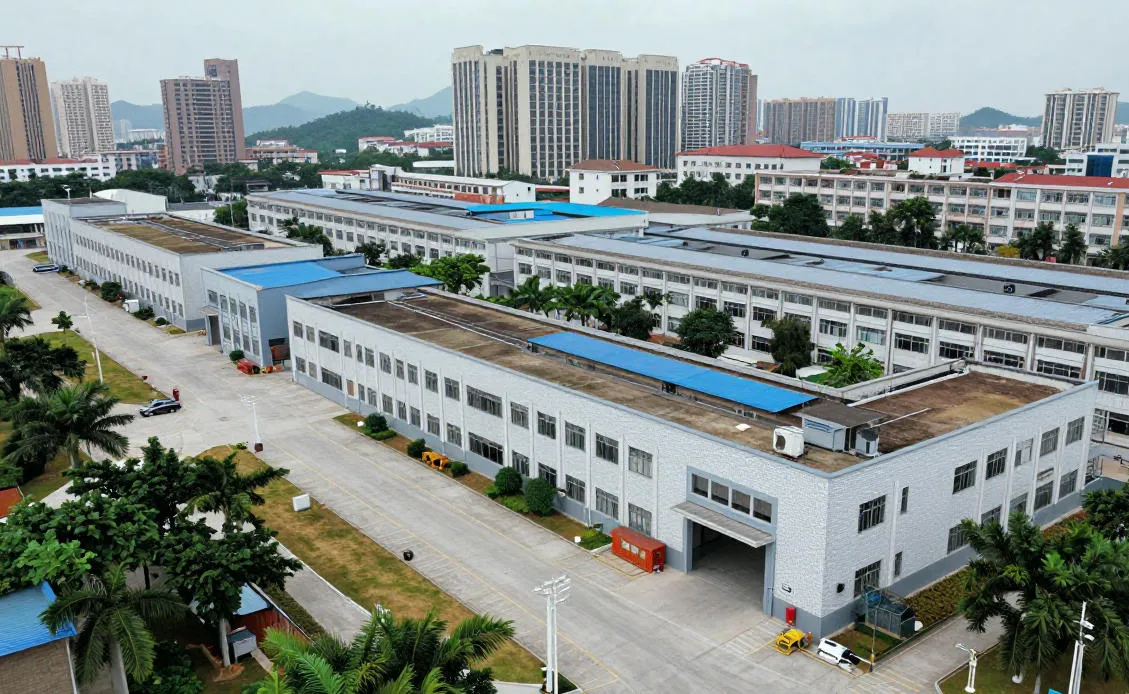
Complete guide to choosing a reliable tote bag factory. Learn about materials, MOQ requirements, pricing, customization options, and quality assurance.
1. Introduction to Tote Bag Factory Selection
Selecting a reliable tote bag factory is one of the most critical decisions for businesses entering the tote bag market or expanding their product lines. The right manufacturer can significantly impact your product quality, pricing competitiveness, and overall business success. This comprehensive guide covers all essential aspects of choosing a reliable tote bag factory, from material selection to pricing strategies and customization capabilities.
💡 Key Insight: The tote bag market continues to grow with increasing demand for sustainable and customizable products. Choosing the right tote bag factory is crucial for capturing this growing market opportunity.
When evaluating potential partners, consider factors such as production capacity, quality control processes, and ability to meet your specific requirements. The ideal factory should align with your brand values, target market, and business objectives while providing competitive pricing and reliable delivery schedules.
Modern tote bag factories offer diverse capabilities ranging from simple cotton bags to complex eco-friendly materials with advanced printing technologies. Understanding the different types of factories and their specialties helps ensure you select the right partner for your specific needs.
2. Understanding Different Types of Tote Bag Manufacturers
Not all tote bag factories are created equal. Understanding the different types of manufacturers helps you identify which type best suits your business needs and product requirements. Each type has unique advantages and considerations that impact your final selection.
Large-Scale Industrial Factories
These factories operate on a massive scale with sophisticated machinery and automated processes. They typically serve major retailers and brands requiring high-volume orders. Large factories often have the latest technology and efficient production methods, but may have higher MOQ requirements.
Specialized Boutique Manufacturers
Smaller, specialized factories focus on specific materials or product categories. They often provide superior quality and attention to detail, making them ideal for premium or niche products. These manufacturers typically offer more personalized service and flexibility in design modifications.
Learn about factory differences:
Factory vs SupplierRegional Manufacturing Hubs
Major manufacturing regions like Guangzhou and Shenzhen have developed extensive ecosystems with supporting suppliers, logistics networks, and specialized expertise. These hubs often offer competitive pricing and efficient supply chains.
3. Material Selection and Factory Capabilities
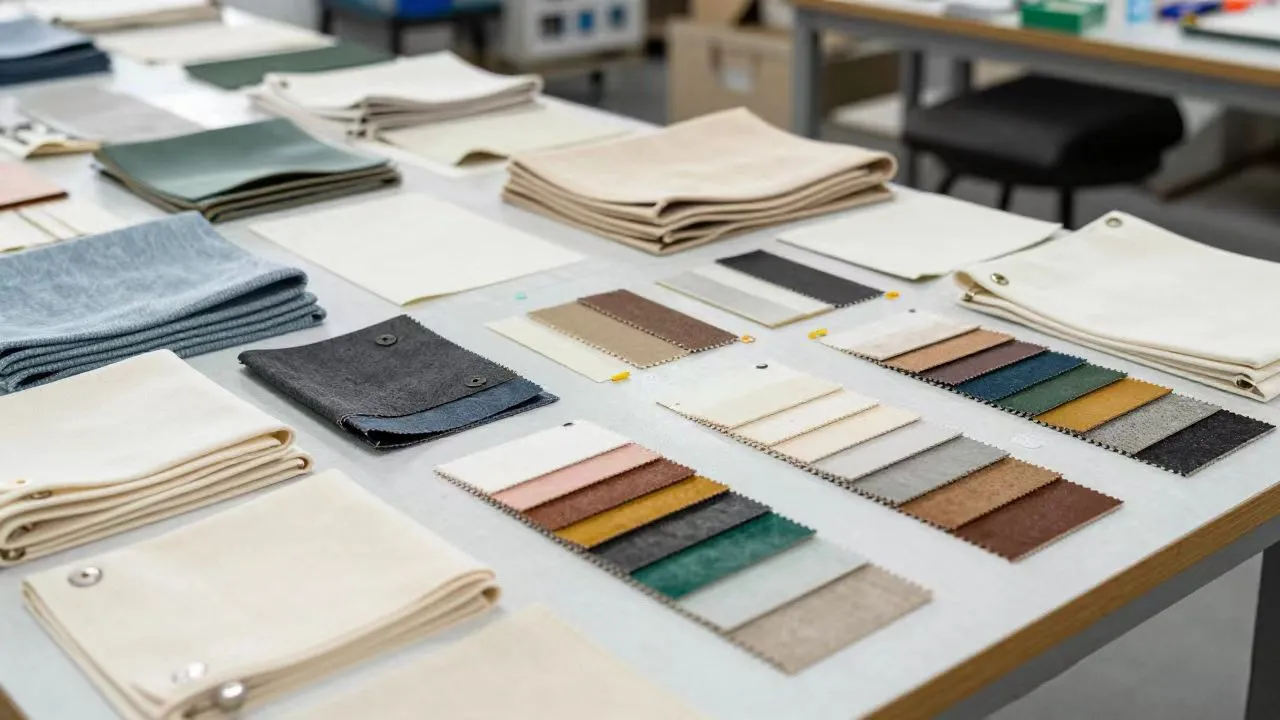
Material selection forms the foundation of any successful tote bag project. Different materials offer varying properties in terms of durability, appearance, cost, and environmental impact. Understanding a factory’s material capabilities helps ensure they can meet your specific requirements.
Common Tote Bag Materials and Their Characteristics
Modern tote bag factories work with a wide range of materials, each offering unique advantages for different applications and target markets. The choice of material significantly impacts production costs, durability, and customer appeal.
| Material Type | Price Range | Durability | Eco-Friendliness | Best Applications |
|---|---|---|---|---|
| Cotton Canvas | Low-Medium | High | High | Everyday use, promotional items |
| Non-Woven Polypropylene | Low | Medium | Low | Disposable bags, short-term use |
| Recycled Polyester | Medium | High | High | Eco-friendly brands, reusable bags |
| Organic Cotton | High | High | Very High | Premium eco-brands, luxury market |
| Jute | Low-Medium | Medium-High | Very High | Eco-conscious retailers, farmers markets |
Factory Material Expertise Assessment
When evaluating a factory’s material capabilities, look for evidence of specialized equipment, quality certifications, and experience with your target materials. The best factories maintain detailed knowledge of material properties and processing requirements.
Learn about specific materials:
Canvas Materials Guide | Eco-Friendly Options | Cotton Grades Guide | Non-Woven Guide | Jute MaterialsMaterial Testing and Quality Assurance
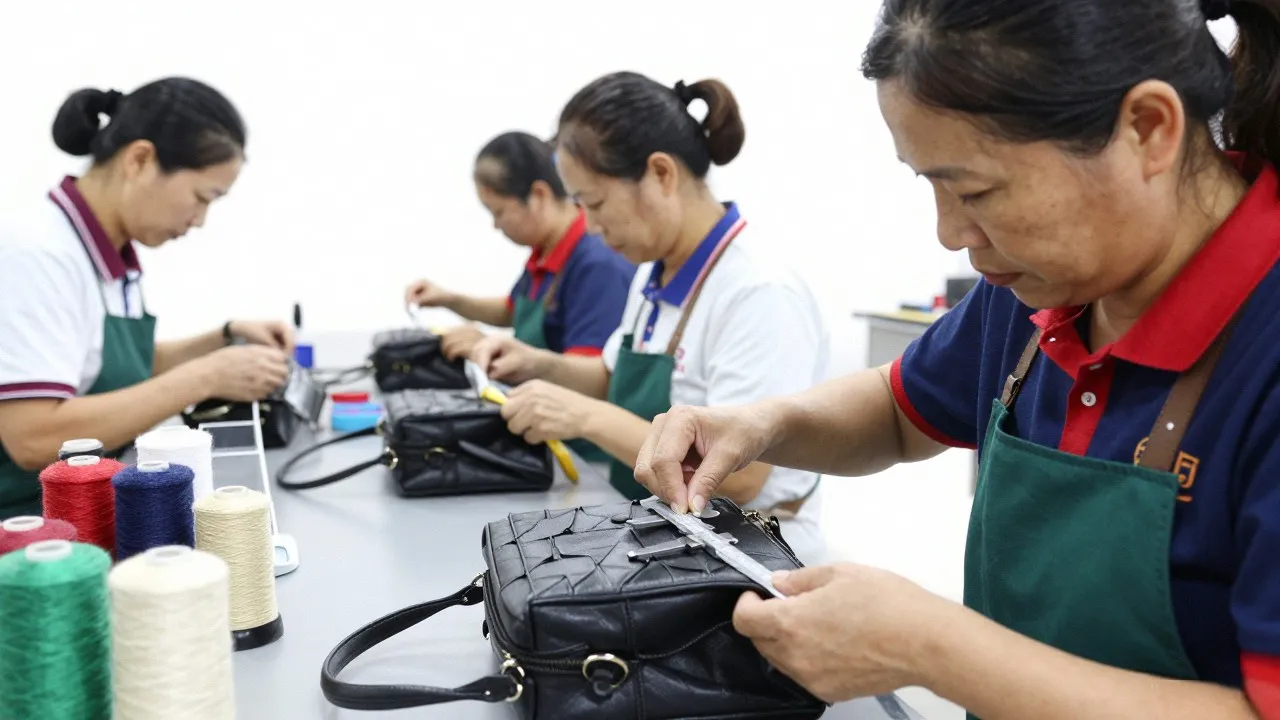
Reliable factories conduct thorough material testing to ensure consistency and quality. This includes tensile strength tests, colorfastness assessments, and durability evaluations. Request detailed testing procedures and certification documentation.
4. Understanding MOQ Requirements and Volume Planning
Minimum Order Quantities (MOQ) significantly impact your initial investment and ongoing production costs. Understanding how different factories structure their MOQ requirements helps you make informed decisions about order volumes and supplier selection.
MOQ Structure Across Different Factory Types
MOQ requirements vary widely based on factory size, specialization, and production capabilities. Larger factories typically have higher MOQs but offer better unit pricing, while smaller factories may accept lower volumes with higher per-unit costs.
- Large-Scale Factories: MOQs typically 1,000-10,000+ units with competitive pricing
- Medium-Scale Factories: MOQs around 500-2,000 units with balanced pricing
- Small-Scale Factories: MOQs as low as 100-500 units with premium pricing
- Specialty Factories: Variable MOQs based on complexity and customization level
Strategic Volume Planning
Effective volume planning involves balancing upfront investment with unit cost savings. Consider your market demand, storage capacity, and cash flow when determining optimal order quantities.
| Order Volume | Typical MOQ | Unit Cost Savings | Storage Requirements | Financial Risk |
|---|---|---|---|---|
| Small Test Orders | 100-500 units | 0-10% savings | Low | Low |
| Medium Orders | 500-2,000 units | 10-20% savings | Medium | Medium |
| Large Orders | 2,000-10,000 units | 20-35% savings | High | High |
| Mass Orders | 10,000+ units | 35-50% savings | Very High | Very High |
Learn about MOQ requirements:
MOQ Requirements Guide5. Pricing Structures and Cost Analysis
Understanding pricing structures helps you evaluate the true cost of production and identify opportunities for cost optimization. Reliable factories provide transparent pricing breakdowns that account for all relevant factors.
Comprehensive Cost Components
Tote bag production costs extend beyond basic material and labor expenses. Understanding all cost components helps you negotiate effectively and identify areas for potential savings.
- Raw Materials: 40-60% of total cost depending on material type and quality
- Manufacturing Labor: 20-30% of total cost
- Overhead and Equipment: 10-15% of total cost
- Quality Control: 5-10% of total cost
- Profit Margin: 10-20% of total cost
Pricing Models and Negotiation Opportunities
Different factories use various pricing models, including fixed pricing, volume discounts, and hybrid approaches. Understanding these models helps you negotiate better terms and optimize your purchasing strategy.
📊 Fixed Pricing
Consistent rates
Easy budgeting
Less flexibility
📈 Volume Discounts
Lower rates for larger orders
Scalable pricing
Higher minimums
🔄 Hybrid Model
Base rate + volume tiers
Balanced approach
Most common
Hidden Costs to Consider
Beyond the base manufacturing cost, consider additional expenses that may impact your total investment. These include shipping, customs duties, and potential quality-related costs.
Get detailed cost breakdown:
Cost Breakdown Guide | Cost Reduction Strategies | Cost Calculator | Printing Costs6. Customization Capabilities and Design Flexibility
Modern tote bag factories offer extensive customization options that allow businesses to create unique products that stand out in the market. Understanding a factory’s customization capabilities helps ensure they can execute your vision effectively.
Printing and Decoration Methods
Various printing methods offer different advantages in terms of quality, durability, and cost. Choose a factory that offers the printing method best suited to your design requirements.
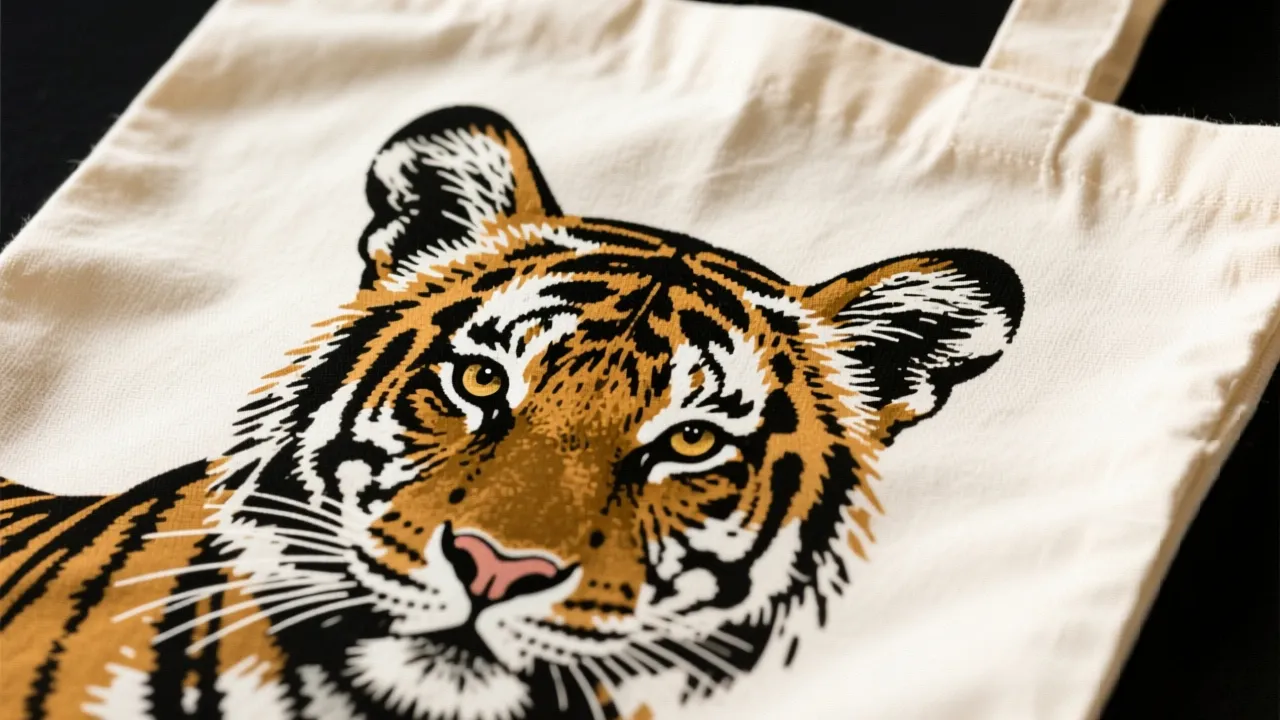
- Screen Printing: Excellent for simple designs with limited colors, very durable
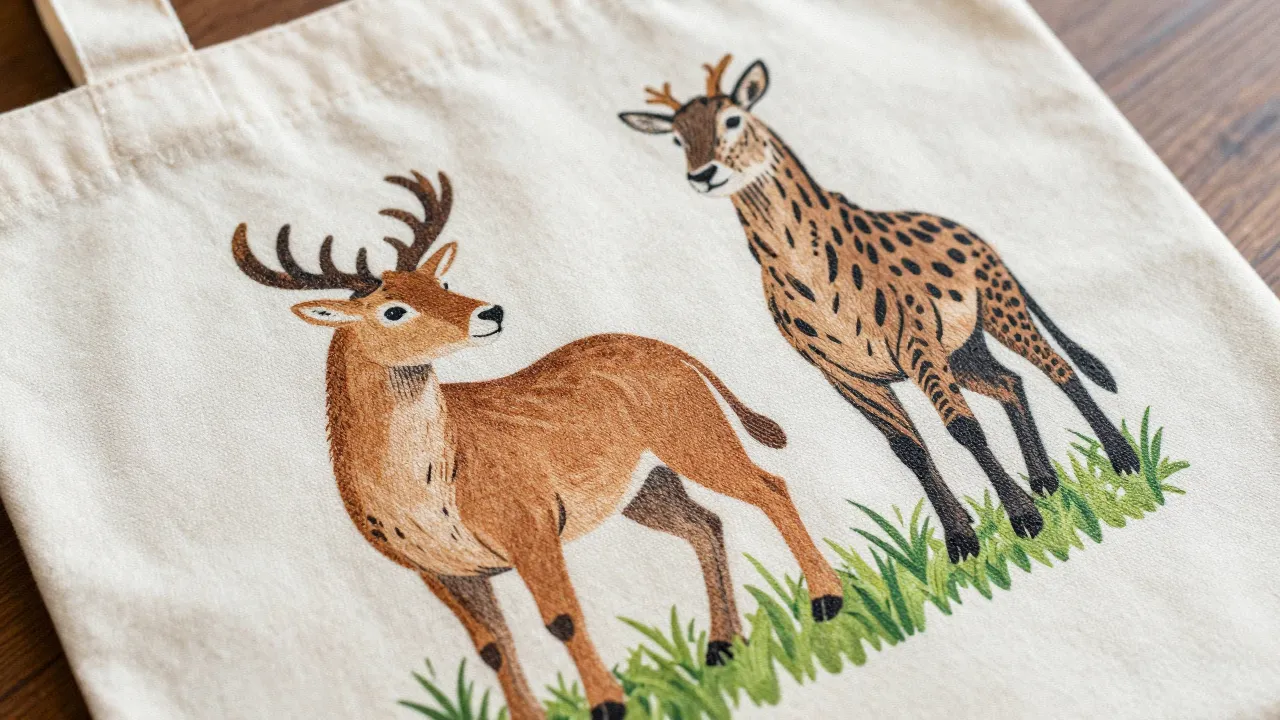
- Digital Printing: Ideal for complex designs and photos, good color accuracy
- Heat Transfer: Quick setup, good for small runs and complex graphics
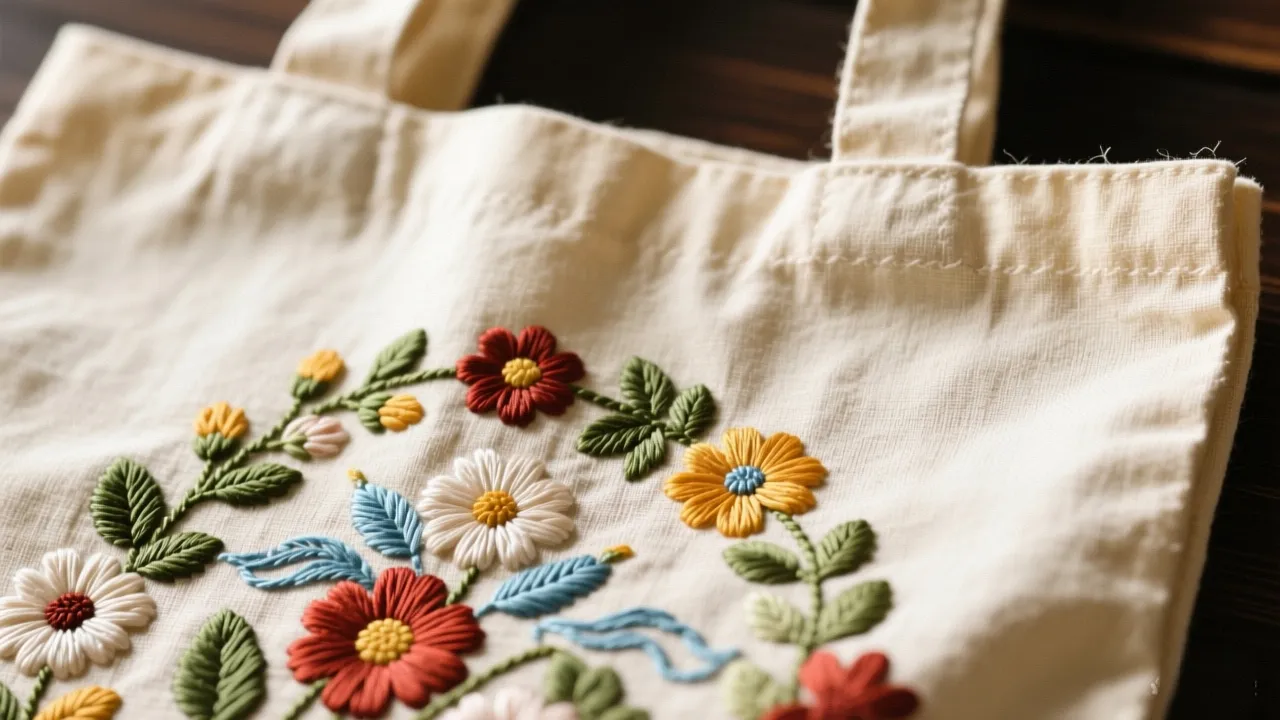
- Embroidery: Premium feel, excellent durability, higher cost
- Sublimation: Full-color printing, permanent results, fabric-specific
Design Complexity and Production Feasibility
While creative freedom is important, ensure your designs are technically feasible for mass production. Discuss design limitations and modification suggestions with your chosen factory to optimize both aesthetics and production efficiency.
7. Quality Control Processes and Standards
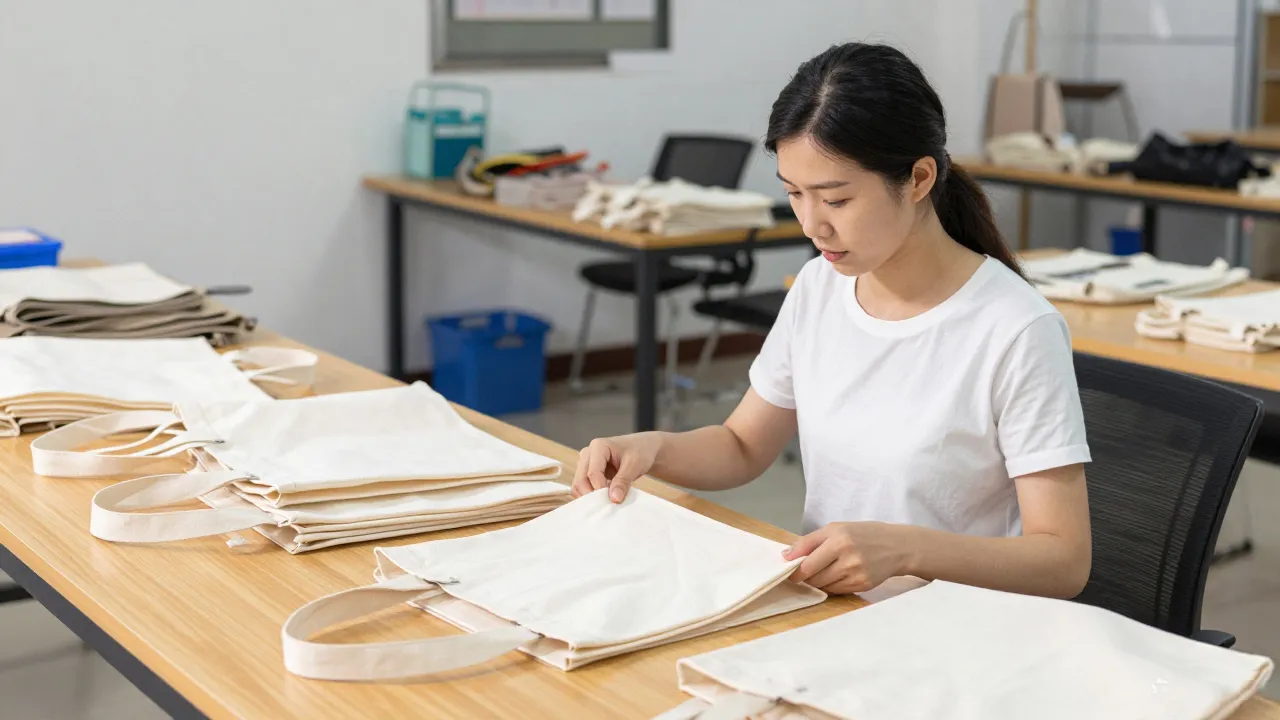
Robust quality control processes are essential for maintaining product consistency and customer satisfaction. Evaluate a factory’s quality assurance capabilities to ensure they meet your standards and regulatory requirements.
Multi-Stage Quality Control System
Effective quality control involves multiple checkpoints throughout the production process rather than relying solely on final inspection. This approach identifies and corrects issues early, reducing waste and rework.
- Material Inspection: Verification of incoming materials meets specifications
- Process Monitoring: Continuous oversight during production stages
- First Article Inspection: Detailed examination of initial production samples
- In-Line Quality Checks: Regular inspections during production
- Final Quality Audit: Comprehensive inspection before packaging
Quality Certifications and Standards
Look for factories with recognized quality certifications such as ISO 9001, BSCI, or WRAP. These certifications indicate commitment to quality management and ethical practices.
| Certification | Focus Area | Benefits | Verification Method |
|---|---|---|---|
| ISO 9001 | Quality Management | Systematic quality processes | Third-party audit |
| BSCI | Social Compliance | Ethical manufacturing | On-site inspection |
| WRAP | Workplace Standards | Safe working conditions | Facility audit |
| Oeko-Tex | Textile Safety | Chemical compliance | Product testing |
Learn about quality control:
Quality Control Checklist8. Factory Verification and Due Diligence
Thorough verification of potential tote bag suppliers protects your business from potential risks and ensures you partner with legitimate, capable manufacturers. This process should be comprehensive and systematic.
Documentation and Legal Verification
Verify all legal documents, business licenses, and operational permits. Request certificates of incorporation, tax registration, and any industry-specific licenses required for textile manufacturing.
- Business Registration: Verify legal entity status and registration details
- Export Licenses: Confirm international shipping authorization
- Insurance Coverage: Review liability and product insurance policies
- Bank References: Obtain financial stability confirmation
- Trade References: Contact previous clients for performance feedback
Physical Factory Assessment
If possible, visit the factory in person or arrange for a third-party audit. This provides valuable insights into actual production capabilities, working conditions, and operational efficiency.
Learn verification methods:
Supplier Verification Guide9. Production Capacity and Scalability Assessment
Evaluating a factory’s production capacity ensures they can meet your current and future demands. Consider both current capacity and potential for expansion as your business grows.
Current Capacity Evaluation
Understand the factory’s current production capabilities, including daily output, machine capacity, and workforce availability. Request production statistics and utilization rates to assess their ability to handle your orders.
- Daily Production Output: Number of units produced per day under normal conditions
- Machine Capacity: Equipment availability and redundancy for critical processes
- Workforce Stability: Employee retention rates and training programs
- Quality Control Resources: Dedicated QC staff and equipment
- Storage and Logistics: Adequate space for raw materials and finished goods
Scalability Planning
Discuss the factory’s ability to scale production as your business grows. This includes expansion plans, additional equipment acquisition, and workforce development strategies.
10. Lead Time Management and Production Scheduling
Understanding and managing lead times is crucial for inventory planning and customer satisfaction. Different factories have varying production calendars and scheduling capabilities that affect delivery timelines.
Typical Production Timeline Components
Production lead times consist of multiple phases, each with its own duration and potential for variation. Understanding these components helps set realistic expectations and plan accordingly.
- Sample Development: 7-14 days for prototype creation and approval
- Material Procurement: 5-10 days depending on material availability
- Production Run: 15-30 days based on order size and complexity
- Quality Control: 3-5 days for comprehensive inspection
- Packaging and Shipping: 5-10 days including logistics coordination
Seasonal Variations and Peak Period Planning
Production capacity and lead times vary significantly during peak seasons. Plan orders well in advance of busy periods to ensure timely delivery and avoid capacity constraints.
Understand production timelines:
Lead Time Calendar | Production Process Guide | Lead Time Solutions11. Communication Protocols and Relationship Management
Effective communication is essential for successful long-term partnerships with tote bag factories. Establish clear communication protocols and regular check-in schedules to ensure smooth operations.
Language and Cultural Considerations
International factories may have language barriers or cultural differences that affect communication. Ensure the factory has English-speaking staff and understands your business culture and expectations.
- Dedicated Account Manager: Single point of contact for all communications
- Regular Progress Updates: Scheduled reporting on production status
- Emergency Contact Protocols: Procedures for urgent situations
- Quality Issue Resolution: Clear escalation processes
- Payment and Documentation: Transparent information sharing
Technology Integration for Communication
Modern factories use various digital tools for communication and project management. Evaluate their technological capabilities and willingness to integrate with your systems.
12. OEM vs ODM Manufacturing Considerations
Understanding the difference between Original Equipment Manufacturer (OEM) and Original Design Manufacturer (ODM) services helps you choose the right approach for your business model and market positioning.
OEM Manufacturing Benefits
OEM services allow you to provide your own designs and specifications while the factory handles production. This approach gives you complete control over product design and branding.
- Complete Design Control: Full ownership of product specifications
- Brand Differentiation: Unique products that distinguish your brand
- Intellectual Property Protection: Retain design rights and IP
- Market Positioning: Align products with brand identity
ODM Manufacturing Advantages
ODM services provide pre-designed products that can be customized with your branding. This approach offers faster time-to-market and lower development costs.
Compare manufacturing approaches:
OEM vs ODM Guide13. Geographic Location and Regional Factors
The geographic location of your tote bag factory affects shipping costs, lead times, and regulatory compliance. Consider various regional advantages and challenges when making your selection.
China Manufacturing Hub Advantages
China remains the dominant global manufacturing hub for textile products, including tote bags. Major production centers offer distinct advantages and considerations.
| Region | Advantages | Considerations | Specializations |
|---|---|---|---|
| Guangzhou | Proximity to ports, established supply chains | Higher competition, potentially higher prices | Cotton, canvas, and eco-friendly materials |
| Shenzhen | Technology integration, modern facilities | Higher operational costs | Advanced materials, precision manufacturing |
| Other Regions | Varying cost structures, specialized capabilities | Logistics considerations | Regional material specialties |
Alternative Manufacturing Locations
Consider other manufacturing locations such as India, Vietnam, or local production depending on your specific requirements and market considerations.
Explore regional options:
Regional Comparison | Global Comparison | Top China Manufacturers | Shenzhen Manufacturers14. Risk Management and Contingency Planning
Identify potential risks in your manufacturing relationship and develop contingency plans to mitigate them. This proactive approach protects your business from unexpected disruptions.
Common Manufacturing Risks
Understanding potential risks helps you prepare appropriate mitigation strategies and select factories with robust risk management practices.
- Supply Chain Disruptions: Raw material shortages or transportation issues
- Quality Control Failures: Defective products or inconsistent quality
- Production Delays: Capacity constraints or equipment failures
- Financial Instability: Factory bankruptcy or liquidity issues
- Regulatory Changes: New laws affecting production or trade
Contingency Planning Strategies
Develop backup plans for various risk scenarios, including alternative suppliers, insurance coverage, and diversified production arrangements.
15. Contract Terms and Legal Considerations
Well-structured contracts protect both parties and establish clear expectations for the manufacturing relationship. Pay attention to key terms that affect your business interests.
Essential Contract Elements
Ensure your manufacturing contract addresses all critical aspects of the business relationship, including payment terms, quality standards, and dispute resolution procedures.
- Payment Terms: Deposit amounts, milestone payments, and final settlement
- Quality Standards: Specific acceptance criteria and testing procedures
- Delivery Terms: Incoterms, shipping responsibilities, and penalties
- Intellectual Property: Rights ownership and protection measures
- Force Majeure: Circumstances excusing performance
Learn about factory relationships:
Problem Prevention16. Specialized Factory Categories
Some factories specialize in specific types of tote bags or production methods. Understanding these specializations helps you match your requirements with the most suitable manufacturing capabilities.
Luxury and Premium Segment Factories
Factories specializing in luxury tote bags offer premium materials, superior craftsmanship, and attention to detail. These manufacturers typically work with high-end brands and have strict quality standards.
Learn about luxury options:
Luxury ManufacturingEco-Friendly and Sustainable Factories
With increasing environmental consciousness, many factories now specialize in sustainable production methods using recycled materials, organic fibers, and eco-friendly processes.
Wholesale and Bulk Production Specialists
Some factories focus specifically on high-volume production for wholesale customers, offering competitive pricing and efficient production processes.
17. Branding and Private Label Services
Many tote bag factories offer branding and private label services that allow businesses to customize products with their logos, colors, and branding elements without designing from scratch.
Private Label Manufacturing
Private label services enable businesses to sell products under their own brand name using the factory’s existing designs and production capabilities.
Learn about branding:
Branding GuideCustom Design and Development
For businesses seeking unique products, some factories offer design development services to create custom tote bags from concept to production.
18. Durability and Longevity Considerations
The durability of tote bags is crucial for customer satisfaction and brand reputation. Understanding how factories address durability factors helps ensure you select products that meet your quality expectations.
Construction Quality and Seam Strength
High-quality construction techniques, including proper seam reinforcement and stress point treatment, significantly impact bag longevity.
Learn about durability:
Durability FactorsHandle and Strap Construction
Handles and straps are critical stress points that require special attention during manufacturing to prevent premature failure.
19. Import and International Shipping Considerations
When sourcing from international manufacturers, understanding import procedures, shipping methods, and associated costs is essential for accurate cost calculations and successful delivery.
Shipping and Logistics Management
Effective shipping strategies can significantly impact your total landed costs and delivery reliability.
Duty and Tax Implications
Understand the duty structure and tax implications for tote bags in your target market to accurately calculate total costs.
20. Real-World Success Stories and Lessons Learned
Actual case studies demonstrate how businesses have successfully navigated the process of selecting and working with reliable tote bag factories. These examples provide practical insights and proven strategies.
Case Study 1: Eco-Conscious Brand Success
A sustainable fashion brand selected a factory specializing in organic materials and eco-friendly production processes. The partnership emphasized environmental responsibility while maintaining competitive pricing and quality standards.
Case Study 2: Corporate Gift Solution
A corporate gifting company leveraged a factory’s ODM capabilities to quickly launch a diverse product line. The relationship focused on rapid customization and consistent quality for business clients.
Case Study 3: Luxury Market Entry
A premium brand partnered with a specialized luxury goods manufacturer to enter the high-end tote bag market. The collaboration emphasized craftsmanship, premium materials, and exclusive design capabilities.
21. Future Trends and Innovation Considerations
Stay ahead of industry developments by considering emerging trends and innovations when selecting your manufacturing partner. Choose factories that invest in technology and adapt to changing market demands.
Emerging Technologies in Tote Bag Manufacturing
Modern factories are adopting new technologies that improve efficiency, quality, and customization capabilities. Consider these innovations when evaluating potential partners.
- Automated Cutting Systems: Precision cutting with minimal waste
- Digital Printing Technology: High-quality, fast-turnaround printing
- Smart Inventory Management: Real-time tracking and optimization
- Sustainable Production Methods: Waterless dyeing and energy efficiency
- AI Quality Control: Automated defect detection and analysis
Market Evolution and Consumer Preferences
Consumer preferences continue to evolve toward sustainability, personalization, and quality. Select factories that demonstrate awareness of these trends and capability to adapt.
22. Comprehensive Selection Framework
Use this structured approach to systematically evaluate and select the most suitable tote bag factory for your specific needs. This framework ensures you consider all critical factors in your decision-making process.
Step-by-Step Evaluation Process
Follow this systematic approach to make an informed decision that aligns with your business objectives and requirements.
- Define Requirements: Clearly specify material, volume, quality, and timeline needs
- Research Candidates: Identify potential factories based on your criteria
- Initial Screening: Eliminate unsuitable candidates based on basic requirements
- Detailed Evaluation: Assess remaining candidates using comprehensive criteria
- Reference Checking: Verify performance and reliability with existing clients
- Final Decision: Select the best fit based on weighted evaluation criteria
📋 Requirements
Define needs clearly
Prioritize requirements
Set expectations
🔍 Research
Identify options
Gather information
Initial screening
⚖️ Evaluation
Comprehensive analysis
Weighted scoring
Final selection
23. Inside the Modern Tote Bag Factory
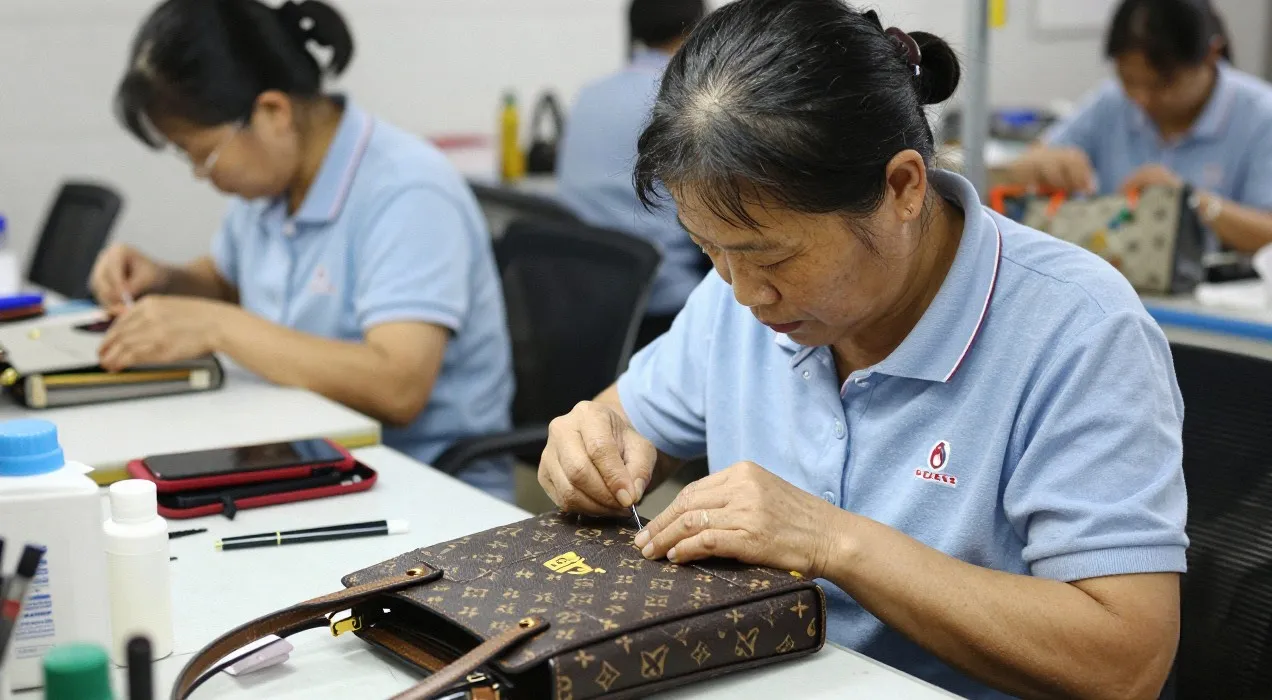
Understanding what happens inside a modern tote bag factory helps you appreciate the complexity of production and the importance of selecting a facility with proper equipment and processes.
Production Floor Operations
Modern tote bag factories utilize sophisticated machinery and streamlined workflows to ensure consistent quality and efficient production.
See inside the factory:
Inside the FactoryQuality Assurance Infrastructure
Leading factories invest heavily in quality assurance infrastructure including testing laboratories and inspection stations throughout the production process.
24. Conclusion and Next Steps
Selecting a reliable tote bag factory requires careful consideration of multiple factors including materials, pricing, quality, and communication capabilities. The right partner will support your business growth while maintaining high standards and competitive pricing.
Start Your Factory Selection Process
Apply these guidelines to find the perfect tote bag manufacturing partner for your business.
Begin Selection ProcessRemember that the cheapest option isn’t always the best value. Focus on finding a factory that offers the right balance of quality, reliability, and cost-effectiveness for your specific needs. Invest time in the selection process to build a strong foundation for your manufacturing relationship.
Regular evaluation and communication with your chosen factory will ensure continued success and allow for adjustments as your business evolves. The tote bag market continues to grow, and having a reliable manufacturing partner positions you for long-term success in this dynamic industry.