
The Quiet Revolution Inside Your Handbag
The global vegan leather market is expanding at an extraordinary pace. In 2025, the bio‑based leather market was valued at approximately USD 1.58 billion, and it is projected to grow at a compound annual growth rate (CAGR) of 13.9%, reaching USD 5.12 billion by 2034[reference:0]. The broader plant‑based vegan leather segment is on track to reach approximately $3.26 billion as early as 2026[reference:1]. These numbers tell a clear story: brands and consumers are moving away from animal‑derived and purely synthetic materials toward plant‑based vegan leather for handbags.
But not all vegan leathers are created equal. Today’s most exciting innovations don’t just replace leather — they upcycle agricultural waste into luxurious, high‑performance textiles. Three materials lead this movement: Piñatex (pineapple leather), Desserto (cactus leather), and AppleSkin (apple fiber leather). Each brings a unique story, texture, and application to the world of custom bag manufacturing.
For fashion brands, cosmetic companies, and promotional goods suppliers, understanding these materials is no longer optional. It is the key to capturing the growing demographic of conscious consumers who demand transparency and sustainability from every purchase. Whether you are developing a custom cosmetic bag for a beauty brand or a reusable promotional tote, your material choice now speaks louder than your logo. And the conversation has shifted from “Is it animal‑free?” to “What positive impact does it create?”
Piñatex: The Original Fruit‑Based Game Changer
Perhaps no material has done more to popularize the concept of fruit‑based textiles than Piñatex. Developed by Dr. Carmen Hijosa and manufactured by Ananas Anam, Piñatex is made from the long fibers extracted from discarded pineapple leaves — an agricultural byproduct that would otherwise be burned or left to rot. The global pineapple industry generates approximately 40,000 tonnes of waste leaves annually, providing an abundant, renewable feedstock that requires no additional land, water, or pesticides[reference:2].
Approximately 480 leaves go into the creation of a single square meter of Piñatex, which weighs and costs less than a comparable amount of animal leather[reference:3]. The material is breathable, flexible, and printable, making it suitable for a wide range of applications. Over 1,000 brands worldwide — including Hugo Boss, H&M, Nike, and Hilton Hotels — have incorporated Piñatex into their product lines, from sneakers and handbags to upholstery and accessories[reference:4].
Why Piñatex Matters for Your Brand: The Piñatex market was valued at USD 54.38 million in 2025 and is projected to grow to USD 86.69 million by 2032[reference:5]. Adopting this material now positions your brand at the forefront of a rapidly expanding premium segment.
It is important to understand what Piñatex is — and what it is not. The material consists of approximately 72% pineapple leaf fibers, 18% polylactic acid (PLA, a bioplastic derived from corn), and a petroleum‑based resin coating[reference:6]. While this composition means Piñatex is not fully biodegradable in home composting conditions, it represents a significant step away from purely synthetic materials. For brands looking to manufacture plant‑based vegan leather bags, Piñatex offers a proven, commercially available option backed by over a decade of real‑world use.
Desserto: The Cactus Leather Built for Performance
If Piñatex is the pioneer, Desserto is the performance powerhouse. Created by Mexican entrepreneurs Adrián López Velarde and Marte Cázarez, Desserto is made from the mature leaves of the Nopal cactus (Opuntia ficus‑indica), harvested from organically certified farms in the state of Zacatecas. The cactus requires no irrigation — it thrives on rainwater alone — and only mature leaves are harvested, allowing the plant to regenerate naturally[reference:7].
What distinguishes Desserto from many other sustainable vegan leather alternatives is its exceptional durability. Thanks to the strong molecular bonding provided by the cactus fibers, Desserto offers high resistance to abrasion, rubbing, tearing, and tensile stress[reference:8]. It is also notably resistant to humidity and liquids, making it ideal for products that face real‑world wear and tear. These characteristics have attracted high‑profile clients including Fossil, Adidas, Karl Lagerfeld, H&M, BMW, and Mercedes‑Benz[reference:9].
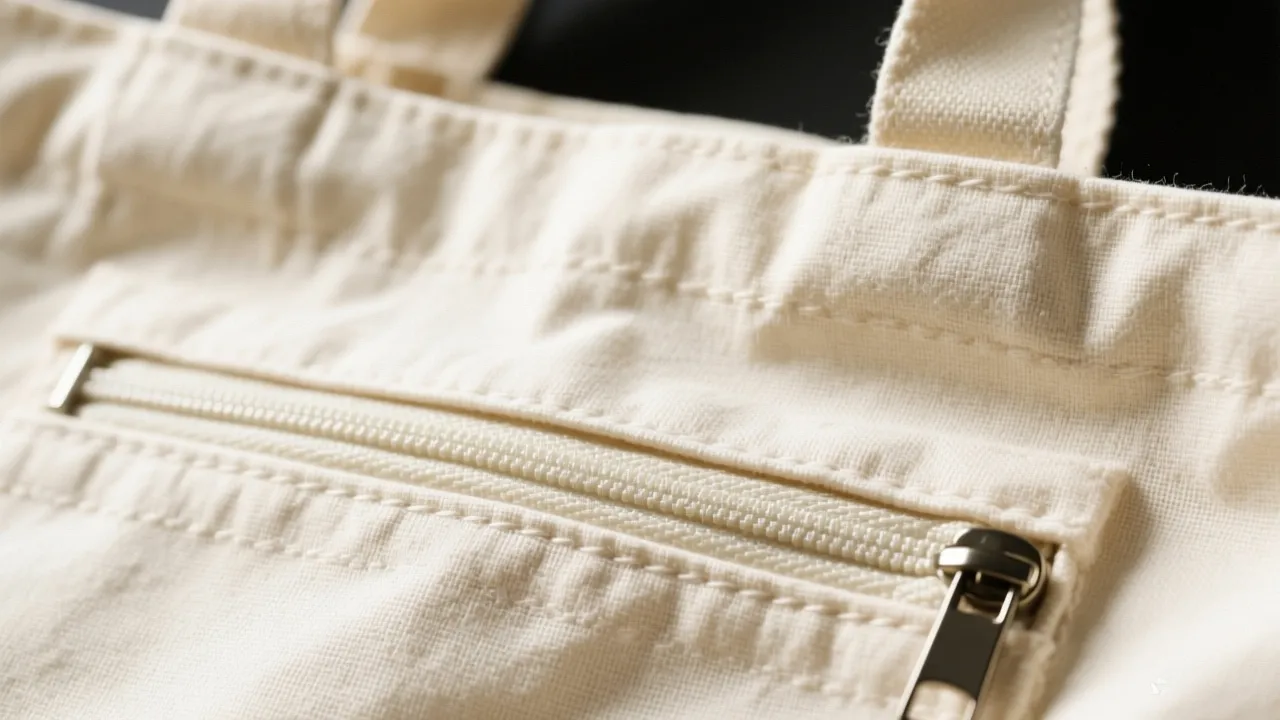
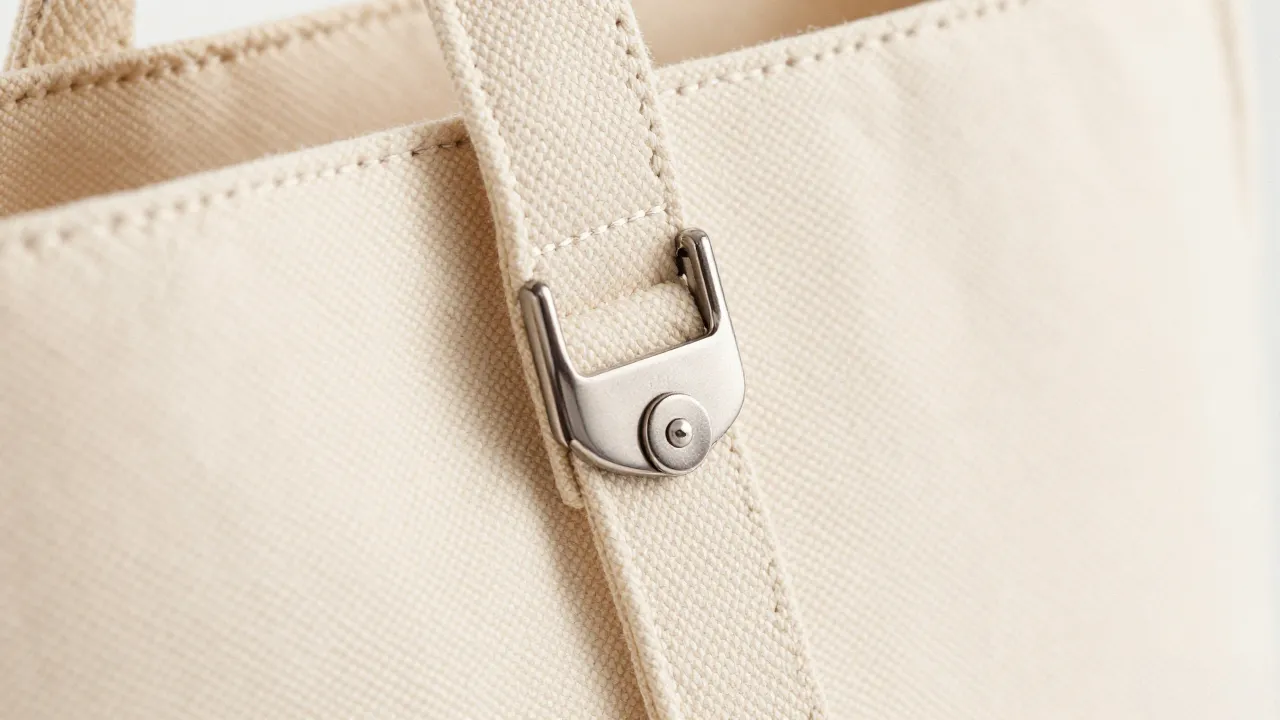
From a manufacturing perspective, Desserto has been extensively tested and exceeds industry standards for abrasion resistance, colorfastness, and tensile strength. This makes it a strong candidate for custom cactus leather handbags intended for daily use. For brands developing a complete tech pack template, specifying Desserto as the shell material requires attention to thickness (typically 0.6–1.2mm), backing fabric, and recommended stitch density — similar considerations to working with premium animal leather, but with a significantly lighter environmental footprint.
AppleSkin: Italian Craftsmanship Meets Fruit Waste
AppleSkin (also marketed as Apple Leather or UPPEAL) was developed in Bolzano, northern Italy — a region famous for its apple orchards. The material transforms the leftover pomace, peels, and cores from the fruit juice and compote industry into a supple, leather‑like textile. This upcycling approach diverts organic waste from landfill while creating a premium material with a genuinely Italian heritage[reference:10].
AppleSkin typically contains approximately 50% apple waste powder combined with polyurethane (PU) for structural integrity[reference:11]. While this PU content means the material is not fully plastic‑free, it significantly reduces the petroleum content compared to conventional synthetic leather. The resulting textile has a smooth, fine‑grained surface that can replicate the appearance of snakeskin or calfskin without any animal involvement[reference:12]. Brands such as nuuwai have created handbags containing about 50% AppleSkin, with the interior made from recycled plastic bottles and fishing nets[reference:13].
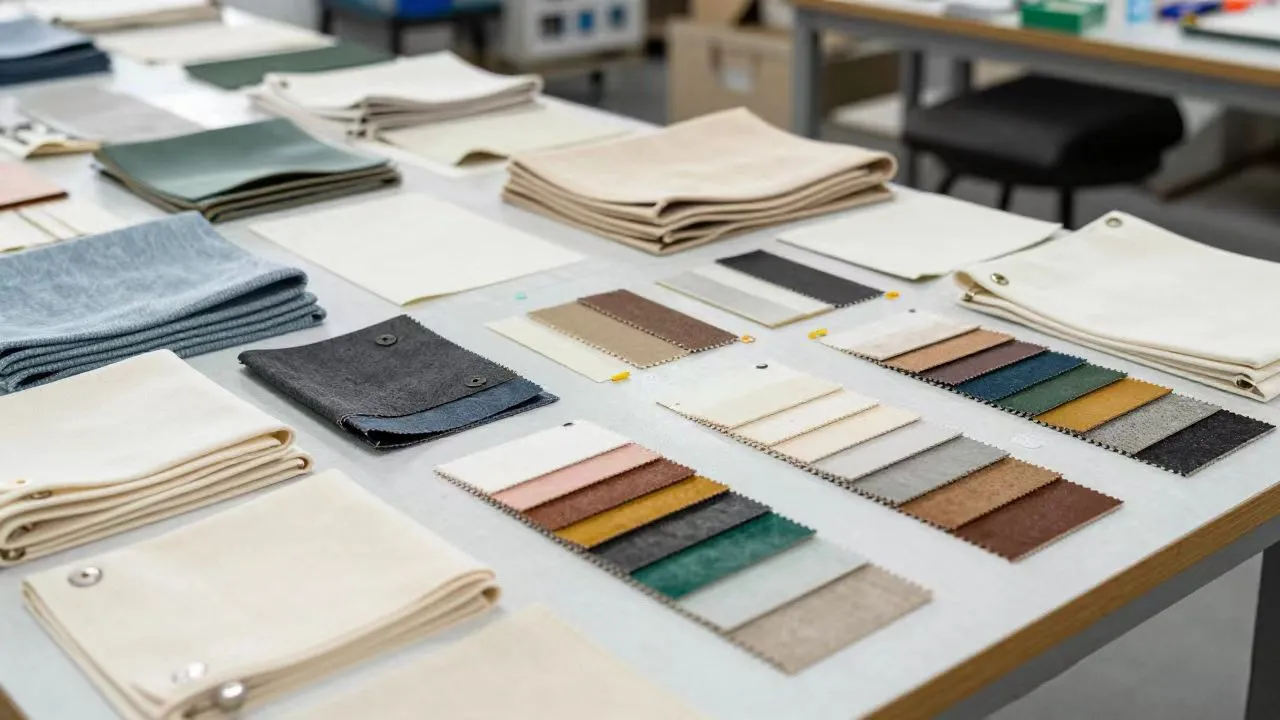
For beauty brands developing custom cosmetic bags, AppleSkin presents distinct advantages. The material resists staining, wipes clean easily, and conveys a subtle luxury that aligns with premium skincare branding. When specifying AppleSkin in a tech pack, it is important to note the exact composition and request REACH compliance documentation from the supplier. Reputable producers like VEGATEX ensure their AppleSkin products comply fully with EU REACH regulations, with test results showing near‑zero emissions of dimethylformamide (DMF) and volatile organic compounds (VOCs)[reference:14].
Choosing the Right Plant‑Based Leather for Your Brand
Selecting between pineapple leather bags, cactus leather handbags, and apple fiber leather accessories requires balancing aesthetics, performance requirements, cost, and sustainability storytelling. Each material occupies a different position in the market, and the best choice depends on your target customer, product category, and distribution channel.
| Material | Feedstock | Best Known For | Typical Application |
|---|---|---|---|
| Piñatex | Pineapple leaf fiber (72%) + PLA + PU coating | Pioneering status, recognizable texture, extensive brand adoption | Sneakers, casual totes, upholstery, accessories |
| Desserto | Nopal cactus leaves + PU backing | Exceptional durability, water resistance, automotive‑grade performance | Luxury handbags, automotive interiors, sports equipment |
| AppleSkin | Apple pomace and peel (50%) + PU | Fine grain texture, Italian heritage, smooth luxury feel | Cosmetic bags, premium wallets, fashion accessories |
It should be noted that none of these materials currently matches the universal performance of traditional animal leather across all metrics[reference:15]. They represent a spectrum of trade‑offs between bio‑based content, durability, cost, and end‑of‑life considerations. For brands that want to make a clear statement about plastic‑free composition, a newer generation of materials — such as wheat gluten‑based leather substitutes or MIRUM, which uses natural rubber and plant fibers — may be worth investigating[reference:16]. However, for the vast majority of commercial applications in 2026, Piñatex, Desserto, and AppleSkin offer the most mature, scalable, and reliable plant‑based leather solutions available today.
Compliance, Chemistry, and the Vegan Leather Labeling Debate
As plant‑based leathers gain market share, regulatory scrutiny is intensifying. In several European countries — notably Italy, one of the world’s largest leather producers — terms such as “vegan leather” and “plant‑based leather” have been legally restricted or banned in certain contexts to prevent consumer confusion with animal‑derived leather products. Italian Legislative Decree No. 68 of 2020 explicitly reserves terms like “cuoio” (hide) and “pelle” (leather) for products obtained exclusively from animal remains[reference:17][reference:18]. While this does not prevent the sale of plant‑based materials, it does limit the marketing language that can be used on product labels and packaging within the EU.
Separate from labeling regulations, material safety compliance is a universal requirement. Brands exporting custom handbags to Europe or California must ensure their materials pass REACH and Prop 65 compliance testing. Fortunately, many plant‑based leather producers are proactive about certification. Desserto, for instance, holds USDA Organic certification and works with farms certified under the “BCS OEKO‑GARANTIE” program in Germany[reference:19]. AppleSkin producers like VEGATEX make their REACH compliance data publicly available[reference:20]. When selecting a factory for plant‑based handbag manufacturing, a reliable factory audit checklist should include verification of material certifications and restricted substances testing protocols.
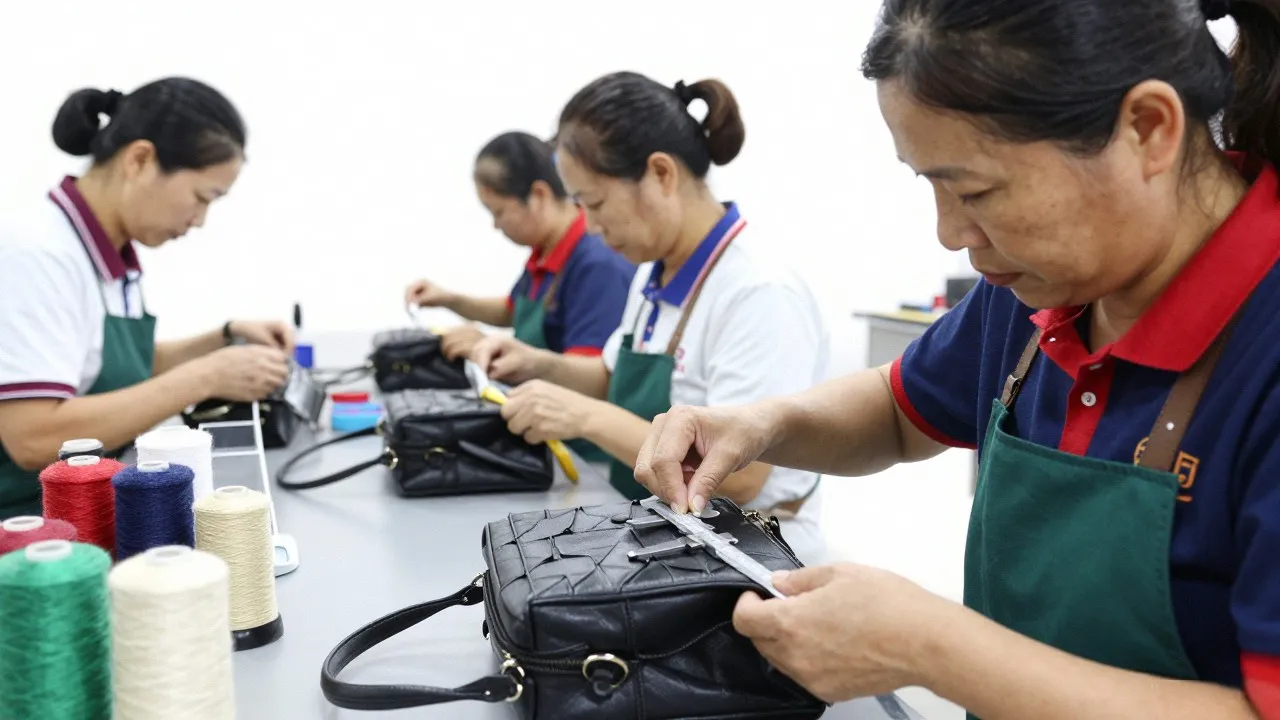
Manufacturing Plant‑Based Leather Bags: What Brands Need to Know
Manufacturing with plant‑based vegan leather is similar to working with traditional PU leather in terms of cutting, stitching, and finishing, but there are important nuances. Piñatex, for example, has a distinctive texture that may require adjusted needle sizes and thread tension to prevent puckering. Desserto’s water resistance means adhesives must be selected carefully to ensure proper bonding. AppleSkin, being slightly thinner than typical cowhide, benefits from appropriate interfacing support in structured designs.
From a cost perspective, plant‑based leathers typically command a premium over conventional PU, reflecting the added value of agricultural upcycling and lower environmental impact. However, this premium continues to shrink as production scales up globally. Chinese manufacturers have developed domestically produced pineapple, cactus, and apple leather alternatives that offer competitive pricing while maintaining quality[reference:21][reference:22]. For brands concerned about overall landed cost, strategies to reduce tariffs when importing bags from China can help offset the incremental material cost, making plant‑based leather a financially viable choice even for mid‑market products.

Sustainability That Tells a Story: Why Your Customers Will Care
Marketing data consistently shows that consumers — especially Gen Z and Millennials — are willing to pay a premium for products with verifiable sustainability credentials. A handbag made from pineapple waste leather isn’t just a fashion accessory; it carries a narrative of agricultural waste valorization, rural farming community support, and reduced carbon footprint. A bag crafted from Desserto cactus leather tells a story of water conservation and desert ecosystem preservation. An AppleSkin cosmetic pouch connects the user to the apple orchards of South Tyrol and the fight against food waste.

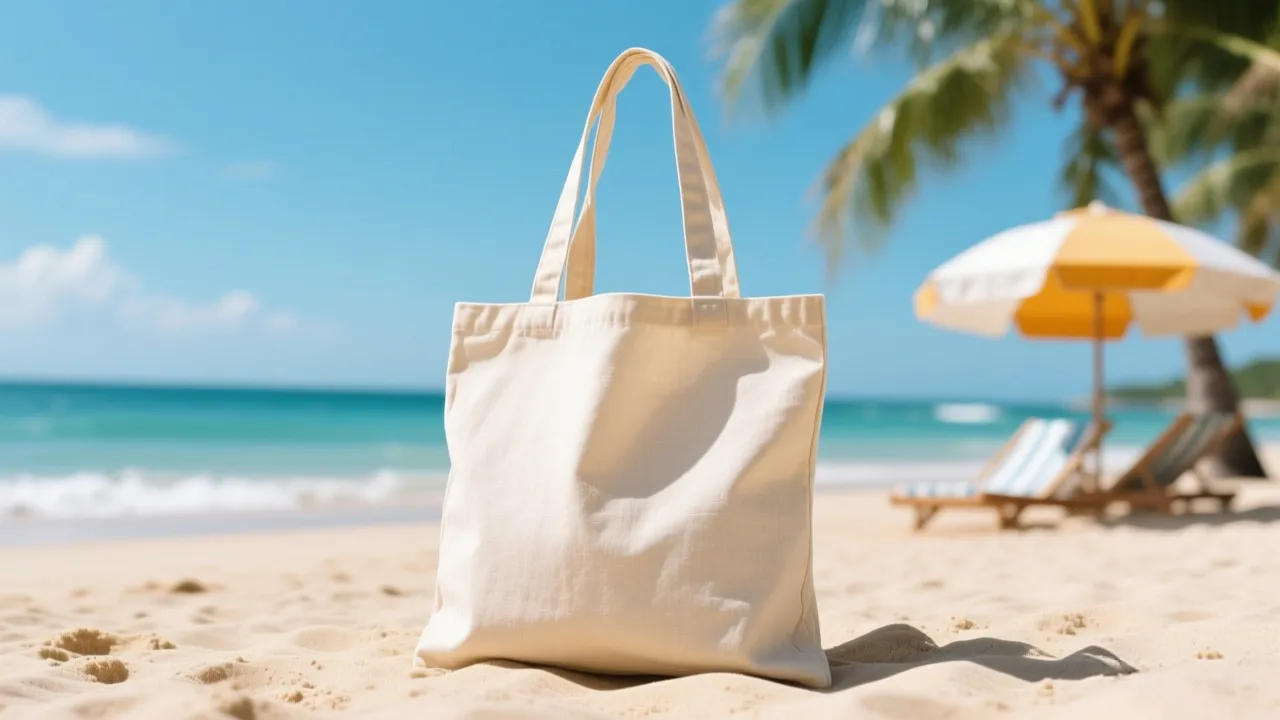
Incorporating high‑quality custom metal zippers and embossed labels made from recycled metals further reinforces this story. Every detail matters: the tag that explains the material’s origin, the hangtag that certifies its vegan status, the subtle embossing that reminds the user they chose a better option. Brands that master this integrated storytelling approach convert one‑time buyers into loyal advocates who share their purchase — and its meaning — across social networks.
The Future Is Growing — Will Your Brand Be Part of It?
The shift toward plant‑based vegan leather is not a passing trend. It represents a fundamental realignment of the fashion and accessories industry around principles of sustainability, transparency, and innovation. Piñatex, Desserto, and AppleSkin are leading the charge, but they are only the beginning. As new feedstocks — mushroom mycelium, wheat gluten, grape marc, and beyond — enter commercial production, the definition of what a handbag can be made from will continue to expand[reference:23].
For brands ready to take the next step, the path forward is clear: order material swatches, engage with a factory experienced in bio‑based materials, update your tech pack specifications, and start telling the story. The tools, the materials, and the market are all in place. The only question is whether your next collection will be part of this extraordinary transformation.
At GZ Dreamway, we have been working with plant‑based leathers since their earliest commercial stages. Our team can guide you through material selection, compliance documentation, and production optimization — ensuring your vision becomes a product that is both beautiful and responsibly made.
Ready to Explore Plant‑Based Leather for Your Next Collection?
Request a free swatch kit with samples of Piñatex, Desserto, and AppleSkin. Our experts will help you choose the perfect material for your product and budget.
✅ Free material samples • Expert consultation included • Ships worldwide
- Recycled PU vs PVC: Which Material Is Better for Sustainable Bags?
- Is Recycled PU Leather Toxic? Safety, Chemical Risks & Buyer Guide
- Recycled PU Leather: Is It Sustainable? Bag Brand Guide
- Recycled PU vs PU Leather: Which Is Better for Bags?
- What Is Recycled PU Leather? Complete Guide for Bag Brands
- PU vs. Polyester for Bags: Which Material Is Better for Your Brand?
- Silk vs. Bamboo vs. Tencel: Why Luxury Wellness Brands Still Choose Real Mulberry Silk for Bedding
- How to Spot Fake Silk: A Factory Guide to Testing Real Mulberry Silk for B2B Buyers
- The Ultimate Guide to Sourcing Mulberry Silk: 16mm vs 19mm vs 22mm Compared
- Canvas vs. Polyester vs. PU: Material Comparison
- Guide to Sustainability: GRS, OEKO-TEX & FSC
- Canvas Fabric Weight Guide: GSM and Oz Explained
- The Future of Vegan Leather: Pineapple, Cactus, and Apple Fiber
- Water-Based PU vs Recycled PU: Which Is Better for Bags?
- Why Water Based PU Leather is so popular?
- Comparing Cotton vs. Blended Canvas for Tote Bags
- Eco-Friendly and Sustainable Canvas Tote Bags
- Canvas Tote Bag Material & Weight Guide: oz/GSM Chart for Every Bag Type
- Sustainable Custom Tote Bags with Logo: Certifications, Materials & Greenwashing Red Flags
- Canvas Tote Bag Factory: What Affects the Durability?
- Cotton Tote Bag Factory: Grades, GSM Options & Fabric Testing
- Luxury Tote Bag Factory for Premium Brands (PU/Leather Options)
- Recycled Tote Bag Factory: RPET, Organic Cotton & Eco-Friendly Materials
- Top Custom PU Handbag Factories & Pro Tips for Choosing Quality
DREAMWAY
Custom Bag & Silk Manufacturer · Shiling, Guangzhou
Company
Products
Guides & Insights
Ready to Bring Your Bag Idea to Life? Let’s Talk Today.
From your first sketch to bulk delivery, our team replies within 12 hours with expert advice and a free quote. No pressure — just honest manufacturing guidance.

Prefer a call? +86-020-87682749 · Mon–Sat, 9:00–18:00 (GMT+8)
Customer Reviews105 Reviews