
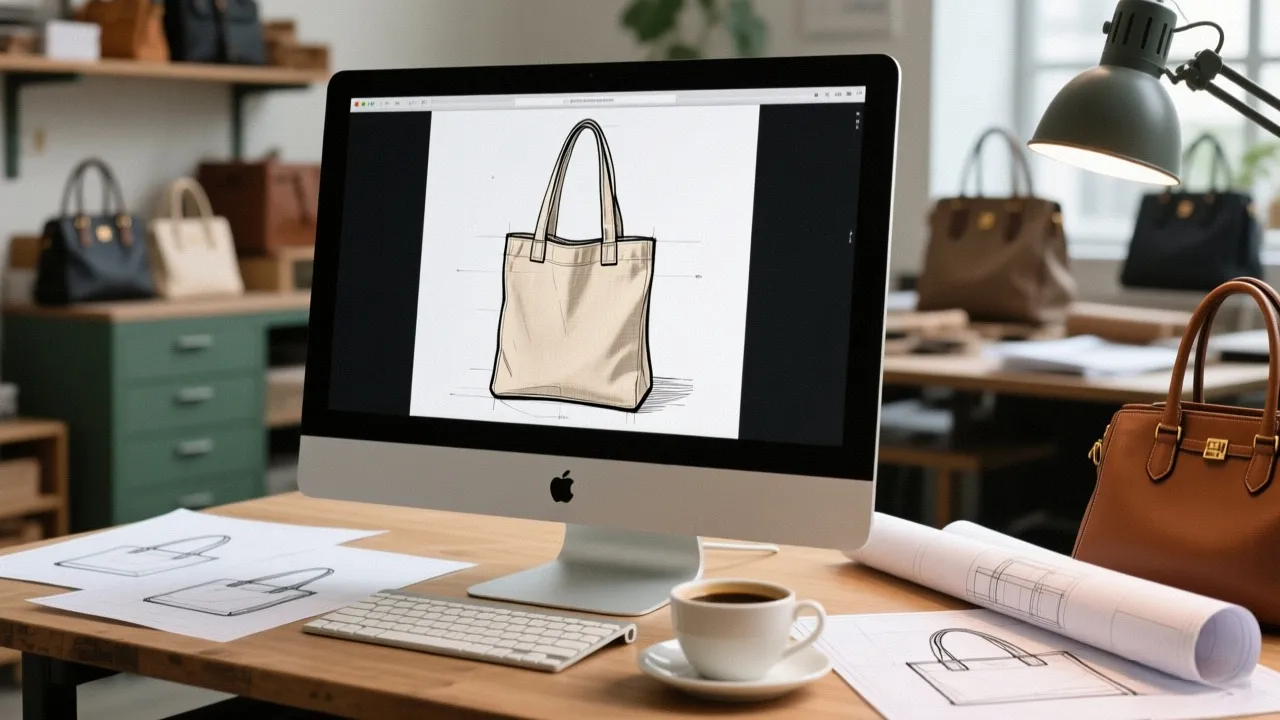
Why a Professional Tech Pack Is Your Best Investment
Every successful custom handbag starts with an exceptional design—but the bridge between a beautiful sketch and a flawless sample is a document called a tech pack. A handbag tech pack (short for technical package) is a comprehensive blueprint that communicates every detail of your bag to the manufacturer: dimensions, materials, colors, hardware, stitching, and finishing. Without it, even the most experienced factory is forced to guess, and guessing leads to sampling errors, production delays, and unnecessary costs.
Whether you’re developing a custom leather tote, a makeup bag for a beauty brand, or a reusable canvas tote for a promotional campaign, a well‑constructed tech pack ensures that your sample looks exactly like the image in your head—the first time. For emerging designers and established brands alike, learning to create a professional handbag tech pack is one of the highest‑return skills in fashion development. It also signals to factories that you are a serious partner, which can improve your pricing and lead times.

What Exactly Is a Handbag Tech Pack?
A handbag tech pack is not just a sketch with measurements. It is a multi‑page document that contains at least the following essential elements:
- Technical sketches (front, back, side, interior) – Flat drawings that show every seam, pocket, and stitch line.
- Bill of Materials (BOM) – A list of every material: shell fabric, lining, interlining, thread, zipper type, hardware finish, and labels.
- Colorway specifications – Pantone codes or standard color references for each material.
- Dimensions and tolerances – Exact measurements of the bag and placement of handles, pockets, and logos.
- Construction callouts – Seam types, stitch per inch (SPI), reinforcement requirements.
- Packaging instructions – How the bag should be folded, stuffed, and packed.
Think of your tech pack as a universal language for bag manufacturing. A factory in Guangzhou should be able to produce an identical sample to one in Italy, provided the tech pack is thorough. If you’re planning to import, a robust tech pack also helps you reduce tariffs importing bags from China because it clarifies product classification and material composition.
Step 1: Creating Precise Technical Sketches
The visual part of your bag tech pack template starts with clean, flat technical sketches. Unlike fashion illustrations, these are not about mood; they are about clarity. You need orthogonal views—usually front, back, and side—drawn to scale. Every stitch line, edge paint, and hardware position should be indicated with leader lines and brief notes.
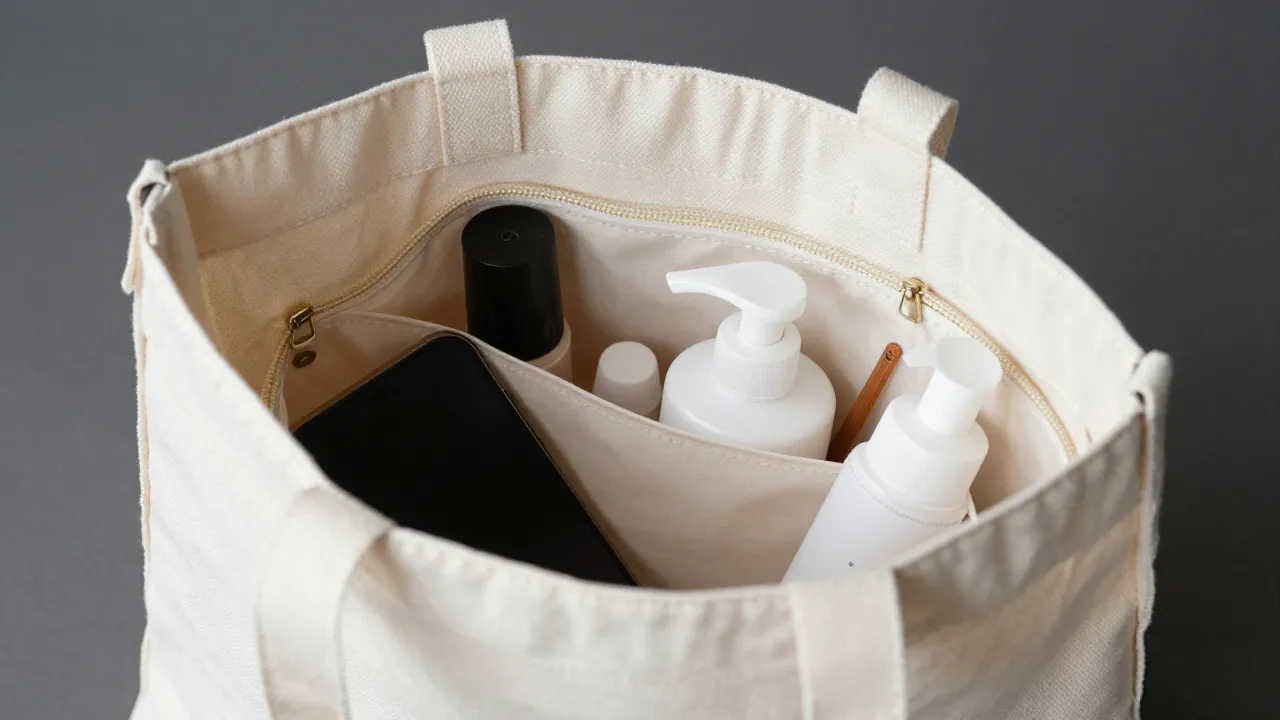
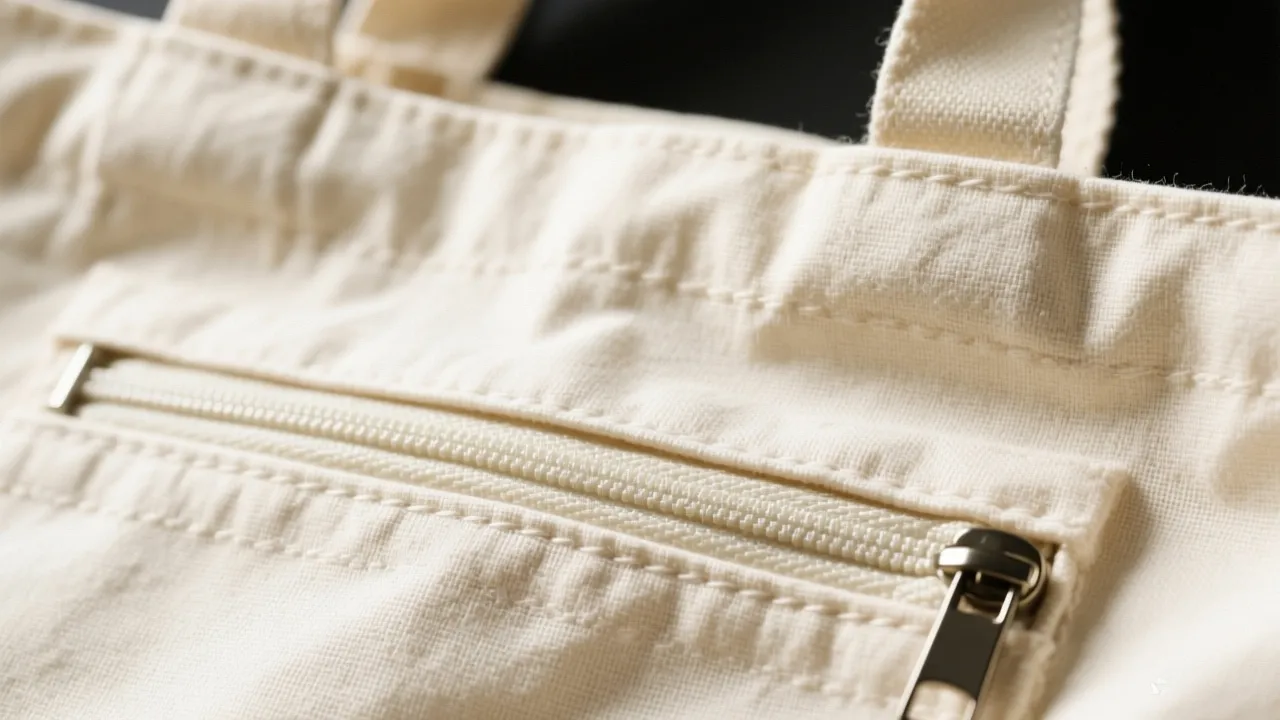
If you don’t have access to a CAD designer, you can start with detailed hand sketches and request your factory to digitize them. However, investing in a digital tech pack for handbags using Adobe Illustrator or specialized software like CLO 3D will dramatically reduce misinterpretation. Ensure your sketches show the interior of the bag: zip pockets, slip pockets, and lining details are where most production errors occur.
Step 2: Building the Complete Bill of Materials (BOM)
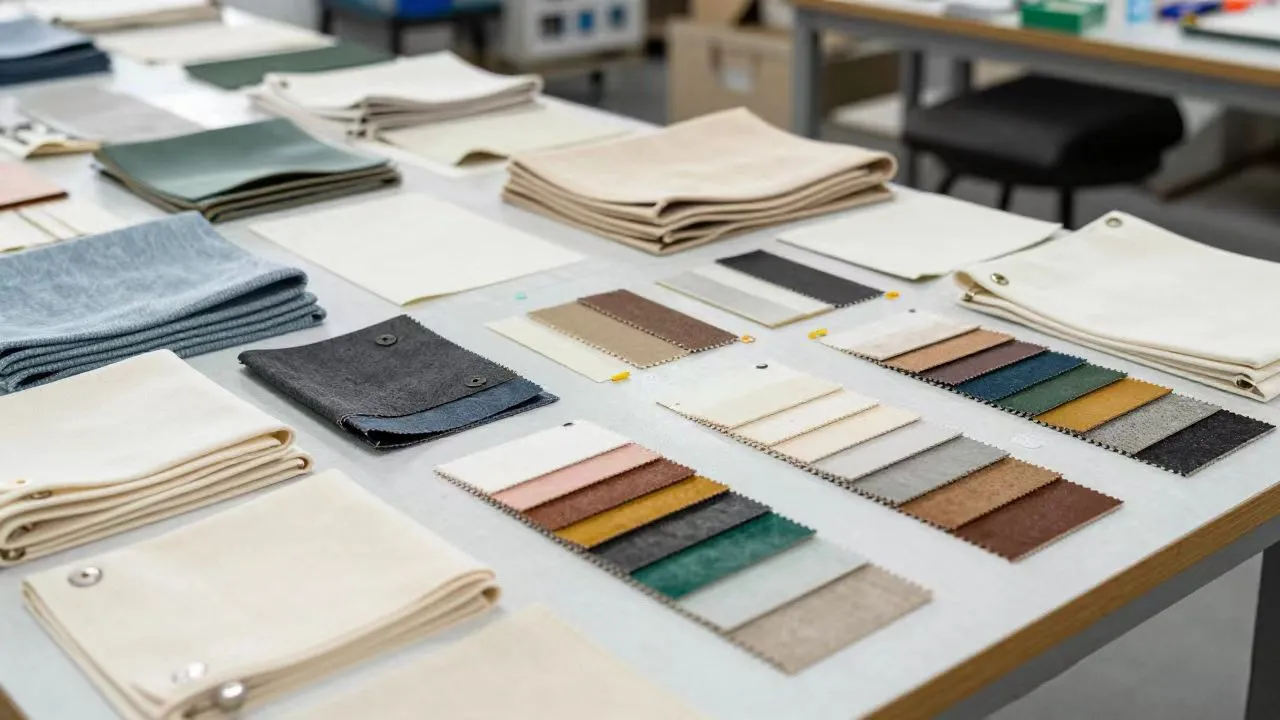
The BOM is the heart of any handbag production specification sheet. It lists every single component that goes into your bag, along with its supplier reference, color, and approved swatch. A typical BOM for a custom vegan leather handbag might look like this:
- Shell: 1.2mm cactus‑based vegan leather, Pantone 19‑4052 Classic Blue
- Lining: 210D recycled polyester, gray
- Interfacing: Non‑woven fusible, medium weight
- Zipper: #5 metal YKK, Gold finish, with vegan leather puller
- Thread: Bonded nylon Tex 70, matching blue
- Hardware: Custom logo plate, zinc alloy, gold finish
When sourcing sustainable materials, it’s important to verify that your choices are not only aesthetically pleasing but also compliant. For instance, if you’re exploring plant‑based vegan leather options, you must record the exact supplier and composition in your BOM to ensure chemical compliance later.
Step 3: Setting Dimensions and Acceptable Tolerances
Every measurement on your tech pack should be expressed in both centimeters and inches, with a clearly defined tolerance (usually ±5mm for soft bags, ±3mm for structured bags). Include the width, height, and depth of the bag, as well as the handle drop, strap length, and pocket placement. A common mistake is forgetting to specify the measurement points; for example, is the bag height measured with or without the handles?
Precision here directly impacts custom bag manufacturing costs and speed. Factories will always appreciate a tech pack with dimensions that leaves no room for interpretation. When you’re ready to have your design sampled, providing a complete handbag tech pack template populated with your specific data will set clear expectations.
Step 4: Construction, Stitching, and Finishing Callouts
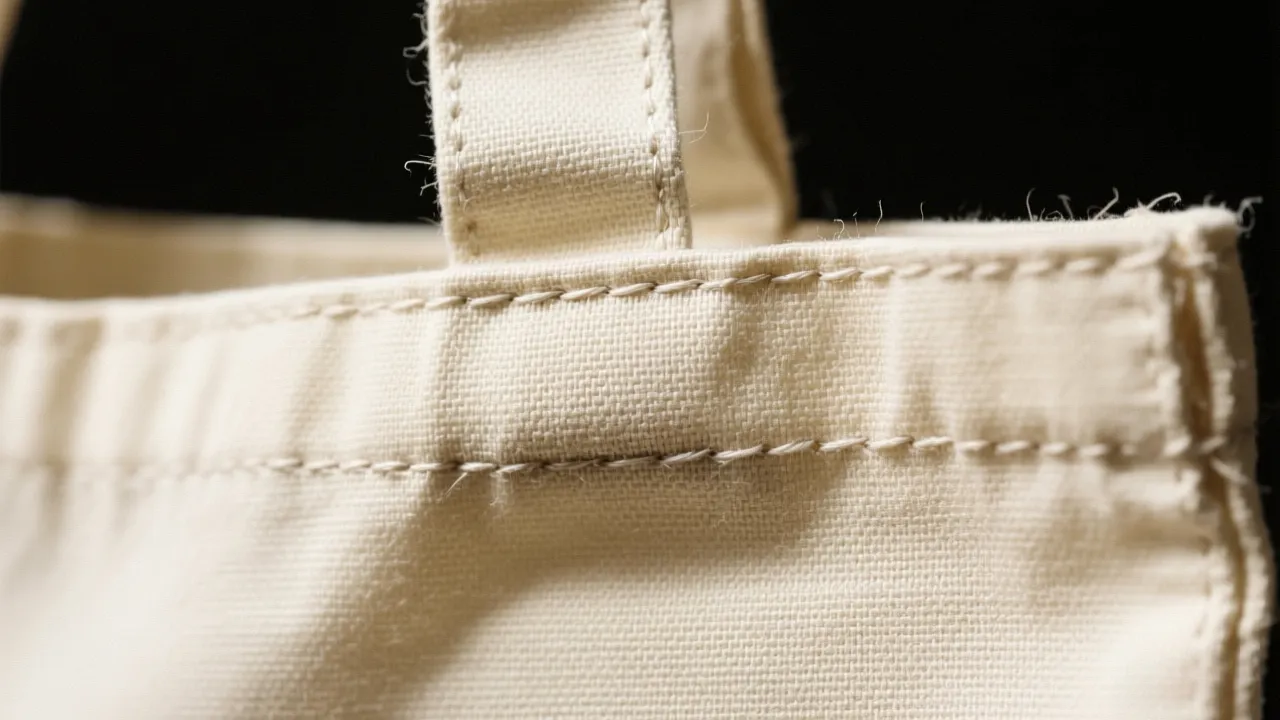
Construction callouts describe how the bag is put together. For example: “Seams are 1cm with clean finishing; top edge double‑folded and stitched with 1mm edge stitch.” Stitch per inch (SPI) matters: 7‑8 SPI is standard for medium‑weight canvas, while 9‑10 SPI looks more luxurious. Specifying the thread color and type for both topstitching and internal seams is also vital.
Include reinforcement details: bar tacks at handle attachment points, reinforced corners for heavy‑use bags, and internal binding on seams for durability. If you are creating a custom wine tote bag or a heavy‑duty reusable wine tote, your tech pack must clearly state the bottom reinforcement method, as a broken bag carrying bottles is both a brand disaster and a safety hazard.
Step 5: Branding, Printing, and Decoration Specifications
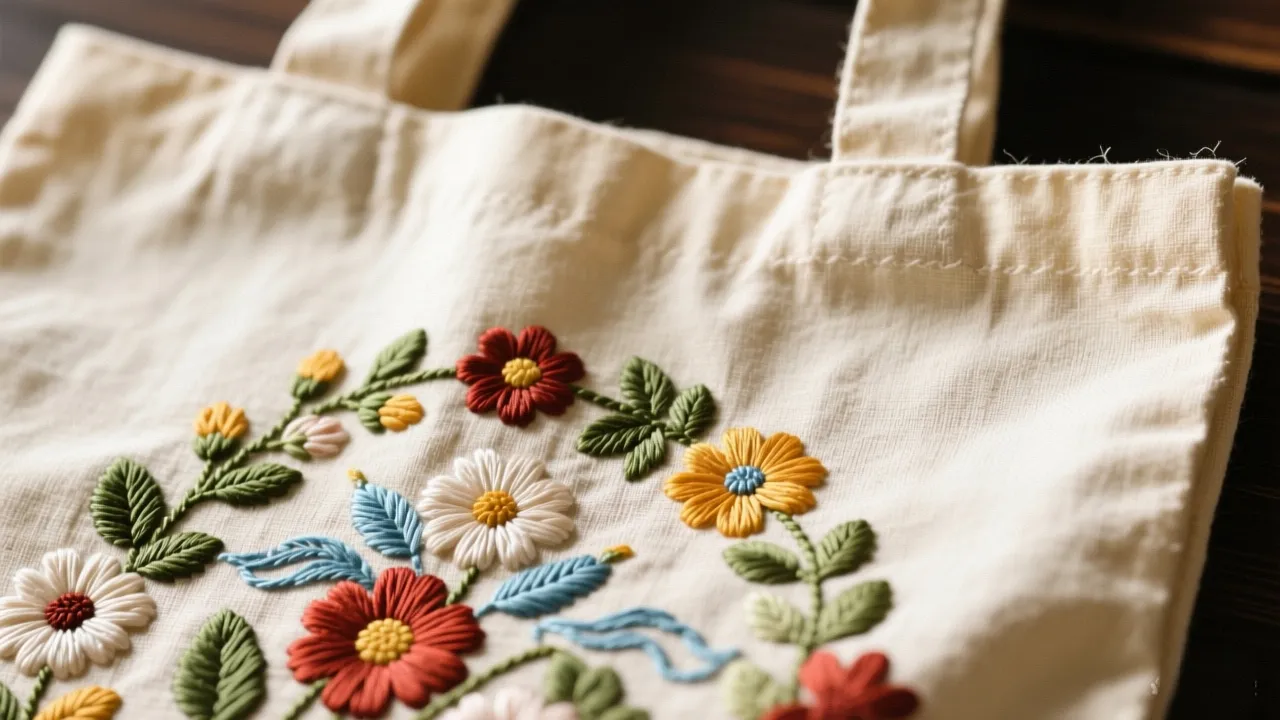
Your brand identity sits at the center of a successful bag. Whether you choose embroidery, screen printing, digital printing, or debossing, your tech pack must guide the factory with extreme precision. Provide the logo file in vector format (AI or PDF), specify the exact placement coordinates (e.g., “3cm from top edge center”), and indicate the dimensions of the printed or embroidered area.
If you opt for embroidery, state the thread brand, stitch type, and whether a backing is needed. For digital printing, specify the color profile (CMYK) and expected resolution. Providing a custom handbag branding specification sheet alongside your tech pack minimizes the risk of a beautifully constructed bag being ruined by a misplaced or low‑quality logo.
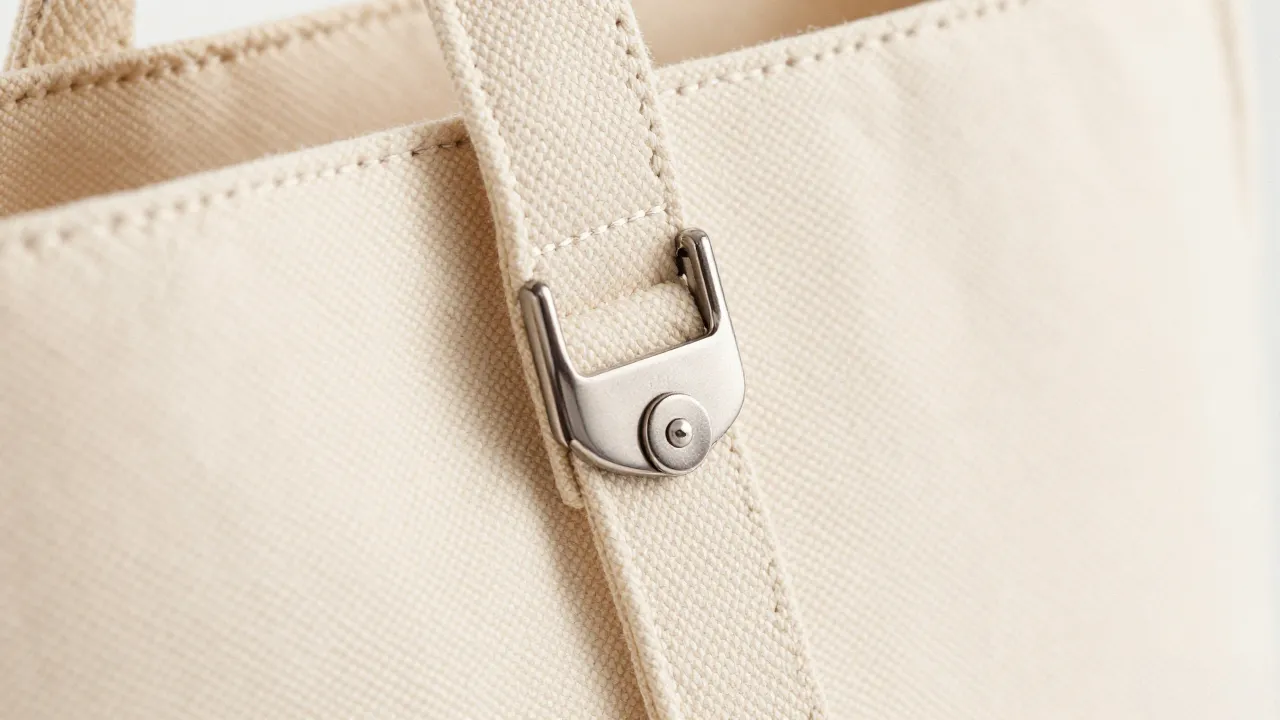
Many factories offer custom metal tags and embossed leather labels. If you choose these, include a detailed drawing of the tag, the attachment method (rivet, screw, sew‑on), and the exact placement. These small touches often elevate a private label handbag from generic to premium.
Step 6: Compliance Notes and Quality Testing Requirements
An advanced handbag tech pack template should include a section on quality standards and regulatory requirements. If you are selling in the EU or California, specify that materials must be REACH and Prop 65 compliant. Note prohibited substances (e.g., azo dyes, phthalates) and any required lab tests. Include a checklist for the factory’s quality control (QC) team: check seam strength, colorfastness, zipper functionality, and overall symmetry.
By embedding compliance directly into your tech pack, you avoid the scenario where a container arrives at the port only to be held by customs due to a failed lead test. When you later conduct a handbag factory audit, you can use the tech pack as the reference document against which all processes are measured.
Step 7: Packaging and Shipping Instructions
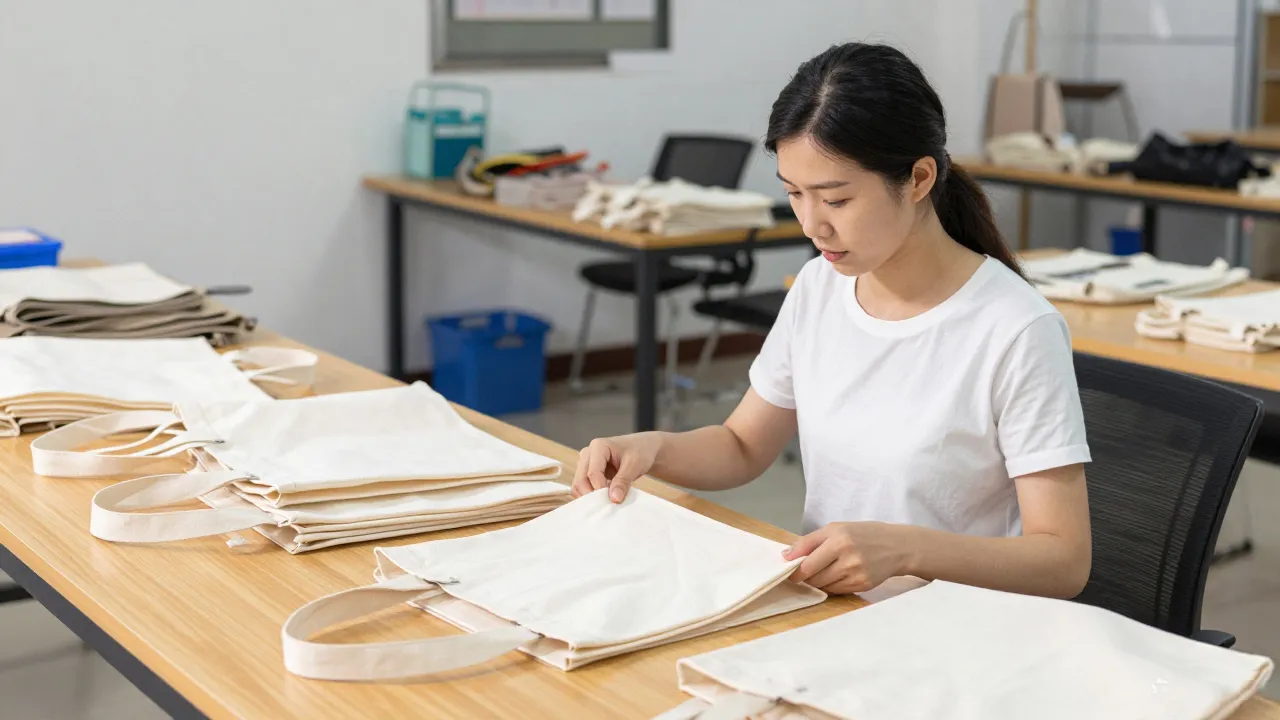
The final part of the tech pack covers how the finished bags should be presented. Will each bag be individually poly‑bagged? Do you need hang tags attached to a specific location? Should the bag be stuffed with acid‑free tissue paper to maintain its shape during shipping? These details ensure the product arrives at your customer or fulfillment center in retail‑ready condition.
Providing clear packaging instructions not only preserves the integrity of your custom designer handbag but also speeds up the unboxing process for your end customer. It’s a step many first‑time founders overlook, resulting in wrinkled, misshapen products that could have been avoided with a single page in the tech pack.
Your Handbag Tech Pack Is Your Production Superpower
Creating a professional handbag tech pack may feel like a lot of upfront work, but it pays for itself many times over. Goodbye to endless sampling rounds, expensive miscommunications, and late shipments. Whether you are developing your first product or your fiftieth, a rigorous tech pack will keep your supply chain aligned and your brand integrity intact.
At GZ Dreamway, we work with brands of all sizes to refine their tech packs even before the first sample is cut. Our in‑house design team can help you translate rough concepts into manufacturer‑ready documents, saving you time and reducing risk. Take the next step toward flawless production.
Ready to Perfect Your Tech Pack?
Send us your current design or start from scratch. We’ll provide a complimentary tech pack review and suggest optimizations for manufacturing efficiency and cost reduction.
✅ No obligation • 100% confidential • Turnaround within 48h
Premium bag & silk manufacturing — under one factory roof.
Tucked inside Shiling Town — Guangzhou’s centuries-old leather district — Dreamway is a focused manufacturing partner for brands that refuse to compromise. We build rugged, retail-ready tote bags, backpacks, handbags with a 200-piece MOQ, and craft 100% Mulberry silk pillowcases, scrunchies & sleep accessories starting from just 50 pieces. Our small team of 30+ artisans is senior, hands-on, and accountable — the same people who quote your sample will personally inspect your shipment.
Every order is verified against our published manufacturing quality standards — AQL 2.5 inspection, hardware pull-tests, seam-strength audits, and silk-fibre authenticity checks. From concept tech-pack to mass production, we run the entire supply chain in-house, so timelines stay honest and revisions stay painless.
Buying Guides & Manufacturing Insights
Sourcing smarter starts with knowing what to compare. These long-form guides break down the decisions our clients wrestle with most — from third-party inspections like the SGS vs Intertek vs Bureau Veritas showdown, to ranking China’s top 10 tote bag manufacturers, to the head-to-head of canvas vs polyester vs PU for bag bodies.
Designing your logo? Our custom tote bag logo size guide shows real placement and stitch-density examples. Curious how a handbag actually comes together? Walk through the leather handbag manufacturing process step by step, and pair it with the canvas tote durability factors that decide whether a bag survives five years of daily use.
For material decisions beyond canvas, compare PU vs polyester for bags and explore our roundup of the world’s top canvas bag manufacturers. If backpacks are your lane, our backpack manufacturing process and backpack lead-time guide give you realistic production windows. Choosing between social-compliance audits? Read BSCI vs SEDEX vs WRAP. For smaller leather goods, dive into the leather wallet manufacturer playbook; for sustainability claims, the recycled PU leather explainer and our backpack QC checklist separate marketing from reality. Finally, stay ahead of EU regulation with our PPWR FAQ for bag manufacturers.
Explore by Topic
Browse our deep-dive knowledge hubs — every cluster is curated by category and updated with new field reports.
By Category
Materials & Compliance
Real Client Cases
Numbers tell part of the story. These production cases show how Dreamway’s small team delivers at scale.
Featured Product Lines
A snapshot of what we manufacture most often — all OEM/ODM-ready with custom hardware, lining, and packaging.
Who We Help
From indie founders to global enterprise — Dreamway is built for brands that need a factory, not a freelancer.
Brand Builders
Beauty & Fashion
Lifestyle & Retail

Skip the inbox. Chat with Victoria — right now.
Point your camera at the QR and you’re connected to a real human in Guangzhou. Send a photo of your reference, get a quote within minutes, and lock in your 200-piece MOQ slot before this month’s capacity fills.
Specialized factories. Unified standards.
Leather & Bag Capital
Our bags come from Guangzhou’s Shiling leather district — home to 30+ senior artisans under one roof, working in 8,000 m² of integrated cutting, sewing, hardware-assembly, and QC space.
Mulberry Silk Heritage
Our 22mm Mulberry silk pillowcases and sleep sets come from vetted partner mills in Suzhou and Hangzhou — at the heart of China’s 5,000-year sericulture heritage, today running OEKO-TEX Standard 100 certified production lines.
Get your sample in 7 working days —
hand-built by Guangzhou’s 30+ artisans.
Send a sketch, a screenshot, or a competitor’s bag you want to beat. We’ll hand-build a custom sample and ship it to your door — produced by the same craftspeople who will run your mass-production order.
business days · in your timezone
on request · signed in 1 day
if first one misses the brief