
Low MOQ vs High MOQ
Which Manufacturing Model Is Right for Your Brand?
For first-time overseas buyers navigating the world of OEM manufacturing, few decisions prove as pivotal—or as confusing—as choosing between low minimum order quantity (MOQ) and high MOQ production models. You’ve likely encountered both terms repeatedly while researching manufacturing strategy, yet the path forward remains unclear.
The reality is straightforward: there’s no universal answer. Your ideal choice depends entirely on your brand’s current stage, financial position, risk tolerance, and growth objectives. This comprehensive comparison guide cuts through the confusion, equipping you with the knowledge to make an informed decision aligned with your unique business circumstances.
Whether you’re launching a startup, testing new products on Amazon, sourcing corporate gifts, or preparing for retail expansion, understanding the nuanced trade-offs between these manufacturing approaches will empower you to optimize your supply chain and maximize your return on investment.
.webp)
What Is MOQ?
Before diving into comparisons, let’s establish a clear foundation. Minimum Order Quantity (MOQ) represents the smallest number of units a manufacturer will produce in a single production run. This threshold exists not as an arbitrary barrier, but as an economic necessity that allows factories to operate profitably while maintaining quality standards.
Why Manufacturers Set MOQ
Factory owners establish MOQs for several interconnected reasons:
- Raw Material Efficiency: Suppliers typically offer better pricing for minimum quantities, and factories need sufficient volume to justify material procurement costs.
- Labor Optimization: Setting up production lines, configuring machinery, and quality-checking output require significant labor investment regardless of order size.
- Machine Setup Amortization: Equipment calibration, mold installation, and production line configuration costs must be distributed across enough units to remain economically viable.
- Supply Chain Management: Consistent order volumes enable factories to maintain reliable relationships with material suppliers and optimize their logistics operations.
.webp)
Typical MOQ in Different Industries
MOQ expectations vary significantly across manufacturing sectors. Here’s what you can typically expect:
| Industry | Typical MOQ Range | Notes |
|---|---|---|
| Electronics | 500–5,000 units | Component sourcing drives higher minimums |
| Footwear | 300–1,000 pairs | Size curve requirements add complexity |
| Apparel | 100–500 pieces per color | Color and size variations multiply requirements |
| Bags & Luggage | 200–500 units | Material efficiency and hardware costs factor in |
| Furniture | 50–200 units | SKU complexity influences minimums |
| Home Textiles | 50–200 units | Silk products often have lower entry points |
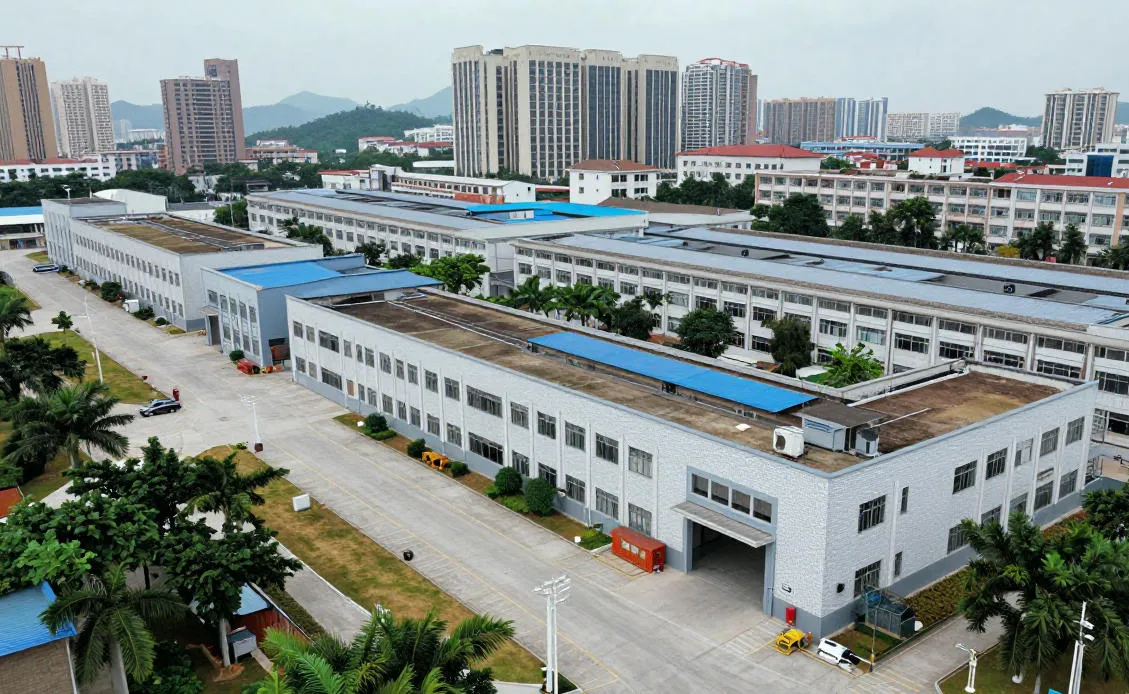
At Dreamway, a specialized bag factory located in Guangzhou, China, we offer competitive MOQs starting at 200 units for bag products and 50 units for silk items—making us an ideal partner for brands at various stages of growth.
What Is Low MOQ?
Low MOQ manufacturing typically refers to production runs of 50–300 units per order. This approach has gained tremendous popularity among entrepreneurs, startups, and established brands seeking flexibility in their product development cycles.
Characteristics of Low MOQ
- Lower initial capital requirements
- Reduced inventory risk exposure
- Greater design iteration flexibility
- Faster time-to-market for new products
- Enhanced ability to test market demand
- Improved cash flow management
Who Should Choose Low MOQ?
Low MOQ manufacturing proves particularly advantageous for:
- Early-stage startups validating product-market fit
- Amazon sellers testing new product ideas
- Shopify brands offering limited edition collections
- Brands conducting A/B testing on designs or materials
- Companies sourcing bespoke corporate gifts
- Established brands exploring seasonal or promotional items
What Is High MOQ?
High MOQ manufacturing involves larger production volumes, typically starting from 1,000 units per order and often extending to 10,000+ units for certain product categories. This traditional manufacturing approach has powered global supply chains for decades.
Characteristics of High MOQ
- Lower per-unit production costs
- Reduced per-unit shipping expenses
- Greater negotiating leverage with suppliers
- Simplified logistics and fulfillment planning
- More stable long-term supplier relationships
- Economies of scale benefits
Who Should Choose High MOQ?
High volume manufacturing suits organizations that have:
- Confirmed product-market fit with proven sales velocity
- Established retail distribution channels
- Sufficient working capital for large upfront investments
- Demand forecasting capabilities
- Existing supply chain infrastructure
- Risk tolerance for inventory management

Low MOQ vs High MOQ Comparison
The following comprehensive comparison table highlights key differentiators between these two manufacturing approaches:
| Factor | Low MOQ | High MOQ |
|---|---|---|
| Initial Investment | Lower upfront cost | Higher capital required |
| Unit Price | Relatively higher per unit | Lower unit cost |
| Inventory Risk | Minimal exposure | Significant commitment |
| Lead Time | Faster production scheduling | Longer planning horizon |
| Product Testing | Excellent for validation | Limited flexibility |
| Design Flexibility | High iteration ability | Lower adaptation capacity |
| Cash Flow | Better managed | Higher pressure |
| Supply Chain Stability | Medium dependency | Excellent consistency |
| Quality Control | Consistent standards | Consistent standards |
| Ideal For | Startups, testing | Established brands |
.webp)
Cost Comparison
Understanding the financial implications of your MOQ choice requires examining both fixed costs and variable costs. Many buyers assume higher MOQ automatically means lower total costs, but the reality involves nuanced trade-offs.
Fixed Costs
Fixed costs remain constant regardless of production volume and include:
- Mold/Tooling Fees: Custom tool creation for unique designs (one-time investment)
- Sample Development: Tech pack creation, pattern development, and prototype production
- Design Engineering: Structural design work and material specification
- Testing Certification: Quality testing, safety compliance, and authentication
- Setup Fees: Production line configuration and equipment calibration
.webp)
Variable Costs
Variable costs scale with production volume:
- Raw Materials: Fabric, hardware, packaging materials
- Labor: Direct manufacturing labor costs
- Overhead: Facility costs, utilities, equipment depreciation
- Quality Control: Inspection labor and testing materials
- Packaging: Individual and bulk packaging materials
The MOQ-Cost Relationship
While higher MOQ generally yields lower per-unit pricing, the relationship isn’t strictly linear. Consider this conceptual cost curve:
The curve demonstrates that unit prices drop significantly as quantities increase from very low MOQ to medium ranges, but the rate of improvement diminishes substantially at higher volumes. For many products, moving from 200 to 500 units yields more savings than moving from 5,000 to 10,000 units.
Inventory Risk Comparison
Inventory risk represents one of the most critical considerations for brands choosing between manufacturing approaches. Unsold inventory ties up capital, incurs storage costs, and may ultimately require deep discounting or disposal.
The 2000-Unit Scenario
Consider this common situation: You order 2,000 units at $15 per piece, investing $30,000 total. After launching, you sell 1,200 units at $35 each ($42,000 revenue). You now face difficult decisions:
- Storage costs: $200–500 monthly for warehouse space
- Capital tied up: $12,000 in remaining inventory value
- Markdown pressure: Reducing price to $20 yields $24,000 revenue (still profitable but reduced margins)
- Liquidation risk: Selling at $5 each recovers only $4,000
With a low MOQ approach of 200 units ($3,000 investment), you’d have more flexibility to adjust, discontinue, or pivot your product strategy without catastrophic financial impact.

Lead Time Comparison
A common misconception holds that high MOQ production automatically means faster delivery. In reality, lead times depend on multiple factors that often favor low MOQ approaches.
Why High MOQ Doesn’t Always Mean Faster
- Production Scheduling: Large orders require排队等待 in production schedules
- Material Procurement: Bulk orders may require sourcing additional materials from suppliers
- Quality Control: Larger batches require more extensive inspection processes
- Customization Delays: Changes or corrections become more costly and time-consuming
Low MOQ Lead Time Advantages
- Faster production slot availability
- Quicker sample-to-production transition
- Reduced queue waiting periods
- More responsive to market feedback
At Dreamway, our flexible manufacturing capabilities allow us to deliver low MOQ orders efficiently, often within 15–25 days for standard configurations.

Quality Comparison
Perhaps the most persistent myth in manufacturing is that low MOQ equals lower quality. This assumption is fundamentally incorrect when partnering with reputable factories.
Quality Is a Factory Choice, Not a Volume Decision
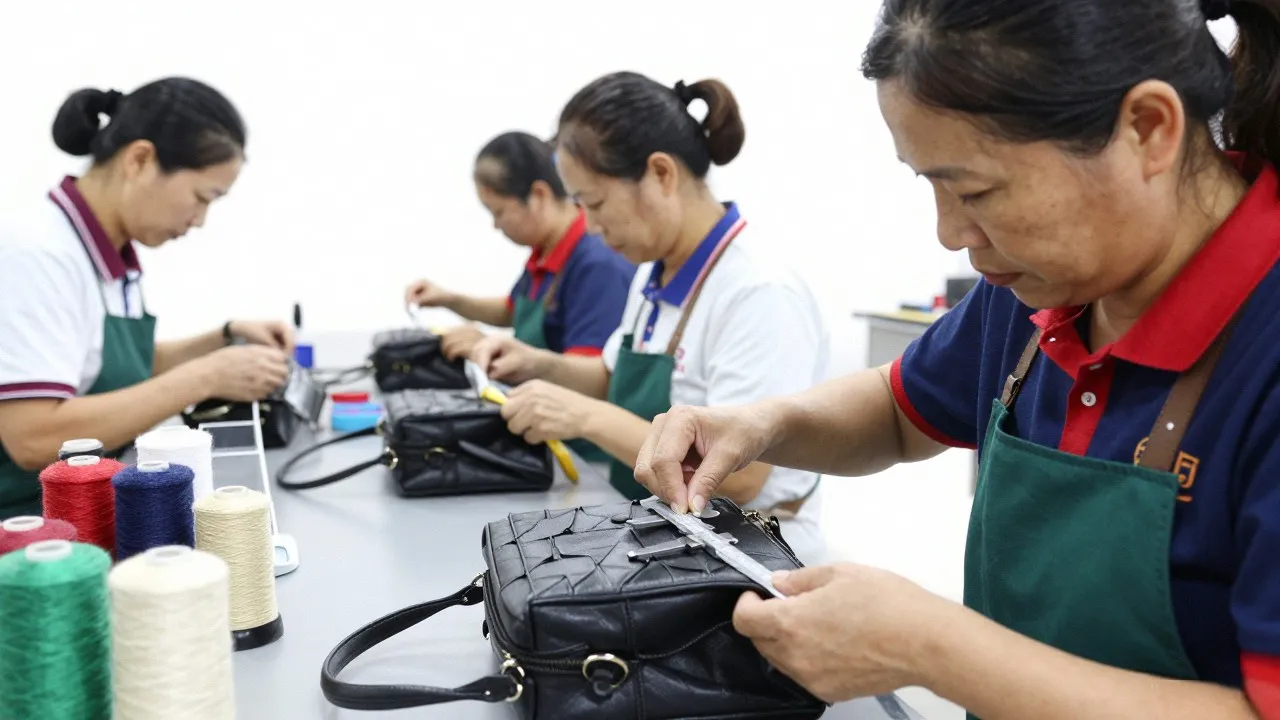
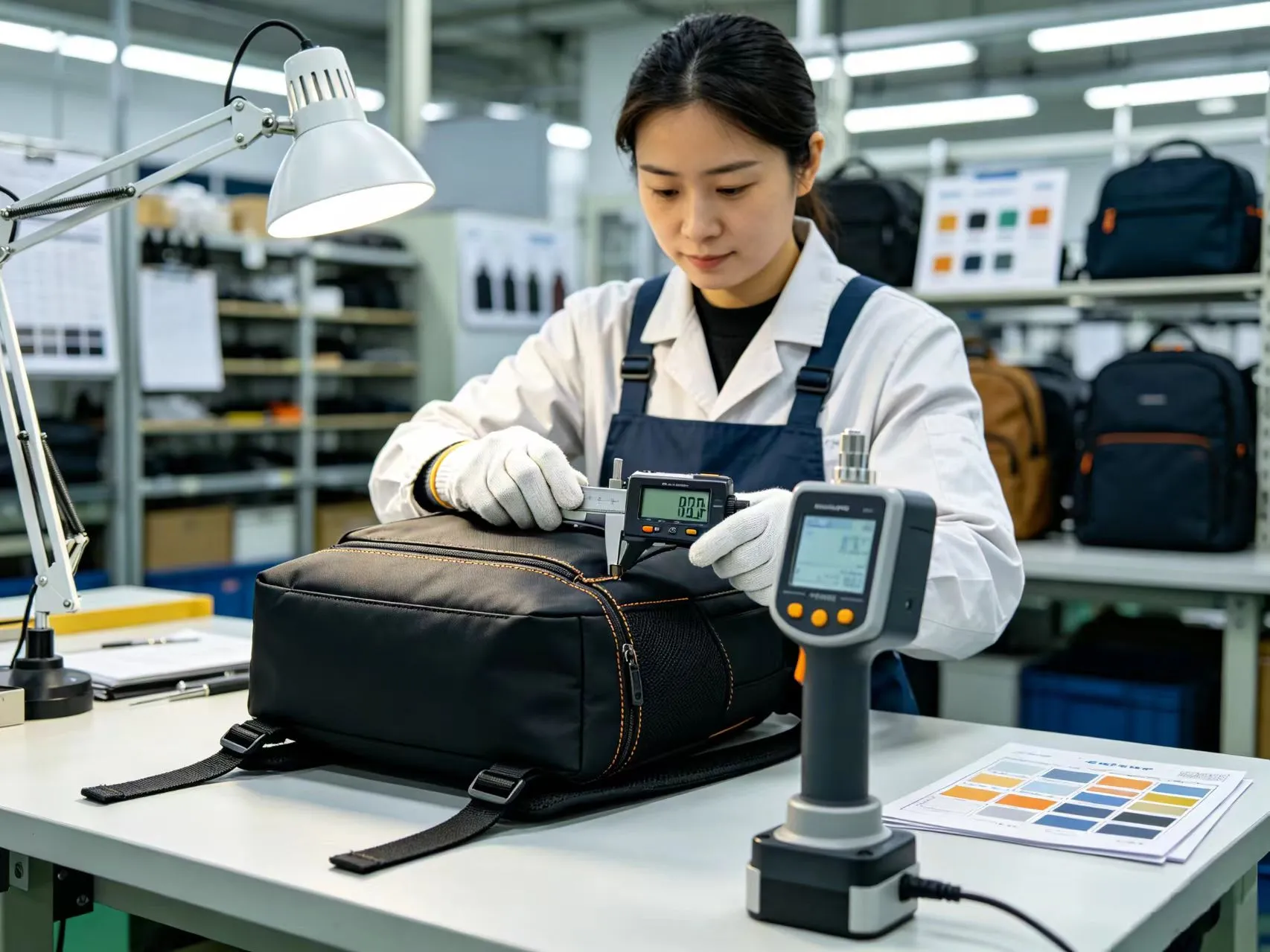
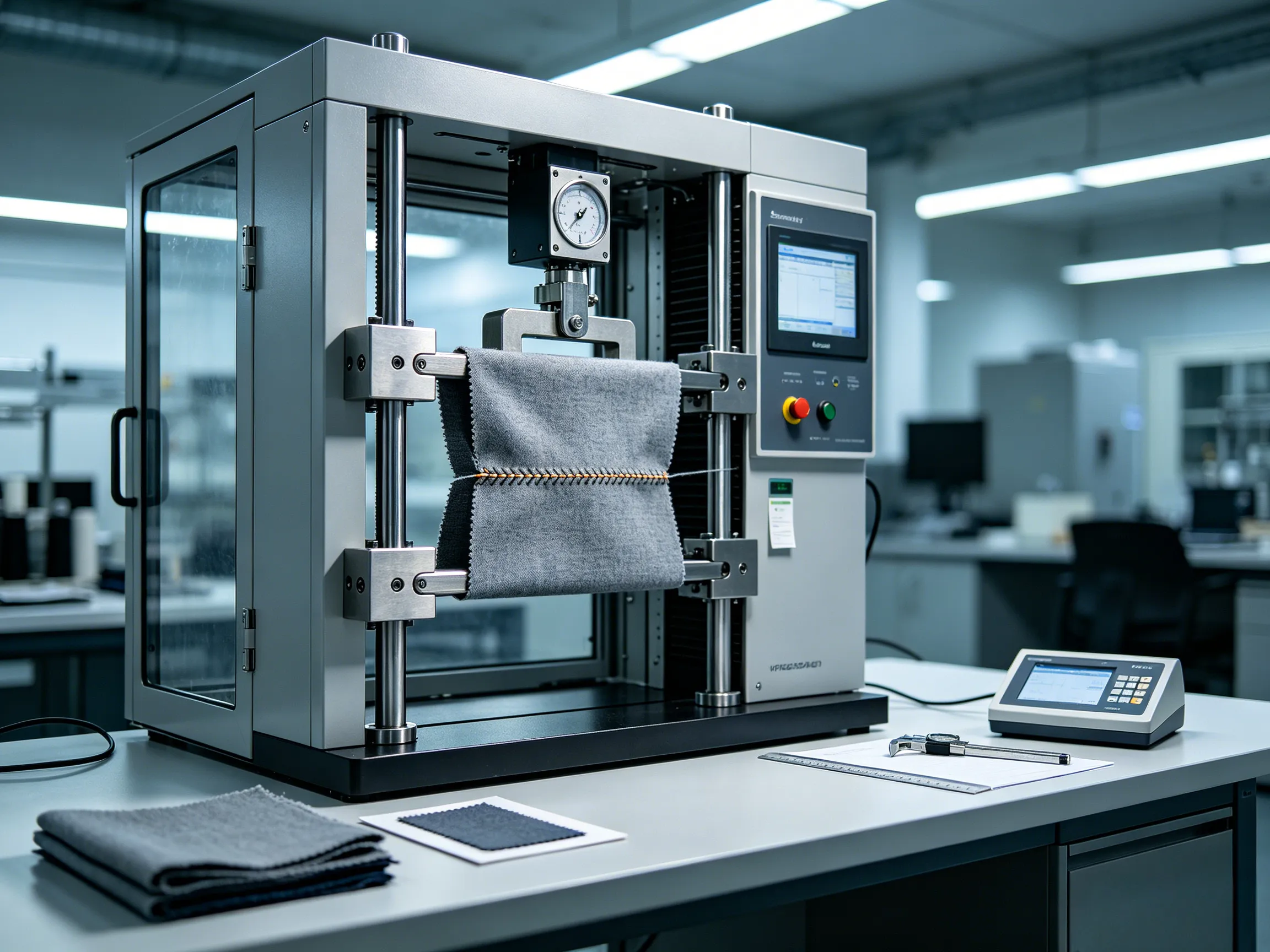
Quality standards are established by the manufacturer and enforced through rigorous quality control processes. At Dreamway, we apply identical inspection standards regardless of order size:
- AQL 2.5 quality sampling on every production run
- Pre-production material verification
- In-line production monitoring
- Final random inspection before shipment
- Detailed defect classification and reporting
Cash Flow Comparison
Effective cash flow management separates successful brands from those that struggle. Your MOQ choice directly impacts your financial flexibility and working capital requirements.
Budgeting Considerations
| Cost Category | Low MOQ Impact | High MOQ Impact |
|---|---|---|
| Initial Investment | Lower upfront capital | Significant capital required |
| Working Capital | More available for operations | Tied up in inventory |
| Reorder Timing | Frequent but smaller payments | Infrequent but larger payments |
| ROI Timeline | Quicker returns on investment | Longer path to profitability |
| Risk-Adjusted Returns | Higher due to lower exposure | Variable based on sales success |
ROI Calculation Framework
When evaluating MOQ options, calculate your expected return on investment using this formula:
ROI = (Revenue – Total Costs) / Total Costs × 100%
Consider not just the unit price difference, but also:
- Opportunity cost of capital tied in inventory
- Storage and logistics expenses
- Potential markdown or liquidation scenarios
- Time value of faster market entry
Which Brands Should Choose Low MOQ?
Low MOQ manufacturing opens doors for diverse business models and growth stages. Here are the ideal candidates:
Startup Brands
Early-stage companies benefit from low MOQ through:
- Reduced capital commitment during market validation
- Ability to iterate on product design based on early feedback
- Preservation of runway for other critical investments
- Risk mitigation during uncertain market entry
Amazon Sellers
Amazon merchants leveraging FBA can optimize their business through low MOQ by:
- Testing multiple product variations efficiently
- Managing seasonal demand fluctuations
- Reducing long-term storage fees
- Quickly responding to competitor actions

Shopify Brands
Direct-to-consumer brands thrive with low MOQ through:
- Launching limited edition collections
- Offering color/size customization options
- Running flash sales and promotional campaigns
- Building scarcity and exclusivity messaging
Kickstarter & Crowdfunding Projects
Campaign-based launches naturally align with low MOQ because:
- Funding typically limits production capacity
- Backer counts determine feasible quantities
- Post-campaign iterations may be necessary
- Delivery timelines require efficient production
Corporate Gift Sourcing
Companies seeking branded merchandise benefit from low MOQ through:
- Meeting variable employee/client counts
- Accommodating frequent design changes
- Reducing storage requirements for events
- Testing promotional merchandise effectiveness
Which Brands Should Choose High MOQ?
High volume manufacturing remains the optimal choice under specific circumstances:
Retail Distribution
Brands entering retail channels should consider high MOQ when:
- Negotiating with major retailers requiring consistent supply
- Meeting store count expansion plans
- Qualifying for wholesale pricing tiers
- Building inventory buffers for peak seasons
Supermarket & Mass Market
Mass market retail demands high volume production for:
- National or international distribution scale
- Promotional pricing negotiations
- Store replenishment requirements
- Private label opportunities
Established Brands
Mature companies with proven products benefit from high MOQ through:
- Maximizing economies of scale
- Simplifying supplier management
- Negotiating favorable payment terms
- Streamlining logistics and fulfillment
Decision Tree: Finding Your Ideal MOQ
Use this decision framework to guide your manufacturing strategy:
Do you need product validation before committing to large volumes?
Is your primary goal minimizing per-unit cost?
Do you have sufficient working capital for large orders?
If YES → Evaluate both options based on risk tolerance
Common Mistakes to Avoid
Learning from others’ errors can save significant time and money. Here are the most frequent MOQ-related mistakes:
Mistake #1: Chasing Lowest Unit Price
Ordering 5,000 units to save $2 per piece might seem economical, but if you can only sell 2,000 units, you’ve lost money despite the lower unit cost. Always calculate total cost, not just unit price.
Mistake #2: Ignoring Inventory Costs
Storage fees, insurance, depreciation, and opportunity cost all contribute to the true cost of inventory. Factor these expenses into your MOQ decision calculations.
Mistake #3: Underestimating Market Validation
Launching with high MOQ without testing market response often leads to excess inventory. Validate demand first, then scale production accordingly.
Mistake #4: Poor Cash Flow Planning
Large orders require substantial capital. Ensure you have adequate working capital to cover production costs, shipping, duties, and ongoing operational expenses.

Case Study: European Startup Success Story
Consider the journey of a European fashion startup that partnered with Dreamway for their bag line launch.
Phase 1: Market Validation (200 Units)
The brand began with a 200-unit initial order to test their tote bag design in the European market. This conservative approach allowed them to:
- Validate product-market fit without significant capital risk
- Gather customer feedback on design and quality
- Refine their marketing approach based on real sales data
- Build initial brand awareness with limited inventory
Phase 2: Expansion (500 Units)
Encouraged by strong initial sales and positive customer feedback, the brand increased their order to 500 units, adding new color variations based on market demand.
Phase 3: Scale (2,000 Units)
After confirming product success and securing retail distribution agreements, the brand scaled to 2,000 units per order, significantly reducing per-unit costs while maintaining healthy inventory turnover.

Emily, our Senior Project Manager with 12 years in OEM bag manufacturing, explains: “Many first-time buyers make the mistake of ordering too much too soon. The smartest approach is to start with a manageable quantity that allows you to validate your product, gather real feedback, and scale confidently. We’ve helped hundreds of brands grow from small test orders to large-scale production runs.”
Quality Perspective
Quality consistency should never be compromised based on order volume. Here’s why our standards remain unwavering regardless of quantity:
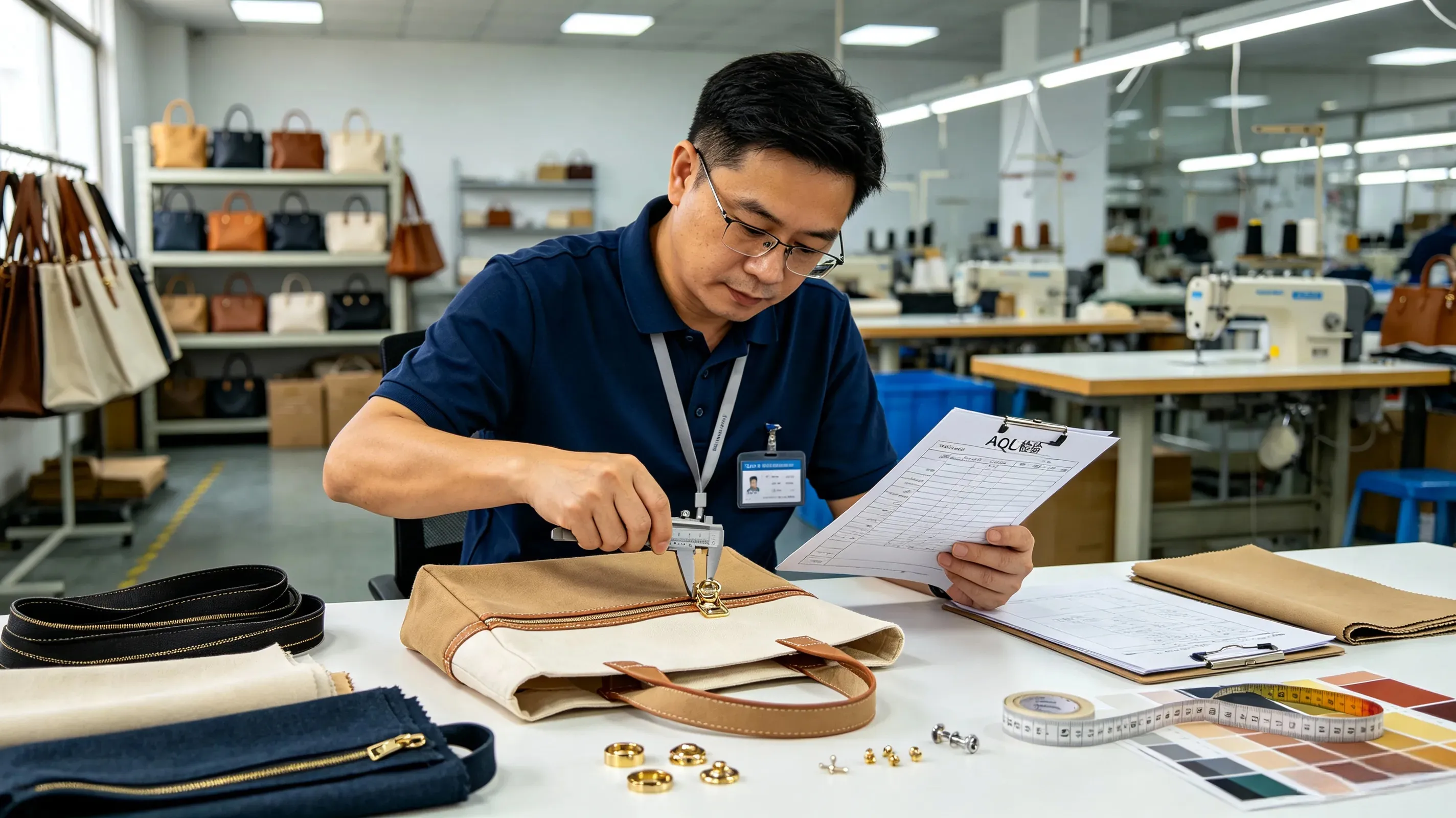
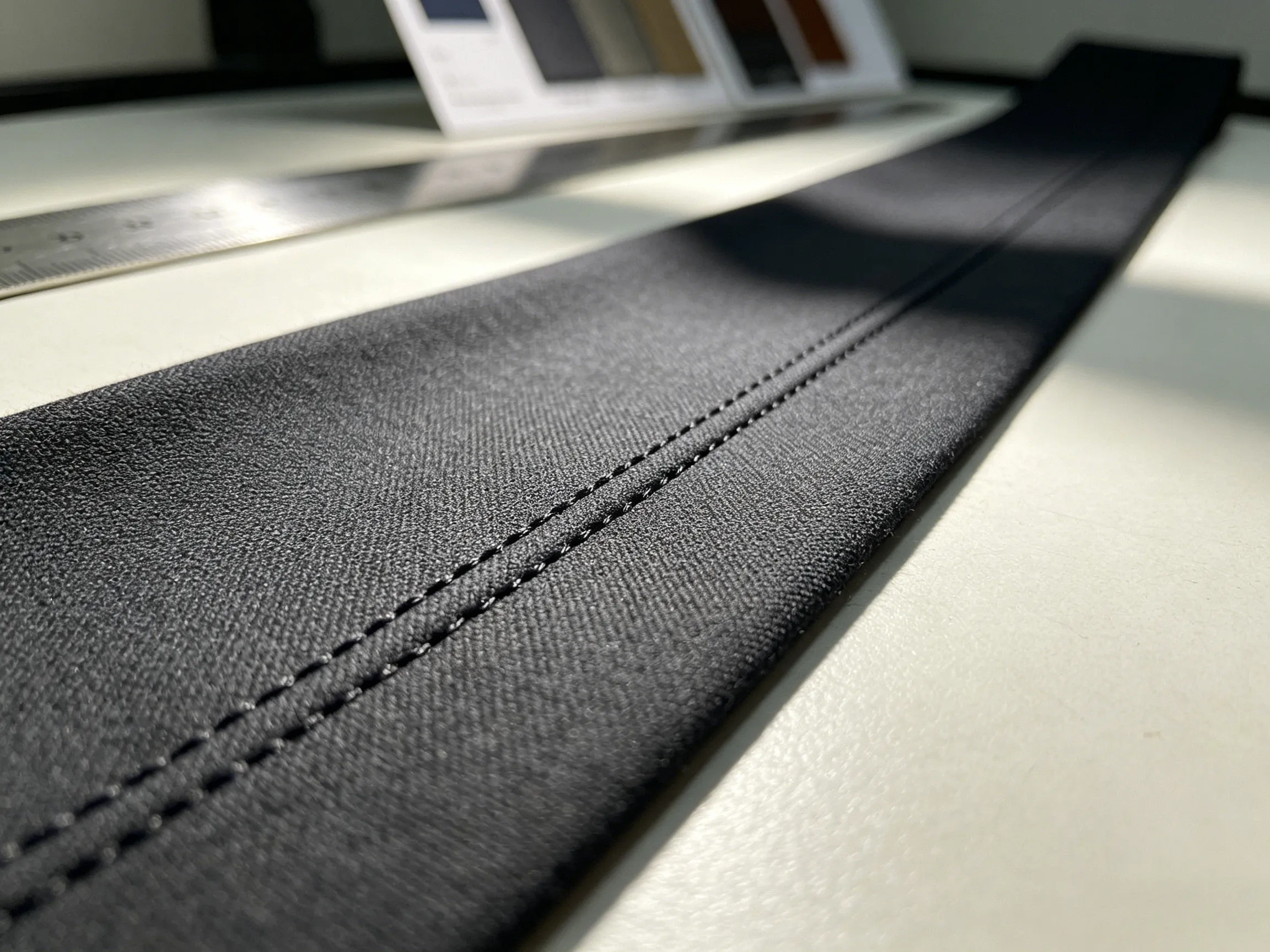
Kevin, our Pattern Development Engineer specializing in leather, canvas, nylon, and technical fabrics, notes: “Inspection standards remain completely consistent regardless of production volume. We apply the same AQL 2.5 procedures to both a 200-unit order and a 5,000-unit order. Quality is our foundation—it’s non-negotiable.”
MOQ Decision Matrix
This actionable matrix helps you determine the ideal MOQ based on your business stage:
| Business Stage | Recommended MOQ | Primary Benefit |
|---|---|---|
| Concept/Prototype | 50–100 units | Rapid market testing |
| Startup | 200–300 units | Risk mitigation + validation |
| Crowdfunding | Based on backers | Flexible fulfillment |
| Amazon Testing | 200–500 units | Inventory optimization |
| Established E-commerce | 500–1,000 units | Balanced cost/flexibility |
| Retail Expansion | 1,000–2,000 units | Wholesale requirements |
| Supermarket Chain | 2,000+ units | Maximum cost efficiency |
Frequently Asked Questions
Does low MOQ mean lower quality?
No. Quality standards are determined by the manufacturer’s processes and commitment to excellence, not by order volume. Reputable factories like Dreamway apply identical quality control procedures regardless of whether you’re ordering 50 units or 5,000 units. Every production run undergoes the same AQL sampling and inspection protocols.
Can MOQ be negotiated?
Often, yes. While factories have minimum thresholds for profitability, many are willing to negotiate MOQ for long-term partners, repeat orders, or when ordering multiple product variations. At Dreamway, we offer flexible MOQ options starting at 200 units for bags and 50 units for silk products to accommodate brands at various stages.
Can I start with 200 pieces?
Absolutely. A 200-unit order is an excellent starting point for market validation. This quantity allows you to test your product, gather customer feedback, and refine your approach before committing to larger volumes. Many successful brands began exactly this way.
When should I move to high MOQ?
Consider scaling to higher MOQ when:
- You’ve validated product-market fit with consistent sales
- You have distribution agreements requiring larger inventory
- Your cash flow can support larger upfront investments
- The per-unit savings justify the inventory risk
- You have reliable demand forecasting capabilities
Can I reorder the same product later?
Yes. Reorders are typically easier to accommodate since the production setup has already been completed. However, material availability and pricing may vary over time. We recommend maintaining open communication with your manufacturer about upcoming reorder needs.
Can I mix colors in one order?
Usually. Many factories allow color mixing within an order, though this may affect pricing depending on the complexity of changeovers. Some manufacturers offer better rates for single-color orders due to reduced setup time.
Can I use different materials for different orders?
Yes, but plan ahead. Material specifications should be finalized before production begins. Changing materials mid-production is costly and time-consuming. Discuss your material options with your manufacturer during the sample development phase.
How do I reduce costs without increasing MOQ?
Cost reduction strategies that don’t require larger orders include:
- Simplifying designs to reduce manufacturing complexity
- Choosing materials with better availability
- Standardizing hardware across product lines
- Optimizing packaging to reduce material costs
- Building long-term relationships for better pricing
What factors affect lead time?
Lead time depends on:
- Order quantity and complexity
- Material availability
- Factory production schedule
- Quality control requirements
- Shipping method selected
How do I choose the right manufacturer?
Evaluate manufacturers based on:
- Quality control processes and certifications
- Communication responsiveness
- Sample development capabilities
- MOQ flexibility
- Production capacity and reliability
- Transparency in pricing and processes

Conclusion
Choosing between low MOQ and high MOQ manufacturing isn’t about finding the “best” option—it’s about finding the right fit for your specific business circumstances, growth stage, and strategic objectives.
Low MOQ manufacturing offers:
- Reduced financial risk
- Greater design flexibility
- Better cash flow management
- Faster market entry
- Enhanced ability to iterate based on feedback
High MOQ manufacturing provides:
- Lower per-unit costs
- Simpler logistics
- Stronger supplier relationships
- Economies of scale benefits
- Consistent supply chain stability
The most successful brands understand that these aren’t mutually exclusive choices. Many begin with low MOQ to validate their products and gradually transition to higher volumes as demand confirms itself.
At Dreamway, we’re committed to supporting your growth journey at every stage. Our experienced team—led by professionals like Emily and Kevin—provides the expertise, flexibility, and quality standards you need to succeed in competitive global markets.
Ready to discuss your manufacturing needs? Visit us at www.gzdreamway.com to explore how we can help bring your product vision to life.
Disclaimer: Minimum order quantities, unit pricing, lead times, and production capacities vary according to product type, material availability, manufacturing complexity, and supplier capabilities. This article provides general educational information and should not be interpreted as a fixed commercial quotation or purchasing recommendation. For specific pricing and production details, please contact manufacturers directly with your detailed requirements.