
From Sample to Mass Production: How Custom Bags Become Production-Ready
When you partner with a bag manufacturer for your OEM project, the journey from concept to thousands of finished products is far more complex than most buyers anticipate. The critical question is not whether a factory can produce one beautiful sample—it is whether they can reproduce that exact quality consistently, across every single unit in your order.
A successful bag order does not begin when production starts. It begins when the design is thoroughly reviewed, the sample is formally approved, and the specifications are frozen and documented. Understanding this transition—the handoff from sample to mass production—is what separates reliable manufacturers from those who will leave you with quality headaches and missed deadlines.
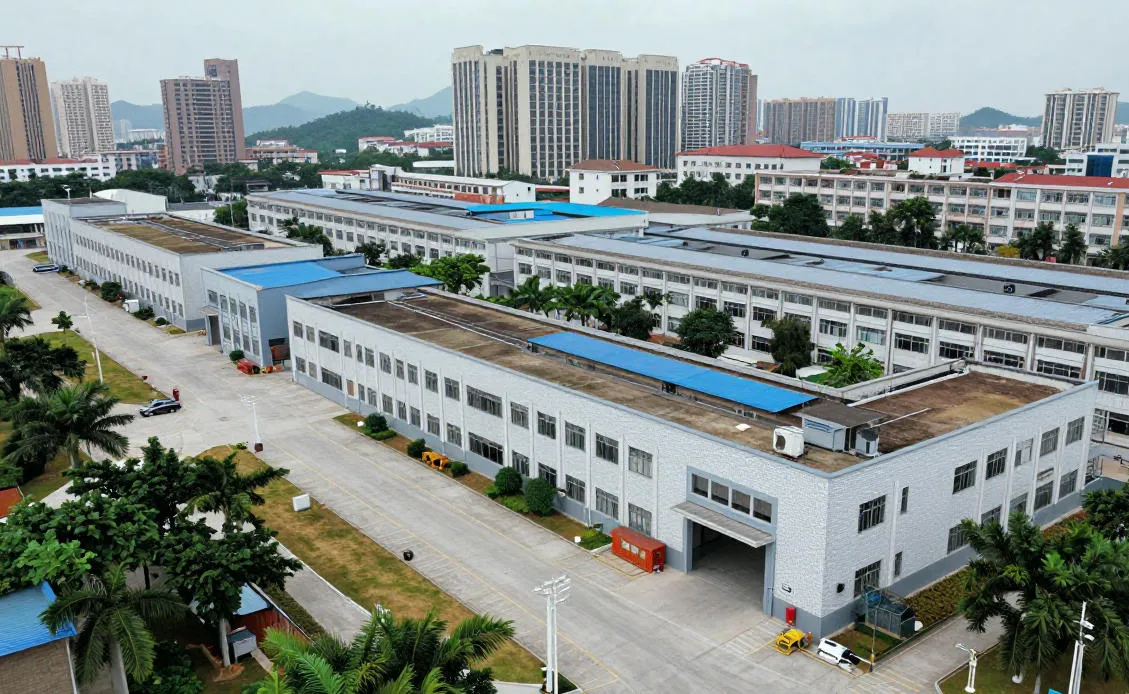
At Dreamway, a small team of 30+ professionals based in Guangzhou’s Huadu District, we have spent years refining this process. Having served clients across 50+ countries, we understand that your brand reputation depends entirely on what arrives in your warehouse. This guide walks you through every stage of the journey from sample to shipment, so you know exactly what to expect and how to prepare for a seamless production experience.
Why the Transition From Sample to Mass Production Matters
The most common complaint we hear from buyers who have been burned by other manufacturers is this: “The sample was perfect, but the bulk order was a disaster.” This is not a mystery—it is a predictable consequence of how the transition from sample to mass production is managed.
When you receive a prototype, you are evaluating one item made with exceptional care, often by the most skilled craftspeople in the factory. Mass production requires replicating that result thousands of times, across different workers, different material batches, and over extended timeframes. The gap between prototype and production is where most quality problems emerge.
Three primary factors contribute to this challenge:
- Material Differences: The leather or fabric used in your sample may come from a different dye lot or supplier than what is used in bulk production. Color consistency and texture can vary significantly between batches.
- Workmanship Variation: Different operators bring different skill levels and techniques. Without proper standardization, stitching patterns and construction quality can vary from worker to worker.
- Unclear Specifications: If the approved sample is not precisely documented—with exact measurements, materials, and workmanship standards—production teams have no reference point for quality consistency.
Understanding these risks is the first step toward mitigating them. The manufacturer you choose should have systems in place to address each of these challenges systematically.
Stage 1: Reviewing the Design Before Sampling
Before any physical sample is created, the foundation for success must be laid. This begins with a comprehensive review of your design documentation. When you submit your project to Dreamway, our engineering team examines every detail to ensure the design is production-ready.
What clients typically submit:
- Tech Pack with complete specifications
- Design drawings or reference images
- Physical reference sample (if available)
- Logo files in appropriate formats
- Material requirements and preferences
Our team analyzes the structure, evaluates the proposed sewing methods, reviews hardware selections, and calculates production costs. This review phase is crucial—catching design issues early saves significant time and money compared to discovering problems after sampling or during production.

Meet Emily, our Senior Project Manager with 12 years of experience in OEM bag manufacturing. Emily manages 15–25 active projects simultaneously and serves as your primary point of contact throughout your project journey. She is responsible for quotation preparation, specification confirmation, and timeline coordination.
Stage 2: Prototype Development and Sample Making
With design specifications confirmed, we move into the sample development phase. This is where your vision starts taking physical form. The custom bag sample development process follows a structured workflow designed to refine your design through multiple iterations if needed.
The sampling workflow:
- Customer Concept: Your initial idea, sketch, or reference images
- Pattern Development: Our pattern engineers create the technical patterns
- Material Selection: Choosing appropriate fabrics, leathers, and hardware
- Prototype Creation: First physical sample construction
- Revision (if needed): Adjustments based on your feedback
- Final Sample: Approved sample ready as production reference
This stage is critical for search visibility. Keywords like “custom bag sample development,” “prototype bag,” and “OEM sampling” are highly relevant to buyers researching their manufacturing options. The thoroughness of this phase directly influences production quality.
Stage 3: Sample Revision and Approval Process
It is rare that the first prototype is perfect—and that is completely normal. The sample revision process exists to refine your design until it meets your exact standards. During revision, we address adjustments across multiple dimensions:
- Dimension Adjustments: Tweaking measurements for perfect proportions
- Material Replacement: Finding alternatives if original materials are unavailable or unsatisfactory
- Stitching Improvements: Refining sewing patterns for better durability and appearance
- Hardware Changes: Upgrading or adjusting zippers, buckles, and metal components
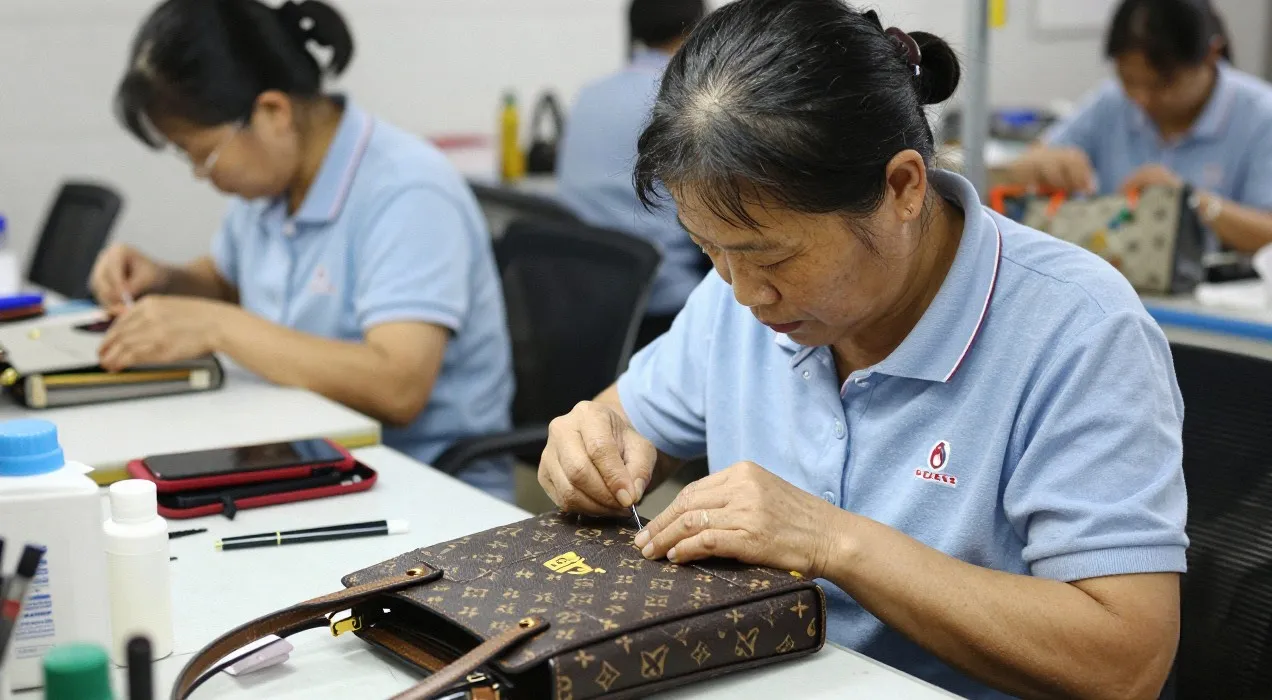
The key is open communication. We document every revision, photograph each change, and provide detailed feedback reports so you understand exactly what is being modified and why. This creates a clear paper trail that supports the formal sample approval process.
What Is a Golden Sample and Why Is It Important?
The golden sample is the cornerstone of quality consistency in OEM bag manufacturing. Also known as an approved sample or reference sample, this is the physical standard against which every unit in your production order will be measured.
A properly documented golden sample captures every detail that matters:
- Exact Measurements: Precise dimensions of every component
- Color Standards: Physical material swatches and color codes (including Pantone references)
- Material Specifications: Fabric weight, leather grade, hardware finish
- Workmanship Standards: Stitching density, seam allowances, finishing details
- Packaging Requirements: How each unit should be wrapped, tagged, and boxed
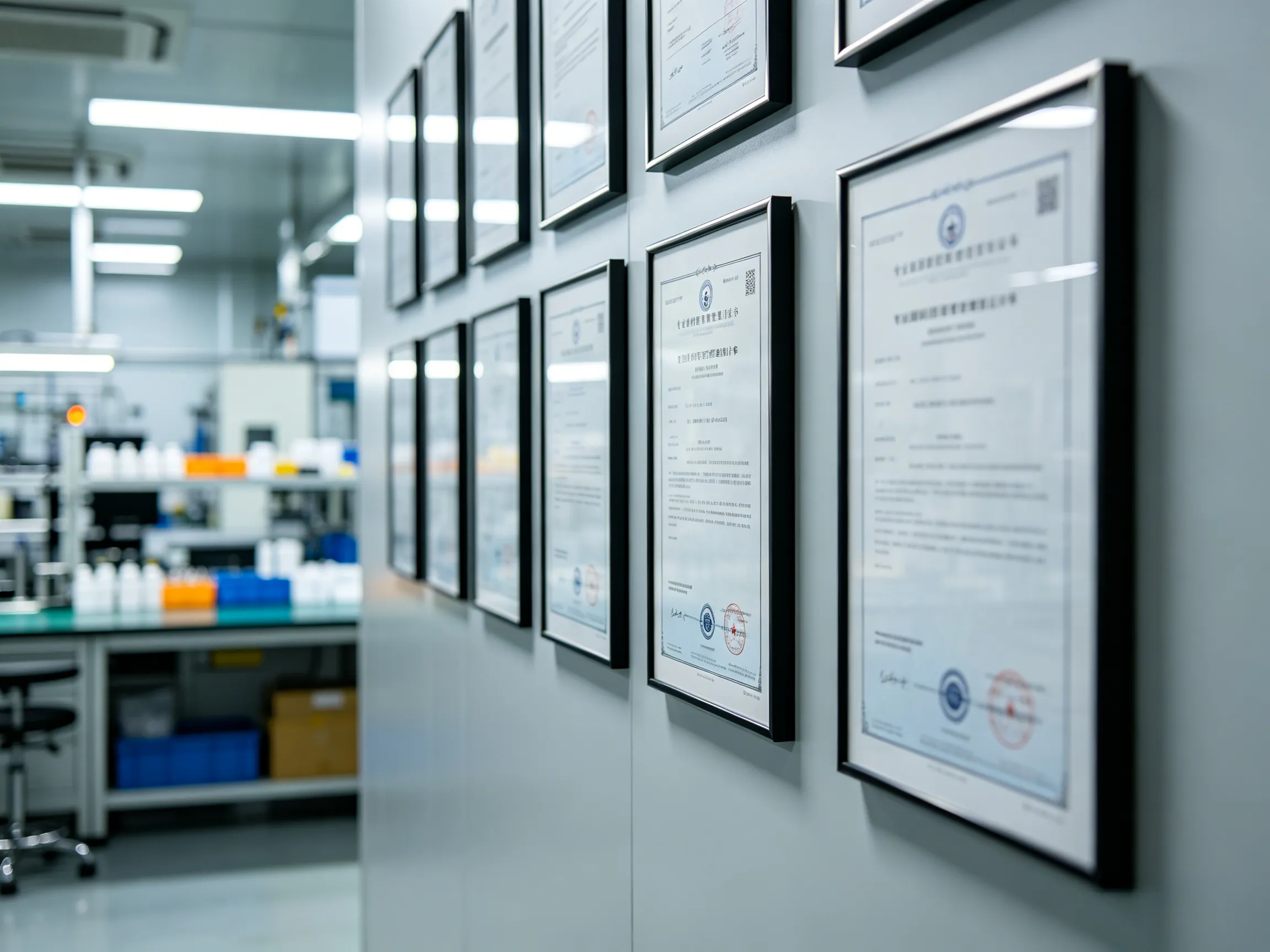
Without this reference standard, there is no objective basis for quality decisions. When disputes arise—and they occasionally do—the golden sample is the final arbiter. At Dreamway, we store your approved golden sample in climate-controlled conditions and maintain detailed documentation for every project.
Stage 4: Preparing for Mass Production
Once your golden sample is approved, the real preparation begins. Mass production cannot start immediately—proper setup requires systematic preparation across three critical areas.
Material Preparation:
- Ordering bulk fabrics with color-matching to approved swatches
- Sourcing leather hides from the same batch as your sample
- Procuring hardware components in the exact finishes specified
- Quality checking incoming materials against sample standards
Production Planning:
- Creating cutting schedules optimized for material efficiency
- Assigning sewing lines with appropriately trained operators
- Calculating manpower requirements and production timelines
- Scheduling QC checkpoints at strategic production stages
Quality Preparation:
- Developing inspection checklists based on golden sample specifications
- Training QC staff on specific requirements for your order
- Preparing measurement tools and testing equipment
- Establishing acceptable quality level (AQL) standards
Stage 5: Scaling From One Sample to Thousands of Bags
The ability to replicate a single sample thousands of times with consistent quality is what defines a capable manufacturer. This is where Dreamway’s operational expertise makes the difference.
Pattern Control:
Every pattern piece is digitized and stored in our system. Before each production run, patterns are verified against the golden sample measurements. This prevents the gradual size drift that occurs when patterns are manually copied repeatedly.
Material Batch Control:
We implement strict material lot tracking. All fabric, leather, and hardware from the same production batch is used together, preventing color variations that occur when materials from different dye lots are mixed in a single order.
Operator Training:
Each production line has standardized work instructions and designated lead operators. Before starting on your order, operators review the golden sample and practice critical techniques. This ensures craftsmanship consistency regardless of which team members work on specific units.
Production SOP:
Standard Operating Procedures document every step of the production process. From cutting to finishing, each operation has a defined method, quality standard, and inspection point. This systematic approach eliminates variability caused by individual work habits.
How Quality Is Maintained During Mass Production
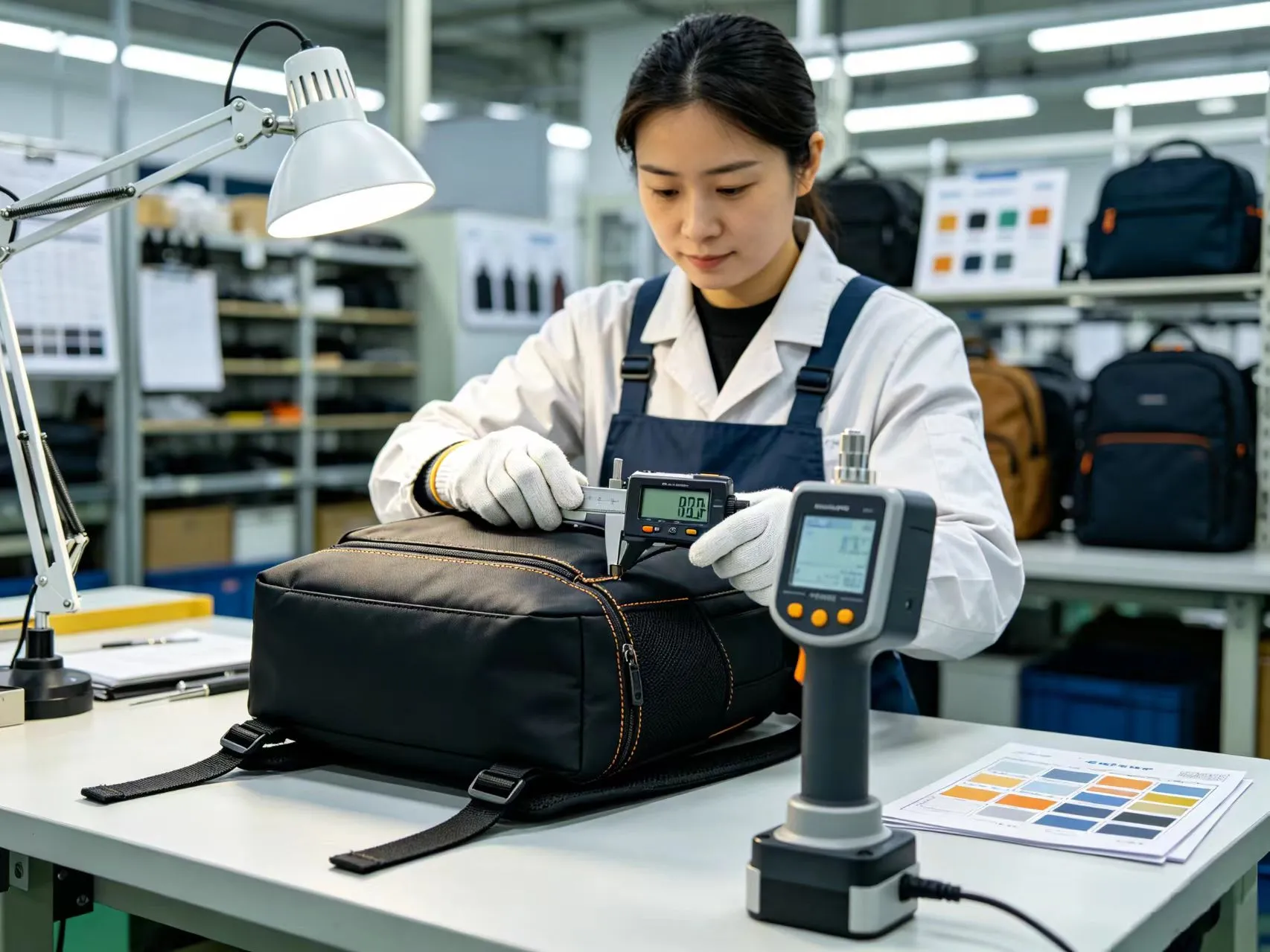
Consistent quality requires constant vigilance. At Dreamway, quality control is not an afterthought—it is built into every step of production. Meet Jason, our Senior QC Supervisor, who leads a dedicated team of quality inspectors.
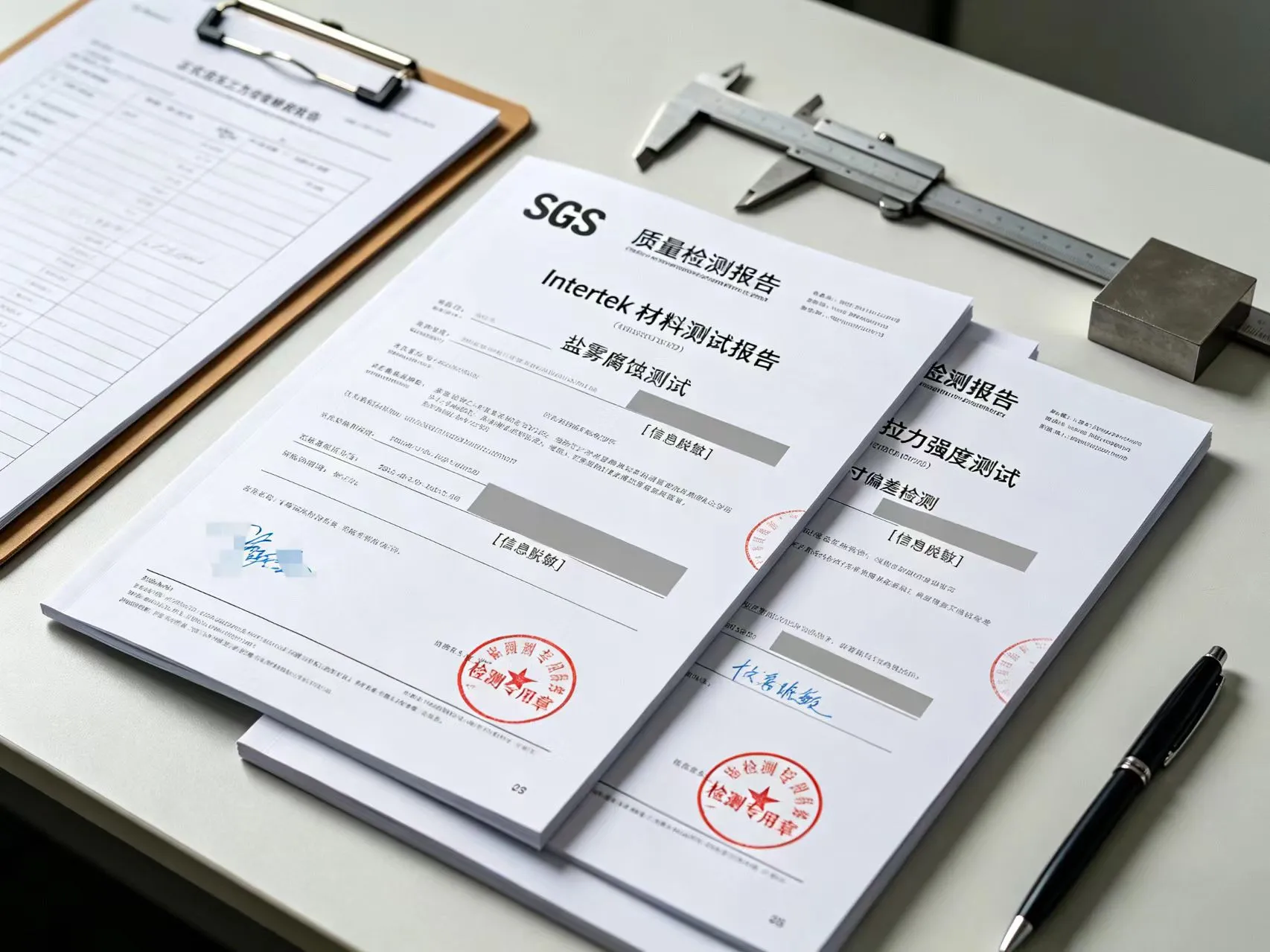
The QC workflow:
- Incoming QC: Every batch of raw materials is inspected before entering production
- Inline QC: Continuous inspection during the sewing process at designated checkpoints
- Final QC: Comprehensive inspection of completed units before packaging
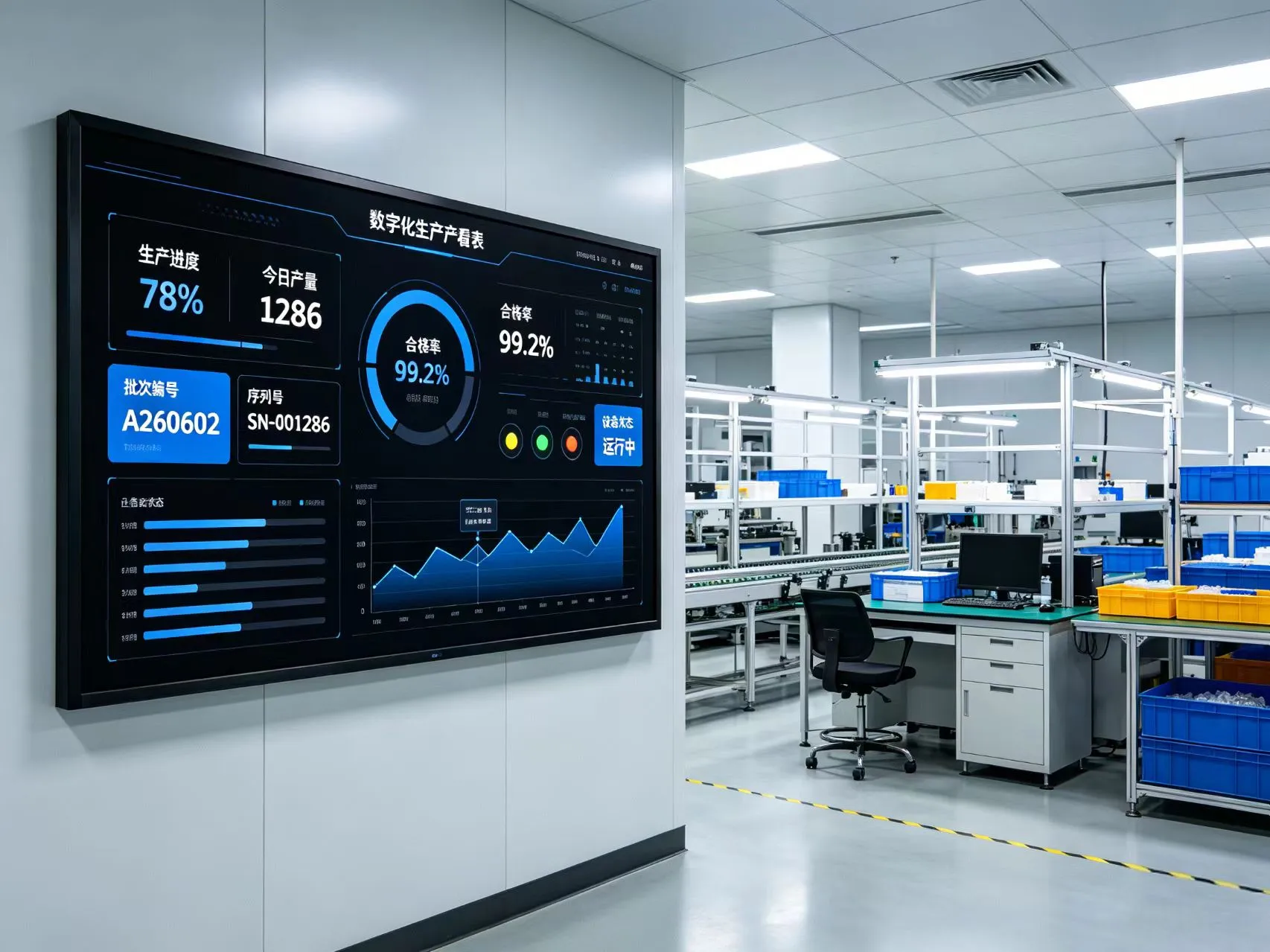
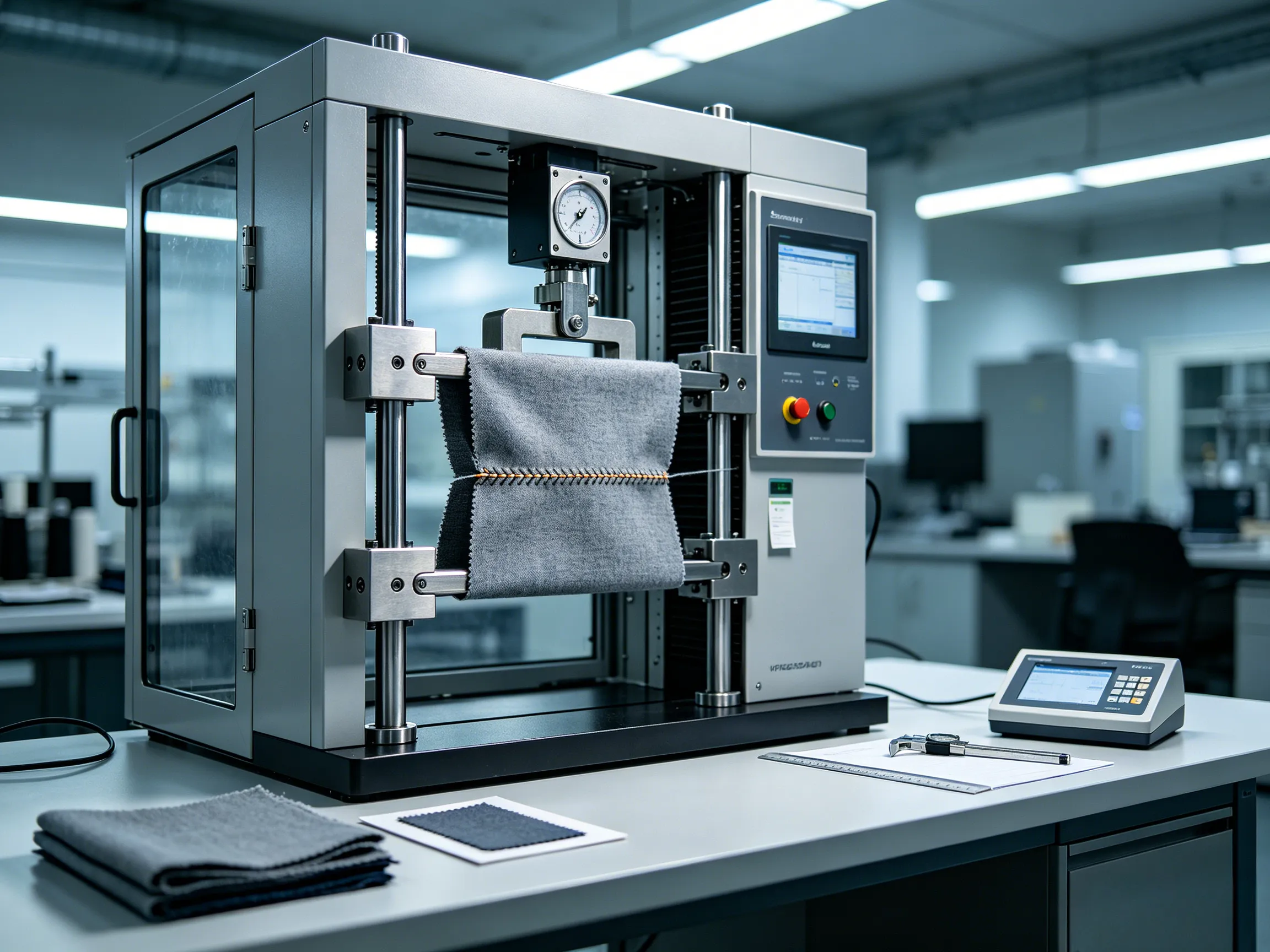
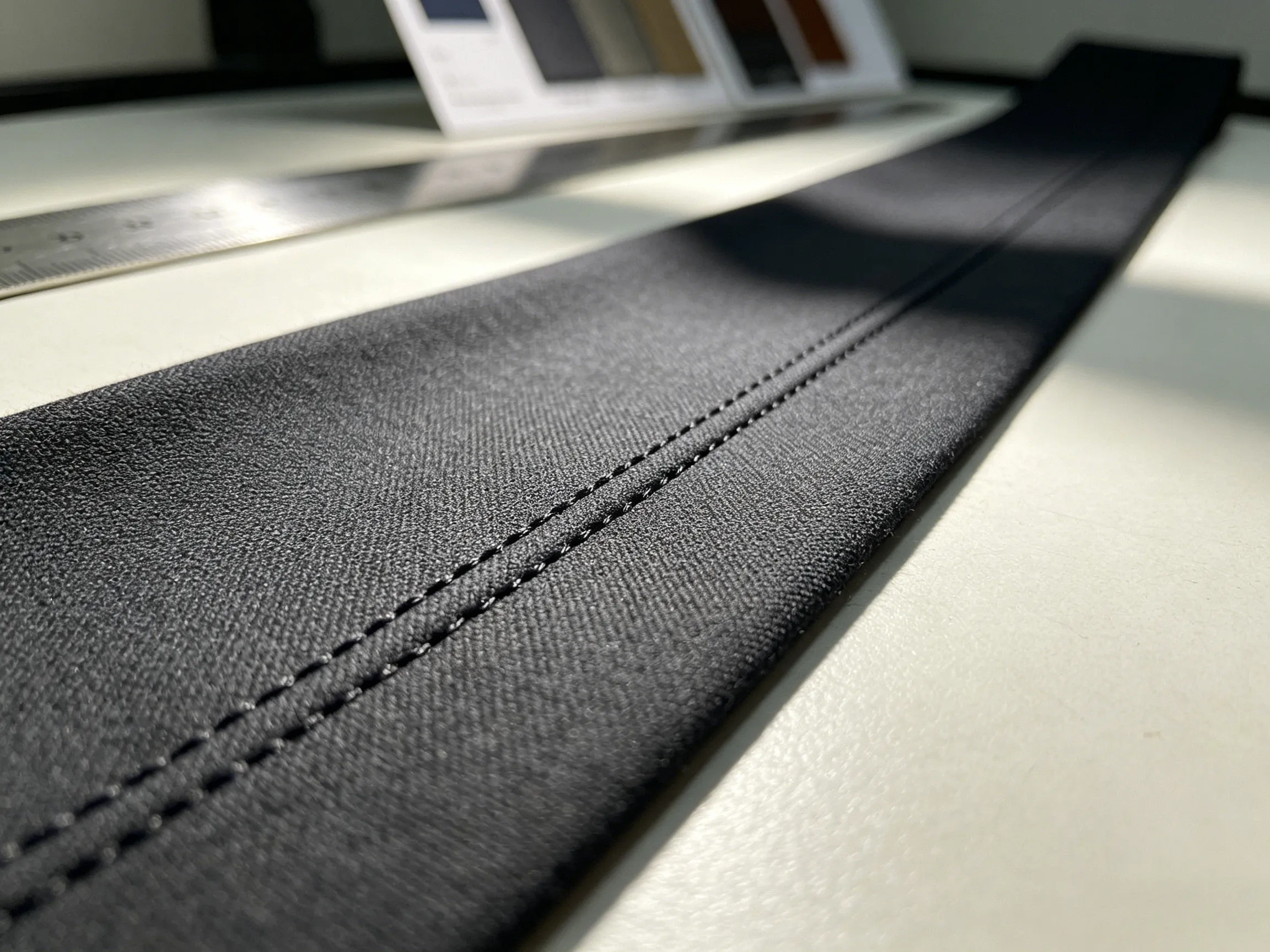
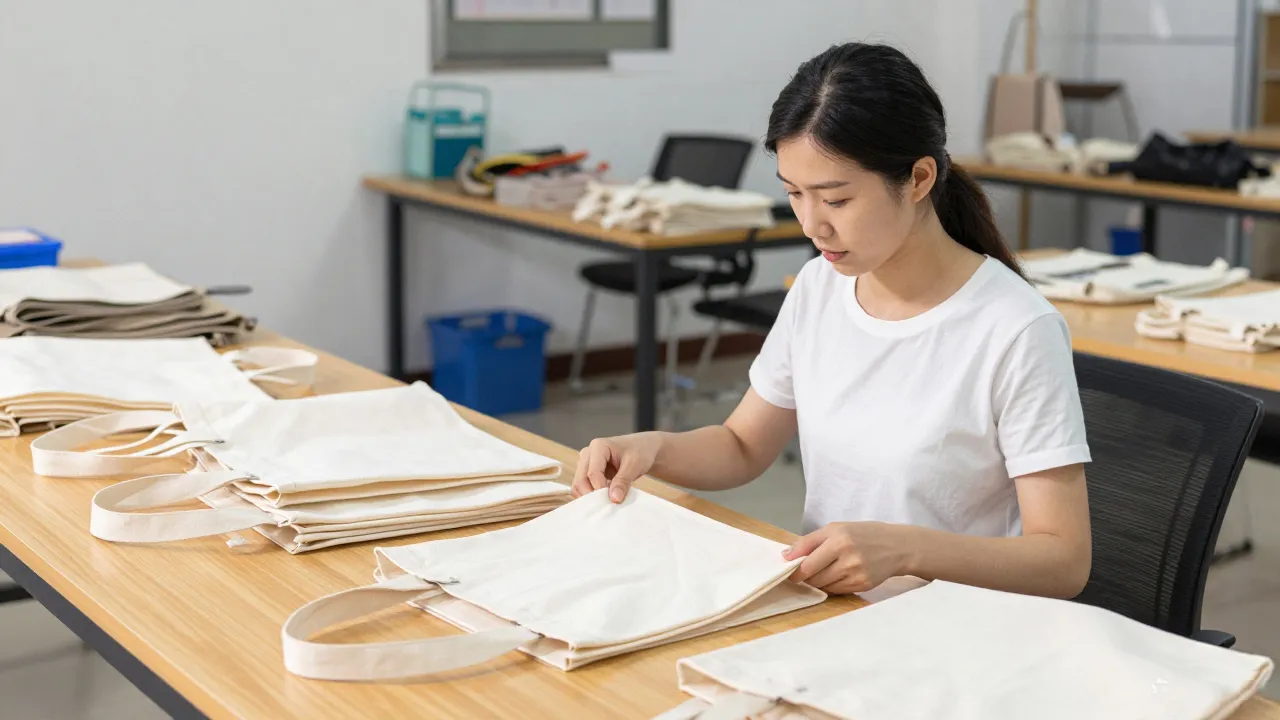
Our inspectors verify measurements, examine stitching quality under magnification, test hardware functionality, and assess overall workmanship against the golden sample. Every inspection is documented, creating a complete quality record for your order.
Common Problems When Moving From Sample to Production
Even with excellent preparation, challenges can emerge during the transition to mass production. Understanding these potential issues helps you work proactively with your manufacturer to prevent them.
Problem 1: Sample Material Unavailable
The specific leather or fabric from your sample may be discontinued or unavailable in the quantities needed for your order.
Solution: Request alternative material approvals during the design review phase. We source multiple supplier options for critical materials and can present suitable alternatives before production begins.
Problem 2: Color Variation Between Batches
Dye lots vary, and materials from different production runs may not match your sample exactly.
Solution: We request Pantone color approvals for all materials and maintain material swatches matched to your golden sample. Large orders use materials from single dye lots whenever possible.
Problem 3: Different Workers Create Different Workmanship
Inconsistent technique between operators can produce visible quality differences.
Solution: Standardized SOPs combined with inline QC checkpoints ensure every operator follows the same methods. Critical operations are assigned to trained lead operators.
Problem 4: Late Design Changes
Requests for modifications after production has started create confusion and potential quality issues.
Solution: Specifications must be frozen before production begins. We implement formal design freeze checkpoints where all parties confirm final specifications in writing.
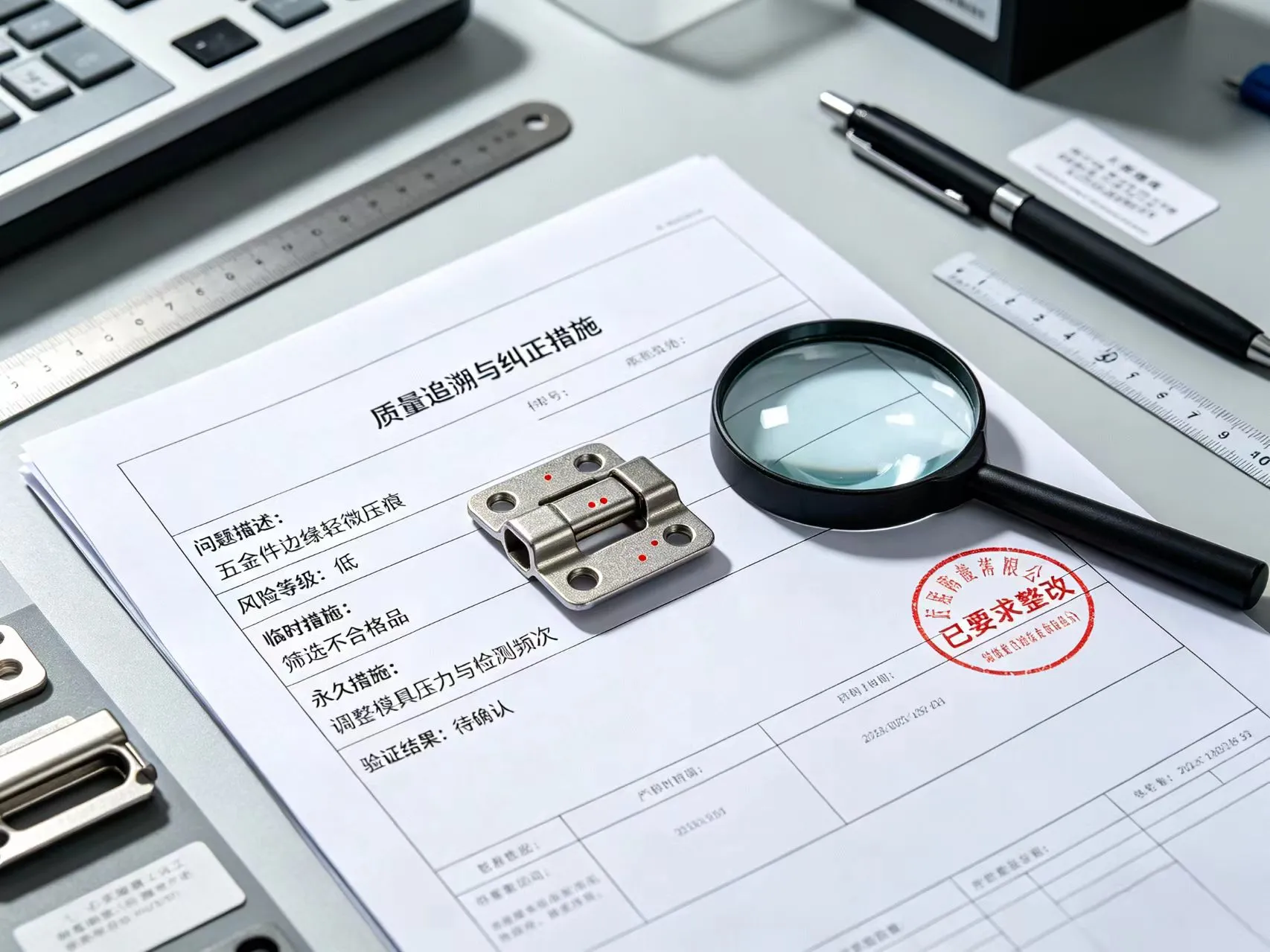
Sample vs Mass Production: What Changes?
Understanding the fundamental differences between sample production and mass production helps set realistic expectations for your order.
| Item | Sample | Mass Production |
|---|---|---|
| Quantity | 1–10 pieces | Hundreds to thousands |
| Purpose | Design approval | Delivery to customers |
| Process | Flexible, iterative | Standardized, systematic |
| QC Approach | Detailed review of every aspect | Statistical process control |
| Timeline | 7–21 days typically | Weeks to months depending on quantity |
| Cost Factors | High per-unit development cost | Economies of scale apply |
How OEM Brands Can Prepare for Successful Mass Production
Your preparation directly impacts production success. Before your order enters the production phase, ensure these checkpoints are completed:
- ✓ Approve golden sample in writing with any noted exceptions
- ✓ Confirm Bill of Materials (BOM) including all materials and components
- ✓ Confirm packaging specifications including tags, labels, and inserts
- ✓ Confirm production timeline including key milestone dates
- ✓ Confirm inspection requirements and AQL standards
- ✓ Provide complete logo files in production-ready formats
- ✓ Establish communication protocols for production updates

How Dreamway Manages the Journey From Sample to Shipment
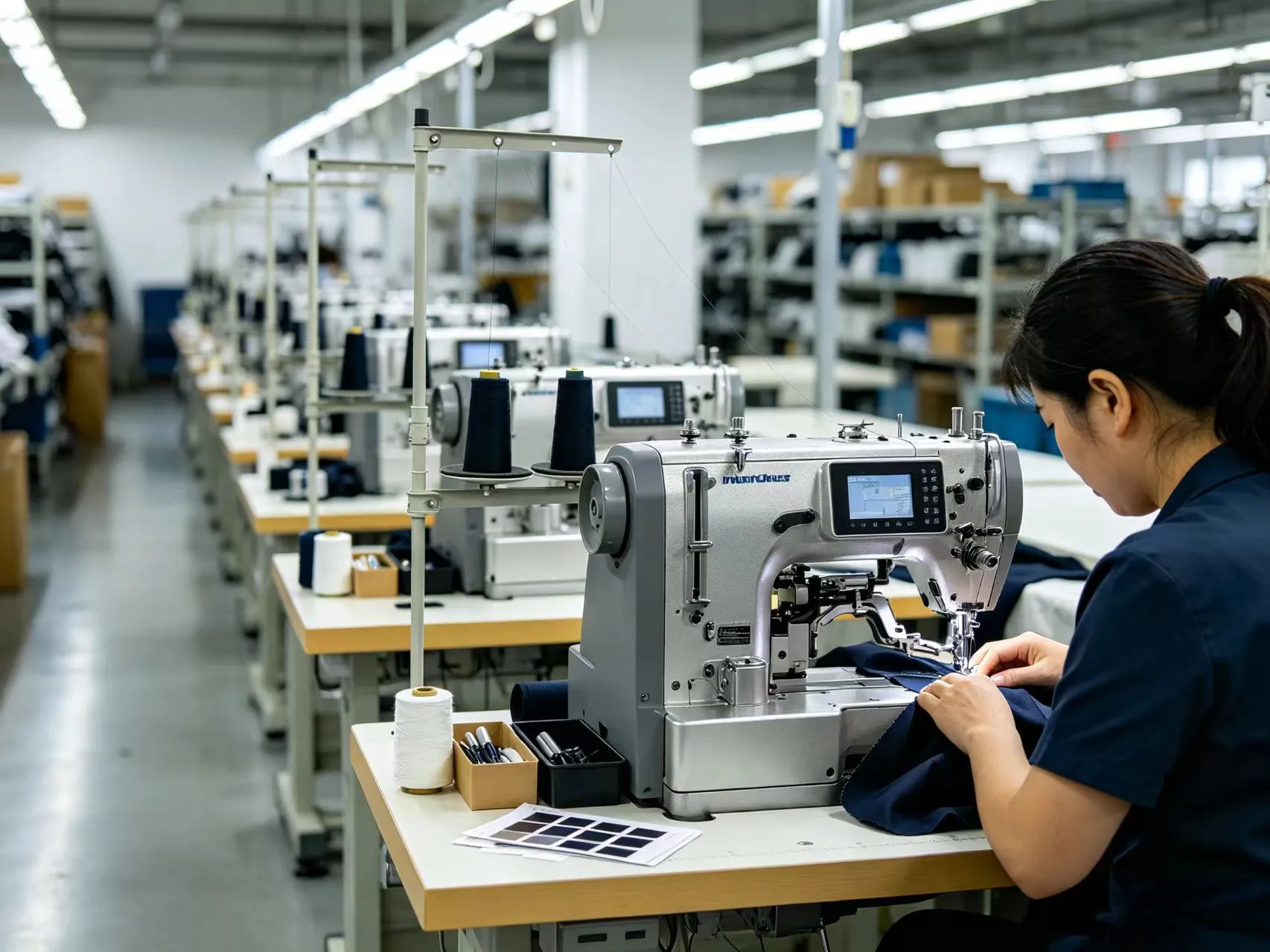
At Dreamway, we have distilled years of manufacturing experience into a streamlined process that takes your project from initial concept to final delivery. Our workflow is designed to minimize surprises and maximize quality consistency.
The Dreamway process:
- Customer Brief: Your requirements, design files, and quality expectations are documented
- Engineering Review: Our team analyzes feasibility, identifies potential issues, and confirms specifications
- Sampling: Prototype development with revision cycles as needed
- Golden Sample: Formal approval of production reference standard
- Production: Systematic manufacturing with inline QC checkpoints
- Final QC: Comprehensive inspection before shipping
- Shipment: Carefully packaged and shipped to your specifications
To learn more about how we approach custom bag manufacturing, visit our guide on custom bag manufacturing process.
Real Example: Turning a Custom Design Into a Production Collection
To illustrate how this process works in practice, here is a de-identified example from our production history.
Project Profile:
A European lifestyle brand approached us with a need for a new tote bag collection. Their requirements included:
- Three colorways: natural canvas, slate grey, and classic black
- Retail-ready packaging with custom hang tags
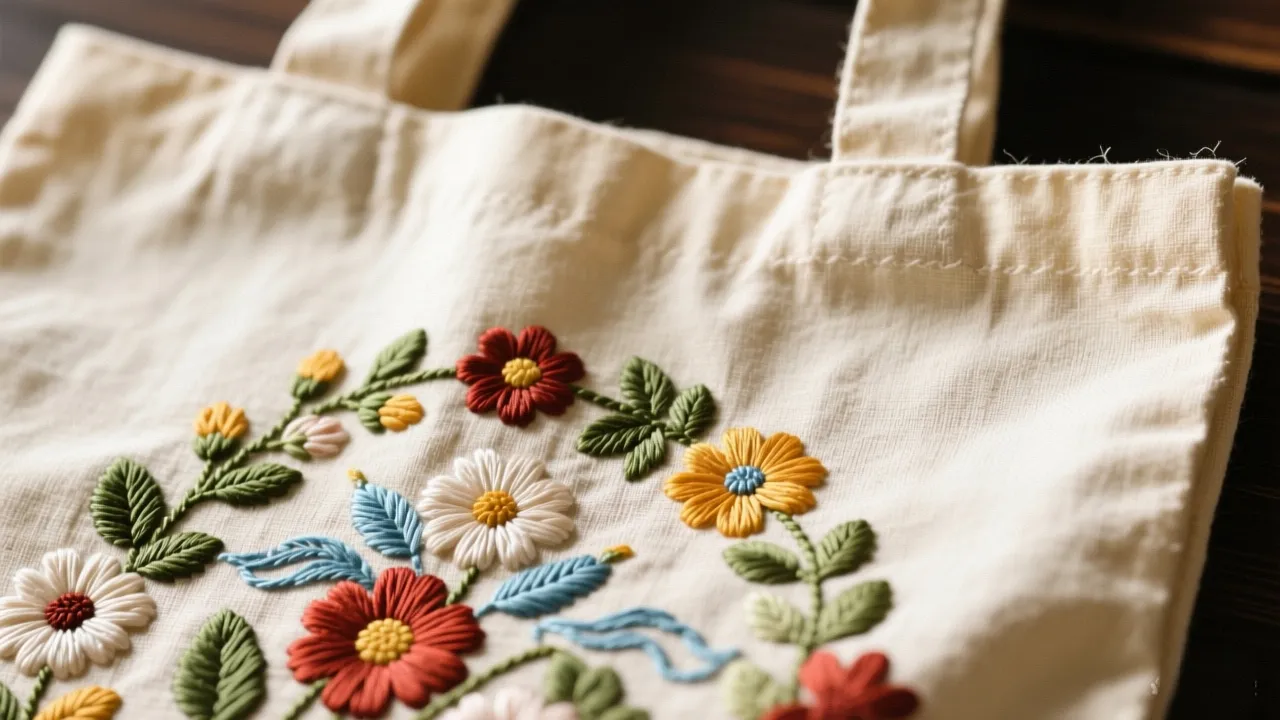
- Embroidery on one panel with their brand logo
- Initial order of 500 units per color
The Process:
The project began with a detailed engineering review where we identified that the proposed embroidery placement would stress the fabric under load. We proposed moving the logo position 2cm, which the client approved after reviewing our prototype samples.
The sampling phase took three weeks with two revision cycles to perfect the bag proportions and embroidery registration. Once the golden sample was approved, material procurement began immediately, sourcing canvas from the same supplier used for the sample.
Production ran smoothly over eight weeks, with inline QC confirming consistent stitching quality and color matching. Final inspection passed all 1,500 units at AQL 2.5, and the shipment arrived at the client’s warehouse two weeks ahead of schedule.
The client has since returned for three additional orders, demonstrating the value of getting the foundation right from the beginning.
Frequently Asked Questions
How long does custom bag sampling take?
Typical sampling timelines range from 7 to 21 days, depending on design complexity and the number of revision cycles required. Simple designs with standard materials may be ready in as little as one week, while complex projects involving custom hardware or specialty materials may require three to four weeks. We always provide estimated timelines during the quotation phase and keep you informed throughout the sampling process.
Is the production quality the same as the approved sample?
Our quality system is designed to ensure consistency between your approved sample and mass production units. Using the golden sample as a reference, we control patterns, materials, and processes throughout production. While minor variations are inherent in any manufacturing process, our inline and final QC protocols catch significant deviations before they reach your warehouse.
Can I change the design after sample approval?
Design changes after approval are possible but may incur additional costs and timeline impacts. Changes require re-approval of new samples before production continues. To minimize costs, we strongly recommend finalizing all design details before the formal design freeze checkpoint. If changes become necessary, contact your project manager immediately to assess the implications.
How do factories ensure consistency across thousands of units?
Consistency is achieved through systematic controls: pattern digitization prevents size drift, material batch tracking prevents color variation, standardized operating procedures ensure uniform workmanship, and multiple QC checkpoints verify quality throughout production. These systems are continuously monitored and improved based on quality data analysis.
What happens if bulk production has defects?
Defects discovered during production are documented, analyzed, and corrected before shipping. If significant quality issues are found during final inspection, affected units are segregated and repaired or remade. Our quality reporting includes defect categorization and root cause analysis for transparency. In the rare event that shipped products have quality issues, our team works with you to implement appropriate corrective actions.
What are your minimum order quantities?
Our minimum order quantity for tote bags and similar styles is 200 pieces per colorway. For silk products including pillowcases and sleep accessories, our MOQ is 50 pieces per colorway. These MOQs allow us to maintain quality standards while keeping entry costs accessible for growing brands.
Disclaimer
The information in this article is provided as general manufacturing guidance. Actual sampling timelines, production methods, and quality control procedures may vary depending on product design, materials, order quantity, and customer requirements. Dreamway is committed to providing transparent communication and will discuss specific details for your project during the quotation process. Product images shown are for illustration purposes and may not represent actual client orders. All client projects are protected under confidentiality agreements.
To discuss your custom bag project with our team, visit Dreamway’s official website or contact us directly to schedule a consultation.