
Custom Reusable Wine Bags: The Complete Guide for Brands & Businesses
Looking for custom reusable wine bags for your brand, vineyard, or corporate gifting program? This guide covers everything you need to know—from material selection and branding techniques to minimum order quantities and pricing. Whether you need 200 bags for a wine club or 5,000 for a national campaign, we’ll help you source the right solution.
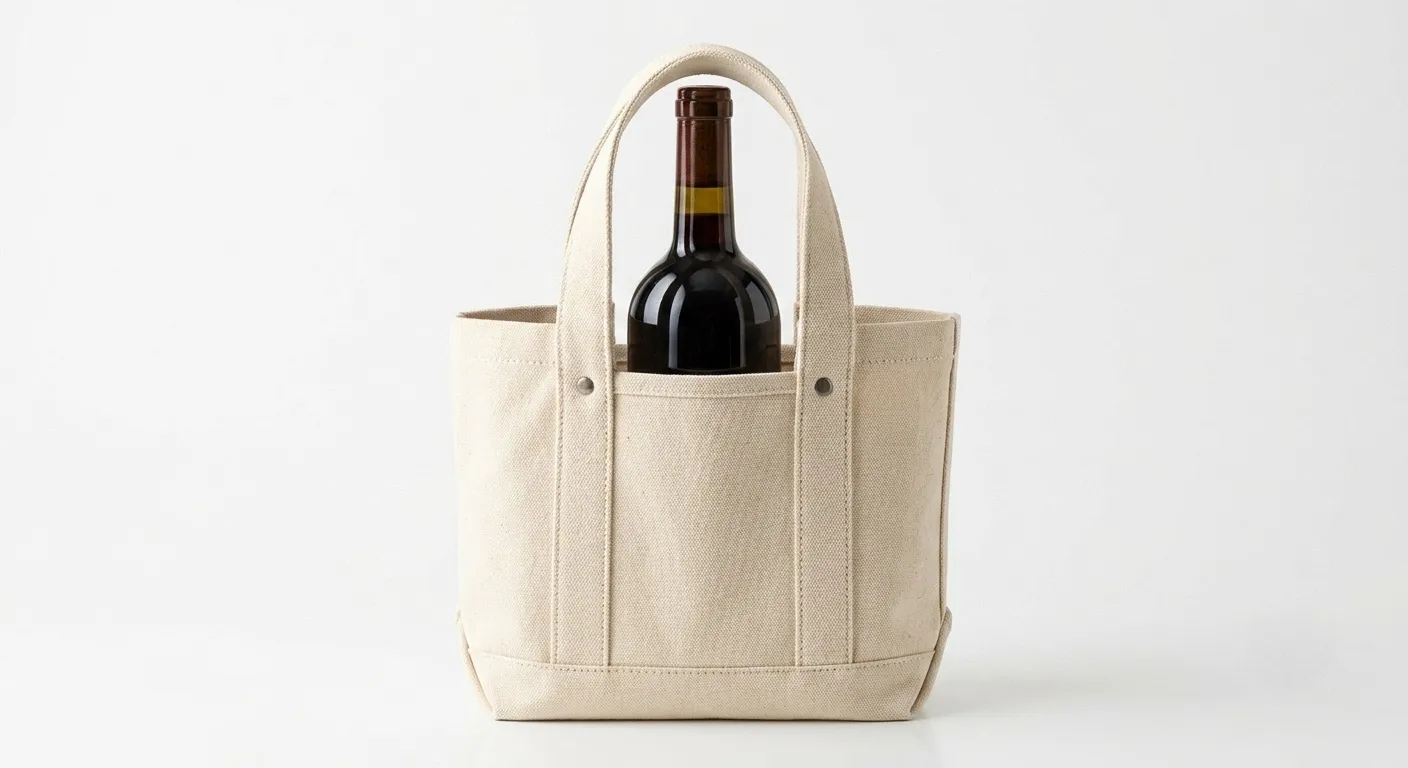
What Is a Custom Reusable Wine Bag and Why Brands Choose It
Think of the last time you received a bottle of wine as a corporate gift, wedding favor, or holiday present. The bottle itself may hold the liquid, but the vessel that carries it creates the first impression. A custom reusable wine bag does more than just transport a bottle — it wraps your brand around a moment of celebration, anticipation, and connection. In an increasingly competitive wine and spirits market, where the unboxing experience is shared across social media, the bag has become the silent ambassador of your brand.
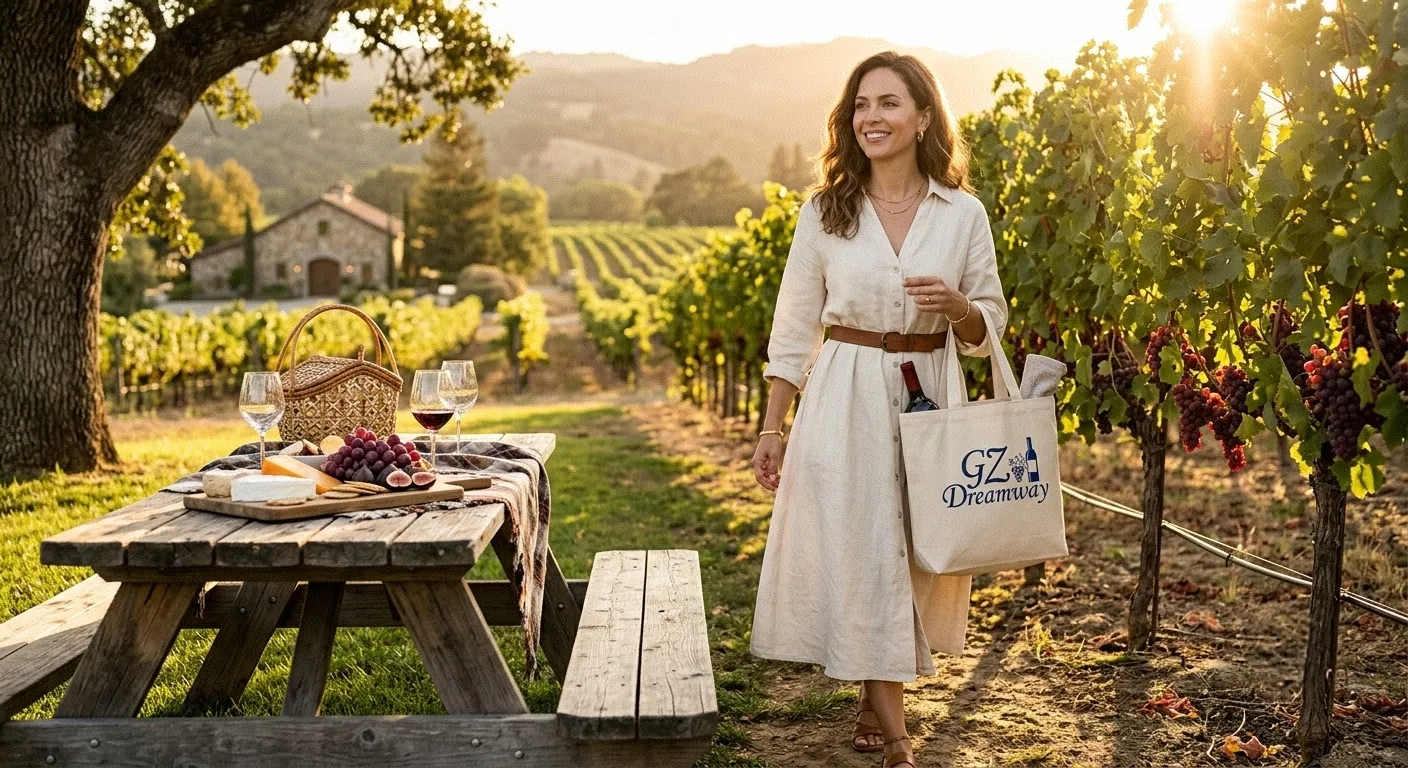
Unlike single‑use paper gift bags that are torn open and discarded in seconds, a reusable wine tote bag sticks around. It goes from the gift presentation to the recipient’s pantry, car trunk, or next dinner party. Every time it is used to carry a bottle to a friend’s house, it retells your brand story. Whether you are a vineyard, a corporate gifting manager, or a promotional products distributor, investing in high‑quality wine bags with logo yields a return measured not in impressions but in genuine emotional connection.
Best Materials for Custom Wine Bags: Canvas, Cotton, Jute & Neoprene
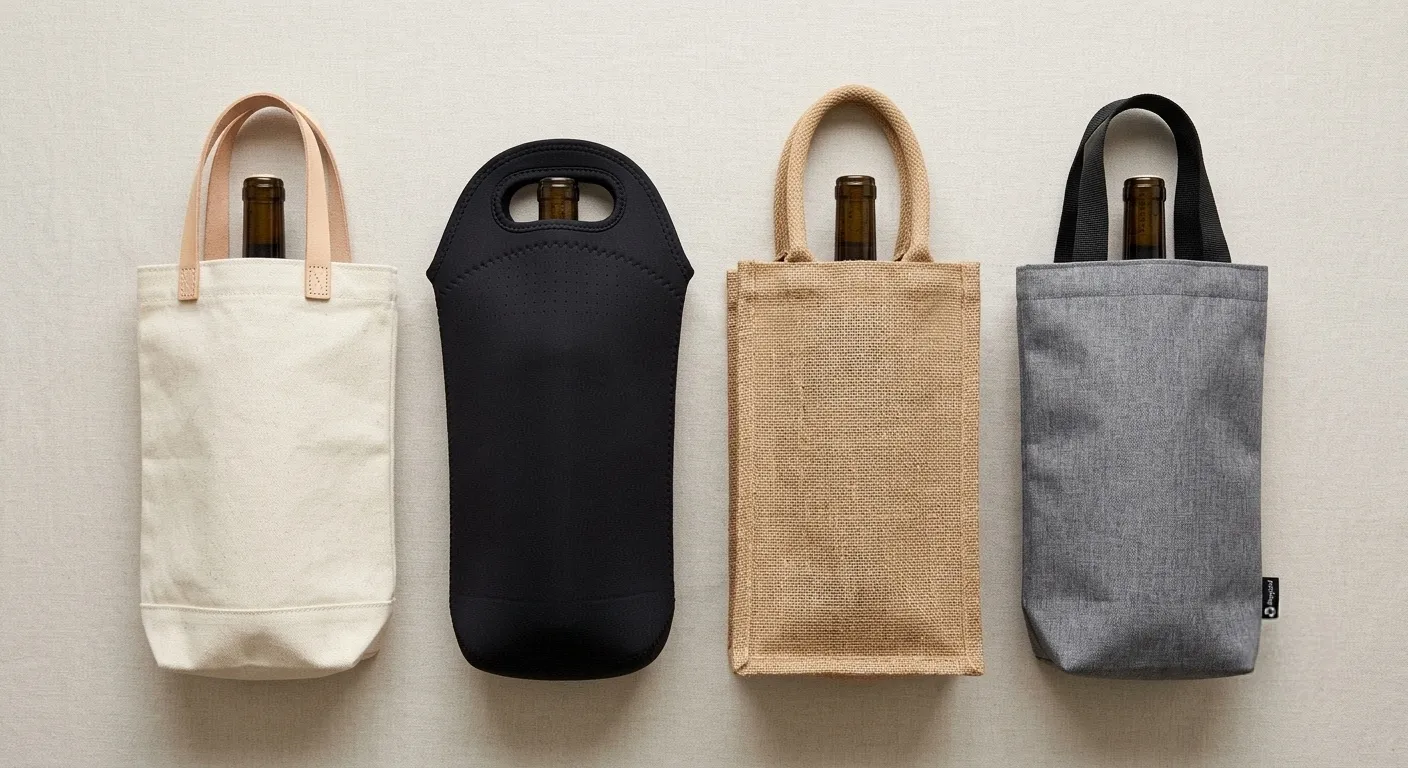
The material you choose affects both durability and brand perception. Here are the most popular options:
- Organic Cotton Canvas (10-12 oz) — The top choice for premium wine bags. Durable, printable, and feels luxurious.
- Jute & Burlap — Ideal for rustic, eco-conscious brands.
- Neoprene — Provides cushioning for glass protection, popular for spirits.
- Recycled Polyester (rPET) — Appeals to sustainability-focused brands.
Material Comparison: Price, Durability & Print Quality
| Material | Price Range | Durability | Print Quality | Best For |
|---|---|---|---|---|
| Cotton Canvas | $$ | ★★★★★ | ★★★★★ | Premium vineyards, luxury gifts |
| Organic Cotton | $$$ | ★★★★☆ | ★★★★★ | Eco-conscious brands |
| Jute/Burlap | $ | ★★★☆☆ | ★★☆☆☆ | Rustic, natural wine brands |
| Neoprene | $$$ | ★★★★★ | ★★★☆☆ | Spirits, protective carriers |
| rPET (Recycled) | $$ | ★★★★☆ | ★★★★☆ | Sustainable programs |
Each material has different minimum order requirements and price points. Cotton canvas (10–12 oz) is the preferred material for premium wine bags. It carries weight confidently, holds its shape, and provides an excellent surface for printing or embroidery. Polyester canvas offers water resistance and colorfastness, ideal for outdoor winery events. Jute and burlap bring rustic authenticity, perfect for organic or biodynamic wine brands. For luxury spirits, neoprene wine bottle carriers offer padding and a sleek, modern silhouette.
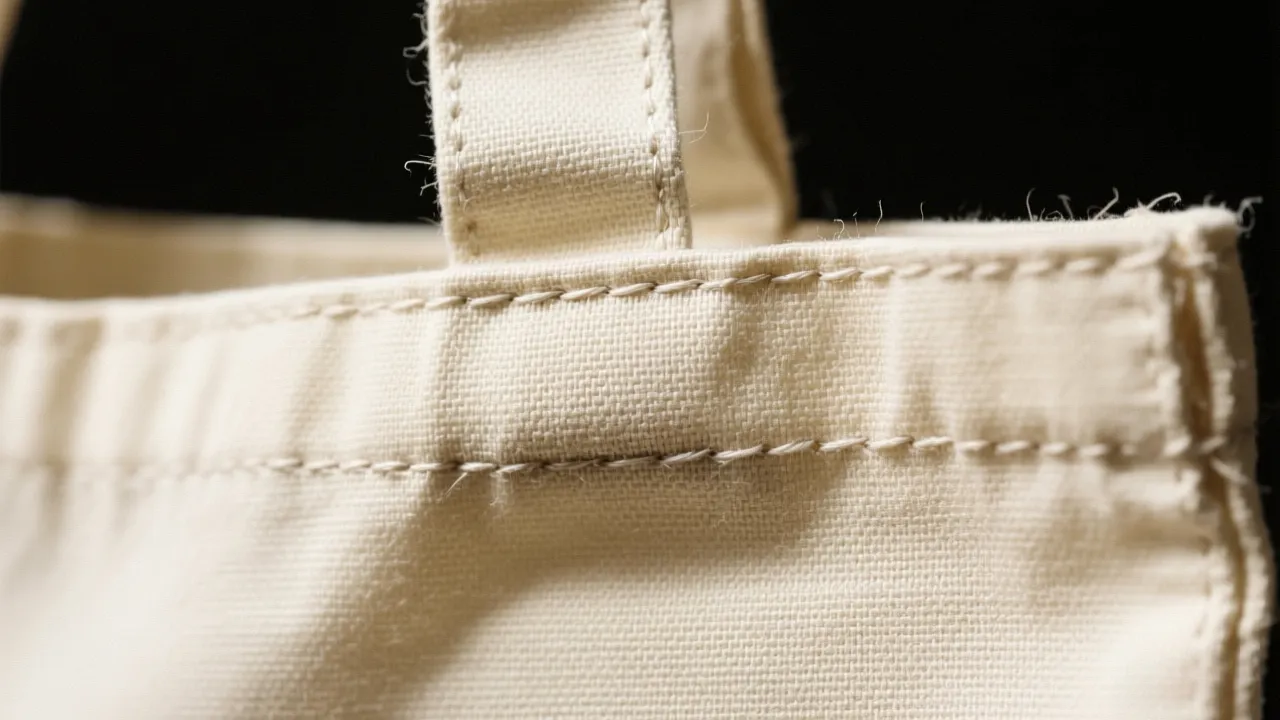
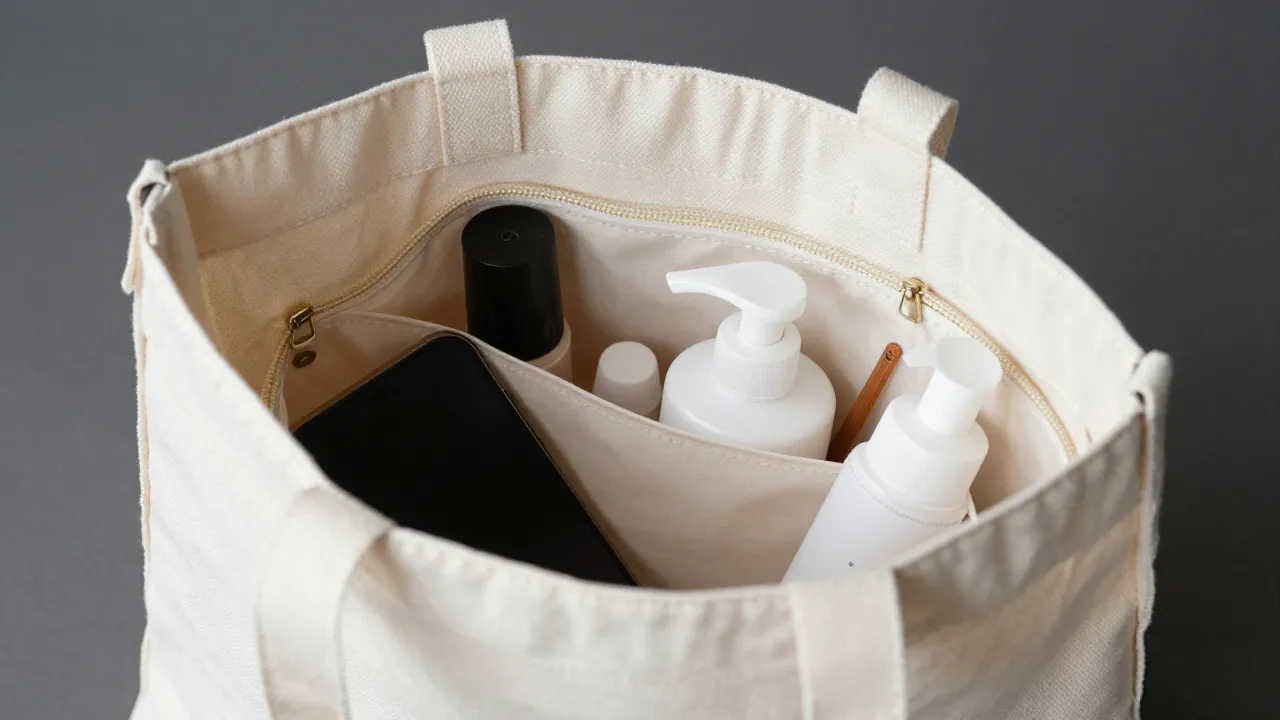
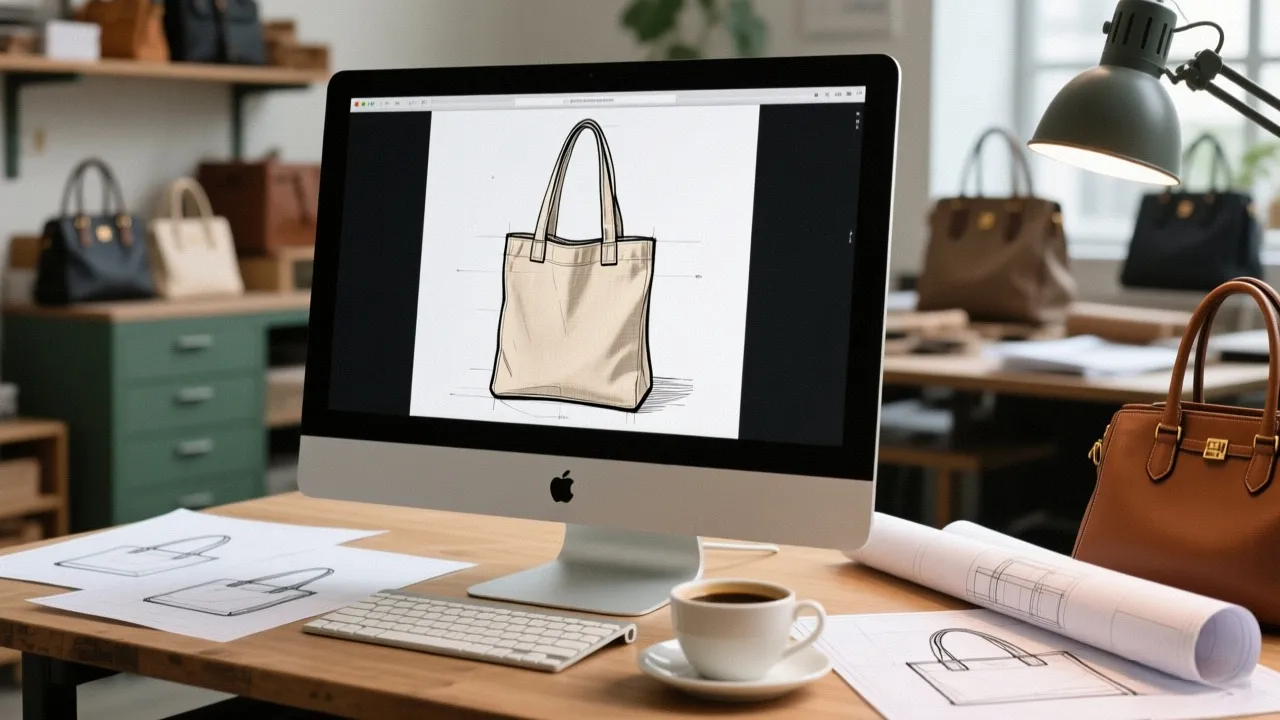
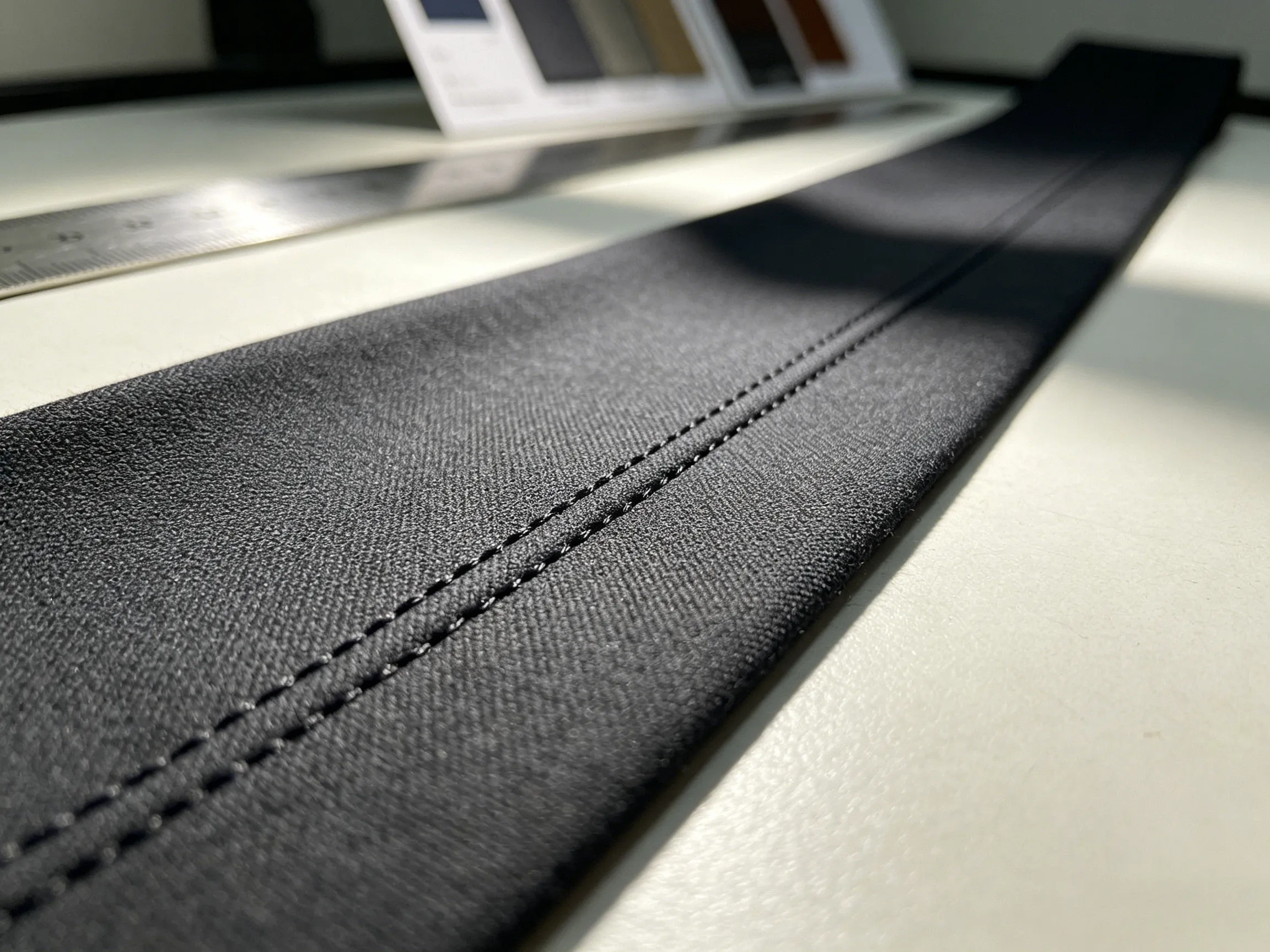
The internal construction is equally critical. A padded divider between bottles prevents clinking and potential breakage. A reinforced bottom gusset distributes weight evenly. When specifying your tech pack for a wine bag, explicitly detail the seam reinforcement at stress points — a dropped bottle inside a bag exerts enormous force on stitch lines.
Design Features: Handles, Closures & Practical Tips
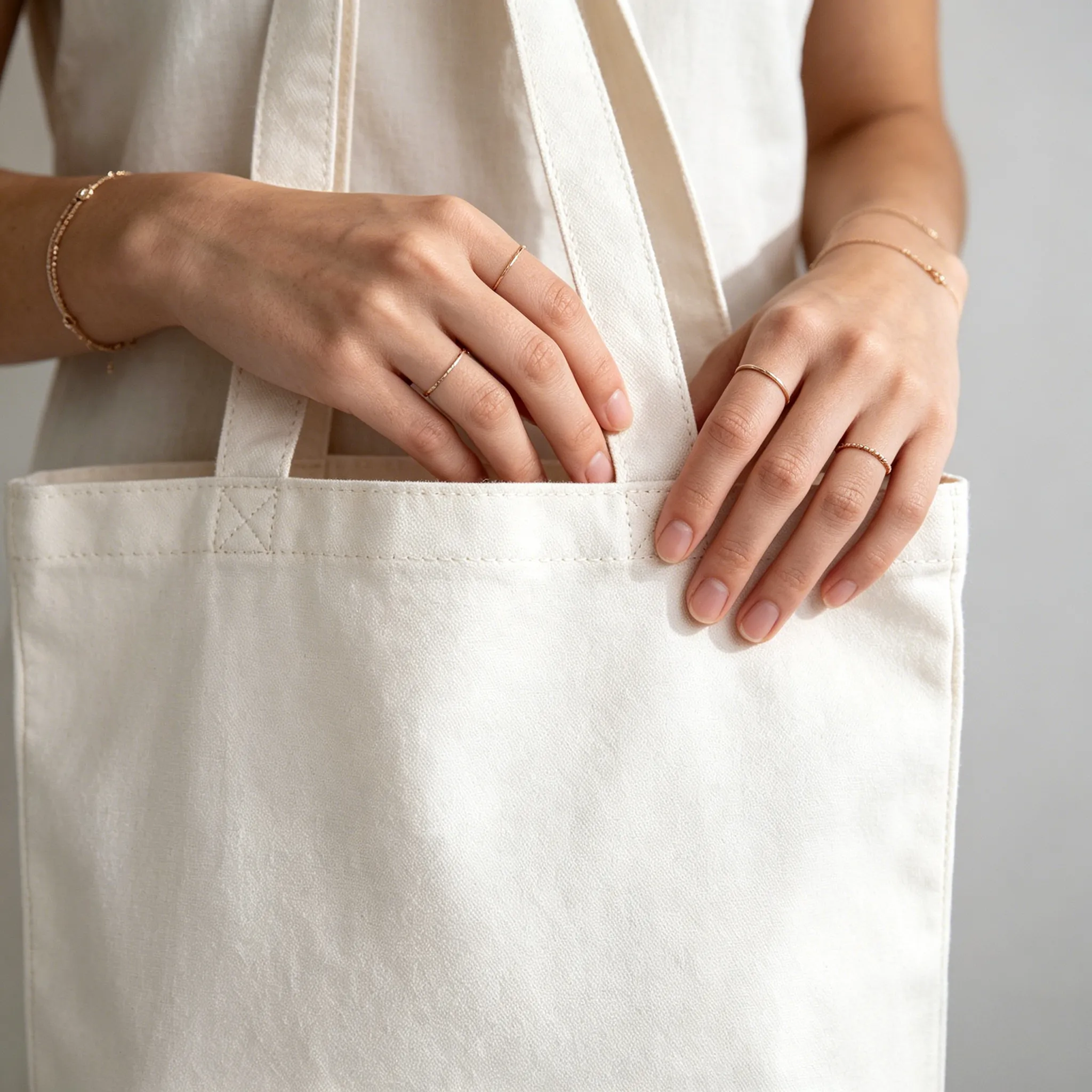
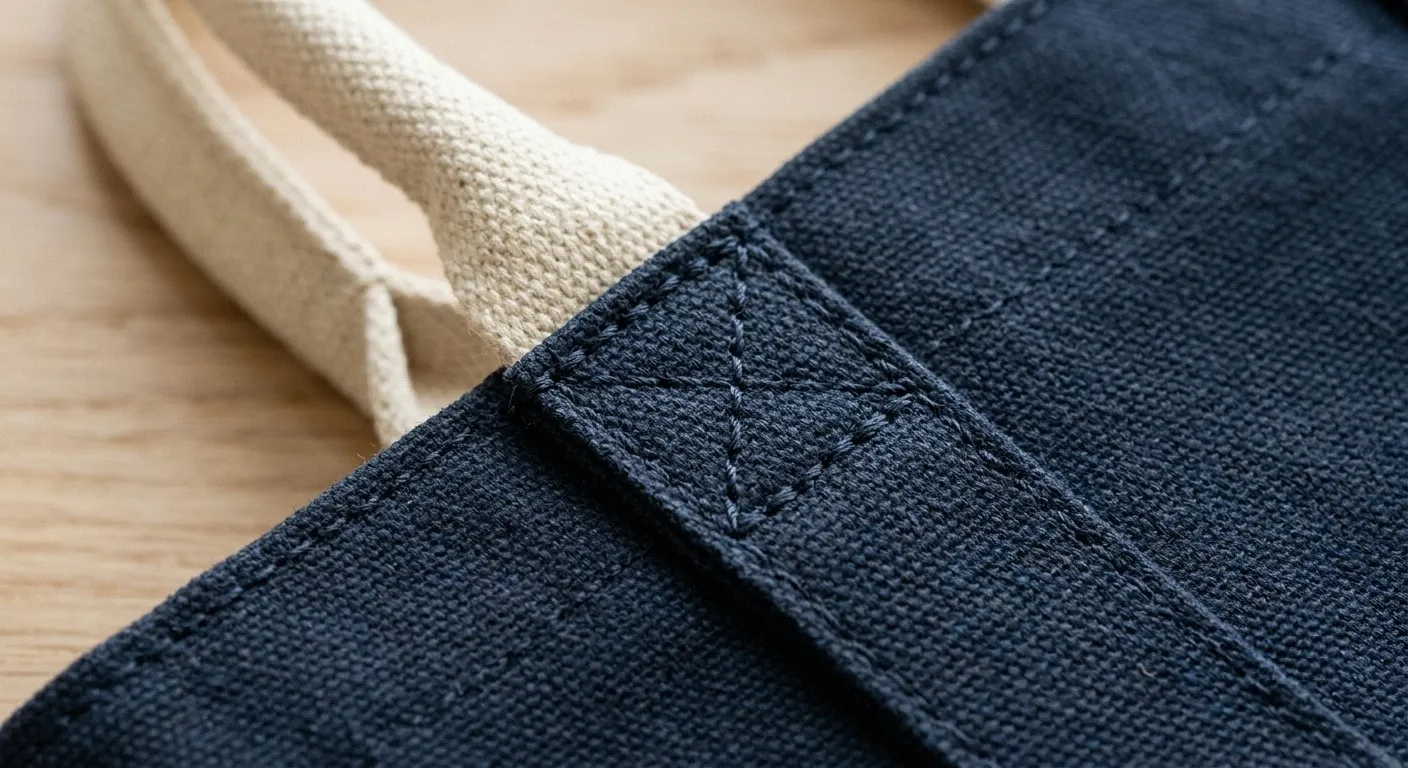
The ergonomics of a reusable wine carrier bag matter more than most designers realize. Handles must be long enough to carry comfortably over the shoulder but not so long that the bag drags on the ground. Webbing handles distribute weight better than rope; padded leather handles feel more luxurious than canvas loops. The handle attachment point must be reinforced with bar tacks or rivets to prevent tearing under load.
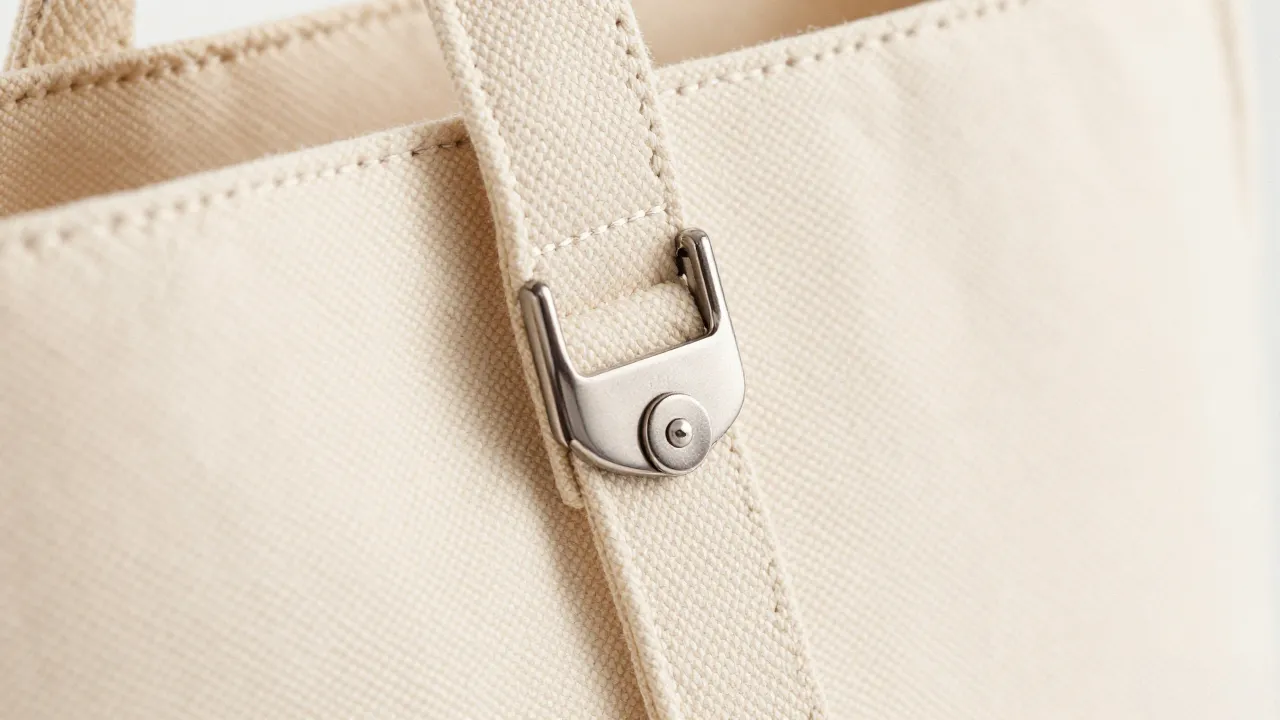
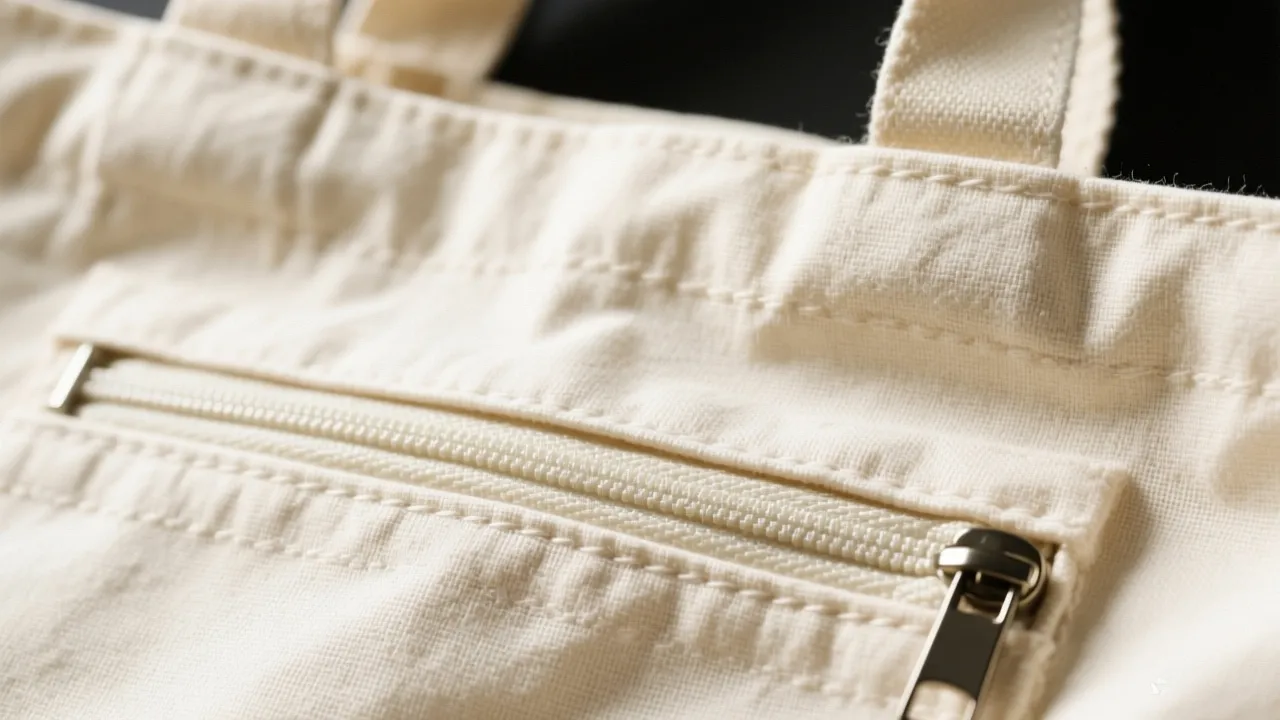
Closures offer another branding opportunity. A magnetic snap adds a satisfying click to the unboxing process, while a drawstring closure creates a dramatic reveal. Some premium wine bags incorporate a custom metal zipper with a logo‑engraved puller, turning the functional act of opening into a tactile brand interaction. For wineries offering wine club memberships, a bag that includes a dedicated pocket for tasting notes or a corkscrew turns a simple carrier into a complete wine experience kit.
Branding Techniques: Screen Print, Embroidery & More
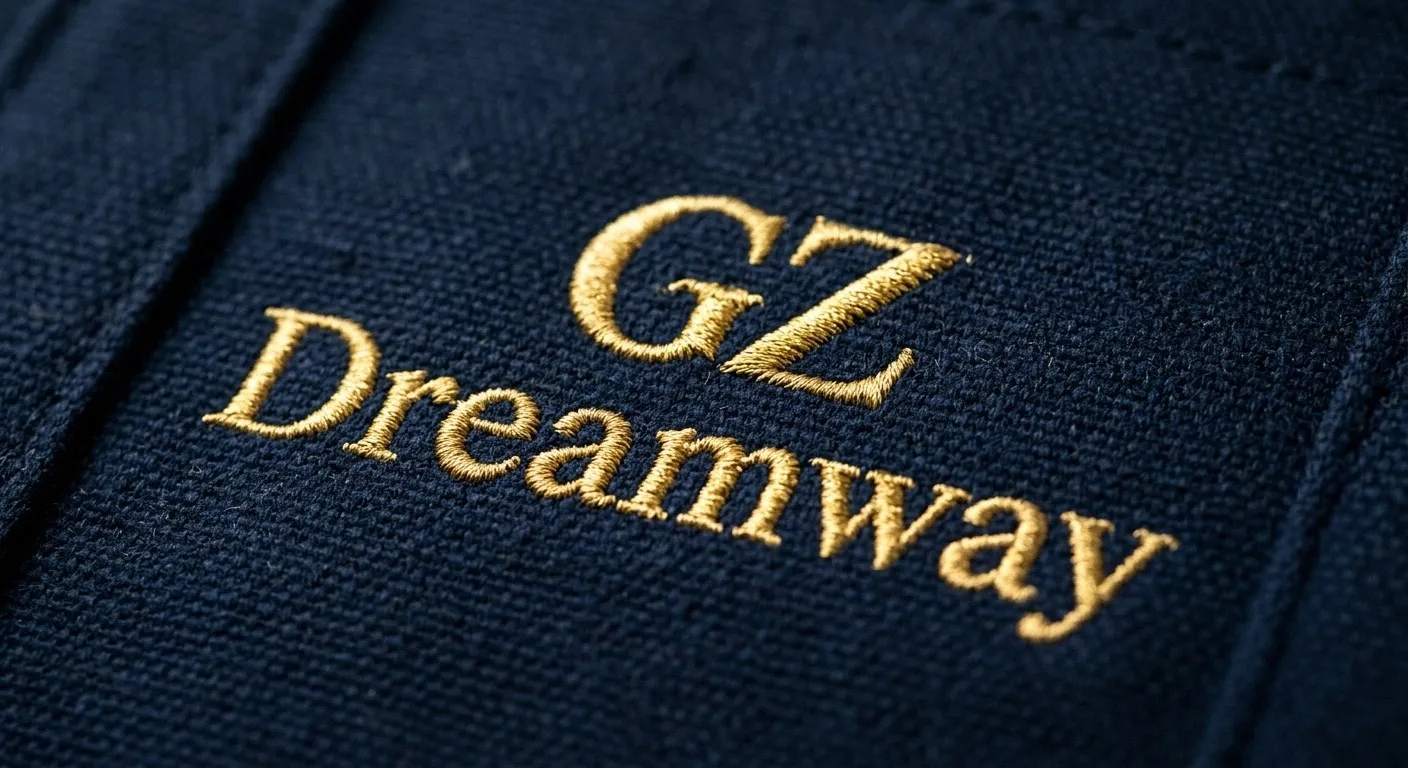
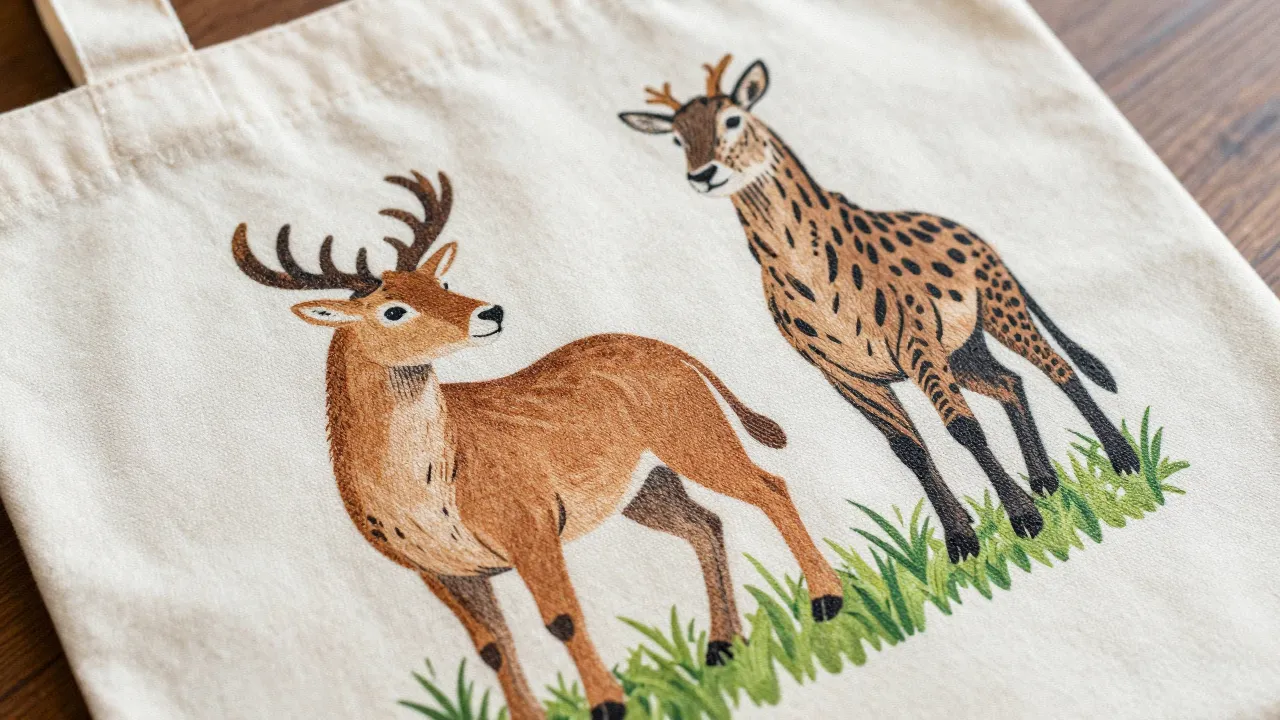
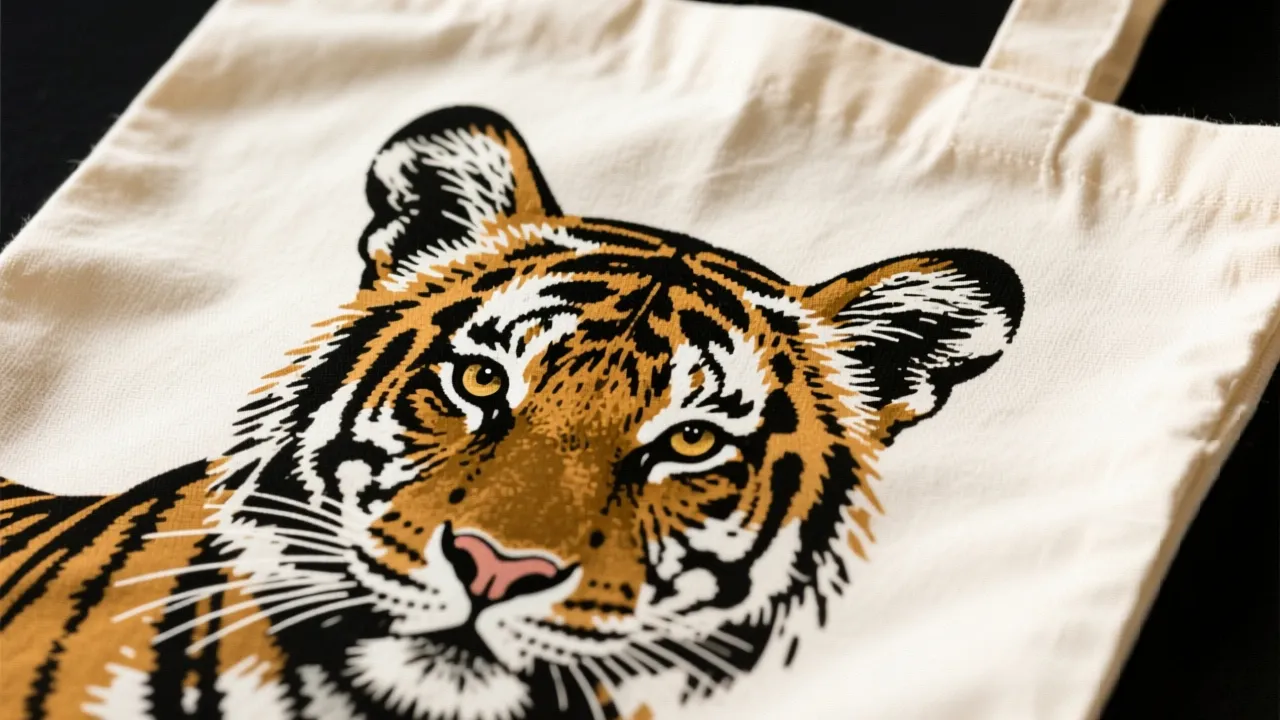
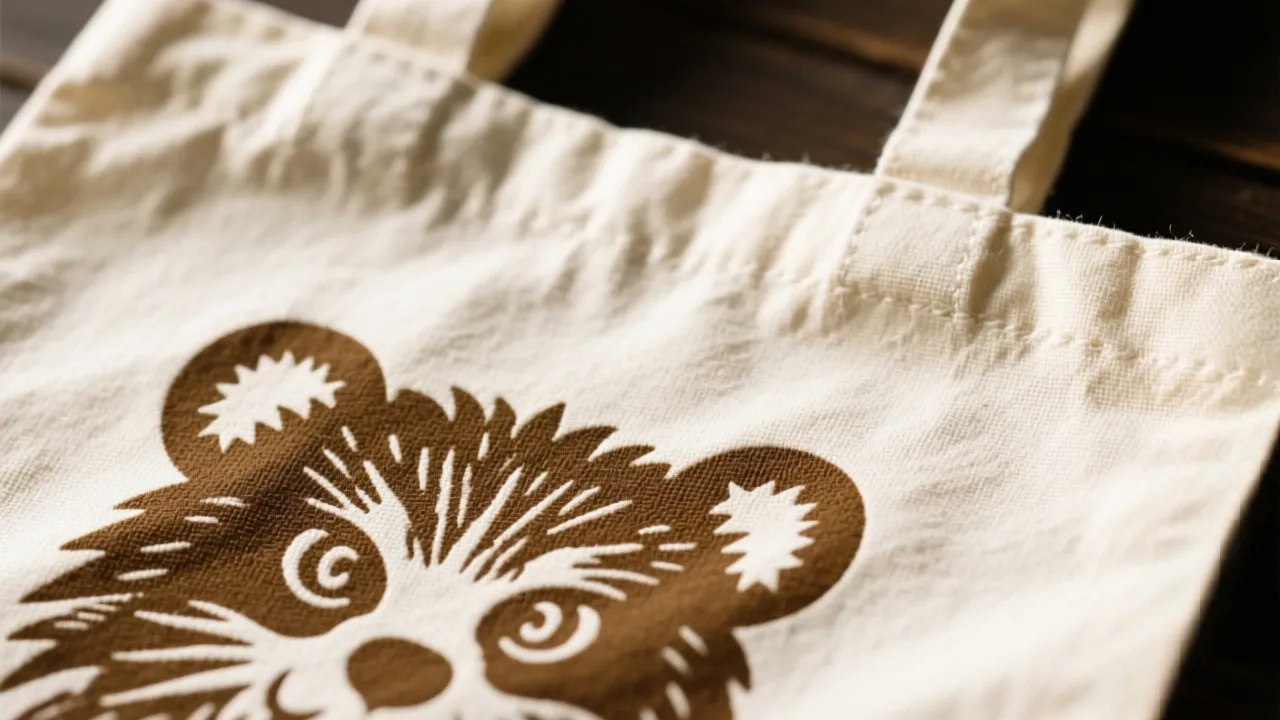
How you apply your logo to a custom wine gift bag defines its final personality. Screen printing is the workhorse for promotional wine bags: cost‑effective, vibrant, and durable on canvas. For multi‑color vineyard landscapes or complex illustrations, digital printing reproduces every detail without setup costs, making it ideal for limited‑edition seasonal releases.
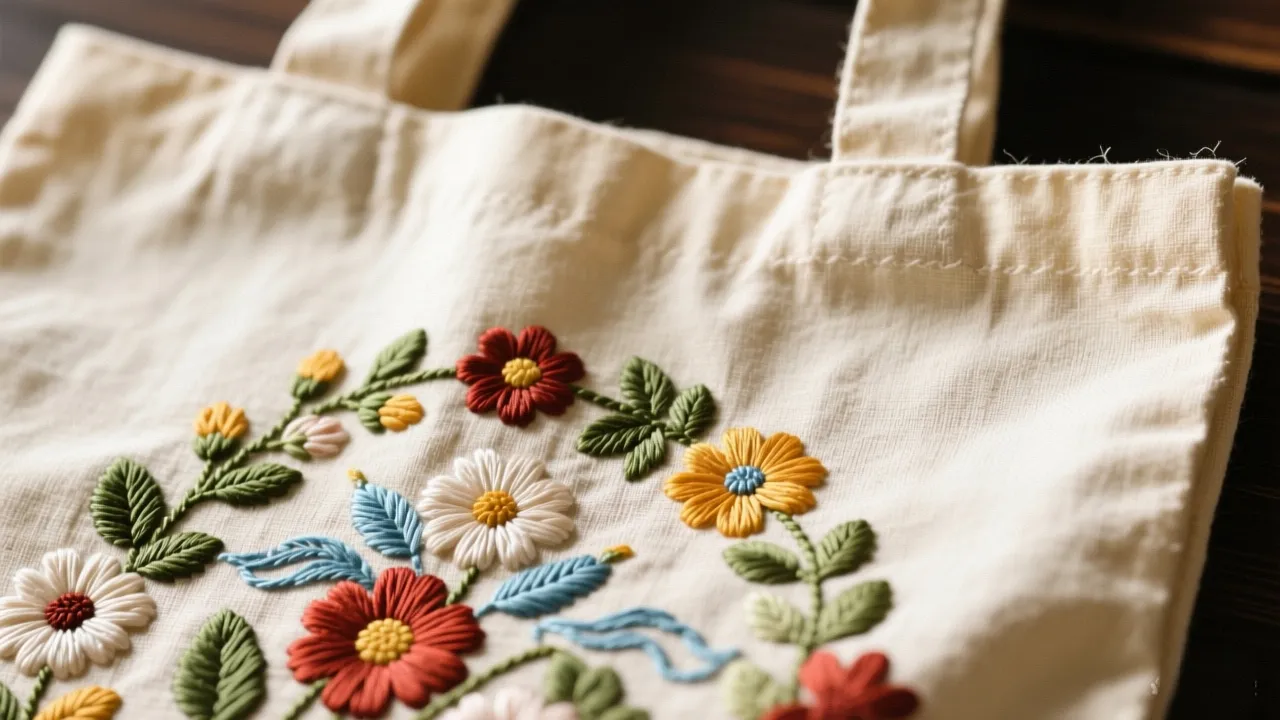
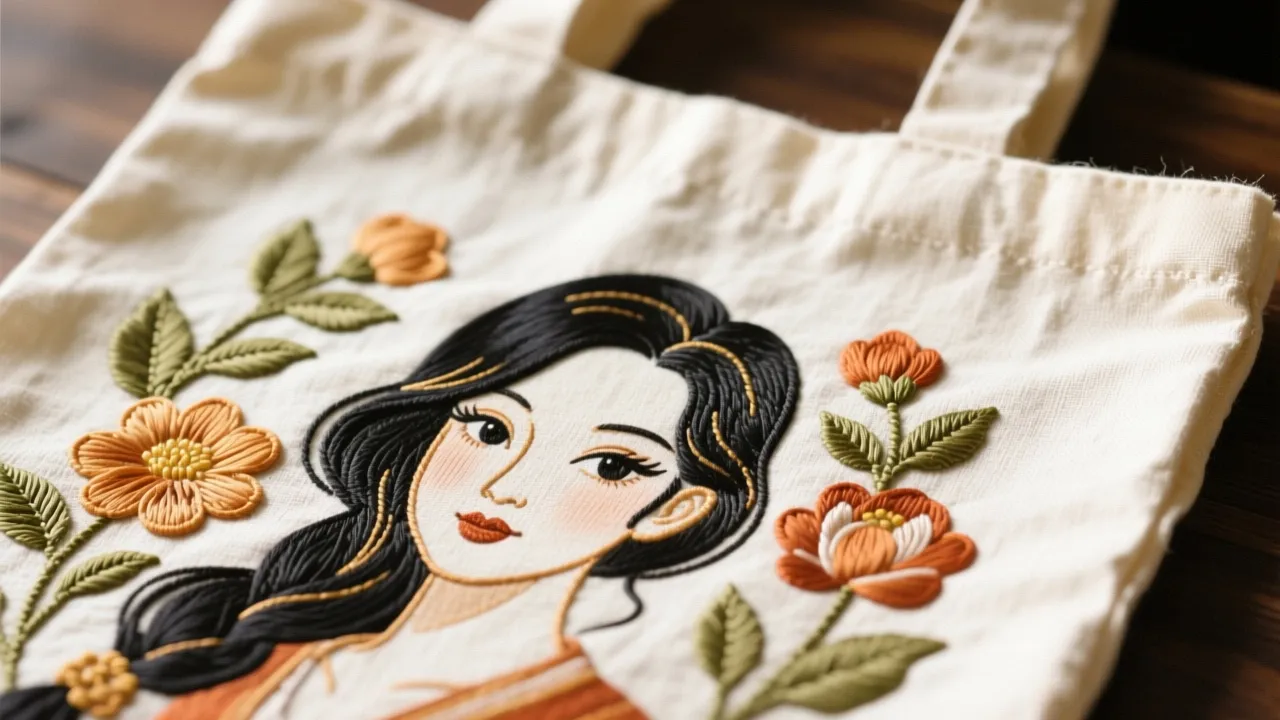
Embroidery elevates the bag from promotional item to boutique accessory. A winery’s logo stitched in gold thread on a dark canvas bag suggests heritage and craftsmanship. For a deeper dive into embroidery quality and thread selection, consider the standards explored in our guide to custom cosmetic bags — the same principles apply. Debossing on vegan leather panels or foil stamping in metallic copper or gold creates a gift that feels genuinely luxurious.
Branding Method Comparison
| Method | Setup Cost | Per-Unit Cost | Best For | MOQ |
|---|---|---|---|---|
| Screen Printing | $$ | $ | 1-3 color logos | 200+ |
| Embroidery | $$$ | $$ | Premium, boutique feel | 100+ |
| Heat Transfer | $ | $$ | Full-color, complex designs | 100+ |
| Digital Printing | $ | $$$ | Photographs, gradients | 50+ |
| Foil Stamping | $$ | $$ | Luxury, metallic effects | 200+ |
Pricing & Timeline: What to Expect for Your Order
Estimated Pricing by Order Quantity (Canvas Single-Bottle Bag)
| Quantity | Screen Print (1-2 Colors) | Embroidery | Heat Transfer | Est. Lead Time |
|---|---|---|---|---|
| 50-100 pcs | $4.50 – $6.00 | $6.00 – $8.50 | $5.00 – $7.00 | 3-4 weeks |
| 200-500 pcs | $2.80 – $3.80 | $4.00 – $5.50 | $3.20 – $4.50 | 4-5 weeks |
| 1,000-2,000 pcs | $2.20 – $2.90 | $3.20 – $4.20 | $2.60 – $3.50 | 5-6 weeks |
| 5,000+ pcs | $1.60 – $2.20 | $2.50 – $3.50 | $2.00 – $2.80 | 6-8 weeks |
* Prices are estimates in USD. Final pricing depends on material, design complexity, and branding method. Contact us for a custom quote.
Production Timeline Breakdown
Design & Quote (1-3 days)
Share your artwork and requirements. We prepare a detailed quote including material options, branding methods, and pricing.
Sample Production (7-10 days)
We create pre-production samples for your approval. You can request material swatches and branding proofs.
Bulk Production (2-3 weeks)
Once samples are approved, we begin mass production with rigorous quality control at every stage.
QC & Shipping (3-5 days)
Final inspection, secure packaging, and shipment to your designated location worldwide.
.webp)
Why Reusable Wine Bags Are Better for Sustainability
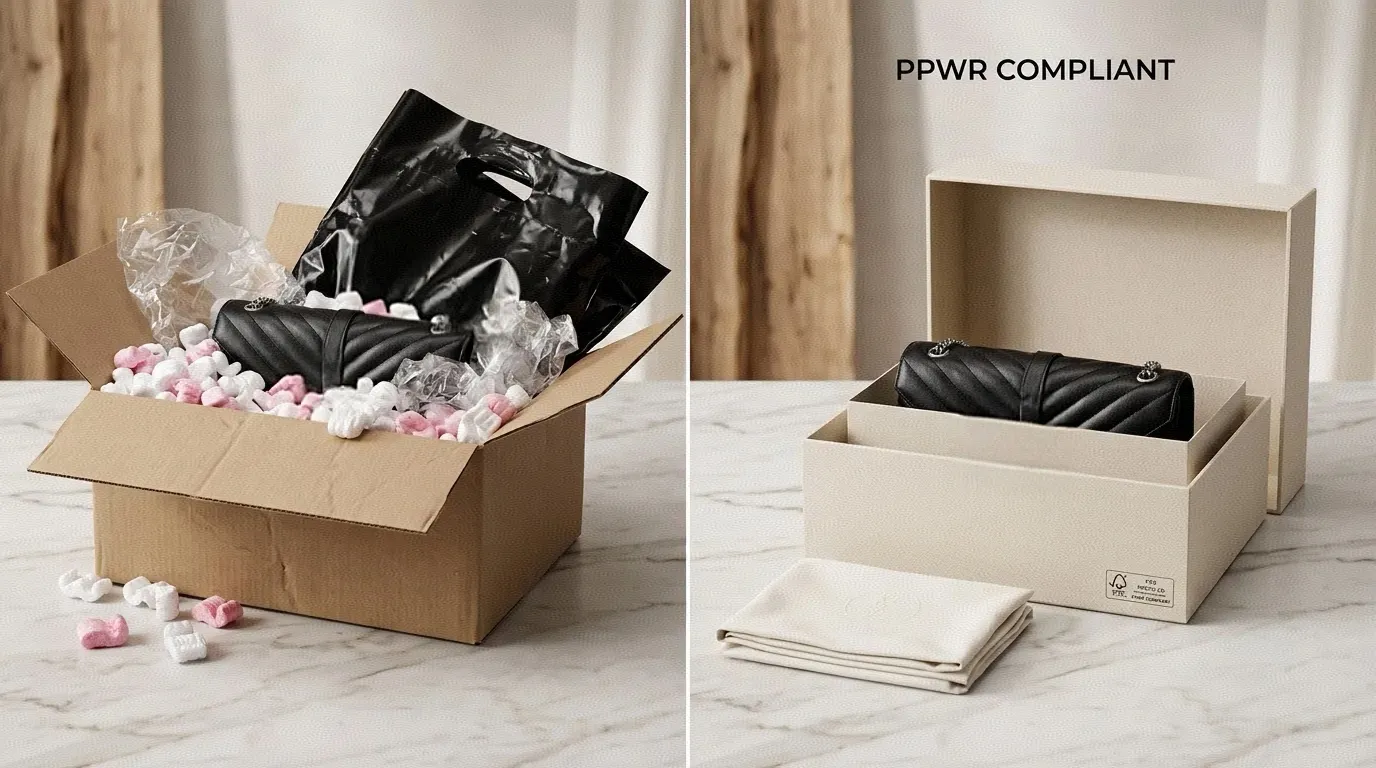
Single‑use paper and plastic wine bags contribute to the staggering 40% of global plastic waste that comes from packaging. A reusable wine tote made from organic cotton, recycled polyester, or plant‑based vegan leather directly addresses the consumer demand for sustainable packaging. Research consistently shows that 72% of consumers are willing to pay more for products with environmentally friendly packaging, and 64% would choose one brand over another based on packaging sustainability.
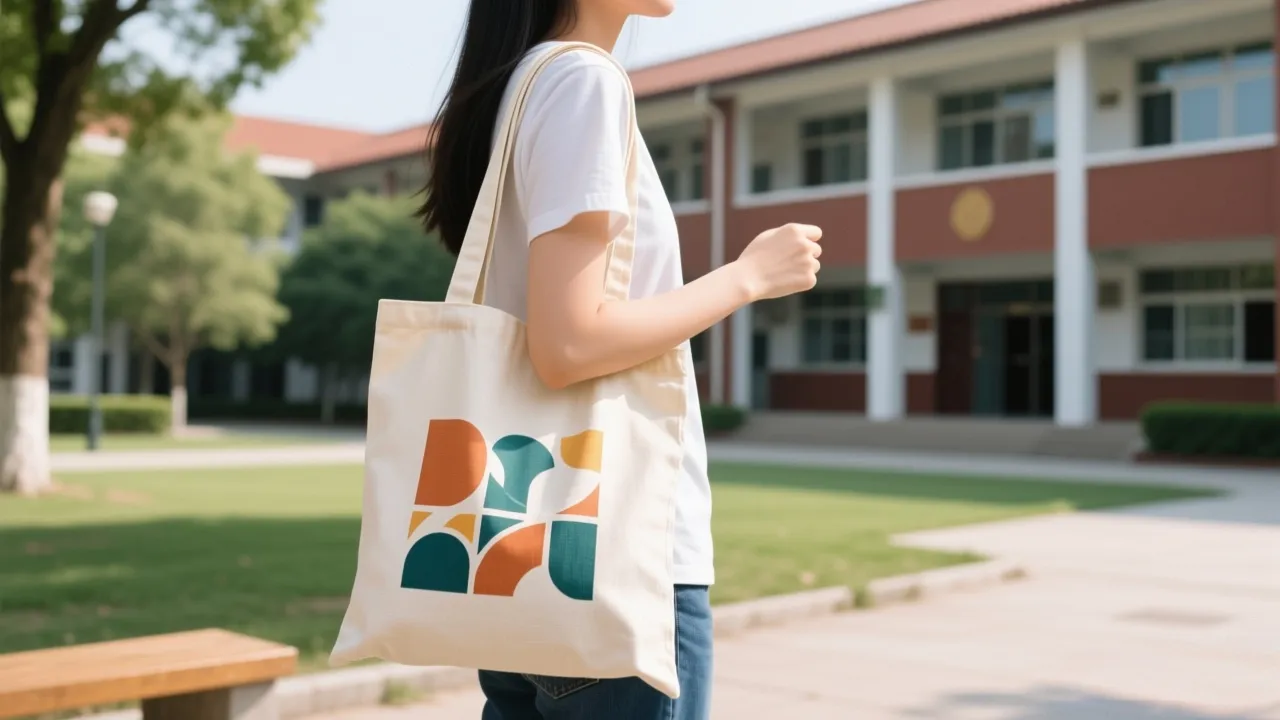
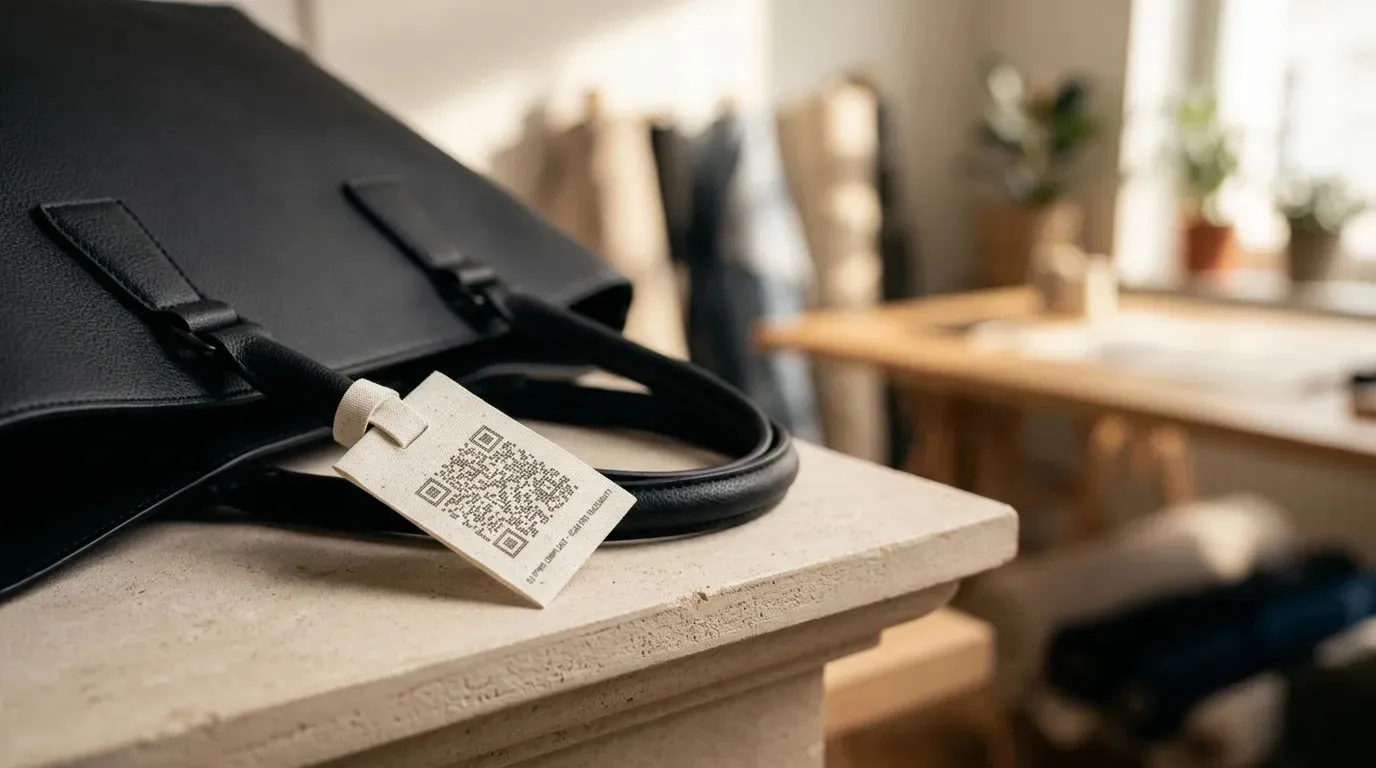
Marketing your wine bag as a “forever bag” rather than a gift bag changes the recipient’s behavior. Include a small tag that explains the bag’s material origin and invites the user to reuse it at farmer’s markets, picnics, or future wine tastings. This messaging strategy turns a single corporate gift into a roaming advertisement with zero additional media spend.

Corporate Gifting: Bulk Orders & Branding Programs
For corporate clients, the end‑of‑year holiday gift is a critical relationship‑building moment. A bottle of wine paired with a custom corporate wine bag conveys thoughtfulness and attention to detail that a generic bottle alone cannot match. Banks, law firms, and tech companies increasingly choose branded reusable wine totes as part of their client appreciation programs because the bag remains visible in homes and offices for months or years, providing continuous brand exposure.
The logistics of corporate gifting, however, demand scalable production and reliable delivery. Partnering with a manufacturer that understands both the creative and logistical demands — from sampling to bulk shipping — ensures that your carefully designed wine bags arrive on time and in perfect condition. A quality manufacturer will also help you navigate tariffs and duties to keep your gifting budget efficient.

Quality Standards: What to Verify Before Ordering
A wine bag that fails during use — a handle that detaches, a seam that splits — is not just an inconvenience; it’s a brand disaster. Imagine a client carrying a gifted bottle to their car and the bag rips, sending a $50 Cabernet crashing to the pavement. The memory of that moment will outlast any future gifts you send.
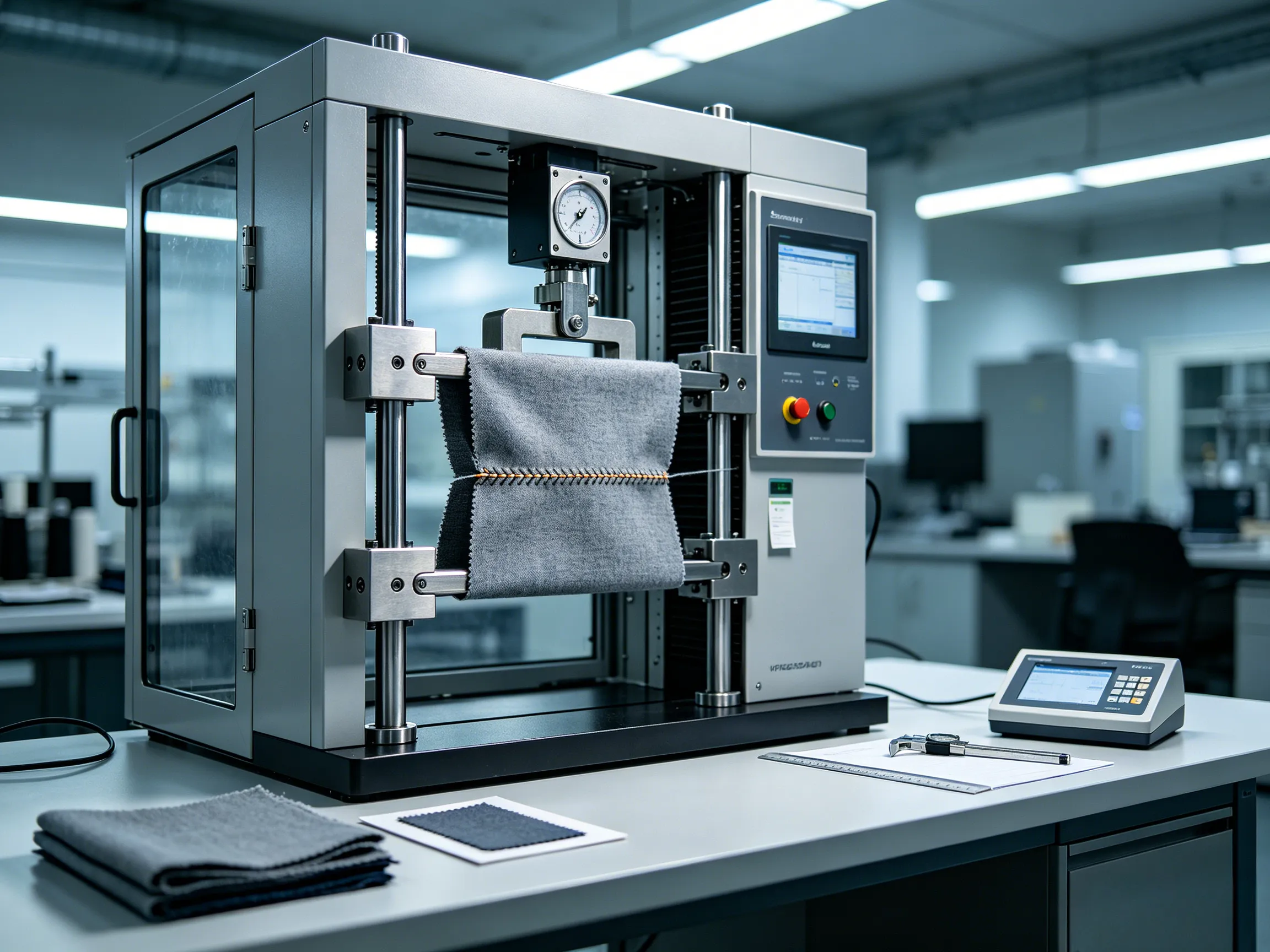
To prevent such failures, insist on load testing for your wine bag design. Each handle attachment point should withstand at least double the bag’s intended load. Seam strength should be verified using a tensile testing machine. Zippers, if used, should undergo at least 500 open‑close cycles without degradation. These testing standards should be part of your factory audit checklist. Additionally, ensure any metal hardware complies with REACH and Prop 65 regulations, particularly if the bag will be sold in Europe or California.
Quality Testing Standards We Follow
| Test Type | Standard | Requirement | Purpose |
|---|---|---|---|
| Tensile Strength | ASTM D5034 | ≥ 50 lbs (handle) | Ensures handles won’t tear under load |
| Seam Slippage | ASTM D1683 | ≤ 6mm gap | Prevents seam failure during use |
| Zipper Cycling | ASTM D2061 | ≥ 500 cycles | Verifies hardware durability |
| Color Fastness | AATCC 61 | Grade 4 (min) | Ensures print longevity |
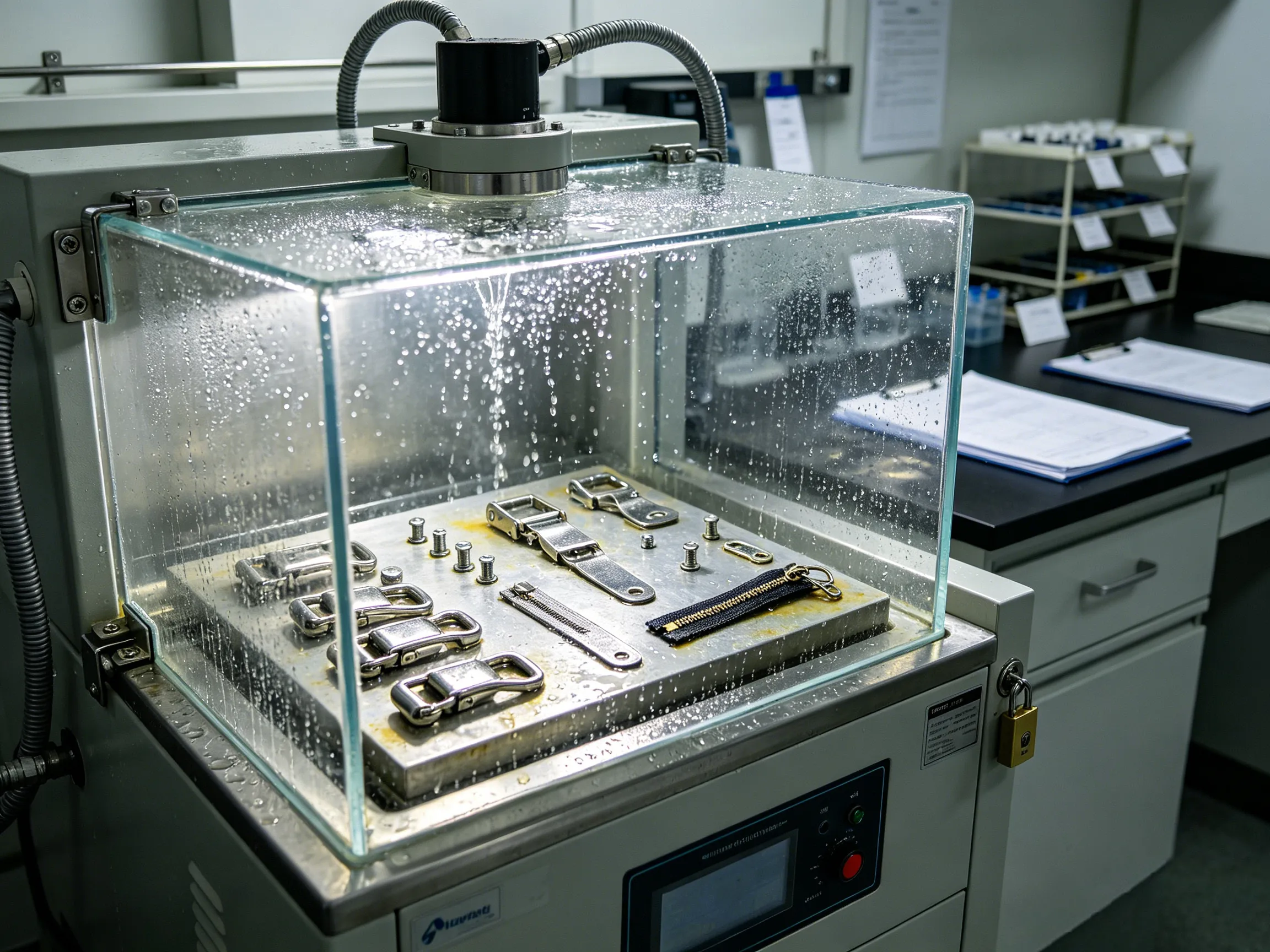
| Hardware Salt Spray | ASTM B117 | ≥ 24 hours | Verifies metal corrosion resistance |
Why Choose GZ Dreamway for Your Custom Wine Bags?
With over 16 years of experience in custom bag manufacturing, GZ Dreamway has become the trusted partner for wineries, corporate gifting programs, and promotional product companies worldwide. Here’s what sets us apart:
18,000 m² Factory
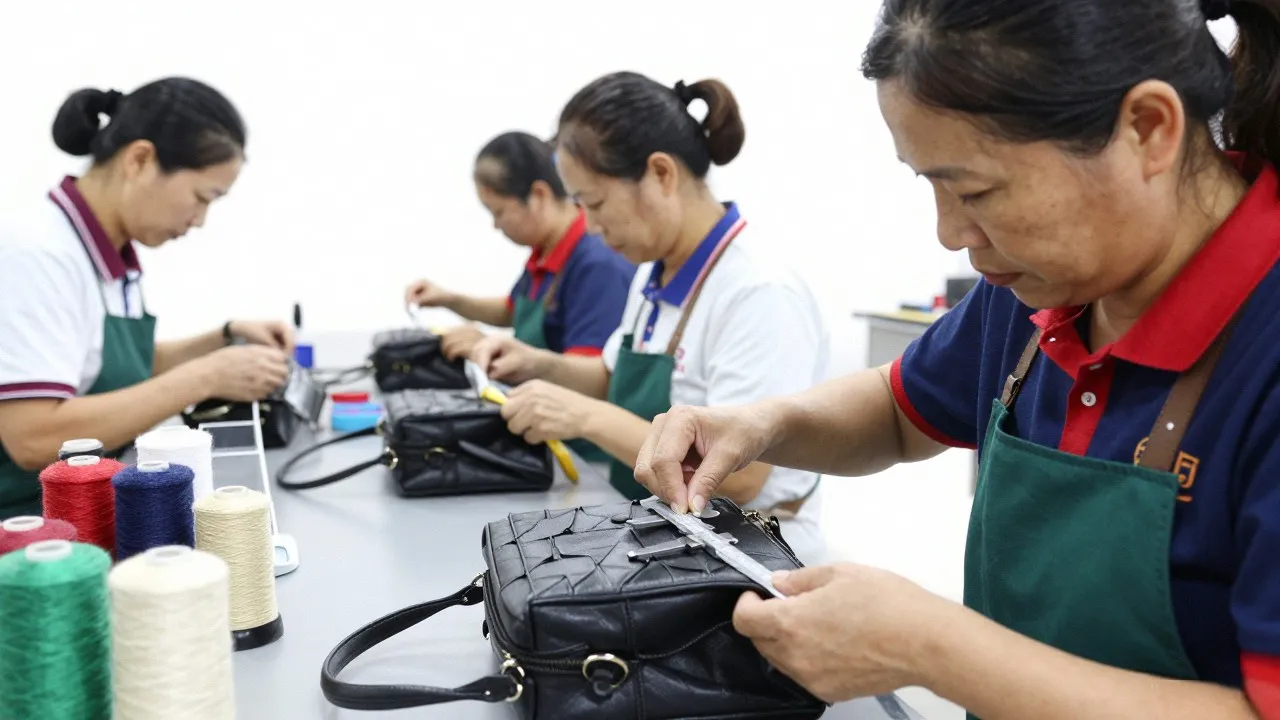
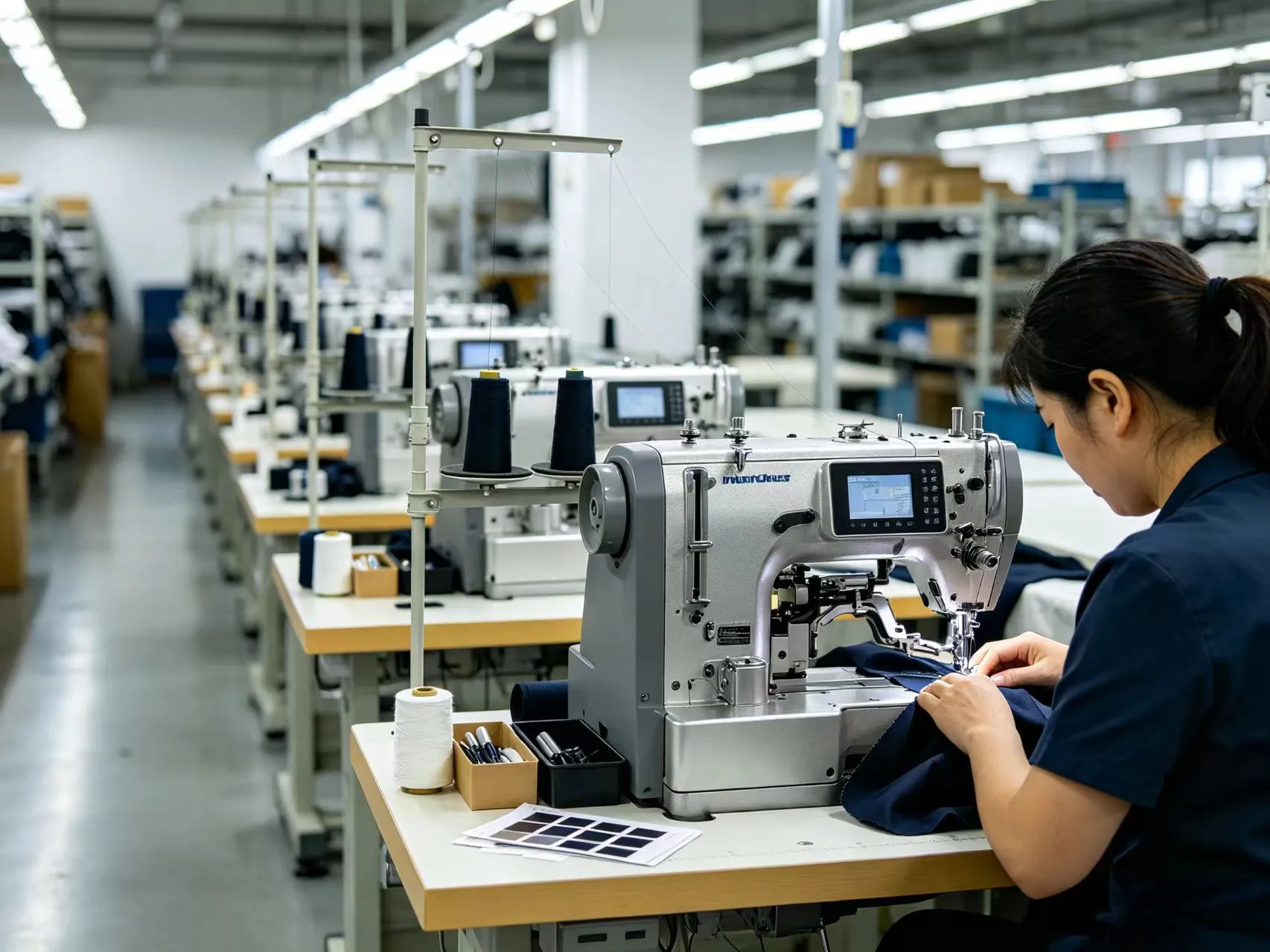
Our state-of-the-art manufacturing facility in Guangzhou houses over 200 skilled workers and advanced equipment, ensuring consistent quality at scale.
Verified Certifications
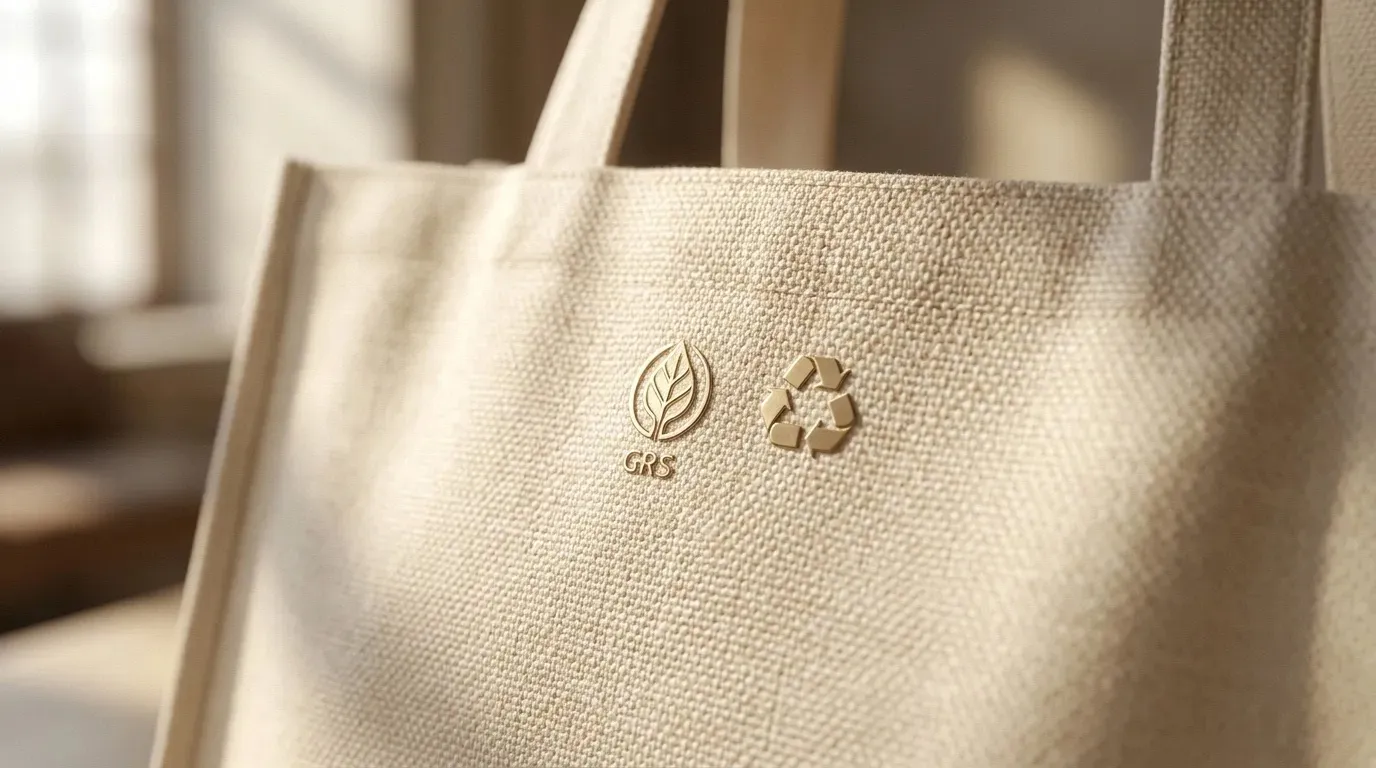
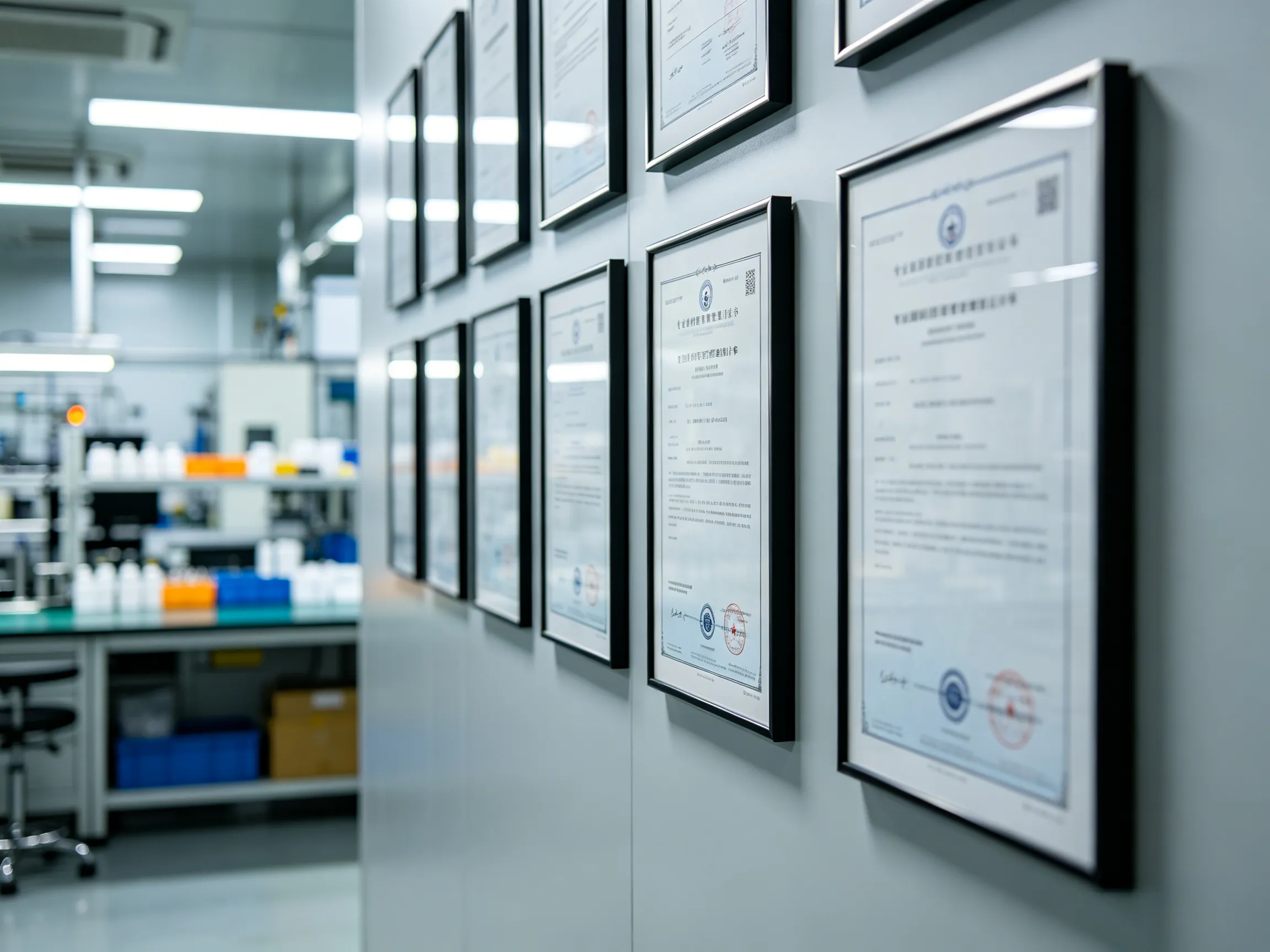
ISO 9001, BSCI, and GRS certified. Our quality management system meets international standards for social compliance and environmental responsibility.
500+ Projects Delivered
We’ve successfully completed over 500 custom bag projects for clients across North America, Europe, and Australia, including 50+ winery partnerships.
In-House Design Team
Our creative team helps optimize your artwork for print, select materials, and create tech packs that ensure your vision becomes reality.
On-Site Testing Lab
Every batch undergoes tensile testing, color matching, and hardware inspection in our in-house quality laboratory before shipping.
Global Shipping
We ship to 40+ countries with expertise in customs documentation, ensuring your order arrives on time and duty-cleared.


Frequently Asked Questions About Custom Wine Bags
What is the minimum order quantity for custom wine bags?
Most manufacturers require a minimum order quantity (MOQ) of 200-500 pieces for custom reusable wine bags. Some offer smaller runs for sampling at higher unit costs. For brand-new products, we recommend ordering samples first to verify quality before committing to bulk production.
How long does it take to produce custom wine bags?
Production typically takes 3-5 weeks after sample approval. The timeline includes material sourcing, printing or embroidery setup, production, and quality inspection. Express options may be available for urgent orders, though this usually incurs additional fees.
Can I get a sample before placing a bulk order?
Yes. Reputable manufacturers offer free or low-cost samples, including material swatches and branding proofs. This allows you to verify the actual product quality, color accuracy, and branding placement before committing to full production.
What branding methods work best on wine bags?
Screen printing is most cost-effective for simple logos with 1-3 colors. Embroidery offers a premium look for boutique brands, especially effective on canvas materials. Heat transfer and digital printing work well for complex designs, photographs, or gradient colors. Foil stamping and debossing create luxurious finishes for premium wine brands.
What materials offer the best protection for wine bottles?
Neoprene provides the best cushioning and shock absorption for protecting glass bottles during transport. Padded canvas with internal foam inserts offers excellent protection with a more traditional aesthetic. For single-bottle carriers, a snug fit with soft interior lining prevents movement and breakage.
Are eco-friendly wine bags more expensive?
Organic cotton and recycled materials typically cost 15-30% more than conventional materials. However, the premium is offset by stronger brand positioning with eco-conscious consumers. Many brands find that the marketing value of sustainable packaging justifies the additional investment.
Do you offer FOB or CIF pricing?
We offer both FOB ( Guangzhou) and CIF (including freight and insurance) pricing options. FOB is ideal if you have your own freight forwarder, while CIF simplifies budgeting with one inclusive price. Let us know your preference when requesting a quote.
Can you matchPantone colors exactly?
Yes, we use Pantone color matching for screen printing and can achieve 95%+ color accuracy. For embroidery, we match thread colors to the closest available DMC thread chart colors. We always provide pre-production color proofs for your approval before bulk production.
Ready to Source Your Custom Wine Bags?
A custom reusable wine bag is far more than packaging. It is a curated part of the gift, an extension of your brand identity, and a long‑term marketing asset that continues to generate value with every use. From the choice of canvas weight to the finish of the zipper pull, every detail contributes to an unboxing experience that recipients remember and talk about.
At GZ Dreamway, we work with wineries, corporate gift buyers, and promotional product companies to design and manufacture wine bags that are beautiful, durable, and fully compliant with global regulations. Our team helps you select materials, optimize branding, and confidently scale from samples to full production.
Get Your Free Custom Quote Today
Tell us about your project. We’ll prepare a detailed quote including material options, branding methods, and pricing — delivered within 24 hours.
Customer Reviews103 Reviews