
Sea Freight vs. Air Freight: Shipping Bulk Bags

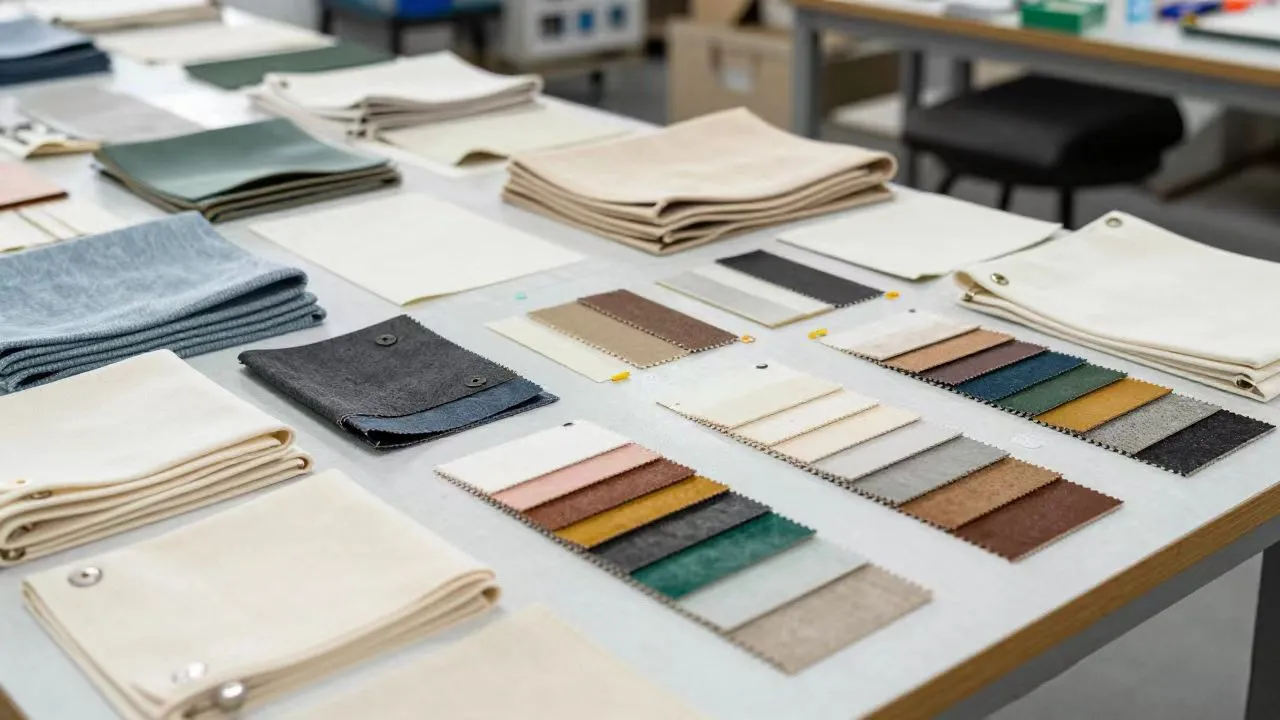
Bulk Bag Color Samples
Color samples showcasing bulk bags suitable for sea and air freight shipping

Sea Freight vs. Air Freight: Shipping Bulk Bags

In the global logistics landscape, the decision between sea freight and air freight for shipping bulk bags represents a critical strategic choice that directly impacts cost efficiency, delivery schedules, and overall business competitiveness. Bulk bag shipments, whether containing finished products or raw materials, require careful consideration of transportation modes to optimize both financial performance and customer satisfaction. Understanding the nuanced differences between these shipping methods enables businesses to make informed decisions that align with their operational requirements and market demands.

The shipping industry has evolved significantly with technological advancements and changing consumer expectations, making the selection of appropriate transportation methods more complex yet more crucial than ever. Sea freight offers substantial cost advantages for large-volume shipments, while air freight provides speed and reliability that can justify premium pricing. The choice between these options depends on multiple variables including shipment size, urgency, budget constraints, and destination requirements.

Bulk bag shipping presents unique challenges due to the volume and weight of consignments, requiring specialized handling equipment and optimized logistics strategies. Whether shipping handbags, tote bags, or other types of bulk containers, companies must evaluate the trade-offs between cost savings and delivery speed to determine the most suitable shipping method. The decision-making process involves analyzing various factors including cargo characteristics, shipping routes, customs requirements, and seasonal demand fluctuations.

Key Insight: The optimal shipping method for bulk bags depends on a combination of cost considerations, delivery timeframes, and cargo sensitivity, requiring a comprehensive analysis of business priorities and customer expectations.

Sea Freight: Cost-Effective Solution for Large Volumes

Sea freight emerges as the most economical option for shipping bulk bags, offering significant cost advantages for large-volume consignments. Container ships can accommodate thousands of units per voyage, making sea freight ideal for businesses with predictable demand patterns and flexible delivery schedules. The cost per unit decreases substantially as shipment volume increases, creating economies of scale that benefit high-volume exporters and importers.

The infrastructure supporting sea freight has become increasingly sophisticated, with modern container terminals equipped with automated systems that enhance efficiency and reduce handling damage. Major shipping lines offer regular sailings on established routes, providing reliable service schedules that enable businesses to plan inventory and production cycles effectively. The standardized container system ensures consistent handling procedures regardless of destination port.
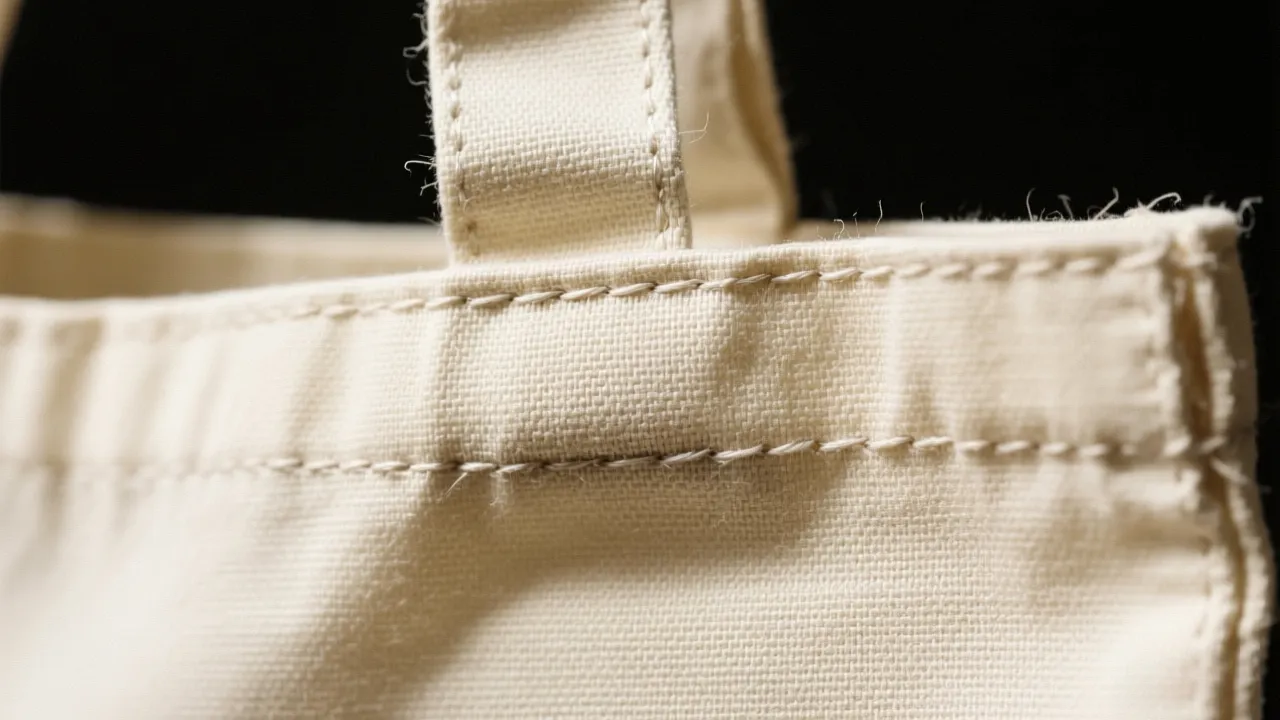
Bulk Bag Detail
Detailed view of bulk bag construction suitable for maritime transport

Sea freight excels in handling non-perishable goods and items with longer shelf lives, making it particularly suitable for manufactured products like handbags, tote bags, and other accessories. The extended transit times associated with sea shipping allow for comprehensive quality control measures and documentation preparation, reducing the risk of customs delays and ensuring compliance with international regulations.

Environmental considerations also favor sea freight, as ocean vessels produce lower carbon emissions per ton-mile compared to air cargo. This advantage becomes increasingly important as companies prioritize sustainability and respond to growing consumer demand for environmentally responsible shipping practices. The lower environmental impact of sea freight aligns with corporate sustainability goals while maintaining cost efficiency.

Advantages of Sea Freight:

  • Significant cost savings for large volumes
  • Lower environmental impact per unit
  • Higher capacity for bulk shipments
  • Reliable schedule on major routes
  • Less sensitive to fuel price fluctuations
  • Handles heavy and oversized cargo well

Disadvantages of Sea Freight:

  • Longer transit times
  • Weather-dependent delays
  • More complex documentation
  • Port congestion issues
  • Limited route flexibility
  • Higher inventory holding costs

Air Freight: Speed and Reliability for Urgent Shipments

Air freight represents the premium shipping option, offering unparalleled speed and reliability for time-sensitive bulk bag shipments. While significantly more expensive than sea freight, air cargo provides faster delivery times that can justify premium pricing for businesses operating in fast-moving markets or facing tight deadlines. The reduced transit time minimizes inventory carrying costs and enables just-in-time supply chain strategies.

Modern air cargo facilities feature advanced handling systems designed for efficient loading and unloading of various cargo types, including bulk bag shipments. Temperature-controlled environments protect sensitive materials during transport, while sophisticated tracking systems provide real-time visibility into shipment location and condition. These features make air freight particularly attractive for high-value products or items with strict delivery requirements.
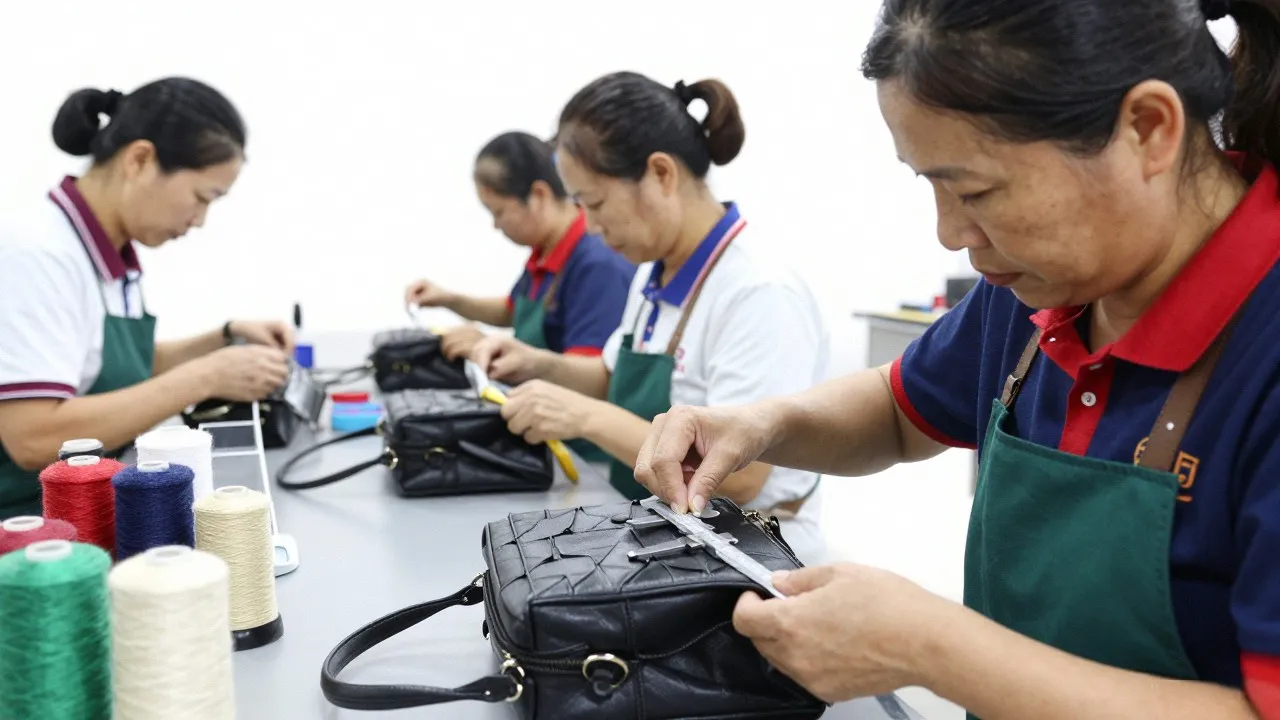
Quality Control Process
Quality control process ensuring bulk bags meet shipping standards

The speed advantage of air freight becomes crucial when shipping seasonal products, promotional items, or goods tied to specific events or sales periods. Fashion accessories, holiday merchandise, and trend-driven products often require the quick turnaround times that only air freight can provide. The ability to respond rapidly to market changes gives air freight users competitive advantages in dynamic business environments.

Air freight also offers superior security and reduced risk of theft or damage during transit. Cargo travels in sealed aircraft compartments with limited access points, and airport facilities maintain high-security standards. Insurance costs are typically lower for air freight due to reduced exposure time and enhanced security measures, partially offsetting higher transportation costs.

Shipping Method Transit Time Cost Factor Capacity Security Level Environmental Impact
Sea Freight 2-6 weeks Lowest Very High Moderate Low per ton-mile
Air Freight 1-3 days Highest Medium High High per ton-mile
Express Courier 1-2 days Very High Low Very High High per ton-mile
Rail Freight 1-2 weeks Medium High High Low per ton-mile

Cost Analysis: Sea vs. Air Freight for Bulk Bags

The cost differential between sea and air freight for bulk bag shipments can be substantial, with air freight typically costing 5-10 times more than sea freight per unit. However, this comparison must consider the total landed cost including inventory carrying charges, opportunity costs, and potential revenue impacts from delayed delivery. A comprehensive cost analysis reveals that the apparent cost advantage of sea freight may be offset by other factors in certain business scenarios.

Sea freight costs are primarily influenced by container rates, which vary based on shipping season, route popularity, and fuel surcharges. Full container load (FCL) shipments offer the best value for large volumes, while less than container load (LCL) options provide flexibility for smaller consignments. Additional costs include port handling fees, customs clearance, and inland transportation to and from ports.

Sea Freight Cost
$2,500
per container
Air Freight Cost
$12,000
per shipment
Transit Savings
$800
with sea freight

Air freight pricing is based on dimensional weight calculations and fluctuating fuel costs, making it more volatile than sea freight rates. Peak season surcharges and capacity constraints can significantly increase air freight costs during busy periods. However, the speed advantage may justify higher costs when factoring in reduced inventory carrying charges and improved cash flow.

For detailed cost optimization strategies, our shipping cost optimization guide provides comprehensive analysis techniques and practical recommendations.
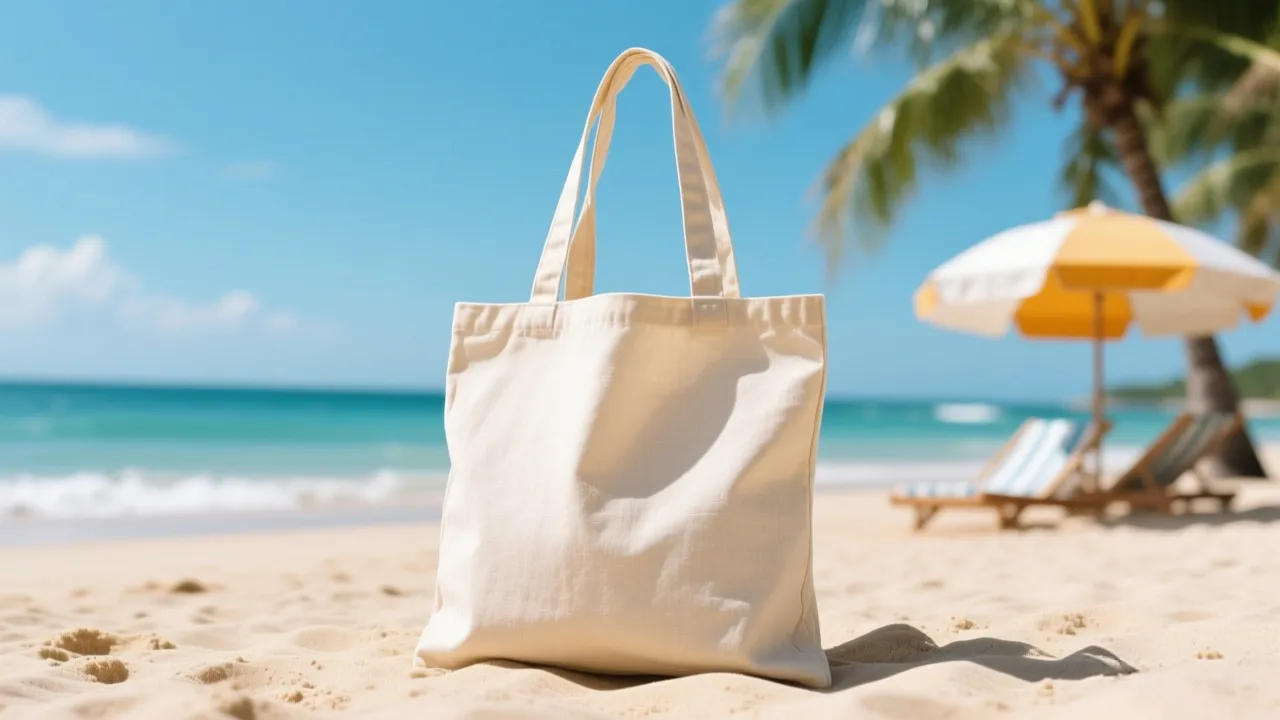
Beach Application Scenario
Bulk bags in various application scenarios demonstrating shipping versatility

Transit Time Comparison and Business Implications

Transit time differences between sea and air freight significantly impact business operations and customer satisfaction. Sea freight typically requires 2-6 weeks for international shipments, while air freight delivers within 1-3 days. These time differences affect inventory management strategies, cash flow cycles, and market responsiveness capabilities. Businesses must weigh the cost savings of slower shipping against the competitive advantages of rapid delivery.

The time factor becomes particularly critical when shipping seasonal products or items tied to specific market events. Fashion accessories, promotional materials, and holiday merchandise often require the speed of air freight to arrive in time for peak selling periods. Missing these windows can result in significant revenue losses that far exceed shipping cost differences.

Sea Freight
2-6 weeks
International
Air Freight
1-3 days
International
Peak Season
+3-5 days
for sea freight

Extended transit times with sea freight require larger safety stocks and more sophisticated inventory management systems. The additional inventory carrying costs must be calculated when comparing total landed costs. Conversely, air freight enables leaner inventory strategies and reduced warehouse space requirements, potentially offsetting higher shipping costs.

Handling and Logistics Considerations

Both sea and air freight require specialized handling procedures for bulk bag shipments, but the nature and complexity of these procedures differ significantly. Sea freight involves multiple handling points including origin and destination ports, container yards, and trucking connections. Each handling point represents a potential source of damage or delay, requiring robust packaging and protective measures.

Air freight handling occurs in controlled airport environments with fewer transfer points, reducing handling-related risks. However, the compact loading requirements of aircraft cargo holds may necessitate special packaging configurations or additional handling steps. Weight restrictions and dimensional limitations require careful planning to maximize utilization while maintaining product integrity.
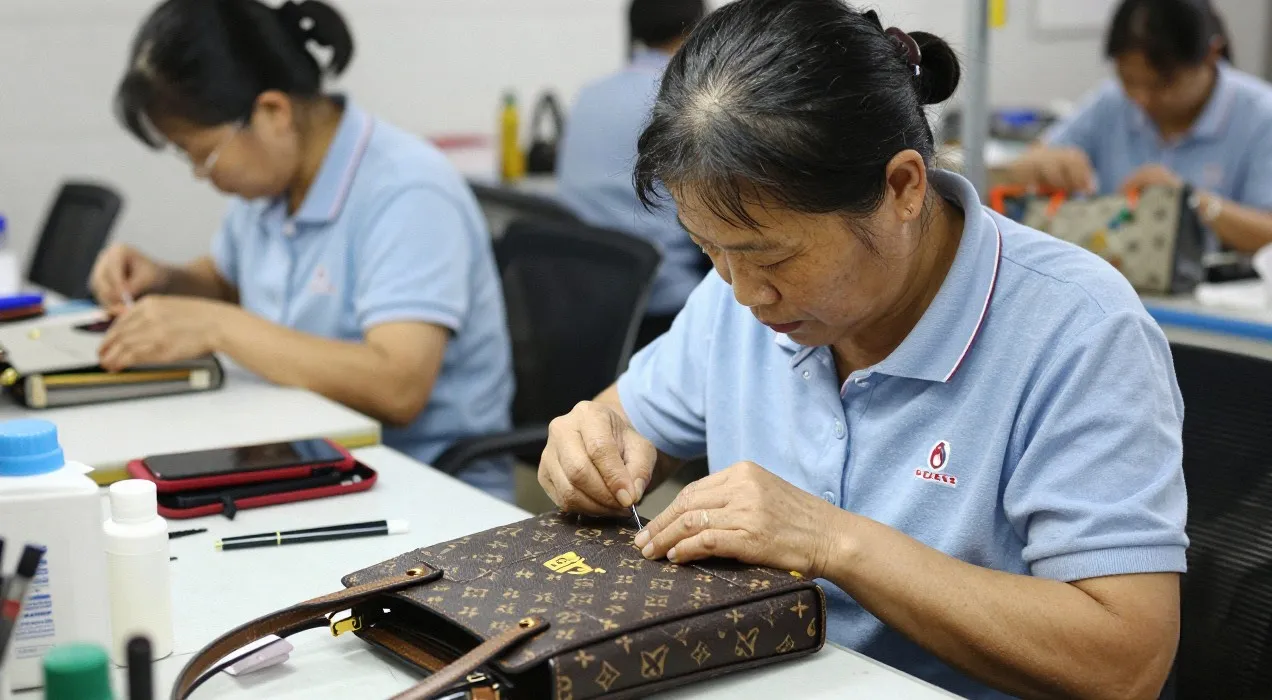
Manufacturing Process
Manufacturing process ensuring bulk bags meet shipping durability standards

Customs procedures and documentation requirements vary between shipping methods, with air freight often experiencing faster clearance due to priority processing at airports. Sea freight may encounter delays due to port congestion, especially during peak seasons or when shipping to busy ports. Understanding these differences helps businesses plan accordingly and minimize potential disruptions.

Environmental Impact and Sustainability Factors

The environmental implications of sea versus air freight present important considerations for businesses prioritizing sustainability. Sea freight generates significantly lower carbon emissions per ton-mile compared to air freight, making it the preferred option for environmentally conscious companies. Ocean vessels use fuel-efficient engines and operate on established routes that optimize fuel consumption.

Air freight, while faster, produces substantially higher emissions per unit shipped. However, the reduced inventory holding times and associated storage emissions may partially offset the transportation emissions difference. Some companies choose air freight for its ability to reduce overall supply chain emissions through leaner inventory management.

For comprehensive information about sustainable shipping options, our sustainability certifications guide provides detailed information about eco-friendly shipping practices.

Seasonal and Market Considerations

Seasonal demand patterns significantly influence the choice between sea and air freight for bulk bag shipments. Peak seasons such as back-to-school, holiday shopping, or fashion seasons may require the speed of air freight to meet market timing requirements. Off-season periods often favor sea freight due to lower urgency and capacity availability.

Market volatility and sudden demand changes may necessitate air freight’s flexibility despite higher costs. The ability to respond quickly to unexpected orders or market shifts can provide competitive advantages that justify premium shipping costs. Conversely, predictable demand patterns support sea freight’s cost advantages and scheduled service reliability.

Educational Application
Bulk bags in educational settings demonstrating versatile applications

Documentation and Regulatory Compliance

Shipping bulk bags internationally requires extensive documentation and regulatory compliance, with different requirements for sea and air freight. Sea freight documentation includes bills of lading, commercial invoices, packing lists, and certificates of origin. The complexity of sea freight documentation reflects the multiple parties involved in maritime transport.

Air freight requires air waybills, commercial invoices, and specific dangerous goods declarations if applicable. The streamlined documentation process for air freight often results in faster customs clearance and reduced administrative overhead. However, air freight has stricter regulations regarding hazardous materials and restricted items.

For detailed information about shipping regulations, our HS code guide provides comprehensive classification information for international shipping.

Insurance and Risk Management

Insurance coverage and risk management strategies differ between sea and air freight shipping methods. Sea freight faces risks including weather delays, port congestion, piracy in certain regions, and handling damage during multiple transfer points. The extended transit times increase exposure to these risks, requiring comprehensive insurance coverage.

Air freight risks include flight delays, cargo hold temperature variations, and limited recovery options if issues arise during flight. However, the shorter exposure time and controlled airport environments generally result in lower overall risk profiles. Insurance premiums typically reflect these risk differences, with air freight often commanding lower rates despite higher shipping costs.

Business Partnership
Successful business partnership in shipping and logistics coordination

Technology Integration and Tracking Capabilities

Modern tracking technologies provide real-time visibility into shipment status, with varying capabilities depending on the shipping method chosen. Sea freight tracking systems offer periodic updates at key milestones such as port departures and arrivals, providing general location information but limited granular tracking.

Air freight tracking systems provide more frequent updates and precise location information, enabling better supply chain visibility and customer communication. The integration of GPS technology and digital platforms allows for predictive analytics and proactive issue resolution. These capabilities support just-in-time inventory management and responsive customer service.

Customer Expectations and Service Levels

Customer expectations regarding delivery times and service levels increasingly influence shipping method decisions. E-commerce growth has raised consumer expectations for faster delivery, making air freight more attractive despite higher costs. B2B customers may accept longer lead times in exchange for cost savings, while retail customers often prioritize speed over price.

Service level agreements with customers must account for shipping method capabilities and potential delays. Building realistic expectations based on chosen shipping methods helps maintain customer satisfaction and reduces complaints related to delivery timing. Communication strategies should clearly outline expected delivery windows based on shipping method selection.
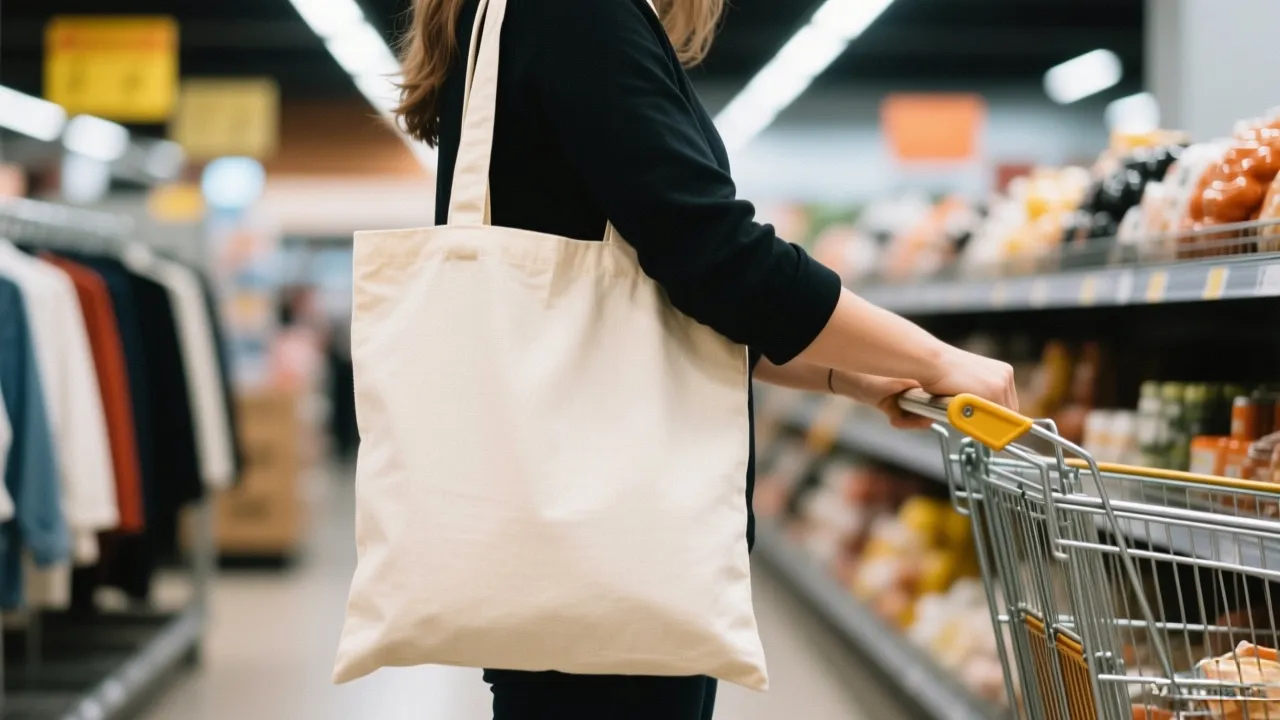
Retail Application
Retail environment showcasing products shipped via optimized methods

Supply Chain Optimization Strategies

Optimizing supply chains for bulk bag shipments often involves hybrid approaches that combine sea and air freight based on specific product requirements and market conditions. Strategic use of both methods maximizes efficiency while balancing cost and service level objectives. Seasonal products may ship via air freight during peak periods and sea freight during off-seasons.

Inventory management strategies should align with chosen shipping methods to optimize working capital and reduce stockouts. Sea freight’s longer lead times require larger safety stocks and more sophisticated forecasting systems. Air freight enables leaner inventory strategies but requires more responsive demand planning capabilities.

For information about supply chain optimization, our manufacturing cost guide includes shipping cost considerations in overall pricing strategies.

Future Trends in Bulk Bag Shipping

The shipping industry continues to evolve with technological advances and changing market demands. Digitalization of shipping processes, automated handling systems, and sustainable fuel alternatives are transforming both sea and air freight capabilities. These developments may alter the traditional cost and service trade-offs between shipping methods.

E-commerce growth continues to drive demand for faster shipping options, potentially increasing air freight usage despite higher costs. However, sustainability pressures may favor sea freight adoption for companies prioritizing environmental responsibility. The balance between these competing forces will shape future shipping method preferences.
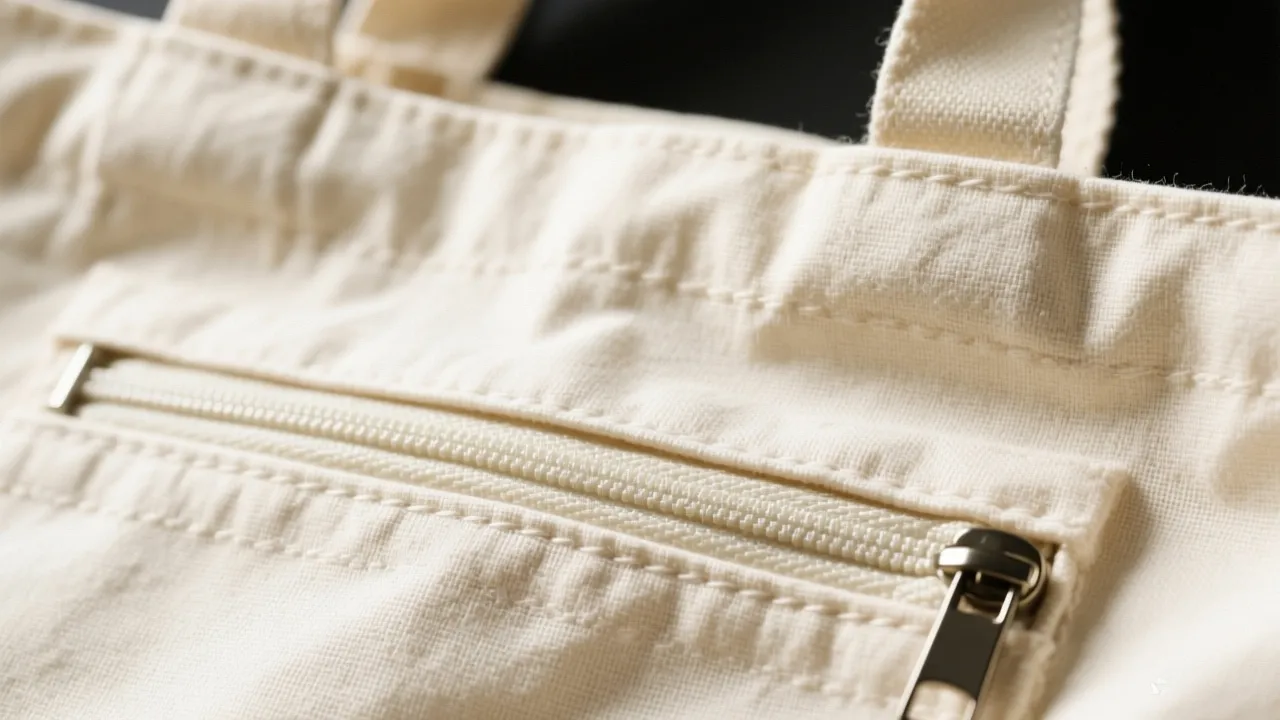
Quality Detail Work
Quality detail work ensuring bulk bags withstand shipping rigors

Decision-Making Framework for Shipping Method Selection

Selecting the optimal shipping method for bulk bags requires a systematic approach that considers multiple variables simultaneously. A weighted scoring model that evaluates cost, time, risk, and service requirements provides objective guidance for shipping method selection. The relative importance of each factor varies by business type and market conditions.

Regular review and adjustment of shipping strategies ensure continued alignment with business objectives and market conditions. Seasonal variations, market changes, and operational improvements may necessitate modifications to shipping method selections. Flexible approaches that adapt to changing circumstances provide competitive advantages.

Case Studies and Real-World Applications

Successful companies have implemented various strategies for optimizing bulk bag shipping based on their specific requirements. Fashion retailers often use air freight for seasonal collections and sea freight for basic items with longer sell-through periods. Industrial suppliers may rely on sea freight for standard products while using air freight for urgent replacement parts.

These examples demonstrate that shipping method selection should align with product lifecycle, market timing, and customer service requirements. The most successful approaches often combine both methods strategically rather than choosing one exclusively. Flexibility and responsiveness to changing market conditions prove essential for sustained success.
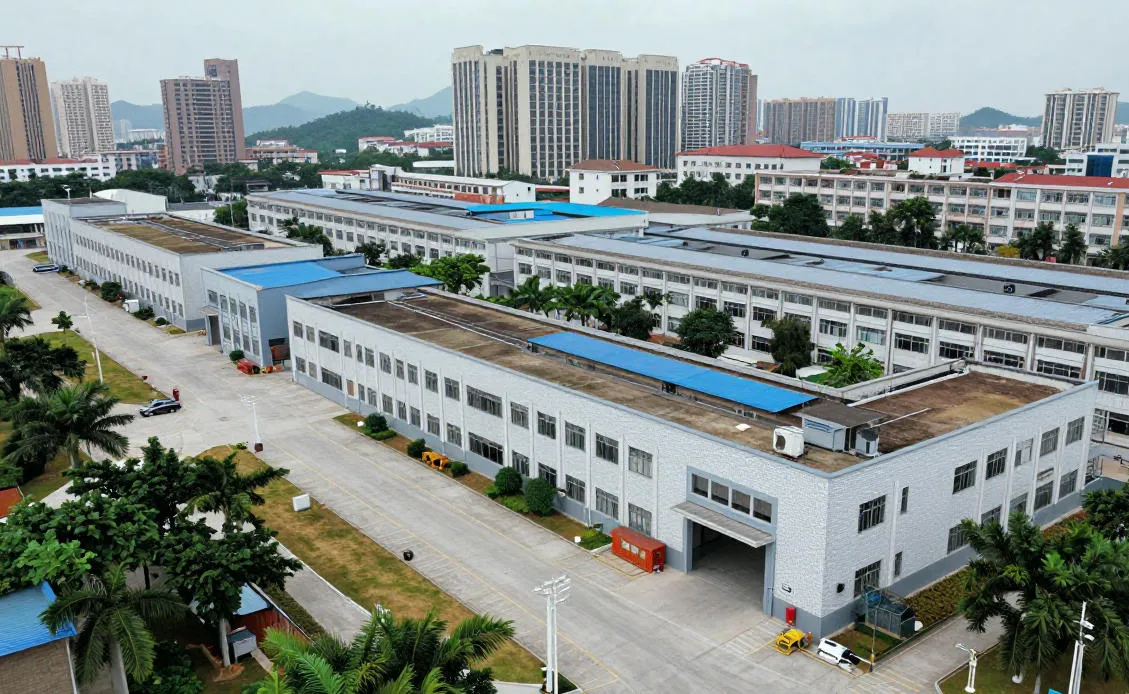
Manufacturing Facility
Modern manufacturing facility preparing bulk bags for optimized shipping

Conclusion and Strategic Recommendations

The choice between sea freight and air freight for shipping bulk bags depends on a complex interplay of cost, time, risk, and service requirements. Neither method is universally superior; instead, the optimal choice varies based on specific business circumstances, product characteristics, and market conditions. Successful companies often employ hybrid strategies that leverage the strengths of both methods.

Continuous monitoring and optimization of shipping strategies ensure continued alignment with business objectives and market changes. The investment in sophisticated shipping method selection processes pays dividends through improved cost efficiency, customer satisfaction, and competitive positioning. The future belongs to companies that master the art of shipping method optimization while maintaining flexibility to adapt to changing conditions.

Strategic shipping decisions require ongoing attention to market dynamics, cost trends, and customer expectations. Companies that develop expertise in shipping method selection gain sustainable competitive advantages that extend beyond immediate cost savings to encompass improved customer relationships and market positioning.

Strategic Recommendation

Implement a dynamic shipping strategy that combines sea and air freight based on real-time market conditions, seasonal demands, and customer requirements. Regularly review and adjust shipping methods to optimize cost-performance ratios and maintain competitive advantages.

Expert Shipping Consultation Services

Our logistics experts provide comprehensive shipping method analysis and optimization services tailored to your specific bulk bag shipping requirements. We help you navigate the complexities of sea and air freight to maximize cost efficiency and service excellence.

Visit Our Homepage | Contact Shipping Experts

Customer Reviews44 Reviews

César Navarrete2026-06-08
Tengo una pequeña boutique en Valencia y en un LCL anterior varias cajas llegaron aplastadas y algunos bolsos con un leve olor a humedad; estoy buscando indicaciones prácticas y cifras claras para el mercado español: cuándo elegir FCL vs LCL para envíos a Barcelona/Madrid, PE barrier liner por caja, guideline inicial 50g desiccant packets (p. ej. 6–12 x 50g/m³), colocación de container desiccant bags (front/mid/rear), protocolo de humidity logger trial, si el vacuum packing por unidad compensa para stock showroom‑ready, fiabilidad de un DAP Barcelona/Madrid puerta a puerta, clasificación HS 4202 y MOQ OEM (100–300) y opciones de packaging kraft reciclable con aspecto premium — mi proveedor anterior fue muy vago y necesito pasos concretos y números para evitar devoluciones.
GZDreamway2026-06-10
Gracias César — lamentamos lo que ocurrió y apreciamos los detalles. Resumen práctico y acciones inmediatas para España: 1) FCL vs LCL: preferir FCL para lotes showroom/premium (reduce re‑handling y mezcla); usar LCL sólo con consolidator verificado y contenedor sellado. 2) PE barrier liner: sí — 1 liner por caja para limitar transmisión de vapor y olores; combinar con un sleeve kraft de presentación para retail. 3) Desiccant guideline: start ≈ 6–12 × 50g por m³ de volumen de caja (ajuste tras humidity‑logger trial). 4) Container desiccant bags: colocar sacos grandes en puntos de flujo de aire (front / mid / rear) y fijarlos al suelo o estanterías para minimizar humidity hotspots. 5) Humidity‑logger trial: ejecutar un test en un contenedor muestra con loggers front/mid/rear para validar counts y colocaciones; nosotros podemos coordinarlo. 6) Vacuum packing por unidad: recomendable como upgrade para SKUs de vitrina (reduce olor y devoluciones, aumenta coste unitario — evaluar según margen). 7) DAP Barcelona/Madrid: proporcionamos cotización door‑to‑door en 48 horas tras recibir BL o dimensiones; fiabilidad alta si la documentación (EORI/IVA) está completa. 8) HS 4202 & MOQ: HS 4202 suele aplicar a handbags pero la subpartida puede variar por material/trim; ofrecemos soporte de clasificación. MOQ OEM típico 100–300 unidades/style; lead time ~30–45 días tras aprobación de muestra. 9) Packaging premium y eco: cajas kraft reciclables + liners internos (recycled‑PE o papel tratado) y desiccants de arcilla biodegradables para acabado premium. 10) Remediación inmediata: envíenos fotos, BL y lista SKU — lanzaremos un humidity‑logger test, remitiremos un packing‑spec detallado (liner specs, desiccant counts por m³, instrucciones de vacuum pack) y propondremos repack en origen, reship parcial o crédito tras root‑cause analysis. Tomamos medidas correctivas y podemos implementar controles QC previos al embarque para que su próxima llegada esté showroom‑ready.

Thank you César — we’re sorry this happened and appreciate the detailed brief. Practical, Spain‑focused actions: 1) FCL vs LCL: prefer FCL for showroom/premium lots to avoid re‑handling and mixed‑load risk; use LCL only with a vetted consolidator and sealed loads. 2) PE barrier liner: use one liner per carton to block vapor/odor and pair with a kraft presentation sleeve. 3) Desiccant guideline: initial rule ≈ 6–12 × 50g packets per m³ of carton volume (adjust after a humidity‑logger trial). 4) Container desiccant bags: place large desiccant bags at airflow points (front/mid/rear) and secure them to the floor/racking to reduce humidity hotspots. 5) Humidity‑logger trials: run a sample container test with loggers at front/mid/rear to validate desiccant counts and placement — we can run the trial for you. 6) Vacuum packing per unit: recommended upgrade for display SKUs (reduces odor and returns but increases unit cost — evaluate by SKU margin). 7) DAP Barcelona/Madrid: we provide a DAP door‑to‑door quote within 48 hours of BL/dimensions; accuracy depends on complete EORI/VAT documentation. 8) HS 4202 & MOQ: HS 4202 commonly applies to handbags but subheading can change by material/trim — we assist classification. Typical OEM MOQ 100–300 units/style; lead time ~30–45 days after sample approval. 9) Premium eco packaging: recyclable kraft boxes with internal liners and clay‑based biodegradable desiccants. 10) Immediate remediation: send photos, BL and SKU list — we’ll run the humidity‑logger test, deliver a detailed packing spec and propose repack/reship/credit after root‑cause analysis to ensure your next shipment arrives showroom‑ready.
Elise Tremblay2026-06-08
Je possède une petite boutique dans le Marais (Paris) et un précédent LCL vers Le Havre a livré des cartons écrasés et quelques sacs avec une légère odeur de moisi — catastrophe en vitrine. Pouvez‑vous préciser pour la France : quand choisir FCL vs LCL pour leather handbags vers Le Havre/Marseille, PE barrier liner par carton, guideline de 50g desiccant packets par m³ (ex. 6–12×50g ?), emplacement optimal des container desiccant bags (front/mid/rear), protocole humidity logger (front/mid/rear), vacuum packing par unité pour stock showroom‑ready, fiabilité d'un DAP Le Havre door‑to‑door, HS 4202 et MOQ OEM (100–300), et options de recyclable kraft packaging à aspect premium ? Mon fournisseur précédent était vague, besoin de chiffres et étapes concrètes.
GZDreamway2026-06-08
Merci Elise — navrés pour ce mauvais épisode. Pour la France nous recommandons une solution pragmatique et chiffrée : 1) Préférer FCL pour lots premium (minimise re‑handling et risques de mélange); utiliser LCL uniquement avec un consolidator vérifié et container scellé ; 2) Mettre un PE barrier liner dans chaque carton et, pour l’aspect showroom, un sleeve kraft de présentation ; 3) Guideline initiale pour desiccants ≈ 6–12 × 50g packets par m³ de volume carton (ajuster après trial) ; 4) Placer de grands container desiccant bags aux points d’écoulement d’air (front / mid / rear) et les fixer au plancher/étagères pour réduire les humidity hotspots ; 5) Réaliser un humidity‑logger trial sur un conteneur échantillon avec loggers front/mid/rear pour valider counts et placements ; 6) Le vacuum packing par unité est recommandé pour SKUs destinés au showroom (réduit odeurs et retours mais augmente le coût unitaire) ; 7) Nous délivrons un DAP Le Havre door‑to‑door quote fiable sous 48h après réception des dimensions ou du BL ; 8) HS 4202 s’applique fréquemment aux handbags mais la sous‑position dépend des matériaux/ornements — nous aidons la classification pour éviter retenues douanières ; 9) MOQ OEM typique 100–300 unités/style et lead time ~30–45 jours après approbation d’échantillon ; 10) Emballage premium et durable : boîtes kraft recyclables + liners internes (recycled‑PE ou papier traité) et desiccants à base d’argile biodégradables pour un rendu premium éco‑conscient. Procédure corrective immédiate : envoyez photos des cartons endommagés, n°BL, dimensions et liste SKU — nous coordonnerons un humidity‑logger test, fournirons un packing‑spec détaillé (liner specs, desiccant counts par m³, instructions vacuum pack) et un DAP Le Havre quote sous 48h ; en cas de dommage avéré nous proposons repack à l’origine, reship partiel ou crédit après root‑cause analysis. Nous sommes prêts à rendre votre prochaine arrivée réellement showroom‑ready.

Thank you Elise — we’re sorry for the bad experience. Practical, France‑focused summary: prefer FCL for premium showroom lots; use LCL only with a vetted consolidator and sealed loads. Use one PE barrier liner per carton plus a kraft presentation sleeve. Initial desiccant rule ≈ 6–12 × 50g packets per m³ of carton volume (adjust after a humidity‑logger trial). Place large container desiccant bags at airflow points (front/mid/rear) and secure them to flooring/racking to reduce humidity hotspots. Run a sample container humidity‑logger trial with loggers front/mid/rear to validate counts and placement. Offer vacuum‑packing per unit as an upgrade for display SKUs (reduces odor/returns but raises unit cost). We provide a DAP Le Havre door‑to‑door quote within 48 hours of BL/dimensions. HS 4202 commonly applies to handbags but we verify subheading by materials to avoid customs delays. Typical OEM MOQ 100–300 units/style; production lead time ~30–45 days after sample approval. Recommend recyclable kraft presentation boxes with internal liners and clay‑based biodegradable desiccants for a premium eco finish. Please send photos, BL and SKU list — we’ll run the logger trial, deliver a detailed packing spec and DAP quote, and propose repack/reship/credit options if needed.
Felix Hartmann2026-06-07
Ich betreibe eine kleine Design‑Boutique in Berlin und hatte bei einem früheren LCL‑Versand nach Hamburg mehrere eingedrückte Kartons und einen leichten Stockgeruch an einigen Taschen — das hat meine Schaufensterruiniert. Ich suche konkrete, praxisnahe Angaben: Wann klar FCL vs LCL für Shipments nach Hamburg wählen, PE‑Barriereliner pro Karton, Startwert für 50g desiccant packets pro m³ (z. B. 6–12 × 50g?), ideale Platzierung der container desiccant bags (front/mid/rear) zur Minimierung von humidity hotspots, Aussagekraft von humidity logger Tests, ob vacuum packing per unit für showroom‑ready stock wirtschaftlich ist, wie verlässlich DAP Hamburg door‑to‑door Angebote sind, Hinweise zur HS 4202 Klassifikation, typische OEM‑MOQ (100–300) und Vorschläge für recycelbare kraft packaging, das premium wirkt. Mein früherer Lieferant war sehr vage — brauche konkrete Zahlen und nächste Schritte.
GZDreamway2026-06-07
Danke Felix — das tut uns leid zu hören und vielen Dank für die detaillierte Fragestellung. Kurz und praxisorientiert unsere Empfehlungen für Deutschland / Hamburg‑Anlandungen: 1) FCL vs LCL: Für premium‑Serien und showroom‑Ware empfehlen wir FCL (verringert Re‑handling, Mischladungsrisiko und Schadstellen). LCL nur mit geprüftem consolidator, Siegel und dokumentiertem humidity monitoring. 2) PE‑Barriereliner: ja — je ein liner pro Karton reduziert Dampfdurchgang und Geruchsübertragung; kombiniert mit einem kraft‑Presentation Sleeve ergibt das showroom‑taugliche Optik. 3) Desiccant‑Guideline: Startwert ≈ 6–12 × 50g packets pro m³ Kartonvolumen (anpassen nach humidity‑logger Trial und routen‑abhängiger Feuchte). 4) Container desiccant bags: grosse Säcke an Luftstrompunkten sichern — front / mid / rear — und an Boden/Regalen verankern, das reduziert Hotspots. 5) Humidity logger Tests: immer sample‑Container trial mit Loggern in front/mid/rear durchführen, damit Sie empirisch die Desiccant‑Counts und Platzierung validieren. 6) Vacuum packing per unit: empfohlen als Upgrade für High‑value‑SKUs oder direkte Shop‑Präsentation — senkt Gerüche und Retouren, erhöht aber Stückkosten; prüfen nach SKU‑Margen. 7) DAP Hamburg: wir liefern ein DAP door‑to‑door Angebot (inkl. Zoll‑Handling) innerhalb von 48 Stunden nach Erhalt von Maßen oder BL; Verlässlichkeit steigt mit vollständigen Dokumenten und EORI/VAT‑Vorbereitung. 8) HS 4202: oft zutreffend für handbags, doch Material/Trims können Unterpositionen ändern — wir unterstützen Klassifizierung zur Vermeidung von Zollverzögerungen. 9) MOQ & Verpackung: OEM‑MOQ üblich 100–300 Stück/Style; Leadtime ~30–45 Tage nach Musterfreigabe. Für Premiumauftritt empfehlen wir recycelbare kraft‑Boxen mit inneren liners (recycled‑PE oder behandelte Papiere) und tonbasierte, biologisch abbaubare desiccants als nachhaltige Alternative. 10) Schadensfall‑Handling: wir führen Root‑Cause‑Analysis, bieten Repack am Ursprung, partial reship oder credit je nach Beweislage (Fotos + humidity‑logger‑Daten). Nächste Schritte: senden Sie bitte Fotos der betroffenen Kartons, BL/Dimensionen und gewünschte SKU‑Liste — wir koordinieren ein humidity‑logger Trial, schicken ein konkretes packing‑spec (liner‑specs, desiccant‑counts per m³, vacuum‑anleitung) und ein DAP Hamburg Angebot binnen 48 Stunden. Wir stehen bereit, um Ihre nächsten Lieferungen truly showroom‑ready zu machen.

Thank you Felix — we’re sorry to hear about your experience and appreciate the clear brief. Practical, Germany‑focused summary: 1) FCL vs LCL: choose FCL for premium, showroom lots to avoid re‑handling and mixed‑load risk; use LCL only with a vetted consolidator, sealed loads and documented humidity monitoring. 2) PE barrier liner: place one liner inside every carton to block vapor and odor; pair with a kraft presentation sleeve for showroom presentation. 3) Desiccant guideline: initial rule ≈ 6–12 × 50g packets per m³ of carton volume (adjust after humidity‑logger trials and route‑specific humidity). 4) Container desiccant bags: secure large desiccant bags at airflow points — front / mid / rear — anchored to the floor or racking to reduce humidity hotspots. 5) Humidity logger trials: run a sample container test with loggers at front/mid/rear to validate desiccant counts and placement. 6) Vacuum packing per unit: recommended as an upgrade for high‑value SKUs and display stock — reduces odors and returns but raises unit cost; evaluate per SKU margin. 7) DAP Hamburg: we provide a DAP door‑to‑door quote (including customs handling) within 48 hours after receiving dimensions or the BL; accuracy improves with complete documentation and EORI/VAT prep. 8) HS 4202: commonly applies to handbags but materials/trims may change the subheading — we assist with correct classification to avoid customs holds. 9) MOQ & packaging: typical OEM MOQ 100–300 units per style; production lead time ~30–45 days after sample approval. Recommend recyclable kraft presentation boxes with internal liners (recycled‑PE or treated paper) and clay‑based biodegradable desiccants for a premium, eco‑friendly finish. 10) Remediation: we perform root‑cause analysis, offer repack at origin, partial reship or credit based on evidence (photos + humidity‑logger data). Next steps: please send photos of the damaged cartons, BL and SKU dimensions — we’ll run a humidity‑logger trial, deliver a detailed packing‑spec (liner specs, desiccant counts per m³, vacuum instructions) and a DAP Hamburg quote within 48 hours, and propose corrective actions so your next shipment arrives showroom‑ready.
Lucas Ferreira2026-06-06
Tenho uma pequena boutique em Santos (perto de São Paulo) e num LCL anterior várias caixas chegaram amassadas e alguns bolsas com cheiro leve de mofo — muito frustrante. Preciso de orientações práticas para o mercado brasileiro: quando optar por FCL vs LCL para envios a Santos, uso de PE barrier liner por caixa, quantos desiccant packets de 50g por m³ recomendar (ex.: guideline inicial), posição ideal das container desiccant bags (front/mid/rear), eficácia de humidity logger em contêiner, se vacuum packing por unidade vale o custo para stock showroom‑ready, como obter um DAP Santos door‑to‑door confiável, observações sobre HS 4202 / NCM e MOQ OEM (100–300) com opções de embalagem kraft reciclável para apresentação premium — o fornecedor anterior foi vago e isso prejudicou vendas.
GZDreamway2026-06-06
Lamentamos muito o transtorno, Lucas — entendemos que para boutiques em Santos e São Paulo a apresentação e integridade da mercadoria são essenciais. Recomendações práticas e específicas para o mercado brasileiro: 1) FCL vs LCL: prefira FCL para lotes premium (evita re‑manipulação, amassados e mistura que causam odores); use LCL somente com consolidator comprovado e contêiner selado. 2) PE barrier liner por caixa: sim — liner em cada carton para bloquear vapor/odor; combine com sleeve kraft interno para manter apresentação showroom‑ready. 3) Desiccant packets 50g por m³: guideline inicial ≈ 6–12 pacotes de 50g por m³ do volume do cartão; ajustar após humidity‑logger trial. 4) Container desiccant bags: fixe sacos grandes em pontos de fluxo de ar — front, mid e rear — ancorados ao piso ou racks; isso reduz hotspots de humidade. 5) Humidity logger: execute um teste com loggers em front/mid/rear para validar contagem de dessecantes e gerar evidência para reclamações; nós podemos coordenar esse transporte‑teste. 6) Vacuum packing por unidade: recomendado como upgrade para SKUs de alto valor e mercadoria destinada a vitrine; reduz odor e devoluções, mas adicionar custo unitário — avaliar por SKU. 7) DAP Santos door‑to‑door: fornecemos cotação DAP baseada em peso/volume e encaminhamos orçamento detalhado em até 48 horas após receber dimensões ou BL. 8) HS 4202 / NCM e desembaraço: HS 4202 costuma aplicar‑se a handbags; materiais/fechos podem alterar NCM — ajudamos classificação e documentação para acelerar liberação alfandegária no Brasil. 9) MOQ OEM e packaging sustentável: MOQ típico 100–300 unidades por modelo; lead time ~30–45 dias após aprovação de amostras. Recomendamos caixas kraft recicláveis com liners internos (papel tratado ou PE reciclado) e desiccants de argila biodegradáveis para conciliar estética e sustentabilidade. 10) Contenção da reclamação: para o lote afetado oferecemos repack no origem, reship parcial ou crédito após root‑cause analysis e evidência (fotos + dados do humidity logger). Próximos passos práticos: envie fotos do lote afetado, BL e volumes — lançaremos um humidity‑logger test em contêiner‑amostra, enviaremos packing‑spec (liner specs, contagem de dessecantes por m³, instruções de vacuum pack) e uma cotação DAP Santos em 48 horas; também proporemos plano de correção (repack/partial reship/credit) para o lote. Agradecemos o relato e vamos trabalhar para que sua próxima remessa chegue showroom‑ready.

We’re sorry for the issue, Lucas — we understand the urgency for Santos and São Paulo retailers. Practical, Brazil‑focused actions: 1) FCL vs LCL: choose FCL for premium lots to avoid re‑handling and mixed‑load damage; use LCL only with a trusted consolidator and sealed containers. 2) PE barrier liner: place a liner inside every carton to block vapor/odors and pair with a kraft presentation sleeve. 3) 50g desiccant packets per m³: initial guideline ≈ 6–12 × 50g packets per m³ of carton volume; refine after a humidity‑logger trial. 4) Container desiccant placement: secure large desiccant bags at airflow points — front, mid, rear — anchored to the floor or racking. 5) Humidity logger: run a sample container test with loggers front/mid/rear to validate desiccant counts and retain evidence for claims; we can manage the trial. 6) Vacuum packing per unit: recommended as an upgrade for high‑value/display SKUs; reduces odor and returns but adds unit cost — evaluate by SKU. 7) DAP Santos: we provide door‑to‑door quotes based on weight/volume and will send a detailed quote within 48 hours of receiving dimensions or the BL. 8) HS 4202 & customs: HS 4202 commonly applies to handbags though materials/trims can change the NCM — we support classification and paperwork to speed Brazilian clearance. 9) MOQ & sustainable packaging: typical OEM MOQ 100–300 units per style; production lead time ~30–45 days after sample approval. Recommend recyclable kraft boxes with internal liners (recycled‑PE or treated paper) and clay‑based biodegradable desiccants for retail aesthetics and sustainability. Next steps: send photos, BL and shipment volume — we’ll run a humidity‑logger container test, deliver a packing‑spec and a DAP Santos quote within 48 hours, plus a correction plan (repack/partial reship/credit) for the affected lot. We appreciate your report and will ensure the next shipment arrives showroom‑ready.
Lígia Sousa2026-06-05
Tenho uma pequena boutique em São Paulo e, após um LCL anterior para Santos com várias caixas amassadas e algumas bolsas com cheiro leve de mofo, estou bastante apreensiva. Preciso de orientações práticas e específicas para o mercado brasileiro: quando optar por FCL vs LCL para envios a Santos, uso de PE barrier liner por caixa, quantos desiccant packets de 50g por m³ recomendar (ex.: guideline inicial), posição ideal das container desiccant bags (front/mid/rear), eficácia e protocolo para humidity logger em contêineres, se vacuum packing por unidade compensa para stock showroom‑ready, como obter um DAP Santos door‑to‑door confiável, observações sobre HS 4202 e trâmites alfandegários no Brasil, MOQ OEM (100–300) e opções de embalagem kraft reciclável que mantenham apresentação premium. Meu fornecedor anterior foi vago e isso prejudicou vendas — preciso de medidas concretas, por favor.
GZDreamway2026-06-05
Lamentamos o transtorno, Lígia — entendemos a urgência para lojas em São Paulo. Recomendações práticas e aplicáveis ao mercado brasileiro: 1) FCL vs LCL: prefira FCL para lotes premium (evita re‑manipulação e mistura que causam danos/odor); use LCL somente com consolidator comprovado e contêiner selado. 2) PE barrier liner: sim — liner dentro de cada caixa para barreira de vapor/odor; combine com sleeve interno kraft para apresentação. 3) Desiccant packets 50g por m³: guia inicial ≈ 6–12 pacotes de 50g por m³ de volume do cartão; ajustar após trial com humidity logger. 4) Container desiccant bags: fixe sacos grandes em pontos de fluxo de ar — front, mid e rear — ancorados ao piso ou racks. 5) Humidity logger: execute um container trial com loggers em front/mid/rear para validar contagem de dessecantes e ter evidência para reclamações. 6) Vacuum packing por unidade: recomendado como upgrade para peças de vitrine; reduz odor e devoluções, mas adiciona custo unitário — avaliar para SKUs de alto valor. 7) Pre‑shipment QC e remediação: foto + odor test obrigatório; se houver problema oferecemos repack no origem, reship parcial ou crédito após root‑cause analysis. 8) DAP Santos: fornecemos cotação door‑to‑door baseada em peso/volume e encaminhamos orçamento detalhado em 48 horas após receber dimensões ou BL. 9) HS 4202 e desembaraço: HS 4202 geralmente aplica‑se a handbags; ajustes por materiais/fechos são comuns — apoiamos classificação, NCM e documentação para agilizar liberação alfandegária no Brasil. 10) MOQ OEM e packaging sustentável: MOQ típico 100–300 unidades por modelo; lead time ~30–45 dias após aprovação de amostras. Recomendamos caixas kraft recicláveis com liners internos (papel tratado ou PE reciclado) e desiccants de argila biodegradáveis para conciliar estética e sustentabilidade. Próximos passos práticos: envie fotos do lote afetado, BL e volume — lançaremos um humidity‑logger test em contêiner‑amostra, enviaremos packing‑spec (liner specs, contagem de dessecantes por m³, instruções de vacuum pack) e uma cotação DAP Santos em 48 horas; também proporemos plano de correção (repack/partial reship/credit) para o lote afetado. Agradecemos o relato e vamos trabalhar para que sua próxima remessa chegue showroom‑ready.

We’re sorry for the issue, Lígia — we understand the urgency for São Paulo retailers. Practical, Brazil‑focused recommendations: 1) FCL vs LCL: prefer FCL for premium lots to avoid re‑handling and mixed‑load risks; use LCL only with a trusted consolidator and sealed containers. 2) PE barrier liner: yes — put a liner inside every carton to block vapor/odors and pair with a kraft presentation sleeve. 3) 50g desiccant packets per m³: initial guideline ≈ 6–12 × 50g packets per m³ of carton volume; refine after a humidity‑logger trial. 4) Container desiccant placement: secure large desiccant bags at airflow points — front, mid, rear — anchored to the floor or racking. 5) Humidity logger: run a sample container test with loggers front/mid/rear to validate desiccant counts and retain evidence for claims. 6) Vacuum packing per unit: recommended as an upgrade for display pieces; reduces odor and returns but adds per‑unit cost — evaluate for high‑value SKUs. 7) Pre‑shipment QC & remediation: mandatory photo + odor checks; if issues found we offer repack at origin, partial reship or credit after root‑cause analysis. 8) DAP Santos: we provide DAP door‑to‑door quotes based on weight/volume and will send a detailed quote within 48 hours of receiving dimensions or the BL. 9) HS 4202 & customs: HS 4202 commonly applies to handbags though materials/trims can change the NCM — we support classification and paperwork to speed Brazilian clearance. 10) MOQ & sustainable packaging: typical OEM MOQ 100–300 units per style; production lead time ~30–45 days after sample approval. Recommend recyclable kraft presentation boxes with internal liners (recycled‑PE or treated paper) and clay‑based biodegradable desiccants for retail aesthetics and sustainability. Next steps: send photos, BL and shipment volume — we’ll run a humidity‑logger container test, deliver a packing‑spec (liner specs, desiccant counts per m³, vacuum instructions) and a DAP Santos quote within 48 hours, plus a correction plan (repack/partial reship/credit) for the affected lot. We appreciate your report and will ensure the next shipment arrives showroom‑ready.
María Fernández2026-06-02
Soy propietaria de una boutique en Madrid y tras un LCL anterior llegaron varias cajas aplastadas y algunos bolsos con un leve olor a humedad — muy frustrante para el escaparate. Busco consejos prácticos adaptados al mercado español: cuándo elegir FCL vs LCL para envíos a Madrid/Barcelona, uso de PE barrier liner por caja, ¿cuántos desiccant packets de 50g por m³ son recomendables?, colocación de container desiccant bags (front/mid/rear), efectividad del humidity logger en contenedor, si el vacuum packing por unidad compensa para stock showroom‑ready, cómo obtener DAP Madrid door‑to‑door, dudas sobre HS 4202 y trámites EORI/VAT, OEM MOQ (100–300) y opciones de cajas kraft reciclables para presentación. El proveedor anterior fue vago con cifras concretas y eso me dejó insegura.
GZDreamway2026-06-04
Lamentamos la mala experiencia, María — entendemos que para boutiques españolas la presentación y la trazabilidad son claves. Recomendaciones profesionales y aplicables: 1) FCL vs LCL: preferir FCL para lotes premium para evitar re‑manipulación y mezcla; usar LCL solo con consolidator fiable y contenedor sellado. 2) PE barrier liner: sí, liner dentro de cada caja para barrera de vapor y olores; combinar con sleeve de kraft para presentación showroom‑ready. 3) Desiccant packets 50g por m³: guía inicial ≈ 6–12 paquetes de 50g por m³ de volumen del cartón; ajustar tras humidity‑logger trial. 4) Container desiccant bags: colocar bolsas grandes en puntos de flujo de aire — front, mid y rear — y fijarlas al suelo o a estanterías. 5) Humidity logger: obligatorio en un contenedor de prueba (front/mid/rear) para validar el número de desecantes y tener evidencia para reclamaciones. 6) Vacuum packing por unidad: recomendado como opción para piezas delicadas o stock destinado a escaparates; reduce olores y devoluciones. 7) Pre‑shipment QC y remediación: foto + odor test antes del embarque; si hay problemas ofrecemos repack en origen, reship parcial o crédito según root‑cause analysis. 8) DAP Madrid: facilitamos cotización door‑to‑door basada en peso/volumen y remitimos presupuesto detallado en 48 horas tras recibir dimensiones o BL. 9) HS 4202 y EORI/VAT: HS 4202 suele aplicar a handbags pero la subposición puede cambiar por materiales/trim; ayudamos con la clasificación, EORI y gestión del IVA para acelerar despacho. 10) OEM MOQ y packaging: MOQ típico 100–300 unidades por modelo; lead time producción ~30–45 días tras aprobación de muestras. Recomendamos cajas kraft reciclables con liners internos (papel o PE reciclado) y desiccants de arcilla biodegradables para combinar estética y sostenibilidad. Si nos envías fotos del problema, BL y volumen, lanzamos humidity‑logger test en contenedor muestra, te remitimos un packing‑spec (liner specs, conteo de desecantes por m³, instrucciones vacuum‑pack) y un DAP Madrid quote en 48 horas; además proponemos un plan de corrección (repack/partial reship/credit) para tu lote afectado.
نورهان عبدالغني2026-06-02
أنا صاحبة بوتيك في دبي وتعاملنا سابقاً مع شحنة LCL وصلت إلى جبل علي بصناديق مطموسة وبعض الحقائب كان لها رائحة رطوبة خفيفة — محبط جداً ويؤثر على المبيعات. أحتاج نصائح عملية ومحددة للسوق الخليجى: متى نختار FCL مقابل LCL إلى Jebel Ali، هل نضع PE barrier liner لكل كرتون، كم عدد desiccant packets (مثلاً 50g per m³) لكل كرتون، أين نضع container desiccant bags (front/mid/rear)، هل vacuum packing per unit مناسب للقطع المعروضة بالمتجر، هل تجارب humidity logger فعّالة، كيف أحصل على تقدير DAP Dubai door-to-door، ملاحظات حول HS 4202 وإجراءات التخليص الجمركي في دبي، EORI/VAT لو ينطبق، MOQ OEM (100–300) واقتراحات لصناديق kraft قابلة لإعادة التدوير تناسب بوتيكات الخليج الراقية؟ شكراً، وأتمنى توجيه عملي لأن المورد السابق كان غامضاً.
GZDreamway2026-06-03
نأسف لسماع تجربتك ونقدّر التفاصيل — نفهم حساسية سوق الخليج والحاجة لوصول بضائع جاهزة للعرض. نقترح إجراءات عملية وتقنية قابلة للتطبيق فوراً: 1) FCL vs LCL: نوصي بـFCL لدفعات "premium" لتفادي إعادة المناولة ومخاطر المزج؛ استخدم LCL فقط مع consolidator موثوق وحاوية مختومة مع توثيق. 2) تغليف داخل الكرتون: استخدم PE barrier liner داخل كل كرتون للحماية من بخار/روائح، ومعه sleeve داخلي من ورق Kraft للعرض. 3) عدد ووزن desiccant: إرشاد مبدئي ≈ 6–12 حزمة ×50g silica/clay لكل م³ من حجم الكرتون؛ نوصي بتعديل العدد بعد humidity‑logger trial. 4) وضع container desiccant bags: ضع أكياس ضخمة مثبتة في نقاط تدفق الهواء — front, mid, rear — وربطها بالرف أو أرضية الحاوية. 5) vacuum packing per unit: خيار موصى به للقطع الحساسة أو المعروضة بالـ showroom لضمان غياب الروائح وتقلّل المرتجعات كخيار مدفوع. 6) تجارب humidity logger: نفّذ container trial بوضع loggers في front/mid/rear واحتفظ بالبيانات كدليل للمطالبة أو لضبط عدد desiccants؛ نحن نُجري هذا الاختبار ونعدل الإرشادات بناءً على النتائج. 7) QC قبل الشحن: فحص صور+اختبار رائحة إلزامي؛ إن وُجدت مشاكل نقدم repack أو partial replacement أو credit حسب الحالة. 8) DAP Dubai: نُقدّم تقدير door‑to‑door بناءً على الوزن/الحجم ونسلم عرض مفصّل خلال 48 ساعة بعد استلام الأبعاد أو BL. 9) جمرك وجوانب قانونية: HS 4202 عادةً يطبّق على handbags لكن التشطيبات/القَصَبَة قد تغيّر الترميز — ننسق مع وكلاء تخليص في Jebel Ali (مراعاة Free Zone vs Mainland) لتسريع التخليص؛ في حال وجود ضوابط خاصة بالسوق نوضحها (UAE لا تستخدم EORI مثل الاتحاد الأوروبي لكن نتعاون مع وكلاء محليين لتنظيم المستندات والرسوم). 10) MOQ وعبوات العرض: OEM MOQ شائع 100–300 وحدة لكل موديل؛ lead time إنتاجي ~30–45 يوم بعد الموافقة على العيّنة. نوصي بصناديق kraft قابلة لإعادة التدوير مع liners داخلية (PE مُعاد التدوير أو ورق معالج) وdesiccants طينية قابلة للتحلل لتلبية تفضيلات السوق الخليجية الراقية. 11) معالجة الشكاوى: نُجري Root‑Cause Analysis للدفعات المتأثرة ونقترح خطة تصحيح (repack, partial reship, أو credit) وننقّح packing‑spec. إذا زوّدتينا بصور العيوب، أرقام BL وحجم الشحنة نبدأ humidity‑logger test ونرسل packing‑spec مفصّل (liner specs، desiccant counts per carton/m³، إرشادات vacuum pack) مع عرض DAP Dubai خلال 48 ساعة. نشكرك على التبليغ وسنعمل على ضمان وصول الشحنة القادمة جاهزة للعرض.

We’re sorry to hear about your experience and thank you for the detailed brief — we understand Gulf market sensitivity and the need for showroom‑ready arrivals. Practical, technical recommendations you can implement immediately: 1) FCL vs LCL: prefer FCL for premium lots to avoid re‑handling and mixed‑load risks; use LCL only with a trusted consolidator and sealed, documented loads. 2) In‑carton protection: use a PE barrier liner inside every carton and a kraft presentation sleeve for retail display. 3) Desiccant sizing: initial guideline ≈ 6–12 × 50g silica/clay packets per m³ of carton volume; adjust after a humidity‑logger trial. 4) Container desiccants placement: place large container desiccant bags at airflow points — front, mid and rear — and secure them to racking or the container floor. 5) Vacuum packing per unit: recommended as an upgrade for delicate or showroom pieces to ensure odor‑free arrivals and reduce returns. 6) Humidity logger trials: run a sample container test with loggers at front/mid/rear and retain data for claims and desiccant tuning; we can execute the trial and refine counts. 7) Pre‑shipment QC: mandatory photo + odor checks before loading; if issues found we offer repack, partial replacement or credit. 8) DAP Dubai: we provide DAP door‑to‑door quotes based on volume/weight and will deliver a detailed quote within 48 hours of receiving dimensions or the BL. 9) Customs & local specifics: HS 4202 commonly applies to handbags but trims/materials may change the code — we coordinate with Jebel Ali brokers (note Free Zone vs Mainland implications) to speed clearance; UAE does not use EU‑style EORI, so we handle local broker coordination and paperwork. 10) MOQ & retail packaging: typical OEM MOQ 100–300 units per style; production lead time ~30–45 days after sample approval. Recommend recyclable kraft presentation boxes with recycled‑PE or paper liners and clay‑based biodegradable desiccants for Gulf boutique aesthetics. 11) Remediation: we perform root‑cause analysis for affected lots and propose repack, partial reship or credit. Send photos of defects, BL and shipment volume and we’ll start a humidity‑logger transport test and deliver a full packing‑spec and DAP Dubai quotation within 48 hours. We appreciate your report and will work to ensure your next shipment arrives showroom‑ready.
Grace Nolan2026-06-02
I'm a boutique owner in London (Notting Hill) preparing a large OEM order of leather handbags from China. Our last LCL shipment to Felixstowe arrived with several crushed cartons and a faint musty odor on a few bags — it ruined window displays and caused returns. Could you provide practical, UK‑focused guidance: when to choose FCL vs LCL for leather handbags to Felixstowe/UK, PE barrier liner per carton, recommended 50g desiccant packets per m³, placement of container desiccant bags (front/mid/rear), vacuum packing per unit for showroom‑ready stock, humidity logger trials in container, DAP London door‑to‑door estimates, HS 4202 / UK commodity code advice, EORI/VAT import tips, typical OEM MOQ (100–300) and recyclable kraft box packaging suitable for UK boutiques? A clear packing‑spec checklist would help a lot — small gripe: last supplier gave vague guidance only.
GZDreamway2026-06-02
Thank you Grace — sorry you had that experience. For UK shipments (Felixstowe / DAP London) we recommend a layered, actionable packing and shipping checklist: 1) FCL vs LCL: prefer FCL for premium leather to avoid re‑handling and mixed‑load moisture risk; use LCL only with a vetted consolidator, sealed consolidation and documented humidity monitoring. 2) Carton protection: PE barrier liner inside every carton plus a secondary kraft inner sleeve for presentation. 3) Desiccant sizing: initial guideline ≈ 6–12 × 50g silica/clay packets per m³ of carton volume (adjust after humidity‑logger trial). 4) Container desiccant bags: place large container desiccant bags at airflow points — front, mid and rear — and secure them to racking or the container floor. 5) Vacuum packing: offer vacuum packing per unit for delicate or showroom pieces as an upgrade to guarantee odor‑free, display‑ready arrivals. 6) Humidity logger trials: run a sample container test with loggers at front/mid/rear and keep data for claims; we can execute the trial and refine desiccant counts. 7) Pre‑shipment QC: mandatory photo + odor checks before loading; if issues found we offer repack, partial replacement or credit. 8) Customs & DAP London: HS 4202 commonly applies to handbags but trims/materials can change the UK commodity code — we verify exact code and assist with EORI registration and VAT handling; we provide DAP London door‑to‑door quotations based on volume/weight within 48 hours. 9) MOQ & packaging: typical OEM MOQ 100–300 units per style; production lead time ~30–45 days after sample approval. 10) Sustainable presentation: recyclable kraft boxes with internal PE or recycled‑paper liners and clay‑based biodegradable desiccants balance retail aesthetics and sustainability. Send photos and BL and we’ll produce a concrete packing‑spec (liner specs, desiccant counts per carton/m³, vacuum‑pack instructions), run a humidity‑logger container test and supply a DAP London quote — plus a remediation plan (repack/reship/credit) for the affected lot. We aim to ensure your next shipment arrives truly showroom‑ready.
Maëlle Pichon2026-06-01
J'ai une petite boutique à Lyon et lors d'un LCL précédent plusieurs cartons sont arrivés écrasés et quelques sacs présentaient une odeur de moisi — très pénible pour le showroom. Je cherche des conseils concrets pour bulk shipments : quand préférer FCL vs LCL pour leather handbags vers Le Havre/Marseille, usage de PE barrier liner par carton, nombre de desiccant packets par m³, placement des container desiccant bags, option vacuum packing par unité, tests avec humidity logger en conteneur, estimation DAP Le Havre porte‑à‑porte, HS 4202 et procédures EORI/DUA, MOQ OEM (100–300) et emballage kraft recyclable pour réduire retours et garantir des produits showroom‑ready.
GZDreamway2026-06-01
Merci Maëlle — navrés pour cette mauvaise expérience. Pour le marché français nous recommandons : privilégier FCL pour lots premium afin d'éviter re‑manipulation ; n'utiliser LCL qu'avec un consolidator contrôlé et conteneurs scellés. Emballage : PE barrier liner dans chaque carton + desiccant packets dimensionnés (guide initial ≈ 6–12 x 50g par m³ selon transit) et container desiccant bags placés aux zones de flux d'air (avant/milieu/arrière). Vacuum packing par unité est conseillé pour modèles délicats ou stock showroom. Tests : effectuer un humidity‑logger trial (front/mid/rear) sur un conteneur échantillon pour ajuster le nombre de sachets. Contrôles : QC photo + odor test avant embarquement ; si odeur/dommage constatés nous proposons repack, remplacement partiel ou avoir. Douane & DAP : HS 4202 s'applique souvent aux handbags mais nous vérifions la sous‑position; nous assistons avec EORI/DUA et fournirons une cotation DAP Le Havre porte‑à‑porte basée sur volume/poids en 48 heures. MOQ & packaging : OEM typique 100–300 unités par modèle; lead time production ~30–45 jours après approbation d'échantillon. Option durable : boîtes kraft recyclables avec liners internes (PE recyclé si nécessaire) et desiccants d'argile biodégradables pour point de vente français. Envoyez photos du lot affecté et BL — nous lancerons une root‑cause analysis et un plan d'essai humidity‑logger.

Thank you Maëlle — we're sorry for this experience. For the French market we advise: prefer FCL for premium lots to avoid re‑handling; use LCL only with a controlled consolidator and sealed containers. Packaging: PE barrier liner inside every carton + desiccant packets sized to transit (initial guideline ≈ 6–12 x 50g per m³) and container desiccant bags placed at airflow points (front/mid/rear). Vacuum packing per unit is recommended for delicate styles or showroom stock. Testing: run a humidity‑logger trial in a sample container to refine desiccant counts. Controls: mandatory pre‑shipment QC with photo and odor checks; if odor/damage found we offer repack, partial replacement or credit. Customs & DAP: HS 4202 commonly applies to handbags but we confirm exact subheading; we assist with EORI/DUA and will provide a DAP Le Havre door‑to‑door quote based on volume/weight within 48 hours. MOQ & packaging: typical OEM MOQ 100–300 units per style; production lead time ~30–45 days after sample approval. Sustainable option: recyclable kraft boxes with internal liners and clay‑based biodegradable desiccants for French retail. Please send photos and the BL so we can start a root‑cause analysis and a humidity‑logger test plan.
Belén Castro2026-05-31
Tengo una boutique en Madrid y he sufrido una mala experiencia con un envío LCL: varias cajas llegaron aplastadas y algunos bolsos de piel con olor a humedad, lo que arruinó escaparates. Me interesa saber recomendaciones prácticas para FCL vs LCL para bolsos de cuero a Madrid, uso de PE barrier liner por caja, conteo de desiccant packets por m³, colocación de container desiccant bags, opción de vacuum packing por unidad, pruebas con humidity logger en contenedores, estimación DAP Madrid puerta a puerta, trámites EORI/DUA y clasificación HS 4202, MOQ OEM (100–300) y packaging kraft reciclable para boutiques españolas — agradezco orientación clara y soluciones para reducir devoluciones.
GZDreamway2026-05-31
Lamentamos lo ocurrido, Belén. Para el mercado español proponemos medidas claras y aplicables: preferir FCL para lotes premium para evitar re‑manipulación; usar LCL solo con consolidator controlado y contenedor sellado. Packaging: PE barrier liner en cada caja + desiccant packets (ej. 50g silica o clay) dimensionados — como referencia inicial recomendamos alrededor de 6–12 paquetes de 50g por m³ según tránsito y humedad local; podemos ajustar tras el humidity‑logger test. Colocación: añadir container desiccant bags en zonas de flujo de aire (delante/centro/detrás) y situar humidity loggers en front/mid/rear para un test de transporte. Vacuum packing por unidad es un upgrade recomendado para modelos delicados o para escaparate. Control pre‑embarque: QC foto + odor test obligatorio; si detectamos olor ofrecemos repack/replacement parcial o crédito. Aduanas y logística: HS 4202 suele aplicar a handbags, pero verificamos sub‑partida según materiales; asistimos con EORI/DUA y coordinación con agentes en Madrid para acelerar el despacho. MOQ y plazos: OEM típico 100–300 unidades por estilo; lead time producción ~30–45 días post‑aprobación de muestra. Presentación sostenible: cajas kraft reciclables con liners internos (PE reciclado si necesario) y desiccants de arcilla biodegradables para retail español. Próximos pasos prácticos: envíe fotos del lote afectado, BL y volumen; haremos root‑cause analysis, ejecutaremos un humidity‑logger trial en un contenedor muestra y le remitiremos un packing‑spec (liner specs, conteo de desecantes por caja y por m³, instrucciones de vacuum pack) y una cotización DAP Madrid puerta a puerta en 48 horas. Gracias por avisar — trabajaremos para que su próxima remesa llegue showroom‑ready y reduzca devoluciones.

We are sorry this happened, Belén. For the Spanish market we recommend concrete, actionable steps: prefer FCL for premium lots to avoid re‑handling; only use LCL with a controlled consolidator and sealed loads. Packaging: PE barrier liners in every carton plus desiccant packets (e.g., 50g silica or clay) sized to transit conditions — as an initial guideline, consider about 6–12 x 50g packets per m³ depending on voyage humidity; we will refine counts after a humidity‑logger test. Position container desiccant bags at airflow points (front/mid/rear) and place humidity loggers front/mid/rear for a transport trial. Vacuum packing per unit is a recommended upgrade for delicate styles or showroom stock. Pre‑shipment control: mandatory photo and odor checks; if odor is found we offer repack, partial replacement or credit. Customs & paperwork: HS 4202 commonly applies to handbags but we verify exact subheading by materials; we assist with EORI/DUA and coordinate with Madrid brokers to speed clearance. MOQ & lead times: typical OEM MOQ 100–300 units per style; production lead time ~30–45 days after sample approval. Sustainable presentation: recyclable kraft boxes with internal liners (recycled PE if necessary) and clay‑based biodegradable desiccants for Spanish boutiques. Next practical steps: send photos of the affected lot, BL and volume; we will run a root‑cause analysis, perform a humidity‑logger container trial and deliver a packing‑spec (liner specs, desiccant counts per box and per m³, vacuum instructions) plus a DAP Madrid door‑to‑door quote within 48 hours. We aim to ensure your next shipment arrives showroom‑ready and cuts returns.
Nina Küster2026-05-30
Ich betreibe eine kleine Boutique in München und plane, größere Mengen maßgeschneiderter Lederhandtaschen aus China zu importieren. Bei einem früheren LCL‑Shipment kamen mehrere Kartons eingedrückt an und einige Taschen hatten einen leichten Feuchtigkeitsgeruch – das hat die Schaufensterpräsentation beschädigt. Könnt ihr praxisnahe Empfehlungen geben zu FCL vs LCL für Lieferungen nach Hamburg/Deutschland, Einsatz von PE‑Barrierelinern pro Karton, konkrete Richtwerte für Desiccant‑Packets pro m³, Positionierung von container desiccant bags, Option von Vacuum‑Packing pro Einheit, Tests mit humidity loggern im Container, realistische DAP Hamburg door‑to‑door Kostenschätzung, Hinweise zur HS‑Kodierung (z. B. 4202), EORI/DUA‑Vorgehen, OEM‑MOQ (ca. 100–300) und Vorschläge für recycelbare kraft‑Packaging passend für deutsche Boutiquen? Ich bin etwas verunsichert und hätte gern handfeste Maßnahmen zur Vermeidung von Retouren.
GZDreamway2026-05-30
Danke Nina — wir verstehen Ihre Sorge und entschuldigen uns für die Probleme bei früheren Lieferungen. Kurzfassung unserer praxisorientierten Maßnahmen für den deutschen Markt: 1) FCL vs LCL: Für premium Ware empfehlen wir FCL, um Umlagerungen und Mischladungs‑Risiken zu vermeiden; LCL nur mit einem streng kontrollierten consolidator, versiegeltem Container und dokumentierter Consolidation. 2) Verpackung & Feuchteschutz: PE‑Barriereliner in jedem Karton plus desiccant packets; wir liefern eine Desiccant‑Sizing‑Tabelle (Anzahl pro m³) und empfehlen container desiccant bags in Luftstromzonen. 3) Humidity‑Logger & Tests: Platzieren Sie Humidity‑Logger an 2–3 Positionen (Vorne/Mitte/Hinten) im Probecontainer für Transit‑Tests — wir führen diesen Test gern durch. 4) Vacuum‑Packing: Vacuum‑packing pro Einheit ist ein empfehlenswertes Upgrade für empfindliche Modelle und reduziert Reklamationen im Store. 5) Pre‑Shipment QC & Remediation: Pflicht‑QC mit Foto‑ und Geruchscheck vor Verladung; bei Auffälligkeiten bieten wir Repack, Teilersatz oder Gutschrift an. 6) Zoll & Dokumente: HS 4202 ist oft zutreffend für Handtaschen, genaue Unterposition prüft unser Team; wir unterstützen bei EORI/DUA‑Vorbereitung und koordinieren mit deutschen Zollagenten für schnellere Freigaben. 7) MOQ & Leadtime: Übliche OEM‑MOQ 100–300 Einheiten pro Modell; Produktionszeit ca. 30–45 Tage nach Musterfreigabe; Musterversand per Luftfracht möglich. 8) Präsentation & Nachhaltigkeit: Empfohlene showroom‑taugliche, recycelbare kraft‑Boxen mit inneren PE‑ oder Papierlinern sowie biologisch abbaubare Desiccants für deutsche Boutiquen. Vorgehen: schicken Sie uns Fotos, BL‑Nr. und Volumendaten; wir erstellen ein packing‑spec (liner specs, Desiccant‑Counts, Vacuum‑Anleitung), führen einen humidity‑logger Test und schicken Ihnen binnen 48 Stunden ein DAP Hamburg door‑to‑door Angebot sowie ein FCL vs LCL Risiko‑Kosten‑Vergleich. Wir übernehmen Root‑Cause‑Analysis bei betroffenen Chargen und schlagen gezielte Remediations (repack, partial reship, credit) vor, damit Ihre Schaufensterware wieder zuverlässig präsentationsfähig ist.

Thank you Nina — we fully understand your concern and apologise for the previous shipment issues. Here is a concise, actionable plan for the German market: 1) FCL vs LCL: prefer FCL for premium lots to avoid re‑handling and mixed‑load risks; use LCL only with a tightly controlled consolidator, sealed containers and documented consolidation. 2) Packaging & moisture control: use PE barrier liners in every carton plus desiccant packets; we provide a desiccant sizing table (counts per m³) and recommend container desiccant bags positioned at airflow points. 3) Humidity logger & trials: place humidity loggers at 2–3 locations (front/mid/rear) in a sample container — we can run this transport test. 4) Vacuum packing: vacuum packing per unit is a recommended upgrade for delicate styles and reduces in‑store returns. 5) Pre‑shipment QC & remediation: mandatory photo and odor checks prior to loading; if problems are found we offer repack, partial replacement or credit. 6) Customs & paperwork: HS 4202 commonly applies to handbags; our team verifies exact subheading and assists with EORI/DUA paperwork and coordination with German customs brokers for faster clearance. 7) MOQ & lead time: typical OEM MOQ 100–300 units per style; production lead time ~30–45 days after sample approval; samples can be air‑shipped. 8) Presentation & sustainability: recommend showroom‑ready recyclable kraft boxes with inner liners and biodegradable desiccants for German boutiques. Next steps: send photos, BL number and volume info; we will deliver a packing‑spec (liner specs, desiccant counts, vacuum instructions), run a humidity‑logger test and provide a DAP Hamburg door‑to‑door quote plus FCL vs LCL cost‑risk comparison within 48 hours. We will perform a root‑cause analysis for any affected lots and propose targeted remediation (repack, partial reship, credit) so your display stock arrives reliably showroom‑ready.
Mateo Romero2026-05-29
Tengo una boutique en Valencia y estoy por hacer un pedido grande de bolsos de piel desde China. En un LCL anterior llegaron cajas aplastadas y olor a humedad en algunos bolsos; fue un problema para la presentación en tienda y provocó devoluciones. ¿Podrían indicar recomendaciones específicas para envío FCL vs LCL para bolsos de cuero a España, uso de PE barrier liner por caja, conteo de desiccant packets por m³, container desiccant bags, opción de vacuum packing por unidad, pruebas con humidity logger en contenedores, estimación DAP Barcelona puerta a puerta, trámites EORI/DUA y clasificación HS 4202, MOQ OEM (100–300) y packaging kraft reciclable para boutiques españolas? Me preocupa repetir errores y necesito soluciones prácticas para reducir devoluciones y agilizar despacho aduanero.
GZDreamway2026-05-29
Gracias Mateo, entendemos la preocupación y sentimos que tus ventas hayan sufrido; aquí tienes una guía práctica para el mercado español que puedes aplicar de inmediato. Recomendamos preferir FCL para lotes premium para evitar re‑manipulación; usa LCL solo con un consolidator controlado, contenedor sellado y humidity loggers en al menos 2–3 puntos del contenedor para pruebas. Empaquetado: PE barrier liner en cada cartón + desiccant packets dimensionados por m³ (te proporcionamos una tabla con conteos por volumen) y container desiccant bags colocados en puntos de mayor circulación de aire. Vacuum packing por unidad es un upgrade efectivo para modelos sensibles o para reducir reclamaciones en tienda. Ofrecemos tests con humidity logger en contenedor‑muestra y entregamos un packing‑spec (liner specs, número de desecantes por caja, instrucciones de vacuum pack) junto con DAP Barcelona puerta a puerta y un comparativo FCL vs LCL coste/riesgo. Sobre aduanas: HS 4202 suele aplicarse a handbags; coordina EORI/DUA y documentación (invoice, packing list, COO) con nuestro equipo para minimizar retenciones. MOQ OEM típico 100–300 unidades por estilo; lead time producción 30–45 días tras aprobación de muestras. Para presentación en boutiques españolas recomendamos cajas kraft reciclables con liners internos y desiccants biodegradables para mantener estética y sostenibilidad. Si nos envías fotos del lote afectado y el BL, haremos root‑cause analysis y proponemos repack/replacement parcial o crédito; también podemos programar el humidity‑logger test y enviarte el DAP Barcelona estimado en 48 horas.

Thank you Mateo — we fully understand your concern and regret the impact on your sales. Here is an actionable plan tailored to the Spanish market. Prefer FCL for premium lots to avoid re‑handling; use LCL only with a controlled consolidator, sealed loads and humidity loggers placed at 2–3 container locations for transit tests. Packaging: PE barrier liners inside every carton + desiccant packets sized by carton m³ (we provide a sizing table) and container desiccant bags positioned at airflow points. Vacuum packing per unit is an effective upgrade for sensitive styles to reduce returns. We can run a humidity‑logger transport test on a sample container and deliver a full packing‑spec (liner specs, desiccant counts, vacuum specs) plus a DAP Barcelona door‑to‑door quotation and an FCL vs LCL cost‑risk comparison. Customs: HS 4202 commonly applies to handbags; ensure EORI/DUA and complete paperwork (invoice, packing list, COO) — we coordinate with brokers to reduce holds. Typical OEM MOQ 100–300 units per style; production lead time ~30–45 days after sample approval. For boutique presentation use recyclable kraft boxes with internal liners and biodegradable desiccants to meet Spanish retail expectations. Send photos and the BL number and we will perform a root‑cause analysis, propose repack/partial reship or credit, and deliver a humidity‑logger test plan and DAP Barcelona estimate within 48 hours.
藤原 蘭2026-05-28
京都で小さなセレクトショップを運営しています。中国からカスタムレザートートを大量輸入したく、記事を拝見しましたが、以前LCL混載で横浜到着時に箱が潰れ、数点がかび臭くなり店頭での販売に支障が出ました。日本のお客様は見栄えと納期に厳しいので、FCL vs LCLの選び方、各箱に入れるPEバリアライナー、デシカントの量目、コンテナデシカントバッグの配置、真空パッキングの可否、湿度ロガーでの輸送試験、DAP 東京の概算、HS 4202による通関注意点、OEM MOQ(100–300)やリサイクルクラフト箱の提案など具体的な対策を教えてください。正直少し不安が残っています。
GZDreamway2026-05-26
ご心配おかけして申し訳ありません、藤原様。日本市場向けの実務的対策を以下にまとめます。まずプレミアムロットはFCL推奨、LCLは管理されたコンソリデーターとシール、湿度ロガー必須で混載リスクを低減します。梱包は各カートンにPEバリアライナー+容量に応じた高吸湿デシカント(当社はカートンm³あたり推奨数を算出します)、コンテナ内はデシカントバッグを通気ポイントに配置。真空パッキングは高感度モデルのオプションとして有効です。弊社はサンプルコンテナで湿度ロガーを使ったトランスポート試験を行い、packing‑spec(ライナー仕様、デシカント数、真空仕様)とDAP東京のdoor‑to‑door見積を提出します。通関ではHS 4202が基本だが素材・付属で変わるため、正確な分類とEORI/輸入書類の整備で滞留を減らします。OEM MOQは一般に100〜300/スタイル、量産リードタイムはサンプル承認後約30–45日です。被害ロットについてはroot‑cause analysisを実施し、再梱包・部分再送またはクレジット案を提示しますので、被害写真とBL番号をお送りください。すぐに湿度ロガー試験計画とDAP東京見積を48時間以内にご提供します。

We apologize for the trouble, Ms. Fujiwara. Here are practical measures for the Japanese market: prefer FCL for premium lots; use LCL only with a controlled consolidator, sealed loads and mandatory humidity logging to reduce mixed‑load risk. For packing: PE barrier liners in every carton plus high‑capacity desiccants sized to carton m³ (we provide desiccant counts), and container desiccant bags placed at airflow points. Vacuum packing is an effective optional upgrade for sensitive models. We can run a humidity‑logger transport test on a sample container and deliver a full packing‑spec (liner specs, desiccant counts, vacuum specs) plus a DAP Tokyo door‑to‑door quotation. HS 4202 commonly applies but classification can vary with materials/trims — correct tariff classification and import paperwork reduce holds. Typical OEM MOQ is 100–300 units per style; lead time ~30–45 days after sample approval. For affected lots we perform root‑cause analysis and propose repack, partial reship or credit. Please send photos and the BL number; we will deliver a humidity‑logger test plan and a DAP Tokyo quotation within 48 hours.
Eleanor Bishop2026-05-26
I'm a boutique owner in New York planning to import bulk custom leather handbags from China for my SoHo shop. Last LCL shipment some cartons arrived squashed and a few bags had a faint musty smell — really disappointing for window display. Could you advise practical steps for FCL vs LCL for leather handbags to New York, using PE barrier liner per carton, high‑capacity desiccant packets and container desiccant bags, vacuum packing per unit as an option, humidity logger trials, DAP New York door‑to‑door estimates, HS 4202 classification guidance, realistic OEM MOQ (100–300) and recyclable kraft box packaging for premium presentation to cut returns?
GZDreamway2026-05-26
Thank you Eleanor — we completely understand how presentation and timely arrival impact New York retail. For leather handbags shipped to New York we advise a layered approach: prefer FCL for premium lots to avoid re‑handling and mixed‑load risks; use LCL only with a proven consolidator, sealed consolidation and mandatory humidity logging. Use PE barrier liner inside each carton + high‑capacity silica gel or biodegradable clay desiccant packets, add container desiccant bags positioned near airflow areas, and offer vacuum packing per unit as an upgrade for delicate styles. We can run a humidity‑logger transport test on a sample container and provide a detailed packing‑spec (PE barrier per carton, desiccant counts by carton volume, vacuum‑pack specs). For customs: HS 4202 commonly applies to handbags but trims/materials affect classification — we assist with HS advice, EORI/import paperwork and coordinate with US customs brokers to speed DAP New York door‑to‑door clearance. Typical OEM MOQ: 100–300 units per style; lead time ~30–45 days after sample approval. For premium eco options we offer recyclable kraft presentation boxes with recycled inner liners and clay‑based desiccants to meet store aesthetics and reduce returns. Send photos or the BL and we’ll run a root‑cause analysis, propose repack/replacement or credit, and deliver a DAP New York quotation plus a humidity‑logger test plan within 48 hours.
Eduardo Nogueira2026-05-25
Como proprietário de uma loja em São Paulo, estou a preparar um grande pedido de bolsas de couro. Num envio LCL anterior chegaram peças com cheiro de mofo e caixas amassadas — arruinou parte da vitrine. Preciso de orientações práticas para frete marítimo consolidado para Santos, quando escolher FCL vs LCL, uso de PE barrier liner por caixa, desiccant packets e container desiccant bags, vacuum packing por unidade, instalação de humidity logger, estimativa DAP Santos door-to-door, classificação HS 4202, OEM MOQ 100–300 e opções de embalagem kraft reciclável para apresentação premium. Obrigado pela ajuda, mas confesso que estou um pouco preocupado com a repetição do problema.
GZDreamway2026-05-27
Obrigado Eduardo — entendemos a sua frustração e a urgência de proteger a imagem da sua loja em São Paulo. Recomendamos uma solução técnica em camadas: prefira FCL para lotes premium para evitar re‑manipulação; se usar LCL exija consolidator comprovado, contêiner selado e humidity logger instalado. Em embalagem: PE barrier liner dentro de cada caixa + desiccant packets de alta capacidade por volume da caixa (e container desiccant bags posicionadas perto de áreas de circulação de ar); oferecemos vacuum packing por unidade como upgrade para modelos sensíveis. Para controlo e prova: podemos executar um teste com humidity loggers num contêiner‑amostra e fornecer packing‑spec com contagem de dessecantes por m³, instruções de vacuum pack e checklist QC (foto + odor test). Sobre DAP Santos: enviamos cotação door‑to‑door baseada em volume/peso e opção FCL vs LCL com tempo estimado de liberação alfandegária. Classificação e compliance: HS 4202 geralmente aplica‑se a handbags mas trims/materiais podem alterar a subposição — ajudamos com documentação para reduzir retenções. MOQ e prazos: OEM típico 100–300 unidades por modelo, lead time 30–45 dias após aprovação de amostras; amostras por via aérea se precisar rápido. Para casos afetados oferecemos root‑cause analysis, re‑pack/replacement parcial ou crédito conforme evidência, e suporte para reclamações junto ao consolidador/transportadora. Também temos opções de embalagem kraft reciclável com liners e desiccants biodegradáveis para apresentação premium e RSE. Envie fotos do lote ou BL e lançamos o plano de teste (humidity logger) e a cotação DAP Santos em 48 horas.

Thank you Eduardo — we fully understand your frustration and the need to protect your São Paulo shop’s presentation. We recommend a layered technical approach: prefer FCL for premium lots to avoid re‑handling; if using LCL require a proven consolidator, sealed container and humidity logger installation. Packaging: PE barrier liner inside every carton + high‑capacity desiccant packets sized to carton volume, and container desiccant bags placed at airflow points; vacuum‑packing per unit is available as an upgrade for sensitive models. For control and evidence: we can run a humidity‑logger test on a sample container and deliver a packing‑spec with desiccant counts per m³, vacuum‑pack instructions and a QC checklist (photo + odor test). For DAP Santos we will provide door‑to‑door pricing based on volume/weight and an FCL vs LCL cost/risk estimate with expected customs clearance times. Classification & compliance: HS 4202 commonly applies to handbags but trims/materials can change the tariff line — we assist with paperwork to reduce holds. MOQ & lead times: typical OEM 100–300 units per style, production 30–45 days after sample approval; air samples available for urgent needs. For affected shipments we offer root‑cause analysis, repack/partial replacement or credit depending on findings, and we support claims with the consolidator/carrier. We also supply recyclable kraft presentation packaging with recyclable liners and biodegradable desiccants for premium display and sustainability. Please send photos or the BL and we will start a humidity‑logger transport test plan and DAP Santos quotation within 48 hours.
Shopping Cart
Leave a Message
×
Message submitted successfully.