
Sea Freight vs. Air Freight: Shipping Bulk Bags

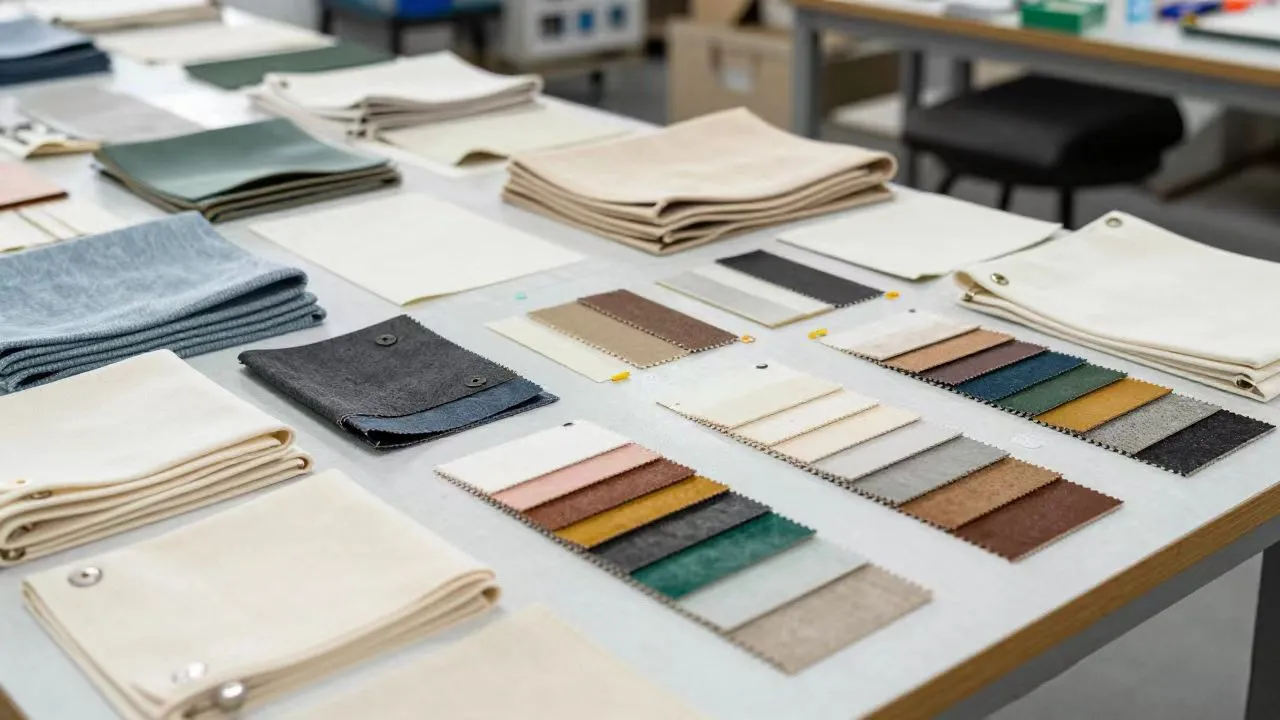
Bulk Bag Color Samples
Color samples showcasing bulk bags suitable for sea and air freight shipping

Sea Freight vs. Air Freight: Shipping Bulk Bags

In the global logistics landscape, the decision between sea freight and air freight for shipping bulk bags represents a critical strategic choice that directly impacts cost efficiency, delivery schedules, and overall business competitiveness. Bulk bag shipments, whether containing finished products or raw materials, require careful consideration of transportation modes to optimize both financial performance and customer satisfaction. Understanding the nuanced differences between these shipping methods enables businesses to make informed decisions that align with their operational requirements and market demands.

The shipping industry has evolved significantly with technological advancements and changing consumer expectations, making the selection of appropriate transportation methods more complex yet more crucial than ever. Sea freight offers substantial cost advantages for large-volume shipments, while air freight provides speed and reliability that can justify premium pricing. The choice between these options depends on multiple variables including shipment size, urgency, budget constraints, and destination requirements.

Bulk bag shipping presents unique challenges due to the volume and weight of consignments, requiring specialized handling equipment and optimized logistics strategies. Whether shipping handbags, tote bags, or other types of bulk containers, companies must evaluate the trade-offs between cost savings and delivery speed to determine the most suitable shipping method. The decision-making process involves analyzing various factors including cargo characteristics, shipping routes, customs requirements, and seasonal demand fluctuations.

Key Insight: The optimal shipping method for bulk bags depends on a combination of cost considerations, delivery timeframes, and cargo sensitivity, requiring a comprehensive analysis of business priorities and customer expectations.

Sea Freight: Cost-Effective Solution for Large Volumes

Sea freight emerges as the most economical option for shipping bulk bags, offering significant cost advantages for large-volume consignments. Container ships can accommodate thousands of units per voyage, making sea freight ideal for businesses with predictable demand patterns and flexible delivery schedules. The cost per unit decreases substantially as shipment volume increases, creating economies of scale that benefit high-volume exporters and importers.

The infrastructure supporting sea freight has become increasingly sophisticated, with modern container terminals equipped with automated systems that enhance efficiency and reduce handling damage. Major shipping lines offer regular sailings on established routes, providing reliable service schedules that enable businesses to plan inventory and production cycles effectively. The standardized container system ensures consistent handling procedures regardless of destination port.
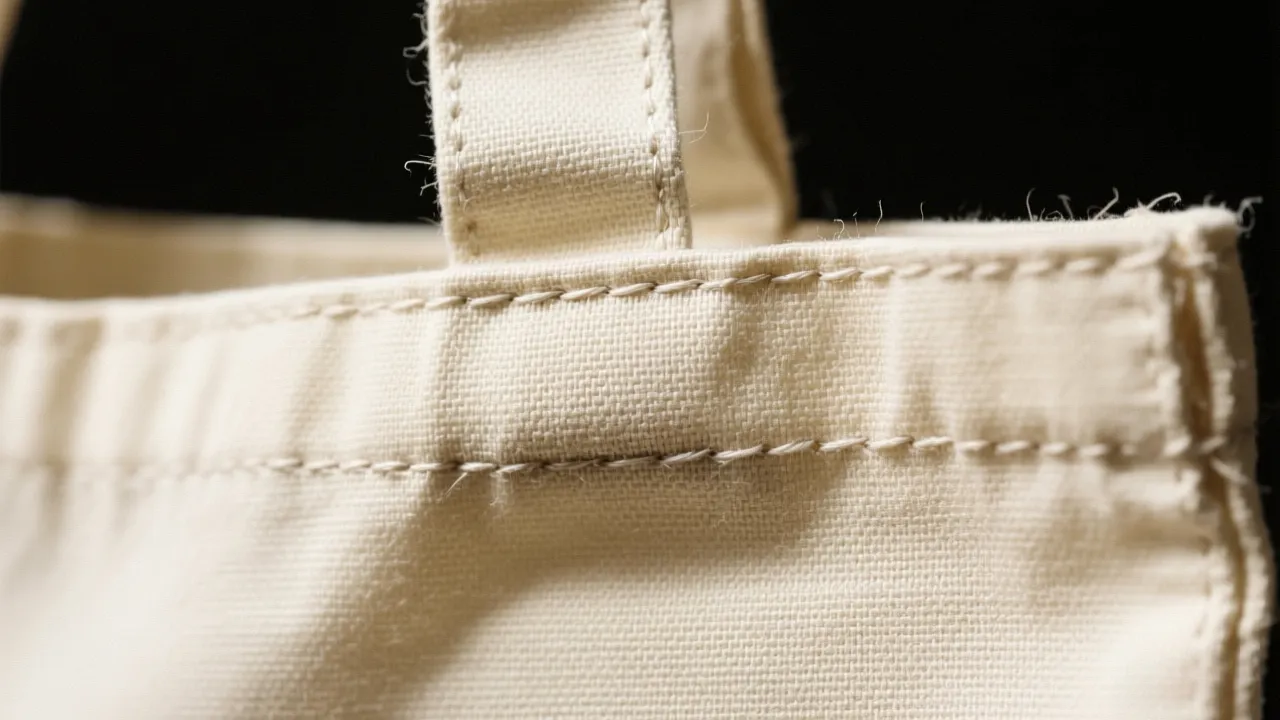
Bulk Bag Detail
Detailed view of bulk bag construction suitable for maritime transport

Sea freight excels in handling non-perishable goods and items with longer shelf lives, making it particularly suitable for manufactured products like handbags, tote bags, and other accessories. The extended transit times associated with sea shipping allow for comprehensive quality control measures and documentation preparation, reducing the risk of customs delays and ensuring compliance with international regulations.

Environmental considerations also favor sea freight, as ocean vessels produce lower carbon emissions per ton-mile compared to air cargo. This advantage becomes increasingly important as companies prioritize sustainability and respond to growing consumer demand for environmentally responsible shipping practices. The lower environmental impact of sea freight aligns with corporate sustainability goals while maintaining cost efficiency.

Advantages of Sea Freight:

  • Significant cost savings for large volumes
  • Lower environmental impact per unit
  • Higher capacity for bulk shipments
  • Reliable schedule on major routes
  • Less sensitive to fuel price fluctuations
  • Handles heavy and oversized cargo well

Disadvantages of Sea Freight:

  • Longer transit times
  • Weather-dependent delays
  • More complex documentation
  • Port congestion issues
  • Limited route flexibility
  • Higher inventory holding costs

Air Freight: Speed and Reliability for Urgent Shipments

Air freight represents the premium shipping option, offering unparalleled speed and reliability for time-sensitive bulk bag shipments. While significantly more expensive than sea freight, air cargo provides faster delivery times that can justify premium pricing for businesses operating in fast-moving markets or facing tight deadlines. The reduced transit time minimizes inventory carrying costs and enables just-in-time supply chain strategies.

Modern air cargo facilities feature advanced handling systems designed for efficient loading and unloading of various cargo types, including bulk bag shipments. Temperature-controlled environments protect sensitive materials during transport, while sophisticated tracking systems provide real-time visibility into shipment location and condition. These features make air freight particularly attractive for high-value products or items with strict delivery requirements.
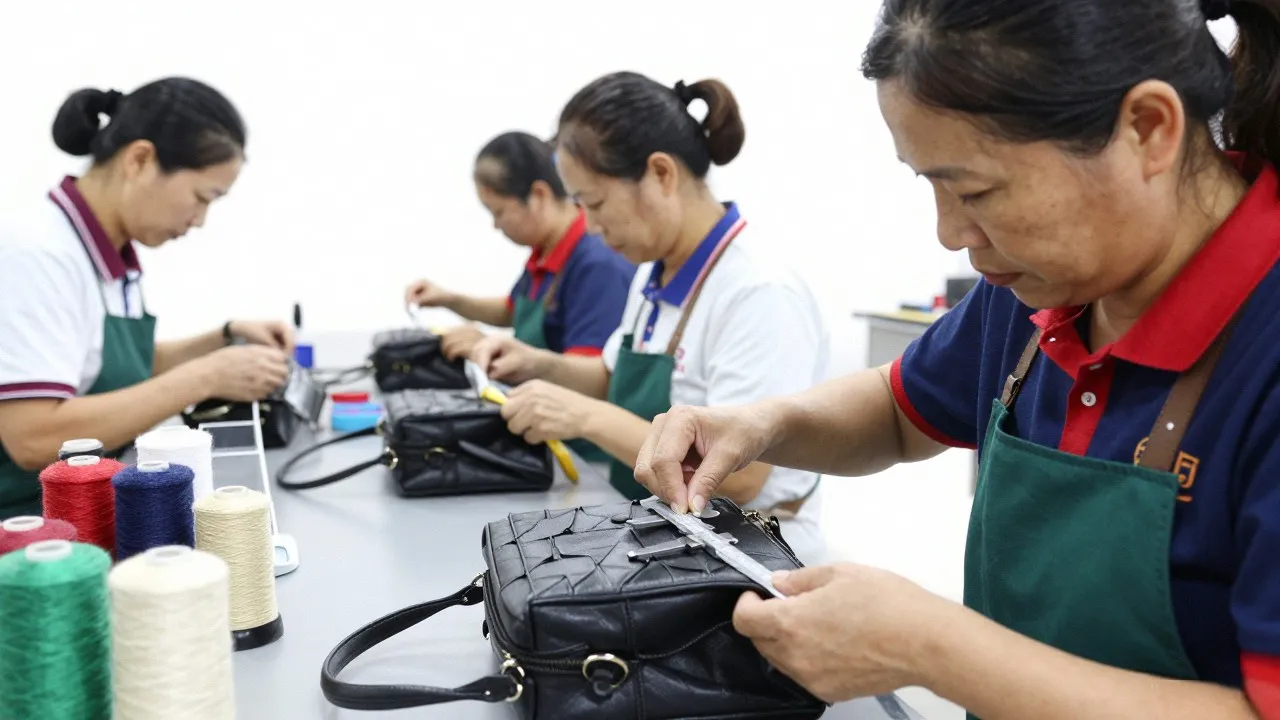
Quality Control Process
Quality control process ensuring bulk bags meet shipping standards

The speed advantage of air freight becomes crucial when shipping seasonal products, promotional items, or goods tied to specific events or sales periods. Fashion accessories, holiday merchandise, and trend-driven products often require the quick turnaround times that only air freight can provide. The ability to respond rapidly to market changes gives air freight users competitive advantages in dynamic business environments.

Air freight also offers superior security and reduced risk of theft or damage during transit. Cargo travels in sealed aircraft compartments with limited access points, and airport facilities maintain high-security standards. Insurance costs are typically lower for air freight due to reduced exposure time and enhanced security measures, partially offsetting higher transportation costs.

Shipping Method Transit Time Cost Factor Capacity Security Level Environmental Impact
Sea Freight 2-6 weeks Lowest Very High Moderate Low per ton-mile
Air Freight 1-3 days Highest Medium High High per ton-mile
Express Courier 1-2 days Very High Low Very High High per ton-mile
Rail Freight 1-2 weeks Medium High High Low per ton-mile

Cost Analysis: Sea vs. Air Freight for Bulk Bags

The cost differential between sea and air freight for bulk bag shipments can be substantial, with air freight typically costing 5-10 times more than sea freight per unit. However, this comparison must consider the total landed cost including inventory carrying charges, opportunity costs, and potential revenue impacts from delayed delivery. A comprehensive cost analysis reveals that the apparent cost advantage of sea freight may be offset by other factors in certain business scenarios.

Sea freight costs are primarily influenced by container rates, which vary based on shipping season, route popularity, and fuel surcharges. Full container load (FCL) shipments offer the best value for large volumes, while less than container load (LCL) options provide flexibility for smaller consignments. Additional costs include port handling fees, customs clearance, and inland transportation to and from ports.

Sea Freight Cost
$2,500
per container
Air Freight Cost
$12,000
per shipment
Transit Savings
$800
with sea freight

Air freight pricing is based on dimensional weight calculations and fluctuating fuel costs, making it more volatile than sea freight rates. Peak season surcharges and capacity constraints can significantly increase air freight costs during busy periods. However, the speed advantage may justify higher costs when factoring in reduced inventory carrying charges and improved cash flow.

For detailed cost optimization strategies, our shipping cost optimization guide provides comprehensive analysis techniques and practical recommendations.
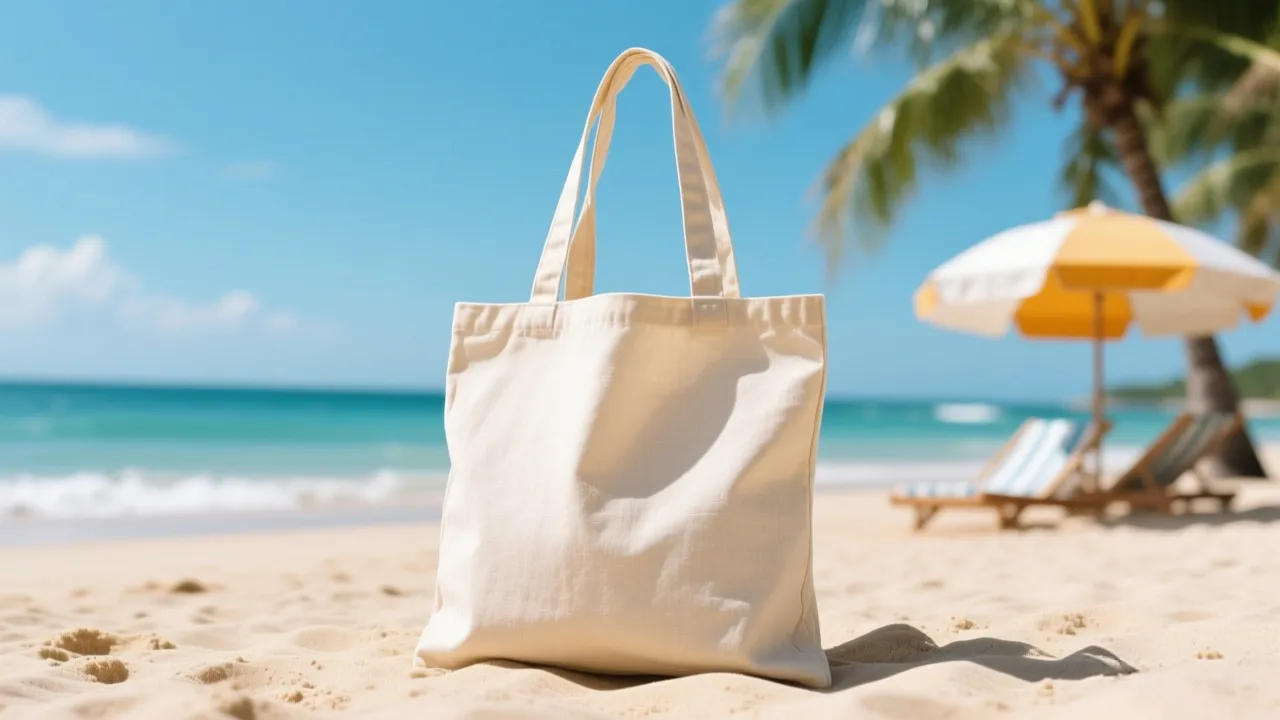
Beach Application Scenario
Bulk bags in various application scenarios demonstrating shipping versatility

Transit Time Comparison and Business Implications

Transit time differences between sea and air freight significantly impact business operations and customer satisfaction. Sea freight typically requires 2-6 weeks for international shipments, while air freight delivers within 1-3 days. These time differences affect inventory management strategies, cash flow cycles, and market responsiveness capabilities. Businesses must weigh the cost savings of slower shipping against the competitive advantages of rapid delivery.

The time factor becomes particularly critical when shipping seasonal products or items tied to specific market events. Fashion accessories, promotional materials, and holiday merchandise often require the speed of air freight to arrive in time for peak selling periods. Missing these windows can result in significant revenue losses that far exceed shipping cost differences.

Sea Freight
2-6 weeks
International
Air Freight
1-3 days
International
Peak Season
+3-5 days
for sea freight

Extended transit times with sea freight require larger safety stocks and more sophisticated inventory management systems. The additional inventory carrying costs must be calculated when comparing total landed costs. Conversely, air freight enables leaner inventory strategies and reduced warehouse space requirements, potentially offsetting higher shipping costs.

Handling and Logistics Considerations

Both sea and air freight require specialized handling procedures for bulk bag shipments, but the nature and complexity of these procedures differ significantly. Sea freight involves multiple handling points including origin and destination ports, container yards, and trucking connections. Each handling point represents a potential source of damage or delay, requiring robust packaging and protective measures.

Air freight handling occurs in controlled airport environments with fewer transfer points, reducing handling-related risks. However, the compact loading requirements of aircraft cargo holds may necessitate special packaging configurations or additional handling steps. Weight restrictions and dimensional limitations require careful planning to maximize utilization while maintaining product integrity.
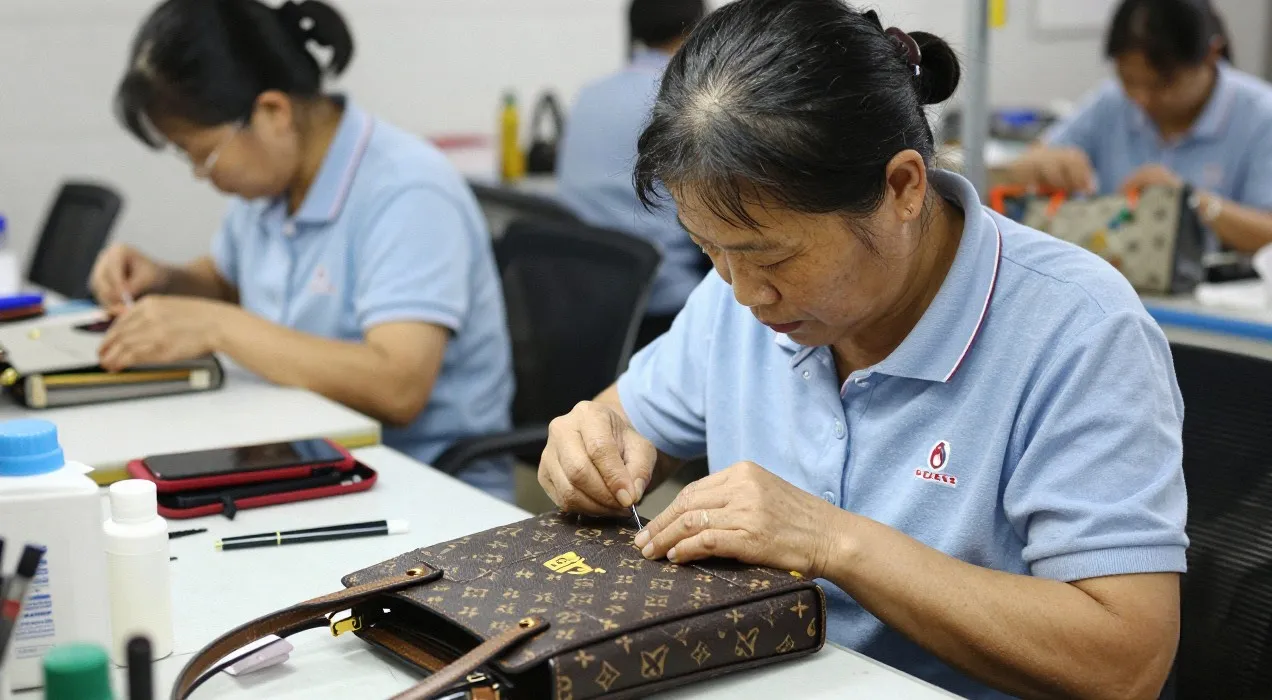
Manufacturing Process
Manufacturing process ensuring bulk bags meet shipping durability standards

Customs procedures and documentation requirements vary between shipping methods, with air freight often experiencing faster clearance due to priority processing at airports. Sea freight may encounter delays due to port congestion, especially during peak seasons or when shipping to busy ports. Understanding these differences helps businesses plan accordingly and minimize potential disruptions.

Environmental Impact and Sustainability Factors

The environmental implications of sea versus air freight present important considerations for businesses prioritizing sustainability. Sea freight generates significantly lower carbon emissions per ton-mile compared to air freight, making it the preferred option for environmentally conscious companies. Ocean vessels use fuel-efficient engines and operate on established routes that optimize fuel consumption.

Air freight, while faster, produces substantially higher emissions per unit shipped. However, the reduced inventory holding times and associated storage emissions may partially offset the transportation emissions difference. Some companies choose air freight for its ability to reduce overall supply chain emissions through leaner inventory management.

For comprehensive information about sustainable shipping options, our sustainability certifications guide provides detailed information about eco-friendly shipping practices.

Seasonal and Market Considerations

Seasonal demand patterns significantly influence the choice between sea and air freight for bulk bag shipments. Peak seasons such as back-to-school, holiday shopping, or fashion seasons may require the speed of air freight to meet market timing requirements. Off-season periods often favor sea freight due to lower urgency and capacity availability.

Market volatility and sudden demand changes may necessitate air freight’s flexibility despite higher costs. The ability to respond quickly to unexpected orders or market shifts can provide competitive advantages that justify premium shipping costs. Conversely, predictable demand patterns support sea freight’s cost advantages and scheduled service reliability.

Educational Application
Bulk bags in educational settings demonstrating versatile applications

Documentation and Regulatory Compliance

Shipping bulk bags internationally requires extensive documentation and regulatory compliance, with different requirements for sea and air freight. Sea freight documentation includes bills of lading, commercial invoices, packing lists, and certificates of origin. The complexity of sea freight documentation reflects the multiple parties involved in maritime transport.

Air freight requires air waybills, commercial invoices, and specific dangerous goods declarations if applicable. The streamlined documentation process for air freight often results in faster customs clearance and reduced administrative overhead. However, air freight has stricter regulations regarding hazardous materials and restricted items.

For detailed information about shipping regulations, our HS code guide provides comprehensive classification information for international shipping.

Insurance and Risk Management

Insurance coverage and risk management strategies differ between sea and air freight shipping methods. Sea freight faces risks including weather delays, port congestion, piracy in certain regions, and handling damage during multiple transfer points. The extended transit times increase exposure to these risks, requiring comprehensive insurance coverage.

Air freight risks include flight delays, cargo hold temperature variations, and limited recovery options if issues arise during flight. However, the shorter exposure time and controlled airport environments generally result in lower overall risk profiles. Insurance premiums typically reflect these risk differences, with air freight often commanding lower rates despite higher shipping costs.
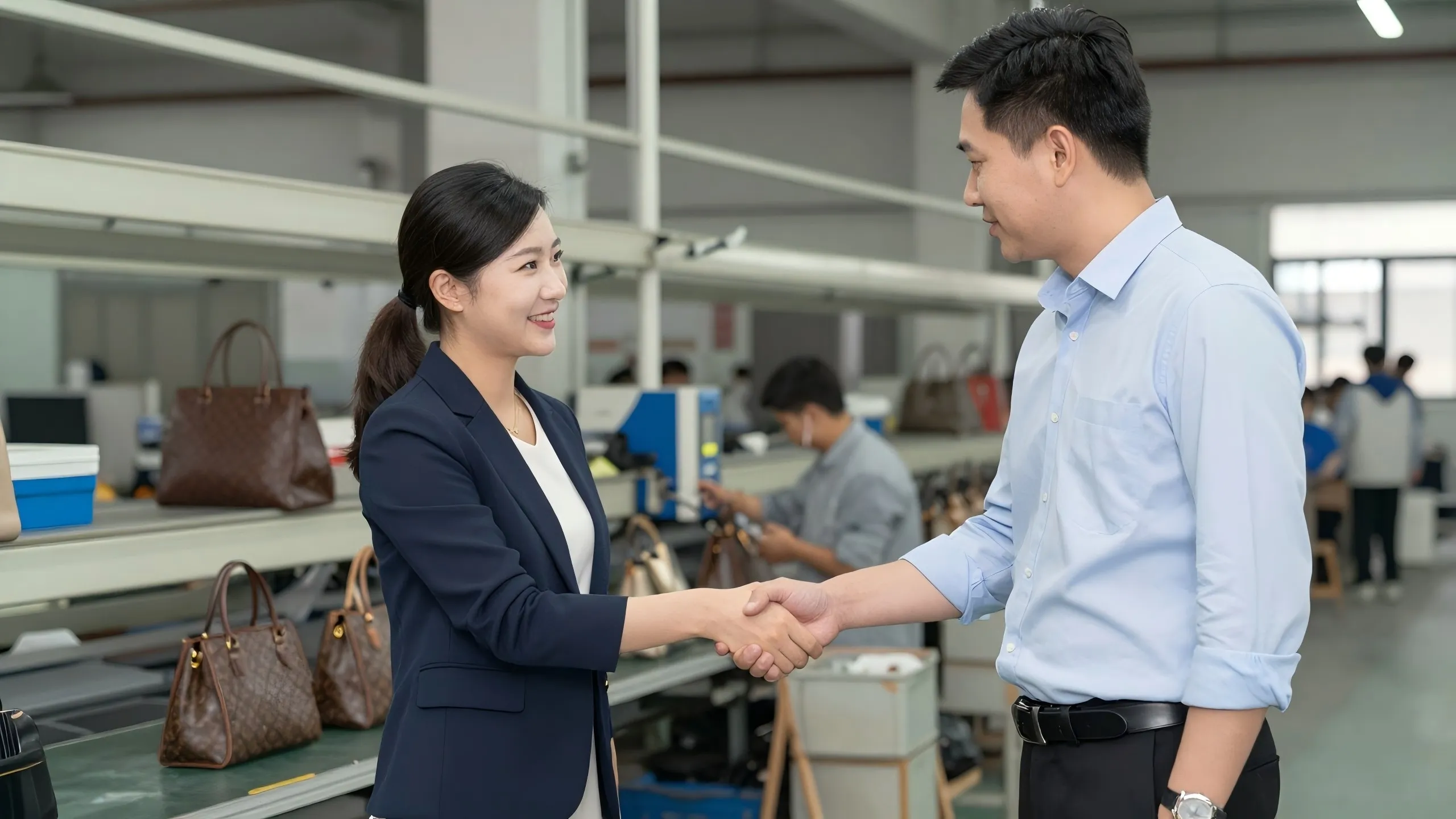
Business Partnership
Successful business partnership in shipping and logistics coordination

Technology Integration and Tracking Capabilities

Modern tracking technologies provide real-time visibility into shipment status, with varying capabilities depending on the shipping method chosen. Sea freight tracking systems offer periodic updates at key milestones such as port departures and arrivals, providing general location information but limited granular tracking.

Air freight tracking systems provide more frequent updates and precise location information, enabling better supply chain visibility and customer communication. The integration of GPS technology and digital platforms allows for predictive analytics and proactive issue resolution. These capabilities support just-in-time inventory management and responsive customer service.

Customer Expectations and Service Levels

Customer expectations regarding delivery times and service levels increasingly influence shipping method decisions. E-commerce growth has raised consumer expectations for faster delivery, making air freight more attractive despite higher costs. B2B customers may accept longer lead times in exchange for cost savings, while retail customers often prioritize speed over price.

Service level agreements with customers must account for shipping method capabilities and potential delays. Building realistic expectations based on chosen shipping methods helps maintain customer satisfaction and reduces complaints related to delivery timing. Communication strategies should clearly outline expected delivery windows based on shipping method selection.
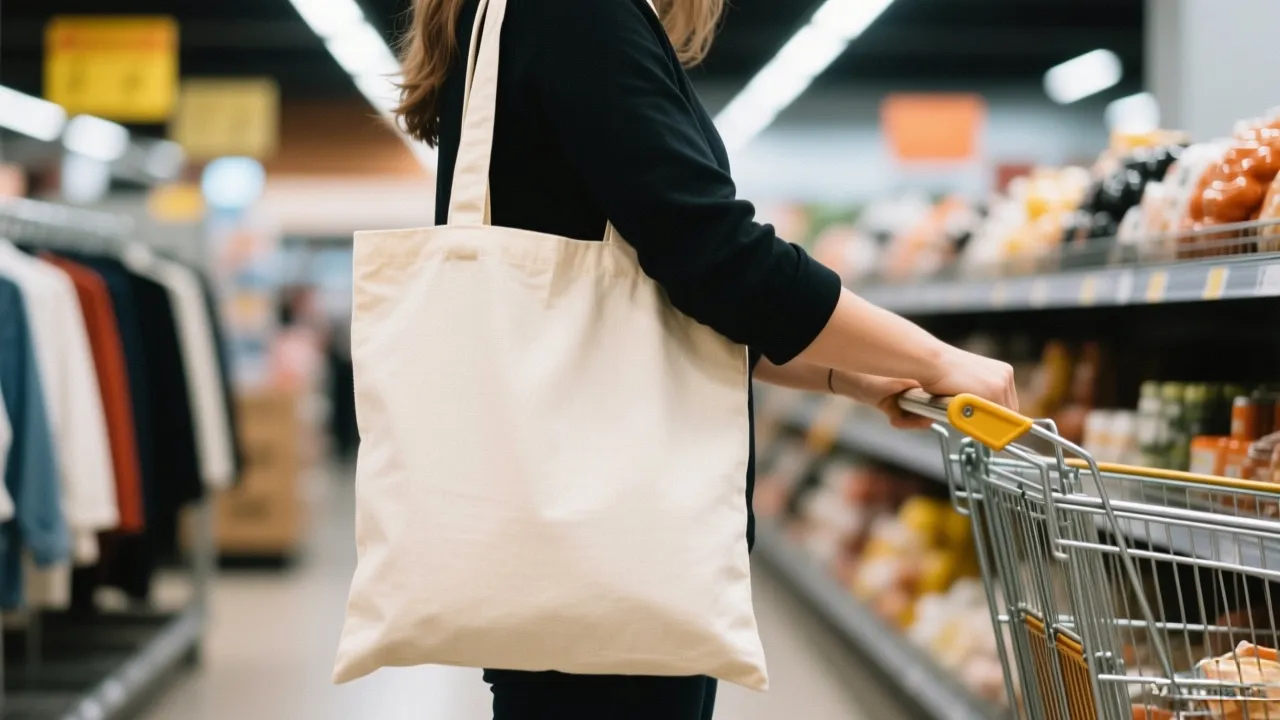
Retail Application
Retail environment showcasing products shipped via optimized methods

Supply Chain Optimization Strategies

Optimizing supply chains for bulk bag shipments often involves hybrid approaches that combine sea and air freight based on specific product requirements and market conditions. Strategic use of both methods maximizes efficiency while balancing cost and service level objectives. Seasonal products may ship via air freight during peak periods and sea freight during off-seasons.

Inventory management strategies should align with chosen shipping methods to optimize working capital and reduce stockouts. Sea freight’s longer lead times require larger safety stocks and more sophisticated forecasting systems. Air freight enables leaner inventory strategies but requires more responsive demand planning capabilities.

For information about supply chain optimization, our manufacturing cost guide includes shipping cost considerations in overall pricing strategies.

Future Trends in Bulk Bag Shipping

The shipping industry continues to evolve with technological advances and changing market demands. Digitalization of shipping processes, automated handling systems, and sustainable fuel alternatives are transforming both sea and air freight capabilities. These developments may alter the traditional cost and service trade-offs between shipping methods.

E-commerce growth continues to drive demand for faster shipping options, potentially increasing air freight usage despite higher costs. However, sustainability pressures may favor sea freight adoption for companies prioritizing environmental responsibility. The balance between these competing forces will shape future shipping method preferences.
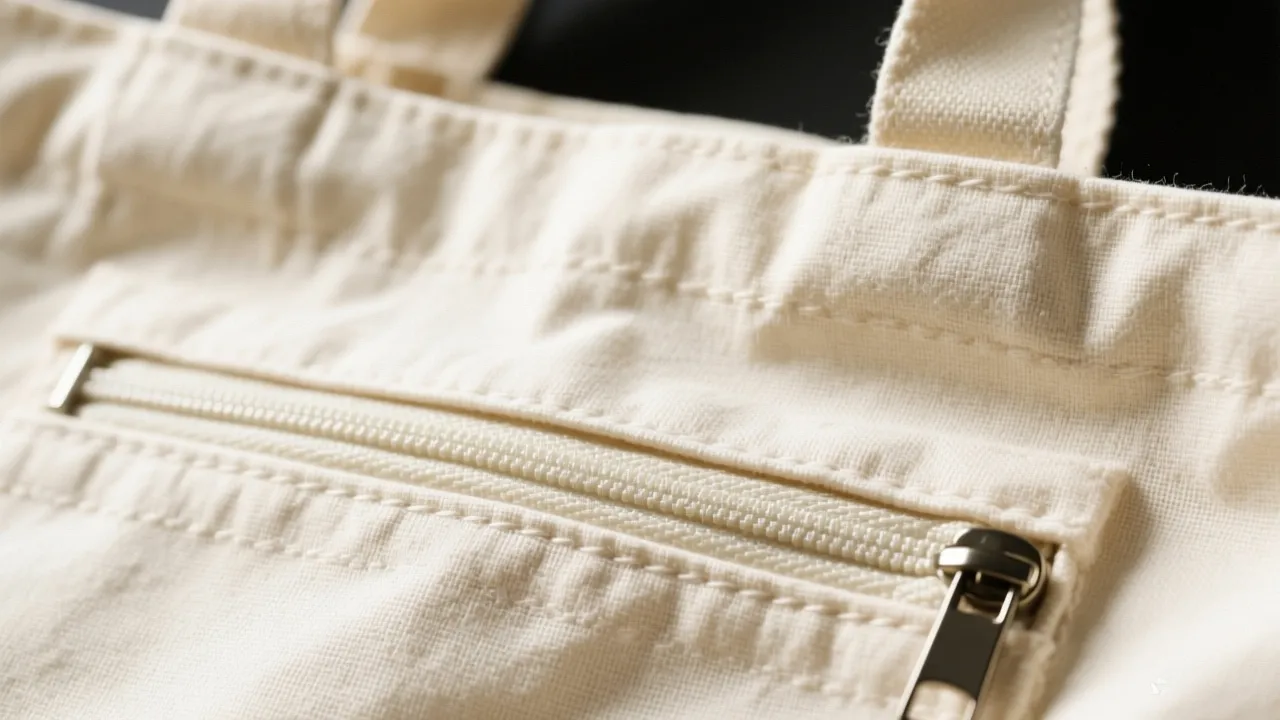
Quality Detail Work
Quality detail work ensuring bulk bags withstand shipping rigors

Decision-Making Framework for Shipping Method Selection

Selecting the optimal shipping method for bulk bags requires a systematic approach that considers multiple variables simultaneously. A weighted scoring model that evaluates cost, time, risk, and service requirements provides objective guidance for shipping method selection. The relative importance of each factor varies by business type and market conditions.

Regular review and adjustment of shipping strategies ensure continued alignment with business objectives and market conditions. Seasonal variations, market changes, and operational improvements may necessitate modifications to shipping method selections. Flexible approaches that adapt to changing circumstances provide competitive advantages.

Case Studies and Real-World Applications

Successful companies have implemented various strategies for optimizing bulk bag shipping based on their specific requirements. Fashion retailers often use air freight for seasonal collections and sea freight for basic items with longer sell-through periods. Industrial suppliers may rely on sea freight for standard products while using air freight for urgent replacement parts.

These examples demonstrate that shipping method selection should align with product lifecycle, market timing, and customer service requirements. The most successful approaches often combine both methods strategically rather than choosing one exclusively. Flexibility and responsiveness to changing market conditions prove essential for sustained success.
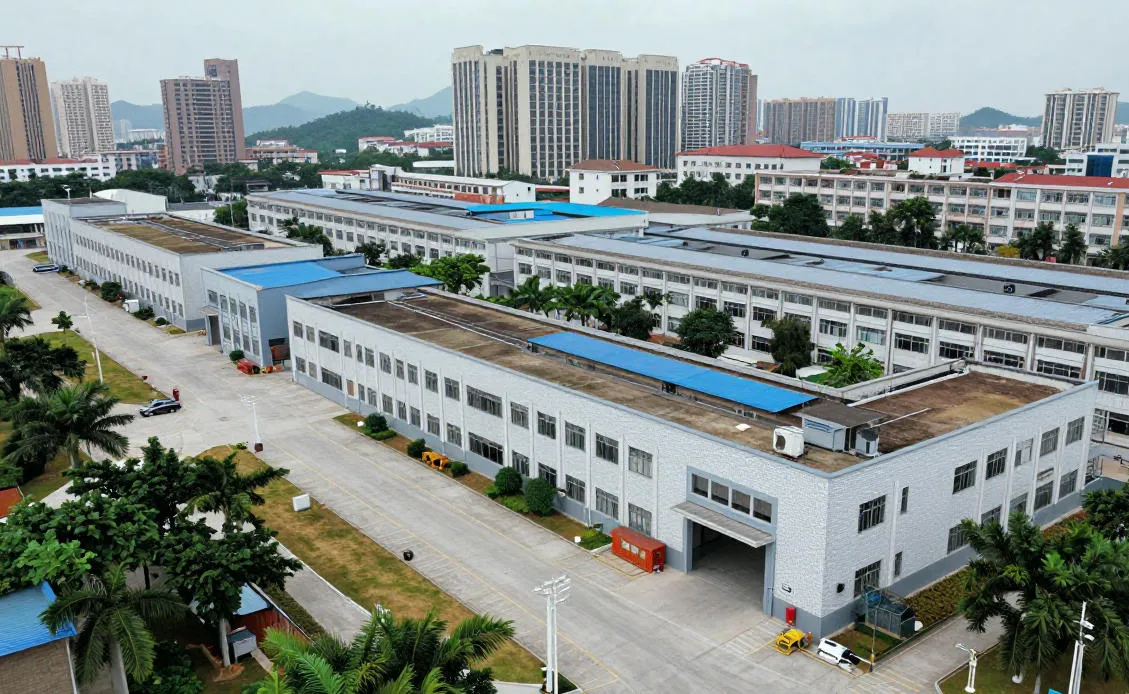
Manufacturing Facility
Modern manufacturing facility preparing bulk bags for optimized shipping

Conclusion and Strategic Recommendations

The choice between sea freight and air freight for shipping bulk bags depends on a complex interplay of cost, time, risk, and service requirements. Neither method is universally superior; instead, the optimal choice varies based on specific business circumstances, product characteristics, and market conditions. Successful companies often employ hybrid strategies that leverage the strengths of both methods.

Continuous monitoring and optimization of shipping strategies ensure continued alignment with business objectives and market changes. The investment in sophisticated shipping method selection processes pays dividends through improved cost efficiency, customer satisfaction, and competitive positioning. The future belongs to companies that master the art of shipping method optimization while maintaining flexibility to adapt to changing conditions.

Strategic shipping decisions require ongoing attention to market dynamics, cost trends, and customer expectations. Companies that develop expertise in shipping method selection gain sustainable competitive advantages that extend beyond immediate cost savings to encompass improved customer relationships and market positioning.

Strategic Recommendation

Implement a dynamic shipping strategy that combines sea and air freight based on real-time market conditions, seasonal demands, and customer requirements. Regularly review and adjust shipping methods to optimize cost-performance ratios and maintain competitive advantages.

Expert Shipping Consultation Services

Our logistics experts provide comprehensive shipping method analysis and optimization services tailored to your specific bulk bag shipping requirements. We help you navigate the complexities of sea and air freight to maximize cost efficiency and service excellence.

Visit Our Homepage | Contact Shipping Experts

Customer Reviews44 Reviews

Marina Soler2026-05-25
Tengo una boutique en Barcelona y estoy valorando importar lotes grandes de bolsos de piel desde China. En un envío LCL anterior llegaron algunas piezas con olor a humedad y cajas aplastadas, muy frustrante para la presentación en tienda. ¿Podrían indicar recomendaciones prácticas sobre FCL vs LCL para envío a Barcelona, uso de PE barrier liner en cada caja, desiccant packets y container desiccant bags, vacuum packing por unidad, instalación de humidity logger en contenedores, estimación DAP Barcelona puerta a puerta, trámites EORI/DUA y clasificación HS 4202, además de MOQ OEM (ej. 100–300) y opciones de packaging eco‑friendly reciclable para el mercado español? Busco soluciones que reduzcan devoluciones y agilicen despacho aduanero.
GZDreamway2026-05-25
Gracias Marina, gracias por detallar la situación — comprendemos la importancia de la presentación en tiendas españolas. Recomendamos un enfoque técnico y operativo en varias capas: 1) FCL vs LCL: para lotes premium preferimos FCL para evitar re‑manipulación; si usa LCL, exigir consolidator fiable, contenedores sellados y control de humedad. 2) Packaging y control de humedad: PE barrier liner dentro de cada caja + desiccant packets de alta capacidad en cada caja; añadir container desiccant bags colocados en puntos con mayor circulación de aire; ofrecer vacuum packing por unidad como upgrade para modelos sensibles. 3) Monitorización y pruebas: instalar humidity loggers en un contenedor test para documentar condiciones; datos sirven para control de calidad y reclamaciones. 4) Pre‑shipment QC y remediación: fotos, odor test y check de packaging; si detectamos olor o daños hacemos repack/reject antes del embarque y ofrecemos root‑cause analysis para lotes afectados. 5) DAP Barcelona y aduanas: podemos proporcionar cotización DAP puerta a puerta basada en volumen/peso; coordinamos con agentes locales para EORI/DUA y clasificación arancelaria (ej. HS 4202 aplicable según material) para reducir retenciones. 6) MOQ y lead times: OEM típico 100–300 unidades por diseño; producción 30–45 días después de aprobación de muestras; muestras por aire si necesita rapidez. 7) Packaging sostenible: cajas kraft recicladas, liners internos reciclables y desiccants de arcilla biodegradables como alternativa a sílica. Envíenos fotos del lote afectado o el número de BL y le prepararemos una propuesta DAP Barcelona detallada, un packing‑spec y un plan de prueba con humidity logger para evitar recurrencias. Estamos disponibles para implementar estas medidas y proteger la imagen de su boutique.
فاطمة البسام2026-05-24
أدير بوتيك صغير في أبوظبي وأفكر أستورد دفعات كبيرة من حقائب يد جلدية من الصين. عندي تجربة سيئة مع LCL حيث وصلت بعض الحقائب برائحة عفنة وصناديق مطموسة — هذا يأثر على مبيعاتنا في سوق الخليج الراقي. أحتاج نصائح عملية لـ shippment: when to choose FCL vs LCL لشحن إلى جبل علي، استخدام PE barrier liner وdesiccant packets وvacuum packing لكل حقيبة، container desiccant bags، humidity logger، تقدير DAP Dubai door-to-door، متطلبات الجمارك HS 4202 والتخليص في Jebel Ali، وOEM MOQ (مثلاً 100–300) وخيارات eco-friendly packaging مناسبة لسوق الخليج. أقدّر رد مهني يساعدني أحسّن جودة العرض ويقلل المرتجعات.
GZDreamway2026-05-24
شكراً فاطمة على التفاصيل المهمة. نفهم حساسية سوق الخليج وضرورة وصول البضائع جاهزة للعرض. نقترح نهج عملي متعدد الطبقات: 1) FCL vs LCL: نوصي بـFCL للدفعات الفاخرة لتقليل إعادة المناولة؛ استخدم LCL فقط مع consolidator موثوق، ختم الحاوية وhumidity logging. 2) تغليف ومقاومة الرطوبة: داخل كل كرتون PE barrier liner + high‑capacity silica gel أو desiccant clay biodegradable؛ خيار vacuum packing لكل حقيبة حساسة؛ إضافة container desiccant bags داخل الحاوية. 3) مراقبة وتوثيق: وضع humidity loggers داخل حاوية اختبارية لإثبات مستويات الرطوبة أثناء الرحلة. 4) QC قبل الشحن: فحص بصري وصوري + odor test؛ عند وجود رائحة أو تلف نقوم بإعادة التغليف أو hold‑for‑inspection. 5) DAP Dubai & تخليص: نقدم door‑to‑door تقدير مبني على الحجم/الوزن وننسق مع وكلاء تخليص في Jebel Ali لتسريع EORI/وثائق HS (مثلاً HS 4202 حسب المادة). 6) MOQ & Lead time: OEM MOQ نموذجي 100–300 قطعة/موديل، وقت التصنيع 30–45 يوماً بعد موافقة العينة، وعيّنات جوية متاحة. 7) حلول صديقة للبيئة: صناديق kraft مع بطانة قابلة لإعادة التدوير، liners من مواد معاد تدويرها عند الضرورة، وdesiccants طينية قابلة للتحلل. 8) معالجة الشكاوى: نعمل root‑cause analysis، نعرض re‑pack/reship جزئي أو تعويض/credit حسب الحالة. أرسلي صور العيوب أو رقم BL وسنزوّدك بتقدير DAP Dubai مفصّل وخطة تصحيحية واختبار نقل (مع humidity logger) خلال 48 ساعة.

Thank you Fatima for the detailed brief. We fully understand Gulf market sensitivity and the need for showroom‑ready arrivals. Our recommended multi‑layer approach: 1) FCL vs LCL: prefer FCL for premium lots; use LCL only with a trusted consolidator, sealed units and humidity logging. 2) Packaging & moisture control: PE barrier liners inside every carton + high‑capacity silica gel or biodegradable clay desiccants; offer vacuum packing per bag; add container desiccant bags. 3) Monitoring: install humidity loggers in a test container to document transit conditions. 4) Pre‑shipment QC: mandatory photo and odor checks; repack or hold shipments if issues detected. 5) DAP Dubai & customs: we provide door‑to‑door estimates by volume/weight and coordinate with Jebel Ali customs brokers for EORI/HS 4202 guidance. 6) MOQ & lead times: typical OEM MOQ 100–300 units per style; production 30–45 days after sample approval; air samples available. 7) Eco options: recycled kraft boxes, recycled liners, and clay‑based biodegradable desiccants. 8) Remediation: root‑cause analysis, repack/reship options or credits. Please send photos or the BL number and we will deliver a DAP Dubai quotation and corrective action plan (including a humidity‑logger transport test) within 48 hours.
نور الصالح2026-05-21
أنا مالكة بوتيك صغير في دبي وأفكر أستورد دفعات كبيرة من حقائب اليد الجلدية من الصين. عندي تجربة سابقة مع شحن LCL وصلت بعض القطع برائحة رطوبة خفيفة وعلب مطموسة—هذا أثر سلباً على عرض المتجر. أحتاج نصائح عملية حول FCL vs LCL للشحن البحري إلى جبل علي، استخدام PE barrier liner، desiccant packets، vacuum packing لكل حقيبة، container desiccant bags، humidity logger، تقدير تكلفة DAP Dubai door-to-door، HS 4202 وطلبات الوثائق الجمركية المحلية، وأيضاً MOQ للطباعة/OEM (مثلاً 100–300) وخيارات eco-friendly packaging مناسبة لسوق الخليج.
GZDreamway2026-05-23
شكراً لرسالتك يا نور. نفهم تماماً متطلبات سوق الخليج والاهتمام بتقديم حقائب أنيقة خالية من الروائح والرطوبة. لتقليل مخاطر LCL ونقاط الضعف عند الشحن إلى جبل علي نقترح نهجاً متعدد الطبقات: 1) FCL vs LCL: نوصي بـ FCL للدفعات الفاخرة لتقليل إعادة المناولة، واستخدام LCL فقط مع consolidator موثوق وختم مختوم + humidity logging. 2) حلول التغليف والرطوبة: داخل كل كرتون PE barrier liner + silica gel high-capacity أو desiccant clay biodegr., خيار vacuum packing لكل قطعة حساسة، وإضافة container desiccant bags داخل الحاوية. 3) مراقبة وتسجيل: تركيب humidity loggers / data loggers داخل حاوية اختبارية لإثبات المستوى أثناء الرحلة. 4) QC قبل الشحن: فحص بصري وصوري + اختبار الرائحة، وإجراء repack أو hold‑for‑inspection عند وجود أي شك، مع تقديم packing‑spec sheet مفصّل للعميل. 5) DAP Dubai: نقدم تقدير door‑to‑door مبني على الحجم والوزن (سنرسل comparison FCL vs LCL مع تكاليف الموانئ والرسوم الجمركية وخيارات التأمين). 6) وثائق وجمارك: نعمل مع وكلاء تخليص محليين في جبل علي لتسريع الإجراءات، ونقدّم إرشاداً عن الشهادات المطلوبة وتصنيف HS (مثلاً HS 4202 محتمل حسب المادة)، كما نعدّ مستندات كاملة لتقليل حوادث الاحتجاز. 7) MOQ & Lead time: عادة OEM MOQ بين 100–300 قطعة/موديل، وقت التصنيع 30–45 يوم بعد الموافقة على العينات، وعينات سريعة بالطيران متاحة. 8) حلول صديقة للبيئة: صناديق kraft مع بطانة داخلية قابلة لإعادة التدوير، liners PE مع مادة معاد تدويرها إن لزم، وdesiccants طينية قابلة للتحلل. 9) معالجة الشكاوى: في حالة وصول دفعات متأثرة نوفر root‑cause analysis، إعادة تغليف أو إعادة شحن جزئي، وتعويضات أو ائتمان حسب الحالة. إذا زودتنا بصورة للعيب أو رقم BL سنرسل خطة تصحيحية وتجربة نقل (with humidity logger) وتقدير DAP Dubai خلال 48 ساعة.

Thank you Noor. We fully understand Gulf market requirements and the need for showroom‑ready, odor‑free leather bags. To mitigate LCL risks and vulnerabilities on shipments to Jebel Ali we recommend a multi‑layered approach: 1) FCL vs LCL: prefer FCL for premium lots to avoid re‑handling; use LCL only with a trusted consolidator, sealed units and humidity logging. 2) Packaging & moisture controls: use PE barrier liners inside every carton + high‑capacity silica gel or biodegradable clay desiccants, offer vacuum‑packing per sensitive unit, and place container desiccant bags inside the container. 3) Monitoring & records: install humidity/data loggers in a test container to document conditions during transit. 4) Pre‑shipment QC: mandatory photo and odor tests, repack or hold‑for‑inspection if doubts arise, and supply a detailed packing‑spec sheet to buyers. 5) DAP Dubai: we provide door‑to‑door estimates based on volume/weight (we will deliver an FCL vs LCL cost comparison including port fees, duties and insurance options). 6) Customs & paperwork: we coordinate with local customs brokers in Jebel Ali to speed clearance, advise on required certificates and HS classification (e.g., HS 4202 may apply depending on materials), and prepare full documentation to reduce holds. 7) MOQ & lead times: typical OEM MOQ 100–300 units per style; production lead time 30–45 days after sample approval; expedited samples by air available. 8) Eco options: recycled kraft boxes, recyclable inner liners, recycled PE liners when necessary, and clay‑based biodegradable desiccants. 9) Complaint handling: for affected lots we perform root‑cause analysis, offer repacking or partial reship, and propose compensation or credit as appropriate. Please send photos of the fault or the BL number and we will provide a corrective action plan, a transport test (with humidity logger) and a DAP Dubai quotation within 48 hours.
Helene Krüger2026-05-21
Ich betreibe eine kleine Boutique in Hamburg und überlege, größere Mengen Premium‑Lederhandtaschen aus China zu importieren. Euer Artikel hilft schon, aber bei einem früheren LCL‑Shipment kamen einige Taschen mit leichtem Stockgeruch und eingedrückten Kartons an – das ärgert meine Schaufensterpräsentation sehr. Könnt ihr konkret erläutern: FCL vs LCL für Handtaschen nach Hamburg, Einsatz von PE‑Barriereliner, Desiccant‑Packs, Vacuum‑Verpackung, Container‑Desiccant‑Bags, Feuchtigkeits‑Logger, DAP Hamburg (door‑to‑door) Kostenabschätzung, HS 4202 Klassifizierung, EORI/VAT‑Hinweise und übliche OEM‑MOQ (z. B. 100–300) sowie eco‑friendly packaging‑Optionen speziell für den deutschen Markt?
GZDreamway2026-05-22
Vielen Dank für Ihre detaillierte Anfrage, Frau Krüger. Wir verstehen die Bedeutung von einwandfreier Präsentation in deutschen Boutiquen und empfehlen eine mehrschichtige, praxisorientierte Lösung: 1) FCL vs LCL: Für premium Lederwaren empfehlen wir grundsätzlich FCL, da so Umlagerungen und Quarantäne‑Risiken minimiert werden; LCL nur bei strikter, kontrollierter Konsolidation mit versiegeltem Consolidator. 2) Verpackung & Feuchteschutz: Innen in jedem Karton PE‑Barriereliner + Hochkapazitäts‑Desiccant‑Packs; für besonders empfindliche Modelle Vacuum‑Verpackung pro Stück; im Container zusätzliche Container‑Desiccant‑Bags und Feuchtigkeits‑Logger zur lückenlosen Dokumentation. 3) Pre‑Shipment QC & Repack: verpflichtende Foto‑ und Geruchsprüfungen; bei Auffälligkeiten Repack im Ursprungsland oder Hold‑for‑inspection. 4) Zoll/Compliance: HS 4202 ist oft passend für Handtaschen, aber Material‑ und Beschlagdetails können klassifizierungsrelevant sein — wir arbeiten eng mit Zollagenten für korrekte EORI‑/VAT‑Dokumente und DUA/ENS‑Voranmeldungen, um Retentionen zu reduzieren. 5) DAP Hamburg & Kosten: Door‑to‑door Angebote variieren nach Volumen/Gewicht; wir liefern gern ein FCL vs LCL Kosten‑Risiko‑Profil und eine DAP‑Kalkulation mit Transitzeiten für Hamburg. 6) MOQ & Leadtime: typische OEM‑MOQ 100–300 Stück/Modell; Produktionszeit nach Musterfreigabe ca. 30–45 Tage, Muster per Luftfracht möglich. 7) Nachhaltigkeit: eco‑friendly packaging Optionen wie Recycling‑Karton, recycelte PE‑Liner (wenn nötig) und biologisch abbaubare Ton‑Desiccants erfüllen deutsche RSE‑Ansprüche. 8) Praktische Lösungsangebote: wir können ein verbindliches packing‑spec sheet, Muster für einen Transporttest (inkl. Feuchtigkeits‑Logger) und ein Angebot für DAP Hamburg bereitstellen; bei reklamierten Chargen bieten wir Root‑Cause‑Analyse, Repack/Reship‑Optionen oder Kompensation. Bitte senden Sie Fotos der betroffenen Ware und, wenn vorhanden, das BL‑Nr. oder Consolidator‑Info, dann erstellen wir binnen 48 Stunden einen konkreten Korrekturplan und eine DAP‑Kalkulation.

Thank you for your detailed inquiry, Ms. Krüger. We fully understand how crucial showroom presentation is in German boutiques and recommend a multi‑layer, practical solution: 1) FCL vs LCL: prefer FCL for premium leather goods to avoid re‑handling and quarantine risks; use LCL only with strict controlled consolidation and sealed consolidators. 2) Packaging & moisture protection: PE barrier liners inside every carton + high‑capacity desiccant packs; vacuum packing per unit for sensitive models; add container desiccant bags and humidity loggers for full documentation. 3) Pre‑shipment QC & repack: mandatory photo and odor checks; repack at origin or hold for inspection if issues are found. 4) Customs & compliance: HS 4202 often applies but material/trim details can affect classification — we coordinate with customs brokers for correct EORI/VAT filings and DUA/ENS pre‑filings to reduce holds. 5) DAP Hamburg & costs: door‑to‑door quotes depend on volume/weight; we can provide an FCL vs LCL cost‑risk profile and DAP estimate with transit times for Hamburg. 6) MOQ & lead times: typical OEM MOQ 100–300 units per style; production lead time about 30–45 days after sample approval; samples can be air‑shipped. 7) Sustainability: eco‑friendly options include recycled cartons, recycled PE liners when necessary, and clay‑based biodegradable desiccants to meet German sustainability expectations. 8) Practical offers: we can prepare a packing‑spec sheet, a transport‑test sample with a humidity logger and a DAP Hamburg quotation; for affected lots we perform root‑cause analysis and propose repack/reship or compensation. Please send photos of the affected items and the BL or consolidator info if available — we will deliver a concrete corrective plan and a DAP quote within 48 hours.
小田 香織2026-05-21
京都で小さなセレクトショップを運営しています。春のギフト需要に向けて中国OEMで高品質レザートートの大量発注を検討中ですが、以前LCL混載で横浜到着時に箱が潰れて数点がかび臭くなり、接客で困りました。海上輸送の混載(LCL)対策やFCLを選ぶ目安、PEバリアライナー、デシカント、真空パッキング、コンテナデシカントバッグ、湿度ロガーなどの防湿手段、DAP東京のおおよその費用感、OEMのMOQやHSコード(例:4202)での通関上の注意点を教えてください。
GZDreamway2026-05-21
小田様、ご相談ありがとうございます。京都のセレクトショップ向けの高品質レザー輸入について、実務的で再現性のある対策を以下にまとめます。1) FCL vs LCL:高級レザーや見栄えを重視するロットは原則FCL推奨。LCLを使う場合は「管理されたコンソリデーション(シール、同一コンソリデーター、humidity logging)」を必須にしてください。2) 包装/防湿策:各カートンにPEバリアライナー+高吸湿デシカントを入れ、重要モデルは個別に真空パッキング。コンテナにはコンテナ用デシカントバッグ+湿度ロガー設置を推奨し、長期航海ならアクティブ除湿機の手配も検討。3) 出荷前QC:写真とにおいチェックを必須化し、異常時は再梱包(repack)またはサンプル差替で出荷。4) DAP東京の概算:費用は体積や重量、インコタームズによるため見積が必要ですが、比較資料としてFCLとLCLのdoor‑to‑door見積と通関時間想定(横浜/東京)を提示します。5) OEM MOQ & リードタイム:一般目安は100–300個/デザイン、量産リードタイムはサンプル承認後30–45日。急ぎ用サンプルは航空便発送対応可能。6) 通関・HSコード:HS4202はハンドバッグ類に該当することが多いですが、素材や付属で変動します。通関保険として通関業者と連携して適切な品目分類とインポーター登録を行い、必要書類(インボイス、パッキングリスト、原産地証明)を完全に揃えることでランダムチェックを減らします。7) 影響ロット発生時の対応:Root‑cause analysisを実施し、再梱包、部分再送、値引きやクレジットで顧客対応、さらに将来的なリスク低減のためのpacking specを改定します。小田様のような店舗向けには「梱包見栄え(展示用箱)+湿気管理」の両立が重要です。差し支えなければ、被害品の写真や該当BL番号をお送りください。こちらで原因解析を行い、具体的な修正案とカスタム見積(DAP東京含む)を48時間以内にご提示します。よろしくお願いいたします。

Dear Ms. Oda, thank you for your inquiry. For importing high‑quality leather totes for Kyoto boutiques, here are practical, actionable measures: 1) FCL vs LCL: prefer FCL for premium lots. If using LCL, require controlled consolidation (sealed bays, single consolidator, humidity logging). 2) Packaging/moisture protection: use PE barrier liners inside each carton + high‑capacity desiccants; vacuum‑pack key units. Fit container desiccant bags and humidity loggers; consider active dehumidifiers for long voyages. 3) Pre‑shipment QC: mandatory photo and odor checks; repack or hold shipments if issues are found. 4) DAP Tokyo estimate: costs depend on volume/weight and terms — we can provide door‑to‑door FCL vs LCL quotes with expected customs clearance times (Yokohama/Tokyo). 5) OEM MOQ & lead times: typically 100–300 units per style; production lead time 30–45 days after sample approval; samples can be air‑shipped. 6) Customs & HS code: HS 4202 commonly applies to handbags but classification can vary with materials and trims; work with a customs broker to ensure correct classification and documents (invoice, packing list, COO) to reduce random holds. 7) Affected‑lot handling: we perform root‑cause analysis and propose repack, partial reship, credit or compensation and update the packing spec to prevent recurrence. For showroom retailers like yours, balancing presentation quality and moisture control is key. Please send photos of affected items or the BL number — we will analyze and provide a corrective proposal and a DAP Tokyo quotation within 48 hours.
Océane Leroy2026-05-20
Je dirige une petite boutique à Lyon et j'envisage d'importer en gros des sacs à main en cuir depuis la Chine. J'ai eu un précédent envoi LCL vers Le Havre avec retard en douane, odeur légèrement de moisi sur quelques pièces et cartons un peu écrasés — mes clients ont refusé plusieurs retours, très frustrant. Pouvez‑vous détailler des recommandations pratiques pour le freight maritime consolidé vers Le Havre/Marseille, protection contre l'humidité pour sacs en cuir (liner PE barrière, sachets dessicants, emballage sous vide), quand préférer FCL vs LCL pour le marché français/Europe, estimation DAP Le Havre porte‑à‑porte, MOQ OEM pour sacs personnalisés et options d'emballage éco‑friendly ? Aussi, quelles démarches EORI/DUA et classification HS (ex. 4202) pour limiter les retenues en douane et comment procéder en cas de lot affecté (réclamation ou remédiation) ?
GZDreamway2026-05-20
Merci Océane — nous comprenons parfaitement l'impact d'une arrivée en mauvais état sur une boutique lyonnaise haut de gamme. Pour freight maritime consolidé vers Le Havre/Marseille et protection contre l'humidité pour sacs en cuir nous recommandons une approche technique et commerciale en plusieurs couches : 1) FCL vs LCL : privilégiez FCL pour lots sensibles (peau pleine fleur, finitions premium). Si LCL est nécessaire, exigez consolidation contrôlée (scellage des bays, humidity logging) et gestion par consolidateur dédié ; 2) Emballage anti‑humidité : PE barrier liner à l'intérieur de chaque carton + sachets dessicants à haute capacité (silica gel ou dessicants d'argile biodégradables) + option d'emballage sous vide par unité pour séries premium ; ajouter container desiccant bags et capteurs d'humidité en conteneur, voire déshumidificateurs actifs pour longues traversées ; 3) Pré‑expédition : QC photo + odor test, test d'étanchéité du liner et re‑pack/relabel si nécessaire ; 4) DAP Le Havre : coût estimatif dépend du volume et du poids volumétrique — nous fournissons des cotations porte‑à‑porte DAP Le Havre avec ventilation FCL vs LCL incluant temps moyen de dédouanement; 5) MOQ OEM et lead time : MOQ typique 100–300 unités par modèle, lead time production 30–45 jours après approbation d'échantillon, échantillons express par avion possibles ; 6) Emballage durable : boîtes kraft recyclé, forros internes recyclables, liners PE recyclé quand indispensable, sachets dessicants d'argile biodégradables — cela répond très bien aux attentes RSE des clients français ; 7) Douane et conformité : nous assistons sur EORI/DUA, documentation commerciale optimisée et classification HS (ex. HS 4202 pour handbags) pour réduire contrôles aléatoires ; 8) Si un lot est affecté : nous proposons root‑cause analysis, options de remédiation (repack sur site, reship partiel, geste commercial ou crédit) et couverture photo+odeur pour dossier réclamation. Nous pouvons préparer un packing spec sheet, un comparatif FCL vs LCL axé sur risk‑cost pour Le Havre/Marseille et une estimation DAP personnalisée. Envoyez‑nous photos du lot ou le numéro de BL et nous lancerons l'analyse et une proposition de correction rapide pour protéger votre présentation en boutique et réduire les retours clients.

Thank you Océane — we fully understand how arrival damage affects a high‑end Lyon boutique. For consolidated sea freight to Le Havre/Marseille and moisture protection for leather handbags we recommend a multi‑layer technical and commercial approach: 1) FCL vs LCL: prefer FCL for sensitive lots; if using LCL, require controlled consolidation with sealed bays and humidity logging; 2) Moisture protection: PE barrier liner inside each carton + high‑capacity desiccant packets (silica gel or biodegradable clay desiccants) + vacuum packing per unit as an upgrade; add container desiccant bags and humidity sensors, and active dehumidifiers for long voyages; 3) Pre‑shipment QC: photo and odor testing with repack/relabel if needed; 4) DAP Le Havre: door‑to‑door quotes depend on volume/weight — we provide detailed DAP Le Havre quotations including FCL vs LCL transit time and clearing estimates; 5) MOQ & lead times: typical OEM MOQ 100–300 units per style, production lead time 30–45 days after sample approval; 6) Sustainable packaging: recycled kraft boxes, recyclable inner liners, recycled PE liners when required, and clay‑based biodegradable desiccants — good for French RSE expectations; 7) Customs support: we assist with EORI/DUA, optimized paperwork and HS classification (e.g., HS 4202) to reduce random holds; 8) Remediation: we perform root‑cause analysis and offer repack, partial reship, compensation or credit depending on findings. Please send photos or the BL so we can start the analysis and propose a fast corrective plan to protect your showroom presentation and minimize customer returns.
Isabel Torres2026-05-19
Como propietaria de una boutique en Madrid, he intentado importar lotes grandes de bolsos de piel desde China y este artículo me ayudó, pero sigo preocupada: en un envío consolidado a Barcelona tuvimos retrasos en aduanas y un ligero olor a humedad en algunas piezas, además de cajas algo aplastadas — muy molesto para productos premium. ¿Podrían detallar recomendaciones prácticas para consolidated sea freight to Barcelona, protección contra humedad (PE barrier liner, desiccant packets, vacuum packing), cuándo elegir FCL vs LCL para el mercado español/UE, estimación DAP Barcelona y MOQ OEM para bolsos personalizados, junto con opciones de embalaje sostenible? Necesito también soluciones para minimizar riesgos aduaneros y tiempos de despacho.
GZDreamway2026-05-19
Gracias Isabel — entendemos la frustración por retrasos y daños leves en presentación. Para el mercado español (Puerto de Barcelona/Algeciras) recomendamos medidas técnicas y logísticas claras: 1) Preferir FCL para cargas sensibles a la humedad; si usa LCL, exigir consolidación controlada con monitorización de humedad y sellado de contenedor; 2) En cada caja aplicar PE barrier liner + desiccant packets de alta capacidad y ofrecer vacuum packing por unidad para lotes premium; 3) Añadir container desiccant bags y, para travesías largas, opción de active dehumidifiers; 4) Servicio de pre-shipment QC con foto y odor test, y re-pack/relabel si es necesario; 5) Ofrecemos DAP Barcelona door-to-door y asistencia con trámites EORI/DUA y clasificación arancelaria (ej. HS 4202 para handbags) para acelerar aduana; 6) MOQ típico para OEM de bolsos personalizados suele estar entre 100–300 unidades por modelo, lead time de producción 30–45 días tras aprobación de muestra; 7) Opciones eco-friendly: cajas kraft recicladas, forros interiores reciclables, liners PE reciclado cuando imprescindible y desecantes de arcilla biodegradables. Podemos preparar un packing spec sheet, simulación de transporte y un comparativo FCL vs LCL con riesgos y costes para DAP Barcelona. Si nos envía fotos del lote afectado o el nº de BL, haremos análisis de causa raíz y propondremos remediación o compensación rápida. Estamos a su disposición para diseñar un plan logístico que preserve la presentación premium y reduzca riesgos aduaneros.

Thank you Isabel — we understand your frustration with delays and minor presentation damage. For the Spanish market (Port of Barcelona/Algeciras) we recommend clear technical and logistics measures: 1) Prefer FCL for moisture-sensitive cargo; if using LCL, require controlled consolidation with humidity monitoring and sealed containers; 2) Use PE barrier liners inside each carton + high-capacity desiccant packets and offer vacuum packing per unit for premium lots; 3) Add container desiccant bags and provide active dehumidifiers for long voyages; 4) Pre-shipment QC with photo and odor testing, plus repacking/relabeling when needed; 5) We offer DAP Barcelona door-to-door and assistance with EORI/DUA paperwork and HS code classification (e.g., HS 4202) to speed customs clearance; 6) Typical OEM MOQ is 100–300 units per style, production lead time 30–45 days after sample approval; 7) Eco-friendly packaging options include recycled kraft boxes, recyclable inner liners, recycled PE liners if necessary, and clay-based biodegradable desiccants. We can prepare a detailed packing spec, transit simulation and an FCL vs LCL cost-risk comparison for DAP Barcelona. Please send photos or the BL of the affected lot so we can run a root-cause analysis and propose remediation or compensation. We’re ready to build a logistics plan that protects your showroom-ready presentation.
Federico Ruiz2026-05-19
Como comprador mayorista en Sevilla, estoy planificando traer un contenedor consolidado desde China para vender bolsos de cuero premium en tiendas físicas y e‑commerce. El artículo me ayudó, pero en un envío LCL anterior a Barcelona varias piezas llegaron con olor a humedad y cajas aplastadas, lo que perjudicó la presentación. ¿Podrían indicar medidas prácticas para consolidated sea freight a Barcelona/Valencia (embalaje anti‑humedad como PE barrier liner, desiccant packets, vacuum packing), pautas para elegir FCL vs LCL para wholesale handbags en el mercado español, estimación DAP Barcelona y MOQ OEM para bolsos personalizados? Además quiero opciones de embalaje sostenible y pasos concretos para reducir retenciones en aduana (EORI, DUA, HS 4202). Gracias.
GZDreamway2026-05-19
Gracias Federico — sentimos el inconveniente y apreciamos el detalle. Para el mercado español recomendamos una estrategia práctica y técnica: 1) Preferir FCL para bolsos de cuero sensibles; si usa LCL, exigir consolidación controlada con sellado de compartimentos y monitorización de humedad; 2) En cada caja aplicar PE barrier liner + desiccant packets de alta capacidad y ofrecer vacuum packing por unidad para lotes premium; 3) Añadir container desiccant bags y, en travesías largas, opción de active dehumidifiers y sensores de humedad en contenedor; 4) Pre‑shipment QC con foto y odor test, y re‑pack/relabel si es necesario; 5) Ofrecemos DAP Barcelona door‑to‑door, apoyo con EORI/DUA y clasificación arancelaria (ej. HS 4202) para acelerar aduana; 6) MOQ OEM típico para bolsos personalizados suele estar entre 100–300 unidades por modelo, lead time de producción 30–45 días tras aprobación de muestra; 7) Opciones de embalaje sostenible: cajas kraft recicladas, forros reciclables, liners reciclados cuando imprescindible y desecantes de arcilla biodegradables. Podemos preparar un packing spec sheet para transporte marítimo y un comparativo FCL vs LCL centrado en riesgos y costes para consolidated sea freight a Barcelona/Valencia. Si nos envía fotos del lote afectado o el nº de BL haremos un root‑cause analysis y proponemos remediación (repack, reship o compensación). Quedamos a disposición para diseñar un plan que preserve la presentación premium y minimice retenciones aduaneras.

Thank you Federico — we regret the issue and appreciate your details. For the Spanish market we recommend a practical, technical strategy: 1) Prefer FCL for moisture‑sensitive leather handbags; if using LCL, require controlled consolidation with sealed bays and humidity monitoring; 2) Use PE barrier liners inside each carton + high‑capacity desiccant packets and offer vacuum packing per unit for premium lots; 3) Add container desiccant bags and consider active dehumidifiers and humidity sensors for long voyages; 4) Pre‑shipment QC with photo and odor testing, with repacking/relabeling when needed; 5) We offer DAP Barcelona door‑to‑door and assistance with EORI/DUA paperwork and tariff classification (e.g., HS 4202) to speed customs clearance; 6) Typical OEM MOQ is 100–300 units per style, production lead time 30–45 days after sample approval; 7) Sustainable packaging options include recycled kraft boxes, recyclable inner liners, recycled PE liners when necessary, and clay‑based biodegradable desiccants. We can prepare a detailed packing spec for sea transport and an FCL vs LCL cost‑risk comparison tailored to consolidated sea freight to Barcelona/Valencia. Please send photos or the BL of the affected lot so we can run a root‑cause analysis and propose remediation (repack, reship or compensation). We are ready to build a logistics plan that protects your showroom presentation and reduces customs holds.
Marina Duarte2026-05-17
Como proprietária de uma loja em São Paulo, estou planejando importar lotes grandes de bolsas de couro da China para venda em atacado. O artigo foi útil, mas já tive problemas com frete marítimo consolidado: atrasos na liberação em Santos, algumas bolsas chegaram com odor levemente mofado e embalagens amassadas — isso prejudica venda premium. Preciso de orientações práticas sobre frete marítimo consolidado para Santos, proteção contra umidade para bolsas de couro (PE barrier liner, desiccant packets, vacuum packing), quando escolher FCL vs LCL para o mercado brasileiro, estimativa de DAP Santos e qual MOQ típico para OEM de bolsas personalizadas para revenda no Brasil. Também gostaria de opções de embalagem sustentável e dicas para minimizar custos e riscos aduaneiros. Obrigada!
GZDreamway2026-05-17
Obrigado, Marina — ótima pergunta e sentimos pelo transtorno anterior. Para o mercado brasileiro (porto de Santos) recomendamos medidas técnicas claras: 1) Evitar LCL em cargas sensíveis a umidade quando possível; preferir FCL ou consolidação controlada com monitoramento de humidade; 2) Em cada caixa usar PE barrier liner + silica gel/higrós de alta capacidade e, para lotes críticos, vacuum packing por peça; 3) No contêiner, adicionar container desiccant bags e, para viagens longas, oferecer active dehumidifiers; 4) Pré-envio com QC fotográfico, odor test e relabeling/repack se necessário — cobrimos reembalagem e análise de causa; 5) Oferecemos DAP Santos door-to-door e trabalhamos com despachantes experientes para reduzir atrasos alfandegários e orientar sobre NCM/tributação local; 6) MOQ para OEM customizado costuma ficar entre 100–300 peças por modelo, lead time de produção típico 30–45 dias após aprovação da amostra; 7) Opções de embalagem sustentável: caixas kraft recicladas, forros internos recicláveis, forros PE reciclados quando necessário e dessecantes de argila biodegradáveis como alternativa à sílica. Podemos preparar um packing spec detalhado, amostra de embalagem para teste de transporte e simulação de consolidação para Santos, além de cotação FCL vs LCL com comparativo de riscos e custos. Envie fotos do lote afetado ou número do BL que teve odor e faremos análise raiz e proposta de compensação ou remediação rápida. Estamos prontos para montar um plano logístico sob medida para proteger suas margens e a apresentação premium das bolsas.

Thank you, Marina — excellent question and we’re sorry to hear about your previous issues. For the Brazilian market (Port of Santos) we recommend clear technical measures: 1) Avoid LCL for moisture-sensitive shipments when possible; prefer FCL or strictly controlled consolidation with humidity monitoring; 2) Use PE barrier liners inside each carton plus high-capacity silica gel desiccants and offer vacuum-packing per unit for critical lots; 3) Add container desiccant bags and provide active dehumidifiers for long voyages; 4) Conduct pre-shipment QC with photo documentation, odor checks and re-labeling/repacking if needed — we handle repacking and root-cause analysis; 5) We offer DAP Santos door-to-door and work with experienced customs brokers to reduce clearance delays and advise on NCM/tax implications; 6) Typical MOQ for custom OEM handbags is 100–300 units per style, with production lead times around 30–45 days after sample approval; 7) Sustainable packaging options include recycled kraft boxes, recyclable inner liners, recycled PE liners where appropriate, and clay-based biodegradable desiccants as an alternative to silica. We can prepare a detailed packing spec, shipping-test sample, and an FCL vs LCL cost-risk comparison for Santos. Please send photos or the BL of the affected lot so we can run a root-cause analysis and propose remediation or compensation. We’re ready to design a logistics and packaging plan to protect your margins and ensure showroom-ready arrival.
مها الكندي2026-05-16
أنا صاحبة بوتيك في دبي وأفكر في استيراد دفعات كبيرة من الحقائب الجلدية من مصنع صيني، المقال مفيد لكن لدي تحفظ: شحنة سابقة وصلت برائحة عفنة خفيفة بعد شحن LCL. السوق الخليجية تطلب تعبئة فاخرة ومواعيد تسليم دقيقة. أحتاج معلومات عن الشحن البحري المجمع إلى جبل علي، حماية الرطوبة للحقائب الجلدية (PE barrier liner، desiccant، vacuum packing)، FCL vs LCL للشرق الأوسط، DAP Dubai، وMOQ لتصنيع حقائب مخصصة لدول الخليج.
GZDreamway2026-05-16
شكراً لتواصلك مها. نفهم تماماً خصوصية أسواق دبي وأبوظبي والرياض ومتطلبات العرض والتغليف الرفيع. للتعامل مع مشكلة الرائحة والرطوبة نقدم حلول عملية ومهنية: 1) وضع PE barrier liner داخل كل كرتون مع silica gel عالي الامتصاص ومضاد للعفن، 2) خيار vacuum packing للدفعات الحساسة، 3) استخدام container desiccant bags وactive dehumidifiers للرحلات الطويلة، 4) إمكانية ترقية إلى FCL أو إدارة تجميع صارمة عند خدمة الشحن البحري المجمع إلى جبل علي لتقليل مناولة الشحنة، 5) فحوصات QC قبل الشحن (صور، اختبار الرائحة) وإعادة تغليف أو تعويض للحالات المتضررة. نحن ندعم شروط DAP Dubai و door-to-door والتخليص في ميناء جبل علي ونتعاون مع وكلاء محليين لإسراع الإجراءات. بخصوص MOQ والمهل: عادةً MOQ لحقائب مخصصة لدول الخليج يبدأ من 100–300 قطعة، والعمر الإنتاجي للطلبات الكاملة غالباً 30–45 يوماً بعد الموافقة على العينة؛ الشحنات العينية نوصي بشحن جوي سريع. إذا أرسلتِ رقم الشحنة المتأثرة وصوراً، سنجري تحليل سبب ونقترح تعويض أو إعادة شحن أو حلول تصحيحية مفصلة، كما يمكننا إعداد packing spec وquotations مخصصة لأسواق الخليج. شكراً لثقتك وسنساندك خطوة بخطوة لضمان وصول بضاعتك بحالة عرضية ممتازة.
鈴木 真央2026-05-14
中国から日本へのハンドバッグ大量輸送に関する記事、参考になりました。私は東京で小規模セレクトショップを運営しており、特にカスタムレザーのトートバッグやショルダーバッグを中国でOEM生産して輸入することを検討しています。以前、LCLの混載海上輸送で到着が遅れ、横浜の通関で追加検査が入り、さらに一部のバッグに微かなカビ臭がついてしまった経験があり少し心配です。日本市場は納期と梱包の見栄えに厳しいので、混載貨物(コンソリデーション)、防湿梱包、真空パッケージング、PE内張り、防カビ処理などの具体的な対策や、日本向けの最小発注数量やリードタイムに関する情報が知りたいです。
GZDreamway2026-05-14
ご投稿ありがとうございます、鈴木様。東京のセレクトショップ向けのカスタムレザー製品に関するご懸念、よく理解しました。当社は日本向けの輸送で多くの実績があり、LCL混載貨物の湿気や通関遅延によるリスクを下げるために以下の対策を実施しています。1) 各カートンにPEバリアライナー+高吸湿シリカゲル+防カビ剤を併用し、真空パックオプションでさらに防湿効果を高めます。2) コンテナ詰め時にデシカントバッグ(コンテナ用)を併用し、FCLへのアップグレードやコンソリデーション管理で混載による再梱包リスクを低減します。3) 出荷前に写真付きのQC検査と香りチェックを行い、不具合品は再梱包または交換対応します。4) 日本側の通関実務に精通したフォワーダーと連携し、横浜・川崎・大阪での通関書類を最適化、商流に応じたD/PやB/L処理もサポート可能です。MOQやリードタイムは製品仕様によりますが、サンプルはエア便で迅速発送、本生産は海上でコスト最適化するハイブリッド輸送プランをご提案できます。もし過去にカビ臭が発生したロットがあれば、該当ロット情報をいただければ原因分析と補償含め具体案を提示します。ご希望であれば日本向けの梱包仕様書と見積もりを作成しますので、お気軽にご連絡ください。

Thank you for your comment, Ms. Suzuki. We fully understand your concerns regarding custom leather bags for Tokyo boutiques. We have extensive experience shipping to Japan and employ the following measures to reduce risks from moisture and customs delays in LCL consolidated shipments: 1) Use PE moisture-barrier liners inside each carton plus high-absorption silica gel and anti-mold agents; vacuum-packing is available as an upgrade. 2) Use container desiccant bags and offer FCL upgrades or strict consolidation management to minimize repacking risks. 3) Perform pre-shipment QC with photos and odor checks; defective items are repacked or replaced. 4) Coordinate with Japanese freight forwarders experienced at Yokohama/Kawasaki/Osaka to optimize customs paperwork and handle B/L processing. MOQ and lead times depend on specs, but we can fast-ship samples by air and optimize bulk by sea in a hybrid plan. If you provide the affected lot details, we will analyze the cause and propose compensation or remediation. We can prepare Japan-specific packaging specs and a quotation upon request.
Claudia Berger2026-05-13
Ich betreibe einen kleinen Handtaschen-Showroom in Berlin und ziehe gerade eine größere OEM-Bestellung aus China in Betracht. Der Artikel war hilfreich, aber ich habe schlechte Erfahrungen mit LCL-Konsolidierungen gehabt: Verzögerungen beim Zoll in Hamburg und leichte Feuchtigkeitsgerüche an einigen Lederteilen. Außerdem war die Verpackung nicht sehr präsentationsfähig, was für den deutschen Markt problematisch ist. Können Sie konkrete Lösungen nennen für sea freight consolidation to Hamburg, humidity protection for leather bags, sowie Angaben zu custom handbag OEM MOQ Europe, voraussichtlichen Produktions- und Lieferzeiten (inkl. DAP Hamburg) und Unterstützung bei EORI/VAT-Formalitäten? Ich hätte gern auch eine Option mit eco-friendly packaging, da Nachhaltigkeit in Deutschland ein großes Verkaufsargument ist. Vielen Dank!
GZDreamway2026-05-15
Vielen Dank für Ihren Beitrag, Frau Berger. Wir verstehen Ihre Sorgen sehr gut — insbesondere die Anforderungen des deutschen Marktes an Verpackungsoptik und nachhaltige Lösungen. Zur Minderung von Risiken bei sea freight consolidation to Hamburg bieten wir folgende Maßnahmen an: 1) Strenge Konsolidationskontrolle oder Upgrade auf FCL, um Umschlag und zusätzliche Rekommissionierung zu vermeiden; 2) PE-Barriereliner in jeder Kartonlage kombiniert mit leistungsfähigen Silica-Gelen und Container-Desiccant-Bags; auf Wunsch Vacuum-Pack-Optionen und aktive Container-Entfeuchter für Langstrecken; 3) Anti-Mould- und Anti-Odor-Behandlung vor Versand plus Feuchtigkeits-Sensoren bei sensiblen Lederchargen; 4) Pre-Shipment QC mit Foto- und Geruchstest sowie Verpackungs- und Präsentations-Checks, damit die Waren direkt für den Showroom bereit sind; 5) Unterstützung bei EORI/VAT-Registrierung, ENS/AMS-Voranmeldung und HS-Code-Empfehlung (z. B. HS 4202 für handbags) zur Vermeidung von Verzögerungen in Hamburg/Bremerhaven. Zu MOQ und Lead Times: Muster per Luftfracht 7–10 Tage, Serienproduktion typischerweise 30–50 Tage je nach Komplexität; MOQ für custom eco-leather totes oft ab 100–300 Stück, wir können aber flexible Staffelungen für europäische Boutiquen anbieten. Versandoptionen: DAP Hamburg oder DDP auf Anfrage; wir arbeiten mit EU-fähigen Spediteuren und können door-to-door Angebote samt Zollabwicklung vorlegen. Falls Sie möchten, senden wir Ihnen ein konkretes Angebot inklusive packing spec sheet für nachhaltige Verpackungen und eine Feuchtigkeits-Schutz-Option. Wir können auch reklamierte Chargen analysieren und Ersatz-/Kompensationsvorschläge machen, um Ihre Verkaufspräsenz zu sichern.

Thank you for your message, Ms. Berger. We fully understand your concerns—especially Germany’s expectations for presentation and sustainable packaging. To reduce risks when using sea freight consolidation to Hamburg, we offer: 1) strict consolidation control or an upgrade to FCL to avoid re-handling; 2) PE barrier liners in every carton combined with high-capacity silica gel and container desiccant bags; vacuum-packing and active container dehumidifiers are available for long voyages; 3) anti-mould and anti-odor treatment before shipment plus humidity sensors for sensitive leather lots; 4) pre-shipment QC with photo and odor checks plus packing/presentation inspections so goods are showroom-ready; 5) support with EORI/VAT registration, ENS/AMS pre-filing and HS code guidance (e.g., HS 4202 for handbags) to avoid customs delays at Hamburg/Bremerhaven. Regarding MOQ and lead times: samples by air 7–10 days, production typically 30–50 days depending on complexity; MOQ for custom eco-leather totes commonly starts at 100–300 units, and we can offer graduated quantities for European boutiques. Shipping terms: we can quote DAP Hamburg or DDP on request and provide door-to-door service with EU-capable forwarders. If you like, we will prepare a detailed quotation including a packing spec for eco-friendly packaging and humidity protection options. We can also investigate any affected lots and propose remediation or compensation to protect your retail presentation.
Andréa Soares2026-05-10
Como proprietária de uma boutique em São Paulo, estou avaliando a importação de bolsas em atacado da China para nossa próxima coleção de verão. O artigo explica bem as diferenças, mas minha maior preocupação é com o frete marítimo consolidado para o Brasil, que frequentemente sofre atrasos burocráticos e problemas com a alfândega. Em uma experiência anterior com outra fábrica, o custo de envio aéreo para acessórios de moda acabou sendo muito alto, o que prejudicou significativamente minha margem de lucro. Vocês possuem experiência real na logística de fábrica de bolsas personalizadas para o mercado sul-americano, especialmente lidando com a consolidação de carga para minimizar as taxas de importação e garantir que as peças cheguem sem danos causados pela umidade tropical durante o trajeto?
GZDreamway2026-05-10
Olá Andréa Soares, é um prazer atendê-la! Compreendemos perfeitamente os desafios únicos do mercado brasileiro, onde a gestão da importação de bolsas em atacado da China exige uma estratégia logística muito precisa para evitar custos extras e atrasos. Para mitigar os riscos no frete marítimo consolidado para o Brasil, trabalhamos com agentes de carga especializados que conhecem os trâmites do Porto de Santos e de Paranaguá, otimizando o desembaraço aduaneiro. Quanto à sua preocupação com a integridade dos produtos, nossa logística de fábrica de bolsas personalizadas inclui o uso de embalagens com barreira de umidade e dessecantes de alta absorção em cada caixa, protegendo o material contra o clima úmido. Além disso, podemos oferecer soluções de frete híbrido para equilibrar o custo de envio aéreo para acessórios de moda com a economia do transporte marítimo, garantindo que seu estoque chegue no tempo certo para o verão. Estamos à disposição para planejar sua remessa com total segurança!

Hello Andréa Soares, it's a pleasure to assist you! We fully understand the unique challenges of the Brazilian market, where managing wholesale handbag imports from China requires a very precise logistics strategy to avoid extra costs and delays. To mitigate risks in consolidated sea freight to Brazil, we work with specialized freight forwarders familiar with the procedures at the Port of Santos and Paranaguá, optimizing customs clearance. Regarding your concern about product integrity, our custom handbag factory logistics include the use of moisture barrier packaging and high-absorption desiccants in every box, protecting the material against the humid climate. Additionally, we can offer hybrid shipping solutions to balance the air shipping cost for fashion accessories with the economy of sea transport, ensuring your stock arrives in time for summer. We are available to plan your shipment with total security!
Lachlan Macarthur2026-05-07
As a boutique owner in Sydney, I'm currently weighing the pros and cons of sea freight vs air freight for our upcoming collection of custom-designed tote bags. Your article is quite informative, but I am slightly concerned about the potential for moisture damage during long-duration LCL sea freight for fashion accessories. Last time we imported from a different supplier, the bulk order shipping costs from China were low, but some bags arrived with a faint musty smell. Do you provide specific moisture-resistant solutions for bulk handbag shipments to Australia?
GZDreamway2026-05-10
Hello Lachlan, thank you for reaching out! We understand the unique challenges of the Australian market, where balancing competitive bulk order shipping costs from China with product integrity is crucial. To address your concern about moisture during LCL sea freight for fashion accessories, we utilize high-grade desiccant packets and heavy-duty PE inner liners for every carton. Furthermore, for our custom handbag manufacturing logistics, we offer vacuum-sealed packaging options upon request to ensure your goods arrive in pristine condition. Whether you choose door-to-door air cargo for handbag samples or sea freight for your main stock, our quality control team ensures rigorous standards. We'd love to discuss a tailored shipping plan for your Sydney boutique!
Shopping Cart
Leave a Message
×
Message submitted successfully.