
How Much Does Low MOQ Cost?
Understanding Pricing for Custom Bag Manufacturing
When you contact a bag manufacturer and ask, “How much does one bag cost?” you might be surprised to receive a vague answer—or no answer at all. This isn’t because factories are being unhelpful. It’s because the real cost of a bag is never fixed. The price depends on dozens of variables, from the type of fabric you choose to the complexity of the hardware, from your order quantity to your packaging preferences.
If you’re sourcing custom bags with a low MOQ (Minimum Order Quantity), understanding these cost drivers becomes even more critical. Unlike large-volume orders where economies of scale naturally drive down prices, low MOQ orders require careful cost analysis to ensure you’re getting genuine value—not just a higher per-unit price that eats into your margins.
In this guide, we’ll break down every factor that affects low MOQ pricing, explain why costs vary so significantly, and give you practical strategies to optimize your budget. Whether you’re a startup launching your first product line or an established brand testing new designs, this article will help you navigate the complexities of OEM bag pricing with confidence.
What Does Low MOQ Really Mean?
MOQ stands for Minimum Order Quantity—the smallest number of units a factory is willing to produce per order. For most bag manufacturers, standard MOQs range from 500 to 1,000 units. However, factories like Dreamway offer low MOQ options starting at 200 units for tote bags and 50 units for silk products, making it accessible for brands with smaller initial orders or limited storage capacity.
The key thing to understand is that MOQ directly impacts pricing. When you reduce the order quantity, the factory’s fixed costs—such as machine setup, tooling, and labor preparation—get distributed across fewer units. This is why low MOQ orders typically have a higher per-unit cost compared to high-volume orders.
To learn more about how low MOQ manufacturing works in practice, check out our detailed guide: How Low MOQ Manufacturing Works
The Biggest Factors That Affect Low MOQ Pricing
.webp)
Before diving into specific costs, let’s look at the major cost drivers that affect your per-unit price:
- Material — The fabric, leather, or silk that forms the foundation of your bag
- Construction — How the bag is assembled, including seams, stitching, and structural elements
- Hardware — Zippers, buckles, snaps, and metal accessories
- Labor — Skilled workers who cut, sew, and finish each piece
- Packaging — Individual packaging, hang tags, barcodes, and retail boxes
- Shipping — Logistics from factory to your warehouse, including freight and duties
Material Cost
Material is typically the largest single cost component in bag manufacturing, often accounting for 35-50% of the total product cost. The material you choose affects not only the price but also the bag’s quality, durability, and market positioning. Here’s a detailed breakdown of common materials used in custom bag manufacturing:
.webp)
Canvas
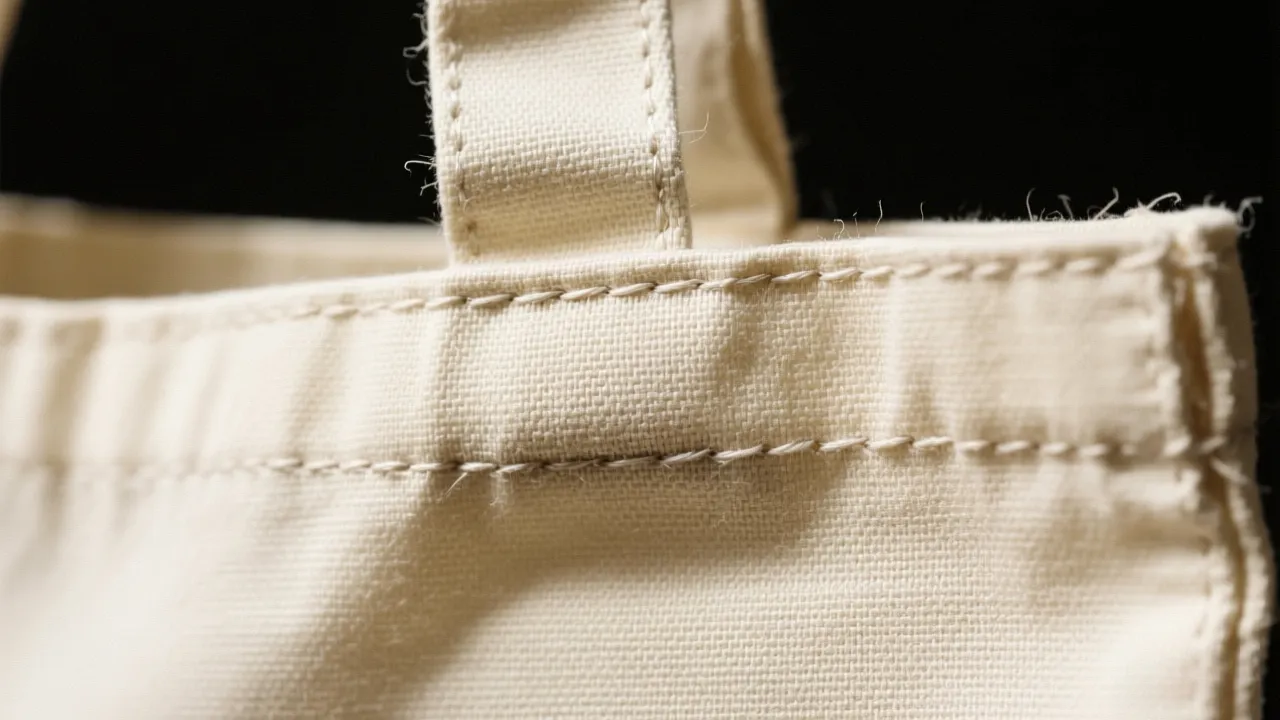
Canvas is one of the most popular choices for custom bags due to its durability and printability. Available in weights from 8oz to 24oz, canvas offers excellent value for applications like tote bags, shopping bags, and casual backpacks. Heavier canvas provides superior durability but increases material costs. For low MOQ orders, canvas is an excellent starting point because it offers good quality at a reasonable price.
Cotton
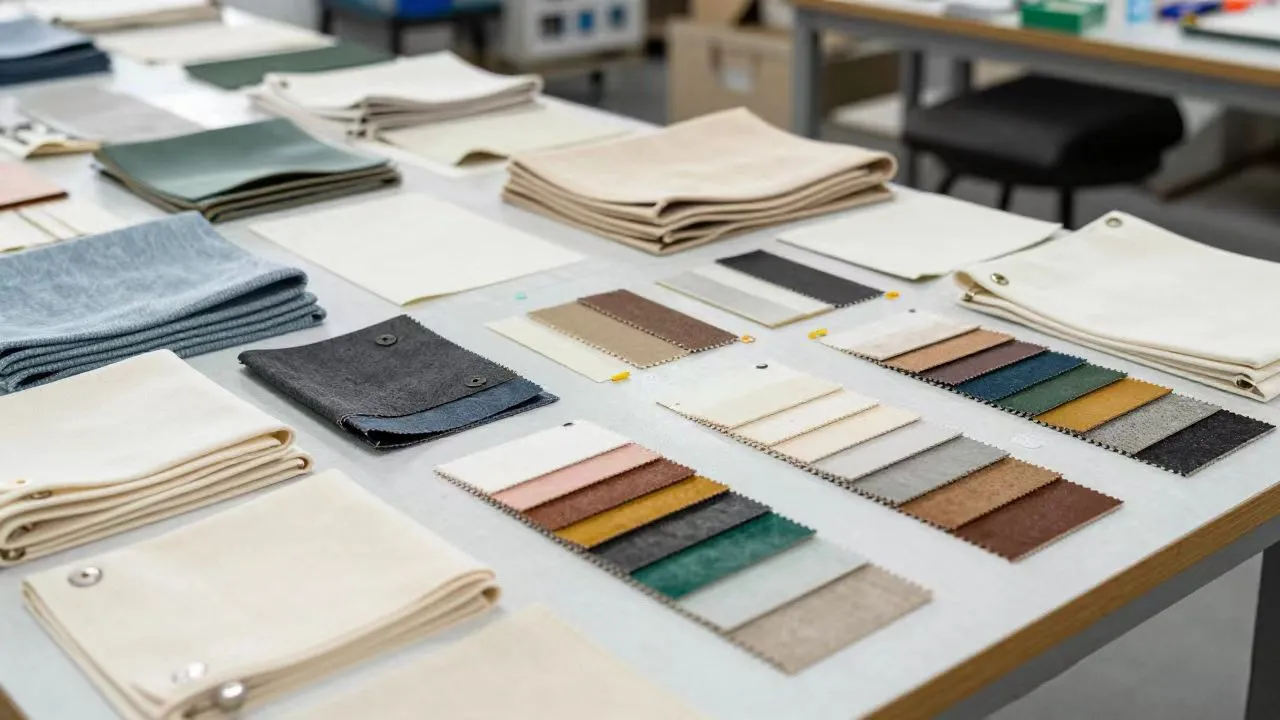
Cotton bags are lightweight, breathable, and environmentally friendly. Natural cotton is biodegradable and appeals to eco-conscious consumers. However, cotton typically costs more than synthetic alternatives and may require additional treatments for water resistance. It’s ideal for fashion-forward designs where aesthetics matter more than heavy-duty functionality.
Leather
Leather represents the premium end of bag materials. Genuine leather significantly increases costs due to the material itself and the specialized labor required for cutting and stitching. For low MOQ orders, leather is the most expensive option, but it commands the highest retail prices and offers excellent brand positioning. Consider faux leather or PU alternatives if budget is a constraint while still achieving a leather-like appearance.
.webp)
RPET (Recycled PET)
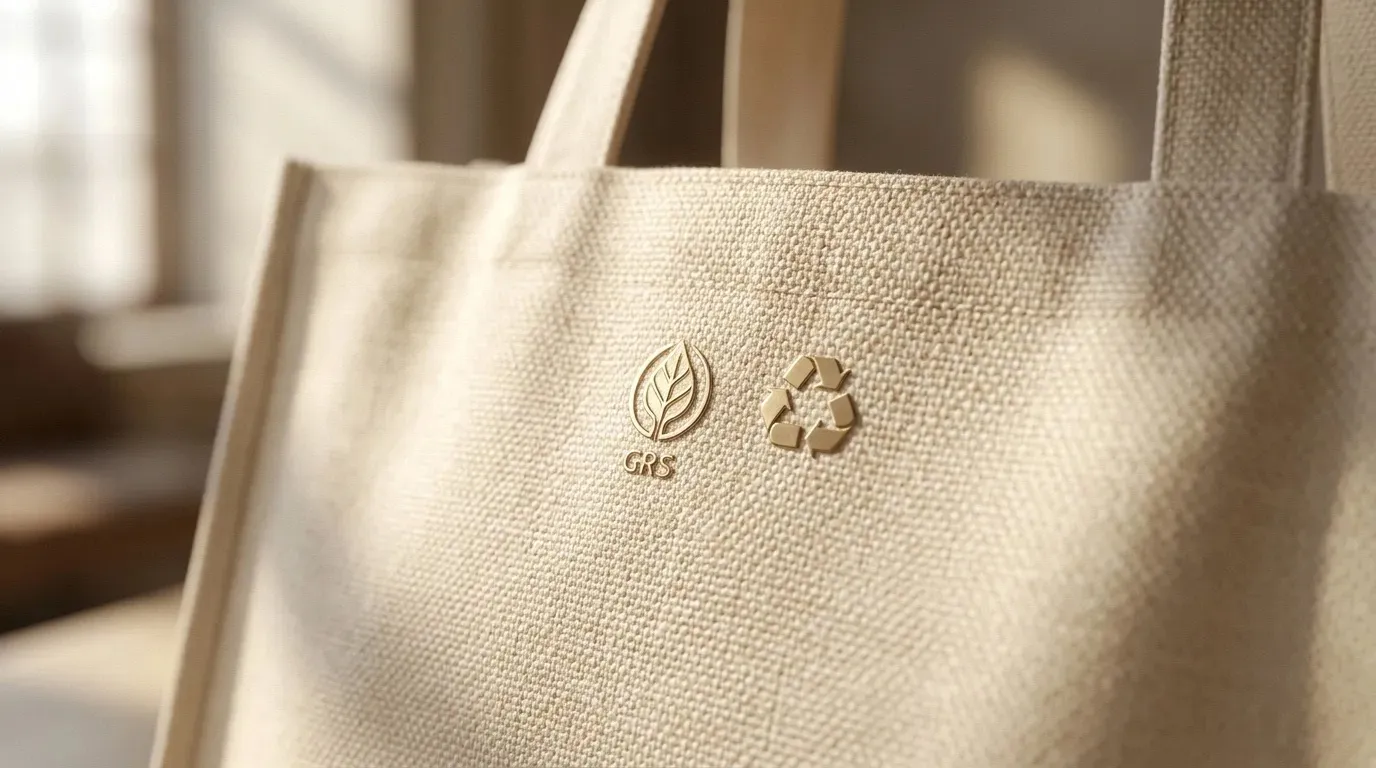
RPET fabric is made from recycled plastic bottles and appeals to environmentally conscious brands and consumers. While the material cost is comparable to standard polyester, RPET often commands a premium market positioning that can justify higher retail prices. Many European markets specifically seek RPET products due to sustainability regulations and consumer preferences.
Silk
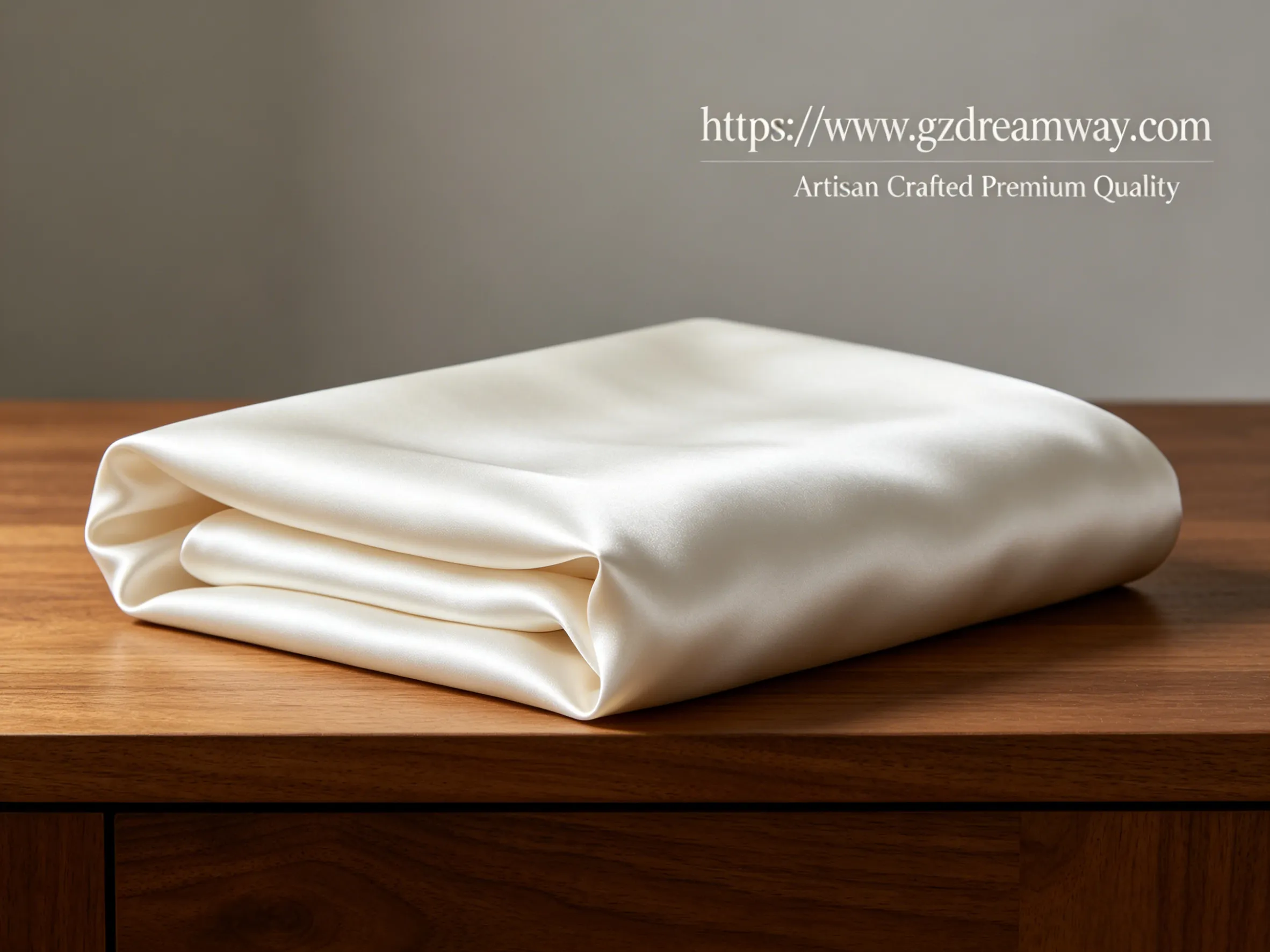
Silk is the most luxurious material option, typically used for premium accessories like silk pillowcases, eye masks, and scrunchies. Mulberry silk at 19-22 momme weights offers exceptional softness and luster. While silk costs significantly more than other materials, it commands the highest retail prices and is associated with luxury, anti-aging benefits, and premium self-care experiences.
Lining
Lining is often overlooked but plays a crucial role in bag quality and cost. Standard polyester lining is cost-effective, while premium options like satin, cotton twill, or microfiber add both cost and perceived value. For luxury bags, the lining is visible when the bag is opened, making it an important brand touchpoint.
Hardware Cost
Hardware includes all the metal and plastic components that make a bag functional: zippers, buckles, magnetic snaps, D-rings, rivets, and logo plates. Hardware typically accounts for 8-15% of total bag cost, but for heavily accessorized bags, this can rise to 25% or more.
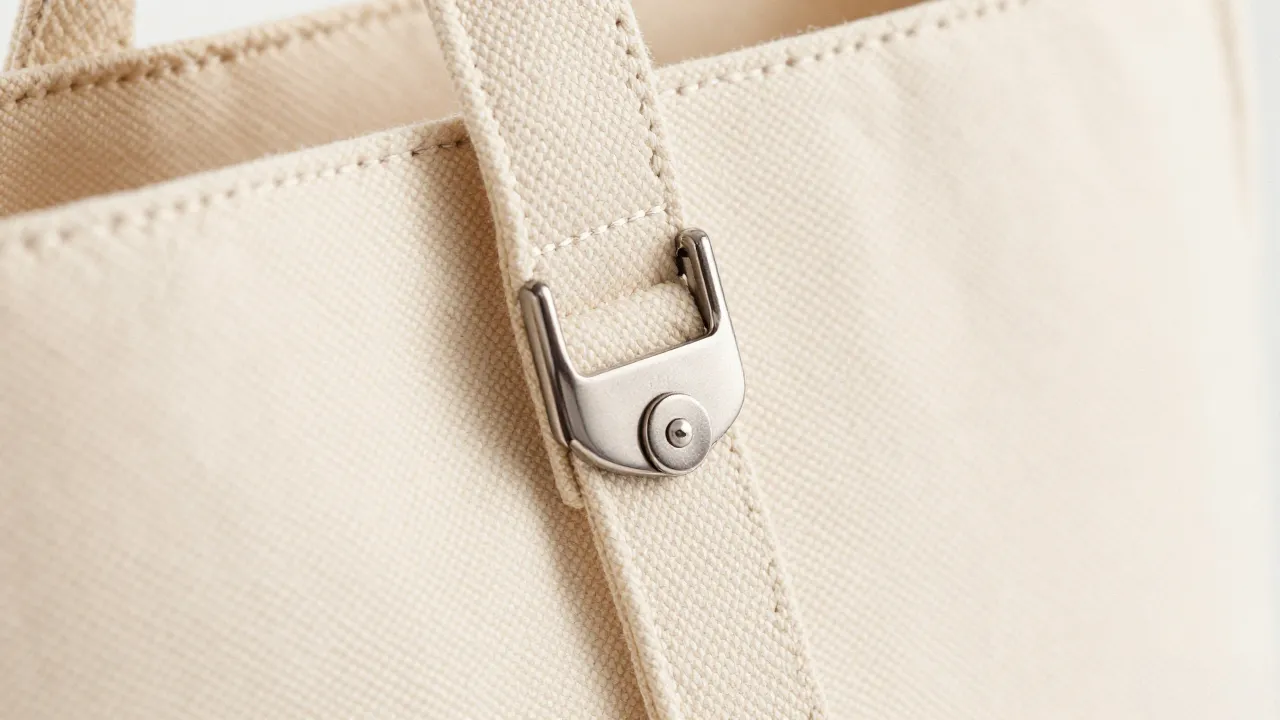
Key hardware considerations:
- Zippers — YKK, SBS, or OEM zippers; waterproof options cost more
- Buckles — Side-release, ladder lock, or cam buckle styles
- Magnetic Snaps — Hidden closure options for clean aesthetics
- Logo Plates — Custom engraved metal plates for branding
- Metal Accessories — D-rings, rivets, sliders, and decorative hardware
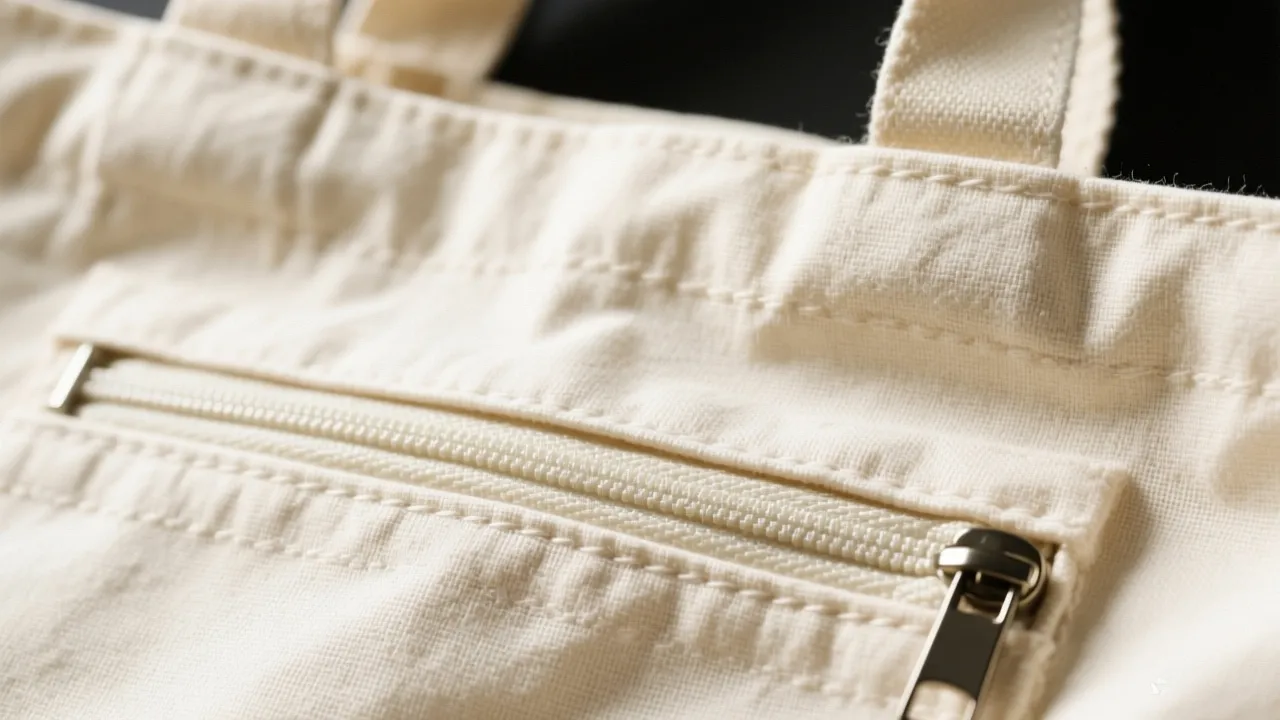
For low MOQ orders, standardizing hardware across your product line can significantly reduce costs. Custom hardware molds require upfront investment but become economical at higher quantities.
Labor Cost
Labor cost varies significantly based on the complexity of construction. A simple tote bag might require 15-20 minutes of labor per unit, while a technical backpack with multiple compartments, padding, and adjustable straps could require 2-3 hours of skilled work.
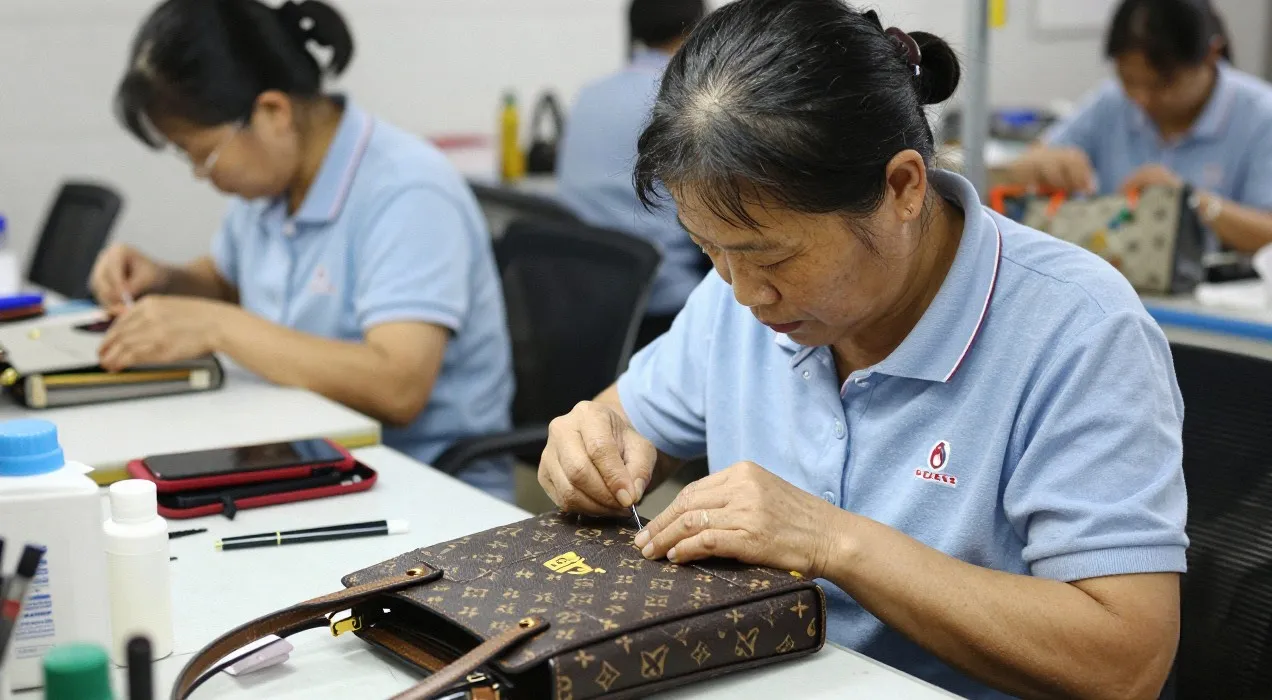
Complexity factors that increase labor costs:
- Number of compartments and pockets
- Type of closures (zipper vs. magnetic snap vs. drawstring)
- Structural elements (reinforced bottoms, padding, stiffeners)
- Specialized processes (embroidery, appliqué, leather trim)
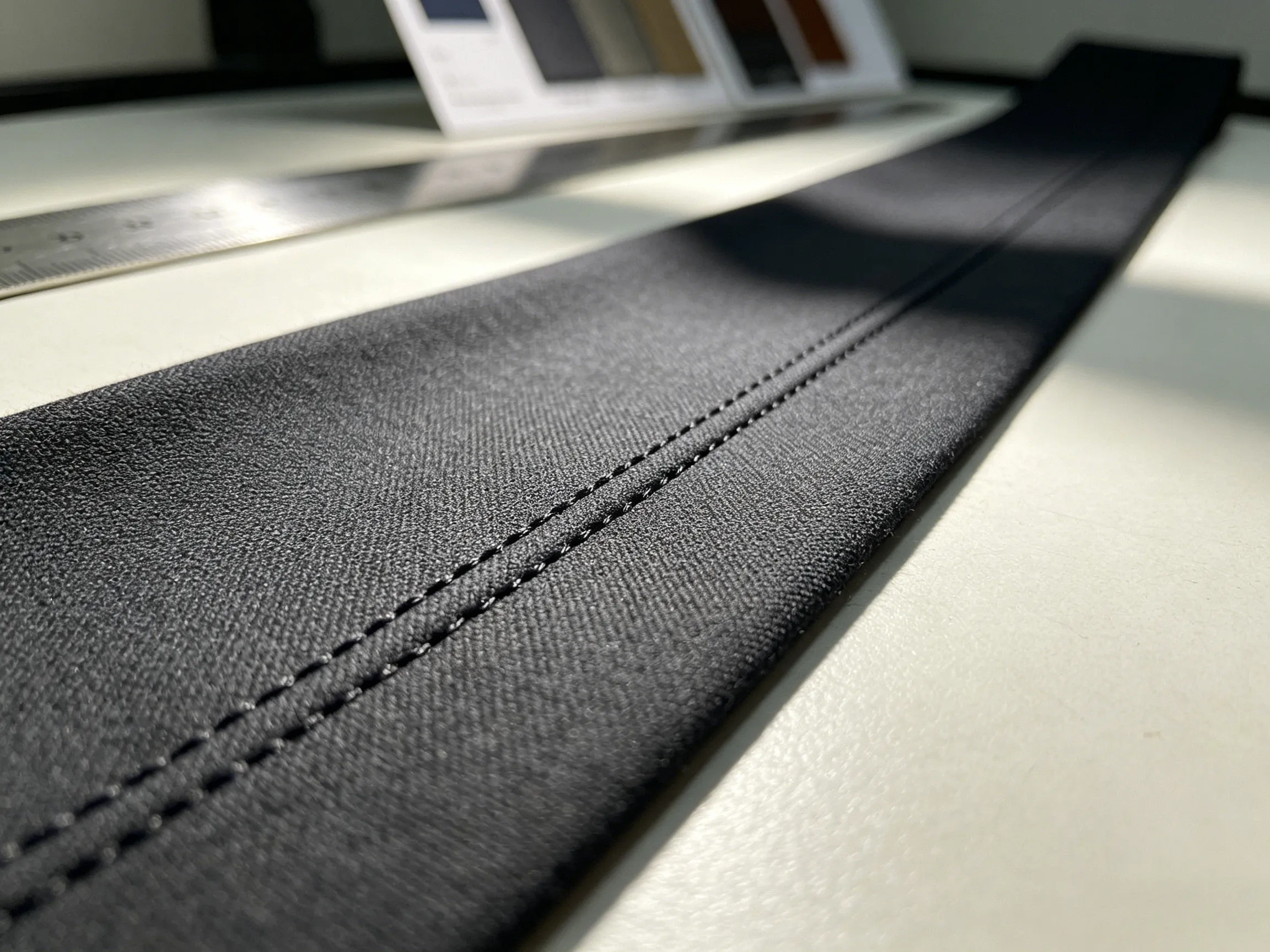
- Quality of stitching (single vs. double needle, reinforcement points)
For example, a backpack typically costs 2-3 times more in labor than a basic tote bag due to its structural complexity. When budgeting for low MOQ orders, factor in the labor intensity of your design.
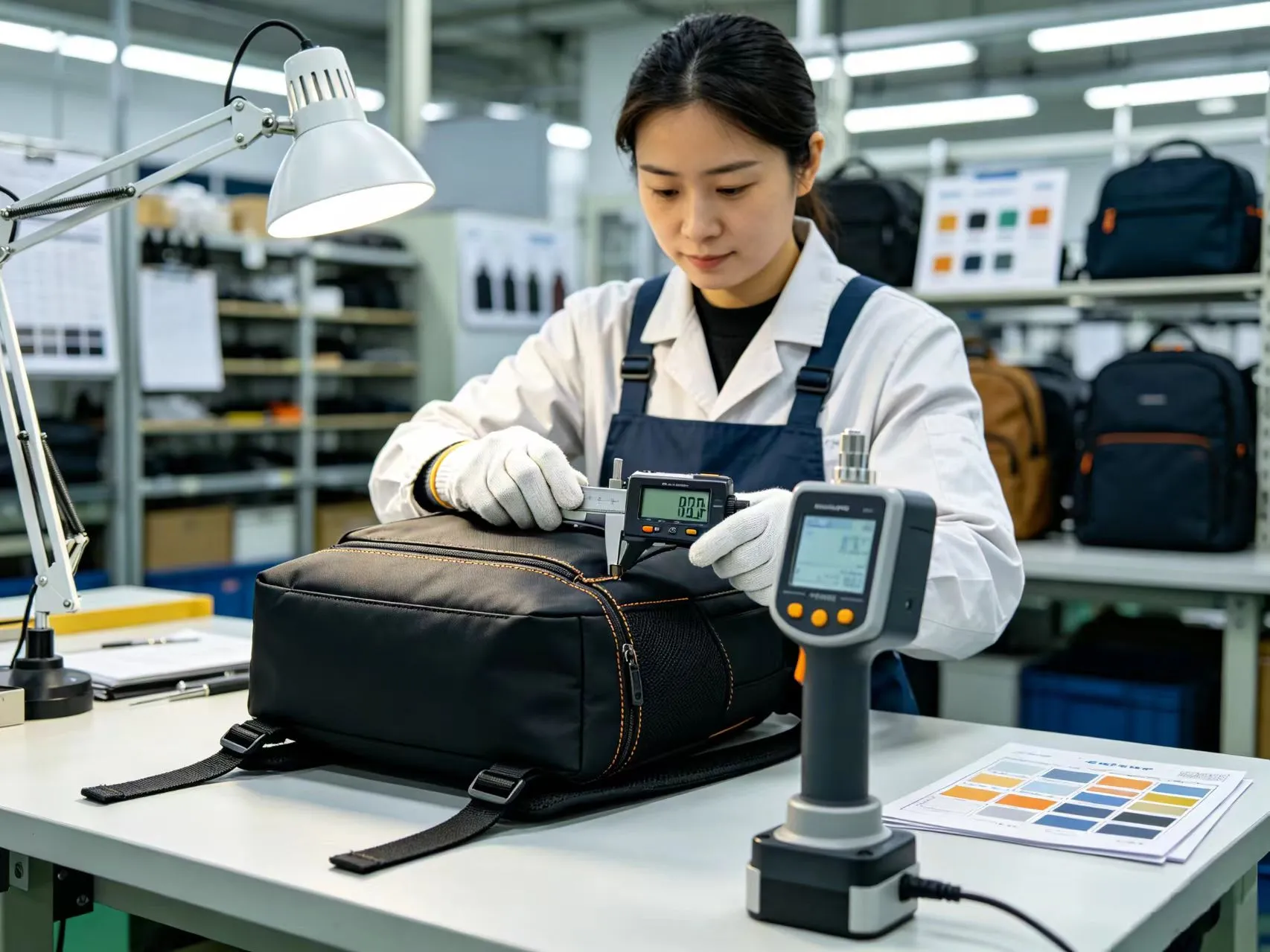
Sample Development Cost
Many buyers focus solely on bulk pricing without understanding why sample costs are often disproportionately high. The truth is that sample development and bulk production are entirely different processes.
.webp)
Sample costs include:
- Pattern making and grading
- Material sourcing for small quantities (no bulk discounts)
- Labor for single-unit production (no efficiency from repetition)
- Tech pack preparation
- Shipping for sample materials
A sample that costs $50-100 in materials might require $200-500 in labor because the pattern maker and sewers must create everything from scratch for just one unit. This is why we recommend requesting only 1-2 sample iterations before bulk production—each revision adds significant cost.
Printing & Logo Cost
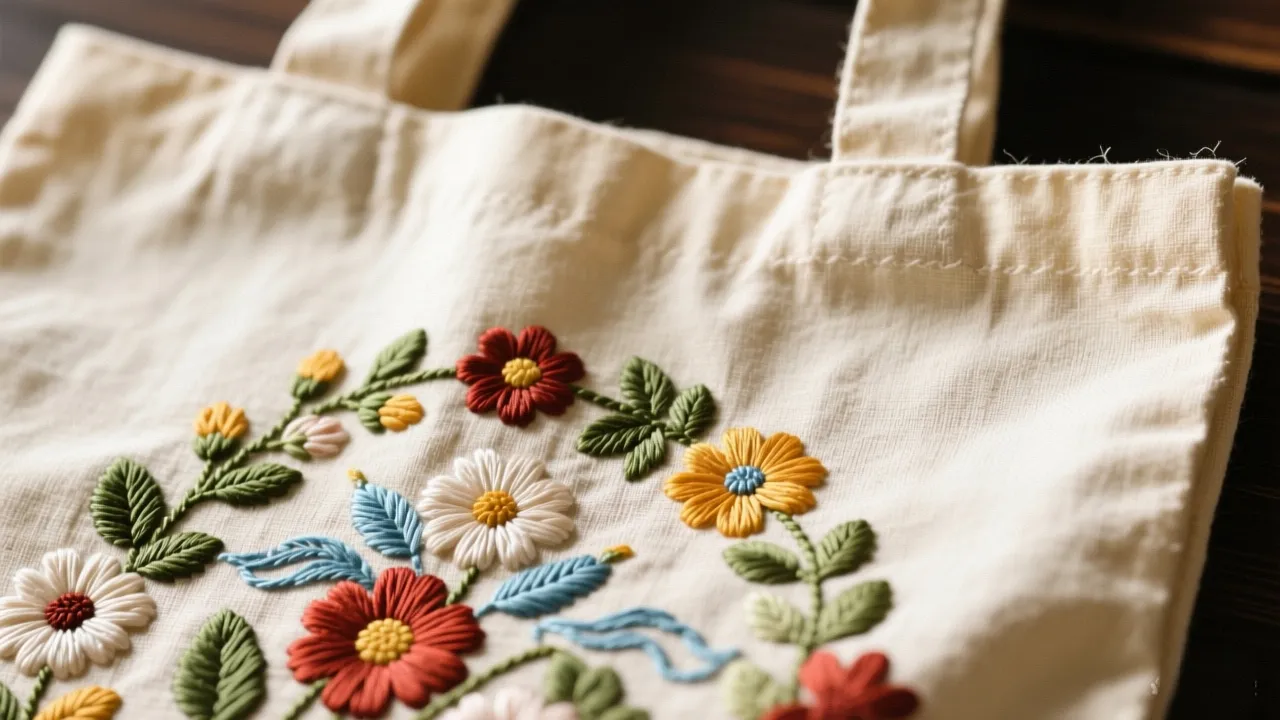
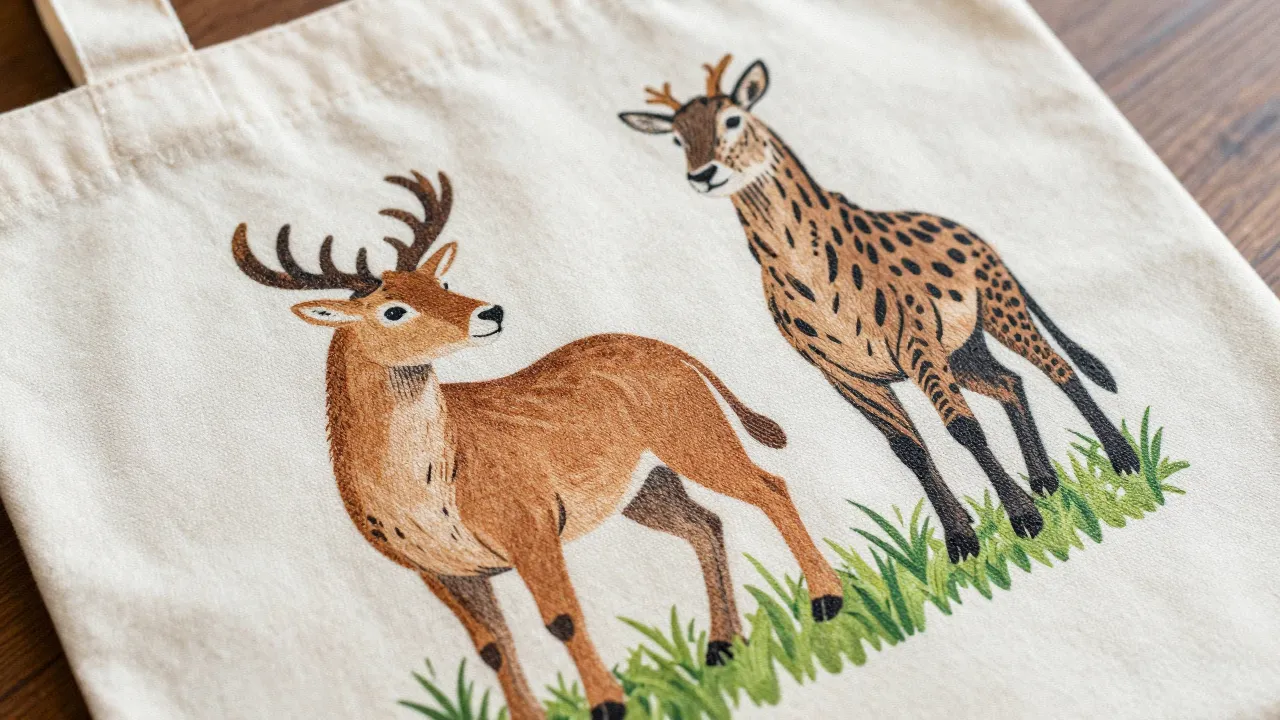
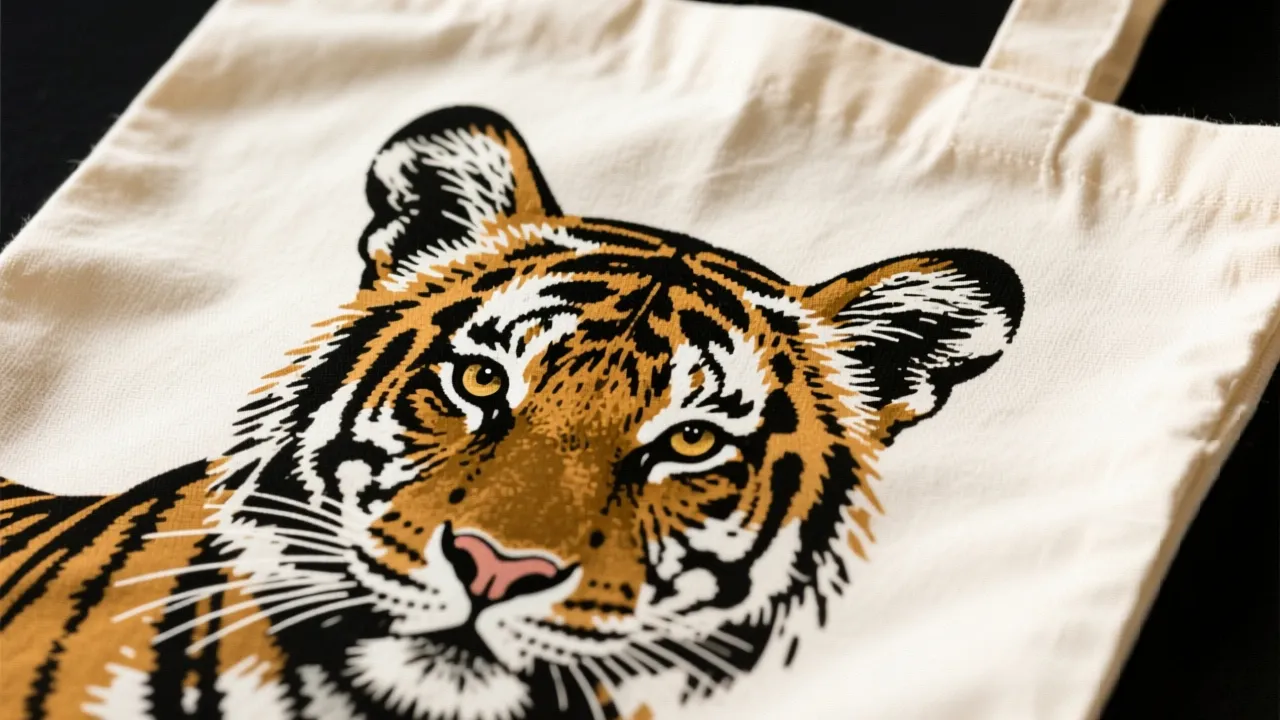
Custom branding is essential for product differentiation but adds to your per-unit cost. Different logo application methods offer varying cost-quality-tradeoffs:
| Method | Durability | Visual Impact | MOQ Friendly | Cost Level |
|---|---|---|---|---|
| Silk Screen Printing | High | Bold colors | Medium | Low-Medium |
| Embroidery | Excellent | Textured, premium | High | Medium-High |
| Heat Transfer | Medium | Photographic quality | Excellent | Low |
| Deboss/Emboss | Excellent | Subtle, luxury | Medium | Medium |
| Woven Label | Excellent | Professional | Excellent | Low |
Packaging Cost
Packaging is where many buyers underestimate their budget. From individual polybags to premium gift boxes, packaging options range from $0.05 to $5.00+ per unit depending on your choices.
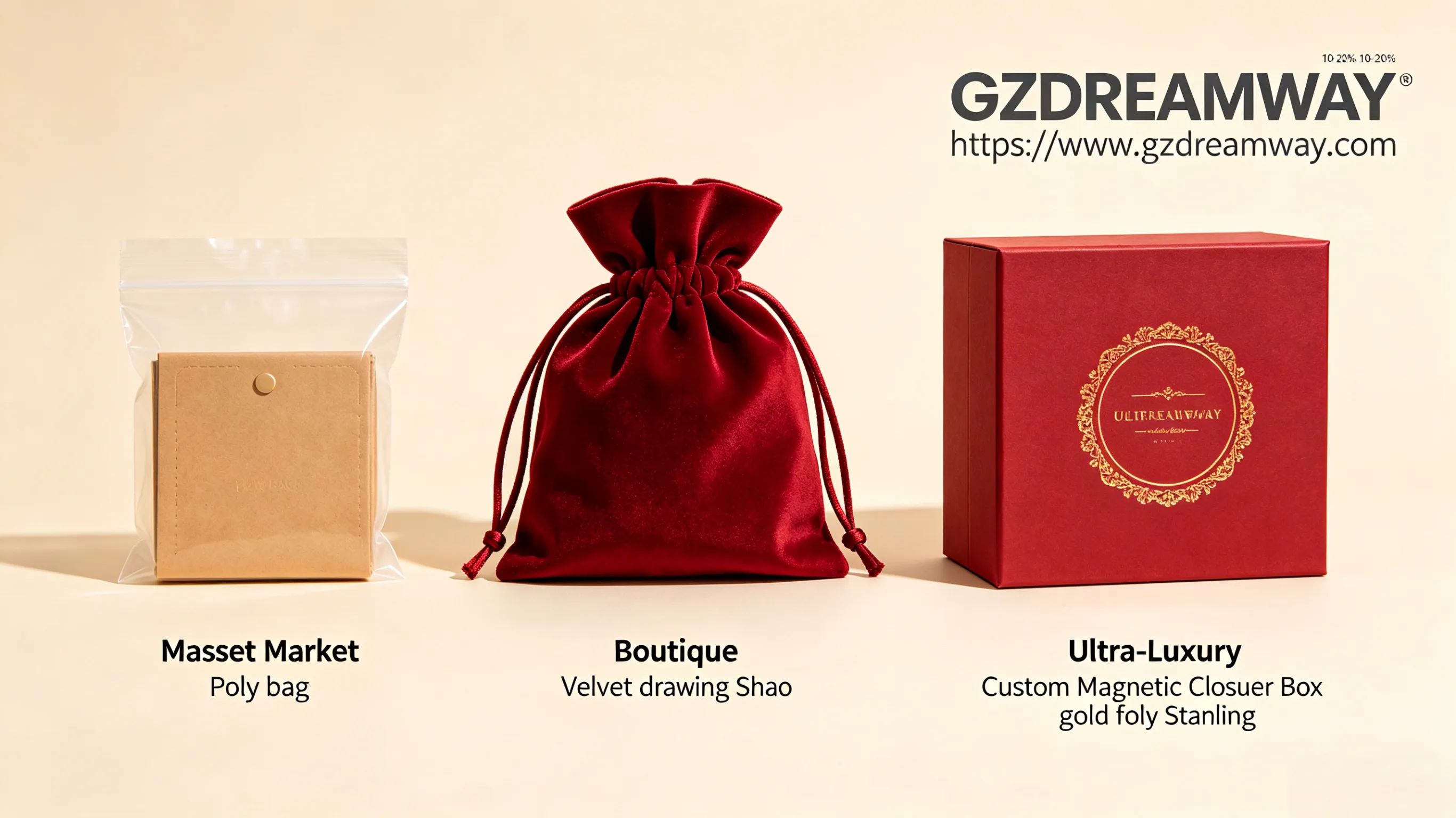
Common packaging elements:
- Individual Bags — Polybag, non-woven bag, or tissue paper
- Hang Tags — Cardstock with branding and care instructions
- Barcodes — UPC/EAN labels for retail
- Gift Boxes — Custom boxes for premium positioning
- Carton Boxes — Shipping cartons with branding
For low MOQ orders, standard packaging options provide the best value. Custom boxes require mold costs that become expensive at low quantities.
Shipping Cost
Shipping affects your total landed cost—the true cost of getting products to your warehouse. Understanding shipping terms is essential for accurate budgeting:
| Term | Seller Responsibility | Buyer Responsibility | Risk Level |
|---|---|---|---|
| EXW (Ex Works) | Production only | All shipping and customs | High (complex) |
| FOB (Free on Board) | Delivery to port | Freight, insurance, customs | Medium |
| DDP (Delivered Duty Paid) | All inclusive to destination | Nothing | Low (predictable) |
We recommend FOB or DDP terms for most buyers. DDP offers the most predictable total cost, while FOB gives you more control over shipping arrangements but requires logistics expertise.
Example Cost Breakdown
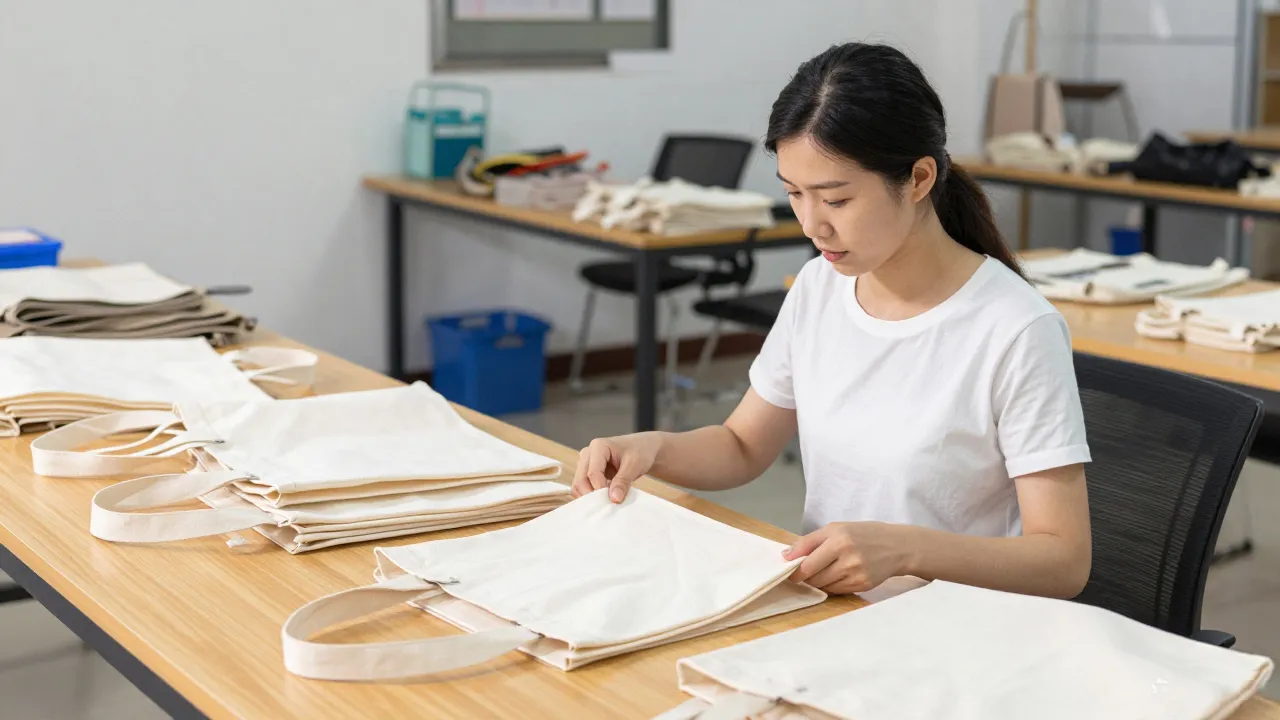
Let’s look at a realistic cost breakdown for a custom canvas tote bag with low MOQ (300 units):

| Cost Item | Percentage Share |
|---|---|
| Fabric Material | 42% |
| Labor | 28% |
| Hardware | 8% |
| Packaging | 9% |
| Quality Control | 5% |
| Logistics Preparation | 8% |
Why Low MOQ Usually Has a Higher Unit Price
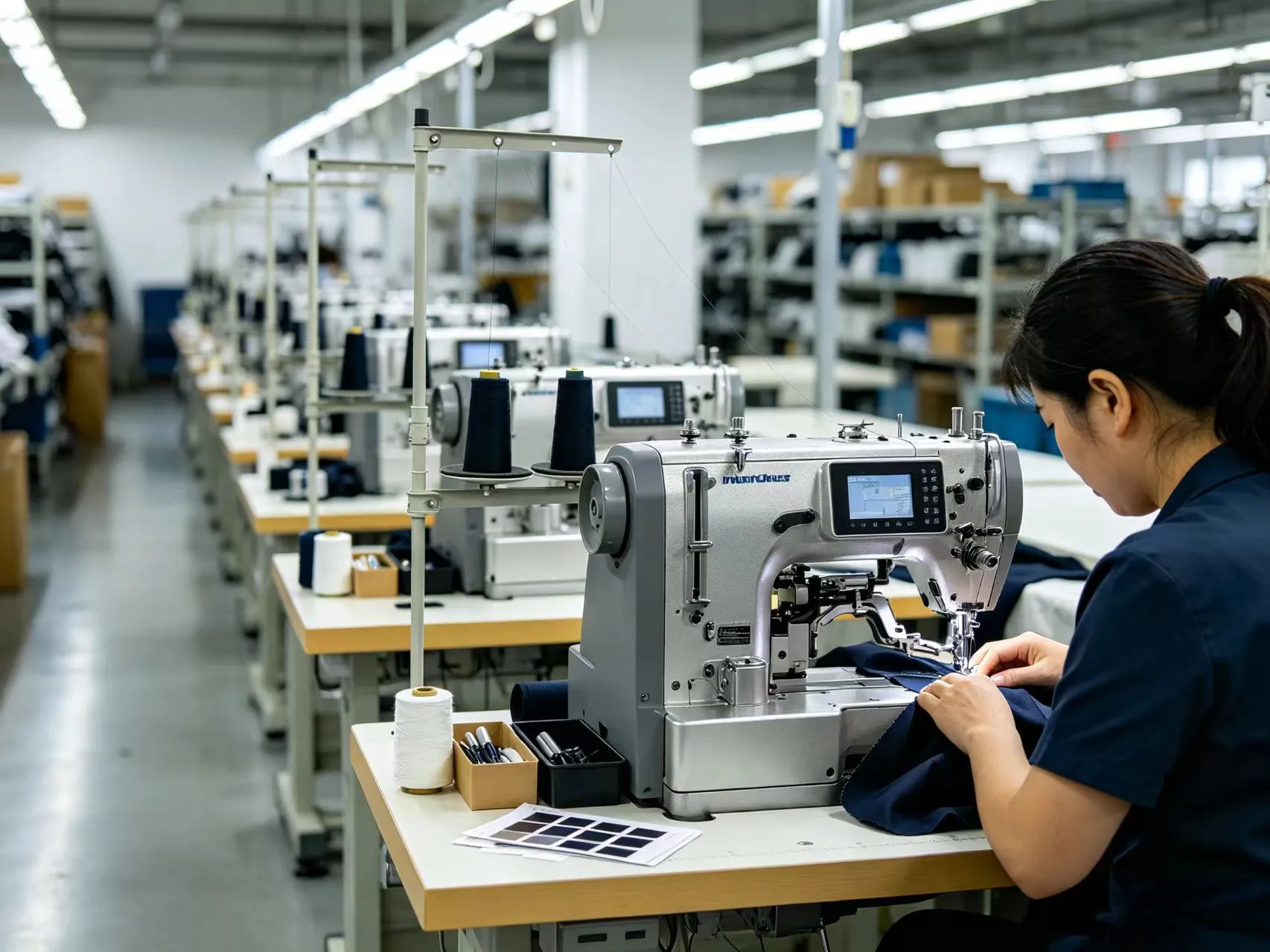
The higher per-unit cost for low MOQ orders comes down to fixed costs being distributed across fewer units. Every production run requires:
- Machine setup and calibration
- Material cutting and preparation
- Quality inspection protocols
- Packaging configuration
When you order 300 units instead of 1,000, these fixed costs don’t disappear—they’re just spread across fewer products. Additionally, material suppliers offer less favorable pricing for smaller orders, further increasing per-unit costs.
How to Reduce Low MOQ Cost
While low MOQ inherently costs more per unit, there are strategic ways to optimize your budget:
Cost Driver Matrix
| Decision | Cost Impact |
|---|---|
| Genuine Leather | ▲▲▲ High |
| RPET Material | ▲▲ Medium |
| Metal Logo Plate | ▲ Low |
| Custom Zipper | ▲▲ Medium |
| Standard Hardware | ▼ Lower |
| Canvas over Leather | ▼ Lower |
| Single Color | ▼ Lower |
| Standard Size | ▼ Lower |
“Can This Choice Save Money?” Checklist
| Decision | Save Cost? |
|---|---|
| Standard fabric width | ✔ Yes |
| Existing zipper mold | ✔ Yes |
| Reduce color count | ✔ Yes |
| Standard carton size | ✔ Yes |
| One logo position | ✔ Yes |
| Combine similar SKUs | ✔ Yes |
| Basic packaging | ✔ Yes |
| Off-peak production | ✔ Yes |
Common Pricing Mistakes
Buyers often make costly mistakes when sourcing custom bags. Here are the most common pitfalls to avoid:

Mistake 1: Focusing Only on Unit Price
A bag at $3.00/unit with 20% defect rate costs more than a $3.50/unit bag with 1% defects when you factor in returns, customer complaints, and brand damage.
Mistake 2: Adding Too Many Customizations
Each color variation, logo position, or hardware change adds setup costs. Buyers who ask for “just one more color” often end up paying significantly more per unit.
Mistake 3: Ignoring Total Landed Cost
A cheaper factory quote may not include QC, packaging, or shipping. Always get complete cost breakdowns to make fair comparisons.
Mistake 4: Underestimating Sample Iterations
Requesting 4-5 sample versions before approval multiplies sample costs. Stick to 1-2 iterations and provide extremely detailed feedback.
Cost Comparison: MOQ vs. Unit Price Trend
Understanding the relationship between MOQ and pricing helps you make informed decisions:
| MOQ | Typical Unit Cost Trend |
|---|---|
| 200 units | Highest per unit |
| 500 units | Medium |
| 1,000 units | Lower |
| 3,000+ units | Lowest |
The exact price difference varies by product complexity and material selection, but generally, doubling your order quantity reduces per-unit cost by 15-25%.
What Is Included in an OEM Quotation?
When you receive a factory quotation, understanding what’s included—and what’s not—is crucial for accurate budgeting:
| Usually Included | Usually NOT Included |
|---|---|
| Material cost | Shipping/freight |
| Labor cost | Import taxes |
| Hardware | Customs duties |
| Basic QC | Insurance |
| Standard packaging | Lab testing fees |
| Tech documents | Sample shipping |
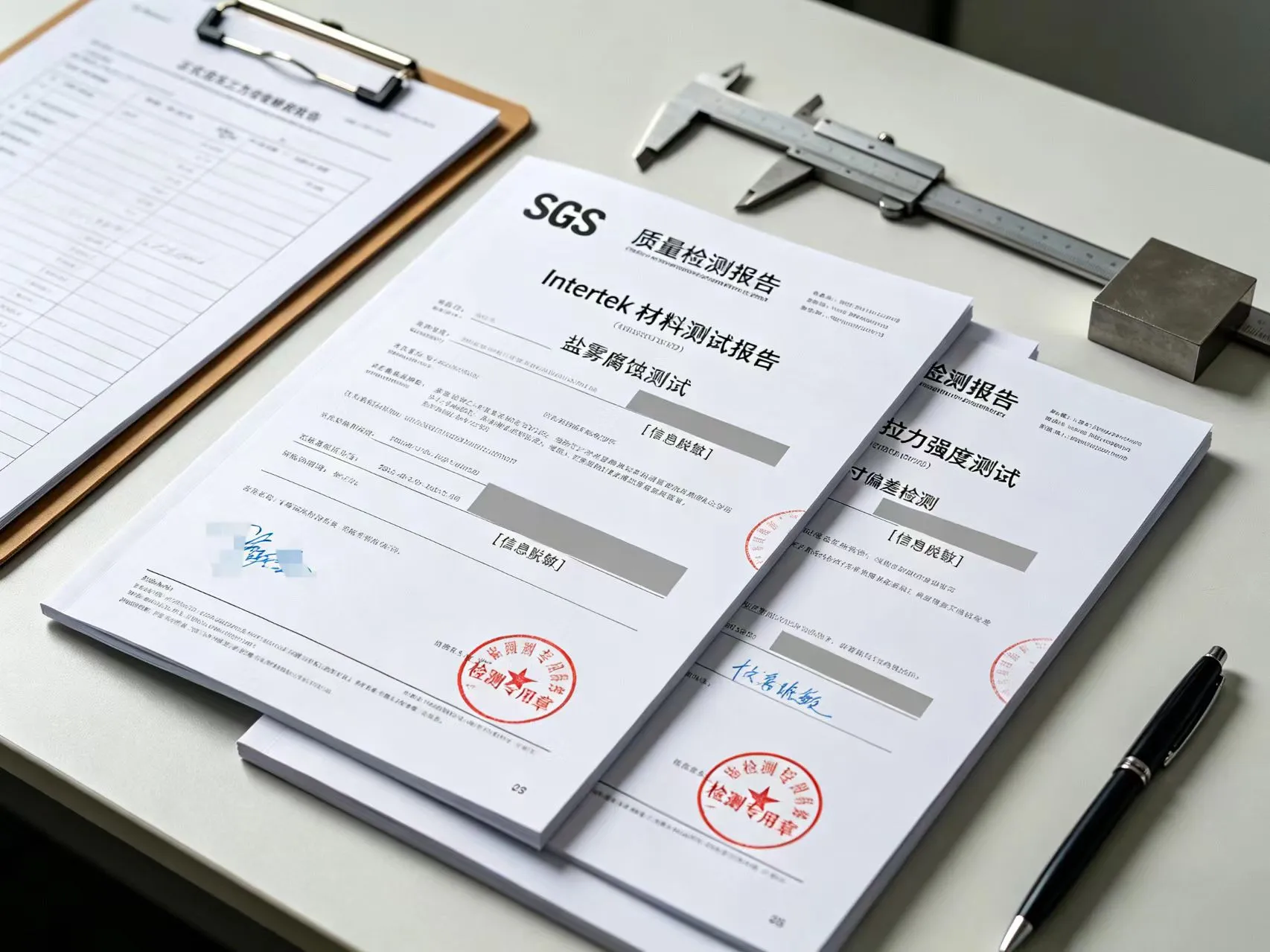
Always request a detailed cost breakdown that specifies exactly what’s included. This prevents surprise charges and enables accurate margin calculations.
Emily’s Pricing Advice

“Many first-time buyers focus only on the unit price when evaluating quotes. After 12 years in OEM bag manufacturing, I’ve seen that experienced procurement teams evaluate the total landed cost, inventory risk, and reorder flexibility before selecting an MOQ.
A client once rejected our quote because a competitor offered $0.50 less per unit. Three months later, they returned to us because they’d received 15% defect rate from the cheaper factory, spent $8,000 on returns, and damaged relationships with two retail partners. The ‘savings’ cost them far more than our premium ever would have.
My advice: Always ask for the complete cost picture, including quality rates, reordering flexibility, and hidden costs like returns processing. The factory that provides transparent pricing and stands behind their quality is worth the premium.”
Kevin’s Quality Perspective
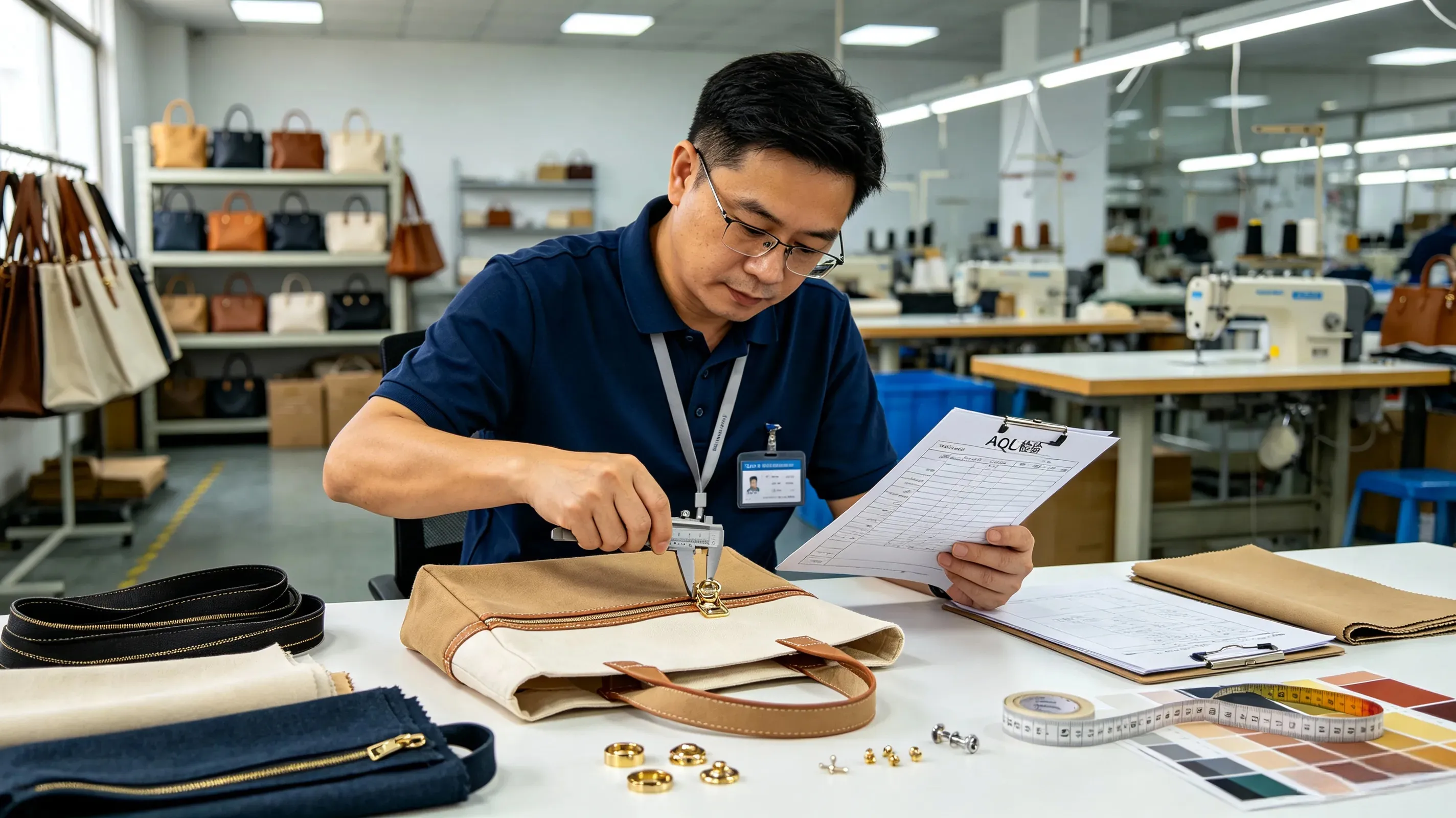
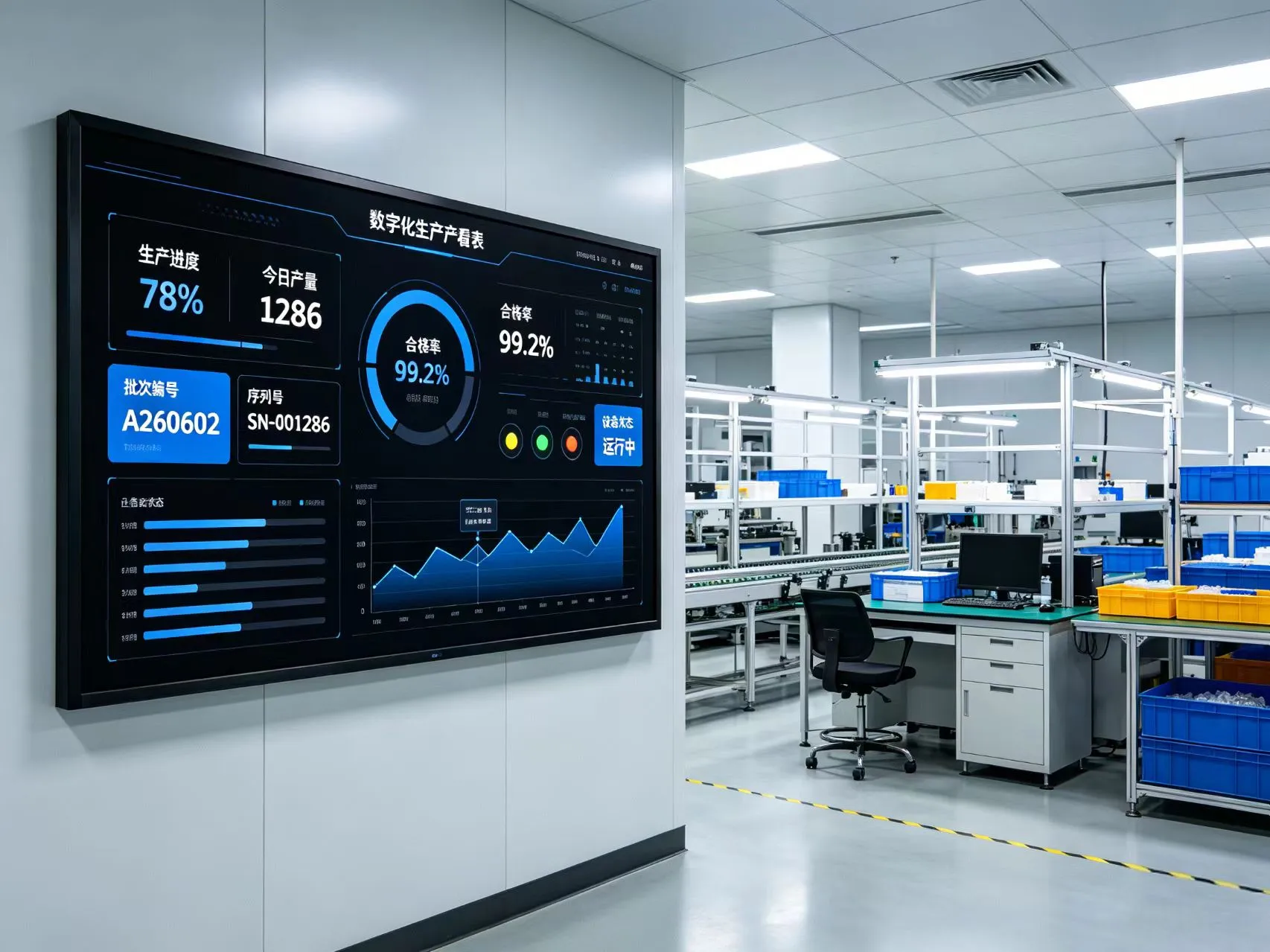
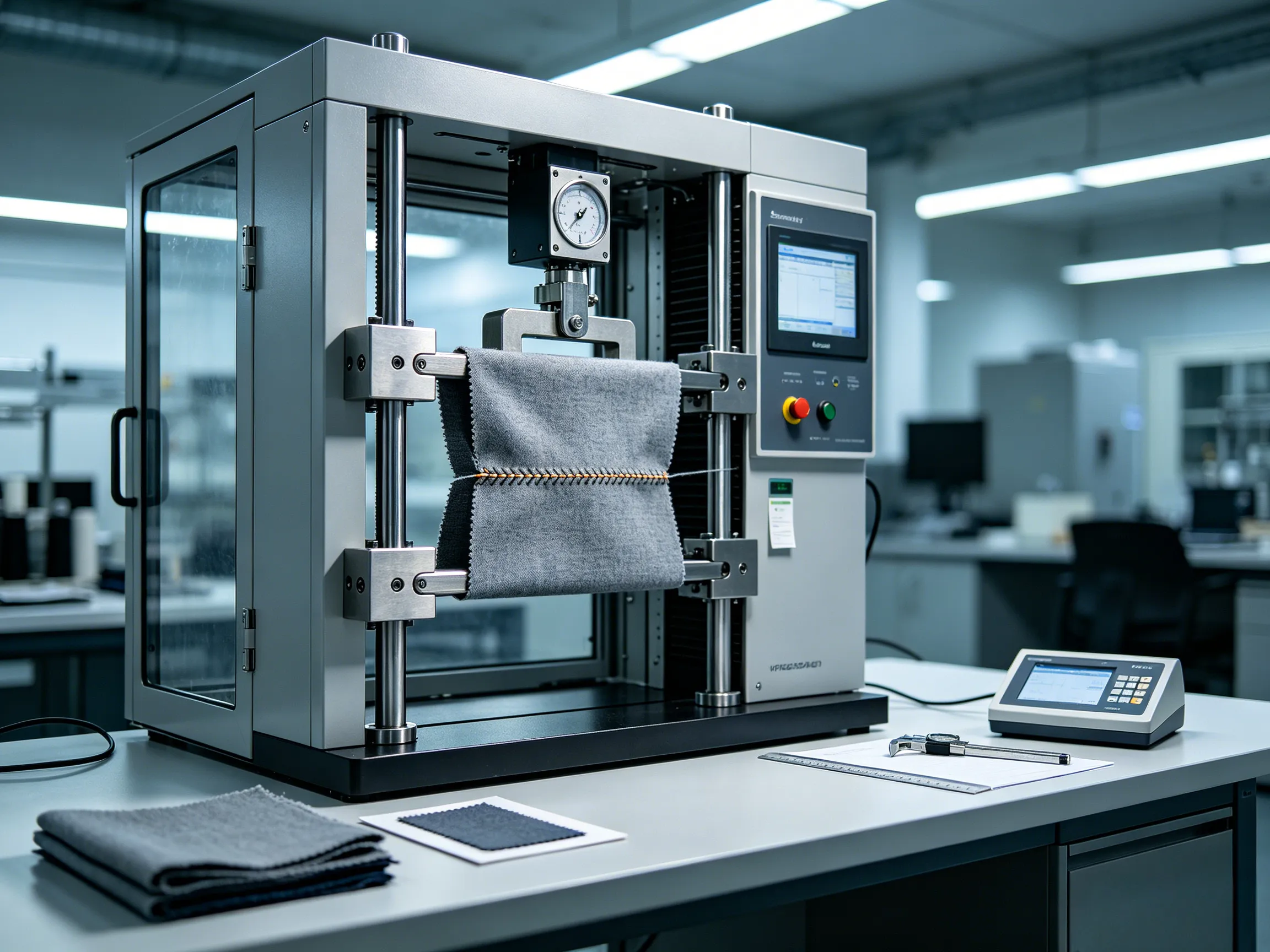
“Quality control standards remain unchanged for low MOQ projects. Some buyers assume that reducing costs means reducing QC—but this usually creates higher costs later.
When a factory skips inspection steps to save money, defects slip through. For a 200-unit order, even a 5% defect rate means 10 defective bags. If those reach your customers, you’re looking at returns, refunds, negative reviews, and potential loss of retail accounts.
At Dreamway, every low MOQ order receives the same inspection protocols as our highest-volume clients. We’ve found that investing in quality actually reduces total costs by preventing returns, chargebacks, and reputation damage.
My recommendation: Never compromise on quality control. The perceived savings aren’t worth the long-term costs.”
Frequently Asked Questions
Does low MOQ always cost more?
Yes, typically low MOQ orders have higher per-unit costs because fixed production costs are distributed across fewer units. However, the total investment may still be lower if you only need a small quantity.
Why is my sample so expensive?
Sample development requires creating patterns and processes for a single unit, without the efficiency of bulk production. Sample costs typically don’t benefit from material or labor economies of scale.
Can I reduce tooling costs?
Yes, by using existing molds for hardware and standard sizes for common components. Custom tooling significantly increases costs for low MOQ orders.
Can I combine different products in one order?
Many factories allow combining similar products (same material, similar construction) to share setup costs. Ask your manufacturer about SKU consolidation options.
Does packaging really affect my budget?
Significantly. Basic polybag packaging might cost $0.05/unit while premium gift boxes can exceed $2.00/unit. For low MOQ orders, standard packaging provides the best value.
How is shipping calculated?
Shipping costs depend on volume, weight, destination, and shipping terms (EXW, FOB, DDP). DDP quotes include all costs, while EXW requires you to arrange and pay for shipping separately.
How do material prices change?
Material costs fluctuate based on market conditions, seasonality, and order volume. Request current quotes for accurate pricing, as material costs can change between quote and production.
Why does leather cost more than canvas?
Leather is a premium material with higher raw material costs, more complex cutting requirements, specialized labor skills, and longer production times compared to canvas or synthetic alternatives.
Can I negotiate MOQ requirements?
Some factories offer flexibility, especially for repeat orders or when combining similar products. At Dreamway, our low MOQ starting at 200 units for tote bags is designed to accommodate smaller brands and startups.
How can startups reduce costs?
Start with standard sizes and materials, limit color variations, use existing hardware options, choose basic packaging, and plan for reorders to build volume over time.
Conclusion
Understanding low MOQ costs requires looking beyond the per-unit price to the total picture: material quality, construction complexity, hardware selection, packaging choices, and logistics considerations. While low MOQ orders inherently carry higher per-unit costs, strategic decisions about design, materials, and production can significantly optimize your budget.

Remember: The goal isn’t to find the lowest price—it’s to find the best value. A slightly higher unit price from a quality-focused factory often delivers better ROI through lower defect rates, fewer returns, and stronger brand reputation.
At Dreamway, we believe in transparent pricing and quality consistency. Our team is ready to help you navigate the complexities of low MOQ manufacturing, from initial concept to final delivery.
Ready to get started? Visit our website or contact us to discuss your custom bag project. With over 50 countries served and a dedicated team of 30+ professionals, we’re equipped to bring your vision to life—whether you need 200 units or 20,000.
Disclaimer: Manufacturing costs vary according to materials, construction complexity, order quantity, customization requirements, market conditions, and logistics arrangements. Any examples in this guide are provided for educational purposes only and should not be interpreted as binding commercial quotations. Actual pricing requires detailed specifications and should be confirmed through official quotes from manufacturers.