
Can I Mix Different Colors for Custom Bags?
Yes. Mixed colors are possible for custom bag orders. But the answer depends on several factors that affect your production planning, minimum order quantity, and overall cost.
When sourcing custom bags from manufacturers, one of the most common questions buyers ask is whether they can order multiple colors in a single production run. The short answer is yes—but the details matter. Understanding how color mixing works in bag manufacturing can save you time, reduce costs, and help you avoid common pitfalls.
Different color combinations require different production approaches. Some color options can be efficiently combined in one order, while others may increase your minimum order quantity or require separate production runs. In this comprehensive guide, we’ll walk you through exactly how mixed color production works, what affects your options, and how to plan your order for the best results.
Why Buyers Want Mixed Colors
Retailers and brands often need multiple colors to create diverse product lines that appeal to different customer preferences. Whether you’re stocking a retail store, launching a promotional campaign, building an e-commerce catalog, or creating seasonal collections, having color variety can significantly expand your market reach.
Corporate gifts and promotional merchandise also frequently require mixed color options. A company might want to offer employees or clients a choice of colors while maintaining brand consistency across all variants. This demand for flexibility has made mixed color production a standard offering from experienced manufacturers.
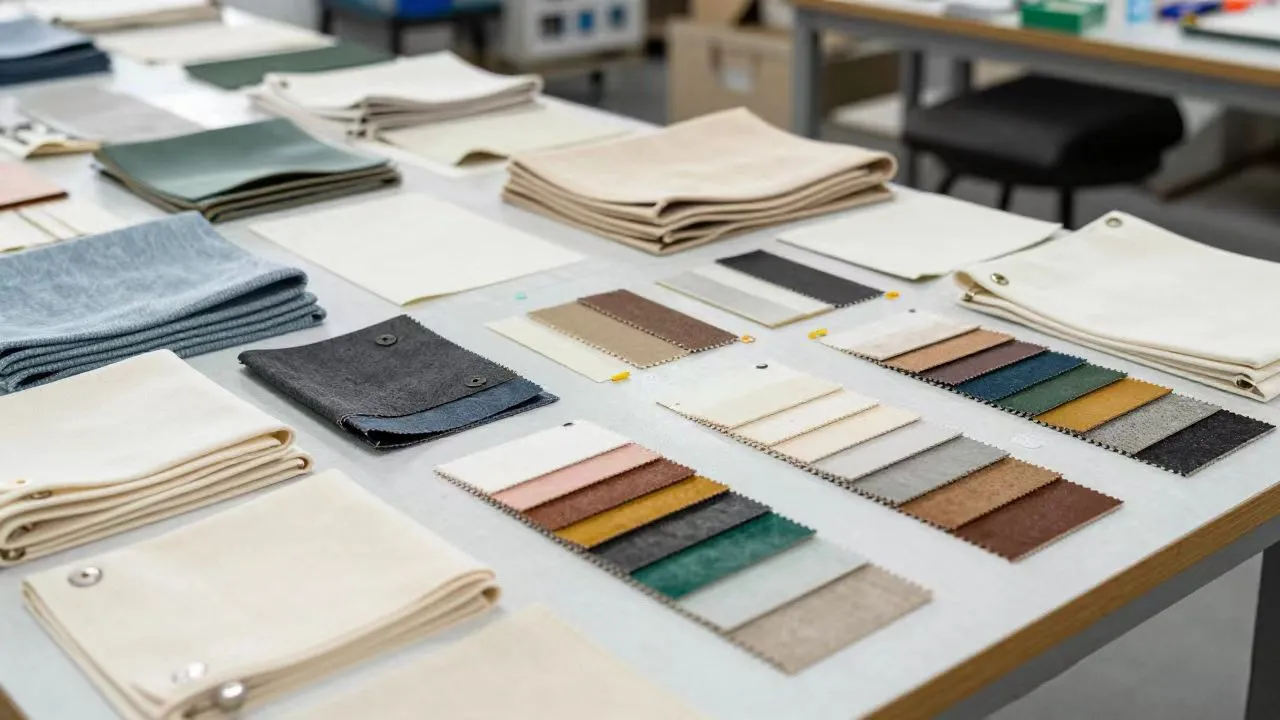
How Mixed Color Production Actually Works
Understanding the production workflow helps you plan your mixed color orders more effectively. Here’s how a typical mixed color order progresses through our factory:
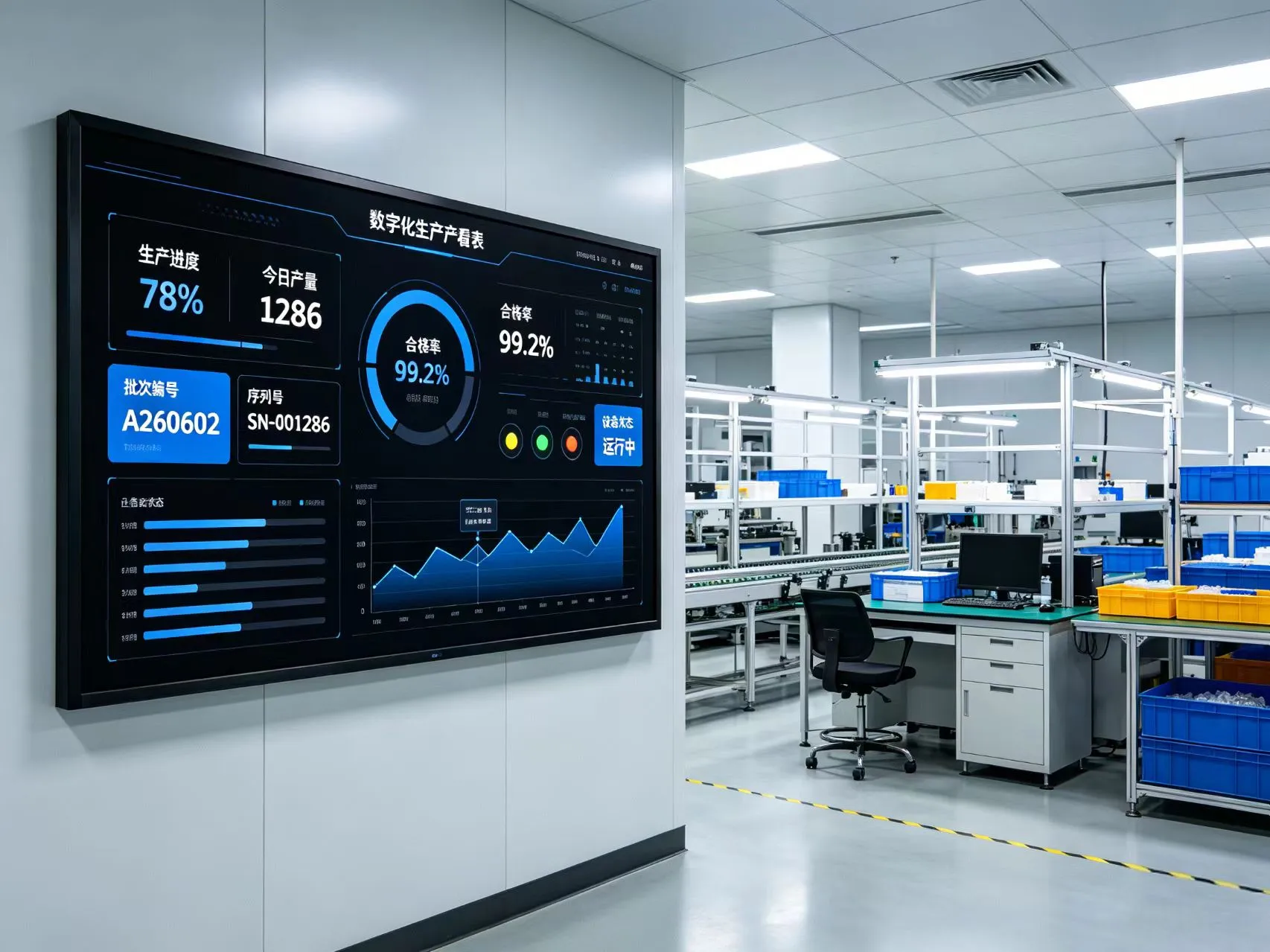
When Mixed Colors Increase MOQ
While mixed colors are possible, certain configurations will increase your minimum order quantity. Understanding these scenarios helps you plan more accurately and avoid surprises.
Different fabric materials require separate production runs because each material type needs its own setup, cutting patterns, and quality checks. If your colors require different base fabrics, expect the MOQ to reflect multiple production batches.
Similarly, when colors require different zipper types, hardware finishes, logo printing methods, or bag sizes, each variation typically requires dedicated production time and setup. This naturally increases the overall order quantity requirements.
| Factor | Impact on MOQ | Reason |
|---|---|---|
| Different Fabrics | Increases | Separate cutting and processing for each material |
| Different Zippers | Increases | Individual hardware procurement and installation |
| Different Logo Methods | Increases | Multiple setup and production runs |
| Different Sizes | Increases | Unique patterns and cutting for each dimension |
| Different Printing | Increases | Separate print screens or setups required |
.webp)
When Mixed Colors Do NOT Increase MOQ
Here’s the good news: when your color variants share the same base specifications, many manufacturers—including ours—can efficiently combine them into a single production run.
If you’re ordering the same bag style in different colors, using the same fabric type, identical logo placement, consistent hardware, and uniform sizing, these can often be produced together on the same production line. This approach maximizes efficiency and can help keep your costs manageable.
This is particularly valuable for brands that need color variety for retail assortment or e-commerce catalogs without wanting to commit to extremely high quantities of any single color. Our production team specializes in optimizing mixed color orders to find the most cost-effective approach for your specific requirements.

Can You Mix Pantone Colors?
Pantone color matching is essential for brands that require precise color consistency across their product lines. When ordering custom bags with specific Pantone colors, the process involves several important steps to ensure accuracy.
First, we prepare lab dips—small fabric samples dyed to match your specified Pantone colors. These samples are then sent for your approval. Once approved, our production team uses the confirmed lab dip as the reference standard for the full production run.
It’s important to note that slight shade variations can occur due to differences in fabric composition, dye lots, and lighting conditions. Professional manufacturers typically maintain a color tolerance range that meets industry standards. We always recommend requesting physical samples before bulk production to verify the final color appearance.
| Color System | Approval Process | Tolerance Range |
|---|---|---|
| Pantone C (Coated) | Lab dip approval required | ±1 Delta E |
| Pantone U (Uncoated) | Lab dip approval required | ±1 Delta E |
| Custom Sample Match | Physical sample approval | ±0.5 Delta E |
Can You Mix Colors and Sizes Together?
Absolutely. Many buyers need both color and size variety in their orders. For example, you might want 300 pieces in Black, 300 in Navy, and 200 in Beige, available in Small, Medium, and Large sizes.
When the construction remains the same across all variants, these can often be planned together in one comprehensive production run. The key is maintaining consistent specifications—same bag style, same features, same hardware—while varying only the color and size combinations.
Our production planning team analyzes each order to determine the most efficient manufacturing approach. Sometimes, strategic grouping by color family or size range can optimize production efficiency while keeping your MOQ reasonable.
How Mixed Colors Affect Production Cost
A common misconception is that more colors automatically mean higher costs. While this can be true in some scenarios, the actual cost drivers are more nuanced.
The real factors that affect cost are:
Setup Changes
Each time production switches from one color variant to another, there’s associated downtime and reconfiguration. More color variations mean more setup changes, which can impact efficiency.
Fabric Procurement
Different colors may require different fabric quantities and dye lots. Purchasing multiple small quantities of different fabrics can be less economical than ordering larger quantities of a single fabric type.
Inventory Management
Managing multiple color variants requires more complex inventory tracking and storage. This operational complexity can affect pricing.
Material Waste
Color-specific cutting may result in different fabric utilization rates. Some colors might generate more waste than others depending on pattern efficiency.
Quality Control
Each color variant requires individual inspection to ensure consistency. This means more QC time and potentially more sampling.
.webp)
How We Manage Mixed Color Orders
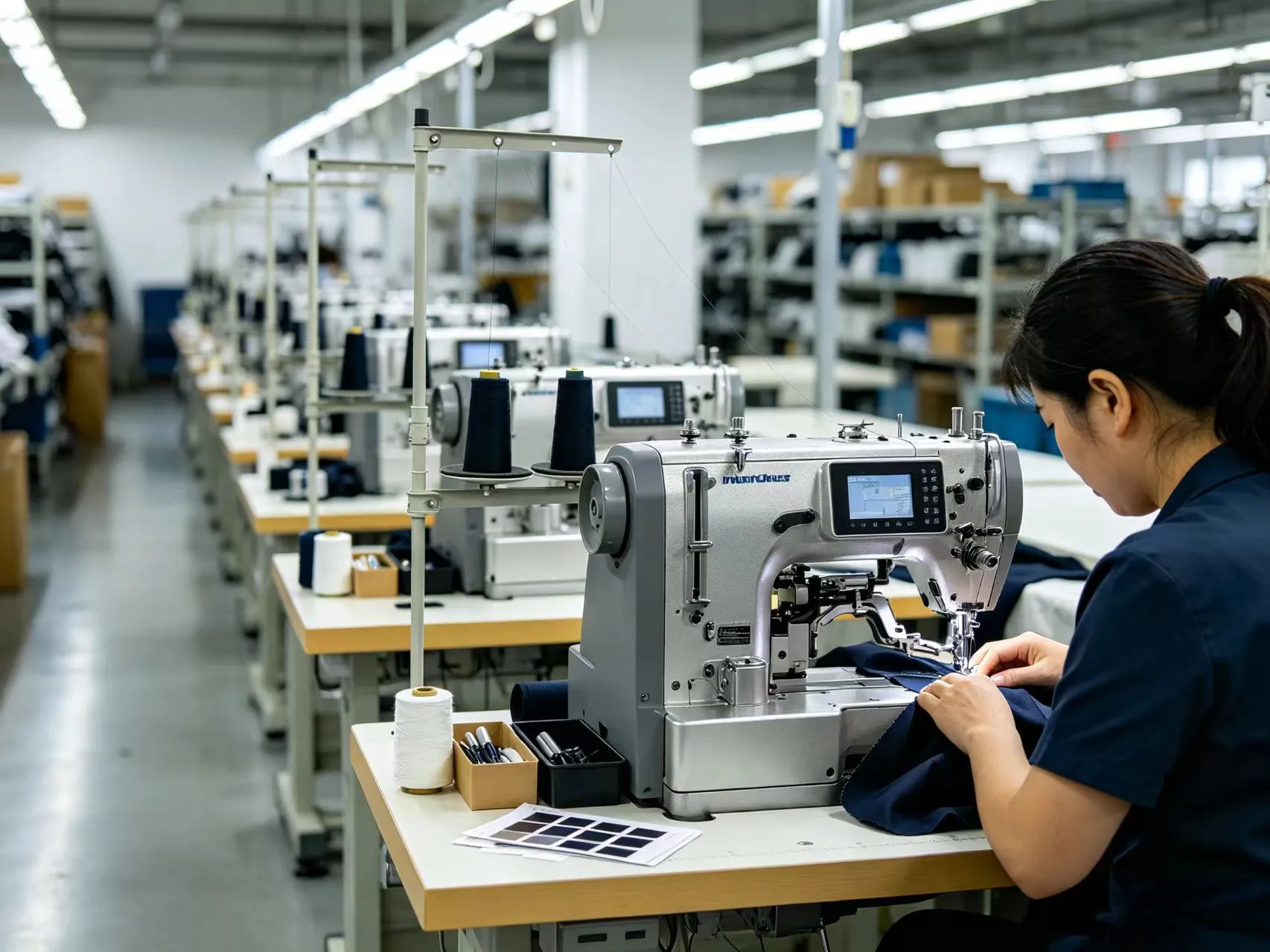
Our factory specializes in handling complex mixed color orders with precision. We assign dedicated team members to ensure every detail is managed professionally.

Emily
Senior Project Manager
Emily oversees color confirmation, production scheduling, and direct customer communication. With 12 years of experience in OEM bag manufacturing, she manages 15–25 active projects simultaneously, ensuring your mixed color order progresses smoothly from concept to delivery.
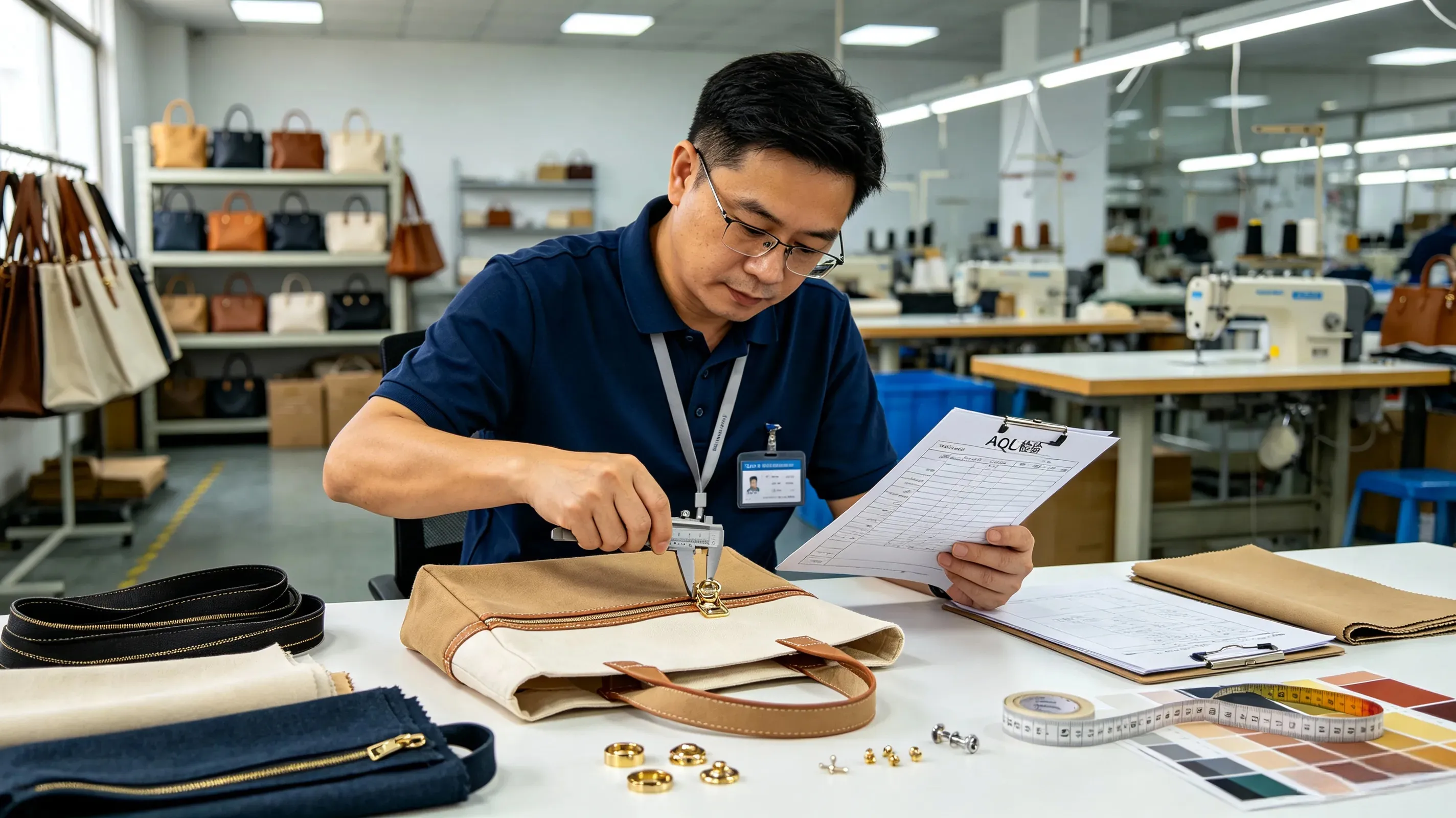
Kevin
Pattern Development Engineer
Kevin evaluates whether different color selections affect bag patterns and construction. His expertise in leather, canvas, nylon, and technical fabrics ensures that all your color variants maintain structural integrity and quality.
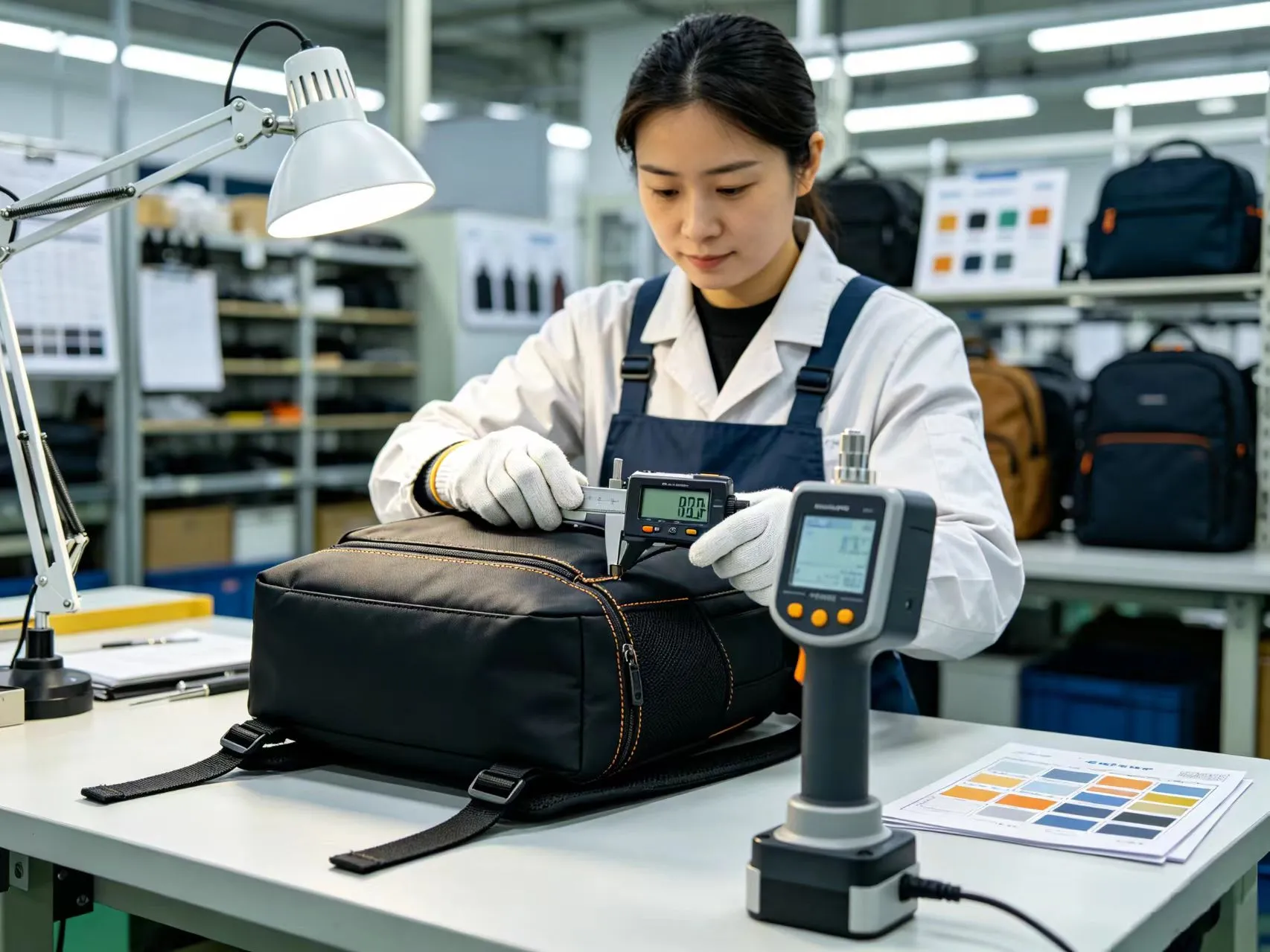
Color Consistency During Production
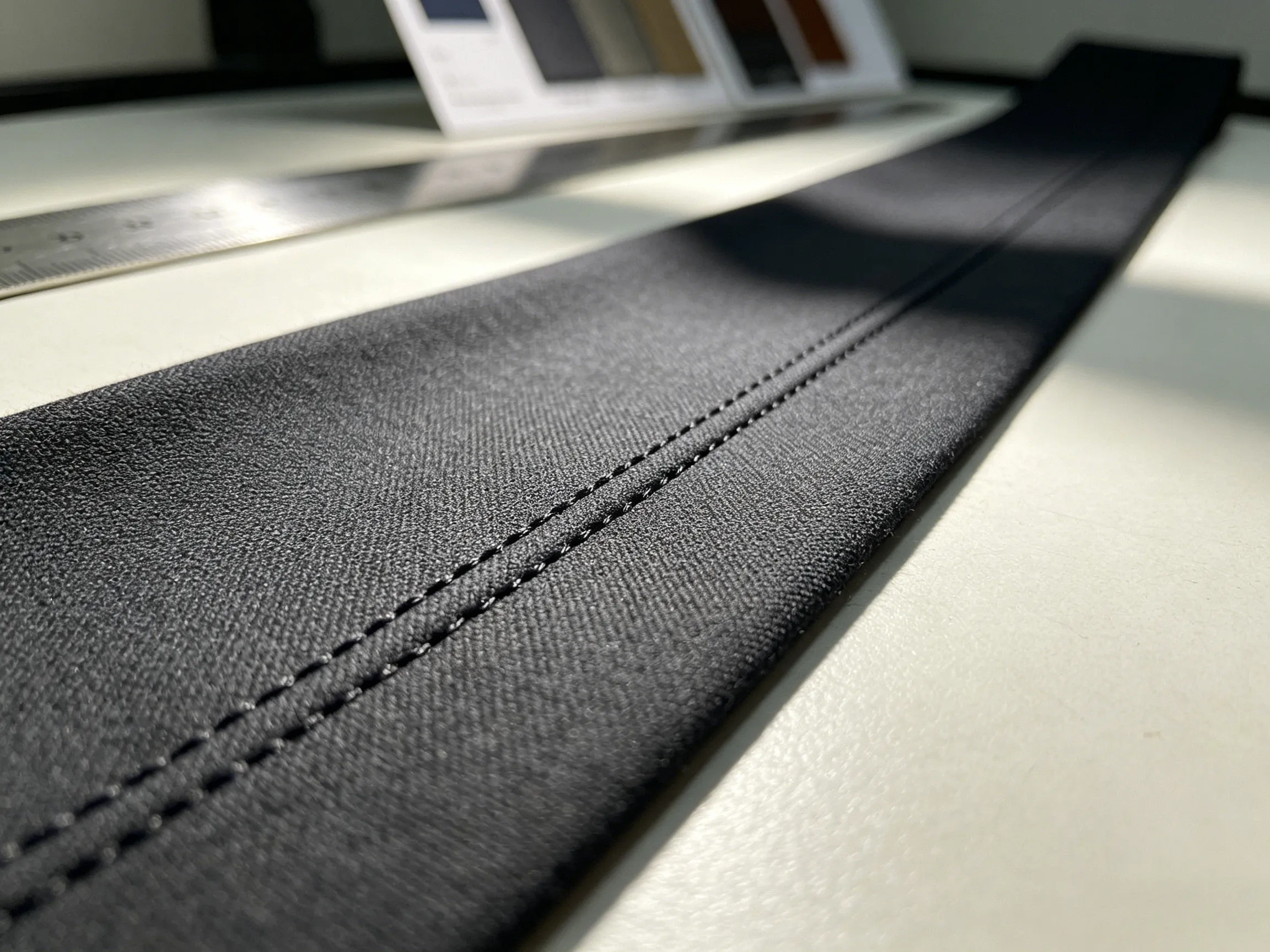
Maintaining consistent color across a production run is one of the most important aspects of mixed color manufacturing. We implement several measures to ensure every bag meets your color specifications.
Batch Control
We source fabric from consistent dye lots and maintain detailed records of material batches used in your order. This traceability ensures color consistency from the first piece to the last.
Lighting Standards
Color evaluation is conducted under standardized D65 lighting conditions, which simulates natural daylight. This eliminates the risk of color judgment errors due to improper lighting.
Color Tolerance
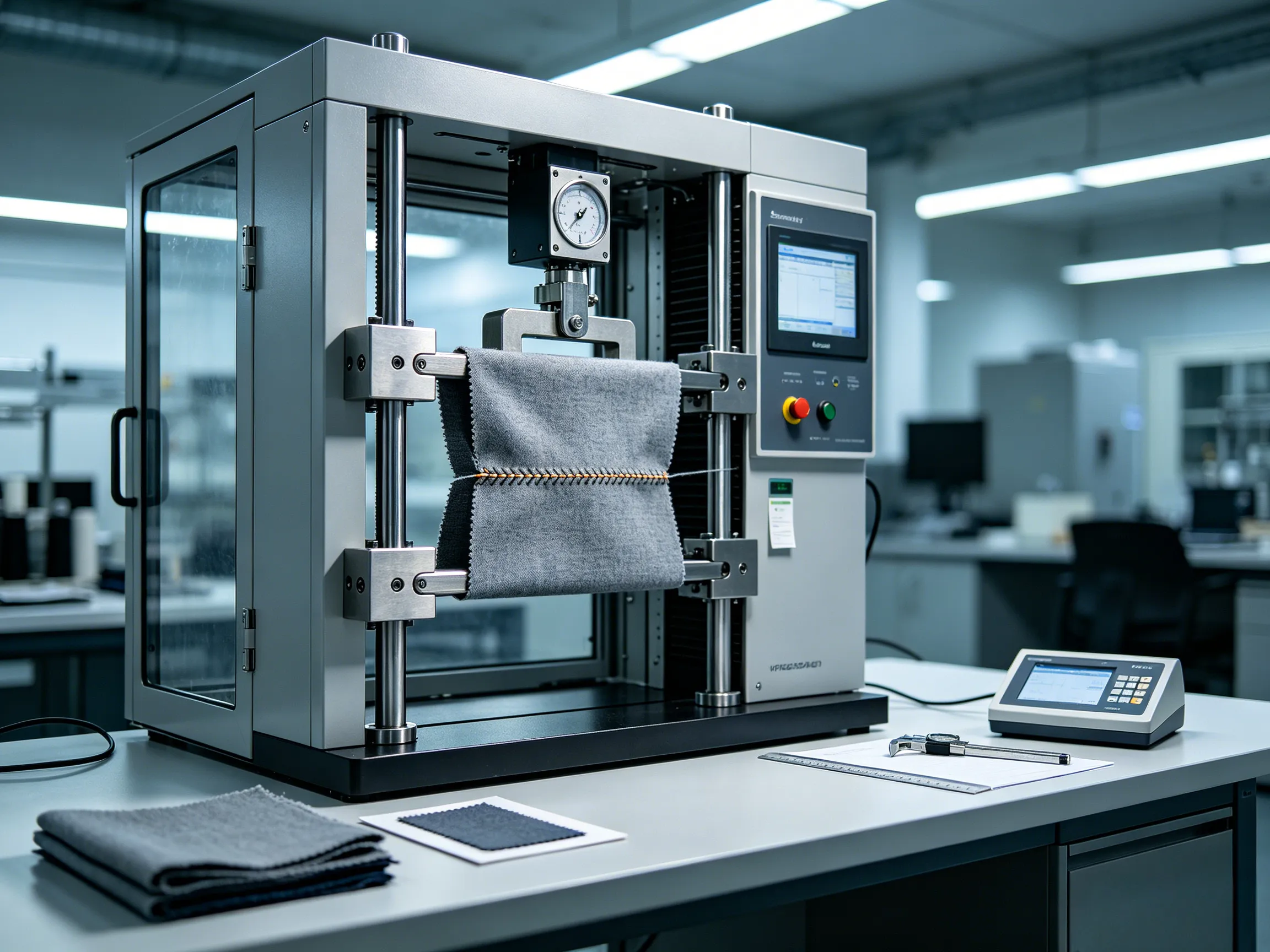
We adhere to international color tolerance standards. Our quality control team uses precision color measurement equipment to verify each batch against approved references.
AQL Inspection
All orders undergo statistical quality inspection following AQL (Acceptable Quality Level) standards. This ensures consistent quality across all color variants in your order.
Common Questions Buyers Ask
Can I order 5 colors?
Yes. Five colors is typically manageable, especially if the bags share the same construction, fabric, and features. The key is whether each color can be efficiently incorporated into the production schedule.
Can I order 10 colors?
Ten colors is more complex but possible. Higher color counts may affect your MOQ and production timeline. We recommend discussing your specific requirements with our team to find the optimal approach.
Can I order 20 colors?
Twenty colors represents a significant production undertaking. This configuration often requires a larger overall quantity to make the production run economical. We can discuss strategies like phased deliveries or strategic color grouping.
Can I mix logos?
Different logos typically require separate printing setups for each design. If the logos are the same style but different brands (such as for multiple retail brands), this may be manageable in one run with careful planning.
Can I mix handles?
Handle variations often require different components and assembly processes. Each handle type may affect your MOQ depending on the complexity and setup requirements.
Can I mix lining colors?
Interior lining colors can typically be mixed more easily than exterior colors, especially if the lining material is consistent. This is a popular way to add visual variety without significantly affecting production complexity.
Can I mix hardware finishes?
Hardware variations such as gold, silver, or gunmetal zippers and buckles usually require different component sourcing. Each hardware type may impact your order configuration and pricing.
Can I mix packaging styles?
Packaging variations can be accommodated, though different packaging types require separate preparation and handling during the final stages of production.
Real Example
European Retailer Case Study
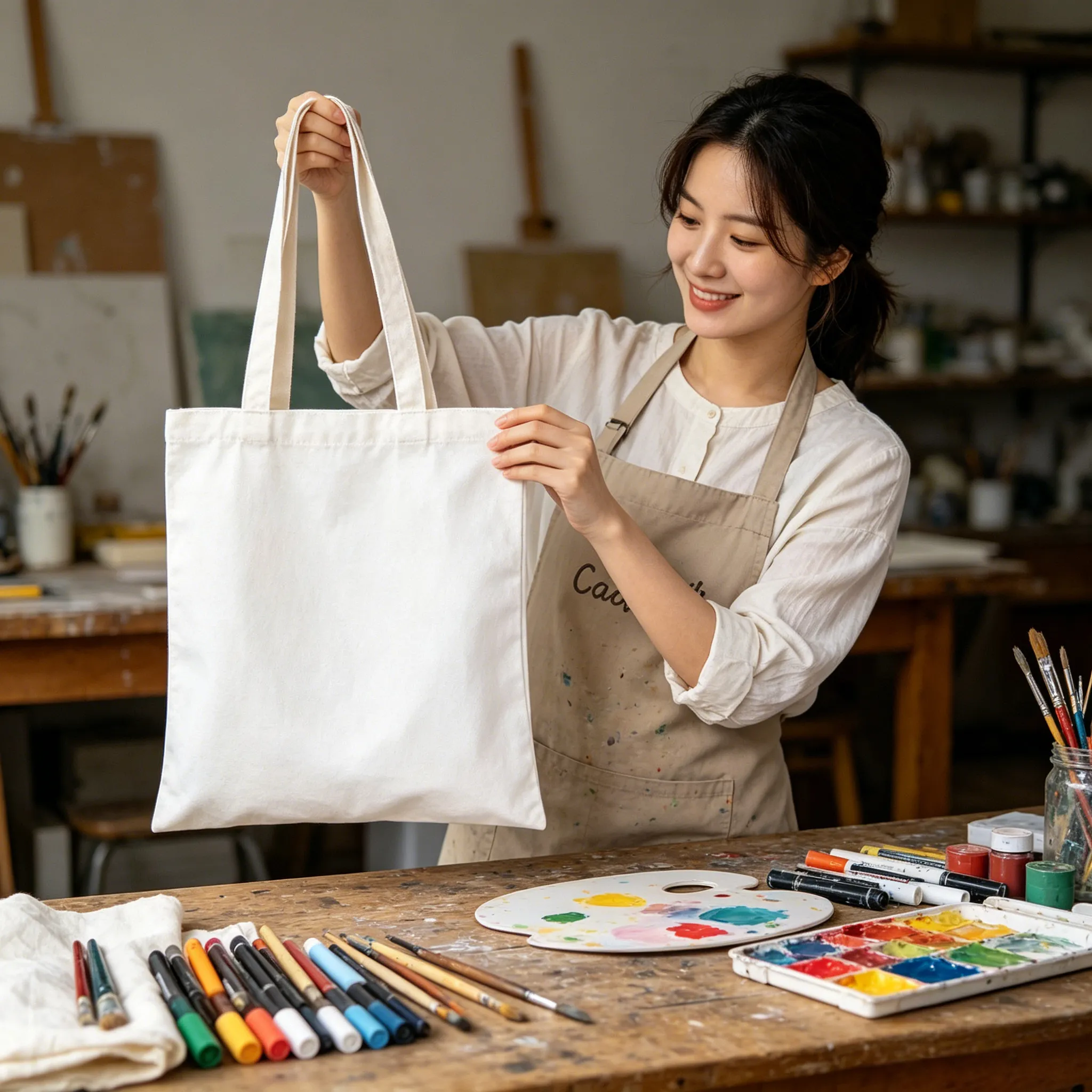
A European fashion retailer approached us with a specific requirement for their spring collection. They needed four distinct colors of canvas tote bags—all featuring the same logo, same size, but destined for one consolidated shipment.
Because all specifications were consistent except color, our production team was able to optimize the cutting and sewing process. We arranged the production sequence to minimize setup changes while maintaining strict color consistency throughout. The order was delivered on schedule with zero color defects.
Mistakes Buyers Make
Learning from common pitfalls can save you time and money when ordering mixed color bags. Here are the most frequent mistakes we see:
Overcomplicating Color Selection
Ordering 20 different colors with only 50 pieces each sounds appealing for variety, but it creates significant challenges. Each color requires fabric procurement, cutting, and quality checks. This often leads to higher costs, longer lead times, and potential inventory issues. Our recommendation: strategically select 3-6 core colors that represent your brand’s range most effectively.
Underestimating Production Time
Mixed color orders require more planning and execution time than single-color orders. Color approvals, fabric sourcing for multiple variants, and quality control across all colors extend the overall timeline. Always build in extra time for mixed color production.
Skipping Physical Samples
Digital color representations and Pantone numbers don’t always translate perfectly to physical materials. Failing to approve physical samples before bulk production can result in color discrepancies that are difficult to correct after manufacturing begins.
Ignoring Color Fastness
Different dye compositions may have varying levels of colorfastness. Some deep colors might bleed or fade more readily than others. Understanding these characteristics helps you set appropriate customer expectations and care instructions.
Not Discussing Color Grouping
Many buyers don’t realize that strategic color grouping can reduce costs without sacrificing variety. Grouping similar colors or focusing on a cohesive palette can make your order more economical while maintaining design coherence.
Our Quality Commitment
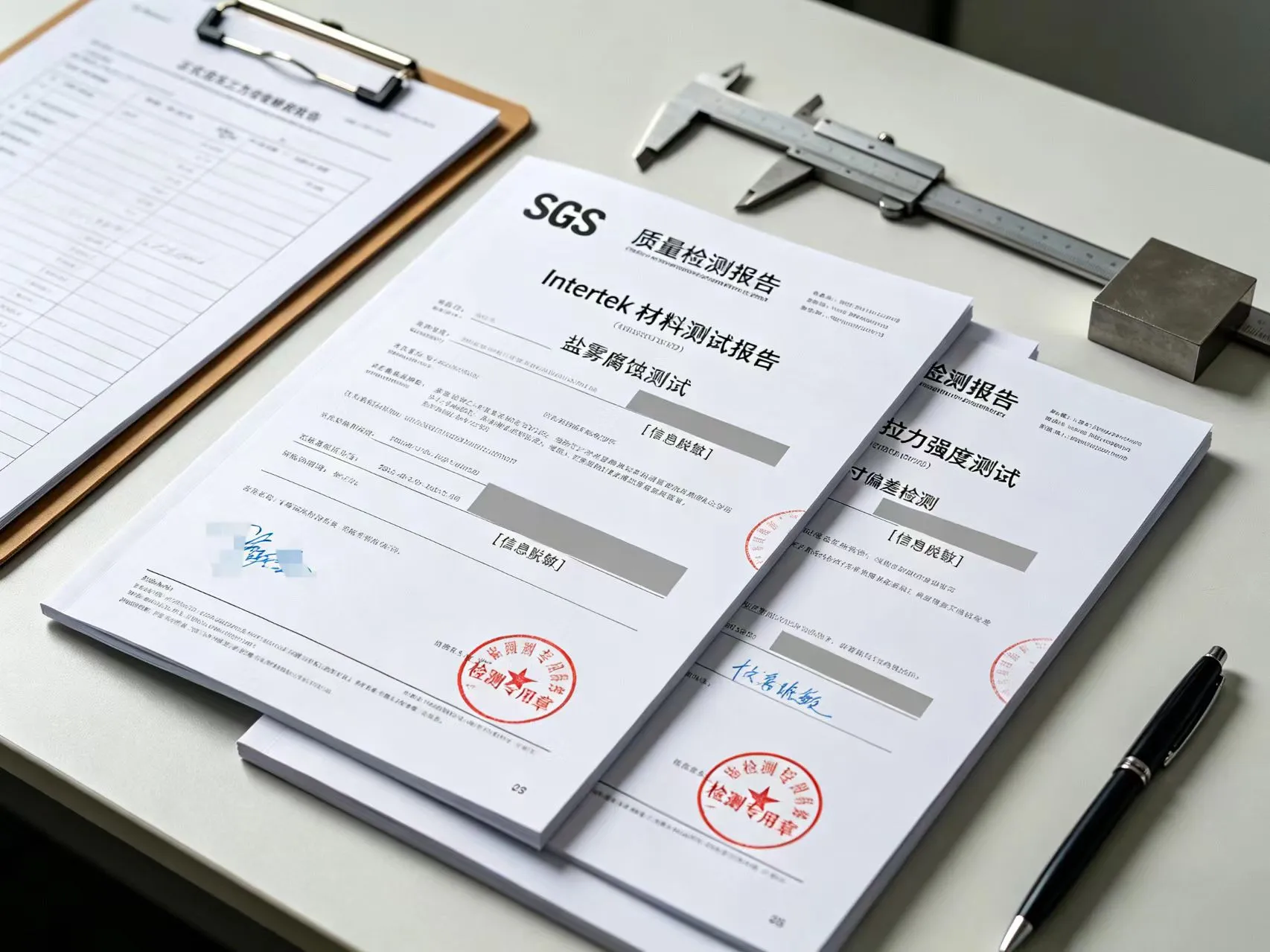
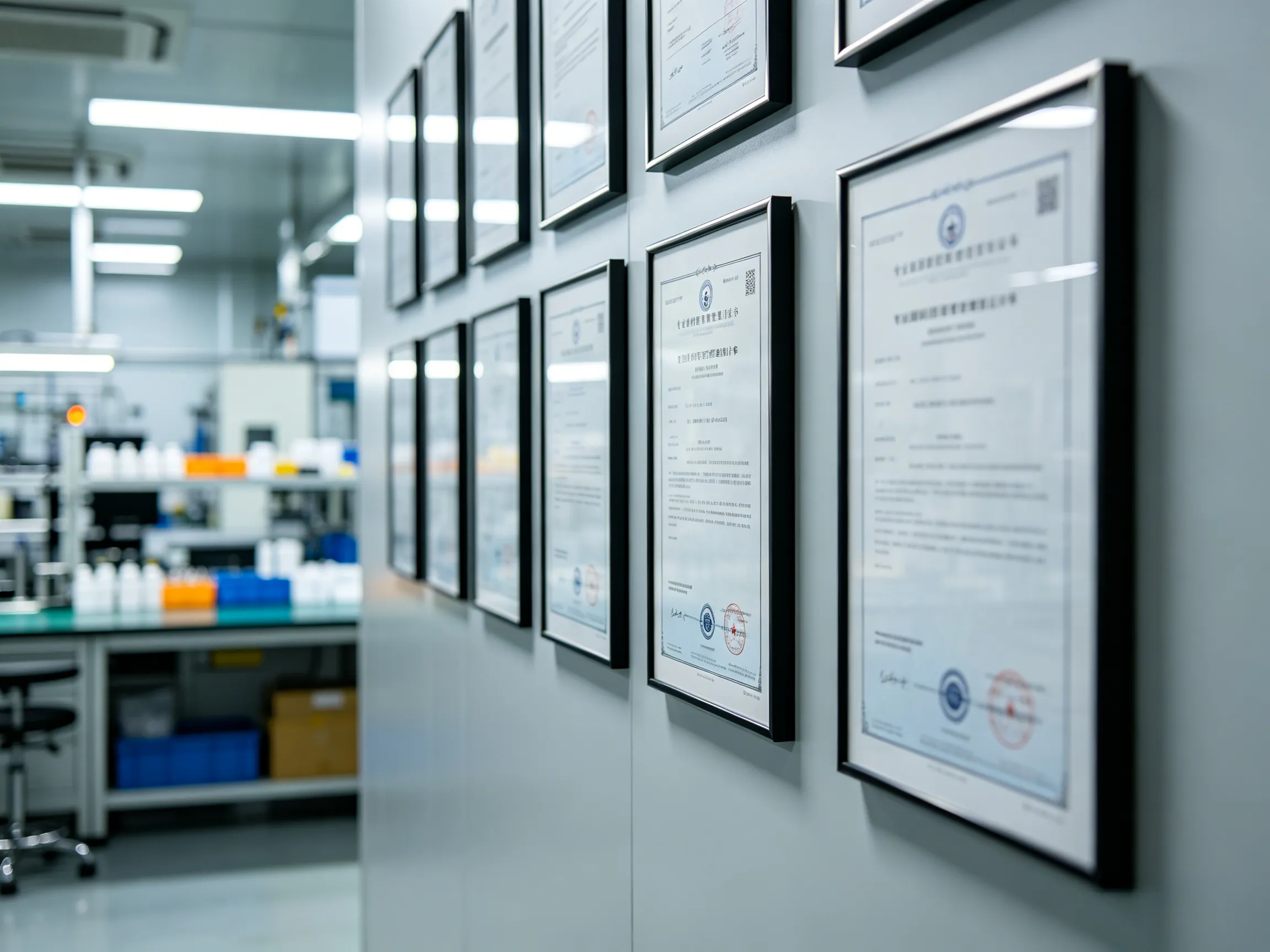
When you order mixed color bags from our factory, you’re partnering with a manufacturer that prioritizes quality at every stage. Our international certifications—including ISO and BSCI—demonstrate our commitment to global manufacturing standards.

Key Takeaways
- Mixed colors are absolutely possible for custom bag orders
- MOQ depends on production method, material, and specifications
- Pantone colors require lab dip approval before production
- Same construction usually allows efficient mixed color production
- Early planning and clear communication reduce costs significantly
- Physical sample approval prevents costly color discrepancies
- Strategic color selection optimizes budget and timeline

Ready to start your mixed color custom bag project? Contact our sourcing team today to get a customized quote for your mixed color order.