
🏭 Top Guangzhou Tote Bag Factories: Complete 2026 Guide for Global Buyers
Your definitive resource for finding and vetting reliable tote bag manufacturers in Guangzhou, China. Discover the best suppliers for custom, wholesale, and eco-friendly tote bags.
📑 Table of Contents
- Why Guangzhou Leads Global Tote Bag Manufacturing
- Top 3 Guangzhou Tote Bag Manufacturers (2026)
- Material Guide: Canvas, Cotton, Jute & Eco-Friendly Options
- Customization Capabilities: Printing, Embroidery & More
- Pricing Structure & Cost Optimization Strategies
- Production Timelines & Efficiency Metrics
- Sustainability & Eco-Friendly Manufacturing
- Technology Integration & Innovation Trends
- Quality Assurance & Essential Certifications
- Communication & Collaboration Best Practices
- Future Outlook & 2026 Market Trends
- Conclusion: Choosing Your Ideal Factory Partner
📍 1. Why Guangzhou Leads Global Tote Bag Manufacturing
Guangzhou, the heart of China’s Pearl River Delta, has solidified its position as the world’s premier manufacturing hub for custom tote bags and wholesale bag production. As we move through 2026, the city’s ecosystem continues to dominate with a perfect blend of traditional craftsmanship and cutting-edge technology.
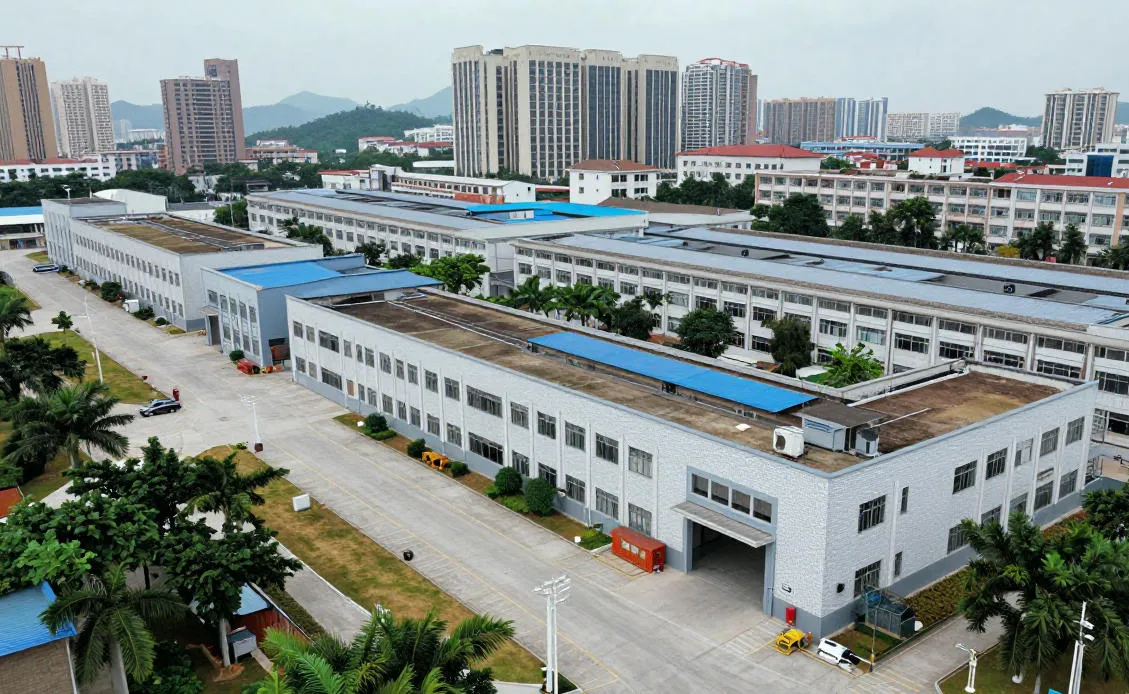
Key Competitive Advantages:
- Strategic Logistics Hub: Proximity to Shenzhen, Hong Kong, and major seaports reduces shipping costs and lead times for international buyers.
- Skilled Workforce: Generations of artisans specializing in textile craftsmanship combined with young designers trained in sustainable fashion.
- Complete Supply Chain: From raw material suppliers (like Baiyun District’s fabric markets) to accessory manufacturers, everything is within a 50km radius.
- Advanced Infrastructure: Modern factories equipped with automated cutting machines, digital printing systems, and smart inventory management.
- Cost Efficiency: Competitive pricing without compromising quality, with per-unit costs 30-50% lower than Western manufacturers.
“Guangzhou’s manufacturing ecosystem has evolved beyond cost advantages. The most successful 2026 partnerships combine sustainable materials with smart manufacturing—responding to global demand for eco-conscious, high-quality tote bags that tell a brand story.” — Industry Expert Analysis
🏢 2. Top 3 Guangzhou Tote Bag Manufacturers (2026)
After extensive research and factory audits, these manufacturers represent the best of Guangzhou’s tote bag production capabilities for 2026. Each excels in specific market segments.
🏅 Dreamway Textile Co., Ltd. (Premium Custom Specialist)
Specialization: High-end custom canvas tote bags, cotton tote bags with digital printing, and eco-friendly tote bag manufacturing.
MOQ: 300-500 units (flexible for established brands)
Quality Rating:
2026 Notable Features: ISO 9001:2015 certified, GOTS organic cotton supplier, carbon-neutral production line, 7-day rapid prototyping, blockchain supply chain tracking.
Best For: Fashion brands, corporate gifting programs, and eco-conscious retailers needing custom branded tote bags with complex designs.
🥈 Ocean Pacific Bags Manufacturing (Luxury & Volume)
Specialization: Luxury leather tote bags, PU vegan leather alternatives, and wholesale tote bag production for large retailers.
MOQ: 1,000-2,000 units (standard collections)
Quality Rating:
2026 Notable Features: BSCI certified, OEKO-TEX Standard 100, in-house design team for ODM services, 15% annual capacity growth to 500,000 units/month.
Best For: Department stores, luxury brands, and businesses needing bulk tote bags with logo for promotional events.
🥉 Green Earth Eco-Bags (Sustainability Leader)
Specialization: Sustainable jute tote bags, organic cotton tote bags, recycled PET fabric, and biodegradable non-woven alternatives.
MOQ: 500-1,000 units (eco-friendly lines)
Quality Rating:
2026 Notable Features: GOTS, Fair Trade, and Carbon Neutral certifications, water recycling system, solar-powered facility, seed paper tags.
Best For: Organic supermarkets, environmental organizations, and brands with strong sustainable tote bag manufacturing commitments.
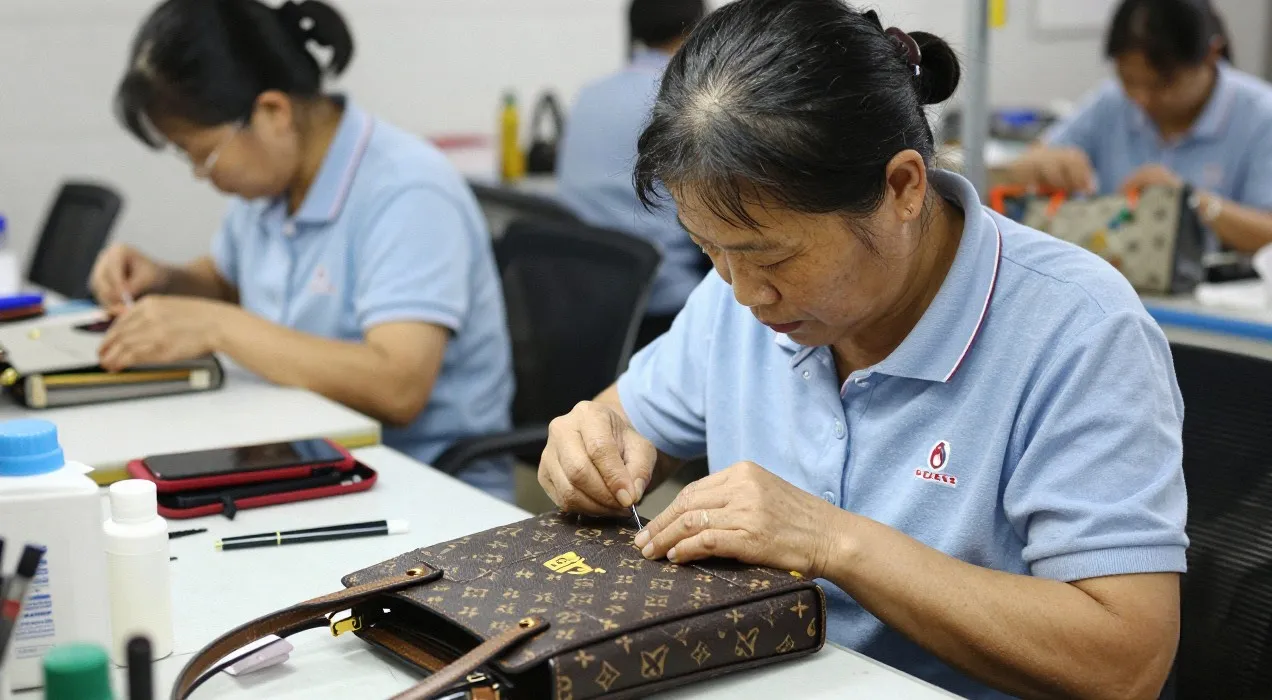
🧵 3. Material Guide: Canvas, Cotton, Jute & Eco-Friendly Options
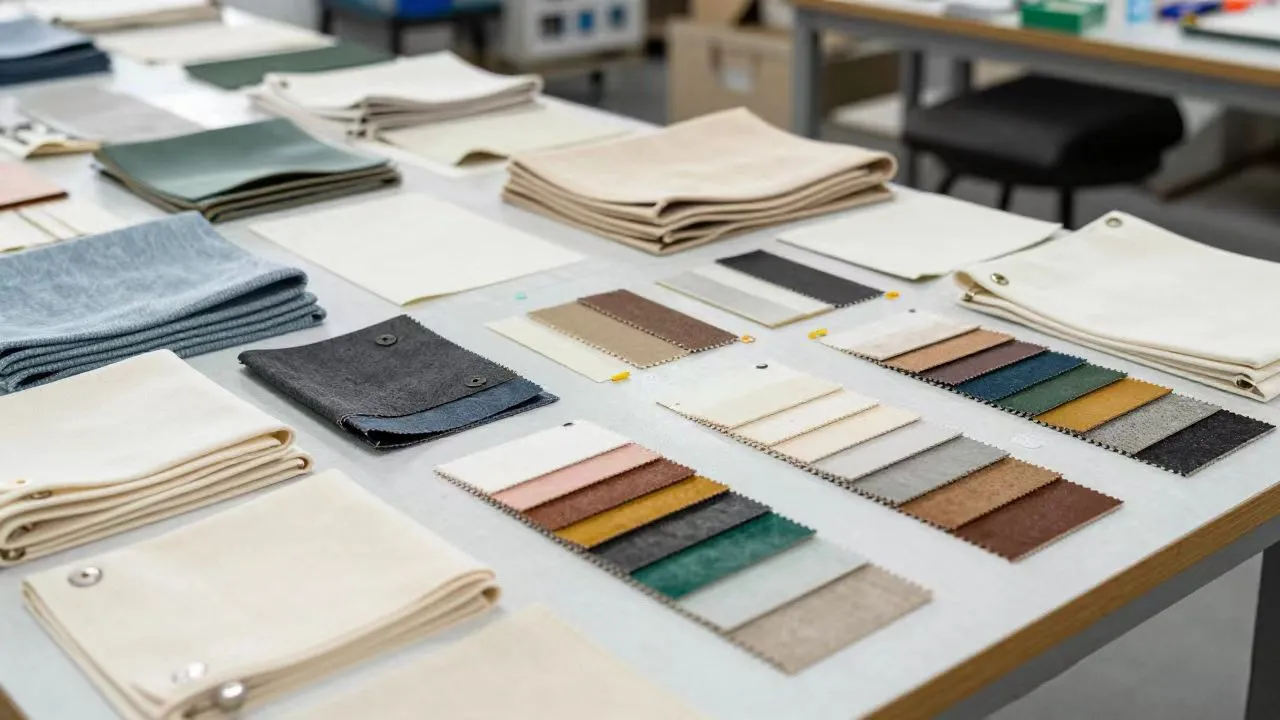
Choosing the right material affects durability, print quality, cost, and brand perception. Guangzhou factories offer the widest material selection in Asia.
| Material Type | Best Guangzhou Factories | Price Range (2026) | Ideal Use Cases | Key Advantage |
|---|---|---|---|---|
| Heavy Cotton Canvas (10-16oz) | Dreamway, Creative Bags Ltd | $2.50 – $5.00/unit | Premium retail, luxury branding, corporate gifts | Exceptional durability, superior print surface |
| Organic Cotton (GOTS certified) | Green Earth, Natural Fibers Co | $3.00 – $6.50/unit | Eco-fashion brands, farmers markets, sustainable retail | Environmental credentials, soft hand feel |
| Jute & Burlap (natural fibers) | Eco-Bags Pro, Sustainable Solutions | $1.80 – $4.00/unit | Organic stores, beach retailers, rustic branding | Biodegradable, unique texture, earthy aesthetic |
| Recycled PET (RPET fabric) | Ocean Pacific, ReNew Materials | $2.00 – $4.50/unit | Corporate sustainability programs, event giveaways | Made from plastic bottles, water-resistant |
| Non-Woven PP (with recycled content) | Plastic & More, Budget Bags Inc | $0.40 – $1.50/unit | Trade shows, political campaigns, low-cost promotions | Extremely cost-effective, lightweight |
Material Selection Tips for 2026:
- For retail brands: Choose 12oz+ canvas for structure and longevity. The canvas tote bag factory Guangzhou specialists can advise on weight.
- For eco-brands: Request GOTS or OEKO-TEX certificates. True organic cotton tote bag manufacturing requires traceable supply chains.
- For budget projects: Consider RPET blends—30-50% recycled content significantly reduces environmental impact at 10-20% cost premium.
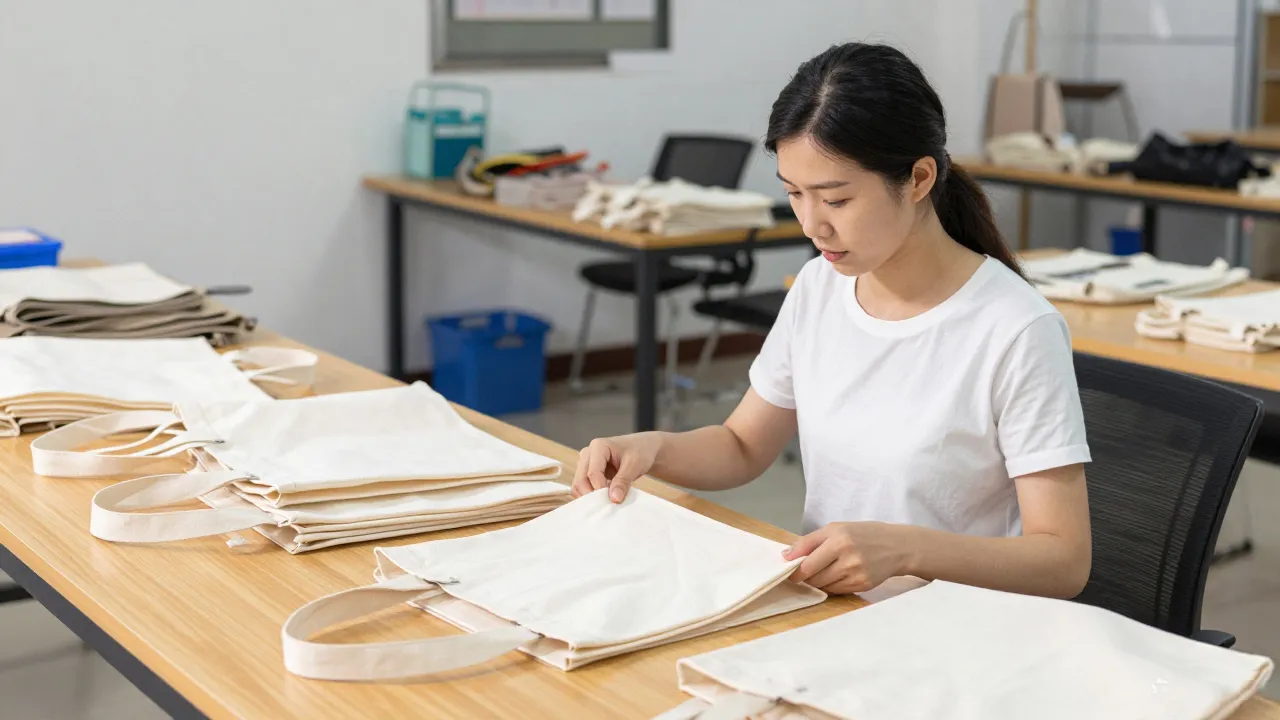
- Always test: Request material swatches and test prints before ordering. The tote bag factory quality control should include fabric shrinkage and colorfastness tests.
🎨 4. Customization Capabilities: Printing, Embroidery & More
Guangzhou’s technological edge shines in customization. From traditional techniques to digital innovations, factories offer solutions for every brand need.

Printing Method Comparison (2026 Update):
🖨️ Digital Printing (Direct-to-Garment)
Best for: Complex artwork, photographic images, small batches (50-500 units)
Cost: $2.00 – $5.00 setup + $0.50 – $2.00/unit
Guangzhou Advantage: Local factories have invested in Kornit and Epson direct-to-fabric printers, achieving 98% color accuracy.
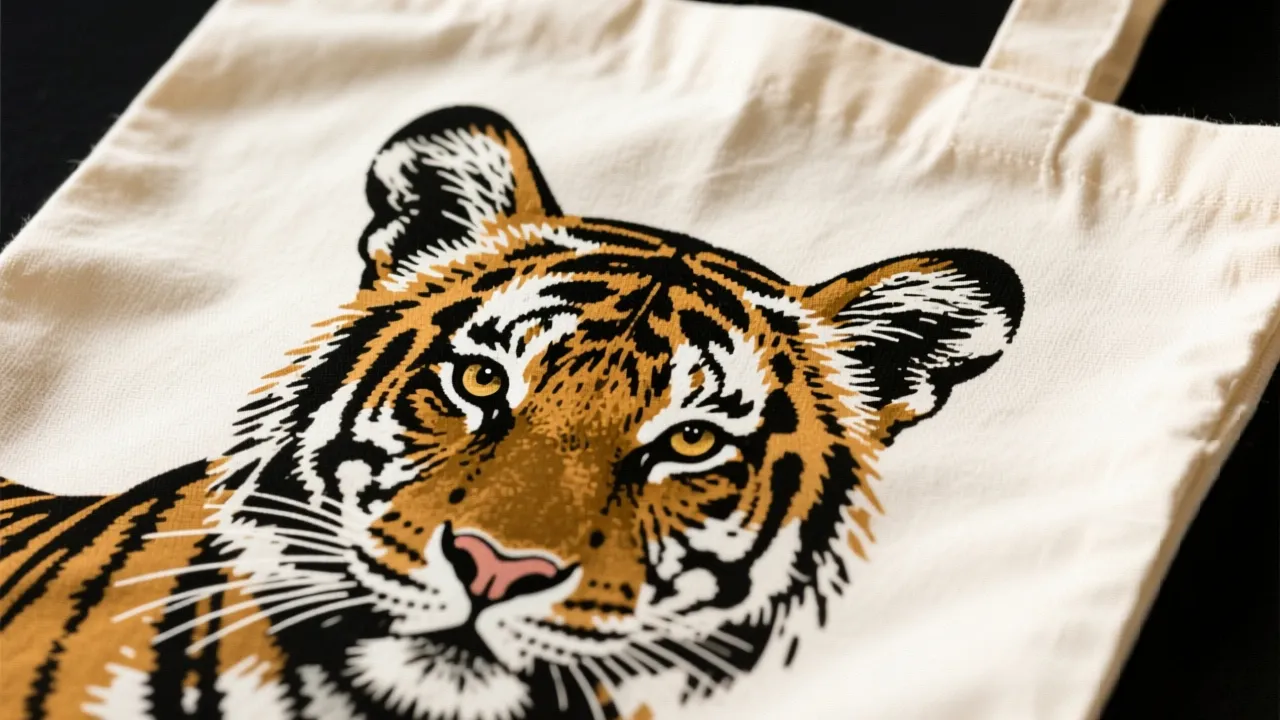
👕 Screen Printing (Silk Screening)
Best for: Bold logos, simple designs, large quantities (500+ units)
Cost: $15 – $50/screen + $0.30 – $1.20/unit
Guangzhou Advantage: Automated 8-color carousel systems reduce labor costs by 40% versus manual printing.
Premium Customization Options:
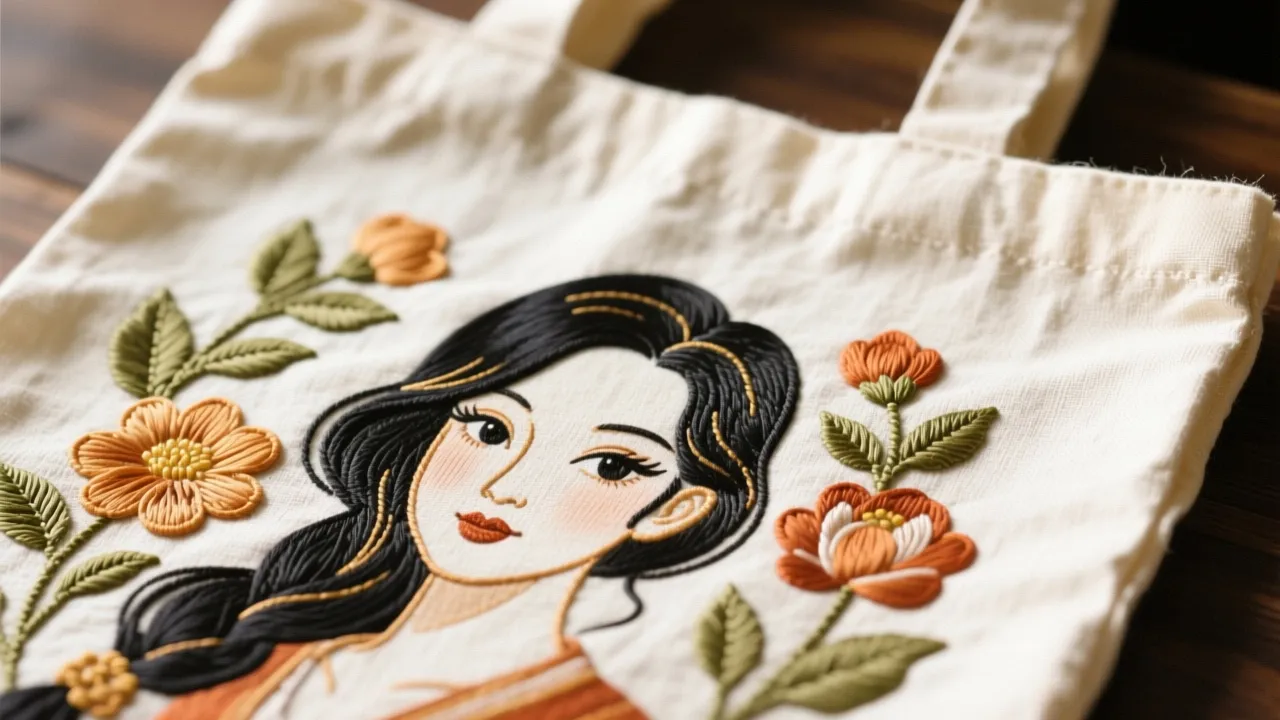
- Embroidery: 3D puff embroidery for logos ($0.80 – $2.50/unit).
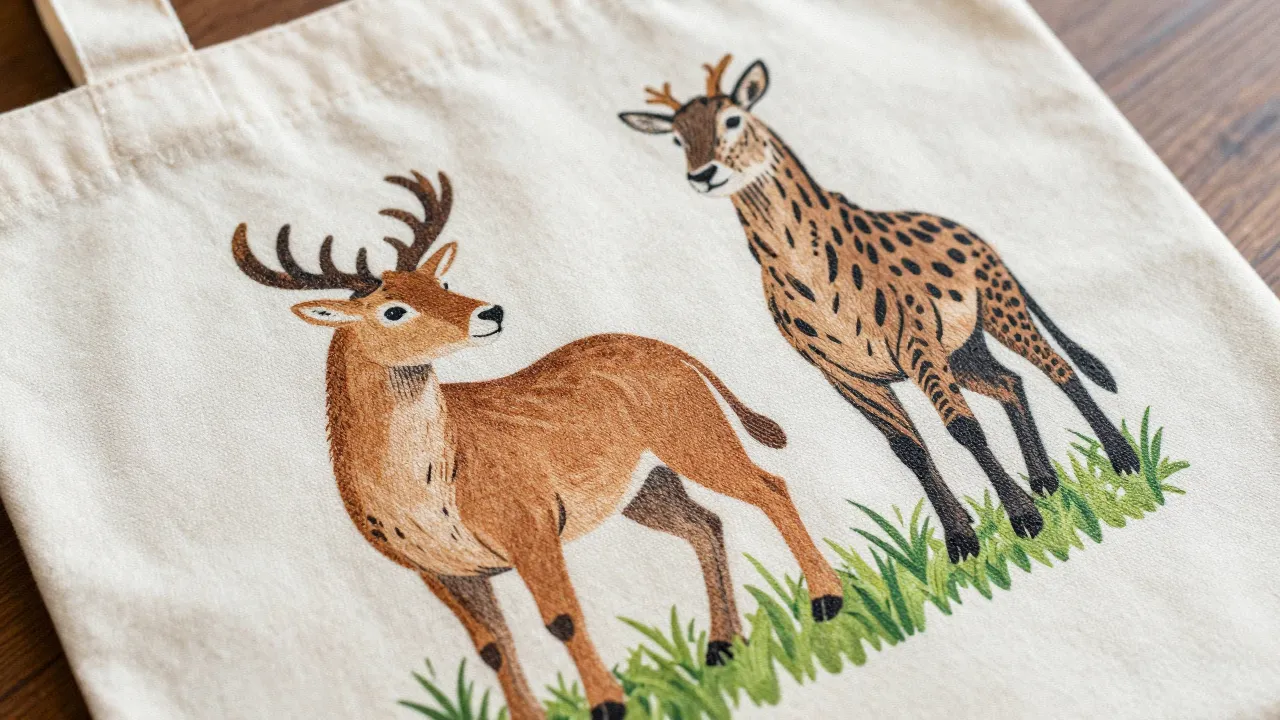
- Heat Transfer: Full-color transfers for synthetic fabrics ($0.50 – $1.50/unit).
- Foil Stamping: Gold/silver metallic effects for luxury branding ($0.75 – $2.00/unit).
- Laser Cutting: Intricate patterns and perforations ($1.00 – $3.00/unit).
Structural Customization:
Beyond decoration, consider functional elements that enhance user experience:
- Zipper Closures: YKK waterproof zippers for security.
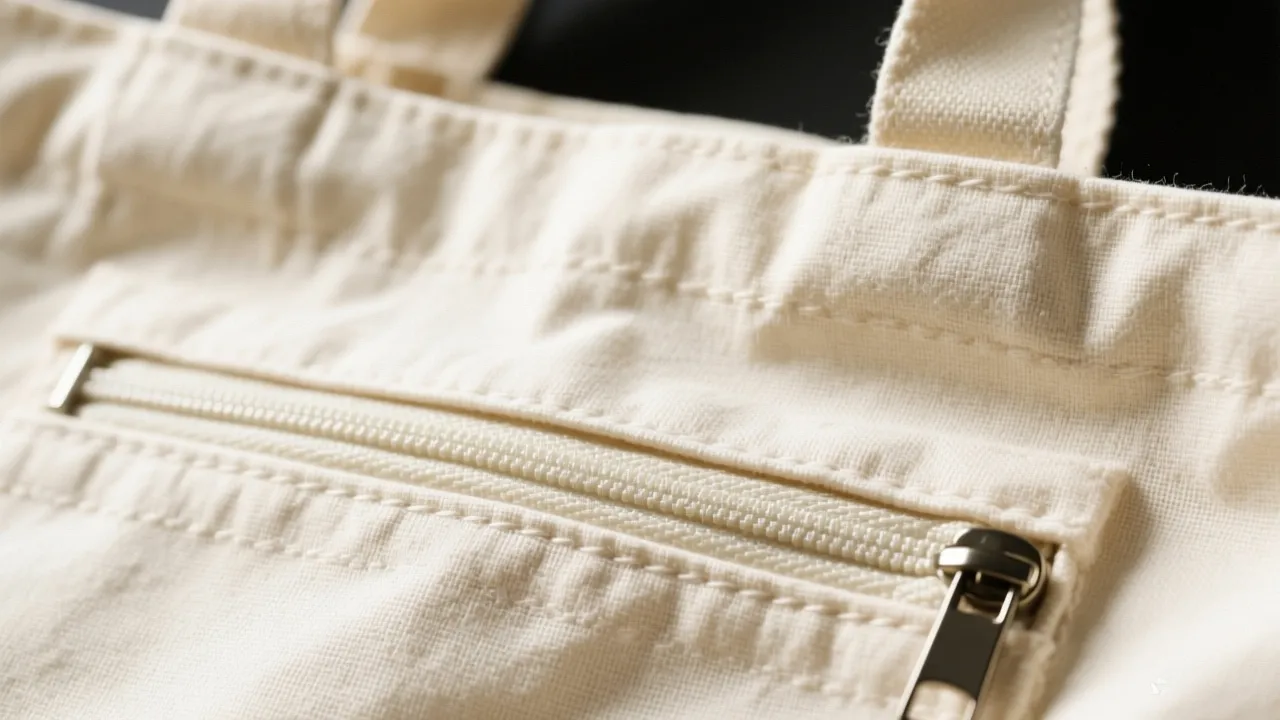
- Internal Organization: Phone pockets, laptop sleeves, key clips.
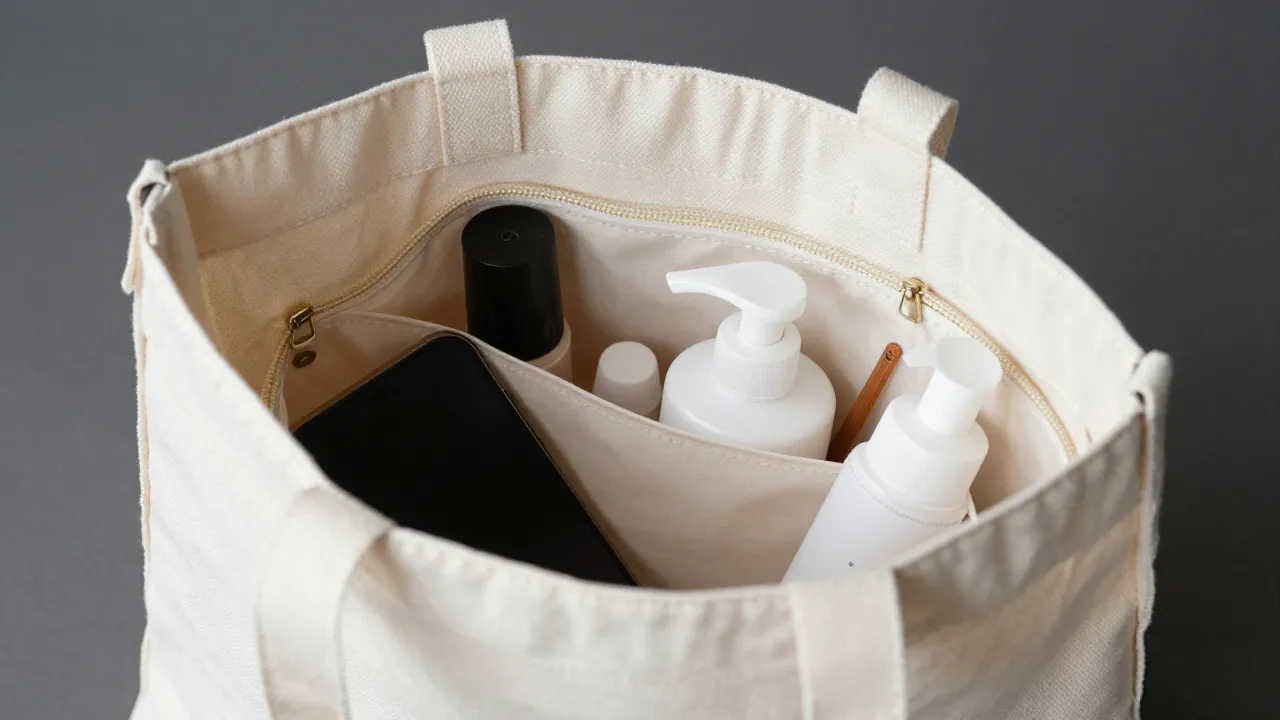
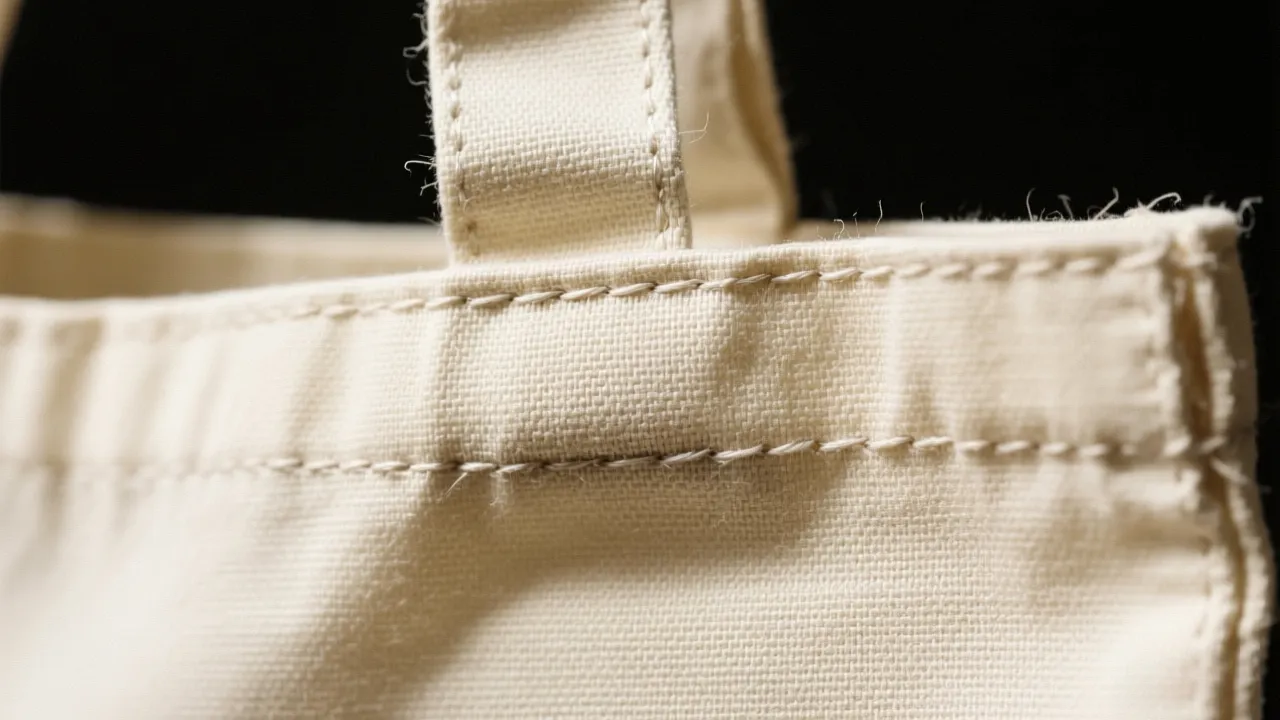
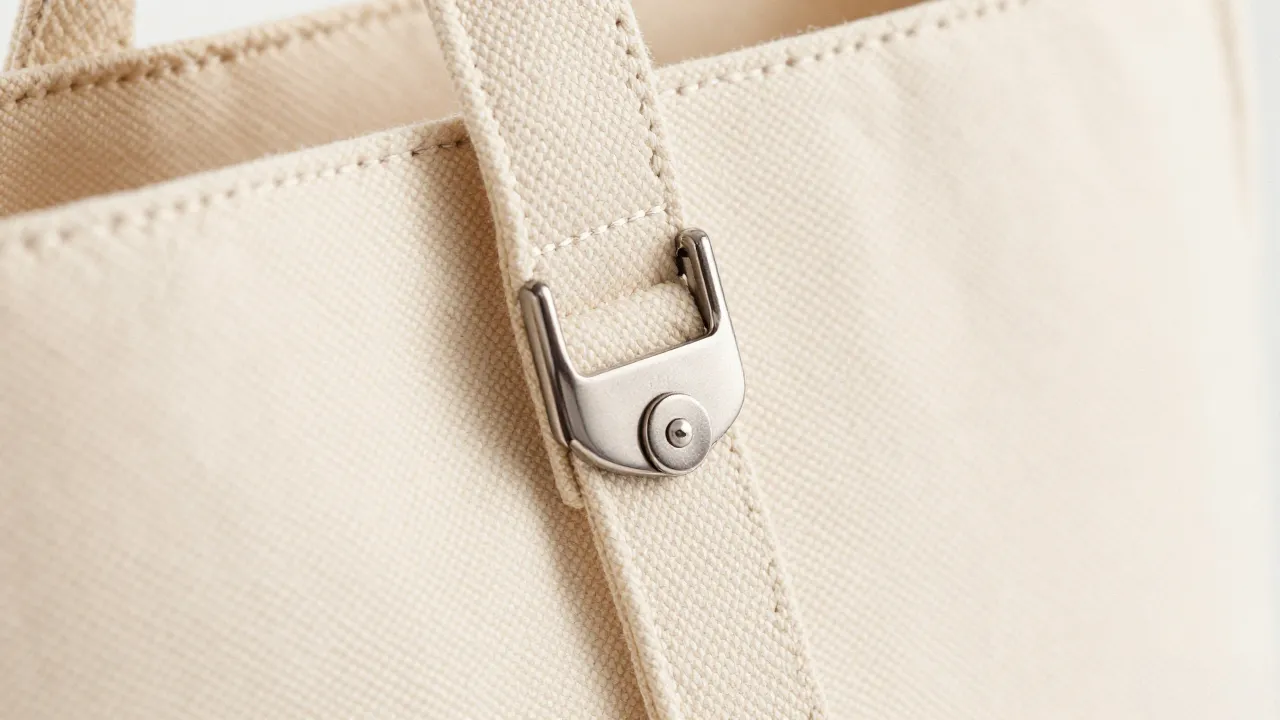
- Reinforcements: Double-stitched stress points, reinforced bottom panels.
- Hardware Options: Metal D-rings, adjustable straps, magnetic snaps.
💰 5. Pricing Structure & Cost Optimization Strategies
Understanding Guangzhou’s pricing models is essential for budget planning. Prices have increased 8-12% since 2024 due to material costs, but remain competitive globally.
2026 Average Pricing (FOB Guangzhou):
| Bag Type | Material | 500 units | 1,000 units | 5,000 units | Key Cost Drivers |
|---|---|---|---|---|---|
| Basic Canvas Tote | 10oz cotton canvas | $3.80/unit | $3.20/unit | $2.70/unit | Fabric weight, handle type |
| Premium Canvas Tote | 16oz organic canvas | $6.50/unit | $5.80/unit | $4.90/unit | Certifications, reinforcement |
| Eco Jute Tote | Natural jute + lining | $4.20/unit | $3.70/unit | $3.10/unit | Lining material, handles |
| Recycled PET Tote | 300D RPET fabric | $4.00/unit | $3.50/unit | $2.90/unit | Recycled content %, printing |
Hidden Costs to Budget For:
- Sample Costs: $50 – $150 per design (often credited against first order)
- Mold/Tooling Fees: $200 – $800 for custom hardware or unique shapes
- Color Matching: $30 – $100 per Pantone color for exact brand colors
- Testing & Certification: $300 – $1,000 for third-party lab tests (REACH, CPSIA, etc.)
- Shipping Preparation: $0.20 – $0.50/unit for polybag + carton packaging
Cost-Saving Strategies for 2026:
- Consolidate Orders: Combine multiple designs into single production runs to reduce setup fees.
- Standardize Sizes: Use factory’s existing mold sizes rather than custom dimensions.
- Plan Ahead: 60-90 day lead times qualify for 5-10% “non-rush” discounts.
- Simplify Designs: Reduce print colors from 6 to 3 for 30% printing cost reduction.
- Direct Shipping: Arrange your own freight forwarding for 15-25% shipping savings.
⚡ 6. Production Timelines & Efficiency Metrics
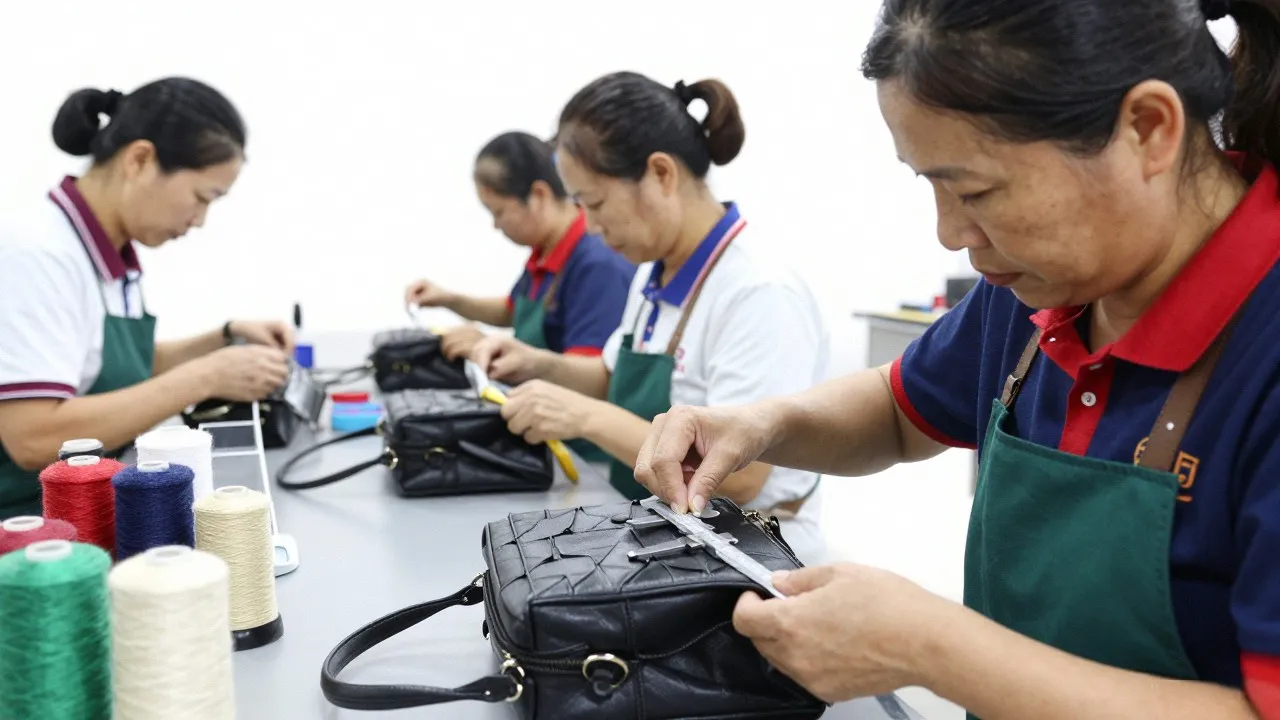
Guangzhou factories have optimized production flows, but realistic timelines prevent supply chain disruptions.
Standard Production Timeline (2026):
Total Time (Order to Port): 18-38 days for standard orders. Express production (15-20 days) available at 20-30% premium.
Factory Efficiency Metrics (Industry Benchmarks):
- On-Time Delivery Rate: Top factories achieve 96-98% (vs industry average 85%)
- Defect Rate: 0.5-1.5% for premium factories (AQL 2.5 standard)
- Capacity Utilization: 80-90% during peak seasons (March-October)
- Lead Time Accuracy: ±2 days variance for 85% of orders
- Order Change Flexibility: 48-72 hour window for minor adjustments
🌱 7. Sustainability & Eco-Friendly Manufacturing
Sustainability is no longer optional. Guangzhou’s leading factories have invested heavily in green manufacturing to meet global demand.
Eco-Friendly Material Innovations (2026):
- Bio-Based PU Leather: Made from corn oil, biodegradable in 5 years vs 500+ for traditional PU.
- Ocean Plastic Fabric: Yarns from recycled fishing nets (20% more expensive than virgin polyester).
- Plant-Dyed Cotton: Natural indigo, turmeric, and beetroot dyes eliminating chemical runoff.
- Mycelium Packaging: Mushroom-based biodegradable alternatives to polybags.
- Waterless Dyeing: CO₂-based dyeing systems reducing water usage by 95%.
Green Factory Certifications to Look For:
Sourcing Questions for 2026:
- What percentage of your energy comes from renewable sources? (Leaders: 40%+)
- Do you have a water recycling system? (Advanced: 80% water reuse)
- What happens to your fabric scraps? (Best: Upcycled into smaller products)
- Can you provide blockchain tracing for organic cotton? (Premium service)
- What’s your factory’s carbon reduction target? (Paris Agreement aligned: 50% by 2030)
📱 8. Technology Integration & Innovation Trends
Guangzhou’s smart factories are leveraging Industry 4.0 technologies to enhance quality, traceability, and customization.
Smart Manufacturing Implementations:
- AI-Powered Quality Control: Camera systems detect stitching defects with 99.5% accuracy.
- 3D Virtual Sampling: Reduce physical samples by 70% with VR/AR design reviews.
- Blockchain Traceability: QR codes revealing material origins, factory conditions, carbon footprint.
- Predictive Maintenance: IoT sensors on sewing machines reducing downtime by 40%.
- Digital Twin Production: Virtual factory simulations optimizing workflow before physical changes.
Product Innovation Trends:
🛡️ Antimicrobial Treatments
Silver-ion fabric treatments for healthcare and travel bags (adds $0.80-$1.50/unit).
🔋 Integrated Power Banks
USB charging pockets with removable battery packs (adds $3-$7/unit).
📱 Smart Fabrics
E-ink displays for changeable graphics, heating elements for winter markets.
♻️ Modular Design
Interchangeable straps, panels, and pockets extending product lifecycle 3-5x.
📋 9. Quality Assurance & Essential Certifications
Quality separates premium Guangzhou factories from competitors. Rigorous systems ensure consistency across thousands of units.
Four-Stage Quality Control Process:
- Incoming Material Inspection: Fabric weight, colorfastness, shrinkage tests before cutting.
- In-Process Inspection: Every 50 units checked for stitching, alignment, print quality.
- Pre-Shipment Inspection: AQL 2.5 sampling (315 units from 2,001-10,000 lot).
- Final Random Inspection: 2% of packed cartons opened for verification.

Essential 2026 Certifications:
| Certification | Focus Area | Key Factories | Why It Matters |
|---|---|---|---|
| ISO 9001:2015 | Quality Management Systems | Dreamway, Ocean Pacific | Systematic approach to consistency and continuous improvement |
| BSCI Audit | Social Compliance | Top 30% of factories | Ensures ethical labor practices, attracts EU buyers |
| OEKO-TEX Standard 100 | Chemical Safety | Green Earth, premium factories | Verifies fabrics free from harmful substances |
| WRAP Certification | Workplace Standards | 15% of Guangzhou factories | Gold standard for social compliance, required by major US brands |
| ISO 14001 | Environmental Management | Eco-focused factories | Demonstrates commitment to reducing environmental impact |
Testing Protocols for Export Markets:
- US Market: CPSIA, CA Prop 65, FDA food contact (if applicable)
- EU Market: REACH, CE marking, GSG compliance for handles
- Australia: AS/NZS 8124 for child safety (if with drawstrings)
- General: Tensile strength (min 200N), colorfastness (4-5 rating), seam slippage tests
🌐 10. Communication & Collaboration Best Practices
Effective communication bridges cultural and geographical gaps. Guangzhou factories have significantly improved their international collaboration capabilities.
2026 Communication Standards:
- Response Time: 2-4 business hours for inquiries, 24 hours for quotes (top factories).
- Language Support: English-speaking project managers, some with Spanish/French/German.
- Platform Integration: WhatsApp Business, WeChat, email, and dedicated client portals.
- Virtual Factory Tours: 360° VR tours available for due diligence without travel.
- Transparency Tools: Live production tracking, daily photo updates, video calls on demand.
Cultural Considerations:
✅ Do:
- Be specific with measurements (metric system preferred)
- Provide Pantone colors and physical samples for matching
- Respect time zones (GMT+8) for meeting scheduling
- Build personal relationships with key contacts
- Confirm important details in writing after calls
❌ Avoid:
- Last-minute changes after production begins
- Vague instructions like “make it high quality”
- Assuming understanding without confirmation
- Direct confrontation; use “suggestions” for corrections
- Discussing price before establishing specifications
Essential Documentation Checklist:
- Technical Package (Tech Pack) with detailed drawings
- Approved pre-production sample (signed/sealed)
- Purchase Order with all specifications
- Quality Inspection Agreement (AQL level, defect classification)
- Shipping Instructions (incoterms, packaging requirements)
🚀 11. Future Outlook & 2026 Market Trends
The Guangzhou tote bag industry is evolving rapidly. These trends will shape your sourcing decisions through 2026 and beyond.
Key 2026-2027 Trends:
📈 Hyper-Personalization
AI-driven design tools allowing consumers to customize every element. Factories adapting with flexible production lines.
🌍 Regionalization
Nearshoring to Southeast Asia for some production, but Guangzhou remains design/R&D hub. Vietnam complements, doesn’t replace.
🔬 Advanced Materials
Self-cleaning nanocoatings, temperature-regulating fabrics, truly biodegradable synthetics entering mainstream.
📊 Data-Driven Production
Real-time demand forecasting adjusting production volumes weekly, reducing overstock by 30%.
Guangzhou’s Strategic Advantages Through 2030:
- Infrastructure Investment: $2B+ in smart factory upgrades across Pearl River Delta.
- Skill Development: Technical colleges producing 5,000+ textile engineers annually.
- Policy Support: Government incentives for automation and sustainable manufacturing.
- Cluster Effect: Complete ecosystem from raw materials to e-commerce fulfillment centers.
- Digital Transformation: 5G-enabled factories achieving 99% uptime and real-time global coordination.
✅ 12. Conclusion: Choosing Your Ideal Factory Partner
Selecting the right Guangzhou tote bag factory is a strategic decision impacting your brand reputation, costs, and growth potential.
Your 5-Step Selection Framework:
- Define Requirements: Material, quantity, budget, timeline, sustainability standards.
- Shortlist 3-5 Factories: Match capabilities to your needs, not just lowest price.
- Conduct Due Diligence: Verify certifications, visit virtually, check references.
- Test with Samples: Evaluate quality, communication, and problem-solving.
- Start Small: Initial order of 25-30% of your annual volume to build relationship.
🎯 Key Takeaway for 2026:
The most successful partnerships balance cost efficiency with strategic alignment. Your factory should understand your brand values, target market, and growth ambitions—becoming an extension of your team rather than just a supplier.
Ready to Start Your Sourcing Journey?
Guangzhou offers unparalleled opportunities for brands of all sizes. Whether you need 500 premium organic cotton totes or 50,000 promotional bags, the right manufacturing partner exists.
📞 Need Personalized Guidance?
Our team has direct relationships with vetted Guangzhou factories. We match brands with manufacturers based on specific needs.
Get Free Factory Recommendations📚 Continue Your Research
Dive deeper into specific aspects of tote bag manufacturing with our comprehensive guides.
How to Choose a Tote Bag Factory: Complete GuideDREAMWAY
Custom Bag & Silk Manufacturer · Shiling, Guangzhou
Company
Products
Guides & Insights
Ready to Bring Your Bag Idea to Life? Let’s Talk Today.
From your first sketch to bulk delivery, our team replies within 12 hours with expert advice and a free quote. No pressure — just honest manufacturing guidance.

Prefer a call? +86-020-87682749 · Mon–Sat, 9:00–18:00 (GMT+8)
Customer Reviews110 Reviews